پختہ عزم اور ترغیبات سے اصلاحات

Published By : Admin | June 22, 2021 | 14:46 IST

کووڈ-19 وبائی مرض پالیسی بنانے کے معاملے میں پوری دنیا کی حکومتوں کے لیے نئے چیلنجز لیکر آیا ہے۔ بھارت بھی اس سے مستثنیٰ نہیں ہے۔ پائیداری کو یقینی بناتے ہوئے، عوامی فلاح و بہبود کے لیے مناسب وسائل کا انتظام کرنا سب سے بڑا چیلنج ہے۔

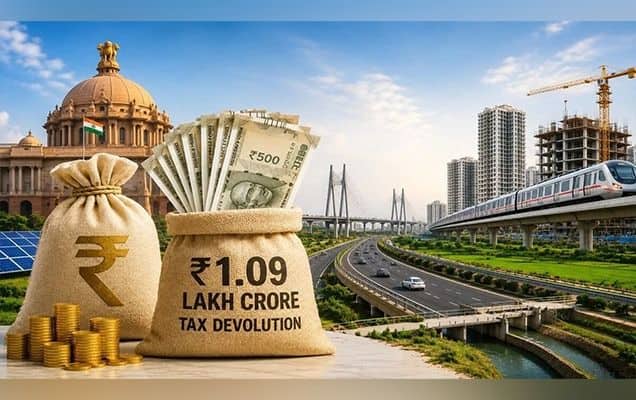
پوری دنیا میں مالی بحران کے اس تناظر میں، کیا آپ کو معلوم ہے کہ ہندوستانی ریاستیں 21-2020 میں زیادہ قرض لینے میں کامیاب رہیں؟ شاید یہ جان کر آپ کو خوشگوار حیرت ہوگی کہ ریاستیں 21-2020 میں اضافی 1.06 لاکھ کروڑ روپے اکٹھا کرنے میں کامیاب رہیں۔ وسائل کی دستیابی میں یہ قابل قدر اضافہ مرکز اور ریاست کے درمیان ’بھاگیداری‘ کی وجہ سے ممکن ہو پایا۔

ہم نے جب کووڈ-19 وبائی مرض کے جواب میں اپنی اقتصادی پالیسی بنائی، تو ہم اس بات کو یقینی بنانا چاہتے تھے کہ ہمارا یہ حل ’ایک ہی سائز سب کے لیے فٹ آتا ہے‘ والے ماڈل کی پیروی نہ کرے۔ بر اعظم کے طول و عرض کے حامل ایک وفاقی ملک کے لیے، ریاستی حکومتوں کے ذریعے اصلاحات کے فروغ کے لیے قومی سطح پر ایسی کوئی پالیسی تیار کرنا واقعی میں چیلنج بھرا ہے۔ لیکن، ہمیں اپنی وفاقی جمہوریہ کی مضبوطی پر اعتماد تھا اور ہم مرکز اور ریاست کے درمیان بھاگیداری کے جذبہ سے اس راستے پر آگے بڑھے۔

مئی 2020 میں، آتم نربھر بھارت پیکیج کے حصہ کے طور پر، حکومت ہند نے اعلان کیا کہ ریاستی حکومتوں کو 21-2020 کے لیے اضافی قرض لینے کی اجازت دی جائے گی۔ جی ایس ڈی پی سے 2 فیصد زیادہ کی اجازت دی گئی، جس میں سے ایک فیصد کو مخصوص اقتصادی اصلاحات کے نفاذ سے مشروط کر دیا گیا تھا۔ ہندوستانی عوامی معیشت میں اصلاح کی یہ پہل نایاب ہے۔ اس کے تحت ریاستوں کو اس بات کے لیے آمادہ کیا گیا کہ وہ اضافی رقم حاصل کرنے کے لیے ترقی پسند پالیسیاں اختیار کریں۔ اس مشق کے نتائج نہ صرف حوصلہ افزا ہیں، بلکہ اس خیال آرائی کے برعکس بھی ہیں کہ ٹھوس اقتصادی پالیسیوں پر عمل کرنے والے محدود ہیں۔

چار اصلاحات جن سے اضافی قرض لینے کو جوڑا گیا (جس میں سے ہر ایک کے ساتھ جی ڈی پی کا 0.25 فیصد جوڑا گیا تھا) اس کی دو خصوصیات تھیں۔ پہلی، اصلاحات میں سے ہر ایک کو عوام، خاص طور سے غریبوں، کمزوروں، اور متوسط طبقہ کی زندگی کو بہتر بنانے سے جوڑا گیا تھا۔ دوسری، انہوں نے مالی استحکام کو بھی فروغ دیا۔

’ایک ملک ایک راشن کارڈ‘ کی پالیسی کے تحت پہلی اصلاح میں ریاستی حکومتوں کو یہ یقینی بنانا تھا کہ قومی غذائی تحفظ قانون (این ایف ایس اے) کے ےتحت ریاست کے تمام راشن کارڈوں کو فیملی کے تمام ممبران کے آدھار نمبر سے جوڑا جائے اور مناسب قیمت والی تمام دکانوں پر الیکٹرانک پوائنٹ آف سیل ڈیوائسز ہوں۔ اس کا بنیادی فائدہ یہ ہے کہ مہاجر کارکن اپنا غذائی راشن ملک میں کہیں سے بھی حاصل کر سکتے ہیں۔ شہریوں کو ملنے والے ان فوائد کے علاوہ، فرضی کارڈ اور ڈوپلیکیٹ ممبران کے ختم ہونے سے بھی مالی فائدہ ہوا۔ 17 ریاستوں نے اس اصلاح کو مکمل کر لیا اور انہیں 37600 کروڑ روپے کا اضافی قرض فراہم کیا گیا۔

دوسری اصلاح، جس کا مقصد کاروبار میں آسانی کو بہتر کرنا تھا، کے تحت ریاستوں کو یہ یقینی بنانا تھا کہ 7 قوانین کے تحت کاروبار سے متعلق لائسنس کی تجدید خود کار، آن لائن اور معمولی فیس کی ادائیگی  پر کی جائے۔ دوسری شرط تھی کمپیوٹر کے ذریعے اچانک جانچ کا نظام نافذ کیا جائے  اور جانچ سے قبل نوٹس  دیا جائے تاکہ مزید 12 قوانین کے تحت ہراسانی اور بدعنوانی کو کم کیا جا سکے۔ اس اصلاح سے (19 قوانین کا احاطہ کرتے ہوئے) انتہائی چھوٹی اور چھوٹی انٹرپرائزز کو خاص طور سے مدد ملی، جنہیں ’انسپکٹر راج‘ کا سب سے زیادہ بوجھ برداشت کرنا پڑتا ہے۔ یہ بہتر سرمایہ کاری کے ماحول، بڑے پیمانے پر سرمایہ کاری اور تیزی سے ترقی کو فروغ دیتا ہے۔ 20 ریاستوں نے اس اصلاح کو مکمل کیا اور انہیں 39521 کروڑ روپے کے اضافی قرض کی اجازت دی گئی۔

پندرہویں مالیاتی کمیشن اور متعدد ماہرین تعلیم نے ٹھوس پراپرٹی ٹیکس کی اہمیت پر زور دیا ہے۔ تیسری اصلاح کے تحت ریاستوں کو شہری علاقوں میں بالترتیب جائیداد کے لین دین اور موجودہ اخراجات کے لیے اسٹامپ ڈیوٹی گائیڈ لائن کی قدروں کے مطابق، پراپرٹی ٹیکس اور پانی اور سیوریج چارجز کی بنیادی شرحوں کے بارے میں نوٹیفائی کرنا تھا۔ یہ شہری غریبوں اور متوسط طبقہ کو بہترین معیار کی خدمات مہیا کرائے گا اور بہتر بنیادی ڈھانچہ کی معاونت کے ساتھ ہی ترقی کو آگے بڑھائے گا۔ پراپرٹی ٹیکس بھی اس معاملے میں ترقی پسند ہے اور اس سے شہری علاقوں کے غریبوں کو سب سے زیادہ فائدہ ہوگا۔ یہ اصلاح میونسپل اسٹاف کے لیے بھی فائدہ مند ہے جنہیں اکثر ان کی اجرت دیر سے ملتی ہے۔ 11 ریاستوں نے ان اصلاحات کو مکمل کیا اور انہیں 15957 کروڑ روپے کے اضافی قرض کو منظوری دی گئی۔

چوتھی اصلاح کاشتکاروں کو بجلی کی مفت سپلائی کے سلسلے میں ڈائریکٹ بینیفٹ ٹرانسفر (ڈی بی ٹی) کو متعارف کرانا تھی۔ اس کے لیے یہ شرط تھی کہ ریاست گیر اسکیم تیار کی جائے اور سال کے آخر تک پائلٹ بنیاد پر کسی ایک ضلع میں اسے حقیقی طور پر نافذ کیا جائے۔ اس کے ساتھ جی ایس ڈی پی کے 0.15 فیصد کے اضافی قرض کو جوڑا گیا تھا۔ تکنیکی اور کاروباری نقصانات میں کمی کے لیے ایک جزو بھی فراہم کیا گیا تھا اور دوسرا محصول اور اخراجات (ہر ایک کے لیے جی ایس ڈی پی کا 0.05 فیصد) کے درمیان کے فرق کو کم کرنے کے لیے تھا۔اس سے تقسیم کار کمپنیوں کے مالی معاملات میں بہتری آتی ہے، پانی اور بجلی کی بچت کو فروغ حاصل ہوتا ہے اور بہتر مالیاتی اور تکنیکی کارکردگی کے ذریعے سروس کے معیار میں بہتری آتی ہے۔ 13 ریاستوں نے کم از کم ایک جزو کو نافذ کیا، جب کہ 6 ریاستوں نے ڈی بی ٹی جزو کو نافذ کیا۔ اس کے نتیجہ میں، 13201 کروڑ روپے کے اضافی قرض کی اجازت دی گئی۔

مجموعی طور پر، 23 ریاستوں نے امکانی 2.14 لاکھ کروڑ روپے میں سے 1.06 لاکھ کروڑ روپے کے اضافی قرض لیے۔ اس کے نتیجہ میں ریاستوں کو 21-2021 کے لیے (مشروط اور غیر مشروط) ابتدائی تخمینی جی ایس ڈی پی کے 4.5 فیصد کے مجموعی قرض کی اجازت دی گئی۔

ہمارے جیسے پیچیدہ چیلنجز والے ایک بڑے ملک کے لیے، یہ ایک انوکھا تجربہ تھا۔ ہم نے اکثر دیکھا ہے کہ متعدد اسباب کی بناپر، اسکیمیں اور اصلاحات سالوں تک غیر فعال رہتی ہیں۔ یہ ماضی کی خوشگوار روانگی تھی، جہاں مرکز اور ریاستیں وبائی مرض کے دوران بہت ہی مختصر وقت میں عوام دوست ان اصلاحات کو نافذ کرنے کے لیے ایک ساتھ آئیں۔ یہ سب کا ساتھ، سب کا وکاس اور سب کا وشواس والے ہمارے نقطہ نظر کی وجہ سے ممکن ہو پایا۔ان اصلاحات پر کام کرنے والے افسران کی رائے ہے کہ اضافی رقم کی اس ترغیب کے بغیر، ان پالیسیوں کو نافذ کرنے میں برسوں لگ جاتے۔  بھارت نے ’چوری چھپے اور زبردستی اصلاحات‘ کا ماڈل دیکھا ہے۔ یہ ’پختہ عزم اور ترغیبات سے اصلاحات‘ کا نیا ماڈل ہے۔ میں ان تمام ریاستوں کا شکر گزار ہوں جنہوں نے اپنے شہریوں کی بہتری کے لیے اس مشکل وقت میں ان پالیسیوں کو سب سے آگے بڑھ کر شروع کیا۔ ہم 130 کروڑ ہندوستانیوں کی تیزی سے ترقی کے لیے ساتھ مل کر کام کرنا جاری رکھیں گے۔

Explore More
شری رام جنم بھومی مندر دھوجاروہن اتسو کے دوران وزیر اعظم کی تقریر کا متن

Popular Speeches

شری رام جنم بھومی مندر دھوجاروہن اتسو کے دوران وزیر اعظم کی تقریر کا متن
India’s digital economy enters mature phase as video dominates: Nielsen

Media Coverage

India’s digital economy enters mature phase as video dominates: Nielsen
NM on the go

Nm on the go

Always be the first to hear from the PM. Get the App Now!
...
مہاتما جیوتی راؤ پھولے: ایک روشنی جو اب بھی ہندوستان کو راستہ دکھاتی ہے۔
April 11, 2026

Today, 11th April, is a deeply special day for all of us. It is the birth anniversary of Mahatma Jyotirao Phule, one of India’s greatest social reformers and a guiding light for generations. This year, the occasion carries even greater significance, as it marks the beginning of his 200th birth anniversary celebrations.

Mahatma Phule was a great reformer. In addition to that, his was a life of moral courage, restless enquiry and unshakable commitment to social good. Mahatma Phule is remembered for the institutions he built and the movements he led. At the same time, his contribution to our civilisational journey lies in the hope he aroused, the confidence he instilled and the strength his thoughts continue to give to millions of people across the nation.

Born in the great state of Maharashtra in 1827, Mahatma Phule emerged from modest beginnings. But his initial hardships never stood in the way of his learning, his courage or his commitment to society. This is a trait that remained with him forever: whatever the challenges may be, one must work hard, acquire knowledge and mitigate those challenges instead of doing nothing about it. From his school days, young Jyotirao was deeply curious and became a voracious reader, often reading books far beyond what children his age were expected to engage with. Years later, he said, “The more questions we generate, the more knowledge emerges from them.” Clearly, the spirit of enquiry he was blessed with since his childhood remained constant in his journey.

Throughout his life, learning and education became central to Mahatma Phule’s mission. He recognised with rare clarity that knowledge is not a privilege to be guarded, but a force to be shared. At a time when the joys of learning were denied to many, he opened pioneering schools for girls and for those kept out of formal education. He used to say, “Any improvement that comes in children through mothers is deeply valuable. Therefore, if schools are to be opened, they should first be opened for girls.” He worked to create a new social imagination in which the classroom became an instrument of justice and equality..

His vision for education inspires us greatly. Over the last decade, we have worked to make research and innovation a cornerstone for the youth of India. Efforts are being made to create an ecosystem where young minds are encouraged to question, explore and innovate. By investing in knowledge, skills and opportunity, India is empowering its youth to become problem-solvers and drivers of national progress.

Due to his knowledge and wisdom, Mahatma Phule developed a strong understanding of areas such as agriculture, healthcare and rural development. He often said that injustice towards our farmers and workers weakens our society. He saw how social inequalities manifested themselves in daily life, be it in the farms or in villages. Hence, he immersed himself in ensuring dignity for the poor, the downtrodden and the marginalised. At the same time, he made every possible effort to ensure social harmony was maintained.

Mahatma Phule opined, “जोपर्यंत समाजातील सर्वांना समान अधिकार मिळत नाहीत, तोपर्यंत खरे स्वातंत्र्य मिळत नाही” (True freedom cannot be achieved until everyone in society is granted equal rights). And for that, he built institutions that translated this vision into action, contributing to a just society. The Satyashodhak Samaj, founded by him, was one of the most important social reform movements in modern India. It was at the forefront of social reform, community service and furthering human dignity. It became an effective voice for women, youngsters and those living in villages. This movement reflected Mahatma Phule’s intrinsic belief that society could be strengthened by placing at its core justice, respect for every person and a spirit of collective progress.

His personal life, too, carried lessons in courage. Always working and being among the people took a toll on his health. But even the most serious health challenges did not dim his resolve. After suffering a debilitating stroke, he continued to work and fulfil his vision. Yes, his body had been tested, but his commitment to society had not yielded. For millions today, especially those who draw courage from struggle, this remains one of the most powerful dimensions of his life.

No remembrance of Mahatma Phule can be complete without a respectful mention of Savitribai Phule, who was herself one of the tallest reformers of our nation. As one of India’s pioneering women teachers, she played a defining role in advancing education for girls, thus giving them the opportunity to pursue their dreams. After Mahatma Phule’s passing, Savitribai carried forward that torch and, in 1897, during a plague outbreak, she served victims with such devotion that she herself contracted the disease and lost her own life.

Our land has been blessed, time and again, by great men and women who have strengthened society through thought, sacrifice and action. They did not wait for change to arrive from somewhere else. They became its source. For hundreds of years in our land, the clarion call for social betterment has often risen from within society itself, from those who could see suffering clearly and refused to accept it as fate. Mahatma Jyotirao Phule was one such voice.

I fondly recall my visit to Pune in 2022, when I had offered tributes to Mahatma Phule at his grand statue in the city. As we mark the beginning of his bicentenary year, the most fitting tribute to Mahatma Jyotirao Phule is about renewal. Renewal of our commitment to subjects close to his heart, such as education. Renewal of our sensitivity to injustice. Renewal of our faith that society can improve itself from within. His life tells us that the power of community can achieve miracles in India when joined with moral clarity and public purpose. That is why he still gives strength to millions. That is why his words and work still carry hope. And that is why, nearly two hundred years after his birth, Mahatma Jyotirao Phule remains not a figure of the past, but a guide for India’s future.