پختہ عزم اور ترغیبات سے اصلاحات

Published By : Admin | June 22, 2021 | 14:46 IST

کووڈ-19 وبائی مرض پالیسی بنانے کے معاملے میں پوری دنیا کی حکومتوں کے لیے نئے چیلنجز لیکر آیا ہے۔ بھارت بھی اس سے مستثنیٰ نہیں ہے۔ پائیداری کو یقینی بناتے ہوئے، عوامی فلاح و بہبود کے لیے مناسب وسائل کا انتظام کرنا سب سے بڑا چیلنج ہے۔

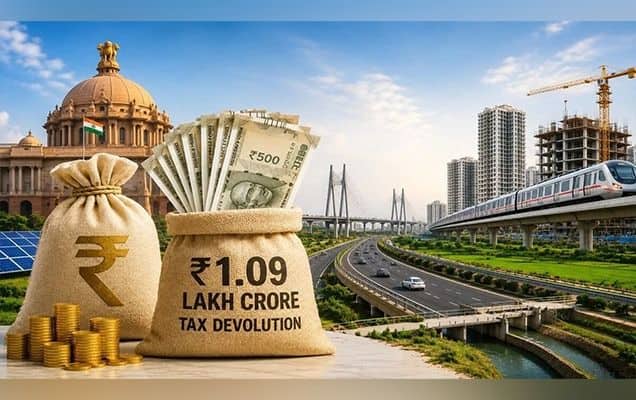
پوری دنیا میں مالی بحران کے اس تناظر میں، کیا آپ کو معلوم ہے کہ ہندوستانی ریاستیں 21-2020 میں زیادہ قرض لینے میں کامیاب رہیں؟ شاید یہ جان کر آپ کو خوشگوار حیرت ہوگی کہ ریاستیں 21-2020 میں اضافی 1.06 لاکھ کروڑ روپے اکٹھا کرنے میں کامیاب رہیں۔ وسائل کی دستیابی میں یہ قابل قدر اضافہ مرکز اور ریاست کے درمیان ’بھاگیداری‘ کی وجہ سے ممکن ہو پایا۔

ہم نے جب کووڈ-19 وبائی مرض کے جواب میں اپنی اقتصادی پالیسی بنائی، تو ہم اس بات کو یقینی بنانا چاہتے تھے کہ ہمارا یہ حل ’ایک ہی سائز سب کے لیے فٹ آتا ہے‘ والے ماڈل کی پیروی نہ کرے۔ بر اعظم کے طول و عرض کے حامل ایک وفاقی ملک کے لیے، ریاستی حکومتوں کے ذریعے اصلاحات کے فروغ کے لیے قومی سطح پر ایسی کوئی پالیسی تیار کرنا واقعی میں چیلنج بھرا ہے۔ لیکن، ہمیں اپنی وفاقی جمہوریہ کی مضبوطی پر اعتماد تھا اور ہم مرکز اور ریاست کے درمیان بھاگیداری کے جذبہ سے اس راستے پر آگے بڑھے۔

مئی 2020 میں، آتم نربھر بھارت پیکیج کے حصہ کے طور پر، حکومت ہند نے اعلان کیا کہ ریاستی حکومتوں کو 21-2020 کے لیے اضافی قرض لینے کی اجازت دی جائے گی۔ جی ایس ڈی پی سے 2 فیصد زیادہ کی اجازت دی گئی، جس میں سے ایک فیصد کو مخصوص اقتصادی اصلاحات کے نفاذ سے مشروط کر دیا گیا تھا۔ ہندوستانی عوامی معیشت میں اصلاح کی یہ پہل نایاب ہے۔ اس کے تحت ریاستوں کو اس بات کے لیے آمادہ کیا گیا کہ وہ اضافی رقم حاصل کرنے کے لیے ترقی پسند پالیسیاں اختیار کریں۔ اس مشق کے نتائج نہ صرف حوصلہ افزا ہیں، بلکہ اس خیال آرائی کے برعکس بھی ہیں کہ ٹھوس اقتصادی پالیسیوں پر عمل کرنے والے محدود ہیں۔

چار اصلاحات جن سے اضافی قرض لینے کو جوڑا گیا (جس میں سے ہر ایک کے ساتھ جی ڈی پی کا 0.25 فیصد جوڑا گیا تھا) اس کی دو خصوصیات تھیں۔ پہلی، اصلاحات میں سے ہر ایک کو عوام، خاص طور سے غریبوں، کمزوروں، اور متوسط طبقہ کی زندگی کو بہتر بنانے سے جوڑا گیا تھا۔ دوسری، انہوں نے مالی استحکام کو بھی فروغ دیا۔

’ایک ملک ایک راشن کارڈ‘ کی پالیسی کے تحت پہلی اصلاح میں ریاستی حکومتوں کو یہ یقینی بنانا تھا کہ قومی غذائی تحفظ قانون (این ایف ایس اے) کے ےتحت ریاست کے تمام راشن کارڈوں کو فیملی کے تمام ممبران کے آدھار نمبر سے جوڑا جائے اور مناسب قیمت والی تمام دکانوں پر الیکٹرانک پوائنٹ آف سیل ڈیوائسز ہوں۔ اس کا بنیادی فائدہ یہ ہے کہ مہاجر کارکن اپنا غذائی راشن ملک میں کہیں سے بھی حاصل کر سکتے ہیں۔ شہریوں کو ملنے والے ان فوائد کے علاوہ، فرضی کارڈ اور ڈوپلیکیٹ ممبران کے ختم ہونے سے بھی مالی فائدہ ہوا۔ 17 ریاستوں نے اس اصلاح کو مکمل کر لیا اور انہیں 37600 کروڑ روپے کا اضافی قرض فراہم کیا گیا۔

دوسری اصلاح، جس کا مقصد کاروبار میں آسانی کو بہتر کرنا تھا، کے تحت ریاستوں کو یہ یقینی بنانا تھا کہ 7 قوانین کے تحت کاروبار سے متعلق لائسنس کی تجدید خود کار، آن لائن اور معمولی فیس کی ادائیگی  پر کی جائے۔ دوسری شرط تھی کمپیوٹر کے ذریعے اچانک جانچ کا نظام نافذ کیا جائے  اور جانچ سے قبل نوٹس  دیا جائے تاکہ مزید 12 قوانین کے تحت ہراسانی اور بدعنوانی کو کم کیا جا سکے۔ اس اصلاح سے (19 قوانین کا احاطہ کرتے ہوئے) انتہائی چھوٹی اور چھوٹی انٹرپرائزز کو خاص طور سے مدد ملی، جنہیں ’انسپکٹر راج‘ کا سب سے زیادہ بوجھ برداشت کرنا پڑتا ہے۔ یہ بہتر سرمایہ کاری کے ماحول، بڑے پیمانے پر سرمایہ کاری اور تیزی سے ترقی کو فروغ دیتا ہے۔ 20 ریاستوں نے اس اصلاح کو مکمل کیا اور انہیں 39521 کروڑ روپے کے اضافی قرض کی اجازت دی گئی۔

پندرہویں مالیاتی کمیشن اور متعدد ماہرین تعلیم نے ٹھوس پراپرٹی ٹیکس کی اہمیت پر زور دیا ہے۔ تیسری اصلاح کے تحت ریاستوں کو شہری علاقوں میں بالترتیب جائیداد کے لین دین اور موجودہ اخراجات کے لیے اسٹامپ ڈیوٹی گائیڈ لائن کی قدروں کے مطابق، پراپرٹی ٹیکس اور پانی اور سیوریج چارجز کی بنیادی شرحوں کے بارے میں نوٹیفائی کرنا تھا۔ یہ شہری غریبوں اور متوسط طبقہ کو بہترین معیار کی خدمات مہیا کرائے گا اور بہتر بنیادی ڈھانچہ کی معاونت کے ساتھ ہی ترقی کو آگے بڑھائے گا۔ پراپرٹی ٹیکس بھی اس معاملے میں ترقی پسند ہے اور اس سے شہری علاقوں کے غریبوں کو سب سے زیادہ فائدہ ہوگا۔ یہ اصلاح میونسپل اسٹاف کے لیے بھی فائدہ مند ہے جنہیں اکثر ان کی اجرت دیر سے ملتی ہے۔ 11 ریاستوں نے ان اصلاحات کو مکمل کیا اور انہیں 15957 کروڑ روپے کے اضافی قرض کو منظوری دی گئی۔

چوتھی اصلاح کاشتکاروں کو بجلی کی مفت سپلائی کے سلسلے میں ڈائریکٹ بینیفٹ ٹرانسفر (ڈی بی ٹی) کو متعارف کرانا تھی۔ اس کے لیے یہ شرط تھی کہ ریاست گیر اسکیم تیار کی جائے اور سال کے آخر تک پائلٹ بنیاد پر کسی ایک ضلع میں اسے حقیقی طور پر نافذ کیا جائے۔ اس کے ساتھ جی ایس ڈی پی کے 0.15 فیصد کے اضافی قرض کو جوڑا گیا تھا۔ تکنیکی اور کاروباری نقصانات میں کمی کے لیے ایک جزو بھی فراہم کیا گیا تھا اور دوسرا محصول اور اخراجات (ہر ایک کے لیے جی ایس ڈی پی کا 0.05 فیصد) کے درمیان کے فرق کو کم کرنے کے لیے تھا۔اس سے تقسیم کار کمپنیوں کے مالی معاملات میں بہتری آتی ہے، پانی اور بجلی کی بچت کو فروغ حاصل ہوتا ہے اور بہتر مالیاتی اور تکنیکی کارکردگی کے ذریعے سروس کے معیار میں بہتری آتی ہے۔ 13 ریاستوں نے کم از کم ایک جزو کو نافذ کیا، جب کہ 6 ریاستوں نے ڈی بی ٹی جزو کو نافذ کیا۔ اس کے نتیجہ میں، 13201 کروڑ روپے کے اضافی قرض کی اجازت دی گئی۔

مجموعی طور پر، 23 ریاستوں نے امکانی 2.14 لاکھ کروڑ روپے میں سے 1.06 لاکھ کروڑ روپے کے اضافی قرض لیے۔ اس کے نتیجہ میں ریاستوں کو 21-2021 کے لیے (مشروط اور غیر مشروط) ابتدائی تخمینی جی ایس ڈی پی کے 4.5 فیصد کے مجموعی قرض کی اجازت دی گئی۔

ہمارے جیسے پیچیدہ چیلنجز والے ایک بڑے ملک کے لیے، یہ ایک انوکھا تجربہ تھا۔ ہم نے اکثر دیکھا ہے کہ متعدد اسباب کی بناپر، اسکیمیں اور اصلاحات سالوں تک غیر فعال رہتی ہیں۔ یہ ماضی کی خوشگوار روانگی تھی، جہاں مرکز اور ریاستیں وبائی مرض کے دوران بہت ہی مختصر وقت میں عوام دوست ان اصلاحات کو نافذ کرنے کے لیے ایک ساتھ آئیں۔ یہ سب کا ساتھ، سب کا وکاس اور سب کا وشواس والے ہمارے نقطہ نظر کی وجہ سے ممکن ہو پایا۔ان اصلاحات پر کام کرنے والے افسران کی رائے ہے کہ اضافی رقم کی اس ترغیب کے بغیر، ان پالیسیوں کو نافذ کرنے میں برسوں لگ جاتے۔  بھارت نے ’چوری چھپے اور زبردستی اصلاحات‘ کا ماڈل دیکھا ہے۔ یہ ’پختہ عزم اور ترغیبات سے اصلاحات‘ کا نیا ماڈل ہے۔ میں ان تمام ریاستوں کا شکر گزار ہوں جنہوں نے اپنے شہریوں کی بہتری کے لیے اس مشکل وقت میں ان پالیسیوں کو سب سے آگے بڑھ کر شروع کیا۔ ہم 130 کروڑ ہندوستانیوں کی تیزی سے ترقی کے لیے ساتھ مل کر کام کرنا جاری رکھیں گے۔

Explore More
شری رام جنم بھومی مندر دھوجاروہن اتسو کے دوران وزیر اعظم کی تقریر کا متن

Popular Speeches

شری رام جنم بھومی مندر دھوجاروہن اتسو کے دوران وزیر اعظم کی تقریر کا متن
India’s pharmaceutical sector records transformative growth over 12 years, strengthening affordable healthcare and self-reliance

Media Coverage

India’s pharmaceutical sector records transformative growth over 12 years, strengthening affordable healthcare and self-reliance
NM on the go

Nm on the go

Always be the first to hear from the PM. Get the App Now!
...
اٹلی اور ہندوستان: بحیرہ ہند کے لیے ایک اسٹریٹجک پارٹنرشپ
May 20, 2026

The relationship between India and Italy has now reached a decisive stage. In recent years, our ties have expanded with unprecedented momentum, evolving from a cordial friendship into a special strategic partnership grounded in the values of freedom and democracy, and a common vision for the future.

At a time when the international system is undergoing a profound change, the partnership between Italy and India is guided by regular exchanges at higher political and institutional levels, and is gaining a new and higher dimension that combines our economic dynamism, societal creativity, and millennia-old civilisational wisdom. Our cooperation mirrors our shared awareness that prosperity and security in the 21st century will be shaped by the ability of nations to innovate, manage energy transitions, and strengthen strategic sovereignty. To this end, we have committed to deepen and diversify our bilateral relationship with a view to pursuing new objectives and pooling our complementary strengths. We aim to forge a powerful synergy between Italian design, manufacturing excellence, and world-class supercomputers - reflecting Italy's position as an industrial powerhouse - and India's rapid economic growth, engineering talent, scale, and innovation and entrepreneurial ecosystem with over 100 unicorns and 200,000 start-ups. This is not a simple integration, but a co-creation of value where our respective industrial strengths amplify one another.

The Free Trade Agreement between the European Union and India paves the way for increased trade and investment in both directions. We want to reach and exceed the Euro 20 billion target for trade between Italy and India by 2029, with a focus on defence and aerospace, clean technologies, machinery, automotive components, chemicals, pharmaceuticals, textiles, agri-food, tourism and more.

"Made in Italy" has always been synonymous with excellence worldwide, and today it finds a natural synergy with the high-quality goals of the "Make in India" initiative. In this context, the growing interest of Italian businesses in the production for India and the increasing presence of Indian industries in Italy, numbering over 1,000 from both sides now, is a positive sign that will strengthen the integration of our supply chains.

Technological innovation lies at the very heart of our partnership. The coming decades will be shaped by a technological revolution of unmeasurable scope, marked by advances in sectors such as Artificial Intelligence, quantum computing, advanced manufacturing, critical minerals, and digital infrastructure. India's dynamic innovation ecosystem, coupled with highly skilled professional talent pool, and Italy's advanced industrial capabilities make our cooperation in the above sectors both natural and strategic. The growing partnership between our universities and research centres will support this.

India's Digital Public Infrastructure is already finding resonance with a large number of countries particularly in the Global South. Artificial Intelligence, in particular, is already impacting our societies and the global economy. Italy and India have long been collaborating to ensure that Al development is responsible and human-centred. From this perspective, India and Italy also see Al as a powerful instrument for inclusive development, especially for the Global South, where digital public infrastructure and accessible, multilingual technologies can bridge divides rather than deepen them. Building on India's vision of MANAV-putting human at the centre of technology and Italy's leadership in promoting a human-centric 'algor-ethics' rooted in its humanist tradition, our partnership seeks to ensure that Al acts as a catalyst for social empowerment. Our approach combines India's digital scale with Italy's ethical and industrial expertise, ensuring technology serves human dignity. By sharing best practices in secure digital cooperation, capacity-building and resilient cyber infrastructure, we aim to create an open, trustworthy and equitable digital space in which every nation can shape and benefit from Al. This perspective forms the core of Italy's G7 Presidency and outcomes of the Al Impact Summit 2026, held in New Delhi. Conceiving Al as a tool created by humans for humans means firmly asserting that technology cannot replace individuals or undermine their fundamental rights, nor be used to manipulate public debate or alter democratic processes. Our approach to defending freedom and human dignity in an increasingly interconnected world hinges on this very challenge.

Our cooperation also covers the space sector. India's impressive advancements in space exploration and satellite technology, together with Italy's aerospace engineering excellence, offer significant opportunities for joint initiatives and next-generation technology development.

Security and stability remain essential to ensuring nations' prosperity. Italy and India intend to further strengthen their cooperation in sectors such as defence, security and strategic technologies. Our collaboration will help ensure the security of critical maritime routes, strengthen resilience in the face of threats, such as terrorism, international criminal networks, drug trafficking, cyber-crimes and human trafficking.

Energy is another key pillar of our partnership. The global transition towards diversified energy sources requires innovation, investment, and cooperation. India and Italy are collaborating from renewable energy to hydrogen technologies, and from smart grids to resilient infrastructure. While India's push for becoming a hub for green hydrogen exports offers immense potential, it perfectly complements Italy's advanced technology in renewable infrastructure and its strategic role as an energy gateway for Europe. Our collaboration along with other countries in key India-led initiatives - International Solar Alliance (ISA), Coalition for Disaster Resilient Infrastructure (CDRI) and Global Biofuels Alliance (GBA) - is also important in this context.

Physical, digital and human connectivity is the thread that weaves us together. Both India and Italy are located at the very heart of two crucial hubs of the global economy, the Indo-Pacific and the Mediterranean-regions that cannot be viewed as separate spheres, but instead as increasingly interconnected spaces.

As a matter of fact, we are witnessing the emergence of what might be termed the Indo-Mediterranean, an important corridor for trade, technology, energy, data and ideas tying the Indian Ocean to Europe. It is precisely within this interconnected space that our bond naturally evolves into a special strategic partnership-one that bridges two continents and shapes new global dynamics.

In this context, the India-Middle East-Europe Economic Corridor represents a vision aimed at connecting our regions through modern transport and infrastructure, digital networks, energy systems, and resilient supply chains. India and Italy are also committed to working together with other partners to make this vision a reality.

We can address our shared challenges by drawing upon the profound partnership and the enduring cultural ties between our nations. Within Indian culture, the concept of "Dharma" evokes the sense of responsibility that must guide our actions, whilst the principle of "Vasudhaiva Kutumbakam" - the world is one family-resonates powerfully in this interconnected digital age. Such values find a natural echo in Italy's humanist tradition, rooted in the Renaissance, which highlights the dignity of each individual and the power of culture to unite peoples and societies.

Our shared vision, therefore, aims to lay the foundation for a strong and forward-looking India-Italy partnership with our people at the centre.

(By Narendra Modi, Prime Minister of India and Giorgia Meloni, Prime Minister of Italy)