Reforms by Conviction and Incentives

Published By : Admin | June 22, 2021 | 14:46 IST

The Covid-19 pandemic has come with whole new set of challenges to Governments across the world in terms of policy-making. India is no exception. Raising enough resources for public welfare while ensuring sustainability is proving to be one of the biggest challenges.

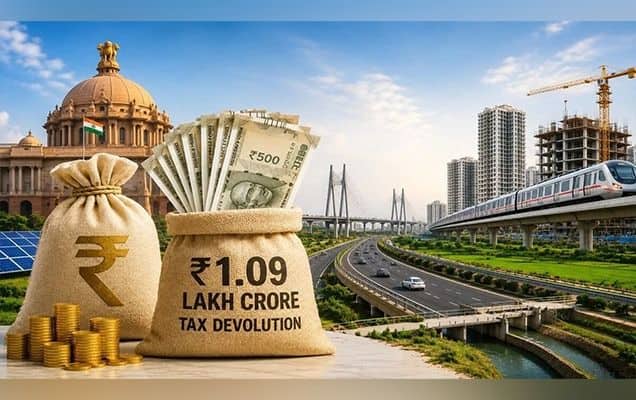
In this back-drop of financial crunch seen across the world, do you know that Indian states were able to borrow significantly more in 2020-21? It would perhaps pleasantly surprise you that states were able to raise an extra Rs 1.06 lakh crores in 2020-21. This significant increase in availability of resources was made possible by an approach of Centre-State bhagidari. 

When we formulated our economic response to the Covid-19 pandemic, we wanted to ensure that our solutions do not follow a ‘one size fits all’ model. For a federal country of continental dimensions, finding policy instruments at the national level to promote reforms by State Governments is indeed challenging. But, we had faith in the robustness of our federal polity and we moved ahead in the spirit of Centre-State bhagidari. 

In May 2020, as part of the Aatmanirbhar Bharat package, the Government of India announced that State Governments would be allowed enhanced borrowing for 2020-21. An extra 2% of GSDP was allowed, of which 1% was made conditional on the implementation of certain economic reforms. This nudge for reform is rare in Indian public finance. This was a nudge, incentivising the states to adopt progressive policies to avail additional funds. The results of this exercise are not only encouraging but also run contrary to the notion that there are limited takers for sound economic policies.

The four reforms to which additional borrowings were linked (with 0.25% of GDP tied to each one) had two characteristics. Firstly, each of the reforms was linked to improving the Ease of Living to the public and particularly the poor, the vulnerable, and the middle class. Secondly, they also promoted fiscal sustainability.

The first reform under the ‘One Nation One Ration Card’ policy required State Governments to ensure that all ration cards in the State under the National Food Security Act (NFSA) were seeded with the Aadhaar number of all family members and that all Fair Price Shops had Electronic Point of Sale devices. The main benefit from this is that migrant workers can draw their food ration from anywhere in the country. Apart from these benefits to citizens, there is the financial benefit from the elimination of bogus cards & duplicate members. 17 states completed this reform and were granted additional borrowings amounting to Rs. 37,600 crores. 

The second reform, aimed at improving ease of doing business, required states to ensure that renewal of business-related licences under 7 Acts is made automatic, online and non-discretionary on mere payment of fees. Another requirement was implementation of a computerized random inspection system and prior notice of inspection to reduce harassment and corruption under a further 12 Acts. This reform (covering 19 laws) is of particular help to micro and small enterprises, who suffer the most from the burden of the ‘inspector raj'. It also promotes an improved investment climate, greater investment and faster growth. 20 states completed this reform and were allowed additional borrowing of Rs. 39,521 crores. 

The 15th Finance Commission and several academics have emphasised the crucial importance of sound property taxation. The third reform required states to notify floor rates of property tax and of water & sewerage charges, in consonance with stamp duty guideline values for property transactions and current costs respectively, in urban areas. This would enable better quality of services to the urban poor and middle class, support better infrastructure and stimulate growth. Property tax is also progressive in its incidence and thus the poor in urban areas would benefit the most. This reform also benefits municipal staff who often face delay in payment of wages. 11 states completed these reforms and were granted additional borrowing of Rs. 15,957 crores. 

The fourth reform was introduction of Direct Benefit Transfer (DBT) in lieu of free electricity supply to farmers. The requirement was for formulation of a state-wide scheme with actual implementation in one district on a pilot basis by year end. Additional borrowing of 0.15% of GSDP was linked to this. A component was also provided for reduction in technical & commercial losses and another for reducing the gap between revenues and costs (0.05% of GSDP for each). This improves the finances of distribution companies, promotes conservation of water and energy and improves service quality through better financial and technical performance. 13 states implemented at least one component, while 6 states implemented the DBT component. As a result, Rs. 13,201 crore of additional borrowings was permitted. 

Overall, 23 states availed of additional borrowings of Rs. 1.06 lakh crores out of a potential of Rs. 2.14 lakh crores. As a result, the aggregate borrowing permission granted to states for 2020-21 (conditional and unconditional) was 4.5% of the initially estimated GSDP. 

For a large nation with complex challenges as ours, this was a unique experience. We have often seen that for various reasons, schemes and reforms remain un-operational often for years. This was a pleasant departure from the past where the Centre & States came together to roll out public friendly reforms in a short span of time amidst the pandemic. This was made possible due to our approach of Sabka Saath, Sabka Vikas and Sabka Vishwas. Officials who have been working on these reforms suggest that without this incentive of additional funds, enactment of these policies would have taken years. India has seen a model of ‘reforms by stealth and compulsion’. This is a new model of ‘reforms by conviction and incentives’. I am thankful to all the states who took the lead in ushering in these policies amidst tough times for the betterment of their citizens. We shall continue working together for the rapid progress of 130 crore Indians.

Explore More
ਸ੍ਰੀ ਰਾਮ ਜਨਮ-ਭੂਮੀ ਮੰਦਿਰ ਧਵਜਾਰੋਹਣ ਉਤਸਵ ਦੌਰਾਨ ਪ੍ਰਧਾਨ ਮੰਤਰੀ ਦੇ ਭਾਸ਼ਣ ਦਾ ਪੰਜਾਬੀ ਅਨੁਵਾਦ

Popular Speeches

ਸ੍ਰੀ ਰਾਮ ਜਨਮ-ਭੂਮੀ ਮੰਦਿਰ ਧਵਜਾਰੋਹਣ ਉਤਸਵ ਦੌਰਾਨ ਪ੍ਰਧਾਨ ਮੰਤਰੀ ਦੇ ਭਾਸ਼ਣ ਦਾ ਪੰਜਾਬੀ ਅਨੁਵਾਦ
India’s pharmaceutical sector records transformative growth over 12 years, strengthening affordable healthcare and self-reliance

Media Coverage

India’s pharmaceutical sector records transformative growth over 12 years, strengthening affordable healthcare and self-reliance
NM on the go

Nm on the go

Always be the first to hear from the PM. Get the App Now!
...
ਇਟਲੀ ਅਤੇ ਭਾਰਤ: ਇੰਡੋ-ਮੈਡੀਟੇਰੇਨੀਅਨ ਖੇਤਰ ਦੇ ਲਈ ਇੱਕ ਸਟ੍ਰੈਟੇਜਿਕ ਪਾਰਟਨਰਸ਼ਿਪ
May 20, 2026

The relationship between India and Italy has now reached a decisive stage. In recent years, our ties have expanded with unprecedented momentum, evolving from a cordial friendship into a special strategic partnership grounded in the values of freedom and democracy, and a common vision for the future.

At a time when the international system is undergoing a profound change, the partnership between Italy and India is guided by regular exchanges at higher political and institutional levels, and is gaining a new and higher dimension that combines our economic dynamism, societal creativity, and millennia-old civilisational wisdom. Our cooperation mirrors our shared awareness that prosperity and security in the 21st century will be shaped by the ability of nations to innovate, manage energy transitions, and strengthen strategic sovereignty. To this end, we have committed to deepen and diversify our bilateral relationship with a view to pursuing new objectives and pooling our complementary strengths. We aim to forge a powerful synergy between Italian design, manufacturing excellence, and world-class supercomputers - reflecting Italy's position as an industrial powerhouse - and India's rapid economic growth, engineering talent, scale, and innovation and entrepreneurial ecosystem with over 100 unicorns and 200,000 start-ups. This is not a simple integration, but a co-creation of value where our respective industrial strengths amplify one another.

The Free Trade Agreement between the European Union and India paves the way for increased trade and investment in both directions. We want to reach and exceed the Euro 20 billion target for trade between Italy and India by 2029, with a focus on defence and aerospace, clean technologies, machinery, automotive components, chemicals, pharmaceuticals, textiles, agri-food, tourism and more.

"Made in Italy" has always been synonymous with excellence worldwide, and today it finds a natural synergy with the high-quality goals of the "Make in India" initiative. In this context, the growing interest of Italian businesses in the production for India and the increasing presence of Indian industries in Italy, numbering over 1,000 from both sides now, is a positive sign that will strengthen the integration of our supply chains.

Technological innovation lies at the very heart of our partnership. The coming decades will be shaped by a technological revolution of unmeasurable scope, marked by advances in sectors such as Artificial Intelligence, quantum computing, advanced manufacturing, critical minerals, and digital infrastructure. India's dynamic innovation ecosystem, coupled with highly skilled professional talent pool, and Italy's advanced industrial capabilities make our cooperation in the above sectors both natural and strategic. The growing partnership between our universities and research centres will support this.

India's Digital Public Infrastructure is already finding resonance with a large number of countries particularly in the Global South. Artificial Intelligence, in particular, is already impacting our societies and the global economy. Italy and India have long been collaborating to ensure that Al development is responsible and human-centred. From this perspective, India and Italy also see Al as a powerful instrument for inclusive development, especially for the Global South, where digital public infrastructure and accessible, multilingual technologies can bridge divides rather than deepen them. Building on India's vision of MANAV-putting human at the centre of technology and Italy's leadership in promoting a human-centric 'algor-ethics' rooted in its humanist tradition, our partnership seeks to ensure that Al acts as a catalyst for social empowerment. Our approach combines India's digital scale with Italy's ethical and industrial expertise, ensuring technology serves human dignity. By sharing best practices in secure digital cooperation, capacity-building and resilient cyber infrastructure, we aim to create an open, trustworthy and equitable digital space in which every nation can shape and benefit from Al. This perspective forms the core of Italy's G7 Presidency and outcomes of the Al Impact Summit 2026, held in New Delhi. Conceiving Al as a tool created by humans for humans means firmly asserting that technology cannot replace individuals or undermine their fundamental rights, nor be used to manipulate public debate or alter democratic processes. Our approach to defending freedom and human dignity in an increasingly interconnected world hinges on this very challenge.

Our cooperation also covers the space sector. India's impressive advancements in space exploration and satellite technology, together with Italy's aerospace engineering excellence, offer significant opportunities for joint initiatives and next-generation technology development.

Security and stability remain essential to ensuring nations' prosperity. Italy and India intend to further strengthen their cooperation in sectors such as defence, security and strategic technologies. Our collaboration will help ensure the security of critical maritime routes, strengthen resilience in the face of threats, such as terrorism, international criminal networks, drug trafficking, cyber-crimes and human trafficking.

Energy is another key pillar of our partnership. The global transition towards diversified energy sources requires innovation, investment, and cooperation. India and Italy are collaborating from renewable energy to hydrogen technologies, and from smart grids to resilient infrastructure. While India's push for becoming a hub for green hydrogen exports offers immense potential, it perfectly complements Italy's advanced technology in renewable infrastructure and its strategic role as an energy gateway for Europe. Our collaboration along with other countries in key India-led initiatives - International Solar Alliance (ISA), Coalition for Disaster Resilient Infrastructure (CDRI) and Global Biofuels Alliance (GBA) - is also important in this context.

Physical, digital and human connectivity is the thread that weaves us together. Both India and Italy are located at the very heart of two crucial hubs of the global economy, the Indo-Pacific and the Mediterranean-regions that cannot be viewed as separate spheres, but instead as increasingly interconnected spaces.

As a matter of fact, we are witnessing the emergence of what might be termed the Indo-Mediterranean, an important corridor for trade, technology, energy, data and ideas tying the Indian Ocean to Europe. It is precisely within this interconnected space that our bond naturally evolves into a special strategic partnership-one that bridges two continents and shapes new global dynamics.

In this context, the India-Middle East-Europe Economic Corridor represents a vision aimed at connecting our regions through modern transport and infrastructure, digital networks, energy systems, and resilient supply chains. India and Italy are also committed to working together with other partners to make this vision a reality.

We can address our shared challenges by drawing upon the profound partnership and the enduring cultural ties between our nations. Within Indian culture, the concept of "Dharma" evokes the sense of responsibility that must guide our actions, whilst the principle of "Vasudhaiva Kutumbakam" - the world is one family-resonates powerfully in this interconnected digital age. Such values find a natural echo in Italy's humanist tradition, rooted in the Renaissance, which highlights the dignity of each individual and the power of culture to unite peoples and societies.

Our shared vision, therefore, aims to lay the foundation for a strong and forward-looking India-Italy partnership with our people at the centre.

(By Narendra Modi, Prime Minister of India and Giorgia Meloni, Prime Minister of Italy)