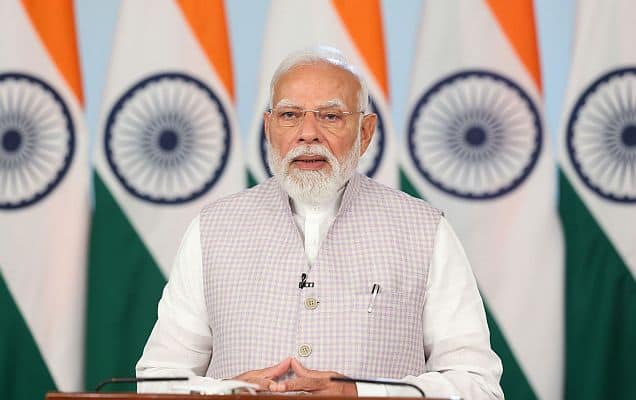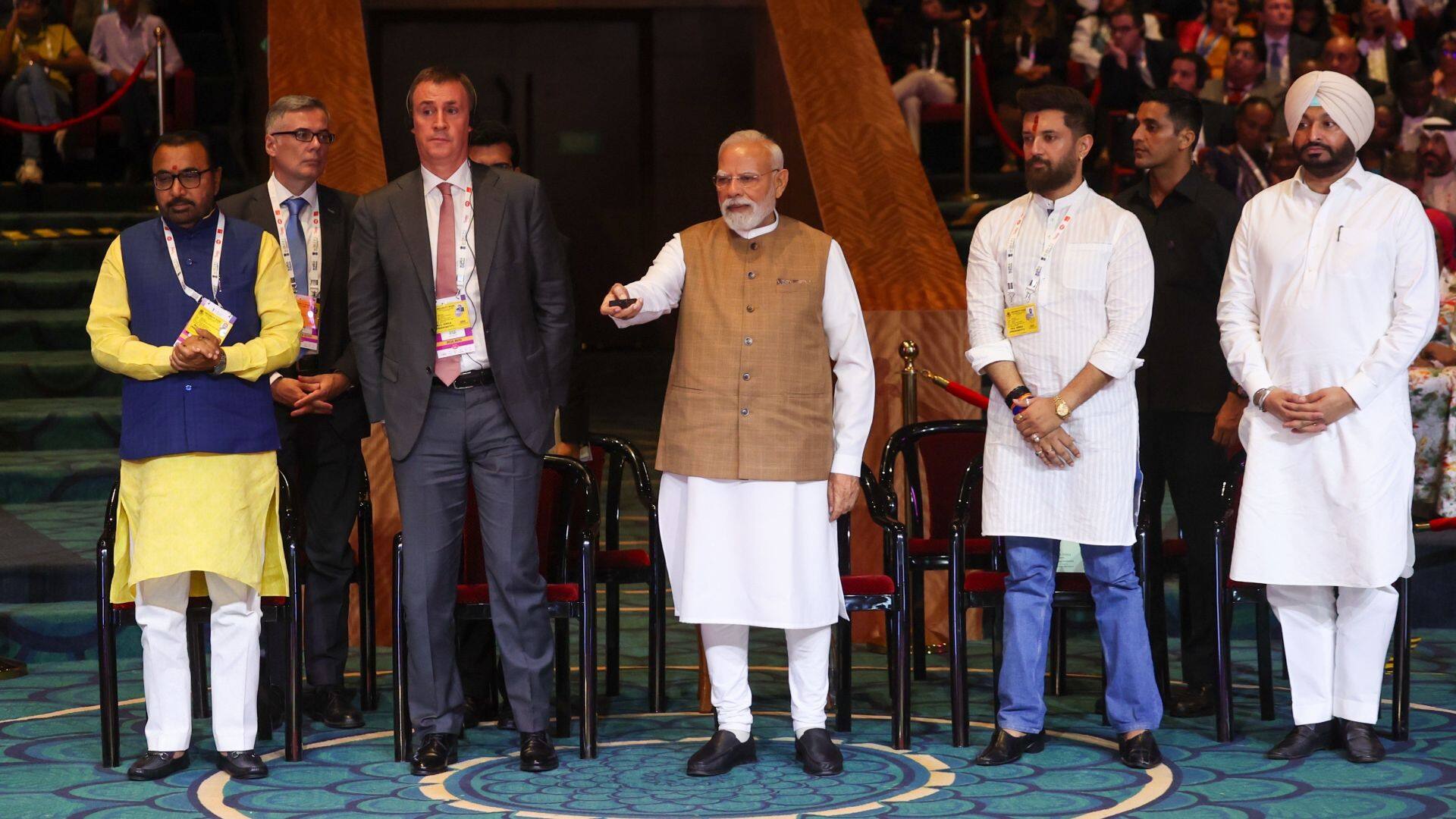


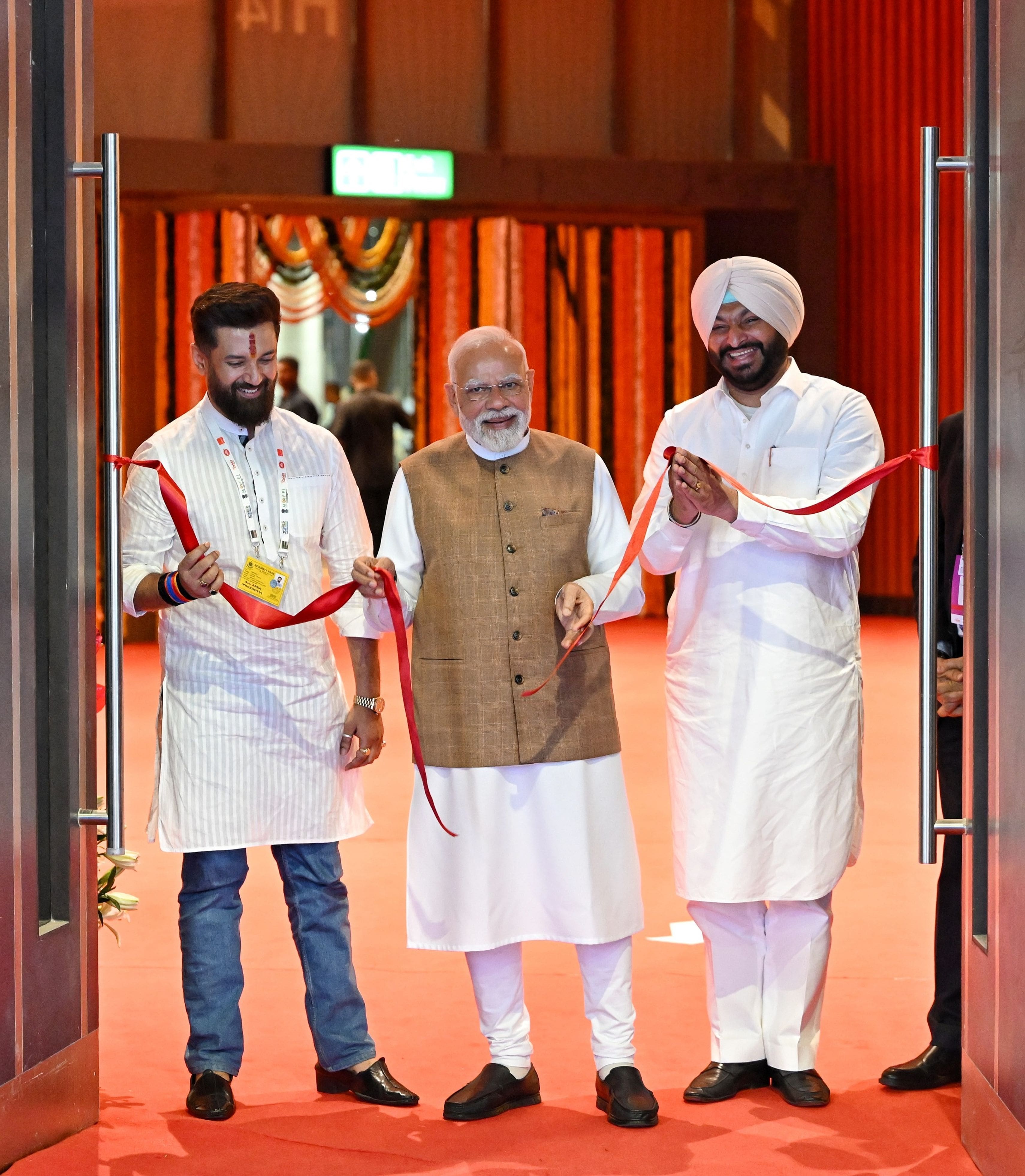
Prime Minister Shri Narendra Modi addressed a gathering during the World Food India 2025 at Bharat Mandapam in New Delhi today. Speaking at the occasion, the Prime Minister remarked that farmers, entrepreneurs, investors, innovators, and consumers were all present together at the event, making World Food India a platform of new contact, new connect, and creativity. He shared that he had just visited the exhibitions and expressed happiness that the primary focus was on nutrition, reducing oil consumption, and enhancing the healthiness of packaged products. The Prime Minister extended his congratulations and best wishes to all participants of the event.
Prime Minister remarked that every investor evaluates the natural strengths of a location before making an investment. He highlighted that today, global investors—especially those in the food sector—are looking towards India with great optimism. “India possesses a triple strength of diversity, demand, and scale”, highlighted Shri Modi, stating that India produces every type of grain, fruit, and vegetable, and this diversity makes the country uniquely positioned in the global landscape. He noted that every hundred kilometers, the cuisine and its flavors change, reflecting India’s rich culinary variety. The Prime Minister underscored that this strong domestic demand gives India a competitive edge and makes it a preferred destination for investors.
“India is operating at an unprecedented and extraordinary scale. In the past ten years, 25 crore people have overcome poverty and are now part of the neo middle class—India’s most energetic and aspirational segment”, remarked the Prime Minister, stating that the aspirations of this class are shaping food trends and driving demand. He emphasized that India’s talented youth are innovating across sectors, and the food sector is no exception. “India is now the world’s third-largest start-up ecosystem, with many start-ups working in food and agriculture”, exclaimed Shri Modi, pointing out that technologies like AI, e-commerce, drones, and apps are being integrated into the sector, transforming supply chains, retail, and processing methods. He affirmed that India offers diversity, demand, and innovation—all key factors that make it the most attractive destination for investment. Reiterating his message from the Red Fort, the Prime Minister declared that this is the right time to invest and expand in India.
Acknowledging that the challenges of the twenty-first century are well known to all, and India has consistently stepped forward to play a positive role whenever global challenges have arisen, Shri Modi highlighted that India continues to contribute actively to global food security. He emphasized that the strength of India’s agriculture sector has grown due to the hard work of farmers, livestock rearers, and fishermen, supported by government policies. He noted that food grain production has seen significant growth over the past decade. The Prime Minister stated that India is the largest producer of milk, contributing 25% of the global milk supply, and is also the leading producer of millets. He added that India ranks second globally in rice and wheat production and has a substantial contribution in fruits, vegetables, and fisheries. The Prime Minister affirmed that whenever there is a global crop crisis or supply chain disruption, India stands firm and fulfills its responsibility.
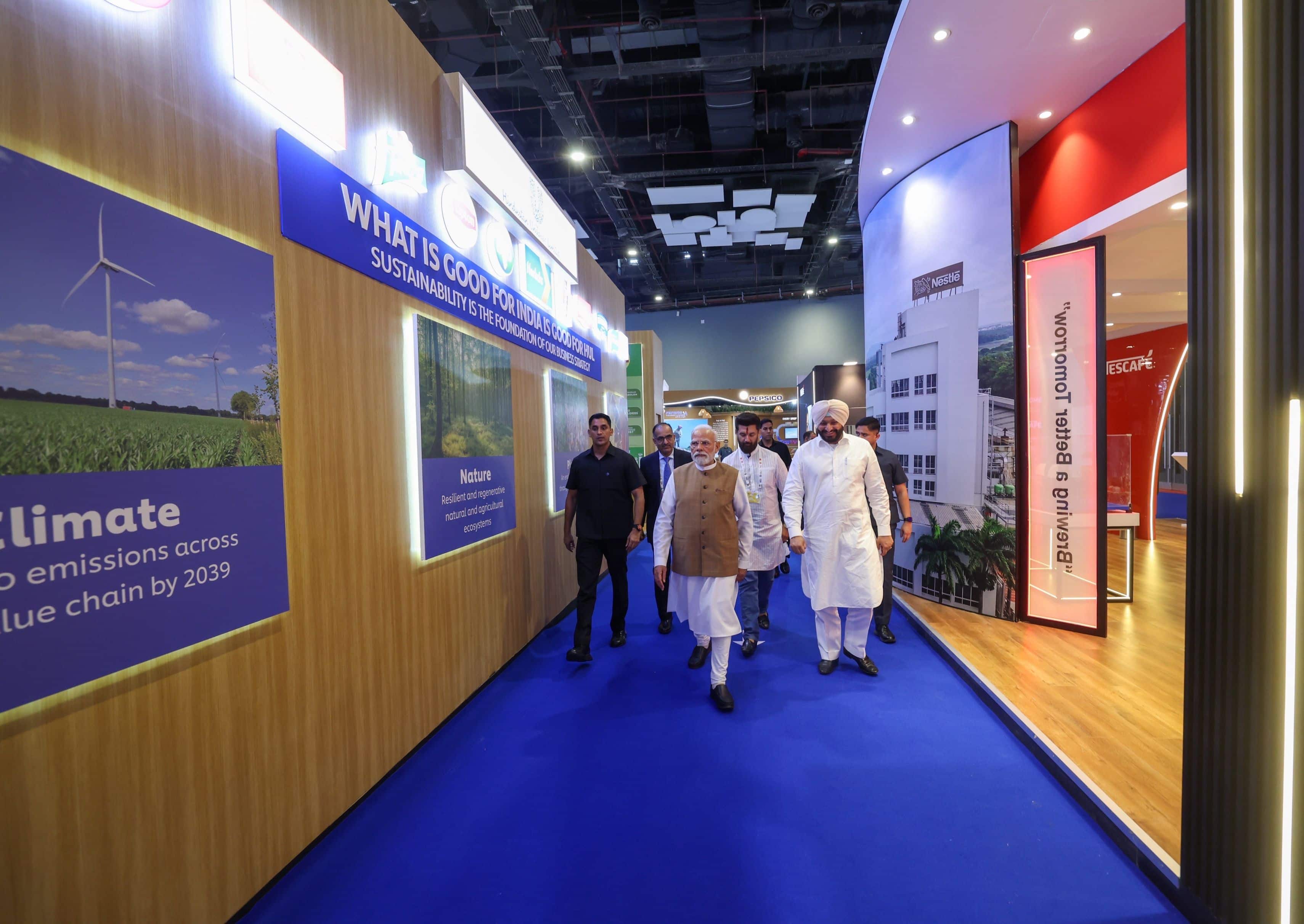
Emphasizing that India is committed to expanding its capacity and contribution in the global interest, the Prime Minister stated that the government is strengthening the entire food and nutrition ecosystem by engaging every stakeholder. He highlighted that the food processing sector is being actively promoted, with 100% FDI now permitted. He noted that the sector has also benefited from the PLI scheme and the expansion of mega food parks. Shri Modi remarked that India is currently running the world’s largest storage infrastructure scheme. He affirmed that these government efforts are yielding results, with India’s processing capacity having increased twentyfold over the past ten years and exports of processed food more than doubling.
Highlighting the critical role of farmers, livestock rearers, fishermen, and small processing units in India’s food supply and value chain, Shri Modi remarked that over the past decade, the government has strengthened all these stakeholders. The Prime Minister noted that more than 85% of farmers in India are small or marginal, and therefore, policies and support systems were developed to empower them. He emphasized that today, these small farmers are emerging as a major force in the market.
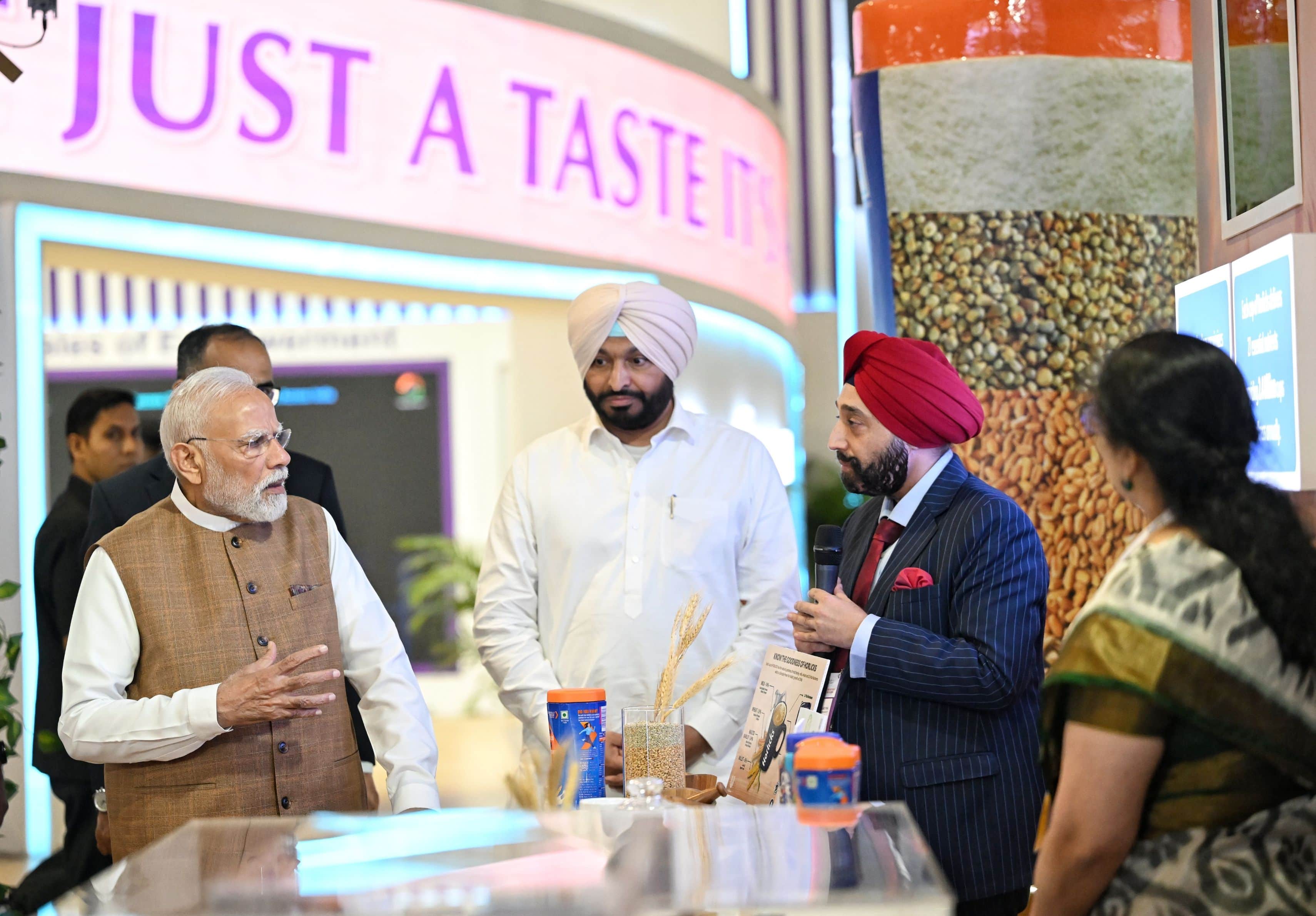
Pointing out that micro food processing units are being operated by self-help groups, which include crores of villagers across India, Shri Modi stated that the government is supporting these groups through credit-linked subsidies, and ₹800 crore has already been transferred to beneficiaries. He emphasized that the government is also expanding Farmer Producer Organizations (FPOs), with 10,000 FPOs established since 2014, connecting lakhs of small farmers. He noted that these FPOs help farmers bring their produce to markets at scale and are also playing a major role in the food processing sector by developing branded products. The Prime Minister remarked that the strength of India’s FPOs is astonishing, with over 15,000 products now available on online platforms. He listed examples such as basmati rice, saffron, and walnuts from Kashmir; jams and apple juice from Himachal; millet cookies from Rajasthan; soya nuggets from Madhya Pradesh; superfood makhana from Bihar; peanut oil and jaggery from Maharashtra; and banana chips and coconut oil from Kerala. He affirmed that from Kashmir to Kanyakumari, FPOs are delivering India’s agricultural diversity to every household. The Prime Minister shared that over 1,100 FPOs have become millionaires, with annual turnovers exceeding ₹1 crore, and are playing a vital role in increasing farmers’ incomes and generating employment for youth.
Shri Modi highlighted that alongside FPOs, cooperatives hold immense strength in India. He noted that this year marks the International Year of Cooperatives, and within India, cooperatives are empowering the dairy sector and rural economy. Recognizing their importance, the Prime Minister stated that a dedicated ministry has been established to tailor policies according to the specific needs of cooperatives. He added that tax and transparency reforms have also been implemented for this sector. As a result of these policy-level changes, the cooperative sector has gained renewed strength.
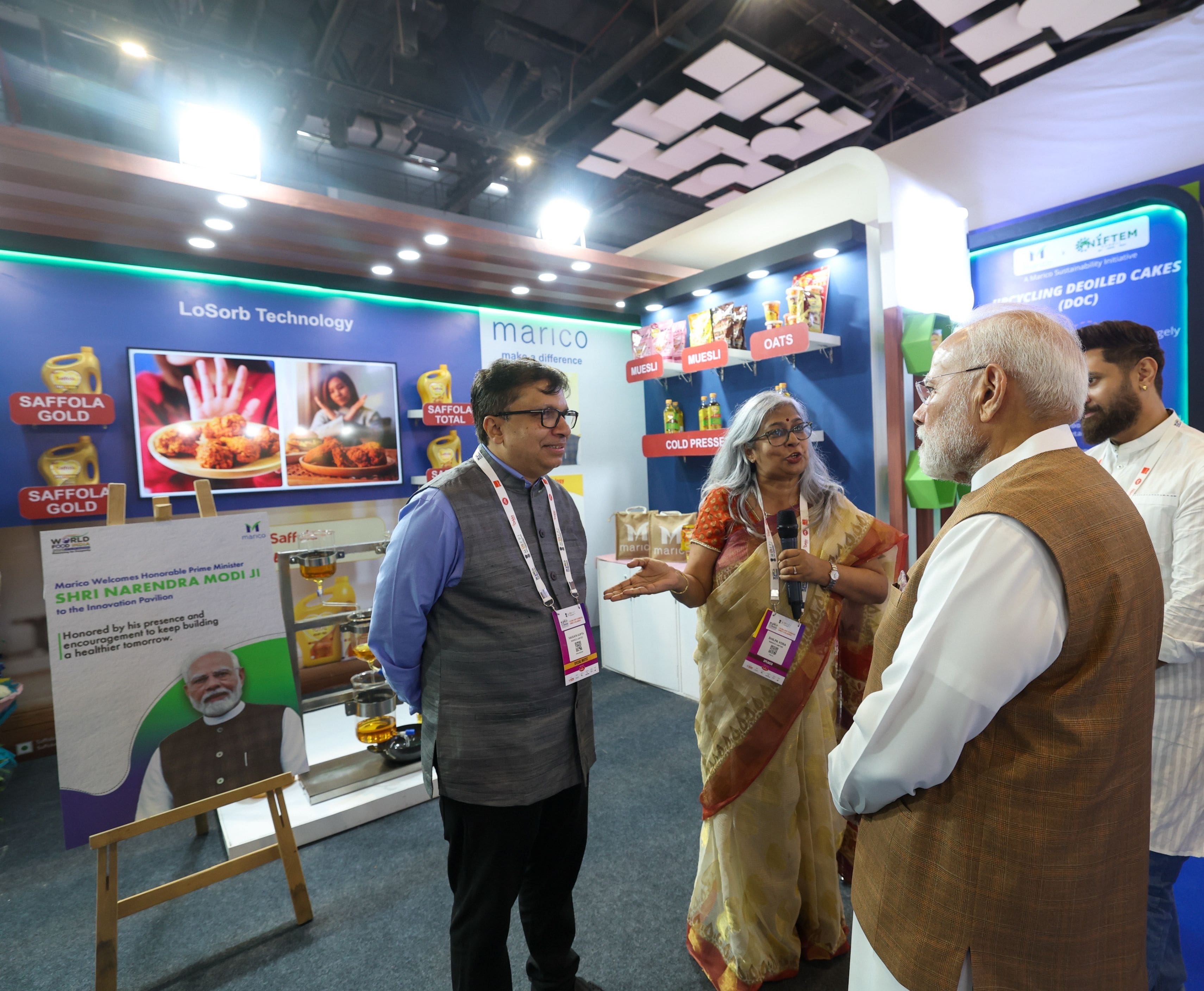
Highlighting India’s impressive growth in the marine and fisheries sector, Shri Modi stated that over the past decade, the government has expanded infrastructure related to fisheries and provided funding support to fishermen, including assistance for deep-sea fishing boats. As a result, both marine production and exports have increased. The Prime Minister noted that this sector now provides employment to nearly three crore people. He emphasized that efforts are underway to expand marine product processing, with investments being made in modern processing plants, cold chain infrastructure, and smart harbours.
Underlining that the government is investing in modern technology to safeguard crops, the Prime Minister highlighted that farmers are being connected with food irradiation techniques, which have extended the shelf life of agricultural products and strengthened food security. He affirmed that units engaged in this work are receiving comprehensive support from the government.
“India is advancing on a new path of innovation and reforms, with widespread discussion around the Next Generation GST reforms”, exclaimed the Prime Minister, highlighting that these reforms promise lower costs and higher returns for farmers. He noted that butter and ghee now attract only 5% GST, providing substantial relief, while milk cans are also taxed at just 5%, ensuring better prices for farmers and producers. He emphasized that this will guarantee more nutrition at lower prices for the poor and middle class. Shri Modi remarked that the food processing sector stands to gain significantly from these reforms, with ready-to-consume and preserved fruits, vegetables, and nuts now under the 5% GST slab. He added that over 90% of processed food products fall under the zero or 5% tax category. The Prime Minister further stated that GST on bio-pesticides and micro-nutrients has been reduced, making bio-inputs more affordable and directly benefiting small organic farmers and FPOs.
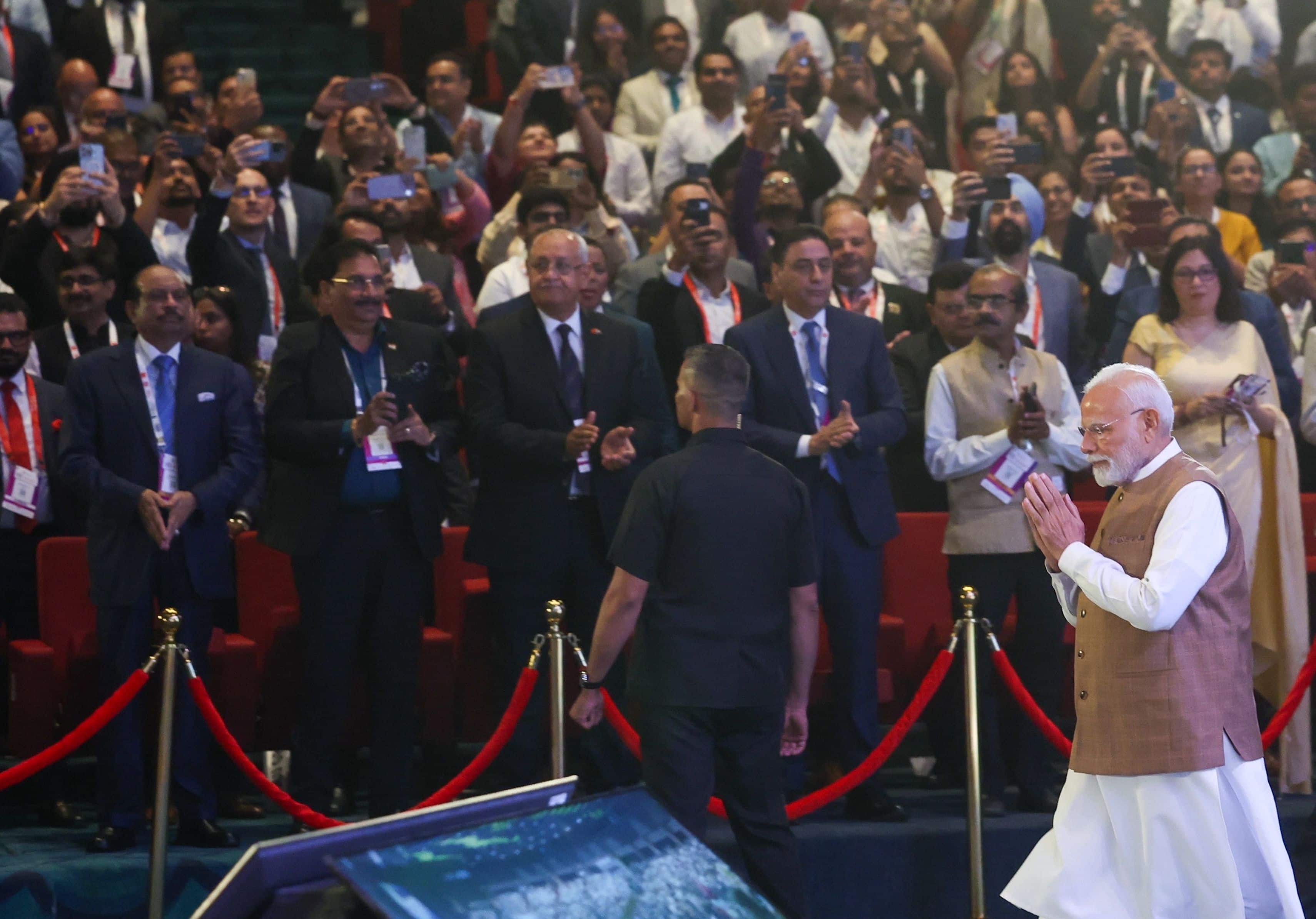
Emphasising that biodegradable packaging is a demand of the times, Shri Modi stated that while it is essential to keep products fresh and of high quality, it is equally important to uphold our responsibility towards nature. In this spirit, the government has reduced GST on biodegradable packaging from 18% to 5%. The Prime Minister urged all industry stakeholders to invest in innovations related to biodegradable packaging. He affirmed that India has opened its doors to the world with an open mind and is fully receptive to investors across the food chain. He concluded by reiterating India’s readiness for collaborations and once again extended congratulations to all participants of the event.
Russia’s Deputy Prime Minister H.E. Mr. Dmitry Patrushev, Union Ministers Shri Chirag Paswan, Shri Ravneet Singh, Shri Prataprao Jadhav were present among other dignitaries at the event.
Background
The 2025 edition of World Food India is being held from 25th to 28th September in Bharat Mandapam, New Delhi. It will showcase India’s strengths in the food processing sector, food sustainability and the production of nutritious and organic food.
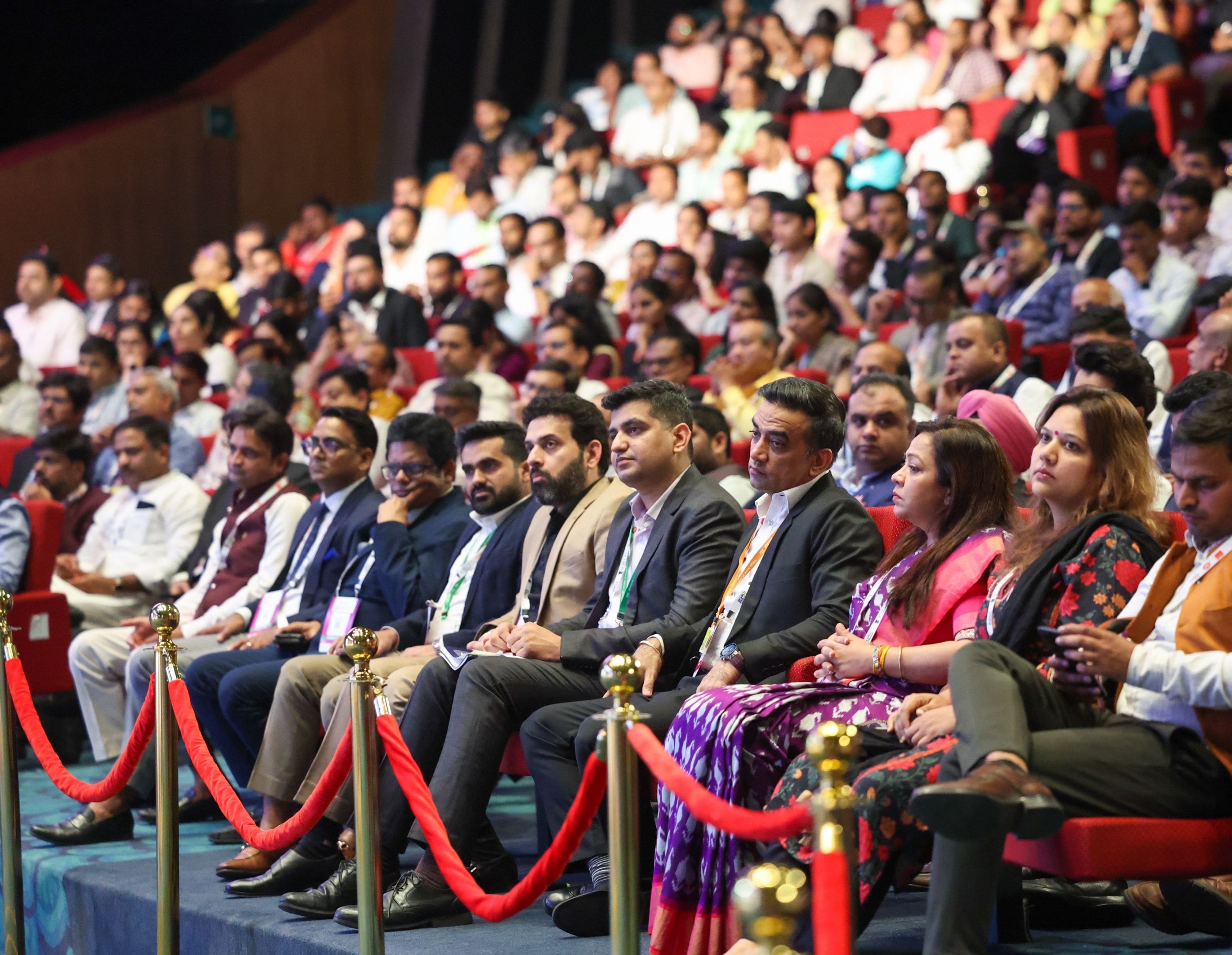
At World Food India, credit linked support of over Rs 770 crore will be provided to around 26,000 beneficiaries for micro projects in food processing sector worth over Rs 2,510 crore under Pradhan Mantri Formalisation of Micro Food Processing Enterprises (PMFME) Scheme.
World Food India will include CEO roundtables, technical sessions, exhibitions, and multiple business interactions including B2B (business-to-business), B2G (business-to-government), and G2G (government-to-government) meetings. It will also showcase 21 exhibiting countries, including France, Germany, Iran, Australia, South Korea, Denmark, Italy, Thailand, Indonesia, Taiwan, Belgium, Tanzania, Eritrea, Cyprus, Afghanistan, China, and the USA, along with 150 international participants.
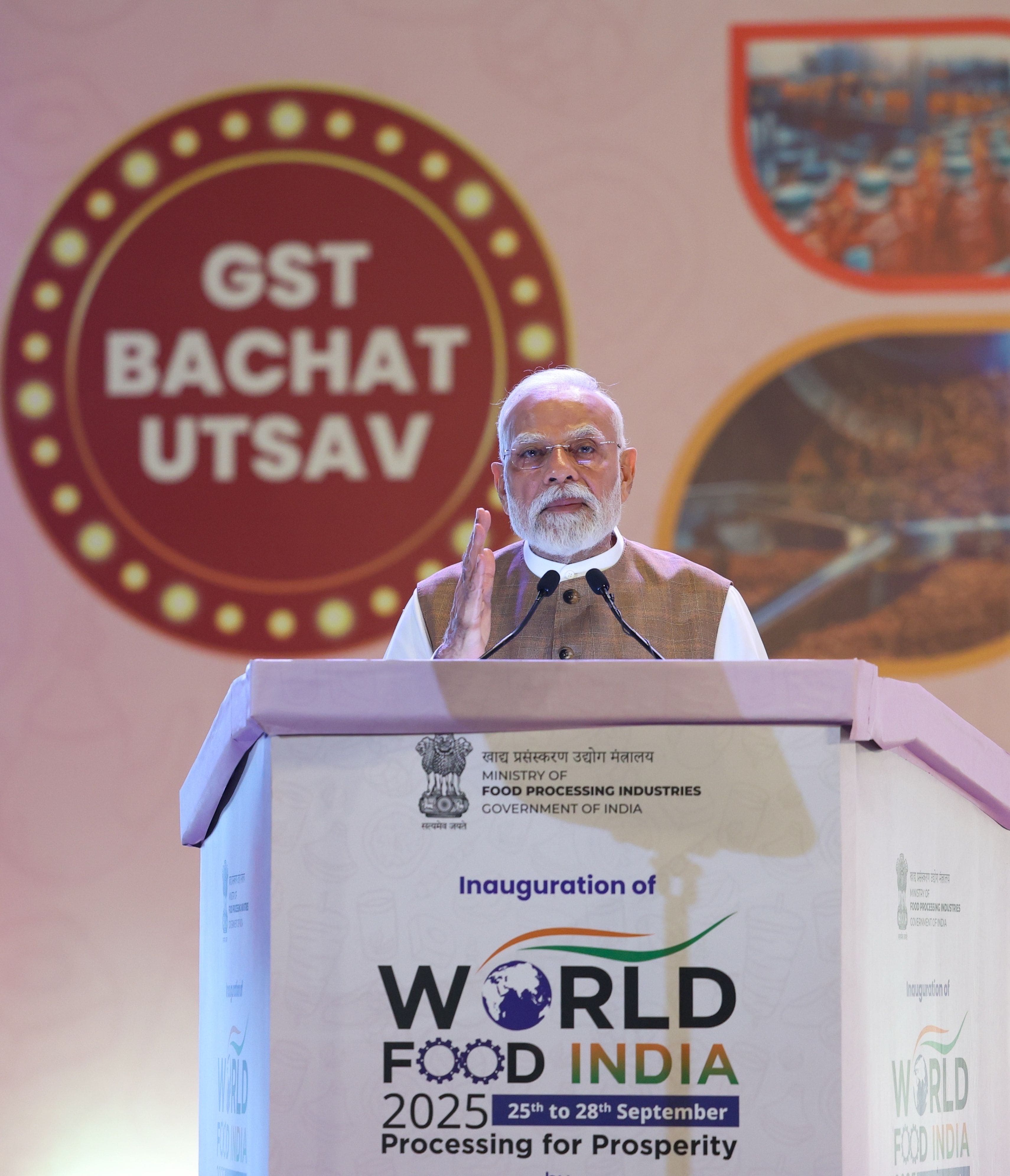
World Food India will also have multiple thematic sessions covering a wide range of topics including India as a Global Food Processing Hub, Sustainability and Net Zero in Food Processing, Frontiers in Food Processing, India’s Pet Food Industry, Processed Foods for Nutrition and Health, Plant-Based Foods, Nutraceuticals, Specialty Foods, among others. It will feature 14 pavilions, each dedicated to specific themes and will attract around 100,000 visitors.
Click here to read full text speech
India has the triple strength of diversity, demand and scale. pic.twitter.com/C0XgWdyP6Y
— PMO India (@PMOIndia) September 25, 2025
In the last 10 years, 25 crore people in India have overcome poverty. pic.twitter.com/kBKTaiZcT5
— PMO India (@PMOIndia) September 25, 2025
Today, India is the world's third-largest start-up ecosystem, with many start-ups working in the food and agriculture sectors. pic.twitter.com/0PvhS8QVS4
— PMO India (@PMOIndia) September 25, 2025
India is continuously contributing to global food security. pic.twitter.com/7PJ9YLESMy
— PMO India (@PMOIndia) September 25, 2025
Today, small farmers are becoming a major force in the market. pic.twitter.com/TdqffjLyWj
— PMO India (@PMOIndia) September 25, 2025
In India, cooperatives are giving our dairy sector and our rural economy a new strength. pic.twitter.com/wg6AJHzoeR
— PMO India (@PMOIndia) September 25, 2025