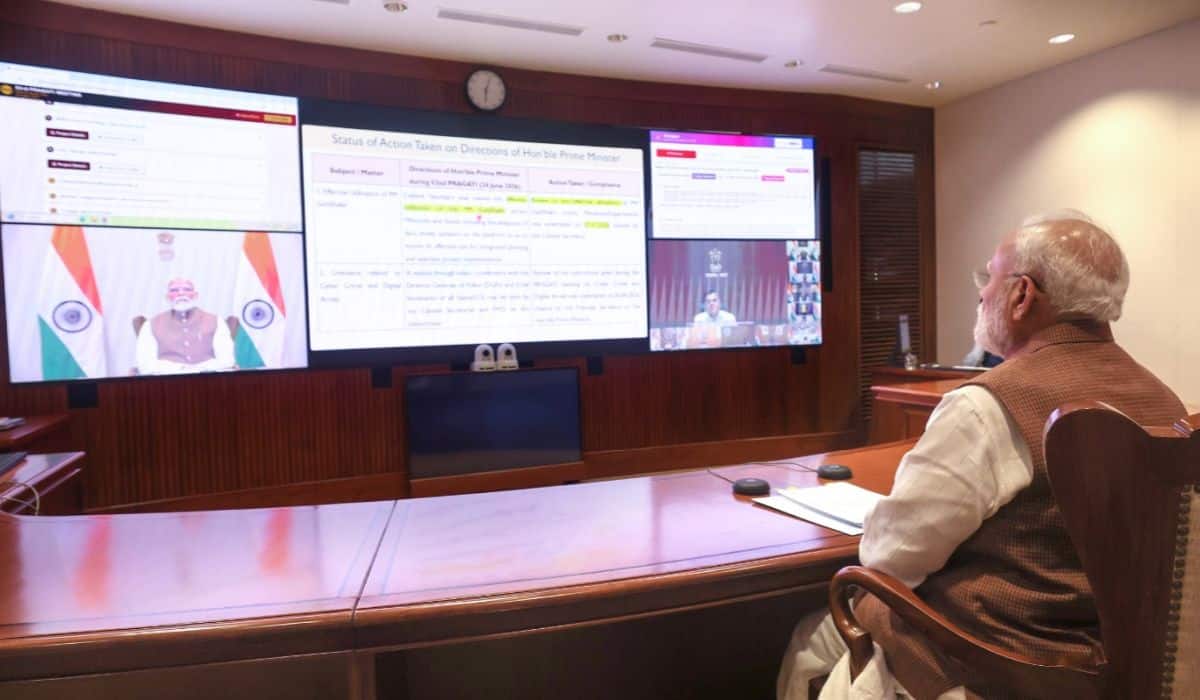
জয় সোমনাথ।
জয় সোমনাথ।
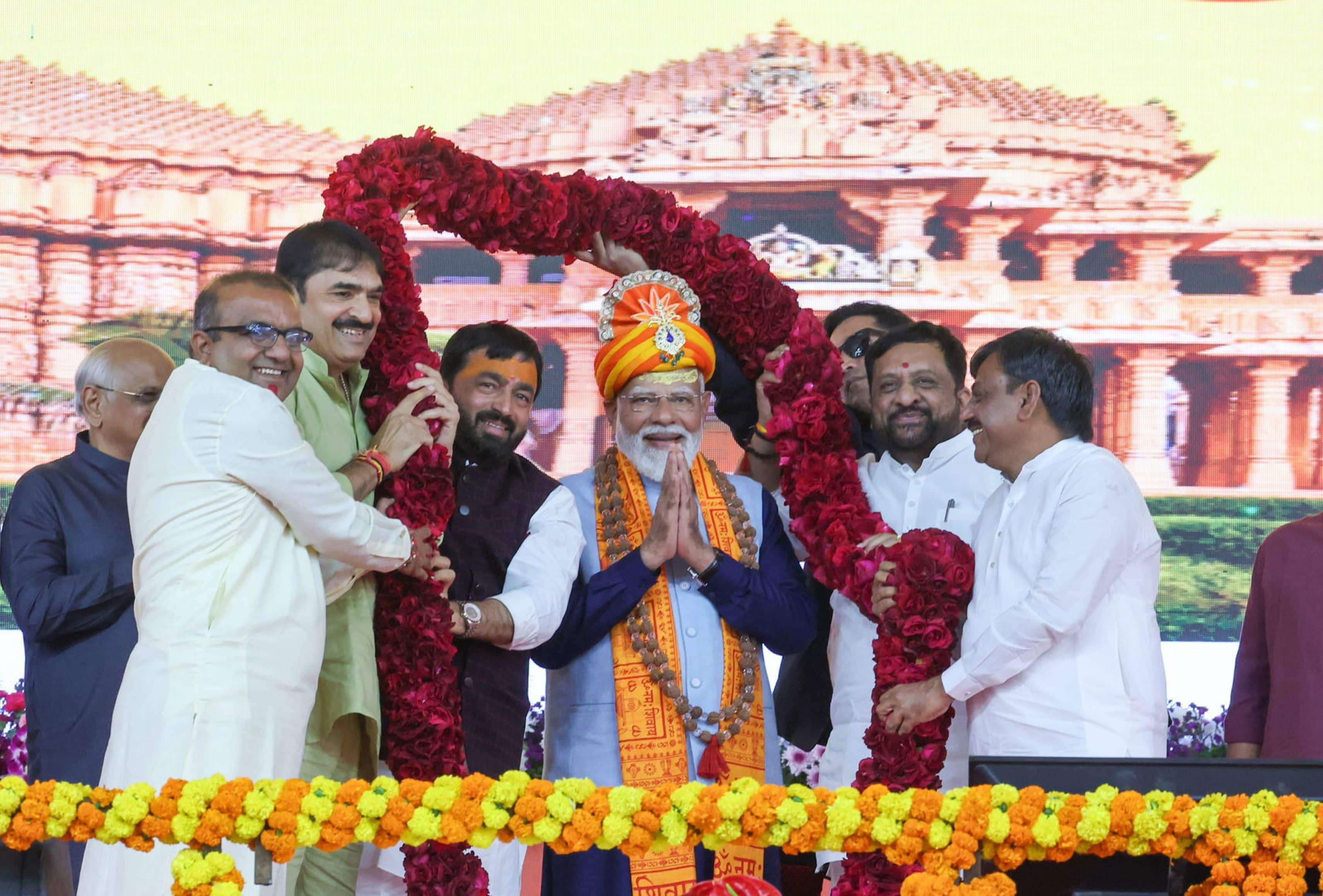
গুজরাটের জনপ্রিয় মুখ্যমন্ত্রী, শ্রী ভূপেন্দ্রভাই প্যাটেল, উদ্যমী তরুণ উপ-মুখ্যমন্ত্রী, হর্ষ সাংঘভি, গুজরাট সরকারের মন্ত্রী, জিতুভাই ভাগানি, অর্জুনভাই মোধওয়াদিয়া, ডঃ প্রদ্যুম্ন বাজা, কৌশিকভাই ভেকারিয়া, সাংসদ রাজেশভাই, এবং অন্যান্য বিশিষ্ট ব্যক্তিবর্গ, ভদ্রমহোদয়া ও ভদ্রমহোদয়গণ। আজ, দেশের প্রতিটি কোণ থেকে লক্ষ লক্ষ মানুষ আমাদের সঙ্গে যোগ দিয়েছেন। তাদেরও জয় সোমনাথ, আমার পক্ষ থেকে।
বন্ধুগণ,
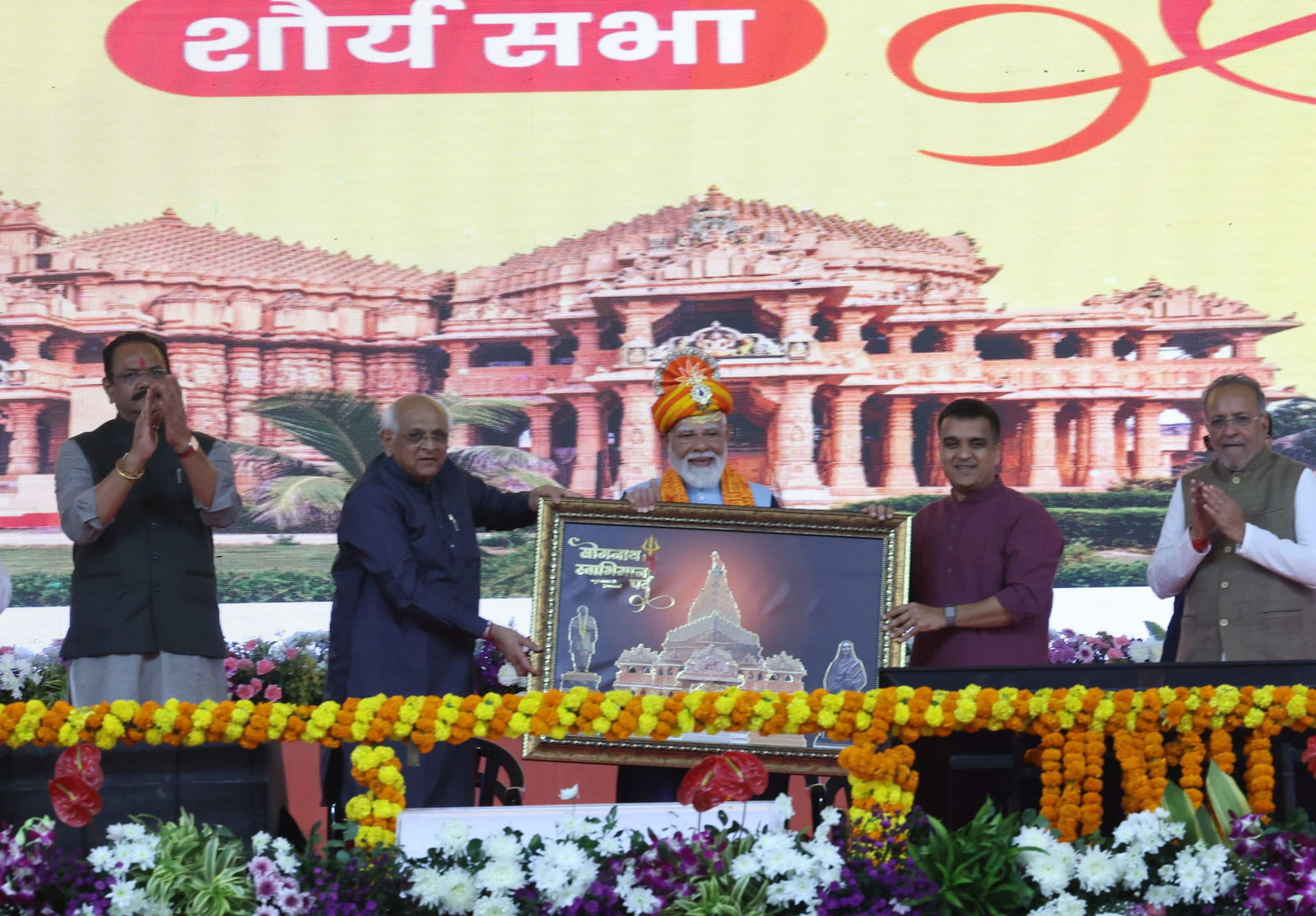
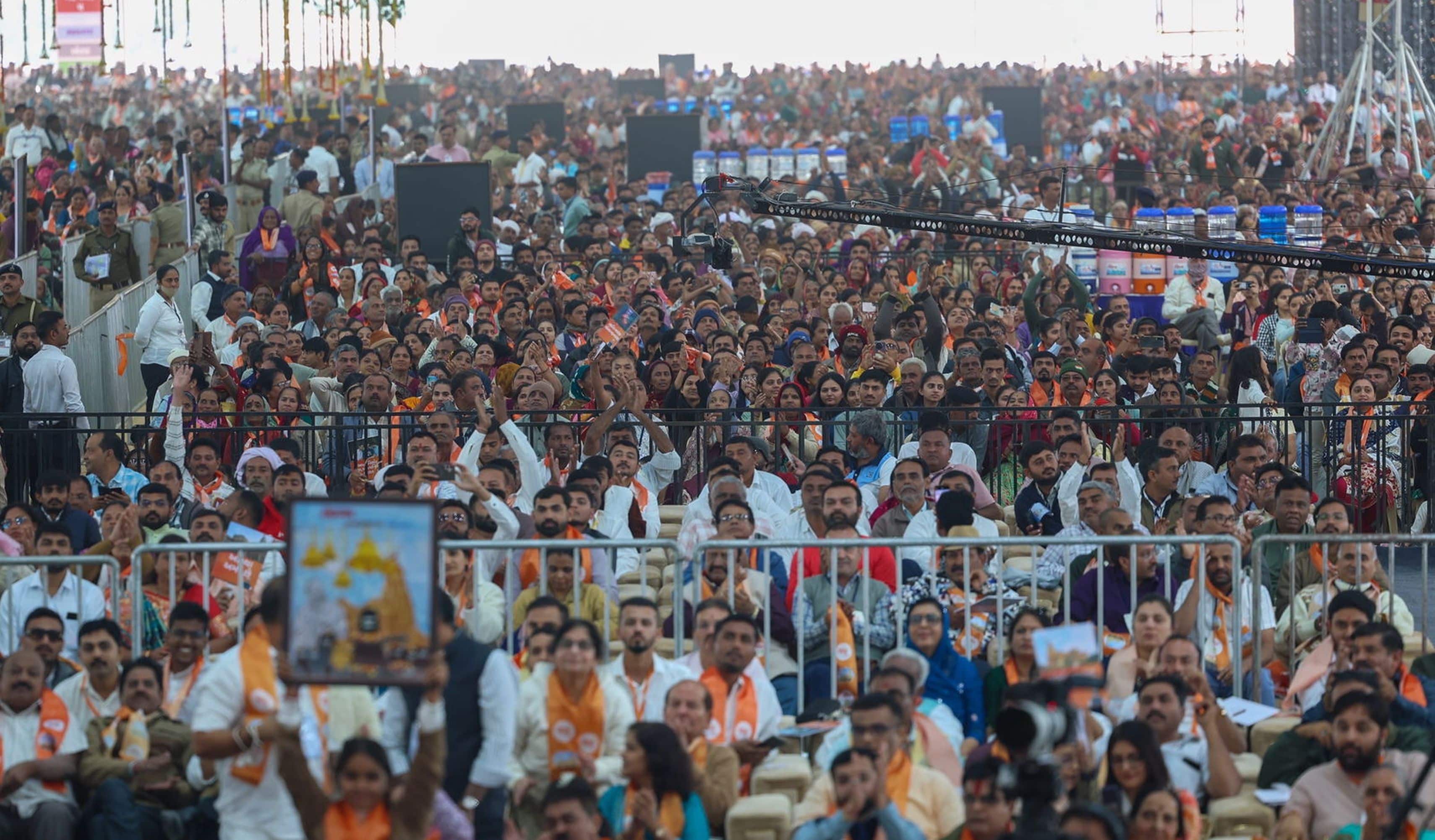
এই সময়টি অসাধারণ, এই পরিবেশটি অসাধারণ, এই উদযাপনটি অসাধারণ। একদিকে স্বয়ং ভগবান মহাদেব, অন্যদিকে, সমুদ্রের বিশাল ঢেউ, সূর্যের এই রশ্মি, মন্ত্রের এই প্রতিধ্বনি, বিশ্বাসের এই ঢেউ, এবং এই ঐশ্বরিক পরিবেশে, ভগবান সোমনাথের সকল ভক্তদের উপস্থিতি এই অনুষ্ঠানটিকে দিব্য ও মহৎ করে তুলছে। আর আমি এটাকে বিরাট সৌভাগ্য বলে মনে করি যে, সোমনাথ মন্দির ট্রাস্টের সভাপতি হিসেবে, সোমনাথ স্বাভিমান পর্বে সক্রিয়ভাবে সেবা করার সুযোগ পেয়েছি। ভাই, পিছন থেকে অন্য কিছু শব্দ আসছে, দয়া করে এসব বন্ধ করুন। ৭২ ঘন্টা একটানা ওঁকার ধ্বনি, ৭২ ঘন্টা একটানা জপ, এবং গতকাল সন্ধ্যায় আমি ১,০০০ ড্রোনের মাধ্যমে বৈদিক গুরুকুলের ১,০০০ ছাত্রের উপস্থিতি, সোমনাথের ১,০০০ বছরের ইতিহাসের প্রদর্শনী, এবং আজ ১০৮টি ঘোড়া নিয়ে মন্দিরে শৌর্যযাত্রা, মন্ত্র এবং স্তোত্রের এই আশ্চর্যজনক উপস্থাপনা, সবকিছুই মন্ত্রমুগ্ধকর। এই অনুভূতি ভাষায় প্রকাশ করা যায় না; কেবল সময়ই এটি ধারণ করতে পারে। এই অনুষ্ঠানে গর্ব, মর্যাদা, গৌরব এবং মর্যাদার জ্ঞান রয়েছে। এর মহিমার উত্তরাধিকার রয়েছে। এর একটি আধ্যাত্মিক অনুভূতি রয়েছে। এর অভিজ্ঞতা, আনন্দ, ঘনিষ্ঠতা এবং সর্বোপরি, পরমেশ্বর, মহাদেবের আশীর্বাদ রয়েছে। আসুন, আমার সঙ্গে বলুন, নমঃ পার্বতী পাতায়ে...হর হর মহাদেব।
বন্ধুগণ,
আজ যখন আমি আপনাদের সঙ্গে কথা বলছি, তখন আমার মনে বারবার এই প্রশ্নটি ঘুরপাক খাচ্ছে যে, ঠিক এক হাজার বছর আগে, ঠিক যেখানে আপনারা বসে আছেন, ঠিক সেই স্থানে পরিবেশ কেমন ছিল? আপনারা যেখানে বসে আছেন, তাঁদের পূর্বপুরুষরা, আপনাদের পূর্বপুরুষরা, আমাদের পূর্বপুরুষরা, তাঁদের জীবন ঝুঁকির মুখে ফেলেছিলেন। তাঁদের আস্থার জন্য, তাঁদের বিশ্বাসের জন্য, তাঁদের মহাদেবের জন্য, তাঁরা সবকিছু উৎসর্গ করেছিলেন। হাজার বছর আগে, সেই আততায়ীরা ভেবেছিল যে তাঁরা আমাদের জয় করেছে। কিন্তু আজ, এমনকি এক হাজার বছর পরেও, সোমনাথ মহাদেব মন্দিরের উপর উড়তে থাকা পতাকা সমগ্র বিশ্বকে ভারতের শক্তি ও শক্তির কথা জানাচ্ছে। প্রভাস পাটন মন্দিরের এই মাটির প্রতিটি কণা শৌর্য , পরাক্রম, বীরত্বের সাক্ষ্য বহন করে। সোমনাথের এই রূপের জন্য, অসংখ্য শিব ভক্ত, সংস্কৃতির উপাসক এবং সংস্কৃতির ধ্বজাধারীরা তাঁদের জীবন উৎসর্গ করেছেন। আজ, সোমনাথ স্বাভিমান পর্বে, আমি সবার আগে আমি সেই প্রত্যেক সাহসী পুরুষ ও মহিলার প্রতি শ্রদ্ধা জানাই যাঁরা সোমনাথের সুরক্ষাকে এবং মন্দিরের পুনর্নির্মাণকে তাঁদের জীবনের লক্ষ্য করেছে, তাদের সর্বস্ব দেবাদিদেব মহাদেবের জন্য উৎসর্গ করেছিলেন।
ভাই ও বোনেরা,
প্রভাস পাটনের এই অঞ্চলটি যেমন ভগবান শিবের আবাসস্থল, এর পবিত্রতা তেমনি ভগবান কৃষ্ণের সঙ্গেও জড়িত। মহাভারতের যুগে, পাণ্ডবরাও এই তীর্থস্থানে তপস্যা করেছিলেন। অতএব, এই উপলক্ষটি ভারতের অগণিত মাত্রার প্রতি শ্রদ্ধা জানানোরও একটি সুযোগ। এটি একটি সুখকর কাকতালীয় ঘটনা যে আজ, সোমনাথ মন্দিরের স্বাভিমান যাত্রার এক হাজার বছর পূর্ণ হচ্ছে, এর পাশাপাশি ১৯৫১ সালে হওয়া এর পুনর্নির্মাণের ৭৫ বছর পূর্ণ হচ্ছে। আমি বিশ্বব্যাপী লক্ষ লক্ষ ভক্তদের সোমনাথ স্বাভিমান পর্বে শুভেচ্ছা জানাই।
বন্ধুগণ,
সোমনাথ স্বাভিমান পর্ব কেবল ১,০০০ বছর আগে ঘটে যাওয়া ধ্বংসযজ্ঞের স্মরণ নয়; এটি হাজার বছরের যাত্রার উদযাপন। একই সঙ্গে, এটি আমাদের ভারতের অস্তিত্ব এবং গর্বের উদযাপন। কারণ, আমাদের প্রতিটি পদক্ষেপে, প্রত্যেক গন্তব্যে, সোমনাথ এবং ভারতের মধ্যে অনন্য মিল দেখতে পাই। ঠিক যেমন সোমনাথকে ধ্বংস করার জন্য কেবল একটি নয়, অসংখ্য চেষ্টা হয়েছে, অপচেষ্টা হয়েছে, তেমনি বিদেশী আক্রমণকারীরা শতাব্দীর পর শতাব্দী ধরে ভারতকে ধ্বংস করার চেষ্টা চালিয়েছে। কিন্তু, না সোমনাথ ধ্বংস হয়েছে, না ভারত ধ্বংস হয়েছে! কারণ, ভারত এবং ভারতের বিশ্বাসের কেন্দ্রগুলি একে অপরের সঙ্গে জড়িত।
বন্ধুগণ,
আপনারা ওই ইতিহাসটা কল্পনা করুন। এক হাজার বছর আগে, ১০২৬ সালে, সবার আগে গজনী সোমনাথ মন্দিরকে ভাঙে। সে ভেবেছিল যে সে এটি নিশ্চিহ্ন করে দিয়েছে। তবে, কয়েক বছরের মধ্যেই সোমনাথ পুনর্নির্মাণ করা হয়। দ্বাদশ শতাব্দীতে, রাজা কুমারপাল মন্দিরটি জাঁকজমকপূর্ণভাবে সংস্কার করেন। কিন্তু ত্রয়োদশ শতাব্দীর শেষের দিকে, আলাউদ্দিন খিলজি আবার সোমনাথ আক্রমণ করার সাহস করে। বলা হয় যে জালোরের রাওয়াল খিলজি বাহিনীর বিরুদ্ধে বীরত্বের সঙ্গে লড়াই করেছিলেন। এর পরে, চতুর্দশ শতাব্দীর প্রথম দিকে, জুনাগড়ের রাজা আবার সোমনাথ মন্দির প্রতিষ্ঠা করেন। চতুর্দশ শতাব্দীর শেষ বছরগুলিতে, মুজাফফর খান আবার সোমনাথ আক্রমণ করেন, কিন্তু সেই আক্রমণও ব্যর্থ হয়। পঞ্চদশ শতাব্দীতে, সুলতান আহমদ শাহ সোমনাথ মন্দিরকে অপবিত্র করার চেষ্টা করে, আর একই শতাব্দীতে, তার নাতি, সুলতান মেহমুদ বেগড়া, সোমনাথ আক্রমণ করে এবং এটিকে মসজিদে রূপান্তর করার চেষ্টা করে। তবে, মহাদেবের ভক্তদের প্রচেষ্টার ফলে, মন্দিরটি পুনরুজ্জীবিত হয়। সপ্তদশ এবং অষ্ঠাদশ শতকে ঔরঙ্গজেবের রাজত্বকাল ছিল। সে সোমনাথ মন্দিরকে অপবিত্র করে, সোমনাথকে আবার মসজিদে রূপান্তর করার চেষ্টা করেছিল। তার পরেও, অহল্যাবাই হোলকার একটি নতুন মন্দির প্রতিষ্ঠা করে সোমনাথকে পুনরুদ্ধার করেছিলেন। অর্থাৎ , সোমনাথের ইতিহাস ধ্বংস এবং পরাজয়ের ইতিহাস নয়। এই ইতিহাস বিজয় এবং পুনর্নির্মাণের ইতিহাস।আমাদের পূর্বপুরুষদের বীরত্বের ইতিহাস, তাঁদের ত্যাগ এবং নিষ্ঠার ইতিহাস। আক্রমণকারীরা আসতে থাকে, ধর্মীয় সন্ত্রাসের নতুন আক্রমণ ঘটতে থাকে, কিন্তু প্রতিটি যুগে সোমনাথ পুনঃ,পুনঃপ্রতিষ্ঠিত হয়েছে। এত শতাব্দী ব্যাপী এই সংগ্রাম, এত দীর্ঘ প্রতিরোধ, এত মহান ধৈর্য, সৃষ্টি ও পুনর্নির্মাণের জন্য এত সাহস এবং সামর্থ , আমাদের সংস্কৃতিতে এত বিশ্বাস এবং এমন আস্থা - বিশ্ব ইতিহাসে এমন উদাহরণ খুঁজে পাওয়া কঠিন। (গুজরাটি ভাষায় জনগণকে উদ্দেশ্য করে ) আমাকে উত্তর দিন ভাই, আমাদের কি আমাদের পূর্বপুরুষদের সাহসিকতা মনে রাখা উচিত নাকি?
আমাদের কি আমাদের পূর্বপুরুষদের কৃতিত্ব থেকে অনুপ্রেরণা নেওয়া উচিত নাকি?
এমন কোন পুত্র আছে কি, এমন সন্তান আছে কি, যে তার পূর্বপুরুষদের কৃতিত্ব ভুলে যাওয়ার ভান করে?
(হিন্দিতে) ভাই ও বোনেরা,
গজনী থেকে আওরঙ্গজেব পর্যন্ত আক্রমণকারীরা যখন সোমনাথ আক্রমণ করেছিল, তখন তাদের মনে হয়েছিল যেন তাদের তরবারি শাশ্বত সোমনাথকে জয় করছে। সেই ধর্মীয় কট্টরপন্থীরা বুঝতে পারেনি যে তারা যে সোমনাথকে ধ্বংস করতে চেয়েছিল তার নামের সঙ্গেই সোম, যার অর্থ অমৃত, যুক্ত রয়েছে। তাঁর মধ্যে হলাহল পান করার পরেও অমর থাকার ধারণা রয়েছে। এর মধ্যে সদাশিব মহাদেবের রূপে সেই চৈতন্য শক্তি বাস করে, তা যেমন কল্যাণকারী তেমনি "প্রচণ্ড তাণ্ডবঃ শিবঃ" এর উৎস।
ভাই ও বোনেরা,
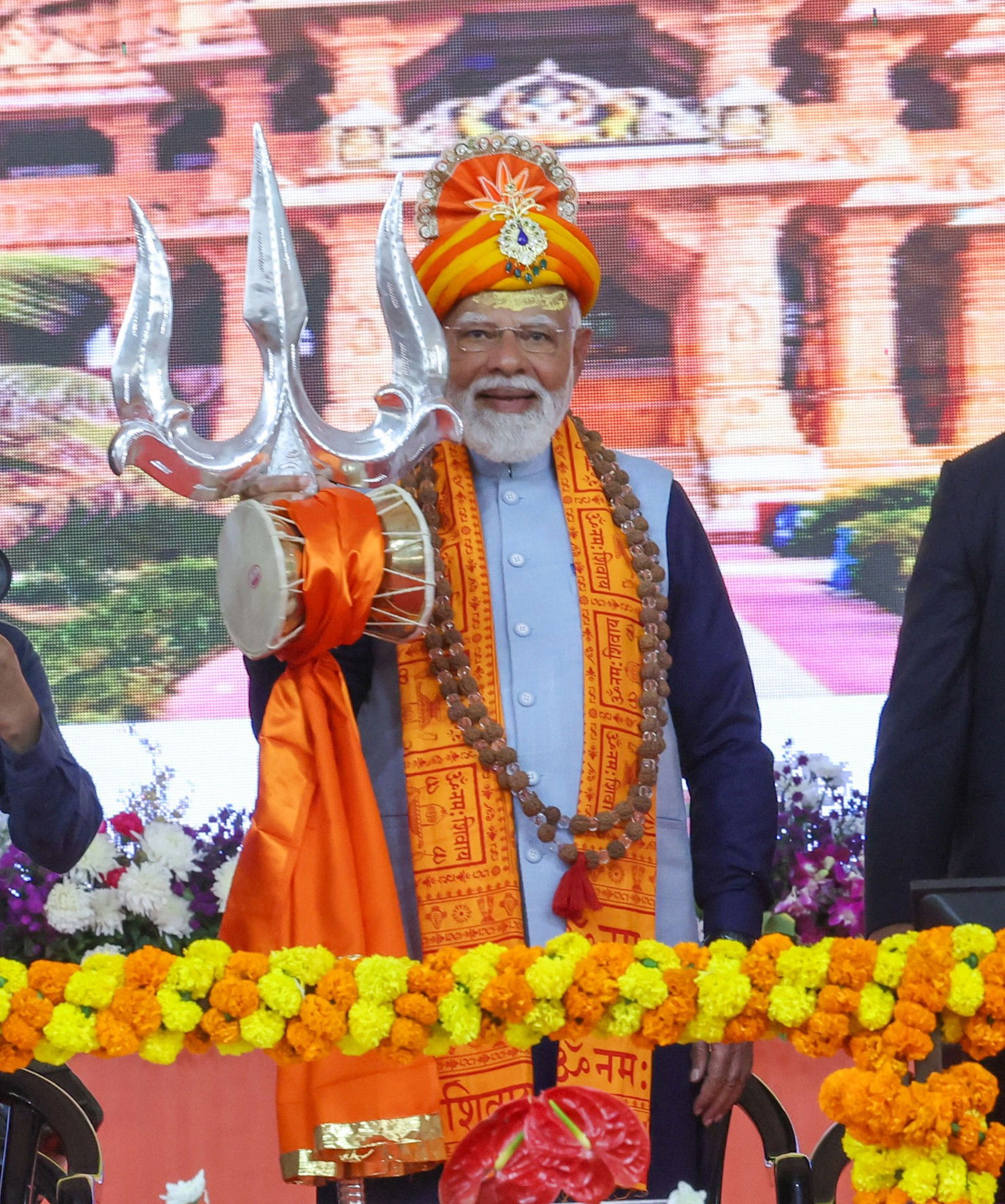
সোমনাথে উপবিষ্ট মহাদেব মৃত্যুঞ্জয় নামেও পরিচিত। মৃত্যুঞ্জয়, যিনি মৃত্যুকে জয় করেছেন! তিনি হলেন স্বয়ং কালস্বরূপ। যতো জায়তে পাল্যতে য়েন বিশ্বম্, তমিষম্ ভজে লেয়তে য়ত্র বিশ্বম্! অর্থাৎ, এই সৃষ্টি তাঁর থেকেই উৎপত্তি হয়, এবং তাঁর মধ্যেই বিলীন হয়। আমরা বিশ্বাস করি, "ত্বমেকো জগত্ ব্যভিপিতো বিশ্বরূপ!" অর্থাৎ, শিব সমগ্র বিশ্বে ব্যাপ্ত। সেই কারণেই আমরা প্রতিটি কণায় কণায়, প্রতিটি নুড়িপাথরে সেই শিবকে দেখতে পাই। তাহলে, সেই শংকরের কত স্বরূপ কেউ ধ্বংস করতে পারে? আমরা তো তেমন মানুষ, যারা জীবের মধ্যেও শিবকে দেখতে পাই! তাঁর প্রতি আমাদের বিশ্বাসকে কেউ কীভাবে নাড়িয়ে দিতে পারে?
আর বন্ধুগণ,
এটাই সময়ের চক্র, যে সোমনাথকে ধ্বংস করার উদ্দেশ্যে আসা ধর্মীয় আততায়ীরা এখন ইতিহাসের কয়েকটি পৃষ্ঠায় সীমাবদ্ধ। আর, সোমনাথ মন্দির সেই বিশাল সমুদ্রের তীরে দাঁড়িয়ে আছে, ধর্মের গগনচুম্বী গর্বধ্বজাকে ধারণ করে দাঁড়িয়ে আছে। সোমনাথের এই চূড়াটি যেন ঘোষণা করছে, "চন্দ্রশেখরম আশ্রয়ে মম কিম করিষ্যতি বৈ য়মহ!" অর্থাৎ, "আমি চন্দ্রশেখর শিবের উপর নির্ভরশীল, কালও আমার কী করতে পারে?"
বন্ধুগণ,
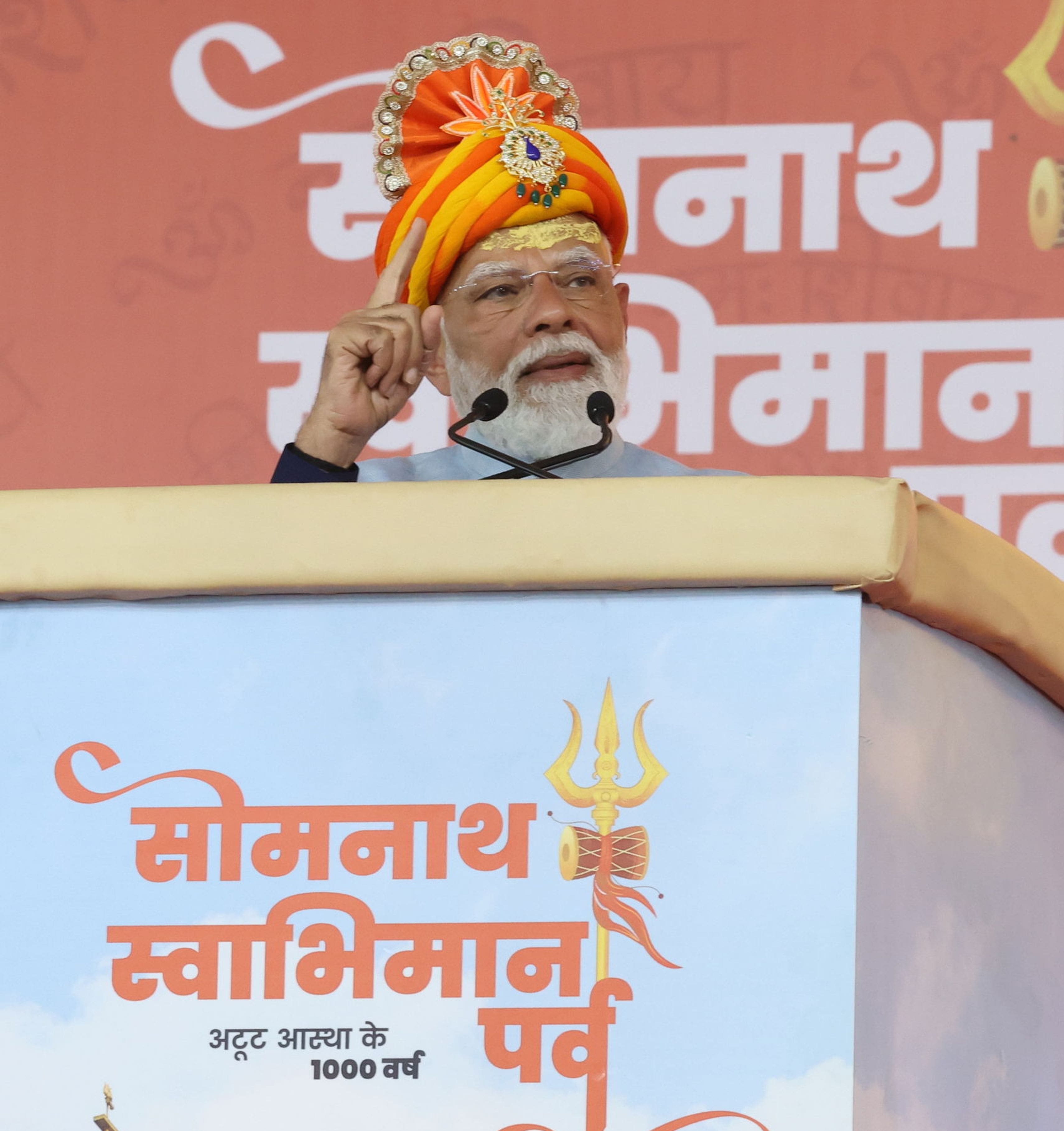
সোমনাথ স্বাভিমান পর্ব, ইতিহাসে গৌরবের উদযাপন তো বটেই, এটি একটি কালাতীত যাত্রাকে ভবিষ্যতের জন্য জীবন্ত করে তোলার একটি মাধ্যমও। আমাদের এই সুযোগটিকে আমাদের অস্তিত্ব এবং পরিচয়কে শক্তিশালী করার জন্য ব্যবহার করতে হবে। আপনারাও দেখেছেন, যদি কোথাও কোনও দেশের কাছে যদি কয়েকশ বছরের পুরনো ঐতিহ্য থাকে, তবে সেই দেশটি এটিকে তার পরিচয় হিসেবে বিশ্বের কাছে উপস্থাপন করে। অন্যদিকে, ভারতে সোমনাথের মতো হাজার হাজার বছর পুরনো পবিত্র স্থান রয়েছে। এই স্থানগুলি আমাদের সামর্থ, প্রতিরোধ এবং ঐতিহ্যের পর্যায় ছিল। কিন্তু দুর্ভাগ্যবশত, স্বাধীনতার পর, দাস মানসিকতার লোকেরা এগুলি থেকে নিজেদের দূরে সরিয়ে নেওয়ার চেষ্টা করেছিল! সেই ইতিহাস ভুলে যাওয়ার ঘৃণ্য প্রচেষ্টা হয়েছিল! আমরা জানি, সোমনাথকে রক্ষা করার জন্য দেশবাসী কত ত্যাগ স্বীকার করেছে। রাওয়াল কানহঢ়েরের মতো শাসকদের প্রচেষ্টা,বীর হামিরজি গোহিলের বীরত্ব, ভেগড়া ভিলের শৌর্য – এমন কতনা নায়কের ইতিহাস সোমনাথ মন্দিরের সঙ্গে জড়িত। কিন্তু দুর্ভাগ্যবশত, তাঁদের কখনই যথাযথ গুরুত্ব দেওয়া হয়নি। এমনকি আক্রমণের ইতিহাসকেও কিছু ইতিহাসবিদ এবং রাজনীতিবিদ হোয়াইটওয়াশ করার চেষ্টাও করেছিলেন! ধর্মীয় উগ্রতার মানসিকতাকে কেবল লুণ্ঠন হিসাবে চিত্রিত করে বই লেখা হয়েছিল। সোমনাথ মন্দির একবার নয়, বারবার ধ্বংস করা হয়েছিল। যদি সোমনাথের উপর আক্রমণ কেবল অর্থনৈতিক লুণ্ঠনের জন্য হত, তবে এক হাজার বছর আগে প্রথম বড় লুণ্ঠনের পরে এগুলি বন্ধ হয়ে যেত! কিন্তু তা হয়নি। সোমনাথের পবিত্র মূর্তি ধ্বংস করা হয়েছিল। বারবার মন্দিরের চেহারা পরিবর্তন করার জন্য চেষ্টা করা হয়েছিল। আর আমাদের শেখানো হয়েছিল যে লুণ্ঠনের জন্য সোমনাথ ধ্বংস করা হয়েছিল। ঘৃণা, নিপীড়ন এবং সন্ত্রাসের আসল ক্রূর ইতিহাস আমাদের কাছ থেকে লুকিয়ে রাখা হয়েছিল।
বন্ধুগণ,
ধর্মের প্রতি নিষ্ঠাবান কেউই এই ধরণের উগ্র চিন্তাভাবনাকে সমর্থন করবে না। তবে, তুষ্টিকরণের মূল পরিকল্পনাকারীরা সর্বদা এই কট্টরপন্থী ভাবধারার কাছে নতি স্বীকার করেছে। ভারত যখন দাসত্বের শৃঙ্খল থেকে মুক্ত হয়েছিল এবং সর্দার প্যাটেল সোমনাথ পুনর্নির্মাণের শপথ নিয়েছিলেন, তখন তাঁকেও থামানোর চেষ্টা করা হয়েছিল। ১৯৫১ সালে, তৎকালীন রাষ্ট্রপতি ডঃ রাজেন্দ্র প্রসাদের এখানে সফরেরও আপত্তি জানানো হয়েছিল। সেই সময়ে, আমাদের সৌরাষ্ট্রের সবচেয়ে বিখ্যাত জাম সাহেব, মহারাজা দিগ্বিজয় সিংজি এগিয়ে এসেছিলেন। জমি অধিগ্রহণ থেকে শুরু করে নিরাপত্তা ব্যবস্থা পর্যন্ত, তিনি জাতীয় গর্বকে অগ্রাধিকার দিয়েছিলেন। সেই সময়, সোমনাথ মন্দিরের জন্য জাম সাহেব ১ লক্ষ টাকা দান করেছিলেন এবং তিনি ট্রাস্টের প্রথম অধ্যক্ষ হিসেবে অত্যন্ত দায়িত্বপূর্ণ ভূমিকা পালন করেছিলেন।
ভাই ও বোনেরা,
দুর্ভাগ্যবশত, আজও আমাদের দেশে সেই অপশক্তিগুলি উপস্থিত এবং সম্পূর্ণরূপে সক্রিয় রয়েছে, যারা সোমনাথ পুনর্নির্মাণের বিরোধিতা করেছিল । আজ, তরবারির পরিবর্তে, অন্যান্য ঘৃণ্য উপায়ে ভারতের বিরুদ্ধে ষড়যন্ত্র করা হচ্ছে। এবং তাই, আমাদের বেশি সতর্ক থাকতে হবে, আমাদের নিজেদেরকে শক্তিশালী করতে হবে। আমাদের ঐক্যবদ্ধ থাকতে হবে, সঙ্ঘবদ্ধ থাকতে হবে এবং এরকম প্রতিটি শক্তিকে পরাজিত করতে হবে যারা আমাদের বিভক্ত করার ষড়যন্ত্র করছে।
বন্ধুগণ,
যখন আমরা আমাদের বিশ্বাসের সঙ্গে যুক্ত থাকি, আমাদের শিকড়ের সঙ্গে যুক্ত থাকি, পূর্ণ আত্মসম্মানের সঙ্গে আমাদের ঐতিহ্যকে রক্ষা করি এবং আমাদের ঐতিহ্য সম্পর্কে সচেতন থাকি, তখন আমাদের সভ্যতার শিকড়ও শক্তিশালী হয়। আর সেজন্যেই, বিগত হাজার বছরের যাত্রা আমাদের পরবর্তী হাজার বছরের জন্য প্রস্তুত থাকার প্রেরণা জোগায়।
বন্ধুগণ,
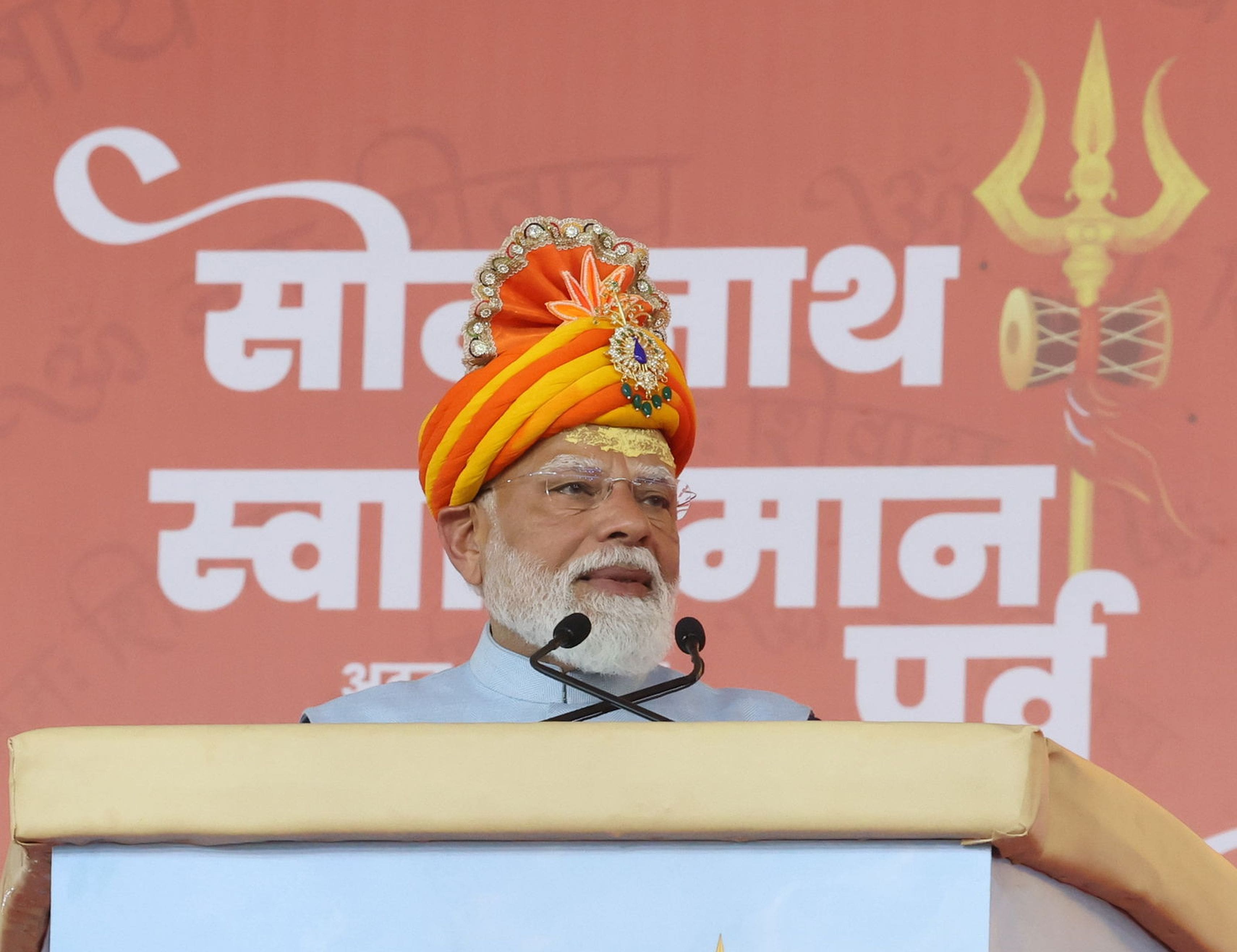
রাম মন্দির প্রাণ প্রতিষ্ঠার ঐতিহাসিক অনুষ্ঠানে, আমি ভারতের জন্য একটি মহান হাজার বছরের স্বপ্ন উপস্থাপন করেছি। আমি 'ঈশ্বর থেকে দেশে' দৃষ্টিভঙ্গি নিয়ে এগিয়ে যাওয়ার কথা বলেছিলাম। আজ, দেশের সাংস্কৃতিক নবজাগরণ লক্ষ লক্ষ দেশবাসীর মধ্যে নতুন আত্মবিশ্বাস জাগিয়ে তুলছে। আজ, প্রত্যেক নাগরিকের মনে একটি উন্নত ভারত গড়ার বিশ্বাস রয়েছে। আজ, ১৪০ কোটি ভারতীয় ভবিষ্যতের লক্ষ্য অর্জনে দৃঢ়প্রতিজ্ঞ। ভারত তার গর্বকে নতুন উচ্চতায় উন্নীত করবে; আমরা দারিদ্র্যের বিরুদ্ধে আমাদের লড়াইয়ে জয়ী হব; আমরা উন্নয়নের নতুন উচ্চতায় পৌঁছাব! প্রথমে, বিশ্বের তৃতীয় বৃহত্তম অর্থনীতি হওয়ার লক্ষ্য, এবং তারপরে তার বাইরের যাত্রা - দেশ এখন এর জন্য প্রস্তুত। আর সোমনাথ মন্দিরের এই শক্তি আমাদের এই সংকল্পগুলিকে আশীর্বাদ করছে।
বন্ধুগণ,
আজকের ভারত উন্নয়নের জন্য ঐতিহ্য দ্বারা অনুপ্রাণিত হয়ে এগিয়ে চলেছে। সোমনাথে, "উন্নয়নও, ঐতিহ্যও" এই চেতনা প্রতিনিয়ত বাস্তবায়িত হচ্ছে। একদিকে, সোমনাথ মন্দিরের সাংস্কৃতিক সম্প্রসারণ, সোমনাথ সংস্কৃত বিশ্ববিদ্যালয় প্রতিষ্ঠা, মাধবপুর মেলার জনপ্রিয়তা এবং রঙগুলি আমাদের ঐতিহ্যকে শক্তিশালী করছে। গির সিংহ সংরক্ষণ এই অঞ্চলের প্রাকৃতিক আকর্ষণকে বাড়িয়ে তুলছে। এদিকে, প্রভাস পাটন অঞ্চলও উন্নয়নের নতুন মাত্রা চিহ্নিত করছে। কেশোদ বিমানবন্দর সম্প্রসারিত হচ্ছে, যার ফলে ভারত এবং বিদেশ থেকে তীর্থযাত্রীরা সরাসরি সোমনাথে পৌঁছাতে পারবেন। আহমেদাবাদ-ভেরাবল বন্দে ভারত ট্রেন চালু হওয়ার ফলে তীর্থযাত্রী এবং পর্যটকদের ভ্রমণের সময় কমেছে। এই অঞ্চলে যাত্রাধাম সার্কিটও তৈরি হচ্ছে। অতএব, আজকের ভারত বিশ্বাসকে স্মরণ করার পাশাপাশি, অবকাঠামো, সংযোগ এবং প্রযুক্তির মাধ্যমে ভবিষ্যতের জন্যও ক্ষমতায়ন করছে।
বন্ধুগণ,
আমাদের সভ্যতার বার্তা, কখনও কাউকে পরাজিত করার ছিল না, বরং জীবনে ভারসাম্য বজায় রাখার ছিল। আমাদের দেশে, বিশ্বাসের পথ আমাদের ঘৃণার দিকে নিয়ে যায় না। আমাদের দেশে, ক্ষমতা আমাদের বিনাশ করার অহংকার দেয় না। সোমনাথের মতো তীর্থ আমাদের শিখিয়েছে যে সৃষ্টির পথ দীর্ঘ হয়, কিন্তু সেটাই স্থায়ী হয়, চিরঞ্জীবী হয়। তরবারির ডগায় কখনও হৃদয় জয় করা যায় না; যে সভ্যতাগুলি অন্যদের ধ্বংস করে এগিয়ে যেতে চায়, তারা নিজেরাই, সময়ের সঙ্গে সঙ্গে হারিয়ে যায়। সেজন্যে, ভারত বিশ্বকে একথা শেখায়নি যে অন্যদের পরাজিত করে কীভাবে জয় করতে হয়, বরং এটা শিখিয়েছে , যে কীভাবে হৃদয় জয় করে বাঁচতে হয়। এই ভাবনাগুলি আজ বিশ্বের প্রয়োজন। সোমনাথের হাজার বছরের গাথা সমগ্র মানবতাকে এই শিক্ষা দিচ্ছে।সেজন্যে, আসুন আমরা সংকল্প করি, আমরা উন্নয়নের পথে এগিয়ে যাই, পায়ে পা মিলিয়ে এগোই, কাঁধে কাঁধ মিলিয়ে এগোই, হৃদয়কে হৃদয়ের সঙ্গে জুড়ে এগোই, লক্ষ্যকে ভুলে না গিয়ে এগোই, আর পাশাপাশি, আমাদের অতীত এবং আমাদের ঐতিহ্যের সঙ্গেও যুক্ত থাকি। আসুন, আমরা আধুনিকতাকে আলিঙ্গন করি এবং আমাদের চেতনাকে সামলে রাখি। আসুন, সোমনাথ স্বাভিমান পর্বের মতো ঘটনা থেকে অনুপ্রেরণা নিয়ে উন্নয়নের পথে দ্রুত এগিয়ে যাই। প্রতিটি চ্যালেঞ্জ অতিক্রম করে, আমাদের লক্ষ্যে পৌঁছাই। আর এই কর্মসূচি আজ থেকে শুরু হচ্ছে, দেশের প্রতিটি কোণে আমাদের এই হাজার বছরকে স্মরণ করতে হবে, আমাদের নিজেদের ঐতিহ্যকে বিশ্বের কাছে পরিচয় করিয়ে দিতে হবে, আমাদের ৭৫ বছরের এই নতুন উৎসব উদযাপন করতে হবে, এবং আমাদের ২০২৭ সালের মে পর্যন্ত এটি উদযাপন চালিয়ে যাওয়া উচিত, প্রতিটি মানুষকে জাগ্রত রাখতে হবে, জাগ্রত দেশ স্বপ্ন বাস্তবায়নের জন্য এগিয়ে যেতে থাকবে, এই কামনা নিয়ে, আবারও আমি সমস্ত দেশবাসীকে আমার শুভেচ্ছা জানাই।
হর হর মহাদেব।
জয় সোমনাথ।
জয় সোমনাথ।
জয় সোমনাথ।