ہمارے سیارے کے لیے درست فیصلے کرنے والے افراد سیارے کے لیے ہماری جنگ میں کلیدی حیثیت رکھتے ہیں۔ یہ مشن لائف کا بنیادی حصہ ہے
ماحولیاتی تبدیلیوں کا مقابلہ صرف کانفرنس کی میزوں سے نہیں کیا جا سکتا۔ اس کا مقابلہ ہر گھر میں کھانے کی میزوں سے کرنا پڑتا ہے
مشن لائف موسمیاتی تبدیلی کے خلاف جنگ کو جمہوری بنانا ہے
ہندوستان کے لوگوں نے پچھلے چند سالوں میں عوامی تحریکوں اور رویے میں تبدیلی کے معاملے میں بہت کچھ کیا ہے
طرز عمل سے متعلق اقدامات کے لیے مالی اعانت کے مناسب طریقوں پر بھی کام کرنے کی ضرورت ہے۔ مشن لائف جیسے طرز عمل سے متعلق اقدامات کے لیے ورلڈ بینک کی طرف سے حمایت کا ایک بہت بڑا اثر ہوگا

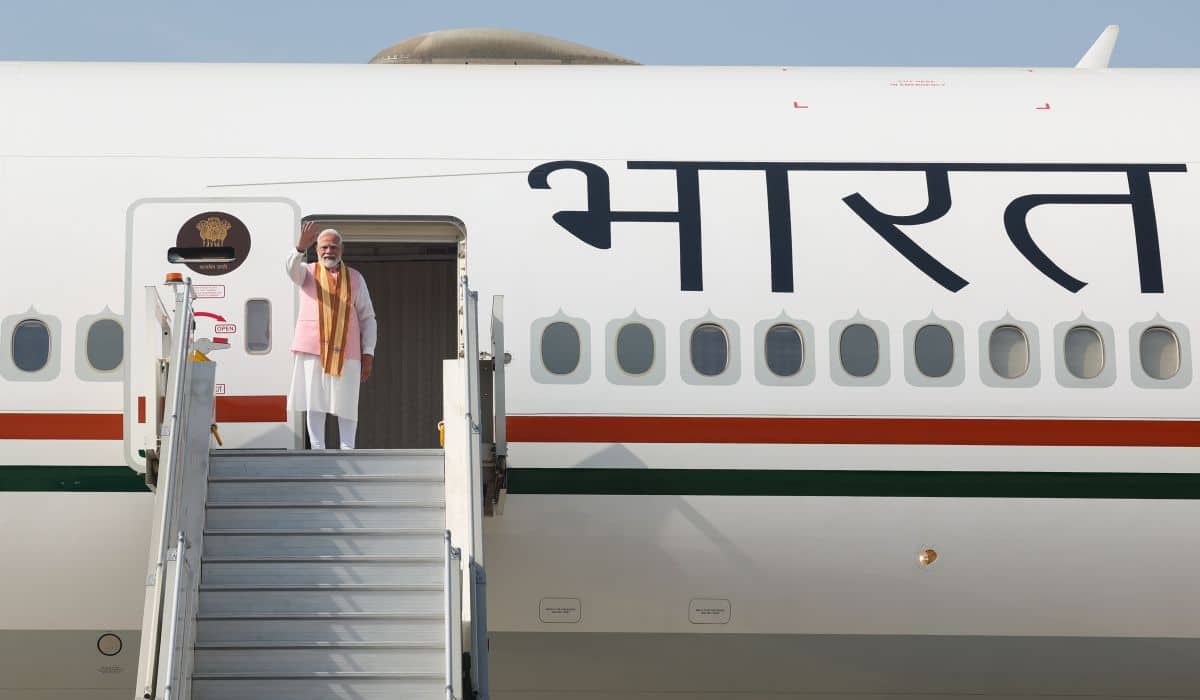
وزیر اعظم جناب نریندر مودی نے آج ویڈیو پیغام کے ذریعے عالمی بینک کی ایک تقریب سے خطاب کیا جس کا عنوان تھا ”اسے ذاتی بنانا: طرز عمل میں تبدیلی موسمیاتی تبدیلی سے کیسے نمٹ سکتی ہے“۔ وزیر اعظم نے اس موضوع سے اپنے ذاتی تعلق کا اعتراف کیا اور خوشی کا اظہار کیا کہ یہ ایک عالمی تحریک بن رہی ہے۔

چانکیہ کا حوالہ دیتے ہوئے، وزیر اعظم نے چھوٹے کاموں کی اہمیت پر زور دیا اور کہا کہ ”بذات خود، کرہ ارض کے لیے ہر اچھا کام معمولی معلوم ہو سکتا ہے۔ لیکن جب دنیا بھر میں اربوں لوگ مل کر ایسا کرتے ہیں تو اس کا اثر بہت زیادہ ہوتا ہے۔ ہم سمجھتے ہیں کہ ہمارے سیارے کے لیے صحیح فیصلے کرنے والے افراد سیارے کے لیے ہماری جنگ میں کلیدی حیثیت رکھتے ہیں۔ یہ مشن لائف کا بنیادی حصہ ہے۔“

لائف (LiFE) تحریک کی ابتدا کے بارے میں بات کرتے ہوئے وزیر اعظم نے یاد کیا کہ 2015 میں اقوام متحدہ کی جنرل اسمبلی میں انہوں نے رویے میں تبدیلی کی ضرورت کے بارے میں بات کی تھی اور اکتوبر 2022 میں اقوام متحدہ کے سیکرٹری جنرل اور انہوں نے مل کر مشن لائف کا آغاز کیا تھا۔ انہوں نے ذکر کیا کہ CoP-27 کے نتائج کی دستاویز کی تمہید پائیدار طرز زندگی اور استعمال کے بارے میں بھی بات کرتی ہے۔ اگر لوگ سمجھتے ہیں کہ صرف حکومت ہی نہیں بلکہ وہ بھی اس میں اپنا تعاون کر سکتے ہیں، تو وزیر اعظم نے نشاندہی کی کہ ”ان کی پریشانی عمل میں بدل جائے گی۔“ انہوں نے واضح کیا کہ ”موسمیاتی تبدیلیوں کا مقابلہ صرف کانفرنس کی میزوں سے نہیں کیا جا سکتا۔ اس کا مقابلہ ہر گھر میں کھانے کی میزوں سے کرنا پڑتا ہے۔ جب کوئی خیال بحث کی میز سے کھانے کی میز پر منتقل ہوتا ہے تو یہ ایک عوامی تحریک بن جاتا ہے۔ ہر خاندان اور ہر فرد کو اس بات سے آگاہ کرنا کہ ان کے انتخاب سے کرہ ارض کو پیمانہ اور رفتار فراہم کرنے میں مدد مل سکتی ہے۔ مشن لائف موسمیاتی تبدیلی کے خلاف جنگ کو جمہوری بنانے کے بارے میں ہے۔ جب لوگوں کو یہ احساس ہو جاتا ہے کہ ان کی روزمرہ کی زندگی میں سادہ سے کام بھی طاقتور ہیں، تو ماحول پر بہت مثبت اثرات مرتب ہوں گے۔

جناب مودی نے ہندوستان کی مثالوں سے اپنی سوچ کو واضح کیا اور کہا کہ ”عوامی تحریکوں اور رویے کی تبدیلی کے معاملے میں، ہندوستان کے لوگوں نے پچھلے کچھ سالوں میں بہت کچھ کیا ہے۔“ انہوں نے جنسی تناسب میں بہتری، بڑے پیمانے پر صفائی کی مہم، ایل ای ڈی بلب کو اپنانے کی مثالیں دیں جس سے ہر سال تقریباً 39 ملین ٹن کاربن ڈائی آکسائیڈ کے اخراج سے بچنے میں مدد ملتی ہے۔ مائیکرو آب پاشی کے ذریعے تقریباً سات لاکھ ہیکٹر کھیتوں کے رقبے پر پانی کی بچت ہوتی ہے۔

جناب مودی نے بتایا کہ مشن لائف کے تحت حکومت کی کوششیں بہت سے شعبوں میں پھیلی ہوئی ہیں جیسے کہ مقامی اداروں کو ماحول دوست بنانا، پانی کی بچت کرنا، توانائی کی بچت کرنا، فضلہ اور ای ویسٹ کو کم کرنا، صحت مند طرز زندگی کو اپنانا، قدرتی کھیتی کو اپنانا، باجرے کو فروغ دینا وغیرہ۔

انہوں نے کہا کہ یہ کوششیں بائیس بلین یونٹ سے زیادہ توانائی کی بچت کریں گی، نو ٹریلین لیٹر پانی کی بچت کریں گی، فضلے کو تین سو پچھتر ملین ٹن تک کم کریں گی، تقریباً ایک ملین ٹن ای ویسٹ کو ری سائیکل کریں گی اور 2030 تک تقریباً ایک سو ستر ملین ڈالر کی اضافی لاگت کی بچت ہو گی۔ یہ کتنا بڑا ہے یہ جاننے کے لیے میں آپ کو ایک موازنہ دیتا ہوں۔ ایف اے او کے مطابق 2020 میں عالمی بنیادی فصل کی پیداوار تقریباً نو بلین ٹن تھی“، انہوں نے وضاحت کی۔

وزیر اعظم مودی نے زور دے کر کہا کہ دنیا بھر کے ممالک کی حوصلہ افزائی میں عالمی اداروں کا اہم رول ہے۔ مجموعی سرمایہ کاری کے حصے کے طور پر ورلڈ بینک گروپ کی کلائمیٹ فنانس میں 26 فیصد سے 35 فیصد تک مجوزہ اضافے کا حوالہ دیتے ہوئے انہوں نے کہا کہ اس کلائمیٹ فنانس کا فوکس عموماً روایتی پہلوؤں پر ہوتا ہے۔ آخر میں انھوں نے کہا، ”طرز عمل سے متعلق اقدامات کے لیے مالی اعانت کے مناسب طریقوں پر بھی کام کرنے کی ضرورت ہے۔ مشن لائف جیسے طرز عمل کے اقدامات کے لیے ورلڈ بینک کی طرف سے حمایت کا مظاہرہ بہت زیادہ اثر ڈالے گا“۔

تقریر کا مکمل متن پڑھنے کے لیے یہاں کلک کریں

Explore More
شری رام جنم بھومی مندر دھوجاروہن اتسو کے دوران وزیر اعظم کی تقریر کا متن

Popular Speeches

شری رام جنم بھومی مندر دھوجاروہن اتسو کے دوران وزیر اعظم کی تقریر کا متن
Tier 2 cities emerge as next frontiers for India's growing GCC ecosystem

Media Coverage

Tier 2 cities emerge as next frontiers for India's growing GCC ecosystem
NM on the go

Nm on the go

Always be the first to hear from the PM. Get the App Now!
...
India-Australia Roadmap for Sports Collaboration
July 10, 2026

Sports is a powerful bridge between India and Australia, bringing communities together and opening new pathways for collaboration.

Building on the 2023 MoU on Cooperation in Sports, the India-Australia Roadmap for Sports Collaboration sets out practical, future-focused priorities and opportunities to strengthen this cornerstone of our bilateral relationship.

Recognising the decade of opportunity ahead — including the 2030 Commonwealth Games in Ahmedabad, the Brisbane 2032 Olympic and Paralympic Games, and India’s ambition to host a future Olympic and Paralympic Games — this Roadmap identifies targeted areas of cooperation aligned to shared priorities, capabilities and resources.

Respecting differences in the governance of sport and the development of sport ecosystems in Australia and India, and recognising the leadership role of sporting bodies, businesses, state–level governments, universities and community groups in promoting elite and community sports, we are committed to facilitating engagement and supporting collaborative ways of working between relevant institutions, to encourage stronger sports partnerships at all levels that benefits both countries.

Implementation will be pragmatic and outcomes-focused, with activities prioritised in line with available resources and major event timelines.

Cooperation will be delivered through established partnerships, supported by flexible, demand-led arrangements, whereby responsibility for resourcing activities will be negotiated on a case-by-case basis. This approach ensures practical, sustainable and mutually beneficial outcomes.

In this context, the following have been identified as focus areas for collaboration under this Roadmap:

A. Capacity Building:

o Collaborate for sharing best practice in establishing and operating High-Performance Sports Centres in India in priority sports.

o Identify Para sport as a key priority and opportunity for collaboration, including Australian expertise in Para classification, coaching and performance support, with potential links between Indian and Australian universities where appropriate.

o Drawing on Australia’s coach development models, facilitate two-way exchanges that bring Indian coach and coach educators to Australia and Australian coaches and coach educators to India, using a Train the Trainer approach where appropriate.

o A physical education exchange programme between India and Australia may be introduced to facilitate mutual learning, sharing of best practices, and collaboration in areas such as school sports, sports science, and community participation in physical education.

o Recognising the physical and mental health benefits of yoga and the World Yogasana, the federation for yogasana sports based in India, identify opportunities to share knowledge, foster collaboration and encourage participation in yoga in Australia.

o Work with the Australian Sports Commission to build the capability of select Indian coaches as part of the India Australia High Performance Coach Development program.

o Explore opportunities through relevant non-government stakeholders such as sporting organisations and universities to support talented young Indian sportspersons as part of high-performance programs in Australia through student scholarships funded by Government of India.

B. Collaborative Sports Science and Technology Research:

o Encourage joint research and development projects between universities in India and Australia on athlete performance analytics, injury prevention, sports nutrition, wearable performance technology, recovery techniques and Para sport.

o Encourage partnerships between Indian and Australian universities to co-develop sports curriculums.

o Sport Integrity Australia and National Anti-Doping Agency India contribute to international anti-doping efforts by supporting World Anti-Doping Agency (WADA)-led capacity building programs through engagement with the WADA Asia/Oceania Office, and through representation on the UNESCO International Convention against Doping in Sport (Convention) Groups.

C. Major Sporting Events:

o Collaborate with Australian States and Territories, and National Sporting Organisations to exchange best practices for hosting large events.

o Explore opportunities to host exhibition matches and youth events in both countries to promote sports of mutual interest (such as Kabaddi and Kho Kho in Australia, and Australian Football League and basketball in India).

o Leverage the build-up to major sporting events such as Olympic, Paralympic and Commonwealth Games to establish formal, reciprocal arrangements between Indian and Australian sporting bodies for shared facilities, competitions and support networks during and in the build-up to major sporting events.

o Welcoming the inaugural Big Bash League match to be played in India in Chennai in December 2026, encourage Cricket Australia and the Board of Control for Cricket in India to work towards a commitment to host annual BBL matches in India.

D. Sports Industry and Investment Platform:

o Build on the Australia-funded Sports Industry Summit in Mumbai in December 2026 to promote collaboration between Indian and Australian companies on sports equipment manufacturing, sports media and broadcasting, event management, and sports start-ups.

o Facilitate Australian sports sector businesses in the Indian sports market through information sessions and vice-versa.

o Expand India’s export of high quality, competitively priced sports goods to Australia.

o Expand the export of Australian expertise in high performance sports, including coaching, coach development, strength and conditioning, athlete wellbeing, nutrition and psychology.

E. Women in Sports Partnership:

o Launch joint initiatives promoting women’s leadership, health, high performance and participation in sport, including bilateral tournaments for women athletes, drawing on the Australian Sports Commission’s flagship programs, recognising that sport is a powerful pathway for women’s economic empowerment, leadership, health and social inclusion.