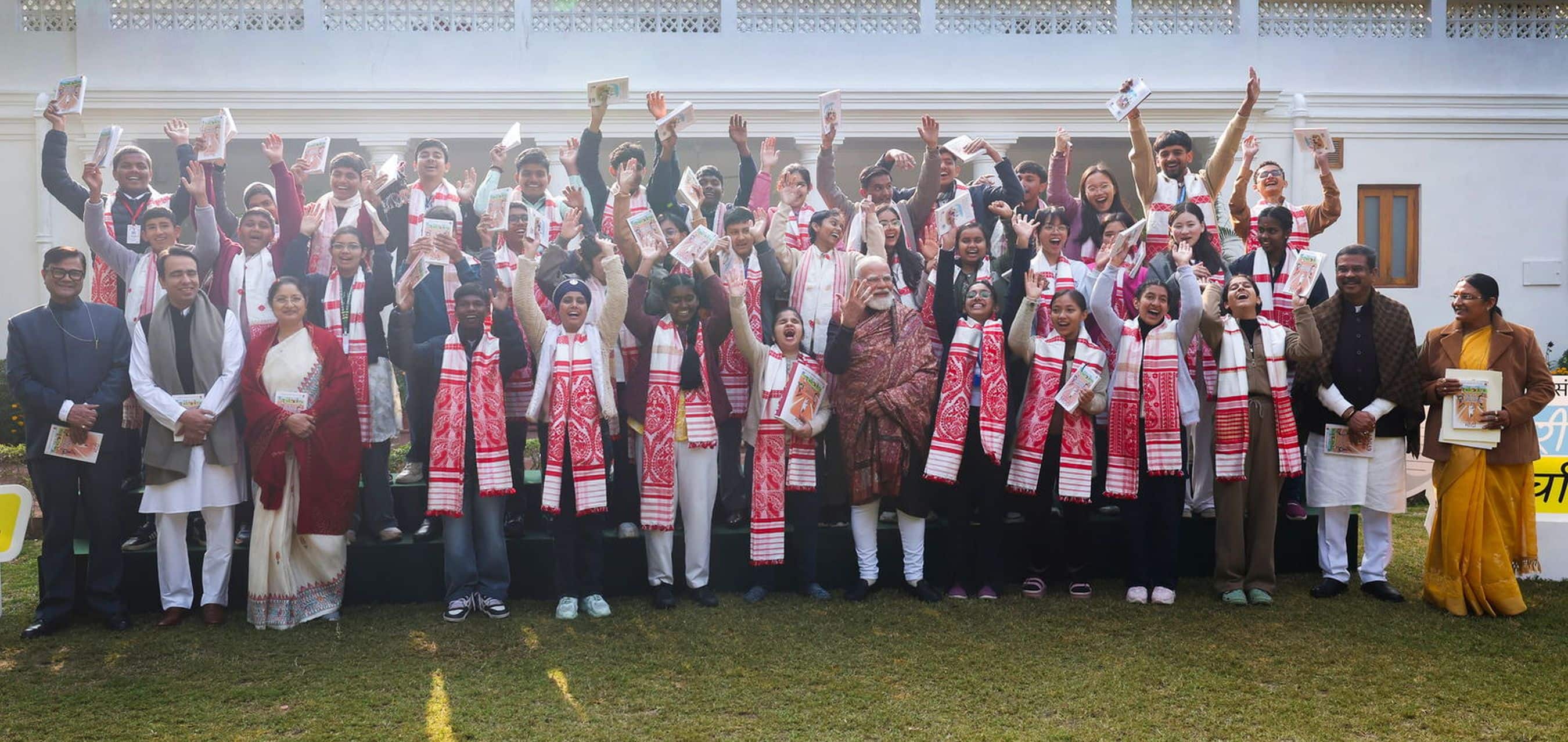


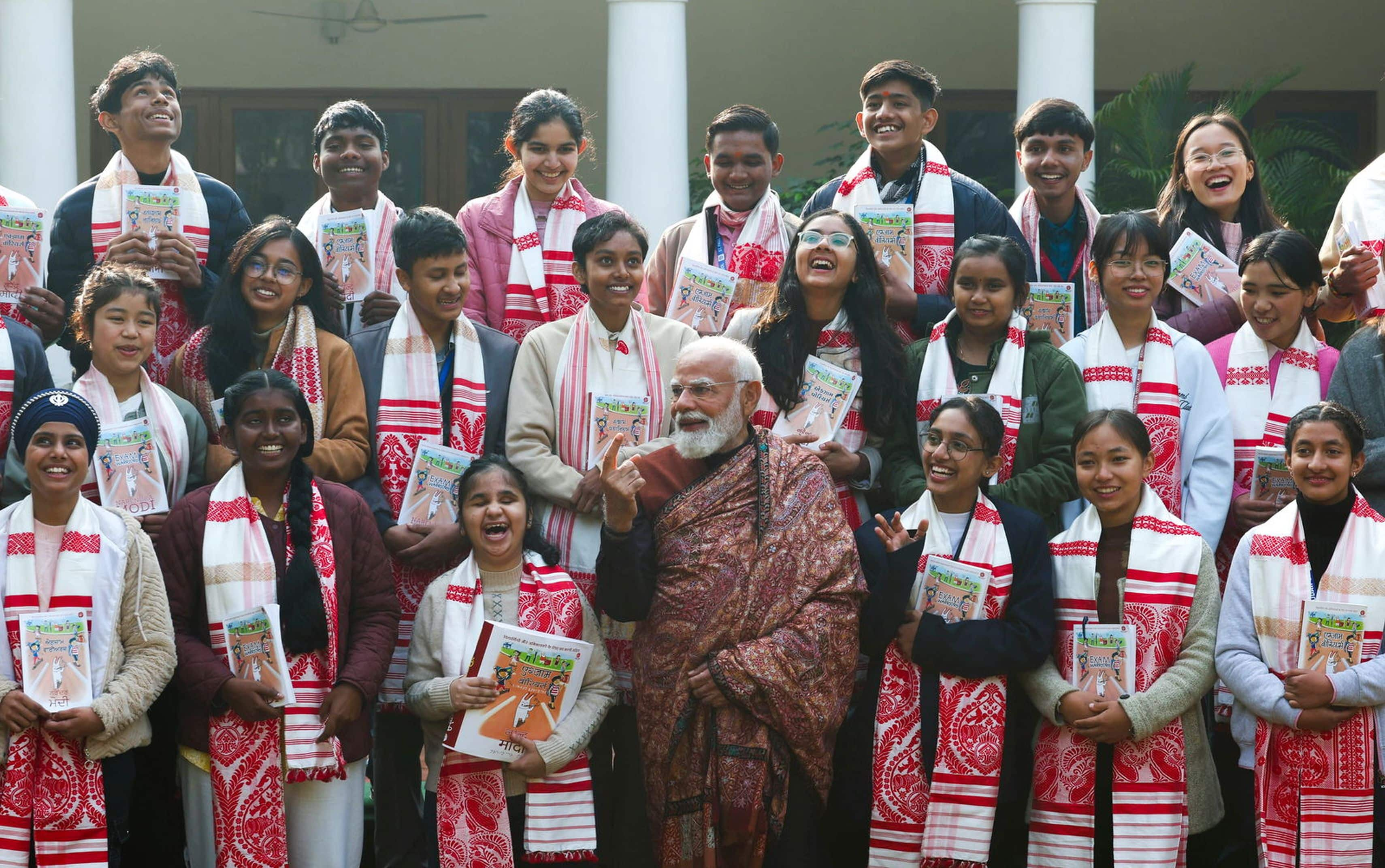
पंतप्रधान नरेंद्र मोदी यांनी आज 'परीक्षा पे चर्चा' (पीपीसी) च्या नवव्या भागात विद्यार्थ्यांशी संवाद साधला. पंतप्रधानांनी दिल्लीतील आपल्या निवासस्थानी 'एक्झाम वॉरियर्स'सोबत अनौपचारिक संवाद साधला.
तुमची शैली, तुमचा वेग
गुजरातच्या एका विद्यार्थ्याने विचारले की, पालक त्यांची काळजी घेत असले आणि शिक्षक त्यांना पाठिंबा देत असले तरी, समस्या तेव्हा निर्माण होते जेव्हा शिक्षक अभ्यासाची एक पद्धत सुचवतात, पालक दुसऱ्या पद्धतीचा आग्रह धरतात आणि विद्यार्थी वेगळ्याच प्रवृत्तीचे अनुसरण करतात. यामुळे कोणता पॅटर्न योग्य आहे याबद्दल त्यांचा गोंधळ उडतो.
पंतप्रधानांनी टिप्पणी केली की हा अनुभव आयुष्यभर येतो आणि पंतप्रधान असतानाही लोक त्यांना वेगवेगळे सल्ले देतात असे त्यांनी नमूद केले. त्यांनी यावर भर दिला की, जसे घरात भावंडांच्या खाण्याच्या सवयी वेगवेगळ्या असतात—काहीजण भाजीने सुरुवात करतात, काहीजण डाळीने, तर काहीजण सर्व काही एकत्र मिसळून खातात—त्याचप्रमाणे प्रत्येकाची स्वतःची एक पद्धत असते.
त्यांनी यावर जोर दिला की, स्वतःच्या पद्धतीचे अनुसरण केल्यानेच आनंद मिळतो.मोदी यांनी स्पष्ट केले की, काहींना रात्री अभ्यास करायला आवडते, तर काहींना पहाटे आणि प्रत्येकाची स्वतःची एक लय असते. त्यांनी अप्रामाणिकपणाबद्दल सावध केले आणि काही विद्यार्थी आपल्या आईला सकाळी अभ्यास करणार असल्याचे सांगतात, पण नंतर तो टाळतात, असे उदाहरण दिले.
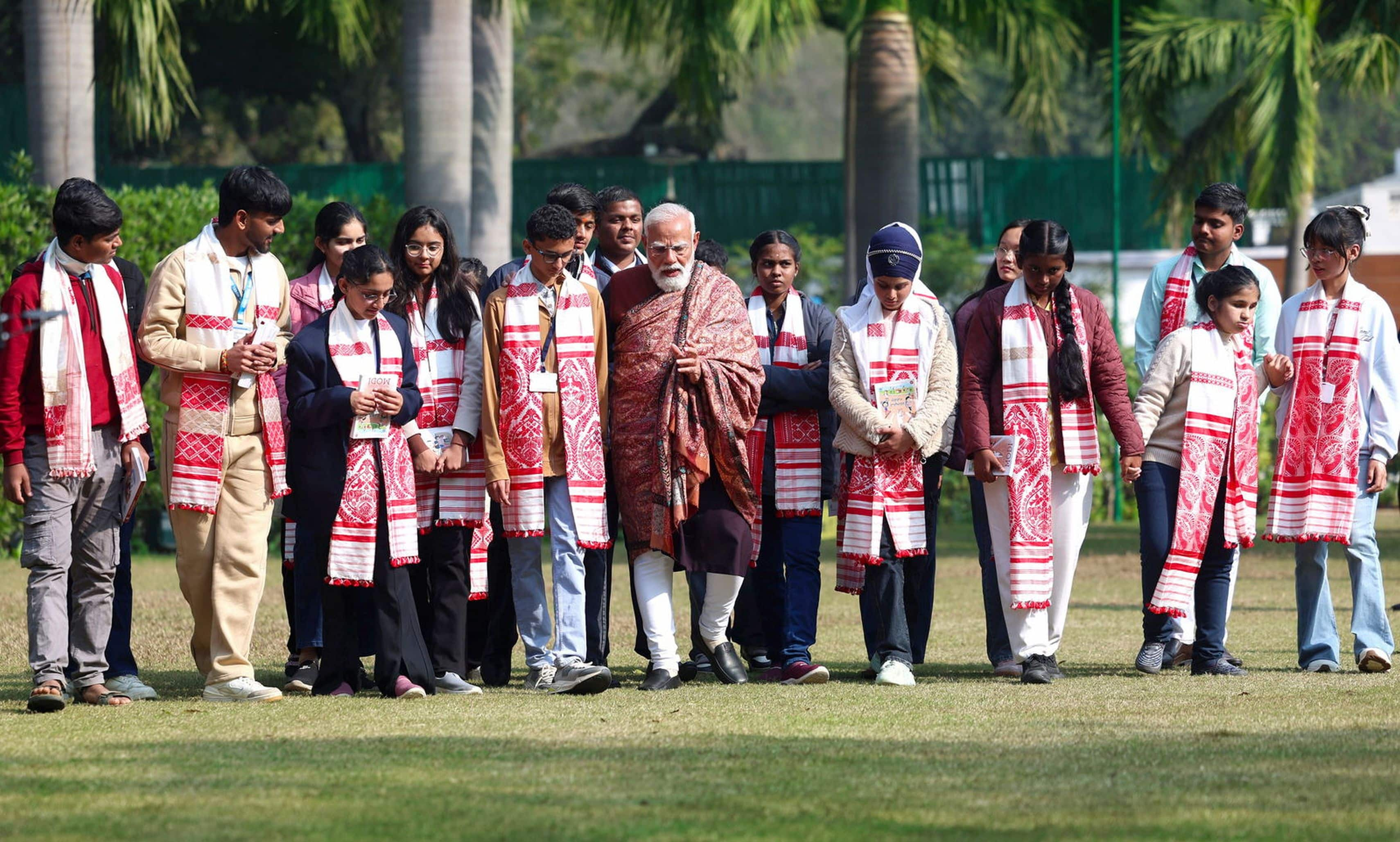
त्यांनी यावर जोर दिला की विद्यार्थ्यांनी स्वतःच्या पद्धतीवर विश्वास ठेवला पाहिजे, सूचना काळजीपूर्वक ऐकल्या पाहिजेत आणि केवळ कोणीतरी सांगते म्हणून नव्हे, तर केवळ वैयक्तिक अनुभवातूनच सुधारणा केल्या पाहिजेत. त्यांनी अधोरेखित केले की जेव्हा त्यांनी 'परीक्षा पे चर्चा' कार्यक्रम सुरू केला, तेव्हा एक वेगळी पद्धत होती, परंतु कालांतराने त्यांनी त्यात सुधारणा केली, विविध राज्यांमध्ये सत्रे आयोजित केली आणि मूळ गाभा कायम ठेवून स्वरूप बदलले.
विद्यार्थ्यांनी नमूद केले की पंतप्रधानांचा स्वभाव खूप मनमिळाऊ आहे आणि ते त्यांच्याशी सहजपणे मिसळले. त्यांनी सांगितले की प्रत्येकाने वेगवेगळ्या विचारसरणी ऐकल्या पाहिजेत, प्रत्येकाकडून चांगले गुण घेतले पाहिजेत, स्वतःच्या गुणांवर लक्ष केंद्रित केले पाहिजे आणि हळूहळू ते अधिक मजबूत केले पाहिजे.
पंतप्रधानांशी संवाद साधताना एका विद्यार्थ्याने विचारले की, अनेकदा विद्यार्थ्यांना शाळा किंवा शिक्षकांच्या गतीशी जुळवून घेणे शक्य होत नाही आणि जे शिकणे राहून गेले आहे ते पूर्ण करण्याच्या प्रयत्नात, ते पुढील पाठांचा मागोवा गमावतात आणि अभ्यासात मागे पडतात. यावर मोदी यांनी स्पष्ट केले की, शिक्षकांनी आपला शिकवण्याचा वेग विद्यार्थ्यांपेक्षा फक्त एक पाऊल पुढे ठेवावा, खूप जास्त नाही, जेणेकरून ध्येय आवाक्यात असेल, पण ते सहज साध्य होणार नाही.
जेव्हा विद्यार्थ्याने 'एक्झाम वॉरियर'चा 26वा मंत्र, "ध्येय आवाक्यात असले पाहिजे, पण ते सहजसाध्य नसावे," असे आठवून सांगितले, तेव्हा पंतप्रधानांनी त्याच्या स्मरणशक्तीचे कौतुक केले. त्यांनी स्पष्ट केले की, जर शिक्षक पन्नास पावले पुढे गेले, तर विद्यार्थी हार मानतील, परंतु ज्याप्रमाणे शेतकरी शेत नांगरतो, त्याचप्रमाणे शिक्षकांनी विद्यार्थ्यांच्या मनांची मशागत केली पाहिजे. त्यांनी सुचवले की शिक्षकांनी प्रत्येक आठवड्यात शिकवले जाणारे धडे आधीच जाहीर करावेत, जेणेकरून विद्यार्थी धडा सुरू होण्यापूर्वीच वाचन, प्रश्न विचारणे किंवा ऑनलाइन शोध घेणे सुरू करू शकतील. त्यांनी यावर जोर दिला की जेव्हा प्रत्यक्ष शिकवणे होईल, तेव्हा विद्यार्थ्यांमध्ये उत्सुकता निर्माण होईल, आकलन अधिक सखोल होईल आणि लक्ष केंद्रित करण्याची क्षमता सुधारेल. त्यांनी नमूद केले की जर एखादा धडा खूप मनोरंजक असेल तर विद्यार्थ्यांना त्याबद्दल अधिक जाणून घेण्याची इच्छा होईल, ज्यामुळे उजळणी अधिक प्रभावी होईल.
पंतप्रधानांनी ही एक सोपी पद्धत असल्याचे सांगितले आणि शिक्षकांच्या गतीची समस्या तशीच राहील का असा प्रश्न विचारला. जेव्हा विद्यार्थ्याने हो असे उत्तर दिले तेव्हा मोदी म्हणाले की असे होणार नाही, कारण शिक्षकांपेक्षा एक पाऊल पुढे गेल्यामुळे विद्यार्थ्यांना आता मागे राहिल्यासारखे वाटणार नाही. त्यांनी शेवटी म्हटले, मनाची मशागत करा, मग मनाला जोडा आणि मग अभ्यासाचे विषय ठेवा. तुम्हाला विद्यार्थी नेहमीच यशस्वी होताना दिसतील." विद्यार्थ्यांनी असे मत व्यक्त केले की पंतप्रधानांबरोबर समोरासमोर बसण्याची, प्रश्न विचारण्याची आणि संवाद साधण्याची संधी सर्वांनाच मिळत नाही. तसेच त्यांनी शिक्षकांच्या दोन पावले मागे राहण्याऐवजी दोन पावले पुढे राहण्याचा सल्ला दिला, जेणेकरून ते कधीही मागे पडू नयेत.
एक संगीतमय क्षण
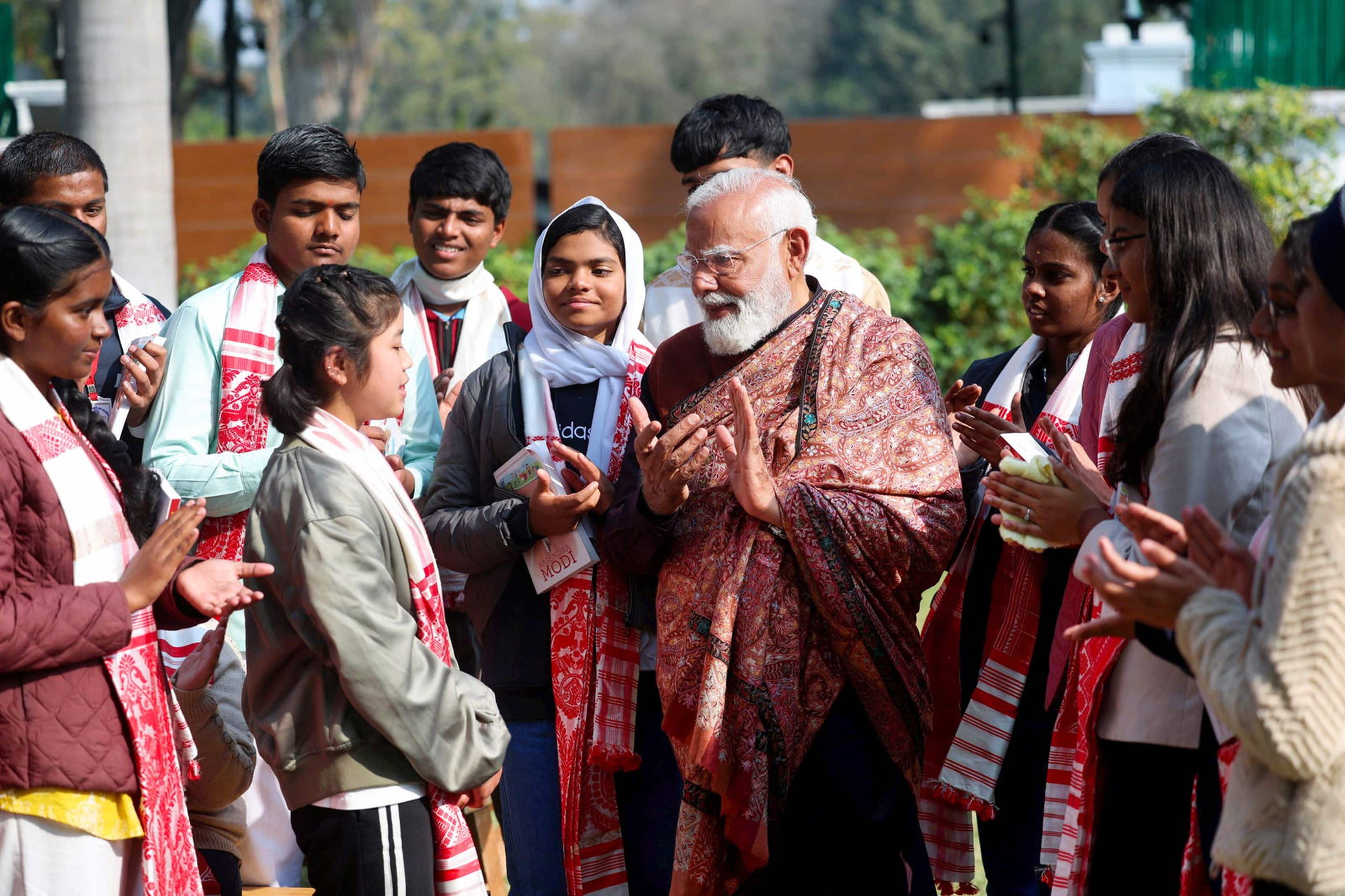
सिक्कीममधील एका विद्यार्थिनीने सांगितले की, तिने हिंदी, नेपाळी आणि बंगाली या तीन भाषांमध्ये 'हमारा भारतभूमि' हे देशभक्तीपर गीत तयार केले आहे. पंतप्रधानांनी आनंद व्यक्त केला, आणि तिला कविता लिहायला आवडते का असे विचारले, तिच्या होकारार्थी उत्तरावर त्यांनी तिला कविता गायनासाठी प्रोत्साहन दिले. देशाच्या एकतेविषयी - एक भारत, श्रेष्ठ भारत याबद्दल तिने रचलेल्या कवितेची त्यांनी प्रशंसा केली. त्यानंतर मोदी यांनी मानसी या विद्यार्थिनीला गाणे गायला सांगितले. मानसीने तिच्या आईने लिहिलेले एक गाणे सादर केले, जे विद्यार्थ्यांना समर्पित आहे. पंतप्रधानांनी तिची प्रशंसा केली, आणि तिच्या आईचे अभिनंदन केले. या विद्यार्थिनीने सांगितले की, तिची आई एक यूट्यूब चॅनेल, फेसबुक पेज आणि इन्स्टाग्राम अकाउंट चालवते, ज्याचे फेसबुकवर 1.5 लाख फॉलोअर्स आहेत. पंतप्रधानांनी आश्चर्य आणि कौतुक व्यक्त केले, आणि अशा प्रतिभावान तरुणांना भेटणे ही अभिमानाची बाब असल्याचे नमूद केले.
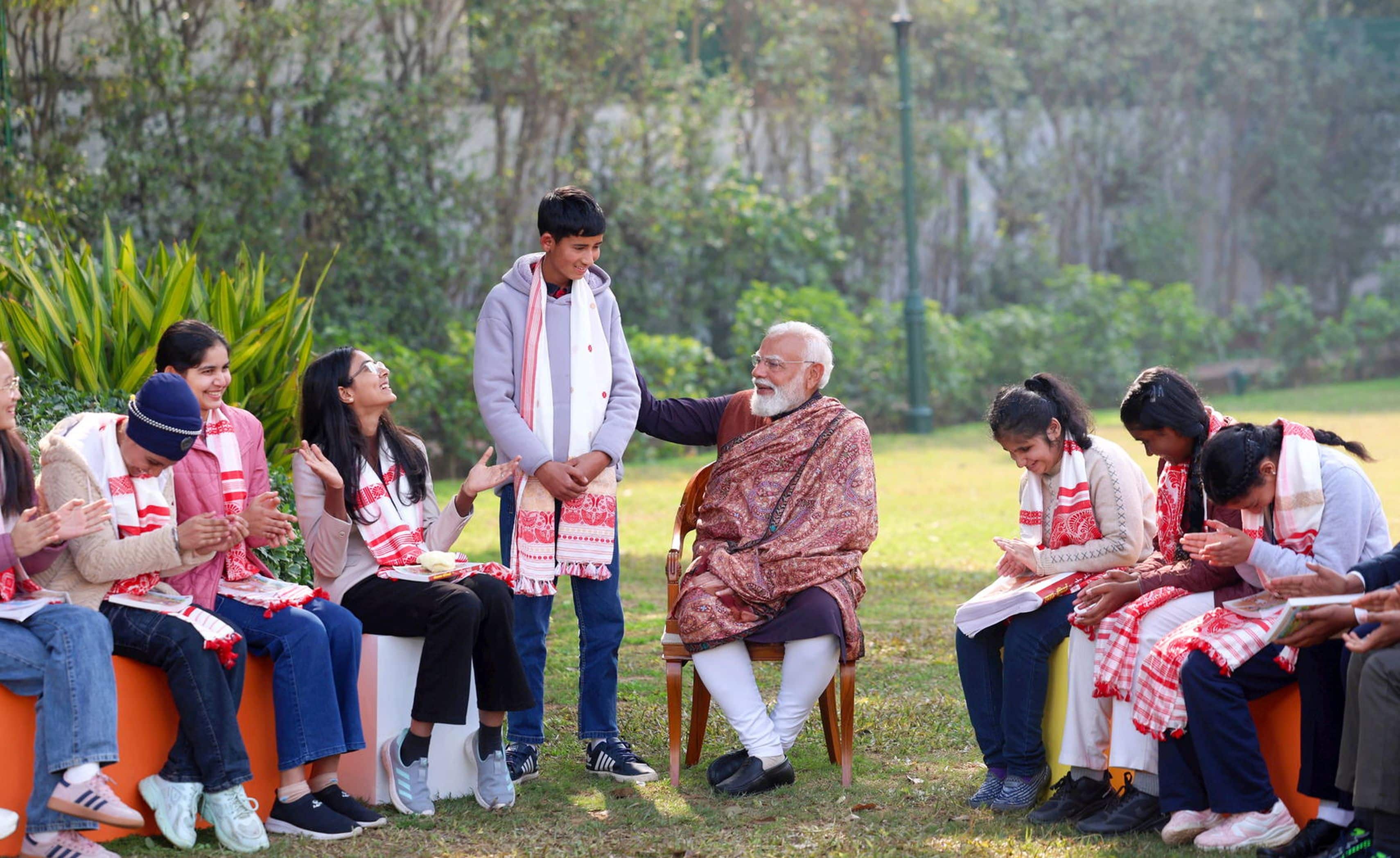
त्यानंतर मोदी यांनी आसामचा गमोसा देऊन सर्व विद्यार्थ्यांचे स्वागत केले. ते म्हणाले की, हा त्यांचा सर्वात प्रिय ठेवा आहे. त्यांनी अधोरेखित केले की गमोसा हा आसाम आणि ईशान्येकडील महिलांच्या सक्षमीकरणाचे प्रतीक आहे, जो या प्रदेशातील महिला घरी विणतात. तो त्यांची शक्ती आणि योगदान प्रतिबिंबित करतो. म्हणूनच गमोसा देऊन मुलांचा सन्मान करण्याची त्यांची मनापासून इच्छा होती, असे त्यांनी सांगितले.
उद्दिष्टकेंद्रित तयारी
त्यानंतर विद्यार्थी सबवत वेंकटेश ने पंतप्रधानांना विचारले की, विद्यार्थ्यांमधील संभ्रम आणि भीती लक्षात घेता, कौशल्य अधिक महत्वाचे आहे, की गुण जास्त महत्त्वाचे आहेत, यावर पंतप्रधान म्हणाले की, जीवनात समतोल साधणे आवश्यक आहे, मग ते खाणे असो किंवा झोपणे, अभ्यास असो, की खेळणे, किंवा कौशल्ये असोत, की गुण. समतोल साधणे महत्वाचे. ते म्हणाले की, एका दिशेने जास्त झुकल्यानवर असंतुलन निर्माण होते, योग्य संतुलन स्थिरता सुनिश्चित करते. त्यांनी स्पष्ट केले की कौशल्ये दोन प्रकारची असतात - जीवन कौशल्ये आणि व्यावसायिक कौशल्ये - आणि दोन्ही तेवढीच महत्वाची आहेत. ते म्हणाले की ज्ञान, निरीक्षण आणि अभ्यासाशिवाय कोणतेही कौशल्य विकसित होऊ शकत नाही आणि कौशल्य हे ज्ञानापासून सुरू होते.
मोदी यांनी उदाहरणे दिली: जीवन कौशल्याशिवाय, एखाद्याला स्वयंपाक करणे किंवा रेल्वे स्टेशनवर तिकीट खरेदी करणे यासारख्या दैनंदिन कामांमध्येही संघर्ष करावा लागू शकतो. शिस्त, आत्मविश्वास आणि परिस्थितीशी जुळवून घेणे, यासह इतर जीवन कौशल्ये पूर्णपणे आत्मसात केली पाहिजेत यावर त्यांनी भर दिला. व्यावसायिक कौशल्यांबद्दल बोलताना त्यांनी स्पष्ट केले की डॉक्टरांनी त्यांचे कौशल्य सतत अद्ययावत केले पाहिजे, कारण केवळ पुस्तकेच हृदयरोग तज्ञ बनवू शकत नाहीत - खरे कौशल्य रुग्णांबरोबर काम केल्याने येते. त्याचप्रमाणे, वकिलांनी संवैधानिक तरतुदी जाणून घेण्यापलीकडे न्यायालयीन कौशल्ये विकसित करण्यासाठी वरिष्ठांच्या हाताखाली सराव केला पाहिजे. त्यांनी अधोरेखित केले की व्यावसायिक कौशल्यांसाठी सतत शिकणे आणि नवीन तंत्रज्ञानाशी जुळवून घेणे आवश्यक आहे, अगदी वयाच्या 40 व्या वर्षीही, कारण वैद्यकीय आणि इतर क्षेत्रातील प्रगतीसाठी सतत अद्ययावतीकरण आवश्यक आहे. शिक्षण आणि कौशल्य ही जुळी भावंडे आहेत, अविभाज्य आहेत आणि जीवनात कौशल्य हे अपरिहार्य आहे.
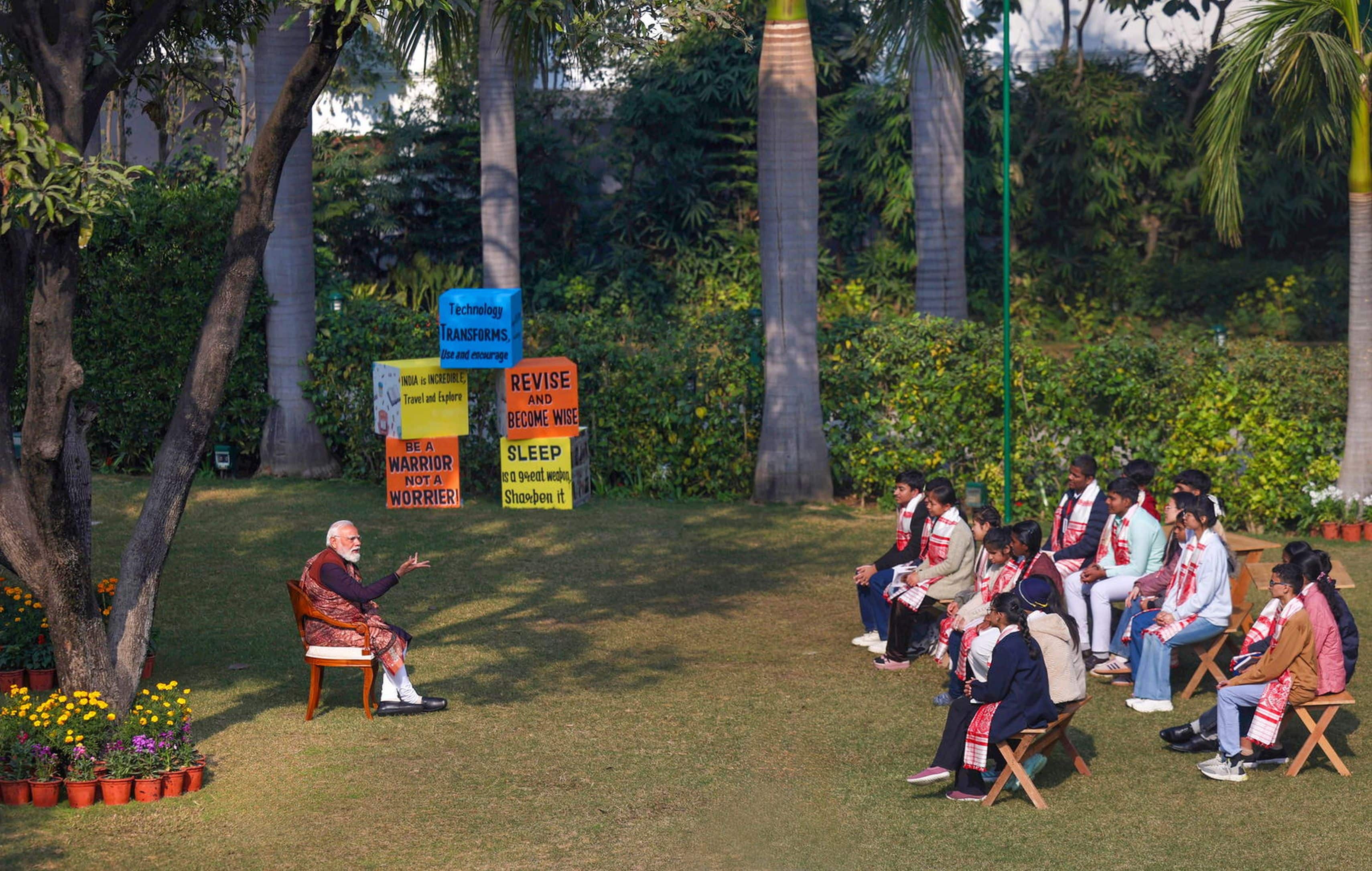
गुणांच्या पलीकडे आणि शिक्षण हे एक माध्यम
मणिपूरमधील इंफाळ येथील सैनिक स्कूलमधील एका विद्यार्थ्याने सांगितले की, त्याचा वाढदिवस पंतप्रधानांच्या वाढदिवसाबरोबरच येतो. त्याला उत्तर देताना, मोदी म्हणाले की ते गेलेली वर्षे मोजत नाहीत तर उर्वरित काळावर लक्ष केंद्रित करतात. विद्यार्थ्यांनी भूतकाळात रमण्यात वेळ वाया घालवू नये, तर भविष्यात काय आहे, याचा विचार करावा असे आवाहन त्यांनी केले.
मागील वर्षांच्या प्रश्नांवर आधारित परीक्षेच्या तयारीच्या धोरणाबद्दल विचारले असता, पंतप्रधानांनी अधोरेखित केले की जेव्हा विद्यार्थ्यांना परीक्षेचे पेपर कठीण वाटतात तेव्हा अनेकदा ते अभ्यासक्रमाच्या बाहेरील आहेत म्हणून नव्हे, तर ठराविक नमुन्यावर लक्ष केंद्रित केल्यामुळे असते. त्यांनी नमूद केले की ही समस्या त्यांच्या स्वत: च्या विद्यार्थीदशेच्या काळातही अस्तित्वात होती आणि काही वेळा शिक्षक केवळ गुणांवर भर देत देतात, त्यामुळेही असते.
चांगले शिक्षक संपूर्ण अभ्यासक्रमाचा समावेश करून आणि जीवनामधील त्याची प्रासंगिकता ओळखून सर्वांगीण विकासावर भर देतात, असे मोदी म्हणाले. क्रिकेटमधील गोलंदाजाचे उदाहरण देऊन त्यांनी स्पष्ट केले की केवळ खांद्याच्या स्नायूंना बळकट करणे पुरेसे नाही, व्यायाम केला पाहिजे, योगाभ्यास केला पाहिजे, संपूर्ण शरीर आणि मन बळकट केले पाहिजे, आहाराचे योग्य नियोजन केले पाहिजे, आणि योग्य झोप घेतली पाहिजे. त्याचप्रमाणे शिक्षण हे केवळ परीक्षेसाठी नाही, तर जीवनासाठी आहे, आणि परीक्षा स्वतःचेच परीक्षण करण्यासाठी असतात, असे ते म्हणाले.
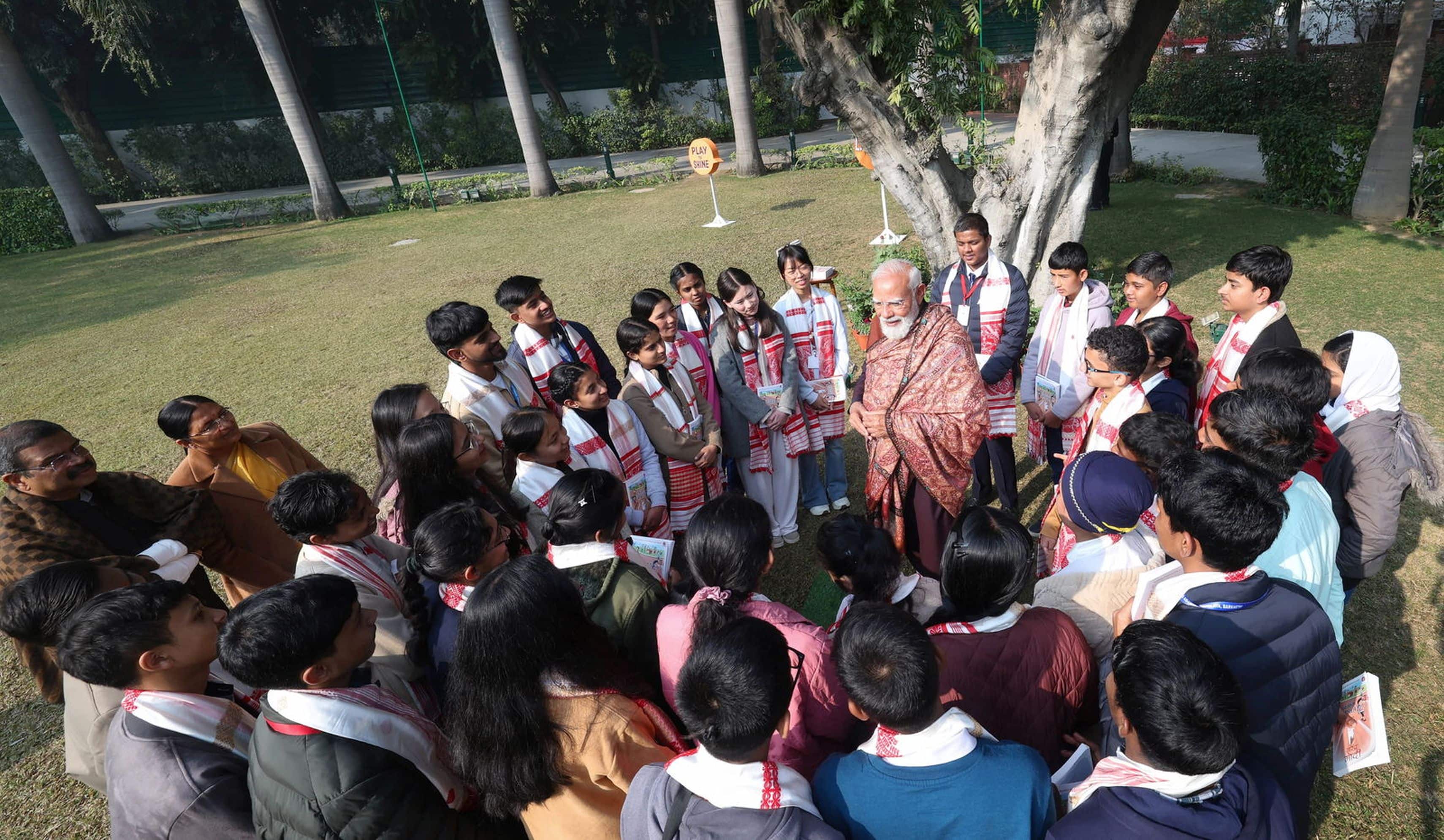
गणितासारख्या विषयांची वाटणारी भीती आता कशारितीने आवडीमध्ये बदलली आहे, हे विद्यार्थ्यांनी आवर्जून सांगितले. एकेकाळी गणित म्हणजे 'भूत' असल्यासारखे वाटायचे, पण आता तो 'छंद' बनला आहे, अशी भावना एका विद्यार्थ्याने व्यक्त केली. यावर प्रतिसाद देतांना पंतप्रधान नरेंद्र मोदी यांनी विद्यार्थ्यांना 'वैदिक गणितीय पद्धतीविषयी समजून घेण्याचे आवाहन केले. वैदिक गणित हे आनंददायी आणि जादू केल्यासारखे वाटते, अशा पद्धती मित्रांसोबत सामायिक केल्या तर विषयाची गोडी अधिक वाढेल, असा सल्ला त्यांनी दिला.
परीक्षेच्या तारखांमुळे कधीकाळी भीती वाटायची, मात्र 'एक्झाम वॉरियर्स' पुस्तकातील 'परीक्षेला उत्सवासारखे साजरे करा' या मंत्रामुळे प्रेरणा मिळाली असे एका विद्यार्थ्याने सांगितले. 'परीक्षा पे चर्चा' मधून मिळालेल्या शिकवणीचा कुटुंबातील सदस्यांनाही तितकाच फायदा होऊ शकणार आहे, त्यामुळे ही शिकवण स्वतःपुरती मर्यादित न ठेवता ती कुटुंबातील सदस्यांपर्यंतही पोहचवावी असा सल्ला पंतप्रधानांनी यावेळी विद्यार्थ्यांना दिला.
कमी गुणांबद्दल वाटणार्या भीतीवर आपण कशी मात केली, याबद्दलही विद्यार्थ्यांनी पंतप्रधानांना सांगितले. गुण म्हणजे सर्व काही नसते, हे आता समजले असल्याचे त्यांनी डॉ. एपीजे अब्दुल कलाम यांचा दाखला देत सांगितले. अपयशानंतरही चिकाटी कशी ठेवावी, हे शिकायला मिळाल्याचे त्यांनी सांगितले. तणाव कमी झाल्यामुळे मन मोकळे होते आणि गायन, चित्रकला किंवा कविता लेखनासारखी नवीन कौशल्ये आत्मसात करण्यास मदत होते, असे पंतप्रधानांनी सांगितले. ज्या विद्यार्थ्यांनी अशा सर्जनशील आवडी जोपासण्यास सुरुवात केली आहे, त्यांचे त्यांनी कौतुकही केले.
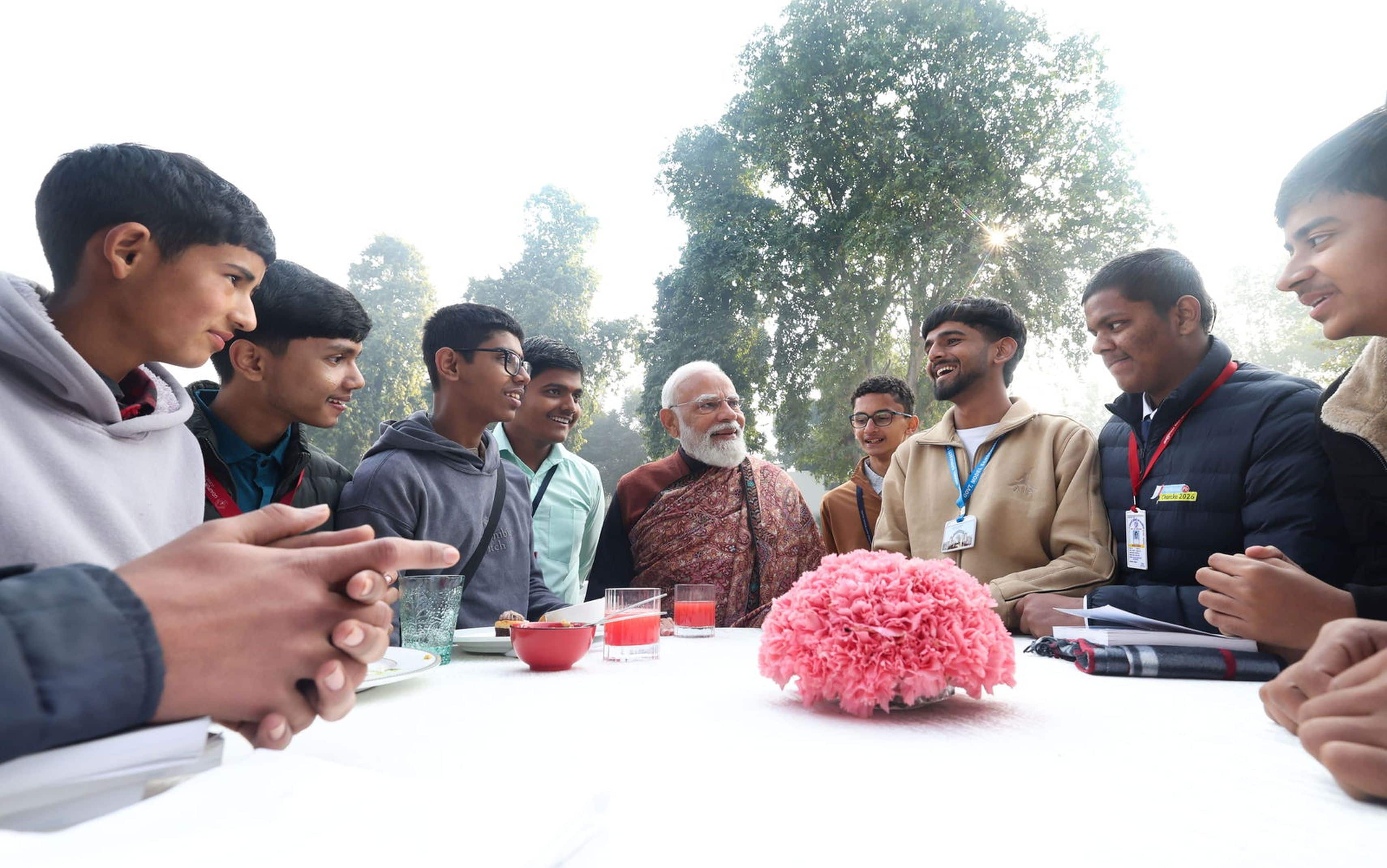
पुस्तकामुळे आलेल्या आत्मविश्वासामुळे सादरीकरण करण्याबद्दल वाटणारी भीती घालवण्यासही मदत झाल्याचे विद्यार्थ्यांनी सांगितले. यावर आत्मविश्वास हा सत्य आणि अनुभवातून येतो. ज्याप्रमाणे एखादी सामान्य व्यक्ती तिने पाहिलेली घटना स्पष्टपणे सांगू शकते, तसाच विद्यार्थ्यांचा आत्मविश्वास हा त्यांच्या स्वतःच्या कष्टांच्या आणि यशाच्या सत्यातून निर्माण होतो, असे पंतप्रधानांनी अधोरेखित केले.
साहित्याविषयीचे मोठे निबंध पाहून पूर्वी घाबरायला व्हायचे, पण आता लेखनाचा सराव वाढवत हस्ताक्षरात सुधारणा करण्यावरही भर दिला जात असल्याचा अनुभव एका विद्यार्थ्याने मांडला. यावर पंतप्रधानांनी विद्यार्थ्यांना काही युक्त्या सुचवल्या, पेपर सोडवताना 30 सेकंद थांबायचे, दीर्घ श्वास घ्याचा आणि मन शांत ठेवायचे, चुका ज्ञानाच्या अभावामुळे नाही तर घाईमुळे होतात म्हणून हे गरजेचे असते, असा मोलाचा सल्ला त्यांनी विद्यार्थ्यांना दिला. योग्य तंत्र आणि आत्मविश्वासाच्या जोरावर विद्यार्थी परीक्षेच्या भीतीवर मात करून यश मिळवू शकतात, असा विश्वास त्यांनी व्यक्त केला.
कोलाहलातही चिकाटी ठेवा
घरातील गोंधळ आणि पालकांचे पाठबळ नसेल तर अभ्यास कसा करावा, असा प्रश्न एका विद्यार्थ्याने विचारला. यावर पंतप्रधानांनी एका त्यांनी एका मुलाचा ओझ्याने भरलेल्या बैलगाडीवर बसून अभ्यास करत असताना पाहिलेल्या व्हिडिओचे उदाहरण दिले. यश मिळवण्यासाठी चैनीची किंवा सोयीसुविधांची गरज नसते, याची जाणीव त्यांनी विद्यार्थ्यांना करून दिली. बोर्डाच्या परीक्षेत अनेकदा लहान गावांमधील मुले अव्वल येतात, प्रतिकूल परिस्थितीतही अंध मुलींनी क्रिकेटमध्ये यश मिळवले ही प्रेरणादायी उदाहरणे त्यांनी विद्यार्थ्यांना सांगितली. सुखसोयींच्या चौकटीत राहून नाही, तर आपण आयुष्य कसे जगतो, यावरून जीवन घडते, असे त्यांनी सांगितले.
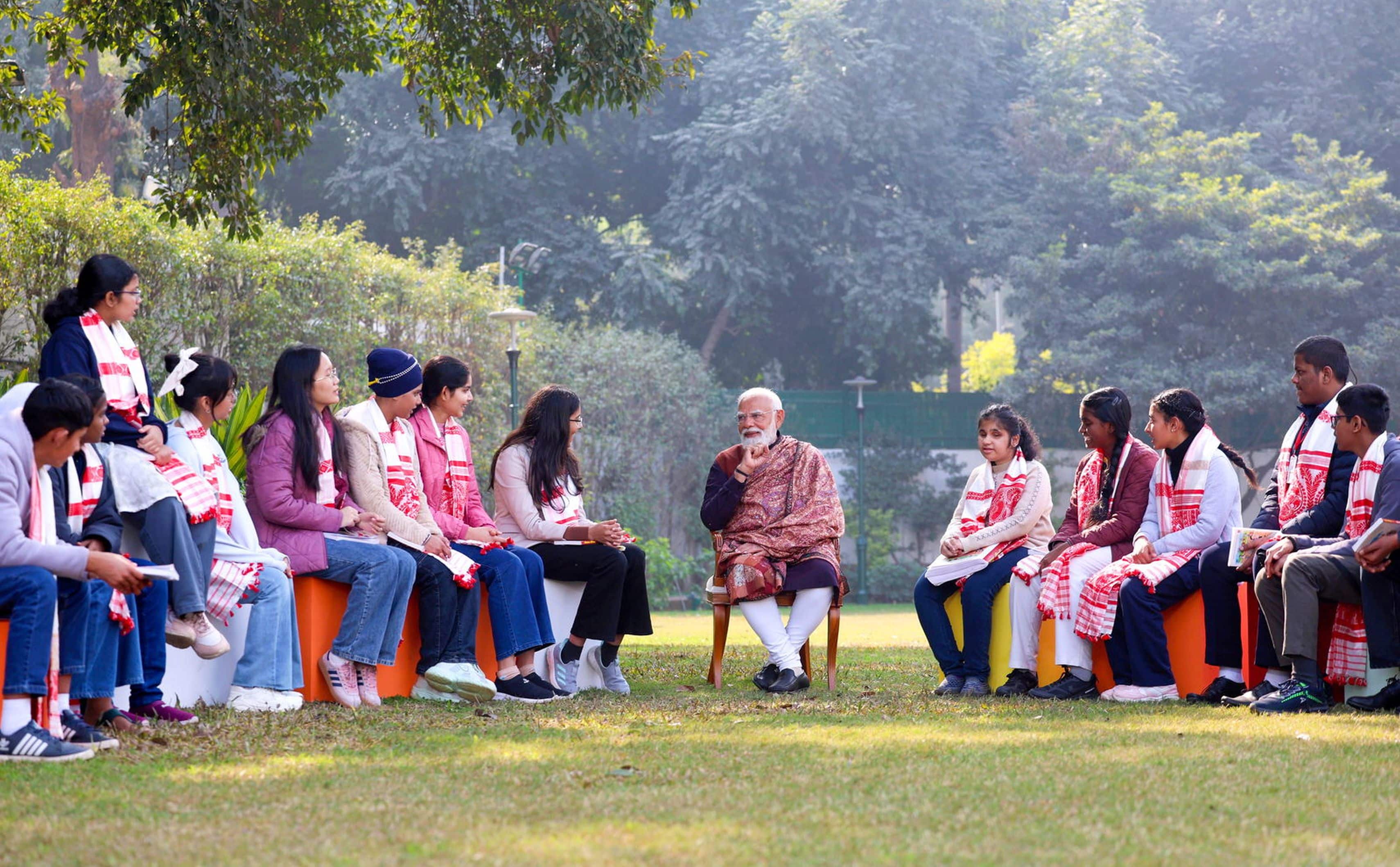
तामिळनाडूतील एका विद्यार्थ्याने परीक्षेच्या तयारीत पाहुण्यांमुळे येणाऱ्या व्यत्ययाचा मुद्दा मांडला. यावर पंतप्रधानांनी गमतीशीर सल्ला दिला की, पाहुण्यांनाच त्यांच्या लहानपणाच्या आठवणी विचारून परिस्थिती आपल्या बाजूने फिरवावी, यामुळे त्यांचे लक्ष दुसरीकडे वळेल आणि दडपण कमी होईल.
मोठी स्वप्ने आणि मोठी कृती
मुलांनी मोठी स्वप्ने पाहावीत का आणि ती पूर्ण करण्याची सुरुवात कशी करावी असा प्रश्न लडाखमधील एका विद्यार्थ्याने विचारला. त्यावर स्वप्ने न पाहणे हा गुन्हा आहे, मात्र स्वप्नांच्या मागे कृतीची जोड हवी, असे उत्तर पंतप्रधानी दिले. जर कोणाला अंतराळवीर बनायचे असेल, तर त्यासाठी अभ्यास, थोर व्यक्तींची चरित्रे आणि एकाग्रता आवश्यक आहे. आपली स्वप्ने जाहीरपणे सांगून थट्टा करून घेऊ नका, तर ती लिहून ठेवा आणि ती खासगीत जोपासा, असा सल्ला त्यांनी विद्यार्थ्यांना दिला.
दैनंदिन सवयींमधून मोठी स्वप्ने कशी पूर्ण करावीत, यावर पंतप्रधानांनी विद्यार्थ्यांशी चर्चा केली. महान व्यक्तींची चरित्रे वाचायला हवीत. त्यांच्या संघर्षाची आणि सुरुवातीला टाकलेल्या पावलांची माहिती घेतल्यामुळे आत्मविश्वास वाढतो आणि टप्प्याटप्प्याने प्रगती कशी करावी, हे समजते, असे त्यांनी सुचवले. एका विद्यार्थ्याने पंतप्रधानांवर रचलेली एक हृदयस्पर्शी कविता सादर केली, या कवितेत त्याने पंतप्रधानांचे वर्णन 'भारताचा अभिमान' आणि 'मानवतेचा सेवक' असे केले होते. पंतप्रधानांनी या कवितेची आणि विद्यार्थ्याची प्रशंसा केली.
जेव्हा पंतप्रधान शिक्षक बनले
2047 पर्यंत 'विकसित भारत' घडवण्याचे आपले स्वप्न आहे, स्वातंत्र्याच्या शताब्दीच्या वेळी आजचे युवा 35 ते 45 या वयोगटात असतील आणि या स्वप्नाचे लाभ घेण्यासाठी ते आयुष्याच्या सर्वात महत्त्वाच्या टप्प्यावर असतील, असे पंतप्रधानांनी नमूद केले. महात्मा गांधी 1915 मध्ये आफ्रिकेतून परतले होते आणि त्यांनी 1947 पर्यंत स्वातंत्र्यलढ्याचे नेतृत्व केले, तसेच भगतसिंग यांच्यासारख्या नेत्यांच्या बलिदानाने अनेक पिढ्यांना प्रेरणा दिली, याचे स्मरण त्यांनी विद्यार्थ्यांना करून दिले. जर अशा एकत्रित प्रयत्नांतून स्वातंत्र्य मिळू शकते, तर सामूहिक प्रयत्नातून 'विकसित भारत' नक्कीच साकार होऊ शकतो, असा विश्वास त्यांनी व्यक्त केला.
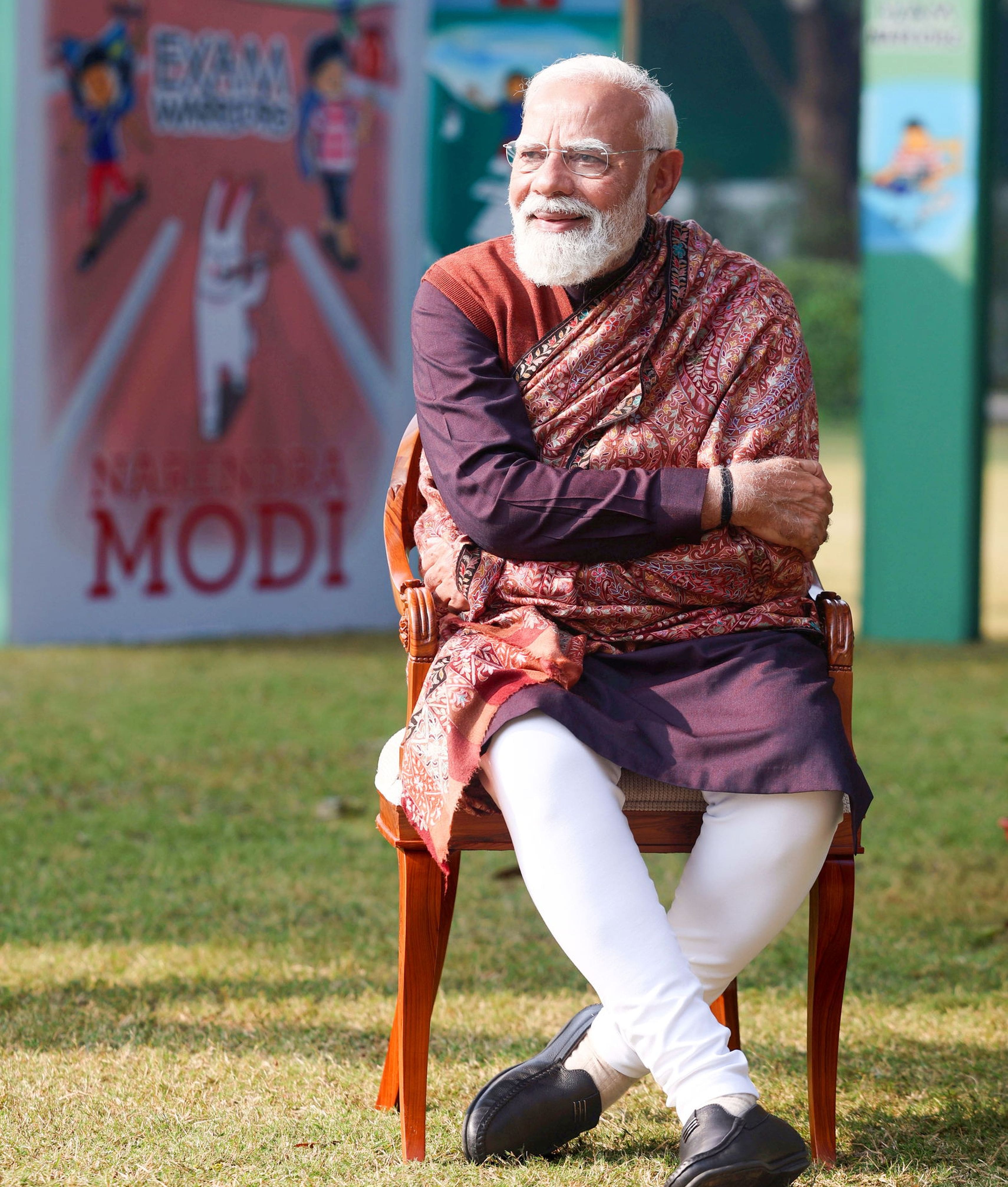
विकसित भारताप्रति त्यांची असलेली वैयक्तिक वचनबद्धता लिहून ठेवण्याचे आवाहन पंतप्रधानांनी विद्यार्थ्यांना केले आणि कौशल्य विकास, आत्मनिर्भरता आणि स्वदेशी उत्पादनांचा वापर यावरील त्यांच्या प्रतिक्रिया नोंदवून; ते करू शकतील अशा पाच कृती ओळखण्यास सांगितले.
स्वदेशीचा स्वीकार करण्याची सुरुवात मनाची तयारी करण्यापासून आणि वसाहतवादी मानसिकता सोडून देण्यापासून होते यावर त्यांनी भर दिला. शाळांमध्येही परदेशी वस्तूंबद्दलचे आकर्षण कसे टिकून राहते हे त्यांनी अधोरेखित केले. त्यांनी विद्यार्थ्यांना दररोज वापरत असलेल्या सर्व वस्तूंची यादी करण्याचे, परदेशी बनावटीच्या उत्पादनांची ओळख पटवण्याचे आणि हळूहळू त्याऐवजी भारतीय पर्यायांचा वापर करण्याचे निर्देश दिले, जेणेकरून एका वर्षाच्या आत त्यांचे घर भारतीय वस्तूंनी भरले जाईल.
जर भारतीयांनी स्वतःच्या उत्पादनांविषयी अभिमान बाळगला नाही तर जग देखील आपल्याबद्दल अभिमान बाळगणार नाही, असे प्रतिपादन त्यांनी केले. त्यांनी "भारतीय वेळेला (इंडियन स्टँडर्ड टाईम)" विलंबासाठी दोष देण्याच्या प्रवृत्तीवर टीका केली, अशा वृत्तींमुळे राष्ट्राची मानहानी होते असे नमूद केले आणि स्वच्छतेपासून सुरुवात करून कर्तव्यांचे पालन करण्याचे आवाहन केले.
विकसित राष्ट्र, स्वच्छ लोकांमुळे नव्हे तर नागरिक कचरा टाकत नाहीत म्हणून स्वच्छ दिसतात यावर त्यांनी भर दिला आणि भारतीयांनी स्वच्छतेशी कधीही तडजोड न करण्याचा संकल्प करावा, कचरा स्वतः उचलून तो फेकणाऱ्यांना लाज वाटेल, असे वागावे असे आवाहन केले.
आरोग्य राखणे हे देखील एक कर्तव्य आहे यावर त्यांनी भर दिला आणि जर नागरिकांनी अशा जबाबदाऱ्या पार पाडल्या तर भारताला विकसित होण्यापासून कोणतीही शक्ती रोखू शकत नाही, तरुणांना प्रौढत्व आल्यावर त्याचा सर्वाधिक लाभ होईल, असे ते म्हणाले. फलदायी काम विद्यार्थ्यांनी करावे का असा प्रश्न त्यांनी विचारला आणि विद्यार्थ्यांनीही त्याला दुजोरा दिला.
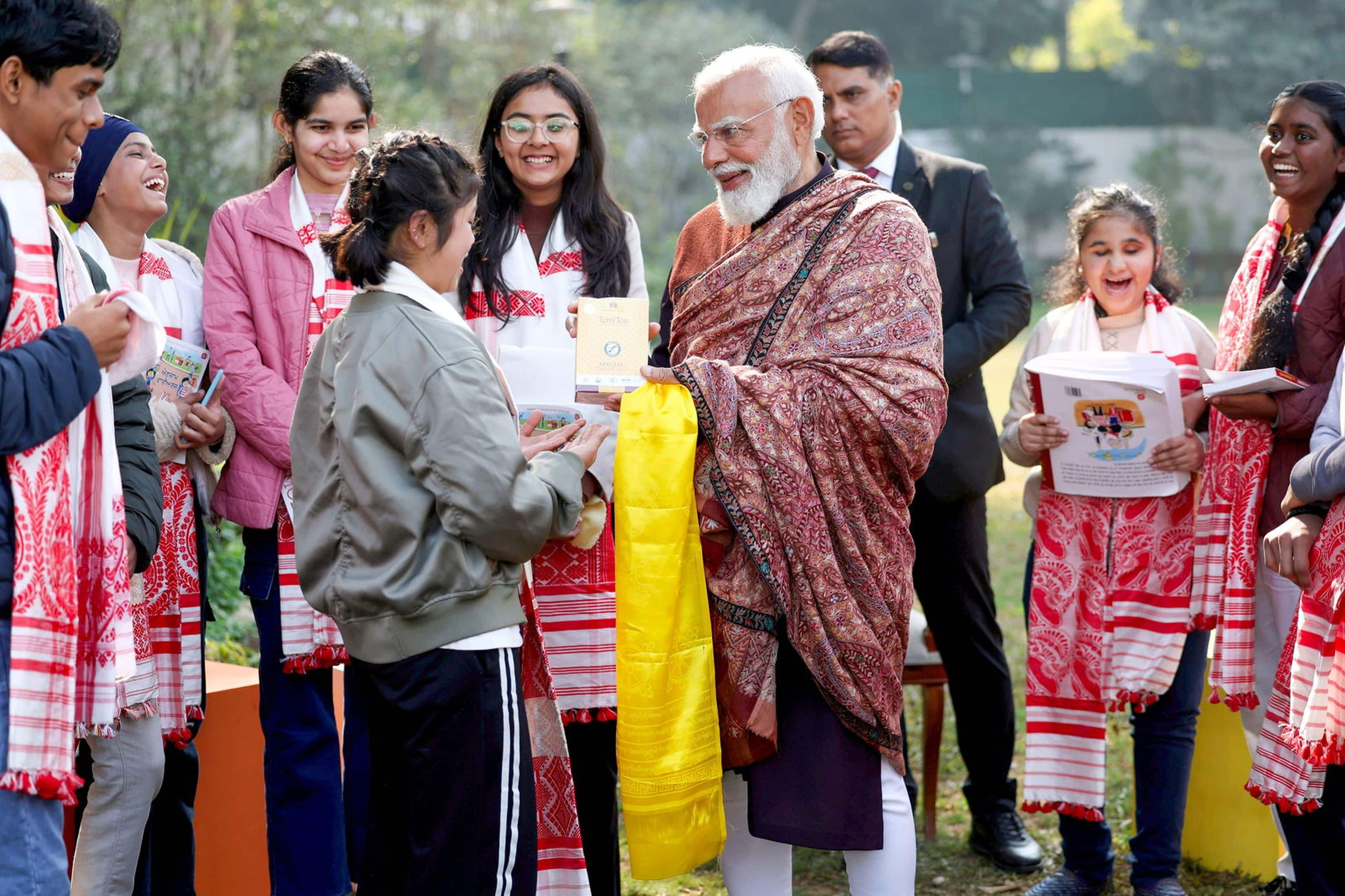
त्यानंतर त्यांनी सध्याच्या पिढीला, विशेषतः तंत्रज्ञानात उपलब्ध असलेल्या अफाट संधींवर प्रकाश टाकला आणि त्यांच्या काळात अशा संधींचा अभाव असला तरी, आजच्या तरुणांनी कृत्रिम बुद्धिमत्तेचा सुज्ञपणे वापर केला पाहिजे, असे मत व्यक्त केले.
त्यांनी स्पष्ट केले की केवळ चरित्रांचा सारांश देण्यासाठी एआयचा वापर केल्याने फारसा काही फायदा होत नाही, परंतु वय आणि आवडींनुसार एआयला चरित्रांची शिफारस करण्यास सांगणे आणि नंतर ती पुस्तके वाचणे यामुळे खरा विकास होतो. एआय हे केवळ मनोरंजनासाठी नव्हे तर शक्ती आणि ज्ञान वाढवण्याचे साधन बनले पाहिजे, यावर त्यांनी भर दिला. एआयच्या वापराबद्दलच्या त्यांच्या मार्गदर्शनाबद्दल विद्यार्थ्यांनी आनंद व्यक्त केला आणि त्यांच्या स्वतःच्या तांत्रिक प्रयत्नांशी त्याची तुलना लक्षात घेतली.
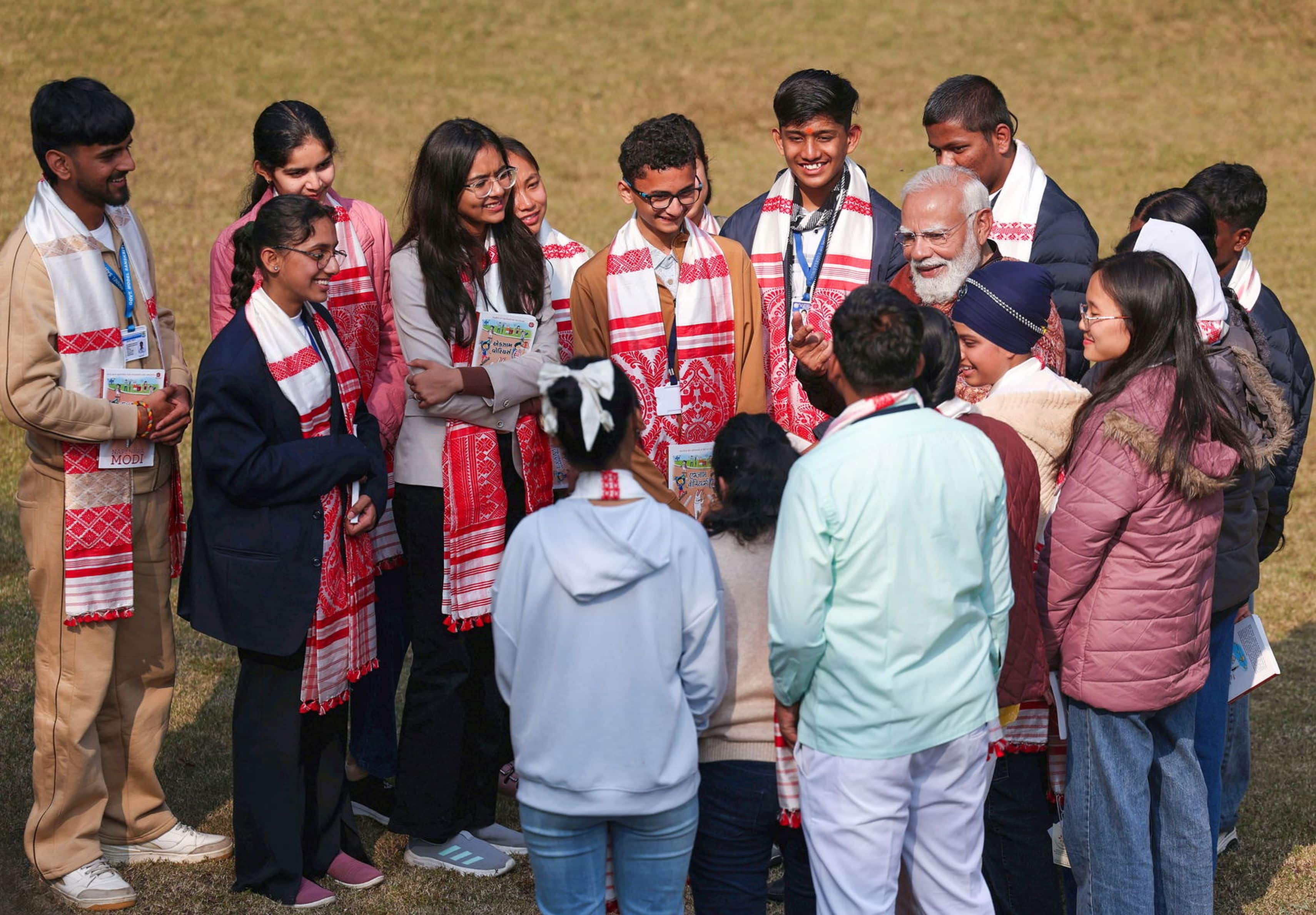
एका विद्यार्थ्याने सादर केलेले कर्नाटक शास्त्रीय शैलीतील बासरीवादन पंतप्रधानांनी ऐकले आणि त्याचे अभिनंदन केले. वसंत पंचमीच्या वेळी उत्तराखंडचे पारंपारिक महत्त्व लक्षात घेऊन एका विद्यार्थ्याने स्वहस्ते बनवलेला पुष्पगुच्छ त्यांना भेट दिला, त्रिपुरा परंपरेचे संदर्भ दिले आणि विद्यार्थ्यांनी भेट दिलेल्या सेंद्रिय चहा आणि आसामी गमछाचे पंतप्रधानांनी कौतुक केले आणि त्यांना कविता लिहिण्यास प्रोत्साहित केले. त्यांनी सर्वांचे हार्दिक आभार मानून शुभेच्छा दिल्या.
‘परीक्षा पे चर्चा' या आगामी भागाची झलक सामायिक करताना पंतप्रधानांनी सांगितले की, अनेक विद्यार्थ्यांनी देशाच्या विविध भागात 'परीक्षा पे चर्चा' आयोजित करण्याचा सल्ला दिला होता, जो या विशेष भागातून दिसून आला. कुटुंबातील भावंडांच्या सद्गुणांमधून शिकले पाहिजे आणि मोठेपणाची आकांक्षा बाळगणे चुकीचे नाही, परंतु तुलना करू नये यावर त्यांनी भर दिला. वैयक्तिक आणि सामाजिक जीवनातील शिक्षणाचे महत्त्व पंतप्रधानांनी अधोरेखित केले, तसेच खेळ हा जीवनाचा एक आवश्यक भाग असला पाहिजे यावरही भर दिला. त्यांनी विद्यार्थ्यांना त्यांचे विचार आणि अनुभव उघडपणे सामायिक करण्याचे आवाहन केले .
या उपक्रमाचा पुढील भाग 9 फेब्रुवारी 2026 रोजी सकाळी 10 वाजता प्रसारित होईल.
एका विद्यार्थ्याने सादर केलेले कर्नाटक शास्त्रीय शैलीतील बासरीवादन पंतप्रधानांनी ऐकले आणि त्याचे अभिनंदन केले. वसंत पंचमीच्या वेळी उत्तराखंडचे पारंपारिक महत्त्व लक्षात घेऊन एका विद्यार्थ्याने स्वहस्ते बनवलेला पुष्पगुच्छ त्यांना भेट दिला, त्रिपुरा परंपरेचे संदर्भ दिले आणि विद्यार्थ्यांनी भेट दिलेल्या सेंद्रिय चहा आणि आसामी गमछाचे पंतप्रधानांनी कौतुक केले आणि त्यांना कविता लिहिण्यास प्रोत्साहित केले. त्यांनी सर्वांचे हार्दिक आभार मानून शुभेच्छा दिल्या.
‘परीक्षा पे चर्चा' या आगामी भागाची झलक सामायिक करताना पंतप्रधानांनी सांगितले की, अनेक विद्यार्थ्यांनी देशाच्या विविध भागात 'परीक्षा पे चर्चा' आयोजित करण्याचा सल्ला दिला होता, जो या विशेष भागातून दिसून आला. कुटुंबातील भावंडांच्या सद्गुणांमधून शिकले पाहिजे आणि मोठेपणाची आकांक्षा बाळगणे चुकीचे नाही, परंतु तुलना करू नये यावर त्यांनी भर दिला. वैयक्तिक आणि सामाजिक जीवनातील शिक्षणाचे महत्त्व पंतप्रधानांनी अधोरेखित केले, तसेच खेळ हा जीवनाचा एक आवश्यक भाग असला पाहिजे यावरही भर दिला. त्यांनी विद्यार्थ्यांना त्यांचे विचार आणि अनुभव उघडपणे सामायिक करण्याचे आवाहन केले .
या उपक्रमाचा पुढील भाग 9 फेब्रुवारी 2026 रोजी सकाळी 10 वाजता प्रसारित होईल.