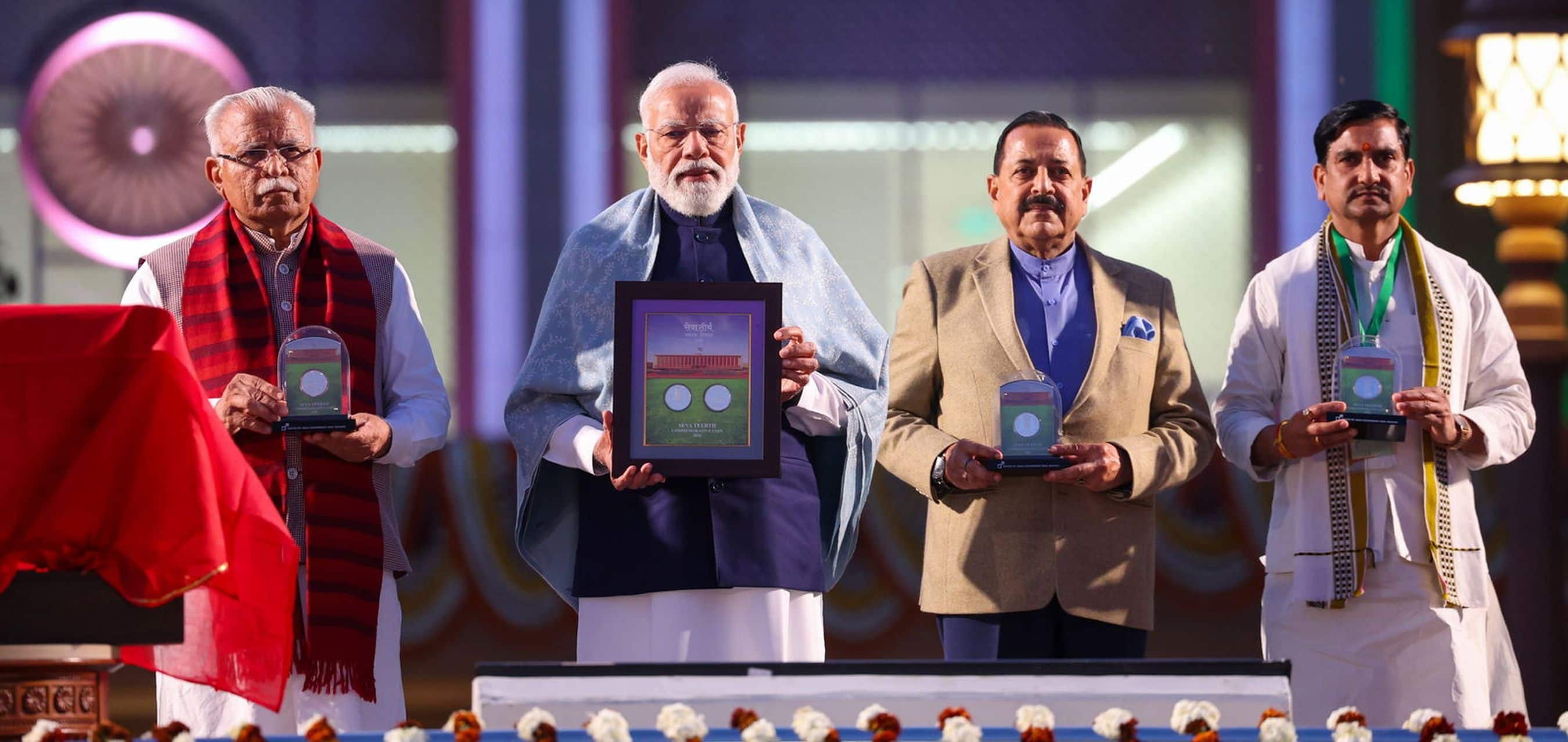


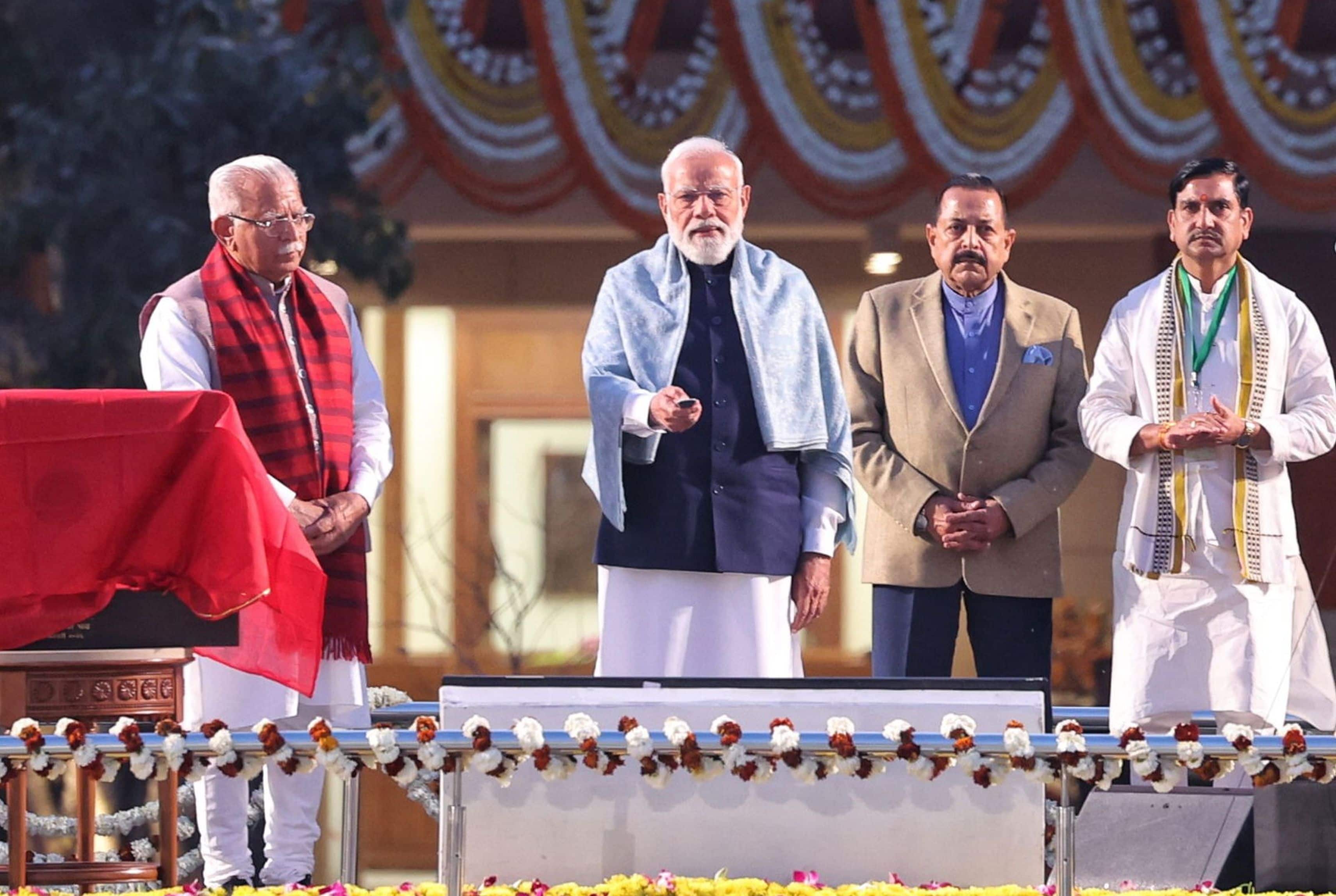
પ્રધાનમંત્રી શ્રી નરેન્દ્ર મોદીએ આજે નવી દિલ્હીમાં સેવા તીર્થ અને કર્તવ્ય ભવન-1 અને 2 ના ઉદ્ઘાટન સમારોહને સંબોધિત કર્યો હતો. આ પ્રસંગે બોલતા, પ્રધાનમંત્રીએ ટિપ્પણી કરી હતી કે આજે સૌ એક નવો ઈતિહાસ રચાતો જોઈ રહ્યા છે. તેમણે હાઇલાઇટ કર્યું કે વિક્રમ સંવત 2082 ના ફાગણ કૃષ્ણ પક્ષમાં, વિજયા એકાદશીના શુભ અવસર પર, માઘ 24 ના રોજ, અને શક સંવત 1947 માં, જે વર્તમાન કેલેન્ડરમાં 13 ફેબ્રુઆરી 2026 છે, આ દિવસ ભારતની વિકાસ યાત્રામાં એક નવી શરૂઆતનો સાક્ષી બન્યો છે. તેમણે ભારપૂર્વક જણાવ્યું કે શાસ્ત્રોમાં વિજયા એકાદશીનું ઘણું મહત્વ છે, કારણ કે આ દિવસે લેવામાં આવેલ સંકલ્પ હંમેશા વિજય તરફ દોરી જાય છે. શ્રી મોદીએ જણાવ્યું હતું કે આજે, વિકસિત ભારતના સંકલ્પ સાથે, સૌ સેવા તીર્થ અને કર્તવ્ય ભવનમાં પ્રવેશી રહ્યા છે. તેમણે ભારપૂર્વક જણાવ્યું હતું કે આ ધ્યેયમાં વિજય માટેના દૈવી આશીર્વાદ તેમની સાથે છે. તેમણે પીએમઓ ટીમ, કેબિનેટ સચિવાલય અને વિવિધ વિભાગોના કર્મચારીઓ સહિત દરેકને સેવા તીર્થ અને નવી ઇમારતો બદલ અભિનંદન પાઠવ્યા હતા. તેમણે તેમના નિર્માણ સાથે જોડાયેલા તમામ એન્જિનિયરો અને શ્રમિક સાથીઓનો આભાર વ્યક્ત કર્યો હતો.
સ્વતંત્રતા પછી, સાઉથ બ્લોક અને નોર્થ બ્લોક જેવી ઇમારતોમાંથી રાષ્ટ્ર માટે ઘણા મહત્વપૂર્ણ નિર્ણયો અને નીતિઓ બનાવવામાં આવી હતી તે વાતને હાઇલાઇટ કરતા, પ્રધાનમંત્રીએ ટિપ્પણી કરી હતી કે આ સંરચનાઓ બ્રિટિશ સામ્રાજ્યના પ્રતીકો તરીકે બનાવવામાં આવી હતી, જેનો ઉદ્દેશ્ય ભારતને સદીઓ સુધી ગુલામીની સાંકળોમાં રાખવાનો હતો.
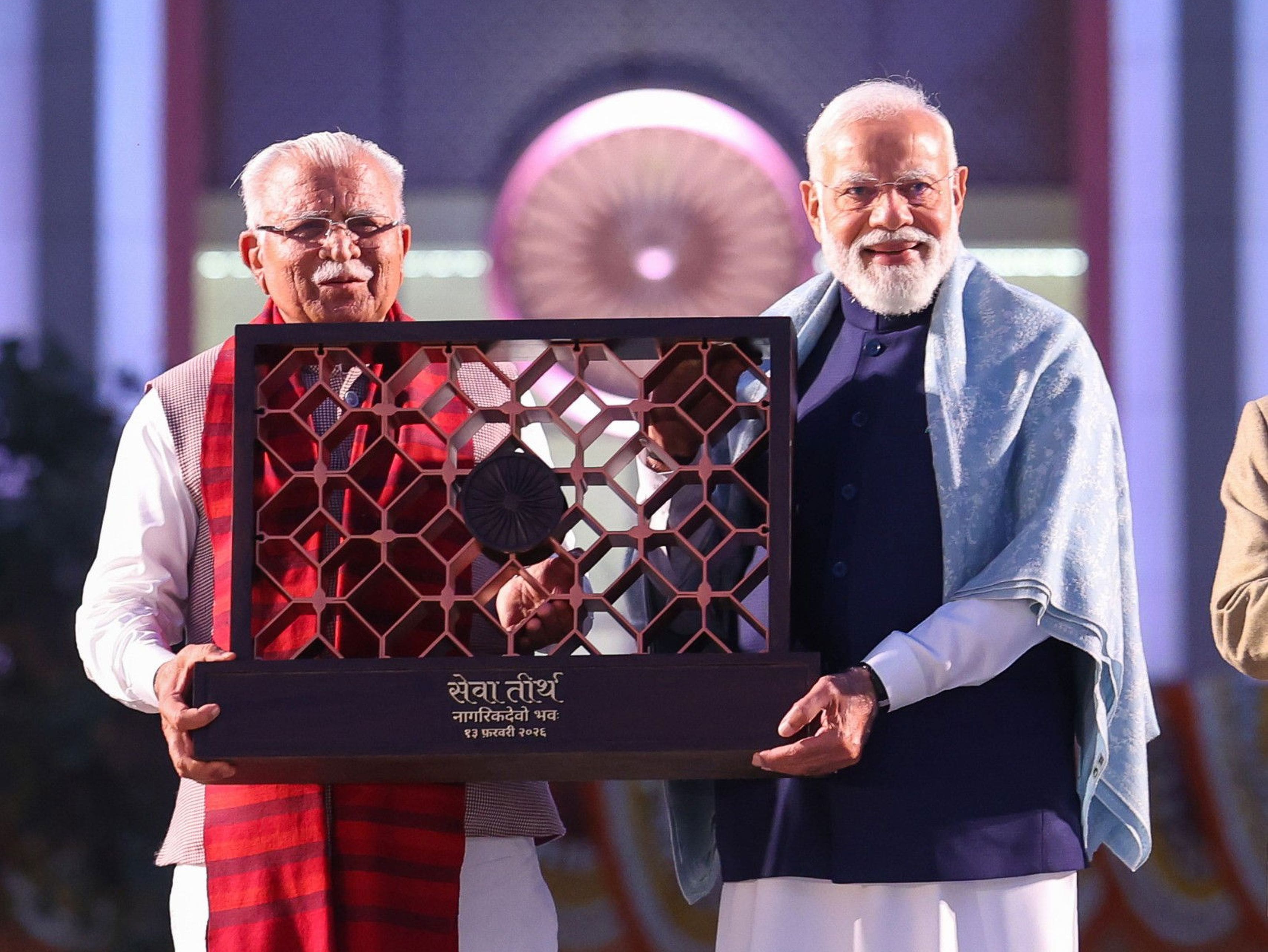
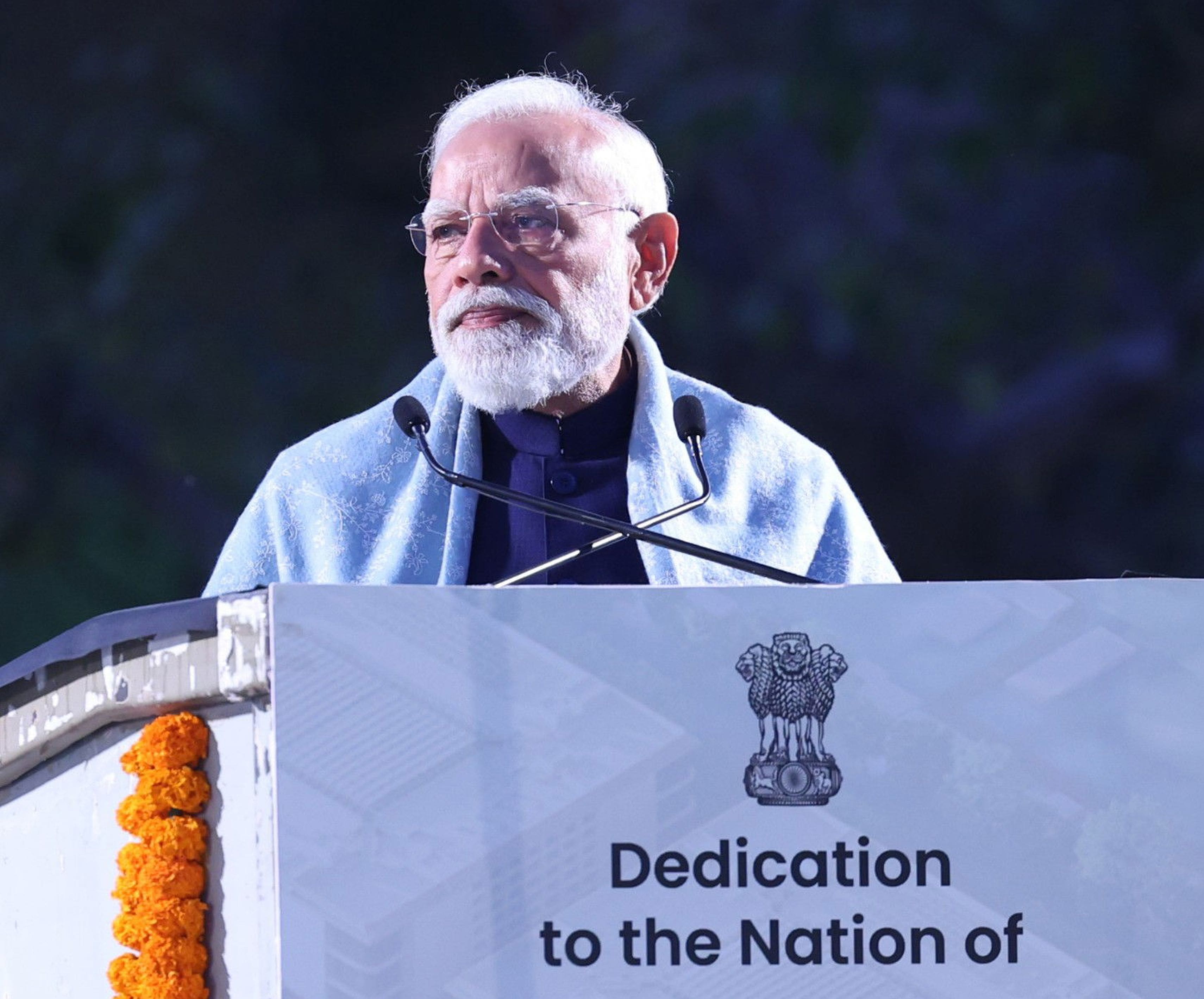
- શ્રી મોદીએ યાદ કર્યું કે કોલકાતા એક સમયે દેશની રાજધાની તરીકે સેવા આપતું હતું, પરંતુ 1905 ના બંગાળ વિભાજન દરમિયાન તે બ્રિટિશ વિરોધી આંદોલનોનું મજબૂત કેન્દ્ર બની ગયું હતું. તેથી, 1911 માં, અંગ્રેજોએ રાજધાની કોલકાતાથી દિલ્હી ખસેડી. તેમણે નોંધ્યું કે ત્યારબાદ વસાહતી શાસનની જરૂરિયાતો અને માનસિકતાને ધ્યાનમાં રાખીને નોર્થ બ્લોક અને સાઉથ બ્લોકનું નિર્માણ શરૂ થયું. પ્રધાનમંત્રીએ ધ્યાન દોર્યું કે જ્યારે રાયસીના હિલ્સ પરની ઇમારતોનું ઉદ્ઘાટન કરવામાં આવ્યું ત્યારે તત્કાલીન વાઈસરોયે કહ્યું હતું કે આ નવી સંરચનાઓ બ્રિટિશ શાસકની ઈચ્છા અનુસાર બનાવવામાં આવી છે, જેનો અર્થ છે કે તે ગુલામ ભારતીય ધરતી પર બ્રિટનના રાજાની વિચારધારા લાદવાનું એક માધ્યમ હતું. તેમણે ભારપૂર્વક જણાવ્યું હતું કે રાયસીના હિલ્સ એટલા માટે પસંદ કરવામાં આવી હતી જેથી આ ઇમારતો અન્ય તમામ કરતા ઉપર રહે, જેની સમાન કોઈ ન હોઈ શકે. શ્રી મોદીએ તેની સરખામણી નવા સેવા તીર્થ સંકુલ સાથે કરી, જે ટેકરી પર નથી પરંતુ જમીન સાથે વધુ જોડાયેલું છે. સાઉથ બ્લોક અને નોર્થ બ્લોક વસાહતી માનસિકતાને લાગુ કરવા માટે બાંધવામાં આવ્યા હતા તે વાત પર ભાર મૂકતા, પ્રધાનમંત્રીએ ઉદગાર કર્યો કે આજે, સેવા તીર્થ અને કર્તવ્ય ભવન ભારતના લોકોની આકાંક્ષાઓને પૂર્ણ કરવા માટે બનાવવામાં આવ્યા છે. તેમણે ભારપૂર્વક જણાવ્યું હતું કે અહીં લેવામાં આવેલા નિર્ણયો કોઈ શાસકની વિચારસરણીને પ્રતિબિંબિત કરશે નહીં પરંતુ 140 કરોડ નાગરિકોની અપેક્ષાઓને આગળ વધારવા માટેના પાયા તરીકે કામ કરશે. આ ભાવના સાથે, પ્રધાનમંત્રીએ સેવા તીર્થ અને કર્તવ્ય ભવન ભારતના લોકોને સમર્પિત કર્યા.
- શ્રી મોદીએ યાદ કર્યું કે કોલકાતા એક સમયે દેશની રાજધાની તરીકે સેવા આપતું હતું, પરંતુ 1905 ના બંગાળ વિભાજન દરમિયાન તે બ્રિટિશ વિરોધી આંદોલનોનું મજબૂત કેન્દ્ર બની ગયું હતું. તેથી, 1911 માં, અંગ્રેજોએ રાજધાની કોલકાતાથી દિલ્હી ખસેડી. તેમણે નોંધ્યું કે ત્યારબાદ વસાહતી શાસનની જરૂરિયાતો અને માનસિકતાને ધ્યાનમાં રાખીને નોર્થ બ્લોક અને સાઉથ બ્લોકનું નિર્માણ શરૂ થયું. પ્રધાનમંત્રીએ ધ્યાન દોર્યું કે જ્યારે રાયસીના હિલ્સ પરની ઇમારતોનું ઉદ્ઘાટન કરવામાં આવ્યું ત્યારે તત્કાલીન વાઈસરોયે કહ્યું હતું કે આ નવી સંરચનાઓ બ્રિટિશ શાસકની ઈચ્છા અનુસાર બનાવવામાં આવી છે, જેનો અર્થ છે કે તે ગુલામ ભારતીય ધરતી પર બ્રિટનના રાજાની વિચારધારા લાદવાનું એક માધ્યમ હતું. તેમણે ભારપૂર્વક જણાવ્યું હતું કે રાયસીના હિલ્સ એટલા માટે પસંદ કરવામાં આવી હતી જેથી આ ઇમારતો અન્ય તમામ કરતા ઉપર રહે, જેની સમાન કોઈ ન હોઈ શકે. શ્રી મોદીએ તેની સરખામણી નવા સેવા તીર્થ સંકુલ સાથે કરી, જે ટેકરી પર નથી પરંતુ જમીન સાથે વધુ જોડાયેલું છે. સાઉથ બ્લોક અને નોર્થ બ્લોક વસાહતી માનસિકતાને લાગુ કરવા માટે બાંધવામાં આવ્યા હતા તે વાત પર ભાર મૂકતા, પ્રધાનમંત્રીએ ઉદગાર કર્યો કે આજે, સેવા તીર્થ અને કર્તવ્ય ભવન ભારતના લોકોની આકાંક્ષાઓને પૂર્ણ કરવા માટે બનાવવામાં આવ્યા છે. તેમણે ભારપૂર્વક જણાવ્યું હતું કે અહીં લેવામાં આવેલા નિર્ણયો કોઈ શાસકની વિચારસરણીને પ્રતિબિંબિત કરશે નહીં પરંતુ 140 કરોડ નાગરિકોની અપેક્ષાઓને આગળ વધારવા માટેના પાયા તરીકે કામ કરશે. આ ભાવના સાથે, પ્રધાનમંત્રીએ સેવા તીર્થ અને કર્તવ્ય ભવન ભારતના લોકોને સમર્પિત કર્યા.
પ્રધાનમંત્રીએ ટિપ્પણી કરી હતી કે 21 મી સદીનો પ્રથમ ક્વાર્ટર (પચીસ વર્ષ) હવે પૂર્ણ થઈ ગયો છે, અને એ આવશ્યક છે કે વિકસિત ભારતનું વિઝન માત્ર નીતિઓ અને યોજનાઓમાં જ નહીં પરંતુ કાર્યસ્થળો અને ઇમારતોમાં પણ પ્રતિબિંબિત થાય. તેમણે ભારપૂર્વક જણાવ્યું હતું કે જે સ્થળોએથી રાષ્ટ્રનું શાસન ચાલે છે તે પ્રભાવશાળી અને પ્રેરણાદાયી હોવા જોઈએ. તેમણે હાઇલાઇટ કર્યું કે નવી ટેકનોલોજી ઝડપથી ઉભરી રહી હોવાથી, જૂની ઇમારતો સુવિધાઓના વિસ્તરણ અને નવા સાધનો અપનાવવા માટે અપૂરતી સાબિત થઈ રહી હતી. શ્રી મોદીએ ધ્યાન દોર્યું હતું કે સાઉથ બ્લોક અને નોર્થ બ્લોક જગ્યાની મર્યાદાઓ અને મર્યાદિત સુવિધાઓનો સામનો કરી રહ્યા હતા, અને લગભગ સો વર્ષ જૂના હોવાને કારણે, અન્ય અનેક પડકારોની સાથે તેઓ અંદરથી જર્જરિત થઈ રહ્યા હતા. પ્રધાનમંત્રીએ જણાવ્યું હતું કે રાષ્ટ્રને આ પડકારો વિશે સતત માહિતગાર કરવું મહત્વપૂર્ણ છે, અને નોંધ્યું કે સ્વતંત્રતાના દાયકાઓ પછી પણ ભારત સરકારના અસંખ્ય મંત્રાલયો દિલ્હીમાં 50 થી વધુ વિવિધ સ્થળોએથી કાર્યરત હતા. તેમણે ભારપૂર્વક જણાવ્યું હતું કે દર વર્ષે મંત્રાલયની આ ઇમારતોના ભાડા પાછળ ₹1,500 કરોડ ખર્ચવામાં આવતા હતા, જ્યારે કચેરીઓ વચ્ચે અવરજવર કરતા 8,000 થી 10,000 કર્મચારીઓ માટે દૈનિક લોજિસ્ટિક્સ ખર્ચ થતો હતો. તેમણે ભારપૂર્વક જણાવ્યું હતું કે સેવા તીર્થ અને કર્તવ્ય ભવનના નિર્માણથી આ ખર્ચમાં ઘટાડો થશે અને કર્મચારીઓનો સમય બચશે.
શ્રી મોદીએ સ્વીકાર્યું કે આ ફેરફારની વચ્ચે જૂની ઇમારતોમાં વિતાવેલા વર્ષોની યાદો રહેશે, કારણ કે ત્યાં ઘણા મહત્વપૂર્ણ નિર્ણયો લેવામાં આવ્યા હતા, જેણે રાષ્ટ્રને નવી દિશા આપી હતી અને સુધારાઓ શરૂ કર્યા હતા. તેમણે પુષ્ટિ આપી કે તે પરિસરો ભારતના ઇતિહાસનો અમર ભાગ છે. તેથી, પ્રધાનમંત્રીએ જૂની ઇમારતને રાષ્ટ્ર માટે મ્યુઝિયમ તરીકે સમર્પિત કરવાનો નિર્ણય જાહેર કર્યો, જે તેને યુગે યુગીન ભારત મ્યુઝિયમનો ભાગ બનાવશે. તેમણે ભારપૂર્વક જણાવ્યું હતું કે આ ઇમારત ભવિષ્યની પેઢીઓ માટે પ્રેરણાના કેન્દ્ર તરીકે કામ કરશે, અને જ્યારે યુવાનો મુલાકાત લેશે, ત્યારે ઐતિહાસિક વારસો તેમને માર્ગદર્શન આપશે.
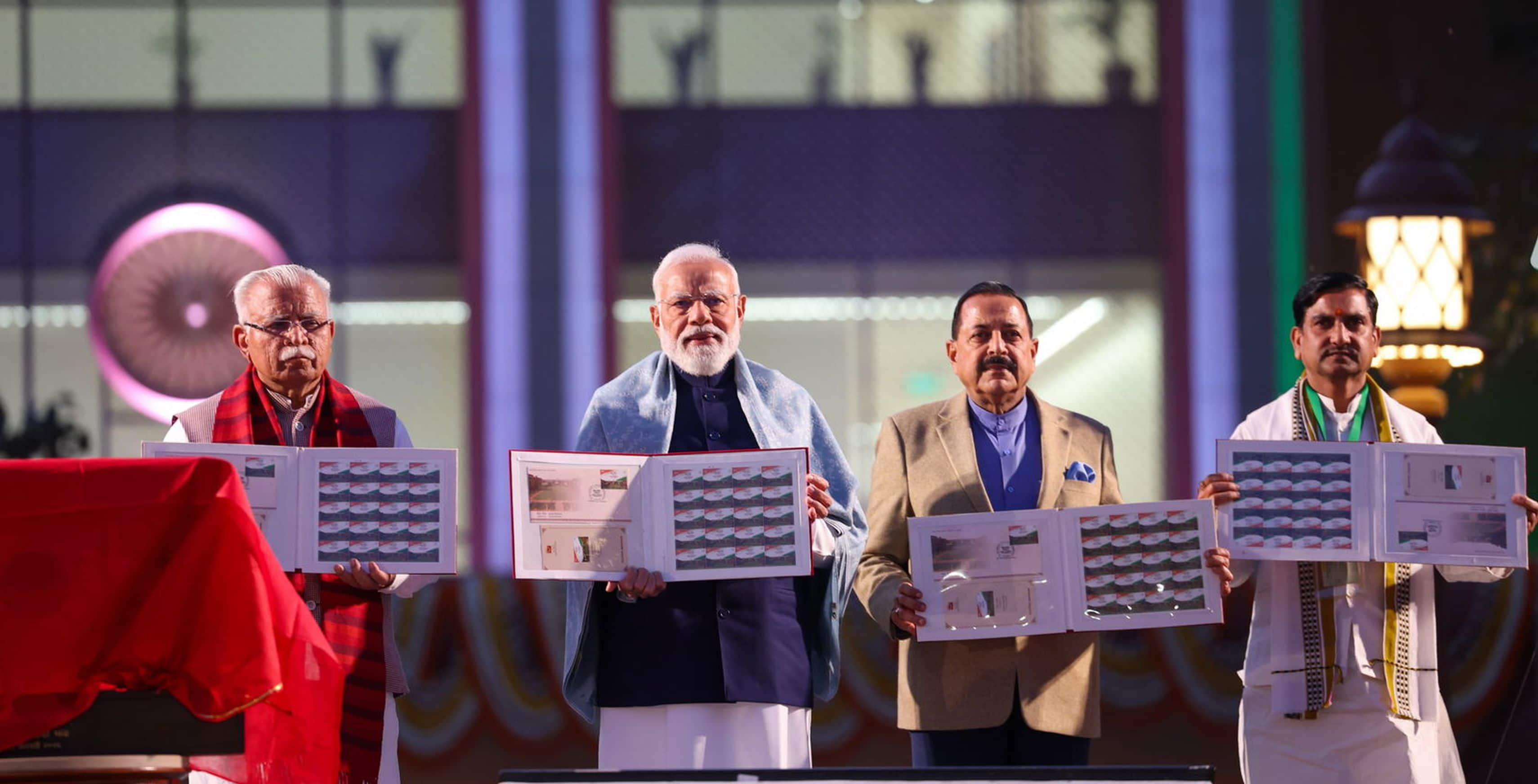
પ્રધાનમંત્રીએ ભારપૂર્વક જણાવ્યું હતું કે વિકસિત ભારતની યાત્રામાં વસાહતી માનસિકતામાંથી મુક્ત થઈને આગળ વધવું મહત્વપૂર્ણ છે. તેમણે ટિપ્પણી કરી કે કમનસીબે, આઝાદી પછી પણ વસાહતી શાસનના પ્રતીકો વહન કરવાનું ચાલુ રહ્યું. તેમણે ધ્યાન દોર્યું કે પ્રધાનમંત્રીના નિવાસસ્થાનને એક સમયે રેસ કોર્સ રોડ કહેવામાં આવતું હતું, ઉપરાષ્ટ્રપતિ માટે કોઈ નિર્ધારિત નિવાસસ્થાન નહોતું, અને રાષ્ટ્રપતિ ભવન તરફ જતા રસ્તાને લોકશાહીમાં રાજપથ કહેવામાં આવતું હતું. તેમણે હાઇલાઇટ કર્યું કે સ્વતંત્ર ભારતમાં જે સૈનિકોએ પોતાના જીવનું બલિદાન આપ્યું હતું અથવા જે પોલીસ કર્મચારીઓએ પોતાના જીવ ગુમાવ્યા હતા તેમના માટે કોઈ સ્મારક નહોતું. શ્રી મોદીએ ભારપૂર્વક જણાવ્યું હતું કે આઝાદ રાષ્ટ્રની રાજધાની વસાહતી માનસિકતામાં ઊંડે સુધી ફસાયેલી રહી, દિલ્હીની ઇમારતો, જાહેર સ્થળો અને ઐતિહાસિક સ્થળો આવા પ્રતીકોથી ભરેલા હતા. પ્રધાનમંત્રીએ જણાવ્યું હતું કે સમય ક્યારેય એક સરખો રહેતો નથી અને 2014 માં દેશે સંકલ્પ કર્યો હતો કે વસાહતી માનસિકતા હવે ચાલુ રહેશે નહીં. તેમણે નોંધ્યું કે આ માનસિકતા બદલવા માટે એક અભિયાન શરૂ કરવામાં આવ્યું હતું, જેના કારણે શહીદોના સન્માનમાં નેશનલ વોર મેમોરિયલ અને પોલીસ બહાદુરીને ઓળખવા માટે પોલીસ મેમોરિયલની રચના કરવામાં આવી. તેમણે યાદ કર્યું કે રેસ કોર્સ રોડનું નામ બદલીને લોક કલ્યાણ માર્ગ કરવામાં આવ્યું હતું, જે માત્ર નામમાં ફેરફાર ન હતો પરંતુ સત્તાના વલણને સેવાની ભાવનામાં બદલવાનો પ્રયાસ હતો.
પ્રધાનમંત્રીએ ભારપૂર્વક જણાવ્યું હતું કે આ નિર્ણયો પાછળ ઊંડી સંવેદના અને વિઝન રહેલું છે, જે ભારતના વર્તમાન, ભૂતકાળ અને ભવિષ્યને રાષ્ટ્રીય ગૌરવ સાથે જોડે છે. તેમણે સમજાવ્યું કે જે સ્થળ એક સમયે રાજપથ તરીકે ઓળખાતું હતું ત્યાં સામાન્ય નાગરિકો માટે પૂરતી સુવિધાઓ અને વ્યવસ્થાઓનો અભાવ હતો, અને તેને કર્તવ્ય પથ તરીકે પુનઃવિકસિત કરવામાં આવ્યું હતું, જે આજે પરિવારો, બાળકો અને નાગરિકો માટે એક જીવંત જાહેર સ્થળ બની ગયું છે. તેમણે હાઇલાઇટ કર્યું કે આ સંકુલમાં જ નેતાજી સુભાષ ચંદ્ર બોઝની ભવ્ય પ્રતિમા સ્થાપિત કરવામાં આવી છે, જે સુનિશ્ચિત કરે છે કે રાજધાની હવે મહાન નાયકોનું સન્માન કરે છે અને નવી પેઢીને પ્રેરણા આપે છે. શ્રી મોદીએ ઉમેર્યું કે રાષ્ટ્રપતિ ભવન સંકુલમાં પણ ફેરફાર કરવામાં આવ્યા છે, મુઘલ ગાર્ડનનું નામ બદલીને અમૃત ઉદ્યાન કરવામાં આવ્યું છે. તેમણે ટિપ્પણી કરી કે જ્યારે સંસદની નવી ઇમારત બનાવવામાં આવી ત્યારે જૂની ઇમારતને વિસરાઈ ન હતી પરંતુ તેને ‘સંવિધાન સદન’ તરીકે નવી ઓળખ આપવામાં આવી હતી. તેમણે નોંધ્યું કે જ્યારે મંત્રાલયોને એક જ સંકુલમાં લાવવામાં આવ્યા ત્યારે ઇમારતોનું નામ ‘કર્તવ્ય ભવન’ રાખવામાં આવ્યું હતું. તેમણે ભારપૂર્વક જણાવ્યું હતું કે નામ બદલવાની આ પહેલ માત્ર શબ્દોના ફેરફાર નથી, પરંતુ તે એક સુસંગત વૈચારિક વિચારધારાને પ્રતિબિંબિત કરે છે—એક સ્વતંત્ર ભારત જેની પોતાની ઓળખ છે, જે વસાહતી છાપમાંથી મુક્ત છે.
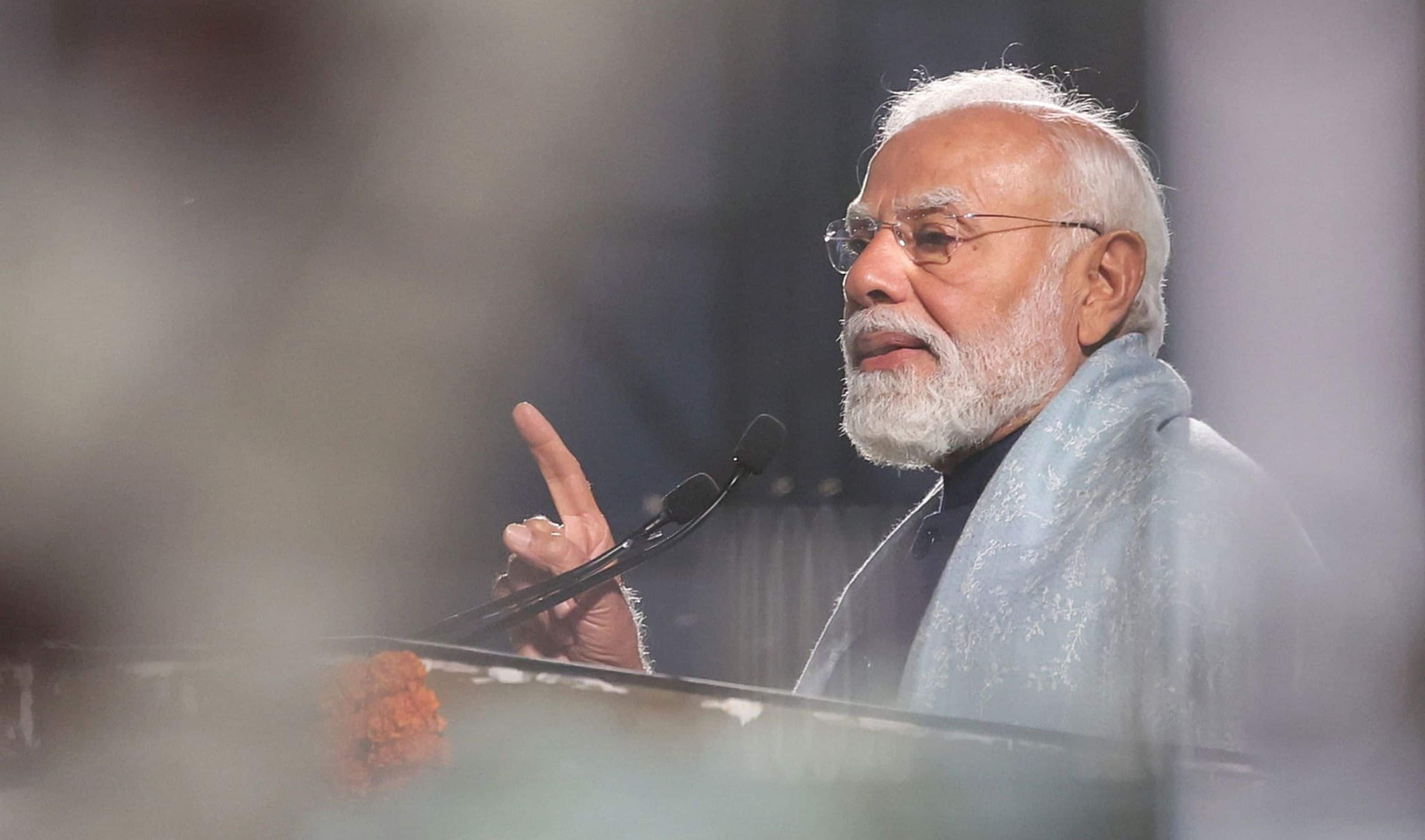
પ્રધાનમંત્રીએ ટિપ્પણી કરી હતી કે નવા પ્રધાનમંત્રી કાર્યાલયનું નામ સેવા તીર્થ રાખવામાં આવ્યું છે, જે દર્શાવે છે કે સેવાની ભાવના એ ભારતનો આત્મા છે અને તેની સાચી ઓળખ છે. તેમણે શ્રી રામકૃષ્ણ પરમહંસજીના શબ્દોને યાદ કર્યા, જેમણે કહ્યું હતું કે શિવના જ્ઞાન સાથે માનવતાની સેવા કરવી એ માત્ર એક આધ્યાત્મિક વિચાર નથી પરંતુ રાષ્ટ્ર નિર્માણનું દર્શન છે. તેમણે ભારપૂર્વક જણાવ્યું હતું કે આ ઇમારત દરેકને સતત યાદ અપાવશે કે શાસન એટલે સેવા અને જવાબદારી એટલે સમર્પણ. શાસ્ત્રોક્ત ઉપદેશ, “સેવા પરમો ધર્મઃ” (સેવા એ સર્વોચ્ચ કર્તવ્ય છે) ને હાઇલાઇટ કરતા શ્રી મોદીએ ખાતરી આપી કે આ પ્રધાનમંત્રી કાર્યાલય અને સરકારનું વિઝન છે. તેમણે જણાવ્યું કે સેવા તીર્થ એ માત્ર નામ નથી પરંતુ એક સંકલ્પ છે—નાગરિકોની સેવા દ્વારા પવિત્ર સ્થાન, સેવાની પ્રતિજ્ઞાને પરિપૂર્ણ કરવા માટેનું સ્થળ. તેમણે તીર્થનો અર્થ સમજાવ્યો કે જે મુક્ત કરવાની અને લક્ષ્યો હાંસલ કરવામાં મદદ કરવાની ક્ષમતા ધરાવે છે, અને આજે ભારત પાસે પણ વિકસિત રાષ્ટ્ર બનવા, આત્મનિર્ભરતા પ્રાપ્ત કરવા, કરોડો લોકોને ગરીબીમાંથી મુક્ત કરવા અને દેશને વસાહતી માનસિકતામાંથી મુક્ત કરવાના લક્ષ્યો છે, જે સેવાની શક્તિ દ્વારા પૂર્ણ થશે.
પ્રધાનમંત્રીએ હાઇલાઇટ કર્યું હતું કે જેમ ભારત રિફોર્મ એક્સપ્રેસ (સુધારા એક્સપ્રેસ) પર સવાર છે, આંતરરાષ્ટ્રીય સંબંધોમાં નવો અધ્યાય લખી રહ્યું છે, વેપાર કરારો દ્વારા નવા દરવાજા ખોલી રહ્યું છે અને સેચ્યુરેશન ટાર્ગેટ (સંતૃપ્તિ લક્ષ્યો) તરફ ઝડપથી આગળ વધી રહ્યું છે, ત્યારે સેવા તીર્થ અને કર્તવ્ય ભવનોમાં કામની નવી ગતિ અને નવો આત્મવિશ્વાસ રાષ્ટ્રીય લક્ષ્યો હાંસલ કરવામાં મોટી ભૂમિકા ભજવશે.
ભારતીય સંસ્કૃતિ શીખવે છે કે દરેક શુભ કાર્ય પહેલા કલ્યાણ માટેનો સંકલ્પ હોવો જોઈએ, જે ચારે દિશાઓમાંથી વહેતા ઉમદા વિચારો દ્વારા માર્ગદર્શન પામે છે, તે વાત પર ભાર મૂકતા શ્રી મોદીએ ભારપૂર્વક જણાવ્યું હતું કે આ જ ઇમારતનો આત્મા હોવો જોઈએ, કારણ કે ભારતના મહાન લોકશાહીમાં લોકોના વિચારો એ જ સાચી શક્તિ છે, તેમના સપના સાચી મૂડી છે, તેમની અપેક્ષાઓ પ્રાથમિકતા છે અને તેમની આકાંક્ષાઓ માર્ગદર્શક પ્રકાશ છે. તેમણે જણાવ્યું હતું કે આ સંવેદનાઓ અને ઇમારત વચ્ચે કોઈ દીવાલ અને અંતર હોવું જોઈએ નહીં, કારણ કે જ્યારે લોકોના સપનાઓ સમજાય છે ત્યારે જ નીતિઓ જીવંત બને છે અને જ્યારે તેમની આકાંક્ષાઓ અનુભવાય છે ત્યારે જ નિર્ણયો અસરકારક બને છે.
પ્રધાનમંત્રીએ નોંધ્યું હતું કે છેલ્લા અગિયાર વર્ષોમાં શાસનનું એક નવું મોડલ ઉભરી આવ્યું છે, જ્યાં નાગરિક નિર્ણય લેવાના કેન્દ્રમાં છે. તેમણે ભારપૂર્વક જણાવ્યું હતું કે “નાગરિક દેવો ભવ” એ માત્ર એક વાક્ય નથી પરંતુ કામ કરવાની સંસ્કૃતિ છે, જેને અધિકારીઓ આ નવી ઇમારતોમાં પ્રવેશતી વખતે અપનાવવી જોઈએ. શ્રી મોદીએ જાહેર કર્યું હતું કે સેવા તીર્થમાં લેવાયેલ દરેક નિર્ણય, દરેક ફાઈલની અવરજવર અને વિતાવેલી દરેક ક્ષણ 140 કરોડ નાગરિકોના જીવનને સુધારવા માટે સમર્પિત હોવી જોઈએ. તેમણે દરેક અધિકારી, કર્મચારી અને કર્મયોગીને વિનંતી કરી કે જ્યારે પણ તેઓ બિલ્ડિંગમાં પ્રવેશ કરે ત્યારે થોડો સમય રોકાઈને પોતાની જાતને પૂછે કે શું તે દિવસે તેમનું કાર્ય કરોડો નાગરિકોના જીવનને સરળ બનાવશે, અને ભારપૂર્વક જણાવ્યું કે આ આત્મ-ચિંતન આ સ્થાનની સૌથી મોટી શક્તિ બનશે.
અમે સત્તાનું પ્રદર્શન કરવા માટે નહીં પરંતુ જવાબદારી નિભાવવા આવ્યા છીએ તે વાત પર ભાર મૂકતા શ્રી મોદીએ કહ્યું કે જ્યારે શાસન સેવાની ભાવનાથી ચાલે છે, ત્યારે પરિણામો અસાધારણ હોય છે. તેમણે હાઇલાઇટ કર્યું કે આ રીતે 25 કરોડ લોકો ગરીબીમાંથી બહાર આવ્યા છે અને અર્થતંત્રને નવી ગતિ મળી છે.
પ્રધાનમંત્રીએ ભારપૂર્વક જણાવ્યું હતું કે વિકસિત ભારત 2047 એ માત્ર એક ધ્યેય નથી પરંતુ વિશ્વ સમક્ષ ભારતની પ્રતિજ્ઞા છે, અને તેથી અહીં લેવામાં આવતી દરેક નીતિ અને નિર્ણય સેવાની સતત ભાવનાથી પ્રેરિત હોવા જોઈએ. તેમણે ટિપ્પણી કરી કે એક દિવસ, જ્યારે અધિકારીઓ આ ઇમારતમાંથી નિવૃત્ત થશે અથવા આગળ વધશે, ત્યારે તેઓ પાછળ વળીને જોશે અને અહીં વિતાવેલા દિવસોને યાદ કરશે, એ જાણીને આશ્વાસન મેળવશે કે સેવા તીર્થ અને કર્તવ્ય ભવનમાં દરેક ક્ષણ નાગરિકોની સેવા માટે સમર્પિત હતી અને દરેક નિર્ણય રાષ્ટ્રીય હિતમાં લેવામાં આવ્યો હતો, જે તેમની સૌથી મોટી સિદ્ધિ અને અંગત મૂડી હશે, જે તેમના જીવનને ગૌરવથી ભરી દેશે.
મહાત્મા ગાંધીના એ વિશ્વાસને યાદ કરતા કે કર્તવ્યનો પાયો અધિકારોની ભવ્ય ઇમારત બનાવે છે, પ્રધાનમંત્રીએ ટિપ્પણી કરી હતી કે જ્યારે કર્તવ્ય નિભાવવામાં આવે છે, ત્યારે મોટામાં મોટા પડકારોનો પણ સામનો કરી શકાય છે અને તેને હલ કરી શકાય છે. તેમણે ભારપૂર્વક જણાવ્યું હતું કે આ જ કારણ છે કે બંધારણના ઘડવૈયાઓએ કર્તવ્ય પર ભાર મૂક્યો હતો, અને યાદ અપાવ્યું હતું કે કરોડો નાગરિકોના સપના આ પાયા પર ટકેલા છે. શ્રી મોદીએ વિગતવાર જણાવ્યું કે કર્તવ્ય એ શરૂઆત છે, જીવંત રાષ્ટ્રનું જીવનબળ છે, જે કરુણા અને ખંતથી બંધાયેલું છે, સંકલ્પોની આશા છે, પ્રયત્નોની પરાકાષ્ઠા છે, દરેક સમસ્યાનું સમાધાન છે, વિકસિત ભારતનો વિશ્વાસ છે. તેમણે જાહેર કર્યું કે કર્તવ્ય એ સમાનતા છે, કર્તવ્ય એ સ્નેહ છે, કર્તવ્ય સાર્વત્રિક અને સર્વગ્રાહી છે, જે “સબકા સાથ, સબકા વિકાસ” ની ભાવનામાં વણાયેલું છે. તેમણે કર્તવ્યને રાષ્ટ્ર પ્રત્યેના સમર્પણની ભાવના, દરેક જીવનને પ્રકાશિત કરતી ઈચ્છાશક્તિ, આત્મનિર્ભર ભારતનો આનંદ, આવનારી પેઢીઓ માટે ઉજ્જવળ ભવિષ્યની ખાતરી, ભારત માતાની ઊર્જાના ધ્વજવાહક અને “નાગરિક દેવો ભવ” ના જાગૃત માર્ગ તરીકે વર્ણવ્યું. તેમણે વિનંતી કરી કે કર્તવ્યની આ સર્વોચ્ચ ભાવના સાથે સૌએ સેવા તીર્થ અને નવનિર્મિત સંકુલોમાં પ્રવેશ કરવો જોઈએ.
ભારત નવી ઊંચાઈઓ અને નવા યુગ તરફ ઝડપથી આગળ વધી રહ્યું છે તે વાત પર ભાર મૂકતા શ્રી મોદીએ ટિપ્પણી કરી કે આવનારા વર્ષોમાં રાષ્ટ્રની ઓળખ માત્ર તેની અર્થવ્યવસ્થા દ્વારા જ નહીં પરંતુ શાસનની ગુણવત્તા, નીતિઓની સ્પષ્ટતા અને કર્મયોગીઓના સમર્પણ દ્વારા વ્યાખ્યાયિત કરવામાં આવશે. તેમણે ભારપૂર્વક જણાવ્યું હતું કે સેવા તીર્થ અને કર્તવ્ય ભવનમાં લેવાયેલ દરેક નિર્ણય માત્ર ફાઈલની મંજૂરી નહીં હોય પરંતુ તે વિકસિત ભારત 2047 ની દિશા નક્કી કરશે. તેમણે યાદ અપાવ્યું કે 2047 એ માત્ર એક તારીખ નથી પરંતુ 140 કરોડ સપનાઓની સમયરેખા છે, જ્યાં દરેક સંસ્થા, દરેક અધિકારી, દરેક કર્મચારી અને દરેક કર્મયોગી મહત્વપૂર્ણ છે. પ્રધાનમંત્રીએ તેમનું વિઝન વ્યક્ત કર્યું હતું કે સેવા તીર્થ સંવેદનશીલ શાસનનું પ્રતીક અને નાગરિક-કેન્દ્રીય વહીવટ માટે એક રોલ મોડેલ બનવું જોઈએ, એવું સ્થળ જ્યાં સત્તાને બદલે સેવા, પદને બદલે પ્રતિબદ્ધતા, સત્તાને બદલે જવાબદારી દેખાય. તેમણે વિશ્વાસ વ્યક્ત કર્યો કે આ સંકલ્પ ઇતિહાસ લખશે અને સામૂહિક પ્રયાસ પેઢીઓને માર્ગદર્શન આપશે. તેમણે લાલ કિલ્લા પરથી પોતાના શબ્દો યાદ કર્યા કે “આ જ સમય છે, સાચો સમય છે,” દરેકને રાષ્ટ્ર પ્રથમ (નેશન ફર્સ્ટ) ની ભાવનામાં દરેક ક્ષણનો ઉપયોગ કરવા વિનંતી કરી, જેથી ભવિષ્યની સદીઓ કહેશે કે આ તે સમય હતો જ્યારે ભારતે તેના ભાગ્યને પુનઃવ્યાખ્યાયિત કર્યું અને એક હજાર વર્ષના ઉજ્જવળ ભવિષ્ય તરફ પ્રથમ પગલું ભર્યું. આ વિશ્વાસ સાથે, તેમણે ફરી એકવાર સૌને શુભકામનાઓ પાઠવી સમાપન કર્યું.
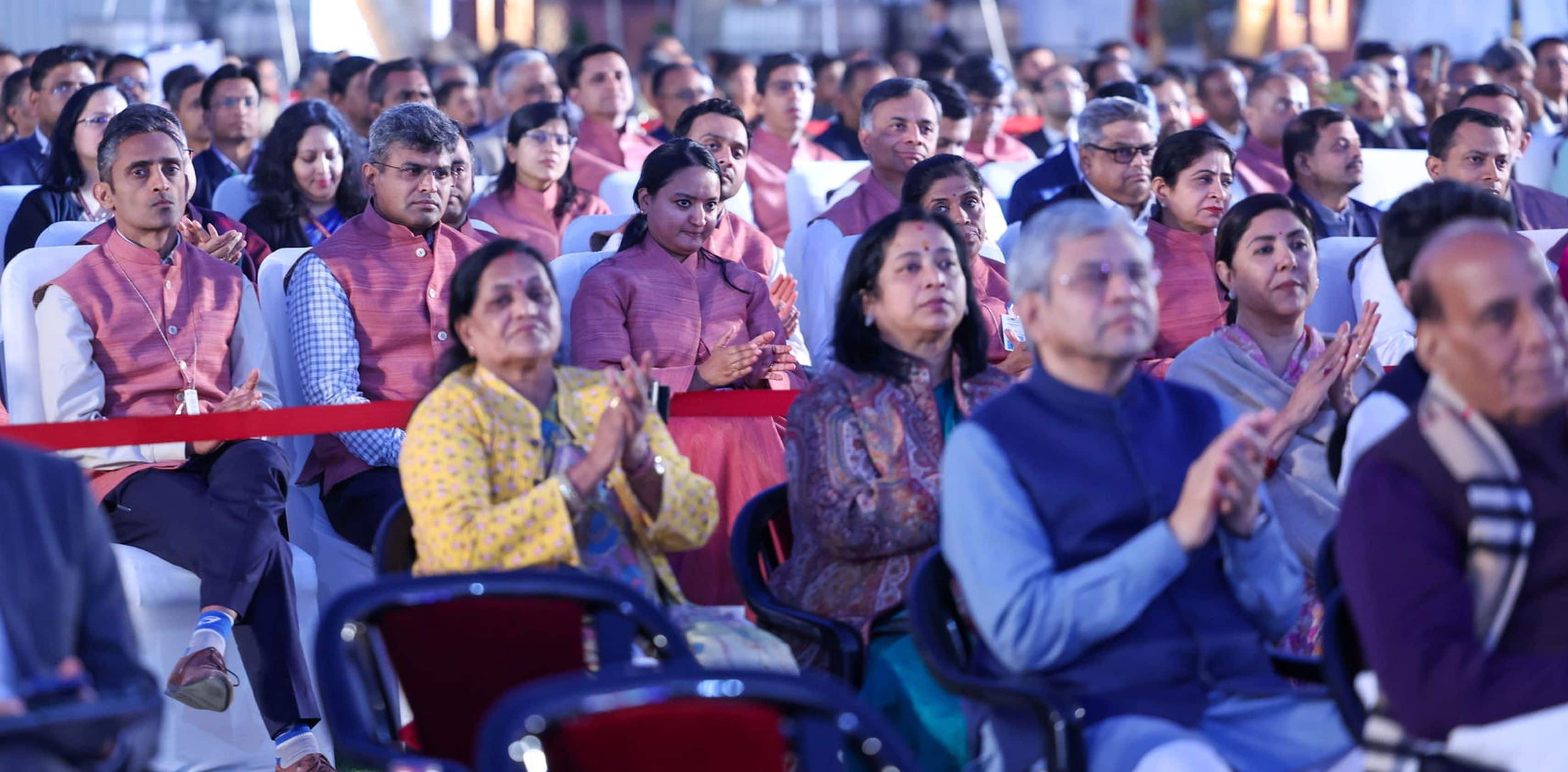
કેન્દ્રીય મંત્રીઓ, સંસદ સભ્યો અને ભારત સરકારના અધિકારીઓ આ પ્રસંગે અન્ય મહાનુભાવો સાથે ઉપસ્થિત રહ્યા હતા.
પૃષ્ઠભૂમિ
પ્રધાનમંત્રી શ્રી નરેન્દ્ર મોદીએ દિવસની શરૂઆતમાં બિલ્ડિંગ કોમ્પ્લેક્સ સેવા તીર્થના નામનું અનાવરણ કર્યું હતું. ત્યારબાદ તેમણે ઔપચારિક રીતે સેવા તીર્થ અને કર્તવ્ય ભવન-1 અને 2 નું ઉદ્ઘાટન કર્યું.
આ ઉદ્ઘાટન ભારતના વહીવટી શાસન માળખામાં એક પરિવર્તનકારી સીમાચિહ્નરૂપ છે અને આધુનિક, કાર્યક્ષમ, સુલભ અને નાગરિક-કેન્દ્રીય શાસન ઇકોસિસ્ટમ બનાવવા માટે પ્રધાનમંત્રીની પ્રતિબદ્ધતાને પ્રતિબિંબિત કરે છે.
દાયકાઓ સુધી, કેટલીક મુખ્ય સરકારી કચેરીઓ અને મંત્રાલયો સેન્ટ્રલ વિસ્ટા વિસ્તારમાં બહુવિધ સ્થળોએ ફેલાયેલા વિખંડિત અને જૂના ઇન્ફ્રાસ્ટ્રક્ચરમાંથી કાર્યરત હતા. આ વિખેરવાને કારણે કામગીરીની બિનકાર્યક્ષમતા, સંકલનના પડકારો, જાળવણીના વધતા ખર્ચ અને કામ કરવા માટે અયોગ્ય વાતાવરણ ઊભું થયું હતું. નવા બિલ્ડિંગ કોમ્પ્લેક્સ આધુનિક, ભાવિ-તૈયાર સુવિધાઓમાં વહીવટી કાર્યોને એકીકૃત કરીને આ મુદ્દાઓને સંબોધિત કરે છે.
સેવા તીર્થમાં પ્રધાનમંત્રી કાર્યાલય, રાષ્ટ્રીય સુરક્ષા પરિષદ સચિવાલય, કેબિનેટ સચિવાલય છે, જે અગાઉ અલગ-અલગ સ્થળોએ સ્થિત હતા.
કર્તવ્ય ભવન-1 અને 2 માં નાણા મંત્રાલય, સંરક્ષણ મંત્રાલય, આરોગ્ય અને પરિવાર કલ્યાણ મંત્રાલય, કોર્પોરેટ બાબતોનું મંત્રાલય, શિક્ષણ મંત્રાલય, સંસ્કૃતિ મંત્રાલય, કાયદો અને ન્યાય મંત્રાલય, માહિતી અને પ્રસારણ મંત્રાલય, કૃષિ અને ખેડૂત કલ્યાણ મંત્રાલય, રસાયણ અને ખાતર મંત્રાલય અને આદિજાતિ બાબતોના મંત્રાલય સહિત અનેક મુખ્ય મંત્રાલયોનો સમાવેશ થાય છે.
બંને બિલ્ડિંગ કોમ્પ્લેક્સમાં ડિજિટલી સંકલિત ઓફિસો, સંરચિત પબ્લિક ઇન્ટરફેસ ઝોન અને સેન્ટ્રલાઇઝ્ડ રિસેપ્શન સુવિધાઓ છે. આ વિશેષતાઓ સહયોગ, કાર્યક્ષમતા, સીમલેસ ગવર્નન્સ, સુધારેલ નાગરિક જોડાણ અને કર્મચારીઓની સુખાકારીમાં વધારો કરશે. 4-Star GRIHA ધોરણો અનુસાર ડિઝાઇન કરવામાં આવેલ આ સંકુલોમાં અક્ષય ઊર્જા પ્રણાલીઓ, જળ સંરક્ષણના પગલાં, કચરા વ્યવસ્થાપન ઉકેલો અને ઉચ્ચ પ્રદર્શન ધરાવતી બિલ્ડિંગ એન્વેલપ્સનો સમાવેશ થાય છે. આ પગલાં ઓપરેશનલ કાર્યક્ષમતા વધારતી વખતે પર્યાવરણીય પ્રભાવમાં નોંધપાત્ર ઘટાડો કરે છે. બિલ્ડિંગ કોમ્પ્લેક્સમાં વ્યાપક સુરક્ષા માળખાનો પણ સમાવેશ થાય છે, જેમ કે સ્માર્ટ એક્સેસ કંટ્રોલ સિસ્ટમ્સ, સર્વેલન્સ નેટવર્ક્સ અને અદ્યતન ઇમરજન્સી રિસ્પોન્સ ઇન્ફ્રાસ્ટ્રક્ચર, જે અધિકારીઓ અને મુલાકાતીઓ માટે સુરક્ષિત અને સુલભ વાતાવરણ સુનિશ્ચિત કરે છે.
સંપૂર્ણ ટેક્સ્ટ સ્પીચ વાંચવા માટે અહીં ક્લિક કરો
Seva Teerth and Kartavya Bhavan have been built to fulfil the aspirations of the people of India. pic.twitter.com/JX4b6r9kAK
— PMO India (@PMOIndia) February 13, 2026
As we move towards a Viksit Bharat, it is vital that India sheds every trace of colonial mindset. pic.twitter.com/I1aZ1qOwWu
— PMO India (@PMOIndia) February 13, 2026
Race Course Road was renamed Lok Kalyan Marg. This was not merely a change of name.
— PMO India (@PMOIndia) February 13, 2026
It was an effort to transform the mindset of power into a spirit of service. pic.twitter.com/px9QxnlWRy
The new Prime Minister's Office has been named Seva Teerth.
— PMO India (@PMOIndia) February 13, 2026
Seva, or the spirit of service, is the soul of India. It is the identity of India. pic.twitter.com/RPIQhU1Qr2