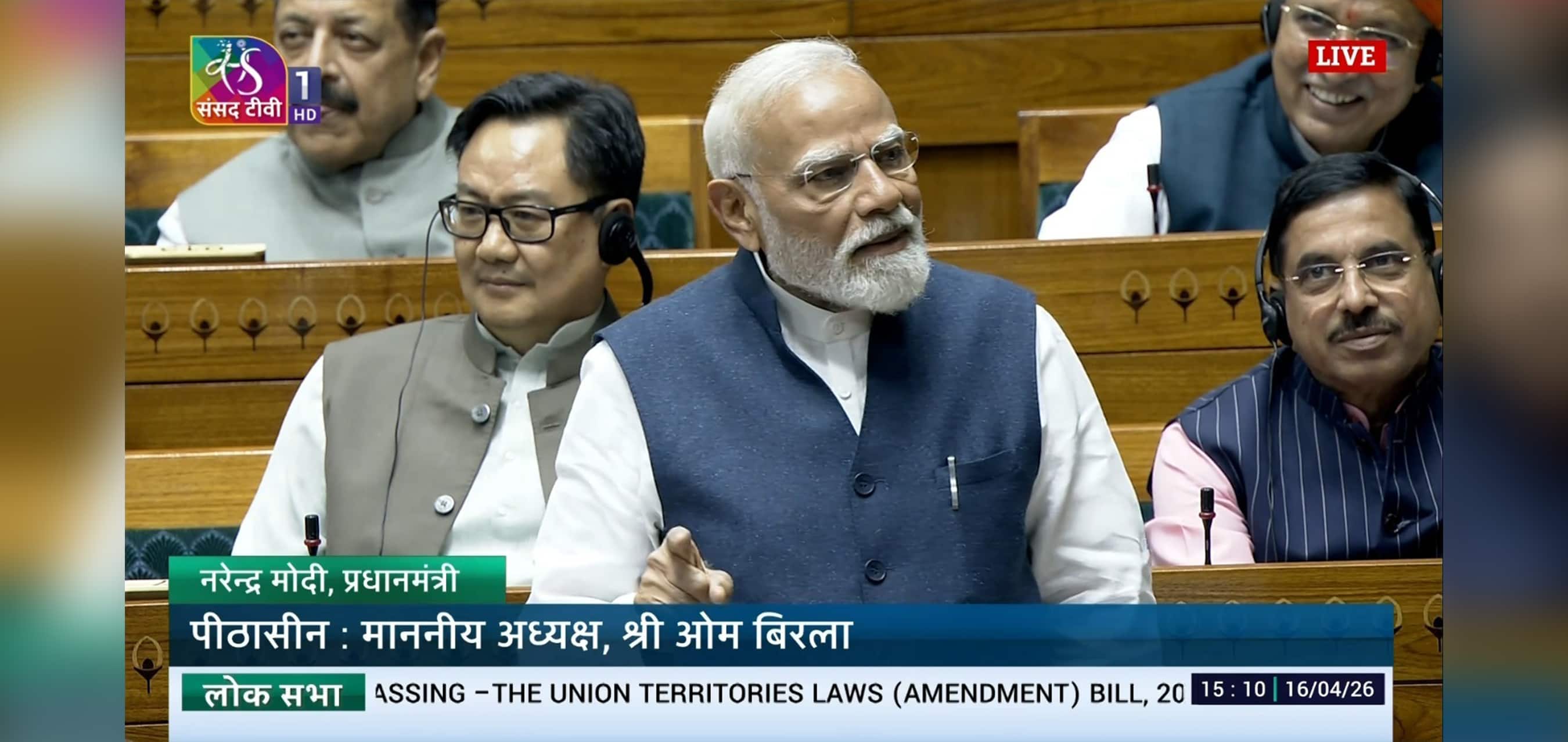


وزیراعظم جناب نریندر مودی نے آج لوک سبھا سے خطاب کیا۔ اس بات کا اعتراف کرتے ہوئے کہ اس اہم بل پر بحث صبح سویرے ہی شروع ہو گئی تھی، وزیراعظم مودی نے کہا کہ بہت سے ساتھیوں نے حقائق اور منطق پر بھروسہ کرتے ہوئے اہم مسائل پر مؤثر طریقے سے روشنی ڈالی ہے۔
وزیراعظم نے مشاہدہ کیا کہ کسی بھی قوم کی زندگی میں اہم لمحات آتے ہیں، اور اس وقت کی سماجی سوچ اور قیادت کی صلاحیت ایسے لمحات کو ایک مضبوط قومی ورثہ بنانے کے لیے استعمال کرتی ہے۔ انہوں نے اس بات کی تصدیق کی کہ موجودہ موڑ ہندوستان کی پارلیمانی جمہوریت میں اسی طرح کا ایک تاریخی لمحہ ہے، اور کہا کہ اس تصور کو 25 سے 30 سال پہلے مکمل طور پر نافذ کر دینا چاہیے تھا تاکہ آج تک یہ پختگی حاصل کر لیتا۔ ہندوستان کی پہچان 'جمہوریت کی ماں' کے طور پر کرواتے ہوئے، انہوں نے اشارہ کیا کہ ایوان کے تمام ارکان کو ہزاروں سال پرانے ورثے میں ایک نئی، اصلاحی جہت شامل کرنے کا بابرکت موقع ملا ہے۔ وزیراعظم نے اس بات کا اعادہ کیا کہ ملک کی آدھی آبادی کو پالیسی سازی میں فعال شریک بنانا ایک ناقابلِ یقین اعزاز ہے، اور انہوں نے تمام معزز اراکین پارلیمنٹ پر زور دیا کہ وہ اس اہم موقع کو ہاتھ سے نہ جانے دیں۔ جاری تبدیلی کی کوششوں پر توجہ مرکوز کرتے ہوئے، انہوں نے اس بات کی تصدیق کی کہ تمام ہندوستانی مل کر ملک کے مستقبل کی حالت کا تعین کرنے کے لیے حکمرانی کے نظام میں گہری حساسیت پیدا کرنے کی تیاری کر رہے ہیں۔ جناب مودی نے مشاہدہ کیا، "ہم ایک ایسے اہم موڑ پر کھڑے ہیں جہاں اس منتھن سے نکلنے والا امرت قوم کی سمت کا فیصلہ کرے گا۔"
21ویں صدی میں ہندوستان کی نئی خود اعتمادی کا اعتراف کرتے ہوئے، وزیراعظم نے مشاہدہ کیا کہ پوری قوم اس وقت وسیع پیمانے پر عالمی قبولیت کا تجربہ کر رہی ہے، جو اسے ایک وکست بھارت (ترقی یافتہ ہندوستان) کے عزم سے جڑا ہوا بے پناہ فخر کا لمحہ بناتا ہے۔ انہوں نے اس بات کی تصدیق کی کہ ان کا ترقی یافتہ ہندوستان کا وژن محض اعلیٰ بنیادی ڈھانچہ سے ماورا ہے اور اس کے لیے 'سب کا ساتھ، سب کا وکاس' کے منتر کو پالیسی سازی میں بامعنی طور پر شامل کرنا ضروری ہے۔ انہوں نے اس بات پر زور دیا کہ 50 فیصد آبادی کو پالیسی سازی کا حصہ بنانا ایک فوری مطالبہ ہے، اور انہوں نے اشارہ کیا کہ ماضی کی تاخیر کے باوجود، ان کی وسیع نجی مشاورت کے دوران کسی بھی پارٹی نے اصولی طور پر بل کی مخالفت نہیں کی۔ یہ بتاتے ہوئے کہ تاریخ ثابت کرتی ہے کہ اجتماعی عمل بالآخر انفرادی سیاسی اداروں کے بجائے ملک کی جمہوریت کے حق میں جاتا ہے، انہوں نے اس بات پر زور دیا کہ اس کا سہرا صرف ٹریژری بنچوں یا ان کے سر نہیں بلکہ پورے ایوان کے سر جاتا ہے۔ جناب مودی نے اس بات کی تصدیق کی، "اس لیے، میں محسوس کرتا ہوں کہ اسے سیاسی رنگ دینے کی قطعاً کوئی ضرورت نہیں ہے، کیونکہ ہر ایک کا حقیقی فائدہ اس کی حمایت کرنے میں ہی ہے۔"
رسمی حکمرانی سے باہر ایک تنظیمی کارکن کے طور پر اپنے ماضی کی یاد تازہ کرتے ہوئے، وزیراعظم نے ان گلیاروں میں ہونے والی بحثوں کو یاد کیا جن میں پنچایت کی سطح پر آسانی سے دی گئی ریزرویشن پر سوال اٹھایا جاتا تھا۔ انہوں نے نوٹ کیا کہ لیڈر پنچایتوں میں کوٹہ مختص کرنے میں اس لیے راحت محسوس کرتے تھے کیونکہ انہیں اپنی فوری پوزیشن یا طاقت کھونے کا کوئی خوف نہیں تھا۔ اعلیٰ عہدیداروں کی جانب سے کوٹہ نافذ کرنے میں گہری ہچکچاہٹ کی طرف اشارہ کرتے ہوئے جو ان کے اپنے مفادات کے لیے خطرہ تھا، جناب مودی نے مشاہدہ کیا، "اس حفاظتی ذہنیت نے مقامی ریزرویشن کو پارلیمنٹ کو متاثر کیے بغیر کامیابی سے 50 فیصد تک پہنچنے کی اجازت دی۔"
تاریخی تبدیلیوں کو کم نہ سمجھنے کی وارننگ دیتے ہوئے وزیراعظم نے کہا کہ 25 یا 30 سال پہلے کے برعکس آج خواتین کے حقوق کی مخالفت سیاسی سطح کے نیچے گہرائی تک گونجتی ہے۔ انہوں نے اشارہ کیا کہ ایک گہرا سیاسی شعور پیدا ہو چکا ہے، اور انہوں نے نوٹ کیا کہ پنچایت انتخابات جیتنے والی لاکھوں خواتین خاموش تماشائیوں سے اب نچلی سطح پر رائے عامہ بنانے والی ایک آواز بن چکی ہیں۔ اس بات کا اعتراف کرتے ہوئے کہ ان تجربہ کار خواتین نے عوامی شکایات کا گہرائی سے انتظام کیا ہے، انہوں نے مشاہدہ کیا کہ وہ اب کافی مشتعل ہیں اور قانون ساز اسمبلیوں اور پارلیمنٹ کے بنیادی فیصلہ سازی کے عمل میں شمولیت کا مطالبہ کر رہی ہیں۔ تمام پرجوش سیاست دانوں کو اس تبدیلی کو پہچاننے کا مشورہ دیتے ہوئے، وزیراعظم نے اس بات پر زور دیا کہ یہ لاکھوں خواتین رہنما اب تمام حلقوں میں مستقبل کے انتخابی نتائج پر گہرا اثر ڈالیں گی۔ وزیراعظم نے ایوان پر زور دیا کہ وہ ملک کی خواتین کی سمجھ بوجھ پر مکمل بھروسہ کریں۔ انہوں نے اشارہ کیا کہ ایک بار جب 33 فیصد نمائندگی حاصل ہو جائے گی، تو خواتین قانون ساز کسی مردانہ نگرانی کے بغیر مختلف طبقوں اور گروہوں کے لیے مزید ذیلی تخصیصات کا فیصلہ کرنے کی پوری طرح اہل ہوں گی۔ ایک انتہائی پسماندہ طبقے سے اپنے تعلق کا اعتراف کرتے ہوئے، انہوں نے اس بات پر زور دیا کہ ان کا سب سے اہم آئینی فرض معاشرے کے ہر طبقے کو ساتھ لے کر چلنا ہے۔ وزیراعظم نے اس بات کی تصدیق کی کہ آئین ان کے لیے ہمیشہ سپریم رہے گا، اور انہوں نے اسے اس قوت کے طور پر اجاگر کیا جس نے ایک پسماندہ فرد کو اتنی بڑی قومی ذمہ داری سنبھالنے کی اجازت دی۔ جناب مودی نے کہا، "ہم ان کی صلاحیتوں پر شک کیوں کرتے ہیں؛ خواتین کو آگے آنے دیں اور فیصلہ کرنے دیں۔"
زندگی کے تمام شعبوں میں نمایاں کامیابیوں کا مشاہدہ کرتے ہوئے وزیراعظم نے کہا کہ ناری شکتی قوم کا فخر بلند کرنے اور پرچم لہرانے میں کسی سے پیچھے نہیں ہے۔ انہوں نے کہا کہ مائیں، بہنیں اور بیٹیاں اتنی شاندار اور نمایاں خدمات انجام دے رہی ہیں کہ پورا ملک فخر سے سر بلند کر سکتا ہے۔ اس انتہائی اہل طبقے کو روکنے کے لیے اتنی زیادہ سیاسی توانائی صرف کرنے کے منطق پر سوال اٹھاتے ہوئے، انہوں نے اشارہ کیا کہ قانون ساز اداروں میں خواتین کو شامل کرنے سے قوم کی مجموعی صلاحیت میں کئی گنا اضافہ ہوگا۔ وزیراعظم نے قانون سازوں سے واضح طور پر اپیل کی کہ وہ اس تاریخی قدم کا جائزہ معمولی انتخابی حساب کتاب کے بجائے قومی مفاد کی بنیاد پر کریں۔ جناب مودی نے کہا، "میں آپ سے اپیل کرتا ہوں کہ اسے سیاست کے ترازو میں نہ تولیں۔"
ہاتھ میں موجود فوری کام کو اجاگر کرتے ہوئے، وزیراعظم نے کہا کہ موجودہ موقع کھلے ذہن کے ساتھ 'وِکست ہندوستان' کی تعمیر میں خواتین کی شرکت کو یقینی بنانے کے لیے متحد سوچ کا تقاضا کرتا ہے۔ انہوں نے اس بات کا اعادہ کیا کہ اگرچہ پوری قوم حتمی قانون سازی کے فیصلے کا تجزیہ کرے گی، لیکن خواتین ووٹرز اس کے پیچھے چھپی نیتوں کی زیادہ باریک بینی سے جانچ پڑتال کریں گی۔ اسمبلی کو سیاسی بدنیتی کے نتائج سے خبردار کرتے ہوئے انہوں نے مشاہدہ کیا کہ ان کی نیتوں میں کسی بھی جان بوجھ کر کی گئی خامی کو سخت ردِ عمل کا سامنا کرنا پڑے گا۔ جناب مودی نے کہا، "اس ملک کی ناری شکتی ہماری نیتوں میں کسی بھی خامی کو کبھی معاف نہیں کرے گی۔"
2023 میں نئی پارلیمنٹ عمارت میں اس قانون کی متفقہ اور خوشگوار منظوری کو یاد کرتے ہوئے وزیر اعظم نے کہا کہ اس سے پورے ملک میں ایک مثبت اور غیر جانبدار ماحول پیدا ہوا تھا۔ مردم شماری کے اعداد و شمار اور حد بندی سے متعلق خدشات پر بات کرتے ہوئے جناب نریندر مودی نے کہا کہ تاریخی وقت کی حد بندی اور کووڈ-19 وبا کے باعث پیدا ہونے والی بڑی رکاوٹیں نفاذ میں تاخیر کی واضح وجہ ہیں۔ انہوں نے کہا کہ 2023 میں ہونے والی تفصیلی بحثوں سے یہ بات سامنے آئی کہ فوری اقدام کی ضرورت ہے، تاہم 2024 سے پہلے اس کا نفاذ ممکن نہیں تھا، اور اگر 2029 کا موقع بھی ضائع ہوا تو عوامی اعتماد کو ناقابلِ تلافی نقصان پہنچے گا۔وزیر اعظم نے کہا کہ مسلسل تاخیر سے خواتین کو یہ یقین دلانا مشکل ہو جائے گا کہ سیاسی نظام واقعی ان کے اختیار اور بااختیار بنانے کے لیے سنجیدہ ہے۔ انہوں نے بتایا کہ سیاسی جماعتوں اور سماجی کارکنوں کے ساتھ وسیع رسمی و غیر رسمی مشاورت کی گئی ہے، جو آگے بڑھنے کے لیے مؤثر راستہ طے کرنے میں نہایت اہم ہیں۔انہوں نے زور دیتے ہوئے کہا، ’’وقت کا تقاضا ہے کہ اب مزید تاخیر نہ کی جائے۔‘‘
آئینی فرائض کی سخت یاد دہانی کرواتے ہوئے، وزیراعظم نے کہا کہ ایوان میں بیٹھے کسی بھی رکن کو ملک کو ٹکڑوں میں دیکھنے یا جغرافیائی طور پر تقسیم شدہ فیصلے کرنے کا حق نہیں ہے۔ انہوں نے اس بات پر زور دیا کہ چاہے وہ کشمیر ہو یا کنیا کماری، پارلیمانی رکن کی جانب سے لیے گئے مقدس حلف ایک متحد قوم کے طور پر کام کرنے کی بنیادی ذمہ داری کا تقاضا کرتے ہیں۔ مطلق جھوٹ کے ذریعے پیدا کیے گئے بے بنیاد سیاسی طوفانوں کی سخت مذمت کرتے ہوئے، انہوں نے ایوان کے مقدس فلور سے بیان کیا کہ حلقہ بندیوں کا نیا عمل کسی بھی ریاست یا خطے کے ساتھ ہرگز امتیازی سلوک نہیں کرے گا۔ وزیراعظم نے اس بات کی تصدیق کی کہ سابقہ حکومتوں کے دوران قائم کردہ آبادیاتی تناسب کو سختی سے برقرار رکھا جائے گا، اس بات کو یقینی بناتے ہوئے کہ نشستوں میں اضافہ کسی نقصان دہ تبدیلی کے بغیر منصفانہ طور پر ہو۔ اپنی مکمل خلوص کا اظہار کرتے ہوئے، انہوں نے اجاگر کیا کہ وہ کسی بھی سیاسی لفظی کھیل کی ضرورت کو ختم کرنے کے لیے تمل زبان میں علاقائی اصطلاحات سمیت یقین دہانی کے مضبوط ترین الفاظ استعمال کرنے کے لیے پوری طرح تیار ہیں۔ جناب مودی نے تصدیق کی، "فیصلہ سازی کا یہ عمل کسی کے ساتھ بھی ناانصافی نہیں کرے گا۔"
قانون سازوں سے خطاب کرتے ہوئے وزیراعظم نے کہا کہ کسی کو بھی اس تکبر بھرے وہم میں نہیں رہنا چاہیے کہ وہ ہندوستان کی خواتین کو سختی سے کچھ 'دے' رہے ہیں، کیونکہ یہ ان کا حق ہے۔ انہوں نے اس بات پر زور دیا کہ پورا سیاسی نظام دہائیوں سے اس حق کو روکنے کا اجتماعی طور پر مجرم ہے، جو اس بل کو کفارہ ادا کرنے کا ایک لازمی عمل بناتا ہے۔ اس تاریخی منافقت کی طرف اشارہ کرتے ہوئے جہاں سیاست دانوں نے تکنیکی رکاوٹوں کے ساتھ بل کو منظم طریقے سے سبوتاژ کرتے ہوئے حمایت کا ناٹک کیا، انہوں نے مشاہدہ کیا کہ ریزرویشن کی کھلے عام مخالفت کا دور ختم ہو چکا ہے۔ وزیراعظم نے اس بات کی تصدیق کی کہ ملک کی خواتین کو اب ترقی میں تاخیر کے لیے پیچیدہ طریقہ کار کے بہانوں سے مزید دھوکہ نہیں دیا جا سکتا۔ ارکان پر زور دیتے ہوئے کہ وہ اپنی رکاوٹیں چھوڑ دیں، انہوں نے دلیل دی کہ مختلف تکنیکی الجھنوں کا استعمال کرتے ہوئے تین دہائیوں کی رکاوٹ ماضی کی ناکامیوں پر غور کرنے کے لیے کافی وقت ہے۔ جناب مودی نے کہا، "آپ نے اسے تین دہائیوں تک روکا ہے، اب آپ کو آخر کار اسے کرنا ہی ہوگا۔"
ذاتی یا پارٹی کریڈٹ لینے میں مکمل عدم دلچسپی کا اظہار کرتے ہوئے، انہوں نے نوٹ کیا کہ ایک متحد نقطہ نظر بیانیے کو مکمل طور پر بدل دیتا ہے اور پارٹی مفادات کو بے اثر کر دیتا ہے۔ بل کے فلسفیانہ سیاق و سباق کو بلند کرتے ہوئے، وزیراعظم نے کہا کہ پارلیمانی جمہوریت میں خواتین کی شرکت محض اعداد و شمار کی درستگی سے بالاتر ہے اور یہ 'جمہوریت کی ماں' کے طور پر ہندوستان کے گہرے ثقافتی عزم کی نمائندگی کرتی ہے۔ انہوں نے اشارہ کیا کہ اسی عزم نے 20 سے زیادہ ریاستوں میں پنچایتوں میں 50 فیصد ریزرویشن کامیابی سے قائم کیا، جس کے ناقابلِ یقین حد تک مثبت نتائج برآمد ہوئے۔ بطور وزیراعلیٰ اپنی طویل مدت کا حوالہ دیتے ہوئے، انہوں نے بتایا کہ نچلی سطح پر خواتین کی قیادت کے ساتھ ان کے براہِ راست تجربے نے مسائل کے حل کے لیے ان کے انتہائی مؤثر اور حساس انداز کو ظاہر کیا ہے۔ وزیراعظم نے نوٹ کیا کہ خواتین رہنماؤں نے ہمدردانہ طرزِ حکمرانی کے ذریعے ترقیاتی پیش رفت کے وسیع تر سفر کو تیز کرنے میں مسلسل اہم کردار ادا کیا ہے۔ اس بات کی تصدیق کرتے ہوئے کہ اس بڑی آبادی کو ایوان میں متعارف کروانے سے قومی پالیسی سازی میں نئی طاقت پیدا ہوگی، انہوں نے مشاہدہ کیا کہ عملی تجربے کو حقائق اور منطق کے ساتھ ملانے سے قانون سازی کی صلاحیت کئی گنا بڑھ جاتی ہے۔ جناب مودی نے نوٹ کیا، "ان کی آوازیں ایک نئی طاقت بنیں گی اور ایوان کو گہرائی سے مالا مال کریں گی۔"
وزیراعظم نے کہا کہ ملک میں خدمت کے لیے تیار انتہائی تجربہ کار اور اہل خواتین کی طاقت کثرت سے موجود ہے۔ انہوں نے اشارہ کیا کہ ان خواتین پر پختہ بھروسہ کرنے سے ملک کی حکمرانی میں غیر معمولی اور انتہائی فائدہ مند شراکت کی ضمانت ملے گی۔ پہلے سے خدمات انجام دینے والی خواتین نمائندوں کا اعتراف کرتے ہوئے، انہوں نے نوٹ کہ جب بھی انہیں موقع دیا جاتا ہے وہ مسلسل واضح اور گہرے نقطہ نظر پیش کرتی ہیں۔ جناب مودی نے دعویٰ کیا، "انہوں نے پہلے ہی اپنی قابلِ قدر خدمات کے ذریعے ایوان کو حیرت انگیز طور پر مالا مال کیا ہے۔"
اپنے موقف کی حمایت میں ٹھوس اعداد و شمار فراہم کرتے ہوئے وزیراعظم نے کہا کہ تقریباً 275 خواتین اس وقت 650 سے زیادہ ضلع پنچایتوں کی قیادت کر رہی ہیں، جو کہ بڑی ذمہ داریوں اور بجٹ کا انتظام کر رہی ہیں جو اکثر مرکزی کابینہ کے وزیر سے بھی زیادہ ہوتے ہیں۔ انہوں نے مزید نوٹ کیا کہ تقریباً 6,700 بلاک پنچایتوں میں سے 2,700 سے زیادہ خواتین کی براہِ راست اور قابل قیادت میں کامیابی سے کام کر رہی ہیں۔ ان کے شہری اثر و رسوخ کی طرف اشارہ کرتے ہوئے انہوں نے مشاہدہ کیا کہ خواتین 900 سے زیادہ شہروں میں میئرز اور اسٹینڈنگ کمیٹی کی سربراہوں کے طور پر مقامی اداروں کی طاقتور طریقے سے رہنمائی کر رہی ہیں۔ وزیراعظم نے اس بات کی تصدیق کی کہ ریزرویشن بل پاس کرنا ملک کے لیے ایک اہم موقع ہے کہ وہ ملک کی تیز رفتار ترقی کے لیے ان نچلی سطح کی خواتین رہنماؤں کے گہرے قرض کو شکر گزاری کے ساتھ تسلیم کریں اور اسے ادا کریں۔ جناب مودی نے کہا، "جب یہ وسیع انتظامی تجربہ ایوان کا حصہ بنے گا، تو یہ ہماری طاقت میں کئی گنا اضافہ کر دے گا۔"
جناب مودی نے مشاہدہ کیا کہ موجودہ لمحہ ماضی کی پابندیوں سے آزاد ہو کر قومی ترقی میں خواتین کی طاقت کی فعال شرکت کو جرأت مندی سے یقینی بنانے کا تقاضا کرتا ہے۔ ایوان پر مکمل اتفاق رائے کے ساتھ قانون سازی کو آگے بڑھانے پر زور دیتے ہوئے انہوں نے نوٹ کیا کہ اجتماعی اتفاق رائے ٹریژری بنچوں پر مثبت دباؤ پیدا کرتا ہے تاکہ کسی کو نقصان پہنچائے بغیر ہر ایک کے حقوق کا احترام کیا جا سکے۔ جناب مودی نے تصدیق کی، "ہمیں اجتماعی طاقت سے بہت سے غیر معمولی نتائج ملتے ہیں۔"
اپنے بنیادی دلائل کو ختم کرتے ہوئے وزیراعظم نے اس بات کا اعادہ کیا کہ آدھی آبادی ایوان میں بیٹھنے کا ناقابلِ تردید حق رکھتی ہے۔ نشستوں کی تعداد سے متعلق بحث پر بات کرتے ہوئے انہوں نے نوٹ کیا کہ کل نشستوں میں توسیع سے موجودہ اراکین کو ہٹائے بغیر یا قائم شدہ حقوق کی خلاف ورزی کیے بغیر 33 فیصد کوٹہ آسانی سے شامل ہو جاتا ہے۔ جناب مودی نے نوٹ کیا کہ نئی پارلیمنٹ کی عمارت خاص طور پر اس اضافی قانون سازی کی طاقت کو جگہ دینے کے لیے پہلے سے ہی منصوبہ بندی کے تحت بنائی گئی تھی۔
تقریر کا مکمل متن پڑھنے کے لیے یہاں کلک کریں
A historic opportunity to empower our Nari Shakti. pic.twitter.com/vmJM8VVHgv
— PMO India (@PMOIndia) April 16, 2026
Including Nari Shakti in decision-making is key to building a Viksit Bharat. pic.twitter.com/RyMAIDB7UF
— PMO India (@PMOIndia) April 16, 2026
More and more women are becoming leaders at the grassroots level. pic.twitter.com/FTvEFdy3w9
— PMO India (@PMOIndia) April 16, 2026
We must not assume we are giving something to the Nari Shakti; this is their right. pic.twitter.com/H4UDhfoHy3
— PMO India (@PMOIndia) April 16, 2026
Women's participation in our parliamentary democracy is not just about numbers, but a commitment to democratic values. pic.twitter.com/LkcNFTraKs
— PMO India (@PMOIndia) April 16, 2026