وزیر اعظم نے آفات کا مقابلہ کرنے کے نظام کو مضبوط بنانے کے لیے پانچ اہم عالمی ترجیحات کو اجاگر کیا
بھارت نے سونامی کے انتباہ کا نظام قائم کیا جس سے 29 ممالک مستفید ہو رہےہیں: وزیر اعظم
بھارت چھوٹے ترقی پذیر جزیرہ ممالک کو بڑے سمندری ممالک کے طور پر تسلیم کرتا ہے اور ان کی کمزوریوں کی جانب خصوصی توجہ دینے کا اعتراف کرتا ہے: وزیر اعظم
ابتدائی انتباہی نظام اور باہمی تال میل بہت ضروری ہے: وزیر اعظم
سیکھنے کا عالمی ڈیجیٹل ذخیرہ اور آفات سے بچنے کے بہترین طور طریقے پوری دنیا کے لیے مفید ثابت ہوں گے: وزیر اعظم

وزیر اعظم جناب نریندر مودی نے آج آفات کا مقابلہ کرنے کےبنیادی ڈھانچے کے موضوع پر بین الاقوامی کانفرنس 2025 سے ویڈیو کانفرنسنگ کے توسط سے خطاب کیا۔ مجمع سے خطاب کرتے ہوئے، انہوں نے آفات کا مقابلہ کرنے کے بنیادی ڈھانچے کے موضوع پر بین الاقوامی کانفرنس 2025 کے شرکاء کا خیرمقدم کیا، جو پہلی مرتبہ یوروپ میں منعقد ہو رہی ہے۔ انہوں نے فرانس کے صدر عزت مآب ایمانوئل میکروں اور حکومت فرانس کا، اس تقریب کے انعقاد میں اپنا تعاون فراہم کرنے کے لیے شکریہ ادا کیا۔ وزیر اعظم نے آئندہ منعقد ہونے والی یونائیٹڈ نیشنز اوشن کانفرنس کے لیے نیک ترین خواہشات بھی پیش کیں۔

کانفرنس کے موضوع ’’ساحلی خطوں کے لیے ایک لچکدار مستقبل کی تشکیل‘‘پر روشنی ڈالتے ہوئے، جناب مودی نے قدرتی آفات اور موسمیاتی تبدیلیوں کے لیے ساحلی علاقوں اور جزیروں کے خطرے پر زور دیا۔ انہوں نے حالیہ آفات کا حوالہ دیا، جن میں بھارت اور بنگلہ دیش میں سمندری طوفان ریمال، کیربیائی خطے میں سمندری طوفان بیرل، جنوب مشرقی ایشیا میں ٹائفون یاگی، ریاستہائے متحدہ امریکہ میں سمندری طوفان ہیلین، فلپائن میں ٹائفون یوساگی، اور افریقہ کے کچھ حصوں میں سائیکلون چیڈو شامل ہیں۔ جناب مودی نے زور دے کر کہا کہ ان آفات نے جانوں اور املاک کو کافی نقصان پہنچایا ہے، جس سے مضبوط بنیادی ڈھانچے اور آفات سے نمٹنے کے فعال نظام کی ضرورت کو تقویت ملی ہے۔


تباہ کن آفات کے ساتھ ہندوستان کے ماضی کے تجربات کو یاد کرتے ہوئے، جن میں 1999 کے سپر سائیکلون اور 2004 کی سونامی بھی شامل ہیں، وزیر اعظم نے اس بات پر زور دیا کہ کس طرح ہندوستان نے آفات کی نوعیت کےلحاظ سے خود کو ڈھالا ، حساس علاقوں میں طوفان سے بچاؤ کے لیے پناہ گاہیں تعمیر کیں، اور سونامی انتباہی نظام کے قیام میں تعاون فراہم کیا جس سے 29 ممالک مستفید ہو رہے ہیں۔

آفات کا مقابلہ کرنے کے قابل مکانات، ہسپتال، اسکول، توانائی نظام، آبی تحفظ سے متعلق اقدامات، اور ابتدائی انتباہی نظام قائم کرنے کے لیے 25 چھوٹے ترقی پذیر جزیرہ ممالک کے ساتھ ’آفات کا مقابلہ کرنے کے قابل بنیاد ڈھانچے کے لیے اتحاد‘(سی ڈی آر آئی) کے جاری پروجیکٹوں کو اجاگر کرتے ہوئے جناب مودی نے بحر ہند اور کیربیائی خطے کے نمائندوں کی موجودگی کی ستائش کی اور اتحاد میں افریقی یونین کی شرکت کا خیرمقدم کیا۔ اہم عالمی ترجیحات کی طرف توجہ مبذول کراتے ہوئے وزیراعظم نے 5 اہم موضوعات کا خاکہ پیش کیا۔ سب سے پہلے، انہوں نے مستقبل کی چنوتیوں سے نمٹنے کے لیے ایک ہنر مند افرادی قوت تیار کرنے کے لیے آفات کا مقابلہ کرنے کورسز، ماڈیولز، اور ہنر مندی کے فروغ کے پروگراموں کو اعلیٰ تعلیم میں ضم کرنے کی اہمیت کو اجاگر کیا۔ دوسرا، انہوں نے ایک عالمی ڈیجیٹل ذخیرے کی ضرورت پر زور دیا تاکہ ان ممالک سے بہترین طریقوں اور سیکھنے کو دستاویز کیا جا سکے جنہوں نے آفات کا سامنا کیا ہے اور لچک کے ساتھ دوبارہ تعمیر کیا ہے۔ جناب مودی نے اس بات پر زور دیا کہ آفات سے نمٹنے کے لیے اختراعی فنانسنگ کی ضرورت ہے اور اس بات کو یقینی بنانے کے لیے قابل عمل پروگراموں کی تشکیل پر زور دیا کہ ترقی پذیر ممالک کو تیسری ترجیح کے طور پر ضروری فنڈز تک رسائی حاصل ہو۔ چوتھی بات، وزیر اعظم نے چھوٹے جزیرے کی ترقی پذیر ریاستوں کو بڑے سمندری ممالک کے طور پر بھارت کے تسلیم کرنے کی تصدیق کی اور ان کی کمزوریوں پر خصوصی توجہ دینے کی ضرورت پر زور دیا۔ پانچویں ترجیح کا تذکرہ کرتے ہوئے، جناب مودی نے قبل از وقت وارننگ سسٹم اور کوآرڈینیشن کو مضبوط بنانے کی ضرورت پر روشنی ڈالی، بروقت فیصلہ سازی اور مؤثر آخری میل مواصلات کی سہولت میں ان کے اہم کردار کا ذکر کیا۔ وزیراعظم نے اس یقین کا اظہار کیا کہ کانفرنس میں ہونے والی بات چیت سے ان ضروری پہلوؤں پر توجہ دی جائے گی۔


وزیر اعظم نے ترقی میں مضبوطی کی ضرورت پر زور دیتے ہوئے بنیادی ڈھانچے کی تعمیر کی اہمیت کو اجاگر کیا جو آفات کے خلاف ثابت قدم رہے۔ انہوں نے دنیا کے لیے ایک مضبوط اور آفات سے محفوظ مستقبل کی تعمیر کے لیے عالمی کوششوں پر زور دیتے ہوئے اپنی بات مکمل کی۔


تقریر کا مکمل متن پڑھنے کے لیے یہاں کلک کریں

Explore More
شری رام جنم بھومی مندر دھوجاروہن اتسو کے دوران وزیر اعظم کی تقریر کا متن

Popular Speeches

شری رام جنم بھومی مندر دھوجاروہن اتسو کے دوران وزیر اعظم کی تقریر کا متن
UPI — an eventful journey

Media Coverage

UPI — an eventful journey
NM on the go

Nm on the go

Always be the first to hear from the PM. Get the App Now!
...
PM chairs 53rd PRAGATI Meeting
August 25, 2026
PM reviews six key infrastructure projects across the Railway, Road and Power sectors
Projects reviewed span across 9 States with cumulative investment of more than ₹30,000 crore
PM says Infrastructure projects should be viewed as an integrated whole, rather than as individual sections or packages
PM calls for continuous reforms across all stages of project implementation and a proactive work culture across Ministries and States
PM says Speed must go hand-in-hand with quality
While reviewing AgriStack, PM emphasises the need to leverage the latest digital technologies including AI to derive greater value from agricultural data
On cyber fraud and ‘digital arrest’, PM stresses training, public awareness, cyber-safety education and coordinated action

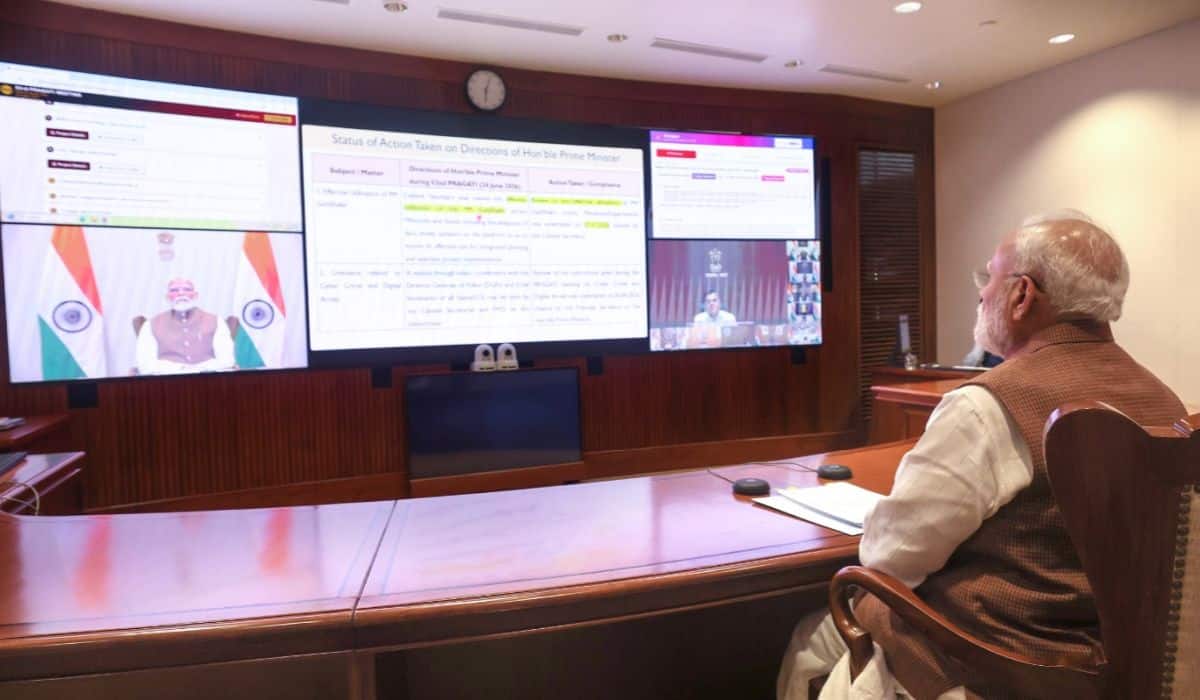
Prime Minister Shri Narendra Modi chaired the 53rd meeting of PRAGATI, the ICT-enabled, multi-modal platform for Pro-Active Governance and Timely Implementation, at Seva Teerth earlier today.

During the meeting, Prime Minister reviewed six key infrastructure projects across the Railway, Road and Power sectors, spanning nine States with a cumulative cost of more than ₹30,000 crore. The projects, significant for strengthening connectivity, supporting industrial and economic activity and improving public services, were reviewed with particular emphasis on adherence to timelines, inter-agency coordination, resolution of pending issues and expeditious completion.

Prime Minister emphasised that delays in infrastructure projects have consequences beyond cost escalation, as they also postpone the benefits intended for citizens, businesses and the economy. He said that infrastructure projects should be viewed and monitored as an integrated whole, rather than as isolated sections, stretches or packages. He noted that progress in individual packages should ultimately translate into timely completion and operationalisation of the entire project. Ministries and States were therefore asked to adopt an end-to-end approach, and address critical gaps that could delay the overall commissioning and delivery of benefits. He called for fostering a proactive work culture across Ministries and State Governments, with greater ownership at every level of project implementation.

Prime Minister stressed the need to explore common utility corridors for infrastructure services, wherever feasible, particularly while planning major transport and infrastructure projects. He called upon Ministries and States to examine such integrated approaches at the planning stage itself, keeping in view their technical and economic feasibility.

Prime Minister said that speed of execution must be accompanied by uncompromising quality. He called upon Ministries, States and implementing agencies to adopt modern technologies and strengthen quality assurance and supervision at every stage.

While reviewing AgriStack under the Digital Agriculture Mission, Prime Minister emphasised the need to leverage the latest digital technologies, including Artificial Intelligence, to derive greater value from agricultural data. He stressed that the data ecosystem should be effectively utilised across the agricultural value chain, from input planning to processing, enabling more informed interventions, better targeting and data-driven decision-making. He appreciated the efforts of the States and the Central Government in building the AgriStack ecosystem and called for further strengthening its use for delivering better outcomes for farmers.

During the review of cyber fraud cases, including incidents of digital arrest, Prime Minister said that prevention must be strengthened through a sustained focus on training, awareness and education. He stressed the need for continuous and targeted public-awareness campaigns, particularly for senior citizens, youth and other vulnerable sections, to familiarise them with common fraud techniques, warning signs and safe digital practices. He also called for regular capacity-building of personnel involved so that emerging modes of cyber fraud are identified and acted upon swiftly.