

عالمی سپلائی چین کو متاثر کرنے والے مشرق وسطی میں جاری جغرافیائی سیاسی تناؤ کے درمیان ، مہاراشٹر کی حکومت اور آئل مارکیٹنگ کمپنیوں (بی پی سی ایل ، آئی او سی ایل ، اور ایچ پی سی ایل) نے ریاستی سطح کے کوآرڈینیٹر (آئل انڈسٹری) مہاراشٹر جناب مہر گنیش جوشی کے ذریعے صارفین کو یقین دلایا ہے کہ ریاست مہاراشٹر میں ایل پی جی ، پٹرول اور ڈیزل کا کافی ذخیرہ دستیاب ہے ۔ سپلائی کی کارروائیوں کی کڑی نگرانی کی جا رہی ہے اور بغیر کسی رکاوٹ کے اسے برقرار رکھا جا رہا ہے ۔
مہاراشٹر میں پٹرولیم مصنوعات کے ذخیرے اور سپلائی کی پوزیشن
پٹرول اور ڈیزل
تیل فروخت کرنے والی کمپنیوں نے یقین دلایا ہے کہ پورے مہاراشٹر میں پٹرول پمپوں کے ساتھ ساتھ تیل کمپنیوں کے ذخیرہ کرنے کےمقامات پر پیٹرول اور ڈیزل کا کافی ذخیرہ دستیاب ہے ۔ پٹرول پمپوں پر اسٹاک کی ریاستی حکومت اور تیل کمپنیوں کے ذریعے باقاعدگی سے نگرانی کی جا رہی ہے اور بلا رکاوٹ دستیابی کو یقینی بنانے کے لیے دوبارہ بھرا جا رہا ہے ۔
تینوں پی ایس یو تیل فروخت کرنے والی کمپنیوں نے حال ہی میں ریاست بھر میں خوردہ دکانوں پر ڈیزل اور پٹرول کی مانگ میں تیزی سے اضافہ دیکھا ہے ۔ تاہم ، بڑھتی ہوئی مانگ کو پی ایس یوتیل کمپنیوں نے مکمل طور پر پورا کیا ہے ۔ مئی 2026 کے پہلے پندرہ دن کے دوران ڈیزل کی مانگ میں 19.66 فیصد اور پٹرول کی مانگ میں 20.39 فیصد کا اضافہ دیکھا گیا ۔ مئی 2026 کے پہلے پندرہ دن کے دوران مہاراشٹر میں کل 267 ٹی کے ایل پٹرول اور 502 ٹی کے ایل ڈیزل کی سپلائی کی گئی ۔ صارفین سے درخواست کی گئی ہے کہ وہ بے چینی اورگھبراہٹ میں خریداری کا سہارا نہ لیں ، کیونکہ ریاست بھر میں پٹرول اور ڈیزل کا کافی ذخیرہ دستیاب ہے ۔
ایل پی جی
مہاراشٹر میں فی الحال تینوں پی ایسیو آئل مارکیٹنگ کمپنیوں میں تقریباً32,995 میٹرک ٹن ایل پی جی اسٹاک دستیاب ہے ، جبکہ ہموار سپلائی کو یقینی بنانے کے لیے ڈسٹری بیوٹر اسٹاک کو باقاعدگی سے بھرا جا رہا ہے ۔
گھریلو ایل پی جی
کافی گھریلو ایل پی جی سلنڈر اسٹاک دستیاب ہیں اور صارفین کی بکنگ کے مطابق ڈیلیوری جاری ہے ۔ مساوی تقسیم کو یقینی بنانے کے لیے شہری صارفین کے لیے25 دن اور دیہی صارفین کے لیے45 دن کے وقفے کے ساتھ بکنگ وقفے کی پابندیاں برقرار ہیں ۔ تیل کمپنیوں نے یقین دلایا ہے کہ ایل پی جی ریفل براہ راست صارفین کی رہائش گاہوں تک پہنچائے جاتے رہیں گے ۔
محفوظ اور تصدیق شدہ سپلائی کو یقینی بنانے کے لیے ڈیلیوری کے وقت ڈیلیوری تصدیق کوڈ (ڈی اے سی) کی تصدیق لازمی ہے ، فی الحال 90فیصد سے زیادہ ریفل ڈی اے سی/او ٹی پی تصدیق کے ذریعے فراہم کیے جا رہے ہیں ۔ صارفین کو یہ بھی مشورہ دیا گیا ہے کہ وہ ریفل بکنگ کے لیے ڈیجیٹل پلیٹ فارم استعمال کریں اور غیر ضروری طور پر ایل پی جی شو رومز جانے سے گریز کریں ۔
غیر گھریلو/تجارتی ایل پی جی
اس وقت ، جنگ سے پہلے کی صورتحال کے مقابلے میں تقریباً 60فیصدتجارتی ایل پی جی کی فراہمی کی جا رہی ہے ، جبکہ اسپتالوں ، تعلیمی اداروں ، شمشان خانوں اور سماجی نگہداشت کے اداروں جیسے ترجیحی شعبوں کو 100فیصدسپلائی کو یقینی بنایا جا رہا ہے ۔
اس کے علاوہ حکومت کی ہدایات کے مطابق مہاجر مزدوروں کے لیے 5 کلو فری ٹریڈ ایل پی جی(ایف ٹی ایل)ریفل تقسیم کیے جا رہے ہیں۔ جس میں پچھلے ہفتے کے دوران اوسطا ًروزانہ تقریباً23,000 سلنڈر فراہم کیے گئے ہیں ۔
پائپڈ قدرتی گیس(پی این جی)
سپلائی کی موجودہ ہنگامی صورتحال اور پائپ والے قدرتی گیس کے بنیادی ڈھانچے کو بڑھانے کی فوری ضرورت کو مدنظر رکھتے ہوئے مہاراشٹر کی حکومت نے میونسپل کارپوریشنوں ، پی ڈبلیو ڈی ، محکمہ آبپاشی ، اور دیگر متعلقہ حکام کے ذریعے سی جی ڈی پائپ لائن بچھانے سے متعلق زیر التواء درخواستوں کے لیے 27 مارچ 2026 کو ڈیمڈ اجازت جاری کی ۔
مہاراشٹر میں اس وقت تقریباً44 لاکھ پی این جی کنکشن ہیں ، جو ملک میں سب سے زیادہ ہیں ۔ ریاست بھر میں پی این جی نیٹ ورک کی توسیع کو تیز کرنے کے لیے مہاراشٹر کی حکومت نے 24 مارچ 2026 کے حکومت ہند کے نوٹیفکیشن کے مطابق ایک فاسٹ ٹریک توسیعی مہم شروع کی جس کا مقصد عالمی توانائی کی رکاوٹوں کے درمیان پی این جی کے بنیادی ڈھانچے کو مضبوط کرنا ہے ۔
اپریل 2026 سے ہفتہ وار ریاستی سطح کی جائزہ میٹنگیں ایڈیشنل چیف سکریٹری ، فوڈ اینڈ سول سپلائیز ڈپارٹمنٹ ، حکومت مہاراشٹر کے ذریعے ریاستی سطح کے کوآرڈینیٹر(آئل انڈسٹری) مہاراشٹر کے ساتھ منعقد کی گئی ہیں۔ جس میں ضلعی انتظامیہ اور سی جی ڈی کمپنیوں کی شرکت کے ساتھ زمینی نفاذ کا جائزہ لیا گیا ہے اور نیٹ ورک کی توسیع میں تیزی لائی گئی ہے ۔
پی این جی کنکشن کے لیے درخواستیں رجسٹرڈ اور غیر رجسٹرڈ یا مجوزہ ہاؤسنگ سوسائٹیوں سے قبول کی جا رہی ہیں ۔ انفرادی ہاؤسنگ اسکیموں کے تحت تعمیر شدہ عمارتوں کے رہائشی بھی اجتماعییا انفرادی درخواستیں جمع کراسکتے ہیں ۔ سی جی ڈی کمپنیاں اور ان کے مجاز تقسیم کار بیک وقت ریاست بھر میں نئے پی این جی کنکشن کی حوصلہ افزائی کے لیے وسیع تشہیری مہم چلا رہے ہیں ۔
یکم اپریل 2026 سے مہاراشٹر میں کل 94,220 نئے پی این جی گیس کنکشن لگائے گئے ہیں ، جو ملک میں سب سے زیادہ ہیں ۔
ریاستی حکومت نے پورے مہاراشٹر میں پٹرولیم مصنوعات کی بلاتعطل فراہمی کو یقینی بنانے اور بلیک مارکیٹنگ اور ذخیرہ اندوزی کی سرگرمیوں کو روکنے کے لیے کئی فعال اقدامات کیے ہیں ۔ ضلعی کلکٹروں کو ہدایت کی گئی ہے کہ وہ معائنہ اور چھاپے مارنے کے لیے ضلعی سطح پر چوکسی اور موبائل ٹیمیں تشکیل دیں ۔ گھریلو گیس کے غیر قانونی استعمال ، ذخیرہ اندوزی اور بلیک مارکیٹنگ میں ملوث افراد کے خلاف ضروری اشیاء ایکٹ 1955 کے تحت سخت کارروائی کی جا رہی ہے ۔
17 مئی 2026 تک ریاست بھر میں کل 9,494 چھاپے مارے گئے ، جس کے نتیجے میں 4,449 سلنڈر ضبط کیے گئے ۔ مزید برآں ، پیٹرولیم مصنوعات کی تقسیم سے متعلق بے ضابطگیوں کے سلسلے میں 70 ایف آئی آر درج کی گئی ہیں اور 52 افراد کو گرفتار کیا گیا ہے ۔
ریاست بھر میں پٹرول ، ڈیزل ، ایل پی جی اور پی این جی کی ہموار اور باقاعدہ سپلائی کو یقینی بنانے کے لیے آئل مارکیٹنگ کمپنیوں(بی پی سی ایل ، ایچ پی سی ایل ، اور آئی او سی ایل) گیس تقسیم کاروں اور سی جی ڈی کمپنیوں کے ساتھ باقاعدہ جائزہ میٹنگیں بھی کی جا رہی ہیں ۔
اس کے علاوہ مہاراشٹر میں حکومت ہند کی طرف سے مختص مٹی کے تیل کی تقسیم شروع ہو گئی ہے ۔ گڈچرولی ، گونڈیا ، ناسک ، ناگپور ، پالگھر ، تھانے ، دھاراشیو ، سولاپور ، کولہاپور ، چھترپتی سمبھاجی نگر ، بیڈ اور رائے گڑھ اضلاع میں کل 268 کلو لیٹر مٹی کا تیل تقسیم کیا گیا ہے ۔
مذکورہ بالا کے پیش نظر ، مہاراشٹر بھر کے شہریوں سے درخواست کی گئی ہے کہ وہ پیٹرولیم مصنوعات کی خریداری یا ذخیرہ اندوزی سے گھبرائیں نہیں ۔ حکومت ہند ، حکومت مہاراشٹر اور تیل کمپنیاں ریاست کے لوگوں کو پیٹرولیم مصنوعات کی مناسب اور ہموار فراہمی کو یقینی بنا رہی ہیں ۔
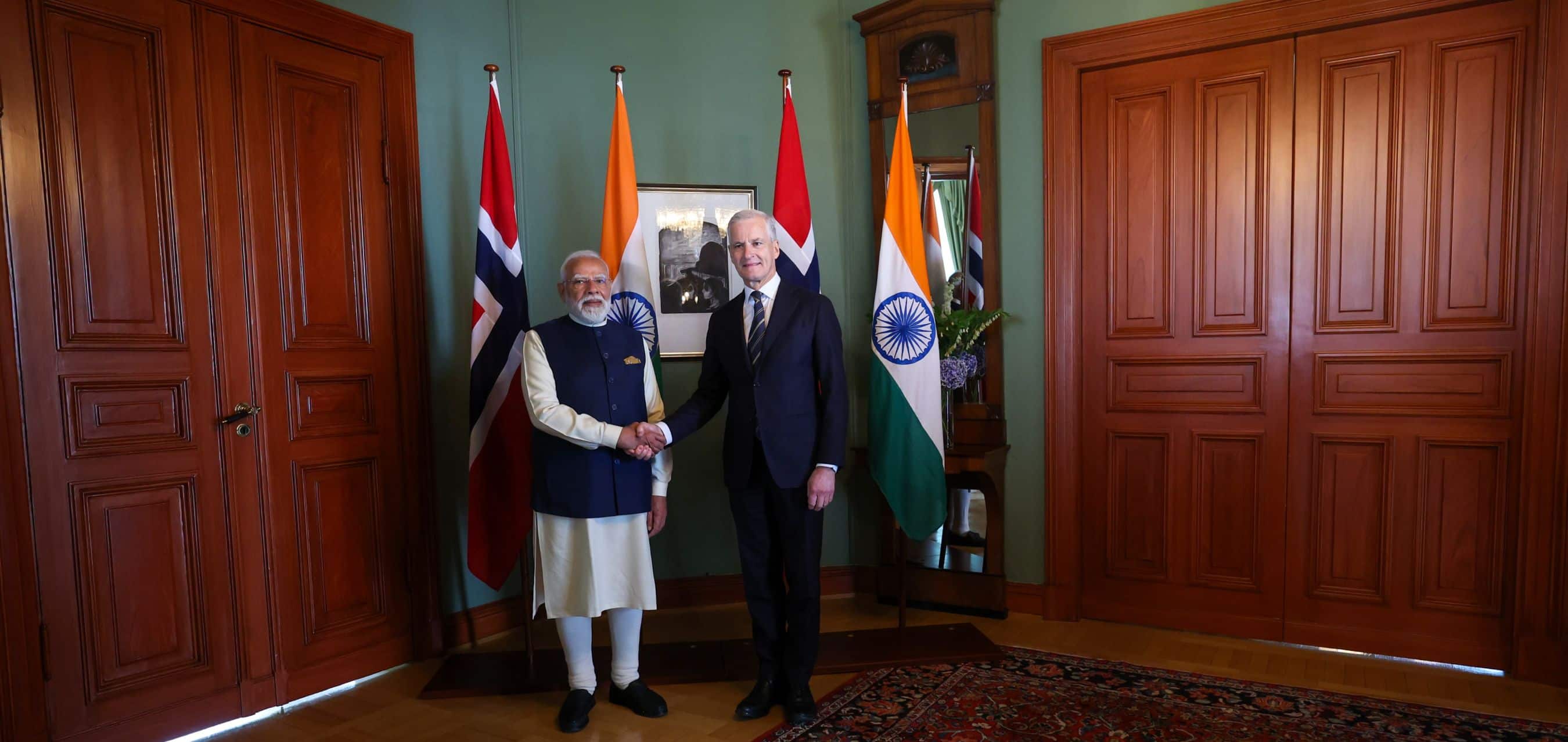
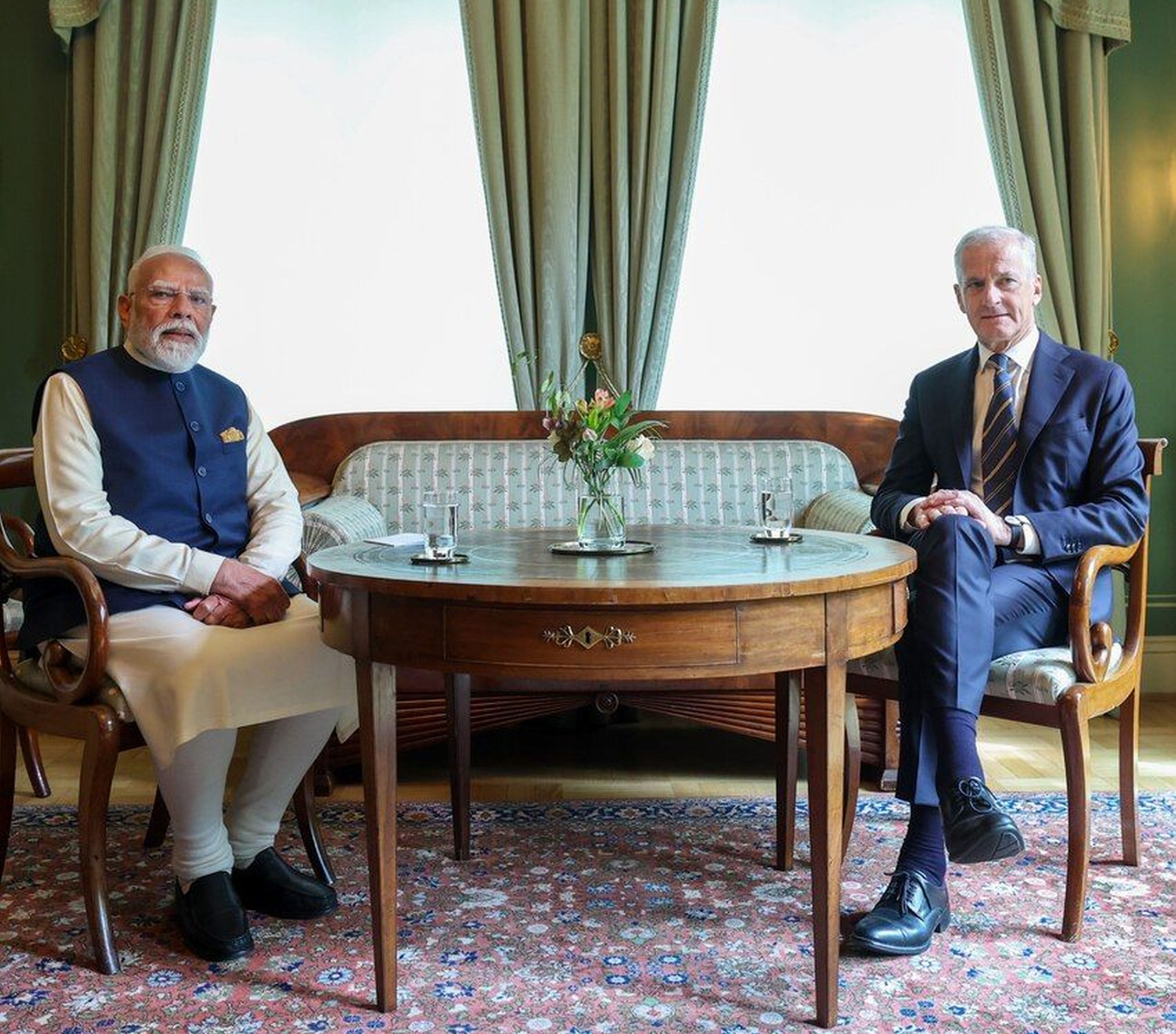
Held fruitful talks with PM Jonas Gahr Støre in Oslo. One of the key highlights was the upgrading of our bilateral partnership to a Green Strategic Partnership, which will deepen synergy in clean energy, sustainable growth, the blue economy, green shipping and more. We also… pic.twitter.com/yIlqNWNVcp
— Narendra Modi (@narendramodi) May 18, 2026
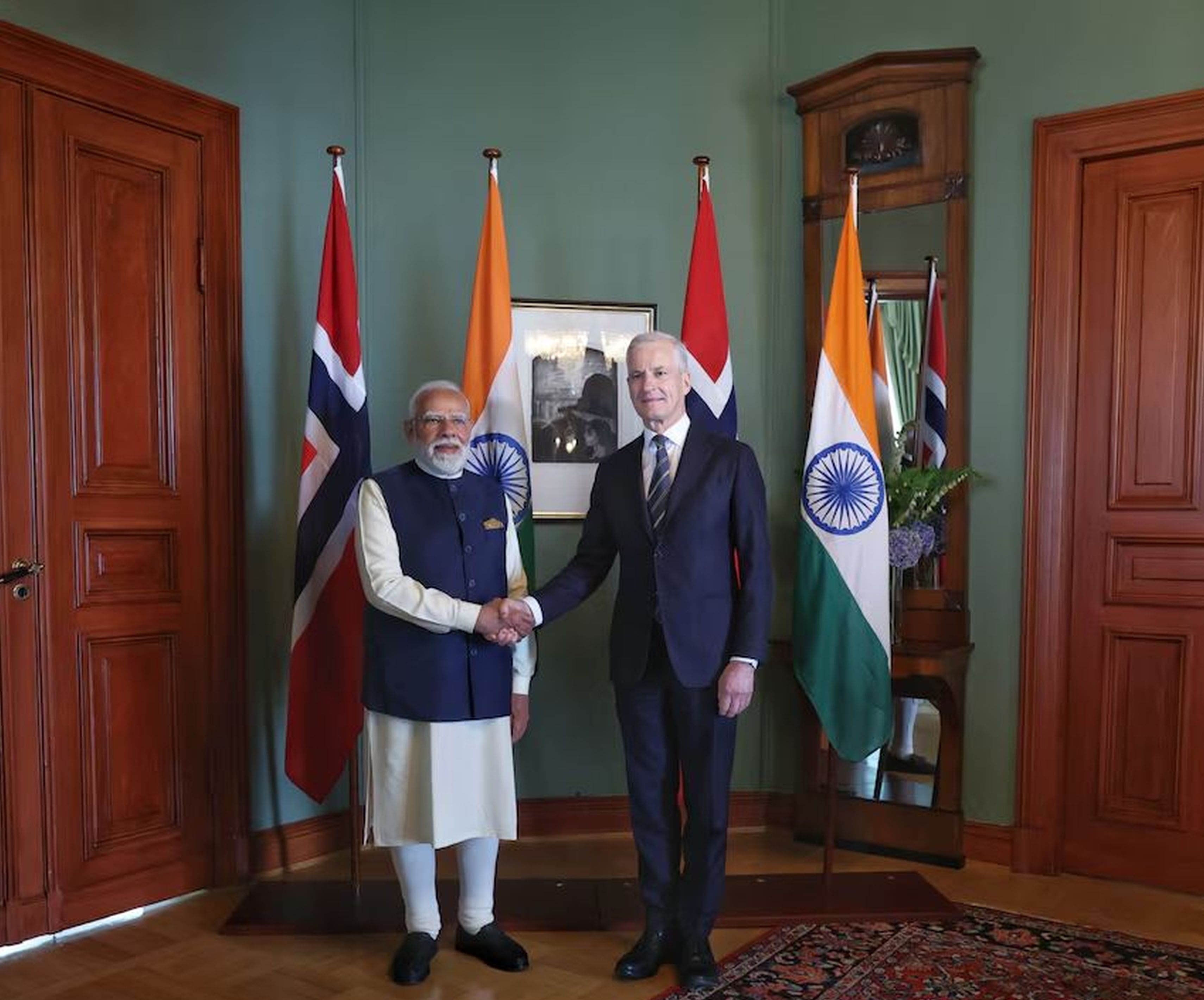
Trade is key to the India-Norway friendship. The recently signed India-EU Free Trade Agreement offers immense opportunities to boost economic and investment linkages. pic.twitter.com/Prp9ppCeKO
— Narendra Modi (@narendramodi) May 18, 2026