



|
نمبر شمار |
مفاہمت نامہ/ معاہدہ |
ہندوستانی فریق |
سیشلس کی طرف سے دستخظ کرنے والی شخصیت |
|
1 |
بلدیاتی اداروں، تعلیمی اور پیشہ وارانہ اداروں کے توسط سے چھوٹے ترقیاتی پروجیکٹوں کے نفاذ کے لئے ہندوستان کی طرف سے امدادی گرانٹ کے سلسلے میں جمہوریہ ہند کی حکومت اور جمہوریہ سیشلس کے درمیان مفاہمت نامہ |
امور خارجہ کی وزیرمملکت جناب ایم جے اکبر |
بساوٹوں، بنیادی ڈھانچہ اور زمینی نقل وحمل کی وزیر محترمہ پامیلا چارلیٹ |
|
2 |
پنجاجی سٹی کارپوریشن(میونسپل کارپوریشن) اور جمہوریہ سیشلس کے سٹی آف وکٹوریہ کے درمیان دوستی اور امداد باہمی کے قیام کے لئےٹویننگ معاہدہ |
امور خارجہ کی وزیرمملکت جناب ایم جے اکبر |
بساوٹوں، بنیادی ڈھانچہ اور زمینی نقل وحمل کی وزیر محترمہ پامیلا چارلیٹ |
|
3 |
سائبر سیکوریٹی کے شعبے میں تعاون کے لئے جمہوریہ ہند کی الیکٹرانکس اور اطلاعاتی ٹیکنالوجی کی وزارت کے تحت کام کرنے والی انڈین کمپیوٹر ایمرجنسی رسپانس ٹیم(سی ای آر ٹی۔ ان) اور جمہوریہ سیشلس کے درمیان جمہوریہ سیشلس کے اطلاعاتی ٹیکنالوجی محکمہ کے درمیان مفاہمت نامہ |
امور خارجہ کی وزیرمملکت جناب ایم جے اکبر |
ماہی پروری اور زراعت کے وزیر جناب چارلس بیسٹین |
|
4 |
سال 2018-2022 کے لئے جمہوریہ ہند حکومت اور جمہوریہ سیشلس کی حکومت کے درمیان ثقافتی لین دین پروگرام |
امور خارجہ کی وزیرمملکت جناب ایم جے اکبر |
بساوٹوں، بنیادی ڈھانچہ اور زمینی نقل وحمل کی وزیر محترمہ پامیلا چارلیٹ |
|
5 |
ہندوستانی بحریہ اور جمہوریہ سیشلس کے نیشنل انفورمیشن شیئرنگ اینڈ کوآرڈیننشن سینٹر کے درمیان وائٹ شپنگ انفورمیشن کے اشتراک سے متعلق تکنیکی معاہدہ۔ |
امور خارجہ کی وزیرمملکت جناب ایم جے اکبر |
ماہی پروری اور زراعت کے وزیر جناب چارلس بیسٹین |
|
6 |
جمہوریہ ہند کی امور داخلہ کی وزارت کے فورین سروس انسٹی ٹیوٹ اور جمہوریہ سیشلس کے محکمہ خارجی امور کے درمیان مفاہمت نامہ۔ |
فورین سروس انسٹی ٹیوٹ کے ڈین جناب جے ایس مکل |
امبیسڈر بیری فورم، خارجی امور کے سیکریٹری آف اسٹیٹ |
Published By : Admin |
June 25, 2018 | 15:26 IST
-
Share
-

-

-


Login or Register to add your comment
Explore More
NEXT READ

Media Coverage
India's pace of economic growth shows that its Viksit Bharat dream is not out of reach

Nm on the go
Always be the first to hear from the PM. Get the App Now!

PM chairs valedictory session of National Departmental Summit on Water
September 02, 2026
-
Share
-
-
-
This marks the first in a series of Summits envisioned by PM to strengthen spirit of Team India and deepen cooperative federalism
PM stresses adoption of a continuous process of review and follow up to act on actionable and time-bound outcomes
Emphasising Jan Bhagidari, PM calls for promoting Jal Utsav to deepen public awareness on water conservation
PM calls for greater adoption of water-saving technologies and learning from global best practices
PM calls for robust water data governance through effective use of AI
PM suggests structured inter-State Study-visits involving public representatives, officials and farmers on water related issues
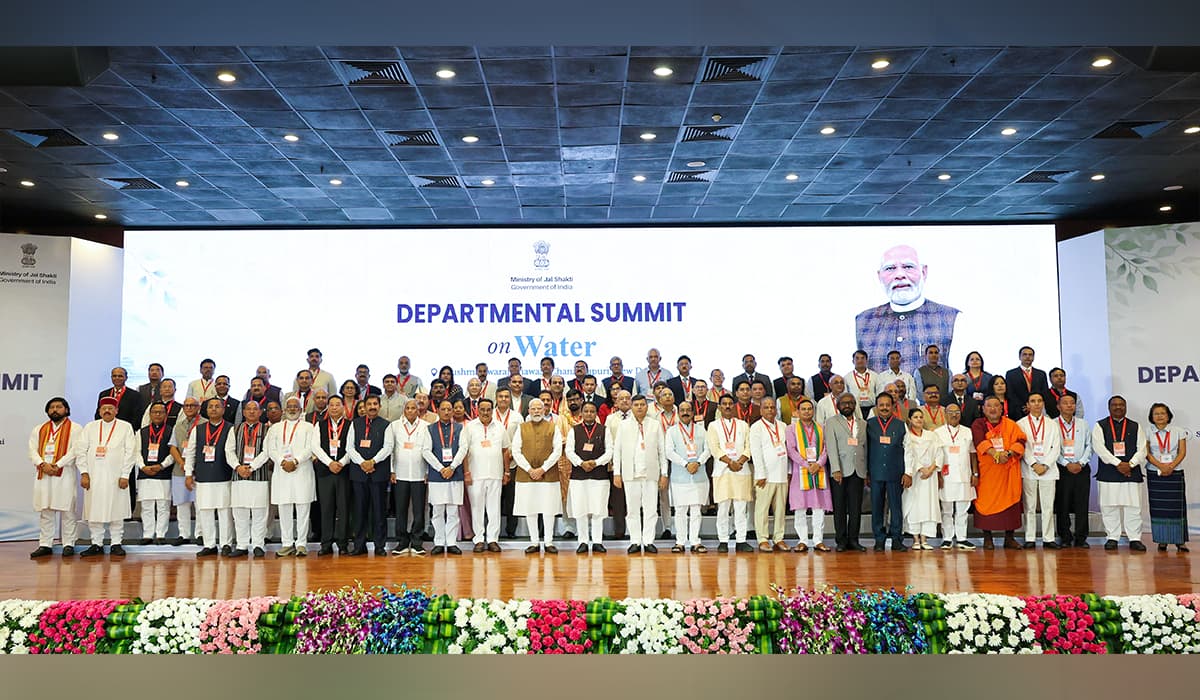
Prime Minister Shri Narendra Modi today chaired the valedictory session of the two-day National Departmental Summit on Water, organised by the Ministry of Jal Shakti. The Summit is the first in a series of Departmental Summits envisioned by Prime Minister to strengthen the spirit of Team India, deepen cooperative federalism and foster collective ownership of national priorities through closer collaboration between the Centre and the States. It brought together Ministers and senior officials from States and Union Territories for focused deliberations on various dimensions of India’s water security.
Prime Minister appreciated the intensive two-day deliberations and emphasised that the actionable and time-bound action points emerging from the Summit should be pursued through a continuous process of review and learning. He suggested that the Summit should not remain a one-time exercise and called for a continuous process of review and follow-up.
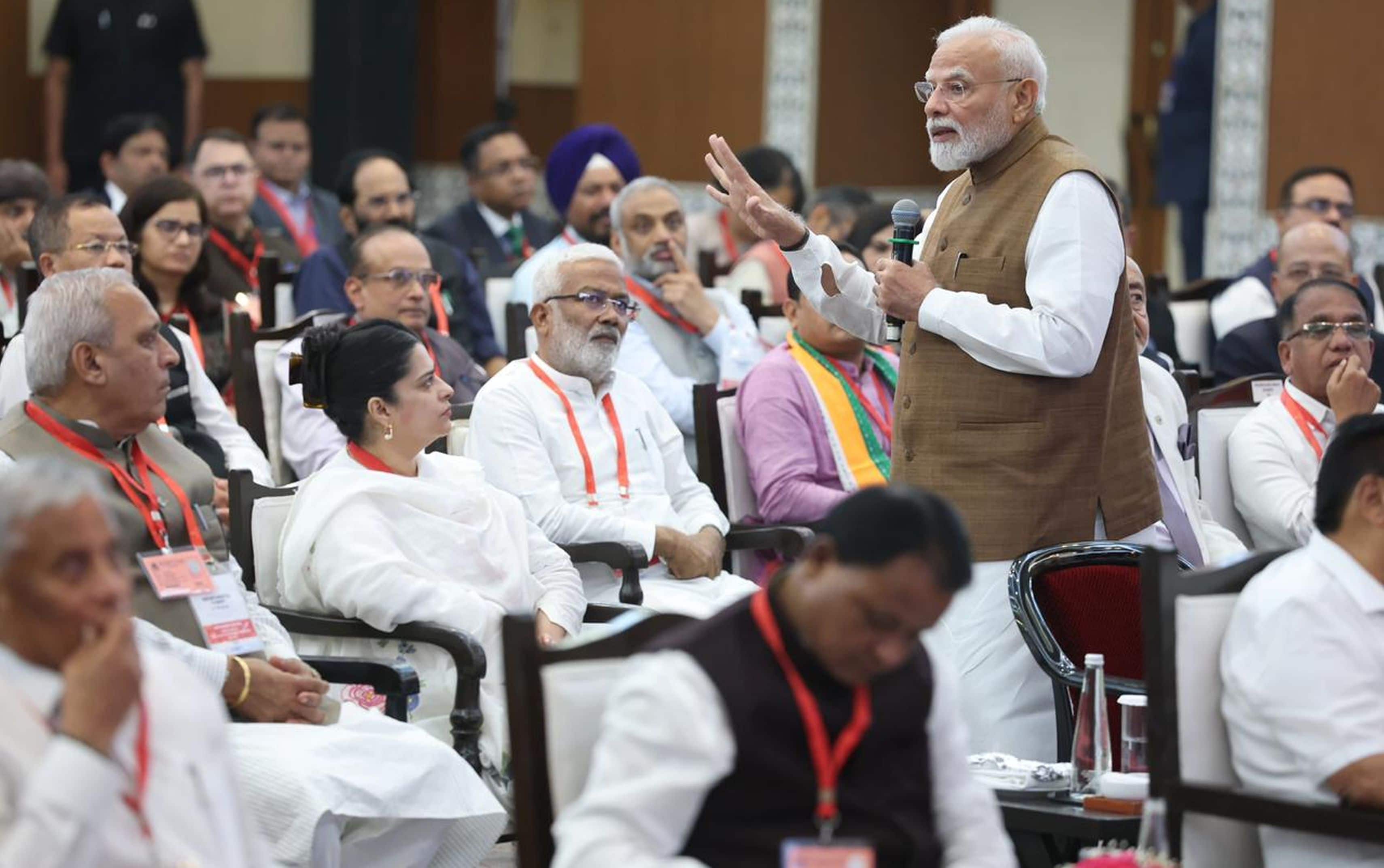
Prime Minister called for sensitising Urban Local Bodies to the challenges arising from urbanisation, including population growth and future water requirements, and suggested organising similar Chintan Shivirs for Urban Local Bodies. He called for greater adoption of water-saving technologies. He also suggested dedicated exhibitions and workshops, including exposure to global best practices, to enable Indian manufacturers and stakeholders to develop and scale efficient solutions.
Emphasising Jan Bhagidari, Prime Minister suggested promoting “Jal Utsav” to create greater awareness among people. Prime Minister called for making de-silting a regular programme and developing clear criteria and SOPs for de-silting. On dam safety, he stressed rigorous preparedness before every monsoon, adherence to prescribed precautions and creating awareness among school students, including through suitable incorporation in educational curricula.
Prime Minister further called for strengthening knowledge and capacity on water management and governance in universities and higher educational institutions. He suggested structured inter-State study-visits involving public representatives, officials and farmers to facilitate practical learning and replication of successful interventions.
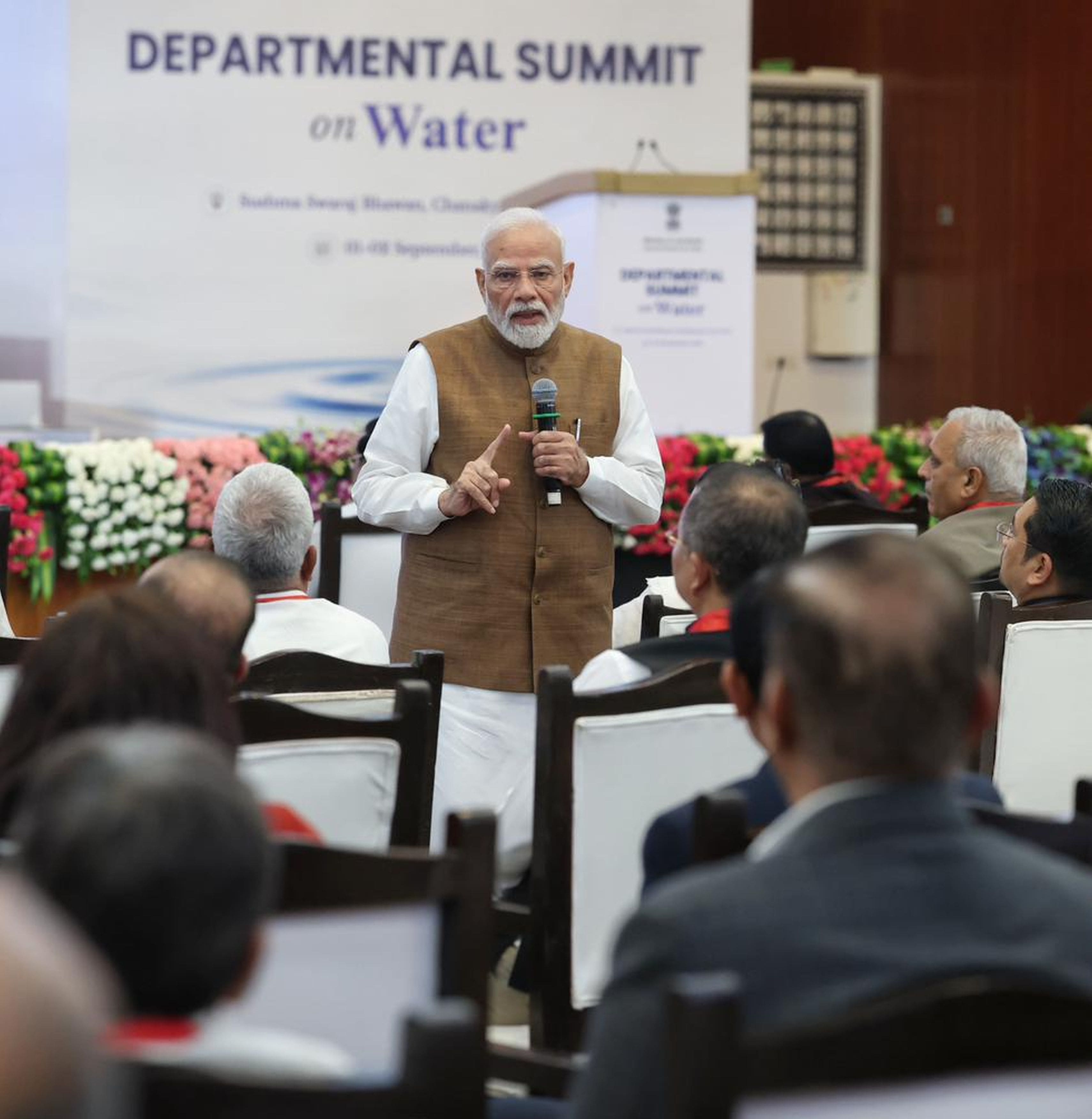
Prime Minister called for robust water data governance, with water-sector data brought together, systematically managed, analysed and effectively utilised. He recommended the use of AI for data collection and analysis through a uniform format. He also stressed anticipatory and integrated planning to address water scarcity through suitable utilisation of treated water for agriculture and industrial purposes.
Drawing upon his experience as Chief Minister of Gujarat, Prime Minister noted that instances of water scarcity could be transformed into opportunities through systematic planning, commitment and deployment of adequate resources and capable officers.
Union Minister for Jal Shakti Shri C. R. Patil highlighted four key outcomes of the summit: accelerated completion of water infrastructure projects; strengthening water conservation as a sustained people’s movement; ensuring long-term sustainability of drinking-water sources; and institutionalising effective operation and maintenance of rural drinking-water schemes.


Posted via www.narendramodi.in