کم از کم امدادی قیمت (ایم ایس پی) میں اضافہ کا مقصد فصلوں کے تنوع کو فروغ دینا ہے
گیہوں، ریپ سیڈ اور سرسوں کے بعد مسور، چنا، جو اور کسم کے پھولوں کے معاملے میں کسانوں کو ان کی پیداواری لاگت کے مقابلے زیادہ قیمت ملنے کا امکان ہے
تلہن، دال اور موٹے اناج کے حق میں کم از کم امدادی قیمت کا تعین کیا گیا ہے
ربیع فصلوں کی کم از کم امدادی قیمت میں اضافہ سے کسانوں کے لیے منافع بخش قیمت متعین ہوگی

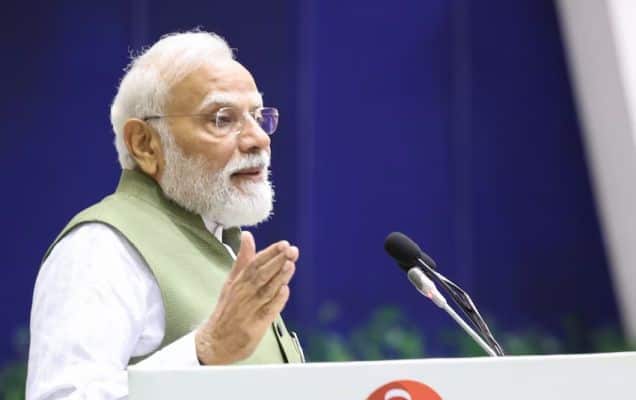
وزیر اعظم جناب نریندر مودی کی صدارت میں اقتصادی امور کی کابینہ کمیٹی نے ربیع مارکیٹنگ سیزن (آر ایم ایس) 23-2022 کے لیے سبھی ربیع فصلوں کی کم از کم امدادی قیمت (ایم ایس پی) میں اضافہ کرنے کو منظوری دے دی ہے۔

حکومت نے آر ایم ایس 23-2022 کے لیے ربیع فصلوں کی ایم ایس پی میں اضافہ کر دیا ہے، تاکہ کسانوں کو ان کی پیداوار کی منافع بخش قیمت مل سکے۔ پچھلے سال کے ایم ایس پی میں مسور کی دال اور کینولا (ریپ سیڈ) اور سرسوں میں اعلیٰ مکمل اضافہ (ہر ایک کے لیے 400 روپے فی کوئنٹل) کرنے کی سفارش کی گئی ہے۔ اس کے بعد چنا (130 روپے فی کوئنٹل) کو رکھا گیا ہے۔ پچھلے سال کے مقابلے کسم کے پھول کی قیمت 114 روپے فی کوئنٹل بڑھا دی گئی ہے۔ قیمتوں میں یہ فرق اس لیے رکھا گیا ہے، تاکہ الگ الگ فصلیں بونے کے لیے ترغیب دی جا سکے۔

مارکیٹنگ سیزن 23-2022 کے لیے سبھی ربیع فصلوں کی کم از کم امدادی قیمت (روپے/کوئنٹل میں)

فصل

آر ایم ایس 22-2021 کے لیے ایم ایس پی

آر ایم ایس 23-2022 کے لیے ایم ایس پی

پیداواری لاگت * 23-2022

ایم ایس پی میں اضافہ (مکمل)

لاگت پر منافع (فیصد میں)

گیہوں

1975

2015

1008

40

100

جو

1600

1635

1019

35

60

چنا

5100

5230

3004

130

74

دال (مسور)

5100

5500

3079

400

79

کینولا اور سرسوں

4650

5050

2523

400

100

کسم کے پھول

5327

5441

3627

114

50

*یہاں کل لاگت کا ذکر ہے، جس میں ادا کی جانے والی قیمت شامل ہے، یعنی مزدوروں کی مزدوری، بیل یا مشین کے ذریعے جتائی اور دیگر کام، پٹہ پر لی جانے والی زمین کا کرایہ، بیج، کیمیکل، کھاد، سینچائی کی قیمت، آلات اور کھیت تیار کرنے میں لگنے والا خرچ، سرمایہ پر سود، پمپ سیٹ وغیرہ چلانے پر ڈیزل/ بجلی کا خرچ اس میں شامل ہے۔ اس کے علاوہ دیگر اخراجات اور فیملی کے ذریعے کی جانے والی محنت کی قیمت کو بھی اس میں رکھا گیا ہے۔

آر ایم ایس 23-2022 کے لیے ربیع فصلوں کی ایم ایس پی میں اضافہ مرکزی بجٹ 19-2018 میں کیے گئے اعلان کے مطابق ہے، جس میں کہا گیا کہ ملک بھر کی اوسط پیداوار کو مدنظر رکھتے ہوئے ایم ایس پی میں کم از کم ڈیڑھ گنا اضافہ کیا جانا چاہیے، تاکہ کسانوں کو معقول اور مناسب قیمت مل سکے۔ کسان کھیتی میں جتنا خرچ کرتا ہے، اس کی بنیاد پر ہونے والے منافع کا زیادہ سے زیادہ اندازہ لگایا گیا ہے۔ اس سلسلے میں گیہوں، کینولا اور سرسوس (ہر ایک میں 100 فیصد) منافع ہونے کا امکان ہے۔ اس کے علاوہ دال (79 فیصد)، چنا (74 فیصد)، جو (60 فیصد)، کسم کے پھول (50 فیصد) کی پیداوار میں منافع ہونے کا امکان ہے۔

گزشتہ کچھ برسوں سے تلہن، دال، موٹے اناج کی کم از کم امدادی قیمت میں یکسانیت پیدا کرنے کے لیے مشترکہ طور پر کوششیں کی جاتی رہی ہیں، تاکہ کسان ان فصلوں کی کھیتی زیادہ رقبہ میں کرنے کے لیے آمادہ ہو سکیں۔ اس کے لیے وہ بہتر ٹیکنالوجی اور کھیتی کے طور طریقوں کو اپنائیں، تاکہ مانگ اور سپلائی میں توازن پیدا ہو۔

اس کے ساتھ ہی مرکز کے ذریعے اسپانسرڈ قومی غذائی تیل- پام آئل مشن (این ایم ای او-اوپی) اسکیم کا بھی سرکار نے حال ہی میں اعلان کیا ہے۔ اس اسکیم سے خوردنی تیلوں کی گھریلو پیداوار بڑھے گی اور درآمد پر انحصار کم ہوگا۔ اس اسکیم کے لیے 11040 کروڑ روپے رکھے گئے ہیں، جس سے نہ صرف رقبہ اور اس سیکٹر کی پیداواری صلاحیت بڑھانے میں مدد ملے گی، بلکہ آمدنی بڑھنے سے کسانوں کو فائدہ ہوگا اور اضافی روزگار پیدا ہوں گے۔

’پردھان منتری انّ داتا آئے سنرکشن ابھیان‘ (پی ایم-اے اے ایس ایچ اے) نامی ’امبریلا اسکیم‘ کا اعلان حکومت نے 2018 میں کیا تھا۔ اس اسکیم سے کسانوں کو اپنی پیداوار کے لیے منافع بخش قیمت ملے گی۔ اس امبریلا اسکیم میں تین ذیلی اسکیمیں شامل ہیں، جیسے قیمت کی امدادی اسکیم (پی اے ایس)، قیمت کی کم از کم ادائیگی اسکیم (پی ڈی پی ایس) اور ذاتی خرید اور اسٹاکسٹ اسکیم (پی پی ایس ایس) کو عملی بنیاد پر شامل کیا گیا ہے۔


Explore More
شری رام جنم بھومی مندر دھوجاروہن اتسو کے دوران وزیر اعظم کی تقریر کا متن

Popular Speeches

شری رام جنم بھومی مندر دھوجاروہن اتسو کے دوران وزیر اعظم کی تقریر کا متن
India's electronics production rises 6-fold, exports jump 8-fold since 2014: Ashwini Vaishnaw

Media Coverage

India's electronics production rises 6-fold, exports jump 8-fold since 2014: Ashwini Vaishnaw
NM on the go

Nm on the go

Always be the first to hear from the PM. Get the App Now!
...
PM chairs Fifth National Conference of Chief Secretaries in Delhi
December 28, 2025
Viksit Bharat is synonymous with quality and excellence in governance, delivery and manufacturing: PM
PM says India has boarded the ‘Reform Express’, powered by the strength of its youth
PM highlights that India's demographic advantage can significantly accelerate the journey towards Viksit Bharat
‘Made in India’ must become a symbol of global excellence and competitiveness: PM
PM emphasises the need to strengthen Aatmanirbharta and strengthen our commitment to 'Zero Effect, Zero Defect’
PM suggests identifying 100 products for domestic manufacturing to reduce import dependence and strengthen economic resilience
PM urges every State must to give top priority to soon to be launched National Manufacturing Mission
PM calls upon states to encourage manufacturing, boost ‘Ease of Doing Business’ and make India a Global Services Giant
PM emphasises on shifting to high value agriculture to make India the food basket of the world
PM directs States to prepare roadmap for creating a global level tourism destination

Prime Minister Narendra Modi addressed the 5th National Conference of Chief Secretaries in Delhi, earlier today. The three-day Conference was held in Pusa, Delhi from 26 to 28 December, 2025.

Prime Minister observed that this conference marks another decisive step in strengthening the spirit of cooperative federalism and deepening Centre-State partnership to achieve the vision of Viksit Bharat.

Prime Minister emphasised that Human Capital comprising knowledge, skills, health and capabilities is the fundamental driver of economic growth and social progress and must be developed through a coordinated Whole-of-Government approach.

The Conference included discussions around the overarching theme of ‘Human Capital for Viksit Bharat’. Highlighting India's demographic advantage, the Prime Minister stated that nearly 70 percent of the population is in the working-age group, creating a unique historical opportunity which, when combined with economic progress, can significantly accelerate India's journey towards Viksit Bharat.

Prime Minister said that India has boarded the “Reform Express”, driven primarily by the strength of its young population, and empowering this demographic remains the government’s key priority. Prime Minister noted that the Conference is being held at a time when the country is witnessing next-generation reforms and moving steadily towards becoming a major global economic power.

He further observed that Viksit Bharat is synonymous with quality and excellence and urged all stakeholders to move beyond average outcomes. Emphasising quality in governance, service delivery and manufacturing, the Prime Minister stated that the label "Made in India' must become a symbol of excellence and global competitiveness.

Prime Minister emphasised the need to strengthen Aatmanirbharta, stating that India must pursue self-reliance with zero defect in products and minimal environmental impact, making the label 'Made in India' synonymous with quality and strengthen our commitment to 'Zero Effect, Zero Defect.’ He urged the Centre and States to jointly identify 100 products for domestic manufacturing to reduce import dependence and strengthen economic resilience in line with the vision of Viksit Bharat.

Prime Minister emphasised the need to map skill demand at the State and global levels to better design skill development strategies. In higher education too, he suggested that there is a need for academia and industry to work together to create high quality talent.

For livelihoods of youth, Prime Minister observed that tourism can play a huge role. He highlighted that India has a rich heritage and history with a potential to be among the top global tourist destinations. He urged the States to prepare a roadmap for creating at least one global level tourist destination and nourishing an entire tourist ecosystem.

PM Modi said that it is important to align the Indian national sports calendar with the global sports calendar. India is working to host the 2036 Olympics. India needs to prepare infrastructure and sports ecosystem at par with global standards. He observed that young kids should be identified, nurtured and trained to compete at that time. He urged the States that the next 10 years must be invested in them, only then will India get desired results in such sports events. Organising and promoting sports events and tournaments at local and district level and keeping data of players will create a vibrant sports environment.

PM Modi said that soon India would be launching the National Manufacturing Mission (NMM). Every State must give this top priority and create infrastructure to attract global companies. He further said that it included Ease of Doing Business, especially with respect to land, utilities and social infrastructure. He also called upon states to encourage manufacturing, boost ‘Ease of Doing Business’ and strengthen the services sector. In the services sector, PM Modi said that there should be greater emphasis on other areas like Healthcare, education, transport, tourism, professional services, AI, etc. to make India a Global Services Giant.

Prime Minister also emphasized that as India aspires to be the food basket of the world, we need to shift to high value agriculture, dairy, fisheries, with a focus on exports. He pointed out that the PM Dhan Dhanya Scheme has identified 100 districts with lower productivity. Similarly, in learning outcomes States must identify the lowest 100 districts and must work on addressing the issues around the low indicators.

PM also urged the States to use Gyan Bharatam Mission for digitization of manuscripts. He said that States may start a Abhiyan to digitize such manuscripts available in States. Once these manuscripts are digitized, Al can be used for synthesizing the wisdom and knowledge available.

Prime Minister noted that the Conference reflects India’s tradition of collective thinking and constructive policy dialogue, and that the Chief Secretaries Conference, institutionalised by the Government of India, has become an effective platform for collective deliberation.

Prime Minister emphasised that States should work in tandem with the discussions and decisions emerging from both the Chief Secretaries and the DGPs Conferences to strengthen governance and implementation.

Prime Minister suggested that similar conferences could be replicated at the departmental level to promote a national perspective among officers and improve governance outcomes in pursuit of Viksit Bharat.

Prime Minister also said that all States and UTs must prepare capacity building plan along with the Capacity Building Commission. He said that use of Al in governance and awareness on cyber security is need of the hour. States and Centre have to put emphasis on cyber security for the security of every citizen.

Prime Minister said that the technology can provide secure and stable solutions through our entire life cycle. There is a need to utilise technology to bring about quality in governance.

In the conclusion, Prime Minister said that every State must create 10-year actionable plans based on the discussions of this Conference with 1, 2, 5 and 10 year target timelines wherein technology can be utilised for regular monitoring.

The three-day Conference emphasised on special themes which included Early Childhood Education; Schooling; Skilling; Higher Education; and Sports and Extracurricular Activities recognising their role in building a resilient, inclusive and future-ready workforce.

Discussion during the Conference

The discussions during the Conference reflected the spirit of Team India, where the Centre and States came together with a shared commitment to transform ideas into action. The deliberations emphasised the importance of ensuring time-bound implementation of agreed outcomes so that the vision of Viksit Bharat translates into tangible improvements in citizens’ lives. The sessions provided a comprehensive assessment of the current situation, key challenges and possible solutions across priority areas related to human capital development.

The Conference also facilitated focused deliberations over meals on Heritage & Manuscript Preservation and Digitisation; and Ayush for All with emphasis on integrating knowledge in primary healthcare delivery.

The deliberations also emphasised the importance of effective delivery, citizen-centric governance and outcome-oriented implementation to ensure that development initiatives translate into measurable on-ground impact. The discussions highlighted the need to strengthen institutional capacity, improve inter-departmental coordination and adopt data-driven monitoring frameworks to enhance service delivery. Focus was placed on simplifying processes, leveraging technology and ensuring last-mile reach so that benefits of development reach every citizen in a timely, transparent and inclusive manner, in alignment with the vision of Viksit Bharat.

The Conference featured a series of special sessions that enabled focused deliberations on cross-cutting and emerging priorities. These sessions examined policy pathways and best practices on Deregulation in States, Technology in Governance: Opportunities, Risks & Mitigation; AgriStack for Smart Supply Chain & Market Linkages; One State, One World Class Tourist Destination; Aatmanirbhar Bharat & Swadeshi; and Plans for a post-Left Wing Extremism future. The discussions highlighted the importance of cooperative federalism, replication of successful State-level initiatives and time-bound implementation to translate deliberations into measurable outcomes.

The Conference was attended by Chief Secretaries, senior officials of all States/Union Territories, domain experts and senior officers in the centre.