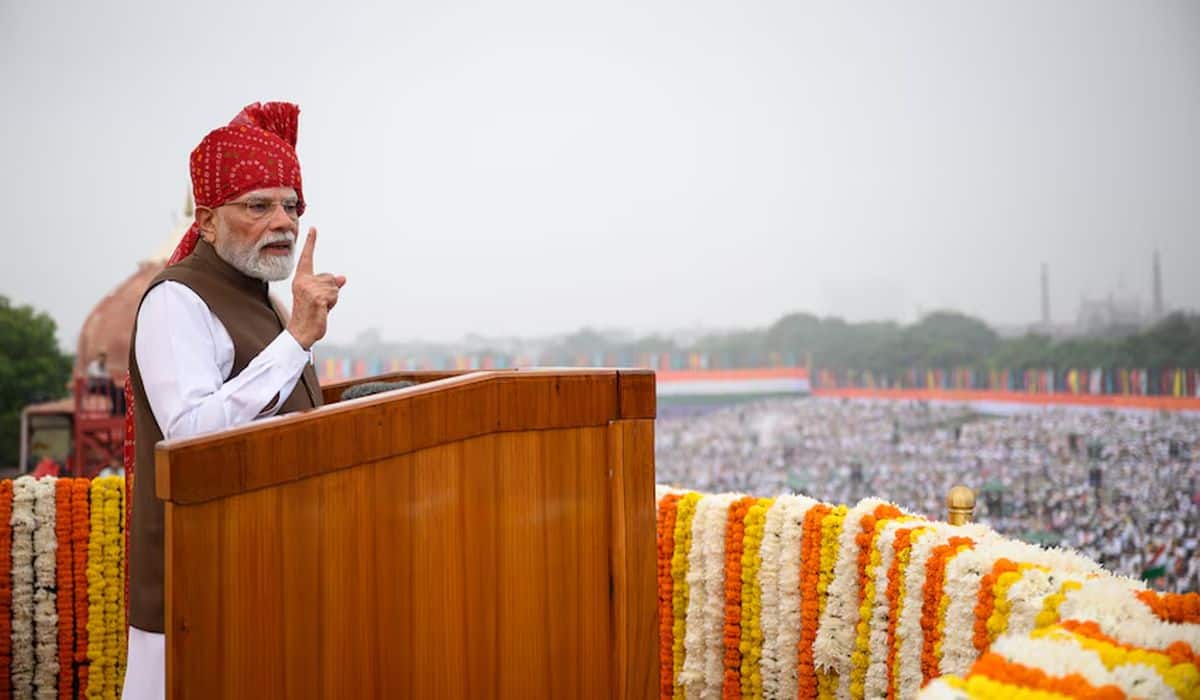
ప్రధానమంత్రి శ్రీ నరేంద్ర మోదీ సహకార రంగానికి చెందిన అనేక కీలక ప్రాజెక్టులకు న్యూఢిల్లీలోని భారత్ మండపంలో 24వ తేదీన శంకుస్థాపన చేసి కొన్నింటిని ప్రారంభించారు. 11 రాష్ర్టాలకు చెందిన 11 ప్రాథమిక వ్యవసాయ పరపతి సంఘాల్లో (పిఏసిఎస్) ‘‘సహకార రంగంలో ప్రపంచంలోనే అతి పెద్దదైన నిల్వ వసతుల నిర్మాణ ప్రణాళిక’’ కింద ఒక పైలట్ ప్రాజెక్టును ప్రారంభించారు. అలాగే దేశవ్యాప్తంగా మరో 500 పిఏసిఎస్ లలో గిడ్డంగులు, ఇతర వ్యవసాయ మౌలిక వసతుల నిర్మాణానికి శంకుస్థాపన చేశారు. దీని వల్ల ఆహార ధాన్యాలు నిల్వ చేసే పిఏసిఎస్ గిడ్డంగులన్నీ ఆహార సరఫరా వ్యవస్థతో నిరంతరాయంగా అనుసంధానం అవుతాయి. నబార్డ్ మద్దతుతో జాతీయ సహకార అభివృద్ధి కార్పొరేషన్ (ఎన్ సిడిసి) నాయకత్వంలో సమన్వయపూర్వక కృషితో దేశంలో ఆహార సరఫరా వ్యవస్థ పటిష్ఠం చేయడంతో పాటు, దేశ ఆర్థికాభివృద్ధికి ఇది దోహదపడుతుంది. ప్రస్తుతం అమలులో ఉన్న వ్యవసాయ మౌలిక వసతుల నిధి (ఎఐఎఫ్), వ్యవసాయ మార్కెటింగ్ మౌలిక వసతులు (ఎఎంఐ) వంటి పథకాలన్నింటికీ ఒక్కటిగా చేయడం ద్వారా ఈ కొత్త ప్రాజెక్టును అమలుపరుస్తున్నారు. మౌలిక వసతుల అభివృద్ధి కార్యక్రమం కింద అందుబాటులో ఉన్న సబ్సిడీలు, వడ్డీ రాయితీలు వంటివి పిఏసిఎస్ లు ఉపయోగించుకుని ఈ ప్రాజెక్టులో భాగస్వాములయ్యేందుకు వీలు కలుగుతుంది. అలాగే ‘‘సహకార్ సే సమృద్ధి’’ అనే విజన్ కు దీటుగా సహకార వ్యవస్థను పునరుజ్జీవింపచేసి; చిన్నకారు, సన్నకారు రైతులను సాధికారం చేసేందుకు దేశవ్యాప్తంగా 18,000 పిఏసిఎస్ ల కంప్యూటరీకరణ ప్రాజెక్టును కూడా ప్రధానమంత్రి ప్రారంభించారు.
ఈ సందర్భంగా భారతమండపంలో నిర్వహించిన ఒక కార్యక్రమంలో ప్రధానమంత్రి మాట్లాడుతూ ‘‘సహకార్ సే సమృద్ధి’’లో ఇది ఒక కీలకమైన అడుగు అని, వికసిత్ భారత్ కోసం సాగుతున్న ప్రయాణంలో ప్రధానమైన మైలురాయి అని అన్నారు. వ్యవసాయం, రైతాంగ వ్యవస్థను పటిష్ఠం చేయడంలో సహకార రంగం అతి పెద్ద శక్తి అని, అందుకే ఈ రంగానికి ప్రత్యేక మంత్రిత్వ శాఖ ఏర్పాటు చేశామని చెప్పారు. నేడు ప్రారంభించిన ‘‘సహకార రంగంలో ప్రపంచంలోనే అతి పెద్దదైన నిల్వ వసతుల నిర్మాణం’’ ప్రాజెక్టుతో దేశంలోని ప్రతీ మారుమూల ప్రాంతాల్లోనూ వేలాది గిడ్డంగులు, వేర్ హౌస్ లు అందుబాటులోకి వస్తాయని తెలిపారు. ఇది, పిఏసిఎస్ ల కంప్యూటరీకరణ వంటి ప్రాజెక్టులు వ్యవసాయ రంగానికి ఒక కొత్త కోణం ఆవిష్కరిస్తాయని, వ్యవసాయం ఆధునికీకరణ సాధ్యమవుతుందని అన్నారు.

సహకార సంఘాలు భారతదేశానికి అతి ప్రాచీన కాన్సెప్ట్ అని ప్రధానమంత్రి నొక్కి చెప్పారు. చిన్న చిన్న వనరులన్నీ కూడగడితే ఎంత పెద్ద పని అయినా సాధించవచ్చునన్న నానుడి గురించి ప్రస్తావిస్తూ భారతదేశంలో ప్రాచీన కాలంలో గ్రామాల్లో ఈ నమూనానే అనుసరించారని తెలిపారు. ‘‘భారత ఆత్మనిర్భర సమాజానికి సహకార వ్యవస్థే పునాది. అది కేవలం ఒక వ్యవస్థ కాదు. ఒక విశ్వాసం, ఒక శక్తి’’ అని పిఎం శ్రీ మోదీ వ్యాఖ్యానించారు. ఈ సహకార వ్యవస్థ, వనరులకు హద్దులేవీ లేవని, ఇది అసాధారణ ఫలితాలను అందిస్తుందని ఆయన చెప్పారు. రోజువారీ జీవితానికి చెందిన సాధారణ వ్యవస్థను ఒక పరిశ్రమగా పరివర్తన చేయగల సామర్థ్యం దానికి ఉన్నదంటూ గ్రామీణ, వ్యవసాయ ఆర్థిక వ్యవస్థ ముఖచిత్రాన్ని మార్చి వేసిన చరిత్ర దానికి ఉన్నదని వ్యాఖ్యానించారు. ఈ కొత్త మంత్రిత్వ శాఖ ద్వారా ప్రస్తుతం వ్యవసాయ రంగంలో మనుగడలో ఉన్న భాగాలన్నింటినీ ఒక్కటి చేయడం ప్రభుత్వ లక్ష్యమని చెప్పారు.
రైతు ఉత్పత్తిదారుల సంఘం (ఎఫ్ పిఓ) ఉదాహరణగా చూపుతూ గ్రామాల్లో చిన్న వ్యవసాయదారుల్లో ఎంటర్ ప్రెన్యూర్ షిప్ పెరుగుతున్నదన్నారు. ఈ ప్రత్యేక మంత్రిత్వ శాఖ కారణంగా దేశంలో ఏర్పాటు చేయతలపెట్టిన 10,000 ఎఫ్ పిఓల్ల 8,000 ఇప్పటికే పని చేయడం ప్రారంభించాయని ఆయన చెప్పారు. సహకార రంగ ప్రయోజనాలు ఇప్పుడు మత్స్యకారులు, పశుపాలక్ లను కూడా చేరుతున్నదన్నారు. మత్స్య రంగంలో 25,000 పైగా సహకార యూనిట్లు పని చేస్తున్నాయని తెలిపారు. రాబోయే సంవత్సరాల్లో దేశంలో 2,00,000 పైగా సహకార సంఘాలు ఏర్పాటు చేయాలన్నది ప్రభుత్వ లక్ష్యమని ప్రధానమంత్రి పునరుద్ఘాటించారు.
గుజరాత్ ముఖ్యమంత్రిగా తన అనుభవం గురించి ప్రస్తావిస్తూ సహకార సంఘ శక్తికి అమూల్, లిజ్జత్ పాపడ్ ల విజయం సజీవ నిదర్శనమని చెప్పారు. ఈ సంస్థల్లో మహిళల పాత్రను కూడా ఆయన ప్రముఖంగా ప్రస్తావించారు. సహకార రంగానికి సంబంధించిన విధానాల్లో మహిళలకు ప్రభుత్వం అత్యధిక ప్రాధాన్యం ఇస్తున్నదని ఆయన చెప్పారు. బహుళ రాష్ర్టాల సహకార సంఘాల చట్టం సవరించడం ద్వారా బోర్డుల్లో మహిళలకు ప్రాతినిథ్యం కల్పిస్తున్నట్టు ఆయన తెలిపారు.

సంఘటిత శక్తితో రైతుల వ్యక్తిగత సమస్యలను కూడా పరిష్కరించగల సామర్థ్యం సహకార వ్యవస్థకు ఉన్నదని ప్రధానమంత్రి నొక్కి చెబుతూ నిల్వ వసతులను ఇందుకు ఉదాహరణగా చూపారు. సరైన నిల్వ మౌలిక వసతులు లేని కారణంగా రైతులు భారీగా నష్టపోతున్న విషయం గుర్తు చేస్తూ వచ్చే ఐదు సంవత్సరాల కాలంలో రూ.1.25 లక్షల కోట్ల వ్యయంతో ప్రపంచంలోనే అతి పెద్దదైన 700 లక్షల మెట్రిక్ టన్నుల స్టోరేజి వ్యవస్థ అందుబాటులోకి తీసుకురానున్నట్టు వెల్లడించారు. రైతులు తమ ఉత్పత్తులను నిల్వ చేసుకుని సరైన సమయంలో వాటిని విక్రయించుకునే వసతిని కల్పించేందుకు, బ్యాంకుల నుంచి రుణాలు పొందేందుకు కూడా ఈ వ్యవస్థ సహాయకారిగా ఉంటుందని చెప్పారు.
‘‘వ్యవసాయ రంగం ఆధునికీకరణ కూడా వికసిత్ భారత్ నిర్మాణం అంత కీలక ప్రాధాన్యం గల అంశమే’’ అని చెబుతూ పిఏసిఎస్ ల వంటి ప్రభుత్వ వ్యవస్థలకు కొత్త పాత్రను అందించడం ప్రభుత్వ ధ్యేయమని ప్రధానమంత్రి అన్నారు. వేలాది పిఎం కిసాన్ సమృద్ధి కేంద్రాలతో కలిసి ఈ కమిటీలు జన్ ఔషధి కేంద్రాలుగా కూడా పని చేస్తున్నాయని చెప్పారు. పెట్రోల్, డీజిల్, ఎల్ పిజి సిలిండర్ల పంపిణీ వంటివి కూడా సహకార కమిటీలు చేపడుతున్నాయంటూ పలు గ్రామాల్లో పిఏసిఎస్ లు నీటి కమిటీల పాత్ర కూడా పోషిస్తున్నాయని తెలిపారు. ఇది కమిటీల ఉత్పాదకతను పెంచి కొత్త ఆదాయ వనరులు అందుబాటులోకి తెచ్చినట్టు ఆయన వెల్లడించారు. ‘‘సహకార కమిటీలు నేడు గ్రామాల్లో ఉమ్మడి సేవా కేంద్రాల పాత్ర కూడా పోషిస్తూ వందలాది సదుపాయాలు అందిస్తున్నాయి’’ అని ప్రధానమంత్రి చెప్పారు. ఆధునిక టెక్నాలజీ, డిజిటల్ ఇండియా రైతుల సేవలను మరింత ఉన్నత స్థాయికి చేర్చుతుందన్నారు. గ్రామీణ యువతకు ఇది మంచి ఉపాధి అవకాశాలు కూడా కల్పిస్తుందని చెప్పారు.

వికసిత్ భారత్ ప్రయాణంలో సహకార సంస్థల పాత్ర గురించి ప్రధానమంత్రి నొక్కి చెప్పారు. ఆత్మ నిర్భర్ భారత్ లక్ష్యానికి తమ వంతు సేవలందించాలని ఆయన పిలుపు ఇచ్చారు. ‘‘ఆత్మనిర్భర్ భారత్ రానిదే వికసిత్ భారత్ సాధ్యం కాదు’’ అని ప్రధానమంత్రి నొక్కి చెప్పారు. మనం దిగుమతులపై ఆధారపడుతున్న వస్తువుల జాబితాను సహకార సంఘాలు తయారుచేసి వాటిని స్థానికంగా ఉత్పత్తి చేయడానికి ఎలా సహాయపడగలమన్నది పరిశీలించాలని సూచించారు. ఉదాహరణకి వంటనూనెల ఉత్పత్తి గురించి ఆయన ప్రస్తావించారు. అలాగే సహకార సంఘాలు ఇథనాల్ ఉత్పత్తికి సహాయపడడం ద్వారా ఇంధన అవసరాలకు ఆయిల్ దిగుమతుల ఆధారనీయతను తగ్గించవచ్చునని అన్నారు. అంతే కాదు పప్పు దినుసుల ఉత్పత్తిని తగ్గించడంపై కూడా సహకార సంఘాలు దృష్టి సారించాలని సూచించారు. అలాగే పలు వస్తువుల తయారీని కూడా సహకార సంఘాలు చేపట్టవచ్చునని ఆయన అన్నారు.
ప్రకృతి వ్యవసాయంలో సహకార సంఘాల పాత్రను కూడా ప్రధానమంత్రి నొక్కి చెప్పారు. రైతులు ఊర్జదాతలు (ఇంధన తయారీదారులు), ఉర్వారక్ దాత (ఎరువుల తయారీదారులు) పాత్రను కూడా పోషించవచ్చునన్నారు. అలాగే వ్యవసాయ క్షేత్రాల సరిహద్దుల్లో సోలార్ పానెళ్ళ ఏర్పాటు, రూఫ్ టాప సోలార్ పానెళ్ళ ఏర్పాటు వంటి విభాగాలపై కూడా సహకార సంఘాలు దృష్టి పెట్టవచ్చునని సూచించారు. గోబర్ ధన్, బయో సిఎస్ జి ఉత్పత్తి, చెత్త నుంచి ఎరువు తయారీ, సంపద సృష్టిని కూడా సహకార సంఘాలు చేపట్టవచ్చునని చెప్పారు. ఇవన్నీ దిగుమతి బిల్లు తగ్గించుకునేందుకు సహాయపడతాయని ఆయన అన్నారు. చిన్న రైతుల కృషికి ప్రపంచ బ్రాండింగ్ తేవడానికి ముందుకు రావాలని నఆయన సహకార సంఘాలకు ప్రధానమంత్రి పిలుపు ఇచ్చారు. శ్రీ అన్న-చిరుధాన్యాలను ప్రపంచంలో డైనింగ్ టేబుల్స్ కు తీసుకువెళ్లాలని ఆయన సూచించారు.

గ్రామీణ ఆదాయాలు పెంచడంలో సహకార సంఘాల పాత్రను నొక్కి చెబుతూ తన నియోజకవర్గం కాశీలో డెయిరీ సహకార సంఘాల పాత్రను ఆయన ప్రస్తావించారు. అలాగే తేనె తయారీలో సహకార సంఘాల పాత్ర గురించి ప్రస్తావిస్తూ వీరి కృషి కారణంగా గత 10 సంవత్సరాల కాలంలో తేనె ఉత్పత్తి 75 వేల మెట్రిక్ టన్నుల నుంచి 1.5 లక్షల మెట్రిక్ టన్నులకు పెరిగిందని, తేనె ఎగుమతి కూడా 28 వేల మెట్రిక్ టన్నుల నుంచి 80 వేల మెట్రిక్ టన్నులకు పెరిగిందని ఆయన చెప్పారు. ఇందులో నాఫెడ్, ట్రైఫెడ్ పాత్ర కీలకమన్న విషయం ప్రధానమంత్రి ఆమోదిస్తూ ఈ సంఘాలు తమ పరిధి విస్తరించుకోవాలని సూచించారు.
డిజిటల్ చెల్లింపులు, ప్రత్యక్ష నగదు బదిలీ ప్రయోజనాల గురించి నొక్కి చెబుతూ పిఏసిఎస్ లు కూడా ప్రత్యక్ష, డిజిటల్ చెల్లింపులను చేపట్టాలని ప్రధానమంత్రి సూచించారు. భూసార పరీక్షలు, సాయిల్ హెల్త్ కార్డుల ప్రచారంలో భాగస్వాములు కావాలని ఆయన సూచించారు.
సహకార సంఘాల్లో యువత, మహిళల పాత్ర గురించి కూడా ప్రధానమంత్రి గుర్తు చేశారు. సహకార సంఘాలతో అనుబంధం గల వ్యవసాయదారులు భూసార పరీక్షలు నిర్వహించి అందుకు దీటుగా వ్యవసాయ ఉత్పత్తులు చేయడంపై శిక్షణ ఇవ్వాలని ఆయన సూచించారు. ఇది సహకార రంగంలో కొత్త వాతావరణం కల్పించి నూతన శక్తిని అందిస్తుందన్నారు. సహకార రంగంలో నైపుణ్యాభివృద్ధి, నైపుణ్య శిక్షణ ప్రాధాన్యతను కూడా ప్రధానమంత్రి నొక్కి చెప్పారు. ‘‘పిఏసిఎస్ లు, సహకార సంఘాలు పరస్పరం నేర్చుకోవాలి’’ అని సూచిస్తూ అత్యుత్తమ ప్రమాణాలు పరస్పరం తెలియచేసుకునేందుకు ఒక పోర్టల్ తయారుచేయాలని కూడా ప్రధానమంత్రి సూచించారు. దీని వల్ల ఆన్ లైన్ శిక్షణకు అనువైన వాతావరణం ఏర్పడుతుందని ఆయన చెప్పారు. ఆకాంక్షాపూరిత జిల్లాల కార్యక్రమం గురించి ప్రస్తావిస్తూ దీని వల్ల జిల్లాల మధ్య ఆరోగ్యవంతమైన పోటీ ఏర్పడిందని, అదే తరహా వ్యవస్థ సహకార రంగంలో కూడా రావాలని ఆయన సూచించారు. ప్రజల్లో విశ్వాసం పెంచడానికి సహకార సంఘాల ఎన్నికల్లో పారదర్శకత తీసుకురావాల్సిన అవసరాన్ని కూడా ఆయన నొక్కి ప్రస్తావించారు.

సహకార సంఘాలను సుసంపన్నతకు పునాదిగా చేయడానికి ప్రభుత్వం చేస్తున్న కృషి గురించి తెలియచేస్తూ రూ.1 కోటి నుంచి రూ.10 కోట్ల ఆదాయం గల సహకార సంఘాలపై సెస్ ను 12 శాతం నుంచి 7 శాతానికి తగ్గించినట్టు ప్రధానమంత్రి తెలిపారు. ఇది కమిటీల మూలధనం పెరగడానికి దోహదపడడంతో పాటు అవి ఒక కంపెనీగా ఏర్పడేందుకు అవకాశాలు పెంచాయని చెప్పారు. ప్రత్యామ్నాయ పన్నుల విభాగంలో కూడా సహకార సంఘాలు, కంపెనీల మధ్య గల వ్యత్యాసాన్ని గుర్తు చేస్తూ దీన్ని పరిగణనలోకి తీసుకుని సహకార సంఘాలకు కనీస ప్రత్యామ్నాయ పన్ను 18.5 శాతం నుంచి 15 శాతానికి తగ్గించడం ద్వారా సహకార సంఘాలు, కంపెనీల మధ్య సమానత్వం తీసుకురావడం సాధ్యమయిందన్నారు. విత్ డ్రాయల్స్ పై టిడిఎస్ అంశం పరిష్కరించడంలో భాగంగా సహకార సంఘాల వార్షిక విత్ డ్రాయల్ పరిమితిని రూ.1 కోటి నుంచి రూ.3 కోట్లకు పెంచినట్టు చెప్పారు. ఈ దిశగా సంఘటితంగా చేసే కృషి దేశంలో సంఘటిత అభివృద్ధికి కొత్త ద్వారాలు తెరుస్తుందన్న విశ్వాసం ప్రకటిస్తూ ఆయన తన ప్రసంగం ముగించారు.
కేంద్ర హోం, సహకార శాఖల మంత్రి శ్రీ అమిత్ షా, కేంద్ర వ్యవసాయ మంత్రి శ్రీ అర్జున్ ముందా, కేంద్ర వాణిజ్య మంత్రి శ్రీ పీయూష్ గోయెల్ ఈ కార్యక్రమంలో పాల్గొన్నారు.

పూర్వాపరాలు
రూ.2500 కోట్లు పైబడిన పెట్టుబడితో ఈ భారీ ప్రాజెక్టును ఆమోదించారు. ఈ కార్యక్రమంలో భాగంగా ప్రస్తుతం పని చేస్తున్న 000 పిఏసిఎస్ లను నిరంతరాయ సంఘటితత్వం, అనుసంధానితతో ఎంటర్ ప్రైజ్ రిసోర్స్ ప్లానింగ్ (ఇఆర్ పి) ఆధారిత జాతీయ సాఫ్ట్ వేర్ లోకి మారుస్తారు. ఈ పిఏసిఎస్ లను రాష్ట్ర సహకార బ్యాంకులు, జిల్లా కేంద్ర సహకార బ్యాంకుల ద్వారా నబార్డ్ తో అనుసంధానం చేయడం వల్ల పిఏసిఎస్ ల నిర్వహణా సామర్థ్యాలు మెరుగుపడి వాటి పాలన మెరుగుపడుతుంది. కోట్లాది మంది చిన్న, మధ్యతరహా వ్యవసాయదారులకు సహాయకారి అవుతుంది. ఈ ప్రాజెక్టు కోసం నబార్డ్ అభివృద్ధి చేసిన జాతీయ స్థాయి ఉమ్మడి సాఫ్ట్ వేర్ దేశంలో పిఏసిఎస్ ల విభిన్న అవసరాలను తీర్చేందుకు సహాయపడుతుంది. ఇఆర్ పి సాఫ్ట్ వేర్ తో 18,000 పిఏసిఎస్ లను చేర్చే కృషి పూర్తయింది. ప్రాజెక్టు అమలులో ఇది ఒక కీలక మైలురాయి.
खेती और किसानी की नींव को मजबूत करने में सहकारिता की शक्ति की बहुत बड़ी भूमिका है: PM @narendramodi pic.twitter.com/lc0ekfD9uR
— PMO India (@PMOIndia) February 24, 2024
आज हमने अपने किसानों के लिए दुनिया की सबसे बड़ी स्टोरेज स्कीम या भंडारण स्कीम शुरू की है: PM @narendramodi pic.twitter.com/9AQVp95hw0
— PMO India (@PMOIndia) February 24, 2024
सहकार, देश की अर्थव्यवस्था के, खासकर ग्रामीण और कृषि से जुड़ी अर्थव्यवस्था के कायाकल्प का एक प्रमाणिक तरीका है। pic.twitter.com/of4EfzXWYi
— PMO India (@PMOIndia) February 24, 2024
आज देश में भी डेयरी और कृषि में सहकार से किसान जुड़े हैं, उनमें करोड़ों की संख्या में महिलाएं ही हैं। pic.twitter.com/SgJTT3qKiq
— PMO India (@PMOIndia) February 24, 2024
विकसित भारत के लिए भारत की कृषि व्यवस्थाओं का आधुनिकीकरण भी उतना ही जरूरी है। pic.twitter.com/S932SO5oQO
— PMO India (@PMOIndia) February 24, 2024
आत्मनिर्भर भारत बनाए बिना, विकसित भारत बनाना संभव नहीं है। pic.twitter.com/Y0gc96x48V
— PMO India (@PMOIndia) February 24, 2024
हमें अपने मिलेट्स, यानि श्री अन्न ब्रांड को दुनिया के डाइनिंग टेबल तक पहुंचाना है: PM @narendramodi pic.twitter.com/SbhCkK1lm0
— PMO India (@PMOIndia) February 24, 2024