



My Dear Brothers and Sisters of Guwahati who have gathered here in large numbers
Today is an important event in the history of railways. One more of the Indian states are going to be connected through rail network. Today, a new route from Mendipathar in Meghalaya to Guwahati in Assam gets connected by rail. Also there is yet another occasion for the railways as the foundation for a new rail route from Bhairabi to Sairang in Mizoram will be laid. So both these projects where one rail route is being opened up and foundation for another is being laid presents a unique occasion.
There are those of us who believe in Vaastu though I must confess that I do not know much about it. But if I were to believe what the experts say then the North East corner of the house should be well kept. It should be clean and its sanctity should be maintained at all times. If this is done the house will forever prosper. Well, I cannot verify these claims but what I do know is that if we are able to take care of the North East India, the ‘Ishan’ corner of our homeland , then the entire India will prosper.
So if we want India to prosper, the progress of the North East will need to be fast tracked. The first step in this direction will be the development of infrastructure. Those who are futuristic and have a great vision always start with the development of infrastructure. Once infrastructure is developed then the people themselves take development forward.
Many of you must have heard about South Korea. It is a small country with a population of about 5-6 crores. It is along the sea coast. It was a very poor country. We talk about the poverty in India but think of a country poorer than India. But the rulers there thought of building a highway at par with international standards right in the middle of the country. This became a hugely controversial decision. People were angry that they had no food, the children had no access to education, they had no homes to live yet their ruler was thinking of spending hundreds of crores of on construction of a road. But their ruler was a man of grit and determination. He went ahead with his plans and built the road despite the criticism. And that one road changed the face of the entire nation.
A few years back we too hosted the Commonwealth Games. We are a large country but what did we do? Whatever happened in Delhi, the negative publicity and the disgrace that followed is known to one and all. That same small country of South Korea was able to hold Olympics in their country about 12-15 years back and host a worldwide audience. That nation prospered and poverty was eradicated. And how did they achieve that, by just one road – that opened the doors of prosperity for them.
The American President Kennedy said, it is not wealth that creates roads but it is the roads that lead to the creation of wealth. In the plans for development, infrastructure occupies a significant place. If the North East has to develop and play an important role in the development of India, then infrastructure development should be a priority. It is my firm belief that these 8 North Eastern states, our Ashta Lakshmi, (eight goddesses of wealth) have the potential of bringing in prosperity for the entire nation. If these eight states are connected to the Nation’s infrastructure which includes roads, rail and all other types of connectivity, if we are successful in doing so which I am sure we will then there will be no looking back. There is a new higher middle class which takes family vacations once or twice each year. They are always scouting for new destinations. With better connectivity North East will become the heaven which every tourist desires. The beautiful landscapes, the dense jungles and above all the warmth of the people here will make it the most sought after destination and I am sure that people from all over India will be thronging the place.
And with this thought of developing the North East, our new government that has been recently formed, in its first budget itself allocated a sum of Rs. 28,000 crores for the development of rail network in the region. I have a firm belief that once this network is laid my people will themselves take this region to new unprecedented heights of progress and development. In the changing world scenario, it is believed that this century belongs to Asia. And if this is a century of Asia then have we made any preparations? There is an emphasis on Look East policy. We believe that if this century belongs to Asia then we are definitely going to make the most of it. And how do we intend to achieve it? Not just by following Look East but by following Look East Act East policy. And we are now moving form just Look East to Act East policy. It is our effort that North East gets connected by road and rail to Myanmar and other East Asian countries. If this is achieved, this region will become the centre of trade and commerce. This region will hold the potential for redefining progress. And then, the youth of North East will not have to leave their homeland endowed with natural wealth and go elsewhere to big cities in search of livelihood.
Times are changing and so we have to move forward with new concept of infrastructural development. The infrastructure too needs to be with ethos of next generation. In the past building rail, road, ports and airports was perceived by the people a lot was done. But now the world is changing. Now highways are required as are i-ways. Information ways, i-ways. There is no place for a digital divide. North East should be an integral part of the Digital India dream. It should have both i-ways network and connectivity. The facilities should be such that whatever one is able to achieve sitting in Delhi same should be available to a person living in the difficult terrains of the North East.
The world is changing. Why shouldn’t there be gas grid? Why shouldn’t there be access to 24 hours of fresh water supply? Why shouldn’t there be electricity supply round the clock? Why shouldn’t there be an optical fibre network? We have to develop infrastructure keeping the new and changing times in mind. This concept of next generation infrastructure development for a Modern India should be conducted at a fast pace and should be actualized as soon as possible. The children of North East are educated in English. If there is proper optical fibre coverage and smooth connectivity then the youth of North East can do the same job work from home in their own village as is being done in Hyderabad and Bangalore. They do not need to go to Delhi and Bombay for call centre jobs. This can happen in North East itself. This world here can change hence I am taking a special interest in the development of the North East.
A few days back I had visited Myanmar. I had discussions with the heads of state regarding improved connectivity, improved trade and greater utilization of the local human resource. Dear brothers and sisters, this rail connectivity is not only about passengers commuting from one place to another. It is a medium that connects us, gives us pace and speed and also provides us strength. The Indian railways have the potential to become the backbone of all economic activities. But instead of considering it as the energetic force of economic development we have made it completely insignificant. Nobody from the parliament or the nation ever pays attention to the discussions of the railway budget.
The moment Railway Minister starts speaking, the statements that are greeted with applause are the ones related to increase in number of coaches or extension of some route or upgradation of some station.
We have divided railways in such small parts. We should not be satisfied if a coach is added and applaud it or feel happy if a new route is opened. We will not be satisfied with these petty gains. We have to both expand railways and also modernize it. We are aiming at both horizontal and vertical expansion of the railways. By horizontal expansion I mean expanding its reach to every nook and corner of the country. By vertical expansion I mean the upgradation of services which involves technology upgradation, speed enhancement to save time and enhancement of facilities. It will be our endeavour to see that railways truly become an engine facilitating the economic growth of the nation in true sense.
I have complete faith that under the dynamic leadership of our new Rail Minister, Mr. Suresh Prabhu railway will witness many fold progress in comparison to the progress made in the past 100 years. For the first time in the country’s history we have made a decision that of 100 % foreign direct investment. We are looking at 100% foreign investment in the railways. People will come, invest money, create moderns trains, create modern rail lines, modern signaling system will be implemented , modern ticketing system will be put in place – the entire railway system will be modernised.
In a country of 125 million everyone has been a passenger some or the other time. Some people travel once a year and some people travel many times in the same day but the underlying fact is that everyone travels. So you can imagine the large commercial market that exists. We can also strive towards making eco friendly and environment friendly railways. Thus we can play an important role in the fight against global warming arising out of mass transportation.
There are many facets which we want to involve in the creation of new systems using the railways. The entire functioning of the railways involves expertise, dedicated technology and continuous technology upgradation and for this human resources are required. Currently the railways advertise for vacancies and the people apply for jobs. Those who qualify for the interviews are subsequently trained for the services. We have thought of a new version which I am sure the new generation will definitely like. I have suggested establishing Railway University in four corners of the country. It will have all the courses and also courses dedicated to the functioning of railways. Thus on passing out, the youth will immediately find an employment opportunity with the railways.
Human resource development along with technology upgradation, improvement in speed and management, improvement in facilities and delivery of services - this is our agenda. Our railway stations which exist right in the heart of big cities extend for miles. Land today is a major premium. But our railway stations continue to be the same as they were a hundred years back. Same chairs and benches to sit, same services to the passengers. But can’t this all be changed? We have asked for the railway stations to be privatised. The trains keep running below and above them five star , seven star hotels, motels or malls can be erected. The sky above the train is open so utilize it for income generation and enhance the services delivered at the railway stations- this is what I have explained to them.
Railways have taken a call for the modernisation of some railway platforms. I hold the view that railway platform should be better than the airports. Because railway platform is used by the poorest of poor, the common man as well as a labourer hence the services at the railway platform have to change. You will see that within no time I will create 10 -12 model stations. Once this is attained, then the entire country will follow and our work will gain momentum.
Brothers and sisters, we have to bring about a dramatic change in the railways. Our endeavour should be to be the best in the world and for that whatever new technology is required we will bring it in.
By connecting the North East, this Ashta Lakshmi of India by rail we intend to make this region the most prosperous in India. We are working in that direction. I congratulate the railway officials and give them my best wishes. I congratulate the Rail ministry and the new Rail minister who will take this forward at a great speed. I congratulate the people of Meghalaya and Mizoram. I thank the governor and Chief Minister from all my heart. Let us all work to take our nation to new heights and our idea of progress should entail development for all, no region should be left behind. Let us move forward with the notion that development touches one and all, is inclusive and all encompassing, is fulfilling for everyone and extends everywhere. In taking this development forward, I thank everybody for their contribution. I express my gratitude to Shri Tarun ji.
Thank You.
(The original speech was in Hindi, this is the English rendering. Original speech remains the authoritative version)
Published By : Admin |
November 29, 2014 | 21:08 IST
-
Share
-

-

-


Login or Register to add your comment
Explore More

பிரபலமான பேச்சுகள்
Today, the entire country and entire world is filled with the spirit of Bhagwan Shri Ram: PM Modi at Dhwajarohan Utsav in Ayodhya

Nm on the go
Always be the first to hear from the PM. Get the App Now!

-
Share
-
-
-
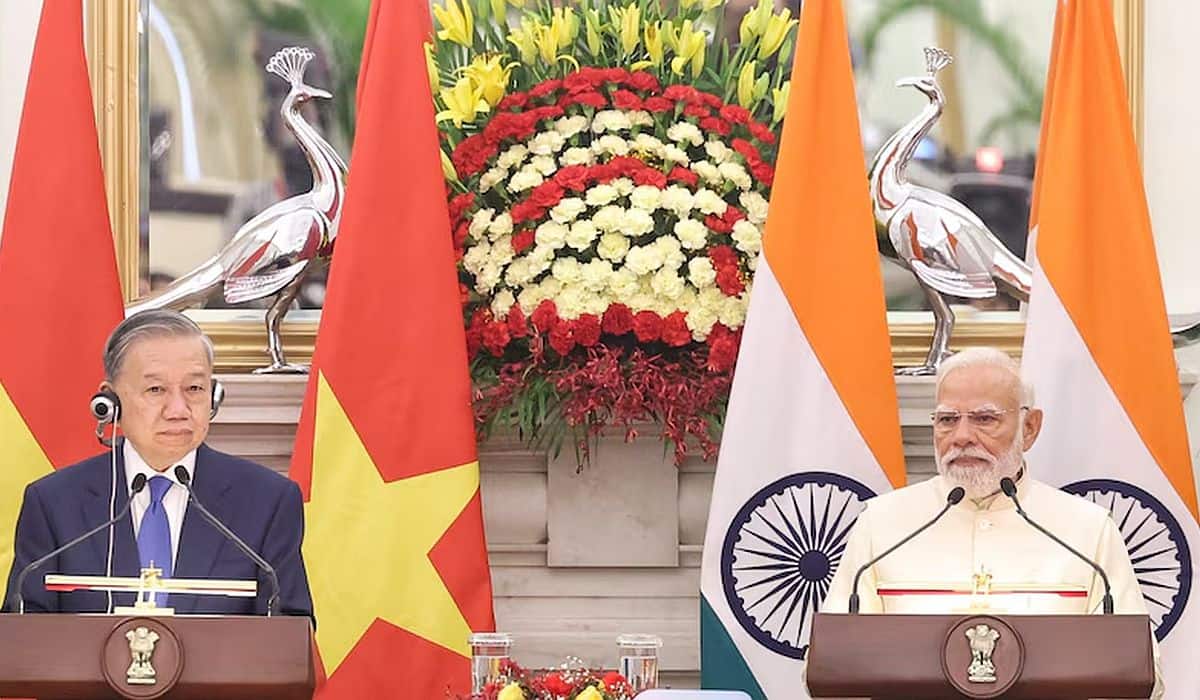
Your Excellency,
जनरल सेक्रेटरी एण्ड प्रेसीडेंट तो लम,
दोनों देशों के delegates,
मीडिया के साथियों,
नमस्कार!
सिन चाओ!
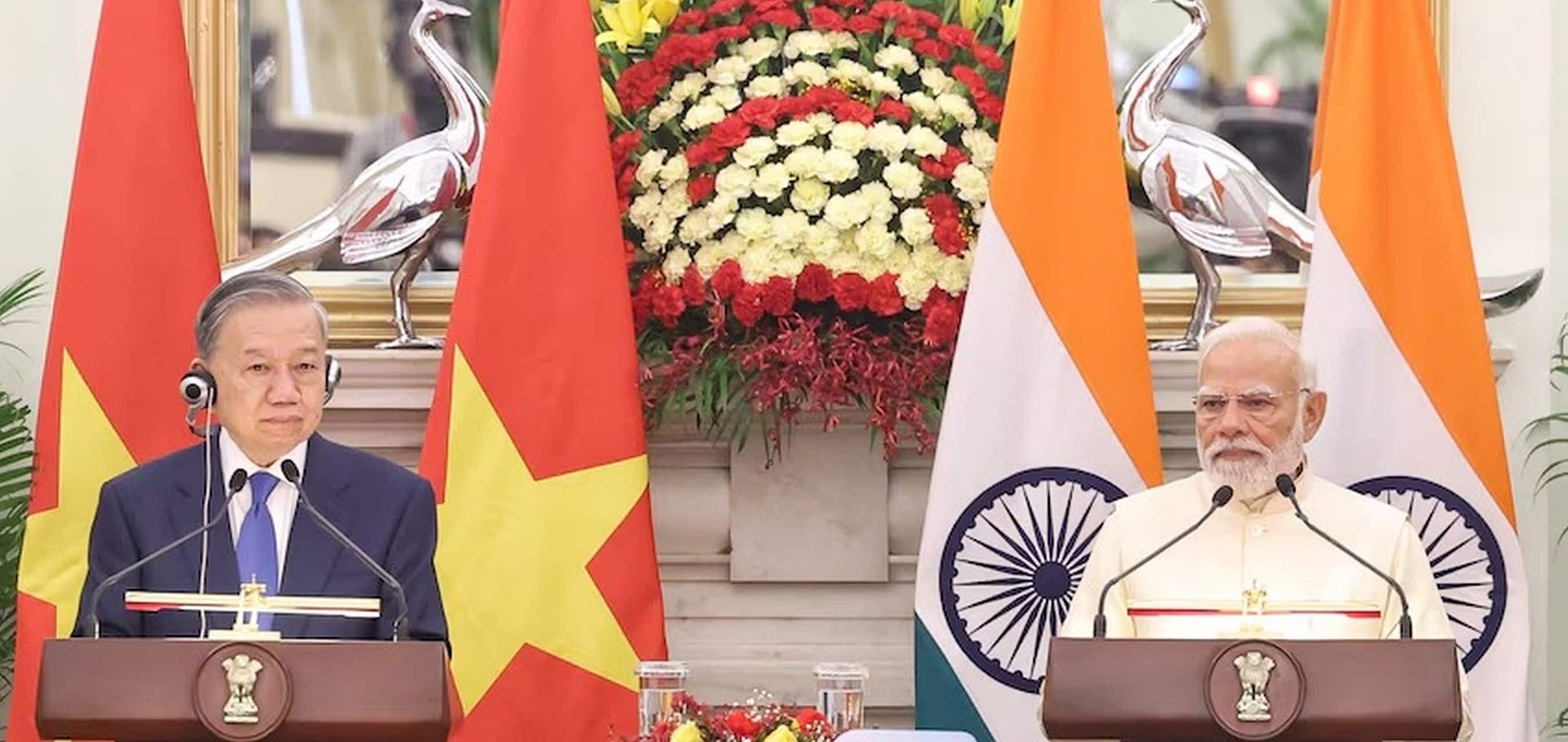
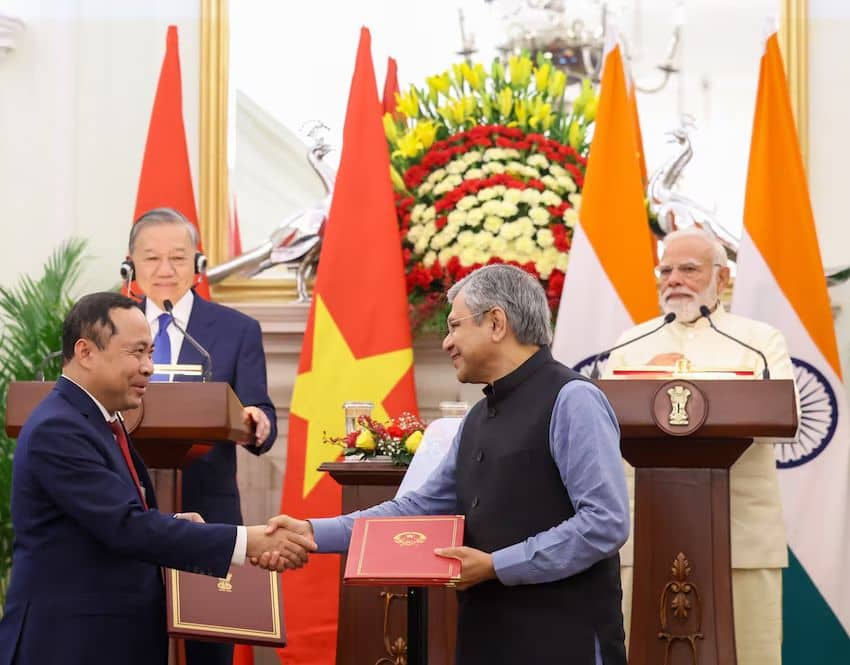
President तो लम का भारत में हार्दिक स्वागत करते हुए मुझे अत्यंत खुशी हो रही है। वियतनाम के President बनने के बाद, एक महीने के भीतर ही उनका भारत आना, और एक high-level delegation समेत कई business leaders के साथ आना, यह स्पष्ट करता है कि वे भारत-वियतनाम संबंधों को कितनी प्राथमिकता देते हैं।
इतना ही नहीं, उन्होंने भारत यात्रा की शुरुआत, बोध गया से की है। यह हमारे दोनों देशों की साझा सभ्यतागत और आध्यात्मिक परंपरा को दर्शाता है। उनकी इस यात्रा और हमारी सार्थक चर्चाओं से, हम अपनेआपसी good-will को कई ठोस परिणामों में बदल रहे हैं।
Friends,
भारत और वियतनाम की साझेदारी में, विरासत और विकास - दोनों का महत्व है। पिछले वर्ष, जब भारत से बौद्ध अवशेष वियतनाम गए, तो उनके दर्शन, डेढ़ करोड़ से अधिक, यानि पूरे वियतनाम की पाप्युलैशन के 15 पर्सेन्ट लोगों ने किया था। हमारी साझा विरासत को जीवंत रखने के लिए, हम वियतनाम के प्राचीन चम्पा सभ्यता के मी सॉन और न्हान टवर मंदिरों का रेस्टोरैशन कर रहे हैं। अब हम चम्पा सभ्यता की manuscripts को digitalize करेंगे, और इस अमूल्य धरोहर को आने वाली पीढ़ियों के लिए संरक्षित करेंगे।
Friends,
एक दशक पहले, मेरी वियतनाम यात्रा के दौरान, वियतनाम आसियान में, भारत का पहला Comprehensive Strategic Partner बना था। तब से, हमारे संबंधों ने तेज़ और व्यापक प्रगति की है। Civilizational ties के साथ-साथ, हमारे Trade, technology और tourism संबंध भी और मजबूत हुए हैं।
इस मजबूत नींव पर आगे बढ़ते हुए, आज हम अपने संबंधों को Enhanced Comprehensive Strategic Partnership के स्तर पर ले जा रहे हैं। अब हम अपनी साझेदारी को और ऊँचे लक्ष्यों की ओर अग्रसर करेंगे। Culture, connectivity और capacity building के साथ-साथ, security, sustainability और supply chain resilience - हर क्षेत्र में हमारा सहयोग नए स्तर पर पहुँचेगा।
Friends,
भारत और वियतनाम का बाइलैटरल ट्रेड, पिछले एक दशक में डबल होकर 16 बिलियन डॉलर तक पहुँच चुका है। 2030 तक इसे 25 बिलियन डॉलर तक पहुंचाने के लिए हमने आज कई महत्वपूर्ण निर्णय लिए हैं। हमारी ड्रग अथॉरिटीज़ के बीच MOU से अब भारत की दवाइयों का वियतनाम में एक्सेस बढ़ेगा। भारत के एग्रीकल्चर, फिशरीज़ और एनिमल प्रोडक्ट्स का भी, वियतनाम तक एक्सपोर्ट और सुगम होने जा रहा है। बहुत जल्द, वियतनाम भारत के अंगूर और अनार का स्वाद लेगा, और हम वियतनाम के डूरियन और पोमेलो का।
इतना ही नहीं, हमने भारत-आसियान ट्रेड एग्रीमेंट "आईटिगा” को वर्ष के अंत तक अपडेट करने पर भी सहमति बनाई है। इससे भारत और आसियान के सभी देशों के बीच, ट्रेड और इनवेस्टमेंट को नई ऊर्जा मिलेगी। क्रिटिकल मिनरल्स, रेअर अर्थ और एनर्जी सहयोग में नई पहलों से, हम दोनों देशों की इकोनॉमिक सिक्योरिटी और सप्लाई चैन रिज़िल्यन्स सुनिश्चित करेंगे।
Friends,
कनेक्टिविटी और कपैसिटी बिल्डिंग, हमारी पार्ट्नर्शिप के अहम स्तंभ हैं। हमें बहुत खुशी है कि दोनों देशों के बीच एयर कनेक्टिविटी लगातार बढ़ रही है।
फाइनेंशियल कनेक्टिविटी को भी बूस्ट करने के लिए, आज हमने अपने सेंट्रल banks के बीच सहयोग बढ़ाने का निर्णय किया है। भारत के UPI और वियतनाम के फास्ट पेमेंट सिस्टम भी जल्द ही लिंक होने जा रहे हैं। साथ ही, अब हम दोनों देशों के बीच स्टेट to स्टेट और सिटी to सिटी को-ऑपरेशन को भी मजबूत करने जा रहे हैं।
Friends,
वियतनाम भारत की ऐक्ट-ईस्ट पॉलिसी और विज़न महासागर का एक मुख्य स्तंभ है। इंडो-पैसिफिक क्षेत्र में भी हमारा common outlook है। हम अपनी सुदृढ़ होती हुई रक्षा और सुरक्षा सहयोग से, rule-of-law, शांति, स्थिरता और समृद्धि के प्रति योगदान देते रहेंगे। वियतनाम के सहयोग से भारत, आसियान के साथ अपने संबंधों को भी और व्यापक बनाएगा।
Your Excellency,
पहलगाम आतंकी हमले की कड़ी निंदा करने, और आतंकवाद के विरुद्ध हमारे संघर्ष में साथ खड़े रहने के लिए हम वियतनाम के आभारी हैं।
वैश्विक उथल-पुथल और आर्थिक चुनौतियों के इस दौर में,अपने talent, good governance और economic reforms के बल पर, भारत और वियतनाम दुनिया की सबसे तेज़ी से बढ़ती economies के रूप में उभर रहे हैं। अब हमारी enhanced strategic partnership के माध्यम से, हम एक-दूसरे की rapid growth के सहायक बनेंगे।
जैसा कि बुद्ध की शिक्षाओं की भावना है कि "यदि आप किसी और के लिए दीप जलाते हैं, तो वह आपके अपने मार्ग को भी प्रकाशमान करता है।”
इसी भावना के साथ, हम एक-दूसरे के vision और goals को support करते हुए, विकसित राष्ट्र बनने की अपनी आकांक्षाओं को मिलकर साकार करेंगे।
हम साथ चलेंगे, साथ बढ़ेंगे, और साथ जीतेंगे।
बहुत बहुत धन्यवाद।
भारत और वियतनाम की साझेदारी में, विरासत और विकास- दोनों का महत्व है।
— PMO India (@PMOIndia) May 6, 2026
पिछले वर्ष, जब भारत से बौद्ध अवशेष वियतनाम गए,
तो उनके दर्शन, डेढ़ करोड़ से अधिक, यानि पूरे वियतनाम की population के 15% लोगों ने किया था: PM @narendramodi
हमारी साझा विरासत को जीवंत रखने के लिए, हम वियतनाम के प्राचीन चम्पा सभ्यता के मी सॉन और न्हान टवर मंदिरों का restoration कर रहे हैं।
— PMO India (@PMOIndia) May 6, 2026
अब हम चम्पा सभ्यता की manuscripts को भी digitalize करेंगे,
और इस अमूल्य धरोहर को आने वाली पीढ़ियों के लिए संरक्षित करेंगे: PM @narendramodi
हमारी drug authorities के बीच MOU से अब भारत की दवाइयों का वियतनाम में access बढ़ेगा।
— PMO India (@PMOIndia) May 6, 2026
भारत के agriculture, fisheries और animal products का भी,
वियतनाम तक export और सुगम होने जा रहा है: PM @narendramodi
Financial connectivity को भी boost करने के लिए, आज हमने अपने central banks के बीच सहयोग बढ़ाने का निर्णय किया है।
— PMO India (@PMOIndia) May 6, 2026
भारत के UPI और वियतनाम के फास्ट पेमेंट सिस्टम भी जल्द ही लिंक होने जा रहे हैं: PM @narendramodi
वियतनाम भारत की Act East Policy और विज़न महासागर का एक मुख्य स्तंभ है।
— PMO India (@PMOIndia) May 6, 2026
इंडो-पैसिफिक क्षेत्र में भी हमारा common outlook है।
हम अपनी सुदृढ़ होती हुई रक्षा और सुरक्षा सहयोग से, rule-of-law, शांति, स्थिरता और समृद्धि के प्रति योगदान देते रहेंगे।
वियतनाम के सहयोग से भारत, आसियान…
वियतनाम भारत की Act East Policy और विज़न महासागर का एक मुख्य स्तंभ है।
— PMO India (@PMOIndia) May 6, 2026
इंडो-पैसिफिक क्षेत्र में भी हमारा common outlook है।
हम अपनी सुदृढ़ होती हुई रक्षा और सुरक्षा सहयोग से, rule-of-law, शांति, स्थिरता और समृद्धि के प्रति योगदान देते रहेंगे।
वियतनाम के सहयोग से भारत, आसियान…
पहलगाम आतंकी हमले की कड़ी निंदा करने और आतंकवाद के विरुद्ध हमारे संघर्ष में साथ खड़े रहने के लिए हम वियतनाम के आभारी हैं: PM @narendramodi
— PMO India (@PMOIndia) May 6, 2026
- Tags

- Vietnam
- To Lam
- New Delhi
- India First
- Business
- Bodh Gaya
- Spiritual
- Heritage
- Buddhist
- Indian Community
- Trade
- Techonology
- Tourism
- Strengthening
- Culture
- Human Development
- Connectivity
- Bilateral Relations
- Bilateral Meeting
- Agriculture
- Farmer Welfare
- Fisheries
- Animal Welfare
- ASEAN-India Free Trade Agreement
- Infrastructure
- Economy
- UPI
- Peace
- Pahalgam
- Terrorism
- Good Governance
- ASEAN–India Comprehensive Strategic Partnership
- Growth
- Indo-Pacific Ocean
- Indo-Pacific Region
- Defence
- MoU
- Ease of Travel
- Foundation
- Pharmacy
- ASEAN
- National Critical Mineral Mission
- Capacity Building
- Act East Policy
- MAHASAGAR
- Futuristic Reform
- Speech


Posted via www.narendramodi.in