

Prime Minister Shri Narendra Modi inaugurated the South India Natural Farming Summit 2025 at Coimbatore, Tamil Nadu today. Addressing the gathering on the occasion, Shri Modi began his remarks by offering salutations to Lord Murugan of Marudhamalai on the sacred soil of Coimbatore. He described Coimbatore as a land of culture, compassion, and creativity, and recognised it as a power centre of South India’s entrepreneurial strength. He highlighted that the city’s textile sector is a major contributor to the national economy. The Prime Minister noted that Coimbatore has now gained further distinction, as its former Member of Parliament, Shri C.P. Radhakrishnan, is now guiding the nation in his role as Vice President.
Expressing that natural farming is a subject very close to his heart, Shri Modi extended his best wishes to all farmer brothers and sisters of Tamil Nadu for the organisation of the South India Natural Farming Summit. He acknowledged the presence of farmers, agricultural scientists, industry partners, startups, and innovators gathered at the event, and warmly congratulated all participants.
The Prime Minister stated that in the coming years, he envisions major transformations in Indian agriculture. “India is on the path to becoming a global hub for natural farming”, affirmed Shri Modi, noting that the country’s biodiversity is evolving, and the youth are now viewing agriculture as a modern, scalable opportunity. This shift, he said, will greatly strengthen the rural economy.
Highlighting that over the past eleven years, the entire agricultural sector has undergone significant change, Shri Modi shared that India’s agricultural exports have nearly doubled, and the government has opened every possible avenue to support farmers in modernising agriculture. Underscoring that through the Kisan Credit Card (KCC) scheme alone, farmers have received assistance exceeding ₹10 lakh crore this year, Shri Modi noted that since the extension of KCC benefits to livestock and fisheries sectors seven years ago, those engaged in these areas have also been availing its advantages extensively. He added that the reduction in GST on bio-fertilizers has further benefited farmers.
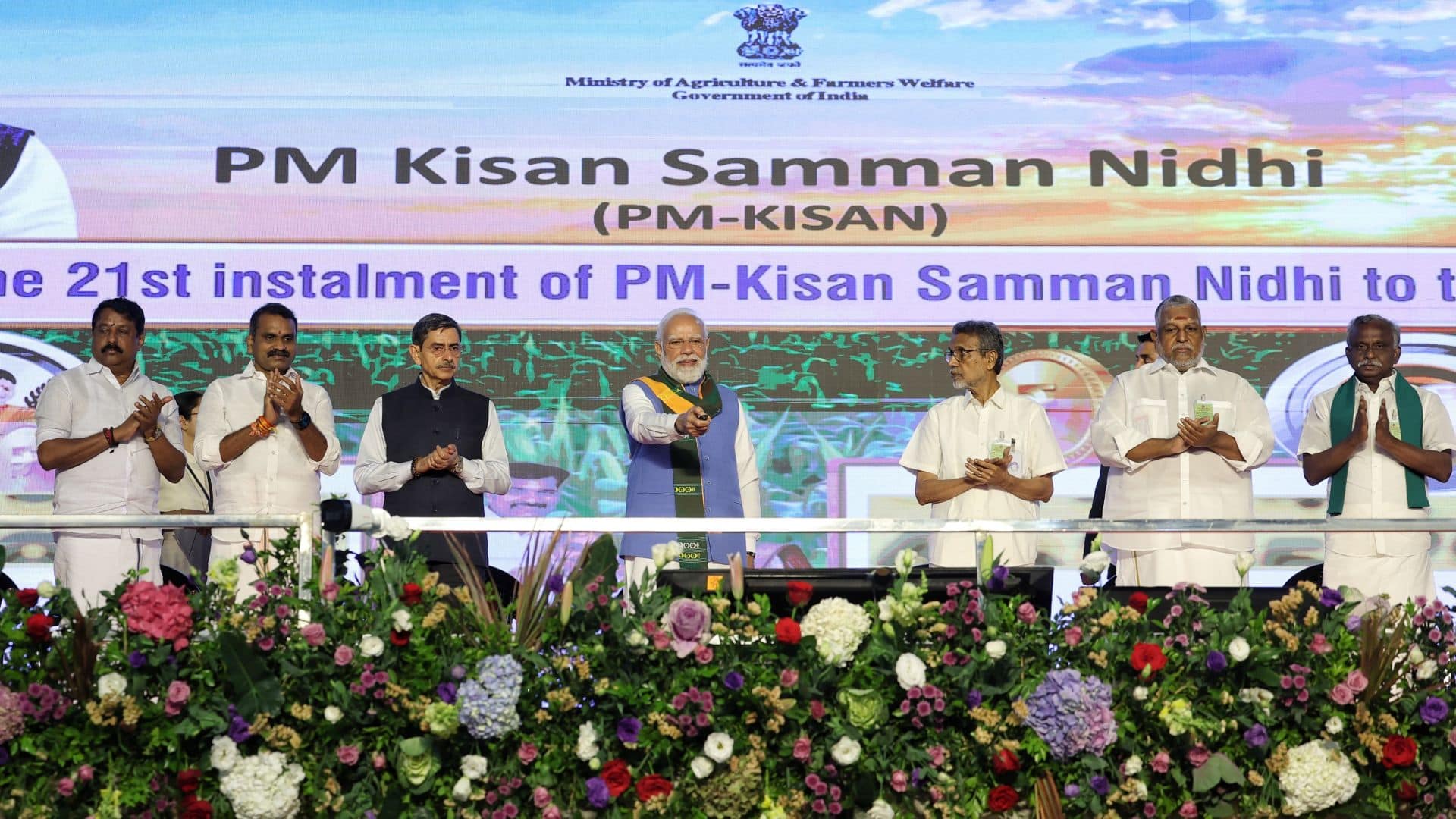
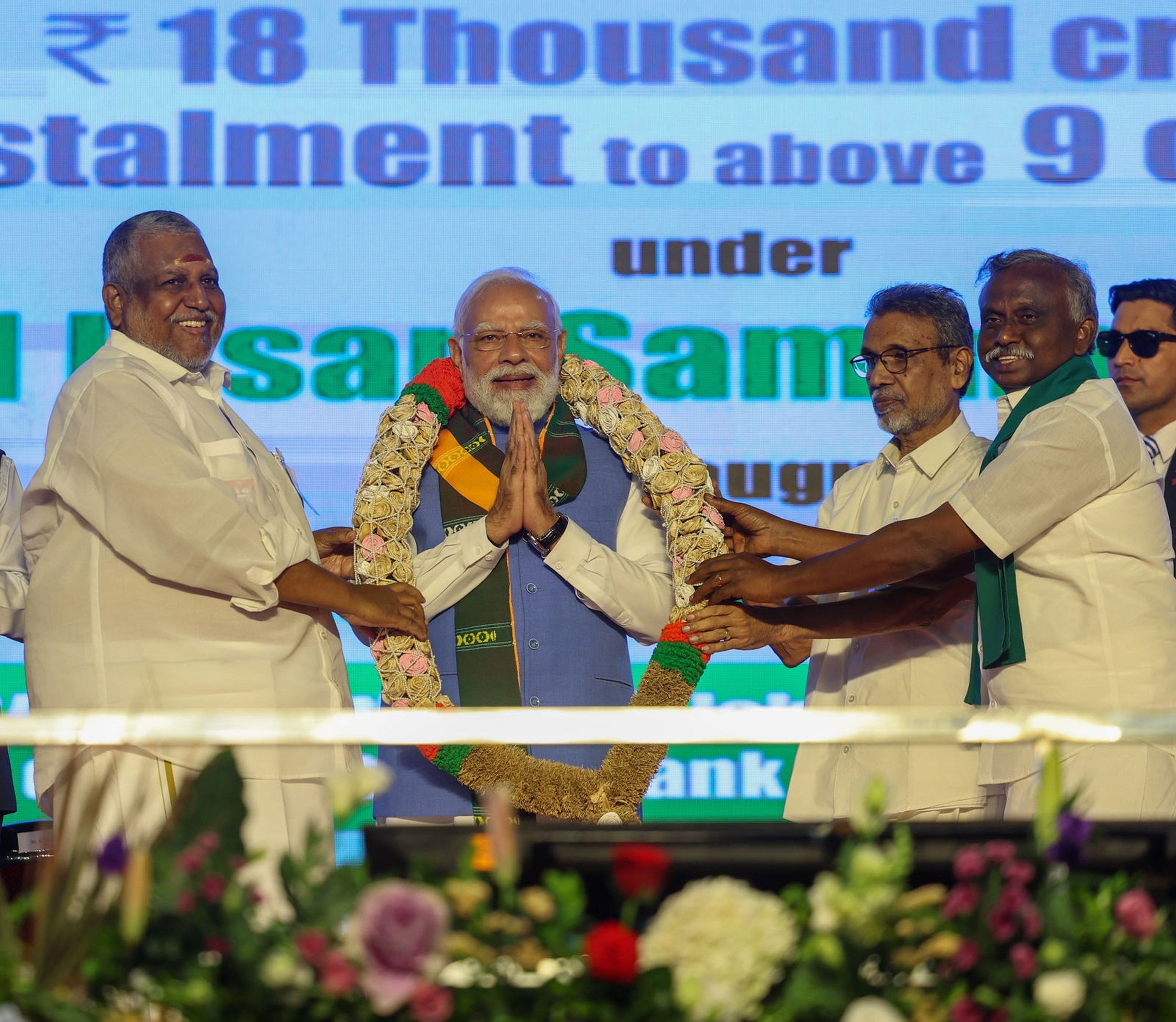
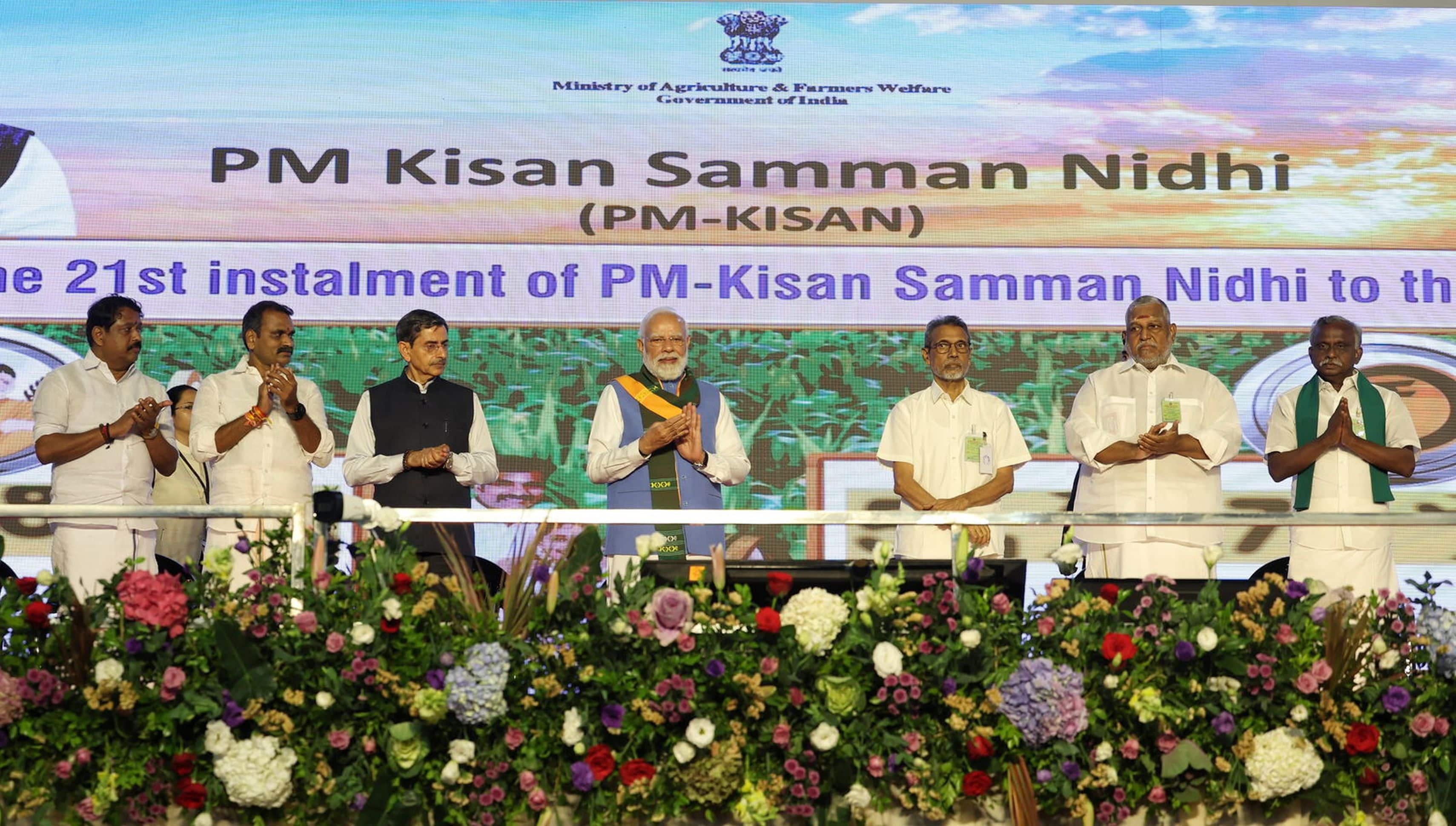
The Prime Minister shared that just moments ago, from the same platform, the 21st installment of the PM-Kisan Samman Nidhi was released, transferring ₹18,000 crore to farmers across the country. He confirmed that lakhs of farmers in Tamil Nadu have also received funds in their accounts. The Prime Minister highlighted that under this scheme, ₹4 lakh crore has been directly transferred to the bank accounts of small farmers so far, enabling them to meet various agricultural needs. He extended his best wishes to the crores of farmers who have benefited from this initiative.
Emphasising the expansion of natural farming is the need of 21st-century agriculture, the Prime Minister observed that in recent years, rising demand has led to a sharp increase in the use of chemicals across farms and various agriculture-related sectors. Shri Modi noted that excessive use of chemical fertilisers and pesticides is reducing soil fertility, affecting soil moisture, and increasing the cost of farming year after year. He further emphasised that the solution lies in crop diversification and natural farming.
Asserting that to revive soil fertility and enhance the nutritional value of crops, the Prime Minister stressed that the country must move forward on the path of natural farming. This, he said, is both a vision and a necessity. Only then can we preserve our biodiversity for future generations. The Prime Minister underlined that natural farming helps us face climate change and weather fluctuations, keeps our soil healthy, and protects people from harmful chemicals. He said that today’s event is poised to play a significant role in advancing this important mission.
Highlighting that the Government of India is actively encouraging farmers to adopt natural farming, Shri Modi shared that one year ago, the Central Government launched the National Mission on Natural Farming, which has already connected lakhs of farmers. He highlighted that the positive impact of this initiative is especially visible across South India, with approximately 35,000 hectares of land in Tamil Nadu alone now under organic and natural farming.
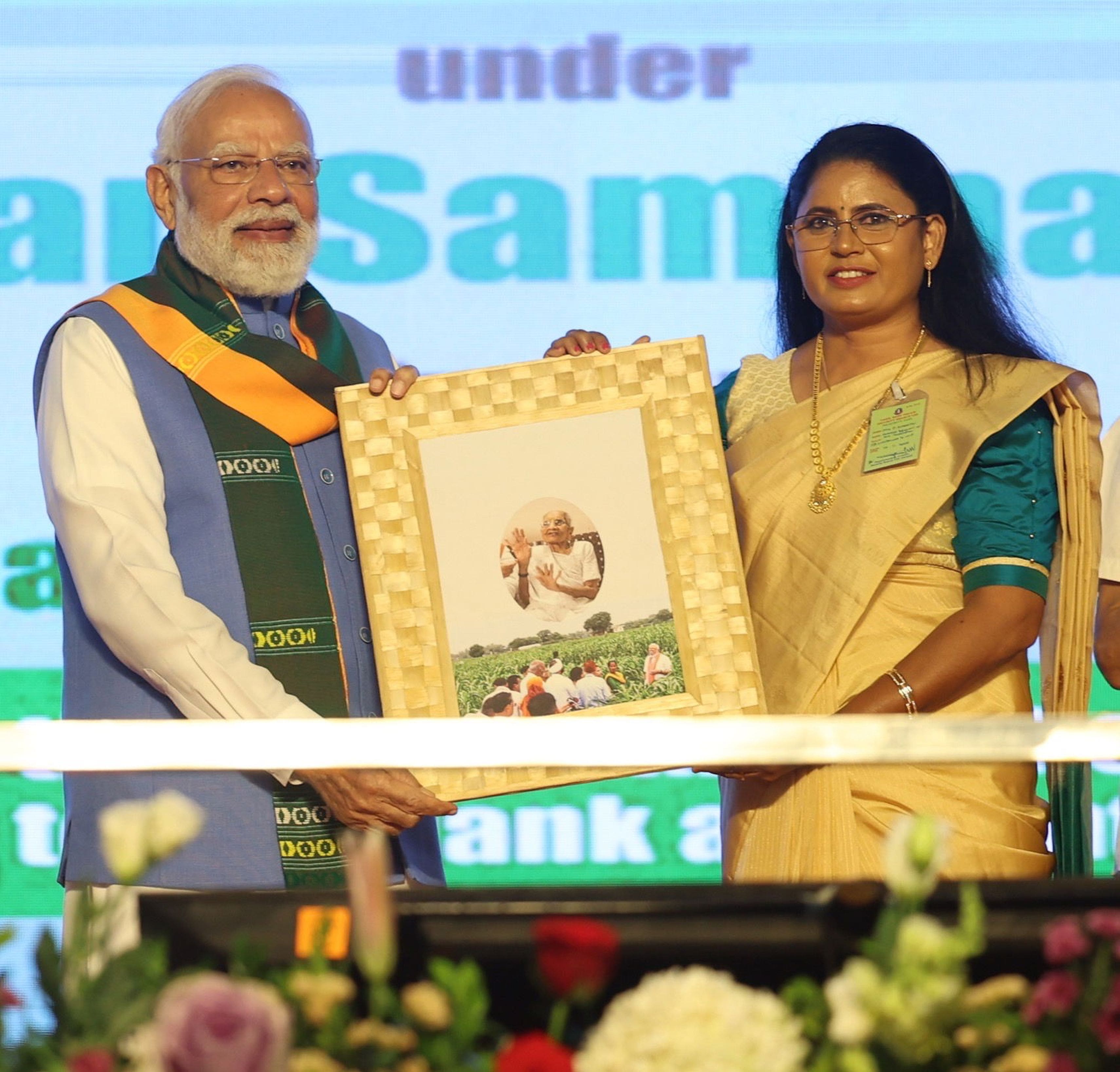
“Natural farming is an indigenous Indian concept—not imported from elsewhere—but born from tradition and aligned with the environment”, emphasised the Prime Minister. He expressed happiness that farmers in South India are consistently adopting traditional natural farming practices such as Panchagavya, Jeevamrit, Beejamrit, and mulching. These practices, he noted, improve soil health, keep crops chemical-free, and reduce input costs.
The Prime Minister remarked that integrating the cultivation of Shree Anna—millets—with natural farming plays a vital role in protecting Mother Earth. He noted that in Tamil Nadu, Lord Murugan is offered Thenum Thinai Maavum, a preparation made from honey and Shree Anna. He highlighted that millets like Kambu and Samai in Tamil regions, Ragi in Kerala and Karnataka, and Sajja and Jonna in Telugu-speaking states have been part of traditional diets for generations.
Shri Modi stressed that the government is committed to taking this superfood to global markets and emphasised that natural and chemical-free farming will play a major role in expanding their international reach. He expressed that this summit must include discussions on such efforts.
Reiterating his consistent appeal for promoting multi-crop agriculture over monoculture, the Prime Minister acknowledged that many regions in South India have been a source of inspiration in this regard. He highlighted that in the hilly areas of Kerala and Karnataka, examples of multi-storey agriculture are clearly visible. Shri Modi noted that in a single field, coconut, areca nut, and fruit plants are cultivated, with spices and black pepper grown underneath. He emphasised that such integrated cultivation on small plots reflects the core philosophy of natural farming. The Prime Minister stated that this model of agriculture must be promoted at a pan-India level. He urged state governments to consider how these practices can be implemented across different regions of the country.
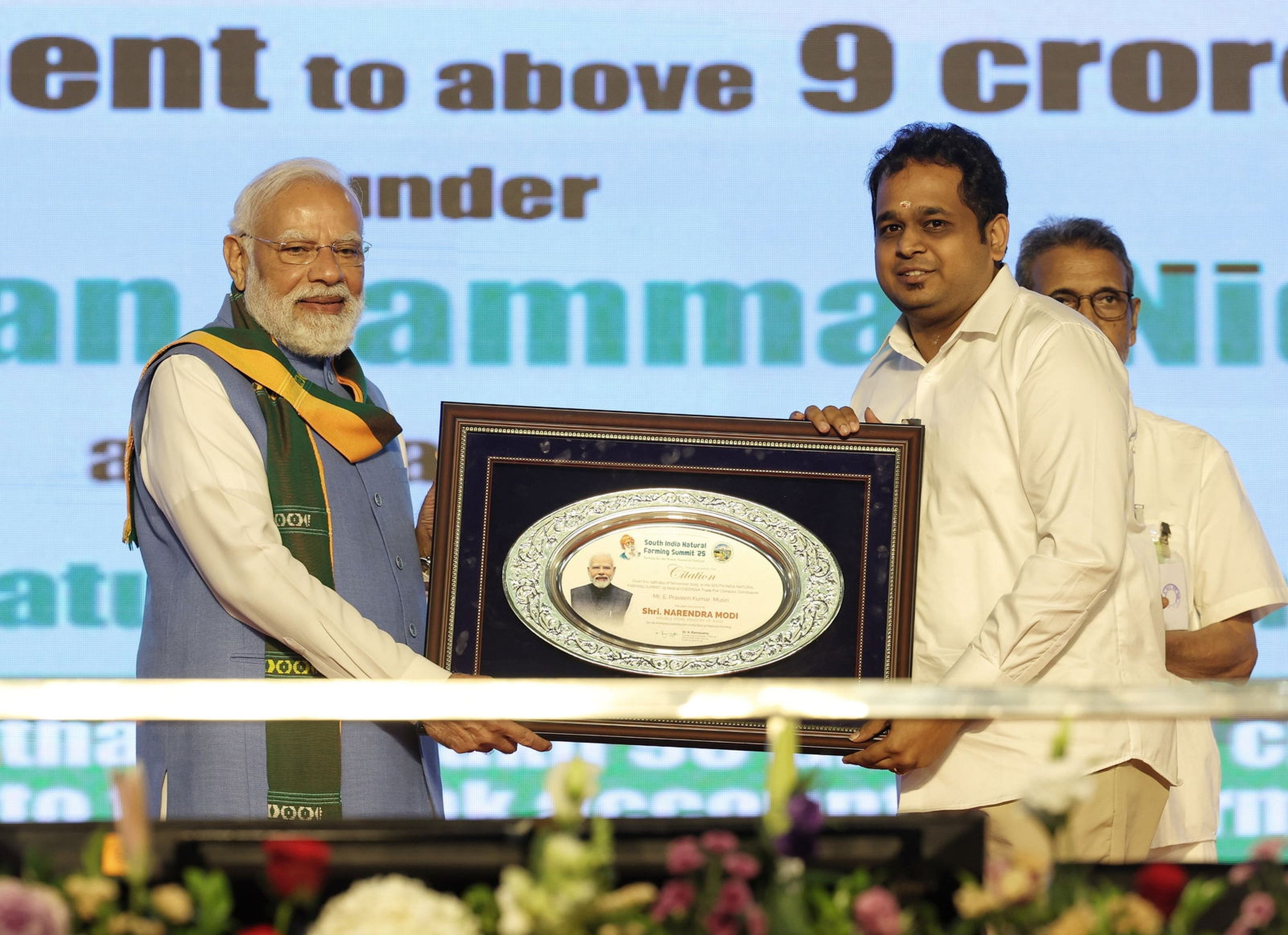
The Prime Minister remarked that South India has been a living university of agriculture. He noted that this region is home to some of the world’s oldest functioning dams, and that the Kalingarayan Canal was built here in the 13th century. He highlighted that temple tanks in this region became models of decentralized water conservation systems. The Prime Minister stated that this land pioneered scientific water engineering thousands of years ago by regulating river water for agriculture. He expressed confidence that leadership in natural farming for the country and the world will also emerge from this very region.
Emphasising that building a futuristic agricultural ecosystem for a developed India requires collective effort, the Prime Minister urged farmers to begin and practice “one acre, one season” of natural farming and to move forward based on the results they observe. He appealed to scientists and research institutions to make natural farming a core part of the agricultural curriculum, encouraging them to treat farmers’ fields as living laboratories. “Our goal must be to make natural farming a fully science-backed movement”, emphasised the Prime Minister.
Shri Modi further underlined the vital role of state governments and Farmer Producer Organisations (FPOs) in this campaign. He noted that over the past few years, 10,000 FPOs have been formed in the country. With their support, small farmer clusters can be created, equipped with facilities for cleaning, packaging, and processing, and directly linked to online markets like e-NAM. He added that when traditional knowledge, scientific strength, and government support come together, farmers will prosper and Mother Earth will remain healthy.
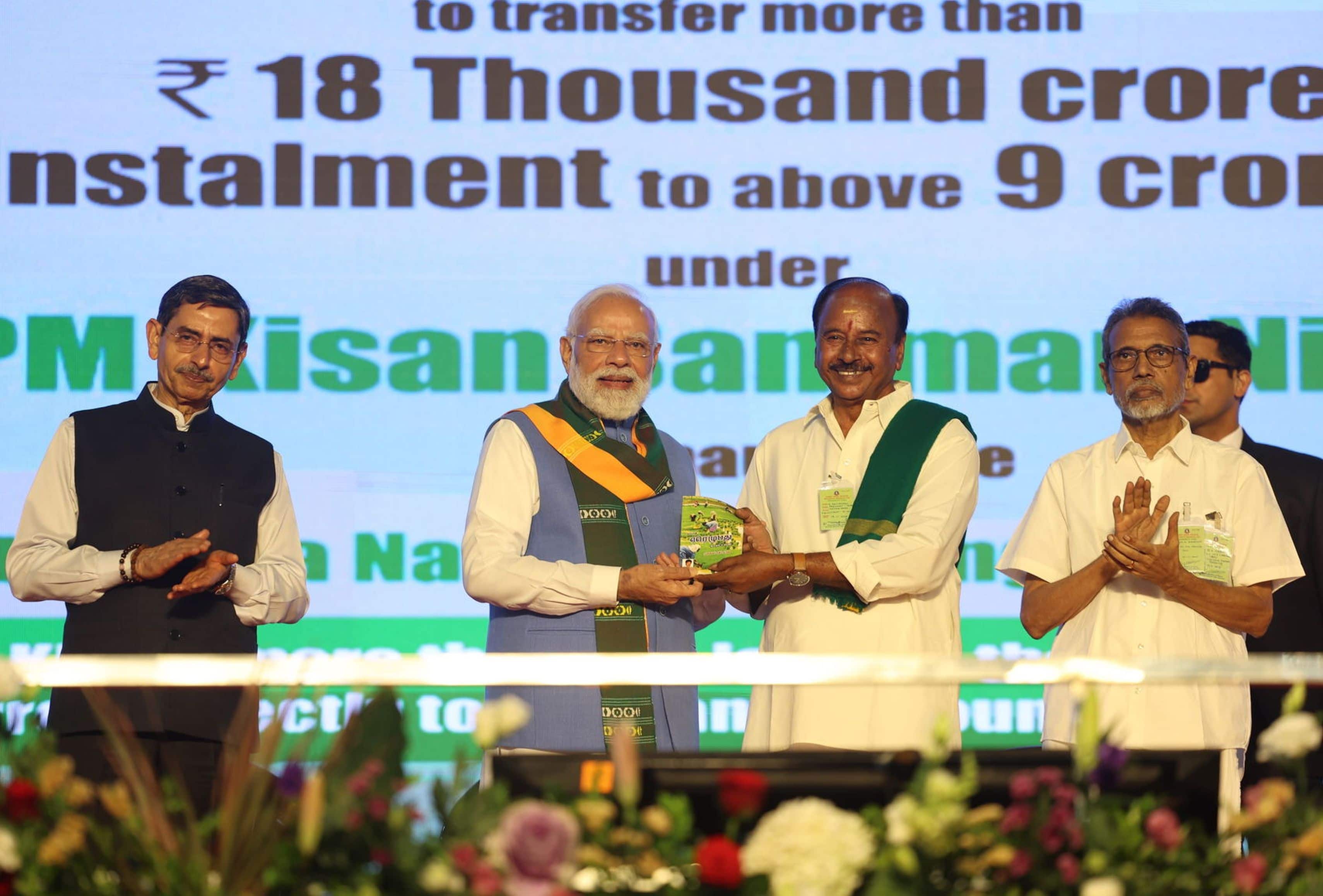
The Prime Minister concluded by expressing confidence that this summit will give new direction to natural farming in the country, adding that new ideas and solutions will emerge from this platform.
Governor of Tamil Nadu, Shri R.N. Ravi, Union Minister, Dr. L Murugan were present among other dignitaries at the event.
Background
South India Natural Farming Summit 2025, being held from 19th to 21st November 2025, is being organised by the Tamil Nadu Natural Farming Stakeholders Forum. The Summit aims to promote sustainable, eco-friendly, and chemical-free agricultural practices, and to accelerate the shift towards natural and regenerative farming as a viable, climate-smart and economically sustainable model for India’s agricultural future.
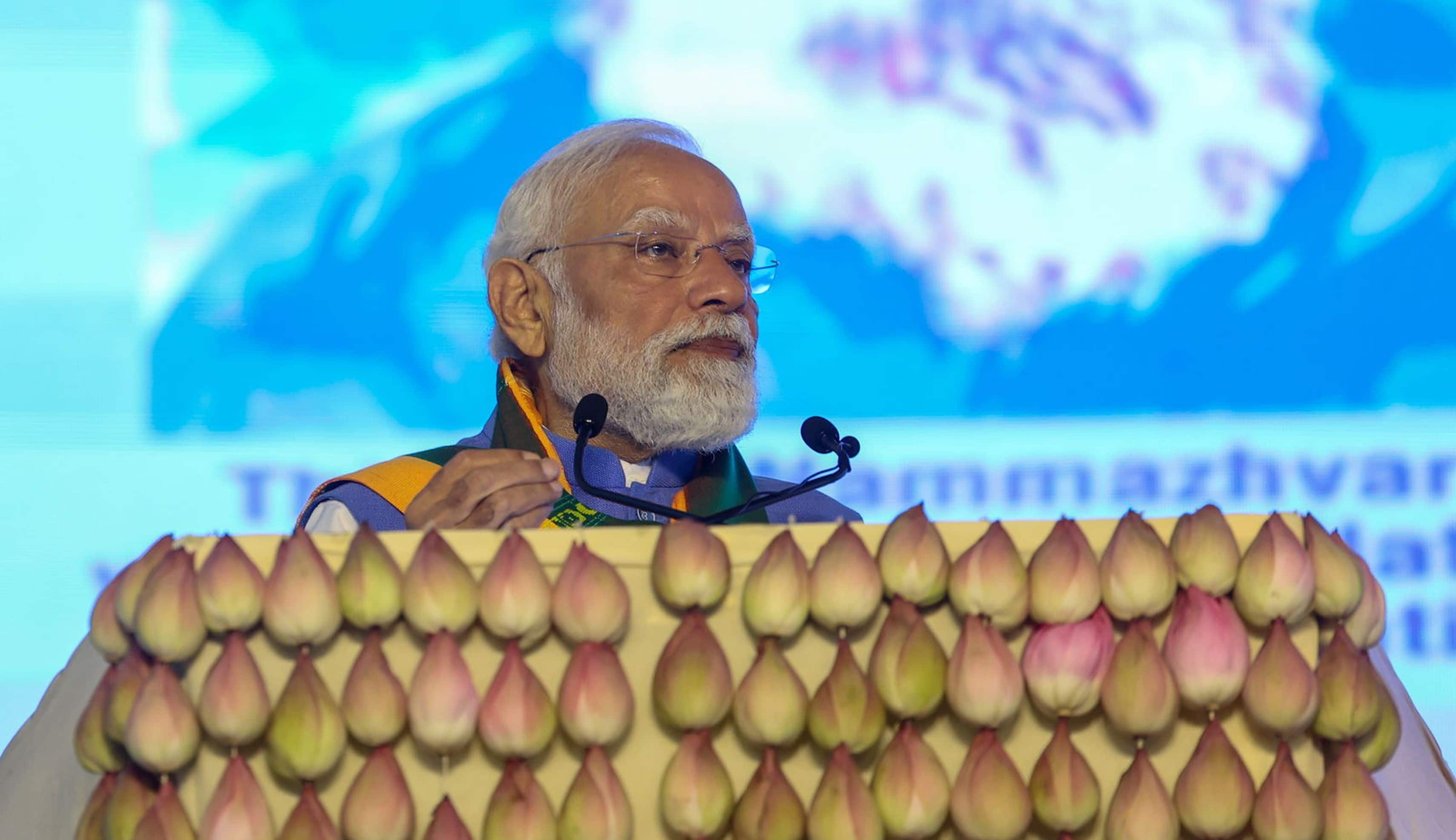
The Summit will also focus on creating market linkages for farmer-producer organisations and rural entrepreneurs, while showcasing innovations in organic inputs, agro-processing, eco-friendly packaging, and indigenous technologies. The programme will witness participation from over 50,000 farmers, natural farming practitioners, scientists, organic input suppliers, sellers, and stakeholders from Tamil Nadu, Puducherry, Kerala, Telangana, Karnataka, and Andhra Pradesh.
Click here to read full text speech
India is on the path to becoming the global hub of natural farming. pic.twitter.com/7rsJEXtojO
— PMO India (@PMOIndia) November 19, 2025
The youth of India are increasingly recognising agriculture as a modern and scalable opportunity.
— PMO India (@PMOIndia) November 19, 2025
This will greatly empower the rural economy. pic.twitter.com/kv4NGRmYrr
Natural farming is India’s own indigenous idea. It is rooted in our traditions and suited to our environment. pic.twitter.com/BV3gEHVE7n
— PMO India (@PMOIndia) November 19, 2025
One Acre, One Season...
— PMO India (@PMOIndia) November 19, 2025
PM @narendramodi’s request to farmers to practice natural farming on one acre of land for one season. pic.twitter.com/mOqgeaKxiI
Our goal must be to make natural farming a fully science-backed movement. pic.twitter.com/rKypedTdqP
— PMO India (@PMOIndia) November 19, 2025