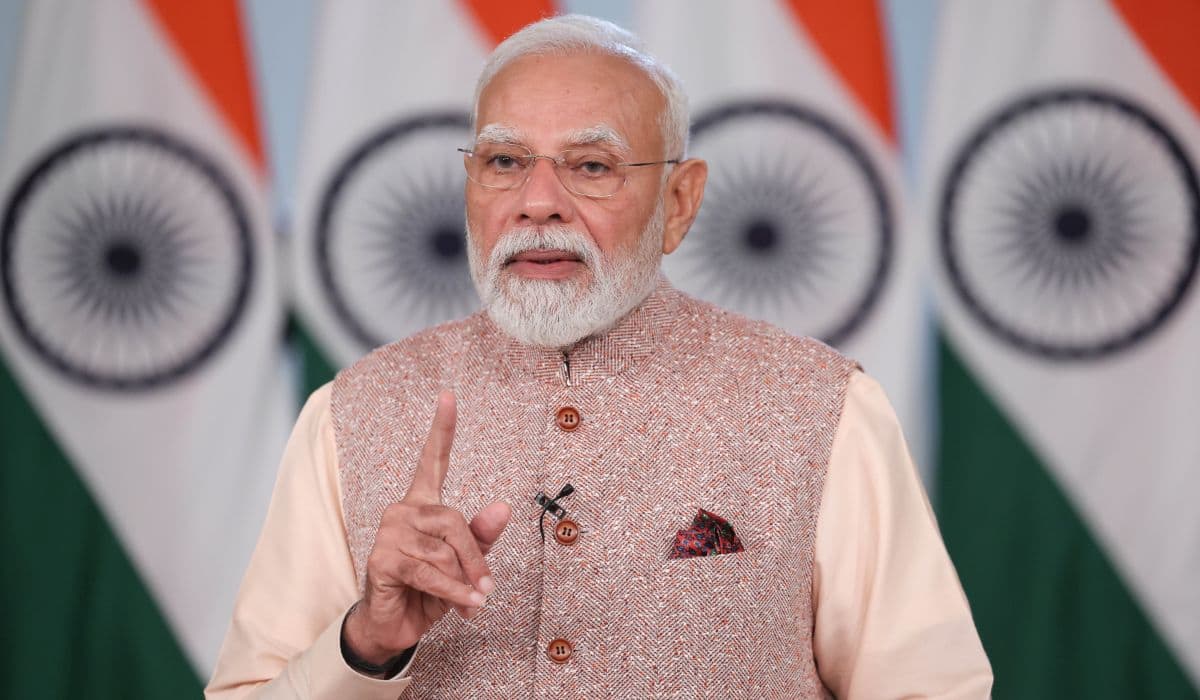
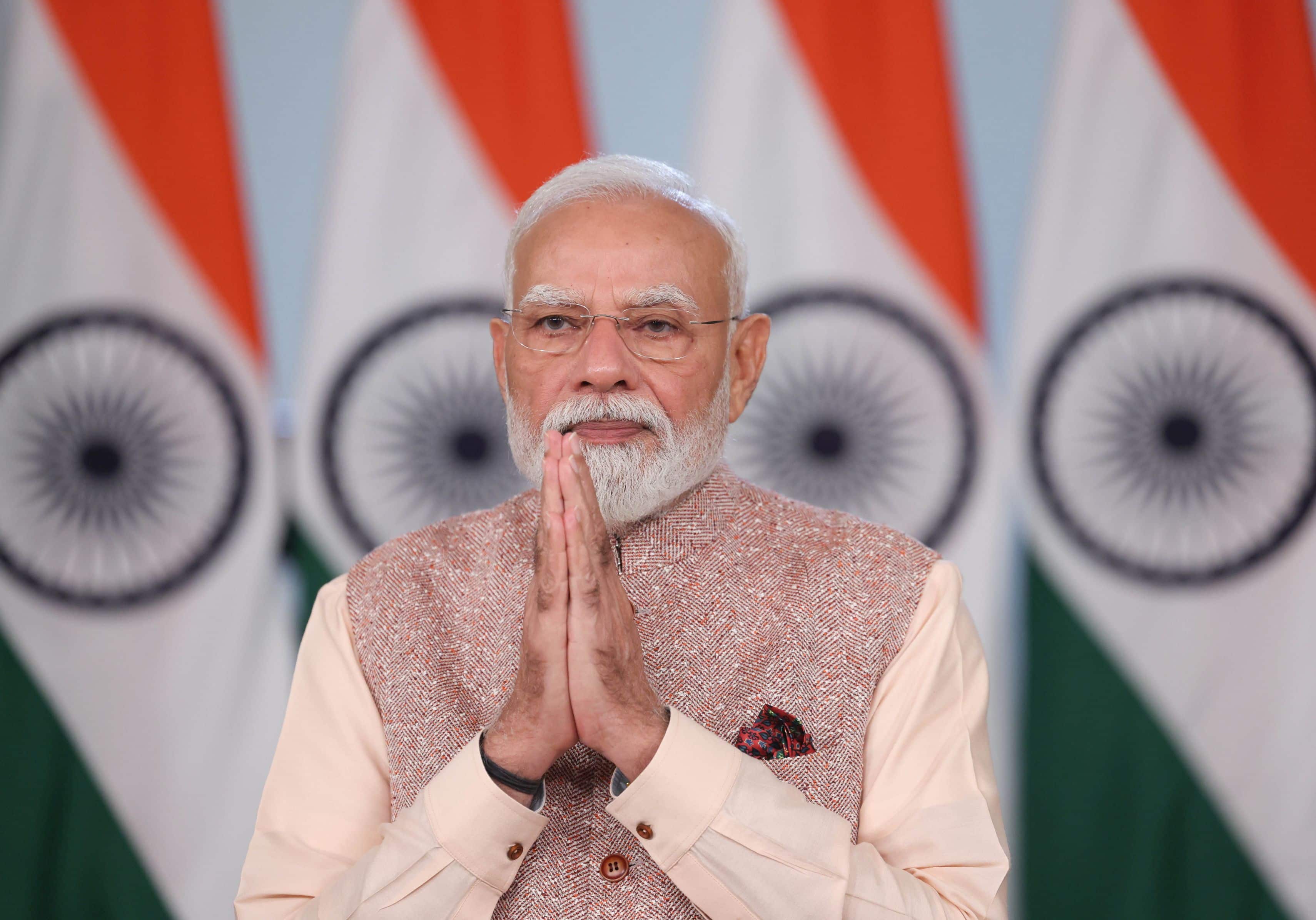
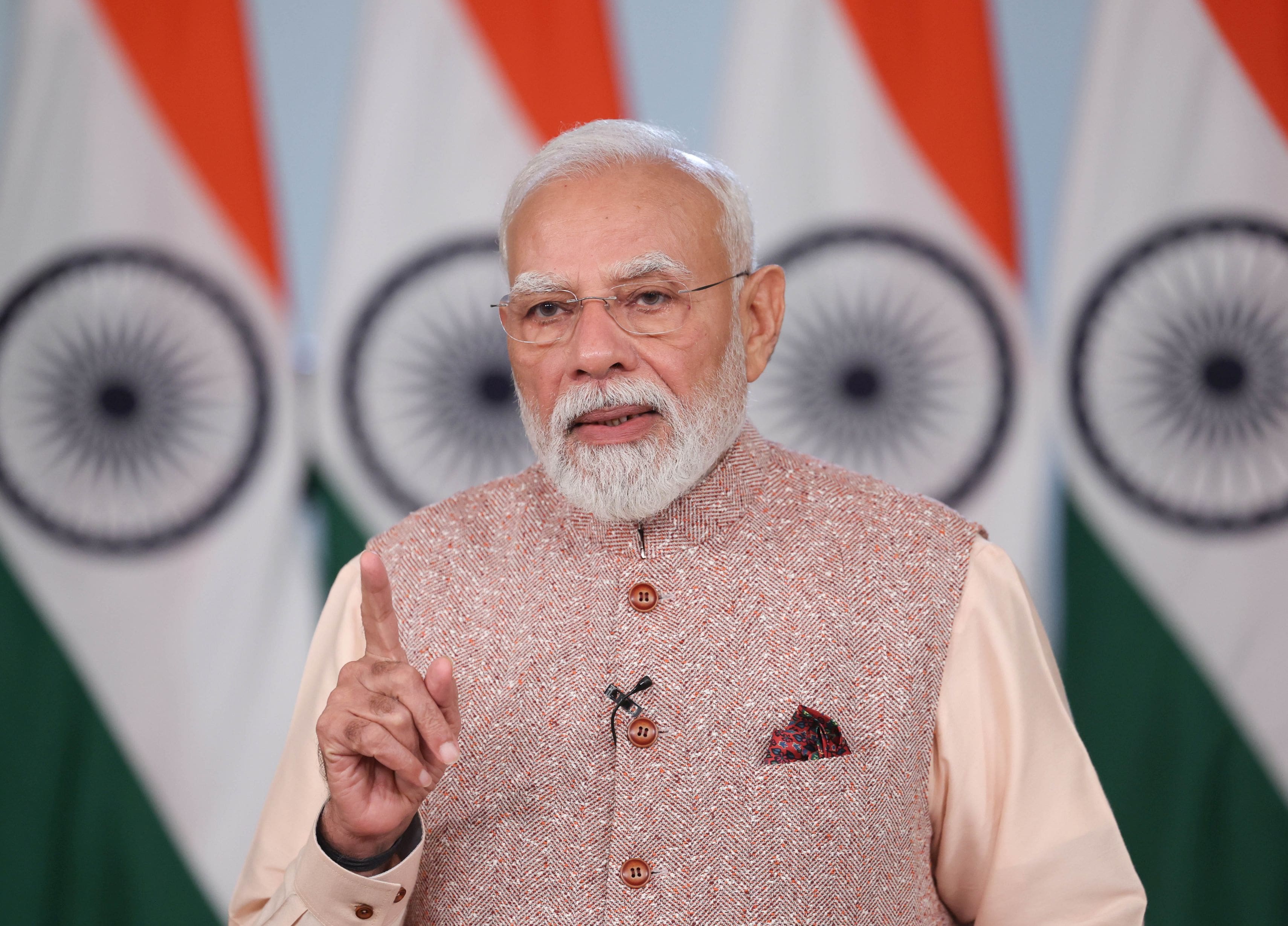
The Prime Minister, Shri Narendra Modi, addressed a Post Budget Webinar on the subject of ‘Health and Medical Research’. It is the ninth of a series of 12 post-budget webinars organized by the government to seek ideas and suggestions for effectively implementing the initiatives announced in the Union Budget 2023.
Addressing the gathering, the Prime Minister said that health care could be seen in terms of pre and post-Covid pandemic systems. He said that the pandemic tested even prosperous nations. He pointed out, as the pandemic focused the global attention on health, India went a step further and focused on wellness. “That is why we have put forward a vision before the world - One Earth One Health. This involves holistic healthcare for all creatures -humans, animals or plants.
The Prime Minister reiterated the lessons learnt with regard to supply chain during the pandemic and said that it has become a matter of great concern. He lamented the fact that life-saving equipment like medicines, vaccines and medical devices were weaponised when the pandemic was at its peak. The Prime Minister underlined that in previous years’ budgets, the government has constantly tried to reduce India’s dependence on foreign nations and emphasized the role of all stakeholders in this.
The Prime Minister noted the absence of an integrated long-term vision for health for many decades after Independence. The Prime Minister said that we are now pushing the whole-of-the-government approach instead of limiting the subject of health to just the Health Ministry. “Making medical treatment affordable has been the top-most priority of our government”, said the Prime Minister, informing that through Ayushman Bharat, about 80 thousand crore rupees of the poor patients were saved due to free treatment under the scheme. Noting tomorrow i.e. 7th March is observed as Jan Aushadhi Diwas, the Prime Minister pointed out that affordable medicines through 9000 Jan Aushadhi Kendras have saved about 20 thousand crore rupees of the poor and middle classes all over the country. This means that just these two schemes saved one lakh crore rupees of the citizens.
The Prime Minister underlined the importance of strong health infrastructure for the treatment of serious ailments. Highlighting the prime focus of the government, the Prime Minister informed that more than 1.5 lakh health centres are being developed in close proximity to homes across the country so that testing centres and first aid are available. He also informed that facilities for screening serious ailments like diabetes, cancer and heart-related issues will also be available at these centres. The Prime Minister underlined that Critical health infrastructure is being made accessible to small towns and villages under the PM-Ayushman Bharat Health Infrastructure Mission which is not only giving rise to new hospitals but it is also creating a new and complete health ecosystem. As a result, the Prime Minister noted that many opportunities are being created for health entrepreneurs, investors and professionals.
Regarding human resources in the sector, the Prime Minister informed that more than 260 new medical colleges have been opened in the last few years. This has doubled the medical seats in graduate and postgraduate medical courses as compared to 2014. The Prime Minister underlined the emphasis on the nursing field in this year’s Budget. “Opening 157 nursing colleges in the vicinity of the medical colleges is a huge step in the direction of medical human resources. This may be useful in fulfilling global demand, not just the domestic need”, he added.
The Prime Minister highlighted the role of technology in constantly making medical services accessible and affordable and elaborated on the government’s focus on the implementation of technology in the sector. “We want to give timely healthcare to the citizens through the facility of Digital Health ID. 10 crore people have already benefited by teleconsultation through schemes like e-Sanjivini”, he said. 5 G is creating new opportunities in this sector for startups. Drones are bringing revolutionary changes in medicine delivery and testing services. “This is a great opportunity for the entrepreneurs and will give a push to our efforts for universal healthcare”, he said, exhorting the entrepreneurs to avoid the import of any technology. The Prime Minister listed the required institutional response in this regard. He informed about the new schemes in the medical device sector. He mentioned Bulk drug parks, medical device parks, more than 30 thousand crores on PLI schemes and said that the last few years have witnessed 12-14 per cent growth in medical devices. He informed that this market is reaching rupees 4 lakh crore in coming years. The Prime Minister also said that India has started work on skilled manpower for future medical technology and high-end manufacturing and research. He said, in institutions like IIT, courses like biomedical engineering will be run. He asked the participants to find ways of industry-academia and government collaboration.
Highlighting the growing confidence of the world in the pharma sector of India, the Prime Minister emphasized the need to capitalize on this and work towards protecting this image. He informed that a new programme is being launched to boost research and innovation in the pharma sector through centres of excellence which will strengthen the economy as well as create new opportunities for employment. “The market size of the pharma sector in India is 4 lakh crores today”, the Prime Minister said. He stressed the need to find coordination between the private sector and academia as it has the potential to grow the market size beyond 10 lakh crores. The Prime Minister suggested the pharma sectors identify important areas for investment. Highlighting the several steps taken by the government to further research in this sector, the Prime Minister informed that many new labs by ICMR have been opened up for the research industry.
Shri Modi noted the impact of the government’s efforts on preventive healthcare. He listed Swacch Bharat Abhiyan for cleanliness, Ujjwala Scheme for smoke-related diseases, Jal Jeevan Mission to tackle waterborne diseases and National POSHAN Mission is addressing anemia and malnutrition. He also mentioned the role of millets-Shri Anna in the International Year of Millets. Similarly, PM Matru Vandana Yojana, Mission Indradhanush, Yoga, Fit India Movement, and Ayurveda are protecting people from diseases. Noting the establishment of the global centre for traditional medicine under the aegis of WHO in India, the Prime Minister reiterated his request for evidence-based research in Ayurveda.
Shri Modi underlined the efforts taken by the government from modern medical infrastructure to medical human resources and said that the new capabilities are not limited to health facilities only for its citizens but also aim to make India the world's most attractive medical tourism destination. He pointed out that medical tourism is a very large sector in India and also becoming a huge medium for generating employment in the country.
Concluding the address, the Prime Minister stressed that a developed health and wellness ecosystem can be created in India only with Sabka Prayas (everyone's efforts) and requested all stakeholders to give in their valuable suggestions. “We should be able to implement the Budget provisions within the time limit for decided targets with a concrete roadmap. Realizing all the dreams on the ground before the next Budget while taking all stakeholders along will require the benefit of your experience”, he told the participants.
भारत की अप्रोच सिर्फ HealthCare तक ही सीमित नहीं बल्कि हम एक कदम आगे बढ़कर Wellness के लिए काम कर रहे हैं। pic.twitter.com/bxGl4aQt71
— PMO India (@PMOIndia) March 6, 2023
We have not limited healthcare sector to the Health Ministry, but have emphasized on 'Whole of the Government' approach. pic.twitter.com/1sDz8X8wCp
— PMO India (@PMOIndia) March 6, 2023
भारत में इलाज को affordable बनाना हमारी सरकार की सर्वोच्च प्राथमिकता रही है। pic.twitter.com/sCdX6JkA49
— PMO India (@PMOIndia) March 6, 2023
सरकार का एक प्रमुख फोकस इस बात पर है कि लोगों को घर के पास ही testing की सुविधा मिले, प्राथमिक उपचार की बेहतर सुविधा हो। pic.twitter.com/e7Mn44VUwp
— PMO India (@PMOIndia) March 6, 2023
हमारा फोकस health sector में technology के अधिक से अधिक प्रयोग पर है। pic.twitter.com/q5UelnC7MA
— PMO India (@PMOIndia) March 6, 2023
The way India's pharma sector has gained trust of the whole world during Covid pandemic is unprecedented. pic.twitter.com/JV1zn7m2H0
— PMO India (@PMOIndia) March 6, 2023