VIDEO
ਮੇਰੇ ਪਿਆਰੇ ਦੇਸ਼ ਵਾਸੀਓ,
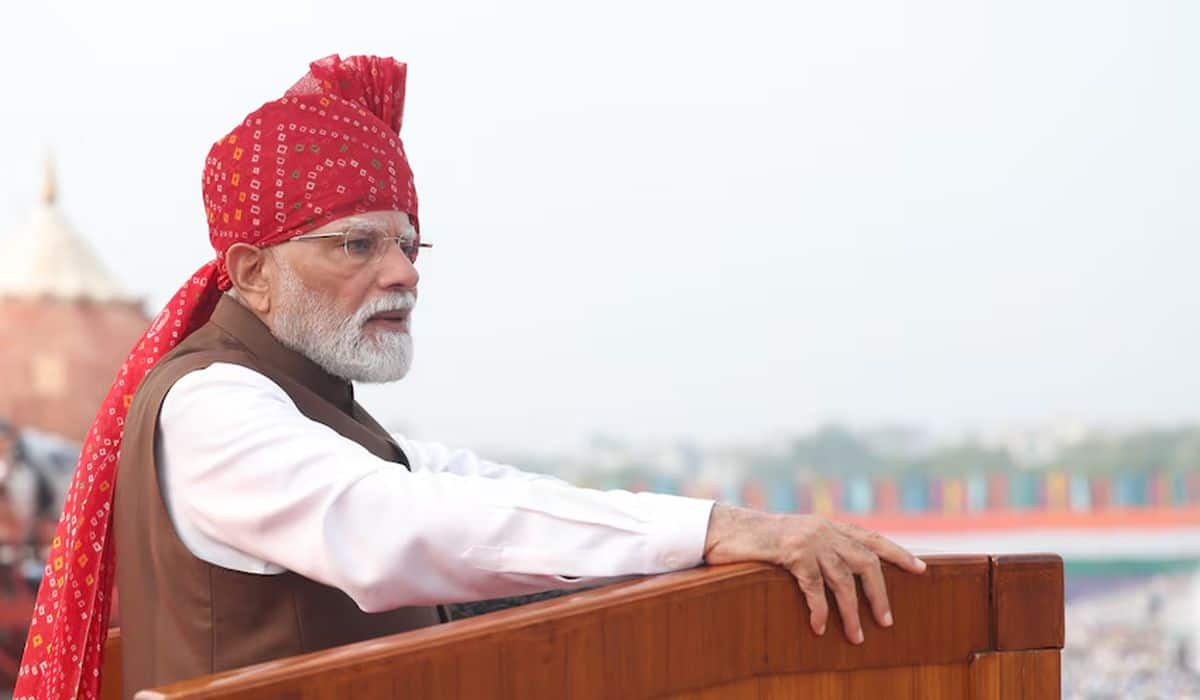
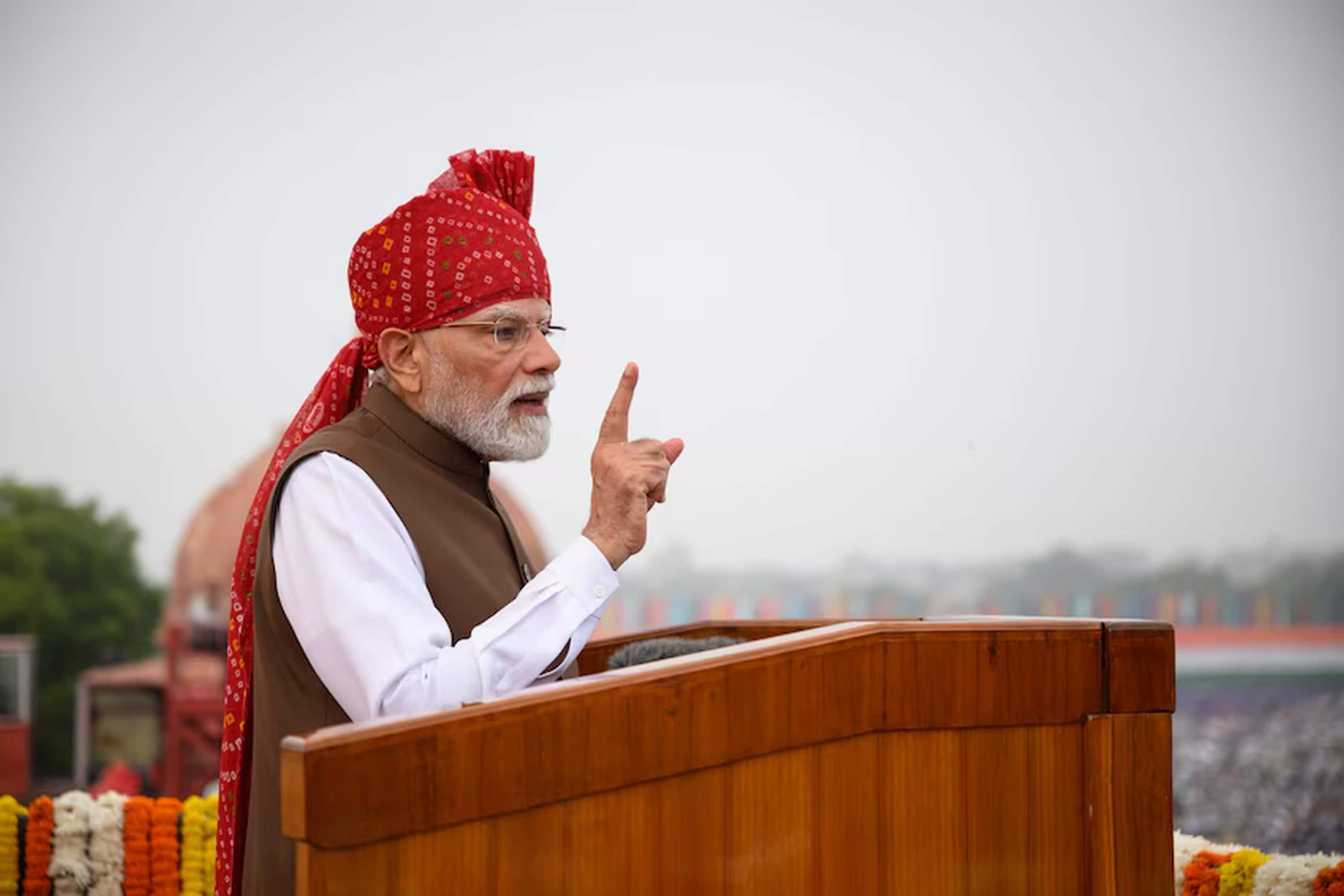
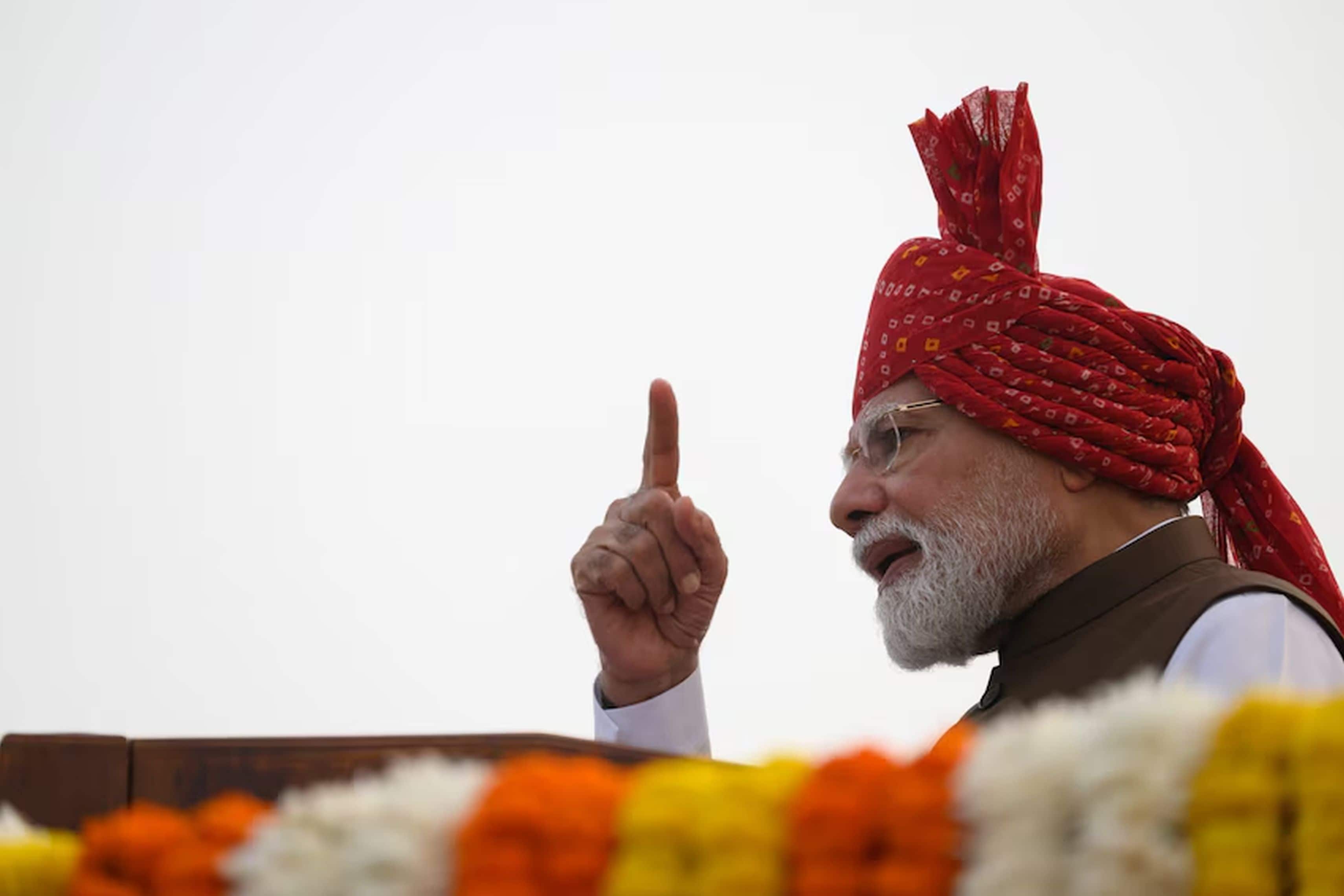
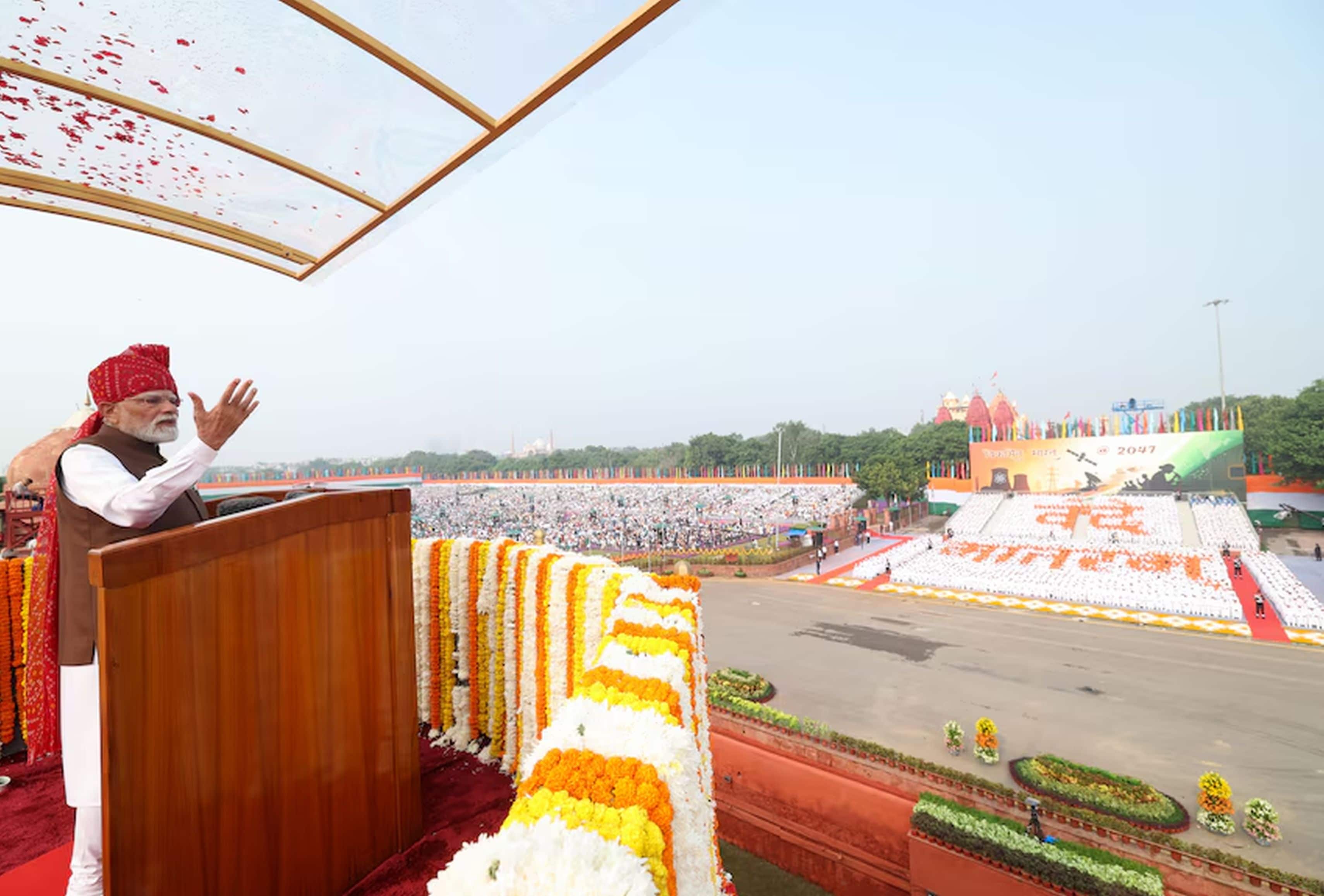
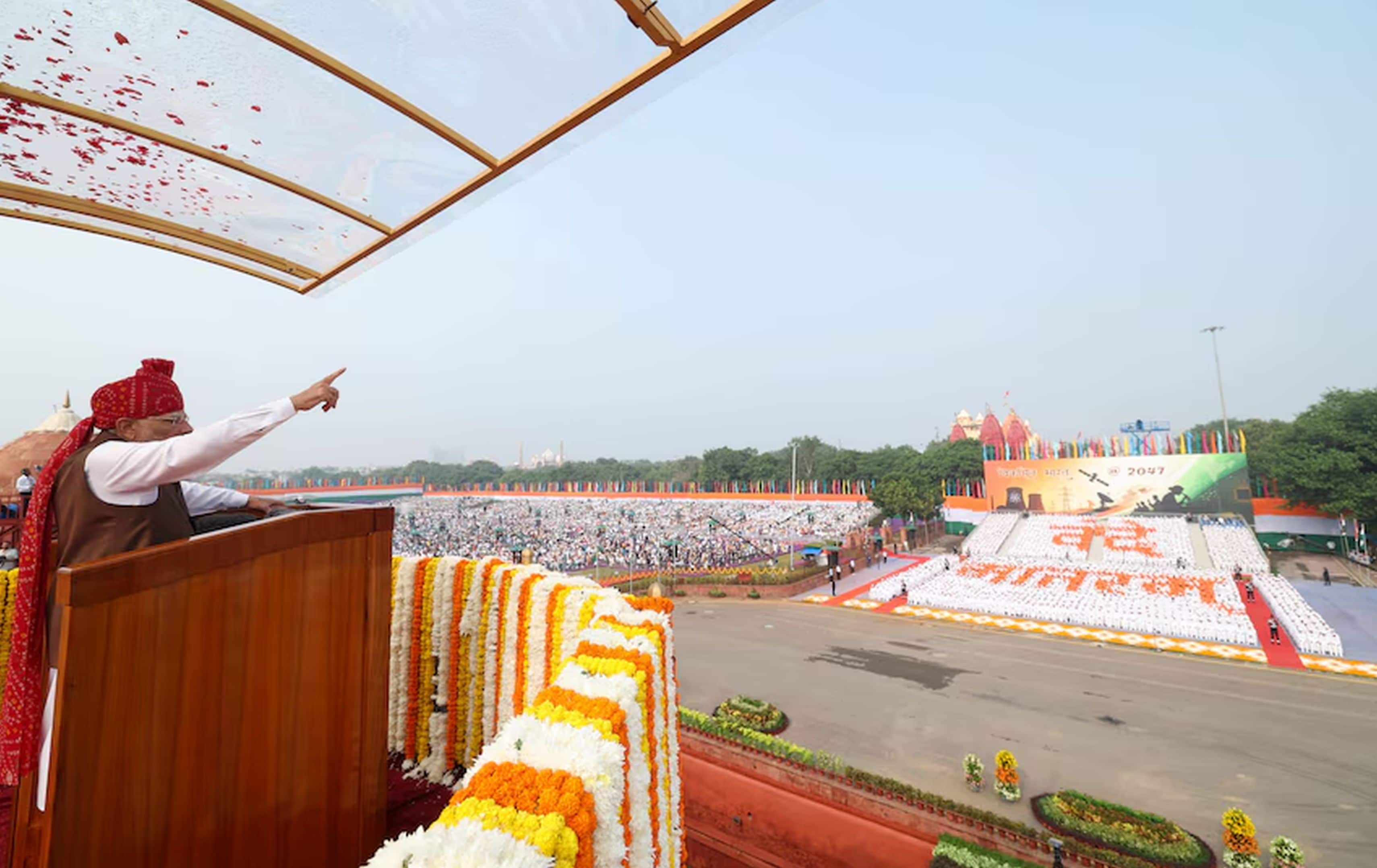
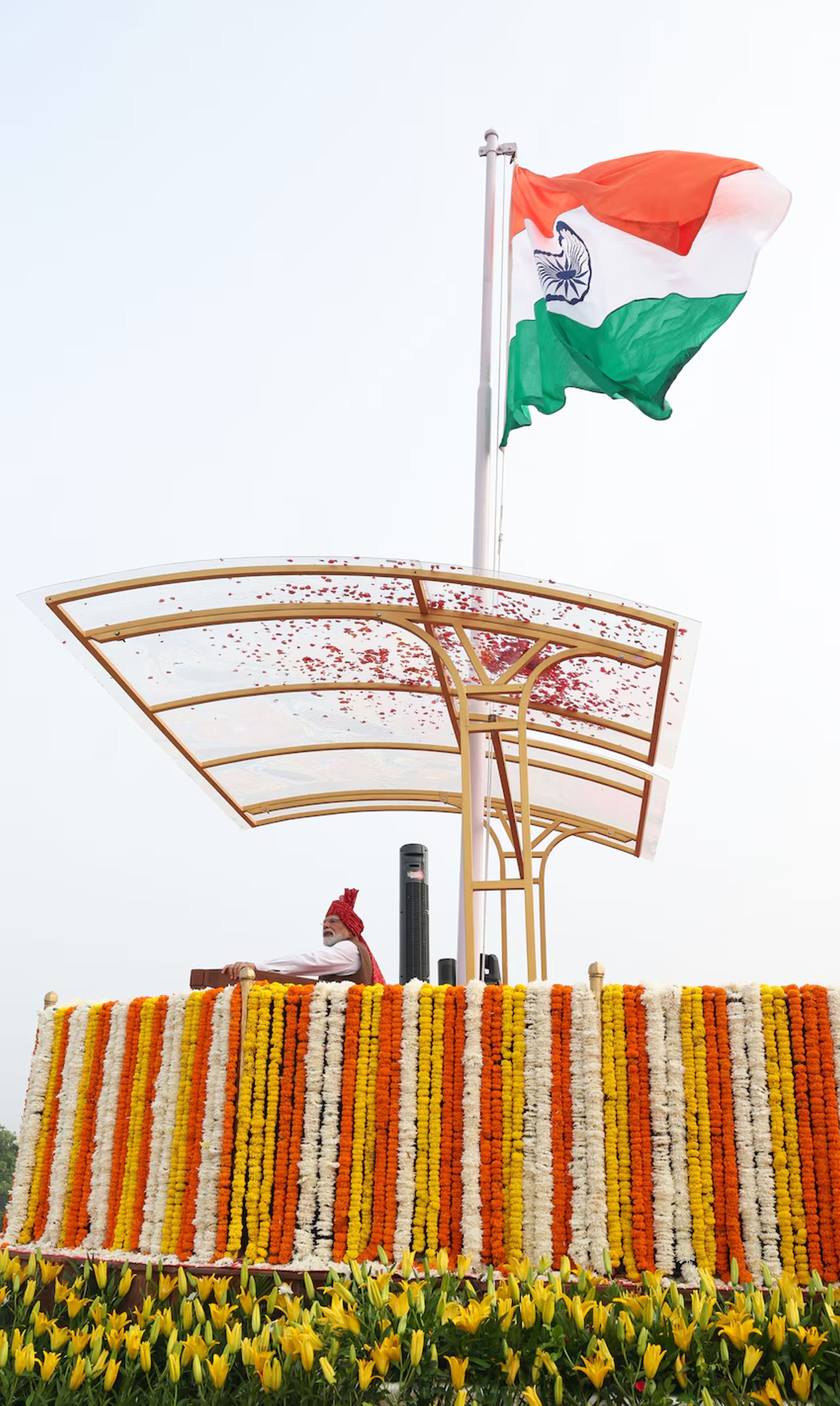
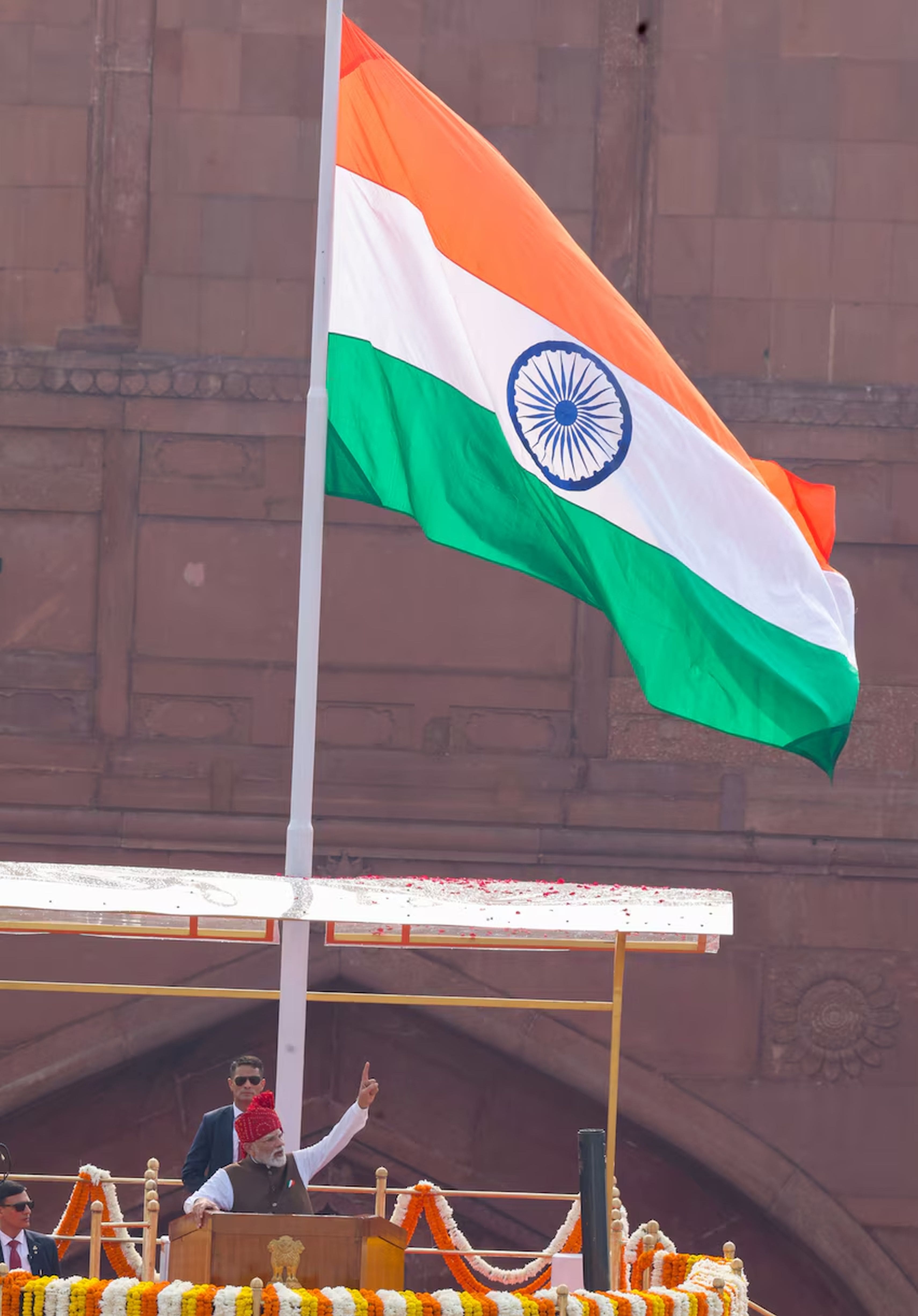
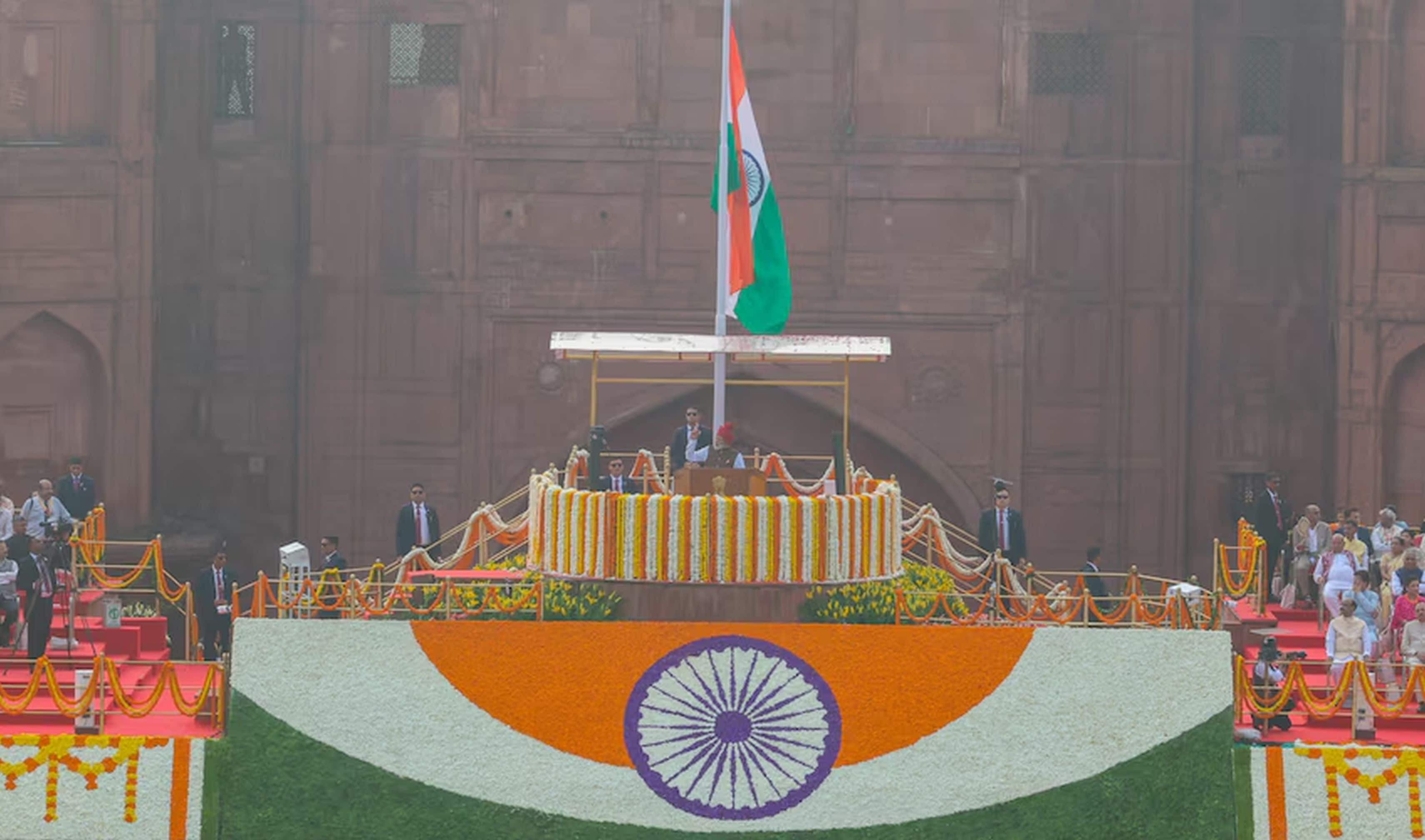
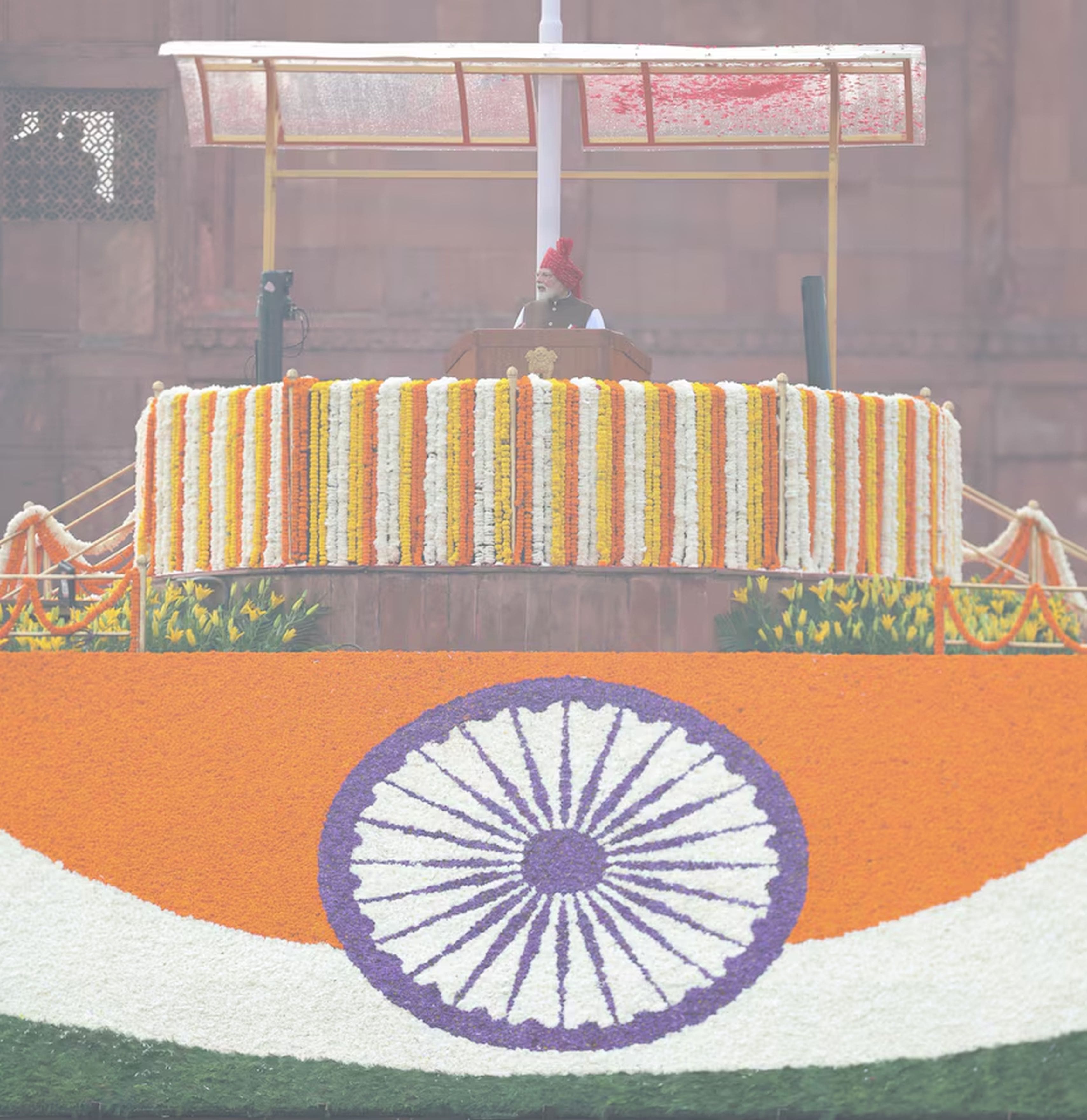
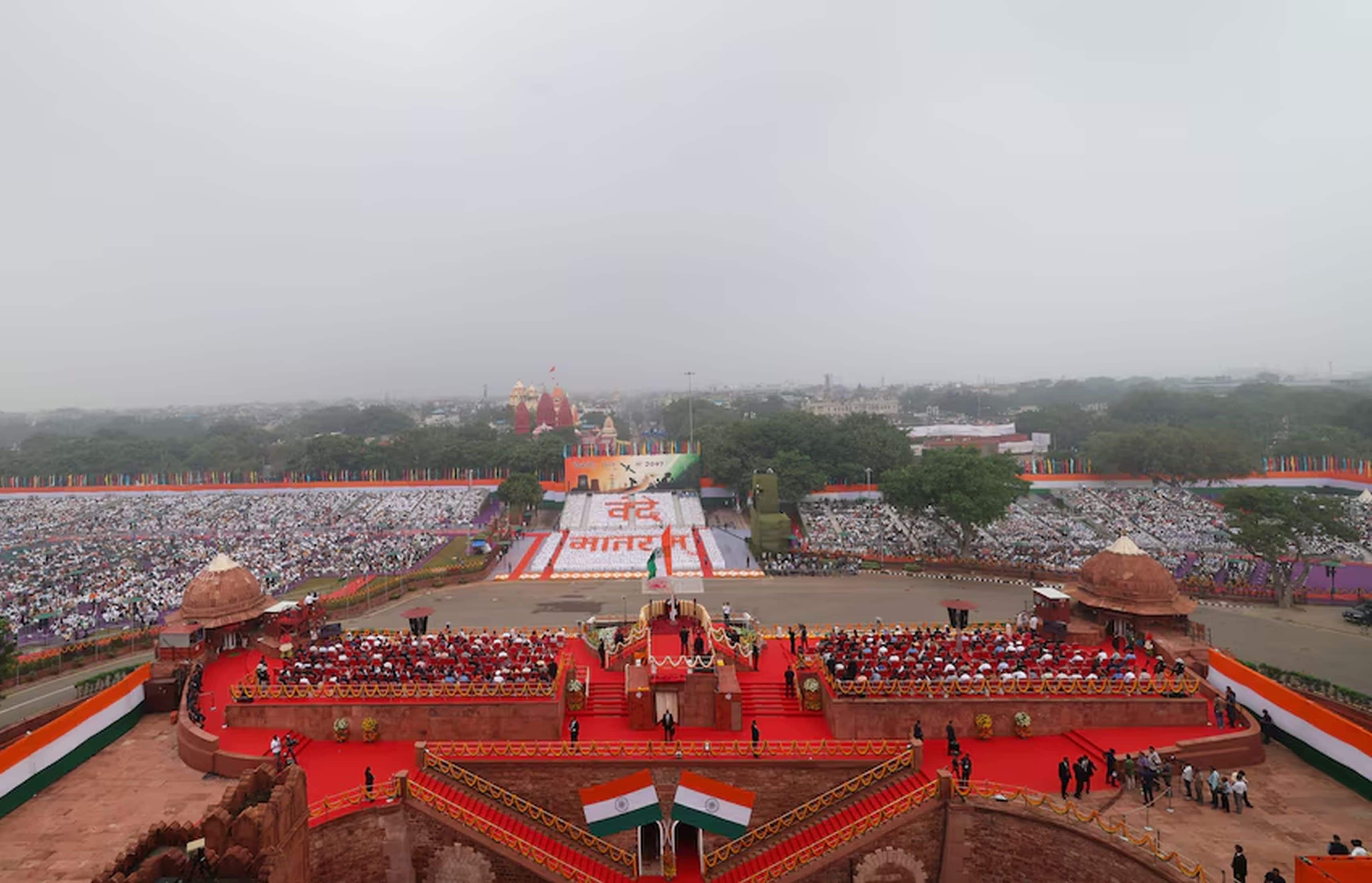
ਅੱਜ ਅਸੀਂ ਸਾਰੇ 80ਵਾਂ ਆਜ਼ਾਦੀ ਦਿਹਾੜਾ ਮਨਾ ਰਹੇ ਹਾਂ। ਅੱਜ ਹਰ ਦਿਲ ਦੀ ਧੜਕਣ ਵੰਦੇ ਮਾਤਰਮ ਦੀ ਆਵਾਜ਼ ਨਾਲ ਗੂੰਜ ਰਹੀ ਹੈ। ਅੱਜ ਹਰ ਘਰ ਤਿਰੰਗਾ ਹੈ, ਹਰ ਮਨ ਤਿਰੰਗਾ ਹੈ ਅਤੇ ਦੇਸ਼ ਉਤਸ਼ਾਹ ਅਤੇ ਉਮੰਗ ਨਾਲ ਨਵੇਂ ਸੰਕਲਪਾਂ ਨੂੰ ਲੈ ਕੇ ਅੱਜ ਅੱਗੇ ਵਧ ਰਿਹਾ ਹੈ। ਆਪ ਸਭ ਨੂੰ ਆਜ਼ਾਦੀ ਦਿਹਾੜੇ ਦੀਆਂ ਬਹੁਤ-ਬਹੁਤ ਸ਼ੁਭਕਾਮਨਾਵਾਂ। ਦੇਸ਼ ਅੱਜ ਉਨ੍ਹਾਂ ਮਹਾਨ ਸਪੂਤਾਂ ਨੂੰ ਸ਼ਰਧਾ ਨਾਲ ਯਾਦ ਕਰਦਾ ਹੈ, ਜਿਨ੍ਹਾਂ ਨੇ ਦੇਸ਼ ਦੀ ਆਜ਼ਾਦੀ ਲਈ ਤਿਆਗ ਅਤੇ ਕੁਰਬਾਨੀ ਦਿੱਤੀ। ਆਪਣੀ ਤਪੱਸਿਆ, ਤਿਆਗ ਅਤੇ ਕੁਰਬਾਨੀ ਨਾਲ ਆਜ਼ਾਦੀ ਦੇ ਇੱਕੋ-ਇੱਕ ਟੀਚੇ ਨੂੰ ਲੈ ਕੇ ਆਪਣੀ ਪੂਰੀ ਜ਼ਿੰਦਗੀ ਸਮਰਪਿਤ ਕਰ ਦਿੱਤੀ। ਪੂਜਨੀਕ ਬਾਪੂ ਸਮੇਤ ਸਾਰੇ ਆਜ਼ਾਦੀ ਘੁਲਾਟੀਆਂ ਦੀ ਕੁਰਬਾਨੀ ਦੀ ਮਹਾਨ ਪਰੰਪਰਾ ਜਗਾਉਣ ਵਾਲੇ ਮਹਾਨ ਕ੍ਰਾਂਤੀਕਾਰੀਆਂ ਨੂੰ ਅੱਜ ਮੈਂ ਸ਼ਰਧਾਪੂਰਵਕ ਪ੍ਰਣਾਮ ਕਰਦਾ ਹਾਂ। ਅੱਜ ਜੋ ਇਸ ਸਮਾਰੋਹ ਵਿੱਚ ਹਾਜ਼ਰ ਹਨ, ਉਨ੍ਹਾਂ ਸਾਰਿਆਂ ਲਈ ਅੱਜ ਇੱਕ ਇਤਿਹਾਸਕ ਪਲ ਵੀ ਹੈ। ਆਜ਼ਾਦੀ ਤੋਂ ਬਾਅਦ 15 ਅਗਸਤ ਨੂੰ ਲਾਲ ਕਿਲ੍ਹੇ ’ਤੇ ਪਹਿਲੀ ਵਾਰ ਵੰਦੇ ਮਾਤਰਮ ਗੂੰਜ ਰਿਹਾ ਹੈ। ਅੱਜ ਜਦੋਂ ਅਸੀਂ ਦੇਸ਼ ਦੇ ਲੋਕ ਵੰਦੇ ਮਾਤਰਮ ਦੇ 150 ਸਾਲ ਮਨਾ ਰਹੇ ਹਾਂ, ਤਾਂ ਇਸ ਤੋਂ ਵੱਡਾ ਉੱਤਮ ਮੌਕਾ ਹੋਰ ਕੀ ਹੋ ਸਕਦਾ ਹੈ।
ਮੇਰੇ ਪਿਆਰੇ ਦੇਸ਼ ਵਾਸੀਓ,
ਪਿਛਲੇ ਦਿਨੀਂ, ਦੇਸ਼ ਦੇ ਕੁਝ ਹਿੱਸਿਆਂ ਵਿੱਚ ਹੜ੍ਹਾਂ ਦਾ ਪ੍ਰਕੋਪ ਰਿਹਾ, ਜ਼ਮੀਨ ਖਿਸਕਣ ਦਾ ਪ੍ਰਕੋਪ ਰਿਹਾ, ਕਈ ਪਰਿਵਾਰ ਪ੍ਰਭਾਵਿਤ ਹੋਏ। ਉਨ੍ਹਾਂ ਦੇ ਦੁੱਖ-ਦਰਦ ਨੂੰ ਅਸੀਂ ਭਲੀ-ਭਾਂਤ ਅਨੁਭਵ ਕਰਦੇ ਹਾਂ। ਪੀੜਤ ਪਰਿਵਾਰਾਂ ਨੂੰ ਮੈਂ ਵਿਸ਼ਵਾਸ ਦਿਵਾਉਂਦਾ ਹਾਂ ਕਿ ਅਸੀਂ ਅਤੇ ਪੂਰਾ ਦੇਸ਼ ਉਨ੍ਹਾਂ ਦੇ ਨਾਲ ਖੜ੍ਹੇ ਹਾਂ।
ਮੇਰੇ ਪਿਆਰੇ ਦੇਸ਼ ਵਾਸੀਓ,
ਕੋਈ ਵੀ ਰਾਸ਼ਟਰ ਉਦੋਂ ਮਹਾਨ ਬਣਦਾ ਹੈ, ਉਦੋਂ ਆਪਣੀਆਂ ਸਿੱਧੀਆਂ ਨੂੰ ਪ੍ਰਾਪਤ ਕਰਦਾ ਹੈ, ਜਦੋਂ ਆਪਣੇ ਸੁਪਨਿਆਂ, ਆਪਣੇ ਸੰਕਲਪਾਂ ਅਤੇ ਆਪਣੀ ਸਮਰੱਥਾ ਦੇ ਦਮ ’ਤੇ ਅੱਗੇ ਵਧਦਾ ਹੈ।
ਮੇਰੇ ਦੇਸ਼ ਵਾਸੀਓ,
ਹੁਣ ਛੋਟੇ ਸੁਪਨਿਆਂ ਨਾਲ ਕੰਮ ਨਹੀਂ ਚੱਲਣ ਵਾਲਾ, ਸਾਨੂੰ ਵੱਡੇ ਸੁਪਨੇ ਚਾਹੀਦੇ ਹਨ ਕਿਉਂਕਿ ਵੱਡੇ ਸੁਪਨੇ ਸਾਡੀ ਸੋਚ ਨੂੰ ਵੀ ਵਿਸਥਾਰ ਦਿੰਦੇ ਹਨ। ਸਾਡੀ ਸੋਚ ਦੇ ਦਾਇਰੇ ਨੂੰ ਵੀ ਵਿਸਥਾਰਿਤ ਕਰਦੇ ਹਨ। ਸਾਡੇ ਸੰਕਲਪ ਦ੍ਰਿੜ੍ਹ ਹੋਣੇ ਚਾਹੀਦੇ ਹਨ, ਜਦੋਂ ਸੰਕਲਪ ਦ੍ਰਿੜ੍ਹ ਹੁੰਦਾ ਹੈ, ਤਾਂ ਮੁਸ਼ਕਲਾਂ ਤੋਂ, ਆਫ਼ਤਾਂ ਦੇ ਵਿਚਕਾਰੋਂ ਰਸਤੇ ਕੱਢਣ ਦੀ ਸਮਰੱਥਾ ਆਪਣੇ ਆਪ ਉੱਭਰ ਕੇ ਆਉਂਦੀ ਹੈ।
ਅਤੇ ਮੇਰੇ ਪਿਆਰੇ ਦੇਸ਼ ਵਾਸੀਓ,
ਸਾਡੇ ਸੰਕਲਪ ਵੀ ਉੱਚੇ ਹੋਣੇ ਚਾਹੀਦੇ ਹਨ ਕਿਉਂਕਿ ਜਦੋਂ ਸੁਪਨੇ ਉੱਚੇ ਹੁੰਦੇ ਹਨ, ਸੰਕਲਪ ਉੱਚੇ ਹੁੰਦੇ ਹਨ, ਤਾਂ ਸਾਡੀ ਸਮਰੱਥਾ ਦੀ ਉਚਾਈ ਵੀ ਵਧਦੀ ਹੈ, ਸਾਡੇ ਯਤਨਾਂ ਦੀ ਉਚਾਈ ਵੀ ਵਧਦੀ ਹੈ ਅਤੇ ਉਦੋਂ ਜਾ ਕੇ ਅਸੀਂ ਸੁਪਨਿਆਂ ਨੂੰ ਸਾਕਾਰ ਕਰ ਸਕਦੇ ਹਾਂ।
ਮੇਰੇ ਪਿਆਰੇ ਦੇਸ਼ ਵਾਸੀਓ,
ਅੱਜ ਭਾਰਤ ਨੇ ਵੀ ਇੱਕ ਬਹੁਤ ਵੱਡਾ ਸੁਪਨਾ ਦੇਖਿਆ ਹੈ, ਦ੍ਰਿੜ੍ਹ ਸੰਕਲਪ ਨਾਲ ਦੇਖਿਆ ਹੈ, ਨਵੀਆਂ ਉਚਾਈਆਂ ਨੂੰ ਛੂਹਣ ਲਈ ਦੇਖਿਆ ਹੈ ਅਤੇ ਉਹ ਸੁਪਨਾ ਹੈ, ਜਦੋਂ ਆਜ਼ਾਦੀ ਦੇ 100 ਸਾਲ ਹੋਣਗੇ। 2047 ਵਿੱਚ ਅਸੀਂ ਵਿਕਸਤ ਭਾਰਤ ਬਣਾ ਕੇ ਰਹਾਂਗੇ। 140 ਕਰੋੜ ਦੇਸ਼ ਵਾਸੀਆਂ ਦੀ ਮਿਹਨਤ ਨਾਲ, ਇਸ ਟੀਚੇ ਨੂੰ ਅਸੀਂ ਹਾਸਲ ਕਰਨਾ ਹੈ ਅਤੇ ਜਦੋਂ ਦੁਨੀਆ ਦੀ ਸਭ ਤੋਂ ਵੱਡੀ ਆਬਾਦੀ ਵਾਲਾ ਦੇਸ਼ ਵਿਕਸਤ ਹੋਣ ਦਾ ਸੰਕਲਪ ਲੈਂਦਾ ਹੈ, ਤਾਂ ਇਹ ਦੁਨੀਆ ਦੀਆਂ ਨਜ਼ਰਾਂ ਵਿੱਚ ਵੀ ਸਾਡੀ ਹਿੰਮਤ ਦਾ ਪ੍ਰਤੀਕ ਬਣ ਜਾਂਦਾ ਹੈ। ਦੁਨੀਆ ਸਾਡੇ ਵੱਲ ਦੇਖਣ ਦਾ ਨਜ਼ਰੀਆ ਬਦਲਣ ਲਈ ਮਜਬੂਰ ਹੋ ਜਾਂਦੀ ਹੈ।
ਪਿਆਰੇ ਦੇਸ਼ ਵਾਸੀਓ,
ਅਤੇ ਮੈਂ ਇਹ ਬਿਨਾਂ ਕਿਸੇ ਕਾਰਨ ਦੇ ਨਹੀਂ ਕਹਿ ਰਿਹਾ ਹਾਂ। ਪਿਛਲੇ 12 ਸਾਲਾਂ ਵਿੱਚ ਦੇਸ਼ ਦੇ ਕਰੋੜਾਂ ਨਾਗਰਿਕਾਂ ਨੇ ਦਲਿਤ ਹੋਣ, ਦੱਬੇ-ਕੁਚਲੇ ਹੋਣ, ਹਾਸ਼ੀਏ 'ਤੇ ਧੱਕੇ ਗਏ ਹੋਣ, ਕਬਾਇਲੀ ਹੋਣ, ਪਿੰਡ ਵਿੱਚ ਰਹਿਣ ਵਾਲਾ ਹੋਵੇ, ਸ਼ਹਿਰ ਵਿੱਚ ਰਹਿਣ ਵਾਲਾ ਹੋਵੇ, ਗ਼ਰੀਬ ਹੋਵੇ, ਮੱਧ ਵਰਗ ਦਾ ਹੋਵੇ, ਨੌਜਵਾਨ ਹੋਵੇ, ਬਜ਼ੁਰਗ ਹੋਵੇ, ਔਰਤ ਹੋਵੇ, ਮਰਦ ਹੋਵੇ, ਉੱਤਰ ਹੋਵੇ, ਦੱਖਣ ਹੋਵੇ, ਪੂਰਬ ਹੋਵੇ, ਪੱਛਮ ਹੋਵੇ, ਹਰੇਕ ਨੇ ਪਿਛਲੇ 12 ਸਾਲਾਂ ਵਿੱਚ ਇੱਕ ਸੰਕਲਪ ਨਾਲ, ਸਮਰਪਣ ਨਾਲ, ਦੇਸ਼ ਨੂੰ ਨਵੀਆਂ ਉਚਾਈਆਂ ’ਤੇ ਲੈ ਜਾਣ ਵਿੱਚ ਹਰ ਤਰ੍ਹਾਂ ਨਾਲ ਯਤਨ ਕੀਤਾ ਹੈ। ਮੈਂ ਉਨ੍ਹਾਂ ਦੇ ਇਨ੍ਹਾਂ ਯਤਨਾਂ ਨੂੰ ਆਦਰਪੂਰਵਕ ਪ੍ਰਵਾਨ ਕਰਦਾ ਹਾਂ ਅਤੇ ਉਸੇ ਦਾ ਨਤੀਜਾ ਹੈ ਕਿ ਇੰਨੇ ਘੱਟ ਸਮੇਂ ਵਿੱਚ 25 ਕਰੋੜ ਦੇਸ਼ ਵਾਸੀ, ਗ਼ਰੀਬੀ ਨੂੰ ਹਰਾ ਕੇ ਗ਼ਰੀਬੀ ਤੋਂ ਬਾਹਰ ਨਿਕਲੇ ਹਨ। ਇਨ੍ਹਾਂ ਦੇਸ਼ ਵਾਸੀਆਂ ਦੇ ਯਤਨਾਂ ਦਾ ਹੀ ਨਤੀਜਾ ਹੈ ਕਿ ਅਸੀਂ ਕਦੇ ਫ੍ਰੈਜਾਈਲ ਫਾਈਵ ਵਿੱਚ ਗਿਣੇ ਜਾਂਦੇ ਸੀ। 12 ਸਾਲਾਂ ਦੇ ਅੰਦਰ-ਅੰਦਰ ਅਸੀਂ ਸਭ ਤੋਂ ਤੇਜ਼ੀ ਨਾਲ ਵਧਦੀ ਵੱਡੀ ਆਰਥਿਕਤਾ ਬਣ ਗਏ ਹਾਂ।
ਸਾਥੀਓ,
ਦੇਸ਼ ਆਜ਼ਾਦ ਹੋਇਆ, ਬਹੁਤ ਸਾਰੇ ਸੁਪਨੇ ਲੈ ਕੇ ਆਜ਼ਾਦ ਹੋਇਆ, ਪਰ ਅਸੀਂ ਗਤੀ ਨਹੀਂ ਫੜ ਸਕੇ, ਰਫ਼ਤਾਰ ਨਹੀਂ ਫੜ ਸਕੇ। ਹੁੰਦੀ ਹੈ, ਚਲਦੀ ਹੈ, ਹੋ ਜਾਵੇਗਾ, ਦੇਖਿਆ ਜਾਵੇਗਾ, ਉਸੇ ਵਿੱਚ ਗੁਆਚੇ ਰਹੇ। 2014 ਤੱਕ ਆਉਂਦਿਆਂ-ਆਉਂਦਿਆਂ ਤਾਂ ਪੂਰੀ ਦੁਨੀਆ ਨੇ ਸਾਨੂੰ ਫ੍ਰੈਜਾਈਲ ਫਾਈਵ ਵਿੱਚ ਸੁੱਟ ਦਿੱਤਾ ਸੀ। ਅਜਿਹੇ ਸਮੇਂ, ਪਿਛਲੇ 12 ਸਾਲਾਂ ਵਿੱਚ ਭਾਰਤ ਨੇ ਇੱਕ ਨਵੀਂ ਰਫ਼ਤਾਰ ਫੜੀ ਹੈ, ਤੇਜ਼ ਗਤੀ ਨਾਲ ਅਸੀਂ ਅੱਗੇ ਵਧ ਰਹੇ ਹਾਂ ਅਤੇ ਦੇਸ਼ ਵਾਸੀਆਂ ਦਾ ਸੰਕਲਪ ਹੈ ਕਿ ਹੁਣ 140 ਕਰੋੜ ਦੇਸ਼ ਵਾਸੀਆਂ ਦੇ ਸੰਕਲਪ ਅਤੇ ਸਮਰੱਥਾ ਨੂੰ ਰੋਕਣਾ ਅਸੰਭਵ ਹੈ।
ਪਿਆਰੇ ਦੇਸ਼ ਵਾਸੀਓ,
ਪਿਛਲੇ 12 ਸਾਲਾਂ ਵਿੱਚ ਡਿਫੈਂਸ ਪ੍ਰੋਡਕਸ਼ਨ ਲਗਭਗ 4 ਗੁਣਾ ਹੋਇਆ। ਖਾਦੀ ਅਤੇ ਗ੍ਰਾਮ ਉਦਯੋਗ ਦਾ ਉਤਪਾਦਨ ਲਗਭਗ 5 ਗੁਣਾ ਹੋਇਆ, ਇਲੈਕਟ੍ਰੌਨਿਕ ਮੈਨੂਫੈਕਚਰਿੰਗ ਲਗਭਗ 7 ਗੁਣਾ ਵਧੀ, ਆਧੁਨਿਕ ਰੇਲਵੇ ਕੋਚਾਂ ਦਾ ਨਿਰਮਾਣ 21 ਗੁਣਾ ਵਧਿਆ, ਮੋਬਾਈਲ ਫੋਨ ਉਤਪਾਦਨ 35 ਗੁਣਾ ਵਧਿਆ, ਇੰਨਾ ਹੀ ਨਹੀਂ ਆਧੁਨਿਕ ਯੁੱਗ ਨੂੰ ਦੇਖਦਿਆਂ ਡਿਜੀਟਲ ਅਤੇ ਨਵੀਨਤਾ ਦੀ ਦੁਨੀਆ ਵਿੱਚ ਵੀ ਅਸੀਂ ਆਪਣਾ ਪਰਚਮ ਲਹਿਰਾਇਆ। ਇੰਟਰਨੈੱਟ ਯੂਜ਼ਰ, ਇੰਟਰਨੈੱਟ ਕੰਜ਼ਿਊਮਰ ਲਗਭਗ-ਲਗਭਗ ਚਾਰ ਗੁਣਾ ਵਧੇ, ਪੇਟੈਂਟ ਗ੍ਰਾਂਟ ਹੋਣ ਦੀ ਸੰਖਿਆ 4 ਗੁਣਾ ਵਧੀ, ਡਿਜੀਟਲ ਟ੍ਰਾਂਜ਼ੈਕਸ਼ਨ 100 ਗੁਣਾ ਵਧੇ, ਆਮ ਮਨੁੱਖ ਦੀਆਂ ਸਹੂਲਤਾਂ ਵੱਲ ਵੀ ਅਸੀਂ ਓਨੀ ਹੀ ਗੰਭੀਰਤਾ ਨਾਲ ਕੰਮ ਕੀਤਾ। ਹਰ ਸਾਲ ਔਸਤਨ 15 ਗੁਣਾ ਜ਼ਿਆਦਾ ਤੇਜ਼ੀ ਨਾਲ ਅਸੀਂ ਨਲ ਤੋਂ ਜਲ ਕੁਨੈਕਸ਼ਨ ਦਿੱਤੇ। ਹਰ ਸਾਲ ਔਸਤਨ ਛੇ ਗੁਣਾ ਜ਼ਿਆਦਾ ਰਫ਼ਤਾਰ ਨਾਲ ਲੋਕਾਂ ਨੂੰ ਗੈਸ ਕੁਨੈਕਸ਼ਨ ਦਿੱਤੇ। ਹਰ ਸਾਲ ਚਾਰ ਗੁਣਾ ਰਫ਼ਤਾਰ ਨਾਲ ਗ਼ਰੀਬਾਂ ਲਈ ਪਖਾਨੇ ਬਣਾਉਣ ਦਾ ਕੰਮ ਕੀਤਾ। ਹਰ ਸਾਲ ਤਿੰਨ ਗੁਣਾ ਜ਼ਿਆਦਾ ਤੇਜ਼ੀ ਨਾਲ ਗ਼ਰੀਬਾਂ ਨੂੰ ਘਰ ਦੇਣ ਦਾ ਕੰਮ ਕੀਤਾ। ਦੇਸ਼ ਨੇ ਸ਼ਾਸਨ ਵਿੱਚ ਵੀ ਬਹੁਤ ਬਦਲਾਅ ਲਿਆਂਦਾ। ਹਜ਼ਾਰਾਂ ਪਾਲਣਾ ਜ਼ਰੂਰਤਾਂ ਨੂੰ ਖ਼ਤਮ ਕਰ ਦਿੱਤਾ। ਸੈਂਕੜਿਆਂ ਦੀ ਤਾਦਾਦ ਵਿੱਚ ਪੁਰਾਣੇ ਕਾਨੂੰਨ ਖ਼ਤਮ ਕੀਤੇ। ਪਿਛਲੀ ਸ਼ਤਾਬਦੀ ਦੇ ਕਾਨੂੰਨਾਂ ਨਾਲ 21ਵੀਂ ਸ਼ਤਾਬਦੀ ਦੀ ਮਾਰਚ ਨਹੀਂ ਹੋ ਸਕਦੀ। ਅਸੀਂ ਆਧੁਨਿਕ ਇਨਫ੍ਰਾਸਟ੍ਰਕਚਰ ਲਈ ਮੈਟਰੋ ਦਾ ਵਿਸਥਾਰ ਕੀਤਾ ਹੈ, ਅਸੀਂ ਪਬਲਿਕ ਟਰਾਂਸਪੋਰਟ ਨੂੰ ਤਾਕਤ ਦਿੱਤੀ। ਜਿਸ ਰਫ਼ਤਾਰ ਨਾਲ ਕੰਮ, ਜਿਸ ਸਕੇਲ ’ਤੇ ਕੰਮ ਕੀਤਾ, ਇਹ ਸਭ, ਇਹ ਰਫ਼ਤਾਰ, ਇਹ ਵਿਸਥਾਰ, ਇਹ ਉਪਲਬਧੀ ਆਜ਼ਾਦੀ ਤੋਂ ਬਾਅਦ ਪਹਿਲੀ ਵਾਰ ਪਿਛਲੇ ਇੱਕ ਦਹਾਕੇ ਨੇ ਦੇਖੀ ਹੈ ਅਤੇ ਜਦੋਂ ਇੰਨੀਆਂ ਸਾਰੀਆਂ ਸਿੱਧੀਆਂ ਸਾਡੇ ਸਾਹਮਣੇ ਹੋਣ, ਇੰਨੀ ਤੇਜ਼ ਗਤੀ ਦਿਖਾਈ ਦਿੰਦੀ ਹੋਵੇ, ਦੇਸ਼ ਵਾਸੀਆਂ ਦੀ ਸਮਰੱਥਾ ਪਲ-ਪਲ ਮਜ਼ਬੂਤ ਹੁੰਦੀ ਹੋਵੇ, ਉਦੋਂ ਤਾਂ 2047 ਵਿੱਚ ਵਿਕਸਤ ਭਾਰਤ ਬਣਨ ਦਾ ਸੰਕਲਪ ਕਦੇ ਵੀ ਅਧੂਰਾ ਨਹੀਂ ਰਹਿ ਸਕਦਾ। ਇਹ ਸਾਰੇ ਅੰਕੜੇ ਇਸ ਗੱਲ ਦੀ ਗਵਾਹੀ ਦਿੰਦੇ ਹਨ ਕਿ ਅਸੀਂ ਅੱਗੇ ਵਧਣ ਵਾਲੇ ਹਾਂ।
ਮੇਰੇ ਪਿਆਰੇ ਦੇਸ਼ ਵਾਸੀਓ,
ਪਰ ਉਸ ਲਈ ਆਤਮ-ਵਿਸ਼ਵਾਸ ਦੀ ਜ਼ਰੂਰਤ ਹੁੰਦੀ ਹੈ, ਸਵੈ ਮਾਣ ਦੀ ਜ਼ਰੂਰਤ ਹੁੰਦੀ ਹੈ ਅਤੇ ਨਾਲ ਹੀ ਨਾਲ ਆਤਮ-ਨਿਰਭਰ ਭਾਰਤ ਹੋਣਾ ਵੀ ਬਹੁਤ ਜ਼ਰੂਰੀ ਹੁੰਦਾ ਹੈ। ਅਤੇ ਇਸ ਲਈ ਬੀਤੇ ਸਾਲਾਂ ਵਿੱਚ ਸਾਡਾ ਭਰੋਸਾ ਰਿਹਾ ਹੈ ਕਿ ਭਾਰਤ ਨੂੰ ਸਾਨੂੰ ਹੁਣ ਦੂਜੇ ਦੇਸ਼ਾਂ ’ਤੇ ਨਿਰਭਰ ਰਹਿ ਕੇ ਨਹੀਂ ਜਿਉਣਾ ਚਾਹੀਦਾ, ਸਾਨੂੰ ਆਤਮ-ਨਿਰਭਰ ਬਣਨਾ ਚਾਹੀਦਾ ਹੈ। ਦੁਨੀਆ ਵਿੱਚ ਬਹੁਤ ਕੁਝ ਮਿਲਦਾ ਹੈ, ਸਸਤਾ ਮਿਲਦਾ ਹੈ, ਜਲਦੀ ਮਿਲ ਸਕਦਾ ਹੈ, ਪਰ ਉਸ ਨਾਲ ਸਾਡੀ ਸਮਰੱਥਾ ਤਿਆਰ ਨਹੀਂ ਹੁੰਦੀ, ਨਾ ਸਾਡੀ ਸਮਰੱਥਾ ਦੀ ਕਸੌਟੀ ਹੁੰਦੀ ਹੈ ਅਤੇ ਇਸ ਲਈ ਸਾਨੂੰ ਵੀ ਆਪਣੀਆਂ ਸਮਰੱਥਾਵਾਂ ਨੂੰ ਵਧਾਉਣਾ ਹੈ, ਆਪਣੇ ਹਿੱਤਾਂ ਦੀ ਸੁਰੱਖਿਆ ਸਾਨੂੰ ਖੁਦ ਕਰਨੀ ਹੈ ਅਤੇ ਇਸ ਲਈ ਆਤਮਨਿਰਭਰ ਭਾਰਤ ਦਾ ਸੰਕਲਪ ਬਹੁਤ ਦ੍ਰਿੜ੍ਹਤਾ ਨਾਲ ਅਸੀਂ ਲੈ ਕੇ ਅੱਗੇ ਵਧ ਰਹੇ ਹਾਂ। ਮੇਕ ਇਨ ਇੰਡੀਆ, ਸਵਦੇਸ਼ੀ, ਵੋਕਲ ਫ਼ਾਰ ਲੋਕਲ, ਇਨ੍ਹਾਂ ਸਾਰੇ ਖੇਤਰਾਂ ਵਿੱਚ ਅੱਜ ਹਰ ਭਾਰਤੀ ਦਾ ਮਨ ਜੁੜ ਰਿਹਾ ਹੈ।
ਮੇਰੇ ਪਿਆਰੇ ਦੇਸ਼ ਵਾਸੀਓ,
ਮੈਂ ਤੁਹਾਨੂੰ ਇੱਕ ਉਦਾਹਰਨ ਦਿੰਦਾ ਹਾਂ ਸੈਮੀਕੰਡਕਟਰ ਦਾ, ਦੇਸ਼ ਆਜ਼ਾਦ ਹੋਣ ਤੋਂ ਬਾਅਦ ਦੁਨੀਆ ਵਿੱਚ ਤਾਂ ਸੈਮੀਕੰਡਕਟਰ ਦੀ ਚਰਚਾ ਹੋ ਚੁੱਕੀ ਸੀ। ਸਾਡੇ ਇੱਥੇ ਵੀ ਗੱਲਾਂ ਹੁੰਦੀਆਂ ਸਨ, ਪਰ ਸੈਮੀਕੰਡਕਟਰ ਦਾ ਕੋਈ ਵੱਡਾ ਪਲਾਨ ਅਸੀਂ ਅੱਗੇ ਨਹੀਂ ਵਧਾ ਸਕੇ ਅਤੇ ਅੱਜ ਸਥਿਤੀ ਕੀ ਹੈ? ਅੱਜ ਦੀ ਡਿਜੀਟਲ ਦੁਨੀਆ ਵਿੱਚ, ਅੱਜ ਦੀ ਤਕਨਾਲੋਜੀ ਵਿੱਚ, ਚਿੱਪ ਦੀ ਮਹੱਤਤਾ ਅਸੀਂ ਸਮਝਦੇ ਹਾਂ। ਕੋਈ ਵੀ ਇਲੈਕਟ੍ਰੌਨਿਕ ਸਾਮਾਨ ਹੋਵੇਗਾ, ਸਾਡੇ ਮੈਡੀਕਲ ਉਪਕਰਨ ਹੋਣਗੇ, ਸਾਡੇ ਟਰਾਂਸਪੋਰਟ ਦੇ ਰਸਤੇ ਹੋਣਗੇ, ਹਰੇਕ ਵਿੱਚ ਚਿੱਪ ਲਾਜ਼ਮੀ ਹੈ ਅਤੇ ਇਸ ਚਿੱਪ ਤੋਂ ਬਿਨਾਂ ਦੁਨੀਆ ਰੁਕ ਜਾਵੇਗੀ, ਅਜਿਹੀ ਸਥਿਤੀ ਪੈਦਾ ਹੋ ਚੁੱਕੀ ਹੈ ਅਤੇ ਇਸ ਲਈ ਭਾਰਤ ਨੇ ਆਤਮਨਿਰਭਰ ਹੋਣ ਦੀ ਦਿਸ਼ਾ ਵਿੱਚ ਆਪਣਾ ਸੈਮੀਕੰਡਕਟਰ ਪਲਾਂਟ, ਵੱਡਾ ਸੈਮੀਕੰਡਕਟਰ ਪਲਾਂਟ, ਤਿੰਨ ਸੈਮੀਕੰਡਕਟਰ ਪਲਾਂਟ ਸ਼ੁਰੂ ਹੋ ਚੁੱਕੇ ਹਨ। ਅਤੇ ਮੈਨੂੰ ਦੱਸਿਆ ਗਿਆ ਹੈ ਕਿ ਉੱਥੇ ਜੋ ਉਤਪਾਦ ਹੋ ਰਿਹਾ ਹੈ, ਉਹ ਨਿਰਯਾਤ ਹੋਣਾ ਸ਼ੁਰੂ ਹੋ ਚੁੱਕਾ ਹੈ ਅਤੇ ਮੈਂ ਦੇਸ਼ ਵਾਸੀਆਂ ਨੂੰ ਕਹਿਣਾ ਚਾਹੁੰਦਾ ਹਾਂ, ਆਉਣ ਵਾਲੇ ਸੱਤ-ਅੱਠ ਸਾਲਾਂ ਵਿੱਚ ਹੋਰ 5-7 ਜਾਂ 8 ਸੈਮੀਕੰਡਕਟਰ ਪਲਾਂਟ ਬਹੁਤ ਹੀ ਜਲਦ ਸ਼ੁਰੂ ਹੋਣ ਵਾਲੇ ਹਨ। ਇਹ ਆਤਮ-ਨਿਰਭਰ ਭਾਰਤ ਸਾਨੂੰ ਵਿਕਸਤ ਭਾਰਤ ਦੀ ਦਿਸ਼ਾ ਵਿੱਚ ਜਾਣ ਦਾ ਵੱਡਾ ਮਾਰਗ ਤਿਆਰ ਕਰਦਾ ਹੈ।
ਮੇਰੇ ਪਿਆਰੇ ਦੇਸ਼ ਵਾਸੀਓ,
ਅਜਿਹੀ ਹੀ ਇੱਕ ਚਰਚਾ ਕ੍ਰਿਟੀਕਲ ਮਿਨਰਲ ਦੀ ਹੋ ਰਹੀ ਹੈ। ਪੂਰੀ ਤਕਨਾਲੋਜੀ ਕ੍ਰਿਟੀਕਲ ਮਿਨਰਲ ’ਤੇ ਨਿਰਭਰ ਹੈ। ਭਾਰਤ ਇਸ ਵਿੱਚ ਵੀ ਆਪਣੇ ਆਪ ਨੂੰ ਸੁਰੱਖਿਅਤ ਕਰਨ ਵਿੱਚ ਜੁਟਿਆ ਹੋਇਆ ਹੈ। ਕ੍ਰਿਟੀਕਲ ਮਿਨਰਲ ਦਾ ਟੀਚਾ ਸਾਂਝਾ ਕੀਤਾ ਜਾਵੇ, ਨੈਸ਼ਨਲ ਕ੍ਰਿਟੀਕਲ ਮਿਨਰਲਸ ਇਹ ਅਸੀਂ ਲਾਂਚ ਕੀਤਾ। ਬਜਟ ਵਿੱਚ ਕ੍ਰਿਟੀਕਲ ਮਿਨਰਲਸ ਕੌਰੀਡੋਰ ਦਾ ਅਸੀਂ ਐਲਾਨ ਕੀਤਾ ਹੈ, ਕਈ ਦੇਸ਼ਾਂ ਨਾਲ ਸਮਝੌਤੇ ਹੋ ਰਹੇ ਹਨ, ਦੁਨੀਆ ਦੇ ਕਈ ਦੇਸ਼ ਹੁਣ ਇਸ ਕ੍ਰਿਟੀਕਲ ਮਿਨਰਲਸ ਦੀ ਦਿਸ਼ਾ ਵਿੱਚ ਭਾਰਤ ’ਤੇ ਭਰੋਸਾ ਕਰਨ ਲੱਗੇ ਹਨ।
ਮੇਰੇ ਪਿਆਰੇ ਦੇਸ਼ ਵਾਸੀਓ,
ਜਿਵੇਂ ਸੈਮੀਕੰਡਕਟਰ ਦੀ ਗੱਲ ਹੋਵੇ, ਕ੍ਰਿਟੀਕਲ ਮਿਨਰਲ ਦੀ ਗੱਲ ਹੋਵੇ, ਓਵੇਂ ਹੀ ਜਿਸ ਤਕਨਾਲੋਜੀ ਦੀ ਦਿਸ਼ਾ ਵਿੱਚ ਅਸੀਂ ਜਾ ਰਹੇ ਹਾਂ, ਦੁਨੀਆ ਜਾ ਰਹੀ ਹੈ, ਉਸ ਵਿੱਚ ਊਰਜਾ ਦਾ ਮਹੱਤਵ ਹੋਰ ਵਧਦਾ ਚਲਿਆ ਜਾ ਰਿਹਾ ਹੈ। ਹੁਣ ਊਰਜਾ ਤੋਂ ਬਿਨਾਂ ਵੀ ਨਵੀਂ ਦੁਨੀਆ ਨੂੰ ਚਲਾਉਣਾ ਮੁਸ਼ਕਿਲ ਹੈ ਅਤੇ ਇਸ ਲਈ ਸਾਨੂੰ ਚਿੱਪ ਹੋਵੇ, ਏਆਈ ਹੋਵੇ, ਡਾਟਾ ਸੈਂਟਰ ਹੋਵੇ, ਸਾਨੂੰ ਬਹੁਤ ਵੱਡੀ ਮਾਤਰਾ ਵਿੱਚ ਬਿਜਲੀ ਦੀ ਜ਼ਰੂਰਤ ਹੋਵੇਗੀ। ਊਰਜਾ ਸੁਰੱਖਿਆ, ਇਹ ਸਾਡੇ ਸਮੇਂ ਦੀ ਮੰਗ ਹੈ ਅਤੇ ਇਸ ਲਈ ਅਸੀਂ ਪਹਿਲਾਂ ਤੋਂ ਹੀ ਉਸ ਦਿਸ਼ਾ ਵਿੱਚ ਇੱਕ ਤੋਂ ਬਾਅਦ ਇੱਕ ਮਜ਼ਬੂਤ ਕਦਮ ਚੁੱਕੇ ਹਨ। ਊਰਜਾ ਸੁਰੱਖਿਆ ਦਾ ਇੱਕ ਵੱਡਾ ਮਾਧਿਅਮ ਹੈ, ਪਰਮਾਣੂ ਊਰਜਾ ਨਿਊਕਲੀਅਰ ਐਨਰਜੀ, ਅਸੀਂ ਸੰਸਦ ਵਿੱਚ ਸ਼ਾਂਤੀ ਐਕਟ ਪਾਸ ਕਰਕੇ, ਇੱਕ ਨਵੇਂ ਟੀਚੇ ’ਤੇ ਜਾਣ ਦਾ ਰਸਤਾ ਤੈਅ ਕਰ ਲਿਆ ਹੈ। 2047 ਤੱਕ ਅਸੀਂ 100 ਗੀਗਾਵਾਟ ਨਿਊਕਲੀਅਰ ਪਾਵਰ ਦਾ ਟੀਚਾ ਲੈ ਕੇ ਚੱਲ ਰਹੇ ਹਾਂ। ਇਸੇ ਇੱਕ ਦਹਾਕੇ ਵਿੱਚ ਅਸੀਂ ਪੰਜ ਨਵੇਂ ਨਿਊਕਲੀਅਰ ਰਿਐਕਟਰ ਸ਼ੁਰੂ ਕਰਨ ਦਾ ਟੀਚਾ ਲੈ ਕੇ ਚੱਲ ਰਹੇ ਹਾਂ। ਇਸ ਸਾਲ ਭਾਰਤ ਨੇ ਫਾਸਟ ਬ੍ਰੀਡਰ ਨਿਊਕਲੀਅਰ ਤਕਨਾਲੋਜੀ ਵਿੱਚ ਮੁਹਾਰਤ ਹਾਸਲ ਕਰਕੇ ਇੱਕ ਮਹੱਤਵਪੂਰਨ ਪੜਾਅ ਪਾਰ ਕੀਤਾ ਹੈ ਅਤੇ ਉਸ ਦੇ ਕਾਰਨ ਪਰਮਾਣੂ ਈਂਧਨ ਵਿੱਚ ਆਤਮ-ਨਿਰਭਰ ਬਣਨ ਦੀ ਦਿਸ਼ਾ ਵਿੱਚ ਅਸੀਂ ਇੱਕ ਬਹੁਤ ਵੱਡਾ ਸਫ਼ਲਤਾ ਦਾ ਕਦਮ ਰੱਖਿਆ ਹੈ।
ਮੇਰੇ ਪਿਆਰੇ ਦੇਸ਼ ਵਾਸੀਓ,
ਕਈ ਵਾਰ ਸਾਧਨਾਂ ਦੀ ਘਾਟ ਕਾਰਨ ਦੇਸ਼ ਰੁਕਦਾ ਨਹੀਂ ਹੈ, ਪਰ ਰੁਕਣ ਦਾ ਕਾਰਨ ਸੋਚ ਦੀਆਂ ਹੱਦਾਂ ਹੁੰਦੀਆਂ ਹਨ। ਜਦੋਂ ਸੋਚ ਬੱਝ ਜਾਂਦੀ ਹੈ, ਹੱਦਾਂ ਵਿੱਚ ਸੜਨ ਲੱਗ ਜਾਂਦੀ ਹੈ, ਉਦੋਂ ਅਸੀਂ ਆਪਣੀ ਸਮਰੱਥਾ ਨੂੰ ਵੀ ਪਛਾਣ ਨਹੀਂ ਪਾਉਂਦੇ ਹਾਂ। ਦੇਸ਼ ਨੂੰ ਅੱਜ ਕੱਚੇ ਤੇਲ ’ਤੇ ਨਿਰਭਰ ਰਹਿਣਾ ਪੈ ਰਿਹਾ ਹੈ ਅਤੇ ਇਹ ਸਾਡੀ ਗ਼ਲਤ ਸੋਚ ਦੇ ਕਾਰਨ ਹੈ। ਤੁਸੀਂ ਜਾਣ ਕੇ ਹੈਰਾਨ ਹੋ ਜਾਵੋਗੇ, ਅਸੀਂ ਸਮੁੰਦਰੀ ਤਟ ’ਤੇ 99% ਸਾਡੇ ਸਮੁੰਦਰੀ ਤਟ ਦਾ ਪੂਰਾ ਹਿੱਸਾ ਅਜਿਹੀ ਸੋਚ ਦੇ ਕਾਰਨ ਨੋ-ਗੋ ਏਰੀਆ ਐਲਾਨ ਕਰਕੇ ਰੱਖਿਆ ਸੀ, ਅਸੀਂ ਹੀ ਸਮੁੰਦਰ ਦੇ ਅੰਦਰ ਜਾ ਕੇ ਖੋਜ ਨਾ ਕਰਨ ਦਾ ਫੈਸਲਾ ਕਰ ਲਿਆ ਸੀ। ਇਹ ਸੋਚ ਦੀ ਕਮੀ ਸੀ, ਅਸੀਂ ਫੈਸਲਾ ਕੀਤਾ, ਇਹ ਨਹੀਂ ਚੱਲ ਸਕਦਾ। ਅਸੀਂ ਉਸ 99% ਨੂੰ, ਜੋ ਕਦੇ ਨੋ-ਗੋ ਏਰੀਆ ਹੋਇਆ ਕਰਦੇ ਸਨ, ਅਸੀਂ ਉਸ ਨੂੰ ਗੋ ਅਹੈੱਡ ਏਰੀਆ ਦੇ ਰੂਪ ਵਿੱਚ ਖੋਲ੍ਹ ਦਿੱਤਾ ਹੈ ਅਤੇ ਹੁਣ ਅਸੀਂ ਸਮੁੰਦਰ ਦੇ ਅੰਦਰ ਵੀ ਖੋਜ ਕਰਨ ਦੀ ਅਤੇ ਨਵੇਂ-ਨਵੇਂ ਭੰਡਾਰ ਖੋਜਣ ਦੀ ਦਿਸ਼ਾ ਵਿੱਚ ਅਸੀਂ ਝੁਕਾਅ ਰੱਖਦੇ ਹਾਂ, ਅਸੀਂ ਯਤਨ ਕਰ ਰਹੇ ਹਾਂ। ਅਸੀਂ ਪਿਛਲੇ ਸਾਲ ਉਸੇ ਦਿਸ਼ਾ ਵਿੱਚ ਇੱਕ ਮਹੱਤਵਪੂਰਨ ਕਦਮ ਰੱਖਦਿਆਂ, ਸਮੁੰਦਰ ਮੰਥਨ ਦਾ ਐਲਾਨ ਕੀਤਾ ਸੀ ਅਤੇ ਪਿਛਲੇ ਦਿਨੀਂ ਅਸੀਂ 85,000 ਕਰੋੜ ਰੁਪਏ ਇਸ ਕੰਮ ਲਈ ਅਲਾਟ ਕਰਕੇ ਕੰਮ ਨੂੰ ਗਤੀ ਦੇਣ ਦਾ ਫੈਸਲਾ ਕਰ ਲਿਆ ਹੈ।
ਮੇਰੇ ਪਿਆਰੇ ਦੇਸ਼ ਵਾਸੀਓ,
ਊਰਜਾ ਸੁਰੱਖਿਆ, ਇਸ ਦਾ ਮੈਂ ਕਿਹਾ ਕਿ ਸਾਨੂੰ ਵਿਕਲਪਕ ਸਰੋਤਾਂ ਵੱਲ ਵੀ ਪੂਰੀ ਸ਼ਕਤੀ ਲਗਾਉਣਾ ਬਹੁਤ ਜ਼ਰੂਰੀ ਹੈ ਅਤੇ ਇਸ ਲਈ ਊਰਜਾ ਦੀ ਸਹੀ ਵਰਤੋਂ ਵਧਾਉਂਦਿਆਂ ਭਾਰਤ ਇਸੇ ਦਿਸ਼ਾ ਵਿੱਚ ਅੱਜ ਤੇਜ਼ੀ ਨਾਲ ਕੰਮ ਕਰ ਰਿਹਾ ਹੈ। 2014 ਤੋਂ ਪਹਿਲਾਂ ਮਤਲਬ ਅੱਜ ਤੋਂ 12 ਸਾਲ ਪਹਿਲਾਂ, ਸਾਡੇ ਦੇਸ਼ ਵਿੱਚ ਸਿਰਫ਼ 70 ਸ਼ਹਿਰਾਂ ਵਿੱਚ ਪਾਈਪ ਨਾਲ ਗੈਸ ਦੀ ਵਿਵਸਥਾ ਸੀ, ਪਾਈਪ ਨਾਲ ਗੈਸ ਦੀ ਵੰਡ ਹੁੰਦੀ ਸੀ। 12 ਸਾਲਾਂ ਵਿੱਚ ਇਨ੍ਹਾਂ 70 ਸ਼ਹਿਰਾਂ ਨੂੰ ਅਸੀਂ 700 ਸ਼ਹਿਰਾਂ ਤੱਕ ਪਹੁੰਚਾ ਦਿੱਤਾ ਹੈ। ਇਹ ਹੁੰਦੀ ਹੈ ਰਫ਼ਤਾਰ, ਇਹ ਹੁੰਦਾ ਹੈ ਵਿਸਥਾਰ। 2014 ਤੋਂ ਪਹਿਲਾਂ ਮੁਸ਼ਕਿਲ ਨਾਲ 20-22 ਲੱਖ ਘਰਾਂ ਵਿੱਚ ਪਾਈਪ ਨਾਲ ਗੈਸ ਪਹੁੰਚਦੀ ਸੀ, ਅੱਜ ਪੌਣੇ ਦੋ ਕਰੋੜ ਘਰਾਂ ਵਿੱਚ ਪਾਈਪ ਨਾਲ ਗੈਸ ਪਹੁੰਚਾਉਣ ਦਾ ਕੰਮ ਹੋ ਰਿਹਾ ਹੈ। 12 ਸਾਲ ਪਹਿਲਾਂ ਦੇਸ਼ ਵਿੱਚ ਸੋਲਰ ਐਨਰਜੀ ਦੀ ਸਮਰੱਥਾ ਸਿਰਫ਼ 2 ਗੀਗਾਵਾਟ ਸੀ, 2 ਗੀਗਾਵਾਟ, ਅੱਜ 160 ਗੀਗਾਵਾਟ ਦਾ ਟੀਚਾ ਅਸੀਂ ਪ੍ਰਾਪਤ ਕੀਤਾ ਹੈ।
ਮੇਰੇ ਪਿਆਰੇ ਦੇਸ਼ ਵਾਸੀਓ,
ਮੈਂ ਇੱਕ ਹੋਰ ਜਾਣਕਾਰੀ ਦਿੰਦਾ ਹਾਂ, ਅਸੀਂ ਇਸ ਦਾ ਲਾਭ ਦੇਸ਼ ਦੇ ਮੱਧ ਵਰਗ ਨੂੰ, ਆਮ ਪਰਿਵਾਰ ਨੂੰ ਮਿਲੇ, ਇਸ ਪਾਸੇ ਵੀ ਓਨਾ ਹੀ ਧਿਆਨ ਕੇਂਦ੍ਰਿਤ ਕੀਤਾ ਹੈ। ਅਸੀਂ ਪੀਐੱਮ ਸੂਰਯਘਰ ਮੁਫ਼ਤ ਬਿਜਲੀ ਯੋਜਨਾ ਚਾਲੂ ਕੀਤੀ ਅਤੇ ਅੱਜ ਮੈਨੂੰ ਸੰਤੁਸ਼ਟੀ ਹੈ ਕਿ ਇੰਨੇ ਘੱਟ ਸਮੇਂ ਵਿੱਚ 50 ਲੱਖ ਘਰਾਂ ਦਾ ਸੋਲਰ ਐਨਰਜੀ ਦਾ ਕੰਮ, ਅਸੀਂ ਅੰਕੜਾ ਪਾਰ ਕਰ ਚੁੱਕੇ ਹਾਂ, ਤੇਜ਼ੀ ਨਾਲ ਚੱਲ ਰਿਹਾ ਹੈ ਅਤੇ ਉਸ ਦੇ ਕਾਰਨ ਹਜ਼ਾਰਾਂ ਘਰਾਂ ਦਾ ਬਿਜਲੀ ਬਿਲ ਜ਼ੀਰੋ ਹੋ ਗਿਆ ਹੈ, ਹਜ਼ਾਰਾਂ ਘਰ ਆਪਣੀ ਬਿਜਲੀ ਦੀ ਵਰਤੋਂ ਕਰਨ ਤੋਂ ਬਾਅਦ ਵਾਧੂ ਬਿਜਲੀ ਅੱਜ ਵੇਚ ਕੇ ਕਮਾਈ ਕਰ ਰਹੇ ਹਨ। ਹਰ ਪਰਿਵਾਰ ਨੂੰ ਅਸੀਂ ਇਸ ਕੰਮ ਲਈ 80,000 ਰੁਪਏ ਸਰਕਾਰ ਵੱਲੋਂ ਇੱਕ-ਇੱਕ ਪਰਿਵਾਰ ਨੂੰ ਮਦਦ ਦਿੱਤੀ ਜਾ ਰਹੀ ਹੈ, ਉਦੋਂ ਜਾ ਕੇ ਅਸੀਂ ਇਸ ਕੰਮ ਨੂੰ ਪੂਰਾ ਕਰ ਰਹੇ ਹਾਂ।
ਮੇਰੇ ਪਿਆਰੇ ਦੇਸ਼ ਵਾਸੀਓ,
ਤੁਹਾਨੂੰ ਜਾਣ ਕੇ ਹੈਰਾਨੀ ਹੋਵੇਗੀ, ਇਹ ਜੋ ਸਾਡੀ ਰੇਲਵੇ ਹੈ, ਉਸ ਦੇ ਇਲੈਕਟ੍ਰੀਫਿਕੇਸ਼ਨ ਦਾ ਕੰਮ ਸਾਡੇ ਦੇਸ਼ ਵਿੱਚ 1925 ਵਿੱਚ ਸ਼ੁਰੂ ਹੋਇਆ ਸੀ। 1925 ਵਿੱਚ ਇਲੈਕਟ੍ਰੀਫਿਕੇਸ਼ਨ ਦਾ ਕੰਮ ਸ਼ੁਰੂ ਹੋਇਆ, ਪਰ 90 ਸਾਲਾਂ ਵਿੱਚ 1925 ਤੋਂ ਲੈ ਕੇ 90 ਸਾਲਾਂ ਵਿੱਚ ਸਿਰਫ਼ 30% ਰੇਲ ਦਾ ਇਲੈਕਟ੍ਰੀਫਿਕੇਸ਼ਨ ਹੋਇਆ ਸੀ। ਯਾਨੀ 90 ਸਾਲਾਂ ਵਿੱਚ 30%, ਸਾਡੀ ਰਫ਼ਤਾਰ ਦੇਖੋ, ਟੀਚੇ ਨੂੰ ਪਾਉਣ ਲਈ ਸਾਡੀ ਦੌੜ ਦੇਖ ਲਵੋ। ਅਸੀਂ ਇਸ ਇੱਕ ਦਹਾਕੇ ਦੇ ਅੰਦਰ ਸ਼ਤ-ਪ੍ਰਤੀਸ਼ਤ ਕੰਮ ਪੂਰਾ ਕਰ ਦਿੱਤਾ। 90 ਸਾਲਾਂ ਵਿੱਚ 30%, 10 ਸਾਲਾਂ ਵਿੱਚ 70%, ਇਹ ਹੁੰਦਾ ਹੈ ਕੰਮ ਅਤੇ ਇਸ ਦੇ ਕਾਰਨ ਡੀਜ਼ਲ, ਜੋ ਸਾਨੂੰ ਬਾਹਰੋਂ ਲਿਆਉਣਾ ਪੈਂਦਾ ਹੈ, ਉਸ ਦੀ ਬੱਚਤ ਹੋਈ। ਬਿਜਲੀ ਨਾਲ ਸਾਡੀਆਂ ਟ੍ਰੇਨਸ ਚੱਲੀਆਂ, ਵਾਤਾਵਰਨ ਨੂੰ ਫਾਇਦਾ ਹੋਣ ਲੱਗਿਆ।
ਮੇਰੇ ਪਿਆਰੇ ਦੇਸ਼ ਵਾਸੀਓ,
ਅਸੀਂ ਇੱਥੇ ਹੀ ਨਹੀਂ ਰੁਕੇ ਹਾਂ। ਅਸੀਂ ਦੁਨੀਆ ਦੇ ਅੰਦਰ ਪਿੱਛੇ ਰਹਿਣਾ ਨਹੀਂ ਚਾਹੁੰਦੇ, ਪਿਛਲੇ ਦਿਨੀਂ ਤੁਸੀਂ ਖ਼ਬਰ ਸੁਣੀ ਹੋਵੇਗੀ, ਭਾਰਤ ਨੇ ਈਂਧਨ ਦੇ ਇਸ ਨਵੇਂ ਖੇਤਰ ਨੂੰ ਵੀ ਛੂਹ ਲਿਆ ਹੈ। ਦੇਸ਼ ਨੇ ਪਹਿਲੀ ਹਾਈਡ੍ਰੋਜਨ ਨਾਲ ਚੱਲਣ ਵਾਲੀ ਟ੍ਰੇਨ ਸ਼ੁਰੂ ਕਰ ਦਿੱਤੀ ਹੈ ਅਤੇ ਮੈਨੂੰ ਖੁਸ਼ੀ ਹੈ ਕਿ ਇਹ ਸਭ ਤੋਂ ਲੰਬੀ ਟ੍ਰੇਨ ਹੈ ਅਤੇ ਸਭ ਤੋਂ ਤਾਕਤਵਰ ਟ੍ਰੇਨ ਹੈ ਅਤੇ ਦੁਨੀਆ ਵਿੱਚ ਹਾਈਡ੍ਰੋਜਨ ਟ੍ਰੇਨ ਦੇ ਖੇਤਰ ਵਿੱਚ ਵੀ ਭਾਰਤ ਨੇ ਆਪਣਾ ਝੰਡਾ ਗੱਡ ਦਿੱਤਾ ਹੈ।
ਪਿਆਰੇ ਦੇਸ਼ ਵਾਸੀਓ,
ਪਿਛਲੇ 10-12 ਸਾਲ ਅਸੀਂ ਲਗਾਤਾਰ 2047 ਦੇ ਟੀਚੇ ਨੂੰ ਪਾਉਣ ਲਈ ਦੌੜ ਰਹੇ ਹਾਂ। ਇੱਕ ਤੋਂ ਬਾਅਦ ਇੱਕ ਪੜਾਅ ਸਰ ਕਰ ਰਹੇ ਹਾਂ। ਅਸੀਂ ਸੋਚਿਆ ਵੀ ਨਹੀਂ ਸੀ ਕਿ ਸਾਨੂੰ ਇਸ ਵਿੱਚ ਵੀ ਕੁੱਝ ਮੁਸੀਬਤਾਂ ਝੱਲਣੀਆਂ ਪੈਣਗੀਆਂ। ਪਿਛਲੇ 10-12 ਸਾਲਾਂ ਵਿੱਚ ਕਿੰਨੇ ਸੰਕਟਾਂ ਦਾ ਸਾਹਮਣਾ ਕਰਨਾ ਪਿਆ। ਕੋਰੋਨਾ ਵਰਗੀ ਵਿਸ਼ਵ-ਵਿਆਪੀ ਮਹਾਮਾਰੀ ਨੇ ਪੂਰੀ ਦੁਨੀਆ ਨੂੰ ਚਿੰਤਾ ਵਿੱਚ ਪਾ ਦਿੱਤਾ ਸੀ, ਸਾਰੀਆਂ ਵਿਵਸਥਾਵਾਂ ਚਰਮਰਾ ਗਈਆਂ ਸਨ, ਕੋਰੋਨਾ ਤੋਂ ਬਾਹਰ ਨਿਕਲੇ, ਯੁੱਧ ਦੀ ਭਿਆਨਕਤਾ ਦੀਆਂ ਖ਼ਬਰਾਂ ਆਉਣ ਲੱਗੀਆਂ, ਕਿਤੇ ਯੂਕ੍ਰੇਨ ਤਾਂ ਕਿਤੇ ਪੱਛਮੀ ਏਸ਼ੀਆ, ਹਰ ਜਗ੍ਹਾ ’ਤੇ ਤਣਾਅ ਦਾ ਮਾਹੌਲ ਅਤੇ ਪਤਾ ਨਹੀਂ ਭਵਿੱਖਵਾਣੀ ਕਰਨ ਵਾਲਿਆਂ ਨੇ ਤਾਂ ਨਾ ਜਾਣੇ ਕੀ-ਕੀ ਐਲਾਨ ਕਰ ਦਿੱਤੇ ਸਨ। ਦੇਸ਼ ਨੂੰ ਡਰਾਉਣਾ, ਡਰ ਅਤੇ ਚਿੰਤਾ ਦੀ ਸਥਿਤੀ ਵਿੱਚ ਰੱਖਣਾ, ਇਸੇ ਵਿੱਚ ਕੁੱਝ ਲੋਕਾਂ ਨੂੰ ਆਨੰਦ ਆਉਂਦਾ ਹੈ। ਵੈਕਸੀਨ ਨਹੀਂ ਮਿਲੇਗੀ, ਕੋਵਿਡ ਵਿੱਚ ਲੋਕ ਬਚਣਗੇ ਨਹੀਂ, ਕੁੱਝ ਵੀ ਨਹੀਂ ਹੋਣ ਵਾਲਾ। ਵੈਸਟ ਏਸ਼ੀਆ ਦਾ ਸੰਕਟ ਆਇਆ, ਪੈਟਰੋਲ ਪੰਪ ’ਤੇ ਪੈਟਰੋਲ ਨਹੀਂ ਮਿਲੇਗਾ, ਗੈਸ ਨਹੀਂ ਮਿਲੇਗੀ, ਡੀਜ਼ਲ ਨਹੀਂ ਮਿਲੇਗਾ, ਖਾਦ ਨਹੀਂ ਮਿਲੇਗੀ, ਸਾਰੀ ਦੁਨੀਆ ਭਰ ਦੀਆਂ ਅਫ਼ਵਾਹਾਂ ਫੈਲਾ ਕੇ, ਭਾਰਤ ਦੇ ਲੋਕਾਂ ਨੂੰ ਡਰਾਉਣ ਦਾ, ਚਿੰਤਾ ਦੇ ਅੰਦਰ ਡੁਬੋ ਦੇਣ ਦਾ, ਕੁੱਝ ਲੋਕਾਂ ਨੂੰ ਆਨੰਦ ਆ ਰਿਹਾ ਸੀ। ਪਰ ਦੇਸ਼ ਨੇ ਦੇਖ ਲਿਆ ਕਿ ਪਿਛਲੇ 10-12 ਸਾਲਾਂ ਦੀਆਂ ਸੋਚੀਆਂ-ਸਮਝੀਆਂ ਯੋਜਨਾਵਾਂ ਰੰਗ ਲਿਆ ਰਹੀਆਂ ਹਨ ਅਤੇ ਅਸੀਂ ਇੰਨੇ ਵੱਡੇ ਸੰਕਟ ਦੇ ਬਾਵਜੂਦ ਵੀ 'ਨਾਗਰਿਕ ਦੇਵੋ ਭਵ:' ਦੇ ਮੰਤਰ ਨੂੰ ਲੈ ਕੇ ਜਿਉਂਦਿਆਂ ਭਾਰਤ ਨੇ ਜੋ ਤਿਆਰੀਆਂ ਕੀਤੀਆਂ ਸਨ, ਇੱਕ ਤੋਂ ਬਾਅਦ ਇੱਕ ਕਦਮ ਚੁੱਕਿਆ ਸੀ, ਸੋਚਿਆ ਨਹੀਂ ਸੀ ਕਿ ਇਹ ਸੰਕਟ ਆਵੇਗਾ, ਪਰ ਉਸ ਸੰਕਟ ਦੇ ਸਮੇਂ ਵਿੱਚ ਇਹ ਸਾਰੀਆਂ ਚੀਜ਼ਾਂ ਕੰਮ ਆ ਗਈਆਂ ਅਤੇ ਅੱਜ ਦੇਸ਼ ਵਿੱਚ ਗੈਸ ਵੀ ਹੈ, ਪੈਟਰੋਲ ਵੀ ਹੈ, ਯੂਰੀਆ ਵੀ ਹੈ। ਅਸੀਂ ਆਪਣੀ ਤਾਕਤ ’ਤੇ ਖੜ੍ਹੇ ਹੋ ਰਹੇ ਹਾਂ, ਚੱਲ ਰਹੇ ਹਾਂ।
ਮੇਰੇ ਪਿਆਰੇ ਦੇਸ਼ ਵਾਸੀਓ,
ਦੁਨੀਆ ਦੇ ਇਨ੍ਹਾਂ ਸੰਕਟਾਂ ਦਾ ਪ੍ਰਭਾਵ ਹਰ ਕਿਸੇ ’ਤੇ ਹੋਇਆ, ਅਸੀਂ ਵੀ ਅਛੂਤੇ ਨਹੀਂ ਹਾਂ। ਯੂਰੀਆ ਦੀ ਕੀਮਤ ਦੁਨੀਆ ਵਿੱਚ 3000 ਰੁਪਏ ਪਹੁੰਚ ਗਈ ਇੱਕ ਬੋਰੀ ਦੀ। ਅੱਜ ਵੀ ਅਸੀਂ ਮੇਰੇ ਦੇਸ਼ ਦੇ ਕਿਸਾਨਾਂ ਨੂੰ ਉਹ ਬੋਝ ਸਹਿਣ ਲਈ ਮਜ਼ਬੂਰ ਨਹੀਂ ਕਰ ਰਹੇ, ਸਰਕਾਰ ਆਪਣੇ ਮੋਢਿਆਂ ’ਤੇ ਉਹ ਬੋਝ ਚੁੱਕ ਰਹੀ ਹੈ ਅਤੇ ਦੁਨੀਆ ਤੋਂ ਜੋ 3000 ਰੁਪਏ ਵਿੱਚ ਯੂਰੀਆ ਦਾ ਬੋਰਾ ਸਾਨੂੰ ਮਿਲਦਾ ਹੈ, ਉਹ ਸਾਡੇ ਕਿਸਾਨਾਂ ਨੂੰ ਅਸੀਂ ਸਿਰਫ਼ 300 ਰੁਪਏ ਵਿੱਚ ਦੇ ਰਹੇ ਹਾਂ। ਇੰਨਾ ਹੀ ਨਹੀਂ ਡੀਏਪੀ, ਅੱਜ ਦੁਨੀਆ ਵਿੱਚ ਬਾਜ਼ਾਰ 5000 ਪਹੁੰਚ ਚੁੱਕਿਆ ਹੈ, ਪਰ ਮੇਰੇ ਦੇਸ਼ ਦੇ ਕਿਸਾਨਾਂ ਨੂੰ ਦਿੱਕਤ ਨਾ ਹੋਵੇ, ਇਸ ਲਈ 1350 ਰੁਪਏ ਵਿੱਚ ਅੱਜ ਵੀ ਡੀਏਪੀ ਦੇਣ ਦਾ ਕੰਮ ਅਸੀਂ ਕਰ ਰਹੇ ਹਾਂ।
ਮੇਰੇ ਪਿਆਰੇ ਦੇਸ਼ ਵਾਸੀਓ,
ਇੱਕ ਸਮਾਂ ਸੀ, ਜਦੋਂ ਮੈਂ ਆਤਮ-ਨਿਰਭਰਤਾ ਦੀ ਗੱਲ ਕਰ ਰਿਹਾ ਸੀ, ਤਾਂ ਕੁੱਝ ਲੋਕ ਏਅਰ ਕੰਡੀਸ਼ਨ ਚੈਂਬਰ ਵਿੱਚ ਬੈਠ ਕੇ ਸੋਚਣ ਵਾਲੇ ਲੋਕ ਸਾਨੂੰ ਦੱਸ ਰਹੇ ਸਨ, ਗਲੋਬਲਾਈਜ਼ੇਸ਼ਨ ਦਾ ਕੀ ਹੋਵੇਗਾ। ਪਰ ਦੁਨੀਆ ਦੇਖ ਰਹੀ ਹੈ ਕਿ ਪਿਛਲੇ ਇੱਕ ਦਹਾਕੇ ਵਿੱਚ ਅਜਿਹਾ ਲੱਗ ਰਿਹਾ ਹੈ ਕਿ ਦੁਨੀਆ ਨੇ ਗਲੋਬਲਾਈਜ਼ੇਸ਼ਨ ਬੋਲਣਾ ਹੀ ਬੰਦ ਕਰ ਦਿੱਤਾ ਹੈ। ਜਿੱਥੋਂ ਗਲੋਬਲਾਈਜ਼ੇਸ਼ਨ ਦੀਆਂ ਆਵਾਜ਼ਾਂ ਆਉਂਦੀਆਂ ਸਨ, ਉਹ ਬੰਦ ਹੋ ਗਈਆਂ, ਸੁਣਾਈ ਨਹੀਂ ਦਿੰਦੀਆਂ। ਦੁਨੀਆ ਦਾ ਹਰ ਦੇਸ਼ ਆਪਣੇ-ਆਪਣੇ ਸਵਾਲਾਂ ਦੇ ਮਿਜ਼ਾਜ ਵੱਲ ਗਿਆ ਹੈ, ਪਰ ਬਦਕਿਸਮਤੀ ਨਾਲ ਇਸ ਸੰਕਟ ਦੇ ਕਾਲ-ਖੰਡ ਵਿੱਚ ਕੁੱਝ ਲੋਕਾਂ ਨੇ ਆਪਣਾ ਰੁਤਬਾ ਦਿਖਾਉਣ ਲਈ ਸਾਧਨਾਂ ਨੂੰ ਵੈਪਨਾਈਜ਼ ਕਰਨ ਦਾ ਖੇਡ ਖੇਡਿਆ ਹੈ। ਦੁਨੀਆ ਆਪਣੇ ਕੋਲ ਜੋ ਕੁੱਝ ਵੀ ਹੈ, ਉਸ ਨੂੰ ਵੈਪਨਾਈਜ਼ ਕਰਨ ਵਿੱਚ ਲੱਗੀ ਹੈ। ਸਾਧਨਾਂ ਦਾ ਵੈਪਨਾਈਜ਼, ਰਿਸੋਰਸ ਦਾ ਵੈਪਨਾਈਜ਼, ਪੈਟਰੋਲ, ਡੀਜ਼ਲ, ਖਾਦ, ਦਵਾਈਆਂ, ਤਕਨਾਲੋਜੀ ਦੀਆਂ ਚਿੱਪਸ, ਇੰਨਾ ਹੀ ਨਹੀਂ ਭੂ-ਭਾਗ ਨੂੰ ਵੀ ਵੈਪਨਾਈਜ਼ ਕੀਤਾ ਜਾ ਰਿਹਾ ਹੈ। ਅਤੇ ਅਜਿਹੇ ਸਮੇਂ ਜੇਕਰ ਅਸੀਂ ਆਤਮਨਿਰਭਰਤਾ ਦੇ ਮੰਤਰ ਨੂੰ ਲੈ ਕੇ 10 ਸਾਲ ਸਹੀ ਦਿਸ਼ਾ ਵਿੱਚ ਨਾ ਚੱਲੇ ਹੁੰਦੇ, ਤਾਂ ਅਸੀਂ ਕਲਪਨਾ ਕਰ ਸਕਦੇ ਹਾਂ ਕਿ ਅਜਿਹੀਆਂ ਚੁਣੌਤੀਆਂ ਦਾ ਮਜ਼ਬੂਤੀ ਨਾਲ ਮੁਕਾਬਲਾ ਕਿਵੇਂ ਕਰਦੇ ਅਤੇ ਸਾਡੀਆਂ ਤਿਆਰੀਆਂ ਨਿਰੰਤਰ ਵਧਦੀਆਂ ਜਾ ਰਹੀਆਂ ਹਨ।
ਮੇਰੇ ਪਿਆਰੇ ਦੇਸ਼ ਵਾਸੀਓ,
ਦੂਜੇ ਪਾਸੇ ਅੱਜ ਭਾਰਤ ਦਾ ਪ੍ਰੋਫਾਈਲ ਪੂਰੀ ਤਰ੍ਹਾਂ ਵਧ ਰਿਹਾ ਹੈ। ਅੱਜ ਭਾਰਤ ਦੁਨੀਆ ਲਈ ਇੱਕ ਪ੍ਰਵਾਨਿਤ ਅਤੇ ਸਨਮਾਨਯੋਗ ਦੇਸ਼ ਦੇ ਰੂਪ ਵਿੱਚ ਬਣ ਰਿਹਾ ਹੈ। ਭਾਰਤ ਕੋਲ ਸਥਿਰ ਪੌਲੀਟੀਕਲ ਮੈਂਡੇਟ ਹੈ, ਸਥਿਰ ਸਰਕਾਰ ਹੈ, ਭਾਰਤ ਦਾ ਵਾਈਬ੍ਰੈਂਟ ਲੋਕਤੰਤਰ ਹੈ, ਭਾਰਤ ਦਾ ਮਜ਼ਬੂਤ ਨਿਆਂ ਤੰਤਰ ਹੈ ਅਤੇ ਸਾਡੇ ਸਭ ਨੂੰ ਦਿਸ਼ਾ ਦੇਣ ਵਾਲਾ ਭਾਰਤ ਦਾ ਸੰਵਿਧਾਨ ਹੈ ਅਤੇ ਹੁਣ ਦੁਨੀਆ ਸਾਡੀ ਇਸ ਸਮਰੱਥਾ ਨੂੰ ਪਛਾਣਨ ਲੱਗੀ ਹੈ। ਅਤੇ ਇਸ ਲਈ 2014 ਤੋਂ ਬਾਅਦ, ਦੁਨੀਆ ਦੇ ਲਗਭਗ 40 ਦੇਸ਼ਾਂ ਨਾਲ ਸਾਡਾ ਐੱਫਟੀਏ ਸਮਝੌਤਾ ਹੋ ਰਿਹਾ ਹੈ। ਤੁਸੀਂ ਦੇਖੋ, ਕਿੱਡਾ ਵੱਡਾ ਮੌਕਾ ਆਇਆ ਹੈ, ਪਰ ਮੈਂ ਇਹ ਜੋ ਵਪਾਰ ਸਮਝੌਤੇ ਹੋਏ ਹਨ, ਇਹ ਇੱਕ ਬਹੁਤ ਵੱਡਾ ਮੌਕਾ ਹੈ ਅਤੇ ਇਸ ਲਈ ਖਾਸ ਕਰਕੇ ਮੈਂ ਮੇਰੇ ਐੱਮਐੱਸਐੱਮਈਜ਼ ਨੂੰ ਕਹਿਣਾ ਚਾਹਾਂਗਾ ਕਿ ਸਾਨੂੰ ਇਸ ਮੌਕੇ ਨੂੰ ਛੱਡਣਾ ਨਹੀਂ ਹੈ। ਦੁਨੀਆ ਵਿੱਚ ਅਸੀਂ ਪਹੁੰਚਣਾ ਹੈ, ਭਾਰਤ ਦੇ ਉਤਪਾਦ ਦੀ ਹਰ ਚੀਜ਼ ਦੁਨੀਆ ਦੇ ਬਾਜ਼ਾਰ ਵਿੱਚ ਪਹੁੰਚੇ ਅਤੇ ਭਾਵੇਂ ਸਾਡਾ ਟੈਕਸਟਾਈਲ ਹੋਵੇ, ਸਾਡੀ ਮਸ਼ੀਨਰੀ ਹੋਵੇ, ਦਵਾਈਆਂ ਹੋਣ, ਅਸੀਂ ਮੌਕਾ ਛੱਡਣਾ ਨਹੀਂ ਹੈ, ਪਰ ਆਲਮੀ ਜੋ ਪੈਰਾਮੀਟਰਜ਼ ਹਨ, ਉਸ ਪੈਰਾਮੀਟਰ ਨੂੰ ਸਾਨੂੰ ਪਾਰ ਕਰਨਾ ਹੋਵੇਗਾ। ਸਾਨੂੰ ਦੁਨੀਆ ਤੋਂ ਜੋ ਮਿਲਦਾ ਹੈ, ਉਸ ਤੋਂ ਚੰਗਾ ਦੇਣਾ ਪਵੇਗਾ। ਦੁਨੀਆ ਵਿੱਚ ਜੋ ਮਿਲਦਾ ਹੈ, ਉਸ ਤੋਂ ਸਸਤਾ ਦੇਣਾ ਪਵੇਗਾ ਅਤੇ ਪੰਜਾਬ ਦੇ ਲੁਧਿਆਣਾ ਤੋਂ ਲੈ ਕੇ ਤਾਮਿਲਨਾਡੂ ਦੇ ਤਿਰੂਪੁਰ ਤੱਕ ਸਾਡਾ ਟੈਕਸਟਾਈਲ ਸੈਕਟਰ ਦੁਨੀਆ ਵਿੱਚ ਪਹੁੰਚ ਸਕਦਾ ਹੈ। ਇੰਨਾ ਹੀ ਨਹੀਂ, ਕੇਰਲਮ ਤੋਂ ਲੈ ਕੇ ਗੁਜਰਾਤ ਅਤੇ ਤਾਮਿਲਨਾਡੂ ਤੋਂ ਲੈ ਕੇ ਬੰਗਾਲ, ਇਹ ਸਾਡਾ ਸਮੁੰਦਰੀ ਤਟ, ਸਾਡੇ ਮਛੇਰੇ ਭੈਣ-ਭਰਾ ਅੱਜ ਇਸ ਐੱਫਟੀਏ ਦੇ ਕਾਰਨ ਸਾਡੇ ਸ਼੍ਰਿੰਪ ਯਾਨੀ ਝੀਂਗਾ, ਉਸ ਦੇ ਐਕਸਪੋਰਟ ਦੀ ਬਹੁਤ ਸੰਭਾਵਨਾ ਵਧੀ ਹੈ। ਸਾਡੇ ਸੀ ਫੂਡ ਦੀ ਦੁਨੀਆ ਵਿੱਚ ਪਹੁੰਚ ਬਣਨ ਦੀ ਸੰਭਾਵਨਾ ਵਧੀ ਹੋਈ ਹੈ ਅਤੇ ਇਸ ਲਈ ਮੈਂ ਚਾਹਾਂਗਾ ਕਿ ਸਾਨੂੰ ਇਸ ਸਥਿਤੀ ਦਾ ਫਾਇਦਾ ਚੁੱਕਦਿਆਂ, ਅਸੀਂ ਅੱਗੇ ਵਧਦਿਆਂ, ਅਸੀਂ ਇਨ੍ਹਾਂ ਕੰਮਾਂ ਨੂੰ ਪਾਰ ਕਰਨ ਲਈ ਯਤਨ ਕਰੀਏ।
ਮੇਰੇ ਪਿਆਰੇ ਦੇਸ਼ ਵਾਸੀਓ,
ਮੈਂ ਇਹ ਜੋ ਭੂਮਿਕਾ ਤੁਹਾਡੇ ਸਾਹਮਣੇ ਰੱਖੀ ਹੈ, ਉਸ ਦੇ ਪਿੱਛੇ 2047 ਦਾ ਟੀਚਾ ਇਨ੍ਹਾਂ ਮਜ਼ਬੂਤ ਨੀਹਾਂ ’ਤੇ ਖੜ੍ਹਾ ਹੈ। 2047 ਵਿਕਸਤ ਭਾਰਤ ਦਾ ਟੀਚਾ ਅਸੀਂ ਪਿਛਲੇ 10-12 ਸਾਲਾਂ ਵਿੱਚ ਦੇਸ਼ ਵਾਸੀਆਂ ਨੇ ਜੋ ਸਮਰੱਥਾ ਦਿਖਾਈ ਹੈ, ਉਸ ਸਮਰੱਥਾ ਦਾ ਹਿੱਸਾ ਹੈ।
ਅਤੇ ਇਸ ਲਈ ਮੇਰੇ ਪਿਆਰੇ ਭਰਾਵੋ-ਭੈਣੋ,
ਸਦੀ ਦਾ ਇੱਕ ਚੌਥਾਈ ਹਿੱਸਾ ਬੀਤ ਚੁੱਕਾ ਹੈ ਅਤੇ ਅਗਲਾ ਇੱਕ ਚੌਥਾਈ ਸਾਡੇ ਲਈ ਬਹੁਤ ਮਹੱਤਵਪੂਰਨ ਹੈ। ਹੁਣ ਅਸੀਂ ਰੁਕ ਨਹੀਂ ਸਕਦੇ ਹਾਂ, ਸਾਡੀ ਰਫ਼ਤਾਰ ਨਹੀਂ ਰੁਕ ਸਕਦੀ, ਸਾਡੀ ਦਿਸ਼ਾ ਤੈਅ ਹੋ ਚੁੱਕੀ ਹੈ, ਅਸੀਂ ਪ੍ਰਾਪਤ ਕਰਕੇ ਰਹਿਣਾ ਹੈ ਅਤੇ ਇਸ ਲਈ ਸਾਨੂੰ ਆਪਣਾ ਵਰਕ ਕਲਚਰ ਬਦਲਣਾ ਹੋਵੇਗਾ, ਸਾਡੇ ਵਰਕ ਕਲਚਰ ਨੂੰ ਬਦਲਦਿਆਂ ਸਾਨੂੰ ਸਾਡੀ ਸੋਚ ਨੂੰ ਵੀ ਬਦਲਣਾ ਹੋਵੇਗਾ, ਸਾਨੂੰ ਸਾਡੇ ਕੰਮ ਦੀ ਰਫ਼ਤਾਰ ਨੂੰ ਵੀ ਬਦਲਣਾ ਹੋਵੇਗਾ। ਜੋ ਕੰਮ ਪਿਛਲੇ 5-7 ਦਹਾਕਿਆਂ ਵਿੱਚ ਨਹੀਂ ਹੋਏ ਹਨ, ਉਹ ਕੰਮ ਸਾਨੂੰ ਆਉਣ ਵਾਲੇ 5-7 ਸਾਲਾਂ ਵਿੱਚ ਕਰਨੇ ਹਨ ਅਤੇ ਮੇਰਾ ਭਰੋਸਾ ਹੈ, ਮੇਰੇ ਦੇਸ਼ ਦੀ ਯੁਵਾ ਸ਼ਕਤੀ ’ਤੇ, ਮੇਰੇ ਦੇਸ਼ ਦੇ ਨੌਜਵਾਨਾਂ ’ਤੇ, ਮੇਰੇ ਦੇਸ਼ ਦੀਆਂ ਮਾਤਾਵਾਂ-ਭੈਣਾਂ ’ਤੇ, ਮੇਰੇ ਦੇਸ਼ ਦੇ ਕਿਸਾਨਾਂ ’ਤੇ, ਮੇਰੇ ਦੇਸ਼ ਦੇ ਮਜ਼ਦੂਰਾਂ ’ਤੇ ਕਿ ਅਸੀਂ, ਅਸੀਂ ਇਸ ਸੁਪਨੇ ਨੂੰ ਸਾਕਾਰ ਕਰ ਸਕਦੇ ਹਾਂ। ਅਤੇ ਇਸ ਲਈ ਸਾਨੂੰ ਰਿਫੌਰਮ ਦੀ ਰਫ਼ਤਾਰ ਨੂੰ ਵੀ ਅੱਗੇ ਵਧਾਉਣਾ ਹੈ ਅਤੇ ਜਦੋਂ ਮੈਂ ਰਿਫੌਰਮ ਦੀ ਗੱਲ ਕਰ ਰਿਹਾ ਹਾਂ, ਰਿਫੌਰਰਮ ਨਾ ਹੀ ਸਾਡੇ ਲਈ ਕੰਪਲਸ਼ਨ ਹੈ, ਨਾ ਹੀ ਰਿਫੌਰਮ ਇਹ ਸਾਡੇ ਲਈ ਕੋਈ ਬਜ਼ਵਰਡ ਹੈ, ਸਾਡੀ ਇਹ ਰਿਫੌਰਮ ਇਹ ਕਨਵਿਕਸ਼ਨ ਹੈ, ਆਊਟ ਆਫ਼ ਕਨਵਿਕਸ਼ਨ। ਅਸੀਂ ਰਿਫੌਰਮ ਐਕਸਪ੍ਰੈੱਸ ’ਤੇ ਚੱਲ ਪਏ ਹਾਂ ਅਤੇ ਅਸੀਂ ਆਉਣ ਵਾਲੇ ਦਿਨਾਂ ਵਿੱਚ ਵੀ ਨੇਕਸਟ ਲੈਵਲ ਰਿਫੌਰਮ ਵੱਲ ਵਧਣ ਵਾਲੇ ਹਾਂ ਅਤੇ ਇਸ ਲਈ ਸਰਕਾਰ, ਸਮਾਜ, ਉਦਯੋਗ, ਉਤਪਾਦਕ, ਕਿਸਾਨ, ਹਰ ਕਿਸੇ ਨੂੰ ਆਪਣੀਆਂ ਟ੍ਰੈਡਿਸ਼ਨਲ ਵਿਵਸਥਾਵਾਂ ਵਿੱਚ ਰਿਫੌਰਮ ਕਰਨਾ ਪਵੇਗਾ, ਸੋਚ ਵਿੱਚ ਰਿਫੌਰਮ ਕਰਨਾ ਹੋਵੇਗਾ, ਆਪਣੇ ਟੀਚਿਆਂ ਨੂੰ ਰਿਫੌਰਮ ਕਰਨਾ ਹੋਵੇਗਾ।
ਅਤੇ ਇਸ ਲਈ ਮੇਰੇ ਪਿਆਰੇ ਦੇਸ਼ ਵਾਸੀਓ,
ਸਾਨੂੰ ਇੱਕ ਨਿਸ਼ਚਿਤ ਦਿਸ਼ਾ ਲੈ ਕੇ ਚੱਲਣਾ ਹੋਵੇਗਾ। ਮੈਂ ਅੱਜ ਉਸ ਯੁੱਗ ਨੂੰ ਵੀ ਯਾਦ ਕਰਨਾ ਚਾਹਾਂਗਾ, ਜਦੋਂ ਦੇਸ਼ ਭਾਰਤ ਦੀ ਸਮਰੱਥਾ ਸਪਤ ਸਿੰਧੂ ਦੇ ਰੂਪ ਵਿੱਚ ਅਸੀਂ ਜਾਣਦੇ ਸੀ, ਅਸੀਂ ਸਮਝਦੇ ਸੀ, ਅਸੀਂ ਸੁਣਦੇ ਸੀ ਅਤੇ ਵਿਕਸਤ ਭਾਰਤ ਬਣਾਉਣ ਲਈ ਸਾਨੂੰ ਨਵੀਂ ਧਾਰਾ ਚਾਹੀਦੀ ਹੈ। ਅੱਜ ਲਾਲ ਕਿਲ੍ਹੇ ਦੀ ਫ਼ਸੀਲ ਤੋਂ ਮੈਂ ਦੇਸ਼ ਦੇ ਸਾਹਮਣੇ ਸ਼ਕਤੀ ਦੀ ਇਸ ਸਪਤ ਧਾਰਾ ਦਾ ਸੱਦਾ ਦਿੰਦਾ ਹਾਂ। ਆਉਣ ਵਾਲੇ 5-7 ਸਾਲਾਂ ਵਿੱਚ, ਜੋ ਪਿਛਲੇ 5-7 ਦਹਾਕਿਆਂ ਵਿੱਚ ਨਹੀਂ ਹੋਇਆ, ਉਹ ਸਪਤ ਧਾਰਾ ਦੀ ਸਮਰੱਥਾ ਨਾਲ, ਸ਼ਕਤੀ ਨਾਲ, ਅਸੀਂ ਦੇਸ਼ ਨੂੰ ਨਵੀਂ ਉਚਾਈ, ਨਵੀਂ ਰਫ਼ਤਾਰ ਦਿਆਂਗੇ ਅਤੇ ਨਵੇਂ ਟੀਚਿਆਂ ਨੂੰ ਪਾਰ ਕਰਨ ਵਾਲੀ ਸਮਰੱਥਾ ਦਿਆਂਗੇ। ਅਤੇ ਇਸ ਦੇ ਨਾਲ-ਨਾਲ ਦੇਸ਼ ਦੀ ਯੁਵਾ ਸ਼ਕਤੀ ਦੀ ਸਮਰੱਥਾ ਦਾ ਭਰਪੂਰ ਰਾਸ਼ਟਰ ਨਿਰਮਾਣ ਵਿੱਚ ਉਪਯੋਗ ਹੋਵੇਗਾ, ਉਨ੍ਹਾਂ ਦੀ ਸ਼ਕਤੀ ਜੋੜੀ ਜਾਵੇਗੀ। ਆਉਣ ਵਾਲੇ ਦਿਨਾਂ ਵਿੱਚ ਜਦੋਂ ਮੈਂ ਸਪਤ ਧਾਰਾ ਦੀ ਗੱਲ ਕਰਦਾ ਹਾਂ, ਸਪਤ ਧਾਰਾ ਦੀ ਪਹਿਲੀ ਸ਼ਕਤੀ ਹੈ - ਮੈਨੂਫੈਕਚਰਿੰਗ ਪਾਵਰ।
ਮੇਰੇ ਪਿਆਰੇ ਦੇਸ਼ ਵਾਸੀਓ,
ਸਾਨੂੰ ਮੈਨੂਫੈਕਚਰਿੰਗ ਸੈਕਟਰ ਨੂੰ ਬਹੁਤ ਅੱਗੇ ਵਧਾਉਣਾ ਹੋਵੇਗਾ ਅਤੇ ਪ੍ਰੋਡਕਸ਼ਨ ਵਧਾਉਣ ਦੇ ਨਾਲ-ਨਾਲ ਸਾਨੂੰ ਛੋਟੇ-ਛੋਟੇ ਪੁਰਜ਼ੇ ਵੀ ਬਣਾਉਣੇ ਹਨ ਅਤੇ ਵੱਡੇ-ਵੱਡੇ ਪ੍ਰੋਡਕਟ ਵੀ ਬਣਾਉਣੇ ਹਨ। ਪੂਰੀ ਵੈਲਿਊ ਚੇਨ ਸਾਡੀ ਹੋਣੀ ਚਾਹੀਦੀ ਹੈ ਅਤੇ ਉਸ ਨੂੰ ਲੈ ਕੇ ਚੱਲਣਾ, ਸਾਨੂੰ ਕੰਪੋਨੈਂਟ ਵੀ ਚਾਹੀਦੇ ਹਨ ਅਤੇ ਸਾਨੂੰ ਕੰਪਲੀਟ ਮੈਨੂਫੈਕਚਰਿੰਗ ਵੀ ਚਾਹੀਦੀ ਹੈ, ਕੰਪਲੀਟ ਪ੍ਰੋਡਕਟ ਵੀ ਚਾਹੀਦਾ ਹੈ। ਡਿਜ਼ਾਈਨ ਤੋਂ ਲੈ ਕੇ ਮੈਨੂਫੈਕਚਰਿੰਗ ਤੱਕ ਭਾਰਤ ਨੂੰ ਗਲੋਬਲ ਸਪਲਾਈ ਚੇਨ ਦਾ ਭਰੋਸੇਮੰਦ ਕੇਂਦਰ ਬਣਨਾ ਹੋਵੇਗਾ। ਇਸ ਲਈ ਮੈਂ ਤਿੰਨ ਚੀਜ਼ਾਂ ’ਤੇ ਵਿਸ਼ੇਸ਼ ਜ਼ੋਰ ਦੇਣਾ ਚਾਹੁੰਦਾ ਹਾਂ। ਮੈਨੂਫੈਕਚਰਿੰਗ ਦੇ ਖੇਤਰ ਵਿੱਚ ਜੋ ਮੇਰੇ ਭਰਾ-ਭੈਣ ਹਨ, ਇਹ ਸਮੇਂ ਦਾ ਮੌਕਾ ਹੈ, ਇਸ ਮੌਕੇ ਨੂੰ ਜਾਣ ਨਾ ਦਿਓ ਅਤੇ ਇਸ ਲਈ ਸਾਨੂੰ ਕੋਸਟ, ਕੁਆਲਿਟੀ ਅਤੇ ਸਕੇਲ, ਇਸ ਦੇ ਵਿਸ਼ੇ ਵਿੱਚ ਆਲਮੀ ਮਾਪਦੰਡਾਂ ’ਤੇ ਖਰਾ ਉਤਰਨਾ ਪਵੇਗਾ। ਸਾਡੀਆਂ ਫੈਕਟਰੀਆਂ ਮੁਕਾਬਲਾਤਮਕ ਹੋਣ, ਸਾਡੇ ਉਤਪਾਦ ਯੂਜ਼ਰ ਫ੍ਰੈਂਡਲੀ ਹੋਣ, ਸਾਡੀ ਪੈਕੇਜਿੰਗ ਦੁਨੀਆ ਦੇ ਲੋਕਾਂ ਨੂੰ ਲੁਭਾਉਣ ਵਾਲੀ ਹੋਵੇ, ਆਕਰਸ਼ਿਤ ਕਰਨ ਵਾਲੀ ਹੋਵੇ। ਸਾਡਾ ਜ਼ੀਰੋ ਡਿਫੈਕਟ ਪ੍ਰਿਸੀਜ਼ਨ ਮੈਨੂਫੈਕਚਰਿੰਗ, ਇਹ ਸਾਡੀ ਪਛਾਣ ਬਣਨਾ ਚਾਹੀਦਾ ਹੈ। ਹਰ ਨਿਰਮਾਤਾ, ਹਰ ਉੱਦਮੀ, ਹਰ ਐੱਮਐੱਸਐੱਮਈਜ਼ ਨੂੰ ਮੈਂ ਕਹਿਣਾ ਚਾਹੁੰਦਾ ਹਾਂ, ਗਲੋਬਲ ਬਾਜ਼ਾਰ ਵਿੱਚ ਸਾਡੀ ਪਛਾਣ ਭਰੋਸੇਯੋਗਤਾ ਅਤੇ ਗੁਣਵੱਤਾ ਦੇ ਅਧਾਰ ’ਤੇ ਹੋਣੀ ਚਾਹੀਦੀ ਹੈ। ਗੁਣਵੱਤਾ ਦੇ ਸਬੰਧ ਵਿੱਚ ਨੋ ਸਮਝੌਤਾ ਅਤੇ ਇਸ ਲਈ ਸਾਡਾ ਮੰਤਰ ਕੁਆਲਿਟੀ, ਕੁਆਲਿਟੀ, ਕੁਆਲਿਟੀ ਹੋਣਾ ਚਾਹੀਦਾ ਹੈ। ਇਹੋ ਸਾਡੀ ਗਲੋਬਲ ਬ੍ਰਾਂਡ ਵੈਲਿਊ ਬਣੇਗਾ।
ਮੇਰੇ ਪਿਆਰੇ ਦੇਸ਼ ਵਾਸੀਓ,
ਇਸ ਸਪਤ ਧਾਰਾ ਦੀ ਦੂਜੀ ਸ਼ਕਤੀ ਹੈ - ਖੇਤੀਬਾੜੀ ਅਤੇ ਫੂਡ ਪ੍ਰੋਡਕਸ਼ਨ। ਫੂਡ ਪ੍ਰੋਸੈਸਿੰਗ, ਸਾਨੂੰ ਇਸ ਦਿਸ਼ਾ ਵਿੱਚ ਅੱਗੇ ਵਧਣਾ ਹੋਵੇਗਾ। ਸਾਡੇ ਕਿਸਾਨਾਂ ਲਈ ਹੁਣ ਦੁਨੀਆ ਦੇ ਬਾਜ਼ਾਰ ਖੁੱਲ੍ਹ ਚੁੱਕੇ ਹਨ, ਐੱਫਟੀਏ ਦੇ ਕਾਰਨ ਸਾਨੂੰ ਇੱਕ ਬਹੁਤ ਵੱਡਾ ਬਾਜ਼ਾਰ ਮਿਲ ਰਿਹਾ ਹੈ, ਸਾਨੂੰ ਉੱਥੇ ਪਹੁੰਚਣਾ ਹੈ, ਸਾਨੂੰ ਉਸ ਜਗ੍ਹਾ ਨੂੰ ਹੱਥ ਲਗਾਉਣਾ ਹੈ, ਸਾਨੂੰ ਖੇਤ ਤੋਂ ਲੈ ਕੇ ਨਿਰਯਾਤ ਬਾਜ਼ਾਰ ਵੱਲ ਜਾਣਾ ਹੋਵੇਗਾ। ਸਾਡਾ ਰਵਾਇਤੀ ਖਾਣ-ਪੀਣ ਹੋਵੇ, ਸਾਡੇ ਮਿਲੇਟਸ ਹੋਣ, ਸਾਡੇ ਮਸਾਲੇ ਹੋਣ, ਸਾਡੇ ਫਲ ਹੋਣ, ਫੁੱਲ ਹੋਣ, ਕੀ ਕੁੱਝ ਨਹੀਂ ਹੈ ਸਾਡੇ ਕੋਲ। ਉਹ ਗਲੋਬਲ ਬ੍ਰਾਂਡਸ ਬਣਨੇ ਚਾਹੀਦੇ ਹਨ, ਸਾਡੇ ਕਿਸਾਨ ਕੈਮੀਕਲ ਫ੍ਰੀ ਖੇਤੀ ਨੂੰ ਬਲ ਦੇਣਗੇ, ਦੁਨੀਆ ਵਿੱਚ ਇਨ੍ਹਾਂ ਦੀ ਮੰਗ ਹੋਰ ਵਧਣ ਵਾਲੀ ਹੈ ਅਤੇ ਜੋ ਗਲੋਬਲ ਪੈਰਾਮੀਟਰਜ਼ ਦੇ ਅੰਦਰ ਹਰ ਪ੍ਰਕਾਰ ਨਾਲ ਸਿੱਧ ਹੋਣ ਵਾਲੇ ਸਾਡੇ ਐਗਰੋ ਪ੍ਰੋਡਕਟ ਹੋਣਗੇ, ਤਾਂ ਉਸ ਦੁਨੀਆ ਵਿੱਚ ਅਸੀਂ ਆਸਾਨੀ ਨਾਲ ਪਹੁੰਚ ਪਾਵਾਂਗੇ। ਮੇਰੀ ਸਪਤ ਧਾਰਾ ਦੀ ਤੀਜੀ ਸ਼ਕਤੀ ਹੈ - ਤਕਨਾਲੋਜੀ ਅਤੇ ਨਵੀਨਤਾ।
ਮੇਰੇ ਪਿਆਰੇ ਦੇਸ਼ ਵਾਸੀਓ,
ਅੱਜ ਜ਼ਮਾਨਾ ਏਆਈ ਦਾ ਹੈ, ਕਵਾਂਟਮ ਦਾ ਹੈ, ਪੁਲਾੜ ਦਾ ਹੈ, ਰੋਬੋਟਿਕਸ ਦਾ ਹੈ, ਡਾਟਾ ਸੈਂਟਰਾਂ ਦਾ ਹੈ, ਪੂਰੀ ਤਰ੍ਹਾਂ ਇੱਕ ਨਵਾਂ ਖੇਤਰ ਖੁੱਲ੍ਹ ਚੁੱਕਾ ਹੈ। ਅਤੇ ਇਮਰਜਿੰਗ ਟੈਕਨਾਲੋਜੀਜ਼ ਇਹ ਵੀ ਹਰ ਪਲ ਸਾਨੂੰ ਚੁਣੌਤੀ ਦੇ ਰਹੀਆਂ ਹਨ ਅਤੇ ਇਸ ਲਈ ਦੇਸ਼ ਨੂੰ ਦੁਨੀਆ ਲਈ ਬਾਜ਼ਾਰ ਨਹੀਂ ਬਣਾ ਦੇਣਾ, ਸਾਨੂੰ ਨਵੀਨਤਾ ਦਾ ਹਬ ਬਣਨਾ ਹੈ। ਅਸੀਂ ਯੂਪੀਆਈ ਅਤੇ ਡਿਜੀਟਲ ਪਬਲਿਕ ਇਨਫ੍ਰਾਸਟ੍ਰਕਚਰ ਵਿੱਚ ਲੋਹਾ ਮਨਵਾ ਲਿਆ ਹੈ, ਸਾਡੀ ਤਾਕਤ ਦਾ ਅਹਿਸਾਸ ਕਰਵਾ ਦਿੱਤਾ ਹੈ। ਹੁਣ ਭਾਰਤ ਨੂੰ ਡਿਜੀਟਲ ਪਬਲਿਕ ਟੈਕਨਾਲੋਜੀਜ਼, ਉਸ ਨੂੰ ਵੀ ਦੁਨੀਆ ਦੇ ਕੋਨੇ-ਕੋਨੇ ਤੱਕ ਪਹੁੰਚਾਉਣਾ ਹੈ। ਭਾਰਤ ਨੂੰ ਨੈਕਸਟ ਜਨਰੇਸ਼ਨ ਕਮਿਊਨੀਕੇਸ਼ਨ ਤਕਨਾਲੋਜੀ ਵਿੱਚ ਲੀਡ ਕਰਨਾ ਹੈ। ਮੇਡ ਇਨ ਇੰਡੀਆ 6ਜੀ ਹਰ ਕੋਨੇ ਵਿੱਚ ਪਹੁੰਚੇ ਇਹ ਸਾਡਾ ਟੀਚਾ ਹੋਣਾ ਚਾਹੀਦਾ ਹੈ ਅਤੇ ਸਾਨੂੰ ਇਸ ਵਿੱਚ ਤੇਜ਼ੀ ਕਰਨੀ ਚਾਹੀਦੀ ਹੈ ਅਤੇ ਇਸ ਲਈ ਸਾਡਾ ਯਤਨ ਘੱਟ ਨਹੀਂ ਹੋਣਾ ਚਾਹੀਦਾ। ਸਪਤ ਧਾਰਾ ਦੀ ਚੌਥੀ ਸ਼ਕਤੀ ਹੈ - ਗਤੀ ਸ਼ਕਤੀ। ਇਹ ਗਤੀ ਸ਼ਕਤੀ, ਦੇਸ਼ ਦੇ ਅੰਦਰ ਸੀਮਲੈੱਸ ਫਾਸਟ ਕਨੈਕਟੀਵਿਟੀ ’ਤੇ ਸਾਨੂੰ ਬਲ ਦੇਣਾ ਹੋਵੇਗਾ। ਸ਼ਹਿਰਾਂ ਨੂੰ ਹਾਈ ਸਪੀਡ ਰੇਲ ਨਾਲ ਸਾਨੂੰ ਜੋੜਨਾ ਹੋਵੇਗਾ। ਮੌਡਰਨ ਹਾਈਵੇਜ਼ ਚਾਹੀਦੇ ਹਨ, ਇਨਲੈਂਡ ਵਾਟਰਵੇਜ਼ ਚਾਹੀਦੇ ਹਨ, ਏਅਰਪੋਰਟਸ ਚਾਹੀਦੇ ਹਨ, ਮਲਟੀਮੋਡਲ ਲੌਜਿਸਟਿਕਸ ਦੀ ਵਿਵਸਥਾ ਚਾਹੀਦੀ ਹੈ। ਸਾਨੂੰ ਪੋਰਟਸ ਨੂੰ ਸਿਰਫ਼ ਸਾਮਾਨ ਉਤਾਰਨ-ਚੜ੍ਹਾਉਣ ਦੀ ਜਗ੍ਹਾ ਨਹੀਂ, ਦੁਨੀਆ ਦੇ ਸ਼ਿਪਸ ਆ ਕੇ ਲੰਗਰ ਹੋ ਜਾਣ ਇੰਨਾ ਹੀ ਨਹੀਂ, ਸਾਨੂੰ ਸਾਡੇ ਪੋਰਟਸ ਨੂੰ ਪੋਰਟ ਲੈੱਡ ਡਿਵੈਲਪਮੈਂਟ ਗ੍ਰੋਥ ਦੀ ਦਿਸ਼ਾ ਵਿੱਚ ਅੱਗੇ ਵਧਾਉਣਾ ਹੋਵੇਗਾ। ਸਾਡੀ ਪੰਜਵੀਂ ਸ਼ਕਤੀ ਹੈ ਸਪਤ ਧਾਰਾ ਦੀ ਉਹ ਹੈ - ਰੱਖਿਆ ਸ਼ਕਤੀ। ਅਤੇ ਇਹ ਰੱਖਿਆ ਸ਼ਕਤੀ ਦਾ ਮਹੱਤਵ ਹਰ ਤਰ੍ਹਾਂ ਨਾਲ ਹੈ।
ਮੇਰੇ ਪਿਆਰੇ ਦੇਸ਼ ਵਾਸੀਓ,
ਡਿਫ਼ੈਂਸ ਵਿੱਚ ਆਤਮ-ਨਿਰਭਰ ਹੋਣਾ, ਹੁਣ ਭਾਰਤ ਨੇ ਅਨੁਭਵ ਕਰ ਲਿਆ ਹੈ, ਦੁਨੀਆ ਨੇ ਅਨੁਭਵ ਕਰ ਲਿਆ ਹੈ, ਇਸ ਤੋਂ ਬਿਨਾ ਕੋਈ ਚਾਰਾ ਨਹੀਂ ਹੈ। ਦੁਨੀਆ ਜਦੋਂ ਆਪਣੀ-ਆਪਣੀ ਹੀ ਸੋਚ ਰਿਹਾ ਹੈ, ਉਦੋਂ ਭਾਰਤ ਵਿਸ਼ਵ ਲਈ ਬਾਜ਼ਾਰ ਬਣ ਕੇ ਨਹੀਂ ਰਹਿ ਸਕਦਾ। ਸਾਨੂੰ ਡਿਫ਼ੈਂਸ ਦੇ ਖੇਤਰ ਵਿੱਚ ਆਤਮ-ਨਿਰਭਰ ਹੋਣਾ ਪਵੇਗਾ। ਨੈਕਸਟ ਜਨਰੇਸ਼ਨ ਡਿਫ਼ੈਂਸ ਤਕਨਾਲੋਜੀ ਡਿਵੈਲਪ ਕਰਕੇ ਸਾਨੂੰ ਗਲੋਬਲ ਸਪਲਾਇਰ ਬਣਨ ਦੀ ਦਿਸ਼ਾ ਵਿੱਚ ਸਾਨੂੰ ਟੀਚਾ ਲੈ ਕੇ ਚੱਲਣਾ ਹੈ। ਸਾਨੂੰ ਡਰੋਨ, ਕਾਊਂਟਰ ਡਰੋਨ ਸਿਸਟਮ ਨੂੰ ਵਿਕਸਤ ਕਰਨਾ ਹੋਵੇਗਾ ਅਤੇ ਹਾਈਪਰਸੋਨਿਕ ਡਿਫ਼ੈਂਸ ਟੈਕਨਾਲੋਜੀਜ਼, ਉਸ ’ਤੇ ਸਾਨੂੰ ਲੀਡਰਸ਼ਿਪ ਲੈਣੀ ਹੋਵੇਗੀ।
ਸਾਥੀਓ,
ਸਾਈਬਰ ਸੁਰੱਖਿਆ ਵੀ ਅੱਜ ਹਰ ਘਰ ਲਈ ਇੱਕ ਸਮੱਸਿਆ ਬਣ ਰਹੀ ਹੈ। ਉਹ ਵੀ ਇੱਕ ਰੱਖਿਆ ਦਾ ਖੇਤਰ ਹੈ, ਜਿਸ ਵਿੱਚ ਸਾਡੇ ਨੌਜਵਾਨਾਂ ਦੀ ਜੋ ਸਮਰੱਥਾ ਹੈ, ਉਸ ਸਮਰੱਥਾ ਦੀ ਵਰਤੋਂ ਅਸੀਂ ਦੇਸ਼ ਅਤੇ ਦੁਨੀਆ ਲਈ ਕਰ ਸਕਦੇ ਹਾਂ। ਸਾਡੀ ਸਪਤ ਧਾਰਾ ਦੀ ਛੇਵੀਂ ਸ਼ਕਤੀ ਹੈ - ਗ੍ਰੀਨ ਇਕੋਨੋਮੀ, ਬਲੂ ਇਕੋਨੋਮੀ, ਜੋ ਗ੍ਰੀਨ ਜੌਬਸ ਨੂੰ ਵੀ ਜਨਮ ਦਿੰਦੀ ਹੈ। ਸਾਨੂੰ ਗ੍ਰੀਨ ਹਾਈਡ੍ਰੋਜਨ, ਅਖੁੱਟ ਊਰਜਾ, ਐਨਰਜੀ ਸਟੋਰੇਜ, ਗ੍ਰੀਨ ਮੋਬੀਲਿਟੀ, ਗਲੋਬਲ ਸਕੇਲ ’ਤੇ ਗ੍ਰੀਨ ਮੈਨੂਫੈਕਚਰਿੰਗ, ਸਾਨੂੰ ਪ੍ਰਾਪਤ ਕਰਕੇ ਰਹਿਣਾ ਹੈ। ਦੁਨੀਆ ਵਿੱਚ, ਦੁਨੀਆ ਜਦੋਂ ਗਲੋਬਲ ਵਾਰਮਿੰਗ ਦੀ ਚਰਚਾ ਕਰਦੀ ਰਹਿੰਦੀ ਹੈ, ਅਸੀਂ ਰਸਤੇ ਖੋਜਦੇ ਰਹਿੰਦੇ ਹਾਂ, ਅਸੀਂ ਸਮੱਸਿਆਵਾਂ ਦਾ ਹੱਲ ਦੇ ਰਹੇ ਹਾਂ ਅਤੇ ਭਾਰਤ ਇਸ ਗ੍ਰੀਨ ਮੂਵਮੈਂਟ ਦੀ ਬਹੁਤ ਵੱਡੀ ਸਮਰੱਥਾ ਲੈ ਕੇ ਚੱਲਿਆ ਹੈ। ਭਾਰਤ ਕੋਲ ਬਲੂ ਇਕੋਨੋਮੀ ਲਈ ਵੀ ਬਹੁਤ ਵੱਡਾ ਮੌਕਾ ਹੈ, ਬਹੁਤ ਲੰਬੀ ਸਾਡੀ ਕੋਸਟ ਲਾਈਨ ਹੈ, ਬਲੂ ਇਕੋਨੋਮੀ ਲਈ ਬਹੁਤ ਵੱਡੇ ਮੌਕੇ ਹਨ, ਫਿਸ਼ਰੀਜ਼ ਹਨ, ਕੋਸਟਲ ਸੈਰ-ਸਪਾਟਾ ਹੈ, ਓਸ਼ੀਅਨ ਤਕਨਾਲੋਜੀ ਹੈ, ਅਜਿਹੇ ਕਿੰਨੇ ਹੀ ਖੇਤਰ ਹਨ, ਜਿਨ੍ਹਾਂ ਵਿੱਚ ਅਸੀਂ ਅੱਗੇ ਵਧ ਸਕਦੇ ਹਾਂ।
ਮੇਰੇ ਪਿਆਰੇ ਦੇਸ਼ ਵਾਸੀਓ,
ਭਾਰਤ ਸਪਤ ਧਾਰਾ ਦੀ ਜਦੋਂ ਗੱਲ ਲੈ ਕੇ ਚੱਲਿਆ ਹੈ, ਉਦੋਂ ਸਾਡੀ ਸਤਵੀਂ ਧਾਰਾ ਹੈ ਅਤੇ ਦੁਨੀਆ ਲਈ ਇਸ ਦਾ ਆਪਣਾ ਵੀ ਇੱਕ ਮਹੱਤਵ ਹੈ ਅਤੇ ਉਹ ਹੈ - ਭਾਰਤ ਦੀ ਸੌਫਟ ਪਾਵਰ। ਭਾਰਤ ਦੀ ਸੌਫਟ ਪਾਵਰ ਦੀ ਤਾਕਤ ਹੈ। ਅੱਜ ਯੋਗ ਨੇ ਪੂਰੀ ਦੁਨੀਆ ਨੂੰ ਭਾਰਤ ਨਾਲ ਜੋੜ ਕੇ ਰੱਖਿਆ ਹੋਇਆ ਹੈ। ਯੋਗ ਦੁਨੀਆ ਲਈ ਇੱਕ ਊਰਜਾ ਬਣਦਾ ਜਾ ਰਿਹਾ ਹੈ। ਭਾਰਤ ਲਈ ਵਿਸ਼ਵਾਸ ਦਾ ਵੱਡਾ ਕਾਰਨ ਬਣਦਾ ਜਾ ਰਿਹਾ ਹੈ। ਜਿਸ ਭਾਰਤ ਕੋਲ ਆਸਥਾ ਦੇ ਕੇਂਦਰ ਹੋਣ, ਜਿਸ ਭਾਰਤ ਕੋਲ ਆਯੁਰਵੇਦ ਹੋਵੇ, ਜਿਸ ਤਰ੍ਹਾਂ ਭਾਰਤ ਕੋਲ ਹੋਲਿਸਟਿਕ ਹੈਲਥ ਕੇਅਰ ਦੀ ਵਿਵਸਥਾ ਹੋਵੇ, 'ਹੀਲ ਇਨ ਇੰਡੀਆ' ਦੀ ਮੂਵਮੈਂਟ ਹੋਵੇ, ਅਸੀਂ ਦੁਨੀਆ ਦੇ ਅੰਦਰ ਸਾਡੀ ਸਮਰੱਥਾ ਨੂੰ ਲੈ ਕੇ ਜਾ ਸਕਦੇ ਹਾਂ। ਹੈਂਡੀਕ੍ਰਾਫ਼ਟ ਹੋਵੇ, ਸੱਭਿਆਚਾਰ ਹੋਵੇ, ਸਾਡੀਆਂ ਫ਼ਿਲਮਾਂ ਹੋਣ, ਸਾਡਾ ਕ੍ਰਿਏਟਿਵ ਵਰਲਡ ਹੋਵੇ, ਵੀਐੱਫਐਕਸ ਹੋਵੇ, ਸਾਡਾ ਐਨੀਮੇਸ਼ਨ ਹੋਵੇ, ਸਾਡੀ ਗੇਮਿੰਗ ਹੋਵੇ, ਡਿਜੀਟਲ ਕੰਟੈਂਟ ਹੋਵੇ, ਕ੍ਰਿਏਟਿਵ ਵਰਲਡ ਦੇ ਅੰਦਰ ਭਾਰਤ ਆਪਣਾ ਰੁਤਬਾ ਦਿਖਾ ਸਕਦਾ ਹੈ। ਸਾਨੂੰ ਉਸ ਨੂੰ ਇੱਕ ਆਲਮੀ ਸਮਰੱਥਾ ਦੇ ਰੂਪ ਵਿੱਚ ਵਿਕਸਤ ਕਰਨਾ ਹੋਵੇਗਾ। ਅੱਜ ਭਾਰਤ ਨੇ ਵੇਵਸ ਸਮਿਟ ਨੂੰ ਇੱਕ ਬਹੁਤ ਵੱਡੀ ਤਾਕਤ ਦਿੱਤੀ ਹੈ। ਦੁਨੀਆ ਹੌਲੀ-ਹੌਲੀ ਭਾਰਤ ਦਾ ਇਹ ਜੋ ਵਰਲਡ ਆਡੀਓ ਵਿਜ਼ੂਅਲ ਐਂਡ ਐਂਟਰਟੇਨਮੈਂਟ ਸਮਿਟ ਹੈ, ਉਸ ਦੀ ਰਾਹ ਦੇਖਦੀ ਰਹਿੰਦੀ ਹੈ ਅਤੇ ਉਹ ਭਾਰਤ ਦੀ ਸੌਫਟ ਪਾਵਰ ਨੂੰ ਭਾਰਤ ਦੀ ਕ੍ਰਿਏਟਿਵ ਦੁਨੀਆ ਨੂੰ ਦੁਨੀਆ ਨਾਲ ਜਾਣੂ ਕਰਵਾਏਗਾ।
ਮੇਰੇ ਪਿਆਰੇ ਦੇਸ਼ ਵਾਸੀਓ,
ਭਾਰਤ ਕੋਲ ਵਿਸ਼ਾਲ ਵਣ ਸੰਪਦਾਵਾਂ ਹਨ। ਸਾਡੇ ਕੋਲ 100 ਤੋਂ ਜ਼ਿਆਦਾ ਰਾਸ਼ਟਰੀ ਪਾਰਕ ਹਨ। ਸਮਰੱਥਾ ਬਹੁਤ ਹੈ, ਪਰ ਵਿਦੇਸ਼ੀ ਟੂਰਿਸਟਸ ਨੂੰ ਆਕਰਸ਼ਿਤ ਕਰਨ ਵਿੱਚ ਅਸੀਂ ਪਿੱਛੇ ਰਹੇ ਹਾਂ। ਸਾਡੇ ਕੋਲ ਮੌਕਾ ਹੈ ਸਾਡੀ ਸੌਫਟ ਪਾਵਰ ਦੇ ਮਾਧਿਅਮ ਨਾਲ ਦੁਨੀਆ ਦੇ ਟੂਰਿਸਟਾਂ ਨੂੰ ਭਾਰਤ ਵੱਲ ਆਕਰਸ਼ਿਤ ਕਰਨ ਦਾ, ਸਾਡੀ ਸਮਰੱਥਾ ਅਸੀਂ ਦੁਨੀਆ ਨੂੰ ਦਿਖਾਉਣੀ ਹੈ। ਅਸੀਂ ਇਹ ਕੰਮ ਕਰੀਏ ਅਤੇ ਅਸੀਂ ਜਲਦੀ ਤੋਂ ਜਲਦੀ ਅਸੀਂ ਇਨ੍ਹਾਂ ਲੋਕਾਂ ਨੂੰ ਅੱਜ ਦੁਨੀਆ ਵਿੱਚ ਖੇਡਾਂ ਜੋ ਹਨ, ਉਹ ਵੀ ਇੱਕ ਬਹੁਤ ਵੱਡਾ ਭਾਰਤ ਪ੍ਰਤੀ ਆਕਰਸ਼ਨ ਦਾ ਕੇਂਦਰ, ਦੁਨੀਆ ਦੇ ਖੇਡਾਂ ਦੇ ਇਵੈਂਟ ਭਾਰਤ ਵਿੱਚ ਕਿਉਂ ਨਾ ਹੋਣ। ਕੌਨਸਰਟ ਇਕੋਨੋਮੀ ਬਹੁਤ ਵਧ ਰਹੀ ਹੈ, ਦੇਸ਼ ਦੇ ਨੌਜਵਾਨਾਂ ਦਾ ਆਕਰਸ਼ਨ ਹੈ। ਦੁਨੀਆ ਦਾ ਹਰ ਕੋਈ ਕਲਾਕਾਰ ਚਾਹੁੰਦਾ ਹੈ, ਕਦੇ ਨਾ ਕਦੇ ਭਾਰਤ ਦੀ ਧਰਤੀ ’ਤੇ ਆਪਣਾ ਕੌਨਸਰਟ ਕਰੇ। ਇਹ ਬਹੁਤ ਵੱਡਾ ਮੌਕਾ ਹੈ, ਸਾਨੂੰ ਇਸ ਨੂੰ ਮੋਬੀਲਾਈਜ਼ ਕਰਨ ਲਈ ਵਿਵਸਥਾਵਾਂ ਖੜ੍ਹੀਆਂ ਕਰਨੀਆਂ ਹੋਣਗੀਆਂ।
ਸਾਥੀਓ,
ਸਪਤ ਧਾਰਾ ਦੀਆਂ ਇਹ ਸੱਤ ਸ਼ਕਤੀਆਂ, ਸਪਤ ਸ਼ਕਤੀਆਂ ਦਾ ਉਦੇਸ਼ ਸਿਰਫ਼ ਇੱਕ ਸੈਕਟਰ ਵਿੱਚ ਤਰੱਕੀ ਕਰਨ ਦਾ ਨਹੀਂ ਹੈ। ਇੱਕ ਹੋਲਿਸਟਿਕ ਪਹੁੰਚ ਦੇ ਨਾਲ ਅਸੀਂ ਰਾਸ਼ਟਰ ਦਾ ਜੋ ਟੀਚਾ ਲੈ ਕੇ ਅਸੀਂ ਚੱਲ ਰਹੇ ਹਾਂ, ਜੋ ਅਭਿਲਾਸ਼ਾ ਲੈ ਕੇ ਚੱਲ ਰਹੇ ਹਾਂ, ਉਸ ਸਕੇਲ ਨੂੰ ਸਾਨੂੰ ਪਾਰ ਕਰਨ ਦੀ ਦਿਸ਼ਾ ਵਿੱਚ ਕੰਮ ਕਰਨਾ ਹੈ।
ਮੇਰੇ ਪਿਆਰੇ ਦੇਸ਼ ਵਾਸੀਓ,
ਕੁੱਝ ਚੀਜ਼ਾਂ ਮੈਂ ਦੱਸੀਆਂ ਹਨ, ਪਰ ਮੈਂ ਇਸ ਤੋਂ ਵੀ ਅੱਗੇ ਸੋਚਦਾ ਹਾਂ। ਮੈਂ ਜ਼ਰਾ ਦੇਸ਼ ਨੂੰ ਝੰਜੋੜਨਾ ਚਾਹੁੰਦਾ ਹਾਂ। ਮੈਂ ਦੇਸ਼ ਦੀ ਸ਼ਕਤੀ ਨੂੰ ਵੀ ਝੰਜੋੜਨਾ ਚਾਹੁੰਦਾ ਹਾਂ। ਦੇਸ਼ ਭਾਵ ਸਿਰਫ਼ ਸਰਕਾਰ ਨਹੀਂ ਹੁੰਦੀ, ਦੇਸ਼ ਭਾਵ ਹਰ ਨਾਗਰਿਕ ਜੁੜਦਾ ਹੈ। ਕੀ ਅਸੀਂ ਸੋਚ ਨਹੀਂ ਸਕਦੇ ਕਿ ਫਾਰਚੂਨ 500 ਦੀ ਚਰਚਾ ਤਾਂ ਬਹੁਤ ਸੁਣਦੇ ਹਾਂ। ਆਉਣ ਵਾਲੇ ਇੱਕ ਦਹਾਕੇ ਵਿੱਚ ਇਨ੍ਹਾਂ ਫਾਰਚੂਨ 500 ਵਿੱਚ 50 ਕੰਪਨੀਆਂ ਭਾਰਤ ਦੀਆਂ ਕਿਉਂ ਨਾ ਹੋਣ, ਇਹ ਟੀਚਾ ਸਾਡਾ ਕਿਉਂ ਨਾ ਹੋਵੇ। ਅੱਜ ਬੈਂਕਿੰਗ ਸੈਕਟਰ ਫਲ-ਫੁੱਲ ਰਿਹਾ ਹੈ। ਦੁਨੀਆ ਦੇ ਟੌਪ ਬੈਂਕਾਂ ਵਿੱਚ ਭਾਰਤ ਦੇ ਬੈਂਕ ਦਾ ਝੰਡਾ ਵੀ ਕਿਉਂ ਨਾ ਲਹਿਰਾਉਂਦਾ ਹੋਵੇ। ਭਾਰਤ ਦਾ ਬੈਂਕ ਵੀ ਟੌਪ ਬੈਂਕਾਂ, ਪੰਜ ਬੈਂਕਾਂ ਵਿੱਚ ਭਾਰਤ ਦਾ ਵੀ ਇੱਕ ਬੈਂਕ ਹੋਣਾ ਚਾਹੀਦਾ ਹੈ। ਭਾਰਤ ਦੀ ਫਾਰਮਾ, ਫਾਰਮਾ ਦੀ ਦਿਸ਼ਾ ਵਿੱਚ ਅਸੀਂ ਬਹੁਤ ਕੰਮ ਕੀਤਾ ਹੈ। ਪਰ ਸਮੇਂ ਦੀ ਮੰਗ ਹੈ ਕਿ ਦੁਨੀਆ ਦੀਆਂ ਪੰਜ ਵੱਡੀਆਂ ਫਾਰਮਾ ਕੰਪਨੀਆਂ ਵਿੱਚ ਭਾਰਤ ਦੀਆਂ ਵੀ ਇੱਕ-ਦੋ ਫਾਰਮਾ ਕੰਪਨੀਆਂ ਦਾ ਨਾਂ ਗੂੰਜਣਾ ਚਾਹੀਦਾ ਹੈ। ਭਾਰਤ ਦੀ ਉਸ ਵਿੱਚ ਆਪਣੀ ਥਾਂ ਬਣਨੀ ਚਾਹੀਦੀ ਹੈ। ਲੌਅ ਫਰਮਾਂ ਹੁੰਦੀਆਂ ਹਨ, ਰੇਟਿੰਗ ਏਜੰਸੀਆਂ ਹੁੰਦੀਆਂ ਹਨ। ਕੀ ਸਮੇਂ ਦੀ ਮੰਗ ਨਹੀਂ ਹੈ ਕਿ ਗਲੋਬਲ ਲੀਡਰਸ਼ਿਪ ਹੁਣ ਸਾਡੇ ਹੱਥ ਵਿੱਚ ਹੋਣੀ ਚਾਹੀਦੀ ਹੈ। ਹੁਨਰ ਹੈ, ਸਮਰੱਥਾ ਹੈ, ਸਾਡਾ ਲੰਬਾ ਇਤਿਹਾਸ ਵੀ ਹੈ, ਭਾਸ਼ਾਵਾਂ ’ਤੇ ਸਾਡੀ ਮੁਹਾਰਤ ਹੈ। ਸਾਨੂੰ ਦੁਨੀਆ ਵਿੱਚ ਪਹੁੰਚਣਾ ਚਾਹੀਦਾ ਹੈ। ਸਾਡੀ ਕੋਈ ਕੰਸਲਟਿੰਗ ਫਰਮ, ਅਕਾਊਂਟਿੰਗ ਫਰਮ, ਦੁਨੀਆ ਦੀਆਂ ਟੌਪ ਫਰਮਾਂ ਦੇ ਅੰਦਰ ਕਿਉਂ ਨਹੀਂ ਹੋਣੀ ਚਾਹੀਦੀ।
ਭਾਰਤ ਦੀਆਂ ਤਕਨਾਲੋਜੀ ਕੰਪਨੀਆਂ ਦੁਨੀਆ ਦੇ ਅੰਦਰ ਸਿਰਮੌਰ ਹੋਣ, ਇਹ ਸਾਡਾ ਟੀਚਾ ਹੋਣਾ ਚਾਹੀਦਾ ਹੈ। ਸਾਡੇ ਅਜਿਹੇ ਬ੍ਰਾਂਡ ਹੋਣ, ਜਿਨ੍ਹਾਂ ਨਾਲ ਦੁਨੀਆ ਆਕਰਸ਼ਿਤ ਹੁੰਦੀ ਹੋਵੇ। ਸਾਡੇ ਬ੍ਰਾਂਡ ਸਾਡੇ ਦੇਸ਼ ਦੀ ਪਛਾਣ ਹੋਣ ਅਤੇ ਦੁਨੀਆ ਲਈ ਇੱਕ ਡੈਸਟੀਨੇਸ਼ਨ ਬਣ ਜਾਣ, ਉਸ ਦਿਸ਼ਾ ਵਿੱਚ ਸਾਨੂੰ ਕੰਮ ਕਰਨਾ ਹੈ। ਅਤੇ ਇਸ ਲਈ ਮੈਂ ਰਾਜ ਸਰਕਾਰਾਂ ਨੂੰ ਕਹਿਣਾ ਚਾਹੁੰਦਾ ਹਾਂ, ਮੈਂ ਸਥਾਨਕ ਸਵਰਾਜ ਦੀਆਂ ਸੰਸਥਾਵਾਂ ਨੂੰ ਕਹਿਣਾ ਚਾਹੁੰਦਾ ਹਾਂ, ਭਾਰਤ ਸਰਕਾਰ ਦੀ ਵੀ ਇਹ ਜ਼ਿੰਮੇਵਾਰੀ ਹੈ ਕਿ ਸਾਨੂੰ ਸਾਡੇ ਰਿਫੌਰਮ ਦੀ ਰਫ਼ਤਾਰ ਵਧਾਉਣੀ ਹੋਵੇਗੀ। ਸਾਨੂੰ 2047 ਦੇ ਟੀਚੇ ਦੇ ਅਨੁਰੂਪ ਸਾਡੀਆਂ ਵਿਵਸਥਾਵਾਂ ਨੂੰ ਵਿਕਸਤ ਕਰਨਾ ਹੋਵੇਗਾ। ਅਸੀਂ ਬੀਤੇ ਹੋਏ ਕਾਲ ਦੇ ਨੀਤੀ-ਨਿਯਮਾਂ ਨਾਲ ਨਹੀਂ ਚੱਲ ਸਕਦੇ। ਸਾਨੂੰ ਆਉਣ ਵਾਲੇ ਸੁਪਨਿਆਂ ਦੇ ਹਿਸਾਬ ਨਾਲ ਨੀਤੀ-ਨਿਯਮਾਂ ਨੂੰ ਘੜਨਾ ਹੋਵੇਗਾ ਅਤੇ ਇਸ ਨੂੰ ਜੇਕਰ ਅਸੀਂ ਘੜਾਂਗੇ, ਤਾਂ ਮੈਨੂੰ ਪੂਰਾ ਵਿਸ਼ਵਾਸ ਹੈ ਅਤੇ ਮੈਂ ਦੇਸ਼ ਵਾਸੀਆਂ ਨੂੰ ਭਰੋਸਾ ਦਿੰਦਾ ਹਾਂ। ਇਸੇ ਰਸਤੇ ਮਿਹਨਤ ਵਿੱਚ ਕੋਈ ਕਮੀ ਨਾ ਰੱਖਦਿਆਂ ਅਸੀਂ ਵਿਕਸਤ ਭਾਰਤ ਦਾ ਸੁਪਨਾ ਪਾਰ ਕਰਕੇ ਰਹਾਂਗੇ। ਅਸੀਂ ਸਾਰਿਆਂ ਨੇ ਮਿਲ ਕੇ ਚੱਲਣਾ ਹੈ। ਕੇਂਦਰ ਸਰਕਾਰ ਹੋਵੇ, ਰਾਜ ਸਰਕਾਰ ਹੋਵੇ, ਇੰਡਸਟਰੀ ਹੋਵੇ, ਅਸੀਂ ਸਭ ਨੇ ਮਿਲ ਕੇ ਅੱਗੇ ਵਧਣਾ ਹੈ। ਸਾਨੂੰ ਰਿਫੋਰਮਸ ਕਰਦੇ ਰਹਿਣਾ ਹੈ। ਰਿਫੌਰਮਸ ਨੂੰ ਅੱਗੇ ਵਧਾਉਂਦੇ ਰਹਿਣਾ ਹੈ। ਅਤੇ ਮੈਂ ਪਹਿਲਾਂ ਵੀ ਕਿਹਾ ਸੀ, ਅਸੀਂ ਰਿਫੌਰਮ ਕੰਪਲਸ਼ਨ ਨਾਲ ਨਹੀਂ, ਕਨਵਿਕਸ਼ਨ ਨਾਲ ਕਰ ਰਹੇ ਹਾਂ। ਟੀਚੇ ਨੂੰ ਪ੍ਰਾਪਤ ਕਰਨ ਲਈ ਕਰ ਰਹੇ ਹਾਂ।
ਮੇਰੇ ਪਿਆਰੇ ਦੇਸ਼ ਵਾਸੀਓ,
ਜਦੋਂ ਮੈਂ ਇਸ ਵਿਕਸਤ ਭਾਰਤ ਦੀ ਗੱਲ ਕਰ ਰਿਹਾ ਹਾਂ, ਦੇਸ਼ ਨੂੰ ਤੇਜ਼ ਰਫ਼ਤਾਰ ਨਾਲ ਅੱਗੇ ਵਧਾਉਣ ਦੀ ਗੱਲ ਕਰ ਰਿਹਾ ਹਾਂ, ਉਸ ਦਾ ਸਭ ਤੋਂ ਵੱਡਾ ਲਾਭਪਾਤਰੀ ਕੌਣ ਹੈ, ਇਨ੍ਹਾਂ ਸਾਰੇ ਯਤਨਾਂ ਦਾ ਸਭ ਤੋਂ ਵੱਡਾ ਸਾਧਕ ਕੌਣ ਹੈ, ਜੇਕਰ ਸਾਧਕ ਹੈ ਤਾਂ ਮੇਰੇ ਦੇਸ਼ ਦਾ ਨੌਜਵਾਨ ਹੈ, ਮੇਰੇ ਦੇਸ਼ ਦੀ ਨੌਜਵਾਨ ਸ਼ਕਤੀ ਹੈ। ਵਿਕਸਤ ਭਾਰਤ ਦੀ ਯਾਤਰਾ ਵਿੱਚ ਨੌਜਵਾਨਾਂ ਦੀ ਬਹੁਤ ਵੱਡੀ ਭੂਮਿਕਾ ਹੈ। ਇੰਨਾ ਹੀ ਨਹੀਂ, ਵਿਕਸਤ ਭਾਰਤ ਦਾ ਸਭ ਤੋਂ ਵੱਡਾ ਲਾਭਪਾਤਰੀ ਵੀ ਮੇਰੇ ਦੇਸ਼ ਦਾ ਨੌਜਵਾਨ ਹੈ ਅਤੇ ਇਸ ਲਈ ਸਾਨੂੰ ਵਿਕਸਤ ਭਾਰਤ ਦੇ ਟੀਚੇ ਨੂੰ ਨੌਜਵਾਨਾਂ ਨਾਲ ਜੋੜ ਕੇ ਅੱਗੇ ਵਧਾਉਣਾ ਹੈ। ਨੌਜਵਾਨਾਂ ਨੂੰ ਸਾਡੀ ਸਰਬਉੱਚ ਪਹਿਲ ਦੇ ਨਾਲ ਸਾਨੂੰ ਅੱਗੇ ਵਧਣਾ ਹੈ।
ਸਾਥੀਓ,
ਪਿਛਲੇ 10-12 ਸਾਲਾਂ ਵਿੱਚ ਉਸ ਦਿਸ਼ਾ ਵਿੱਚ ਬਹੁਤ ਕੁੱਝ ਹੋਇਆ ਹੈ। ਸਟਾਰਟਅੱਪ ਇੰਡੀਆ ਅਭਿਆਨ, ਅੱਜ ਪੂਰੇ ਦੇਸ਼ ਵਿੱਚ ਢਾਈ ਲੱਖ ਤੋਂ ਜ਼ਿਆਦਾ ਰਜਿਸਟਰਡ ਸਟਾਰਟਅੱਪਸ ਬਣ ਗਏ ਹਨ। ਦੇਸ਼ ਦੇ ਨੌਜਵਾਨ, ਖ਼ੁਦ ਤਾਂ ਕੰਮ ਕਰ ਰਹੇ ਹਨ, ਹੋਰਾਂ ਨੂੰ ਵੀ ਰੁਜ਼ਗਾਰ ਦੇ ਰਹੇ ਹਨ। 1 ਲੱਖ ਕਰੋੜ ਰੁਪਏ, ਨਵੀਨਤਾ ਫੰਡ ਭਾਰਤ ਸਰਕਾਰ ਨੇ ਐਲਾਨ ਕੀਤਾ ਹੈ। ਮੈਂ ਦੇਸ਼ ਦੇ ਨੌਜਵਾਨਾਂ ਨੂੰ ਕਹਿਣਾ ਚਾਹੁੰਦਾ ਹਾਂ, ਤੁਸੀਂ ਆਪਣੇ ਸੁਪਨਿਆਂ ਨੂੰ ਲੈ ਕੇ ਆਓ, ਸਾਧਨਾਂ ਦੀ ਕਮੀ ਨਹੀਂ ਰਹਿਣ ਦਿਆਂਗੇ। 1 ਲੱਖ ਕਰੋੜ ਰੁਪਏ, ਤੁਹਾਡੇ ਦਿਲ-ਦਿਮਾਗ ਨੂੰ ਸਮਰੱਥਾ ਦੇਣ ਦੀ ਇੱਕ ਵਿਵਸਥਾ ਅਸੀਂ ਕਰ ਦਿੱਤੀ ਹੈ। ਖੋਜ ਦੇ ਨਵੇਂ ਮੌਕੇ ਮਿਲੇ, ਡਿਜੀਟਲ ਇੰਡੀਆ ਦਾ ਨਵਾਂ ਸਸਤਾ ਡਾਟਾ, ਇਸ ਨੇ ਨੌਜਵਾਨਾਂ ਨੂੰ ਸਸ਼ਕਤ ਕੀਤਾ ਹੈ। ਦੁਨੀਆ ਵਿੱਚ ਸਸਤਾ ਡਾਟਾ ਕਿਤੇ ਹੈ, ਤਾਂ ਭਾਰਤ ਦੀ ਧਰਤੀ ’ਤੇ ਹੈ ਅਤੇ ਦੇਸ਼ ਦੇ ਨੌਜਵਾਨਾਂ ਨੂੰ ਉਸ ਨੇ ਨਵੀਂ ਤਾਕਤ ਦਿੱਤੀ ਹੈ। ਸਕਿੱਲ ਇੰਡੀਆ ਅਸੀਂ ਰਾਸ਼ਟਰੀ ਪ੍ਰੋਗਰਾਮ ਬਣਾਇਆ ਹੈ। ਪੁਲਾੜ ਸੈਕਟਰ ਨੂੰ ਅਸੀਂ ਓਪਨ ਕਰ ਦਿੱਤਾ। ਨੈਸ਼ਨਲ ਡਰੋਨ ਪਾਲਿਸੀ ਅਸੀਂ ਬਣਾਈ ਹੈ। ਖੇਲੋ ਇੰਡੀਆ ਪਾਲਿਸੀ ਬਣਾਈ ਹੈ। 35 ਸਾਲਾਂ ਤੱਕ ਐਜੂਕੇਸ਼ਨ ਪਾਲਿਸੀ ਨਹੀਂ ਸੀ, ਨਵੀਂ ਐਜੂਕੇਸ਼ਨ ਪਾਲਿਸੀ ਲੈ ਕੇ ਆਏ ਹਾਂ ਅਤੇ ਇਸ ਦਾ ਫਾਇਦਾ ਮਿਡਲ ਕਲਾਸ ਦੇ ਪਰਿਵਾਰਾਂ ਨੂੰ ਹੋਇਆ ਹੈ।
ਸਾਥੀਓ,
2004 ਤੋਂ 2014, ਅੰਕੜੇ ਮੈਨੂੰ ਤੁਹਾਨੂੰ ਦੇਣੇ ਚਾਹੀਦੇ ਹਨ। 2004 ਤੋਂ 2014, ਸਾਡੇ ਦੇਸ਼ ਵਿੱਚ 350 ਤੋਂ ਵੀ ਘੱਟ ਯੂਨੀਵਰਸਿਟੀਸ ਸਨ ਅਤੇ ਅੱਜ 10-12 ਸਾਲਾਂ ਦੇ ਅੰਦਰ-ਅੰਦਰ, ਕਰੀਬ 650 ਨਵੀਆਂ ਯੂਨੀਵਰਸਿਟੀਸ ਜੁੜ ਚੁੱਕੀਆਂ ਹਨ। ਕਰੀਬ 1000 ਦੇ ਅੰਕੜੇ ’ਤੇ ਅਸੀਂ ਪਹੁੰਚ ਰਹੇ ਹਾਂ। 2014 ਤੋਂ ਪਹਿਲਾਂ ਮੈਡੀਕਲ ਦੀਆਂ ਸਿਰਫ਼ 400 ਸੀਟਸ ਹੋਇਆ ਕਰਦੀਆਂ ਸਨ, ਅੱਜ ਕਰੀਬ-ਕਰੀਬ 850 ਸੀਟਾਂ ਮੈਡੀਕਲ ਦੀਆਂ ਹੋ ਰਹੀਆਂ ਹਨ। ਇੰਨਾ ਹੀ ਨਹੀਂ, ਹੁਣ ਵਿਦੇਸ਼ੀ ਯੂਨੀਵਰਸਿਟੀਸ ਵੀ ਭਾਰਤ ਦੀ ਧਰਤੀ ’ਤੇ ਆ ਰਹੀਆਂ ਹਨ। ਭਾਰਤ ਦੇ ਅੰਦਰ ਵਿਦੇਸ਼ੀ ਯੂਨੀਵਰਸਿਟੀ ਦੀ ਡਿਗਰੀ ਮੇਰੇ ਨੌਜਵਾਨ ਨੂੰ ਮਿਲੇ, ਇਸ ਦਾ ਪ੍ਰਬੰਧ ਵੀ ਹੋ ਚੁੱਕਿਆ ਹੈ। ਸਾਡੇ ਦੇਸ਼ ਦਾ ਨੌਜਵਾਨ ਮਨ ਬਚਪਨ ਤੋਂ ਹੀ ਤਕਨਾਲੋਜੀ ਵੱਲ ਆਕਰਸ਼ਿਤ ਹੋਵੇ, ਉਸ ਦਿਸ਼ਾ ਵਿੱਚ ਅਸੀਂ ਕੰਮ ਕਰ ਰਹੇ ਹਾਂ ਅਤੇ ਇਸ ਲਈ ਅਸੀਂ ਕਰੀਬ 10,000 ਤੋਂ ਜ਼ਿਆਦਾ ਅਟਲ ਟਿੰਕਰਿੰਗ ਲੈਬਾਂ ਛੋਟੇ-ਛੋਟੇ ਬੱਚਿਆਂ ਦੇ ਹਵਾਲੇ ਕਰ ਦਿੱਤੀਆਂ ਹਨ, ਤਾਂ ਜੋ ਉਨ੍ਹਾਂ ਦਾ ਨਵੀਨਤਾ ਅਤੇ ਤਕਨਾਲੋਜੀ ਦੇ ਅੰਦਰ ਮਨ ਬਣੇ। ਅਸੀਂ ਕਈ ਰਸਤੇ ਖੋਲ੍ਹੇ, ਅਸੀਂ ਸਟਾਰਟਅੱਪ ਓਪਨ ਕਰ ਦਿੱਤਾ। ਤੁਸੀਂ ਦੇਖਿਆ ਹੋਵੇਗਾ, ਭਾਰਤ ਦੇ ਪ੍ਰਾਈਵੇਟ ਸਟਾਰਟਅੱਪ, 28 ਸਾਲ ਦੀ ਐਵਰੇਜ ਉਮਰ ਦੇ ਬੱਚਿਆਂ ਨੇ, ਨੌਜਵਾਨਾਂ ਨੇ, ਦੁਨੀਆ ਵਿੱਚ ਪਹਿਲੀ, ਪਹਿਲੇ ਹੀ ਟ੍ਰਾਇਲ ਵਿੱਚ ਆਪਣਾ ਸੈਟੇਲਾਈਟ ਲਾਂਚ ਕਰ ਦਿੱਤਾ ਅਤੇ ਰੌਕੇਟ ਲਾਂਚ ਕਰ ਦਿੱਤਾ ਉਨ੍ਹਾਂ ਨੇ ਬਹੁਤ ਵੱਡਾ ਕੰਮ ਕਰ ਦਿੱਤਾ।
ਸਾਥੀਓ,
ਅੱਜ ਕਰੀਬ ਢਾਈ ਲੱਖ ਤੋਂ ਜ਼ਿਆਦਾ ਰਜਿਸਟਰਡ ਸਟਾਰਟਅੱਪਸ ਹਨ। ਅਸੀਂ ਪਿਛਲੇ ਦਿਨੀਂ ਏਆਈ ਇੰਪੈਕਟ ਸਮਿਟ ਕੀਤਾ ਸੀ। ਏਆਈ ਦਾ ਵਿਸਤਾਰ ਬਹੁਤ ਤੇਜ਼ੀ ਨਾਲ ਵਧ ਰਿਹਾ ਹੈ। ਲਾਲ ਕਿਲ੍ਹੇ ਤੋਂ ਮੈਂ ਦੇਸ਼ ਦੇ ਨੌਜਵਾਨਾਂ ਲਈ ਐਲਾਨ ਕਰਨਾ ਚਾਹੁੰਦਾ ਹਾਂ। ਅਸੀਂ ਤੈਅ ਕੀਤਾ ਹੈ ਕਿ ਆਉਣ ਵਾਲੇ ਇੱਕ ਸਾਲ ਵਿੱਚ 1 ਕਰੋੜ ਨੌਜਵਾਨਾਂ ਨੂੰ ਏਆਈ ਸਕਿੱਲ ਲਈ ਟ੍ਰੇਨਿੰਗ ਦੇਣ ਦਾ ਅਸੀਂ ਕੰਮ ਕਰਾਂਗੇ ਤਾਂ ਜੋ ਸਾਡੇ ਦੇਸ਼ ਦਾ ਨੌਜਵਾਨ ਏਆਈ ਦੀ ਦੁਨੀਆ ਵਿੱਚ ਵੀ ਅਗਵਾਈ ਕਰਨ ਦੀ ਸਮਰੱਥਾ ਰੱਖੇ।
ਮੇਰੇ ਸਾਥੀਓ,
ਬਾਇਓਇਕੋਨੋਮੀ ਇੱਕ ਨਵਾਂ ਖੇਤਰ ਹੈ। ਇੱਕ ਸਮਾਂ ਸੀ 2014 ਤੋਂ ਪਹਿਲਾਂ, ਸਿਰਫ਼ 60,000 ਕਰੋੜ ਰੁਪਏ ਦਾ ਬਾਇਓਇਕੋਨੋਮੀ ਦਾ ਕੰਮ ਹੁੰਦਾ ਸੀ। ਮੇਰੇ ਦੇਸ਼ ਦੇ ਨੌਜਵਾਨੋ, ਤੁਸੀਂ ਕੀ ਕਮਾਲ ਕਰ ਦਿੱਤਾ ਹੈ। ਦੇਖੋ, ਨੀਤੀਆਂ ਜਦੋਂ ਸਹੀ ਹੁੰਦੀਆਂ ਹਨ, ਟੀਚਾ ਜਦੋਂ ਸਾਫ਼ ਹੁੰਦਾ ਹੈ, ਤਾਂ ਮੇਰੇ ਦੇਸ਼ ਦੇ ਨੌਜਵਾਨ ਕਿਹੋ ਜਿਹਾ ਕਰ ਕੇ ਦਿਖਾਉਂਦੇ ਹਨ। ਬਾਇਓਇਕੋਨੋਮੀ ਵਿੱਚ ਦੇਸ਼ ਦੀ ਯੁਵਾ ਸ਼ਕਤੀ ਨੇ ਸਮਰੱਥਾ ਦਿਖਾਈ। 2014 ਤੋਂ ਪਹਿਲਾਂ ਜੋ 60 ਹਜ਼ਾਰ ਕਰੋੜ ਦਾ ਕਾਰੋਬਾਰ ਸੀ, ਅੱਜ ਉਹ ਬਾਇਓਇਕੋਨੋਮੀ 20 ਲੱਖ ਕਰੋੜ ਪਹੁੰਚ ਚੁੱਕੀ ਹੈ ਸਾਥੀਓ। 2009-10 ਦਾ ਕਾਲ-ਖੰਡ ਸੀ, ਸਿਰਫ਼ 1.5 ਲੱਖ ਡੇਢ ਲੱਖ ਇਲੈਕਟ੍ਰਿਕ ਵਾਹਨ ਵਿਕੇ ਸਨ, 2009-10 ਵਿੱਚ ਡੇਢ ਲੱਖ ਇਲੈਕਟ੍ਰਿਕ ਵਾਹਨ। ਇਸ 25-26 ਵਿੱਚ 25 ਲੱਖ ਇਲੈਕਟ੍ਰਿਕ ਵਾਹਨ ਵਿਕੇ ਹਨ।
ਮੇਰੇ ਪਿਆਰੇ ਦੇਸ਼ ਵਾਸੀਓ,
ਹਵਾਬਾਜ਼ੀ ਖੇਤਰ ਵੀ ਮੇਰੇ ਨੌਜਵਾਨਾਂ ਲਈ ਬਹੁਤ ਤੇਜ਼ੀ ਨਾਲ ਅੱਗੇ ਵਧ ਰਿਹਾ ਹੈ। ਨਵੇਂ ਏਅਰਪੋਰਟ, ਨਵੇਂ ਰੂਟ, ਨਵੇਂ-ਨਵੇਂ ਰੁਜ਼ਗਾਰ ਦੇ ਮੌਕੇ ਬਣਾ ਰਹੇ ਹਨ। ਮੇਂਟੇਨੈਂਸ, ਓਵਰਹਾਲਿੰਗ, ਇਸ ਦੇ ਕਾਰਨ ਵੀ ਦੇਸ਼ ਵਿੱਚ ਬਹੁਤ ਵੱਡੀ ਮਾਤਰਾ ਵਿੱਚ ਸਕਿਲਡ ਮੈਨਪਾਵਰ ਨੂੰ ਕੰਮ ਮਿਲ ਰਿਹਾ ਹੈ। ਮੇਡ ਇਨ ਇੰਡੀਆ ਹਵਾਈ ਜਹਾਜ਼ ਬਣਾਉਣ ਦੀ ਦਿਸ਼ਾ ਵਿੱਚ ਅਸੀਂ ਸਫ਼ਲਤਾ ਪ੍ਰਾਪਤ ਕੀਤੀ ਹੈ। ਮੇਡ ਇਨ ਇੰਡੀਆ ਡਿਫ਼ੈਂਸ ਟ੍ਰਾਂਸਪੋਰਟ ਏਅਰਕ੍ਰਾਫ਼ਟ ਸੀ295 ਪਹਿਲਾਂ ਹੀ ਆਪਣੀ ਉਡਾਣ ਭਰ ਚੁੱਕਿਆ ਹੈ, ਸਫ਼ਲ ਉਡਾਣ ਭਰ ਚੁੱਕਾ ਹੈ। ਇਹ ਦੇਸ਼ ਦੇ ਨੌਜਵਾਨਾਂ ਲਈ, ਮੇਰੇ ਸਾਥੀਓ ਡਰੋਨ ਨੇ ਵੀ ਬਹੁਤ ਵੱਡਾ ਕੰਮ ਕੀਤਾ ਹੈ। ਸਵਾਮਿਤਵ ਯੋਜਨਾ, ਪਿੰਡਾਂ ਵਿੱਚ ਡਰੋਨ ਨਾਲ ਸਵਾਮਿਤਵ ਯੋਜਨਾ ਸਫ਼ਲ ਹੋ ਰਹੀ ਹੈ। ਕਰੀਬ ਸਵਾ ਤਿੰਨ ਕਰੋੜ ਪਰਿਵਾਰਾਂ ਨੂੰ ਸਵਾਮਿਤਵ ਯੋਜਨਾ ਦਾ ਲਾਭ ਮਿਲਿਆ ਹੈ ਅਤੇ ਇਸ ਦੇ ਕਾਰਨ 140 ਲੱਖ ਕਰੋੜ ਰੁਪਏ ਵਰਗੀ ਸੰਪਤੀ ਅਨਲੌਕ ਹੋਈ ਹੈ, ਜਿਸ ਦੇ ਕਾਰਨ ਬੈਂਕ ਤੋਂ ਲੋਨ ਮਿਲ ਸਕਦਾ ਹੈ, ਲੋਕ ਆਪਣਾ ਕਾਰੋਬਾਰ ਕਰ ਸਕਦੇ ਹਨ।
ਮੇਰੇ ਪਿਆਰੇ ਦੇਸ਼ ਵਾਸੀਓ,
ਸਾਡੇ ਮੱਧ ਵਰਗੀ ਪਰਿਵਾਰਾਂ ਦੇ ਸਾਹਮਣੇ ਇੱਕ ਬਹੁਤ ਵੱਡਾ ਬੋਝ ਬਣ ਚੁੱਕੀ ਹੈ ਕੋਚਿੰਗ ਕਲਾਸਾਂ ਦਾ ਮੁਕਾਬਲਾ, ਹਰ ਮਾਂ-ਬਾਪ ਨੂੰ ਲੱਗ ਰਿਹਾ ਹੈ ਕਿ ਕੋਚਿੰਗ ਕਲਾਸ ਵਿੱਚ ਬੱਚੇ ਨੂੰ ਨਹੀਂ ਭੇਜਿਆ, ਤਾਂ ਅਸੀਂ ਨਾਮਵਰ ਪਰਿਵਾਰ ਨਹੀਂ ਹਾਂ। ਇਨ੍ਹਾਂ ਗ਼ਰੀਬ ਅਤੇ ਮਿਡਲ ਕਲਾਸ ਪਰਿਵਾਰਾਂ ਦੀ ਅਸੀਂ ਚਿੰਤਾ ਕਰਦਿਆਂ ਹਜ਼ਾਰਾਂ-ਕਰੋੜ ਰੁਪਏ ਦਾ ਉਨ੍ਹਾਂ ਦਾ ਖ਼ਰਚ ਹੈ, ਉਹ ਵੀ ਬਚੇ, ਬੇਟੇ ਵੀ ਆਪਣੇ ਆਸ-ਪਾਸ ਰਹਿ ਸਕਣ, ਉਨ੍ਹਾਂ ਦੀ ਦੇਖਭਾਲ ਹੋ ਸਕੇ, ਪਰਿਵਾਰ ’ਤੇ ਆਰਥਿਕ ਬੋਝ ਨਾ ਆਵੇ ਅਤੇ ਇਸ ਲਈ ਅਸੀਂ ਨੌਜਵਾਨਾਂ ਲਈ ਵੱਖ-ਵੱਖ ਪ੍ਰੀਖਿਆਵਾਂ ਦੀ ਫ੍ਰੀ ਔਨਲਾਈਨ ਕੋਚਿੰਗ ਅਸੀਂ ਕਰਨ ਦਾ ਫ਼ੈਸਲਾ ਕੀਤਾ ਹੈ। ਡਿਜੀਟਲ ਪਬਲਿਕ ਇਨਫ੍ਰਾਸਟ੍ਰਕਚਰ ਹੈ, ਸਾਡੇ ਕੋਲ ਉੱਤਮ ਹੁਨਰ ਹੈ, ਅਧਿਆਪਕ ਹਨ, ਉਨ੍ਹਾਂ ਸਾਧਨਾਂ ਨੂੰ ਜੋੜ ਕੇ ਅਸੀਂ ਦੇਸ਼ ਦੇ ਨੌਜਵਾਨਾਂ ਨੂੰ ਫ੍ਰੀ ਕੋਚਿੰਗ ਦੇਣ ਦਾ ਇੱਕ ਪੂਰਾ ਨੈੱਟਵਰਕ ਅਸੀਂ ਖੜ੍ਹਾ ਕਰਨ ਵਾਲੇ ਹਾਂ।
ਮੇਰੇ ਪਿਆਰੇ ਦੇਸ਼ ਵਾਸੀਓ,
ਮੈਂ ਹਮੇਸ਼ਾ ਕਹਿੰਦਾ ਆਇਆ ਹਾਂ, ਜੋ ਖੇਡੇ, ਉਹ ਖਿੜੇ। ਜਦੋਂ ਮੈਂ ਜੋ ਖੇਡੇ, ਉਹ ਖਿੜੇ ਦੀ ਗੱਲ ਕਰ ਰਿਹਾ ਹਾਂ, ਉਦੋਂ ਮੇਰੇ ਪਿਆਰੇ ਦੇਸ਼ ਵਾਸੀਓ, ਅੱਜ ਭਾਰਤ ਖੇਡਾਂ ਦੀ ਦੁਨੀਆ ਵਿੱਚ ਆਪਣੀ ਥਾਂ ਬਣਾ ਰਿਹਾ ਹੈ। ਹੁਣ ਖੇਡਾਂ ਦੇ ਪੋਡੀਅਮ ’ਤੇ ਭਾਰਤ ਦਾ ਰਾਸ਼ਟਰੀ ਗੀਤ ਸੁਣਾਈ ਦਿੰਦਾ ਹੈ, ਭਾਰਤ ਦਾ ਰਾਸ਼ਟਰ-ਗਾਨ ਸੁਣਾਈ ਦਿੰਦਾ ਹੈ, ਭਾਰਤ ਦਾ ਤਿਰੰਗਾ ਝੰਡਾ ਲਹਿਰਾਉਂਦਾ ਨਜ਼ਰ ਆ ਰਿਹਾ ਹੈ। ਟੌਪਸ ਯੋਜਨਾ ਨੇ ਬਹੁਤ ਵੱਡੀ ਸਫ਼ਲਤਾ ਪ੍ਰਾਪਤ ਕੀਤੀ ਹੈ। ਖੇਲੋ ਇੰਡੀਆ ਗੇਮਜ਼, ਯੂਨੀਵਰਸਿਟੀ ਗੇਮਜ਼, ਵਿੰਟਰ ਗੇਮਜ਼, ਬੀਚ ਗੇਮਜ਼, ਸਪੋਰਟਸ ਇਨਫ੍ਰਾਸਟ੍ਰਕਚਰ, ਸਪੋਰਟਸ ਲਈ ਕੋਚਿੰਗ, ਸਪੋਰਟਸ ਮੈਡੀਸਨ, ਸਪੋਰਟਸ ਲਈ ਨਿਊਟ੍ਰੀਸ਼ਨ, ਇਨ੍ਹਾਂ ਸਾਰੇ ਵਿਸ਼ਿਆਂ ਵਿੱਚ ਭਾਰਤ ਹੁਣ ਮਹਾਰਤ ਹਾਸਲ ਕਰਨ ਦੀ ਦਿਸ਼ਾ ਵਿੱਚ ਅੱਗੇ ਵਧ ਰਿਹਾ ਹੈ। ਨੌਜਵਾਨਾਂ ਲਈ ਪੂਰਾ ਨਵਾਂ ਖੇਤਰ - ਖਿਡਾਰੀ ਨਾ ਬਣ ਸਕਣ, ਤਾਂ ਉਸ ਦੇ ਸਪੋਰਟ ਸਿਸਟਮ ਵਿੱਚ ਵੀ ਬਹੁਤ ਵੱਡਾ ਖੇਤਰ ਖੁੱਲ੍ਹ ਰਿਹਾ ਹੈ। ਖੇਡਾਂ ਦੀ ਦੁਨੀਆ ਵਿੱਚ ਭਾਰਤ ਦਾ ਪ੍ਰਦਰਸ਼ਨ ਬਿਹਤਰ ਹੁੰਦਾ ਜਾ ਰਿਹਾ ਹੈ ਅਤੇ ਅਸੀਂ 2036 ਵਿੱਚ ਓਲੰਪਿਕ ਦੇ ਮਜ਼ਬੂਤ ਦਾਅਵੇਦਾਰ ਬਣ ਕੇ ਅੱਗੇ ਵਧ ਰਹੇ ਹਾਂ, ਅਤੇ 2030 ਵਿੱਚ ਕਾਮਨਵੈਲਥ ਗੇਮਜ਼ ਨੂੰ ਭਾਰਤ ਹੁਣ ਹੋਸਟ ਕਰਨ ਵਾਲਾ ਹੈ।
ਅਤੇ ਮੇਰੇ ਸਾਥੀਓ,
ਦੁਨੀਆ ਵਿੱਚ ਜੋ ਓਲੰਪਿਕ ਦੀਆਂ ਖੇਡਾਂ ਹੁੰਦੀਆਂ ਹਨ, ਕਰੀਬ 40 ਪ੍ਰਕਾਰ ਦੀਆਂ ਗੇਮਸ ਹੁੰਦੀਆਂ ਹਨ ਅਤੇ ਕਰੀਬ 325-350 ਮੁਕਾਬਲੇ ਹੁੰਦੇ ਹਨ ਓਲੰਪਿਕ ਵਿੱਚ ਅਤੇ ਤੁਹਾਨੂੰ ਜਾਣ ਕੇ ਦੁੱਖ ਹੋਵੇਗਾ ਮੇਰੇ ਦੇਸ਼ ਵਾਸੀਓ। ਮੇਰੇ ਨੌਜਵਾਨੋ, ਮੈਂ ਤੁਹਾਨੂੰ ਚੁਣੌਤੀ ਦਿੰਦਾ ਹਾਂ, ਮੈਂ ਸੱਦਾ ਦਿੰਦਾ ਹਾਂ, ਮੈਂ ਤੁਹਾਡੀ ਮਦਦ ਚਾਹੁੰਦਾ ਹਾਂ, 325 ਜਿੰਨੇ ਮੁਕਾਬਲੇ ਵਿੱਚ ਭਾਰਤ ਦੋ ਤਿਹਾਈ ਖੇਡਾਂ ਵਿੱਚ ਕਿਤੇ ਹੁੰਦਾ ਹੀ ਨਹੀਂ ਹੈ। ਸਾਡੀ ਮੌਜੂਦਗੀ ਨਹੀਂ ਹੁੰਦੀ, ਅਸੀਂ ਕੁਆਲੀਫਾਈ ਨਹੀਂ ਹੁੰਦੇ ਹਾਂ, ਅਸੀਂ ਤੈਅ ਕੀਤਾ ਹੈ ਕਿ 2036 ਵਿੱਚ ਜੋ ਓਲੰਪਿਕ ਹੋਵੇਗਾ, ਅਸੀਂ ਚਾਹੁੰਦੇ ਹਾਂ ਕਿ ਉਹ ਭਾਰਤ ਵਿੱਚ ਹੋਵੇ, ਪਰ 2036 ਵਿੱਚ ਜਿਨ੍ਹਾਂ ਵਿਧਾਵਾਂ ਵਿੱਚ ਅੱਜ ਭਾਰਤ ਖੇਡਦਾ ਨਹੀਂ ਹੈ, ਜਿਨ੍ਹਾਂ ਵਿਧਾਵਾਂ ਵਿੱਚ ਭਾਰਤ ਕੁਆਲੀਫਾਈ ਨਹੀਂ ਕਰਦਾ ਹੈ, ਜਿਨ੍ਹਾਂ ਮੁਕਾਬਲਿਆਂ ਨੂੰ ਭਾਰਤ ਨੇ ਛੱਡ ਕੇ ਰੱਖਿਆ ਹੈ, ਤਿੰਨ ਚੌਥਾਈ ਹਿੱਸਾ ਸਾਡਾ ਇੰਤਜ਼ਾਰ ਕਰ ਰਿਹਾ ਹੈ, ਭਾਰਤ ਉਸ ’ਤੇ ਜ਼ੋਰ ਦੇਵੇਗਾ ਅਤੇ ਇਸ ਲਈ ਅਸੀਂ ਟੈਲੇਂਟ ਹੰਟ ਦਾ ਇੱਕ ਅਭਿਆਨ ਵੀ ਚਲਾਉਣਾ ਚਾਹੁੰਦੇ ਹਾਂ। ਸਾਨੂੰ ਜੇਕਰ 2036 ਲਈ ਖਿਡਾਰੀ ਚਾਹੀਦੇ ਹਨ, ਤਾਂ ਅੱਜ ਜੋ 5 ਸਾਲ, 10 ਸਾਲ, 15 ਸਾਲ ਦੀ ਉਮਰ ਦੇ ਇਹ ਨੌਜਵਾਨ ਹਨ, ਬੇਟੇ ਹਨ, ਉਨ੍ਹਾਂ ਵੱਲ ਧਿਆਨ ਦੇਣਾ ਹੋਵੇਗਾ, ਉਨ੍ਹਾਂ ਬੇਟੀਆਂ ’ਤੇ ਧਿਆਨ ਦੇਣਾ ਹੋਵੇਗਾ। ਅਤੇ ਇਸ ਲਈ 5 ਤੋਂ 15 ਉਮਰ ਦੇ ਬੱਚਿਆਂ ਵਿੱਚ ਖੇਡ ਪ੍ਰਤਿਭਾ ਲੱਭਣ ਲਈ ਪਿੰਡ-ਪਿੰਡ, ਸ਼ਹਿਰ-ਸ਼ਹਿਰ, ਸਕੂਲ-ਸਕੂਲ ਇੱਕ ਟੈਲੇਂਟ ਹੰਟ ਦਾ ਅਭਿਆਨ ਚਲਾਇਆ ਜਾਵੇਗਾ, ਬੱਚਿਆਂ ਦੀ ਪ੍ਰਤਿਭਾ ਨੂੰ ਦੇਖਿਆ ਜਾਵੇਗਾ ਅਤੇ ਫਿਰ ਉਨ੍ਹਾਂ ਨੂੰ ਸਪੈਸ਼ਲ ਟ੍ਰੇਨਿੰਗ ਦੇ ਕੇ ਦੇਸ਼ ਲਈ ਖੇਡਣ ਵਾਲੇ ਚੰਗੇ ਖਿਡਾਰੀ ਬਣਾਏ ਜਾਣਗੇ।
ਮੇਰੇ ਪਿਆਰੇ ਨੌਜਵਾਨੋ,
ਦੇਸ਼ ਦੇ ਸਾਹਮਣੇ, ਦੇਸ਼ ਦੇ ਨੌਜਵਾਨਾਂ ਦੇ ਸਾਹਮਣੇ, ਨਸ਼ਾ ਇੱਕ ਬਹੁਤ ਵੱਡਾ ਸੰਕਟ ਬਣਦਾ ਜਾ ਰਿਹਾ ਹੈ। ਨਸ਼ਾ ਮੁਕਤ ਭਾਰਤ, ਇਹ ਸਾਡੇ ਸਭ ਦੀ ਸਮੂਹਿਕ ਜ਼ੁੰਮੇਵਾਰੀ ਹੋਣੀ ਚਾਹੀਦੀ ਹੈ। ਸਾਡੇ ਉੱਜਵਲ ਭਵਿੱਖ ਲਈ ਸਾਡੀ ਯੁਵਾ ਪੀੜ੍ਹੀ ਮਜ਼ਬੂਤ ਹੋਵੇ, ਸਾਡੀ ਯੁਵਾ ਸਮਰੱਥਾ ਸਾਡੇ ਦੇਸ਼ ਦੇ ਕੰਮ ਆਵੇ, ਇਸ ਲਈ ਨਸ਼ਾ ਮੁਕਤ ਭਾਰਤ, ਪਿਛਲੇ ਦਿਨੀਂ ਮਾਈ ਭਾਰਤ ਦੇ ਵਲੰਟੀਅਰਸ ਨੇ, ਦੇਸ਼ ਦੇ ਐੱਨਜੀਓਜ਼ ਨੇ, ਦੇਸ਼ ਦੇ ਸਮਾਜਿਕ-ਸੱਭਿਆਚਾਰਕ ਸੰਗਠਨਾਂ ਨੇ, ਦੇਸ਼ ਦੇ ਅਧਿਆਤਮਿਕ ਪੁਰਖਾਂ ਨੇ ਮਿਲ ਕੇ ਨਸ਼ਾ ਮੁਕਤ ਭਾਰਤ ਦਾ 100 ਹਫ਼ਤਿਆਂ ਦਾ ਇੱਕ ਪ੍ਰੋਗਰਾਮ ਤੈਅ ਕੀਤਾ ਹੈ। 100 ਹਫ਼ਤਿਆਂ ਤੱਕ ਇੱਕ ਅਭਿਆਨ ਚੱਲਣ ਵਾਲਾ ਹੈ। ਮੈਂ ਹਰ ਪਰਿਵਾਰ ਨੂੰ ਕਹਿਣਾ ਚਾਹੁੰਦਾ ਹਾਂ ਕਿ ਤੁਸੀਂ ਵੀ ਇਸ ਅਭਿਆਨ ਦਾ ਹਿੱਸਾ ਬਣੋ, ਤੁਸੀਂ ਇਸ ਦੇ ਨਾਲ ਜੁੜੋ ਅਤੇ ਦੇਸ਼ ਦੇ ਨਸ਼ਾ ਮੁਕਤ ਭਾਰਤ ਦੇ ਸੁਪਨੇ ਨੂੰ ਪੂਰਾ ਕਰਨ ਲਈ ਤੁਸੀਂ ਅੱਗੇ ਆਓ।
ਮੇਰੇ ਪਿਆਰੇ ਦੇਸ਼ ਵਾਸੀਓ,
21ਵੀਂ ਸਦੀ ਵਿੱਚ ਦਹਾਕਿਆਂ ਪੁਰਾਣੀਆਂ ਜੋ ਚੁਣੌਤੀਆਂ ਹਨ, ਉਨ੍ਹਾਂ ਚੁਣੌਤੀਆਂ ਨੂੰ ਖ਼ਤਮ ਕਰਨਾ ਬਹੁਤ ਜ਼ਰੂਰੀ ਹੈ। ਨਕਸਲਵਾਦ, ਮਾਓਵਾਦ ਨੇ ਲੱਖਾਂ ਨੌਜਵਾਨਾਂ ਦੇ ਭਵਿੱਖ ਨੂੰ ਤਬਾਹ ਕਰ ਦਿੱਤਾ। ਅਨੇਕਾਂ ਮਾਵਾਂ ਦੇ ਜਵਾਨ ਨੌਜਵਾਨਾਂ ਨੂੰ ਖੋਹ ਲਿਆ, ਬਰਬਾਦ ਕਰ ਦਿੱਤਾ, ਹਰ ਮਾਂ-ਬਾਪ ਦੇ ਸੁਪਨਿਆਂ ਨੂੰ ਚੂਰ-ਚੂਰ ਕਰ ਦਿੱਤਾ। ਇਸ ਨਕਸਲਵਾਦ ਨੇ ਚਾਰ-ਚਾਰ ਦਹਾਕਿਆਂ ਤੱਕ ਹਿੰਦੁਸਤਾਨ ਦੇ ਬਹੁਤ ਵੱਡੇ ਹਿੱਸੇ ਨੂੰ, ਬਹੁਤ ਵੱਡੀ ਆਬਾਦੀ ਨੂੰ ਦਬੋਚ ਕੇ ਰੱਖਿਆ ਸੀ, ਬੰਦੂਕ ਦੀ ਨੋਕ ’ਤੇ ਦਬੋਚ ਕੇ ਰੱਖਿਆ ਸੀ, ਸੰਵਿਧਾਨ ਦੀਆਂ ਧੱਜੀਆਂ ਉਡਾ ਦਿੱਤੀਆਂ ਸਨ ਅਤੇ ਦੇਸ਼ ਦੇ ਆਮ ਨਾਗਰਿਕਾਂ ਦੀ ਸੁਰੱਖਿਆ ਵਿੱਚ 3500 ਤੋਂ ਜ਼ਿਆਦਾ ਸਾਡੀ ਪੁਲਿਸ ਦੇ ਸੁਰੱਖਿਆ ਬਲ ਦੇ ਜਵਾਨ ਸ਼ਹੀਦ ਹੋ ਗਏ। ਜੰਗ ਦੇ ਅੰਦਰ ਜਿੰਨੇ ਸੈਨਿਕ ਮਰਦੇ ਹਨ, ਉਸ ਤੋਂ ਜ਼ਿਆਦਾ ਸਾਡੇ ਪੁਲਿਸ ਜਵਾਨਾਂ ਨੂੰ ਜਾਨ ਦੀ ਬਾਜ਼ੀ ਲਗਾਉਣੀ ਪਈ, ਤਾਂ ਜੋ ਦੇਸ਼ ਦੇ ਆਮ ਮਨੁੱਖ ਨੂੰ ਸੁਰੱਖਿਆ ਮਿਲੇ। ਇਸ ਨਕਸਲਵਾਦ ਨੇ ਧਰਤੀ ਨੂੰ ਲਹੂ-ਲੁਹਾਨ ਕਰ ਦਿੱਤਾ ਸੀ। 2014 ਵਿੱਚ ਤੁਸੀਂ ਜਦੋਂ ਸਾਨੂੰ ਮੌਕਾ ਦਿੱਤਾ, ਉਸੇ ਦਿਨ ਅਸੀਂ ਸੰਕਲਪ ਲਿਆ ਸੀ ਕਿ ਅਸੀਂ ਦੇਸ਼ ਨੂੰ ਨਕਸਲਵਾਦ ਤੋਂ ਮੁਕਤ ਕਰਾਂਗੇ ਅਤੇ ਅੱਜ ਮੈਨੂੰ ਖ਼ੁਸ਼ੀ ਹੈ ਕਿ ਨਕਸਲੀ ਮਾਓਵਾਦੀ ਹਿੰਸਾ ਦੀ ਆਖ਼ਰੀ ਸਾਹ ਵੀ ਸ਼ਾਇਦ ਰਹਿਣ ਦੀ ਹੁਣ ਤਾਂ ਤਾਕਤ ਨਹੀਂ ਰਹੀ ਹੈ, ਪੂਰੀ ਤਰ੍ਹਾਂ ਉਸ ਨੂੰ ਖ਼ਤਮ ਕਰਨ ਦੀ ਦਿਸ਼ਾ ਵਿੱਚ, ਜਿੱਥੇ ਕਦੇ ਨਕਸਲਵਾਦੀਆਂ ਦੀਆਂ ਗੋਲ਼ੀਆਂ ਚੱਲਦੀਆਂ ਸਨ, ਜਿੱਥੇ ਕਦੇ ਧਰਤੀ ਖੂਨ ਨਾਲ ਰੰਗੀ ਰਿਹਾ ਕਰਦੀ ਸੀ, ਅੱਜ ਉਨ੍ਹਾਂ ਹੀ ਨਕਸਲ ਖੇਤਰਾਂ ਵਿੱਚ, ਉਨ੍ਹਾਂ ਹੀ ਇਲਾਕਿਆਂ ਵਿੱਚ, ਨਕਸਲ ਮੁਕਤ ਹੋਣ ਦੇ ਕਾਰਨ ਵਿਕਾਸ, ਵਿਸ਼ਵਾਸ ਅਤੇ ਯਤਨ ਦਾ ਤਿਰੰਗਾ ਲਹਿਰਾ ਰਿਹਾ ਹੈ।
ਮੇਰੇ ਪਿਆਰੇ ਦੇਸ਼ ਵਾਸੀਓ,
ਪਰ ਇਸ ਚੁਣੌਤੀ ਨੂੰ ਅਸੀਂ ਘੱਟ ਨਹੀਂ ਆਂਕਣਾ ਹੈ। ਇਸ ਚੁਣੌਤੀ ਤੋਂ ਸਾਨੂੰ ਹੋਰ ਵੀ ਸਾਵਧਾਨ ਰਹਿਣ ਦੀ ਜ਼ਰੂਰਤ ਹੈ। ਸਾਲਾਂ ਤੱਕ ਦੇਸ਼ ਦੀ ਸੱਤਾ ਵਿੱਚ ਮਾਓਵਾਦੀ ਸੋਚ ਦੇ ਲੋਕ ਗਲਿਆਰਿਆਂ ਵਿੱਚ ਆਪਣੀ ਜਗ੍ਹਾ ਬਣਾ ਕੇ ਬੈਠੇ ਸਨ। ਸਰਕਾਰੀ ਕਮੇਟੀਆਂ ਵਿੱਚ ਸਲਾਹਕਾਰ ਦੇ ਰੂਪ ਵਿੱਚ ਵੀ ਇਹ ਮਾਓਵਾਦੀ ਸੋਚ ਨੇ ਨੀਤੀਆਂ ਨੂੰ ਪ੍ਰਭਾਵਿਤ ਕੀਤਾ ਸੀ।
ਮੇਰੇ ਪਿਆਰੇ ਦੇਸ਼ ਵਾਸੀਓ,
ਜੰਗਲਾਂ ਵਿੱਚ ਸਾਨੂੰ ਹਥਿਆਰਬੰਦ ਨਕਸਲੀਆਂ ਦਾ ਖ਼ਾਤਮਾ ਕਰਨ ਵਿੱਚ, ਉਸ ਸੰਕਟ ਤੋਂ ਦੇਸ਼ ਨੂੰ ਮੁਕਤ ਕਰਵਾਉਣ ਵਿੱਚ ਸਫ਼ਲਤਾ ਮਿਲੀ ਹੈ। ਪਰ ਹਥਿਆਰਬੰਦ ਨਕਸਲੀ ਤਾਂ ਗਏ, ਪਰ ਬੁੱਧੀਜੀਵੀ ਨਕਸਲੀ, ਇਹ ਬੁੱਧੀਜੀਵੀ ਨਕਸਲੀ ਮੌਕੇ ਦੀ ਭਾਲ ਵਿੱਚ ਹਨ। ਹਿੰਸਾ ਅਤੇ ਅਰਾਜਕਤਾ ਦੇ ਉਹ ਰਸਤੇ ਖੋਜ ਰਹੇ ਹਨ। ਸਮਾਜ ਨੂੰ ਗ਼ਲਤ ਰਾਹ ’ਤੇ ਘਸੀਟਣ ਲਈ ਭਾਂਤ-ਭਾਂਤ ਦੇ ਦਾਅ ਲਗਾ ਰਹੇ ਹਨ। ਇਨ੍ਹਾਂ ਬੁੱਧੀਜੀਵੀ ਨਕਸਲੀਆਂ ਨੂੰ ਪਛਾਣਨਾ ਹੋਵੇਗਾ। ਇਨ੍ਹਾਂ ਬੁੱਧੀਜੀਵੀ ਨਕਸਲੀਆਂ ਨੂੰ ਅਲੱਗ-ਥਲੱਗ ਕਰਨਾ ਹੋਵੇਗਾ ਅਤੇ ਰਾਸ਼ਟਰ ਨੂੰ ਵਿਕਸਤ ਰਾਸ਼ਟਰ ਬਣਾਉਣ ਦੀ ਮੁੱਖਧਾਰਾ ਨਾਲ ਦੇਸ਼ ਦੀ ਯੁਵਾ ਪੀੜ੍ਹੀ ਨੂੰ ਜੋੜਨਾ ਹੋਵੇਗਾ।
ਮੇਰੇ ਪਿਆਰੇ ਦੇਸ਼ ਵਾਸੀਓ,
ਸੁਰੱਖਿਅਤ ਭਾਰਤ ਬਣਾਉਣਾ ਸਾਡੀ ਸਭ ਦੀ ਜ਼ੁੰਮੇਵਾਰੀ ਹੈ। ਚੁਣੌਤੀ ਸਰਹੱਦ ਦੇ ਅੰਦਰ ਹੋਵੇ ਜਾਂ ਸਰਹੱਦ ਤੋਂ ਬਾਹਰ, ਭਾਰਤ ਹਰ ਸਥਿਤੀ ਲਈ ਤਿਆਰ ਹੈ। ਅੱਜ ਜੰਗ ਦਾ ਸੁਭਾਅ ਬਦਲ ਰਿਹਾ ਹੈ। ਹੁਣ ਜੰਗ ਸਰਹੱਦ ’ਤੇ ਹੀ ਹੁੰਦਾ ਹੈ, ਇਹ ਗਾਰੰਟੀ ਨਹੀਂ ਹੈ। ਅੱਜ ਜੰਗ ਸਰਹੱਦ ਦੇ ਅੰਦਰ ਕਿਤੇ ਰਿਫ਼ਾਇਨਰੀ ਵਿੱਚ ਜਾ ਕੇ, ਕਿਤੇ ਬੈਂਕਿੰਗ ਸੈਕਟਰ ਵਿੱਚ ਜਾ ਕੇ, ਕਿਤੇ ਡਾਟਾ ਸੈਂਟਰ ਵਿੱਚ ਜਾ ਕੇ, ਇੱਕ ਤਰ੍ਹਾਂ ਨਾਲ ਲੜਾਈ ਦਾ ਨਵਾਂ ਰੂਪ - ਇਨਫ੍ਰਾਸਟ੍ਰਕਚਰ ਤੋੜੇ ਜਾ ਰਹੇ ਹਨ, ਫੈਕਟਰੀਆਂ ਤੋੜੀਆਂ ਜਾ ਰਹੀਆਂ ਹਨ। ਅਸੀਂ ਮਿਸ਼ਨ ਸੁਦਰਸ਼ਨ ਚੱਕਰ ਦਾ ਪਿਛਲੇ ਸਾਲਾਂ ਵਿੱਚ ਐਲਾਨ ਕੀਤਾ ਸੀ। ਬਹੁਤ ਤੇਜ਼ੀ ਨਾਲ ਉਸ ’ਤੇ ਕੰਮ ਚੱਲ ਰਿਹਾ ਹੈ। ਅੱਜ ਡਿਫ਼ੈਂਸ ਐਕਸਪੋਰਟ ਸਾਡਾ ਕਰੀਬ 50 ਗੁਣਾ ਵਧਿਆ ਹੈ। ਕਰੀਬ 100 ਦੇਸ਼ਾਂ ਵਿੱਚ ਸਾਡੇ ਅਸਤਰ-ਸ਼ਸਤਰ ਪਹੁੰਚ ਰਹੇ ਹਨ। ਆਲਮੀ ਪਟਲ ’ਤੇ ਭਾਰਤ ਦੀ ਪ੍ਰਤਿਸ਼ਠਾ ਹੌਲੀ-ਹੌਲੀ ਵਧ ਰਹੀ ਹੈ। ਬਦਲਦੇ ਹੋਏ ਸਮੇਂ ਵਿੱਚ ਅਸਤਰ-ਸ਼ਸਤਰ ਵੱਲ ਕੰਮ ਕਰਨਾ ਹੈ, ਸੈਨਿਕ ਬਲਾਂ ਦੀ ਸਮਰੱਥਾ ਵਧਾਉਣੀ ਹੈ। ਪਰ ਨਾਲ ਹੀ ਨਾਲ ਨਾਗਰਿਕਾਂ ਨੂੰ ਵੀ ਤਿਆਰ ਕਰਨਾ ਹੋਵੇਗਾ। ਪਿਛਲੀ ਸ਼ਤਾਬਦੀ ਦੀਆਂ ਜੰਗਾਂ ਦੇ ਅਨੁਰੂਪ ਜੋ ਸਿਵਲ ਡਿਫ਼ੈਂਸ ਦੀਆਂ ਵਿਵਸਥਾਵਾਂ ਸਾਡੇ ਦੇਸ਼ ਵਿੱਚ ਵਿਕਸਤ ਹੋਈਆਂ ਹਨ, ਉਹ ਕਾਲ-ਬਾਹਰੀ ਹੋ ਚੁੱਕੀਆਂ ਹਨ ਅਤੇ ਇਸ ਲਈ ਮੈਂ ਅੱਜ ਲਾਲ ਕਿਲ੍ਹੇ ਤੋਂ ਐਲਾਨ ਕਰ ਰਿਹਾ ਹਾਂ ਕਿ, ਅਸੀਂ ਆਉਣ ਵਾਲੇ ਦਿਨਾਂ ਵਿੱਚ ਸਿਵਲ ਡਿਫ਼ੈਂਸ ਦਾ ਇੱਕ ਵਾਈਬ੍ਰੈਂਟ ਨੈੱਟਵਰਕ ਖੜ੍ਹਾ ਕਰਾਂਗੇ। ਆਧੁਨਿਕ ਵਿਵਸਥਾਵਾਂ ਨਾਲ ਉਨ੍ਹਾਂ ਨੂੰ ਜਾਣੂ ਕਰਵਾਵਾਂਗੇ। ਆਧੁਨਿਕ ਸੰਕਟਾਂ ਤੋਂ ਨਾਗਰਿਕਾਂ ਦੀ ਰੱਖਿਆ ਕਰਨ ਦੀ ਕੀ ਵਿਵਸਥਾ ਹੋ ਸਕਦੀ ਹੈ, ਇੱਕ ਬਹੁਤ ਵੱਡੀ ਵਲੰਟਰੀ ਫੋਰਸ ਸਿਵਲ ਡਿਫ਼ੈਂਸ ਦੀ ਆਧੁਨਿਕ ਚੁਣੌਤੀਆਂ ਨੂੰ ਪਾਰ ਕਰਨ ਵਾਲੀ ਅਸੀਂ ਬਣਾਉਣ ਵਾਲੇ ਹਾਂ।
ਮੇਰੇ ਪਿਆਰੇ ਦੇਸ਼ ਵਾਸੀਓ,
ਰਾਸ਼ਟਰ ਦੇ ਨਿਰਮਾਣ ਵਿੱਚ ਅੱਜ ਸਾਡੀਆਂ ਭੈਣਾਂ-ਬੇਟੀਆਂ ਦਾ ਯੋਗਦਾਨ ਸਾਡੇ ਸਭ ਲਈ ਬਹੁਤ ਵੱਡੀ ਪ੍ਰੇਰਨਾ ਦਾ ਕਾਰਨ ਬਣਿਆ ਹੋਇਆ ਹੈ। ਫ਼ਾਈਟਰ ਜੈੱਟ ਹੋਵੇ ਜਾਂ ਸ਼ਹਿਰੀ ਹਵਾਬਾਜ਼ੀ, ਸਾਡੀਆਂ ਬੇਟੀਆਂ ਸਭ ਤੋਂ ਅੱਗੇ ਦਿਖਾਈ ਦੇ ਰਹੀਆਂ ਹਨ। ਖੇਡ-ਕੁੱਦ ਦਾ ਮੈਦਾਨ ਹੋਵੇ, ਸਾਡੀਆਂ ਬੇਟੀਆਂ ਅੱਗੇ ਦਿਖਾਈ ਦੇ ਰਹੀਆਂ ਹਨ। ਸਟੈੱਮ ਐਜੂਕੇਸ਼ਨ ਵਿੱਚ ਭਰਤੀ ਹੋਣ ਦੀ ਪ੍ਰਕਿਰਿਆ ਹੋਵੇ, ਸਭ ਤੋਂ ਜ਼ਿਆਦਾ ਸਾਡੀਆਂ ਬੇਟੀਆਂ ਅੱਗੇ ਦਿਖ ਰਹੀਆਂ ਹਨ। ਅੱਜ ਸੈਨਾ ਵਿੱਚ ਵੀ ਐੱਨਡੀਏ ਤੋਂ ਜੋ ਬੇਟੀਆਂ ਨਿਕਲੀਆਂ ਹਨ, ਉਹ ਬਹੁਤ ਰੌਬ ਨਾਲ ਦੇਸ਼ ਦੀ ਸੈਨਾ ਦੀ ਅਗਵਾਈ ਕਰਨ ਦੀ ਸਮਰੱਥਾ ਦਿਖਾਉਣ ਲੱਗੀਆਂ ਹਨ। ਮੇਰੀਆਂ ਬੇਟੀਆਂ ਦੀ ਤਾਕਤ ਕਿਹੋ ਜਿਹੀ ਹੈ, ਮੈਂ ਪਿਛਲੇ ਦਿਨੀਂ ਸਾਨੰਦ ਵਿੱਚ ਇੱਕ ਸੈਮੀਕੰਡਕਟਰ ਪਲਾਂਟ ਵਿੱਚ ਗਿਆ ਸੀ, ਉੱਥੇ ਕਬਾਇਲੀ ਬੇਟੀਆਂ, ਦੇਸ਼ ਦੇ ਵੱਖ-ਵੱਖ ਕੋਨਿਆਂ ਤੋਂ ਆਈਆਂ ਹੋਈਆਂ ਬੇਟੀਆਂ ਕੰਮ ਕਰ ਰਹੀਆਂ ਸਨ। ਉਹ ਉਨ੍ਹਾਂ ਪਿੰਡਾਂ ਤੋਂ ਆਈਆਂ ਸਨ ਜਿਨ੍ਹਾਂ ਨੂੰ ਪਾਸਪੋਰਟ ਕੀ ਹੁੰਦਾ ਹੈ ਪਤਾ ਤੱਕ ਨਹੀਂ ਸੀ। ਉਹ ਬੇਟੀਆਂ ਵਿਦੇਸ਼ਾਂ ਵਿੱਚ ਗਈਆਂ, ਟ੍ਰੇਨਿੰਗ ਲੈ ਕੇ ਆਈਆਂ ਅਤੇ ਅੱਜ ਚਿੱਪ ਨਿਰਮਾਣ ਦਾ ਕੰਮ ਕਰ ਰਹੀਆਂ ਹਨ ਅਤੇ ਬਹੁਤ ਭਰੋਸਾ, ਮੈਂ ਜੋ ਉਨ੍ਹਾਂ ਦਾ ਭੋਰਸਾ ਦੇਖਿਆ, ਮੈਂ ਸੱਚਮੁੱਚ ਵਿੱਚ ਬਹੁਤ ਪ੍ਰਭਾਵਿਤ ਹੋਇਆ ਸੀ। ਅੱਜ 3 ਕਰੋੜ ਭੈਣਾਂ ਨੂੰ ਅਸੀਂ ਲਖਪਤੀ ਦੀਦੀ ਬਣਾਉਣ ਦਾ ਟੀਚਾ ਤੈਅ ਕੀਤਾ ਸੀ, ਉਸ ਨੂੰ ਪਾਰ ਕਰ ਲਿਆ ਹੈ। ਹੁਣ ਅਸੀਂ 6 ਕਰੋੜ ਲਖਪਤੀ ਦੀਦੀ ਬਣਾਉਣ ਦੇ ਟੀਚੇ ਨੂੰ ਲੈ ਕੇ ਅੱਗੇ ਵਧ ਰਹੇ ਹਾਂ। 3 ਕਰੋੜ ਨਵੀਆਂ ਲਖਪਤੀ ਦੀਦੀਆਂ ਬਣਨਾ ਮਤਲਬ ਪੇਂਡੂ ਆਰਥਿਕਤਾ ਵਿੱਚ ਬਹੁਤ ਵੱਡਾ ਬਦਲਾਅ ਮਹਿਲਾ ਸ਼ਕਤੀ ਰਾਹੀਂ ਆਉਣ ਵਾਲਾ ਹੈ।
ਮੇਰੇ ਪਿਆਰੇ ਦੇਸ਼ ਵਾਸੀਓ,
ਅੱਜ ਪੰਚਾਇਤਾਂ ਵਿੱਚ, ਨਗਰ ਪਾਲਿਕਾ ਵਿੱਚ, ਮਹਾਨਗਰ ਪਾਲਿਕਾ ਵਿੱਚ, ਬਹੁਤ ਵੱਡੀ ਮਾਤਰਾ ਵਿੱਚ ਸਾਡੀਆਂ ਮਹਿਲਾਵਾਂ ਜਨ-ਪ੍ਰਤੀਨਿਧੀ ਬਣ ਕੇ ਦੇਸ਼ ਦਾ ਮਾਰਗ-ਦਰਸ਼ਨ ਕਰ ਰਹੀਆਂ ਹਨ, ਸਮੱਸਿਆਵਾਂ ਦਾ ਹੱਲ ਕਰ ਰਹੀਆਂ ਹਨ, ਬਹੁਤ ਹੀ ਸਮਰੱਥ ਲੀਡਰਸ਼ਿਪ ਦੇ ਰਹੀਆਂ ਹਨ ਅਤੇ ਇਸੇ ਨੂੰ ਧਿਆਨ ਵਿੱਚ ਰਖਦਿਆਂ ਅਸੀਂ ਸੰਸਦ ਵਿੱਚ 'ਨਾਰੀ ਸ਼ਕਤੀ ਵੰਦਨ ਅਧਿਨਿਯਮ' ਪਾਸ ਕੀਤਾ ਸੀ। ਪਰ ਕਿਸੇ ਨਾ ਕਿਸੇ ਕਾਰਨ ਰਾਜਨੀਤੀ ਦੇ ਅਖਾੜੇ ਵਿੱਚ ਪਿਛਲੇ 40 ਸਾਲਾਂ ਤੋਂ ਇਹ ਸੁਪਨਾ ਹਮੇਸ਼ਾ ਰਾਜਨੀਤਿਕ ਅਖਾੜੇ ਦਾ ਸ਼ਿਕਾਰ ਹੋ ਗਿਆ ਹੈ। ਮੈਂ ਦੇਸ਼ ਦੇ ਸਾਰੇ ਰਾਜਨੀਤਿਕ ਦਲਾਂ ਨੂੰ ਅੱਜ ਲਾਲ ਕਿਲ੍ਹੇ ਦੀ ਫ਼ਸੀਲ ਤੋਂ ਤਿਰੰਗੇ ਝੰਡੇ ਦੀ ਛਾਂ ਵਿੱਚ ਖੜ੍ਹੇ ਹੋ ਕੇ ਬੇਨਤੀ ਕਰਦਾ ਹਾਂ, ਤਾਕੀਦ ਕਰਦਾ ਹਾਂ। ਆਓ, ਉਨ੍ਹਾਂ ਮਹਿਲਾਵਾਂ ਦੀ ਸਮਰੱਥਾ ਦੇ ਪੁਜਾਰੀ ਬਣੋ। ਉਨ੍ਹਾਂ ਮਹਿਲਾਵਾਂ ਦੇ ਸਨਮਾਨ ਵਿੱਚ ਅੱਗੇ ਆਓ ਅਤੇ ਜਲਦ ਤੋਂ ਜਲਦ ਸਾਡੀਆਂ ਮਾਵਾਂ-ਭੈਣਾਂ ਨੂੰ 33% ਵਿਧਾਨ ਸਭਾ ਅਤੇ ਲੋਕ ਸਭਾ ਵਿੱਚ ਪ੍ਰਤੀਨਿਧਤਾ ਮਿਲੇ, ਉਹ ਭਾਰਤ ਦੀ ਨੀਤੀ ਘੜਨ ਦੇ ਅੰਦਰ ਆਪਣਾ ਯੋਗਦਾਨ ਦੇਣ। ਸਮੇਂ ਦੀ ਮੰਗ ਹੈ ਅਤੇ ਮੈਂ ਸਾਰੇ ਰਾਜਨੀਤਿਕ ਦਲਾਂ ਨੂੰ ਫਿਰ ਤੋਂ ਤਾਕੀਦ ਕਰਦਾ ਹਾਂ, ਆਓ ਮਹਿਲਾ ਰਾਖਵਾਂਕਰਨ ਲਾਗੂ ਕਰਕੇ ਮਹਿਲਾ ਸਨਮਾਨ ਵਿੱਚ ਤੁਸੀਂ ਵੀ ਜੁੜੋ, ਤੁਸੀਂ ਵੀ ਜਸ ਲਵੋ, ਤੁਸੀਂ ਵੀ ਕ੍ਰੈਡਿਟ ਲਵੋ, ਪਰ ਮੇਰੀਆਂ ਮਾਵਾਂ-ਭੈਣਾਂ ਨੂੰ ਹੱਕ ਦਿਓ।
ਮੇਰੇ ਪਿਆਰੇ ਦੇਸ਼ ਵਾਸੀਓ,
ਵਿਕਸਤ ਭਾਰਤ ਦਾ ਸੰਕਲਪ ਉਦੋਂ ਹੀ ਪੂਰਾ ਹੋਵੇਗਾ, ਜਦੋਂ ਵਿਕਾਸ ਆਖ਼ਰੀ ਵਿਅਕਤੀ ਤੱਕ ਪਹੁੰਚੇਗਾ। 2014 ਤੋਂ ਪਹਿਲਾਂ ਸਿਰਫ਼ 25 ਕਰੋੜ ਲੋਕਾਂ ਕੋਲ ਸੋਸ਼ਲ ਸੁਰੱਖਿਆ ਦਾ ਕਵਰ ਸੀ, ਸਿਰਫ਼ 25 ਕਰੋੜ ਕੋਲ।
ਸਾਥੀਓ,
ਪਿਛਲੇ 5-7 ਦਹਾਕਿਆਂ ਵਿੱਚ ਸਿਰਫ਼ 25 ਕਰੋੜ, ਅਸੀਂ ਇੱਕ ਦਹਾਕੇ ਦੇ ਅੰਦਰ-ਅੰਦਰ 100 ਕਰੋੜ ਦੇਸ਼ ਵਾਸੀਆਂ ਨੂੰ ਸੋਸ਼ਲ ਸੁਰੱਖਿਆ ਦਾ ਕਵਚ ਦਿੱਤਾ ਹੈ। ਆਯੁਸ਼ਮਾਨ ਭਾਰਤ ਯੋਜਨਾ ਨਾਲ 70 ਸਾਲ ਦੀ ਉਮਰ ਦੇ ਬਜ਼ੁਰਗਾਂ ਲਈ ਵੀ ਅੱਜ 5 ਲੱਖ ਰੁਪਏ ਤੱਕ ਮੁਫ਼ਤ ਦਵਾਈ ਦੀ ਵਿਵਸਥਾ ਹੋ ਰਹੀ ਹੈ। ਕਰੋੜਾਂ-ਕਰੋੜਾਂ ਪਰਿਵਾਰਾਂ ਨੂੰ ਇਸ ਦੇ ਕਾਰਨ ਬਹੁਤ ਵੱਡੀ ਸਹੂਲਤ ਮਿਲੀ ਹੈ ਅਤੇ ਇਸ ਆਯੁਸ਼ਮਾਨ ਕਾਰਡ ਦੇ ਕਾਰਨ 2 ਲੱਖ ਕਰੋੜ ਰੁਪਏ ਜੋ ਦਵਾਈ ਅਤੇ ਆਪ੍ਰੇਸ਼ਨ ਦੇ ਪਿੱਛੇ ਖ਼ਰਚ ਹੋਣੇ ਸਨ, ਉਹ ਮੇਰੇ ਪਰਿਵਾਰਾਂ ਦੇ ਬਚੇ ਹਨ, ਉਹ ਗ਼ਰੀਬ ਪਰਿਵਾਰ ਹਨ, ਉਹ ਮੱਧ ਵਰਗ ਦੇ ਪਰਿਵਾਰ ਹਨ, ਉਨ੍ਹਾਂ ਨੂੰ ਇੰਨੀ ਵੱਡੀ ਮਦਦ ਮਿਲੀ ਹੈ!
ਮੇਰੇ ਪਿਆਰੇ ਦੇਸ਼ ਵਾਸੀਓ,
ਅੱਜ ਮੈਨੂੰ ਇੱਕ ਕੰਮ ਲਈ ਤੁਹਾਡੀ ਮਦਦ ਚਾਹੀਦੀ ਹੈ। ਮੈਂ ਤੁਹਾਡੇ ਸਭ ਤੋਂ ਇੱਕ ਮਦਦ ਮੰਗ ਰਿਹਾ ਹਾਂ। ਸਾਰੇ ਨੌਜਵਾਨਾਂ ਤੋਂ ਮੈਂ ਚਾਹੁੰਦਾ ਹਾਂ ਕਿ ਤੁਸੀਂ ਇਸ ਦੀ ਅਗਵਾਈ ਕਰੋ। ਤੁਹਾਡਾ ਇੱਕ ਜਾਂ ਦੋ ਘੰਟੇ ਦੇਸ਼ ਨੂੰ ਬਹੁਤ ਵੱਡੀ ਸ਼ਕਤੀ ਦੇਣ ਵਾਲੇ ਹਨ। ਤੁਹਾਨੂੰ ਲੱਗੇਗਾ ਇੱਕ-ਦੋ ਘੰਟਿਆਂ ਵਿੱਚ ਮੈਂ ਦੇਸ਼ ਦੀ ਕੀ ਸ਼ਕਤੀ, ਮੈਂ ਦੱਸਦਾ ਹਾਂ। ਤੁਸੀਂ ਬਹੁਤ ਵੱਡੀ ਸ਼ਕਤੀ ਬਣਨ ਵਾਲੇ ਹੋ ਅਤੇ ਇਸ ਲਈ ਹਰ ਘਰ ਵਿੱਚ ਮਾਹੌਲ ਬਣੇ। ਇਨ੍ਹਾਂ ਦਿਨਾਂ ਵਿੱਚ ਦੇਸ਼ ਵਿੱਚ ਜਨਗਣਨਾ ਦਾ ਕੰਮ ਹੋ ਰਿਹਾ ਹੈ। ਮਰਦਮਸ਼ੁਮਾਰੀ ਦਾ ਕੰਮ ਹੋ ਰਿਹਾ ਹੈ, ਗਿਣਤੀ ਚੱਲ ਰਹੀ ਹੈ ਅਤੇ ਗਿਣਤੀ ਸਿਰਫ਼ ਅੰਕੜਿਆਂ ਨਾਲ ਗੱਲ ਬਣਦੀ ਨਹੀਂ ਹੈ। ਉਸ ਦੀਆਂ ਬਾਰੀਕੀਆਂ ਤੋਂ ਨੀਤੀਆਂ ਬਣਦੀਆਂ ਹਨ, ਯੋਜਨਾਵਾਂ ਬਣਦੀਆਂ ਹਨ, ਦੇਸ਼ ਅੱਗੇ ਵਧਣ ਦੀ ਆਪਣੀ ਰੂਪ-ਰੇਖਾ ਤਿਆਰ ਕਰਦਾ ਹੈ ਅਤੇ ਇਸ ਲਈ ਸਟੀਕ ਜਾਣਕਾਰੀਆਂ ਹੋਣਾ ਬਹੁਤ ਜ਼ਰੂਰੀ ਹੈ। ਕਦੇ-ਕਦੇ ਜੋ ਸਰਕਾਰ ਵੱਲੋਂ ਪ੍ਰਤੀਨਿਧੀ ਆਉਂਦੇ ਹਨ, ਉਹ ਇੰਨੀ ਜਲਦੀ ਵਿੱਚ ਹੁੰਦੇ ਹਨ, ਕਦੇ ਸਪੈਲਿੰਗ ਇੱਕ ਲਿਖ ਦਿੰਦੇ ਹਨ, ਕਦੇ ਅਲੱਗ ਲਿਖ ਦਿੰਦੇ ਹਨ ਅਤੇ ਇਸ ਦੇ ਕਾਰਨ ਅੰਤ ਵਿੱਚ ਸਾਨੂੰ ਨਤੀਜੇ ਸਹੀ ਮਿਲਣ ਵਿੱਚ ਦਿੱਕਤਾਂ ਆਉਂਦੀਆਂ ਹਨ।
ਹੁਣ ਜਦੋਂ ਤਕਨਾਲੋਜੀ ਮੌਜੂਦ ਹੈ ਅਤੇ ਇਸ ਵਾਰ ਫ਼ੈਸਲਾ ਕੀਤਾ ਹੈ ਕਿ ਤੁਸੀਂ ਖ਼ੁਦ ਵੀ ਜਨਗਣਨਾ ਵਿੱਚ ਆਪਣੀਆਂ ਜਾਣਕਾਰੀਆਂ ਆਪਣੇ ਮੋਬਾਈਲ ਫ਼ੋਨ ਤੋਂ ਭਰ ਕੇ ਦੇ ਸਕਦੇ ਹੋ। ਬਾਅਦ ਵਿੱਚ ਕੋਈ ਬਾਬੂ ਆਉਣਗੇ, ਕੋਈ ਪ੍ਰਤੀਨਿਧੀ ਆਉਣਗੇ, ਤੁਹਾਡੇ ਨਾਲ ਚਰਚਾ ਕਰਨਗੇ, ਪਰ ਤੁਸੀਂ ਪਰਿਵਾਰ ਦੇ ਸਾਰੇ ਬੈਠ ਕੇ ਜੇਕਰ ਡਿਜੀਟਲੀ ਆਪਣੀ ਰਜਿਸਟਰੀ ਕਰਵਾ ਦਿਓ, ਸਾਰੀਆਂ ਬਾਰੀਕੀਆਂ ਸਪੈਲਿੰਗ ਵਿੱਚ ਵੀ ਗ਼ਲਤੀ ਨਾ ਹੋਵੇ, ਕੋਈ ਵੀ ਜਾਣਕਾਰੀ ਵਿੱਚ ਗ਼ਲਤੀ ਨਾ ਹੋਵੇ, ਤੁਸੀਂ ਜਿੰਨੀ ਸਹੀ ਜਾਣਕਾਰੀ ਦਿਓਗੇ, ਦੇਸ਼ ਨੂੰ ਅੱਗੇ ਵਧਣ ਵਿੱਚ ਬਹੁਤ ਵੱਡੀ ਮਦਦ ਮਿਲੇਗੀ ਅਤੇ ਇਸ ਲਈ ਮੈਂ ਦੇਸ਼ ਦੇ ਨੌਜਵਾਨਾਂ ਨੂੰ ਕਹਿੰਦਾ ਹਾਂ ਕਿ ਤੁਸੀਂ ਆਪਣੇ ਪਰਿਵਾਰ ਦੇ ਲੋਕਾਂ ਨੂੰ ਬਿਠਾ ਕੇ ਪੂਰੇ ਫਾਰਮ ਨੂੰ ਸਮਝੋ। ਪਹਿਲਾਂ ਕਾਗਜ਼ ’ਤੇ ਫਾਰਮ ਨੂੰ ਭਰ ਦਿਓ, ਕੋਈ ਗ਼ਲਤੀ ਹੈ, ਤਾਂ ਠੀਕ ਕਰ ਲਵੋ ਅਤੇ ਫਿਰ ਟੈਕਨਾਲੋਜੀਕਲੀ ਉਸ ਨੂੰ ਡਿਜੀਟਲੀ, ਇਸ ਨੂੰ ਅੱਪਲੋਡ ਕਰ ਦਿਓ। ਤੁਸੀਂ ਦੇਖੋ, ਇੰਨਾ ਵੱਡਾ ਕੰਮ ਦੇਸ਼ ਕਰ ਲਵੇਗਾ ਅਤੇ ਦੇਸ਼ ਦਾ ਸਮਾਂ ਅਤੇ ਸ਼ਕਤੀ ਸਹੀ ਕੰਮ ਲਈ ਵਰਤੋਂ ਵਿੱਚ ਆਵੇਗੀ ਅਤੇ ਇਸ ਲਈ ਮੇਰੇ ਦੇਸ਼ ਦੇ ਨੌਜਵਾਨਾਂ ਨੂੰ ਜਨਗਣਨਾ ਦੇ ਇਸ ਕੰਮ ਵਿੱਚ ਸਰਗਰਮੀ ਨਾਲ ਜੁੜਨ ਲਈ ਮੈਂ ਤਾਕੀਦ ਕਰਦਾ ਹਾਂ।
ਮੇਰੇ ਪਿਆਰੇ ਦੇਸ਼ ਸੇਵਕੋ,
ਮੈਂ ਲਾਲ ਕਿਲ੍ਹੇ ਤੋਂ ਪੰਚ ਪ੍ਰਣ ਦੀ ਗੱਲ ਕਹੀ ਸੀ। ਇਸ ਪੰਚ ਪ੍ਰਣ ਨੇ ਦੇਸ਼ ਨੂੰ ਆਪਣੇ ਸਵੈ ਮਾਣ ਵੱਲ ਲੈ ਕੇ ਅੱਗੇ ਵਧਣ ਦਾ, ਟੀਚਿਆਂ ਨੂੰ ਪਾਰ ਕਰਨ ਦੀ ਸਮਰੱਥਾ ਦੇ ਨਾਲ ਅੱਗੇ ਵਧਣ ਦਾ ਇੱਕ ਬਹੁਤ ਵੱਡੀ ਸ਼ਕਤੀ ਦਿੱਤੀ ਹੈ। ਸਾਨੂੰ ਗ਼ੁਲਾਮੀ ਦੀ ਮਾਨਸਿਕਤਾ ਹਰ ਪਲ ਮਿਟਾਉਂਦੇ ਹੀ ਰਹਿਣਾ ਹੈ। ਜਿਸ ਭਾਰਤ ਦਾ ਸੁਪਨਾ ਨੇਤਾਜੀ ਸੁਭਾਸ਼ ਚੰਦਰ ਬੋਸ ਨੇ ਦੇਖਿਆ ਸੀ, ਬਾਬਾ ਸਾਹਿਬ ਅੰਬੇਡਕਰ ਨੇ ਦੇਖਿਆ ਸੀ, ਪੰਡਿਤ ਨਹਿਰੂ ਨੇ ਦੇਖਿਆ ਸੀ, ਸਰਦਾਰ ਪਟੇਲ, ਭਗਤ ਸਿੰਘ, ਸੁਖਦੇਵ ਰਾਜਗੁਰੂ ਨੇ ਦੇਖਿਆ ਸੀ, ਡਾਕਟਰ ਸ਼ਿਆਮਾ ਪ੍ਰਸਾਦ ਮੁਖਰਜੀ ਨੇ ਦੇਖਿਆ ਸੀ, ਭਗਵਾਨ ਬਿਰਸਾ ਮੁੰਡਾ ਨੇ ਦੇਖਿਆ ਸੀ, ਜਯੋਤੀਬਾ ਫੁਲੇ ਨੇ ਦੇਖਿਆ ਸੀ, ਉਨ੍ਹਾਂ ਸਭ ਤੋਂ ਪ੍ਰੇਰਨਾ ਲੈ ਕੇ ਅਸੀਂ ਅੱਗੇ ਵਧੀਏ। ਆਓ ਇਸ ਸੰਕਲਪ ਨੂੰ ਅਸੀਂ ਦੁਹਰਾਈਏ। ਖ਼ੁਦ ਤੋਂ ਉੱਪਰ ਰਾਸ਼ਟਰ ਦਾ ਹਿੱਤ ਹੋਵੇ। ਖ਼ੁਦ ਤੋਂ ਉੱਪਰ ਰਾਸ਼ਟਰ ਦਾ ਹਿੱਤ ਹੋਵੇ ਅਤੇ ਜ਼ੁੰਮੇਵਾਰੀ ਹੀ ਸਾਡੀ ਪਛਾਣ ਹੋਵੇ। ਮੈਂ ਸਾਰੇ ਦੇਸ਼ ਵਾਸੀਆਂ ਨੂੰ ਕਹਾਂਗਾ ਸਮਾਂ ਸਾਡਾ ਹੈ, ਮੈਂ ਸਾਰੇ ਦੇਸ਼ ਵਾਸੀਆਂ ਨੂੰ ਕਹਾਂਗਾ ਸਮਾਂ ਸਾਡਾ ਹੈ, ਮੌਕਾ ਸਾਡਾ ਹੈ, ਸੰਕਲਪ ਸਾਡਾ ਹੈ, ਆਓ ਸੁਪਨਿਆਂ ਨੂੰ ਸੰਕਲਪ ਬਣਾਈਏ, ਸੰਕਲਪ ਨੂੰ ਸਮਰੱਥਾ ਬਣਾਈਏ ਅਤੇ ਸਮਰੱਥਾ ਨੂੰ ਸਫ਼ਲਤਾ ਵਿੱਚ ਬਦਲ ਕੇ ਰਹੀਏ। ਆਓ ਹਰ ਕਦਮ ਨੂੰ ਵਿਕਾਸ ਦਾ ਕਦਮ ਬਣਾਈਏ, ਕਦਮ ਨਾਲ ਕਦਮ ਮਿਲਾਈਏ, ਮਨ ਨਾਲ ਮਨ ਮਿਲਾਈਏ, ਟੀਚੇ ਨਾਲ ਜੁੜੇ ਰਹੀਏ, ਇੱਕ ਦੀਵੇ ਨਾਲ ਹਜ਼ਾਰ ਦੀਵੇ ਜਗਣ, ਆਓ ਮਿਲ ਕੇ ਵਿਕਸਤ ਭਾਰਤ ਬਣਾਈਏ। ਇਸੇ ਇੱਕ ਭਾਵਨਾ ਦੇ ਨਾਲ ਇਸ ਮੰਗਲ ਪੁਰਬ ’ਤੇ ਤੁਹਾਨੂੰ ਸਭ ਨੂੰ ਕਈ-ਕਈ ਸ਼ੁਭਕਾਮਨਾਵਾਂ।
ਮੇਰੇ ਨਾਲ ਬੋਲੋ
ਭਾਰਤ ਮਾਤਾ ਦੀ ਜੈ!
ਭਾਰਤ ਮਾਤਾ ਦੀ ਜੈ!
ਭਾਰਤ ਮਾਤਾ ਦੀ ਜੈ!
ਵੰਦੇ ਮਾਤਰਮ!
ਵੰਦੇ ਮਾਤਰਮ!
ਵੰਦੇ ਮਾਤਰਮ!
ਬਹੁਤ-ਬਹੁਤ ਧੰਨਵਾਦ!






 It is a great honour to commission the Barracuda today in the service of the National Coast Guard of Mauritius.