Hon’ble Prime Minister Sir Aneerood Jugnauth, distinguished guests,
To our naval personnel from India, our guardian of the seas, who are here today – my special greetings to you.
It is a great honour to commission the Barracuda today in the service of the National Coast Guard of Mauritius.
Thank you for giving me this privilege. Thank you for choosing India as your partner.
This ship has made a long journey – from Kolkata across the great arc of Indian Ocean to this beautiful shore.
Generations ago, people from India charted that course to a new destination and a new life.
Today, Barracuda brings with her the goodwill and greetings of the people of India.
She represents our unique trust and confidence.
She reflects our partnership that has stood the test of time.
She is a symbol of our shared commitment to peace and security in Indian Ocean- our common maritime home.
Barracuda is a beautiful ship. She is also very capable; and built to specifications of Mauritius.
Now, she sails proudly with the flag of Mauritius. She will protect your islands and your waters. She will be there to help in times of distress and emergencies.
But, she will do more than that. She will also help make our Indian Ocean safer and more secure.
In doing so, Mauritius will fulfill an important international responsibility because, the Indian Ocean is critical to the future of the world. This Ocean bears two-thirds of the world`s oil shipments, one-third of its bulk cargo; and half of its container traffic. Over three-fourths of its traffic goes to other regions of the world.
The vast Indian Ocean Region hosts over 40 states and nearly 40% of the world`s population. It touches Australia, Southeast Asia, South Asia, West Asia and the eastern seaboard of Africa. It sparkles with the gems of island states.
Think of the civilisational links, yet great diversity in this vast region! Consider the vast opportunities that it holds!
Today, the world speaks of 21st century driven by the dynamism and the energy of Asia and the Pacific. But, its course will be determined by the tides of the Indian Ocean. This is why Indian Ocean is at the centre of global attention more than ever before.
We also see growing global stakes and presence in the Ocean. Even in this changing world, the oceans hold the key to its fortunes. And, we will all prosper when the seas are safe, secure and free for all.
To ensure this will be our greatest collective responsibility. But, we will also have to rise to other challenges that are not uncommon in our region.
We have seen the tragedy of tsumanis and cyclones.
Terror has visited us from sea. Piracy has taken toll of lives and trade on a scale that seemed beyond belief in modern era.
Illegal fishing and oil spills hurt our economies. We all feel the rising impact of climate change on our coasts and islands.
We have also seen that instability and turmoil in coastal and island states can have profound impact on security on the seas.
India is at the crossroads of Indian Ocean.
Since Lothal in Gujarat became one of the earliest seaports in the world, India has had a long maritime tradition.
Our cultural footprints stretch across Asia and Africa. We see this in our strong Diaspora across oceans.
The seas forged links of commerce, culture, and religion with our extended neighbourhood across several millenniums.
Our more recent history has focused our attention on our continental neighborhood.
But, India has been shaped in more ways by the seas around us.
Today, 90% of our trade by volume and 90% of our oil imports take place through sea. We have coastline of 7500 km, 1200 islands and 2.4 million square kilometers of Exclusive Economic Zone.
India is becoming more integrated globally. We will be more dependent than before on the ocean and the surrounding regions.
We must also assume our responsibility to shape its future.
So, Indian Ocean Region is at the top of our policy priorities.
Our vision for Indian Ocean Region is rooted in advancing cooperation in our region; and, to use our capabilities for the benefit of all in our common maritime home.
It means many things.
One, we will do everything to safeguard our mainland and islands and defend our interests.
Equally we will work to ensure a safe, secure and stable Indian Ocean Region that delivers us all to the shores of prosperity.
And, our capabilities will be there for those struck by the ocean`s fury. Or, caught in distress on the seas.
Second, we will deepen our economic and security cooperation with our friends in the region especially our maritime neighbours and island states.
We will also continue to build their maritime security capacities and their economic strength.
Three, collective action and cooperation will best advance peace and security in our maritime region. It will also prepare us better to respond to emergencies.
That is why, in 2008, India promoted the Indian Ocean Naval Symposium. Today, it brings together 35 navies of the region. Our goal is to deepen our mutual understanding on maritime challenges; and, strengthen our collective ability to address them.
We also support efforts to strengthen our regional mechanisms for maritime cooperation – from dealing with piracy terrorism and other crimes; to marine safety and natural disasters.
India has also started maritime security cooperation with Maldives and Sri Lanka and we hope that Mauritius, Seychelles and other nations in the region will also join this initiative.
Four, we also seek a more integrated and cooperative future in the region that enhances the prospects for sustainable development for all.
We must promote greater collaboration in trade, tourism and investment; infrastructure development; marine science and technology; sustainable fisheries; protection of marine environment; and, overall development of Ocean or Blue Economy.
To me the blue chakra or wheel in India`s national flag represents the potential of Blue Revolution or the Ocean Economy. That is how central the Ocean Economy is to us.
For those who live by the ocean, climate change is not an issue of debate but a serious threat to existence. We must assume leadership in our region and call for a more concerted and fair global action to address the challenge of climate change.
Our Indian Ocean Rim Association can be an important instrument for pursuing our vision for a sustainable and prosperous future in the region.
We often define regional groupings around landmass. The time has come for a strong grouping around the Indian Ocean. We will pursue this with new vigour in the years ahead.
There can be no better place to host the Secretariat for IORA than Mauritius. I am pleased that the Secretary General is from India.
Five, those who live in this region have the primary responsibility for peace, stability and prosperity in the Indian Ocean.
But, we recognize that there are other nations around the world, with strong interests and stakes in the region.
India is deeply engaged with them. We do this through dialogue, visits, exercises, capacity building and economic partnership.
Our goal is to seek a climate of trust and transparency; respect for international maritime rules and norms by all countries; sensitivity to each other`s interests; peaceful resolution of maritime issues; and increase in maritime cooperation.
We seek a future for Indian Ocean that lives up to the name of SAGAR – Security and Growth for All in the Region.
We should be inspired by Monsoon, which nurtures and connects us all in region.
We will strive to unite our region in partnership, as we were once in geography.
An Ocean that connects our world should become the pathway of peace and prosperity for all.
It is no coincidence that I speak of our hopes for the Indian Ocean Region in Mauritius.
Our partnership with Mauritius is among our strongest maritime relationships in this world.
Our partnership will grow. We will together build our capabilities. We will also train and patrol the seas together.
But, the foundation of this partnership is larger. It is our shared values and a common vision.
It is our willingness to look beyond our own domain to assume our responsibility for the region.
Mauritius is a key leader for a secure and sustainable future for the Indian Ocean. We in India are proud to be your partner.
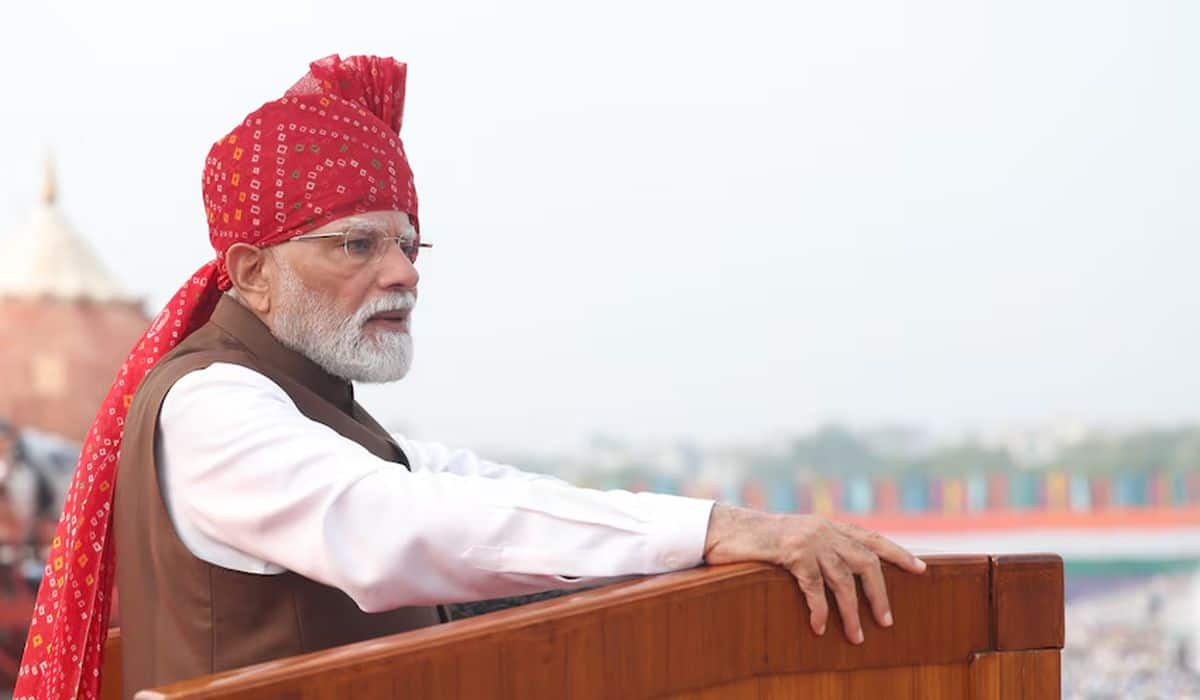
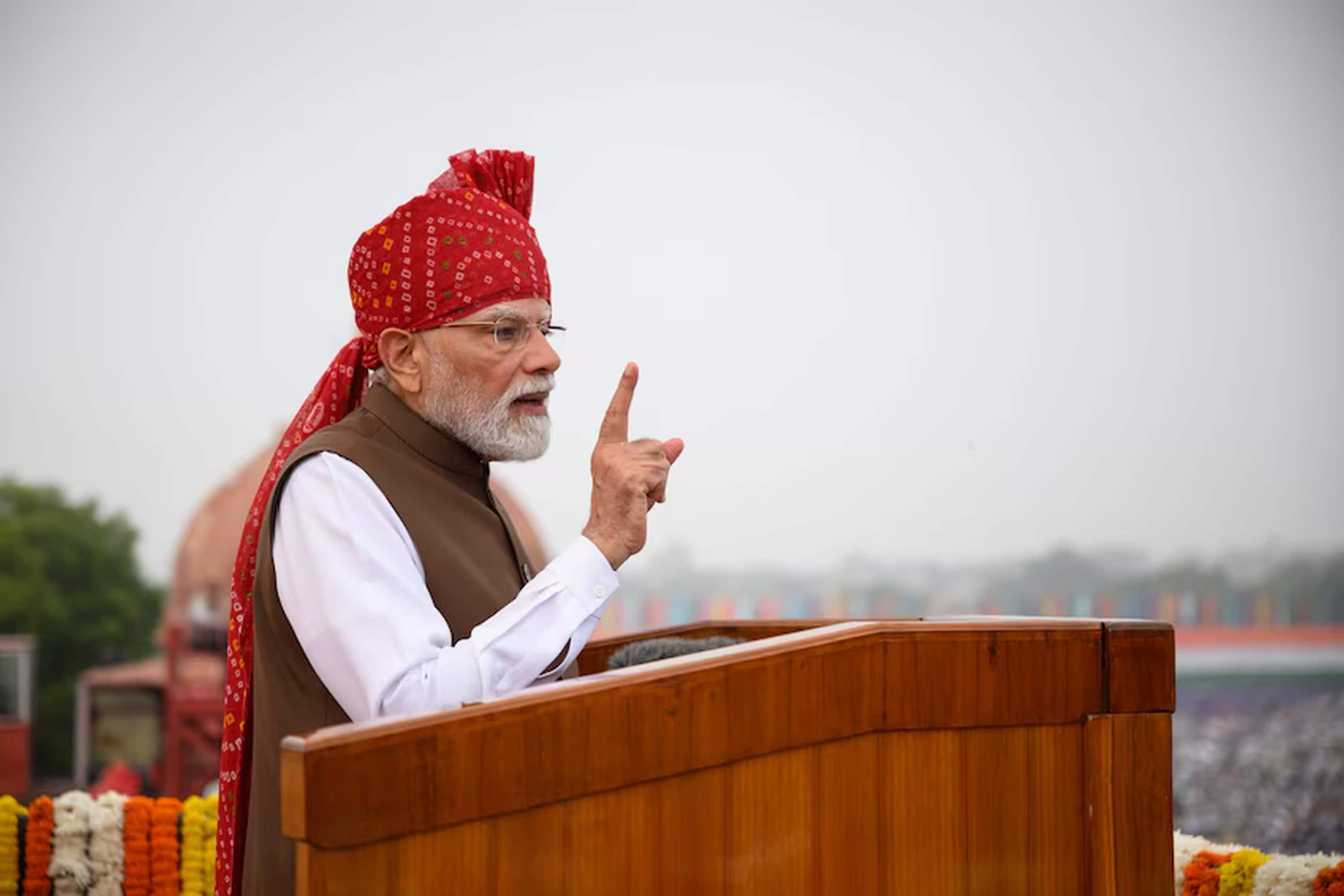
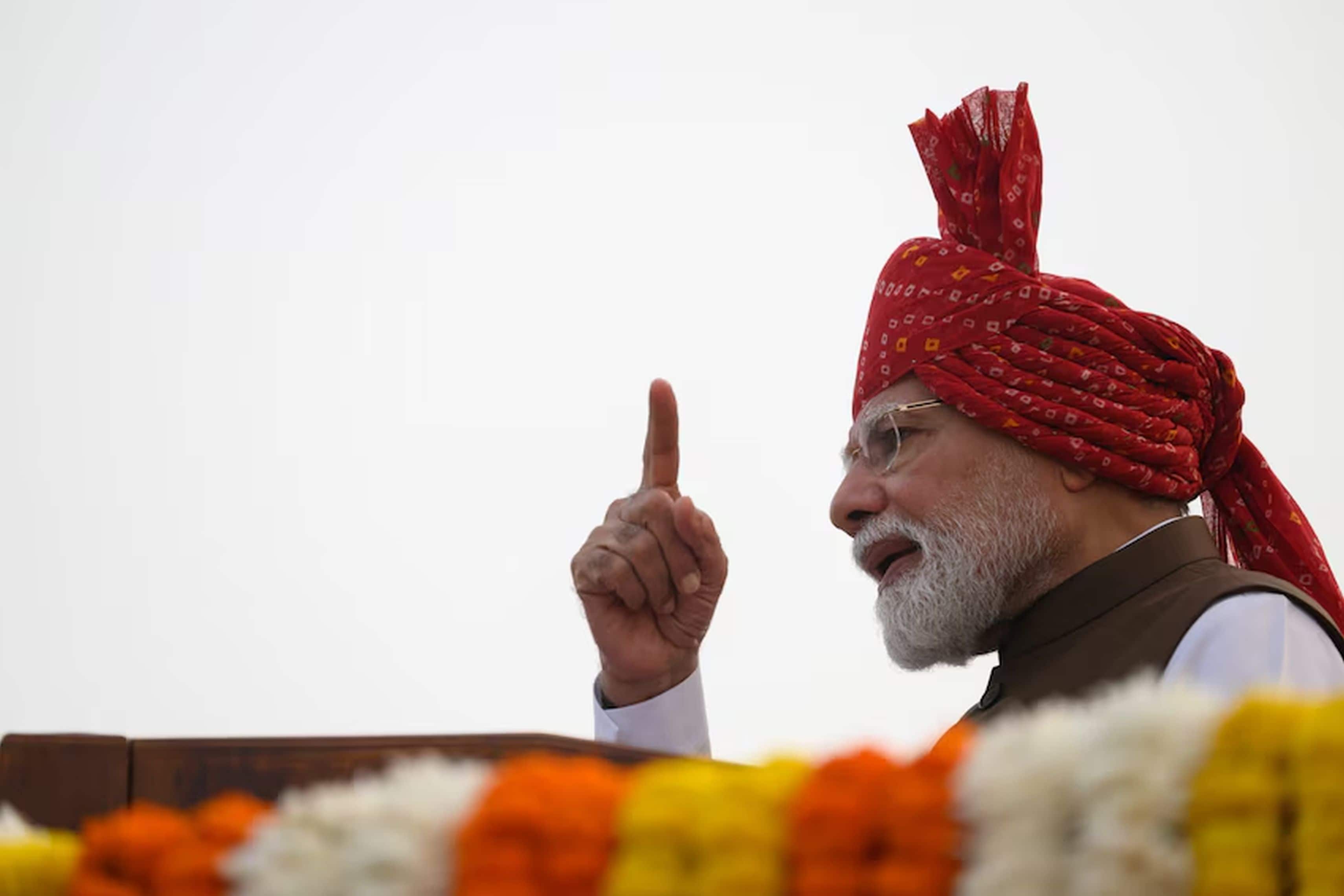
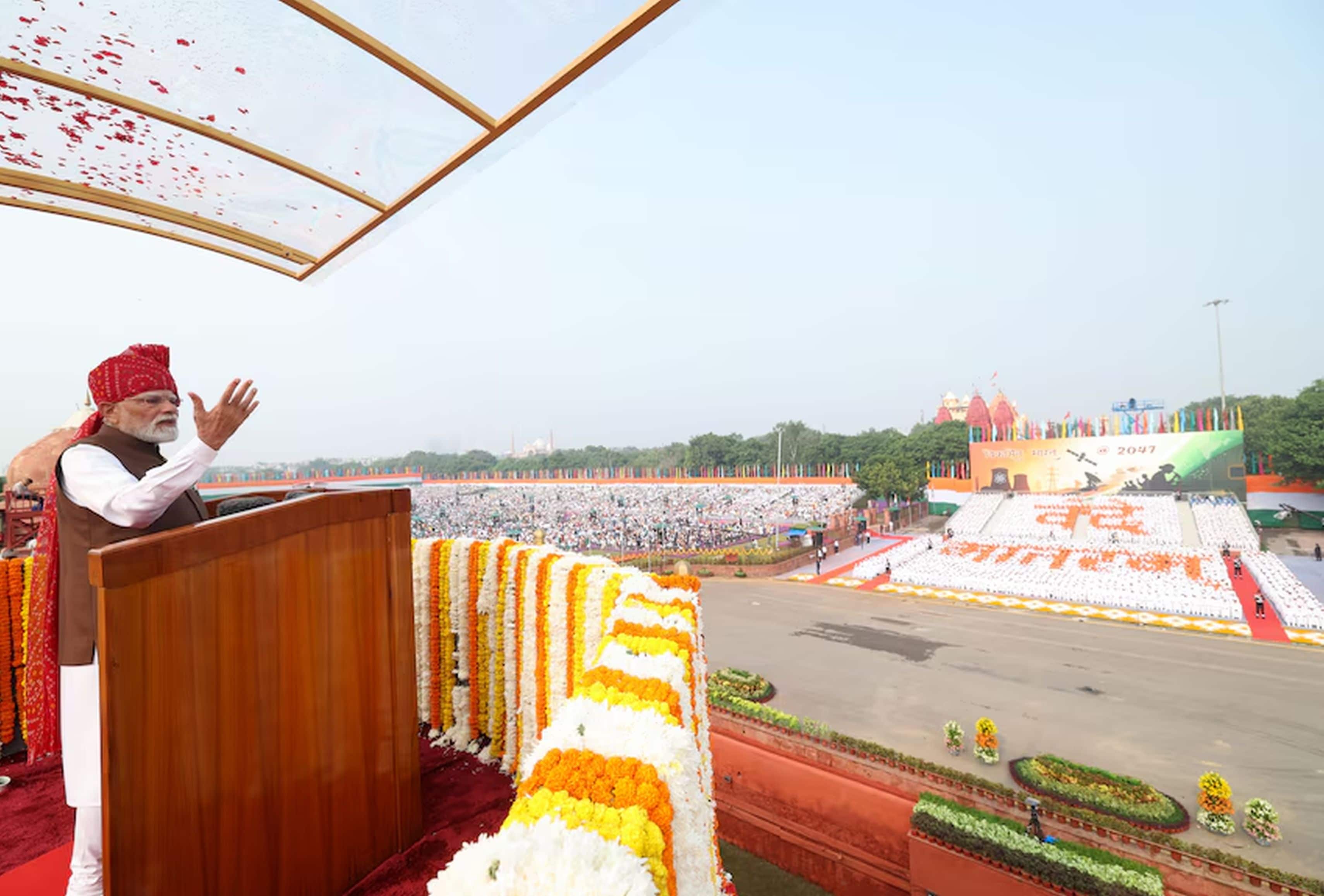
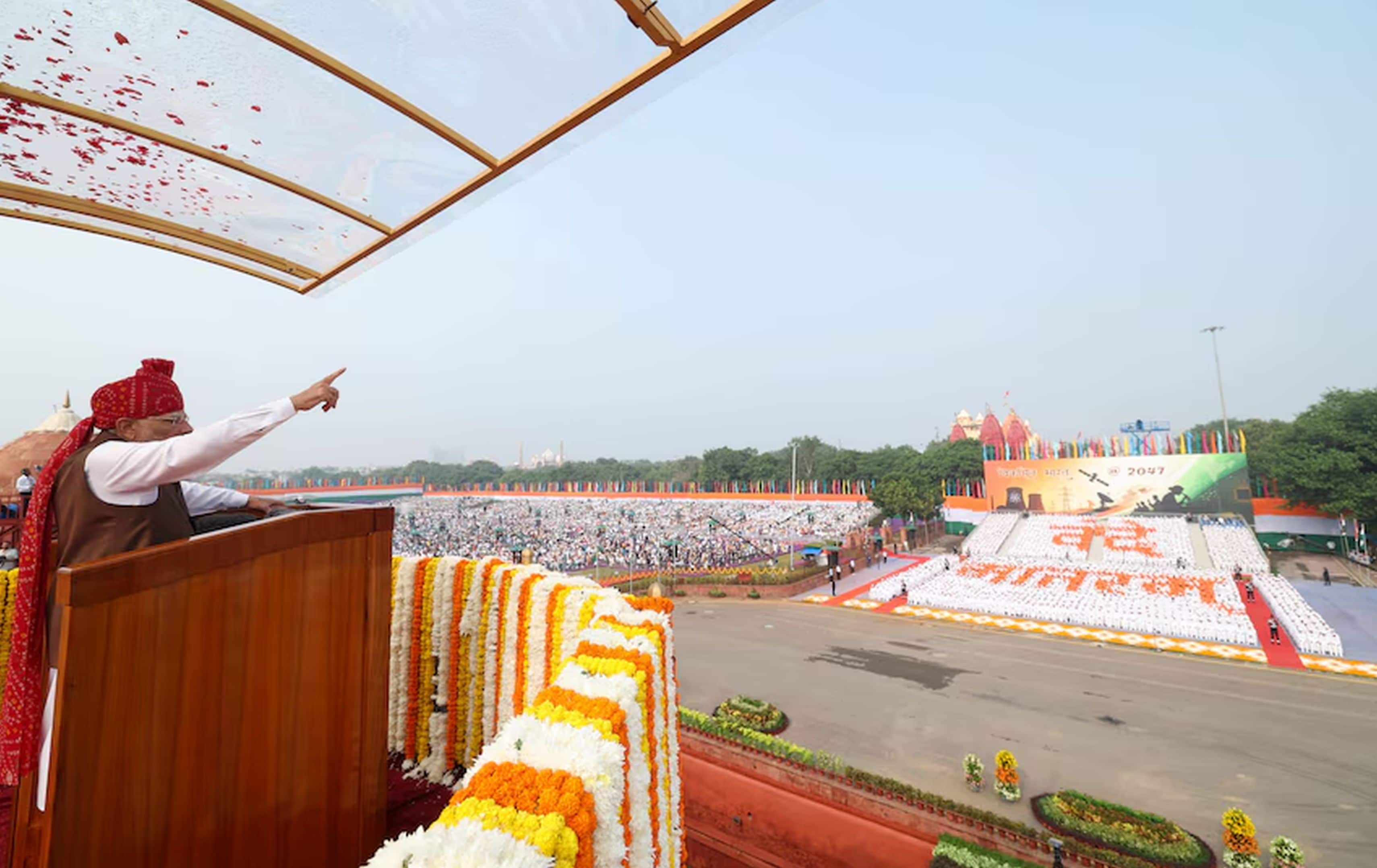
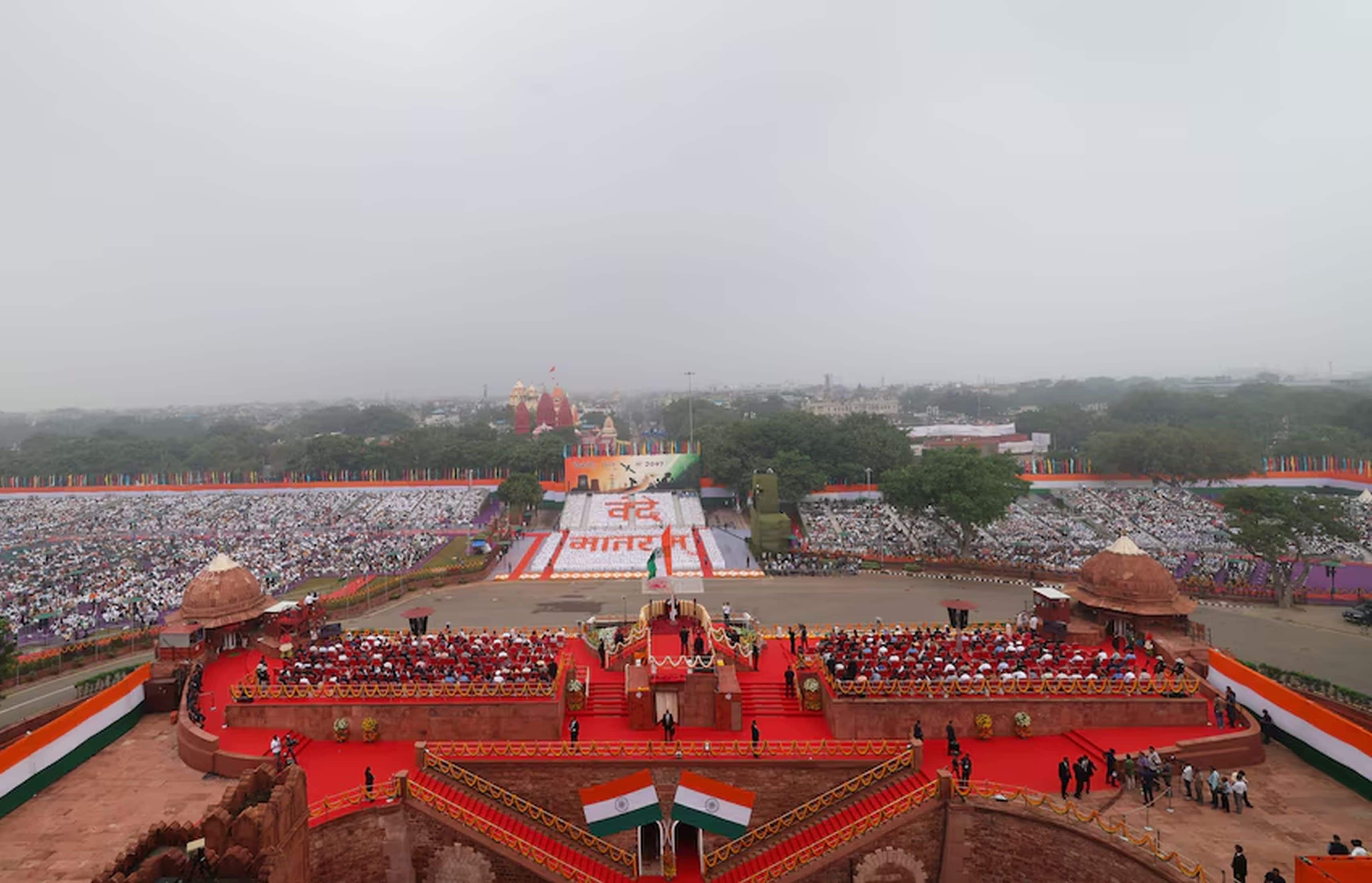
80મા સ્વતંત્રતા દિવસ નિમિત્તે લાલ કિલ્લાની પ્રાચીર પરથી પ્રધાનમંત્રી શ્રી નરેન્દ્ર મોદીના સંબોધનનો મૂળપાઠ
August 15, 2026
Share
આજનો દિવસ આપણા સપના, સંકલ્પ અને સમર્થ્ય સાથે આગળ વધવાનો દિવસ છે: પ્રધાનમંત્રી
આજે દ્રઢ સંકલ્પ સાથે ભારતે એક ખૂબ મોટું સ્વપ્ન જોયું છે; તે સ્વપ્ન એ છે કે જ્યારે આપણે સ્વતંત્રતાના 100 વર્ષ પૂર્ણ કરીશું, ત્યારે 2047 સુધીમાં આપણે એક વિકસિત ભારતનું નિર્માણ કર્યું હશે: પ્રધાનમંત્રી
આપણે પોતાનામાં વિશ્વાસ રાખવો જોઈએ અને આત્મનિર્ભર ભારત બનાવવા પર ગર્વ અનુભવવો જોઈએ: પ્રધાનમંત્રી
જે ક્ષેત્રો એક સમયે 'નો-ગો એરિયા' તરીકે જોવામાં આવતા હતા તે હવે 'ગો-અહેડ એરિયા' બની ગયા છે: પ્રધાનમંત્રી
દરેક ભારતીય મેક ઇન ઇન્ડિયા અને વોકલ ફોર લોકલની ભાવનાને અપનાવી રહ્યો છે: પ્રધાનમંત્રી
ભારત પાસે સ્થિર રાજકીય જનાદેશ, સ્થિર સરકાર, જીવંત લોકશાહી, મજબૂત ન્યાયિક વ્યવસ્થા અને આપણું સૌનું માર્ગદર્શન કરતું બંધારણ છે: પ્રધાનમંત્રી
આપણે ત્રણ બાબતો પર ધ્યાન કેન્દ્રિત કરવાની જરૂર છે; ખર્ચ, ગુણવત્તા અને સ્કેલ: પ્રધાનમંત્રી
આપણા કારખાનાઓ સ્પર્ધાત્મક હોવા જોઈએ, આપણા ઉત્પાદનો યુઝર-ફ્રેન્ડલી હોવા જોઈએ અને આપણું પેકેજિંગ શ્રેષ્ઠ હોવું જોઈએ: પ્રધાનમંત્રી
એક સમયે નક્સલી હિંસાથી પ્રભાવિત સ્થળો આજે શાંતિ, વિકાસ અને નવી આશાના સાક્ષી બની રહ્યા છે: પ્રધાનમંત્રી
આગામી વર્ષોમાં, આ સપ્તધારાઓ ભારતને આગળ ધપાવશે અને રાષ્ટ્રને નવી ઊંચાઈઓ પર લઈ જશે: પ્રધાનમંત્રી
મારા પ્રિય દેશવાસીઓ,
આજે, આપણે 80મો સ્વતંત્રતા દિવસ ઉજવી રહ્યા છીએ. દરેક હૃદય વંદે માતરમના નાદથી ગુંજી રહ્યું છે. દરેક ઘર ત્રિરંગી છે, દરેક હૃદય ત્રિરંગી છે અને રાષ્ટ્ર નવા સંકલ્પો લઈને ઉત્સાહ અને ઉમંગ સાથે આગળ વધી રહ્યું છે. આપ સૌને સ્વતંત્રતા દિવસની શુભકામનાઓ. રાષ્ટ્ર એ મહાન સપૂતોને યાદ કરે છે જેમણે રાષ્ટ્રની સ્વતંત્રતા માટે પરમ બલિદાન આપ્યું. પોતાની દૃઢતા, સમર્પણ અને આત્મવિલોપન દ્વારા તેમણે પોતાનું આખું જીવન સ્વતંત્રતાના એકમાત્ર ધ્યેય માટે સમર્પિત કરી દીધું. હું પૂજ્ય બાપુ સહિત તમામ સ્વતંત્રતા સેનાનીઓ અને બલિદાનની મહાન પરંપરાને જાગૃત કરનારા મહાન ક્રાંતિકારીઓને મારી આદરપૂર્વક શ્રદ્ધાંજલિ અર્પણ કરું છું. આ સમારોહમાં હાજર રહેલા બધા માટે આજે એક ઐતિહાસિક ક્ષણ છે. સ્વતંત્રતા પછી પહેલી વાર, 15 ઓગસ્ટના રોજ લાલ કિલ્લા પરથી વંદે માતરમ ગુંજી રહ્યું છે. જ્યારે આપણે, આ દેશના લોકો વંદે માતરમના 150 વર્ષ ઉજવી રહ્યા છીએ ત્યારે આનાથી વધુ યોગ્ય પ્રસંગ કયો હોઈ શકે ?
મારા પ્રિય દેશવાસીઓ,
તાજેતરમાં દેશના કેટલાક ભાગોમાં પૂર અને ભૂસ્ખલનનો ભોગ બન્યા હતા, જેના કારણે ઘણા પરિવારો પ્રભાવિત થયા હતા. અમે તેમના દુઃખ અને પીડાને ઊંડાણપૂર્વક અનુભવીએ છીએ. હું અસરગ્રસ્ત પરિવારોને ખાતરી આપું છું કે અમે અને આખો રાષ્ટ્ર તેમની સાથે ઉભા છીએ.
મારા પ્રિય દેશવાસીઓ,
કોઈપણ રાષ્ટ્ર મહાન બને છે, પોતાની સિદ્ધિઓ પ્રાપ્ત કરે છે, જ્યારે તે પોતાના સપના, પોતાના સંકલ્પો અને પોતાની ક્ષમતાઓના બળ પર આગળ વધે છે.
મારા દેશવાસીઓ,
હવે નાના સપનાઓ સાથે જીવી શકતા નથી; આપણને મોટા સપનાઓની જરૂર છે, કારણ કે મોટા સપના આપણા વિચારોને વિસ્તૃત કરે છે. તે આપણા વિચારોની ક્ષિતિજોને વિસ્તૃત કરે છે. આપણો સંકલ્પ મજબૂત હોવો જોઈએ ; જ્યારે સંકલ્પ મજબૂત હોય છે, ત્યારે મુશ્કેલીઓ અને આફતોમાંથી માર્ગ શોધવાની ક્ષમતા આપમેળે ઉભરી આવે છે.
અને મારા પ્રિય દેશવાસીઓ,
આપણા સંકલ્પો પણ ઊંચા હોવા જોઈએ કારણ કે જ્યારે સપના ઊંચા હોય છે, સંકલ્પો ઊંચા હોય છે, ત્યારે આપણી ક્ષમતાઓની ઊંચાઈ પણ વધે છે, આપણા પ્રયત્નોની ઊંચાઈ પણ વધે છે અને ત્યારે જ આપણે આપણા સપનાઓને સાકાર કરી શકીએ છીએ.
મારા પ્રિય દેશવાસીઓ,
આજે, ભારતનું એક મોટું સ્વપ્ન છે, એક સ્વપ્ન જેમાં દૃઢ નિશ્ચય છે, નવી ઊંચાઈઓ સુધી પહોંચવાનું છે. તે સ્વપ્ન એ છે કે જ્યારે આપણે 2047માં આપણી સ્વતંત્રતાની 100મી વર્ષગાંઠ ઉજવીશું, ત્યારે આપણે એક વિકસિત ભારતનું નિર્માણ કરીશું. આપણે 140 કરોડ નાગરિકોના પ્રયાસો દ્વારા આ લક્ષ્ય પ્રાપ્ત કરવું જોઈએ. જ્યારે વિશ્વનો સૌથી વધુ વસ્તી ધરાવતો રાષ્ટ્ર વિકાસ કરવાનો સંકલ્પ કરે છે, ત્યારે તે વિશ્વની નજરમાં આપણી હિંમતનું પ્રતીક બની જાય છે. વિશ્વને આપણા પ્રત્યેનો પોતાનો દૃષ્ટિકોણ બદલવાની ફરજ પડે છે.
પ્રિય દેશવાસીઓ,
અને હું આ કારણ વગર નથી કહી રહ્યો. છેલ્લા 12 વર્ષોમાં, આ દેશના લાખો નાગરિકો - પછી ભલે તે દલિત હોય, પીડિત હોય, વંચિત હોય, આદિવાસી હોય, ગ્રામીણ હોય, શહેરી હોય, ગરીબ હોય, મધ્યમ વર્ગ હોય, યુવાન હોય, વૃદ્ધ હોય, સ્ત્રીઓ હોય, પુરુષો હોય, ઉત્તર હોય, દક્ષિણ હોય, પૂર્વ હોય કે પશ્ચિમ હોય - તેમણે દેશને નવી ઊંચાઈઓ પર લઈ જવા માટે દૃઢ નિશ્ચય અને સમર્પણ સાથે દરેક પ્રયાસ કર્યો છે. હું તેમના પ્રયાસોનો આદરપૂર્વક સ્વીકાર કરું છું, અને પરિણામ એ આવ્યું છે કે, આટલા ટૂંકા સમયમાં 25 કરોડ દેશવાસીઓ ગરીબીમાંથી બહાર આવ્યા છે અને તેમાંથી બહાર આવ્યા છે. આ જ પ્રયાસોનું પરિણામ છે કે આપણે એક સમયે નાજુક પાંચ અર્થતંત્રોમાં ગણાતા હતા. 12 વર્ષમાં, આપણે મુખ્ય અર્થતંત્રોમાં સૌથી ઝડપથી વિકસતી અર્થવ્યવસ્થા બની ગયા છીએ.
મિત્રો ,
દેશ આઝાદ થયો, ઘણા સપનાઓ સાથે આઝાદ થયો પણ આપણે ગતિ પકડી શક્યો નહીં, સ્પીડ પકડી શક્યો નહીં. આપણે 'થાય છે, ચાલે છે, થશે, આપણે જોઈશું'ના વિચારોમાં ખોવાયેલા રહ્યા. 2014 સુધીમાં, આખી દુનિયાએ આપણને ફ્રેઝાઈસ ફાઈવમાં ફેંકી દીધા હતા. આવા સમયે, છેલ્લા 12 વર્ષમાં, ભારતે એક નવી ગતિ પકડી છે, આપણે ઝડપી ગતિએ આગળ વધી રહ્યા છીએ અને દેશવાસીઓ દૃઢ નિશ્ચય ધરાવે છે કે હવે 140 કરોડ દેશવાસીઓના સંકલ્પ અને શક્તિને રોકવી અશક્ય છે.
પ્રિય દેશવાસીઓ,
છેલ્લા 12 વર્ષમાં સંરક્ષણ ઉત્પાદન ચાર ગણું વધ્યું છે . ખાદી અને ગ્રામોદ્યોગનું ઉત્પાદન લગભગ ૫ ગણું વધ્યું છે , ઇલેક્ટ્રોનિક ઉત્પાદન લગભગ 7 ગણું વધ્યું છે, આધુનિક રેલવે કોચનું ઉત્પાદન 21 ગણું વધ્યું છે અને મોબાઇલ ફોનનું ઉત્પાદન 35 ગણું વધ્યું છે. વધુમાં, આધુનિક યુગને અનુરૂપ, આપણે ડિજિટલ અને નવીનતાની દુનિયામાં પણ પોતાની છાપ છોડી છે. ઇન્ટરનેટ વપરાશકર્તાઓ અને ગ્રાહકોમાં લગભગ ચાર ગણો વધારો થયો છે , પેટન્ટ ગ્રાન્ટમાં ચાર ગણો વધારો થયો છે અને ડિજિટલ વ્યવહારોમાં 100 ગણો વધારો થયો છે. આપણે સામાન્ય નાગરિકોની સુખાકારી સુધારવા માટે પણ એટલી જ ગંભીરતાથી કામ કર્યું છે. આપણે દર વર્ષે સરેરાશ 15 ગણા દરે નળના પાણીના જોડાણો પૂરા પાડ્યા છે. આપણે દર વર્ષે સરેરાશ છ ગણા દરે લોકોને ગેસ કનેક્શન પૂરા પાડ્યા છે. આપણે દર વર્ષે ગરીબો માટે ચાર ગણા દરે શૌચાલય બનાવ્યા છે, અને આપણે દર વર્ષે ત્રણ ગણા દરે ગરીબોને આવાસ પૂરા પાડ્યા છે. દેશમાં શાસનમાં પણ નોંધપાત્ર ફેરફારો આવ્યા છે. આપણે હજારો પાલન નાબૂદ કર્યા છે અને સેંકડો જૂના કાયદાઓ નાબૂદ કર્યા છે. 21મી સદી ગઈ સદીના કાયદાઓ દ્વારા આગળ વધી શકતી નથી. આપણે આધુનિક માળખાગત સુવિધાઓ માટે મેટ્રોનો વિસ્તાર કર્યો છે , અને આપણે જાહેર પરિવહનને મજબૂત બનાવ્યું છે. જે ગતિએ કામ થયું છે , જે સ્તરે તે થયું છે - આ ગતિ, આ વિસ્તરણ, આ સિદ્ધિ - આઝાદી પછી છેલ્લા દાયકામાં પહેલી વાર જોવા મળી છે. અને જ્યારે આટલી બધી સિદ્ધિઓ આપણી સામે હોય છે, આટલી ઝડપી ગતિ દેખાય છે, આપણા દેશવાસીઓની ક્ષમતા દરેક ક્ષણે મજબૂત બને છે, ત્યારે 2047 સુધીમાં વિકસિત ભારત બનવાનો સંકલ્પ ક્યારેય અધૂરો રહી શકતો નથી. આ બધા આંકડા સાક્ષી આપે છે કે આપણે આગળ વધવાના છીએ.
મારા પ્રિય દેશવાસીઓ ,
પરંતુ તેના માટે આત્મવિશ્વાસની જરૂર છે, આત્મસન્માનની જરૂર છે અને તેની સાથે, આત્મનિર્ભર ભારત હોવું ખૂબ જ મહત્વપૂર્ણ છે. અને એટલા માટે છેલ્લા વર્ષોમાં, આપણે ખાતરી આપી છે કે ભારતે હવે બીજા દેશો પર આધાર રાખીને જીવવું જોઈએ નહીં, આપણે આત્મનિર્ભર બનવું જોઈએ. દુનિયામાં ઘણું બધું ઉપલબ્ધ છે, તે સસ્તામાં ઉપલબ્ધ છે, તે ઝડપથી મેળવી શકાય છે , પરંતુ તે આપણી ક્ષમતાઓનું નિર્માણ કરતું નથી, કે તે આપણી ક્ષમતાઓની કસોટી નથી અને તેથી, આપણે પણ આપણી ક્ષમતાઓ વધારવી પડશે, આપણે આપણા હિતોનું રક્ષણ જાતે જ કરવું પડશે, અને તેથી જ આપણે આત્મનિર્ભર ભારતના સંકલ્પ સાથે ખૂબ જ નિશ્ચય સાથે આગળ વધી રહ્યા છીએ. મેક ઇન ઇન્ડિયા, સ્વદેશી, વોકલ ફોર લોકલ, આજે દરેક ભારતીયનું હૃદય આ બધા ક્ષેત્રોમાં જોડાયેલું છે.
મારા પ્રિય દેશવાસીઓ,
હું તમને સેમિકન્ડક્ટરનું ઉદાહરણ આપું છું. ભારતની સ્વતંત્રતા પછી, વૈશ્વિક સ્તરે સેમિકન્ડક્ટરની ચર્ચા થઈ હતી. અહીં પણ ચર્ચાઓ થઈ હતી, પરંતુ આપણે કોઈ મોટી સેમિકન્ડક્ટર યોજનાઓને આગળ વધારી શક્યા નથી. આજે શું પરિસ્થિતિ છે? આજના ડિજિટલ વિશ્વમાં, આજના ટેકનોલોજીમાં આપણે ચિપ્સનું મહત્વ સમજીએ છીએ. કોઈપણ ઇલેક્ટ્રોનિક ગુડ્સ, આપણા તબીબી ઉપકરણો, આપણી પરિવહન પ્રણાલી માટે ચિપ્સ આવશ્યક છે, અને તેમના વિના, વિશ્વ ઠપ્પ થઈ શકે છે. તેથી, આત્મનિર્ભરતાની શોધમાં, ભારતે પોતાનો સેમિકન્ડક્ટર પ્લાન્ટ, એક મોટો સેમિકન્ડક્ટર પ્લાન્ટ શરૂ કર્યો છે. ત્રણ સેમિકન્ડક્ટર પ્લાન્ટ પહેલેથી જ કાર્યરત થઈ ગયા છે. મને કહેવામાં આવ્યું છે કે ત્યાંનું ઉત્પાદન નિકાસ થવાનું શરૂ થઈ ગયું છે. હું મારા દેશવાસીઓને કહેવા માંગુ છું કે આગામી સાતથી આઠ વર્ષમાં, બીજા પાંચથી સાત કે આઠ સેમિકન્ડક્ટર પ્લાન્ટ ખૂબ જ ટૂંક સમયમાં કાર્યરત થશે. આ આત્મનિર્ભર ભારત આપણને વિકસિત ભારત તરફનો હાઇવે પ્રદાન કરે છે.
મારા પ્રિય દેશવાસીઓ,
ક્રિટિકલ મિનરલ્સ અંગે પણ આવી જ ચર્ચા થઈ રહી છે. બધી ટેકનોલોજી ક્રિટિકલ મિનરલ્સ પર આધાર રાખે છે. ભારત આ ક્ષેત્રમાં પણ પોતાને સુરક્ષિત કરવા માટે કામ કરી રહ્યું છે. ક્રિટિકલ મિનરલ્સના ધ્યેયને શેર કરવા માટે અમે નેશનલ ક્રિટિકલ મિનરલ્સ ઇનિશિયેટિવ શરૂ કર્યું. અમે બજેટમાં ક્રિટિકલ મિનરલ્સ કોરિડોરની જાહેરાત કરી. ઘણા દેશો સાથે કરારો થઈ રહ્યા છે. વિશ્વભરના ઘણા દેશો હવે ક્રિટિકલ મિનરલ્સના ક્ષેત્રમાં ભારત પર વિશ્વાસ કરી રહ્યા છે.
મારા પ્રિય દેશવાસીઓ,
અને ક્રિટિકલ મિનરલ્સની જેમ આપણે જે ટેકનોલોજી તરફ આગળ વધી રહ્યા છીએ તેમાં ઊર્જાનું મહત્વ વધી રહ્યું છે અને દુનિયા પણ તે તરફ આગળ વધી રહી છે. ઊર્જા વિના આ નવી દુનિયામાં આગળ વધવું મુશ્કેલ છે, અને તેથી, ભલે તે ચિપ્સ હોય , AI હોય કે ડેટા સેન્ટર હોય , આપણને મોટા પ્રમાણમાં વીજળીની જરૂર પડશે. ઊર્જા સુરક્ષા એ સમયની જરૂરિયાત છે, અને અમે તે દિશામાં મજબૂત પગલાં પહેલેથી જ લીધા છે. પરમાણુ ઊર્જા એ ઊર્જા સુરક્ષાનો મુખ્ય સ્ત્રોત છે. સંસદમાં શાંતિ કાયદો પસાર કરીને, અમે એક નવા ધ્યેય તરફ માર્ગ નક્કી કર્યો છે. અમે 2047 સુધીમાં 100 ગીગાવોટ પરમાણુ ઊર્જાનું લક્ષ્ય રાખી રહ્યા છીએ. અમે આ દાયકામાં પાંચ નવા પરમાણુ રિએક્ટર કાર્યરત કરવાનું લક્ષ્ય રાખી રહ્યા છીએ. આ વર્ષે, ભારતે ઝડપી સંવર્ધક પરમાણુ ટેકનોલોજીમાં નિપુણતા મેળવીને એક મહત્વપૂર્ણ સીમાચિહ્ન પાર કર્યું છે, જેનાથી પરમાણુ ઇંધણમાં આત્મનિર્ભર બનવા તરફ એક મોટું પગલું ભર્યું છે.
મારા પ્રિય દેશવાસીઓ,
ઘણીવાર, કોઈ દેશ સંસાધનોના અભાવે અટકતો નથી, પરંતુ વિચારસરણીની મર્યાદાઓ આ સ્થિરતાનું કારણ બને છે. જ્યારે વિચાર મર્યાદિત થઈ જાય છે અને સીમાઓમાં ઠંડક મેળવવા લાગે છે, ત્યારે આપણે આપણી પોતાની ક્ષમતાને ઓળખવામાં નિષ્ફળ જઈએ છીએ. આજે, દેશ ક્રૂડ ઓઇલ પર આધાર રાખવાની ફરજ પાડે છે, અને આ આપણી ખામીયુક્ત વિચારસરણીને કારણે છે. તમને જાણીને આશ્ચર્ય થશે કે, આવી વિચારસરણીને કારણે, અમે આપણા દરિયાકાંઠાના 99% ભાગને નો - ગો એરિયા જાહેર કર્યો. અમે સમુદ્રનું અન્વેષણ કરવાનો નિર્ણય લીધો. આ વિચારસરણીની ગરીબી હતી; અમે નક્કી કર્યું કે આ ચાલુ રહી શકશે નહીં. અમે તે 99% ભાગ, જે પહેલા નો -ગો એરિયા હતો, તેને ગો-અહેડ વિસ્તાર તરીકે ખોલ્યો છે. હવે, અમે સમુદ્રની અંદર શોધખોળ અને નવા ભંડાર શોધવા તરફ વલણ ધરાવીએ છીએ. અમે પ્રયાસો કરી રહ્યા છીએ. ગયા વર્ષે, અમે સમુદ્ર મંથનની જાહેરાત કરીને આ જ દિશામાં એક મહત્વપૂર્ણ પગલું ભર્યું હતું અને તાજેતરમાં અમે આ હેતુ માટે 85,000 કરોડ રૂપિયા ફાળવીને કાર્યને ઝડપી બનાવવાનો નિર્ણય લીધો છે.
મારા પ્રિય દેશવાસીઓ,
ઉર્જા સુરક્ષા અંગે, મેં કહ્યું હતું કે આપણા માટે આપણા બધા પ્રયાસો વૈકલ્પિક સ્ત્રોતો પર કેન્દ્રિત કરવા ખૂબ જ મહત્વપૂર્ણ છે અને તેથી, ઉર્જાનો યોગ્ય ઉપયોગ વધારીને, ભારત આ દિશામાં ઝડપથી કામ કરી રહ્યું છે. 2014 પહેલા, એટલે કે 12 વર્ષ પહેલા આપણા દેશના ફક્ત 70 શહેરોમાં પાઇપ ગેસ સિસ્ટમ હતી, ગેસ વિતરણ પાઇપ દ્વારા કરવામાં આવતું હતું. 12 વર્ષમાં, અમે આ 70 શહેરોને 700 શહેરોમાં વિસ્તૃત કર્યા છે. આ ગતિ છે, આ વિસ્તરણ છે. 2014 પહેલા, પાઇપ ગેસ માંડ 20-22 લાખ ઘરોને ઉપલબ્ધ હતો, આજે 1.75 કરોડ ઘરોને પાઇપ ગેસ પહોંચાડવાનું કામ ચાલી રહ્યું છે. 12 વર્ષ પહેલા, દેશમાં સૌર ઉર્જા ક્ષમતા ફક્ત 2 ગીગાવોટ હતી , આજે આપણે 160 ગીગાવોટનો લક્ષ્યાંક પ્રાપ્ત કર્યો છે .
મારા પ્રિય દેશવાસીઓ,
હું તમને એક વધુ માહિતી આપું છું, અમે દેશના મધ્યમ વર્ગ અને સામાન્ય પરિવારો સુધી તેનો લાભ પહોંચે તે સુનિશ્ચિત કરવા પર સમાન રીતે ધ્યાન કેન્દ્રિત કર્યું છે . અમે પીએમ સૂર્યઘર મફત વીજળી યોજના શરૂ કરી અને આજે મને સંતોષ છે કે આટલા ટૂંકા સમયમાં અમે 50 લાખ ઘરોને સૌર ઉર્જા પૂરી પાડવાનો આંકડો પાર કરી લીધો છે, તે ઝડપથી આગળ વધી રહ્યું છે અને તેના કારણે હજારો ઘરોના વીજળી બિલ શૂન્ય થઈ ગયા છે, હજારો ઘરો પોતાની વીજળીનો ઉપયોગ કરવાને બદલે વધારાની વીજળી વેચીને પૈસા કમાઈ રહ્યા છે. આ કાર્ય માટે, દરેક પરિવારને સરકાર તરફથી 80,000 રૂપિયાની સહાય આપવામાં આવી રહી છે, ત્યારે જ અમે આ કાર્ય પૂર્ણ કરી રહ્યા છીએ.
મારા પ્રિય દેશવાસીઓ,
તમને જાણીને નવાઈ લાગશે કે આપણા દેશમાં રેલવેનું વીજળીકરણનું કામ 1925માં શરૂ થયું હતું. વીજળીકરણનું કામ 1925માં શરૂ થયું હતું , પરંતુ 1925 થી 90 વર્ષ સુધીના 90 વર્ષમાં માત્ર 30% રેલવેનું વીજળીકરણ થયું હતું. એટલે કે 90 વર્ષમાં 30%, આપણી ગતિ જુઓ, લક્ષ્ય પ્રાપ્ત કરવાની આપણી દોડ જુઓ. અમે આ એક દાયકામાં 100% કામ પૂર્ણ કર્યું. 90 વર્ષમાં 30%, 10 વર્ષમાં 70%, આ કામ છે અને તેના કારણે, ડીઝલ, જે અમારે બહારથી આયાત કરવું પડતું હતું , તે બચ્યું. આપણી ટ્રેનો વીજળીથી દોડી, પર્યાવરણને ફાયદો થવા લાગ્યો.
મારા પ્રિય દેશવાસીઓ,
આપણે અહીં જ અટક્યા નથી. આપણે દુનિયાથી પાછળ રહેવા માંગતા નથી. તમે તાજેતરમાં જ સમાચાર સાંભળ્યા હશે કે ભારતે પણ ઇંધણના આ નવા ક્ષેત્રમાં પ્રવેશ કર્યો છે. દેશે તેની પહેલી હાઇડ્રોજન સંચાલિત ટ્રેન શરૂ કરી છે, અને મને ખુશી છે કે તે સૌથી લાંબી અને સૌથી શક્તિશાળી ટ્રેન છે. ભારતે વૈશ્વિક સ્તરે હાઇડ્રોજન ટ્રેન ક્ષેત્રમાં પણ પોતાને એક નેતા તરીકે સ્થાપિત કરી છે.
પ્રિય દેશવાસીઓ,
છેલ્લા 10-12 વર્ષથી, આપણે 2047ના લક્ષ્યને પ્રાપ્ત કરવા માટે દોડી રહ્યા છીએ. આપણે એક પછી એક સીમાચિહ્ન હાંસલ કરી રહ્યા છીએ. આપણે ક્યારેય કલ્પના પણ નહોતી કરી કે આપણે રસ્તામાં કેટલીક મુશ્કેલીઓનો સામનો કરીશું. છેલ્લા 10-12 વર્ષોમાં આટલા બધા સંકટનો સામનો કરવો પડ્યો છે. કોરોનાવાયરસ જેવી વૈશ્વિક મહામારીએ આખી દુનિયાને ચિંતામાં મૂકી દીધી હતી, બધી સિસ્ટમો ખોરવાઈ ગઈ હતી. જેમ જેમ આપણે મહામારીમાંથી બહાર આવ્યા, યુદ્ધની ભયાનકતાના સમાચાર સામે આવવા લાગ્યા. યુક્રેનથી પશ્ચિમ એશિયા સુધી દરેક જગ્યાએ તણાવનું શાસન હતું, અને કોણ જાણે ભવિષ્ય ભાખનારાઓએ શું જાહેરાત કરી હતી. કેટલાક લોકો દેશને ડરાવવામાં, તેને ભયભીત રાખવામાં અને દેશને ચિંતિત રાખવામાં આનંદ માણે છે. તેઓ કહી રહ્યા છે, "આપણે રસી નહીં મેળવીએ, લોકો કોવિડથી બચી શકશે નહીં, કંઈ થવાનું નથી." પશ્ચિમ એશિયાઈ કટોકટી આવી, બળતણ સ્ટેશનો બંધ થઈ ગયા, ડીઝલ બંધ થઈ ગયા અને ખાતરો બંધ થઈ ગયા. કેટલાક લોકોને દુનિયાભરમાં અફવાઓ ફેલાવવાનો, ભારતના લોકોને ડરાવવાનો અને ડરાવવાનો આનંદ માણવાનો આનંદ માણ્યો. પરંતુ દેશે જોયું કે છેલ્લા 10-12 વર્ષોની સારી રીતે વિચારેલી યોજનાઓ ફળીભૂત થઈ રહી છે, અને આટલી મોટી કટોકટી છતાં, ભારત "નાગરિક દેવો ભવ" ના મંત્ર પર જીવ્યું. ભારતે જે તૈયારીઓ કરી હતી, જે પગલાં લીધાં હતા, તે એક પછી એક પગલાં લેવામાં આવ્યા . આપણે ક્યારેય કલ્પના પણ નહોતી કરી કે આ કટોકટી આવશે. પરંતુ તે કટોકટી દરમિયાન, આ બધી વસ્તુઓ કામમાં આવી, અને આજે દેશ પાસે ગેસ, પેટ્રોલ અને યુરિયા છે. આપણે આપણી પોતાની તાકાત પર ઉભા છીએ અને આગળ વધી રહ્યા છીએ.
મારા પ્રિય દેશવાસીઓ ,
આ વૈશ્વિક કટોકટીએ દરેકને અસર કરી છે, આપણે પણ તેનાથી અસ્પૃશ્ય નથી. વૈશ્વિક સ્તરે યુરિયાનો ભાવ પ્રતિ થેલી 3000 રૂપિયા સુધી પહોંચી ગયો છે. આજે પણ આપણે મારા દેશના ખેડૂતોને તે બોજ ઉઠાવવા માટે મજબૂર નથી કરી રહ્યા, સરકાર તે બોજ પોતાના ખભા પર લઈ રહી છે અને યુરિયાની જે થેલી આપણને દુનિયાભરમાંથી 3000 રૂપિયામાં મળે છે, તે આપણે આપણા ખેડૂતોને ફક્ત 300 રૂપિયામાં આપી શકીએ છીએ. એટલું જ નહીં આજે DAPનો બજાર ભાવ વૈશ્વિક સ્તરે 5000 રૂપિયા સુધી પહોંચી ગયો છે, પરંતુ મારા દેશના ખેડૂતોને કોઈ મુશ્કેલી ન પડે તે માટે અમે હજુ પણ 1350 રૂપિયામાં DAP આપી રહ્યા છીએ.
મારા પ્રિય દેશવાસીઓ,
એક સમય હતો જ્યારે હું આત્મનિર્ભરતા વિશે વાત કરી રહ્યો હતો, ત્યારે કેટલાક લોકો, એરકન્ડિશન્ડ ચેમ્બરમાં બેસીને, આપણને કહી રહ્યા હતા કે વૈશ્વિકરણનું શું થશે. પરંતુ દુનિયા જોઈ રહી છે કે છેલ્લા દાયકામાં, એવું લાગે છે કે દુનિયાએ વૈશ્વિકરણ વિશે વાત કરવાનું બિલકુલ બંધ કરી દીધું છે. વૈશ્વિકરણની વાત કરતા અવાજો સંભળાતા બંધ થઈ ગયા છે. દુનિયાનો દરેક દેશ પોતાના પ્રશ્નાર્થ વલણ તરફ આગળ વધ્યો છે, પરંતુ કમનસીબે, આ કટોકટી દરમિયાન, કેટલાક લોકોએ પોતાની સ્થિતિ બતાવવા માટે સંસાધનોને શસ્ત્ર બનાવવાનો આશરો લીધો છે. દુનિયા પોતાની પાસે રહેલી દરેક વસ્તુને શસ્ત્ર બનાવવામાં વ્યસ્ત છે. સંસાધનો, પેટ્રોલ, ડીઝલ, ખાતર, દવાઓ, ટેકનોલોજી ચિપ્સ - એટલું જ નહીં પણ જમીનને પણ શસ્ત્ર બનાવવામાં આવી રહી છે. અને આવા સમયે, જો આપણે આત્મનિર્ભરતાના મંત્ર સાથે 10 વર્ષ સુધી યોગ્ય દિશામાં ન આગળ વધ્યા હોત, તો આપણે કલ્પના કરી શકીએ છીએ કે આપણે આવા પડકારોનો કેવી રીતે મજબૂતીથી સામનો કર્યો હોત અને આપણી તૈયારીઓ સતત વધી રહી છે.
મારા પ્રિય દેશવાસીઓ,
બીજી બાજુ, આજે ભારતનું સ્થાન નોંધપાત્ર રીતે વધી રહ્યું છે. ભારત વૈશ્વિક સ્તરે એક માન્ય અને આદરણીય દેશ તરીકે ઉભરી રહ્યું છે. ભારત પાસે સ્થિર રાજકીય આદેશ, સ્થિર સરકાર, જીવંત લોકશાહી, મજબૂત ન્યાયિક વ્યવસ્થા અને આપણા બધાને માર્ગદર્શન આપતું બંધારણ છે. હવે, વિશ્વ આ સંભાવનાને ઓળખી રહ્યું છે. અને તેથી જ, 2014 થી અમે લગભગ 40 દેશો સાથે FTA કરારો પર હસ્તાક્ષર કરી રહ્યા છીએ. તમે જુઓ કેટલી મોટી તક ઉભરી આવી છે. પરંતુ આ વેપાર કરારો ખરેખર એક સ્મારક તક છે. તેથી, હું ખાસ કરીને મારા MSMEs ને કહેવા માંગુ છું કે આપણે આ તક ગુમાવવી જોઈએ નહીં. આપણે વિશ્વ સુધી પહોંચવું જોઈએ, ખાતરી કરવી જોઈએ કે ભારતનું દરેક ઉત્પાદન વૈશ્વિક બજારમાં પહોંચે. પછી ભલે તે કાપડ હોય, મશીનરી હોય કે દવાઓ હોય, આપણે એક પણ તક ગુમાવીશું નહીં. જોકે, આપણે વૈશ્વિક ધોરણોને પાર કરવું જોઈએ. આપણે જે પ્રાપ્ત કરીએ છીએ તેના કરતાં વધુ સારું પાછું આપવું જોઈએ . આપણે વિશ્વમાં ઉપલબ્ધ કરતાં સસ્તું ચૂકવવું પડશે અને પંજાબના લુધિયાણાથી તમિલનાડુના તિરુપુર સુધી, આપણું કાપડ ક્ષેત્ર વિશ્વ સુધી પહોંચી શકે છે. એટલું જ નહીં, કેરળથી ગુજરાત અને તમિલનાડુથી બંગાળ સુધી આપણા દરિયા કિનારા, આપણા માછીમાર ભાઈઓ અને બહેનો, આજે આ FTA ને કારણે આપણા ઝીંગાના નિકાસની શક્યતા ઘણી વધી ગઈ છે. આપણા સીફૂડ વિશ્વ સુધી પહોંચવાની શક્યતા વધી ગઈ છે અને તેથી હું ઈચ્છું છું કે આપણે આ પરિસ્થિતિનો લાભ લઈ આગળ વધીએ અને આ કાર્યોને પ્રાપ્ત કરવા માટે પ્રયાસો કરીએ.
મારા પ્રિય દેશવાસીઓ,
તમને જે દ્રષ્ટિકોણ રજૂ કર્યો છે તે આ મજબૂત પાયા પર આધારિત છે: 2047ના ધ્યેય. વિકસિત ભારતનું 2047નું લક્ષ્ય એ આપણા સાથી નાગરિકોએ છેલ્લા 10-12 વર્ષોમાં જે શક્તિ દર્શાવી છે તેનું પ્રતિબિંબ છે .
અને તેથી, મારા પ્રિય ભાઈઓ અને બહેનો,
એક ચતુર્થાંશ સદી વીતી ગઈ છે અને આગામી ક્વાર્ટર આપણા માટે મહત્વપૂર્ણ છે. આપણે હમણાં રોકી શકતા નથી આપણી ગતિ રોકી શકાતી નથી આપણી દિશા નક્કી થઈ ગઈ છે, આપણે તેને પ્રાપ્ત કરવી જ પડશે. આમ કરવા માટે આપણે આપણી કાર્ય સંસ્કૃતિ બદલવી પડશે. આપણી કાર્ય સંસ્કૃતિ બદલીને, આપણે આપણી વિચારસરણી અને આપણા કાર્યની ગતિ પણ બદલવી પડશે. જે કાર્ય છેલ્લા પાંચથી સાત દાયકામાં પૂર્ણ થયું નથી, તે આપણે આગામી પાંચથી સાત વર્ષમાં પૂર્ણ કરવું પડશે. મને મારા દેશના યુવાનોમાં, મારા દેશના યુવાનોમાં, મારા દેશના દેશની માતાઓ અને બહેનોમાં, મારા દેશના ખેડૂતોમાં અને મારા દેશના મજૂરોમાં વિશ્વાસ છે કે આપણે આ સ્વપ્નને સાકાર કરી શકીશું . તેથી, આપણે સુધારાની ગતિને વેગ આપવો જોઈએ. જ્યારે હું સુધારાની વાત કરું છું, ત્યારે સુધારા કોઈ મજબૂરી નથી કે કોઈ ગુંજારવ નથી. આપણો આ સુધારો એક પ્રતીતિ છે, પ્રતીતિમાંથી. આપણે સુધારાની ગતિવિધિ શરૂ કરી દીધી છે અને આવનારા દિવસોમાં આપણે આગામી સ્તરના સુધારા તરફ આગળ વધવાના છીએ અને તેથી સરકાર, સમાજ, ઉદ્યોગ, ઉત્પાદકો, ખેડૂતો, દરેક વ્યક્તિએ પોતાની પરંપરાગત પ્રણાલીઓમાં સુધારો કરવો પડશે, પોતાની વિચારસરણીમાં સુધારો કરવો પડશે, પોતાના લક્ષ્યોમાં સુધારો કરવો પડશે.
અને તેથી, મારા પ્રિય દેશવાસીઓ,
આપણે એક ચોક્કસ દિશામાં આગળ વધવું જોઈએ. આજે, હું તે યુગને પણ યાદ કરવા માંગુ છું જ્યારે આપણે ભારતની ક્ષમતાને સાત સમુદ્ર તરીકે જાણતા, સમજતા અને સાંભળતા હતા. વિકસિત ભારત બનાવવા માટે, આપણને એક નવા પ્રવાહની જરૂર હતી. આજે, લાલ કિલ્લાના પ્રાચીર પરથી, હું રાષ્ટ્ર સમક્ષ શક્તિના આ સાત પ્રવાહને આહ્વાન કરું છું. આગામી 5-7 વર્ષોમાં જે છેલ્લા 5-7 દાયકામાં પ્રાપ્ત થઈ શક્યું નથી, તે સાત પ્રવાહોની શક્તિ અને તાકાતથી, આપણે દેશને નવી ઊંચાઈઓ , નવી ગતિ અને નવા લક્ષ્યો પ્રાપ્ત કરવાની ક્ષમતા આપીશું. અને આ સાથે, દેશના યુવાનોની ક્ષમતાનો રાષ્ટ્ર નિર્માણમાં સંપૂર્ણ ઉપયોગ કરવામાં આવશે; તેમની શક્તિ ઉમેરવામાં આવશે. આગામી દિવસોમાં, જ્યારે હું સાત પ્રવાહો વિશે વાત કરીશ, ત્યારે સાત પ્રવાહોમાંથી પ્રથમ શક્તિ ઉત્પાદન શક્તિ છે .
મારા પ્રિય દેશવાસીઓ,
આપણે ઉત્પાદન ક્ષેત્રને નોંધપાત્ર રીતે આગળ વધારવું જોઈએ. ઉત્પાદન વધારવાની સાથે, આપણે નાના ઘટકો અને મોટા ઉત્પાદનો બંનેનું ઉત્પાદન કરવું જોઈએ. આપણે સમગ્ર મૂલ્ય શૃંખલાની માલિકી રાખવી જોઈએ અને તેની અંદર કાર્ય કરવું જોઈએ. આપણને ઘટકો , સંપૂર્ણ ઉત્પાદન અને સંપૂર્ણ ઉત્પાદનોની જરૂર છે. ડિઝાઇનથી ઉત્પાદન સુધી, ભારત વૈશ્વિક સપ્લાય ચેઇન માટે વિશ્વસનીય કેન્દ્ર બનવું જોઈએ. આ હાંસલ કરવા માટે, હું ત્રણ બાબતો પર ખાસ ભાર મૂકવા માંગુ છું. ઉત્પાદન ક્ષેત્રના મારા ભાઈઓ અને બહેનો, આ એક તક છે. આ તકને હાથમાંથી ન જવા દો. આ હાંસલ કરવા માટે, આપણે ખર્ચ, ગુણવત્તા અને સ્કેલના વૈશ્વિક ધોરણોને પૂર્ણ કરવા જોઈએ. આપણા કારખાનાઓ સ્પર્ધાત્મક હોવા જોઈએ , આપણા ઉત્પાદનો વપરાશકર્તા મૈત્રીપૂર્ણ હોવા જોઈએ અને આપણું પેકેજિંગ આકર્ષક અને વિશ્વને આકર્ષક હોવું જોઈએ. આપણું શૂન્ય-ખામી ચોકસાઇ ઉત્પાદન આપણી ઓળખ બનવું જોઈએ. હું દરેક ઉત્પાદક, દરેક ઉદ્યોગસાહસિક, દરેક MSMEને કહેવા માંગુ છું: વૈશ્વિક બજારમાં આપણી ઓળખ વિશ્વસનીયતા અને ગુણવત્તા પર આધારિત હોવી જોઈએ. ગુણવત્તા સાથે કોઈ સમાધાન ન થવું જોઈએ, અને તેથી, આપણો મંત્ર ગુણવત્તા, ગુણવત્તા, ગુણવત્તા હોવો જોઈએ. આ આપણું વૈશ્વિક બ્રાન્ડ મૂલ્ય બનશે.
મારા પ્રિય દેશવાસીઓ,
આ સપ્તધારાની બીજી તાકાત કૃષિ અને ખાદ્ય ઉત્પાદન છે. ખાદ્ય પ્રક્રિયા, આપણે આ દિશામાં આગળ વધવું જોઈએ. આપણા ખેડૂતોએ હવે વિશ્વ બજારો ખોલી નાખ્યા છે. FTAને કારણે, આપણને એક વિશાળ બજાર મળી રહ્યું છે. આપણે ત્યાં પહોંચવું પડશે, આપણે તે જગ્યા કબજે કરવી પડશે, આપણે ખેતરમાંથી નિકાસ બજારમાં જવું પડશે. પછી ભલે તે આપણો પરંપરાગત ખોરાક હોય, આપણા બાજરી હોય, આપણા મસાલા હોય, આપણા ફળો હોય, આપણા ફૂલો હોય, આપણી પાસે શું નથી? તે વૈશ્વિક બ્રાન્ડ બનવું જોઈએ. આપણા ખેડૂતો રસાયણમુક્ત ખેતીને પ્રોત્સાહન આપશે. વિશ્વમાં આની માંગ વધુ વધવાની છે. જો આપણા કૃષિ ઉત્પાદનો વૈશ્વિક પરિમાણોમાં દરેક રીતે સાબિત થશે, તો આપણે તે વિશ્વ સુધી સરળતાથી પહોંચી શકીશું. મારી સપ્તધારાની ત્રીજી તાકાત ટેકનોલોજી અને નવીનતા છે.
મારા પ્રિય દેશવાસીઓ,
આજે AI, ક્વોન્ટમ, સ્પેસ, રોબોટિક્સ, ડેટા સેન્ટર્સનો યુગ છે - એક સંપૂર્ણપણે નવું ક્ષેત્ર ખુલ્યું છે. ઉભરતી ટેકનોલોજીઓ પણ દરેક ક્ષણે આપણને પડકાર આપી રહી છે. તેથી, દેશને ફક્ત વિશ્વ માટે બજારમાં ફેરવવાને બદલે, આપણે નવીનતાનું કેન્દ્ર બનવું જોઈએ. આપણે UPI અને ડિજિટલ જાહેર માળખામાં આપણી કુશળતા સાબિત કરી છે , આપણી શક્તિઓ દર્શાવી છે. હવે, ભારતે ડિજિટલ જાહેર ટેકનોલોજીઓને વિશ્વના દરેક ખૂણા સુધી લઈ જવી જોઈએ . ભારતે આગામી પેઢીની સંચાર ટેકનોલોજીમાં નેતૃત્વ કરવું જોઈએ. મેડ ઇન ઇન્ડિયા 6G ને દરેક ખૂણા સુધી સુલભ બનાવવું એ અમારું લક્ષ્ય હોવું જોઈએ, અને આપણે આ પ્રગતિને વેગ આપવો જોઈએ, અને આપણા પ્રયાસો અવિરત રહેવા જોઈએ. સપ્ત ધારાની ચોથી શક્તિ ગતિ છે. આ ગતિ શક્તિ માટે આપણે દેશની અંદર સીમલેસ, ઝડપી કનેક્ટિવિટી પર ભાર મૂકવાની જરૂર છે. આપણે શહેરોને હાઇ-સ્પીડ રેલ સાથે જોડવા જોઈએ. આપણને આધુનિક હાઇવે, આંતરદેશીય જળમાર્ગો , એરપોર્ટ અને મલ્ટિમોડલ લોજિસ્ટિક્સની જરૂર છે. આપણે આપણા બંદરોને ફક્ત માલ લોડિંગ અને અનલોડિંગ માટે, વિશ્વભરના જહાજો આવવા અને લંગર કરવા માટે સ્થાનો બનાવવા જોઈએ નહીં ; આપણે આપણા બંદરોને બંદર-સંચાલિત વિકાસ અને વૃદ્ધિની દિશામાં આગળ વધારવા જોઈએ. આપણી પાંચમી શક્તિ, સાત પ્રવાહો, સંરક્ષણ શક્તિ છે. અને આ સંરક્ષણ શક્તિ દરેક રીતે મહત્વપૂર્ણ છે.
મારા પ્રિય દેશવાસીઓ ,
અને દુનિયાએ હવે સંરક્ષણ ક્ષેત્રમાં આત્મનિર્ભરતાની જરૂરિયાત અનુભવી છે; કોઈ વિકલ્પ નથી. જ્યારે દુનિયા પોતાના હિતો પર ધ્યાન કેન્દ્રિત કરે છે, ત્યારે ભારત દુનિયા માટે બજાર રહી શકે નહીં. આપણે સંરક્ષણ ક્ષેત્રમાં આત્મનિર્ભર બનવું જોઈએ. આપણે આગામી પેઢીની સંરક્ષણ તકનીક વિકસાવીને વૈશ્વિક સપ્લાયર બનવાનું લક્ષ્ય રાખવું જોઈએ. આપણે ડ્રોન, કાઉન્ટર-ડ્રોન સિસ્ટમ્સ વિકસાવવી જોઈએ અને હાઇપરસોનિક સંરક્ષણ તકનીકોમાં નેતૃત્વ લેવું જોઈએ.
મિત્રો,
આજે દરેક ઘર માટે સાયબર સુરક્ષા પણ એક સમસ્યા બની રહી છે. તે સંરક્ષણ ક્ષેત્ર પણ છે, અને આપણે દેશ અને વિશ્વ માટે આપણા યુવાનોની ક્ષમતાનો ઉપયોગ કરી શકીએ છીએ. આપણા સાત પ્રવાહોમાં છઠ્ઠી તાકાત ગ્રીન ઇકોનોમી, બ્લુ ઇકોનોમી છે, જે ગ્રીન નોકરીઓને પણ જન્મ આપે છે. આપણે વૈશ્વિક સ્તરે ગ્રીન હાઇડ્રોજન, રિન્યુએબલ એનર્જી, એનર્જી સ્ટોરેજ, ગ્રીન મોબિલિટી અને ગ્રીન મેન્યુફેક્ચરિંગ પ્રાપ્ત કરવું જોઈએ. જ્યારે દુનિયા ગ્લોબલ વોર્મિંગની ચર્ચા કરે છે, ત્યારે આપણે ઉકેલો શોધવાનું અને ઉકેલો પૂરા પાડવાનું ચાલુ રાખીએ છીએ, અને ભારત ગ્રીન ચળવળમાં આ પ્રચંડ સંભાવનાને આપણી સાથે રાખે છે. ભારતમાં બ્લુ ઇકોનોમી માટે પણ વિશાળ તક છે. આપણો લાંબો દરિયાકિનારો બ્લુ ઇકોનોમી માટે પ્રચંડ તકો પ્રદાન કરે છે . માછીમારી , દરિયાકાંઠાનો પ્રવાસન અને સમુદ્રી ટેકનોલોજી છે . એવા અસંખ્ય ક્ષેત્રો છે જેમાં આપણે આગળ વધી શકીએ છીએ.
મારા પ્રિય દેશવાસીઓ,
જ્યારે ભારત સાત પ્રવાહો વિશે વાત કરે છે, ત્યારે આપણો સાતમો પ્રવાહ વિશ્વ માટે પોતાનું મહત્વ ધરાવે છે: ભારતની સોફ્ટ પાવર. આ ભારતની સોફ્ટ પાવરની તાકાત છે. આજે, યોગે સમગ્ર વિશ્વને ભારત સાથે જોડી દીધું છે. યોગ વિશ્વ માટે ઉર્જા સ્ત્રોત બની રહ્યો છે. તે ભારત માટે વિશ્વાસનો મુખ્ય સ્ત્રોત બની રહ્યો છે. શ્રદ્ધાના કેન્દ્રો ધરાવતો ભારત, આયુર્વેદ ધરાવતો ભારત, એક સર્વાંગી આરોગ્યસંભાળ પ્રણાલી અને ભારતમાં ઉપચાર ચળવળ, વિશ્વને આપણી શક્તિઓ પ્રદર્શિત કરી શકે છે. પછી ભલે તે હસ્તકલા હોય, સંસ્કૃતિ હોય, ફિલ્મો હોય, સર્જનાત્મક વિશ્વ હોય, VFX હોય, એનિમેશન હોય, ગેમિંગ હોય કે ડિજિટલ સામગ્રી હોય, ભારત સર્જનાત્મક વિશ્વમાં તેની શક્તિ પ્રદર્શિત કરી શકે છે. આપણે તેને વૈશ્વિક શક્તિ તરીકે વિકસાવવી જોઈએ. આજે, ભારતે WAVES સમિટને નોંધપાત્ર પ્રોત્સાહન આપ્યું છે. વિશ્વ ધીમે ધીમે ભારતના આ વર્લ્ડ ઓડિયો વિઝ્યુઅલ અને મનોરંજન સમિટની રાહ જોઈ રહ્યું છે અને તે ભારતની સોફ્ટ પાવર અને ભારતના સર્જનાત્મક વિશ્વનો પરિચય વિશ્વને કરાવશે.
મારા પ્રિય દેશવાસીઓ,
ભારતમાં વિશાળ વન્યજીવન સંસાધનો છે. આપણી પાસે 100 થી વધુ રાષ્ટ્રીય ઉદ્યાનો છે. આપણી પાસે અપાર સંભાવનાઓ છે, પરંતુ આપણે વિદેશી પ્રવાસીઓને આકર્ષવામાં ઓછા છીએ. આપણી પાસે આપણી સોફ્ટ પાવર દ્વારા વૈશ્વિક પ્રવાસીઓને ભારતમાં આકર્ષવાની તક છે. આપણે દુનિયા સમક્ષ આપણી ક્ષમતા દર્શાવવી જોઈએ. આપણે શક્ય તેટલી ઝડપથી આ કરવું જોઈએ. આપણે તેમને યાદ અપાવવું જોઈએ કે રમતગમત આજે ભારત માટે એક મુખ્ય આકર્ષણ છે. ભારતમાં વૈશ્વિક રમતગમતના કાર્યક્રમો કેમ ન યોજવા જોઈએ ? કોન્સર્ટ અર્થતંત્ર ઝડપથી વિકસી રહ્યું છે, જે દેશના યુવાનોને આકર્ષિત કરી રહ્યું છે. વિશ્વનો દરેક કલાકાર કોઈને કોઈ સમયે ભારતની ધરતી પર કોન્સર્ટ કરવા માંગે છે . આ એક મોટી તક છે; આપણે તેને ગતિશીલ બનાવવા માટે સિસ્ટમો બનાવવી જોઈએ.
મિત્રો,
સપ્તધારાની આ સાત શક્તિઓ, સાત શક્તિઓનો હેતુ ફક્ત એક ક્ષેત્રમાં આગળ વધવાનો નથી. એક સર્વાંગી અભિગમ સાથે, આપણે રાષ્ટ્ર માટે આપણા લક્ષ્યો અને મહત્વાકાંક્ષાઓના કદને પાર કરવા
માટે કામ કરવું જોઈએ.
મારા પ્રિય દેશવાસીઓ,
મેં કેટલીક બાબતોનો ઉલ્લેખ કર્યો છે, પણ હું તેનાથી આગળ વિચારું છું. હું રાષ્ટ્રને હચમચાવી નાખવા માંગુ છું. હું રાષ્ટ્રની શક્તિને હચમચાવી નાખવા માંગુ છું. એક રાષ્ટ્ર ફક્ત સરકાર નથી; દરેક નાગરિક તેમાં સામેલ છે. શું આપણે કલ્પના પણ નથી કરી શકતા? આપણે ફોર્ચ્યુન 500 વિશે ઘણું બધું સાંભળીએ છીએ. આગામી દાયકામાં ભારતમાંથી આ ફોર્ચ્યુન 500 કંપનીઓમાંથી 50 કંપનીઓ કેમ ન આવે ? આજે, બેંકિંગ ક્ષેત્ર વિકાસ પામી રહ્યું છે. શા માટે એક ભારતીય બેંક પણ વિશ્વની ટોચની બેંકોમાં ન આવે? ભારતીય બેંકો ટોચની બેંકો હોવી જોઈએ, અને ટોચની પાંચ બેંકોમાં એક ભારતીય બેંક હોવી જોઈએ. આપણે ભારતના ફાર્માસ્યુટિકલ ક્ષેત્રમાં ઘણું કામ કર્યું છે. પરંતુ સમય માંગી રહ્યો છે કે એક કે બે ભારતીય ફાર્માસ્યુટિકલ કંપનીઓ વિશ્વની ટોચની પાંચમાં હોવી જોઈએ. ભારતનું તેમાં પોતાનું સ્થાન હોવું જોઈએ. કાયદાકીય પેઢીઓ છે, રેટિંગ એજન્સીઓ છે. શું હવે સમય નથી આવ્યો કે વૈશ્વિક નેતૃત્વ આપણા હાથમાં હોય? આપણી પાસે પ્રતિભા છે, આપણી પાસે ક્ષમતા છે, આપણી પાસે લાંબો ઇતિહાસ છે, અને આપણી પાસે ભાષાઓ પર પ્રભુત્વ છે. આપણે દુનિયા સુધી પહોંચવું જોઈએ. આપણી કોઈ પણ કન્સલ્ટિંગ ફર્મ કે એકાઉન્ટિંગ ફર્મ દુનિયાની ટોચની ફર્મમાં કેમ ન હોવી જોઈએ? આપણું લક્ષ્ય ભારતીય ટેકનોલોજી કંપનીઓને દુનિયાનું નેતૃત્વ કરવાનું હોવું જોઈએ . આપણી પાસે એવી બ્રાન્ડ હોવી જોઈએ જે દુનિયાને આકર્ષિત કરે. આપણે આપણા બ્રાન્ડને આપણા દેશની ઓળખ અને વૈશ્વિક ગંતવ્ય બનાવવા માટે કામ કરવું જોઈએ. આ હાંસલ કરવા માટે, હું રાજ્ય સરકારો, સ્થાનિક સ્વરાજ્યની સંસ્થાઓ અને ભારત સરકારને આપણા સુધારાઓને વેગ આપવા વિનંતી કરું છું. આપણે 2047 ના વિઝનને અનુરૂપ આપણી સિસ્ટમો વિકસાવવી જોઈએ. આપણે ભૂતકાળની નીતિઓ અને નિયમો પર આધાર રાખી શકતા નથી. આપણે ભવિષ્યના સપનાઓ અનુસાર નીતિઓ અને નિયમો બનાવવા જોઈએ. જો આપણે આમ કરીશું , તો મને પૂરો વિશ્વાસ છે, અને હું મારા દેશવાસીઓને ખાતરી આપું છું. આ માર્ગ પર કોઈ કસર છોડીને આપણે વિકસિત ભારતનું આ સ્વપ્ન પ્રાપ્ત કરીશું. આપણે બધાએ સાથે મળીને કામ કરવું જોઈએ. ભલે તે કેન્દ્ર સરકાર હોય, રાજ્ય સરકારો હોય કે ઉદ્યોગ, આપણે બધાએ સાથે મળીને આગળ વધવું પડશે. આપણે સુધારા ચાલુ રાખવા પડશે. આપણે સુધારાઓને આગળ વધતા રહેવું પડશે. અને જેમ મેં પહેલા કહ્યું છે, અમે મજબૂરીથી નહીં, પરંતુ ખાતરીથી સુધારાઓ કરી રહ્યા છીએ. અમે અમારા લક્ષ્યોને પ્રાપ્ત કરવા માટે તે કરી રહ્યા છીએ.
મારા પ્રિય દેશવાસીઓ,
જ્યારે હું વિકસિત ભારત વિશે વાત કરું છું, દેશને ઝડપી ગતિએ આગળ વધારવા વિશે વાત કરું છું, ત્યારે તેનો સૌથી મોટો લાભાર્થી કોણ છે, આ બધા પ્રયાસોમાં સૌથી મોટો ફાળો આપનાર કોણ છે , જો કોઈ એક ફાળો આપનાર હોય તો તે મારા દેશનો યુવા છે, મારા દેશની યુવા શક્તિ છે. વિકસિત ભારત તરફની સફરમાં યુવાનોની ખૂબ મોટી ભૂમિકા છે. એટલું જ નહીં, વિકસિત ભારતનો સૌથી મોટો લાભાર્થી મારા દેશના યુવાનો પણ છે અને તેથી આપણે યુવાનો સાથે જોડીને વિકસિત ભારતના લક્ષ્યને આગળ લઈ જવાનું છે. આપણે યુવાનોને આપણી ટોચની પ્રાથમિકતા બનાવીને આગળ વધવું પડશે.
મિત્રો ,
છેલ્લા 10-12 વર્ષોમાં આ દિશામાં ઘણું બધું થયું છે. સ્ટાર્ટઅપ ઇન્ડિયા અભિયાનમાં દેશભરમાં 2,50,000થી વધુ સ્ટાર્ટઅપ્સ નોંધાયેલા જોવા મળ્યા છે. દેશના યુવાનો પોતાના દમ પર કામ કરી રહ્યા છે અને ઘણાને રોજગારી આપી રહ્યા છે. ભારત સરકારે 1 લાખ કરોડ રૂપિયાના ઇનોવેશન ફંડની જાહેરાત કરી છે. હું દેશના યુવાનોને કહેવા માંગુ છું : તમારા સપનાઓ સાથે આવો ; અમે સંસાધનોની અછત નહીં થવા દઈએ. 1 લાખ કરોડ રૂપિયા સાથે, અમે તમારા મન અને હૃદયને સશક્ત બનાવવા માટે એક સિસ્ટમ બનાવી છે. નવી સંશોધન તકો અને ડિજિટલ ઇન્ડિયાના નવા , સસ્તા ડેટાએ યુવાનોને સશક્ત બનાવ્યા છે. જો વિશ્વમાં ક્યાંય સસ્તો ડેટા છે, તો તે ભારતમાં છે, અને તેણે દેશના યુવાનોને સશક્ત બનાવ્યા છે. અમે એક રાષ્ટ્રીય કાર્યક્રમ, સ્કીલ ઇન્ડિયા બનાવ્યો છે. અમે અવકાશ ક્ષેત્ર ખોલ્યું છે. અમે રાષ્ટ્રીય ડ્રોન નીતિ બનાવી છે. અમે ખેલો ઇન્ડિયા નીતિ બનાવી છે. 35 વર્ષથી, કોઈ શિક્ષણ નીતિ નહોતી; અમે એક નવી શિક્ષણ નીતિ રજૂ કરી છે, જેનો મધ્યમ વર્ગના પરિવારોને ફાયદો થયો છે.
મિત્રો ,
2004 થી 2014 સુધી, હું તમને આંકડા આપું છું. 2004 થી 2014 સુધી આપણા દેશમાં 350થી ઓછી યુનિવર્સિટીઓ હતી. આજે, 10-12 વર્ષમાં , લગભગ 650 નવી યુનિવર્સિટીઓ ઉમેરવામાં આવી છે. આપણે ૧,૦૦૦ ની નજીક પહોંચી રહ્યા છીએ. ૨૦૧૪ પહેલા , ફક્ત ૪૦૦ મેડિકલ સીટો હતી ; આજે લગભગ 850 છે. વધુમાં, વિદેશી યુનિવર્સિટીઓ હવે ભારતમાં આવી રહી છે. આપણા યુવાનો માટે ભારતની અંદર વિદેશી યુનિવર્સિટીઓમાંથી ડિગ્રી મેળવવાની વ્યવસ્થા કરવામાં આવી છે. અમે ખાતરી કરવા માટે કામ કરી રહ્યા છીએ કે આપણા યુવાનો બાળપણથી જ ટેકનોલોજી તરફ આકર્ષાય. તેથી, અમે 10,000થી વધુ અટલ ટિંકરિંગ લેબ્સ નાના બાળકોને નવીનતા અને ટેકનોલોજીમાં રસ વધારવા માટે સોંપી છે. અમે ઘણા રસ્તા ખોલ્યા છે, અમે સ્ટાર્ટઅપ્સ શરૂ કર્યા છે. તમે જોયું જ હશે કે ભારતના ખાનગી સ્ટાર્ટઅપ્સ, સરેરાશ 28 વર્ષની ઉંમર ધરાવતા યુવાનોએ પહેલા જ ટ્રાયલમાં તેમના સેટેલાઇટ અને રોકેટ લોન્ચ કર્યા છે, તેમણે ખૂબ જ સારું કામ કર્યું છે.
મિત્રો,
આજે, 250,000 થી વધુ રજિસ્ટર્ડ સ્ટાર્ટઅપ્સ છે. અમે તાજેતરમાં AI ઇમ્પેક્ટ સમિટનું આયોજન કર્યું હતું. AI ઝડપથી વિસ્તરી રહ્યું છે. લાલ કિલ્લા પરથી, હું આપણા દેશના યુવાનો માટે એક જાહેરાત કરવા માંગુ છું. અમે આગામી વર્ષમાં 10 મિલિયન યુવાનોને AI કૌશલ્યમાં તાલીમ આપવાનું નક્કી કર્યું છે, જેથી આપણા યુવાનો AI ની દુનિયામાં નેતૃત્વ કરી શકે.
મારા મિત્રો,
2014 પહેલા એક સમય હતો, જ્યારે ફક્ત 60,000 કરોડ રૂપિયાનું બાયોઇકોનોમીનું કામ થતું હતું. મારા દેશના યુવાનો, તમે કેટલું સુંદર કામ કર્યું છે. જુઓ, જ્યારે નીતિઓ સાચી હોય, જ્યારે ધ્યેય સ્પષ્ટ હોય, ત્યારે મારા દેશના યુવાનો શું કરે છે. દેશની યુવા શક્તિએ બાયોઇકોનોમીમાં પોતાની ક્ષમતા દર્શાવી છે. 2014 પહેલા 60 હજાર કરોડનો વ્યવસાય હતો, આજે તે બાયોઇકોનોમી 20 લાખ કરોડ સુધી પહોંચી ગઈ છે, મિત્રો. 2009-10 નો સમયગાળો હતો, ફક્ત 1.5 લાખ અને 1.5 લાખ ઇલેક્ટ્રિક વાહનો વેચાયા હતા, 2009-10માં 1.5 લાખ ઇલેક્ટ્રિક વાહનો વેચાયા હતા. આ 25-26માં 25 લાખ ઇલેક્ટ્રિક વાહનો વેચાયા છે.
મારા પ્રિય દેશવાસીઓ,
મારા યુવાનો માટે ઉડ્ડયન ક્ષેત્ર પણ ઝડપથી પ્રગતિ કરી રહ્યું છે. નવા એરપોર્ટ, નવા રૂટ અને રોજગારની નવી તકોનું સર્જન થઈ રહ્યું છે. જાળવણી અને ઓવરહોલિંગ પણ દેશમાં મોટી સંખ્યામાં કુશળ માનવશક્તિને રોજગારી પૂરી પાડી રહ્યું છે. આપણે મેડ ઇન ઇન્ડિયા એરક્રાફ્ટના ઉત્પાદનમાં સફળતા મેળવી છે. મેડ ઇન ઇન્ડિયા ડિફેન્સ ટ્રાન્સપોર્ટ એરક્રાફ્ટ C295 પહેલાથી જ ઉડાન ભરી ચૂક્યું છે, એક સફળ ઉડાન. મારા મિત્રો, ડ્રોનએ પણ આ દેશના યુવાનો માટે ઉત્તમ કામ કર્યું છે. ડ્રોન દ્વારા ગામડાઓમાં સ્વામીત્વ યોજના સફળતાપૂર્વક લાગુ કરવામાં આવી રહી છે. લગભગ 3.25 કરોડ પરિવારોને સ્વામીત્વ યોજનાનો લાભ મળ્યો છે, અને તેનાથી 140 લાખ કરોડ રૂપિયાની સંપત્તિઓ ખુલી છે, જેનાથી બેંક લોન મળી શકે છે અને લોકો પોતાનો વ્યવસાય શરૂ કરી શકે છે.
મારા પ્રિય દેશવાસીઓ,
માટેની સ્પર્ધા આપણા મધ્યમ વર્ગના પરિવારો માટે એક મોટો બોજ બની ગઈ છે. દરેક માતા-પિતાને લાગે છે કે જો તેઓ તેમના બાળકને કોચિંગ ક્લાસમાં નહીં મોકલે, તો તેઓ એક આદરણીય પરિવાર નથી. અમે આ ગરીબ અને મધ્યમ વર્ગના પરિવારો વિશે ચિંતિત છીએ, તેમના ખર્ચ હજારો કરોડ રૂપિયામાં જાય છે , તેમને પણ બચાવવા જોઈએ , તેમના પુત્રો પણ નજીકમાં રહી શકે, તેમની સંભાળ રાખવી જોઈએ, પરિવાર પર કોઈ આર્થિક બોજ ન હોવો જોઈએ અને તેથી અમે યુવાનોને વિવિધ પરીક્ષાઓ માટે મફત ઓનલાઈન કોચિંગ આપવાનું નક્કી કર્યું છે, અમારી પાસે ડિજિટલ જાહેર માળખાગત સુવિધા છે, અમારી પાસે ઉત્તમ પ્રતિભા છે, શિક્ષકો છે, તે સંસાધનોને જોડીને અમે દેશના યુવાનોને મફત કોચિંગ આપવા માટે એક સંપૂર્ણ નેટવર્ક સ્થાપિત કરવા જઈ રહ્યા છીએ.
મારા પ્રિય દેશવાસીઓ,
મેં હંમેશા કહ્યું છે, " જે રમે છે, તે ખીલે છે." જ્યારે હું "જે રમે છે, તે ખીલે છે " વિશે વાત કરું છું, મારા પ્રિય દેશવાસીઓ, આજે ભારત રમતગમતની દુનિયામાં પોતાની છાપ છોડી રહ્યું છે. ભારતનું રાષ્ટ્રગીત હવે રમતગમતના મંચ પર સંભળાય છે અને ભારતીય ત્રિરંગો ધ્વજ લહેરાતો જોવા મળે છે. TOPS કાર્યક્રમે જબરદસ્ત સફળતા પ્રાપ્ત કરી છે. ભારત બધા ક્ષેત્રોમાં નિપુણતા તરફ આગળ વધી રહ્યું છે: ખેલો ઇન્ડિયા ગેમ્સ, યુનિવર્સિટી ગેમ્સ, વિન્ટર ગેમ્સ, બીચ ગેમ્સ, રમતગમતની માળખાગત સુવિધા, રમતગમત કોચિંગ, રમતગમત દવા અને રમતગમત પોષણ. યુવાનો માટે એક નવું ક્ષેત્ર ખુલી રહ્યું છે, ભલે તેઓ રમતવીર ન બની શકે , પરંતુ એક વિશાળ સપોર્ટ સિસ્ટમ પણ ઉભરી રહી છે. રમતગમતની દુનિયામાં ભારતનું પ્રદર્શન સુધરી રહ્યું છે, અને આપણે 2036 ઓલિમ્પિક માટે એક મજબૂત દાવેદાર બનવા માટે તૈયાર છીએ અને ભારત હવે 2030માં કોમનવેલ્થ ગેમ્સનું આયોજન કરશે .
અને મારા મિત્રો,
વિશ્વમાં યોજાતા ઓલિમ્પિક રમતોમાં લગભગ 40 પ્રકારની રમતો હોય છે અને ઓલિમ્પિકમાં લગભગ 325-350 ઇવેન્ટ્સ હોય છે અને તમને આ જાણીને દુઃખ થશે, મારા દેશવાસીઓ. મારા યુવાનો, હું તમને પડકાર ફેંકું છું, હું તમને અપીલ કરું છું, મને તમારી મદદ જોઈએ છે, આ બધી 325 ઇવેન્ટ્સમાં, ભારત બે તૃતીયાંશ રમતોમાં ક્યાંય દેખાતું નથી. આપણી હાજરી નથી, આપણે ક્વોલિફાય નથી, અમે નક્કી કર્યું છે કે ઓલિમ્પિક્સ 2036માં યોજાશે, અમે ઇચ્છીએ છીએ કે તે ભારતમાં યોજાય, પરંતુ તે શાખાઓમાં જેમાં ભારત 2036માં ભાગ લેશે. આજે, ભારત એવી રમતોમાં રમતો નથી જે માટે તે લાયક નથી , અને જે ઇવેન્ટ્સ તેણે છોડી દીધી છે , તેમાંથી ત્રણ ચતુર્થાંશ આપણી રાહ જોઈ રહ્યા છે. ભારત તેના પર ધ્યાન કેન્દ્રિત કરશે, અને આ માટે, અમે પ્રતિભા શોધ અભિયાન પણ શરૂ કરવા માંગીએ છીએ. જો આપણને 2036 માટે ખેલાડીઓની જરૂર હોય, તો આપણે યુવાનો - પુત્રો અને પુત્રીઓ - પર ધ્યાન આપવાની જરૂર છે જે આજે 5 , 10 અને 15 વર્ષના છે. તેથી 5 થી 15 વર્ષના બાળકોમાં રમતગમતની પ્રતિભા શોધવા માટે, દરેક ગામ, શહેર અને શાળામાં પ્રતિભા શોધ અભિયાન શરૂ કરવામાં આવશે. બાળકોની પ્રતિભાઓને ઓળખવામાં આવશે અને પછી ખાસ તાલીમ દ્વારા તેમને સારા ખેલાડીઓ બનાવવામાં આવશે જે દેશ માટે રમી શકે.
મારા પ્રિય યુવાનો,
દેશ અને તેના યુવાનો માટે ડ્રગ્સનું વ્યસન એક મોટું સંકટ બની રહ્યું છે. ડ્રગ્સ મુક્ત ભારત આપણી સામૂહિક જવાબદારી હોવી જોઈએ. આપણા ઉજ્જવળ ભવિષ્ય માટે, આપણી યુવા પેઢી મજબૂત હોવી જોઈએ, આપણી યુવા ક્ષમતા આપણા દેશ માટે ઉપયોગી હોવી જોઈએ, તેથી ડ્રગ્સ મુક્ત ભારત. તાજેતરમાં, માય ભારત સ્વયંસેવકો, દેશના NGO, દેશના સામાજિક અને સાંસ્કૃતિક સંગઠનો, દેશના આધ્યાત્મિક નેતાઓએ સાથે મળીને ડ્રગ્સ મુક્ત ભારત માટે 100 અઠવાડિયાના કાર્યક્રમનો નિર્ણય લીધો છે. 100 અઠવાડિયા માટે એક અભિયાન ચલાવવામાં આવશે. હું દરેક પરિવારને કહેવા માંગુ છું કે તમે પણ આ અભિયાનનો ભાગ બનો, તમારે તેમાં જોડાવવું જોઈએ અને ડ્રગ્સ મુક્ત ભારતના સ્વપ્નને પૂર્ણ કરવા માટે આગળ આવવું જોઈએ.
મારા પ્રિય દેશવાસીઓ ,
21મી સદીમાં દાયકાઓ જૂના પડકારોને દૂર કરવા જરૂરી છે. નક્સલવાદ અને માઓવાદે લાખો યુવાનોના ભવિષ્યનો નાશ કર્યો છે. તેમણે ઘણી માતાઓના નાના બાળકો છીનવી લીધા છે, તેમને બરબાદ કર્યા છે અને દરેક માતાપિતાના સપનાઓને ચકનાચૂર કરી દીધા છે. આ નક્સલવાદે ભારતના એક મોટા ભાગને, એક મોટી વસ્તીને ચાર દાયકા સુધી બંદૂકની અણીએ કેદ કરી, બંધારણને ફાડી નાખ્યું અને આપણા 3,500થી વધુ પોલીસ કર્મચારીઓ સામાન્ય નાગરિકોના બચાવમાં શહીદ થયા. સામાન્ય નાગરિકોની સુરક્ષા સુનિશ્ચિત કરવા માટે આપણા પોલીસ કર્મચારીઓએ યુદ્ધમાં સૈનિકો કરતાં વધુ પોતાનો જીવ જોખમમાં મૂકવો પડ્યો. આ નક્સલવાદે પૃથ્વીને લોહીથી તરબોળ કરી દીધી હતી. જ્યારે તમે 2014માં અમને તક આપી હતી, તે જ દિવસે અમે સંકલ્પ કર્યો હતો કે આપણે દેશને નક્સલવાદથી મુક્ત કરીશું અને આજે મને ખુશી છે કે નક્સલવાદી માઓવાદી હિંસામાં કદાચ તેના અંતિમ શ્વાસ સુધી પણ ટકી રહેવાની તાકાત નથી, તેને સંપૂર્ણપણે નાબૂદ કરવાની દિશામાં, જ્યાં એક સમયે નક્સલીઓની ગોળીઓ ચાલતી હતી, જ્યાં એક સમયે ભૂમિ લોહીથી રંગાયેલી હતી, આજે તે જ નક્સલવાદી વિસ્તારોમાં, તે જ પ્રદેશોમાં, નક્સલવાદી મુક્ત થવાને કારણે વિકાસ, શ્રદ્ધા અને પ્રયત્નનો ત્રિરંગો ઉંચો લહેરાવી રહ્યો છે.
મારા પ્રિય દેશવાસીઓ,
પરંતુ આપણે આ પડકારને ઓછો અંદાજ ન આપવો જોઈએ. આપણે તેની સામે વધુ સતર્ક રહેવાની જરૂર છે. વર્ષોથી, માઓવાદી વિચારધારા ધરાવતા લોકો દેશમાં સત્તાના ગલિયારાઓમાં પ્રભુત્વ ધરાવતા હતા. સરકારી સમિતિઓના સલાહકારો તરીકે પણ, આ માઓવાદી વિચારધારાએ નીતિને પ્રભાવિત કરી.
મારા પ્રિય દેશવાસીઓ,
આપણે જંગલોમાં સશસ્ત્ર નક્સલવાદીઓને ખતમ કરવામાં સફળ થયા છીએ, દેશને તે સંકટમાંથી મુક્ત કર્યો છે. જ્યારે સશસ્ત્ર નક્સલવાદીઓ ગયા છે, ત્યારે મૂર્ખ નક્સલવાદીઓ તકો માટે આતુર છે. તેઓ હિંસા અને અરાજકતાને ભડકાવવાના રસ્તાઓ શોધી રહ્યા છે. તેઓ સમાજને ગેરમાર્ગે દોરવા માટે વિવિધ યુક્તિઓનો આશરો લઈ રહ્યા છે. આ મૂર્ખ નક્સલવાદીઓને ઓળખવા જ જોઈએ. આ મૂર્ખ નક્સલવાદીઓને અલગ કરવા જ જોઈએ, અને દેશની યુવા પેઢીને રાષ્ટ્રના વિકાસના મુખ્ય પ્રવાહમાં ખેંચવી જ જોઈએ.
મારા પ્રિય દેશવાસીઓ ,
સુરક્ષિત ભારતનું નિર્માણ આપણી જવાબદારી છે. પડકાર આપણી સરહદોની અંદર હોય કે બહાર, ભારત દરેક પરિસ્થિતિ માટે તૈયાર છે. આજે, યુદ્ધનું સ્વરૂપ બદલાઈ રહ્યું છે. હવે એવી કોઈ ગેરંટી નથી કે યુદ્ધ ફક્ત સરહદ પર જ થશે. આજે, યુદ્ધ સરહદોની અંદર જ ચાલી રહ્યું છે, રિફાઇનરીઓ, બેંકિંગ ક્ષેત્ર અને ડેટા સેન્ટરોને નિશાન બનાવીને. એક રીતે, યુદ્ધનું એક નવું સ્વરૂપ ચાલી રહ્યું છે. માળખાગત સુવિધાઓનો નાશ થઈ રહ્યો છે , કારખાનાઓનો નાશ થઈ રહ્યો છે. અમે ગયા વર્ષે મિશન સુદર્શન ચક્રની જાહેરાત કરી હતી. તેના પર કામ ઝડપથી આગળ વધી રહ્યું છે. આજે, આપણી સંરક્ષણ નિકાસ લગભગ 50 ગણી વધી છે. આપણા શસ્ત્રો લગભગ 100 દેશોમાં પહોંચી રહ્યા છે . વૈશ્વિક મંચ પર ભારતની પ્રતિષ્ઠા ધીમે ધીમે વધી રહી છે . આ બદલાતા સમયમાં, આપણે શસ્ત્રો પર કામ કરવું જોઈએ અને આપણા સશસ્ત્ર દળોની તાકાત વધારવી જોઈએ . પરંતુ તે જ સમયે, નાગરિકોએ પણ તૈયાર રહેવું જોઈએ. છેલ્લી સદીના યુદ્ધોના પ્રતિભાવમાં આપણા દેશમાં વિકસિત નાગરિક સંરક્ષણ પ્રણાલીઓ અપ્રચલિત થઈ ગઈ છે. તેથી, હું આજે લાલ કિલ્લા પરથી જાહેરાત કરી રહ્યો છું કે આવનારા દિવસોમાં , આપણે એક જીવંત નાગરિક સંરક્ષણ નેટવર્ક સ્થાપિત કરીશું. અમે તેમને આધુનિક પ્રણાલીઓનો પરિચય કરાવીશું. આધુનિક કટોકટીથી નાગરિકોને બચાવવા માટે કઈ વ્યવસ્થા કરી શકાય તે અમે સ્થાપિત કરીશું . અમે આધુનિક પડકારોનો સામનો કરવા સક્ષમ એક વિશાળ સ્વૈચ્છિક નાગરિક સંરક્ષણ દળ બનાવીશું.
મારા પ્રિય દેશવાસીઓ ,
આજે, રાષ્ટ્રનિર્માણમાં આપણી બહેનો અને દીકરીઓનું યોગદાન આપણા બધા માટે એક મહાન પ્રેરણા છે. ભલે તે ફાઇટર જેટ હોય કે નાગરિક ઉડ્ડયન, આપણી દીકરીઓ સૌથી આગળ છે. ભલે તે રમતગમત ક્ષેત્ર હોય, આપણી દીકરીઓ સૌથી આગળ છે. STEM શિક્ષણ માટેની ભરતી પ્રક્રિયામાં પણ, આપણી દીકરીઓ સૌથી આગળ છે. આજે, લશ્કરમાં, NDAમાંથી સ્નાતક થયેલી દીકરીઓ ખૂબ જ સત્તા સાથે રાષ્ટ્રના સશસ્ત્ર દળોનું નેતૃત્વ કરવાની તેમની ક્ષમતા દર્શાવી રહી છે. મેં તાજેતરમાં સાણંદમાં એક સેમિકન્ડક્ટર પ્લાન્ટની મુલાકાત લીધી હતી, જ્યાં દેશના વિવિધ ખૂણાઓમાંથી આદિવાસી દીકરીઓ કામ કરતી હતી . તેઓ એવા ગામડાઓમાંથી આવી હતી જ્યાં તેમને પાસપોર્ટ શું છે તે પણ ખબર નહોતી. આ દીકરીઓ વિદેશ ગઈ , તાલીમ મેળવી, અને આજે તેઓ ખૂબ જ આત્મવિશ્વાસ સાથે ચિપ ઉત્પાદનમાં કામ કરી રહી છે . હું ખરેખર તેમના આત્મવિશ્વાસથી પ્રભાવિત થયો . આજે, આપણે 30 મિલિયન બહેનોને કરોડપતિ બનાવવાનું લક્ષ્ય રાખ્યું હતું, અને આપણે તે લક્ષ્યને પાર કરી દીધું છે. આપણે હવે 60 મિલિયન લખપતિ દીદીઓ બનાવવાના લક્ષ્ય સાથે આગળ વધી રહ્યા છીએ. 30 મિલિયન નવી લખપતિ દીદીઓનું નિર્માણ એટલે ગ્રામીણ અર્થતંત્રમાં એક મોટું પરિવર્તન મહિલાઓની શક્તિ દ્વારા લાવવામાં આવશે.
મારા પ્રિય દેશવાસીઓ ,
આજે, પંચાયતો , નગરપાલિકાઓ અને મ્યુનિસિપલ કોર્પોરેશનોમાં , આપણી મોટી સંખ્યામાં મહિલાઓ જનપ્રતિનિધિઓ તરીકે સેવા આપી રહી છે, દેશનું માર્ગદર્શન કરી રહી છે, સમસ્યાઓનું નિરાકરણ કરી રહી છે અને ખૂબ જ સક્ષમ નેતૃત્વ પૂરું પાડી રહી છે. આને ધ્યાનમાં રાખીને, અમે સંસદમાં નારી શક્તિ વંદન કાયદો પસાર કર્યો. જોકે, કોઈ કારણોસર, આ સ્વપ્ન છેલ્લા 40 વર્ષથી હંમેશા રાજકીય ક્ષેત્રે પડ્યું છે. આજે લાલ કિલ્લાના પ્રાચીર પરથી ત્રિરંગા ધ્વજની છાયા નીચે ઉભા રહીને, હું તમામ રાજકીય પક્ષોને પ્રાર્થના અને વિનંતી કરું છું. આવો , આ મહિલાઓની શક્તિનો પ્રચાર કરો. તેમનું સન્માન કરવા આગળ વધો અને ખાતરી કરો કે આપણી માતાઓ અને બહેનોને શક્ય તેટલી વહેલી તકે વિધાનસભા અને લોકસભામાં 33% પ્રતિનિધિત્વ મળે અને ભારતીય નીતિને આકાર આપવામાં યોગદાન આપો. સમય આવી ગયો છે, અને હું ફરી એકવાર તમામ રાજકીય પક્ષોને મહિલા અનામત લાગુ કરીને મહિલા સન્માનના કાર્યમાં જોડાવા વિનંતી કરું છું. શ્રેય અને ગૌરવ લો, પરંતુ મારી માતાઓ અને બહેનોને તેમના અધિકારો આપો.
મારા પ્રિય દેશવાસીઓ,
જ પૂર્ણ થશે જ્યારે વિકાસ છેલ્લા વ્યક્તિ સુધી પહોંચશે. 2014 પહેલા, ફક્ત 250 મિલિયન લોકો પાસે સામાજિક સુરક્ષા કવરેજ હતું.
મિત્રો ,
છેલ્લા 5-7 દાયકામાં ફક્ત 25 કરોડ, પરંતુ એક દાયકામાં અમે 100 કરોડ દેશવાસીઓને સામાજિક સુરક્ષા કવચ પૂરું પાડ્યું છે. આયુષ્માન ભારત યોજના હેઠળ, 70 વર્ષની વયના વૃદ્ધોને પણ 5 લાખ રૂપિયા સુધીની મફત દવાઓ મળી રહી છે. કરોડો પરિવારોને આના કારણે મોટો ફાયદો થયો છે અને આ આયુષ્માન કાર્ડને કારણે, મારા પરિવારો માટે 2 લાખ કરોડ રૂપિયા બચી ગયા છે, જે દવાઓ અને ઓપરેશન પર ખર્ચવાના હતા, તે ગરીબ પરિવારો છે, મધ્યમ વર્ગના પરિવારો છે, તેમને ખૂબ મોટી મદદ મળી છે !
મારા પ્રિય દેશવાસીઓ,
આજે, મને એક કાર્યમાં તમારી મદદની જરૂર છે. હું તમારા બધા પાસેથી એક ઉપકાર માંગુ છું. હું બધા યુવાનોને આગેવાની લેવા કહું છું. તમારા સમયના એક કે બે કલાક દેશને અપાર શક્તિ આપશે. તમે વિચારશો કે તમે ફક્ત એક કે બે કલાકમાં દેશમાં કઈ શક્તિ લાવી શકો છો , અને હું તમને કહીશ. તમે એક મહાન શક્તિ બનવાના છો, અને તેથી જ દરેક ઘરમાં એક વાતાવરણ બનાવવું જોઈએ. આ દિવસોમાં, દેશમાં વસ્તી ગણતરી ચાલી રહી છે. વસ્તી ગણતરીનું કામ ચાલી રહ્યું છે , ગણતરી ચાલુ છે, અને ગણતરી ફક્ત સંખ્યાઓ વિશે નથી. તેની વિગતો નીતિઓ , યોજનાઓને આકાર આપે છે, અને દેશ પ્રગતિ માટે તેનો માર્ગ બનાવે છે, અને તેથી જ સચોટ માહિતી મહત્વપૂર્ણ છે. ક્યારેક , સરકારી પ્રતિનિધિઓ એટલી ઉતાવળમાં હોય છે કે તેઓ ક્યારેક વસ્તુઓને અલગ રીતે જોડે છે, ક્યારેક તેઓ વસ્તુઓને અલગ રીતે જોડે છે , અને આ આખરે સચોટ પરિણામો મેળવવામાં સમસ્યાઓ ઊભી કરે છે. હવે, ટેકનોલોજી ઉપલબ્ધ હોવાથી, અને આ વખતે, એવું નક્કી કરવામાં આવ્યું છે કે તમે તમારા મોબાઇલ ફોનનો ઉપયોગ કરીને વસ્તી ગણતરીમાં તમારી પોતાની માહિતી પણ દાખલ કરી શકો છો. પછી, કોઈ ક્લાર્ક આવશે, કોઈ પ્રતિનિધિ આવશે, તેઓ તમારી સાથે આ બાબતે ચર્ચા કરશે, પરંતુ જો તમે બધા તમારા પરિવાર સાથે બેસીને તમારી નોંધણી ડિજિટલ રીતે કરાવો, જેમાં બધી વિગતોનો સમાવેશ થાય છે, કોઈપણ જોડણીની ભૂલો વિના , કોઈપણ માહિતીમાં ભૂલો વિના. તમે જેટલી સંપૂર્ણ માહિતી પ્રદાન કરશો , તેટલી જ તે દેશને વધુ મદદ કરશે. તેથી, હું દેશના યુવાનોને વિનંતી કરું છું કે તેઓ તમારા પરિવારના સભ્યો સાથે બેસીને આખું ફોર્મ સમજે. પહેલા, કાગળ પર ફોર્મ ભરો, કોઈપણ ભૂલો સુધારો, અને પછી તેને ટેકનોલોજીકલ રીતે ડિજિટલ રીતે અપલોડ કરો. તમે જોશો, દેશ આટલું મોટું કાર્ય પૂર્ણ કરશે અને દેશનો સમય અને શક્તિ યોગ્ય કાર્ય માટે ઉપયોગમાં લેવાશે. તેથી, હું મારા દેશના યુવાનોને આ વસ્તી ગણતરીના કાર્યમાં સક્રિયપણે ભાગ લેવા આગ્રહ કરું છું.
મારા પ્રિય દેશવાસીઓ,
મેં લાલ કિલ્લા પરથી પંચપ્રાણ વિશે વાત કરી. આ પંચપ્રાણે દેશને આગળ વધવા માટે, આત્મસન્માન તરફ, તેના લક્ષ્યોને પાર કરવાની શક્તિ સાથે અપાર શક્તિ આપી છે. આપણે ગુલામીની માનસિકતાને નાબૂદ કરવાનું ચાલુ રાખવું જોઈએ. ચાલો આપણે નેતાજી સુભાષચંદ્ર બોઝ, બાબા સાહેબ આંબેડકર, પંડિત નેહરુ, સરદાર પટેલ, ભગતસિંહ, સુખદેવ, રાજગુરુ, ડૉ. શ્યામા પ્રસાદ મુખર્જી, ભગવાન બિરસા મુંડા અને જ્યોતિબા ફૂલે દ્વારા સ્વપ્નમાં જોયેલા ભારતથી પ્રેરિત થઈને આગળ વધીએ. ચાલો આ પ્રતિજ્ઞાનું પુનરાવર્તન કરીએ. રાષ્ટ્રના હિતોને આપણા પોતાનાથી ઉપર રાખીએ. રાષ્ટ્રના હિતોને આપણા પોતાનાથી ઉપર રાખીએ, અને ફરજને આપણી ઓળખ બનાવીએ. હું મારા બધા દેશવાસીઓને કહીશ: સમય આપણો છે , તક આપણો છે, અને સંકલ્પ આપણો છે. ચાલો આપણે સપનાઓને સંકલ્પમાં, સંકલ્પને શક્તિમાં અને શક્તિને સફળતામાં પરિવર્તિત કરીએ. ચાલો આપણે દરેક પગલાને પ્રગતિ તરફ એક ડગલું બનાવીએ. ચાલો આપણે પગલું દ્વારા પગલું જોડીએ, આપણા હૃદય એક થઈએ, આપણે લક્ષ્ય સાથે જોડાયેલા રહીએ. એક દીવાથી હજારો દીવા પ્રગટે. ચાલો સાથે મળીને એક વિકસિત ભારતનું નિર્માણ કરીએ. આ ભાવના સાથે, આ શુભ પર્વ પર આપ સૌને ખૂબ ખૂબ શુભકામનાઓ .






 It is a great honour to commission the Barracuda today in the service of the National Coast Guard of Mauritius.