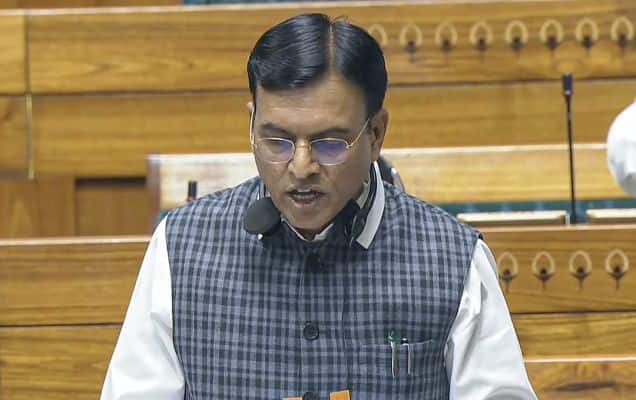
The Prime Minister, Shri Narendra Modi flagged off the ‘Padyatra’ (Freedom March) from Sabarmati Ashram, Ahmedabad and inaugurated the curtain raiser activities of the ‘Azadi Ka Amrit Mahotsav’ (India@75). He also launched various other cultural and digital initiatives for the India@75 celebrations. Governor of Gujarat Shri Acharya Devvrat, Union MoS (I/C) Shri Prahalad Singh Patel and Chief Minister of Gujarat Shri Vijay Rupani were present on the occasion.

Azadi Ka Amrut Mahotsav is a series of events to be organised by the Government of India to commemorate the 75th Anniversary of India’s Independence. The Mahotsav will be celebrated as a Jan-Utsav in the spirit of Jan-Bhagidari.
Addressing the gathering at Sabarmati Ashram, the Prime Minister noted the launch of the ‘Azadi ka Amrit Mahotsav’ 75 weeks before 15 August 2020 which will continue till 15 August, 2023. He paid homage to Mahatma Gandhi and great personalities who laid down their lives in the freedom struggle.

The Prime Minister reiterated five pillars i.e. Freedom Struggle, Ideas at 75, Achievements at 75, Actions at 75 and Resolves at 75 as guiding force for moving forward keeping dreams and duties as inspiration.
The Prime Minister asserted that Azadi Amrit Mahotsav means elixir of energy of independence. It means elixir of inspirations of the warriors of freedom struggle; elixir of new ideas and pledges and nectar of Aatmnirbharta.

Talking about the symbol of salt, the Prime Minister said that salt was never valued on the basis of mere cost. For Indians, salt represents honesty, trust, loyalty, labour, equality and self reliance. He said at that time, salt was a symbol of India's self-reliance. Along with the values of India, the British also hurt this self-reliance. People of India had to depend on salt coming from England. He said Gandhiji understood this chronic pain of the country, understood the pulse of the people and turned that into a movement.

The Prime Minister recalled the important moments in freedom struggle like the first war for Indian independence in 1857, Mahatma Gandhi's return from abroad, reminding the nation of the power of Satyagraha, the call for complete independence by Lokmanya Tilak, the Delhi March of Azad Hind Fauj led by Netaji Subhash Chandra Bose and the slogan of Delhi Chalo. He added that the work of continuously awakening this flame of the freedom movement, in every direction, in every region, was done by our Acharyas, saints and teachers in every corner of the country. He said in a way, the Bhakti movement prepared the stage for the nationwide freedom movement. Saints like Chaitanya Mahaprabu, Ramakrishna Paramhans, Shrimant Shankar Dev created the bedrock of a countrywide freedom struggle. Similarly, saints from all corners contributed to the consciousness of the nation and freedom struggle. There are so many dalits, adivasis, women and youth from across the country who have done innumerable sacrifices. He noted the sacrifices of unsung heroes like Kodi Katha Kumaran, a 32-year-old man from Tamil Nadu, who did not let the country's flag fall in the ground even while shot in the head by the British. Velu Nachiyar of Tamil Nadu who was the first Maharani who fought against the British rule.

The Prime Minister remarked that the tribal society of our country, with its valor and bravery continuously worked to bring foreign rule to its knees. In Jharkhand, Birsa Munda challenged the British and the Murmu brothers led the Santhal movement. In Odisha, Chakra Bisoi waged a fight against the British and Laxman Nayak spread awareness through Gandhian methods. He listed other unsung tribal heroes who fought against the British like Manyam Virudu Alluri Siraram Raju in Andhra Pradesh who led the Rampa movement and Pasaltha Khungchera who took on the British in the hills of Mizoram. He noted other freedom fighters from Assam and Northeast like Gomdhar Konwar, Lachit Borphukan and Serat Sing who have contributed to the independence of the country. He said the country will always remember the sacrifice of Nayak tribals in Jambughoda in Gujarat and the massacre of hundreds of tribals in Mangadh.

The Prime Minister said the country has been making a conscious effort for the last six years to preserve this history, in every state and every region. The revival of the site associated with the Dandi Yatra was completed two years ago. The site where Netaji Subhash hoisted the tricolor in Andaman after the formation of the country's first independent government is also revived. He added that the islands of Andaman and Nicobar are named after the freedom struggle. He said that the places associated with Baba Saheb have been developed in the form of Panchtirtha, the memorial in Jallianwala Bagh and memorial of the Paika movement have also been developed.

The Prime Minister said we have proved ourselves with our hard work, both in India and abroad. We are proud of our Constitution and democratic traditions. He said India, the mother of democracy, is still moving ahead by strengthening democracy. He said that India’s achievements are giving hope to the entire humanity. He added that the development journey of India is filled with AatmaNirbharta and is going to give momentum to the development journey of the whole world.

The Prime Minister urged the youth and scholars to take the responsibility for fulfilling the efforts of the country in documenting the history of our freedom fighters. He urged them to showcase the achievements in the freedom movement to the world. He also urged the people associated with art, literature, theatrical world, film industry and digital entertainment, to explore the unique stories that are scattered in our past and bring them to life.
आज आजादी के अमृत महोत्सव का पहला दिन है।
— PMO India (@PMOIndia) March 12, 2021
अमृत महोत्सव, 15 अगस्त 2022 से 75 सप्ताह पूर्व शुरू हुआ है और 15 अगस्त 2023 तक चलेगा: PM @narendramodi
मैं इस पुण्य अवसर पर बापू के चरणों में अपने श्रद्धा सुमन अर्पित करता हूँ।
— PMO India (@PMOIndia) March 12, 2021
मैं देश के स्वाधीनता संग्राम में अपने आपको आहूत करने वाले, देश को नेतृत्व देने वाली सभी महान विभूतियों के चरणों में नमन करता हूँ, उनका कोटि-कोटि वंदन करता हूँ: PM @narendramodi
Freedom Struggle,
— PMO India (@PMOIndia) March 12, 2021
Ideas at 75,
Achievements at 75,
Actions at 75,
और Resolves at 75
ये पांचों स्तम्भ आज़ादी की लड़ाई के साथ साथ आज़ाद भारत के सपनों और कर्तव्यों को देश के सामने रखकर आगे बढ़ने की प्रेरणा देंगे: PM @narendramodi
आज़ादी का अमृत महोत्सव यानी- आज़ादी की ऊर्जा का अमृत।
— PMO India (@PMOIndia) March 12, 2021
आज़ादी का अमृत महोत्सव यानी - स्वाधीनता सेनानियों से प्रेरणाओं का अमृत।
आज़ादी का अमृत महोत्सव यानी - नए विचारों का अमृत। नए संकल्पों का अमृत।
आज़ादी का अमृत महोत्सव यानी - आत्मनिर्भरता का अमृत: PM @narendramodi
हम आज भी कहते हैं कि हमने देश का नमक खाया है।
— PMO India (@PMOIndia) March 12, 2021
ऐसा इसलिए नहीं क्योंकि नमक कोई बहुत कीमती चीज है।
ऐसा इसलिए क्योंकि नमक हमारे यहाँ श्रम और समानता का प्रतीक है: PM @narendramodi
हमारे यहां नमक को कभी उसकी कीमत से नहीं आँका गया।
— PMO India (@PMOIndia) March 12, 2021
हमारे यहाँ नमक का मतलब है- ईमानदारी।
हमारे यहां नमक का मतलब है- विश्वास।
हमारे यहां नमक का मतलब है- वफादारी: PM @narendramodi
गांधी जी ने देश के इस पुराने दर्द को समझा, जन-जन से जुड़ी उस नब्ज को पकड़ा।
— PMO India (@PMOIndia) March 12, 2021
और देखते ही देखते ये आंदोलन हर एक भारतीय का आंदोलन बन गया, हर एक भारतीय का संकल्प बन गया: PM @narendramodi
उस दौर में नमक भारत की आत्मनिर्भरता का एक प्रतीक था।
— PMO India (@PMOIndia) March 12, 2021
अंग्रेजों ने भारत के मूल्यों के साथ साथ इस आत्मनिर्भरता पर भी चोट की।
भारत के लोगों को इंग्लैंड से आने वाले नमक पर निर्भर हो जाना पड़ा: PM @narendramodi
1857 का स्वतंत्रता संग्राम, महात्मा गांधी का विदेश से लौटना, देश को सत्याग्रह की ताकत फिर याद दिलाना, लोकमान्य तिलक का पूर्ण स्वराज्य का आह्वान, नेताजी सुभाष चंद्र बोस के नेतृत्व में आजाद हिंद फौज का दिल्ली मार्च, दिल्ली चलो का नारा कौन भूल सकता है: PM @narendramodi
— PMO India (@PMOIndia) March 12, 2021
आजादी के आंदोलन की इस ज्योति को निरंतर जागृत करने का काम, पूर्व-पश्चिम-उत्तर-दक्षिण, हर दिशा में, हर क्षेत्र में, हमारे संतो-महंतों, आचार्यों ने किया था।
— PMO India (@PMOIndia) March 12, 2021
एक प्रकार से भक्ति आंदोलन ने राष्ट्रव्यापी स्वाधीनता आंदोलन की पीठिका तैयार की थी: PM @narendramodi
देश के कोने कोने से कितने ही दलित, आदिवासी, महिलाएं और युवा हैं जिन्होंने असंख्य तप-त्याग किए।
— PMO India (@PMOIndia) March 12, 2021
याद करिए, तमिलनाडु के 32 वर्षीय नौजवान कोडि काथ् कुमरन को,
अंग्रेजों ने उस नौजवान को सिर में गोली मार दी, लेकिन उन्होंने मरते हुये भी देश के झंडे को जमीन में नहीं गिरने दिया: PM
गोमधर कोंवर, लसित बोरफुकन और सीरत सिंग जैसे असम और पूर्वोत्तर के अनेकों स्वाधीनता सेनानी थे जिन्होंने देश की आज़ादी में योगदान दिया है।
— PMO India (@PMOIndia) March 12, 2021
गुजरात में जांबूघोड़ा में नायक आदिवासियों का बलिदान हो, मानगढ़ में सैकड़ों आदिवासियों का नरससंहार हो, देश इनके बलिदान को हमेशा याद रखेगा: PM
गोमधर कोंवर, लसित बोरफुकन और सीरत सिंग जैसे असम और पूर्वोत्तर के अनेकों स्वाधीनता सेनानी थे जिन्होंने देश की आज़ादी में योगदान दिया है।
— PMO India (@PMOIndia) March 12, 2021
गुजरात में जांबूघोड़ा में नायक आदिवासियों का बलिदान हो, मानगढ़ में सैकड़ों आदिवासियों का नरससंहार हो, देश इनके बलिदान को हमेशा याद रखेगा: PM
आंध्र प्रदेश में मण्यम वीरुडु यानी जंगलों के हीरो अल्लूरी सीराराम राजू ने रम्पा आंदोलन का बिगुल फूंका
— PMO India (@PMOIndia) March 12, 2021
पासल्था खुन्गचेरा ने मिज़ोरम की पहाड़ियों में अंग्रेज़ो से लोहा लिया: PM @narendramodi
तमिलनाडु की ही वेलू नाचियार वो पहली महारानी थीं, जिन्होंने अंग्रेजी हुकूमत के खिलाफ लड़ाई लड़ी थी।
— PMO India (@PMOIndia) March 12, 2021
इसी तरह, हमारे देश के आदिवासी समाज ने अपनी वीरता और पराक्रम से लगातार विदेशी हुकूमत को घुटनों पर लाने का काम किया था: PM @narendramodi
तमिलनाडु की ही वेलू नाचियार वो पहली महारानी थीं, जिन्होंने अंग्रेजी हुकूमत के खिलाफ लड़ाई लड़ी थी।
— PMO India (@PMOIndia) March 12, 2021
इसी तरह, हमारे देश के आदिवासी समाज ने अपनी वीरता और पराक्रम से लगातार विदेशी हुकूमत को घुटनों पर लाने का काम किया था: PM @narendramodi
देश इतिहास के इस गौरव को सहेजने के लिए पिछले छह सालों से सजग प्रयास कर रहा है।
— PMO India (@PMOIndia) March 12, 2021
हर राज्य, हर क्षेत्र में इस दिशा में प्रयास किए जा रहे हैं।
दांडी यात्रा से जुड़े स्थल का पुनरुद्धार देश ने दो साल पहले ही पूरा किया था। मुझे खुद इस अवसर पर दांडी जाने का अवसर मिला था: PM
जालियाँवाला बाग में स्मारक हो या फिर पाइका आंदोलन की स्मृति में स्मारक, सभी पर काम हुआ है।
— PMO India (@PMOIndia) March 12, 2021
बाबा साहेब से जुड़े जो स्थान दशकों से भूले बिसरे पड़े थे, उनका भी विकास देश ने पंचतीर्थ के रूप में किया है: PM @narendramodi
अंडमान में जहां नेताजी सुभाष ने देश की पहली आज़ाद सरकार बनाकर तिरंगा फहराया था, देश ने उस विस्मृत इतिहास को भी भव्य आकार दिया है।
— PMO India (@PMOIndia) March 12, 2021
अंडमान निकोबार के द्वीपों को स्वतन्त्रता संग्राम के नामों पर रखा गया है: PM @narendramodi
हम भारतीय चाहे देश में रहे हों, या फिर विदेश में, हमने अपनी मेहनत से खुद को साबित किया है।
— PMO India (@PMOIndia) March 12, 2021
हमें गर्व है हमारे संविधान पर।
हमें गर्व है हमारी लोकतांत्रिक परंपराओं पर।
लोकतंत्र की जननी भारत, आज भी लोकतंत्र को मजबूती देते हुए आगे बढ़ रहा है: PM @narendramodi
आज भी भारत की उपल्धियां आज सिर्फ हमारी अपनी नहीं हैं, बल्कि ये पूरी दुनिया को रोशनी दिखाने वाली हैं, पूरी मानवता को उम्मीद जगाने वाली हैं।
— PMO India (@PMOIndia) March 12, 2021
भारत की आत्मनिर्भरता से ओतप्रोत हमारी विकास यात्रा पूरी दुनिया की विकास यात्रा को गति देने वाली है: PM @narendramodi