



My dear fellow countrymen,
I am with you again almost after a month. A month is quite a long time. Lots of things keep happening in the world. You all have recently celebrated the festival of Diwali with great fervour and joy. It is these festivals which bring happiness in our daily lives from time to time. Be it poor or rich, people from village or from urban areas, festivals hold a different significance in everyone’s lives. This is my first meeting after Diwali, so I convey my very warm wishes to you all.
Last time we had some general conversation. But then I came to some new realizations after that conversation. Sometimes we think leave it... nothing is going to change, people are indifferent, they will not do anything, our country is like this. From my last conversation in Mann Ki Baat to this one, I would urge you all to change this mindset. Neither is our country is like this nor our people indifferent. Sometimes I feel the Nation is way ahead and the government is lacking behind. And from my personal experience I will say that the governments too needs to change their mindsets. And I say that because I can see tremendous sense of commitment in the Indian youth. They are very eager to do their bit and are just seeking an opportunity where they can do their bit. And they are making efforts at their own end. Last time I had asked them to buy at least one khadi outfit. I had not asked anyone to be Khadidhari, But the feedback I got from Khadi stores was that in a week’s time the sales had jumped up by 125%. In this way, as compared to last year the sales this year is more than double in the week following 2nd Oct. This means, the people of our country is many times more than we think of. I salute all my fellow Indians.
Cleanliness……….. Can anyone imagine that cleanliness will become a such a huge public movement. The expectations are high and they should be so. I can see some good results, cleanliness can now be witnessed in two parts. One is those huge garbage piles which keep lying in the city; well the people in the government will work to remove those. It is a big challenge but you cannot run away from your responsibilities. All state governments and all municipalities will now have to take concrete actions due to the rising public pressure. Media is playing a very positive role in this. But there is the second aspect which gives me immense pleasure, happiness and a sense of satisfaction that the general public has started feeling that leave what happened in the past, now they will not dirty their surroundings. We will not add to the existing dirt. A gentleman Mr Bharat Gupta has sent me a mail on mygov.in from Satna, Madhya Pradesh. He has related his personal experience during his tour of the railways. He said that people eat on trains and usually litter around. He continues to say that he has been touring from the past many years but it is this time around no one was littering, rather they were looking for dustbins to throw their trash. When they could not see any arrangements they collected all their litter in a corner. He says that it was a very gratifying experience for me. I thank Bharat ji for sharing this experience with me.
What I am seeing is that this campaign has had a great influence on kids. Many families mention that now whenever kids eat a chocolate they themselves pick the wrapper and disposes it. I was seeing a message on the social media. Someone had posted a picture with the Title “My hero of the Day”. This picture was that of a little kid who, picks up trash, wherever he goes, even when going to school. He is himself motivated to do this. Just see…people now feel it is their country and they will not make it dirty. We will not add to the existing dirt pile. And those do litter feel ashamed for someone is around to point it out to them. I consider all these to be good omens.
Another thing is that many people come to meet me who are from all the sections of the society. They can be government officers, from film world, sports world, industrialists, scientists ……. All of them, whenever they interact with me, in ten minutes discussion, about four to five minutes the discussion is on social issues. Someone talks about cleanliness, while some others talk about education, while someone talks about social reforms. Some people discuss the ruining of family life. I initially thought if a businessman comes, he will definitely talk of things of his personal interest. But I am seeing a major change.
They talk less about their interest and more about taking on some or the other social responsibility. When I add up all these small incidents I see a larger picture and I realize that we are moving in the right direction. It is true that unhealthy environment leads to diseases and sickness, but where does sickness strike first. It first strikes the poor household. When we work towards cleanliness, we make a major effort in the direction of helping the poor. If the poor families are saved from diseases, then they will be saved from a lot of financial problems. If a person is healthy, then he will work hard, earn for the family and help in running the family smoothly. And so this cleanliness drive is directly related to the health and welfare of my poor brethren. We may not be able to do something to help the poor, but even keeping the environs clean helps the poor in a big way. Let us view it from this perspective; it will be very beneficial.
I receive different kinds of letters. Last time I had mentioned about our specially abled children. Whom God has given some kind of deficiencies; I had expressed my feelings regarding those people. I see that people who work in this field are sending me their success stories. But I came to know about two things from my people in the government. The people from the HRD ministry after hearing my talk, felt the need to do something. And the officers came together to work out an action plan. This is an example of how changes are coming about in governance. One they have decided that those specially abled who want to pursue technical education, a thousand of them who are good will be selected for Special Scholarships, and a plan has been made. I congratulate the officials who could think in those lines. Another important decision is that all the Kendriya Vidyalaya’s and all Central Universities will have a special infrastructure for the specially abled, for example if they can’t climb stairs then there will be provision for ramps to facilitate movement by wheel chair. They need different kinds of toilets. The HRD ministry has decided to allocate an additional Lakh rupees to the Kendriya Vidyalays and Central universities. This fund will be used by these institutions to create infrastructure for the specially abled. This is an auspicious beginning……………these things will lead us to change.
I had the chance to visit Siachin a few days back. I spent Diwali with the Jawans who are ready to lay down their lives for the nation. When the nation was celebrating Diwali I was at Siachin. It is because of them that we were able to celebrate Diwali, so I wanted to be with them. I experienced the difficulties in which they spent their time there. I salute all my Jawans. But I want to share another matter of great pride with you. Our Jawans work in the field of security. In calamities, they risk their lives to save our life. They also fetch medals for us in sporting events. You will be glad to know that these Jawans have won a gold medal in a very prestigious event in Britain called Cambrian Patrol, defeating contestants from 140 nations. I offer these Jawans my heartiest congratulations.
I also got an opportunity to meet, the young and dynamic students, boys and girls over tea who had won medals in Sports. They give me renewed energy. I was seeing their zeal and enthusiasm. The facilities in our country are quite less as compared to other nations, but instead of complaining they were just sharing their joy and excitement. For me, this tea programme for these players was very inspiring, and I felt really good.
I would like to tell you something more and that too from my heart. I truly believe that people of my country trust my words and my intentions. But, today one more time, I want to reiterate my commitment. As far as black money is concerned, my people, please trust your Prime Servant, for me this is the Article of Faith. This is my commitment that the hard-earned money of the poor people stashed abroad, every penny of that should be brought back. The ways and means to be followed can be different. And this is very obvious in a democratic country, but on the basis of as much I understand and as much I know, I assure you that we are on the right track. Today, nobody, neither me, nor the government, nor you, nor even the previous government knew how much money is stashed abroad. Everyone gives estimate calculated in his/her own way. I don’t want to get lost in some such figures and estimates, Its my commitment that, be it 2 rupees, or 5 rupees, or millions or even billions, this is the hard-earned money of the poor people of my country and it has to come back. And I assure you that I will keep trying till the end. No efforts will be spared. I want your blessings to be always with me. I assure you that I will do whatever and whenever something is required to be done for you. I give my commitment to you.
I have received a letter. It has been sent by Sri Abhishek Pareekh. The same sentiments were expressed to me by many mothers and sisters when I was not even the Prime Minister. Some doctor friends had also expressed their concern and I too have expressed my views on this issue a number of times in the past. Mr. Parikh has drawn my attention towards the increase of drug addiction that is fast catching up with our young generation. He has asked me to discuss this topic in “Mann ki Baat.” I agree with his concern and I will definitely include this topic, in my next edition of Mann Ki Baat. I will discuss the topic of drugs, drug addiction and drug mafia and how they are a threat to our country’s youth. If you have some experience, any information in this regard, if you have ever rescued any child from this drug addiction, if you know of any ways and means to help, if any government official has played a good role, if you give me any such information, I will convey such efforts to the public and together we will try to create an environment in each family that no child ever thinks of choosing this vice out of sheer frustration. I will definitely discuss this in detail in the next edition.
I know I am choosing those topics which put the government in the dock. But how long will we keep these things hiding? How long will we brush these important concerns under the carpet? Some day or the other we need to take a call, follow our instincts and for grand intentions tough calls are equally important. I am mustering the courage to do so because your love inspires me to do so. And I will continue to do such things because of your love.
Some people told me “ Modi ji you asked us to send you suggestions on Facebook, twitter or email. But a large section of the social class does not have access to these facilities, so what can they do. Your point is very valid. Everyone does not have this facility. Well then, if you have something to say related to Mann Ki Baat, that you hear on the radio even in the villages then do write into me on the following address
Mann Ki Baat
Akashvani
Sansad Marg
New Delhi.
Even if you send some suggestions through letters they will definitely reach me. And I will take them seriously as active citizens are the biggest asset for development. You write one letter, it indicates that you are very active. When you give your opinion, it means that you are concerned with national issues and this is strength of the nation. I welcome you.
For my Mann Ki Baat, your mann ki baat sould also reach me. Maybe you will definitely write a letter. I will try and interact with you again next month. I will try, that whenever I talk, it is Sunday, around 11 am. So I am getting closer to you.
The weather is changing. Winters are slowly setting in. This is a good month for health. Some find it a good season for eating. Some find it good for wearing nice clothes. Besides food and clothes it is a good season for health. Don’t let it go waste. Make the most of it.
Thank You.
(The original speech was in Hindi, this is the English rendering. Original speech remains the authoritative version)
Published By : Admin |
November 2, 2014 | 11:28 IST
-
Share
-

-

-


Login or Register to add your comment
Explore More

ജനപ്രിയ പ്രസംഗങ്ങൾ
ശ്രീരാമജന്മഭൂമി ക്ഷേത്രത്തിലെ പതാക ഉയർത്തൽ ഉത്സവത്തിനിടെ പ്രധാനമന്ത്രി നടത്തിയ പ്രസംഗം

Nm on the go
Always be the first to hear from the PM. Get the App Now!

Over its 100-year journey, SRCC has shaped generations and connected them with a bright future: PM Modi
September 05, 2026
-
Share
-
-
-
Over the years, this institution has given generations of students the opportunity to learn, grow and make a difference: PM
From policy paralysis to policy dynamism, India has come a long way: PM
India's 7.8% growth amid global uncertainty reflects its economic strength: PM
Together, 140 crore Indians will make India both Viksit and Aatmanirbhar: PM
India is moving forward at a new pace; What once took decades is now happening in just a few years: PM
If Indians can lead the world's top companies, Indian companies can lead the world too, It is all possible: PM
केंद्रीय मंत्रिमंडल के मेरे साथी श्रीमान प्रहलाद जोशी जी, डीयू के वीसी योगेश सिंह जी, SRCC की प्रिंसिपल सिमरित कौर जी, अजय जी, मल्लिका जी, रजत जी, SRCC से जुड़े हुए सभी साथी, फैकल्टी, स्टाफ, SRCC alumni और मेरे युवा साथियों!
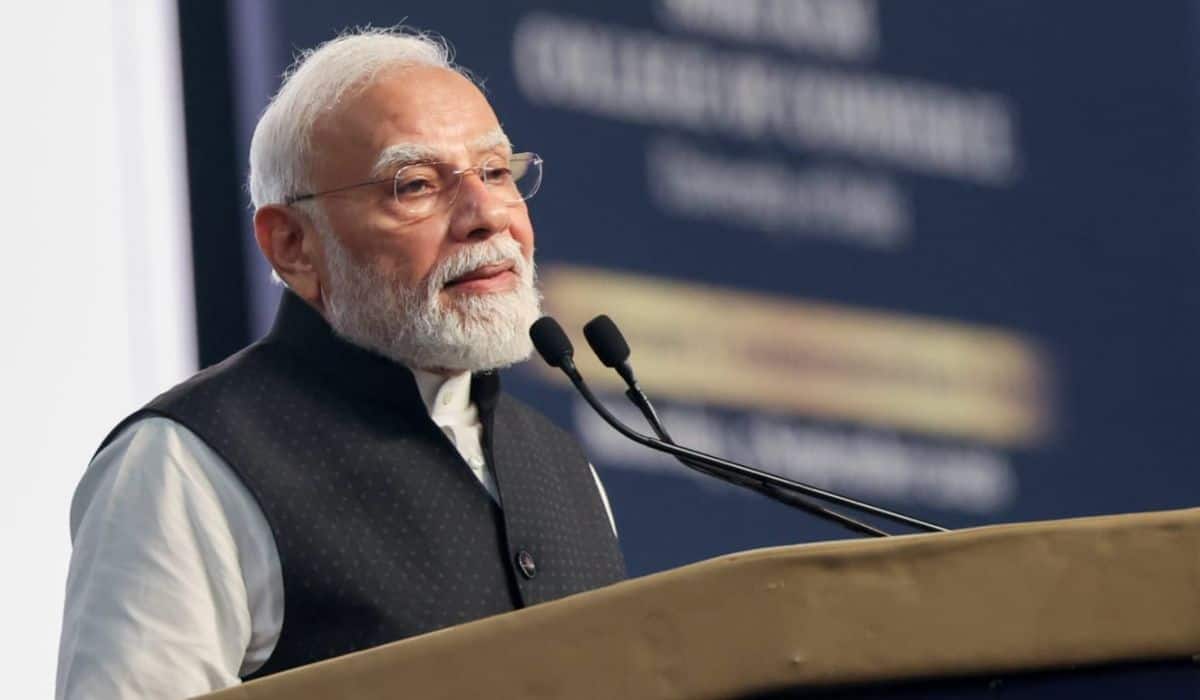
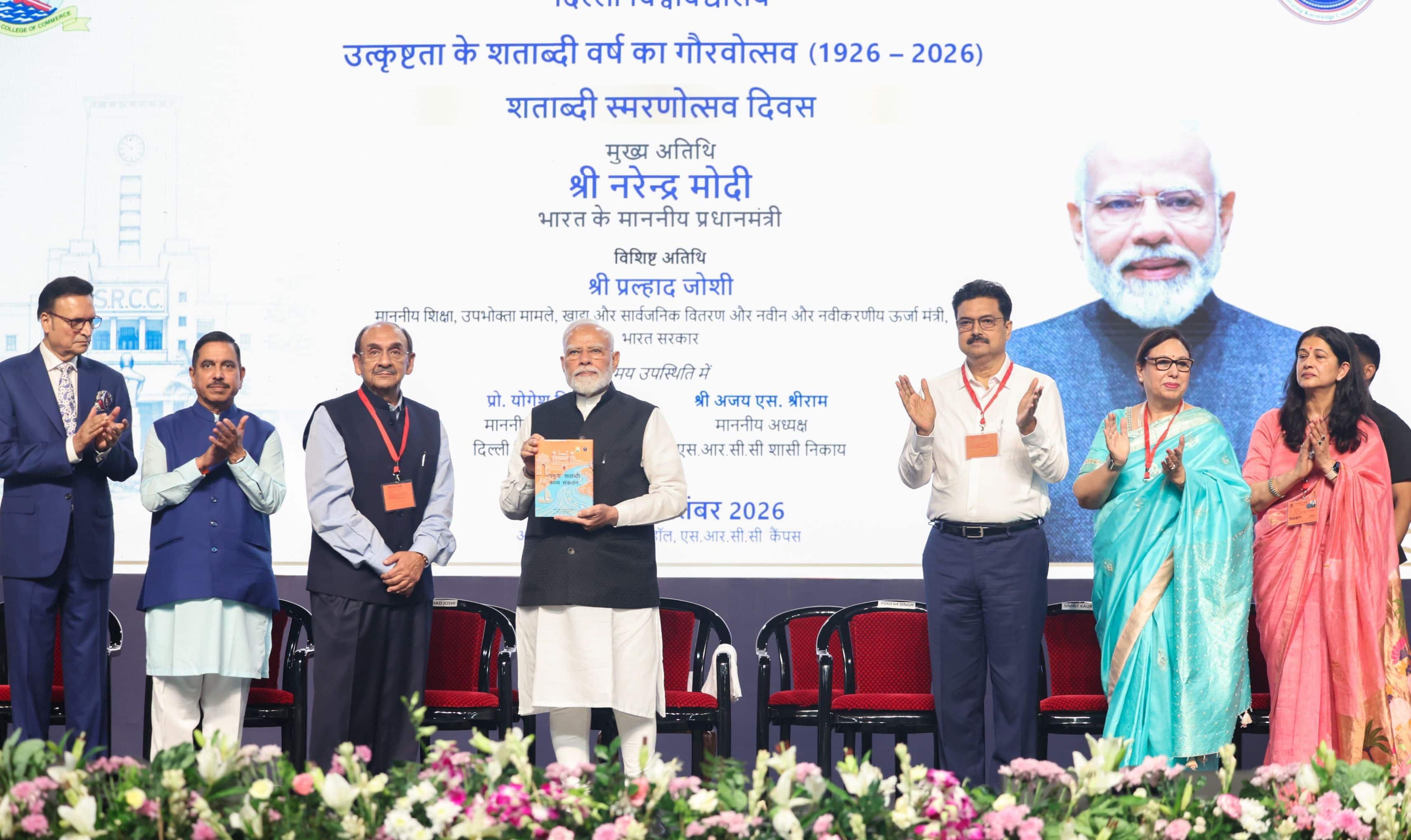
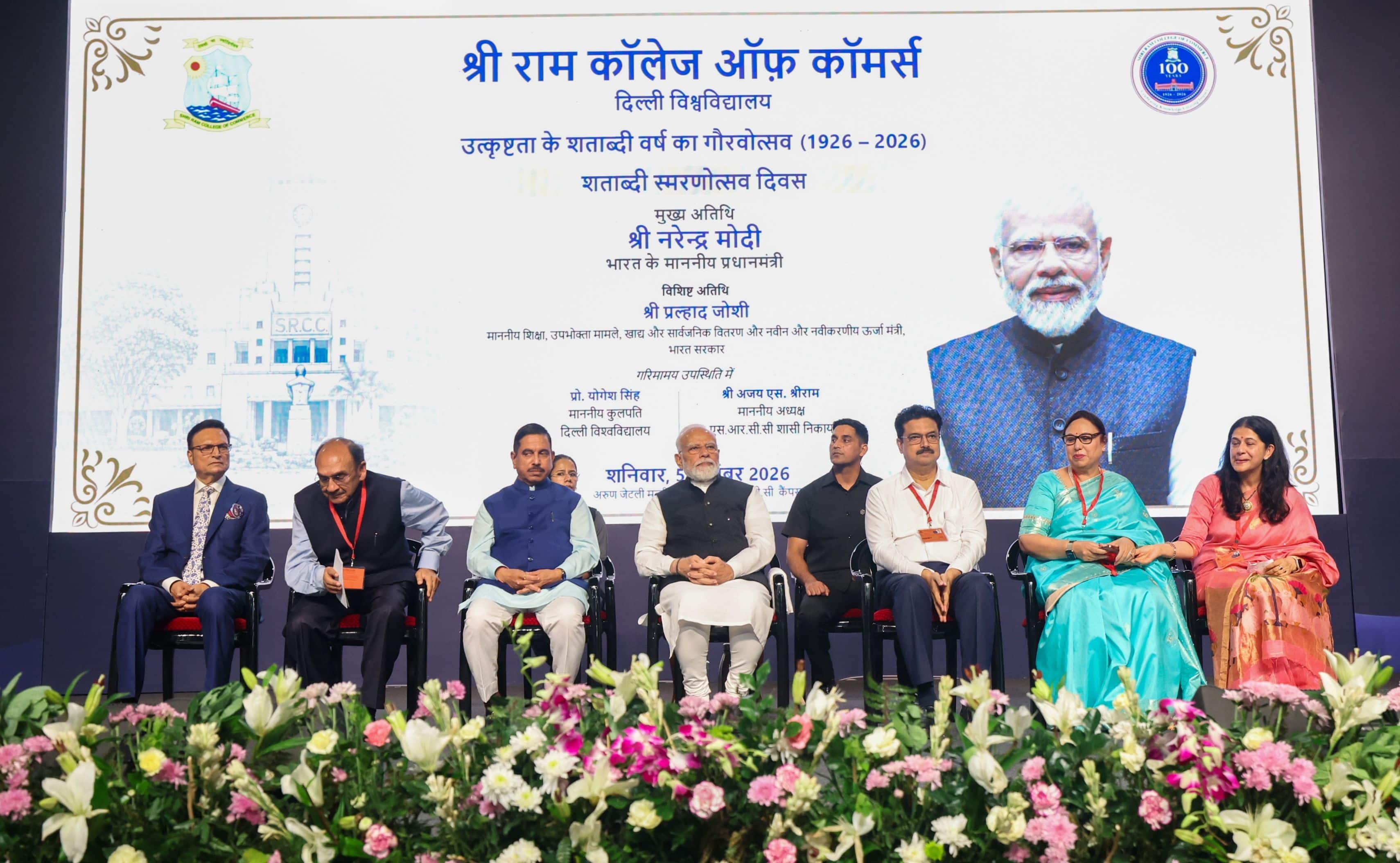
मैं छठा खिलाड़ी हूं। आज का ये अवसर श्रीराम कॉलेज ऑफ कॉमर्स के लिए बहुत ऐतिहासिक है, ये देश के शिक्षा जगत के लिए भी उतना ही अहम है। यहां SRCC का हिस्सा रहीं अनेक पीढ़ियां एक साथ जुटी हैं। मैं आप सभी को, SRCC के इस शताब्दी समारोह के लिए बहुत-बहुत बधाई देता हूं। मैं इसके संस्थापक सर श्रीराम जी को आदरपूर्वक श्रृद्धांजलि देता हूं, उनके विजन को नमन करता हूं।
साथियों,
जब कोई इंसान 100 वर्ष जीता है, तो उसे अनुभवों का सागर माना जाता है। और जब कोई संस्थान 100 वर्ष का होता है, तो वो उपलब्धियों और प्रेरणाओं का महासागर हो जाता है। अपनी 100 वर्षों की इस यात्रा में, SRCC ने पीढ़ियों को गढ़ा है, उन्हें उज्ज्वल भविष्य से जोड़ा है। जो आए उन्होंने पढ़ा, और जो निकले वो गढ़े हुए निकले। इस कॉलेज की यात्रा दरियागंज की, वहां एक छोटे से स्थान से शुरु हुई थी, और आज वही छोटा सा कॉलेज, एक विशाल वृक्ष बन चुका है। एक ऐसा विशाल वृक्ष जिसने कई पीढ़ियों को छांव भी दी है, और अपनी शीतलता से समृद्ध भी किया है। आज भी DU में जब कोई पूछता है कि कौन सा college, तो SRCC कहना ही, SRCC कहना ही अपने आप में ही एक flex होता है।
साथियों,
SRCC के alumni भी बहुत special रहे। अगर मैं आपकी भाषा में कहूं, तो यहां के alumni, OG हैं, जिन्होंने SRCC का नाम दुनिया भर में पहुँचाया, अलग-अलग क्षेत्रों में अपनी एक पहचान बनाई। और रजत जी ने बड़ी लंबी सूची बताई थी। और इनमें से कुछ के साथ मुझे भी काम करने का अवसर मिला है। हमारे अरुण जेटली जी, यहीं पढ़े थे। और मैं कह सकता हूं कि शायद हमारी कोई मुलाकात ऐसी नहीं होती थी, कि वो SRCC की घटना न सुनाते हों। और कभी-कभी मैं तंग आ जाता था, कि एक ही घटना बार-बार सुनाते थे। अभी मेरी टीम में भाई संजीव सान्याल भी, यहीं से पढ़े हुए हैं। बाकी भी काफी साथी हैं यहां मेरे। और ऐसा नहीं है कि यहां से सिर्फ अर्थ-जगत के ही लोग निकले, कितने ही आर्टिस्ट्स से लेकर नेता, वकील, जस्टिस सब यहां से निकले हैं। यानी SRCC के लोगों ने हर क्षेत्र में अपनी धूम मचाई है। धुरंधर न हो लेकिन धूम तो मचाई है।
साथियों,
बीते कुछ दिनों से इस कार्यक्रम की बहुत चर्चा चल रही है। खासतौर पर लोग 2013 के मेरे संबोधन को याद कर रहे हैं। लोगों ने उसको फिर से सुना है, फिर से पढ़ा है, संभव है, इस नई पीढ़ी के लोगों ने भी उसको री-विजिट किया होगा। उस स्पीच के एक प्रकार से मैं कह सकता हूं कि Wave बन गई थी, एक लहर सी चल पड़ी थी। और आज भी, 13-14 साल बाद भी, उस सभा का, उस संबोधन का प्रभाव बरकरार है।
साथियों,
तब आपकी जगह आपके सीनियर बैठे थे। और मैं तब सीएम तो था, लेकिन मैं देश की मुख्य विपक्षी पार्टी का एक सदस्य भी था। और संभवत: तब लोग ये उम्मीद कर रहे थे, कि मैं तब की केंद्र सरकार पर लंबे-चौड़े अटैक करूंगा, आरोपों की झड़ी लगा दूंगा।
लेकिन साथियों,
विपक्ष में होने के बाद भी, तत्कालीन सरकार का आलोचक होने के बावजूद, मैंने इस मंच का वो उपयोग नहीं किया था, मैंने एक विजन रखा, सकारात्मक बातें कहीं। मैंने तब जो कुछ भी कहा, वो मेरा कन्विक्शन था। मैं उन बातों को, उन सपनों को हमेशा से जीता आया हूँ, उस रास्ते पर ही चलता रहा हूँ, देश के लिए जी-जान से जुटना, देश के लिए जीने का जज्बा, जो मेरे भीतर का भाव-विश्व है, वो उस दिन 2013 में इसी मंच से, मेरा वो भाव-विश्व शब्दों की माला में एक एक करके प्रकट होता चला गया था। और मैं देर तक बोला था फिर मैंने मैंने स्टूडेंट्स से पूछा कि क्या मैं continue कर दूं, उन्होंने जोर से कहा हाँ continue कीजिए।
साथियों,
मैंने उस दिन पानी के ग्लास का एक उदाहरण दिया था, और देश में उसकी खूब चर्चा भी हुई थी। मैंने बताया था कि पानी से आधे भरे ग्लास को देखने के तीन नज़रिए क्या होते हैं। एक, जिनको ग्लास पानी से आधा भरा दिखता है, दूसरा, जिनको ग्लास आधा खाली दिखता है, और तीसरा, जिनको ग्लास पूरा भरा हुआ दिखता है, आधा पानी और आधा हवा से भरा।
साथियों,
ये वो समय था, जब देश निराशा के दलदल में धंसा हुआ था। मैंने तब भी कहा था, कि मैं ग्लास को आधा नहीं देखता, अधूरा नहीं देखता, गिलास को पूरा भरा हुआ देखता हूं। आधा पानी से, आधा हवा से। और उस समय आप सब तो स्कूल में रहे होंगे, लेकिन आज इंटरनेट पर जाकर के 2013 और उसके आसपास की खबरें अगर पढ़ेंगे, तो आपको अंदाजा आएगा, तब सिचुएशन क्या थी? और मैं तो आपसे आग्रह करूंगा नौजवानों से, कि जरा 2013 के उस कालखंड की तरफ इंटरनेट पर जाकर के नजर करिए। 2013 में मेरे उस भाषण के आसपास के कालखंड की उस समय जो हेडलाइन्स हुआ करती थीं। अखबारों की हो या टीवी चैनल्स की हो। मैं जरा आज उस हेडलाइन्स में क्या क्या था, उसकी एक झलक आपको दिखाना चाहता हूं। अब एक गैंग है, जो क्या करेगी, मैं जो बोल रहा हूं ना उसके छोटे-छोटे टुकड़े करके मेरे खाते में डाल देगी। और इसलिए मैं पहले से आगाह करता हूं कि मैं जो बातें बता रहा हूं 2013 के उस कालखंड में मीडिया में क्या छाया रहता था जैसे-
LoC पर भारतीय सैनिकों की हत्या, अब इस पीढ़ी को जरा अजूबा लगता होगा ऐसा भी होता था। होता था।
वर्ल्ड बैंक ने GDP ग्रोथ रेट का अनुमान घटाया
करंट अकाउंट डेफिसिट ऑल टाइम हाई
महंगाई दर करीब दस परसेंट पर
इडस्ट्रियल सेक्टर मंदी की चपेट में
हेलीकॉप्टर सौदे में घूसखोरी का पर्दाफाश
हैदराबाद में बम धमाके
ये सारी उस समय की हेडलाइन्स थीं। मैं पक्का मानता हूं, ये जो हमारे आज जो विद्यार्थी हैं, उनको इन सारी बातों का पता नहीं होगा। ये सारी बातें बताती हैं कि तब देश की क्या हालत थी। ग्रोथ फर्श पर थी और महंगाई अर्श पर थी। घोटाले चरम पर थे और भ्रष्टाचारी बेखौफ घूमते थे। अर्थव्यवस्था बेहाल थी, चारों तरफ पॉलिसी पैरालिसिस की ही चर्चा थी। दुनिया भारत को फ्रैजाइल फाइव में गिन रही थी। आतंकी बेलगाम थे और पाकिस्तान बेकाबू था। यानी तब निराशा और हताशा के अलावा कुछ नहीं था।
साथियों,
एक वो दिन था जब हर मोर्चे पर, देश में स्ट्रगल ही स्ट्रगल था, और एक आज का दिन है, आज आतंकवाद फैलाने वाले पस्त पड़े हैं। पाकिस्तान कोई नापाक हरकत करता है, तो भारत की सेनाएं घर में घुसकर मारती हैं। जम्मू-कश्मीर से लेकर नॉर्थ ईस्ट तक शांति बढ़ी है। माओवादी आतंक, नक्सलवाद की कमर तोड़ दी गई है। जो दुनिया तब भारत में पॉलिसी पैरालिसिस से चिंतित थी, वो दुनिया आज भारत के पॉलिसी डायनामिज्म की चर्चा कर रही है। तब दुनिया भारत को फ्रजाइल फाइव बता रही थी, आज दुनिया भारत को फास्टेस्ट ग्रोइंग मेजर इकॉनॉमी बनते हुए देख रही है। अभी हफ्तेभर में ही, भारत की इकॉनॉमी को लेकर कई सारी पॉजिटिव खबरें आई हैं। Seven point eight percent क्वाटर्ली ग्रोथ ने देश का जोश बढ़ाया है, और इसी बीच जैपनीज़ Credit Rating Agency ने भारत की रेटिंग अपग्रेड कर दी है।
और साथियों,
ये Seven point eight percent की ग्रोथ भी ऐसे समय में आई है, जब west asia का युद्ध चल रहा है, जब ट्रेड से जुड़ी कई तरह की अड़चनें रही हैं, उस समय ऐसी ग्रोथ हासिल करना, ये अपने आप में भारत के सामर्थ्य को दिखाता है।
साथियों,
मैं जानता हूं, आप भी जानते हैं, जो लोग, भारत को फ्रैजाइल फाइव में धकेलने के लिए बदनाम रहे हैं, उनको ये आंकड़े हज़म नहीं हो रहे हैं। लेकिन आप सभी आंकड़ों को गंभीरता से समझते हैं। अप्रैल से जून के बीच, बिजली उत्पादन, नाइन परसेंट बढ़ा, गाड़ियों की सेल में ट्वेंटी परसेंट से अधिक की वृद्धि हुई। इसमें भी, टू-व्हीलर में, ट्वेंटी परसेंट, और थ्री व्हीलर की बिक्री में करीब करीब थर्टी परसेंट की ग्रोथ रही है। यानी consumer demand भी चल रही है, और commercial activity भी तगड़ी हो रही है। Steel और सीमेंट कंजम्शन की ग्रोथ में 8 परसेंट की वृद्धि हुई है। यानी construction, housing, infrastructure और industrial activity, ये सब बढ़ रहा है। यानी भारत, ग्रो भी कर रहा है, और रोजगार के नए अवसर भी बना रहा है। बावजूद इसके, जिन लोगों के लिए साल 2013 में ग्लास आधा खाली था, उनकी सोच आज भी वैसी ही है। उनके लिए ग्लास हमेशा आधा खाली रहेगा। मैं ग्लास की बात करता हूं, और कुछ खाली रहने की बात नहीं कर रहा हूं।
साथियों,
2013 में यहां SRCC में बात करते हुए, मैंने P2G2 यानी प्रो-पीपल गुड-गवर्नेंस की भी चर्चा की थी। जिन्होंने लंबे समय तक देश में सरकारें चलाई हैं, उनका एक स्टाइल था, जब आग लगे तभी नींद से जागो, जब सूखा पड़े तब जाकर कुआं खोदो। मैंने इसी अप्रोच को बदलने की बात कही थी। और 2014 में सरकार बनने के बाद हमने ये करके दिखाया है। मैं आपको एक उदाहरण देता हूं।
साथियों,
हाल में ही, जनधन योजना को 12 साल पूरे हुए हैं। आज आप फिनटेक के अलग ही दौर में जी रहे हैं, लेकिन 2013 के वो दिन भी थे जब गांव या छोटे शहरों के स्टूडेंट्स को, सेविंग बैंक अकाउंट्स खुलवाने के लिए भी कई पापड़ बेलने प़ड़ते थे। उस समय हमारी आबादी सवा सौ करोड़ के पार थी, लेकिन मार्च 2014 तक, देश की 50 प्रतिशत से ज्यादा आबादी के पास बैंक अकाउंट्स तक नहीं थे। और जो बैंकिंग सिस्टम से बाहर थे, वो ज्यादातर गरीब थे, महिलाएं थीं, माइग्रेंट लेबरर थे, स्टूडेंट्स थे। इसलिए हम जनधन स्कीम लेकर आए, और बीते 12 वर्षों में जनधन योजना की वजह से, करीब 60 करोड़ नए बैंक अकाउंट खुले। आज देश में लगभग हर परिवार बैकिंग सिस्टम से जुड़ा हुआ है। यही भारत की फिनटेक क्रांति का आधार बना है।
साथियों,
अब आप उन लोगों के बारे में भी सोचिए, जो करोड़ों लोगों को बैंकिंग व्यवस्था से जोड़ने का भी विरोध कर रहे थे। दरअसल ऐसे लोगों को, आधे भरे ग्लास में ही मज़ा आता है, ताकि देश के गरीब सामान्य नागरिक उनके आगे-पीछे घूमते रहें, यही माई-बाप कल्चर ये दशकों से चला रहे थे। लेकिन ये मोदी है, माई-बाप कल्चर पसंद करने वालों के सामने वो चट्टान की तरह खड़ा है।
साथियों,
पुरानी कहावत है, सांच को आंच नहीं। मुझमें हिम्मत है, इसीलिए मैं उस दिन कही बातों को याद करा रहा हूं, अपना रिपोर्ट कार्ड लेकर आया हूं आपके पास। मैं जानता हूं, सच की हुंकार के आगे, झूठ की गूंज टिक नहीं सकेगी।
साथियों,
2013 के उसी कार्यक्रम में जब मैंने कहा कि हमें मेड इन इंडिया पर काम करना है, तो पुराने उस समय के इकोसिस्टम के लोगों को ये समझ ही नहीं आया था। उनको लगता था, कि निराशा के उस दौर में मेड इन इंडिया संभव ही नहीं होगा! और उस सोच में पले-बड़े लोग आज भी, मेड इन इंडिया का मजाक करते हैं।
लेकिन साथियों,
आज आप मेक इन इंडिया की ब्रैंड वैल्यू देख रहे हैं। आपसे मैं एक उदाहरण के साथ बात बताना चाहता हूं। आज हर हाथ में स्मार्टफोन है, दुनिया के बड़े से बड़े फोन ब्रैंड, आज भारत को अपना बेस बना रहे हैं। मेड इन इंडिया स्मार्टफोन, दुनिया के कोने-कोने में पहुंच रहा है। 2014 में भारत अपने ज्यादातर मोबाइल फोन इंपोर्ट करता था। आज भारत ढाई लाख करोड़ रुपए से ज्यादा के मोबाइल एक्सपोर्ट करता है।
साथियों,
मैं छोटे और आसान लक्ष्य लेकर चलने वाला व्यक्ति नहीं हूं। मैं देश के लिए बड़े लक्ष्य रखता हूं, और उन्हें पूरा करने के लिए जी-जान लगा देता हूं। आप डिफेंस का सेक्टर देखिए, पहले भारत की सेनाओं के लिए ज्यादातर चीज़ें बाहर से खरीदी जाती थीं। मैंने आते ही डिफेंस वालों को बोला नेगेटिव लिस्ट बनाईये। पहले उन्होंने 500 नेगेटिव लिस्ट बनाई, बोले ये हम बाहर से नहीं लाएंगे। फिर हजार बनाई, फिर तीन हजार बनाई। आर्मी, नेवी, एयरफोर्स को, कई बार छोटे से किसी इक्विप्मेंट के लिए भी महीनों इंतजार करना पड़ता था। हमने देश की सेनाओं के साथ मिलकर एक प्लान बनाया, चीज़ों की लिस्ट बनाई, फिर भारतीय कंपनियों को कहा कि ये सब बनाओ, और आज आप देखिए, देश की डिफेंस मैन्युफैक्चरिंग, अपने ऑल टाइम हाई पर है। आज भारत करीब-करीब 2 लाख करोड़ रुपये का डिफेंस प्रोडक्शन कर रहा है। 2013-14 में, हम 600-700 करोड़ रुपये का डिफेंस एक्सपोर्ट करते थे। आज ये आंकड़ा, करीब-करीब 40 हजार करोड़ रुपये तक पहुंच चुका है। और ये अचीवमेंट्स इसलिए हो पा रहे हैं, क्योंकि आज देश में एक वाइब्रेंट डिफेंस मैन्युफेक्चरिंग इकोसिस्टम बन रहा है।
साथियों,
मुझे देश पर भरोसा है, देश के सामर्थ्य पर भरोसा है, आप युवाओं पर मेरा भरोसा है, और इसी भरोसे के आधार पर मैं विकसित भारत की बात भी कहता हूं। मुझे विश्वास है, हम 140 करोड़ भारतीय मिलकर अपने देश को विकसित भी बनाएंगे, आत्मनिर्भर भी बनाएंगे।
आने वाले समय में, भारत, मैन्यूफैक्चरिंग का हब होगा।
आने वाले समय में रिसर्च एंड इनोवेशन का हब हिन्दुस्तान होगा।
भारत,एग्रीकल्चर एक्सपोर्ट की सुपर पावर होगा।
मेरे नौजवान दोस्तों,
भारत का अपना स्पेस स्टेशन होगा,
और वो दिन भी आप देखेंगे, जब भारत एक दिन ऐसे ओलंपिक्स का आयोजन करेगा कि दुनिया देखती रह जाएगी।
और ये केवल बातें नहीं है, ये हमारे संकल्प हैं। और इन संकल्पों को सिद्धि में बदलने के लिए देश में लगातार काम हो रहा है।
साथियों,
अभी तो आपकी ज़िंदगी SRCC मोड में चल रही है। को-ऑप में चाय हो, या cold coffee पर होने वाली discussions हों, exam में last-minute notes, और printouts के लिए भाग-दौड़ करना, या फिर Crossroads और Business Conclave पर की गई मेहनत है, आप सब ने यहाँ के हर मोमेंट को अपने जीवन की एक memory बनाया है। लेकिन इस कैंपस के बाहर एक नई दुनिया आपको मिलेगी। आपको दो तरह के लोग मिलेंगे। एक वो लोग, जो पॉजिटिव तरीके से समाज की शक्ति को राष्ट्र की शक्ति में बदलते हैं। दूसरी प्रजाति उन लोगों की है, जो कोई भी काम शुरू होने पर नाराज़ फूफा बन जाते हैं, उनका फेवरेट काम होता है, हर काम का विरोध करना। इनका एक ही डायलॉग होता है, इसकी क्या ज़रूरत है?, इसकी क्या ज़रूरत है?, ये हर फूफा का परमानेंट डॉयलोग होता है। जब हम दुनिया का सबसे बड़ा Statue बना रहे थे, तो फूफा जी ने कमर कस ली, कहा इसकी ज़रूरत ही क्या है? हमने High-Speed Train पर काम शुरू किया, तो फूफा जी फिर बोले, इसकी ज़रूरत ही क्या है? हम UPI लेकर आए, तो यही फूफा लोग कहते थे - Why UPI? UPI की ज़रूरत ही क्या है? हमने चिप बनाने की बात की, तो फिर कहा गया, कि ज़रूरत ही क्या है? हमने नई पार्लियामेंट बिल्डिंग बनाई, तो ये फिर बोले - इसकी जरूरत ही क्या है? हमने देश के लिए मरने मिटने वाले, सर्वश्रेष्ठ बलिदान देने वाले हमारे वीर सेनानायकों का मेमोरियल बनवाया, फूफा फिर मैदान में आ गए, इसकी क्या जरूरत थी? लेकिन भारत ने ऐसे सारे फूफाओँ को जवाब दिया, जो देश के लिए जरूरी है, वो भारत को करने से कोई रोक नहीं सकता।
साथियों,
आज भारत एक अलग मिजाज के साथ आगे बढ़ रहा है। जो काम पहले दशकों में होता था, अब वो कुछ वर्षों में ही हो रहा है। मैं पूरे Facts के साथ एक और उदाहरण दूंगा। भारत की पहली Electric ट्रेन 1925 में चली थी। आपकी कॉलेज 1926 में शुरू हुई, Electric ट्रेन 1925 में चली थी। 1925 में चली थी ये ट्रेन, इसके बाद 2014 तक, यानी 90 इयर्स, 90 साल में सिर्फ 30 परसेंट से भी कम काम हुआ। 30 परसेंट से भी कम रेलवे लाइनों का इलेक्ट्रिफिकेशन हो पाया था। हमने सिर्फ 12 साल में, 12 साल में रेलवे लाइनों का करीब-करीब Hundred Percent इलेक्ट्रिफिकेशन करके दिखा दिया।
साथियों,
भारत की नीति-निर्णयों में आई ये गति दुनिया के बाकी देश भी देख रहे हैं, समझ रहे हैं। इसलिए वो भारत के साथ अपनी पार्टनरशिप बढ़ा रहे हैं। बीते दशक में करीब 40 देशों के साथ व्यापार समझौते हुए हैं, Free Trade Agreement हुए हैं। इससे लेदर हो, टेक्स्टाइल हो, फ्रूट-वेजिटेबल हो, हमारा प्रोसेस्ड फूड हो, श्रिंप हो, ऐसी हर चीज के लिए नए-नए बाज़ार खुल रहे हैं। आपसे बेहतर कौन जानता है कि जब नए बाज़ार खुलते हैं, भारत के गुड्स और सर्विसेज़ के लिए टैरिफ कम होते हैं, तो उसका क्या मतलब होता है। ये भारत के नौजवानों के लिए, अवसरों का नया आसमान बन रहा है।
साथियों,
आज 2013 के मुकाबले, देश आर्थिक रूप से, सामाजिक रूप से कहीं अधिक सुरक्षित है। लेकिन ये देखकर कुछ लोगों की छटपटाहट बढ़ रही है, बौखलाहट बढ़ रही है। अभी 15 अगस्त का मेरा भाषण आपने सुना होगा, ऐसे लोगों के लिए अभी मैंने लाल किले से, एक होम्योपैथी का डोज दिया था, होम्योपैथी की गोली एक छोटी सी गोली दी थी लाल किले से, और आप जानते हैं होम्योपैथी के कहते हैं कि स्वभाव ऐसा है कि होम्योपैथी की दवाई जब शुरू करते हैं, तो शुरू के दौर में बीमारी एक दम से ज्यादा बढ़ जाती है, ये होम्योपैथी का स्वभाव है। तो मैंने लाल किले से एक होम्योपैथी की गोली दी थी - दिमाग़ी नक्सल। ये दिमागी नक्सल होम्योपैथी का इलाज, जैसा मैंने कहा बीमारी को कुछ समय के लिए और उभार देता है। और उसके बाद उसका इलाज शुरू करता है। इसी तरह जैसे ही मैंने दिमाग़ी नक्सल वाली होम्योपैथी की गोली दी, सारे दिमागी नक्सल निकल-निकल के बाहर आने लगे। और जो इस बीमारी को बढ़ावा दे रहे हैं, अब जनता उनका भी असली रंग देख रही है।
साथियों,
मैंने इतनी सारी बातें बताईं, कुछ लोगों को लग सकता है, अरे क्या है भाई, 140 करोड़ का देश है, बहुत आसान था, मोदी ने क्या नया किया? लेकिन क्या ये वाकई इतना आसान था? मैं आपको फिर एक बार पुराने दिनों में ले जाना चाहता हूं। याद कीजिए आप जब स्कूल में पढ़ते होंगे। 2013 में केदारनाथ में आपदा आई थी। तो पूरी सरकार हिल गई थी। उनको समझ ही नहीं आ रहा था कि, क्या किया जाए? कैसे किया जाए? 2008 में बैंकों का संकट आया था, तो तब की सरकार ने 2014 तक उस संकट के पीछे छुपने की कोशिश की थी, हाथ तक लगाने की हिम्मत नहीं की। भारत का पूरा बैंकिंग सिस्टम, तबाह होने के कगार पर पहुंचा दिया गया था। 2008 में ही मुंबई में भयंकर आतंकी हमला हुआ था, तो तब की सरकार पर बाहर से दबाव पड़ा, और उसने पाकिस्तान को सबक सिखाने की हिम्मत तक नहीं दिखाई।
साथियों,
पिछले 12 वर्षों में तो देश में कई सारी आपदाएं आईं, इतने बड़े-बड़े साइक्लोन हमने झेलें हैं, लेकिन देश ने बहुत मजबूती से उनका सामना किया। पिछले 6 वर्षों में तो बहुत बड़े संकट आए हैं। पहले कोरोना जैसी महामारी आई, जिसने पूरी दुनिया को ठप कर दिया। फिर रूस और यूक्रेन में युद्ध छिड़ गया। उसके बाद, ट्रेड को, सप्लाई चैन को ही वेपनाइज करने का दौर शुरु हो गया। फिर वेस्ट एशिया का ये संकट आया, हर बार ये कहा गया कि अब तो भारत नहीं बचेगा और जो मेरे ज्यादा ही प्रशंसक हैं, वो ये सोचकर खुश थे कि अब तो मोदी फंसा, अब तो मोदी गिरा, अब तो उसे कुचल ही देंगे, लेकिन मेरे देश के लोगों के आशीर्वाद में इतना दम है, इतना दम है कि, भारत का बुरा चाहने वालों की हर हसरत धरी की धरी रह जा रही है।
दोस्तों,
अब 21वीं सदी में नए अवसरों की दुनिया हमारे सामने है। मुझे खुशी है कि आप ambitious हैं, क्योंकि ambition किसी textbook से नहीं सिखाई जा सकती। Ambitions उस माहौल से आती है, जो आपको बड़े सपने देखने के लिए आपको प्रेरित करती है। आज हमारा नौजवान साथी कहता है कि अपना कुछ काम करुंगा, तो स्टार्ट-अप करुंगा, कंपनी बनाऊँगा, तो unicorn बनाऊँगा। स्पेस और ड्रोन जैसे सेक्टर में जुडूंगा, कुछ बड़ा करूंगा। Cutting-edge AI सोल्यूशन्स बनाऊँगा, खेती में इनोवेशन करूंगा। 13 साल पहले आपके सीनियर्स, ऐसे सपने नहीं देख पाते थे। लेकिन आज आप ये सपने भी देख रहे हैं, क्योंकि आज के भारत में उन सपनों को सपोर्ट करने वाला इकोसिस्टम भी बन गया है।
साथियों,
अब समय बड़े लक्ष्य बनाने और उन्हें प्राप्त करने का है। अभी मैंने लाल किले से कुछ बातें कहीं थीं। मैं आपके बीच भी उन्हें दोहराना चाहूंगा। आप संकल्प लीजिए, भारत की global consulting firms क्यों नहीं हो सकतीं? हमारी accounting Firms, हमारी legal firms, हमारी financial firms, ये सब global leaders क्यों नहीं बन सकतीं? हम गर्व से कहते हैं कि आज भारतीय दुनिया की टॉप कंपनीज़ को लीड कर रहे हैं, अगर भारतीय दुनिया की टॉप कंपनियों को लीड कर रहे हैं, तो भारतीयों की बनाई कंपनियां, दुनिया को क्यों लीड न करें?
साथियों,
ये सब संभव है, इसके लिए आपके पास networks भी हैं और knowledge भी है।
साथियों,
हमारी आपकी प्रेरणा SRCC का ये कॉलेज क्रेस्ट भी है। इसमें दो सुंदर प्रतीक हैं। एक है- उगता हुआ सूरज, और दूसरा है - समुद्र में आगे बढ़ता हुआ जहाज। सूरज, जो दिशा दिखाता है और जहाज, जो उस दिशा में आगे बढ़ता है। हमें ऐसे नए रास्ते पर चलना है, जिसमें सूरज हमारा हो, समंदर भी हमारा हो। नाव हमारी हो, नाविक भी हमारा हो। लहरों पर विजय लिखे, वो हौसला हमारा हो। उड़ान हमारी हो, आसमान हमारा हो। तेज हवाओं से टकराए, वो जज़्बा हमारा हो। सपना हमारा हो, संकल्प हमारा हो, आत्मनिर्भर भारत का परचम हमारा हो। विकसित भारत की राह में, विकसित भारत की राह में तेजी से उठता हर कदम हमारा हो। एक बार फिर इस विशेष अवसर पर SRCC से जुड़े सभी लोगों को मेरी ढेर सारी शुभकामनाएँ।
वंदेमातरम्
- Tags

- SRCC
- Shri Ram College of Commerce
- Delhi University
- Arun Jaitley
- Internet
- Students
- Education
- GDP
- Corruption
- Economy
- Terrorism
- Jammu & Kashmir
- Naxalism
- West Asia
- Growth
- Construction
- Housing
- Infrastructure
- Industry
- Employment
- Jobs
- Pradhan Mantri Jan Dhan Yojana
- Poverty
- Empowering the Poor
- Fintech
- Made In India
- Indian Ecosystem
- Make In India
- Mobile
- Exports
- Manufacturing
- Defence
- Indian Army
- Indian Navy
- Indian Air Force
- Aatmanirbhar Bharat
- Innovation
- Agriculture
- Olympics
- Sports
- Business
- Sardar Vallabhai Patel
- UPI
- Technology
- Semiconductors
- New Parliament Building
- Electricity
- Railway Electrification
- Trade
- India First
- Textile
- Ease Of Doing Business
- Food Processing
- Youth
- Yuva Shakti
- Homeopathy
- Kedarnath
- Mumbai
- Covid-19
- Unicorn
- Artificial Intelligence
- Viksit Bharat
- Good Governance
- Speech


Posted via www.narendramodi.in