Published By : Admin |
February 17, 2015 | 13:59 IST
Share
Cardinal George Alencherry
Archbishop Andrews Thazhath
Archbishop Kuriakose Bharanikulangara
Archbishop Anil Couto
Shri Arun Jaitley,
Dr. Najma Heptulla,
Shri P.J. Kurien, Deputy Chairman, Rajya Sabha
Monseigneur Sebastian Vadakumpadan
I am delighted to participate in this function to celebrate the elevation to sainthood of two great saints of Kerala - Saint Kuriakose Elias Chavara and Saint Euphresia. The whole country is proud of their recognition. Their elevation was preceded by that of Saint Alphonsa, who also hailed from Kerala.
The life and deeds of Saint Chavara and Saint Euphresia are an inspiration not only to the Christian community, but to humanity as a whole. They are shining examples of dedication to God through selfless service for the betterment of mankind.
Saint Chavara was a man of prayer and also a social reformer. In an era when access to education was limited, he stressed that every church should have a school. He thus opened the doors of education to people from all sections of society.
Few outside Kerala know that he started a Sanskrit school, and also a printing press. His contribution towards women’s empowerment was also noteworthy.
Saint Euphrasia was a mystic who dedicated her life to prayer and devotion to God.
Both these saints dedicated their life to God through service of fellow beings. The ancient Indian saying: “आत्मानो मोक्षार्थम् जगत हितायाचा” – welfare of the world is the way to moksha (salvation) – explains their life.
Friends,
Spiritualism is rooted in India`s heritage. Indian saints and Greek sages had intellectual and spiritual exchanges thousands of years back. India’s openness to new ideas is manifest in the Rig Veda: आनो भद्राः क्रतवो यन्तु विश्वतः Let noble thoughts come to us from all sides. This philosophy has guided our intellectual discourse since time immemorial. Mother India gave birth to many religious and spiritual streams. Some of them have even travelled beyond Indian borders.
The tradition of welcoming, respecting and honouring all faiths is as old as India itself. As Swami Vivekananda said: We believe not only in universal toleration, but we accept all religions as true.
What Swami Vivekananda had said a century ago holds good and will, for ever, not only for this nation but also for this government or for that matter any government in India, run by any political party. This principle of equal respect and treatment for all faiths has been a part of India`s ethos for thousands of years. And that is how it became integral to the Constitution of India. Our Constitution did not evolve in a vacuum. It has roots in the ancient cultural traditions of India.
Gurudev Rabindranath Tagore had inspired us to dream of a land where the mind is without fear and the head is held high. It is that heaven of freedom we are duty bound to create and preserve. We believe that there is truth in every religion. एकम सत विप्र बहुधा वदन्ति
Friends,
Let me now come to the issue which is central and critical for peace and harmony in the contemporary world. The world is increasingly witnessing division and hostility on religious lines. This has become a matter of global concern. In this context the ancient Indian plea of mutual respect for all faiths is now beginning to manifest in global discourse.
This long felt need and urge for mutually respectful relations led to the interfaith conference on `Faith in Human Rights` at the Hague on tenth December, 2008. This was coincidentally also the 60th Anniversary of the Universal Declaration of Human Rights by the United Nations.
Religious leaders representing every major world religion - Christianity, Hinduism, Judaism, Baha`i Faith, Buddhism, Islam, Taoism and indigenous religions met, discussed and pledged to uphold the Universal Declaration and of freedom of religion or belief.
In their historic declaration, this is how they defined what constitutes freedom of faith and how it is to be safeguarded.
We consider the freedom to have, to retain, and to adopt, a religion or belief, is a personal choice of a citizen.
The world is at cross roads which, if not crossed properly, can throw us back to the dark days of bigotry, fanaticism and bloodshed. This harmonious convergence among religions could not be achieved even when the world entered the third millennium. And now it has been. This shows that the rest of the world too is evolving along the lines of ancient India.
Speaking for India, and for my government, I declare that my government stands by every word of the above declaration. My government will ensure that there is complete freedom of faith and that everyone has the undeniable right to retain or adopt the religion of his or her choice without coercion or undue influence. My government will not allow any religious group, belonging to the majority or the minority, to incite hatred against others, overtly or covertly. Mine will be a government that gives equal respect to all religions.
India is the land of Buddha and Gandhi. Equal respect for all religions must be in the DNA of every Indian. We cannot accept violence against any religion on any pretext and I strongly condemn such violence. My government will act strongly in this regard.
With this commitment, I appeal to all religious groups to act with restraint, mutual respect, and tolerance in the true spirit of this ancient nation which is manifest in our Constitution and is in line with the Hague Declaration.
Friends,
I have a vision of a Modern India. I have embarked on a huge mission to convert that vision into reality. My mantra is Development - सबका साथ, सबका विकास.
In simple terms it means food on every table, every child in school, a job for everybody and a house with toilet and electricity for every family. This will make India proud. We can achieve this through unity. Unity strengthens us. Division weakens us. I sincerely request all Indians, and all of you present here to support me in this huge task.
Let the elevation to sainthood of Saint Chavara and Saint Euphrasia, and their noble deeds inspire us:
-to maximize our inner strength
-to use that strength for transforming society through selfless service
-to fulfil our collective vision of a developed and modern India.
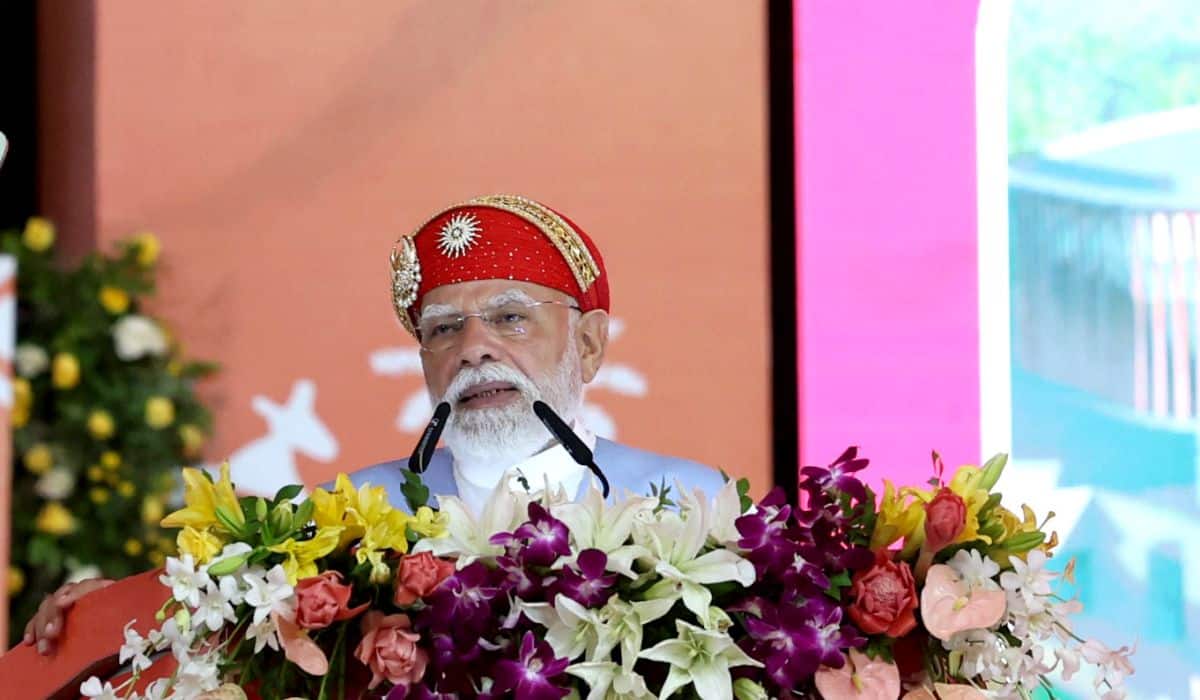
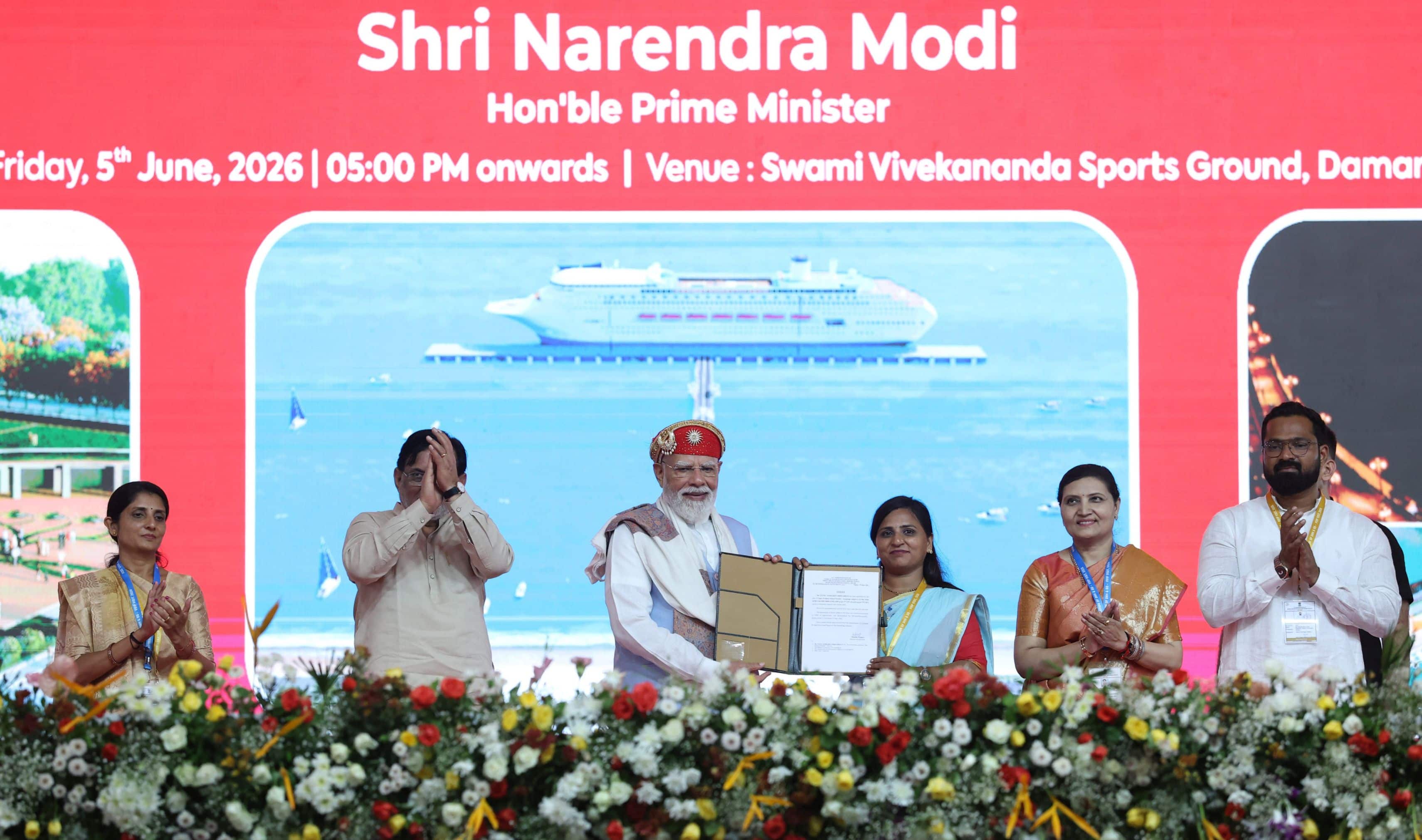
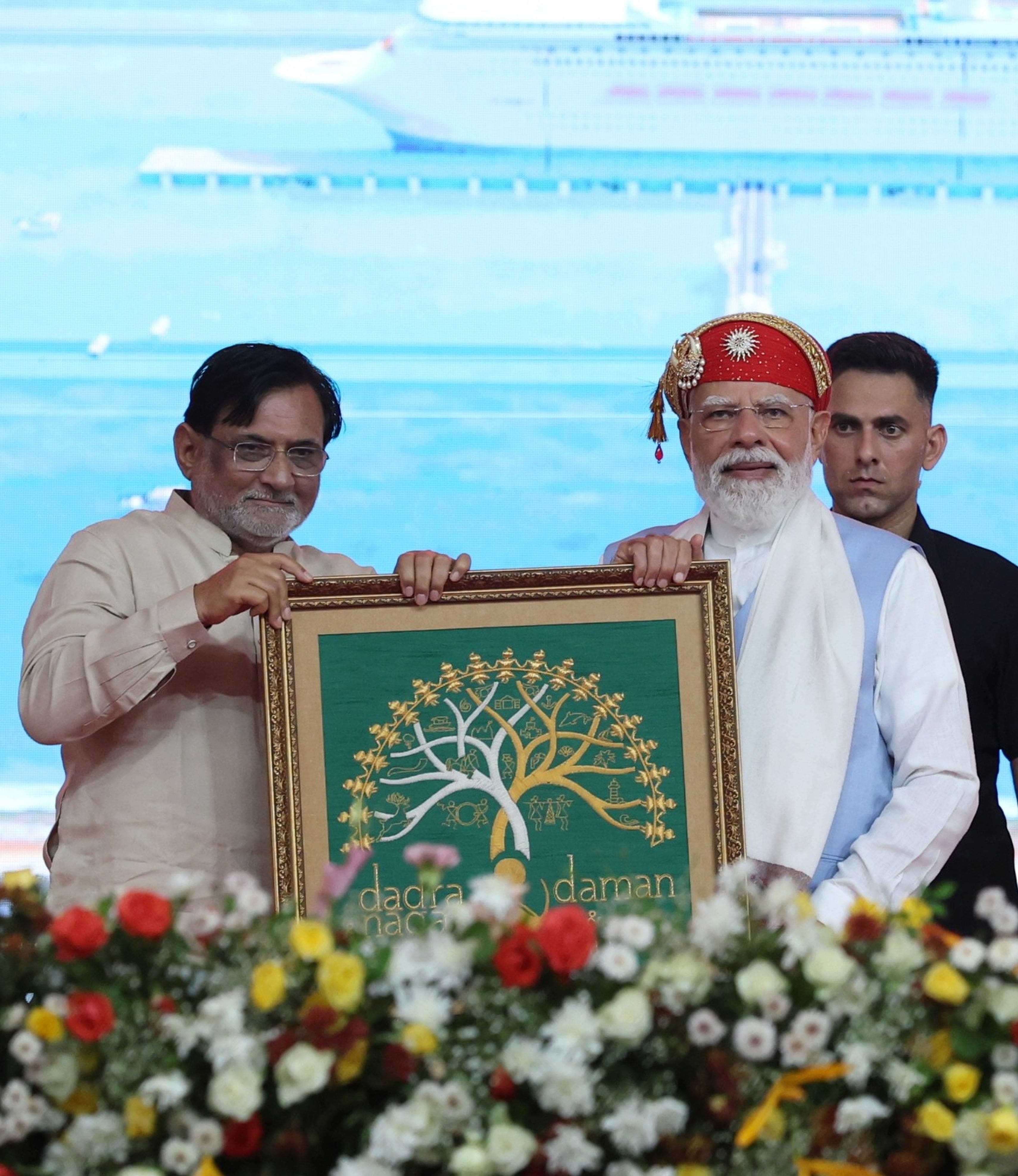
દમણ, ગુજરાતમાં વિવિધ વિકાસ કાર્યોના શિલાન્યાસ/લોકાર્પણ પ્રસંગે પ્રધાનમંત્રીજીના સંબોધનનો મૂળપાઠ
June 05, 2026
Share
The launch of projects across healthcare, aviation, tourism and infrastructure marks a new development push for Daman that will transform lives across the UT: PM
The data released today reflects the strength of India's economy, with growth of 7.7% in FY 2025–26 and 7.8% in the quarter ending March 31: PM
Even amid severe global challenges, the collective efforts of 1.4 billion Indians have ensured that India is not only sustaining itself but also staying ahead of the curve: PM
The National Family Health Survey clearly reflects the government's focus on healthcare. While most deliveries in India earlier took place outside hospitals, today over 90% of all deliveries occur in hospitals: PM
Thanks to Mission Indradhanush, child immunization coverage in India has risen from 60% before 2014 to nearly 90% today: PM
ભારત માતા કી જય! ભારત માતા કી જય!
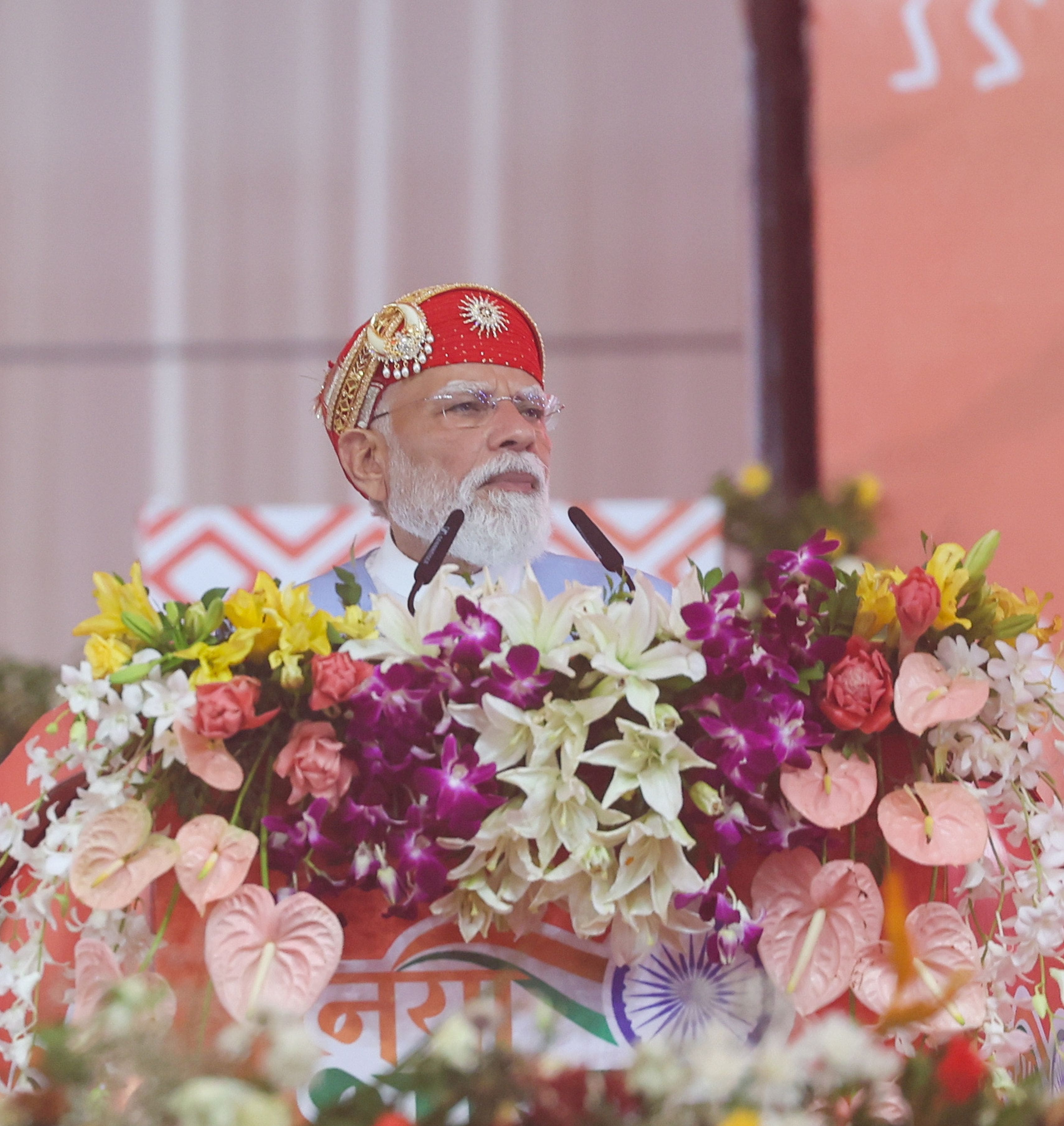
દાદરા અને નગર હવેલી, દમણ અને દીવના એડમિનિસ્ટ્રેટર પ્રફુલ્લ ભાઈ પટેલ, સંસદમાં મારા સહયોગી કલાબેન ડેલકર, દમણ મ્યુનિસિપલ કાઉન્સિલના પ્રમુખ દીપિકા ટંડેલ જી, દમણ જિલ્લા પંચાયતના અધ્યક્ષ ધર્મ બાબુ પટેલ, સિલવાસા મ્યુનિસિપલ કાઉન્સિલના અધ્યક્ષ સોમનાથ દેવરેજી, દાદરા નગર હવેલી જિલ્લા પંચાયતના અધ્યક્ષ નિશા ભાવસાર જી, દીવ મ્યુનિસિપલ કાઉન્સિલના અધ્યક્ષ હરીશ કપાયાજી, દીવ જિલ્લા પંચાયતના અધ્યક્ષ કોટિયા રંજીતાબેન અને અહીં વિશાળ સંખ્યામાં પધારેલા મારા વહાલા ભાઈઓ-બહેનો,
તમે જેમ અહીં એકઠા થયા છો, તેવી જ રીતે લક્ષદ્વીપમાં પણ બહુ મોટી સંખ્યામાં લોકો વીડિયોના માધ્યમથી અમારી સાથે જોડાયેલા છે, કારણ કે આજે લક્ષદ્વીપના વિકાસની પણ એક નવી શરૂઆત, એક નવો પ્રકલ્પ, જે આખા લક્ષદ્વીપના જીવનમાં એક ક્રાંતિકારી કામ કરવાનો છે, તેના માટે પણ કેટલીક યોજનાઓનું શિલાન્યાસ અને લોકાર્પણ થયું છે.
સાથીઓ,
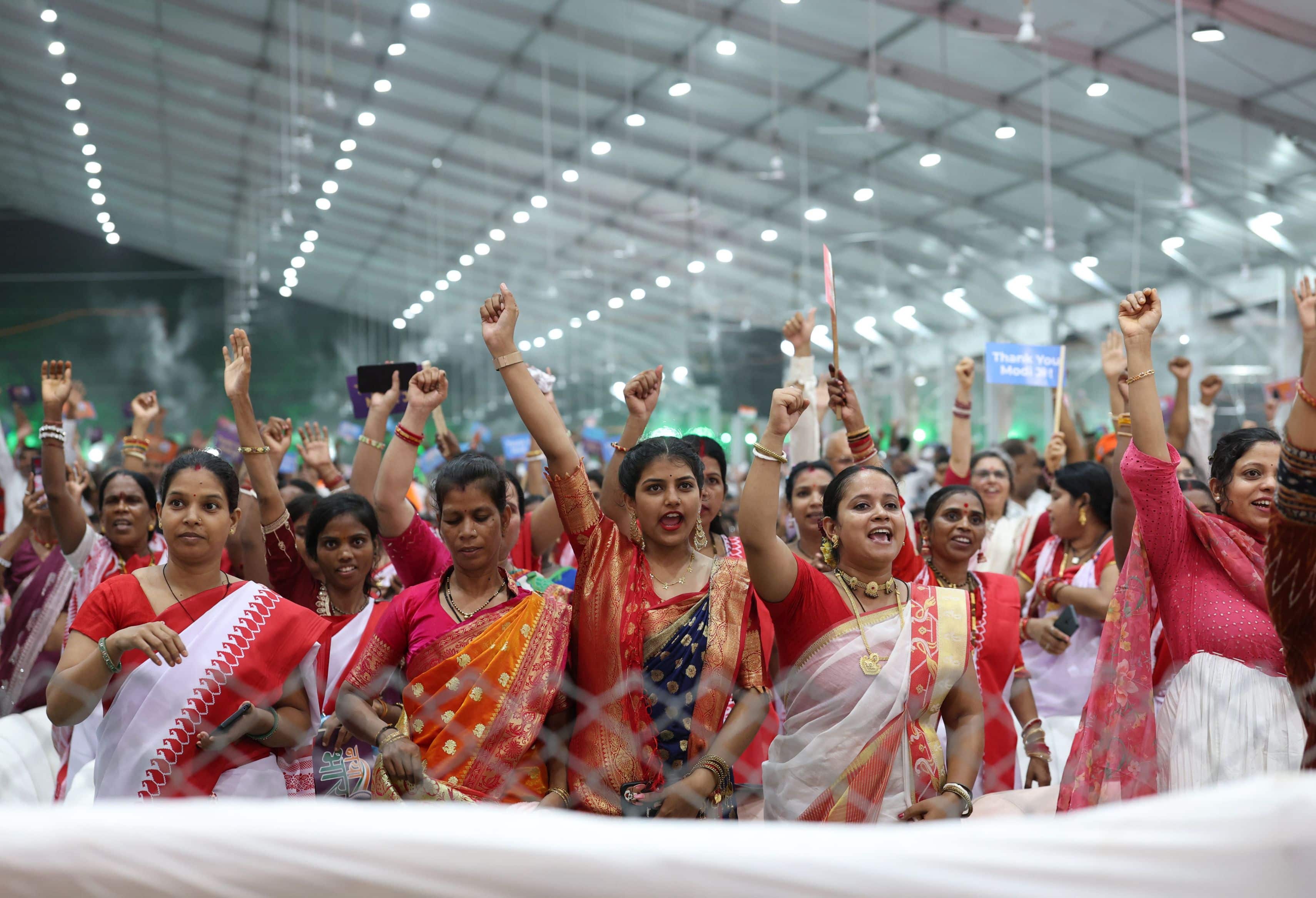
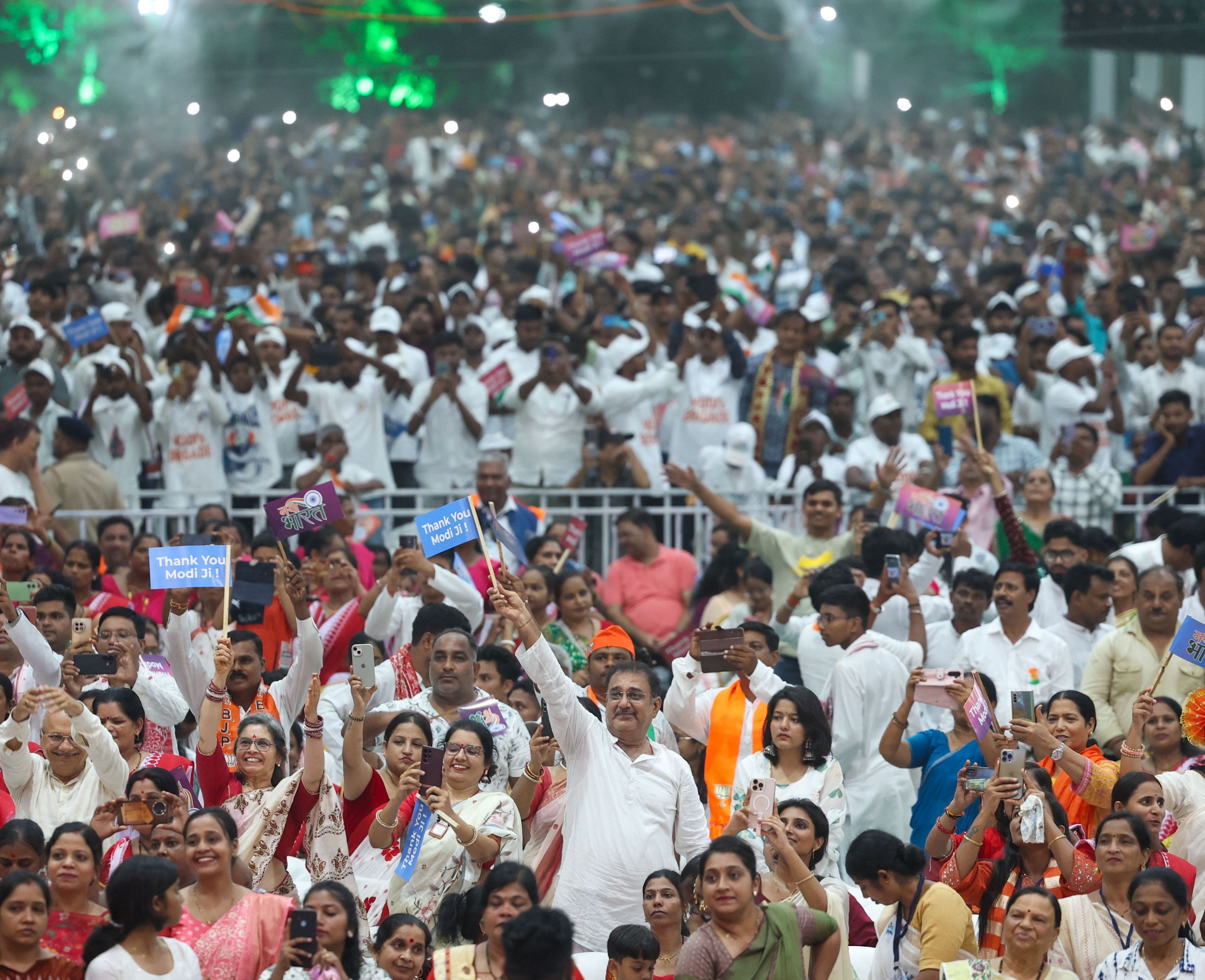
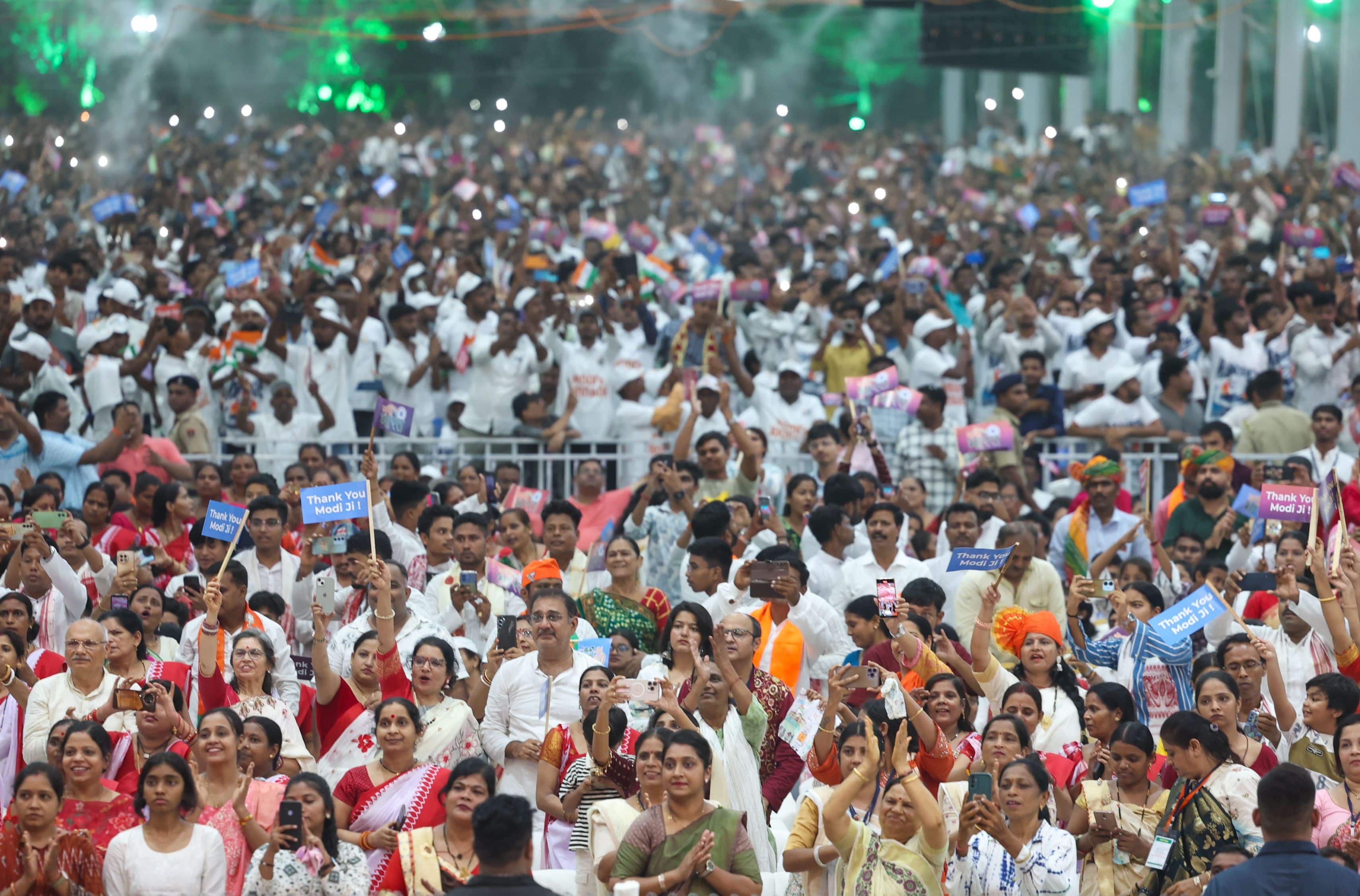
કેટલાક વર્ષો પહેલાં, જ્યારે હું તમારી વચ્ચે આવ્યો હતો, તો મેં કહ્યું હતું આ આપણું દમણ ઝડપથી મિની ઇન્ડિયા બની રહ્યું છે અને આજે હું જોઈ રહ્યો છું, ડાબી બાજુ આખું બંગાળ છે અને જમણી બાજુ આખું અસામ છે. દમણ મિની ઇન્ડિયાનું જીવતું-જાગતું ઉદાહરણ બની ચૂક્યું છે. અહીંની વિવિધતા, અલગ-અલગ ક્ષેત્રોના લોકોનું અહીં નિવાસ કરવું, આખા ભારતની સુંદર ઝલક તમારી વચ્ચે આવીને મળી જાય છે. તમે બધા આટલી મોટી સંખ્યામાં અમને આશીર્વાદ આપવા આવ્યા, હું આના માટે આપ સૌનો ખૂબ-ખૂબ ધન્યવાદ કરું છું.
ભાઈઓ-બહેનો,
મને કેટલીય વાર દમણ અને દીવ આવવાનો અવસર મળ્યો છે. દાદરા અને નગર હવેલી પણ આવતો રહું છું અને જ્યારે હું મુખ્યમંત્રી કે પ્રધાનમંત્રી નહોતો, ત્યારે તો બહુ વાર આવતો હતો. પરંતુ હવે જ્યારે હું અહીં આવું છું અને અહીંના સુશાસનને જોઈને, ગવર્નન્સ મોડલને જોઈને બહુ સારું લાગે છે. દર વખતે મને લાગે છે કે ગત વખતની સરખામણીમાં આ ક્ષેત્ર વિકાસની રાહ પર માઈલો આગળ વધી ગયું છે.
સાથીઓ,
દાદરા અને નગર હવેલી, દમણ અને દીવએ દાયકાઓથી વિકાસના સપના જોયા હતા. જે સપના પહેલાં જોયા, એ પેઢીઓ તો ચાલી ગઈ. પરંતુ આજે જે પેઢી છે, તે પોતાની આંખોની સામે જોઈ રહી છે કે તેમના માતા-પિતા, દાદા-દાદી જે સપના જોતા હતા, એ આજે સપના પૂરા થતા તમે પોતાની આંખોથી જોઈ રહ્યા છો. આજે પણ અહીં કનેક્ટિવિટી, હેલ્થ, એજ્યુકેશન, ટુરિઝમ અને અર્બન ઇન્ફ્રાસ્ટ્રક્ચર આનાથી જોડાયેલી અનેક પરિયોજનાઓનું ઉદ્ઘાટન અને શિલાન્યાસ થયું છે. વિકાસના આ કામ દમણ અને આખી યુનિયન ટેરિટરી માટે અહીંના લોકોના જીવનને સરળ બનાવશે. આનાથી યુવાનો માટે નવા અવસરો તૈયાર થશે. આ કામોની પાછળ પ્રફુલ્લ ભાઈ પટેલની દ્રષ્ટિ, તેમની અને તેમની ટીમની મહેનત સાફ-સાફ નજરે પડે છે. હું આના માટે પણ પ્રફુલ્લ ભાઈ અને તેમની આખી ટીમની સરાહના કરું છું. હું બધાને લક્ષદ્વીપના લોકોને, દાદરા-નગર હવેલીના લોકોને અનેક-અનેક શુભકામનાઓ આપું છું, આપ સૌને વધામણી આપું છું.
સાથીઓ,
આજે તમારી વચ્ચે આવ્યો છું, તો એક સુખદ સમાચાર આવ્યા છે. હું તો આજે સવારે દિલ્હીથી નીકળી ચૂક્યો હતો, પરંતુ અત્યારે જે આંકડા સામે આવ્યા છે, જે સમાચાર આવ્યા છે, તે ખરેખર પ્રસન્નતા આપનારા છે અને હું પણ ઈચ્છું છું, આ ખુશી તમારી સાથે પણ વહેંચું. આજે જે આંકડા આવ્યા છે, એ આંકડાઓથી સાફ છે કે ભારતની અર્થવ્યવસ્થાનો પાયો કેટલો મજબૂત છે. વર્ષ 2025-26 માં એટલે કે જે ફાઇનાન્સિયલ યર પાછલું પૂરું થયું, વર્ષ 2025-26 માં ભારતે 7.7 પર્સન્ટનો ગ્રોથ રેટ હાસલ કર્યો છે, 7.7 અને પાછલો ક્વાર્ટર જે 31 માર્ચે ખતમ થયો, તેમાં પણ ભારતનો ગ્રોથ 7.8 પર્સન્ટ રહ્યો છે, 7.8 અને આ દુનિયામાં તેજ ગતિથી આગળ વધનારી મોટી ઇકોનોમી છે. દરેક ભારતીયને ગર્વ થાય, આ છે તેની ગતિ. આજે દેશ જે રિફોર્મ એક્સપ્રેસ પર ચાલી રહ્યો છે, આજે દેશમાં ઇન્ફ્રાસ્ટ્રક્ચરનો જે આટલો વિકાસ થઈ રહ્યો છે, ગરીબ કલ્યાણને લઈને આટલા મોટા સ્તરે જે કામ ચાલી રહ્યું છે, આ બધા પ્રયાસોનું પરિણામ છે કે આજે દેશ મોટી ઇકોનોમીમાં સૌથી તેજ ગતિથી આગળ વધી રહ્યો છે અને આપણે બધા જાણીએ છીએ, દુનિયા સંકટોમાં ઘેરાયેલી છે, આખી દુનિયાની અર્થવ્યવસ્થા સવાલોના નિશાનો નીચે દબાયેલી પડી છે, વૈશ્વિક સંકટના આ ખરાબમાં ખરાબ દોરમાં પણ 140 કરોડ દેશવાસીઓના સામૂહિક પ્રયાસોથી ભારત પોતાની જાતને સંભાળી તો રાખી જ રહ્યું છે, પરંતુ સાથે-સાથે સૌથી આગળ રહેવામાં પણ તેના પ્રયાસો સફળ થતા જઈ રહ્યા છે. હું દેશવાસીઓને આર્થિક ક્ષેત્રની આ નવી ઊંચાઈને પ્રાપ્ત કરવા માટે ખૂબ-ખૂબ વધામણી આપું છું અને હું દેશને ફરી આશ્વસ્ત કરું છું કે દેશ દુનિયાભરમાં ચાલી રહેલા આ સંકટોનો સામનો કરતા Reform, Perform અને Transform ના રસ્તા પર આવી જ રીતે દ્રઢ સંકલ્પની સાથે, તેજ ગતિથી આગળ વધતો જ રહેશે, આ મારી દેશવાસીઓને ગેરંટી છે.
સાથીઓ,
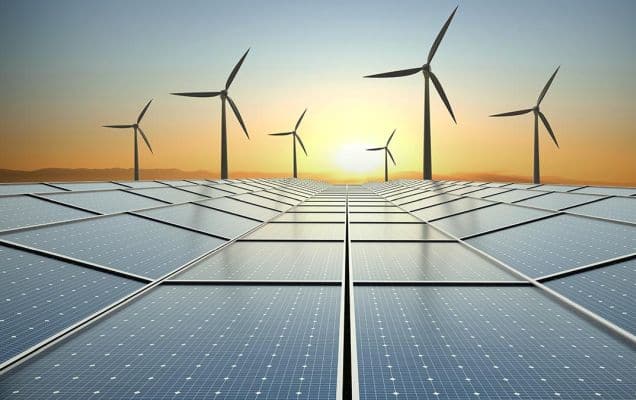
આજે આપણા માટે વિકાસ જેટલો જરૂરી છે, એટલું જ મહત્વનું છે કે આપણું વિકાસનું મોડલ સસ્ટેનેબલ હોય. આજે વર્લ્ડ એન્વાયરમેન્ટ ડેના દિવસે આપણા અહીં યુનિયન ટેરિટરી સ્ટેટ આ સંકલ્પને સાકાર કરી રહ્યું છે. આજે એક તરફ અહીં હજારો કરોડની વિકાસ પરિયોજનાઓનું લોકાર્પણ અને શિલાન્યાસ થયું છે. સાથે જ અહીં આશરે એક લાખ એક વૃક્ષ માતાના નામે, એક લાખ છોડ પણ વાવવામાં આવી રહ્યા છે. મને ગર્વ છે કે એક એવો કેન્દ્રશાસિત પ્રદેશ છે, જેણે સરકારી ઈમારતોમાં શત પ્રતિશત, 100 પર્સન્ટ સૌર ઊર્જાના ઉપયોગની ઉપલબ્ધિ હાંસલ કરી છે. આજે દીવમાં દિવસમાં જેટલી વીજળીની ડિમાન્ડ હોય છે, તે સોલર પાવરથી જ પૂરી થઈ રહી છે અને આપણે તો આને હજુ આગળ લઈને જવાનું છે. ઘરોમાં પણ સોલર ઊર્જાથી વીજળી મળે, એટલું જ નહીં વધારાની વીજળીથી પરિવારની આવક પણ થાય, તેના માટે રૂફટોપ સોલર પ્લાન્ટ્સ લગાવવાની પહેલ શરૂ થઈ છે. હું આ ઉપલબ્ધિઓ માટે પણ આપ સૌની સરાહના કરું છું.
સાથીઓ,
સાથે-સાથે મને એ પણ જણાવવામાં આવ્યું છે, દમણના લોકો આ દિવસોમાં અહીં સ્વચ્છતા અભિયાન પણ ચલાવી રહ્યા છે. આ દર્શાવે છે કે સ્વચ્છતા કઈ રીતે દમણના જનજીવનમાં સંસ્કાર બની ચૂકી છે અને આ સંસ્કાર સ્વચ્છતામાં નજરે પડી રહ્યા છે. હું આ જનભાગીદારીના તમારા પ્રયાસો માટે દમણના લોકોનું અભિનંદન કરું છું.
સાથીઓ,
દાદરા નગર હવેલી, દમણ અને દીવ, આ સંઘ શાસિત પ્રદેશ હોવાની સાથે જ ભારતની ઓળખ અને વિરાસત પણ છે. એટલા માટે, આના વિકાસ માટે અમારા લક્ષ્ય પણ સાધારણ નથી. મને યાદ છે, જ્યારે હું ગયા વર્ષે સિલવાસા આવ્યો હતો, ત્યારે મેં તમને સિંગાપોરનું ઉદાહરણ આપ્યું હતું. મેં કહ્યું હતું કે એક સમયે સિંગાપોર માછીમારોનું નાનું એવું ગામ હતું. પરંતુ, સિંગાપોરના લોકોએ એક સપનું જોયું, ત્યાંના લોકોએ મોટું લક્ષ્ય નક્કી કર્યું અને આજે એ જ સિંગાપોર દુનિયાનું સૌથી મોટું બિઝનેસ હબ બની ચૂક્યું છે. આજે દાદરા અને નગર હવેલી, દમણ અને દીવ પણ એ જ સપનું જોઈ રહ્યા છે. આ નમો એરપોર્ટ, દમણગંગા નદી પર બનનારો આઇકોનિક બ્રિજ, ‘બીચ ફ્રન્ટ’ તેના પર બનનારો કન્વેન્શન સેન્ટર, આવા બધા ઇન્ફ્રાસ્ટ્રક્ચર દ્વારા આપણે ભવિષ્યના મોટા સંકલ્પોનો પાયો નાખી રહ્યા છીએ. આ પ્રોજેક્ટ્સ દ્વારા લોકોની અવરજવર સરળ થશે. અહીં બિઝનેસ માટે નવી સંભાવનાઓ બનશે. દમણના બંને કિનારા પર વિકાસની ગતિ હજુ વધુ તેજ થશે.
સાથીઓ,
અહીં સગવડતાના અર્થતંત્રથી જોડાયેલા અવસરો વધશે અને સાથે જ ટ્રાન્સપોર્ટ નગર જેવી સુવિધાથી વ્યાપાર, લોજિસ્ટિક્સને પણ નવી ગતિ મળશે.
સાથીઓ,
આ ક્ષેત્રમાં બ્લુ ઇકોનોમી માટે અમે જે વિઝન તૈયાર કર્યું છે, તે વિઝન પણ હાઇટેક ઇન્ફ્રાસ્ટ્રક્ચરની તાકાતથી જ સાકાર થશે. એટલા માટે જ, લક્ષદ્વીપના કલપેની અને કદમત દ્વીપોમાં પણ આજે જ આધુનિક પોર્ટ્સની આધારશિલા રાખવામાં આવી રહી છે. આ તમામ પ્રયાસો બ્લુ ઇકોનોમીમાં દેશની તાકાતને વધારશે અને જેવું મેં કહ્યું આ લક્ષદ્વીપનું ભાગ્ય બદલનારા પગલાં છે.
સાથીઓ,
ભાજપની સરકારમાં, એનડીએની અમારી સરકારમાં અમારા માટે વિકાસની પહેલી કસોટી છે- ગરીબ, વંચિત, આદિવાસી અને મિડલ ક્લાસના જીવનમાં બદલાવ! આના માટે, હેલ્થ સેક્ટર અમારી બહુ મોટી પ્રાથમિકતા છે. વિતેલા વર્ષોમાં દેશ હેલ્થ કેર માટે હોલિસ્ટિક વિઝન લઈને આગળ વધ્યો. અમે ઈલાજથી જોડાયેલી દરેક ચિંતાનું સમાધાન કર્યું છે. આજે ગરીબમાં ગરીબ પાસે પણ આયુષ્માન કાર્ડની સુવિધા છે. તેમની પાસે 5 લાખ રૂપિયા સુધીના મફત ઈલાજનો ભરોસો છે. બીમારીની સમયસર તપાસ થઈ શકે, તેના માટે, પ્રધાનમંત્રી આયુષ્માન આરોગ્ય મંદિરોની વ્યવસ્થા છે. જન ઔષધિ કેન્દ્રો દ્વારા સસ્તી દવાઓ પણ મળી રહી છે. આ સુવિધાઓ હજુ બહેતર થાય, હજુ આધુનિક થાય, તેના માટે આયુષ્માન ભારત ડિજિટલ મિશન દ્વારા આજે સ્વાસ્થ્ય સેવાઓને ટેકનોલોજીથી જોડવામાં આવી રહી છે.
સાથીઓ,
આયુષ્માન કાર્ડ અને જન ઔષધિ કેન્દ્રોથી જ ગરીબ અને મધ્યમ વર્ગના આશરે સવા બે લાખ કરોડ રૂપિયા ખર્ચ થતા બચ્યા છે.
ભાઈઓ-બહેનો,
કેન્દ્ર સરકારની નીતિઓનો બહુ લાભ આ ક્ષેત્રના લોકોને પણ થયો છે. એક સમયે અહીં ઈલાજની સારી સુવિધાઓનો પણ અભાવ હતો. અહીં મેડિકલ કોલેજ સુધી નહોતી. પરંતુ, હવે મેડિકલ કોલેજ પણ છે અને તેમાં પોસ્ટ ગ્રેજ્યુએશનનું ભણતર પણ શરૂ થઈ ગયું છે. સિલવાસાની નમો હોસ્પિટલ ગયા વર્ષથી હજારો લોકોની સેવા કરી રહી છે. આજે દમણમાં પણ નમો હોસ્પિટલનું લોકાર્પણ થયું છે. આ ક્ષેત્રના લોકોને પણ હવે હજુ બહેતર હેલ્થ કેરનો લાભ મળશે.
સાથીઓ,
અમારી સરકાર કેવી રીતે સ્વાસ્થ્યને પ્રાથમિકતા આપતા ચાલી રહી છે, આનું એક પ્રમાણ નેશનલ ફેમિલી હેલ્થ સર્વેના પરિણામોમાં પણ મળે છે. એક સમયે ભારતમાં મોટાભાગના બાળકોની ડિલિવરી હોસ્પિટલમાં નહોતી થતી. આજે દેશમાં 90 ટકાથી વધુ ડિલિવરી હોસ્પિટલોમાં થઈ રહી છે, જેના કારણે માતા મૃત્યુ કે નવજાતની મૃત્યુમાં બહુ મોટી અટકાવ આવી છે. મિશન ઇન્દ્રધનુષના કારણે બાળકોના રસીકરણના ક્ષેત્રમાં પણ ભારતે સારી પ્રગતિ કરી છે. 2014 પહેલાં માત્ર 60 ટકા બાળકોનું પૂર્ણ રસીકરણ થઈ શકતું હતું. આજે આ આંકડો વધીને આશરે 90 ટકા સુધી પહોંચી ગયો છે. સ્વાસ્થ્ય સુરક્ષાના ક્ષેત્રમાં પણ મોટો બદલાવ આવ્યો છે. 2014 પહેલાં 30 ટકાથી પણ ઓછા પરિવારો સ્વાસ્થ્ય વીમા યોજનાથી જોડાયેલા હતા. આજે આયુષ્માન ભારતે, એ આંકડાઓને પણ બદલી દીધા છે. હવે 60 ટકાથી વધુ પરિવારોને આ સુરક્ષા મળી રહી છે.
સાથીઓ,
સ્વાસ્થ્યના ક્ષેત્રમાં સરકારના આ પ્રયાસોનો લાભ જો કોઈને સૌથી વધારે મળ્યો છે, તો તે મારા દેશની નારી શક્તિ છે.
સાથીઓ,
પહેલાં આ ક્ષેત્રના યુવાનોને હાયર એજ્યુકેશન માટે પણ બહાર જવું પડતું હતું. પરંતુ, આજે અહીં નેશનલ લેવલની, એક નહીં કેટલીય ઇન્સ્ટિટ્યૂટ બની ચૂકી છે. પાછલા વર્ષોમાં અહીં શાળાઓની નવી બિલ્ડિંગ્સ બની છે, શાળાઓમાં સ્માર્ટ ક્લાસરૂમ પણ બન્યા છે. 40 હજારથી વધુ વિદ્યાર્થીઓને આનો લાભ મળી રહ્યો છે. મને ખુશી છે કે કેન્દ્રશાસિત પ્રદેશ ધીમે-ધીમે એજ્યુકેશનના ક્ષેત્રમાં આગળ આવી રહ્યો છે. સ્વામી વિવેકાનંદ એજ્યુકેશન હબ જેવા કેટલાય નિર્માણ અહીં થઈ રહ્યા છે.
ભાઈઓ-બહેનો,
આ શિક્ષણ ક્રાંતિમાં આપણી દીકરીઓ પાછળ ન રહે, આ પણ મારો સંકલ્પ છે. આના માટે કેટલાય મોટા પ્રયાસો કરવામાં આવી રહ્યા છે. સરસ્વતી સાયકલ સ્કીમ, સરસ્વતી વિદ્યા યોજના, અહીંની દીકરીઓને બહુ મદદ કરી રહી છે.
સાથીઓ,
આજે ભારતની કોશિશ છે કે દેશના યુવાનોને ડિગ્રીની સાથે જ સાચી દિશા પણ મળે. તેમને એવો એક્સપોઝર મળે, જે લોકલ ટેલેન્ટને ગ્લોબલ અવસરોથી જોડે. ડિઝાઇન, લો, એન્જિનિયરિંગ, મેડિકલ એજ્યુકેશન, આઈટી, ડ્રોન અને રિન્યુએબલ એનર્જી જેવા ક્ષેત્રોમાં આપણી આજની તૈયારી ભારતની વર્કફોર્સને મજબૂત બનાવશે. એટલા માટે પ્રોફેશનલ સંસ્થાઓનો વિસ્તાર બહુ મહત્વપૂર્ણ છે.
સાથીઓ,
આજે NIFT ના અઢારમાં કેમ્પસની આધારશિલા રાખવામાં આવી છે. આ સંસ્થાન અહીંના યુવાનોને ગ્લોબલ એક્સપોઝરથી જોડશે. આઈ.ટી.આઈ. દમણમાં ડ્રોન ટેકનિશિયન જેવા નવા કોર્સીસ પણ શરૂ થયા છે. પીએમ વિશ્વકર્મા અને પીએમ સૂર્ય ઘર મફત વીજળી યોજના, આનાથી જોડાયેલા ટ્રેનિંગ પ્રોગ્રામ્સનો લાભ પણ યુવાનોને મળી રહ્યો છે.
સાથીઓ,
દેશમાં રમતગમતને પણ નવી વિચાકધારા સાથે આગળ વધારવામાં આવી. આપણી રમતો હવે માત્ર મોટા શહેરો કે મોટા સ્ટેડિયમો સુધી સીમિત નથી. ખેલો ઇન્ડિયા જેવા પ્રયાસોએ યુવાનોને પોતાની પ્રતિભા દેખાડવાનો નવો મંચ આપ્યો છે. આનાથી નાના-નાના ક્ષેત્રોમાં નેશનલ લેવલ પર રમત જગતમાં આપણા બાળકો આગળ આવી રહ્યા છે અને આનો પણ લાભ આ ક્ષેત્રને થયો છે. દીવ આજે બીચ સ્પોર્ટ્સનું એક મોટું કેન્દ્ર બનીને ઉભર્યું છે. ઘોઘલા બીચ પર થયેલી બીચ ગેમ્સે પણ દેશનું ધ્યાન આ ક્ષેત્ર તરફ ખેંચ્યું છે. આજે અહીં આધુનિક સ્પોર્ટ્સ ઇન્ફ્રાસ્ટ્રક્ચર પર સતત કામ થઈ રહ્યું છે. ખાનવેલમાં ફૂટબોલ સેન્ટર અને દમણમાં વોલીબોલ ટ્રેનિંગ સેન્ટર અહીં રમત સંસ્કૃતિને મજબૂત કરી રહ્યા છે.
સાથીઓ,
આજે દેશનું બહુ મોટું ફોકસ ટુરિઝમ પર પણ છે. અમારો પ્રયાસ છે કે ટુરિઝમથી સ્થાનિક કલા અને સંસ્કૃતિને પ્રોત્સાહન મળે. નાના-નાના સ્થાનોને પણ મોટા-મોટા અવસરોથી જોડી શકાય. ‘દેખો અપના દેશ’ જેવા પ્રયાસે લોકોને દેશની વિવિધતા વિશે જાણવા માટે પ્રેરિત કર્યા છે. આજે ભારતમાં હેરિટેજ ટુરિઝમ, ‘બીચ ટુરિઝમ’, ઇકો-ટુરિઝમ, એડવેન્ચર ટુરિઝમ, આ સેક્ટર્સને નવી ઊર્જા મળી રહી છે.
સાથીઓ,
દાદરા અને નગર હવેલી, દમણ અને દીવમાં તો પર્યટન પણ એટલી અસીમ સંભાવનાઓવાળું એક ક્ષેત્ર છે. આ ક્ષેત્રને પ્રાકૃતિક સુંદરતાનું અદ્ભુત વરદાન મળ્યું છે. એટલા માટે જ પર્યટનને લઈને દેશે જે નીતિઓ પર કામ કર્યું છે, દાદરા અને નગર હવેલી, દમણ અને દીવને તેનો મોટો લાભ મળી રહ્યો છે. 2021 માં અહીં આશરે 6 લાખ ટૂરિસ્ટ આવ્યા હતા. 2025 માં આ સંખ્યા વધીને લગભગ 50 લાખ સુધી પહોંચી ગઈ છે. એટલે કે કેટલાક જ વર્ષોમાં ટુરિઝમ ફૂટફોલમાં આશરે 10 ગણો વધારો થયો છે. આ સારૂં ઇન્ફ્રાસ્ટ્રક્ચર, સારી સુવિધાઓ, સાફ-સુથરા ‘બીચ’ ના કારણે સંભવ થયું છે. દમણ નાઇટ માર્કેટ, રામસેતુ સી-ફ્રન્ટ, નમોપથ સી-ફ્રન્ટ, નાની દમણ ફોર્ટ, ગંગેશ્વર ટેમ્પલ કોમ્પ્લેક્સ, આવા અનેક સ્થાનો આજે આખા ક્ષેત્રની નવી ઓળખ બનાવી રહ્યા છે.
સાથીઓ,
દાદરા અને નગર હવેલી, દમણ અને દીવ, આના સપનાઓને પૂરા કરવા માટે આપણે અહીંની ઔદ્યોગિક તાકાતને પણ વધારવાની છે. આ પણ ગર્વની વાત છે કે આ યુનિયન ટેરિટરીએ મેન મેડ ફાઈબર ના ક્ષેત્રમાં પોતાની અલગ ઓળખ બનાવી છે. દાદરા અને નગર હવેલીને નેશનલ મેન મેડ ફાઈબર કેપિટલના રૂપમાં ઓળખવામાં આવે છે. પ્લાસ્ટિક એક્સપોર્ટમાં પણ આ ક્ષેત્ર સતત આગળ વધી રહ્યું છે. સરકારે અહીં ઇન્ડસ્ટ્રીઝ અને MSMEs ને સપોર્ટ આપવા માટે પણ સતત પ્રયાસો કર્યા છે. અહીં MSMEs અને અન્ય ઇન્ડસ્ટ્રીઝને કરોડો રૂપિયાથી વધુની આર્થિક સહાયતા આપવામાં આવી છે. કેન્દ્રશાસિત પ્રદેશના લઘુ ઉદ્યોગો અને કુટીર ઉદ્યોગો માટે નવા અવસરો ખુલી રહ્યા છે. મને વિશ્વાસ છે, આવનારા સમયમાં આ ક્ષેત્ર મેન્યુફેક્ચરિંગનું મોટું હબ બનશે.
સાથીઓ,
જ્યારે વિકાસના વિઝનની સાથે સંવેદનશીલ ગવર્નન્સ જોડાય છે, તો પરિવર્તન તેજ ગતિથી જમીન પર ઉતરે છે. દાદરા અને નગર હવેલી, દમણ અને દીવમાં આપણા આ પ્રયાસોનો પ્રભાવ જોઈને સંતોષ થાય છે. મને આ ધરતીના લોકો પર પૂરો વિશ્વાસ છે. અહીંના યુવાનો, અહીંની માતાઓ-બહેનો, અહીંના ખેડૂતો, કારીગરો, શ્રમિકો અને ઉદ્યમીઓ, આવનારા વર્ષોમાં આ વિકાસ યાત્રાને હજુ આગળ લઈ જશે. હું તમને ભરોસો અપાવું છું, તમારા સપનાઓને પૂરા કરવા માટે કેન્દ્ર સરકાર ખભેથી ખભો મિલાવીને ઊભી રહેશે. આ જ વિશ્વાસની સાથે, હું એકવાર ફરી વિકાસ પરિયોજનાઓ માટે તમને ખૂબ-ખૂબ વધામણી આપું છું. મારી સાથે બોલો ભારત માતા કી જય! ભારત માતા કી જય! ભારત માતા કી જય!