



My Dear Countrymen,
Today is the holy festival of Vijay Dashami. My heartiest greetings on this occasion of Vijay Dashami to one and all.
Through the medium of radio, I would like to share few heartfelt thoughts with you today. And, I hope that not only today, this series of conversation may be carried out regularly in future. I will try my best, if possible, to take out time twice a month or even once to speak with you. In future, I have also decided that whenever I will speak to you, it would be on Sundays and time would be morning 11. In that way, it would be convenient for you too and I will feel contented with the fact that I am successful in sharing my thoughts with you.
We are celebrating the festival of Vijay Dashami today, which symbolises the triumph of Good over Evil. But one gentleman named Ganesh Venkatadari, a native of Mumbai, sent me a mail and has written to me that we must take a vow to eliminate ten bad habits from within ourselves on this occasion of Vijay Dashami. I express my gratitude to him for this recommendation. We all, as individuals, must be thinking to put an end to all our bad habits and win over them, although, with respect to our nation, I believe we all should come together and take a vow in eliminating all the dirt from our country. On this occasion of Vijay Dashami, we must take a vow to eliminate dirt and filth and we can do so on this occasion.
Yesterday, on 2nd October on the eve of Mahatma Gandhi’s birth anniversary, more than 1.25 crore countrymen have started the ‘Swachh Bharat’ movement. I had shared one thought yesterday which is that I will nominate nine people and they need to upload their videos of cleaning the nation on social media websites, and nominating nine more people to do the same. I want you all to join me, clean the nation, and nominate nine more people to clean the nation, and those nine people must do the same. Eventually, the entire nation will have this atmosphere. I strongly believe that you all will join hands with me to carry this movement forward.
Whenever, we think of Mahatma Gandhi, naturally we are reminded of Khaadi. You may be wearing variety of clothes with different fabrics and company brands in your family. But is it not possible to include Khaadi too? I am not telling you to use only Khaadi products. I am just insisting to use, at least one Khaadi product, like handkerchief, or a bath towel, a bed sheet, a pillow cover, a curtain or anything of that kind. If you have an inclination for all kinds of fabrics and clothes in your family, you can also buy Khaadi products on a regular basis. I am saying this as when you buy Khaadi products, it helps poor people to light lamps on Diwali. Also, you can avail a special discount on Khaadi products from 2nd October for a month. It is a very small thing, but has very big impact which binds you with the poor. How you see this as a success. When I speak of 1.25 crore countrymen and infer the outcome, we might assume that government will take care of everything and as individuals we stand nowhere. We have seen that if we intend to progress then we need to identify our potential, understand our strengths and I can swear that we form the incomparable souls of this world. You all know that our own scientists have been successful in reaching Mars, bearing least expenses. We do not lack in our strengths, but have forgotten our strong points. We have forgotten ourselves. We have become hopeless. My dear Brothers and Sisters I cannot let this happen. I always remember one of the sayings by Swami Vivekananda ji as he always used to emphasize on one thought and possibly, he might have shared this thought with many others.
Vivekananda ii used to say, once a lioness was carrying her two cubs on the way and came upon a flock of sheep from a distance. She got a desire to prey upon them and started running towards the flock. Seeing her running, one of the cub too, joined her. The other cub was left behind and the lioness moved on, post preying upon the flock. One of the cub went with the lioness but the other cub was left behind, and was brought up by a mother sheep. He grew among the sheep, started speaking their language and adapted their ways of life. He used to sit, laugh and enjoy with them. The cub who went with the lioness, was a grown-up now. Once, he happened to meet his brother and was shocked to see him. He thought in his mind,” He is a lion and is playing with sheep, talking like sheep. What is wrong with him? He felt that his ego was at stake and went to talk to his brother. He said,” What are you doing, brother? You are a lion.” He gets a reply from his brother, “No, I am a sheep. I grew up with them. They have brought me up. Listen to my voice and the way I talk.” He said, “Come, I will show you, who you really are.” He took his brother to a well and told him to look in the water his own reflection, and asked him, if both of them had similar faces. “I am a lion, you, too, are a lion.” His brother’s self-esteem got awakened; he attained self-realization through this and even a lion brought up among sheep started roaring like a lion. His inner entity was awakened. Swami Vivekananda ji used to say the same. My countrymen, 125 crore Indians have indefinite strengths and capabilities. We need to understand ourselves. We need to identify our inner strengths and like Swami ji always used to say, we need to carry our self-respect, identify ourselves and move forward in life and be successful, which in turn, make our nation a winning and successful country. I believe, all our countrymen with a population of 125 crores are efficient, strong and can stand against any odds with confidence.
These days, I have been getting many letters through social media websites, like Facebook, from my friends. One of them, Mr. Gautam Pal, has addressed an issue regarding the specially-abled children. He has suggested forming separate Municipality, Municipal Corporation or councils for them. We need to plan something for them for enhancing their moral support. I liked his suggestion and I have experienced this during my day as Chief Minister of Gujarat. A Special Olympics was held in Athens in 2011. After the Olympics I had called all the participants and winners of specially-abled category from Gujarat to my home. I spent two hours with them, and it was the most emotional and inspiring incident of my life. As I believe, a specially-abled child is not only the responsibility of the parents in a family, it is the responsibility of the entire society. God has chosen this family to support a specially-abled child, but a child is a responsibility of the entire nation. After this incident, I got so emotionally attached with them, I started organizing separate Olympics for them in Gujarat. Thousands of children with their parents used to come and attend, I, too, used to attend the Olympics. There was an atmosphere of trust and, this is the reason, I liked the suggestion given by Mr. Gautam Pal and I felt like sharing this thought with you.
It reminds me of another story. Once, a traveller was sitting at the corner of a road, and was asking everyone the way to a specific place. He continued asking the route from many people. A man, sitting beside him was observing him. The traveller stood up and started asking passers-by again. He stood up and said,” The way to your destination is here.” The traveller, then, said,” Brother, you were sitting next to me for so long, saw me asking everyone the route. If you knew the route, why didn’t you tell me before?” The man answered,” I was waiting to verify if you really intend to reach your destination or you are asking people just for your knowledge. But, when you stood up, I was assured that you truly wish to reach your destination, and decided to confirm the address”.
My countrymen, till the time we do not decide to walk, stand on our own, we will also not the get the guidance from others in our journey. We will not get the people to hold our hand and help us in walking. We need to take the initiative in walking and I trust all my 125 crore Indians, who are capable of walking on their own and will keep moving.
For the past few days, I have been getting very interesting suggestions from people. I am aware, when to adapt to these suggestions. But, I want everyone to actively participate in these suggestions as we all belong to our nation, the nation does not only belong to any Government. We are the citizens of our Nation and we all need to unite without any exceptions. Some of you have suggested simplifying the registration process for Small Scale Industries. I will definitely put this under Government’s notice. Some of you have written to me to incorporate skills development courses in the school curriculum from 5th standard. This will help the students to learn various skills and crafts. I loved this effective suggestion given by them. They have also suggested that even the adults should learn skills development courses along with their studies. One of the suggestions given was to keep a dustbin at every 100 meters and a cleaning system should be established.
Some of you have written to me, to abolish the use of plastic bags. I am receiving numerous suggestions from people. I have always been telling you, to write to me and narrate a true incident, which is positive and inspiring to me and our Countrymen, along with the evidence. If you do this, I can promise this to you, that I will share all those heartfelt thoughts or suggestions with all our Countrymen, through “Mann ki Baat”.
I have only one intention in speaking with you all,” Come, let us serve our Mother India. Let us all take our nation to the new heights. Let us all take a step forward. If you take one step, our nation takes 125 crore steps to move forward, and for this purpose, on this auspicious occasion of Vijay Dashami, we all need to defeat all of our inner evils and decide to start doing something good for the nation. Today is the fortunate beginning for me. I will be sharing my heartfelt thoughts with one and all. Today, I have shared all the thoughts coming directly from my heart. I will meet you all next at 11 am on Sundays, but I trust our journey shall never end and will continue receiving love and suggestions from you.
After listening to my thoughts, please do not hesitate in sharing your thoughts or advice to me, I will appreciate that your suggestions keep coming. I am glad to talk with you through this simple medium of Radio, which serves each and every corner of the nation. I can reach the poorest homes, as mine, my nation’s strength lies within the hut of Poor, within the villages; my nation’s strength lies with the Mothers, Sisters and Youths; my nation’s strength lies with the farmers. Nation will only progress, if you believe in it. I am expressing my trust towards the nation. I believe in your strength, hence, I believe in our nation’s future.
I would once again, like to thank one and all for taking out time and listening to me. Thank you all.
(The original speech was in Hindi, this is the English rendering. Original speech remains the authoritative version)
Published By : Admin |
October 3, 2014 | 13:43 IST
-
Share
-

-

-


Login or Register to add your comment
Explore More

জনপ্রিয় ভাষণ
শ্রী রাম জন্মভূমি মন্দিরের ধ্বজারোহণ উৎসবে প্রধানমন্ত্রীর বক্তব্যের বাংলা অনুবাদ
Media Coverage
‘Give mothers, sisters their due rights’: PM Modi pushes for women's reservation from the ramparts of Red Fort

Nm on the go
Always be the first to hear from the PM. Get the App Now!

৮০তম স্বাধীনতা দিবস উপলক্ষে লালকেল্লার প্রাকার থেকে প্রধানমন্ত্রী শ্রী নরেন্দ্র মোদীর ভাষণ
August 15, 2026
-
Share
-
-
-
Today is a day to move forward with our dreams, resolve and strength: PM
Today, with firm resolve, India has envisioned a very big dream; That dream is that when we mark 100 years of independence, by 2047, we will have built a Viksit Bharat: PM
We must believe in ourselves and take pride in building an Aatmanirbhar Bharat: PM
Sectors that were once seen as 'No-Go Areas' are now 'Go-Ahead Areas’: PM
Every Indian is embracing the spirit of Make in India and Vocal for Local: PM
India has a stable political mandate, a stable government, a vibrant democracy, a strong judicial system and a Constitution that guides us all: PM
We need to focus on three things; Cost, quality and scale: PM
Our factories must be competitive, our products user-friendly and our packaging must be the best: PM
Places once affected by Naxal violence are witnessing peace, development and new hope: PM
In the coming years, these Saptadharas will drive India forward and take the nation to new heights: PM
আমার প্রিয় দেশবাসী,
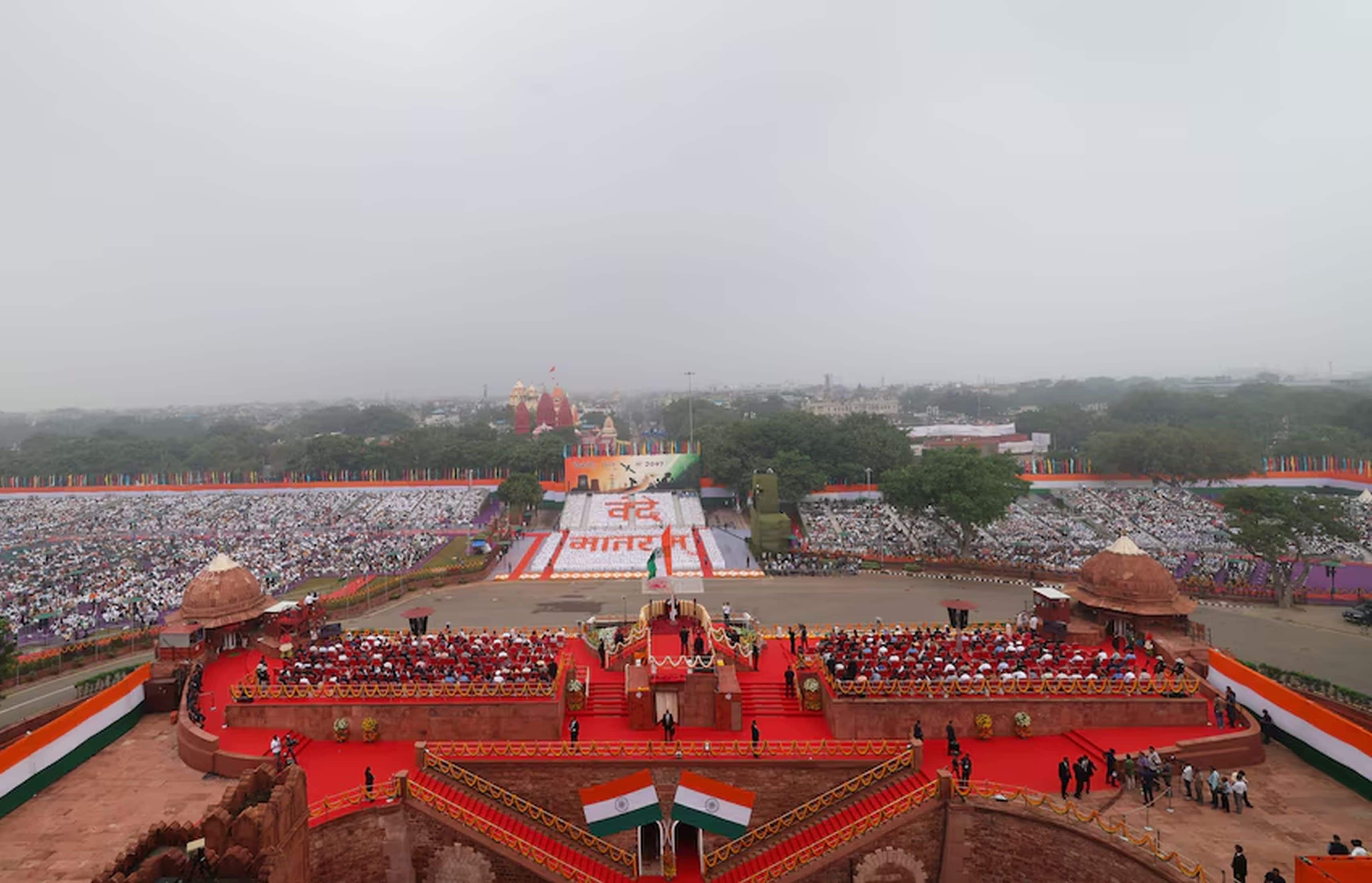
আজ আমরা ৮০তম স্বাধীনতা দিবস উদযাপন করছি। আজ প্রতিটি হৃদস্পন্দনে ধ্বনিত হচ্ছে ‘বন্দে মাতরম’-এর জয়গান। আজ সর্বত্র ‘হর ঘর তিরঙ্গা, হর মন তিরঙ্গা’ (প্রত্যেক বাড়িতে ত্রিবর্ণরঞ্জিত পতাকা, প্রত্যেকের মনে ত্রিবর্ণরঞ্জিত পতাকা)-র আবহ; দেশ নতুন সংকল্প নিয়ে উদ্দীপনা ও নবশক্তিতে এগিয়ে চলেছে। স্বাধীনতা দিবস উপলক্ষে আপনাদের সকলকে জানাই আমার শুভেচ্ছা। আজ জাতি শ্রদ্ধার সঙ্গে স্মরণ করছে সেইসব মহান সন্তানদের, যারা দেশের স্বাধীনতার জন্য সর্বোচ্চ ত্যাগ স্বীকার করেছেন। অটল অধ্যবসায়, ত্যাগ ও নিষ্ঠার মাধ্যমে তাঁরা স্বাধীনতা অর্জনের একমাত্র লক্ষ্যে নিজেদের জীবন উৎসর্গ করেছিলেন। আজ আমি শ্রদ্ধেয় বাপু, সকল স্বাধীনতা সংগ্রামী এবং সেই মহান বিপ্লবীদের সশ্রদ্ধ অভিবাদন জানাই, যাঁরা ত্যাগের এই গৌরবময় ঐতিহ্যকে অনুপ্রাণিত করেছিলেন। আজকের এই অনুষ্ঠানে উপস্থিত সকলের কাছে এটি একটি ঐতিহাসিক মুহূর্ত। স্বাধীনতার পর এই প্রথম ১৫ই আগস্ট লাল কেল্লা থেকে ‘বন্দে মাতরম’-এর ধ্বনি প্রতিধ্বনিত হচ্ছে। আর আজ যখন আমরা ‘বন্দে মাতরম’-এর ১৫০ বছর পূর্তি উদযাপন করছি, তখন এর চেয়ে চমৎকার উপলক্ষ আর কী হতে পারে?
আমার প্রিয় দেশবাসী,
সাম্প্রতিক সময়ে দেশের বিভিন্ন প্রান্তে ভয়াবহ বন্যা ও ভূমিধসের ঘটনা ঘটেছে, যার ফলে বহু পরিবার ক্ষতিগ্রস্ত হয়েছে। তাঁদের সেই দুঃখ-কষ্ট আমরা গভীরভাবে অনুভব করছি। ক্ষতিগ্রস্ত পরিবারগুলোকে আমি আশ্বস্ত করতে চাই যে, আমরা এবং সমগ্র জাতি দৃঢ়ভাবে তাঁদের পাশে আছি।
আমার প্রিয় দেশবাসী,
একটি জাতি তখনই মহান হয়ে ওঠে এবং নিজের লক্ষ্য অর্জন করে, যখন সে তার স্বপ্ন, সংকল্প ও সামর্থ্যের জোরে এগিয়ে চলে।
আমার দেশবাসী,
আমরা আর ছোট স্বপ্ন নিয়ে এগিয়ে যেতে পারি না। আমাদের বড় স্বপ্ন দেখতে হবে, কারণ বড় স্বপ্ন আমাদের চিন্তাধারাকে প্রসারিত করে। তা আমাদের দৃষ্টিভঙ্গির পরিধিকেও বিস্তৃত করে। আমাদের সংকল্প হতে হবে দৃঢ়। যখন আমাদের সংকল্প অটল থাকে, তখন প্রতিকূলতা ও দুর্যোগের মধ্যেও পথ খুঁজে বের করার ক্ষমতা আপনা-আপনিই জেগে ওঠে।
এবং আমার প্রিয় দেশবাসী,
আমাদের সংকল্পও হতে হবে সুউচ্চ। কারণ যখন আমাদের স্বপ্ন ও সংকল্প উচ্চমানের হয়, তখন আমাদের সামর্থ্যের মাত্রাও বৃদ্ধি পায়। আমাদের প্রচেষ্টার পরিধিও বাড়ে, আর তখনই আমরা আমাদের স্বপ্নকে বাস্তবে রূপ দিতে পারি। আমার প্রিয় দেশবাসী,
ভারত আজ এক বিশাল স্বপ্ন দেখছে, দৃঢ় সংকল্পে পুষ্ট এক স্বপ্ন, নতুন উচ্চতায় পৌঁছানোর স্বপ্ন। আর সেই স্বপ্নটি হলো: ২০৪৭ সালে স্বাধীনতার শতবর্ষ পূর্তির সময় আমরা একটি ‘বিকশিত ভারত’ (উন্নত ভারত) গড়ে তুলবো। ১৪০ কোটি নাগরিকের প্রচেষ্টা ও কঠোর পরিশ্রমের মাধ্যমে আমাদের এই লক্ষ্য অর্জন করতে হবে। আর যখন বিশ্বের সর্বাধিক জনবহুল দেশ একটি উন্নত জাতি হয়ে ওঠার সংকল্প নেয়, তখন তা বিশ্ববাসীর চোখে আমাদের সাহসের প্রতীকে পরিণত হয়। বিশ্ব আমাদের দেখার দৃষ্টিভঙ্গি বদলাতে বাধ্য হয়।
প্রিয় দেশবাসী,
আমি কিন্তু অকারণে এ কথা বলছি না। গত ১২ বছরে দেশের কোটি কোটি নাগরিক—তা তিনি দলিত, নিপীড়িত, বঞ্চিত বা আদিবাসী সম্প্রদায়ের কেউ হোন; গ্রাম বা শহরের বাসিন্দা হোন, দরিদ্র বা মধ্যবিত্ত হোন, তরুণ বা প্রবীণ হোন, নারী বা পুরুষ হোন; কিংবা উত্তর, দক্ষিণ, পূর্ব বা পশ্চিম — যেখানকারই হোন না কেন, প্রত্যেকেই দৃঢ় সংকল্প ও নিষ্ঠার সঙ্গে দেশকে নতুন উচ্চতায় নিয়ে যাওয়ার জন্য সর্বাত্মক প্রচেষ্টা চালিয়েছেন। আমি তাঁদের এই প্রচেষ্টাকে সশ্রদ্ধ স্বীকৃতি ও সম্মান জানাই। আর এই প্রচেষ্টারই ফলস্বরূপ, এত অল্প সময়ের মধ্যে ২৫ কোটি নাগরিক দারিদ্র্য জয় করে দারিদ্র্যসীমা থেকে বেরিয়ে আসতে পেরেছেন। এই নাগরিকদের প্রচেষ্টার ফলেই পরিস্থিতি বদলেছে, — আগে একসময় আমাদের ‘ফ্র্যাজাইল ফাইভ’ (ভঙ্গুর অর্থনীতির পাঁচটি দেশ)-এর তালিকায় গণ্য করা হতো, কিন্তু মাত্র ১২ বছরের মধ্যে আমরা একটি প্রধান অর্থনীতি এবং দ্রুততম বর্ধনশীল প্রধান অর্থনীতিতে পরিণত হয়েছি।
বন্ধুগণ,
দেশ অনেক স্বপ্ন নিয়ে স্বাধীন হয়েছিল। কিন্তু আমরা সেই গতি ধরে রাখতে পারিনি; প্রয়োজনীয় গতিবেগ অর্জন করতে পারিনি। আমরা এক ধরণের মানসিকতায় আটকে ছিলাম—‘হয়ে যাবে’, ‘সবকিছু চলতে থাকবে’, ‘দেখা যাক কী হয়’। ২০১৪ সাল নাগাদ সারা বিশ্ব আমাদের ‘ফ্র্যাজাইল ফাইভ’-এর অন্তর্ভুক্ত করেছিল। ঠিক সেই সময়েই, গত ১২ বছরে ভারত এক নতুন গতিবেগ খুঁজে পেয়েছে। আমরা দ্রুতগতিতে এগিয়ে চলেছি এবং দেশের মানুষের সংকল্প স্পষ্ট: ১৪০ কোটি নাগরিকের দৃঢ়তা ও সক্ষমতাকে এখন আর থামানো অসম্ভব।
প্রিয় দেশবাসী,
গত ১২ বছরে প্রতিরক্ষা উৎপাদন প্রায় চারগুণ বৃদ্ধি পেয়েছে। খাদি ও গ্রামীণ শিল্প খাতের উৎপাদন প্রায় পাঁচ গুণ বেড়েছে। ইলেকট্রনিক্স পণ্য উৎপাদন বেড়েছে প্রায় সাত গুণ। আধুনিক রেলওয়ে কোচের উৎপাদন বেড়েছে ২১ গুণ। মোবাইল ফোন উৎপাদন বেড়েছে ৩৫ গুণ। এখানেই শেষ নয়; আধুনিক যুগের সঙ্গে তাল মিলিয়ে ডিজিটাল প্রযুক্তি ও উদ্ভাবনের জগতেও আমরা নিজেদের অবস্থান সুদৃঢ় করেছি। ইন্টারনেট ব্যবহারকারী ও গ্রাহকের সংখ্যা বেড়েছে প্রায় চার গুণ। পেটেন্ট প্রদানের সংখ্যা বেড়েছে চার গুণ। ডিজিটাল লেনদেন বেড়েছে ১০০ গুণ। সাধারণ নাগরিকদের দৈনন্দিন জীবনযাত্রার মানোন্নয়নেও আমরা সমান গুরুত্ব দিয়ে কাজ করেছি। প্রতি বছর আমরা আগের তুলনায় গড়ে ১৫ গুণ দ্রুতগতিতে ট্যাপ-ওয়াটার বা নল-বাহিত জলের সংযোগ প্রদান করেছি। গ্যাস সংযোগ প্রদানের ক্ষেত্রেও প্রতি বছর এই কাজের গতি ছয় গুণ বেড়েছে। দরিদ্রদের জন্য শৌচাগার নির্মাণের হার বার্ষিক গড়ের তুলনায় চার গুণ বেড়েছে। দরিদ্রদের গৃহ প্রদানের গতিও প্রতি বছর তিন গুণ বৃদ্ধি পেয়েছে। এছাড়া দেশের সরকার শাসনব্যবস্থায় বড় ধরনের পরিবর্তন এনেছে। হাজার হাজার নিয়মকানুন বা কমপ্লায়েন্সের বোঝা দূর করা হয়েছে। শত শত সেকেলে আইন বাতিল করা হয়েছে। গত শতাব্দীর আইন দিয়ে একবিংশ শতাব্দীর অগ্রযাত্রা অব্যাহত রাখা সম্ভব নয়। আধুনিক পরিকাঠামো গড়ে তুলতে আমরা মেট্রো নেটওয়ার্কের সম্প্রসারণ করেছি এবং গণপরিবহন ব্যবস্থাকে শক্তিশালী করেছি। কাজের গতি ও ব্যাপ্তি—অর্থাৎ এই দ্রুতগতি, সম্প্রসারণ এবং অর্জনের যে চিত্র আমরা দেখেছি, তা স্বাধীনতার পর গত এক দশকেই প্রথমবারের মতো প্রত্যক্ষ করেছে দেশ। আর যখন আমাদের সামনে এত সাফল্য রয়েছে, যখন এমন দ্রুত অগ্রগতি দৃশ্যমান এবং যখন প্রতিটি মুহূর্তে আমাদের নাগরিকদের সক্ষমতা আরও শক্তিশালী হচ্ছে, তখন ২০৪৭ সালের মধ্যে একটি ‘বিকশিত ভারত’ গড়ে তোলার সংকল্প কখনোই অপূর্ণ থাকতে পারে না। এই সমস্ত পরিসংখ্যানই প্রমাণ করে যে, আমরা এক গতিশীল জাতি।
আমার প্রিয় দেশবাসী,
এর জন্য প্রয়োজন আত্মবিশ্বাস ও আত্মমর্যাদাবোধ। একই সঙ্গে, ‘আত্মনির্ভর ভারত’ হয়ে ওঠা অত্যন্ত জরুরি। তাই সাম্প্রতিক বছরগুলোতে আমাদের দৃঢ় বিশ্বাস জন্মেছে যে, ভারতকে আর অন্য দেশের ওপর নির্ভর করে চলতে হবে না; আমাদের আত্মনির্ভর হতে হবে। বিশ্বে হয়তো অনেক কিছুই সস্তায় বা দ্রুত পাওয়া সম্ভব, কিন্তু সেগুলোর ওপর নির্ভর করলে আমাদের নিজস্ব সক্ষমতা গড়ে ওঠে না বা তার পরীক্ষা-নিরীক্ষাও হয় না। তাই আমাদের নিজেদের সক্ষমতা বাড়াতে হবে এবং নিজেদের স্বার্থ রক্ষা করতে হবে। এ কারণেই আমরা ‘আত্মনির্ভর ভারত’-এর লক্ষ্যে দৃঢ় সংকল্প নিয়ে এগিয়ে চলেছি। ‘মেক ইন ইন্ডিয়া’, ‘স্বদেশি’ এবং ‘ভোকাল ফর লোকাল’-এর মতো উদ্যোগগুলোর সঙ্গে ভারতবাসীর হৃদয় আজ একাত্ম হয়ে উঠছে।
আমার প্রিয় দেশবাসী,
আপনাদের সেমিকন্ডাক্টরের উদাহরণ দিই। স্বাধীনতার পর থেকেই বিশ্বজুড়ে সেমিকন্ডাক্টর নিয়ে আলোচনা চলছিল। আমাদের দেশেও এ নিয়ে আলোচনা হয়েছে, কিন্তু আমরা কোনো বড় সেমিকন্ডাক্টর প্রকল্পকে এগিয়ে নিয়ে যেতে পারিনি। আর আজকের পরিস্থিতি কী? বর্তমানের ডিজিটাল ও প্রযুক্তি-চালিত যুগে আমরা চিপ-এর গুরুত্ব বুঝি। ইলেকট্রনিক পণ্য, চিকিৎসা সরঞ্জাম কিংবা পরিবহন ব্যবস্থা—সবক্ষেত্রেই চিপ অপরিহার্য। বিশ্ব এমন এক পর্যায়ে পৌঁছেছে যেখানে চিপ ছাড়া পুরো ব্যবস্থাই অচল হয়ে পড়তে পারে। তাই আত্মনির্ভর হওয়ার লক্ষ্যে ভারত নিজস্ব সেমিকন্ডাক্টর উৎপাদন সক্ষমতা গড়ে তুলতে শুরু করেছে। ইতিমধ্যে তিনটি বড় সেমিকন্ডাক্টর কারখানা চালু হয়েছে। আমাকে জানানো হয়েছে যে, এসব কারখানা থেকে উৎপাদিত পণ্য বিদেশেও রপ্তানি শুরু হয়েছে। আমি দেশবাসীকে জানাতে চাই যে, আগামী সাত-আট বছরের মধ্যে আরও পাঁচ থেকে আটটি সেমিকন্ডাক্টর কারখানা চালু হওয়ার সম্ভাবনা রয়েছে। এই ‘আত্মনির্ভর ভারত’ আমাদের ‘বিকশিত ভারত’ হয়ে ওঠার পথে এক বিশাল মহাসড়ক তৈরি করে দিচ্ছে।
আমার প্রিয় দেশবাসী,
গুরুত্বপূর্ণ খনিজ বা ‘ক্রিটিক্যাল মিনারেলস’ নিয়েও একই ধরনের আলোচনা চলছে। পুরো প্রযুক্তি খাতই এই গুরুত্বপূর্ণ খনিজের ওপর নির্ভরশীল। ভারত এই ক্ষেত্রেও নিজের অবস্থান সুদৃঢ় করতে কাজ করছে। আমরা গুরুত্বপূর্ণ খনিজ সংক্রান্ত লক্ষ্যমাত্রা নির্ধারণ করেছি এবং ‘জাতীয় গুরুত্বপূর্ণ খনিজ মিশন’ চালু করেছি। বাজেটে আমরা ‘ক্রিটিক্যাল মিনারেলস করিডোর’-এর কথাও ঘোষণা করেছি। বিভিন্ন দেশের সঙ্গে চুক্তি স্বাক্ষরিত হচ্ছে এবং বিশ্বের অনেক দেশ এখন গুরুত্বপূর্ণ খনিজ সম্পদের ক্ষেত্রে ভারতের ওপর আস্থা রাখতে শুরু করেছে।
আমার প্রিয় দেশবাসী,
আমরা যখন সেমিকন্ডাক্টর এবং গুরুত্বপূর্ণ খনিজ সম্পদের কথা বলছি, তখন ভবিষ্যতের প্রযুক্তির দিকে এগিয়ে যাওয়ার পাশাপাশি শক্তির গুরুত্বও ক্রমাগত বাড়ছে—কারণ বিশ্ব সেই পথেই অগ্রসর হচ্ছে। শক্তি ছাড়া নতুন বিশ্বকে সচল রাখা এখন কঠিন; তাই চিপ, কৃত্রিম বুদ্ধিমত্তা বা ডেটা সেন্টার—যাই হোক না কেন, আমাদের প্রচুর পরিমাণে বিদ্যুতের প্রয়োজন হবে। জ্বালানি নিরাপত্তা বা শক্তি নিরাপত্তা এখন সময়ের দাবি, আর তাই আমরা ইতিমধ্যেই এই লক্ষ্যে বেশ কিছু বলিষ্ঠ পদক্ষেপ নিয়েছি। জ্বালানি নিরাপত্তা নিশ্চিত করার অন্যতম প্রধান উপায় হলো পারমাণবিক শক্তি। সংসদে 'শান্তি' আইন পাসের মাধ্যমে আমরা একটি নতুন লক্ষ্যের পথে এগিয়ে যাওয়ার পথ প্রশস্ত করেছি। ২০৪৭ সালের মধ্যে ১০০ গিগাওয়াট পারমাণবিক বিদ্যুৎ উৎপাদনের লক্ষ্যমাত্রা নিয়ে আমরা কাজ করছি। এই দশকের মধ্যেই আমরা পাঁচটি নতুন পারমাণবিক চুল্লি চালু করার লক্ষ্য নির্ধারণ করেছি। এ বছর ভারত 'ফাস্ট ব্রিডার' পারমাণবিক প্রযুক্তিতে দক্ষতা অর্জনের মাধ্যমে একটি গুরুত্বপূর্ণ মাইলফলক স্পর্শ করেছে; এর ফলে পারমাণবিক জ্বালানির ক্ষেত্রে স্বনির্ভর হওয়ার পথে আমরা এক বড় পদক্ষেপ নিয়েছি।
আমার প্রিয় দেশবাসী,
কখনও কখনও সম্পদের অভাব কোনো দেশকে পিছিয়ে দেয় না, বরং চিন্তাধারার সীমাবদ্ধতাই তাকে আটকে রাখে। যখন আমাদের চিন্তাভাবনা সংকীর্ণ হয়ে পড়ে এবং সেই সীমাবদ্ধতার গণ্ডিতেই স্থবির হয়ে যায়, তখন আমরা নিজেদের প্রকৃত সম্ভাবনাটুকুও চিনতে পারি না। আজ দেশকে অপরিশোধিত তেলের ওপর নির্ভর করতে হচ্ছে, আর এটি আমাদের ত্রুটিপূর্ণ চিন্তাধারারই ফল। আপনারা জেনে অবাক হবেন যে, এই ধরনের চিন্তাভাবনার কারণেই আমরা আমাদের সমগ্র উপকূলীয় এলাকার ৯৯ শতাংশকে 'নো-গো এরিয়া' বা নিষিদ্ধ এলাকা হিসেবে ঘোষণা করে রেখেছিলাম। সমুদ্রের তলদেশে অনুসন্ধান বা গবেষণার কাজে না নামার সিদ্ধান্ত আমরা নিজেরাই নিয়েছিলাম। এটি ছিল চিন্তার দৈন্য। আমরা সিদ্ধান্ত নিয়েছিলাম যে, এমনটা চলতে দেওয়া যায় না। একসময়ের সেই নিষিদ্ধ এলাকা বা 'নো-গো এরিয়া'-র ৯৯ শতাংশ অংশকে আমরা এখন 'গো-অ্যাহেড এরিয়া' বা অগ্রগতির ক্ষেত্র হিসেবে উন্মুক্ত করে দিয়েছি এবং সমুদ্রের তলদেশে অনুসন্ধান ও নতুন খনিজ ভাণ্ডার আবিষ্কারের পথে এগিয়ে চলেছি। আমরা এ লক্ষ্যে নিরলস প্রচেষ্টা চালিয়ে যাচ্ছি। গত বছর এই একই পথে একটি গুরুত্বপূর্ণ পদক্ষেপ হিসেবে আমরা 'সমুদ্র মন্থন' কর্মসূচির ঘোষণা দিয়েছিলাম এবং সম্প্রতি এই প্রক্রিয়াকে ত্বরান্বিত করার লক্ষ্যে ৮৫,০০০ কোটি টাকা বরাদ্দ করার সিদ্ধান্ত নিয়েছি।
আমার প্রিয় দেশবাসী,
আমি বলেছিলাম যে, জ্বালানি নিরাপত্তার ক্ষেত্রে বিকল্প উৎসগুলোর ওপর পূর্ণ জোর দেওয়া আমাদের জন্য সমানভাবে গুরুত্বপূর্ণ। তাই, জ্বালানির সাশ্রয়ী ও দক্ষ ব্যবহারের পাশাপাশি ভারত আজ এই পথে দ্রুতগতিতে এগিয়ে চলেছে। ২০১৪ সালের আগে—অর্থাৎ ১২ বছর আগে—আমাদের দেশের মাত্র ৭০টি শহরে পাইপলাইনের মাধ্যমে গ্যাস সরবরাহের পরিকাঠামো ছিল। এই ১২ বছরে আমরা আমরা এই পরিষেবাটিকে ৭০টি শহর থেকে ৭০০টি শহরে উন্নীত করেছি। একেই বলে গতি; একেই বলে সম্প্রসারণ। ২০১৪ সালের আগে, পাইপলাইনের মাধ্যমে গ্যাস পরিষেবা মাত্র ২০-২২ লক্ষ পরিবারের কাছে পৌঁছাত। আজ, প্রায় ১.৭৫ কোটি পরিবারের কাছে এই পরিষেবা পৌঁছে দেওয়ার কাজ চলছে। বারো বছর আগে দেশে সৌরবিদ্যুৎ উৎপাদনের ক্ষমতা ছিল মাত্র ২ গিগাওয়াট; আজ আমরা ১৬০ গিগাওয়াট ক্ষমতা অর্জনের মাইলফলক স্পর্শ করেছি।
আমার প্রিয় দেশবাসী,
আমি আরও একটি তথ্য আপনাদের জানাতে চাই। সারা দেশের মধ্যবিত্ত ও সাধারণ পরিবারগুলো যাতে এর সুফল পায়, সেদিকেও আমরা সমান গুরুত্ব দিয়েছি। আমরা 'পিএম সূর্য ঘর মুফত বিজলি যোজনা' চালু করেছি। আজ আমি অত্যন্ত আনন্দিত যে, এত অল্প সময়ের মধ্যেই আমরা ৫০ লক্ষ বাড়িতে সৌরবিদ্যুৎ ব্যবস্থা স্থাপনের মাইলফলক অতিক্রম করেছি এবং এই কাজ দ্রুতগতিতে এগিয়ে চলেছে। এর ফলে হাজার হাজার পরিবারের বিদ্যুৎ বিল শূন্য হয়ে গেছে; পাশাপাশি, অনেক পরিবার তাদের উৎপাদিত বাড়তি বিদ্যুৎ বিক্রি করে আয়ও করছে। সরকার এই কাজের জন্য প্রতিটি পরিবারকে ৮০,০০০ টাকা সহায়তা প্রদান করছে এবং এই সহায়তার মাধ্যমেই আমরা এই কর্মসূচিকে এগিয়ে নিয়ে যাচ্ছি।
আমার প্রিয় দেশবাসী,
আপনারা জেনে অবাক হবেন যে, আমাদের দেশে রেলওয়ে ব্যবস্থায় বিদ্যুতায়নের কাজ ১৯২৫ সালেই শুরু হয়েছিল। ১৯২৫ সালে কাজ শুরু হলেও পরবর্তী ৯০ বছরে রেলওয়ে নেটওয়ার্কের মাত্র ৩০ শতাংশ বিদ্যুতায়িত করা সম্ভব হয়েছিল। অর্থাৎ ৯০ বছরে মাত্র ৩০ শতাংশ। আমাদের কাজের গতি এবং লক্ষ্য অর্জনের দৃঢ় সংকল্পের দিকে একবার তাকান। আমরা মাত্র এক দশকের মধ্যেই ১০০ শতাংশ কাজ সম্পন্ন করেছি। ৯০ বছরে ৩০ শতাংশ আর ১০ বছরে ৭০ শতাংশ — একেই বলে প্রকৃত কাজ। এর ফলে, বিদেশ থেকে যে ডিজেল আমাদের আমদানি করতে হতো, তা সাশ্রয় করা সম্ভব হয়েছে। আমাদের ট্রেনগুলো এখন বিদ্যুৎচালিত হওয়ায় পরিবেশেরও উপকার হচ্ছে।
আমার প্রিয় দেশবাসী,
আমরা এখানেই থেমে থাকিনি। আমরা বিশ্বের তুলনায় পিছিয়ে থাকতে চাই না। আপনারা হয়তো সম্প্রতি খবরটি শুনেছেন: জ্বালানির এই নতুন ক্ষেত্রেও ভারত প্রবেশ করেছে। দেশটি তার প্রথম হাইড্রোজেন-চালিত ট্রেন চালু করেছে এবং আমি আনন্দিত যে, এটি এই ধরনের ট্রেনগুলোর মধ্যে দীর্ঘতম ও সবচেয়ে শক্তিশালী। হাইড্রোজেন-চালিত ট্রেনের ক্ষেত্রেও ভারত বিশ্বমঞ্চে নিজের ছাপ রেখেছে।
প্রিয় দেশবাসী,
গত ১০-১২ বছর ধরে আমরা ২০৪৭ সালের লক্ষ্য অর্জনের পথে নিরলসভাবে কাজ করে যাচ্ছি। আমরা একের পর এক মাইলফলক স্পর্শ করছি। আমরা কল্পনাও করিনি যে এই যাত্রাপথে আমাদের এত সব কঠিন পরিস্থিতির মুখোমুখি হতে হবে। গত ১০-১২ বছরে আমরা অসংখ্য সংকটের মোকাবিলা করেছি। কোভিড-১৯-এর মতো মহামারি পুরো বিশ্বকে অনিশ্চয়তার মুখে ঠেলে দিয়েছিল এবং সমস্ত ব্যবস্থাকে বিপর্যস্ত করে তুলেছিল। কোভিড পরিস্থিতি কাটিয়ে ওঠার পরপরই আমাদের যুদ্ধের ভয়াবহতা দেখতে হয়েছে — একদিকে ইউক্রেন সংঘাত, অন্যদিকে পশ্চিম এশিয়ায় সংঘাত। সর্বত্রই এক উত্তেজনাকর পরিস্থিতি বিরাজ করছিল; আর তথাকথিত ভবিষ্যদ্বক্তারা ভবিষ্যৎ নিয়ে কী সব কথাই না বলেছিল! কিছু মানুষ যেন দেশকে ভয় দেখিয়ে, আতঙ্কিত ও উদ্বিগ্ন রেখে এক ধরণের তৃপ্তি পেত। তারা বলেছিল, টিকা পাওয়া যাবে না, মানুষ কোভিডে বাঁচবে না এবং কোনো কিছুই কাজ করবে না। পশ্চিম এশিয়ায় যখন সংকট দেখা দিল, তখন গুজব ছড়ানো হয়েছিল যে পেট্রোল পাম্পে পেট্রোল পাওয়া যাবে না, গ্যাস, ডিজেল বা সার—কোনো কিছুই মিলবে না। বিশ্বজুড়ে নানা ধরনের গুজব ছড়িয়ে কিছু মানুষ ভারতের জনগণকে ভীত-সন্ত্রস্ত ও দুশ্চিন্তাগ্রস্ত করে আনন্দ পেত।
কিন্তু দেশ এখন দেখছে যে, গত ১০-১২ বছরের সুচিন্তিত পরিকল্পনাগুলো সুফল দিচ্ছে। এত বড় সংকট সত্ত্বেও, 'নাগরিক দেবো ভব' (নাগরিকই ঈশ্বরের সমান)—এই নীতিতে উদ্বুদ্ধ হয়ে ভারত প্রয়োজনীয় প্রস্তুতি নিয়েছিল এবং একের পর এক পদক্ষেপ গ্রহণ করেছিল। আমরা এমন সংকটের কথা আগে ভাবিনি, কিন্তু যখন তা এল, তখন আমাদের সেই প্রস্তুতিগুলো অত্যন্ত কাজে এল। আজ দেশে গ্যাস, পেট্রোল ও ইউরিয়া—সবই পর্যাপ্ত রয়েছে। আমরা নিজেদের সক্ষমতার ওপর ভর করে দাঁড়িয়ে আছি এবং আত্মবিশ্বাসের সঙ্গে এগিয়ে চলেছি।
আমার প্রিয় দেশবাসী,
এই বৈশ্বিক সংকট সবাইকে প্রভাবিত করেছে এবং আমরাও এর বাইরে নই। বিশ্ববাজারে এক বস্তা ইউরিয়ার দাম ৩,০০০ টাকায় পৌঁছেছে। তবুও আমরা দেশের কৃষকদের ওপর সেই বোঝা চাপাইনি; সরকার নিজেই সেই ভার বহন করছে। বিশ্ববাজার থেকে যে ইউরিয়ার বস্তা আমরা ৩,০০০ টাকায় কিনছি, তা-ই কৃষকদের হাতে তুলে দিচ্ছি মাত্র ৩০০ টাকায়। এছাড়া, ডিএপি-র বিশ্ববাজারের দাম যেখানে ৫,০০০ টাকায় পৌঁছেছে, সেখানে কৃষকদের কোনো অসুবিধার মুখে পড়তে না দেওয়ার লক্ষ্যে আমরা তা ১,৩৫০ টাকাতেই সরবরাহ করে যাচ্ছি।
আমার প্রিয় দেশবাসী,
একটা সময় ছিল যখন আমি আত্মনির্ভরতার কথা বলতাম, তখন শীতাতপ নিয়ন্ত্রিত কক্ষে বসে থাকা কিছু মানুষ প্রশ্ন তুলত বিশ্বায়নের কী হবে? কিন্তু বিশ্ব এখন দেখছে যে, গত এক দশকে বিশ্বায়ন নিয়ে আলোচনা যেন থমকে গেছে। বিশ্বায়নের পক্ষে যেসব কণ্ঠস্বর শোনা যেত, তা এখন আর শোনা যাচ্ছে না। প্রতিটি দেশ এখন নিজেদের নির্দিষ্ট চ্যালেঞ্জ মোকাবিলার দিকে মনোযোগ দিয়েছে; তবে দুঃখজনকভাবে, এই সংকটকালে কেউ কেউ নিজেদের আধিপত্য বিস্তারের জন্য সম্পদকে হাতিয়ার হিসেবে ব্যবহারের খেলায় মেতে উঠেছে। বিশ্ব এখন তার হাতে থাকা যেকোনো সম্পদকেই হাতিয়ার হিসেবে ব্যবহার করতে চাইছে। পেট্রোল, ডিজেল, সার, ওষুধ এবং প্রযুক্তিগত চিপের মতো সম্পদগুলোকে হাতিয়ার হিসেবে ব্যবহার করা হচ্ছে; বস্তুত, এমনকি ভূখণ্ডকেও এখন হাতিয়ার হিসেবে ব্যবহার করা হচ্ছে। এমন এক সময়ে, গত এক দশক ধরে যদি আমরা ‘আত্মনির্ভরতা’র মন্ত্রে উদ্বুদ্ধ হয়ে সঠিক পথে অগ্রসর না হতাম, তবে ভাবুন তো, এসব চ্যালেঞ্জের মোকাবিলা আমরা কতটা দৃঢ়ভাবে করতে পারতাম? অথচ আমাদের প্রস্তুতি ক্রমাগত বেড়েই চলেছে।
আমার প্রিয় দেশবাসী,
অন্যদিকে, আজ বিশ্বমঞ্চে ভারতের ভাবমূর্তি উল্লেখযোগ্যভাবে উজ্জ্বল হচ্ছে। আজ ভারত বিশ্বের কাছে একটি গ্রহণযোগ্য ও সম্মানিত দেশ হিসেবে উঠে আসছে। ভারতের রয়েছে একটি স্থিতিশীল রাজনৈতিক ম্যান্ডেট ও সরকার, প্রাণবন্ত গণতন্ত্র, শক্তিশালী বিচারব্যবস্থা এবং আমাদের সকলের পথপ্রদর্শক ভারতের সংবিধান—আর এখন বিশ্বও আমাদের এই শক্তিকে স্বীকৃতি দিতে শুরু করেছে। তাই ২০১৪ সালের পর থেকে আমরা প্রায় ৪০টি দেশের সঙ্গে মুক্ত বাণিজ্য চুক্তি সম্পাদন করেছি। দেখুন, কত বড় এক সুযোগ আমাদের সামনে এসেছে; আর এই যে বাণিজ্য চুক্তিগুলো করা হয়েছে, তা এক বিশাল সুযোগ! তাই আমি বিশেষ করে আমাদের এমএসএমই-গুলোকে বলতে চাই যে, আমাদের এই সুযোগটি হাতছাড়া করা উচিত নয়। আমাদের বিশ্বমঞ্চে পৌঁছাতে হবে; ভারতের প্রতিটি পণ্য বিশ্ববাজারে পৌঁছানো প্রয়োজন—তা আমাদের বস্ত্রশিল্পের পণ্য, যন্ত্রপাতি বা ওষুধ — যাই হোক না কেন। কোনো সুযোগই আমাদের ছাড়া চলবে না, তবে একইসঙ্গে আমাদের বিশ্বমানের মানদণ্ডও পূরণ করতে হবে। বর্তমানে বিশ্ববাজারে যেসব পণ্য পাওয়া যাচ্ছে, তার চেয়ে উন্নত মানের এবং সাশ্রয়ী পণ্য আমাদের সরবরাহ করতে হবে। পাঞ্জাবের লুধিয়ানা থেকে তামিলনাড়ুর তিরুপুর পর্যন্ত বিস্তৃত আমাদের বস্ত্রশিল্পের বিশ্ববাজারে পৌঁছানোর পূর্ণ সম্ভাবনা রয়েছে। শুধু তাই নয়, কেরালা থেকে গুজরাট এবং তামিলনাড়ু থেকে বাংলা পর্যন্ত বিস্তৃত আমাদের দীর্ঘ উপকূলরেখা ও মৎস্যজীবী ভাই-বোনদের কথাও বলতে হয়; এই এফটিএ-র ফলে আজ আমাদের চিংড়ি রপ্তানির সম্ভাবনা অনেক বেড়ে গেছে। বিশ্ববাজারে আমাদের সামুদ্রিক খাদ্যের (সি-ফুড) পৌঁছানোর ব্যাপক সম্ভাবনা রয়েছে। তাই আমি চাই আমরা যেন এই পরিস্থিতির পূর্ণ সদ্ব্যবহার করি এবং সামনের দিনগুলোতে এই লক্ষ্যগুলো অর্জনের পথে এগিয়ে যাই।
আমার প্রিয় দেশবাসী,
আপনাদের সামনে আমি যে ২০৪৭ সালের লক্ষ্যের কথা তুলে ধরেছি, তা এক সুদৃঢ় ভিত্তির ওপর দাঁড়িয়ে আছে। ২০৪৭ সালের মধ্যে ভারতকে একটি উন্নত রাষ্ট্রে পরিণত করার এই লক্ষ্যটি সেই শক্তিরই অংশ, যা আমাদের দেশবাসী গত ১০-১২ বছরে প্রদর্শন করেছেন।
তাই, আমার প্রিয় ভাই ও বোনেরা,
এক শতাব্দীর এক-চতুর্থাংশ সময় পেরিয়ে গেছে এবং পরবর্তী এক-চতুর্থাংশ আমাদের জন্য অত্যন্ত গুরুত্বপূর্ণ। এখন আমরা থামতে পারি না, আমাদের গতি থামানো চলবে না। আমাদের গন্তব্য নির্ধারিত হয়ে গেছে এবং তা আমাদের অর্জন করতেই হবে। এর জন্য আমাদের কাজের সংস্কৃতি বা কর্মসংস্কৃতি পরিবর্তন করতে হবে; তার সঙ্গে আমাদের চিন্তাধারা ও কাজের গতিও বদলাতে হবে। গত ৫-৭ দশকে যেসব কাজ করা সম্ভব হয়নি, সেসব কাজই আমাদের আগামী ৫-৭ বছরের মধ্যে সম্পন্ন করতে হবে। আমার দেশের যুবশক্তি, দেশের তরুণ সমাজ, দেশের মা-বোনেরা, কৃষক ও শ্রমিকদের ওপর আমার পূর্ণ আস্থা রয়েছে যে, আমরা এই স্বপ্নকে বাস্তবে রূপ দিতে পারব। তাই সংস্কারের গতিকে আমাদের এগিয়ে নিয়ে যেতে হবে। আর যখন আমি সংস্কারের কথা বলছি, তখন মনে রাখবেন, সংস্কার আমাদের কাছে কোনো বাধ্যবাধকতা বা কেবল একটি গালভরা বুলি নয়। এই সংস্কার আমাদের দৃঢ় সংকল্প ও বিশ্বাসের ফসল। আমরা 'সংস্কার এক্সপ্রেস'-এর যাত্রা শুরু করেছি এবং আগামী দিনগুলোতে আমরা সংস্কারের পরবর্তী ধাপে উন্নীত হব। তাই সরকার, সমাজ, শিল্পখাত, উৎপাদক, কৃষক — সকলকেই তাদের প্রথাগত ব্যবস্থা, চিন্তাধারা ও লক্ষ্যগুলোর মধ্যে সংস্কার আনতে হবে।
তাই, আমার প্রিয় দেশবাসী,
সুস্পষ্ট লক্ষ্য ও দিকনির্দেশনা নিয়ে আমাদের এগিয়ে যেতে হবে। আজ আমি সেই সময়ের কথাও স্মরণ করতে চাই, যখন আমরা ভারতের 'সপ্তসিন্ধু' (সাতটি নদীর মিলনস্থল)-সুলভ সম্ভাবনার কথা জানতাম ও বুঝতাম এবং উপলব্ধি করতাম যে, ভারতকে উন্নত করতে হলে একটি নতুন ধারার প্রয়োজন। আজ লাল কেল্লার প্রাকার থেকে আমি দেশের সামনে শক্তির সেই সাতটি ধারার (সপ্তধারা) কথা তুলে ধরছি। গত ৫-৭ দশকে যা করা সম্ভব হয়নি, আগামী ৫-৭ বছরে সেই 'সপ্তধারা'-র শক্তি ও সামর্থ্যকে কাজে লাগিয়ে আমরা দেশকে নতুন উচ্চতা ও নতুন গতিবেগ প্রদান করব এবং নতুন নতুন লক্ষ্য অর্জনের সক্ষমতা গড়ে তুলব। এর পাশাপাশি, জাতি গঠনে দেশের যুবশক্তির সম্ভাবনাকে পুরোপুরি কাজে লাগানো হবে; এই প্রচেষ্টায় তাদের শক্তিকে যুক্ত করা হবে। আগামী দিনগুলোতে আমি যখন 'সপ্ত ধারা'র (সাতটি মূল শক্তির) কথা বলব, তখন এর প্রথম শক্তিটি হবে—উৎপাদন সক্ষমতা বা ম্যানুফ্যাকচারিং পাওয়ার।
আমার প্রিয় দেশবাসী,
আমাদের উৎপাদন খাতকে উল্লেখযোগ্যভাবে এগিয়ে নিতে হবে। উৎপাদনের পরিমাণ বাড়ানোর পাশাপাশি ছোট যন্ত্রাংশ থেকে শুরু করে বৃহৎ আকারের পণ্য — সবকিছুই আমাদের তৈরি করতে হবে। সম্পূর্ণ ভ্যালু চেইন বা মূল্য-শৃঙ্খলটি আমাদের আয়ত্তে থাকতে হবে এবং তা নিয়েই আমাদের এগিয়ে যেতে হবে। আমাদের যেমন যন্ত্রাংশ প্রয়োজন, তেমনি পূর্ণাঙ্গ উৎপাদন ব্যবস্থাও প্রয়োজন — আমাদের চূড়ান্ত পণ্যও তৈরি করতে হবে। নকশা থেকে শুরু করে উৎপাদন পর্যন্ত — বিশ্বব্যাপী সরবরাহ ব্যবস্থায় (গ্লোবাল সাপ্লাই চেইন) ভারতকে একটি নির্ভরযোগ্য কেন্দ্র হিসেবে গড়ে তুলতে হবে। এ বিষয়ে আমি তিনটি দিকের ওপর বিশেষ জোর দিতে চাই, বিশেষ করে উৎপাদন খাতের সঙ্গে যুক্ত আমার ভাই ও বোনেদের জন্য। এই সুযোগটি কাজে লাগানোর এখনই উপযুক্ত সময়; আর এর জন্য খরচ, গুণমান এবং উৎপাদনের পরিমাণের দিক থেকে আমাদের বিশ্বমানের মানদণ্ড পূরণ করতে হবে। আমাদের কারখানাগুলোকে প্রতিযোগিতামূলক হতে হবে, পণ্যগুলোকে ব্যবহার-বান্ধব হতে হবে এবং প্যাকেজিং হতে হবে আকর্ষণীয় ও বিশ্ববাসীর কাছে গ্রহণযোগ্য। 'জিরো-ডিফেক্ট' বা ত্রুটিমুক্ত ও নিখুঁত উৎপাদন ব্যবস্থা আমাদের বিশেষ পরিচিতি বা 'হলমার্ক' হয়ে ওঠা উচিত। আমি প্রতিটি উৎপাদক, প্রতিটি উদ্যোক্তা এবং প্রতিটি এমএসএমই-কে বলতে চাই, বিশ্ববাজারে আমাদের পরিচয় গড়ে উঠতে হবে বিশ্বাসযোগ্যতা ও গুণমানের ওপর ভিত্তি করে। গুণমানের ক্ষেত্রে কোনো আপস করা চলবে না। তাই আমাদের মূলমন্ত্র হওয়া উচিত গুণমান, গুণমান এবং গুণমান। এটিই আমাদের বৈশ্বিক ব্র্যান্ড-মূল্য হিসেবে প্রতিষ্ঠিত হবে।
আমার প্রিয় দেশবাসী,
এই 'সপ্ত ধারা'-র দ্বিতীয় শক্তিটি হলো কৃষি ও খাদ্য উৎপাদন। খাদ্য প্রক্রিয়াজাতকরণের ক্ষেত্রেও আমাদের এগিয়ে যেতে হবে। আমাদের কৃষকদের সামনে এখন বিশ্ববাজারের সুযোগ উন্মুক্ত। মুক্ত বাণিজ্য চুক্তির সুবাদে আমরা বিশাল এক বাজারের নাগাল পাচ্ছি এবং সেই বাজারগুলোতে আমাদের পৌঁছাতে হবে। সেই সুযোগ আমাদের কাজে লাগাতে হবে। খামার থেকে সরাসরি রপ্তানি বাজারের দিকে আমাদের অগ্রসর হতে হবে। আমাদের ঐতিহ্যবাহী খাবার, মিলেট, মশলা, ফল কিংবা ফুল — আমাদের কাছে বিশ্বের জন্য দেওয়ার মতো অনেক কিছুই রয়েছে। এগুলোকে বৈশ্বিক ব্র্যান্ড হিসেবে গড়ে তুলতে হবে। আমাদের কৃষকদের রাসায়নিক-মুক্ত চাষাবাদের ওপর আরও জোর দিতে হবে, কারণ বিশ্বজুড়ে এ ধরনের পণ্যের চাহিদা ক্রমশ বাড়ছে। আমাদের কৃষি পণ্যগুলো যদি সব দিক থেকে বিশ্বমানের মানদণ্ড পূরণ করতে পারে, তবে আমরা সহজেই বিশ্বের বিভিন্ন বাজারে পৌঁছাতে পারব। আমার 'সপ্ত ধারা'-র তৃতীয় শক্তিটি হলো প্রযুক্তি ও উদ্ভাবন। আমার প্রিয় দেশবাসী,
আজকের যুগ হলো এআই, কোয়ান্টাম প্রযুক্তি, মহাকাশ গবেষণা, রোবোটিক্স এবং ডেটা সেন্টারের যুগ। এক সম্পূর্ণ নতুন দিগন্ত উন্মোচিত হয়েছে। উদীয়মান প্রযুক্তিগুলো প্রতিনিয়ত আমাদের সামনে নতুন নতুন চ্যালেঞ্জ ছুঁড়ে দিচ্ছে। তাই, আমাদের দেশকে কেবল বিশ্বের একটি বাজারে পরিণত করলেই চলবে না; বরং আমাদের উদ্ভাবনের কেন্দ্রে (হাব-এ) পরিণত হতে হবে। ইউপিআই এবং ডিজিটাল পাবলিক ইনফ্রাস্ট্রাকচারের মাধ্যমে আমরা ইতিমধ্যেই আমাদের সক্ষমতার প্রমাণ দিয়েছি। আমরা বিশ্বকে আমাদের শক্তির পরিচয় দিয়েছি। এখন ভারতকে তার ডিজিটাল পাবলিক প্রযুক্তি বিশ্বের প্রতিটি প্রান্তে পৌঁছে দিতে হবে। পরবর্তী প্রজন্মের যোগাযোগ প্রযুক্তির ক্ষেত্রে ভারতকে নেতৃত্ব দিতে হবে। আমাদের লক্ষ্য আমাদের লক্ষ্য হওয়া উচিত এটা নিশ্চিত করা যে, ভারতে তৈরি ৬জি প্রযুক্তি যেন বিশ্বের প্রতিটি প্রান্তে পৌঁছায়। এই লক্ষ্যে আমাদের প্রচেষ্টা আরও জোরদার করতে হবে এবং এই উদ্যোগের প্রতি আমাদের অঙ্গীকার যেন কোনোভাবেই শিথিল না হয়।
'সপ্ত ধারা'-র চতুর্থ শক্তি হলো 'গতি শক্তি'। 'গতি শক্তি'-র আওতায় আমাদের সারা দেশজুড়ে নিরবচ্ছিন্ন ও দ্রুত সংযোগ ব্যবস্থা গড়ে তোলার ওপর গুরুত্ব দিতে হবে। উচ্চ-গতির রেল পরিষেবার মাধ্যমে আমাদের শহরগুলোকে একে অপরের সঙ্গে সংযুক্ত করতে হবে। আমাদের প্রয়োজন আধুনিক মহাসড়ক, অভ্যন্তরীণ জলপথ, বিমানবন্দর এবং মাল্টি-মোডাল লজিস্টিকস ব্যবস্থা। বন্দরগুলোকে কেবল পণ্য ওঠানামা বা জাহাজ নোঙর করার স্থান হিসেবে দেখলে চলবে না, বরং বন্দর-কেন্দ্রিক উন্নয়ন ও অগ্রগতির পথে সেগুলোকে এগিয়ে নিয়ে যেতে হবে। 'সপ্ত ধারা'-র পঞ্চম শক্তি হলো 'রক্ষা শক্তি' (প্রতিরক্ষা শক্তি)। আর সব দিক থেকেই এই 'রক্ষা শক্তি'-র গুরুত্ব অপরিসীম।
আমার প্রিয় দেশবাসী,
ভারত এখন এটি অনুভব করেছে, এবং বিশ্বও এটি অনুভব করেছে: প্রতিরক্ষায় স্বনির্ভর হওয়ার বিকল্প নেই। সারা বিশ্বের দেশগুলো যখন তাদের নিজেদের স্বার্থের কথা চিন্তা করছে, তখন ভারত বিশ্বের জন্য একটি বাজার হতে পারে না। প্রতিরক্ষা খাতে আমাদের আত্মনির্ভরশীল হতে হবে। আমাদের অবশ্যই পরবর্তী প্রজন্মের প্রতিরক্ষা প্রযুক্তির বিকাশ এবং বিশ্বব্যাপী সরবরাহকারী হওয়ার দিকে এগিয়ে যাওয়ার লক্ষ্য নির্ধারণ করতে হবে। আমাদের অবশ্যই ড্রোন এবং কাউন্টার-ড্রোন সিস্টেম বিকাশ করতে হবে এবং আমাদের অবশ্যই হাইপারসনিক প্রতিরক্ষা প্রযুক্তিতে নেতৃত্ব নিতে হবে।
বন্ধুগণ,
সাইবার নিরাপত্তা আজ প্রতিটি পরিবারের জন্য উদ্বেগ হয়ে উঠছে। এটিও প্রতিরক্ষার একটি ক্ষেত্র যেখানে আমরা দেশ ও বিশ্বের কল্যাণে আমাদের তরুণদের সক্ষমতাকে কাজে লাগাতে পারি। আমাদের সপ্ত ধারার ষষ্ঠ শক্তি হল সবুজ অর্থনীতি, নীল অর্থনীতি, যা সবুজ কর্মসংস্থানও তৈরি করে। আমাদের অবশ্যই সবুজ হাইড্রোজেন, নবায়নযোগ্য শক্তি, শক্তি সঞ্চয়, সবুজ গতিশীলতা এবং বিশ্বব্যাপী সবুজ উৎপাদন অর্জন করতে হবে। এমন একটি সময়ে যখন বিশ্ব গ্লোবাল ওয়ার্মিং নিয়ে আলোচনা চালিয়ে যাচ্ছে,তখন আমরা এঁর সমাধান খুঁজতে থাকি এবং এই চ্যালেঞ্জগুলির উত্তর দিতে থাকি। সবুজ আন্দোলনে অভূতপূর্ব সম্ভাবনা নিয়ে ভারত এই যাত্রা শুরু করেছে। ভারতের নীল অর্থনীতিতেও প্রচুর সুযোগ রয়েছে। আমরা একটি খুব দীর্ঘ উপকূলরেখা আছে. নীল অর্থনীতিতে প্রচুর সুযোগ রয়েছে যেমন মৎস্য, উপকূলীয় পর্যটন, মহাসাগরীয় প্রযুক্তি এবং এই জাতীয় আরও অনেক খাতে আমরা এগিয়ে যেতে পারি।
আমার প্রিয় দেশবাসী,
ভারত সপ্ত ধারার দৃষ্টি নিয়ে এগিয়ে যাওয়ার সঙ্গে সঙ্গে এই প্রসঙ্গে বলি, সপ্তম ধারাটি এমন এক ধারা যা বিশ্বের জন্য তার নিজস্ব তাত্পর্য ধারণ করে, আর সেটি হল ভারতের সফট পাওয়ার বা নরম শক্তি।(আন্তর্জাতিক রাজনীতিতে নরম শক্তি হলো সামরিক বলপ্রয়োগ না করে প্ররোচনা, আকর্ষণ ও সংস্কৃতির মাধ্যমে অন্য দেশকে প্রভাবিত করার ক্ষমতা)। ভারতের কোমল শক্তির শক্তি অপরিসীম। আজ, যোগব্যায়াম সমগ্র বিশ্বকে ভারতের সঙ্গে সংযুক্ত করেছে। যোগব্যায়াম বিশ্বের জন্য শক্তির উৎস হয়ে উঠছে এবং ভারতে মানুষ যে আস্থা রাখে তার একটি গুরুত্বপূর্ণ কারণ। ভারতে বিশ্বাসের কেন্দ্র, আয়ুর্বেদ এবং একটি সামগ্রিক স্বাস্থ্য পরিষেবা ব্যবস্থা রয়েছে। এই ব্যবস্থা, এবং ‘হিল ইন ইন্ডিয়া’ আন্দোলনের পাশাপাশি আমরা আমাদের অন্যান্য সক্ষমতাগুলিকে বিশ্বের কাছে নিয়ে যেতে পারি। হস্তশিল্প, সংস্কৃতি, আমাদের চলচ্চিত্র, আমাদের সৃজনশীল জগত, ভিএফএক্স, অ্যানিমেশন, গেমিং বা ডিজিটাল সামগ্রী যাই হোক না কেন, ভারত বিশ্ব সৃজনশীল অর্থনীতিতে তার মর্যাদা প্রদর্শন করতে পারে। আমাদের এটিকে একটি আন্তর্জাতিক শক্তিতে পরিণত করতে হবে। আজ, ভারত ওয়েভস সামিটকে অসাধারণ গতি দিয়েছে। ধীরে ধীরে, বিশ্ব ভারত-এর বিশ্ব অডিও ভিজ্যুয়াল এবং বিনোদন শীর্ষ সম্মেলনের জন্য উন্মুখ হতে শুরু করেছে। এটি বিশ্বের কাছে ভারতের কোমল শক্তি এবং সৃজনশীল বাস্তুতন্ত্রকে পরিচয় করিয়ে দেবে।
আমার প্রিয় দেশবাসী,
ভারত বিপুল বন সম্পদের অধিকারী। আমাদের ১০০টিরও বেশি জাতীয় উদ্যান রয়েছে। আমাদের সম্ভাবনা প্রচুর, কিন্তু বিদেশী পর্যটকদের আকর্ষণ করার ক্ষেত্রে আমরা পিছিয়ে পড়েছি। আমাদের সফট পাওয়ারের মাধ্যমে সারা বিশ্বের পর্যটকদের ভারতে আকৃষ্ট করার সুযোগ রয়েছে। বিশ্বের কাছে আমাদের সামর্থ্য দেখাতে হবে। আমাদের অবশ্যই এই প্রচেষ্টা গ্রহণ করতে হবে এবং যত তাড়াতাড়ি সম্ভব তা করতে হবে। আজ, খেলাধুলাও ভারতের প্রতি আকর্ষণের প্রধান উৎস হয়ে উঠছে। কেন ভারতে বড় বৈশ্বিক ক্রীড়া ইভেন্ট অনুষ্ঠিত হবে না? তেমনি, মিউজিক্যাল কনসার্টের অর্থনীতি দেশে দ্রুত বিকশিত হচ্ছে এবং দেশের তরুণদের কাছে এর অসাধারণ আবেদন রয়েছে। এখন সারা বিশ্বের শিল্পীরা ভারতের মাটিতে এসে কনসার্ট করতে চান। এটি একটি বিশাল সুযোগ, এবং এই সুযোগটি কাজে লাগাতে আমাদের অবশ্যই প্রয়োজনীয় ব্যবস্থা এবং পরিকাঠামো তৈরি করতে হবে।
বন্ধুগণ,
সপ্ত ধারার এই সাতটি শক্তি শুধুমাত্র ব্যক্তিগত ক্ষেত্রে অগ্রগতি অর্জনের জন্য নয়। একটি সামগ্রিক দৃষ্টিভঙ্গির সঙ্গে, আমাদের লক্ষ্য এবং উচ্চাকাঙ্ক্ষার মাপকাঠিকে অতিক্রম করার জন্য কাজ করতে হবে যা আমরা জাতির জন্য নির্ধারণ করেছি।
আমার প্রিয় দেশবাসী,
আমি এই বিষয়ে কিছু কথা বলেছি, কিন্তু আমি তাদের বাইরেও চিন্তা করি। আমি জাতিকে নাড়া দিতে চাই। জাতির শক্তিকে জাগিয়ে তুলতে চাই। একটি জাতি একা সরকার নিয়ে গঠিত হয় না। একটি জাতি প্রতিটি নাগরিকের সমন্বয়ে গঠিত। আমরা কি বড় কিছু করার আকাঙ্খা করতে পারি না?
আমরা প্রায়ই ফরচুন .৫০০ সম্পর্কে শুনি। কেন আমাদের লক্ষ্য হওয়া উচিত নয় যে, আগামী দশকের মধ্যে ফরচুন ৫০০ কোম্পানির মধ্যে 50টি ভারত থেকে হওয়া উচিত? আজ আমাদের ব্যাংকিং খাত উন্নতি লাভ করছে। কেন বিশ্বের শীর্ষ ব্যাঙ্কগুলির মধ্যে একটি ভারতীয় ব্যাঙ্কের পতাকা ওড়ানো উচিত নয়? বিশ্বের শীর্ষ পাঁচটি ব্যাঙ্কের মধ্যে আমাদের একটি ভারতীয় ব্যাঙ্ক থাকা উচিত। ভারতের ওষুধ খাতে উল্লেখযোগ্য অগ্রগতি হয়েছে। কিন্তু সময়ের দাবি হল বিশ্বের পাঁচটি বৃহত্তম ওষুধ কোম্পানির মধ্যে দু-একটি ভারতীয় ওষুধ কোম্পানির নাম অনুরণিত হওয়া উচিত। ভারতকে অবশ্যই সেখানে নিজের জায়গা প্রতিষ্ঠা করতে হবে। আইন সংস্থা এবং রেটিং এজেন্সি রয়েছে। আন্তর্জাতিক নেতৃত্ব এখন আমাদের হাতে থাকা কি সময়ের প্রয়োজন নয়? আমাদের প্রতিভা আছে। আমাদের সামর্থ্য আছে। আমাদের দীর্ঘ ইতিহাস আছে। ভাষার উপর আমাদের দখল আছে। আমাদের বিশ্বের কাছে পৌঁছাতে হবে। কেন একটি ভারতীয় পরামর্শক সংস্থা বা অ্যাকাউন্টিং ফার্ম বিশ্বের শীর্ষ সংস্থাগুলির মধ্যে হওয়া উচিত নয়? আমাদের প্রযুক্তি সংস্থাগুলি বিশ্বের শীর্ষস্থানীয় হওয়া উচিত। এটাই আমাদের লক্ষ্য হওয়া উচিত। আমাদের এমন ব্র্যান্ড থাকা উচিত যা বিশ্বকে আকর্ষণ করে। আমাদের ব্র্যান্ডগুলি একটি আইডিয়া হয়ে উঠতে হবে আমাদের দেশের পরিচিতি তুলে ধরতে এবং ভারতকে বিশ্বের অন্যতম প্রধান গন্তব্য হিসেবে গড়ে তুলতে আমাদের সেই লক্ষ্যেই কাজ করতে হবে। আর এ জন্য আমি রাজ্য সরকার ও স্থানীয় স্বশাসিত সংস্থাগুলোর উদ্দেশে বলতে চাই এবং এটি ভারত সরকারেরও দায়িত্ব যে আমাদের সংস্কারের গতি আরও ত্বরান্বিত করতে হবে। ২০৪৭ সালের লক্ষ্যকে সামনে রেখে আমাদের ব্যবস্থাসমূহকে গড়ে তুলতে হবে। আমরা আর অতীতের কোনো যুগের নীতি ও নিয়মকানুন দিয়ে কাজ চালিয়ে যেতে পারি না। ভবিষ্যতের স্বপ্ন ও আকাঙ্ক্ষা অনুযায়ী আমাদের নতুন নীতি ও নিয়মকানুন প্রণয়ন করতে হবে। আর আমরা যদি তা করি, তবে আমার দৃঢ় বিশ্বাস—এবং আমি দেশবাসীকে আশ্বস্ত করছি—যে আমরা ‘বিকশিত ভারত’-এর স্বপ্ন অবশ্যই বাস্তবায়ন করব এবং এই পথে কঠোর পরিশ্রমের কোনো ত্রুটি রাখব না। আমাদের সবাইকে একসঙ্গে এগিয়ে যেতে হবে। কেন্দ্রীয় সরকার, রাজ্য সরকার এবং শিল্পখাত — আমাদের সবাইকে সম্মিলিতভাবে কাজ করতে হবে ও সামনে এগোতে হবে। সংস্কারের প্রক্রিয়া আমাদের অব্যাহত রাখতে হবে এবং সংস্কারের কাজকে এগিয়ে নিয়ে যেতে হবে। আর আমি আগেও বলেছি, আমরা কোনো বাধ্যবাধকতা থেকে নয়, বরং দৃঢ় প্রত্যয় থেকেই এই সংস্কার কর্মসূচি চালাচ্ছি। আমাদের লক্ষ্য অর্জনের জন্যই আমরা এই সংস্কারগুলো বাস্তবায়ন করছি।
আমার প্রিয় দেশবাসী,
যখন আমি ‘বিকশিত ভারত’-এর কথা বলি, যখন দেশকে দ্রুত গতিতে এগিয়ে নিয়ে যাওয়ার কথা বলি, তখন এই সমস্ত প্রচেষ্টার সবচেয়ে বড় সুবিধাভোগী কারা? এই প্রচেষ্টার মূল চালিকাশক্তিই বা কারা? যদি কাউকে চিহ্নিত করতে হয়, তবে তারা হলো আমার দেশের যুবসমাজ—দেশের যুবশক্তি। ‘বিকশিত ভারত’-এর যাত্রাপথে যুবসমাজের অত্যন্ত গুরুত্বপূর্ণ ভূমিকা রয়েছে। শুধু তাই নয়, ‘বিকশিত ভারত’-এর সুফলও সবচেয়ে বেশি ভোগ করবে আমার দেশের যুবসমাজই। তাই, আমাদের যুবসমাজের আকাঙ্ক্ষা ও অংশগ্রহণের সাথে ‘বিকশিত ভারত’-এর লক্ষ্যকে যুক্ত করে একে এগিয়ে নিয়ে যেতে হবে। যুবসমাজকে সর্বোচ্চ অগ্রাধিকার দিয়ে আমাদের সামনের দিকে এগিয়ে যেতে হবে।
বন্ধুগণ,
গত ১০-১২ বছরে এই লক্ষ্যে অনেক কাজ হয়েছে। ‘স্টার্টআপ ইন্ডিয়া’ উদ্যোগের আওতায় বর্তমানে সারা দেশে আড়াই লক্ষেরও বেশি নিবন্ধিত স্টার্টআপ রয়েছে। দেশের তরুণরা কেবল নিজেদের জন্যই কাজ করছে না, বরং আরও অনেককে কর্মসংস্থানও জোগাচ্ছে। সরকার ১ লক্ষ কোটি টাকার একটি ‘উদ্ভাবন তহবিল’ ঘোষণা করেছে। আমি দেশের তরুণদের বলতে চাই: আপনারা আপনাদের স্বপ্ন নিয়ে এগিয়ে আসুন। সম্পদের কোনো অভাব হবে না, তা আমরা নিশ্চিত করব। আপনাদের মেধা ও মননকে শক্তিশালী করতে আমরা ১ লক্ষ কোটি টাকার একটি ব্যবস্থা গড়ে তুলেছি। গবেষণার নতুন সুযোগ তৈরি হয়েছে এবং ‘ডিজিটাল ইন্ডিয়া’-র মাধ্যমে সাশ্রয়ী মূল্যে ডেটা বা ইন্টারনেট পরিষেবা পাওয়ায় আমাদের যুবসমাজ শক্তিশালী হয়েছে। বিশ্বের কোথাও যদি এত কম খরচে ডেটা পাওয়া যায়, তবে তা এই ভারতের মাটিতেই; আর এটি দেশের তরুণদের নতুন শক্তি জুগিয়েছে। আমরা ‘স্কিল ইন্ডিয়া’-কে একটি জাতীয় কর্মসূচিতে পরিণত করেছি। আমরা মহাকাশ খাতকে উন্মুক্ত করেছি। আমরা জাতীয় ড্রোন নীতি প্রণয়ন করেছি। আমরা ‘খেলো ইন্ডিয়া’ নীতি প্রণয়ন করেছি। ৩৫ বছর ধরে কোনো নতুন শিক্ষানীতি ছিল না; আমরা নতুন শিক্ষানীতি নিয়ে এসেছি এবং মধ্যবিত্ত পরিবারগুলো এর সুফল পেয়েছে।
বন্ধুগণ,
আমি আপনাদের ২০০৪ থেকে ২০১৪ সালের পরিসংখ্যান জানাতে চাই। ২০০৪ থেকে ২০১৪ সালের মধ্যে আমাদের দেশে ৩৫০টিরও কম বিশ্ববিদ্যালয় ছিল, আর আজ, এই ১০-১২ বছরের মধ্যে প্রায় ৬৫০টি নতুন বিশ্ববিদ্যালয় যুক্ত হয়েছে। আমরা ১,০০০-এর সংখ্যার দিকে এগিয়ে চলেছি। ২০১৪ সালের আগে মাত্র ৪০০-এর মতো মেডিকেল আসন ছিল; আজ সেখানে প্রায় ৮৫০টি মেডিকেল আসন রয়েছে। শুধু তাই নয়, এখন বিদেশি বিশ্ববিদ্যালয়গুলোও ভারতে আসছে। এমন ব্যবস্থা করা হয়েছে যাতে আমাদের দেশের তরুণরা ভারতেই পড়াশোনা করে বিদেশি বিশ্ববিদ্যালয়ের ডিগ্রি অর্জন করতে পারে। আমরা এমনভাবে কাজ করছি যাতে দেশের তরুণরা ছোটবেলা থেকেই প্রযুক্তির প্রতি আকৃষ্ট হয়। একারণেই আমরা শিশুদের জন্য ১০,০০০-এরও বেশি 'অটল টিঙ্কারিং ল্যাব' চালু করেছি, যাতে তারা উদ্ভাবন ও প্রযুক্তির প্রতি আগ্রহ গড়ে তুলতে পারে। আমরা অসংখ্য সুযোগের দ্বার উন্মুক্ত করেছি; আমরা স্টার্টআপ খাতের সূচনা করেছি। আপনারা নিশ্চয়ই দেখেছেন যে, ভারতের বেসরকারি স্টার্টআপগুলো—যার নেতৃত্বে রয়েছেন গড়ে ২৮ বছর বয়সী তরুণরা তাঁদের নিজস্ব উপগ্রহ ও রকেট উৎক্ষেপণ করেছে এবং প্রথম পরীক্ষাতেই সফল হয়েছে। তাঁরা সত্যিই অসাধারণ কিছু করে দেখিয়েছে।
বন্ধুগণ,
আজ আড়াই লক্ষেরও বেশি নিবন্ধিত স্টার্টআপ রয়েছে। আমরা সম্প্রতি 'এআই ইমপ্যাক্ট সামিট'-এর আয়োজন করেছিলাম। কৃত্রিম বুদ্ধিমত্তা বা এআই-এর প্রসার অত্যন্ত দ্রুতগতিতে ঘটছে। আজ লালকেল্লার প্রাকার থেকে আমি দেশের তরুণদের জন্য একটি ঘোষণা করতে চাই। আমরা সিদ্ধান্ত নিয়েছি যে, আগামী এক বছরে আমরা এক কোটি তরুণকে এআই বিষয়ক দক্ষতা অর্জনে প্রশিক্ষণ দেব, যাতে আমাদের দেশের যুবসমাজ কৃত্রিম বুদ্ধিমত্তার জগতেও নেতৃত্ব দেওয়ার সক্ষমতা অর্জন করতে পারে।
আমার বন্ধুগণ,
বায়োইকোনমি বা জৈব-অর্থনীতি একটি নতুন খাত। ২০১৪ সালের আগের এক সময়ে এই খাতের মূল্য ছিল মাত্র ৬০,০০০ কোটি টাকা। আমার দেশের তরুণরা, দেখুন আপনারা কী অর্জন করেছেন। আপনারা দেখতে পাচ্ছেন, সঠিক নীতি এবং স্পষ্ট লক্ষ্য থাকলে আমার দেশের তরুণরা কতটা সাফল্য দেখাতে পারে। দেশের যুবশক্তি বায়োইকোনমি বা জৈব-অর্থনীতির ক্ষেত্রেও তাদের সক্ষমতার প্রমাণ দিয়েছে। ২০১৪ সালের আগে এই খাতের লেনদেনের পরিমাণ ছিল ৬০ হাজার কোটি টাকা; আজ সেই জৈব-অর্থনীতি বা 'বায়োইকোনমি' ২০ লক্ষ কোটি টাকায় পৌঁছেছে। ২০০৯-১০ সালে মাত্র ১.৫ লক্ষ বৈদ্যুতিক যানবাহন বিক্রি হয়েছিল। আর ২০২৫-২৬ সালে ২৫ লক্ষ বৈদ্যুতিক যানবাহন বিক্রি হয়েছে।
আমার প্রিয় দেশবাসী,
বিমান যাতায়াত খাতটিও অত্যন্ত দ্রুতগতিতে এগিয়ে চলেছে এবং আমাদের তরুণদের জন্য বিপুল সুযোগ সৃষ্টি করছে। নতুন বিমানবন্দর, নতুন রুট এবং নতুন কর্মসংস্থানের সুযোগ তৈরি হচ্ছে। রক্ষণাবেক্ষণ ও মেরামতের কাজের মাধ্যমেও দেশের বিপুল সংখ্যক দক্ষ কর্মীর জন্য কর্মসংস্থান সৃষ্টি হচ্ছে। 'মেড-ইন-ইন্ডিয়া' বা ভারতে তৈরি বিমান উৎপাদনের পথে আমরা সাফল্য অর্জন করেছি। ভারতের তৈরি প্রতিরক্ষা পরিবহন বিমান 'সি-২৯৫' ইতিমধ্যেই আকাশে উড্ডয়ন করেছে এবং সফলভাবে তার যাত্রা সম্পন্ন করেছে। এটি দেশের তরুণদের জন্য এক বিশাল সাফল্য। আমার সহনাগরিকবৃন্দ, ড্রোনও এক্ষেত্রে অত্যন্ত গুরুত্বপূর্ণ ভূমিকা পালন করেছে। ড্রোনের মাধ্যমে গ্রামগুলিতে 'স্বামিত্ব' প্রকল্প সফলভাবে বাস্তবায়িত হচ্ছে। প্রায় ৩.২৫ কোটি পরিবার 'স্বামিত্ব' প্রকল্পের সুফল পেয়েছে এবং এর ফলে প্রায় ১৪০ লক্ষ কোটি টাকার সম্পদ ব্যবহারের সুযোগ তৈরি হয়েছে। এটি মানুষকে ব্যাংক থেকে ঋণ নিয়ে নিজেদের ব্যবসা শুরু করতে পারেন।
আমার প্রিয় দেশবাসী,
কোচিং ক্লাসের চাপ আমাদের মধ্যবিত্ত পরিবারগুলোর জন্য একটি বড় বোঝা হয়ে দাঁড়িয়েছে। প্রত্যেক অভিভাবকই মনে করেন যে, সন্তানকে কোচিং ক্লাসে না পাঠালে তাঁরা যেন সমাজের প্রত্যাশা পূরণে পিছিয়ে পড়ছেন। এই দরিদ্র ও মধ্যবিত্ত পরিবারগুলোর উদ্বেগের কথা মাথায় রেখে আমরা চাই তাদের হাজার হাজার কোটি টাকার খরচ বাঁচাতে, তাদের ছেলে-মেয়েদের বাড়ির কাছাকাছি রাখার সুযোগ করে দিতে, তাদের সঠিক দেখভাল নিশ্চিত করতে এবং পরিবারের ওপর বাড়তি আর্থিক বোঝাপড়া রোধ করতে। তাই, আমরা বিভিন্ন পরীক্ষার প্রস্তুতি নেওয়া তরুণ-তরুণীদের জন্য বিনামূল্যে অনলাইন কোচিংয়ের ব্যবস্থা করার সিদ্ধান্ত নিয়েছি। আমাদের রয়েছে ডিজিটাল পাবলিক ইনফ্রাস্ট্রাকচার বা পরিকাঠামো, রয়েছে অসাধারণ মেধা এবং দক্ষ শিক্ষক-শিক্ষিকা। এই সব সম্পদকে কাজে লাগিয়ে আমরা দেশের তরুণদের বিনামূল্যে কোচিং প্রদানের লক্ষ্যে একটি বিশাল নেটওয়ার্ক গড়ে তুলতে চলেছি।
আমার প্রিয় দেশবাসী,
আমি সবসময়ই বলে এসেছি, "যারা খেলে, তারাই বিকশিত হয়"। যখন আমি 'খেলো, খিলো' (খেলুন ও বিকশিত হোন)-এর কথা বলি, তখন আমি এটাই বোঝাতে চাই যে ভারত আজ ক্রীড়াজগতে নিজের বিশেষ স্থান তৈরি করে নিচ্ছে। এখন ক্রীড়া প্রতিযোগিতার মঞ্চে ভারতের জাতীয় সঙ্গীত শোনা যায় এবং গর্বের সঙ্গে তেরঙা পতাকা উড়তে দেখা যায়। 'টপস' প্রকল্প অভূতপূর্ব সাফল্য অর্জন করেছে। খেলো ইন্ডিয়া গেমস, ইউনিভার্সিটি গেমস, উইন্টার গেমস, বিচ গেমস — পাশাপাশি ক্রীড়া পরিকাঠামো, প্রশিক্ষণ বা কোচিং, স্পোর্টস মেডিসিন এবং স্পোর্টস নিউট্রিশন বা পুষ্টির মতো প্রতিটি ক্ষেত্রেই ভারত উৎকর্ষ অর্জনের পথে এগিয়ে চলেছে। তরুণদের জন্য, এমনকি তারা নিজেরা খেলোয়াড় হতে না পারলেও, খেলাধুলার সঙ্গে যুক্ত সহায়তা ব্যবস্থার মধ্যে নতুন নতুন সুযোগের বিশাল ক্ষেত্র তৈরি হচ্ছে। ক্রীড়াজগতে ভারতের পারফরম্যান্স বা ফলাফল ক্রমশ উন্নত হচ্ছে এবং ২০৩৬ সালের অলিম্পিক আয়োজনের শক্তিশালী দাবিদার হিসেবে আমরা এগিয়ে চলেছি। এছাড়া, ভারত ২০৩০ সালে কমনওয়েলথ গেমসও আয়োজন করতে চলেছে।
আমার দেশবাসী,
বিশ্বজুড়ে আয়োজিত অলিম্পিক গেমসে প্রায় ৪০টি ভিন্ন ধরনের খেলা এবং ৩২৫ থেকে ৩৫০টি ইভেন্ট বা প্রতিযোগিতা থাকে। দেশবাসী ও আমার তরুণ বন্ধুরা, এটা জেনে আপনারা নিশ্চয়ই ব্যথিত হবেন যে, এই ৩২৫টি ইভেন্টের মধ্যে প্রায় দুই-তৃতীয়াংশেই ভারত কোনো অংশগ্রহণই করে না। সেখানে আমাদের কোনও উপস্থিতি নেই। আমরা যোগ্যতাই অর্জন করতে পারি না। আমি আপনাদের চ্যালেঞ্জ জানাচ্ছি, আহ্বান করছি এবং আপনাদের সমর্থন চাইছি: আমরা সিদ্ধান্ত নিয়েছি যে ২০৩৬ সালের অলিম্পিক ভারতে আয়োজন করতে চাই। কিন্তু ২০৩৬ সালে—যেসব ইভেন্টে ভারত আজ প্রতিদ্বন্দ্বিতা করে না বা যোগ্যতা অর্জন করতে পারে না, কিংবা যেসব ইভেন্ট থেকে ভারত এতদিন দূরে থেকেছে—সেগুলোর তিন-চতুর্থাংশ ক্ষেত্রে আমাদের জন্য সুযোগ অপেক্ষা করছে। ভারতকে এই ক্ষেত্রগুলোর ওপর মনোযোগ দিতে হবে এবং এ লক্ষ্যে আমরা একটি 'প্রতিভা অন্বেষণ' বা 'ট্যালেন্ট-হান্ট' কর্মসূচিও শুরু করতে চাই। ২০৩৬ সালের জন্য যদি আমাদের ক্রীড়াবিদদের প্রয়োজন হয়, তবে আজই আমাদের সেই সব ৫, ১০ বা ১৫ বছর বয়সী ছেলে-মেয়েদের ওপর মনোযোগ দিতে হবে। আমাদের কন্যা-সন্তানদের প্রতিও বিশেষ নজর দিতে হবে। তাই, ৫ থেকে ১৫ বছর বয়সী শিশুদের মধ্য থেকে ক্রীড়া-প্রতিভা খুঁজে বের করার জন্য সারা দেশের গ্রাম, শহর ও স্কুলগুলোতে একটি প্রতিভা অন্বেষণ কর্মসূচি চালানো হবে। তাদের সক্ষমতা যাচাই করা হবে এবং এরপর তাদের বিশেষ প্রশিক্ষণের মাধ্যমে দক্ষ ক্রীড়াবিদ হিসেবে গড়ে তোলা হবে, যাতে তারা দেশের প্রতিনিধিত্ব করতে পারে।
আমার প্রিয় তরুণ বন্ধুরা,
মাদকাসক্তি দেশ ও দেশের তরুণদের জন্য একটি বড় সংকট হয়ে দাঁড়িয়েছে। 'নেশা-মুক্ত ভারত' গড়ে তোলা আমাদের সবার সম্মিলিত দায়িত্ব। আমাদের উজ্জ্বল ভবিষ্যতের স্বার্থে তরুণ প্রজন্মকে শক্তিশালী হতে হবে এবং দেশের অগ্রগতির জন্য তরুণদের সেই শক্তিকে কাজে লাগাতে হবে। তাই ইদানীং 'মাই ভারত'-এর স্বেচ্ছাসেবক, সারা দেশের বিভিন্ন এনজিও, সামাজিক ও সাংস্কৃতিক সংগঠন এবং আধ্যাত্মিক নেতারা একত্রিত হয়ে 'নেশা-মুক্ত ভারত' গড়ার লক্ষ্যে ১০০ সপ্তাহের একটি কর্মসূচি শুরু করেছেন। এই প্রচার-অভিযানটি ১০০ সপ্তাহ ধরে চলবে। আমি প্রতিটি পরিবারকে বলতে চাই: আপনারাও এই অভিযানের অংশ হোন, এতে যোগ দিন এবং 'নেশা-মুক্ত ভারত'-এর স্বপ্ন পূরণে এগিয়ে আসুন।
আমার প্রিয় দেশবাসী,
একবিংশ শতাব্দীতে, কয়েক দশক ধরে চলে আসা চ্যালেঞ্জগুলোকে নির্মূল করা অত্যন্ত জরুরি। নকশালবাদ ও মাওবাদ লক্ষ লক্ষ তরুণের ভবিষ্যৎ ধ্বংস করে দিয়েছে। তারা অসংখ্য মায়ের গর্বস্বরূপ তরুণদের জীবন কেড়ে নিয়ে ধ্বংস করেছে এবং প্রতিটি বাবা-মায়ের স্বপ্ন চূর্ণ-বিচূর্ণ করেছে। দীর্ঘ চার দশক ধরে, নকশালবাদ ভারতের বিশাল এক অংশ এবং এর বিপুল সংখ্যক জনগোষ্ঠীকে নিজেদের কব্জায় রেখেছিল। তারা সংবিধানকে ছিন্নভিন্ন করেছিল এবং দেশের সাধারণ নাগরিকদের রক্ষা করতে গিয়ে আমাদের ৩,৫০০-এরও বেশি পুলিশ ও নিরাপত্তা কর্মী শহীদ হয়েছিলেন। সাধারণ নাগরিকরা যাতে নিরাপদে বসবাস করতে পারেন, সেজন্য যুদ্ধে প্রাণ হারানো সৈনিকদের সংখ্যার চেয়েও বেশি পুলিশ কর্মীকে প্রাণ দিতে হয়েছিল। নকশালবাদ এই ভূমিকে রক্তে রঞ্জিত করেছিল। ২০১৪ সালে আপনারা যখন আমাদের সেবা করার সুযোগ দিয়েছিলেন, সেদিনই আমরা দেশকে নকশালবাদ থেকে মুক্ত করার সংকল্প নিয়েছিলাম। আজ আমি আনন্দের সাথে বলছি যে, নকশাল-মাওবাদী সহিংসতার হয়তো আর শেষ নিঃশ্বাস ফেলার মতো শক্তিও অবশিষ্ট নেই। আমরা এটিকে পুরোপুরি নির্মূল করার পথে এগিয়ে চলেছি। যেসব এলাকায় একসময় নকশালরা বন্দুক চালাত, যেখানে মাটি একসময় রক্তে রঞ্জিত হতো, আজ সেই নকশাল-প্রভাবিত অঞ্চল ও এলাকাগুলোতে উন্নয়ন, বিশ্বাস ও প্রচেষ্টার ত্রিবর্ণরঞ্জিত পতাকা সগর্বে উড়ছে, কারণ সেগুলো নকশালবাদ থেকে মুক্ত হয়েছে।
আমার প্রিয় দেশবাসী,
তবে এই চ্যালেঞ্জকে আমাদের খাটো করে দেখা উচিত নয়। এই চ্যালেঞ্জের বিষয়ে আমাদের আরও বেশি সতর্ক হতে হবে। বছরের পর বছর ধরে, মাওবাদী মতাদর্শের ব্যক্তিরা দেশের ক্ষমতার অলিন্দে নিজেদের জায়গা করে নিয়েছিল। এমনকি সরকারি কমিটির উপদেষ্টা হিসেবেও এই মাওবাদী মতাদর্শ নীতি-নির্ধারণকে প্রভাবিত করেছিল।
আমার প্রিয় দেশবাসী,
আমরা জঙ্গল থেকে সশস্ত্র নকশালদের নির্মূল করতে এবং দেশকে সেই বিপদ থেকে মুক্ত করতে সফল হয়েছি। তবে, সশস্ত্র নকশালরা চলে গেলেও 'মানসিকভাবে নকশাল'রা রয়ে গেছে এবং এই মানসিকভাবে নকশালরা সুযোগের অপেক্ষায় আছে। তারা হিংস্রতা ও নৈরাজ্যের পথ খুঁজছে। সমাজকে ভুল পথে চালিত করার জন্য তারা নানা কৌশল অবলম্বন করছে। আমাদের এই 'মানসিকভাবে নকশাল'দের চিহ্নিত ও বিচ্ছিন্ন করতে হবে এবং দেশের যুবসমাজকে ভারতকে একটি উন্নত রাষ্ট্রে পরিণত করার মূলধারার প্রচেষ্টার দিকে পরিচালিত করতে হবে।
আমার প্রিয় দেশবাসী,
একটি নিরাপদ ভারত গড়ে তোলা আমাদের সকলের দায়িত্ব। দেশের ভেতরেই হোক কিংবা সীমান্তের ওপারে—যে কোনও পরিস্থিতির মোকাবিলায় ভারত প্রস্তুত। বর্তমানে যুদ্ধের ধরন বদলে যাচ্ছে। সংঘাত যে কেবল সীমান্তের মধ্যেই সীমাবদ্ধ থাকবে, তার কোনো নিশ্চয়তা আর নেই। আধুনিক যুদ্ধব্যবস্থায় তেল শোধনাগার, ব্যাঙ্কিং খাত বা ডেটা সেন্টারের মতো গুরুত্বপূর্ণ কেন্দ্রগুলোকে লক্ষ্যবস্তু করা হতে পারে—অর্থাৎ এটি যুদ্ধের এমন এক নতুন রূপ যেখানে পরিকাঠামো ও কলকারখানা ধ্বংস করা হয়। কয়েক বছর আগে আমরা 'মিশন সুদর্শন চক্র' ঘোষণা করেছিলাম এবং এর কাজ দ্রুতগতিতে এগিয়ে চলেছে। বর্তমানে আমাদের প্রতিরক্ষা সামগ্রীর রপ্তানি প্রায় ৫০ গুণ বৃদ্ধি পেয়েছে। আমাদের তৈরি অস্ত্র বিশ্বের প্রায় ১০০টি দেশে পৌঁছাচ্ছে। বিশ্বমঞ্চে ভারতের সুনাম ক্রমশ বাড়ছে। পরিবর্তনের এই সময়ে আমাদের প্রতিরক্ষা সরঞ্জামের ওপর বিশেষ গুরুত্ব দিতে হবে এবং আমাদের সশস্ত্র বাহিনীর সক্ষমতা তো আছেই; কিন্তু একই সঙ্গে নাগরিকদেরও প্রস্তুত থাকতে হবে। গত শতাব্দীর যুদ্ধের প্রেক্ষাপটে আমাদের দেশে গড়ে ওঠা অসামরিক প্রতিরক্ষা ব্যবস্থা (সিভিল ডিফেন্স সিস্টেম) এখন সেকেলে হয়ে পড়েছে। তাই আজ লালকেল্লা থেকে আমি ঘোষণা করছি যে, আগামী দিনগুলোতে আমরা অসামরিক প্রতিরক্ষার একটি প্রাণবন্ত ও শক্তিশালী নেটওয়ার্ক গড়ে তুলবো। আমরা তাদের আধুনিক ব্যবস্থার সঙ্গে পরিচিত করাবো। আধুনিক সংকট থেকে নাগরিকদের সুরক্ষার জন্য কী কী ব্যবস্থা নেওয়া যেতে পারে? আধুনিক চ্যালেঞ্জগুলো মোকাবিলায় আমরা অসামরিক প্রতিরক্ষার জন্য একটি বিশাল স্বেচ্ছাসেবী বাহিনী গড়ে তুলতে যাচ্ছি।
আমার প্রিয় দেশবাসী,
জাতি গঠনে আমাদের বোন ও কন্যাদের অবদান আমাদের সবার জন্য এক বিশাল অনুপ্রেরণার উৎস হয়ে উঠেছে। যুদ্ধবিমান চালানো হোক কিংবা বেসামরিক বিমান চলাচল—সবক্ষেত্রেই আমাদের মেয়েরা সামনের সারিতে রয়েছে। ক্রীড়াক্ষেত্রেও তারা নেতৃত্ব দিচ্ছে। স্টেম শিক্ষায় ভর্তির ক্ষেত্রেও আমাদের মেয়েদেরই সবচেয়ে বেশি এগিয়ে থাকতে দেখা যাচ্ছে। এমনকি সশস্ত্র বাহিনীতেও, এনডিএ থেকে উত্তীর্ণ মেয়েরা অত্যন্ত আত্মবিশ্বাস ও কর্তৃত্বের সঙ্গে দেশের সামরিক বাহিনীকে নেতৃত্ব দেওয়ার সক্ষমতা প্রদর্শন করছে। আমার মেয়েদের প্রকৃত শক্তি দেখার জন্য আমি সম্প্রতি সানন্দের একটি সেমিকন্ডাক্টর প্ল্যান্ট পরিদর্শন করেছি, যেখানে দেশের বিভিন্ন প্রান্ত থেকে আসা আদিবাসী মেয়েরা কাজ করছিল। তারা এমন সব গ্রাম থেকে এসেছিল যেখানে মানুষ পাসপোর্ট কী—তা-ও জানত না। সেই মেয়েরা বিদেশে গিয়ে প্রশিক্ষণ নিয়েছে এবং আজ তারা অত্যন্ত আত্মবিশ্বাসের সঙ্গে চিপ তৈরির কাজে নিয়োজিত। তাদের মধ্যে যে আত্মবিশ্বাস আমি দেখেছি, তাতে আমি সত্যিই অভিভূত হয়েছি। আমরা ৩ কোটি বোনকে 'লাখপতি দিদি' বানানোর লক্ষ্য নির্ধারণ করেছিলাম এবং ইতিমধ্যেই সেই লক্ষ্য অতিক্রম করেছি। এখন আমরা ৬ কোটি 'লাখপতি দিদি' তৈরির লক্ষ্য নিয়ে এগিয়ে যাচ্ছি। নতুন করে ৩ কোটি 'লাখপতি দিদি' তৈরি হওয়া গ্রামীণ অর্থনীতিতে নারীর শক্তির চালিকাশক্তিতে এক বিশাল পরিবর্তনেরই ইঙ্গিত দেয়।
আমার প্রিয় দেশবাসী,
আজ পঞ্চায়েত, পৌরসভা এবং পৌরনিগমগুলোতে বিপুল সংখ্যক নারী জনপ্রতিনিধি হিসেবে দেশের পথপ্রদর্শক হচ্ছেন, সমস্যার সমাধান করছেন এবং অত্যন্ত দক্ষ নেতৃত্ব দিচ্ছেন। এই বিষয়টিকে মাথায় রেখেই আমরা সংসদে 'নারী শক্তি বন্দন অধিনিয়ম' পাস করেছি। অথচ, কোনো না কোনো কারণে গত ৪০ বছর ধরে এই স্বপ্ন বারবার রাজনীতির শিকার হয়েছে। আজ, লালকেল্লার প্রাকার থেকে তেরঙা পতাকার ছায়াতলে দাঁড়িয়ে আমি দেশের সমস্ত রাজনৈতিক দলের কাছে আবেদন ও আহ্বান জানাচ্ছি। আসুন, আমরা সেই নারীদের শক্তির উপাসক হয়ে উঠি। আসুন, আমরা তাঁদের মর্যাদা সমুন্নত রাখতে এবং বিধানসভা ও লোকসভায় আমাদের মা ও বোনেদের ৩৩ শতাংশ প্রতিনিধিত্ব নিশ্চিত করতে এগিয়ে আসি, যাতে তাঁরা ভারতের নীতি নির্ধারণে অবদান রাখতে পারেন। এটিই এখন সময়ের দাবি; তাই আমি আবারও সমস্ত রাজনৈতিক দলের কাছে আহ্বান জানাচ্ছি—আসুন, নারী সংরক্ষণ বাস্তবায়নের মাধ্যমে নারীদের সম্মান রক্ষার এই উদ্যোগে শামিল হোন। এর কৃতিত্ব ও যশ আপনারাই নিন, কিন্তু আমার মা ও বোনেদের তাঁদের অধিকারটুকু দিন।
আমার প্রিয় দেশবাসী,
একটি উন্নত ভারতের সংকল্প তখনই পূর্ণ হবে যখন উন্নয়নের সুফল সমাজের একেবারে শেষ প্রান্তে থাকা মানুষটির কাছে পৌঁছাবে। ২০১৪ সালের আগে মাত্র ২৫ কোটি মানুষের সামাজিক সুরক্ষার আওতা ছিল—মাত্র ২৫ কোটি।
বন্ধুগণ,
গত ৫-৭ দশকে যেখানে মাত্র ২৫ কোটি মানুষ এই সুবিধা পেয়েছিল, সেখানে আমরা মাত্র এক দশকের মধ্যে ১০০ কোটি দেশবাসীকে সামাজিক সুরক্ষার আওতায় নিয়ে এসেছি। 'আয়ুষ্মান ভারত' প্রকল্পের অধীনে ৭০ বছরের বেশি বয়সী প্রবীণরাও ৫ লক্ষ টাকা পর্যন্ত বিনামূল্যে চিকিৎসার সুবিধা পাচ্ছেন। এর ফলে কোটি কোটি পরিবার বিশাল সুবিধা পেয়েছে; এই আয়ুষ্মান কার্ডের কারণে ওষুধ ও অস্ত্রোপচারের জন্য যে ২ লক্ষ কোটি টাকা খরচ হতো, তা আমার দেশের পরিবারগুলোর—সে দরিদ্র পরিবারই হোক বা মধ্যবিত্ত পরিবার—সেই অর্থ সাশ্রয় হয়েছে এবং তারা এক বড় ধরনের সহায়তা পেয়েছে!
আমার প্রিয় দেশবাসী,
আজ একটি কাজে আপনাদের সাহায্য প্রয়োজন। আমি আপনাদের সবার সহযোগিতা চাইছি। আমি চাই এ ব্যাপারে যুবসমাজই নেতৃত্ব দিক। আপনাদের মাত্র এক বা দুই ঘণ্টা সময় দেশকে উল্লেখযোগ্যভাবে শক্তিশালী করে তুলতে পারে। আপনারা হয়তো ভাবছেন, এক বা দুই ঘণ্টায় আমি দেশকে কী শক্তি দিতে পারি? আমি আপনাদের বলছি। আপনারা এক বিশাল শক্তির উৎস হয়ে উঠতে চলেছেন, তাই প্রতিটি ঘরেই এমন একটি পরিবেশ গড়ে তোলা প্রয়োজন। আজকাল দেশে আদমশুমারির কাজ চলছে। গণনা বা তথ্য সংগ্রহের কাজ চলছে—আর এই গণনা মানে কেবল কিছু সংখ্যা বা পরিসংখ্যান নয়। এর তথ্যের ওপর ভিত্তি করেই নীতি ও পরিকল্পনা প্রণয়ন করা হয় এবং দেশ তার অগ্রগতির রূপরেখা তৈরি করে; তাই সঠিক তথ্য থাকা অত্যন্ত জরুরি। অনেক সময় সরকারি প্রতিনিধিরা তাড়াহুড়ো করতে গিয়ে নামের বানান বা তথ্যের ক্ষেত্রে ভিন্নতা বা ভুল করে ফেলেন, যার ফলে শেষ পর্যন্ত সঠিক ফলাফল পেতে আমাদের সমস্যার সম্মুখীন হতে হয়। এখন যেহেতু প্রযুক্তি সহজলভ্য, তাই সিদ্ধান্ত নেওয়া হয়েছে যে আপনারা নিজেরাই মোবাইল ফোন ব্যবহার করে আদমশুমারির তথ্য জমা দিতে পারবেন। পরে কোনো কর্মী বা প্রতিনিধি এসে আপনাদের সাথে বিস্তারিত আলোচনা করবেন; কিন্তু আপনারা যদি পরিবারের সবাই মিলে ডিজিটাল পদ্ধতিতে নিবন্ধনটি সম্পন্ন করেন—এবং বানান বা তথ্যের কোনো ভুল না থাকার বিষয়টি নিশ্চিত করেন—তবে তথ্যের নির্ভুলতা দেশের অগ্রগতিতে দারুণভাবে সহায়তা করবে। তাই আমি দেশের যুবসমাজের কাছে আহ্বান জানাচ্ছি, আপনারা পরিবারের সদস্যদের সাথে নিয়ে বসুন এবং পুরো ফর্মটি ভালোভাবে বুঝে নিন। প্রথমে কাগজে ফর্মটি পূরণ করুন, কোনো ভুল থাকলে তা সংশোধন করুন এবং তারপর প্রযুক্তির মাধ্যমে ডিজিটালভাবে সেটি আপলোড করুন। একবার ভাবুন তো, দেশ এই বিশাল কর্মযজ্ঞ সম্পন্ন করবে এবং জাতির সময় ও শক্তি একটি গঠনমূলক কাজে ব্যয় হবে। তাই আমি আমার দেশের যুবসমাজকে এই আদমশুমারি কার্যক্রমে সক্রিয়ভাবে অংশগ্রহণের আহ্বান জানাই।
আমার প্রিয় দেশবাসী,
আমি লালকেল্লা থেকে 'পঞ্চ প্রাণ' বা পাঁচটি প্রতিজ্ঞার কথা বলেছিলাম। এই পাঁচটি প্রতিজ্ঞা জাতিকে এক বিশাল শক্তি জুগিয়েছে; আত্মমর্যাদাবোধ নিয়ে এগিয়ে যাওয়ার এবং নিজেদের লক্ষ্য অতিক্রম করার সক্ষমতা দিয়েছে। দাসত্বের মানসিকতাকে আমাদের প্রতি মুহূর্তে মুছে ফেলতে হবে। নেতাজি সুভাষচন্দ্র বসু, বাবাসাহেব আম্বেদকর, পণ্ডিত নেহরু, সর্দার প্যাটেল, ভগত সিং, সুখদেব, রাজগুরু, ড. শ্যামাপ্রসাদ মুখার্জি, ভগবান বিরসা মুন্ডা এবং জ্যোতিবা ফুলের স্বপ্নের ভারতের আদর্শ থেকে অনুপ্রেরণা নিয়ে আসুন আমরা এগিয়ে যাই। আসুন আমরা এই সংকল্প পুনর্ব্যক্ত করি: ব্যক্তিগত স্বার্থের ঊর্ধ্বে থাকবে দেশের স্বার্থ, আর কর্তব্যই হবে আমাদের পরিচয়। আমি আমার সকল দেশবাসীকে বলছি—এটাই আমাদের সময়, এটাই আমাদের মুহূর্ত এবং এটাই আমাদের সংকল্প। আসুন স্বপ্নকে সংকল্পে, সংকল্পকে সক্ষমতায় এবং সক্ষমতাকে সাফল্যে রূপান্তর করি। আসুন প্রতিটি পদক্ষেপকে উন্নয়নের পদক্ষেপে পরিণত করি, আসুন কাঁধে কাঁধ মিলিয়ে চলি, হৃদয়ে হৃদয়ে সংযোগ স্থাপন করি, লক্ষ্যের সাথে অবিচল থাকি; একটি প্রদীপ থেকে যেমন হাজারো প্রদীপ জ্বলে ওঠে, তেমনই আসুন আমরা সবাই মিলে একটি উন্নত ভারত গড়ে তুলি। এই ভাবনা নিয়েই এই শুভলগ্নে আমি আপনাদের সকলকে আমার আন্তরিক শুভেচ্ছা জানাই।
আমার সঙ্গে বলুন:
ভারত মাতা কি জয়!
ভারত মাতা কি জয়!
ভারত মাতা কি জয়!
বন্দে মাতরম!
বন্দে মাতরম!
বন্দে মাতরম!
আপনাদের অনেক ধন্যবাদ!
- Tags

- 80th Independence Day
- Social Empowerment
- Citizen Engagement
- Har Ghar Tiranga
- Vande Mataram
- Mahatma Gandhi
- Freedom Fighters
- Disaster Management
- Nation First
- Viksit Bharat@2047
- Empowering the Poor
- Poverty
- Economy
- Manufacturing
- Defence
- Exports
- Mobile Manufacture
- Digital India
- Internet
- Connectivity
- UPI
- Pradhan Mantri Ujjwala Yojana
- Jal Jeevan Mission
- Har Ghar Jal
- Pradhan Mantri Awas Yojana
- Space Sector
- Aatmanirbhar Bharat
- Make In India
- Vocal for Local
- Har Ghar Swadeshi
- Semiconductors
- Technology
- Ease Of Medical
- National Critical Mineral Mission
- Energy
- Artificial Intelligence
- National Data Centre
- Nuclear Energy
- Renewable Energy
- Energy Security
- Rooftop Solar
- Solar Power
- Surya Ghar Muft Bijli Yojana
- Railway Electrification
- Bharat Urea
- Fertilizer
- Free Trade Agreement
- Keralam
- Fisheries
- Futuristic Reform
- Investment
- Yuva Shakti
- Fintech
- Robotics
- PM Gati Shakti Master Plan
- Multi-Modal Connectivity
- Drone Rules
- Drone
- Cyber Security
- Blue Economy
- Hydrogen Train
- Yoga
- Ayurveda
- Gaming Industry
- WAVES Summit
- Tourism
- Sports
- Holistic
- Banking
- Pharma Industry
- Quantum Computing
- Start up India
- Skill India
- Khelo India
- National Education Policy
- Medical College
- Atal Tinkering Labs
- Vikram-I
- India AI Impact Summit
- Bio Economy
- Electrical Vehicles
- Aviation Policy
- Swamitva Yojana
- Commonwealth Games 2030
- Khelo India University Games
- Khelo India Winter Games
- Nasha Mukt Yuva for Viksit Bharat Sankalp Abhiyan
- Drugs Free India
- MY Bharat
- Maoism
- Civil Defence
- Women Empowerment
- Nari Shakti
- Lakhpati Didi
- Rural Development
- Nari Shakti Vandan Adhiniyam
- Ayushman Bharat Digital Mission
- Ayushman Health Card
- Census of India 2027
- Netaji Subhas Chandra Bose
- Bhagwan Birsa Munda
- Babasaheb Ambedkar
- Speech


Posted via www.narendramodi.in