Published By : Admin |
September 18, 2024 | 16:38 IST
Share
Cabinet approved Gaganyaan Follow-on Missions and building of Bharatiya Antariksh Station: Gaganyaan – Indian Human Spaceflight Programme revised to include building of first unit of BAS and related missions
Human space flight program to continue with more missions to space station and beyond
গগনযান প্রকল্পের সম্প্রসারণের উদ্দেশ্যে প্রধানমন্ত্রী শ্রী নরেন্দ্র মোদীর পৌরোহিত্যে কেন্দ্রীয় মন্ত্রিসভা ভারতীয় অন্তরীক্ষ স্টেশনের প্রথম ইউনিট গড়ে তোলার প্রস্তাবে অনুমোদন দিয়েছে। এরফলে ভারতীয় অন্তরীক্ষ স্টেশন গড়ে তুলতে বিভিন্ন প্রযুক্তি ব্যবহারের ক্ষেত্রে প্রয়োজনীয় অর্থের সংস্থান নিশ্চিত হল। গগনযান কর্মসূচির পরিমার্জনের ফলে ভারতীয় অন্তরীক্ষ স্টেশন বা বিএএস গড়ে তোলার উদ্যোগ নেওয়া হয়েছে। ২০২৮ সালের মধ্যে মহাকাশে মানুষকে পাঠানোর এই কর্মসুচি ৮টি মিশনের মাধ্যমে সম্পন্ন হবে। ২০১৮ সালে গগনযান প্রকল্প অনুমোদিত হয়। পৃথিবীর কক্ষপথে সব থেকে কাছের অংশে নভোচারীদের পাঠানো এর মূল উদ্দেশ্য। অমৃতকালে ২০৩৫ সালের মধ্যে ভারতীয় অন্তরিক্ষ স্টেশনকে সম্পূর্ণ পরিচালনযোগ্য করে তোলা এর আরেকটি উদ্দেশ্য। পরবর্তী ধাপে ভারতীয় নভচারীরা ২০৪০ সালের মধ্যে চন্দ্র অভিযানে অংশ নেবেন। ইসরোর উদ্যোগে গগনযান কর্মসূচিতে বিভিন্ন শিল্প সংস্থা, শিক্ষা প্রতিষ্ঠান এবং অন্যান্য জাতীয় সংস্থাগুলি যুক্ত হবে। দীর্ঘ মেয়াদে মহাকাশ মিশনে নভোচারীদের পাঠানোর ক্ষেত্রে অত্যাধুনিক প্রযুক্তি উদ্ভাবন করাও এই কর্মসূচীর অঙ্গ। এর আওতায় ২০২৬ সালের মধ্যে ৪টি মিশন কার্যকর করা হবে। ২০২৮ সালের মধ্যে বিএএস-এর প্রথম মডিউলটি তৈরির পাশাপাশি এই প্রকল্পের জন্য আরও চারটি মিশন কার্যকর করা হবে।
পুরো প্রকল্প বাস্তবায়নের জন্য অতিরিক্ত ১১১৭০ কোটি টাকার তহবিল অনুমোদিত হওয়ায় গগনযান প্রকল্পে মোট তহবিলের পরিমাণ বৃদ্ধি পেয়ে হল ২০১৯৩ কোটি টাকা। এরফলে মূলত দেশের যুব সম্প্রদায় বিজ্ঞান ও প্রযুক্তির ক্ষেত্রে কেরিয়ার গড়ার আরও সুযোগ পাবেন। এছাড়াও মাইক্রো গ্র্যাভিটি ভিত্তিক বৈজ্ঞানিক গবেষণা ও এসংক্রান্ত উন্নত প্রযুক্তি উদ্ভবানের ক্ষেত্রে তা সহায়ক হবে।
Great news for the space sector! The Union Cabinet has approved the first step towards the Bharatiya Antariksh Station (BAS), expanding the Gaganyaan programme! This landmark decision brings us closer to a self-sustained space station by 2035 and a crewed lunar mission by 2040!…
PM reviews seven critical infrastructure projects across the Railways, Power and Road sectors
Projects reviewed span across 9 States with cumulative investment of around ₹30,000 crore
PM also reviews Ken Betwa Link Project and Swachh Bharat Mission-Urban 2.0
PM says Ken-Betwa River Inter-linking Project should serve as a model for other States to resolve inter-State water issues amicably
PM asks States to expedite the completion of solid waste management-related infrastructure, including waste processing plants and GOBARdhan plants
PM calls for mission-mode rooftop solar coverage in urban areas
Acting upon the advice of PM, system of monthly review of social sector schemes at State level operationalised, starting with review of Swachh Bharat Mission
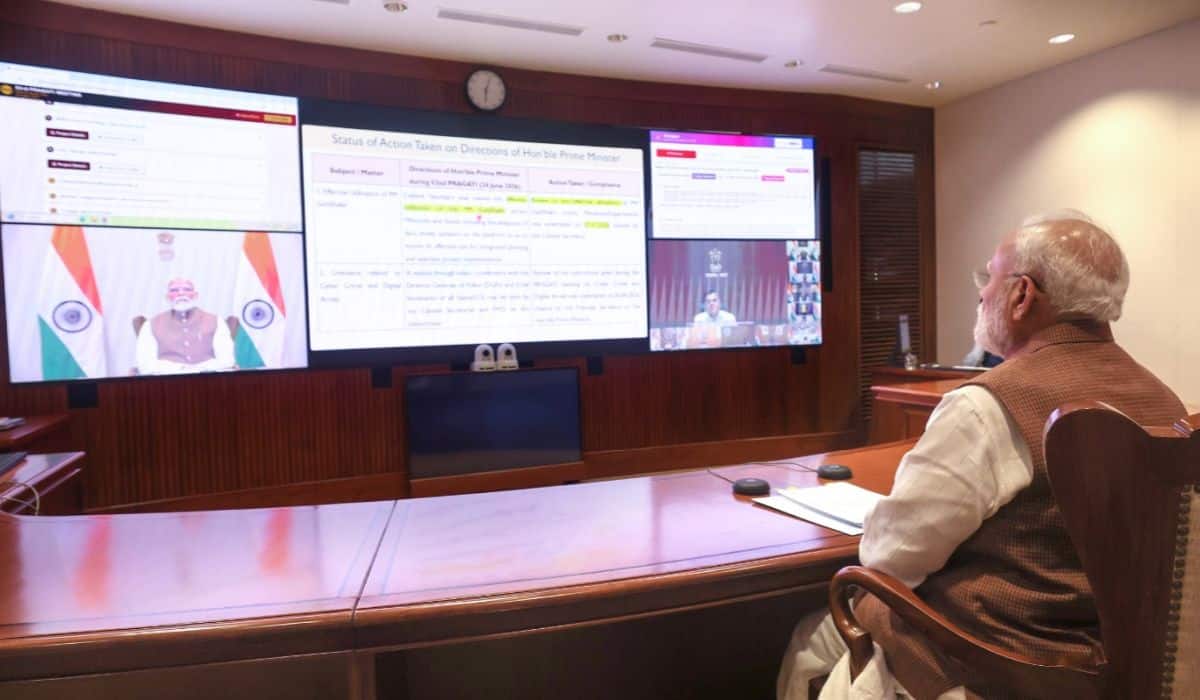
Prime Minister Shri Narendra Modi chaired the 51st meeting of PRAGATI, the ICT-enabled, multi-modal platform aimed at fostering Pro-Active Governance and Timely Implementation, by seamlessly integrating efforts of the Central and State governments, at Seva Teerth, earlier today.
During the meeting, the Prime Minister reviewed seven critical infrastructure projects across the Railways, Power and Road sectors covering nine States worth around ₹30,000 crore. These projects, pivotal to economic growth and public welfare, were reviewed with a focus on timelines, inter-agency coordination, and timely issue resolution. Prime Minister also reviewed Ken Betwa Link Project and Swachh Bharat Mission-Urban 2.0.
While reviewing power sector projects, Prime Minister emphasized the need to accelerate rooftop solar adoption across urban areas, with a special focus on cities, residential clusters and public institutions. He underlined that rooftop solar should be taken up in mission mode to reduce electricity costs, improve energy security and promote clean energy at the household and community level.
While reviewing road and port connectivity projects, it was emphasised that Vadhavan Port should be developed as a model of port-led, multi-modal development, where every major mode of transport is seamlessly integrated to create a future-ready logistics ecosystem. The project should not be seen merely as a port, but as a national gateway connected through coastal shipping, inland waterways, dedicated freight corridors, high-speed rail connectivity, highways and airport linkages.
Prime Minister emphasised the need for effective implementation of Swachh Bharat Mission 2.0 and underlined that the mission should move beyond infrastructure creation and ensure measurable outcomes through regular monitoring, citizen participation and convergence between various stakeholders. He asked States to expedite the completion of solid waste management-related infrastructure, including waste processing plants and GOBARdhan plants.
While reviewing Ken-Betwa River Inter-linking Project, Prime Minister observed that Ken-Betwa project should serve as a model for other States to resolve inter-State water issues through cooperation, timely clearances, technology-based monitoring and mission-mode execution. States were encouraged to identify similar opportunities where river-linking, water conservation, groundwater recharge and efficient irrigation can be taken up in an integrated manner to ensure long-term water security.
Prime Minister also underlined that the delay in the implementation of public projects leads not only to cost escalation but also deprives citizens of timely access to essential facilities and development benefits. He observed that every delay has a direct impact on people’s lives, regional growth and public resources. He stressed that Ministries, Departments and States must adopt a more proactive and time-bound approach to resolve pending issues, remove bottlenecks and ensure faster execution.
Prime Minister also emphasized that innovative use of canal networks should be explored, including installation of solar panels along canals and over canals for clean electricity generation. This would help optimize land use, reduce evaporation losses, generate renewable energy and create additional economic value from water infrastructure.
At the beginning of the meeting, the Cabinet Secretary informed that, in pursuance of the directions of the Prime Minister, a system of monthly review of social sector schemes at the State level has also been operationalised. This mechanism aims to ensure regular monitoring, faster resolution of implementation issues and greater accountability at the State and district levels. As part of this initiative, Swachh Bharat Mission has been taken up for review at the State level in the first instance.