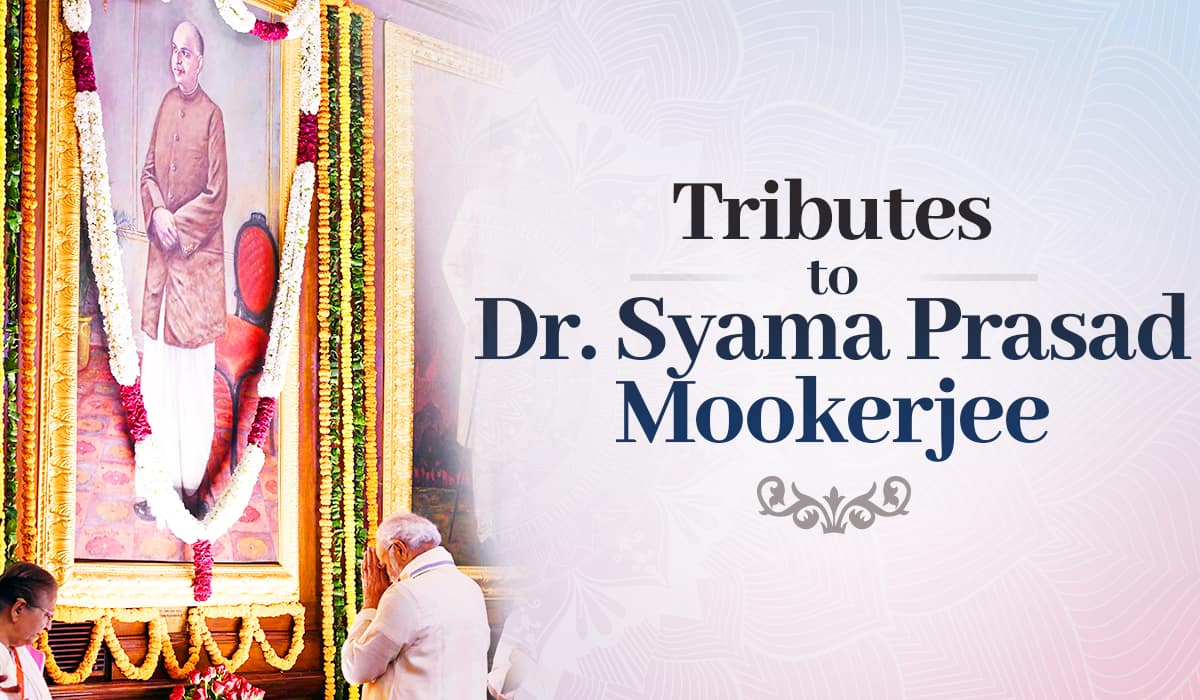
আজ, ৬ই জুলাই, সেই অগণিত মানুষের জন্য একটি বিশেষ দিন যারা জাতীয়তাবাদ ও নিঃস্বার্থ সেবার আদর্শকে লালন করেন। আমরা ডঃ শ্যামা প্রসাদ মুখোপাধ্যায়ের ১২৫তম জন্মবার্ষিকী পালন করছি; তাঁর জীবন 'ভারতমাতা'-র প্রতি অটল নিষ্ঠা ও সাহসিকতার এক কালজয়ী দৃষ্টান্ত হয়ে আছে। আধুনিক ভারতের খুব কম নেতাই ডঃ শ্যামাপ্রসাদ মুখোপাধ্যায়ের মতো মেধা, জনসেবা এবং নৈতিক দৃঢ়তার এমন এক অপূর্ব ও গভীর সমন্বয়ের মূর্ত প্রতীক হতে পেরেছিলেন।
তরুণ শ্যামাপ্রসাদ এমন এক পরিবেশে জন্মগ্রহণ করেছিলেন যা সহজেই তাঁকে একটি সুরক্ষিত ও আরামদায়ক জীবন এনে দিতে পারত। তাঁর পিতা, স্যার আশুতোষ মুখোপাধ্যায়, ছিলেন তৎকালীন যুগের অন্যতম প্রধান শিক্ষাবিদ ও বুদ্ধিজীবী। অথচ, ভাগ্য যখন তাঁর সামনে সুযোগ-সুবিধাপূর্ণ জীবনের পথ উন্মুক্ত করেছিল, তখন তাঁর বিবেক তাঁকে ত্যাগ ও দেশসেবার পথে চালিত করেছিল। তিনি দৃঢ়ভাবে বিশ্বাস করতেন যে, ঔপনিবেশিকতা, সাম্প্রদায়িকতা ও মানবিক সংকটের মতো সমসাময়িক অস্থিরতার সময়ে তিনি কেবল নীরব দর্শক হয়ে থাকতে পারেন না। এই যাত্রাপথে তাঁকে গভীর ব্যক্তিগত শোকের সম্মুখীন হতে হয়েছিল - যার মধ্যে ছিল নিজের শিশুপুত্র ও পরবর্তীকালে স্ত্রীর অকালপ্রয়াণ। তবুও, এই মর্মান্তিক ঘটনাগুলো কেবল তাঁর সংকল্পকে আরও দৃঢ় এবং সেবার প্রতি তাঁর অটল নিষ্ঠাকে আরও শক্তিশালী করেছিল।
ডঃ শ্যামাপ্রসাদ মুখোপাধ্যায়ের জনজীবনকে যদি কোনো একটি আদর্শ সবচেয়ে বেশি সংজ্ঞায়িত করে থাকে, তবে তা হলো ভারতের অখণ্ডতা। দেশভাগের চরম অস্থিরতার সময়েও তিনি অবিচল ছিলেন যাতে পশ্চিমবঙ্গ ভারতের অবিচ্ছেদ্য অংশ হিসেবে টিকে থাকে। কয়েক বছর পর, সেই একই দৃঢ় বিশ্বাস তাঁকে জম্মু ও কাশ্মীরের দিকে ধাবিত করেছিল। কারাবাস তাঁকে দমাতে পারেনি এবং নিঃসঙ্গতাও তাঁর মনোবল কমাতে পারেনি। বন্দিদশাতেই তাঁর জীবনের আকস্মিক সমাপ্তি ঘটে - সেই অগণিত মানুষের থেকে বহু দূরে, যাদের স্বার্থরক্ষাকে তিনি নিজের জীবনের ব্রত হিসেবে গ্রহণ করেছিলেন। ইতিহাসে এমন কিছু মুহূর্ত আসে যখন কোনো ব্যক্তির চূড়ান্ত আত্মত্যাগ রাজনীতির গণ্ডি পেরিয়ে জাতীয় স্মৃতির অংশ হয়ে ওঠে। ডঃ মুখোপাধ্যায়ের শেষ যাত্রাও ছিল তেমনই এক মুহূর্ত। আচার্য বিনোবা ভাবে বলেছিলেন যে, ডঃ মুখোপাধ্যায় এমন এক আদর্শের জন্য নিজেকে উৎসর্গ করেছিলেন যার ওপর তাঁর গভীর আস্থা ছিল। বহু বছর পর, ২০১৯ সালে ৩৭০ ও ৩৫(ক) অনুচ্ছেদ রদ করার বিষয়টি ছিল তাঁর সেই আত্মবলিদানের প্রতি যথার্থ শ্রদ্ধাঞ্জলি।
ড. মুখার্জি সর্বদা ভারত ও ভারতীয় মূল্যবোধকে সর্বোচ্চ অগ্রাধিকার দিয়েছেন। তিনি এমন সব প্রতিষ্ঠান গড়ে তুলে এবং ব্যবস্থা প্রবর্তন করে তা করেছিলেন, যা তৎকালীন প্রথাগত ধ্যান-ধারণাকে চ্যালেঞ্জ জানিয়েছিল। তিনি কলকাতা বিশ্ববিদ্যালয়ের সর্বকনিষ্ঠ উপাচার্য হয়েছিলেন। নিজস্ব অনন্য শৈলীতে তিনি এমন সব ইতিবাচক পরিবর্তন এনেছিলেন যা ছিল দেশপ্রেমমূলক ও দূরদর্শী। শিক্ষাবিদদের এক সম্মেলনে ভাষণদানকালে ড. মুখার্জি চমৎকারভাবে বলেছিলেন, “শিক্ষা প্রতিষ্ঠানগুলোকে কেবল সম্ভাব্য করণিক বা স্বল্প বেতনের কর্মী তৈরির কারখানা হিসেবে দেখা ভুল। আমাদের এমন সব শিক্ষার্থী গড়ে তুলতে হবে যারা আমাদের স্বায়ত্তশাসিত প্রতিষ্ঠান - যেমন পৌরসভা, প্রাদেশিক ও কেন্দ্রীয় আইনসভা - পরিচালনায় নেতৃত্ব দিতে সক্ষম হবে; পাশাপাশি যারা জীবনযাত্রার বিভিন্ন ক্ষেত্র - যেমন অর্থ, বাণিজ্য ও শিল্প - পরিচালনার দায়িত্বও নিতে পারবে।”
তাঁর নেতৃত্বে কলকাতা বিশ্ববিদ্যালয় বেশ কিছু অনন্য উদ্যোগ গ্রহণ করেছিল; এর মধ্যে উল্লেখযোগ্য হলো গ্রন্থাগারের পরিকাঠামো উন্নয়ন, বিজ্ঞানের ক্ষেত্রে গবেষণার প্রসার, প্রত্নতাত্ত্বিক নিদর্শন বা শিল্পকর্মের অধ্যয়নে উৎসাহ প্রদান এবং কৃষি বিষয়ক পাঠ্যক্রম চালু করা। তিনি খেলাধুলা, শিক্ষক প্রশিক্ষণ এবং ছাত্রকল্যাণের মতো বিষয়গুলোর প্রতিও বিশেষ দৃষ্টি দিয়েছিলেন। শিক্ষার্থী ও প্রাক্তন শিক্ষার্থীদের মধ্যে গর্ববোধ জাগিয়ে তোলার লক্ষ্যে তিনি ২৪ জানুয়ারি তারিখটিকে বিশ্ববিদ্যালয়ের প্রতিষ্ঠাবার্ষিকী হিসেবে পালন করার প্রথা চালু করেন। বিশ্ববিদ্যালয়ের জন্য একটি গান রচনার অনুরোধ নিয়ে তিনি স্বয়ং গুরুদেব রবীন্দ্রনাথ ঠাকুরের শরণাপন্ন হয়েছিলেন।
তাঁর এই মানসিকতার আরেকটি উদাহরণ পাওয়া যায় তাঁর জীবনের পরবর্তী পর্যায়ে, যখন তিনি ‘ভারতীয় জনসংঘ’ গঠনের সিদ্ধান্ত নেন। এমন এক সময়ে যখন কংগ্রেস দলের সর্বব্যাপী প্রভাব ছিল, তখন তিনি অনুভব করেছিলেন যে ভারতের অগ্রগতির পক্ষে কথা বলার জন্য এবং একই সঙ্গে আমাদের সাংস্কৃতিক শেকড়ের সঙ্গে সংযোগ বজায় রাখার জন্য একটি বিকল্প কণ্ঠস্বরের প্রয়োজনীয়তা অত্যন্ত বেশি। দলের প্রতীক হিসেবে মাটির প্রদীপ বা ‘দিয়া’-কে বেছে নেওয়াটা সম্ভবত অত্যন্ত যথার্থ ছিল। একটি প্রদীপ হয়তো দেখতে সাধারণ মনে হতে পারে, কিন্তু তার চারপাশের অনেক দূর পর্যন্ত অন্ধকার দূর করার ক্ষমতা তার থাকে। সক্রিয় থাকাকালীন সময়ে এবং তার পরেও জনসংঘ ঠিক এই কাজটিই করেছিল।
ভারতের প্রথম শিল্প ও সরবরাহ মন্ত্রী হিসেবে ড. শ্যামাপ্রসাদ মুখার্জির কার্যকাল এমন এক রাষ্ট্রনায়কের পরিচয় তুলে ধরে, যার উন্নয়ন-ভাবনা ছিল অত্যন্ত ব্যাপক ও মানবিক। তিনি শিল্পকে নবীন স্বাধীন একটি জাতির মর্যাদা, সুযোগ ও আত্মবিশ্বাস পুনরুদ্ধারের মাধ্যম হিসেবে বিবেচনা করতেন। তিনি সম্পদ সৃষ্টি এবং মূল্য সংযোজনের বিষয়টিকে যথাযথ গুরুত্ব দিতেন। দামোদর ভ্যালি কর্পোরেশন ও সিন্দ্রি সার কারখানার মতো অগ্রগামী উদ্যোগ এবং একটি বলিষ্ঠ শিল্পনীতির মাধ্যমে আধুনিক শিল্প-ভারতের ভিত্তি স্থাপনের পাশাপাশি, তিনি এটাও নিশ্চিত করেছিলেন যেন ভারতের ঐতিহ্যবাহী শক্তিগুলো অবহেলিত না হয়। তাঁতশিল্প, কুটির শিল্প, কারিগর এবং বস্ত্রশিল্পের কর্মীদের কাছে তিনি ছিলেন একজন অত্যন্ত নিবেদিতপ্রাণ সমর্থক।
এখানে আমি একটি ব্যক্তিগত অভিজ্ঞতার কথা উল্লেখ করতে চাই। আত্মনির্ভরশীলতার সুনির্দিষ্ট লক্ষ্য নিয়ে ড. মুখার্জি যে সিন্দ্রি কারখানাটি গড়ে তোলার জন্য কাজ করেছিলেন, পরবর্তী কয়েক দশক ধরে যারা দেশ পরিচালনা করেছেন, তাঁরা সেটিকে উপেক্ষা করেছিলেন। আমি গর্বিত যে, আমাদের সরকার এই কারখানাটির পুনরুজ্জীবনে অবদান রাখার সুযোগ পেয়েছে। সেই কর্মসূচিতে উপস্থিত থাকতে পারাটা সত্যিই অত্যন্ত বিশেষ একটি মুহূর্ত ছিল।
ভারতের সভ্যতার ঐতিহ্যে দীর্ঘকাল ধরেই আলাপ-আলোচনা ও মতবিনিময়ের সংস্কৃতিকে গুরুত্ব দেওয়া হয়েছে। ড. মুখার্জি এই গণতান্ত্রিক চেতনারই মূর্ত প্রতীক ছিলেন। তিনি পণ্ডিত নেহরুর মন্ত্রিসভায় যোগ দিয়েছিলেন এই বিশ্বাস থেকে যে, স্বাধীনতার পরবর্তী প্রাথমিক বছরগুলোতে জাতি গঠনের কাজ রাজনৈতিক মতপার্থক্যের ঊর্ধ্বে। তিনি নিষ্ঠা ও গঠনমূলক মানসিকতা নিয়ে দায়িত্ব পালন করেছিলেন। কিন্তু যখন তিনি অনুভব করলেন যে জাতীয় স্বার্থে ভিন্ন কোনো পদক্ষেপ নেওয়া প্রয়োজন, তখন তিনি মর্যাদার সঙ্গে পদত্যাগ করেন এবং নিজেকে সেই রাজনৈতিক কাজে পুরোপুরি নিয়োজিত করেন যা তিনি দেশের জন্য অপরিহার্য বলে মনে করতেন।
৭৫ বছর আগে পণ্ডিত নেহরু সংবিধানের প্রথম সংশোধনী এনেছিলেন, যা ছিল বাক-স্বাধীনতার ওপর সরাসরি আঘাত। ড. মুখার্জি ছিলেন এর অন্যতম কঠোর সমালোচক। কংগ্রেস কী করতে সক্ষম, তা তিনি পুরোপুরি বুঝতে পেরেছিলেন। এবং শেষ পর্যন্ত তাঁর ধারণাই সঠিক প্রমাণিত হয়েছিল। যারা ৭৫ বছর আগে প্রথম সংশোধনী এনেছিল, তারাই ১৯৭৫ সালে জরুরি অবস্থা জারি করেছিল এবং ৫০ বছর আগে ৪২তম সংশোধনী আইন এনেছিল - যা আবারও উদার গণতান্ত্রিক মূল্যবোধের মূলে আঘাত হেনেছিল।
মানবিক কর্মকাণ্ডের জন্যও ড. মুখার্জি বিশেষভাবে স্মরণীয় হয়ে আছেন। ১৯৪৩ সালে বাংলায় যখন এক ভয়াবহ দুর্ভিক্ষ দেখা দেয়, তখন ড. মুখার্জি দুর্গত মানুষের সেবায় নিজেকে পুরোপুরি উৎসর্গ করেছিলেন। মানুষের অন্নসংস্থানের জন্য তিনি বেশ কয়েকটি ক্যান্টিন ও ত্রাণ কেন্দ্র খোলার ব্যবস্থা করেছিলেন। একদিকে যেমন তিনি তাঁর দেশের মানুষের দুর্দশা দেখে গভীরভাবে ব্যথিত হয়েছিলেন, অন্যদিকে ঔপনিবেশিক শাসকদের অসংবেদনশীলতা তাঁকে ক্ষুব্ধ ও ব্যথিত করেছিল। তিনি ‘পঞ্চাশের মন্বন্তর’ নামে একটি বইও লিখেছিলেন, যেখানে তিনি তাঁর সেই গভীর বেদনা ও ক্ষোভ প্রকাশ করেছিলেন। ১৯৪২ সালে মেদিনীপুরে যখন এক প্রবল ঘূর্ণিঝড় আঘাত হানে, তখন স্বাভাবিক অবস্থা ফিরিয়ে আনার ক্ষেত্রে তাঁর প্রচেষ্টা ব্যাপকভাবে প্রশংসিত হয়েছিল।
কলকাতার একটি কলেজে ভাষণ দেওয়ার সময় ড. মুখার্জি তরুণদের উদ্দেশে বলেছিলেন, “তোমরা যে কাজই হাতে নাও না কেন, তা অত্যন্ত গুরুত্ব ও নিষ্ঠার সঙ্গে এবং ভালোভাবে সম্পন্ন করো; কোনো কাজই কখনো অসম্পূর্ণ বা অসমাপ্ত রেখো না। যতক্ষণ না তোমরা নিজেদের সেরাটা দিয়ে কাজ শেষ করছ, ততক্ষণ কখনোই সন্তুষ্ট হয়ো না।” ভারত যখন ‘বিকশিত ভারত’-এর লক্ষ্যের দিকে এগিয়ে চলেছে, তখন তাঁর প্রতি শ্রেষ্ঠ শ্রদ্ধা নিবেদনের উপায় হলো - এমন এক শক্তিশালী, ঐক্যবদ্ধ, আত্মবিশ্বাসী ও সহানুভূতিশীল ভারত গড়ে তোলার জন্য প্রতিদিন সচেষ্ট হওয়া, যার ওপর তিনি গভীর আস্থা রাখতেন। আর আজকের তরুণ প্রজন্মের কথা বিবেচনা করলে আমি নিশ্চিত যে, তারা এই গুরুদায়িত্ব পালনে এগিয়ে আসবে এবং ঠিক সেটাই করবে।