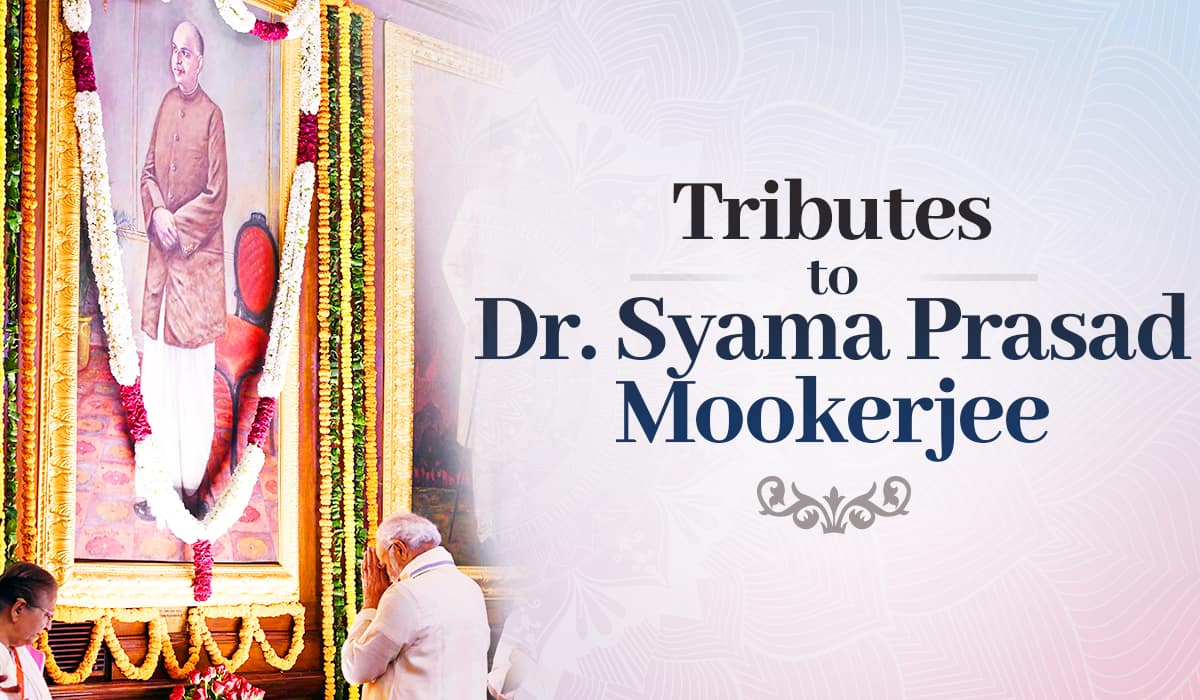
ରାଷ୍ଟ୍ରବାଦ ଓ ନିଃସ୍ୱାର୍ଥ ସେବାର ଆଦର୍ଶରେ ବିଶ୍ୱାସ କରୁଥିବା ଅଗଣିତ ଲୋକଙ୍କ ପାଇଁ ଆଜିର ଦିନ, ୬ ଜୁଲାଇର ବିଶେଷ ମହତ୍ୱ ରହିଛି । ଆମେ ଡକ୍ଟର ଶ୍ୟାମା ପ୍ରସାଦ ମୁଖାର୍ଜୀଙ୍କ ୧୨୫ତମ ଜନ୍ମବାର୍ଷିକୀ ପାଳନ କରୁଛେ । ତାଙ୍କ ଜୀବନ ସାହସ ଏବଂ ମା’ ଭାରତୀ ପ୍ରତି ଅତୁଟ ସମର୍ପଣର ଏକ ଚିରସ୍ଥାୟୀ ଉଦାହରଣ ହୋଇ ରହିଛି । ଆଧୁନିକ ଭାରତରେ ଏପରି ନେତା ବିରଳ ଯାହାଙ୍କ ଠାରେ ଡକ୍ଟର ଶ୍ୟାମା ପ୍ରସାଦ ମୁଖାର୍ଜୀଙ୍କ ଭଳି ବୁଦ୍ଧିମତ୍ତା, ଜନସେବା ଏବଂ ନୈତିକ ଦୃଢ଼ତାର ଏତେ ଗଭୀର ସଂଗମ ଦେଖିବାକୁ ମିଳୁଥିବ।
ଡକ୍ଟର ଶ୍ୟାମା ପ୍ରସାଦ ମୁଖାର୍ଜୀ ଏପରି ଏକ ପରିସ୍ଥିତିରେ ଜନ୍ମଗ୍ରହଣ କରିଥିଲେ ଯେଉଁଠି ସେ ଚାହିଁଥିଲେ ସୁରକ୍ଷିତ ଏବଂ ଆରାମଦାୟକ ଜୀବନଯାପନ ଅତିବାହିତ କରିପାରିଥାନ୍ତେ । ତାଙ୍କ ପିତା ସାର୍ ଆଶୁତୋଷ ମୁଖାର୍ଜୀ ତତ୍କାଳୀନ ସମୟର ଜଣେ ଅଗ୍ରଣୀ ଶିକ୍ଷାବିତ୍ ଏବଂ ବୁଦ୍ଧିଜୀବୀ ଥିଲେ। ଭାଗ୍ୟ ତାଙ୍କ ଆଗରେ ବିଶେଷାଧିକାରର ମାର୍ଗ ରଖିଥିଲେ ମଧ୍ୟ ତାଙ୍କର ଅନ୍ତରାତ୍ମା ତାଙ୍କୁ ବଳିଦାନ ଏବଂ ରାଷ୍ଟ୍ର ସେବା ଦିଗରେ ଆଗେଇ ନେଇଥିଲା । ଉପନିବେଶବାଦ, ସାମ୍ପ୍ରଦାୟିକତା, ମାନବୀୟ ଆହ୍ୱାନ ହେଉ କିମ୍ବା ଅନ୍ୟ କୌଣସି ସମସ୍ୟା ନିଜ ସମୟର ଅସ୍ଥିରତାକୁ ଦେଖି ସେ କେବଳ ଜଣେ ମୂକ ଦର୍ଶକ ସାଜିପାରିବେ ନାହିଁ ବୋଲି ତାଙ୍କ ମନରେ ବିଶ୍ୱାସ ଦୃଢ଼ ହୋଇଥିଲା। ଏହି ଯାତ୍ରା ସମୟରେ ତାଙ୍କୁ ଗୁରୁତର ବ୍ୟକ୍ତିଗତ ଦୁଃଖର ସାମ୍ନା କରିବାକୁ ପଡ଼ିଥିଲା। ପ୍ରଥମେ ତାଙ୍କର ନବଜାତ ଶିଶୁ ଏବଂ ପରେ ତାଙ୍କ ପତ୍ନୀ ପ୍ରାଣ ହରାଇଥିଲେ। କିନ୍ତୁ ଏହି ସବୁ ବ୍ୟକ୍ତିଗତ ଧକ୍କା ତାଙ୍କର ସଂକଳ୍ପକୁ ଆହୁରି ଗଭୀର କରିଥିଲା ଏବଂ ସେବା ପ୍ରତି ତାଙ୍କର ଅତୁଟ ପ୍ରତିବଦ୍ଧତାକୁ ଅଧିକ ମଜବୁତ କରିଥିଲା ।
ଡକ୍ଟର ଶ୍ୟାମା ପ୍ରସାଦ ମୁଖାର୍ଜୀଙ୍କ ସାର୍ବଜନୀନ ଜୀବନକୁ ପରିଭାଷିତ କରିଥିବା ଏକମାତ୍ର ଆଦର୍ଶ ଥିଲା ଭାରତର ଅଖଣ୍ଡତା । ବିଭାଜନର ଅସ୍ଥିରତାପୂର୍ଣ୍ଣ ସମୟରେ ସେ ଦୃଢ଼ତାର ସହ ଛିଡ଼ା ହୋଇଥିଲେ, ଯାହାଫଳରେ ପଶ୍ଚିମବଙ୍ଗ ଭାରତର ଅଭିନ୍ନ ଅଙ୍ଗ ହୋଇରହିବା ସୁନିଶ୍ଚିତ ହୋଇଥିଲା । କିଛି ବର୍ଷ ପରେ ଏହି ଦୃଢ଼ ବିଶ୍ୱାସ ତାଙ୍କୁ ଜାମ୍ମୁ-କାଶ୍ମୀର ଆଡ଼କୁ ଆଗେଇ ନେଇଥିଲା। ଜେଲରେ ବନ୍ଦୀ ହେବା ସତ୍ତ୍ୱେ ତାଙ୍କର ଦୃଢ଼ ସଂକଳ୍ପ ଅତୁଟ ରହିଥିଲା ଏବଂ ନିସଂଗତା ତାଙ୍କର ମନୋବଳକୁ ଭାଙ୍ଗି ପାରିନଥିଲା। କାରାବାସରେ ହିଁ ତାଙ୍କର ଜୀବନ ଦୀପ ଅକସ୍ମାତ୍ ଲିଭି ଯାଇଥିଲା। ଶେଷ ସମୟରେ ଡକ୍ଟର ମୁଖାର୍ଜୀ ସେହି ଅଗଣିତ ଲୋକଙ୍କ ଠାରୁ ଦୂରରେ ଥିଲେ ଯେଉଁମାନଙ୍କ ଲକ୍ଷ୍ୟକୁ ସେ ଆପଣାଇ ନେଇଥିଲେ । ଇତିହାସରେ ଏପରି ମୁହୂର୍ତ୍ତ ଆସିଥାଏ ଯେତେବେଳେ କୌଣସି ବ୍ୟକ୍ତିଙ୍କର ଅନ୍ତିମ ବଳିଦାନ ରାଜନୀତି ଠାରୁ ଊର୍ଦ୍ଧ୍ୱକୁ ଯାଇ ରାଷ୍ଟ୍ରୀୟ ସ୍ମୃତିର ଏକ ଅଂଶବିଶେଷ ପାଲଟିଯାଏ। ଡକ୍ଟର ମୁଖାର୍ଜୀଙ୍କ ଅନ୍ତିମ ଯାତ୍ରା ମଧ୍ୟ ଏପରି ଏକ ମୁହୂର୍ତ୍ତ। ଆଚାର୍ଯ୍ୟ ବିନୋବା ଭାବେ କହିଥିଲେ, ‘‘ଡକ୍ଟର ମୁଖାର୍ଜୀ ସେହି ଲକ୍ଷ୍ୟ ପାଇଁ ନିଜର ବଳିଦାନ ଦେଇଥିଲେ ଯେଉଁଥିରେ ତାଙ୍କର ବିଶ୍ୱାସ ରହିଥିଲା। ଅନେକ ବର୍ଷ ପରେ ୨୦୧୯ରେ ଅନୁଚ୍ଛେଦ ୩୭୦ ଓ ୩୫ (ଏ) ଉଚ୍ଛେଦ ତାଙ୍କ ବଳିଦାନ ପାଇଁ ସବୁଠୁ ଉପଯୁକ୍ତ ଶ୍ରଦ୍ଧାଞ୍ଜଳି ଥିଲା।
ଡକ୍ଟର ମୁଖାର୍ଜୀଙ୍କ ପାଇଁ ଭାରତ ଏବଂ ଭାରତୀୟ ମୂଲ୍ୟବୋଧ ସର୍ବୋପରି ଥିଲା। ସେ ଏପରି ପ୍ରତିଷ୍ଠାନ ଗଢ଼ିଥିଲେ ଏବଂ ଏଭଳି ପ୍ରଣାଳୀ ବିକଶିତ କରିଥିଲେ, ଯାହା ତତ୍କାଳୀନ ସମୟର ପାରମ୍ପରିକ ଚିନ୍ତାଧାରାର ବିପରୀତ ଥିଲା । ସେ କଲିକତା ବିଶ୍ୱବିଦ୍ୟାଳୟର ସବୁଠୁ କମ୍ ବୟସ୍କ କୁଳପତି ହୋଇଥିଲେ। ନିଜର ଅଭିନବ ଶୈଳୀରେ ସେ ଏପରି ସକାରାତ୍ମକ ପରିବର୍ତ୍ତନ ଆଣିଥିଲେ ଯାହା ଦେଶଭକ୍ତିପୂର୍ଣ୍ଣ ଏବଂ ଭବିଷ୍ୟତ ଆଧାରିତ ଥିଲା। ଶିକ୍ଷାବିତ୍ ମାନଙ୍କର ଏକ ସମ୍ମିଳନୀରେ ଉଦବୋଧନ ଦେଇ ଡକ୍ଟର ମୁଖାର୍ଜୀ ଗୋଟିଏ ଭଲ କଥା କହିଥିଲେ: ‘‘ଶିକ୍ଷାନୁଷ୍ଠାନକୁ କେବଳ କିଛି କିରାଣୀ ଏବଂ କମ୍ ବେତନ ପାଉଥିବା କର୍ମଚାରୀଙ୍କ ପ୍ରସ୍ତୁତି କାରଖାନା ରୂପେ ଦେଖିବା ଭୁଲ। ଆମକୁ ଏପରି ଛାତ୍ରଛାତ୍ରୀଙ୍କୁ ପ୍ରସ୍ତୁତ କରିବାକୁ ହେବ ଯେଉଁମାନେ ଆମର ସ୍ୱୟଂଶାସିତ ଅନୁଷ୍ଠାନ-ଯଥା ନଗର ନିଗମ, ପ୍ରାନ୍ତୀୟ ଏବଂ କେନ୍ଦ୍ରୀୟ ବିଧାନସଭାର ନେତୃତ୍ୱ ନେଇପାରିବେ। ଏଥିସହିତ ଆର୍ଥିକ, ବାଣିଜ୍ୟିକ ଏବଂ ଔଦ୍ୟୋଗିକ ଭଳି ଜୀବନର ବିଭିନ୍ନ କ୍ଷେତ୍ରରେ କାର୍ଯ୍ୟ ପରିଚାଳନା କରିପାରିବେ ।’’
ତାଙ୍କ ନେତୃତ୍ୱରେ, କଲିକତା ବିଶ୍ୱବିଦ୍ୟାଳୟ ପାଠାଗାର ଭିତ୍ତିଭୂମିର ଉନ୍ନତି, ବିଜ୍ଞାନ ଗବେଷଣା ବୃଦ୍ଧି, କଳାକୃତି ଅଧ୍ୟୟନକୁ ପ୍ରୋତ୍ସାହନ ଏବଂ କୃଷିରେ ପାଠ୍ୟକ୍ରମ ପ୍ରଚଳନ କରିବା ଭଳି ଅଭିନବ ପଦକ୍ଷେପ ଗ୍ରହଣ କରିଥିଲା। ସେ କ୍ରୀଡା, ଶିକ୍ଷକ ତାଲିମ ଏବଂ ଛାତ୍ର କଲ୍ୟାଣ ଭଳି କ୍ଷେତ୍ରଗୁଡ଼ିକ ପ୍ରତି ଧ୍ୟାନ ଦେଇଥିଲେ। ଛାତ୍ରଛାତ୍ରୀ ଏବଂ ପୂର୍ବତନ ଛାତ୍ରଛାତ୍ରୀଙ୍କ ମଧ୍ୟରେ ଗର୍ବର ଭାବନା ସୃଷ୍ଟି କରିବା ପାଇଁ, ସେ ୨୪ ଜାନୁଆରୀକୁ ବିଶ୍ୱବିଦ୍ୟାଳୟର ପ୍ରତିଷ୍ଠା ଦିବସ ଭାବରେ ପାଳନ କରିବାର ଏକ ପରମ୍ପରା ଆରମ୍ଭ କରିଥିଲେ। ବିଶ୍ୱବିଦ୍ୟାଳୟ ପାଇଁ ଏକ ଗୀତ ରଚନା କରିବା ଲାଗି ସେ ଅନ୍ୟ କେହି ନୁହେଁ ସ୍ୱୟଂ ଗୁରୁଦେବ ଟାଗୋରଙ୍କୁ ଅନୁରୋଧ କରିଥିଲେ ।
ଏପରି ମନୋଭାବର ଆଉ ଏକ ଉଦାହରଣ ତାଙ୍କ ଜୀବନର ଶେଷ ଭାଗରେ ଦେଖିବାକୁ ମିଳିଥିଲା। ଏହି ସମୟରେ ସେ ଭାରତୀୟ ଜନସଂଘ ଗଠନ କରିବାକୁ ନିଷ୍ପତ୍ତି ନେଇଥିଲେ। ତତ୍କାଳୀନ ସମୟରେ କଂଗ୍ରେସ ଦଳ ସର୍ବବ୍ୟାପୀ ଥିଲା । ଆମର ସାଂସ୍କୃତିକ ମୂଳଦୁଆ ସହ ଜଡିତ ରହି ଭାରତର ପ୍ରଗତି ପାଇଁ ଏକ ବିକଳ୍ପ ସ୍ୱର ଉତ୍ତୋଳନ କରିବାର ଆବଶ୍ୟକତା ରହିଛି ବୋଲି ସେ ଅନୁଭବ କରିଥିଲେ । ଦଳର ପ୍ରତୀକ ସ୍ୱରୂପ ଦୀୟା ବା ମାଟି ଦୀପକୁ ଗ୍ରହଣ କରିବା ଉପଯୁକ୍ତ ନିଷ୍ପତ୍ତି ଥିଲା। ଦୀପ ସାମାନ୍ୟ ହୋଇପାରେ କିନ୍ତୁ ଏହା ନିଜ ଠାରୁ ବହୁ ଦୂରରେ ଥିବା ଅନ୍ଧକାରକୁ ଦୂର କରିବାର ସାମର୍ଥ୍ୟ ରଖିଥାଏ। ଜନସଂଘ ଠିକ୍ ଏହିପରି ଭାବରେ କାର୍ଯ୍ୟ କରିଥିଲା ।
ଭାରତର ପ୍ରଥମ ଶିଳ୍ପ ଏବଂ ଯୋଗାଣ ମନ୍ତ୍ରୀ ଭାବରେ ଡକ୍ଟର ଶ୍ୟାମା ପ୍ରସାଦ ମୁଖାର୍ଜୀଙ୍କ କାର୍ଯ୍ୟକାଳ ଜଣେ ରାଜନେତା ଭାବେ ତାଙ୍କ ବ୍ୟକ୍ତିତ୍ୱକୁ ପରିପ୍ରକାଶ କରିଥିଲା। ବିକାଶକୁ ନେଇ ତାଙ୍କର ଧାରଣା ଅତ୍ୟନ୍ତ ବ୍ୟାପକ ଏବଂ ମାନବୀୟ ଥିଲା। ନୂଆ କରି ସ୍ୱାଧୀନ ହୋଇଥିବା ଗୋଟିଏ ରାଷ୍ଟ୍ରର ମର୍ଯ୍ୟାଦା, ସୁଯୋଗ ଏବଂ ଆତ୍ମବିଶ୍ୱାସ ଫେରାଇ ଆଣିବା ଲାଗି ସେ ଶିଳ୍ପକୁ ଏକ ମାଧ୍ୟମ ରୂପେ ଦେଖୁଥିଲେ । ସେ ସମ୍ପତ୍ତି ସୃଷ୍ଟି ଏବଂ ମୂଲ୍ୟ ବୃଦ୍ଧିକୁ ସମ୍ମାନ କରୁଥିଲେ। ଦାମୋଦର ଭ୍ୟାଲି କର୍ପୋରେସନ, ସିନ୍ଦ୍ରି ସାର କାରଖାନା ଏବଂ ଏକ ଦୃଢ଼ ଶିଳ୍ପ ନୀତି ଭଳି ଅଗ୍ରଣୀ ପଦକ୍ଷେପ ମାଧ୍ୟମରେ ଡକ୍ଟର ମୁଖାର୍ଜୀ ଆଧୁନିକ ଶିଳ୍ପ ସମ୍ପନ୍ନ ଭାରତର ମୂଳଦୁଆ ଗଢ଼ିଥିଲେ । ଅନୁରୂପ ଭାବେ ସେ ଭାରତର ପାରମ୍ପରିକ ଶକ୍ତିକୁ ମଧ୍ୟ କେବେ ଅବହେଳା କରିନଥିଲେ । ହସ୍ତତନ୍ତ, କୁଟୀର ଶିଳ୍ପ, କାରିଗର ଏବଂ ବୟନ ଶ୍ରମିକଙ୍କ କଲ୍ୟାଣ ପାଇଁ ସେ ଉଲ୍ଲେଖନୀୟ କାର୍ଯ୍ୟ କରିଯାଇଛନ୍ତି ।
ଏଠାରେ, ମୁଁ ଏକ ବ୍ୟକ୍ତିଗତ ଅଭିଜ୍ଞତା ବାଣ୍ଟିବାକୁ ଚାହେଁ । ଡକ୍ଟର ମୁଖାର୍ଜୀ ଯେଉଁ ସିନ୍ଦ୍ରି ପ୍ଲାଣ୍ଟକୁ ଆତ୍ମନିର୍ଭରଶୀଳତାର ସ୍ପଷ୍ଟ ଦୃଷ୍ଟିକୋଣ ସହିତ ପ୍ରତିଷ୍ଠା କରିବା ପାଇଁ କାମ କରିଥିଲେ ସେହି ଶିଳ୍ପାନୁଷ୍ଠାନକୁ ଅନେକ ଦଶନ୍ଧି ଧରି ଦେଶ ଚଳାଉଥିବା ଲୋକମାନେ ଅଣଦେଖା କରିଥିଲେ। ଆମ ସରକାରଙ୍କୁ ଏହାର ପୁନରୁଦ୍ଧାରରେ ଯୋଗଦାନ ଦେବାର ସୁଯୋଗ ମିଳିଥିବାରୁ ମୁଁ ଗୌରବାନ୍ୱିତ ମନେ କରୁଛି । ଏପରି କାର୍ଯ୍ୟକ୍ରମରେ ସେଠାରେ ଉପସ୍ଥିତ ରହିବା ପ୍ରକୃତରେ ସବୁଠାରୁ ସ୍ୱତନ୍ତ୍ର ମୁହୂର୍ତ୍ତ ମଧ୍ୟରୁ ଅନ୍ୟତମ ଥିଲା।
ଭାରତର ସଭ୍ୟତାଗତ ପରମ୍ପରାରେ ଆଲୋଚନା ଓ ବିତର୍କକୁ ଦୀର୍ଘ ଦିନ ଧରି ସମ୍ମାନ ଦିଆଯାଇ ଆସୁଛି । ଡକ୍ଟର ମୁଖାର୍ଜୀ ଏହି ଗଣତାନ୍ତ୍ରିକ ଭାବନାକୁ ମୂର୍ତ୍ତିମନ୍ତ କରିଥିଲେ। ସେ ପଣ୍ଡିତ ନେହରୁଙ୍କ ମନ୍ତ୍ରିମଣ୍ଡଳରେ ଯୋଗ ଦେଇଥିଲେ। କାରଣ ପ୍ରାରମ୍ଭିକ ବର୍ଷଗୁଡ଼ିକରେ ରାଷ୍ଟ୍ର ନିର୍ମାଣର କାର୍ଯ୍ୟ ରାଜନୈତିକ ମତଭେଦ ଠାରୁ ଊର୍ଦ୍ଧ୍ୱରେ ଥିଲା ବୋଲି ସେ ଚିନ୍ତା କରୁଥିଲେ। ସେ ଆନ୍ତରିକତା ଏବଂ ଗଠନମୂଳକ ମନୋଭାବ ସହିତ ସେବା କରିଥିଲେ। କିନ୍ତୁ ରାଷ୍ଟ୍ରୀୟ ଗୁରୁତ୍ୱ ବହନ କରୁଥିବା ପ୍ରଶ୍ନଗୁଡ଼ିକ ପାଇଁ ଏକ ଭିନ୍ନ ପଥର ଆବଶ୍ୟକତା ରହିଛି ବୋଲି ଯେତେବେଳେ ସେ ଅନୁଭବ କଲେ ସେତେବେଳେ ମର୍ଯ୍ୟାଦାର ସହିତ ନିଜ ପଦ ତ୍ୟାଗ କରିଥିଲେ । ଏହାପରେ ରାଷ୍ଟ୍ର ଆବଶ୍ୟକ କରୁଥିବା ରାଜନୈତିକ କାର୍ଯ୍ୟରେ ନିଜକୁ ପୂର୍ଣ୍ଣପ୍ରାଣରେ ଉତ୍ସର୍ଗ କଲେ ।
୭୫ ବର୍ଷ ପୂର୍ବେ ପଣ୍ଡିତ ନେହରୁ ପ୍ରଥମ ସଂଶୋଧନ ଆଣିଥିଲେ, ଯାହା ବାକ୍ ସ୍ୱାଧୀନତା ଉପରେ ପ୍ରତ୍ୟକ୍ଷ ଆକ୍ରମଣ ଥିଲା। ଡକ୍ଟର ମୁଖାର୍ଜୀ ଏହାର କଠୋର ସମାଲୋଚକମାନଙ୍କ ମଧ୍ୟରୁ ଜଣେ ଥିଲେ। ସେ କଂଗ୍ରେସ କ’ଣ କରିପାରିବ ତାହା ସମ୍ପୂର୍ଣ୍ଣ ବୁଝିପାରିଥିଲେ। ଆଉ ତାଙ୍କର ଏହି ଭାବନା ଠିକ୍ ଥିଲା । ୭୫ ବର୍ଷ ପୂର୍ବେ ପ୍ରଥମ ସଂଶୋଧନ ଆଣିଥିବା ଲୋକମାନେ ହିଁ ୫୦ ବର୍ଷ ପୂର୍ବେ ୧୯୭୫ ମସିହାରେ ଜରୁରୀକାଳୀନ ପରିସ୍ଥିତି ଲାଗୁ କରିଥିଲେ। ଏଥିପାଇଁ ସେମାନେ ୪୨ତମ ସଂଶୋଧନ ଆଇନ ଆଣିଥିଲେ, ଯାହା ପୁଣି ଥରେ ଉଦାର ଗଣତାନ୍ତ୍ରିକ ମୂଲ୍ୟବୋଧର ମୂଳଦୁଆ ଉପରେ ଆଘାତ କରିଥିଲା।
ଡକ୍ଟର ମୁଖାର୍ଜୀଙ୍କ ମାନବୀୟ କାର୍ଯ୍ୟ ମଧ୍ୟ ଅସାଧାରଣ ଥିଲା। ୧୯୪୩ ମସିହାରେ ବଙ୍ଗରେ ସବୁଠାରୁ ଭୟଙ୍କର ଦୁର୍ଭିକ୍ଷ ପଡ଼ିଥିବା ସମୟରେ ସେ ପ୍ରଭାବିତ ଲୋକଙ୍କ ସେବା କରିବାରେ ନିଜକୁ ଉତ୍ସର୍ଗ କରିଥିଲେ । ଲୋକମାନଙ୍କୁ ଖାଦ୍ୟ ଯୋଗାଇବା ପାଇଁ ଅନେକ କ୍ୟାଣ୍ଟିନ୍ ଏବଂ ରିଲିଫ୍ କେନ୍ଦ୍ର ଖୋଲିବାରେ ତାଙ୍କର ମହତ୍ୱପୂର୍ଣ୍ଣ ଭୂମିକା ରହିଥିଲା। ଗୋଟିଏ ପଟେ ନିଜ ଲୋକଙ୍କ ଦୁର୍ଦ୍ଦଶା ଦେଖି ସେ ଗଭୀର ଭାବରେ ମର୍ମାହତ ହୋଇଥିଲେ ଏବଂ ଅନ୍ୟପଟେ, ଉପନିବେଶବାଦୀ ଶାସକଙ୍କ ସମ୍ବେଦନହୀନତା ତାଙ୍କ ମନରେ ଘୃଣା ଉତ୍ପନ୍ନ କରିଥିଲା । ସେ ‘ପଞ୍ଚଶେର ମନ୍ୱନ୍ତର’ ନାମକ ଏକ ପୁସ୍ତକ ମଧ୍ୟ ଲେଖିଥିଲେ, ଯେଉଁଥିରେ ସେ ତାଙ୍କର କ୍ଷୋଭ ପ୍ରକାଶ କରିଥିଲେ। ୧୯୪୨ ମସିହାରେ ମେଦିନୀପୁରରେ ହୋଇଥିବା ଏକ ମହାବାତ୍ୟା ସମୟରେ ସହାୟତା ଯୋଗାଇ ଦେବା ଏବଂ ସ୍ୱାଭାବିକତା ଫେରାଇ ଆଣିବାରେ ସେ ବ୍ୟାପକ ପ୍ରୟାସ କରିଥିଲେ। ତାଙ୍କର ଏହି ପ୍ରୟାସକୁ ସର୍ବତ୍ର ପ୍ରଶଂସା କରାଯାଇଥିଲା।
କୋଲକାତାର ଏକ ମହାବିଦ୍ୟାଳୟରେ ଭାଷଣ ଦେବା ଅବସରରେ ଡକ୍ଟର ମୁଖାର୍ଜୀ ଯୁବପିଢ଼ିଙ୍କୁ ଆହ୍ୱାନ ଦେଇଥିଲେ, ‘‘ତୁମେମାନେ ଯେଉଁ କାର୍ଯ୍ୟ କରୁଛ, ତାକୁ ଗମ୍ଭୀରତାର ସହିତ, ସମ୍ପୂର୍ଣ୍ଣ ଏବଂ ଭଲ ଭାବରେ କର; ଏହାକୁ କେବେବି ଅଧା କିମ୍ବା ଅସମ୍ପୂର୍ଣ୍ଣ ଛାଡ଼ି ଦିଅ ନାହିଁ । ନିଜର ସର୍ବୋତ୍ତମ ପ୍ରୟାସ ନକରିବା ପର୍ଯ୍ୟନ୍ତ ସନ୍ତୁଷ୍ଟ ହୁଅ ନାହିଁ ।’’ ଆମ ଦେଶ ଏକ ବିକଶିତ ଭାରତର ଲକ୍ଷ୍ୟ ଦିଗରେ ଅଗ୍ରସର ହେବା ସହିତ ଡକ୍ଟର ମୁଖାର୍ଜୀଙ୍କୁ ସର୍ବୋତ୍ତମ ଶ୍ରଦ୍ଧାଞ୍ଜଳି ଦେବା ଲାଗି ଆମ ପାଖରେ ଉପଯୁକ୍ତ ସୁଯୋଗ ରହିଛି । ଆସନ୍ତୁ ଆମେ ଏକ ଶକ୍ତିଶାଳୀ, ଅଖଣ୍ଡ, ଆତ୍ମବିଶ୍ୱାସୀ ଏବଂ କରୁଣାପୂର୍ଣ୍ଣ ଭାରତ ଗଠନ କରିବା ଲାଗି ଦୈନନ୍ଦିନ ପ୍ରୟାସ କରିବା । ଏଭଳି ଏକ ଭାରତ ଗଢ଼ିବା ଲାଗି ଡକ୍ଟର ମୁର୍ଖାଜୀଙ୍କର ଦୃଢ଼ ବିଶ୍ୱାସ ରହିଥିଲା। ବର୍ତ୍ତମାନର ଯୁବପିଢ଼ିଙ୍କୁ ମୁଁ ଯେତିକି ଜାଣିଛି ସେମାନେ ଏ ସୁଯୋଗର ଲାଭ ଉଠାଇ ନିଶ୍ଚିତ ଭାବେ ଏହି ସ୍ୱପ୍ନକୁ ସାକାର କରିବେ ବୋଲି ମୋର ବିଶ୍ୱାସ ।