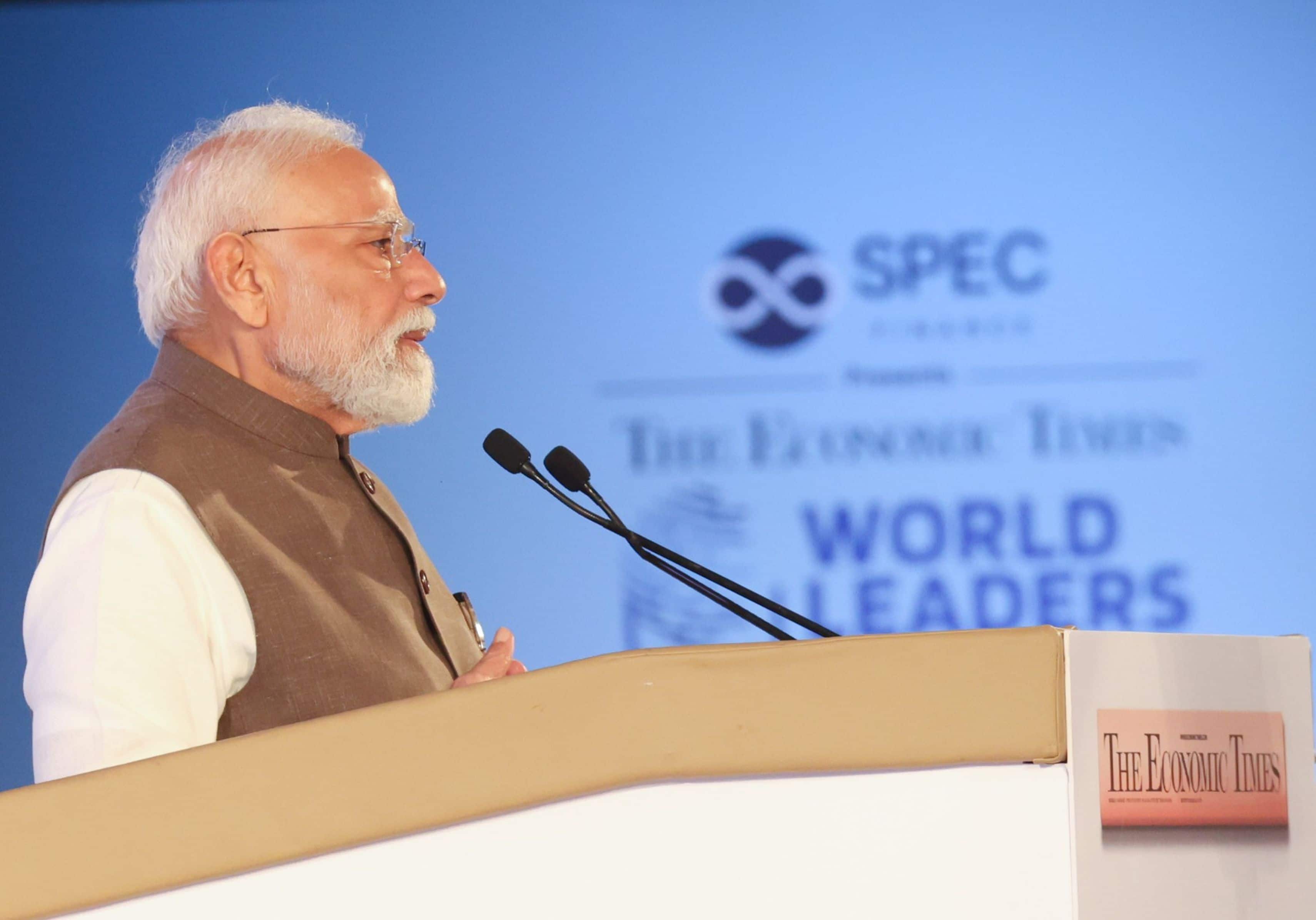
وزیر اعظم مودی کا کہنا ہے کہ ان کی حکومت جن دھن ون دھن اور گوبر دھن پر توجہ مرکوز کر رہی ہے۔
سردار پٹیل سے رہنمائی حاصل کرکے پریتم رائے دیسائی جی نے احمد آباد میں بڑے پیمانے پر امداد باہمی ہاؤسنگ کے لئے کام کیا۔ ان کوششوں نے متعدد افراد کی امیدوں کو پرواز عطا کی: وزیر اعظم آنند میں
وزیر اعظم مودی کا کہنا ہے کہ امول صرف دودھ کی ڈبہ بندی تک ہی محدود نہیں ہے۔ یہ اختیارکاری کا ایک عمدہ نمونہ بھی ہے۔
سردار پٹیل نے امداد باہمی پر مبنی ہاؤسنگ کے لئے بڑے پیمانے پر کام کیا:وزیر اعظم مودی
آج وقت آگیا ہے کہ جدت طرازی اور قدرو قیمت میں اضافے کو اہمیت دی جائے : وزیر اعظم آنند میں

نئی دہلی ،یکم اکتوبر :گجرات کے  تحت آنند میں امول کے چاکلیٹ  پلانٹ اوردیگرپروجیکٹوں  کے افتتاح کے موقع پرکی گئی وزیراعظم کی تقریرکا متن  درج ذیل ہے:

اسٹیج پرتشریف فرماں تمام حضرات اوربڑی تعداد میں تشریف لائے  ہوئے میرے پیارے بھائیواوربہنو!

          کیم چھو؟میں دیکھ رہاہوں کہ اتنا بڑاپنڈال بھی چھوٹا پڑگیا۔ وہاں بہت لوگ باہردھوپ میں کھڑے ہیں ۔ آپ سب اتنی بڑی تعداد میں آشیرواد دینےکے لئے آئے ، اس کے لئے  ہم سب آپ کے بہت بہت  ممنون ہیں ۔ آج قریب قریب 1100کروڑروپے کے کام  کاافتتاح ، قوم کے نام وقف کرنے اورسنگ بنیاد رکھنے کا آپ سب نے مجھے موقع فراہم کیاہے ۔ آپ نے میری  جو عزت  افزائی کی  ہے ، اس کے لئےبھی امداد باہمی کی تحریک سے جڑے ہوئے میرے سبھی کسان کنبوں کا میں عزت کے ساتھ نمن کرکے شکریہ اداکرتاہوں ۔

          آج دنیا کے 40سے بھی زیادہ ملکوں میں امول برانڈ، اس کی  ایک پہچان بن گئی ہے ۔ اورمیں حیران تھا کچھ ملکوں میں جب مجھے جانے کا موقع نصیب ہوا تو کچھ جو وفود ملناچاہتے تھے ، کچھ ہندوستانی  سماج سے وہاں رہنے والے لوگ تھے ، کچھ وہاں کے لوگ تھے اور ایک بات کہنے والے مل جاتےتھے  کہ ہمارے یہاں  بھی امول کے پروڈکٹ کی سپلائی کا کچھ انتظام کیجئے ۔ اور یہ بات جب سنتاتھا تو اتنا فخرہوتاتھا کہ کاشتکاروں کی امداد باہمی کی تحریک سے قریب قریب سات دہوں کے لگاتارجواں مردی  کا نتیجہ ہے کہ آج ملک اورملک کے باہرامول ایک پہچان بن گیاہے ، امول ایک ترغیب بن گیاہے ، امول ایک لازمیت بن گیاہے ۔ یہ حصولیابی  چھوٹی نہیں ہے ۔ یہ بہت بڑی کامیابی ہے ۔ یہ ایک صرف کو ئی پیداکرنے والی صنعتی اکائی نہیں ہے ، یہ کوئی صرف ملک پروسیسنگ کے طریقہ ہی نہیں ہے ، یہ ایک معیشت کا متبادل  ماڈل بھی  ہے ۔

  ایک طرف سماج وادی اقتصادی ڈھانچہ  ، دوسری طرف پونجی وادی اقتصادی ڈھانچہ ، ایک طرف حکومت کے قبضے والی معیشت ، دوسری طرف دھنا سیٹھوں کے قبضے والی معیشت ۔ دنیا ان ہی دونوں نظاموں  سے واقف رہی ہے ۔ سردارصاحب جیسی عظیم شخصیات نے اس بیج کو بویاجو آج تیسری معیشت کا نمونہ بن کر کے ابھراہے ، جہاں نہ سرکارکا قبضہ ہوگا ، نہ دولت مندوں کا قبضہ ہوگا ، وہ امداد باہمی تحریک ہوگی اورکاشتکاروں کے ، شہریوں کے ، عوام الناس سے ہی امداد باہمی  سے معیشت کی تشکیل نو ہوگی ، پنپے گی ، بڑھے گی اورہرکوئی اس کا حصہ دارہوگا۔

          یہ معیشت کا ایک ایسا ماڈل ہے جو سماجواداور پونجی واد کو ایک متبادل فراہم کرتاہے ۔ ہم سب بخوبی واقف ہیں کہ آزادی کے قریب  ایک سال پہلے اس امول کی ایک باقاعدہ طریقے سے تشکیل ہوئی تھی  ، لیکن امداد باہمی تحریک  اس سے بھی پہلے  وجودمیں تھی  ۔ بہت کم لوگوں کو پتہ ہوگا جب سردارولبھ بھائی پٹیل احمد آباد میونسپلٹی کے اس وقت کارپوریشن نہیں تھا ، نگرپالیکاتھی ، اس نگرپالیکا کے چیئرمین ا ن کاانتخاب ہوا، وہ نگرپالیکاکے صدربنے  ۔ اور دریاپور سے انتخاب جیت کرکے آئے تھے ،جہاں کبھی ہمارے کوشک بھائی جیتتے تھے ۔ اورسردار صاحب میونسپلٹی میں صرف ایک ووٹ سے جیت کرکے آئے تھے ، ایک ووٹ سے ۔ اوربعد میں  چیئرمین بنے ۔

          گجرات میں پہلی بار شہری ترقی کا منصوبہ ہونا چاہیئے ، شہری ترقی کی منصوبہ بند ی ہونی چاہیئے ، اس نظریے کے جب سرداد صاحب احمدآباد میونسپلٹی کے صدر تھے ، تب پہلی بار گجرات میں تعارف ہوا۔ اوراسی وقت انھوں نے سب سے پہلا تجربہ  کیا کوآپریٹوہاؤسنگ سوسائٹی کا ۔ امداد باہمی کی بنیاد پر مکانات کی تعمیر کاکام ، متوسط طبقے کو مکان ملے ۔اور اس  وقت ایک پریتم رائے دیسائی ہواکرتے تھے ، جن کو سردار صاحب نے کام دیا اورگجرات میں وردیش میں پہلی  ہاؤسنگ سوسائٹی بنی ۔ جس کی قیادت ، رہنمائی ، رچنا سردارصاحب کی رہنمائی میں پریتم دیسائی نے کی تھی ۔ اور 28جنوری ، 1927کو سردار صاحب نے اس کا افتتاح کیاتھا۔ اورافتتاح کرنے کے ساتھ انھوں نے ایک نیا ماڈل ہے ترقی کا ، اس بات کو لوگ یادرکھیں اس لئے پریتم  رائے دیسائی  کی عزت افزائی کرتے ہوئے انھوں نے اس سوسائٹی کانام پریتم نگررکھاتھا۔ آج بھی احمدآباد میں پریتم نگراس امداد باہمی کی پہلی کامیاب یعنی ایک طریقے سے کامیابی کی پہلی یادگارموجود ہے ۔ اوراسی میں سے آگے جاتے جاتے ہرشعبے میں امداد باہمی کے رجحان  کو اورخاص کرکے گجرات اورمہاراشٹر، کیونکہ اس وقت  وسیع ترمہاراشٹرتھا۔ اس پورے علاقے میں امدادباہمی ، یہ انتظام نہیں ، امداد باہمی ۔یہ اصولوں سے بندھی ہوئی کو ئی تخلیق  نہیں ، امداد باہمی ایک سنسکارکے طورپرہمارے یہاں جن مانس میں قائم ہوئی اوراسی کا نتیجہ ہے کہ آج گجرات کی امداد باہمی تحریک سے جڑے  لوگ  پورے ملک کے لئے ایک ماڈل کے طورپر کام کرتے ہیں ۔

          آج امول سے آگے جنوبی گجرات میں اس میں اپنا قدم رکھا۔ دودھ ساگرڈیری بناس ڈیری   بنی۔ کبھی کبھی میں سوچتاہوں کہ اس اعلیٰ نظریات کے حامل  ہمارے یہاں امداد باہمی کے لوگ نہ ہوتے تو گجرات جو دس سال میں سات سال قحط کے حالات میں جینے کے لئے مجبورہواکرتاہے ، اس وقت وہ مصیبت تھی ، آج وہ کم ہواہے ۔ وہ کاشتکار، وہ مویشی پالنے والے ، اس پریشانیوں سے کیسے گذاراکرتاہے ۔ یہ دودھ پیداوارمنڈلی نے کسانوں کے اس مسئلے کا حل تلاش کیااورقحط پڑجائے تو بھی مویشی پروری اور دودھ فروخت کرکے کاشتکاراپنا گذاراکرلیتاتھا، مویشی پالنے والے گذاراکررہے تھے اور زندگی چل پڑتی تھی ۔

  لیکن بعد میں ایک ایسا بھی وقت آیا ، کسی نہ کسی وجہ سے گاندھی نگر میں ایسے لوگ بیٹھے کہ جنھوں  نے اس امداد باہمی ڈیری صنعت کو رکاوٹیں پیداکرنے والے اصول بنائے ۔ کچھ ۔ سوراشٹرمیں ایک طریقے سے ڈیری بنانا چلانا ایک بوجھ بن گیا ، جب کہ مویشی پروری کچھ سوراشٹرمیں زیادہ تھی۔

          جب ہم لوگوں کو خدمت کرنے کا موقع ملا ہم نے روپ بدل دیا۔ہم نے کہا۔ ہرجگہ پر حوصلہ افزائی کی جائے ۔ اورمیں محسوس کررہاہوں آج قریب قریب گجرات کے سبھی ضلعو ں میں مویشی پروری کے لئے ، کاشتکارکے لئے ، دودھ  کی پیداوارکے لئے  ایک بہت بڑاموقع فراہم ہواہے ۔

          کچھ لوگ ہوتے ہیں جو اپنے آپ کو بڑے قابل مانتے ہیں ، عالم مانتے ہیں اورجب ان کے دائرے کے باہر کی چیز آتی ہے ان کا من ، ان کا تکبراسے تسلیم کرنے کے لئے تیارنہیں ہوتا۔ مخالفت کرنے کی ہمت نہیں ہوتی ہے اور اس لئے اس کا مضحکہ  اڑانا ، مذاق اڑانا اور ایسی ہلکی ہلکی باتیں کرنا ، جس کا آپ تصوربھی نہیں کرسکتے ۔

          ایسے لوگ ہوتے ہیں اورمجھے برابر یاد ہے جب کچھ میں وہائٹ ڈیزرٹ رنوتسوکا آغاز کررہے تھے ، رنوتسوکو بڑھا رہے تھے ، زلزلے بعد کچھ کی معیشت کو وایبرنٹ کرنے کے لئے متعدد منصوبے وضع کررہے تھے تو ایک باروہاں اپنی تقریرمیں میں نے کہاتھا کہ ۔ میں نے کہاتھا کہ جہاں تک میری جانکاری ہے ، جو اونٹ کا دودھ ہوتاہے اونٹی کا دودھ وہ بہت زیادہ تغذیاتی اہمیت والا ہوتاہے ۔ ہمارے بچوں کی صحت کے لئے بہت کام آسکتاہے ۔ ہم پتہ نہیں اس وقت گجرات کے وزیراعلیٰ نریندرمودی نے کیاگناہ کردیاکہ اونٹ کے دودھ کو لے کرکے جہاں جاتا ، میری مذاق اڑائی جاتی تھی  ، کارٹون بنتے تھے ، مکھول اڑایاجاتاتھا ، پتہ نہیں ایسے ایسے بھدے فقرے بولے جاتے تھے ۔ آج مجھے خوشی ہوئی کہ امول کی کیمل  کے دودھ سے بنی ہوئی چاکلیٹ  ، بہت بڑی اس کی  مانگ ہے ۔اورابھی مجھے رام سنگھ بھائی بتارہے تھے کہ گائے کے دودھ سے ڈبل قیمت اونٹ کے دودھ کی آج ہوگئی ہے ۔

          کبھی کبھی انجانے میں لوگ کیاحال کردیتے ہیں ، اس کی یہ مثال ہے ۔ اب ریگستان کے اندراونٹ کو پرورش کرنے والے انسان کو جب اتنا بڑا مارکیٹ ملے گا تو اس کی روزی روٹی کا ایک نیا سہارا تیارہوجائیگا، اورمجھے خوشی ہے کہ آج اتنے سالوں کے بعد امول نے میرے اس خواب کو شرمندہ ٔ تعبیرکردیا۔تغذیہ کے لئے ، نیوٹریشن کے لئے ہمارے ملک میں بہت کچھ کرنے کی ضرورت ہم محسوس کرتے آئے ہیں ۔

          جب میں گجرات میں وزیراعلیٰ تھا ، تب میں تغذیہ مشن کو لے کرکے بہت کچھ چیزیں شروع کرتاتھا۔ کیونکہ میر ا یہ فیصلہ رہاہے کہ ہمارے یہاں ماں اوربچہ ، اگریہ صحت مندہوں گے توہندوستان کبھی بیمارنہیں ہوسکتاہے ، ہمارا بھارت بھی صحت مندرہ سکتاہے ۔

مجھے آج ایک اورخوشی ہوئی کہ یہاں پر شمسی توانائی اور امداد باہمی  پرمبنی  تحریک ، اس دونوں کا ملن کیاگیاہے۔ اگرکھیت میں فصل پیداہوتی ہے تب کھیت میں بجلی بھی پیدا ہوگی ۔ اورمیں ان کاشتکاروں کا احترام کرتاہوں ، ان 11کاشتکاروں نے مل کرکے ، کوآپریٹوبناکرکے بجلی پیداکی ، کھیتی میں امداد کی ، جو زائد تھی وہ ریاستی سرکارکی پالیسی کی وجہ سے اب خریدی جارہی ہے ۔ اورمجھے بتایاگیاہے کہ اس امداد باہمی کو سال بھر میں 50ہزارروپے کی علاوہ آمدنی ہوگی ۔ امداد باہمی کے شعبے میں یہ چروترکی سر زمین ہروقت ، سدانئے استعمال کرنے کے لئے ہمت رکھتی ہے ۔

          حکومت ہند نے تین اہم منصوبوں کو آگے بڑھا یا ، ایک جن دھن ، ون دھن اور تیسرا گوبردھن ۔ جن دھن ، ون دھن ، گوبردھن ۔ فضلے  میں سے  دولت  ،مویشی  کا جوفضلے ہیں  اس میں سے بھی دولت اورگوبردھن میں سے گیس بنانا ، بجلی بنانا، فرٹیلائزربنانا، اورمجھے برابریاد ہے کہ ڈاکور امریتھ کے پاس ہمارے ایک بڑے جوشیلے کام کرنے والے ساتھی تھے ، انھوں نے 12-10گاوؤں سے سارا گوبر جمع کرنے کا پروجیکٹ شروع کیا۔ اورایک بڑا گوبرگیس پلانٹ بناکر کے آس پاس کے گاوؤں میں وہ گیس پہنچانے کا منصوبہ اس وقت کرتے تھے ۔ آج بھی جیسے 11کاشتکار یکجاہوکرکے ایک سولار پمپ کے لئے بجلی پیداکرنے کا کام اور بعد میں بجلی بیچنے کا کام ، کھیتی بھی چلتی رہے اورسولار کی بھی کھیتی ہوتی رہے ، ویسا ہی ، 11-11گاوں جمع ہوکرکے بہت بڑا عمدہ گوبردھن کا بھی مشن موڈ میں کام کرسکتے ہیں ۔

          آج میں چروترکی سرزمین پرآیاہوں ، سردارصاحب کی جدوجہد سے ،  متعدد امدادی شعبے کی عظیم شخصیات کی جدوجہد سے یہاں جو کام ، یہاں جو روایت ہیں ، میں امید کرتاہوں کہ آنے والے دنوں میں امول  مارگ درشن کرے ، اورلوگ مارگ درشن کریں اوراس گوبردھن یوجنا  کو ہم حقیقی معنوں میں صاف وشفاف  بھارت مہم بھی ہوگی، فضلے میں دولت ہوگی ،صاف توانائی ملے گی اور ملک کو بیرونی ممالک سے جو چیزی لانی پڑرہی ہیں ، اس پرانحصارنہیں کرنا پڑے گا ۔ ہم اس میں  ملک کی  خدمت کا  ایک اچھا راستہ کھلے گا ۔ آنے والے دنوں میں اس کا م کوبھی یہاں کے لوگ اگرکریں گے تو ملک کے لئے ایک بڑا نمونے کے طورپر ، کام ہوسکتاہے ، ایسا میرا یقین ہے ۔

          اب دوسال کے بعد امول کو 75سال ہوجائیں گے ۔ اور2022میں بھارت کی آزادی کو 75سال ہوجائیں گے ۔ میں  نے دیکھاہے کہ امول ، کبھی رکنے کا نام نہ لینا ، یہ امول نہیں ہے ۔ وہ نیا سوچنا ، نیا کرنا ، حوصلہ کرنا ، یہ امول کی فطرت میں ہے ۔ یہاں کی پوری جو ٹولی ہے ، یہاں کا جو ورک کلچرہے ، اس کو سنبھالنے والے جو پیشہ ورہیں ، یہاں کے جو امدادباہمی کی تحریک کے رہنماہیں ، سب کا میں نے کیونکہ میں اس کے ساتھ سالوں سے جڑا ہواہوں ، اس کو سمجھنے کا ہمیشہ میں نے کوشش کی ہے ۔ وہ حوصلہ مندہیں ، نئی چیز کرنے کی فطر ت رکھتے  ہیں ۔

          میں امول میں بیٹھے ہوئے سبھی پیشہ وروں سے ، امول کی قیادت کرنے والے امدادباہمی تحریک کے تمام رہنماوں سے آج گذارش کرنے آیاہو ۔ جب امول کے 75سال ہوں گے اور جب ہندوستان کی آزادی کے 75سال ہوں گے ، دونوں برسوں کو دھیان میں رکھتے ہوئے  کیاامول کوئی نئے مقاصد حاصل کرسکتاہے ۔ نئے نشانے معین کرسکتاہے کیا؟اوراس 75سال کے اندر ہم ایسا 75سال بنائیں گے کہ ہم ابھی سے ، ہمارے پاس دوتین سال کا وقت ہے ۔ ملک کی آزادی کے درمیان میں ہمارے پاس وقت ہے75سال میں ۔ تو ہم کچھ ایسے مقاصد طے کرکے ہمارے جتنے بھی لوگ ہمارے ساتھ جڑے ہیں ، ان کو لے کرکے ملک اوردنیا کو کوئی نئی چیزدے سکتے ہیں کیا؟

          آج پوری دنیا میں دودھ پروسیسنگ میں ہم دسویں نمبر ہیں ۔ اگرامول چاہے ، عہدکریں کی آزادی کے 75سال ہوتے ہوتے ہم دس نمبر سے بڑھ کرکے تین نمبر پرپہنچنے کاتعین کرکے چل سکتے ہیں کیا؟مجھے مشکل نہیں لگ رہاہے ۔

          ہمارے ملک میں ایک وقت تھا جب ہم  فقدان  کے زیر اثرزندگی گذارتے تھے ۔ فقدان کے مسائل سے پریشان تھے ۔ اورتب انتظامیہ کے  فیصلے کا طریقہ ، سوچنے کا طریقہ کام کرنے کے طریقے ، الگ ہواکرتے تھے ۔ ہم نے بہت تیزی سے اس میں  سے باہر آناملک کے لازمی ہوگیاہے ۔ آج ہمارے سامنے خطرے کا فقدان نہیں ہے ۔ آج ملک کے سامنے چنوتی  ہے بہتات کی ۔ اتنی بڑی مقدار میں کاشتکارپیداوارکرتاہے کہ کبھی کبھی بازارگرجاتاہے ، کاشتکارکابھی نقصان ہوجاتاہے کیونکہ بہتات  ہے ۔

          پہلے وقت تھا کہ پیداواربہت کم ہوتاتھا ، باہرسے ہم۔ گیہوں تک باہرسے لاکرکے پیٹ بھرتے تھے ۔ جیسے سفید انقلاب ہواویسے ہی زراعتی انقلاب آیا، ملک کے اناج کے ذخائربھرے ۔لیکن اب ہماری ضرورت سے بھی زیادہ کچھ چیزوں میں  ہم زیادہ ہیں ۔ ایسی صورت حال کا ذریعہ ، اس کا پروسیسنگ ہوتاہے ، ویلیوایڈیشن ہوتاہے ۔ اگرہم اس ڈیری صنعت کو فروغ نہ دیتے ،دودھ کے نئے نئے طریقے ، نئے نئے پروڈکٹ نہ بناتے تو شاید یہ دودھ کی پیداواربھی کاشتکارچھوڑدیتا ، مویشی پروری چھوڑ دیتا کیونکہ اس کو ٹکنے کے امکانات ہی  نہیں تھے ۔ لیکن یہ انتظام ہونے کے وجہ سے کاشتکاردودھ پیداوارمیں آج بھی  اسی جوش کے ساتھ جڑاہواہے ۔

          اسی طرح سے ہمارے لئے زرعی مصنوعات ، اس میں بھی ویلیوایڈیشن ہمارے لئے بہت ضروری ہے ۔ جب میں گجرات کا وزیراعلیٰ تھا ، تو یہی آنند میں ایک روز زراعتی میلہ لگاتھا تو میں اس میں آیاتھا ۔تومیرا ایک پرانا ساتھی  مجھے وہاں مل گیا ۔ اب میں بھی بڑا حیران تھا ، کوٹ پینٹ ،ٹائی پہن کرکے کھڑاتھا ، میں نے کہاکیابات ہے بھائی ، تم توبہت بدل گئے ہو، کیاکررہے ہو آج کل ؟تو اس نے مجھ کیا کہا۔ آپ نے یہاں سردہوئے جنا، سدرمانو پاندڑا،اینوپاوڈربناوری بیچوسوں ، انے بہت موٹی کمائی کروں سوں !اس کو کہتے ہیں ویلیوایڈیشن ۔ یعنی پہلے سرد وہ پہلاپڑھوں تھوں ، پاندرہ پہلے پڑھا تھا نیچے پڑھتاتھا، پن اینی نیوٹریشن ولیونی خبر نوتھی ۔کوئی اے کام میں لوگیونے تو۔ ہماری ہرایگرو پروڈکٹ میں وہ طاقت ہے ۔ ٹماٹرپیدازیادہ ہوتے ہیں ،ٹماٹرکا مارکیٹ ڈاون ہوجاتاہے ، ٹماٹردودن ، تین دن میں خراب ہوجاتے ہیں ، لیکن اگرٹماٹرکا ویلیوایڈیشن ہوتاہے ، پرووسینسگ ہوتاہے ، کیچ اپ بن جاتاہے ، بڑھیا سی بوتل میں پیک ہوجاتاہے ، مہینوں تک خراب نہیں ہوتاہے اوردنیا کے بازارمیں بک جاتاہے ۔ ہمارے کاشتکارکو کبھی نقصان نہیں ہوتاہے ۔ اوراس لئے جس طرح سے دودھ کا پروسیسنگ ، اس نے ہمارے کاشتکاروں کو ایک بڑی طاقت دی ہے ۔ آنے والے دنوں میں ہم نے زرعی مصنوعات کا بھی پروسیسنگ ، ویلیوایڈیشن ، قیمت میں اضافہ ، اس کو ہمیں بل دینا ہے ۔ اوراسی لئے حکومت ہند نے وزیراعظم کرشی سمپدا یوجنا کے تحت ہندوستان میں ہمارے زرعی پیداوارکو اورزیادہ طاقت ملے  ، اس سمت میں ہم کام کررہے ہیں ۔

          میں نے کبھی ہمارے اس ڈیری والوں سے کہاتھا ۔ امریلی اور بناس ڈیری نے اس کام کو آگے بڑھایا۔ شاید اوروں نے کیاہوگا لیکن مجھے شاید جانکاری نہ ہو۔ ان کو میں نے کہاتھا کہ جیسے ہم نے سفید انقلاب کیا ویسے ہمیں سویٹ ریولیشن بھی کرنا چاہیئے ۔ اورجو ہمارے کاشتکاربھائی اس دودھ منڈلی سے جڑے ہیں ، ان کو شہد کی مکھی پروری کی بھی تربیت دینی چاہیئے ۔اوروہ جو شہد  کی پیداوار کریں ، جب ہم دودھ لینے جائیں ، اس کے ساتھ شہد بھی لے کرکے آئیں ۔ اورجیسے اس پلانٹ میں اس کا پیکیجنگ کرتے ہیں ، ویسا ہی ایک پیکیجنگ کریں ۔ امریلی ضلع اور بناس ، دونوں ڈیری آج شہد پیداوارکی سمت میں بہت بڑا تعاون کررہے ہیں ۔ ہندوستان میں پہلے جتنا شہد پیداہوتاتھا، اس سے آج کئی گنا شہد پیداہونا شروع ہوا ہے اوروہ بیرونی ممالک میں جانے لگاہے ۔ اگروہ بکے گانہیں ، گھرمیں کھایاجائیگا توبھی بچو ں کی تغذیہ کے کام میں آئیگا۔ اس سمت میں الگ سے محنت نہیں ہے ۔ جیسے وہ ہی کھیت چھوٹا ساکیوں نہ ہو، اگراس  پرسولرپینل لگائیں ، زیادہ قیمت مل جائیگی ۔ اسی کے اندر شہدکی  مکھی پروری کی کچھ چیزیں لگادیں ، اورزیادہ کمائی ہوجائیگی ۔ اس کے لئے ہم 2022، آزادی کے 75سال تک ہندوستا ن کے کاشتکاروں کی آمدنی میں دوگنی کرنے کے لئے ایسے متعدد  نئے نئے تصوراتی خاکوں کو مربوط کررہے ہیں ۔

          میں امید کرتاہوں کہ ہم اس کے ساتھ جڑیں ۔ اورایک خیال میں  نےپہلے ظاہرکیاتھا ، میں اس کو کرنہیں پایا، جب میں یہاں تھا، لیکن ہم کرسکتے ہیں ۔ جیسے یہاں ٹیک ہوم راشن ، اس کے موضوع پراچھا کام ہواہے ۔ یہاں پربچوں کی تغذیہ کے لئے بال امول کی رچنا کے بارے میں بہت اچھاکام ہواہے ۔ ہم دوپہرکے کھانے کی سمت میں بھی بڑا کام کرسکتے ہیں ۔ جن گاوؤں میں ہم دودھ لینے جاتےہیں ،سینٹرلی اگرہم بڑا ککنگ پلانٹ لگائیں ، اورجب ہماری گاڑی دودھ لینے جاتی ہےصبح توساتھ میں وہاں جو اسکول ہوگی ، ان بچوں کے لئے بہت بڑھیا ٹیفن کے اندردوپہرکاکھانالے کرکے جائیں ۔ اسکول کے بچوں کے لئے وہاں ٹیفن چھوڑدیاجائے ۔ ٹیفن بھی ایسا بڑھیا ہو کہ گرم گرم کھانا ملے اور جب دوسرے دن جب دودھ واپس آتاہے تو ساتھ میں خالی ٹیفن بھی چلاآئے ۔کوئی زیادہ نقل وحمل کا خرچ کئے بنا ہم آرام سے ، ہماری جہاں جہاں دودھ منڈلی ہے وہاں کے اسکولوں میں سرکارپیسے دیتی ہے ، ہم صرف منیجمنٹ کریں ۔

          میں یقین دلاتاہوں کہ جس طرح سے اسکان کے ذریعہ دوپہرکے کھانے کے منصوبے کو تقویت ملی ہے ، ہماری سبھی ڈیری بہت عمدہ طریقے سے ہمارے ان بچوں کو اسی نظام کے تحت کھانا پہنچاسکتی ہے ۔ ایک ہی نظام کا ملٹی پل یوٹلٹی ، اس کو دھیان میں رکھ کرکے اگرہم منصوبے بنائیں گے ، میں یقین سے کہتاہوں کہ ہم صرف کچھ محدود شعبوں میں ہی نہیں ، زندگی کے ہرشعبے میں اثرپیداکرنے کا کام کرسکتے ہیں ۔

          مجھے یاد ہے کہ دھرمچ کے ہمارے لو گ، پورے ملک میں میں نے دیکھا ہے کہ جو گوچر کی زمین ہوتی ہے ، اس پرہمیشہ جھگڑا ہوتاہے ۔ کسی نے ان کروچ منٹ کردیا ، ڈھکناکردیا ، فلانا کردیا۔ لیکن ہمارے دھرمچ کے بھائیوں نے سالوں پہلے کوآپریٹوسوسائٹی بنائی اورگوچر کی ترقی کوآپریٹوپرکیا اورروزانہ ، گرین گراس ہوم  ڈیلیوری دیتے تھے اس وقت ۔ آج تو مجھے معلوم نہیں ۔ میں پہلے کبھی آیاکرتاتھا ۔ ہو م ڈیلیووری دیتے تھے گرین گراس ، اگردو مویشی ہیں ، توآپ کو اتناکلوچاہیے ، پہنچادیتے تھے ۔ اوراس میں سے جوکمائی ہوتی تھی اس سے وہ گوچر کی سرزمین کے ڈیولپمنٹ کا جدید کام انھوں نے کھڑا کیا۔

          میراکہنا کا مقصد یہ ہے کہ یہاں کی سوچ میں امدادباہمی کے روایات پڑی ہیں ۔ ہم اس امداد باہمی کی وسیع شکل  کیسے بنائیں ، ہم کیسے اورچیزوں کے ساتھ جڑیں اور  اس کو آگے بڑھانے کی سمت میں ہم کیسے کام کریں ۔

          میں پھرایک بار آج امول کنبے کو اس چروترکی سرزمین کے میرے پرگتی شیل کاشتکارکے بیٹوں کو ، اس سرزمین کے جواں مرد سردارولبھ بھائی پٹیل کو یادکرتے ہوئے اورانھوں نے جو عمدہ روایت قائم کی ہے اس روایت سے وابستہ امداد باہمی کے شعبے کو وقف تمام افراد کو بصد احترام یاد کرتے ہوئے میں آج اس بہت بڑی اسکیم کو، مختلف النوع اسکیموں کو، گجرات کی سرزمین کو ، ملک کی سرزمین کو وقف کرتے ہوئے ازحد فخرکے احساس کے ساتھ ،آپ سب کو بہت بہت نیک تمنائیں پیش کرتاہوں ۔ اورحکومت ہند کی جانب سے یقین دلاتاہوں کہ ، ان تمام کاموں میں اسے آگے بڑھانے میں دہلی کی حکومت کبھی پیچھے نہیں رہےگی ۔ حکومت ہند کندھے سے کندھا ملاکرکے اس کی ترقی کے لئے آپ کی شراکت داربنے گی ۔ اسی گذارش کے  ساتھ  آپ سب کا بہت بہت شکریہ ۔ میرے ساتھ پوری طاقت سے بولیں گے :

بھارت ماتا کی ۔جئے

کیوں بھائی ، کیاہوگیا، یہ میراچروترہے ،آواز ایسی نہیں ہوتی ۔

بھارت ماتاکی ۔جئے ۔

یہ بات ہوئی ، شاباش ۔

شکریہ

Explore More
شری رام جنم بھومی مندر دھوجاروہن اتسو کے دوران وزیر اعظم کی تقریر کا متن

Popular Speeches

شری رام جنم بھومی مندر دھوجاروہن اتسو کے دوران وزیر اعظم کی تقریر کا متن
PLP to PLI, reform express at full speed, says PM Modi

Media Coverage

PLP to PLI, reform express at full speed, says PM Modi
NM on the go

Nm on the go

Always be the first to hear from the PM. Get the App Now!
...
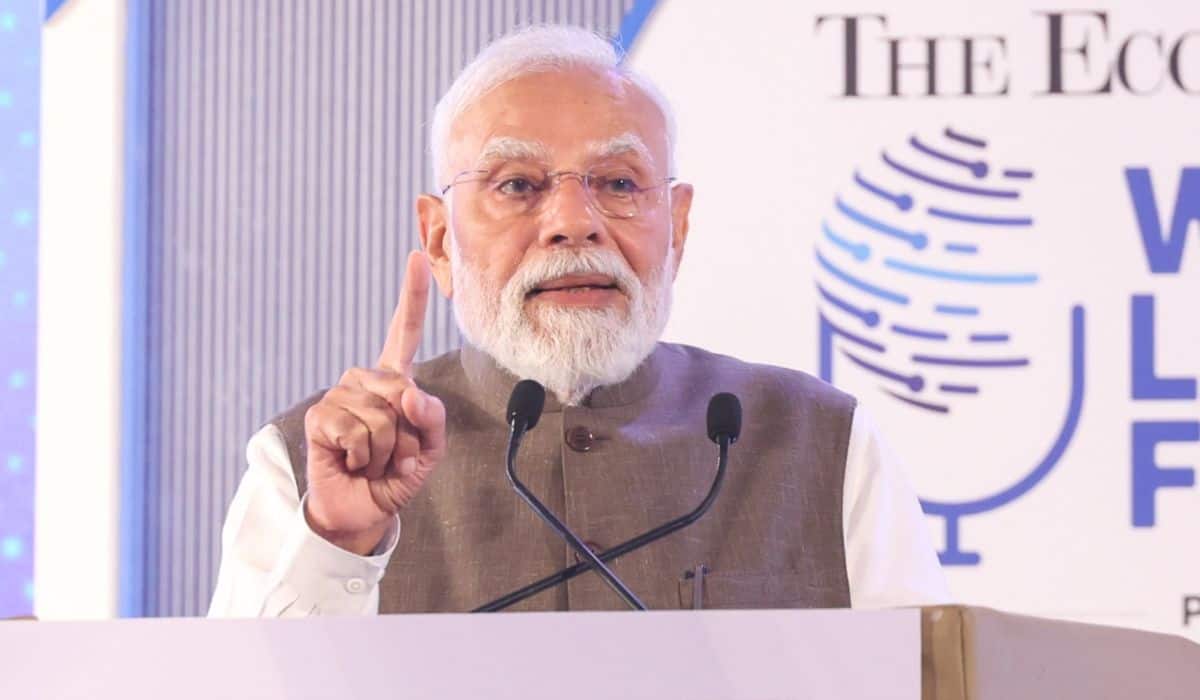
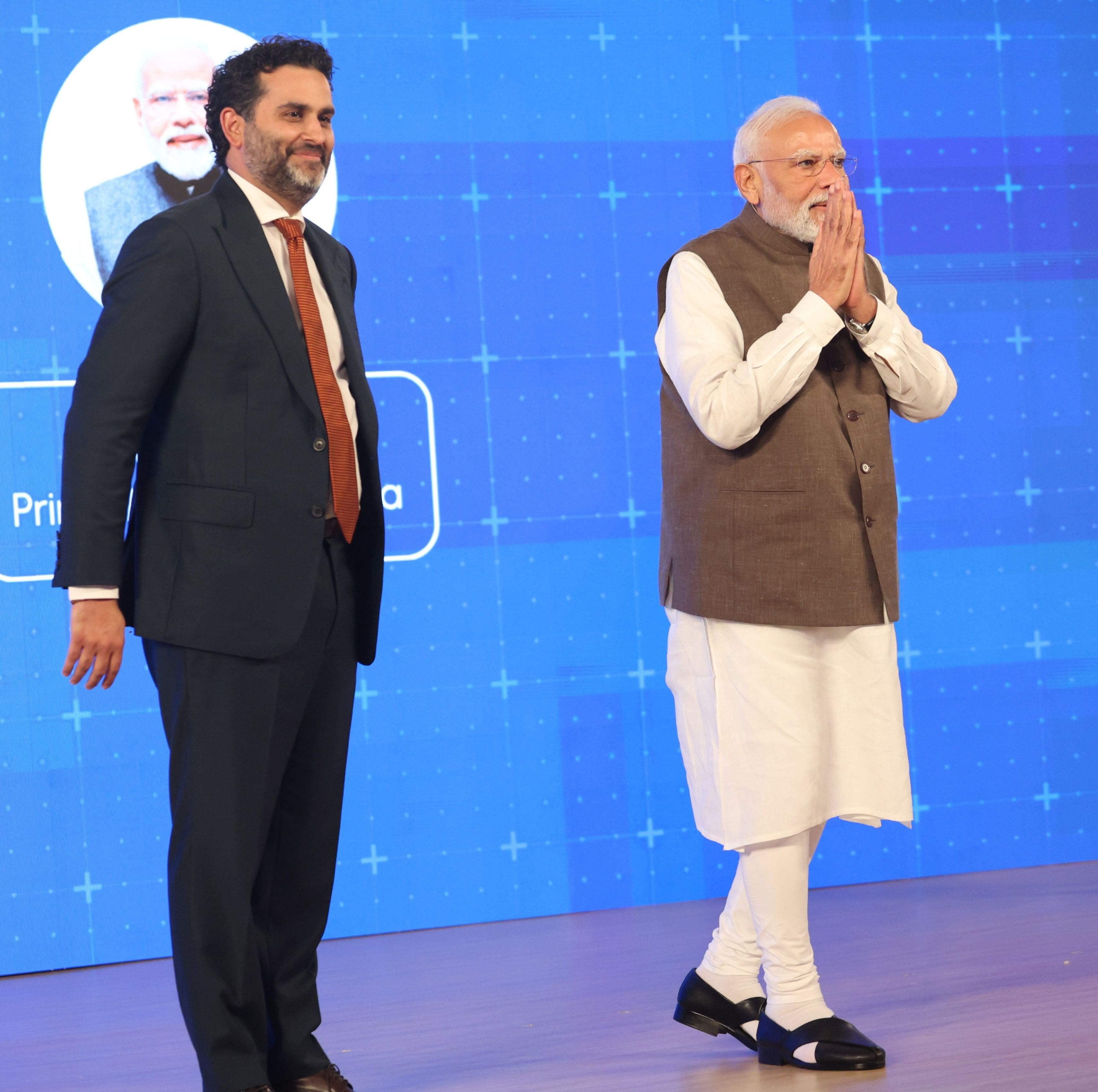
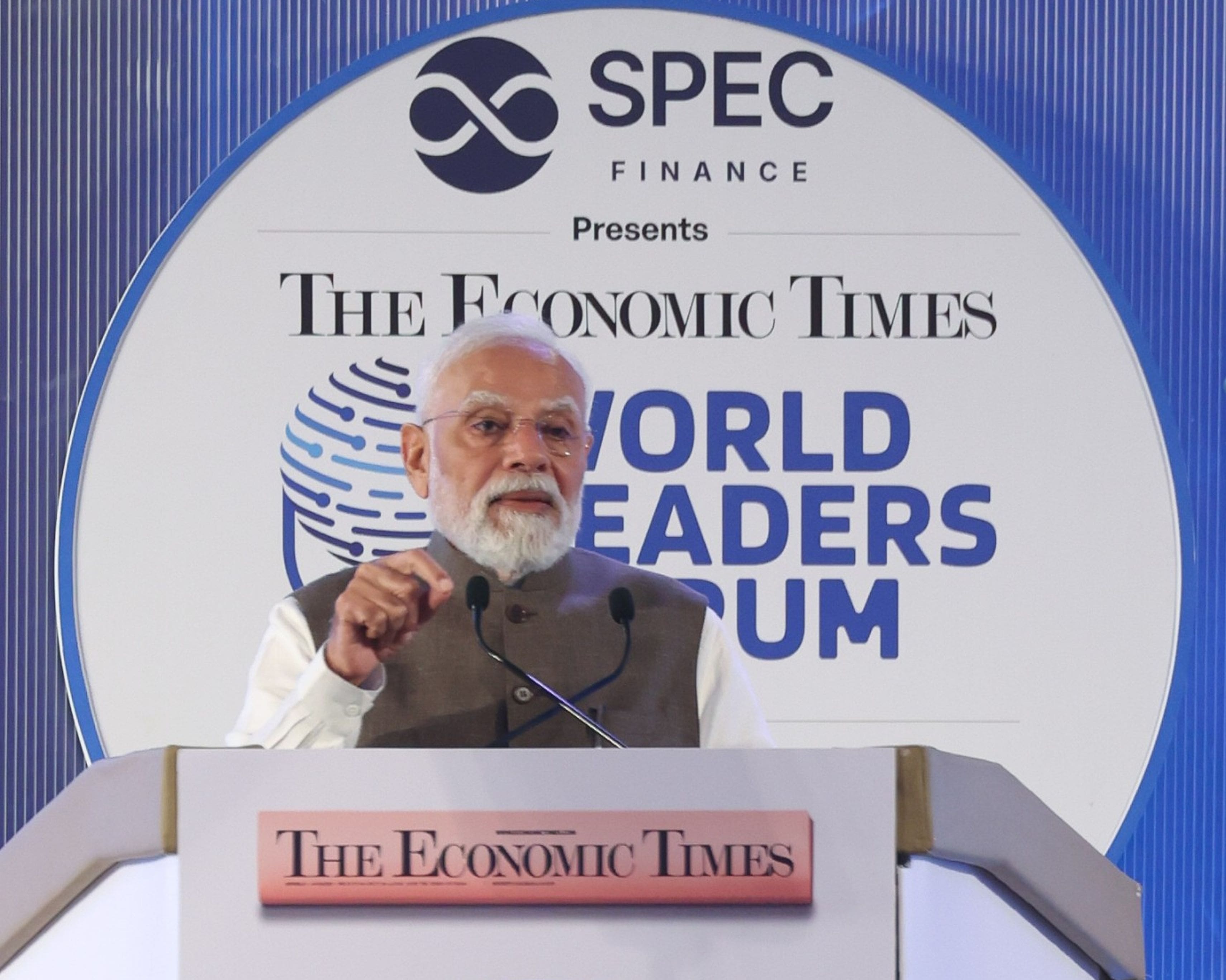
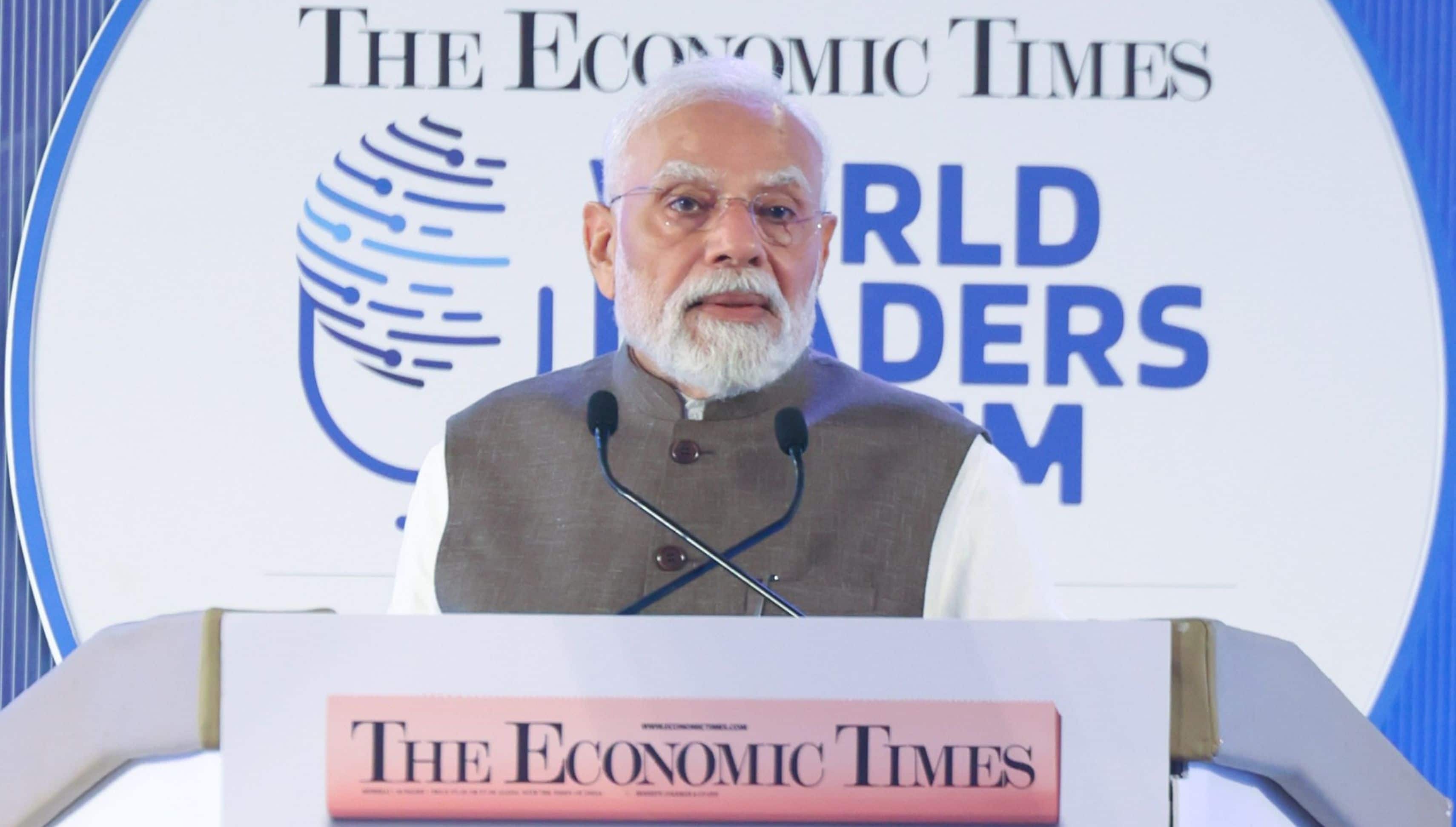
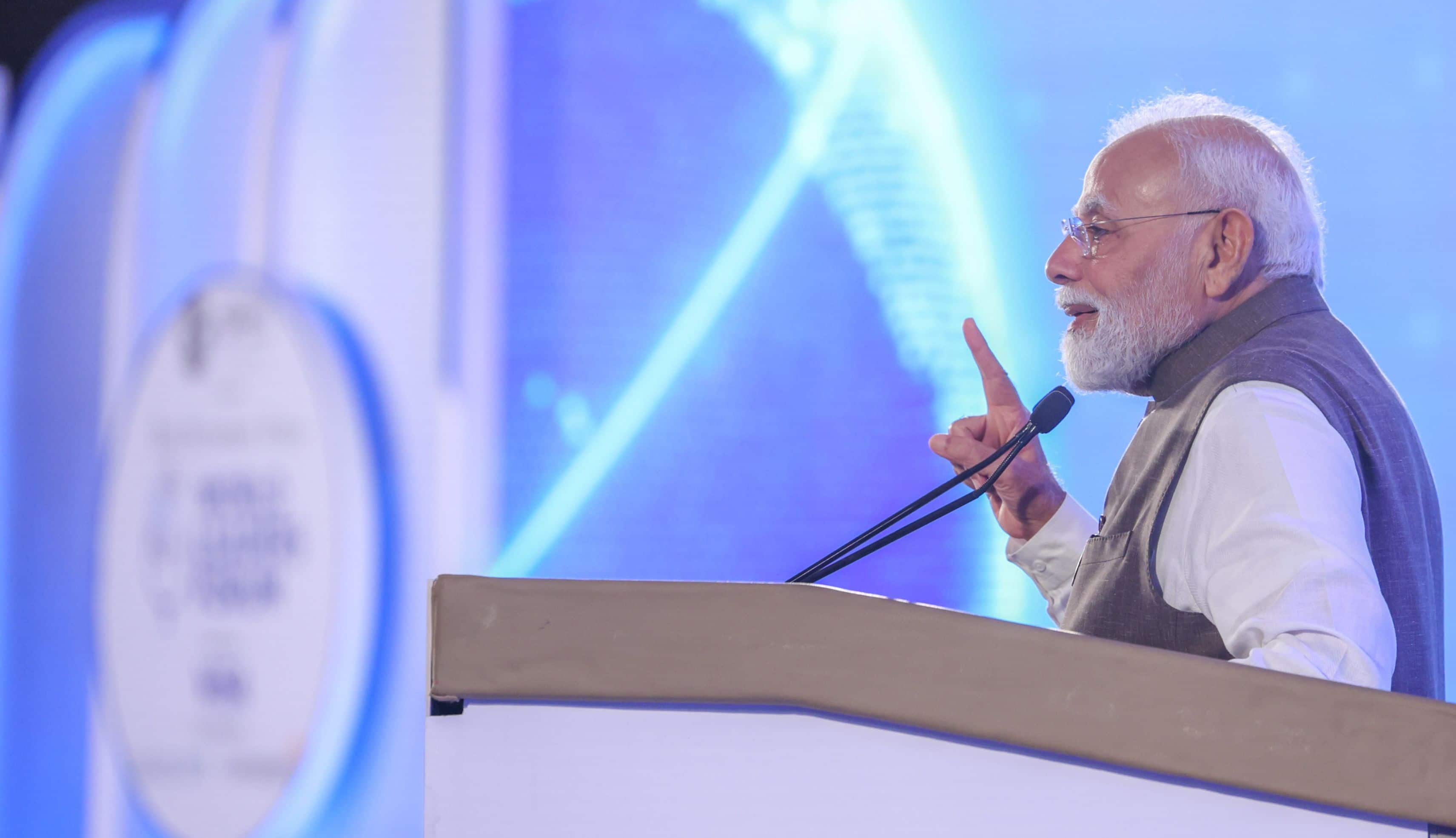
The world is seeing India as a bright spot of growth and hope: PM Modi at Economic Times World Leaders Forum 2026
August 21, 2026
The world sees India as a bright spot for growth and hope: PM
Today, India is implementing next-generation reforms at the policy level and undertaking reforms at governance level: PM
Increasing production was met with punishment earlier but today, our government is providing incentives for boosting production
India has political stability and continuity in its policies: PM
Earlier, the approach of regulations was, 'prohibited unless permitted’; We are changing this approach and taking it towards 'permitted unless prohibited’: PM
The relationship between the government and citizens should be based on trust, not suspicion: PM
Today, we are shaping policies that are pro-people, pro-growth and pro-development: PM

World Leaders Forum - this prestigious platform, all the well‑known stalwarts of the world of business and industry, policy makers, other dignitaries, ladies and gentlemen.

It is very natural to feel happy coming among you all. This year the summit’s focus is on Shared Future. In the past few years the world has seen many ups and downs. And these experiences have made one thing very clear: whether one likes it or not, the future of every country is interconnected. Nothing is possible in isolation. That is why this theme of Shared Futures has become even more relevant today. And India has always carried this spirit. During its G‑20 presidency, India’s guiding mantra was One Earth, One Family, One Future. The spirit of a shared future, and the sense of responsibility that comes with it, provides solutions to many of the problems of the 21st‑century world.

Friends,

Today there are many concerns about growth in the world. In recent times the world has seen a very frightening form. Resources are being weaponized. An atmosphere of distrust is bringing many new challenges for the world. But even in such times, the world sees India as a bright spot of growth and hope. In the last 10–12 years, India has lifted 250 million people out of poverty. Not only that, if we talk about the coming days, the IMF forecast is that India will remain the fastest‑growing major economy in the world. And India is continuously taking steps that are accelerating its development.

Friends,

Just last week, on 15th August, from the Red Fort I spoke about the seven streams of seven strengths. Manufacturing, technology and innovation, food processing, green and blue economy - I spoke of seven sectors on which India is highly focused today. And that is why India is carrying out next‑generation reforms at the policy level, to secure our future. Reforms in governance, reforms for ease of living. Last time when I connected with you through this very platform, I had said then too - these reforms are not a compulsion for us. They are our commitment, they are our conviction.

Friends,

In 2014, when our government was formed, since then reforms have changed the direction and condition of the country. I want to give you a very interesting example of this. Perhaps hardly anyone here knows about PLP. Is there anyone who knows about PLP? Raise your hand. So many media stalwarts are sitting here - do you know PLP? And you will be surprised to hear. PLP means Production Linked Punishment. No one knows about this. And another term you surely have heard - PLI. Most people know this. PLI means Production Linked Incentive.

Friends,

These two terms define two different time periods of India. Nowadays it is the age of explainers, so let me explain to you.

Friends,

The young generation today will be shocked to hear that there was a time in our country when if any company produced more than the fixed limit, it was punished. This was the PLP - Production Linked Punishment model of the earlier license‑raj governments. There were even examples that if a factory, seeing higher demand, produced more, it was sent a notice. Forced by this, the company would destroy its own product instead of selling it in the market.

Friends,

Today those who mock Make in India and the Atmanirbhar Bharat campaign - their forefathers’ thinking was exactly this: PLP, Production Linked Punishment. Behind such actions was a particular distorted mentality. People with such mentality always wanted shortages of essential goods to continue. Keeping citizens in deprivation was their policy. They wanted people to fold hands before them, to beg - you understand whom I am talking about. After making people join hands, they would act as if they were doing a favor. That was the way of those governments, and that is why they followed the Production Linked Punishment model. You can imagine, by doing this they strangled the basic principle of employment generation. And the surprising thing is - their courtiers, again I repeat, their courtiers, never raised a voice against it.

Friends,

Every reform begins first with reforming your way of thinking, your mental framework, the range in which you work. Where earlier increasing production brought punishment, today our government gives incentive for increasing production. And today the success of the PLI scheme is being seen by the world. Just because of this one scheme - I am not talking of all schemes, only one - actual investment of about 2.5 lakh crore rupees has taken place. More than 22 lakh crore rupees of production and sales have happened. More than 15 lakh crore rupees of exports have taken place. And more than 14 lakh direct and indirect jobs have been created. And I remind you again - these figures are only of one scheme. Think about it: the punishment model of the earlier license‑raj governments increased unemployment, while today our incentive model is creating lakhs of new jobs.

Friends,

Today in India this rapid development, these rapid reforms are happening because in India - and as Satya just mentioned - there is political stability, there is continuity in our policy. Earlier, those who talked about reforms in the country would make announcements, but later forget them. But we created a clear roadmap for reforms. The main direction of this roadmap has been - reforms at the level of governance! For this, today in 21st‑century India, we are not just changing regulations, we are changing the entire philosophy of regulation. Earlier the approach of regulations was: “Prohibited unless permitted.” That is, until the government gave permission, you could not do that work. We are changing this approach to “Permitted unless prohibited.” That is, for work that the law has not explicitly forbidden, there should be no need for permission at every step. And behind this thinking is something very simple - the basis of the relationship between government and citizen should be trust, not suspicion.

Friends,

This thinking is also visible in the Jan Vishwas Bill. I believe it is not right to consider every procedural mistake a criminal offence. That is why many offences have been decriminalized. In many cases, instead of jail, only financial penalty has been provided. In the relationship between government and enterprise, we are advancing this same reform mindset. In recent years, more than 40,000 compliances have been removed - forty thousand. More than 1,500 old and useless laws have been abolished. And when you look at all these reforms together, you realize how much burden has been reduced from the shoulders of our industries and businesses.

Friends,

We are continuously working on this process of governance reforms. In the recent monsoon session of Parliament we passed the Bankers’ Book Evidence Bill. And that too when the opposition had created continuous disruption in Parliament. We did not allow the work of serving the nation to stop. Now this law has replaced the 19th‑century English law. Now the acceptability of banks’ digital records has been given legal recognition. This will reduce legal complications, bring transparency in the system, and increase ease of doing business.

Friends,

One meaning of reform in governance is also that systems should be built with sensitivity toward every human life and its time. I will give the example of railways. In our railways too, work has been done with this approach. Today, more than 6,500 railway stations have electronic interlocking arrangements. More than 10,000 level crossing gates have also been connected with interlocking. This has greatly reduced the possibility of accidents due to human error.

Friends,

When our government came in 2014, there were about 9,000 unmanned crossings. Removing them was not rocket science. Because of unmanned crossings, thousands of people lost their lives, but earlier governments did not care much. We, in mission mode, in the past ten years, eliminated these unmanned crossings. We also increased the speed of building road overbridges and road underbridges many times. And the result of this is that compared to before 2014, the number of train accidents has reduced by up to ninety percent - 90, ninety percent. Twelve years ago, about 150 rail accidents used to happen in a year. Now their number has reduced to 15–20. And we are continuously trying to reduce it even further.

Friends,

Cleanliness in railways is also a big example of governance reform. There was a time when filth and human waste on railway tracks used to be a big problem. Today the situation has completely changed. Before 2014, about 12,000 bio‑toilets had been installed in our trains. After 2014, more than 360,000 bio‑toilets have been installed in trains. That means more than 97 percent of bio‑toilets have been installed in the last 12 years. This change is not just about cleanliness, it is a new model of governance in the direction of dignity of passengers, cleanliness, and building a modern India. It is also a campaign to give a better experience to crores of passengers.

Friends,

Another measure of the quality of governance is time. A project that starts should be completed on time. And the service that people receive should also meet the test of time. The Delhi–Meerut Namo Bharat Rapid Rail System is a very good example of this. On this corridor trains are running at a speed of 160 kilometers per hour. This could never have been imagined in our country before. So far more than 40 million passengers have traveled in it. And there is another important factor which is not discussed. The punctuality of the Delhi–Meerut Namo Bharat Rapid Rail is 99.9 percent. Otherwise we used to say for everything, if late, “this is Indian time.” Times have changed. I mention these small things so that we realize how broad and extensive the work is. Similarly, the punctuality of the Delhi Metro. The punctuality of the Delhi Metro is 99.9 percent. And this punctuality has become almost equal to metros of cities like New York, Hong Kong, and Paris. This is not just the story of a metro and rapid rail running on time. This is the identity of India changing with time. I know that still - and I am not someone who sits satisfied with just this - still in this direction we have much to do, much remains. But we are continuously doing it. A beginning has been made, and this beginning is commendable.

Friends,

Another major dimension of our reforms roadmap is reforms at the policy level! Today we are making policies that are pro‑people, pro‑growth, pro‑development! Policies should be according to the needs of the country and its people, not that policies are made and the country is forced to run according to them! I want to give you another interesting example. Until a few years ago, even making a map of the country was illegal. If you made a map, it was illegal, you could go to jail. Without permission you could not even do mapping work in the country. Think about it - foreign satellite technology could map any corner of India, but in India, Indians were prohibited from making a map of India.

Friends,

In today’s era of technology, just this one restriction could have killed so many startups! So many ideas could have been deprived of implementation! We changed this system too. We deregulated geospatial data, and today geospatial data has become the foundation of many startups.

Friends,

Today you are continuously seeing the growing utility of drones. In agriculture, in defense, in delivery, in shooting, in content creation - all this would not have been possible if the government had not carried out reforms in the rules related to it. Earlier, drone flying in the country was completely bound in rules and restrictions. We freed it from those restrictions, and today India’s drone industry is moving forward with an unprecedented flight.

Friends,

Earlier, the thinking of governments regarding border areas was that if roads and infrastructure increased at the border, then the enemy could also benefit from it. We changed this thinking. We said, border infrastructure is not a weakness, it is the strength of the nation. And that is why today the network of roads, bridges, and tunnels in border areas is rapidly increasing. In just 2024 and 2025 alone, 250 infrastructure projects of BRO have been dedicated to the nation. When the thinking changed, the picture of border infrastructure also changed.

Friends,

There is also an example of nuclear reforms. At a time when development was completely energy‑dependent, because of restrictions and prohibitions, the country was not able to use its nuclear potential. Through the Shanti Bill we carried out a major reform in this too. Today in India the path has been opened for the private sector in nuclear energy. Similarly, we carried out a major policy reform in the defense sector too. The system that had been running for 200 years, we changed it by merging more than 40 ordnance factories into 7 factories. And we are seeing its results. Today India is becoming self‑reliant even for its defense needs, and compared to 2014, our defense exports have increased 55 times. And that is why, many times reforms blend into our lives in such a way that we do not even notice them. Think about how your ordinary day passes today. You wake up in the morning, order household items on your phone, and by the time you are ready for office, all that stuff has reached your home. From the street vendor in your lane to the showroom of your car, all your payments are done just by scanning a QR code. If your daughter is studying in another city, you can send her money by phone, and that money reaches her within seconds. Many times the daughter even shares a QR saying, “Papa‑Maa, I bought this dress, please make the payment,” and you get her shopping done while sitting at home. These things are remarkable, but now they do not surprise the people of India. When outsiders come, they are astonished - “Oh, it happens like this.” For the people of India, it has become routine. It has become part of the life of the ordinary citizen of India. Think - before 2014, how many of these things were possible?

Friends,

In the past 10–12 years, the reforms India has carried out related to ease of living have changed people’s lives - especially the lives of our middle class - in a way that is still only a dream in many developed countries of the world.

Friends,

Today the cheapest data in the world is in India. We are making cheap and good smartphones. Just now Satya described it. India is among the countries carrying out the fastest 5G rollouts in the world. We linked Aadhaar with banking, mobile connectivity, and services, making services like e‑KYC and digital authentication possible. Today if you want to open a bank account, you don’t even need to go to the bank. The government has brought the bank to you. Today whether it is paying a bill, booking a ticket, there is no need to go to a government office - all this work happens online. Filing income tax has become easier. A system has been created where maximum information in the form is already filled. You verify this information, add what you need, and submit - your work is done. Earlier refunds used to take months to arrive, now they come in just a few days.

Friends,

Today with the help of e‑Sanjeevani - perhaps it is still discussed very little - with the help of e‑Sanjeevani, people in distant villages can directly consult doctors from anywhere and take the path of treatment. And those who earlier had to travel many kilometers to reach a hospital, today the doctor is available to them at home, on their screen. And this figure will surely astonish you - showing how India has adapted technology, how it has simplified the life of the ordinary person. So far, under e‑Sanjeevani, nearly 500 million tele‑consultations have taken place.

Friends,

Today in India the travel experience is changing, the journeys of India’s citizens have completely changed. It is difficult to find a person in this hall who has not used DigiYatra at the airport. Similarly, nowadays much work is happening seamlessly. FastTags are running on highways, so that you can pay tolls without stopping and move ahead. This is the true meaning of ease of living. Time is being saved, life is becoming easier, and crores of people are able to focus on their progress.

Friends,

In politics, often those decisions become headlines whose effect is visible today - that is, whose life is 24 hours. Earlier governments adopted the formula of making announcements with elections in view. But such announcements did not change the country. The decisions that change the country are those whose impact is visible on the ground, which are taken keeping both the present and the future in mind.

Friends,

The PM‑KUSUM scheme and the PM SuryaGhar Free Electricity scheme are very unique examples of this. Through the KUSUM scheme, farmers have been freed from the worry of electricity. And through the SuryaGhar scheme, the middle class has benefited greatly.

Friends,

I know that if I had announced that from today electricity is free for millions of families, then all the media, all the screens, all the newspapers would have made big headlines saying “Modi ji announced free electricity today.” But we started work with a different approach. We resolved to raise a sun on the roof of every house. And today more than 5 million families in the country are connected with the PM SuryaGhar Free Electricity scheme. The government has given more than 22,000 crore rupees to these families to install solar systems, so that solar plants can be installed on their roofs to produce solar power. Now these families are selling extra electricity to the grid and earning money. Their own bill has become zero, and they have started earning too. This scheme is also expanding people’s dreams. With electricity bills reduced, people are now buying and keeping things like refrigerators, coolers, washing machines, TVs. Now there is no fear that milk will spoil because of power cuts, no worry remains. Now school‑going children can sleep peacefully at night. I say again - whether elections happen or not, this SuryaGhar and its light will remain. The benefit of this plant will continue to reach families of the country for years.

Friends,

In the coming time, ease of living and ease of doing business will expand further. For the youth of the country, for women power, for farmers, for the poor and the middle class, our government will continue to work. Our reform express will move forward at even greater speed. To fulfill the goal of a developed India, we will continue to work with full commitment. And I - for me, if India’s future is secured, then from this very land a great work will be done to bring stability to the world’s future too. With this confidence, the more stable India becomes, the more secure India’s future becomes, the strength to give the world a sense of security will arise from here. With this capability, with this resolve, once again I heartily thank the entire team of Economic Times for inviting me to today’s program. Vande Mataram!