I am deeply touched by your extraordinary hospitality and warmth.
I regret that this is a very short visit. I would have loved to stay longer. Anyone who visits this wonderful country will find it hard to leave.
Short it may be, but this visit has been very productive.
It is no surprise that Seychelles is my first destination in the Indian Ocean Region.
We regard Seychelles as a vital partner in our Indian Ocean neighbourhood.
Our relationship is unique and special. It is founded on deep sense of mutual trust and confidence. It is marked by a spirit of respect and equality; and enormous goodwill and warmth.
It draws strength from our shared values of democracy and inclusiveness. It is nurtured by a common purpose - progress of our people and peace and prosperity in the Indian Ocean Region.
Seychelles has made impressive progress. It has shown that size is no barrier to the scale of achievements.
This visit and my conversation with President Michel have reinforced my conviction in the strength and the importance of this relationship.
Our security partnership is strong. It has enabled us to fulfill our shared responsibility to advance maritime security in the region.
It is a privilege to be a partner of Seychelles in the development of its security capabilities.
Today, I am pleased to announce that we will be giving one more Dornier aircraft to Seychelles.
Later today, I will have the honour to launch the Coastal Surveillance Radar Project. This is another symbol of our cooperation.
These steps will enable Seychelles to secure these beautiful islands and the vast expanse of waters around them. Seychelles will also continue to make an enormous contribution to the safety and security of the Indian Ocean Region.
Our agreement today on hydrographic survey adds a new dimension to our maritime cooperation. I thank Seychelles for their confidence in India.
We also hope that Seychelles will soon be a full partner in the maritime security cooperation between India, Maldives and Sri Lanka.
President Michel and I also underlined the importance of comprehensive cooperation in the Indian Ocean Region. We expressed support for a more active and productive Indian Ocean Rim Association.
Our development partnership is also a strong pillar of our relations.
Our agreement today on the development of infrastructure in the Assumption Island gives a strong boost to this partnership.
We are pleased to be a partner in development of human resources and capacity building in Seychelles. Indeed, Seychelles is one of the largest recipients of Indian assistance in this area. We intend to expand this further in the future.
Seychelles is a leader in advancing the concept of Blue Economy. We also believe that the Ocean Economy is indispensable to meeting our future challenges.
Today, President Michel and I have agreed to establish a Joint Working Group to expand our cooperation on the blue economy.
This cooperation will increase our understanding of marine ecology and resources. We will improve our ability to harness new possibilities of the ocean in a sustainable and balanced manner.
This is a major step in advancing our scientific and economic cooperation.
We stressed our support for expansion in our modest trade and investment relations. We are confident that we can achieve it, especially as Seychelles looks to a future in which information technology and services play an increasingly important role.
I also expressed hope that Seychelles would be able to quickly utilize the committed 75 million dollars in grants and credit in accordance with its priorities.
We deeply value the close and warm ties between our people. I welcomed the launch of direct air services to India by Air Seychelles last December.
We have decided to grant free visas for three months to the citizens of Seychelles. We will also extend to you the facility of visa-on-arrival.
I thanked President Michel for his Government`s consistent support to India in international forums. This includes the endorsement for India`s permanent membership of the United Nations Security Council.
We had strong convergence of views on climate change. We are two nations that are vulnerable to its impact. And, we are deeply committed to combating it.
We stressed our shared commitment to strong national action. We also called for a strong and ambitious global effort, especially from the developed world, on climate change.
I reiterated our consistent support to the position of the Small Island Developing States. Equally, I renewed India`s strong commitment to our partnership with Africa.
Our relationship is a powerful example of warm friendship and productive partnership. For India, this relationship means a lot.
This visit has reinforced the special warmth in our ties and taken our strategic partnership to a new level. I am grateful to President Michel and the people of Seychelles for this.
I look forward to the visit of President Michel to India at the earliest.
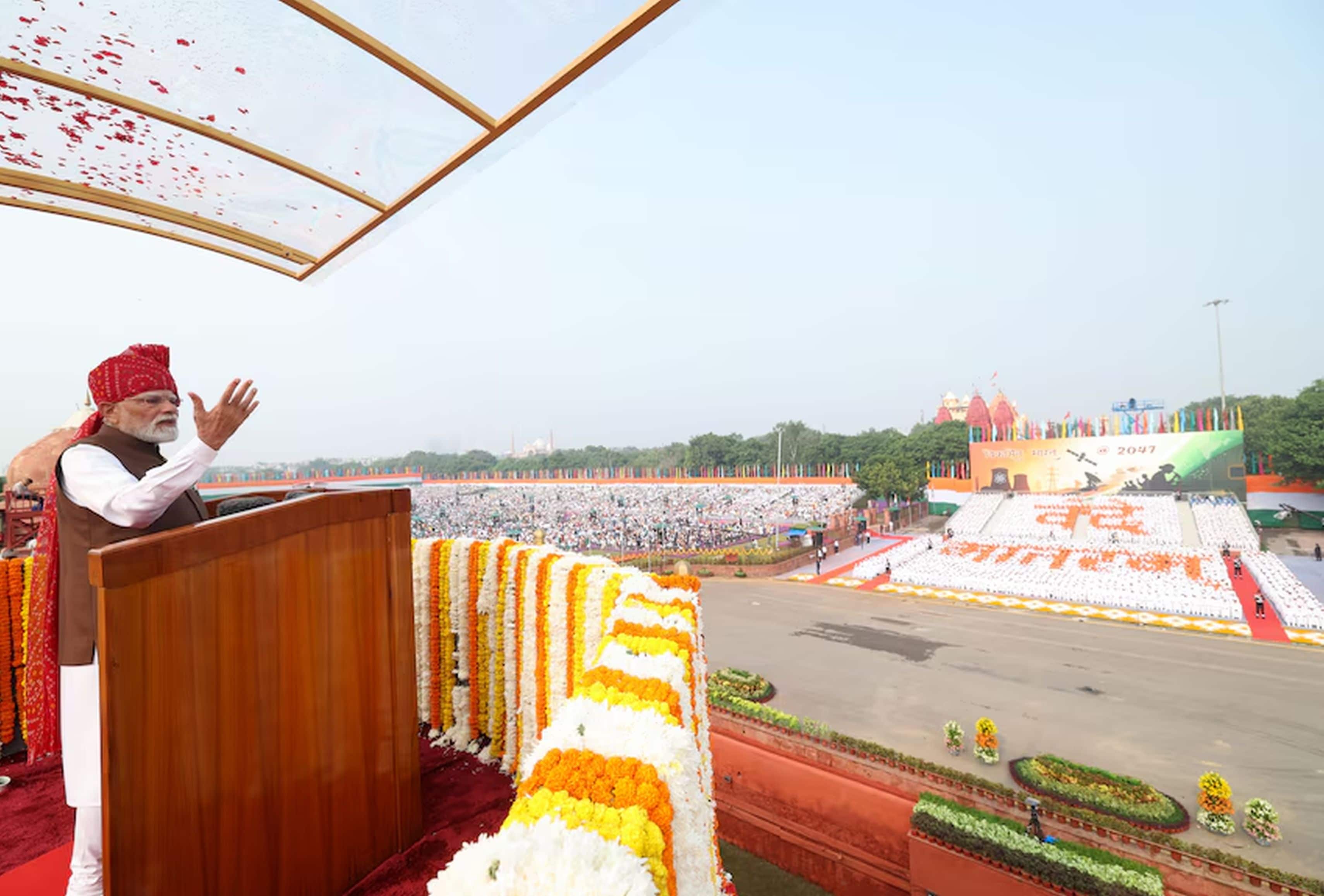
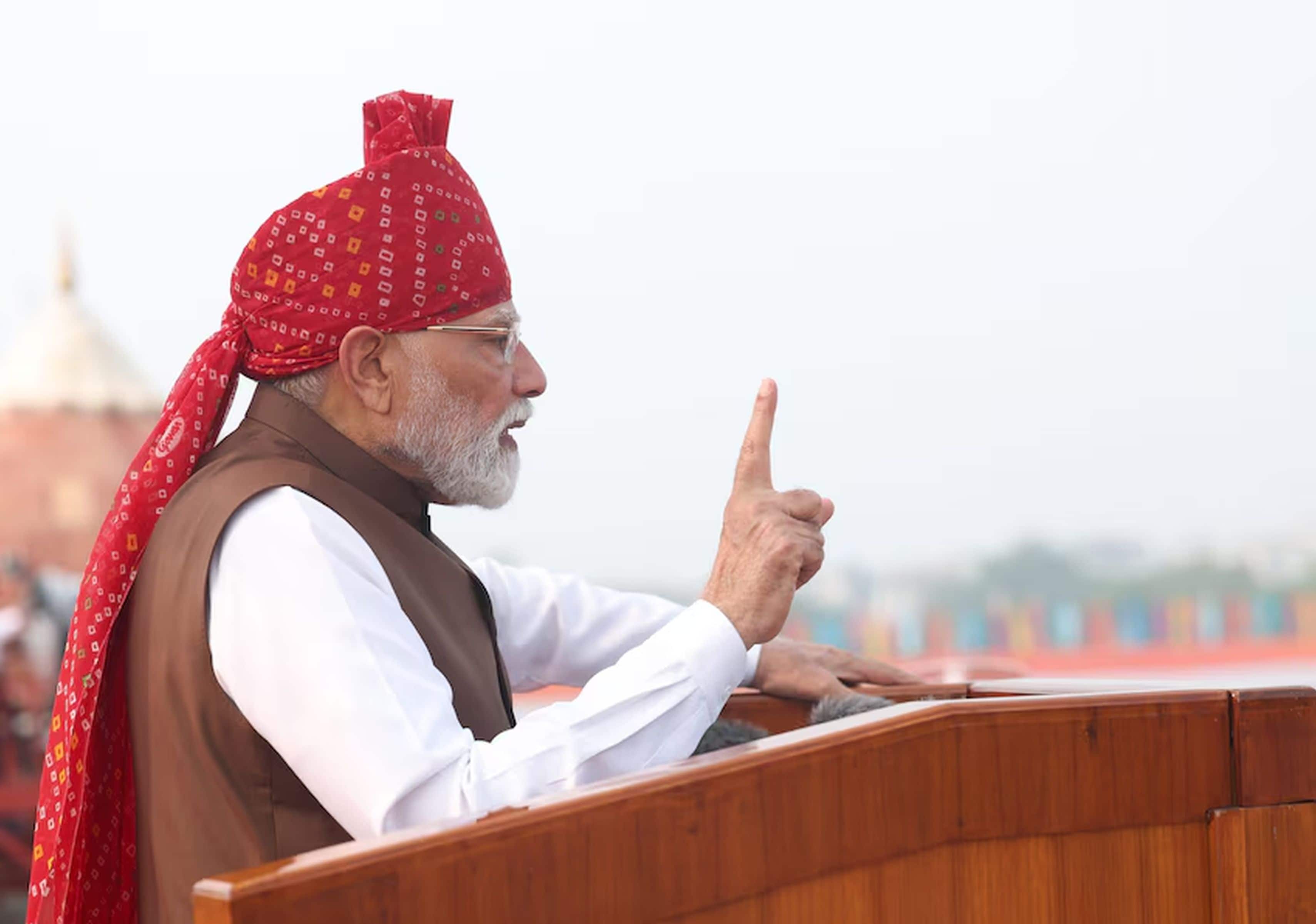
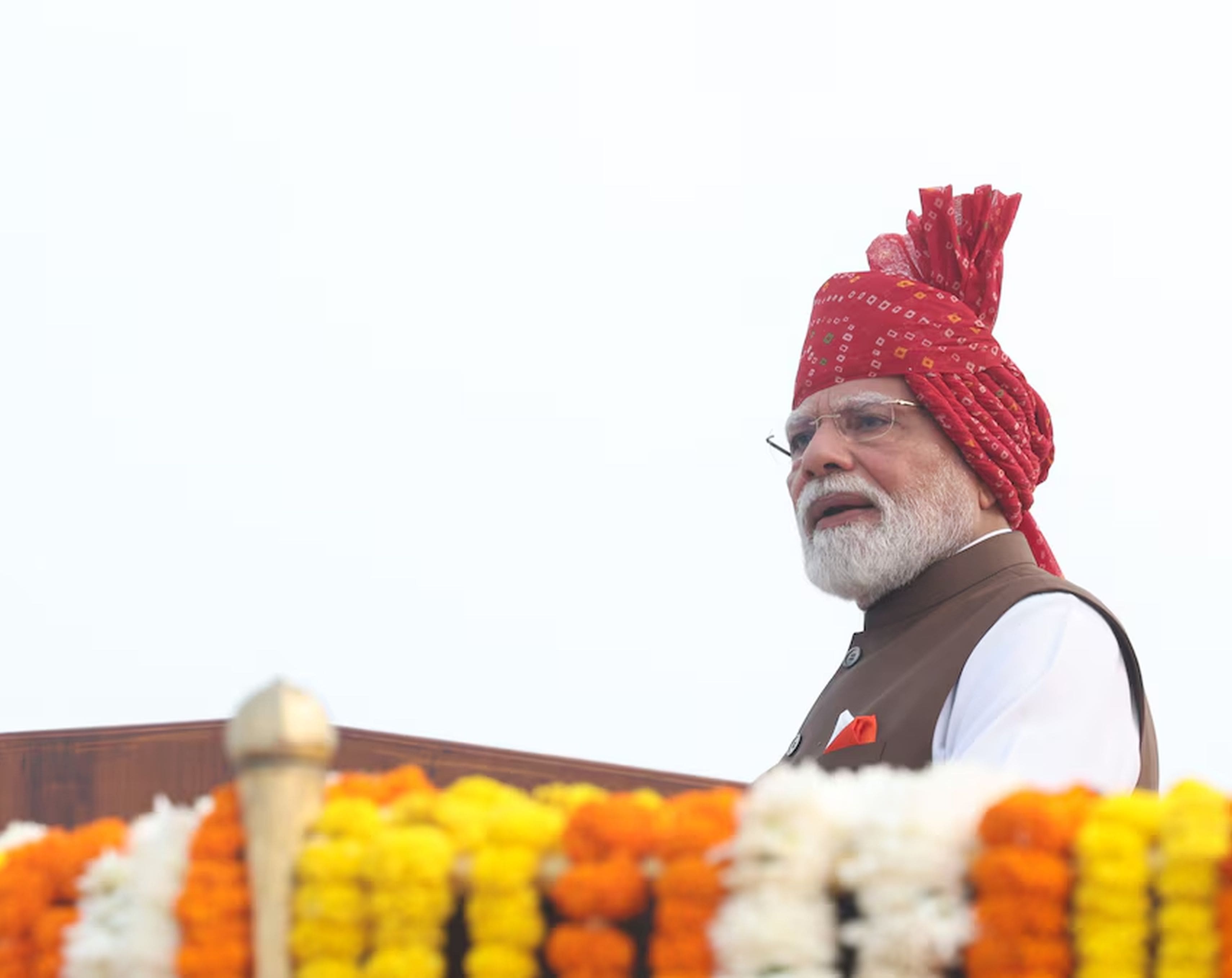
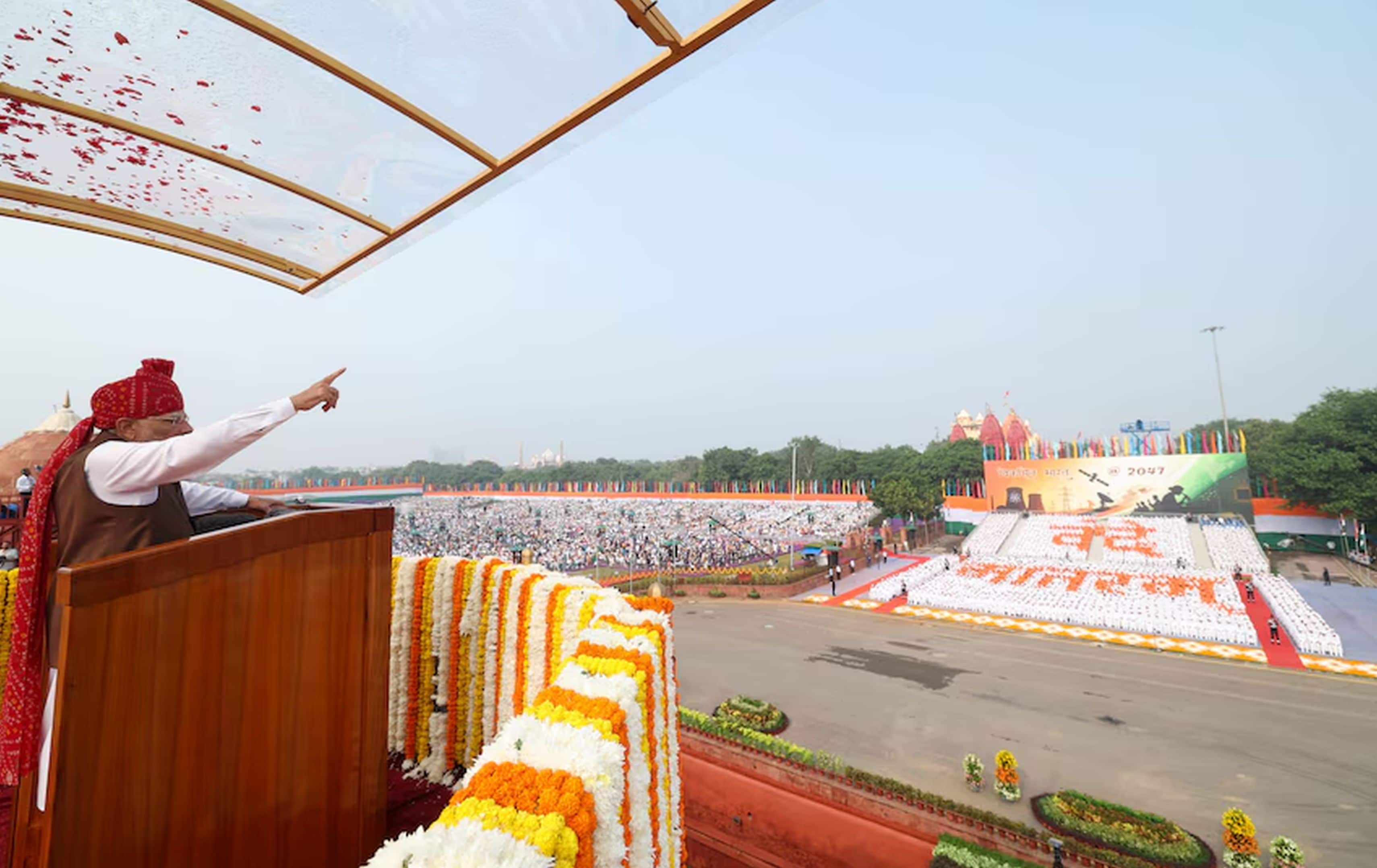
وزیر اعظم جناب نریندر مودی کا، 80ویں یوم آزادی کے موقع پر، لال قلعہ کی فصیل سے خطاب کا متن
August 15, 2026
Share
آج کا دن ہمارے خوابوں، عزم اور طاقت کے ساتھ آگے بڑھنے کا دن ہے: وزیرِ اعظم
آج، پختہ عزم کے ساتھ، بھارت نے ایک بہت بڑا خواب دیکھا ہے؛ وہ خواب یہ ہے کہ جب ہم آزادی کے 100 سال مکمل کریں گے، 2047 تک، ہم ایک وِکست بھارت بنا چکے ہوں گے: وزیرِ اعظم
ہمیں خود پر یقین رکھنا چاہیے اور آتمِ نربھر بھارت کی تعمیر پر فخر کرنا چاہیے: وزیرِ اعظم
وہ شعبے جو کبھی ’نو-گو ایریاز‘ سمجھے جاتے تھے، اب ’گو-ا ہیڈ ایریاز‘ ہیں: وزیرِ اعظم
ہر بھارتی ’میک اِن انڈیا‘ اور ’ووکل فار لوکل‘ کے جذبے کو اپنا رہا ہے: وزیرِ اعظم
بھارت کے پاس ایک مستحکم سیاسی مینڈیٹ، ایک مستحکم حکومت، ایک متحرک جمہوریت، ایک مضبوط عدالتی نظام اور ایک آئین ہے جو ہم سب کی رہ نمائی کرتا ہے: وزیرِ اعظم
ہمیں تین چیزوں پر توجہ مرکوز کرنے کی ضرورت ہے؛ لاگت، معیار اور پیمانہ: وزیرِ اعظم
وہ مقامات جو کبھی نکسلی تشدد سے متاثر تھے، اب امن، ترقی اور نئی امید دیکھ رہے ہیں: وزیرِ اعظم
آنے والے برسوں میں، یہ سپت دھارائیں بھارت کو آگے بڑھائیں گی اور قوم کو نئی بلندیوں پر لے جائیں گی: وزیرِ اعظم
میرے پیارے ہم وطنو !
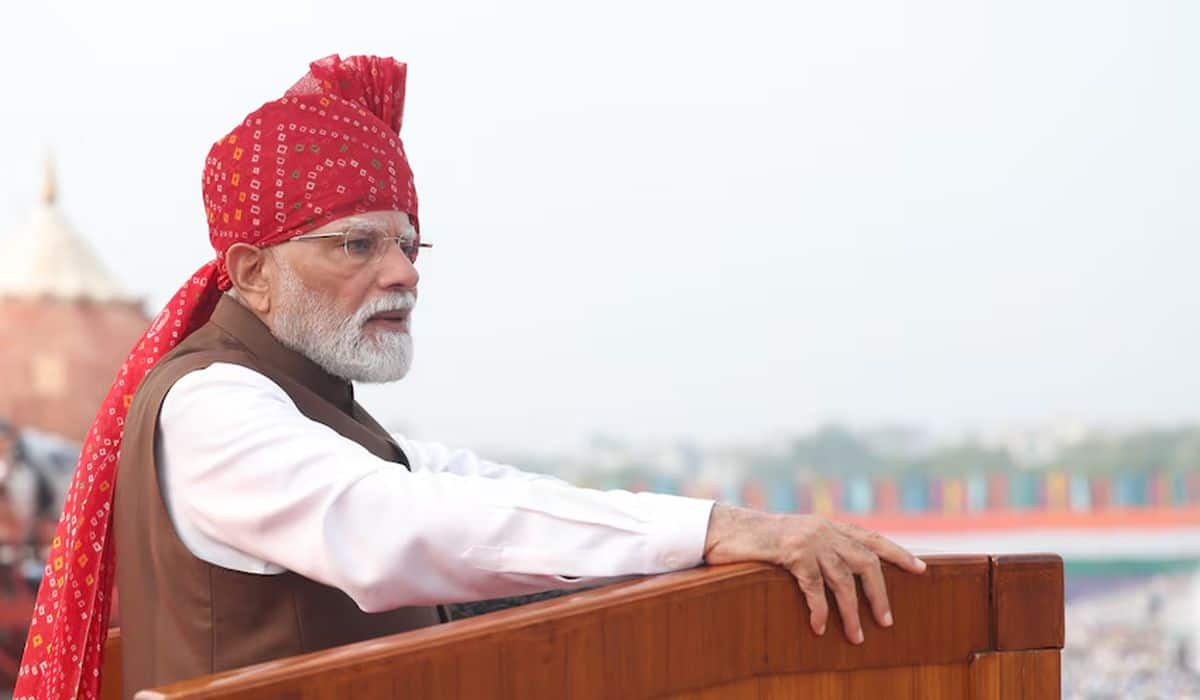
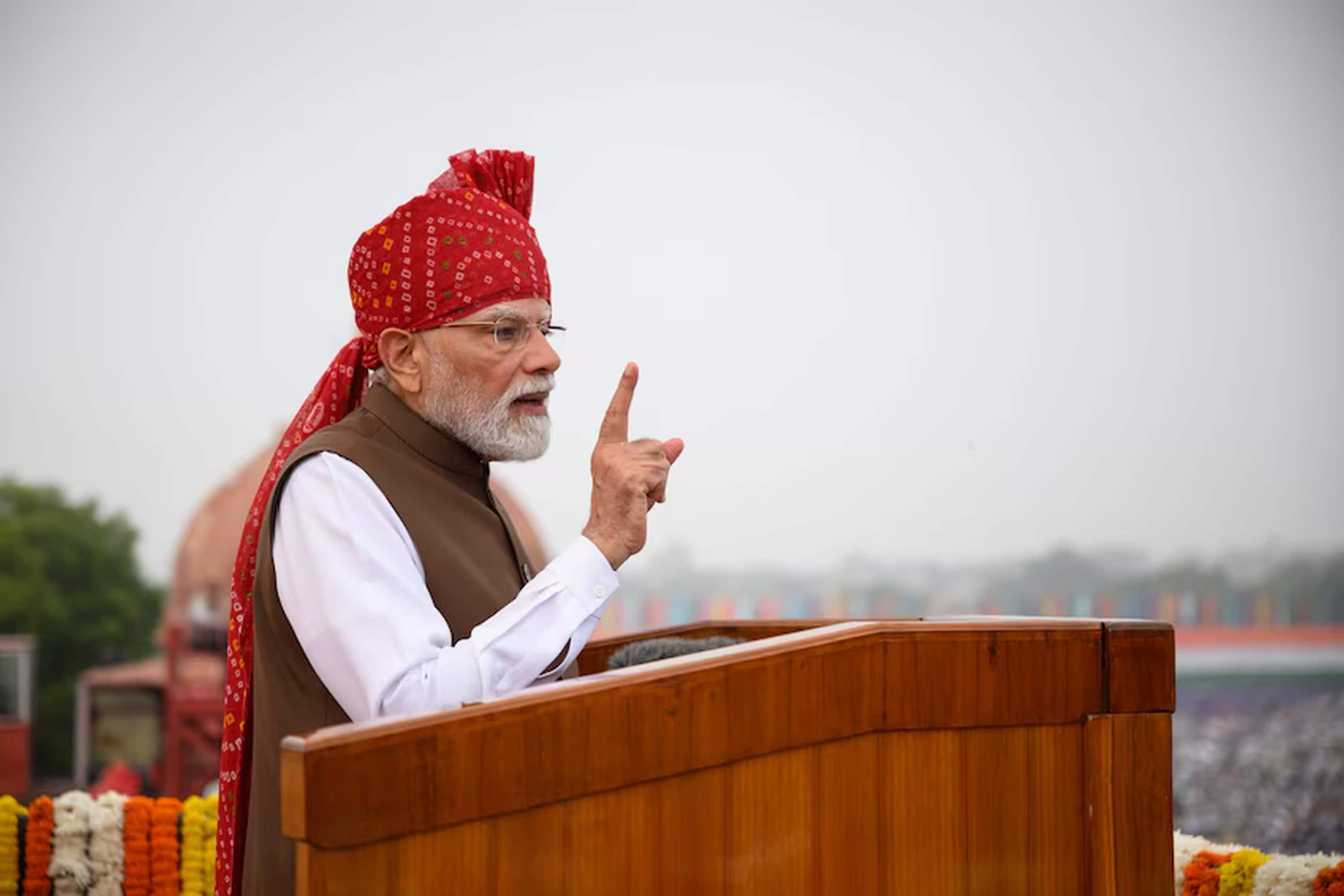
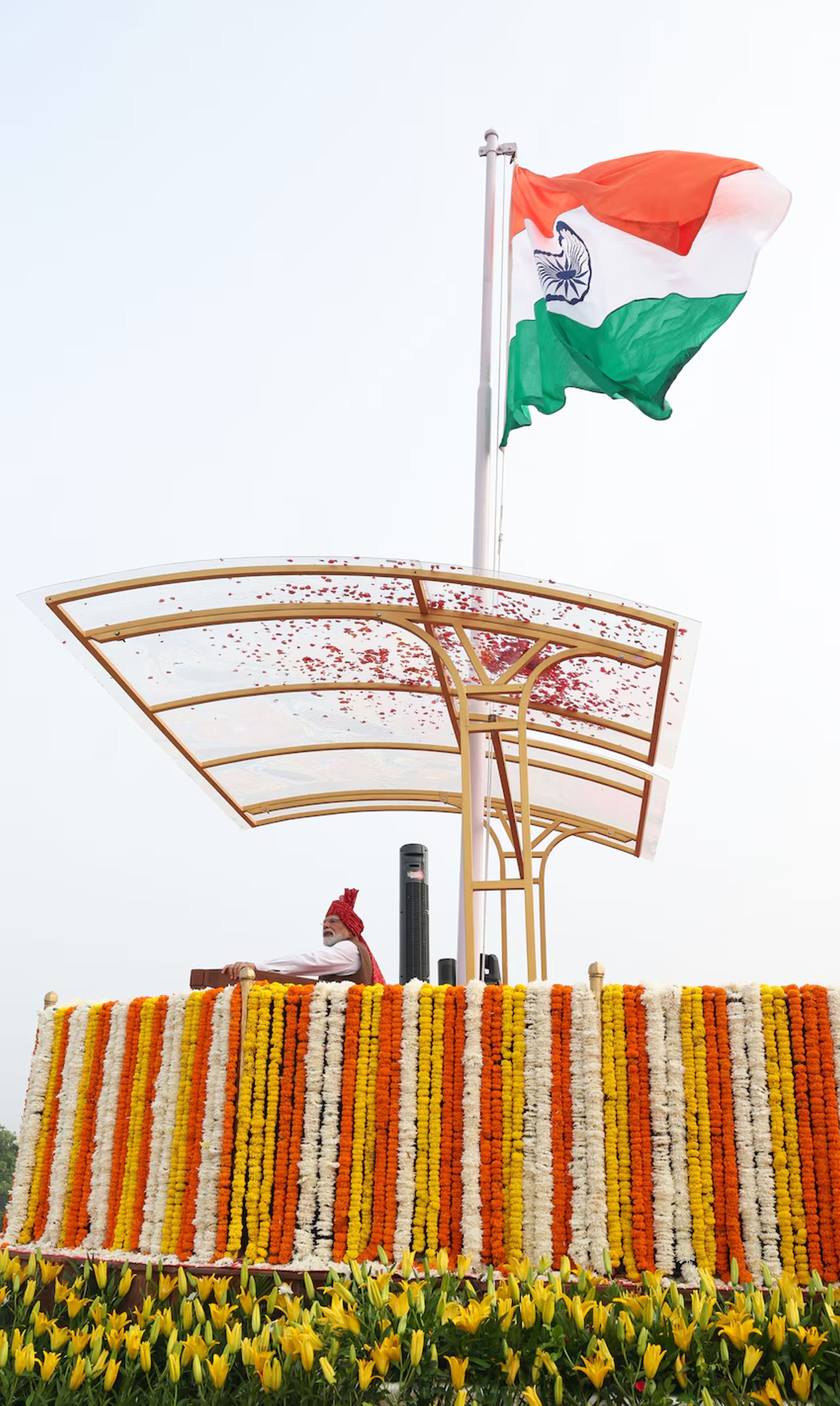
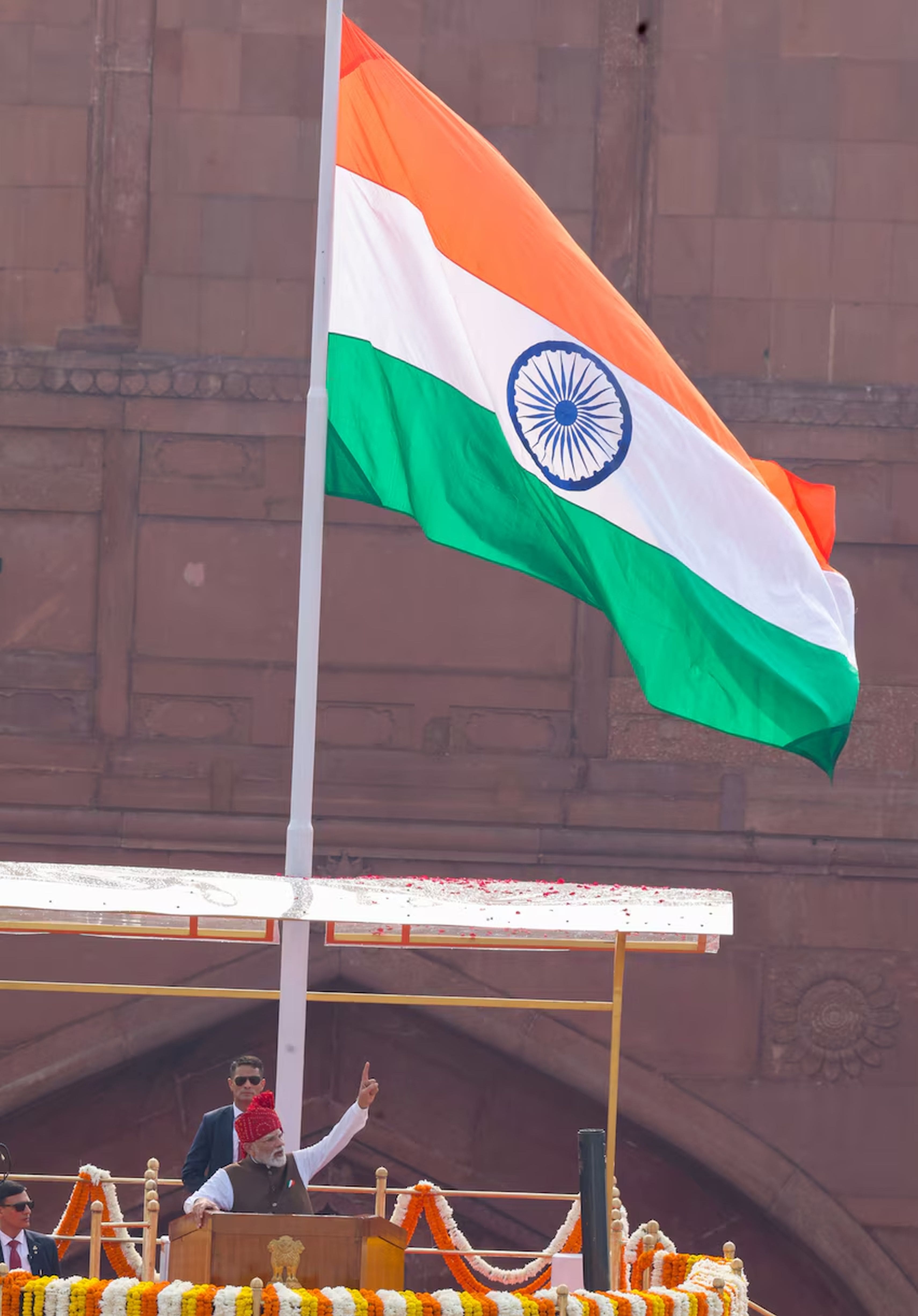
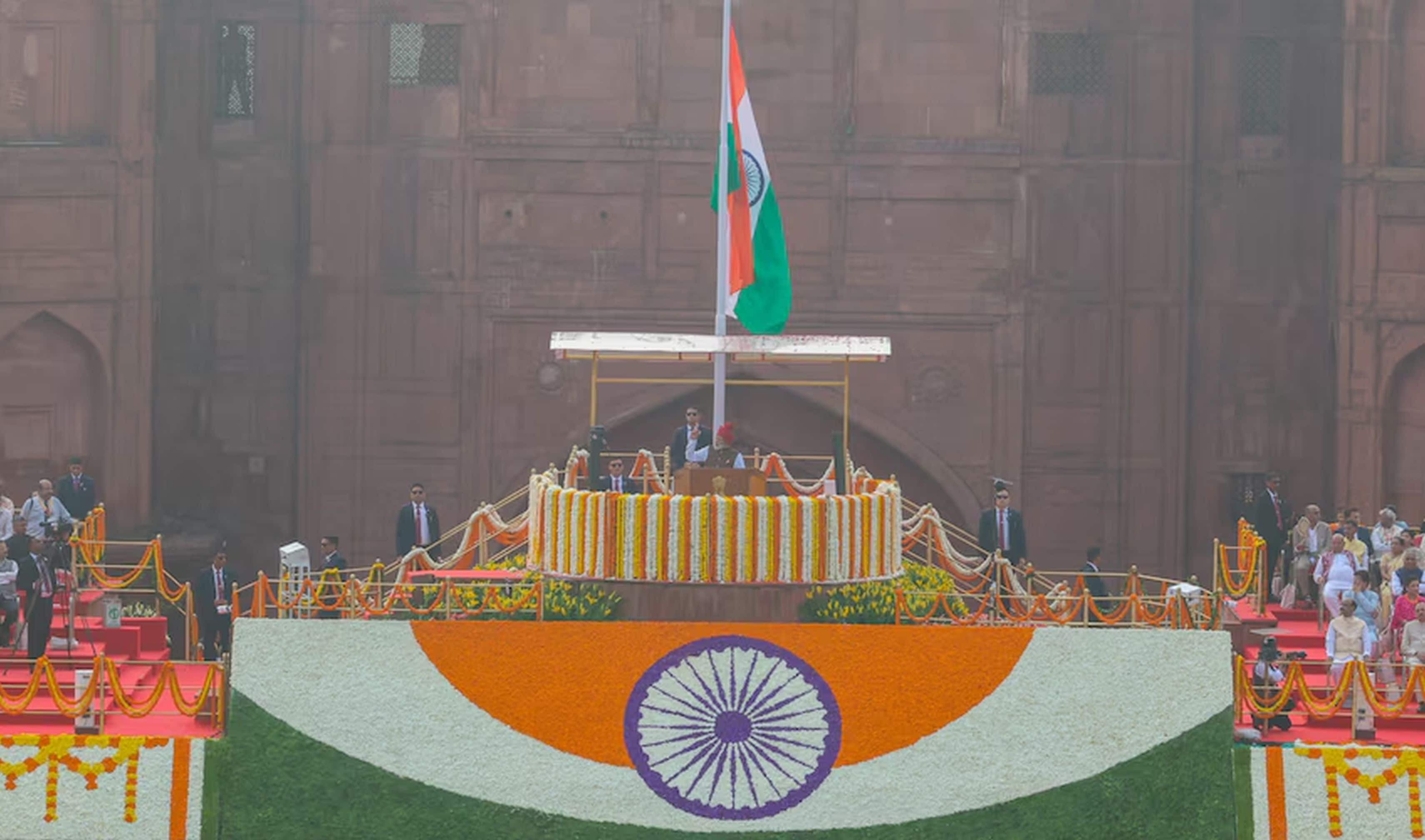
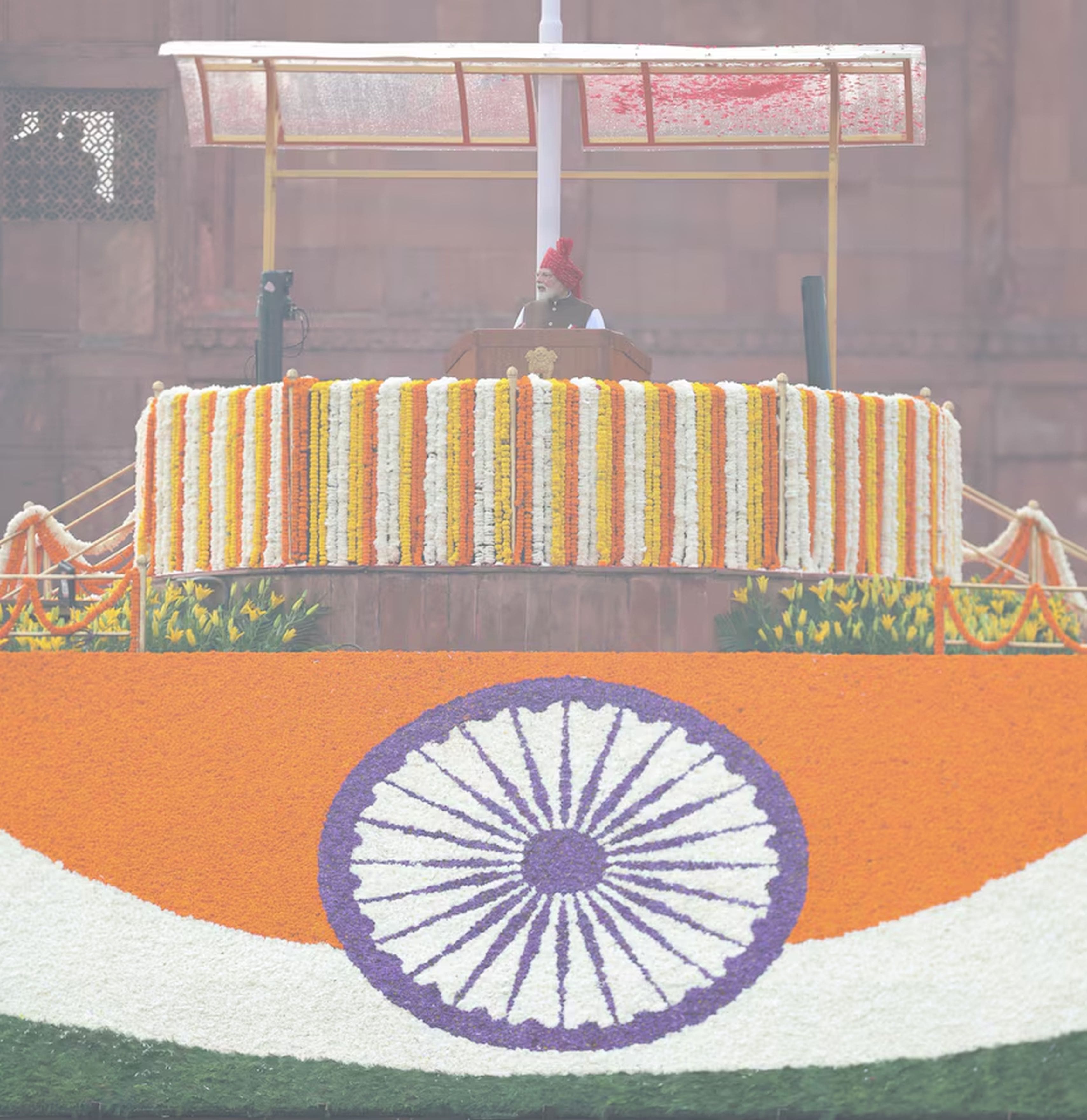
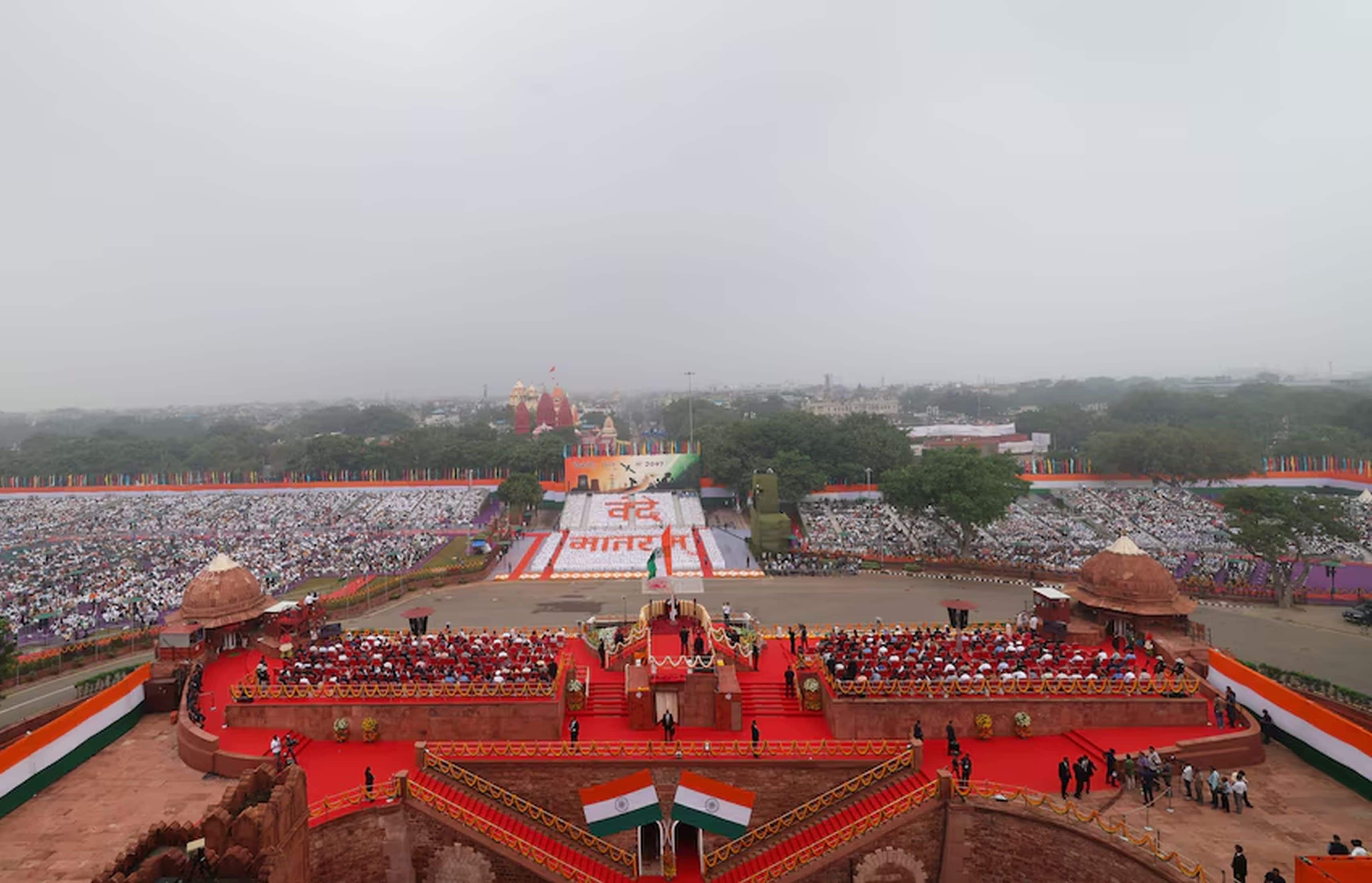
آج ہم سب 80واں یومِ آزادی منا رہے ہیں۔ آج ہر دل کی دھڑکن ’’وندے ماترم‘‘ کے نعروں سے گونج رہی ہے۔ آج ہر گھر ترنگا ہے، ہر دل میں ترنگا ہے اور پورا ملک جوش و خروش اور ولولے کے ساتھ نئے عزم و ارادے سے آگے بڑھ رہا ہے۔ آپ سب کو دل کی گہرائیوں سے یومِ آزادی کی بہت بہت مبارک باد۔آج ملک اپنے اُن عظیم سپوتوں کو عقیدت و احترام کے ساتھ یاد کر رہا ہے، جنھوں نے ملک کی آزادی کے لیے قربانی دی اور وطن کی خاطر اپنی جان نثار کردی۔ اپنے عزم، ریاضت، ایثار اور قربانی کے ذریعے حصول آزادی کے واحد مقصد کو سامنے رکھتے ہوئے اپنی پوری زندگی ملک کے لیے وقف کردی۔ قابل احترام بابائے قوم سمیت تمام مجاہدینِ آزادی اور قربانی کی عظیم روایت کو زندہ کرنے والے عظیم انقلابیوں کو آج میں عقیدت کے ساتھ خراجِ تحسین پیش کرتا ہوں۔آج یہاں تقریب میں موجود ہم سب کے لیے ایک تاریخی لمحہ بھی ہے۔ آزادی کے بعد پہلی مرتبہ 15 اگست کو لال قلعے سے ’’وندے ماترم‘‘ کی گونج سنائی دے رہی ہے۔ آج جب ہم اہلِ وطن ’’وندے ماترم‘‘ کے 150 سال مکمل ہونے کا جشن منا رہے ہیں، تو اس سے بڑھ کر اور کون سا بہترین موقع ہوسکتا ہے۔
میرے پیارے ہم وطنو!
گزشتہ دنوں ملک کے کچھ حصوں میں سیلاب اور مٹی کے تودے گرنے سے تباہی کا سامنا کرنا پڑا، جس سے بہت سارے خاندان متاثر ہوئے۔ ہم ان کے دکھ اور تکلیف کو بخوبی محسوس کرتے ہیں۔ میں متاثرہ خاندانوں کو یقین دلانا چاہتا ہوں کہ ہم اور پورا ملک اس مشکل گھڑی میں ان کے ساتھ کھڑا ہے۔
میرے پیارے ہم وطنو!
کوئی بھی ملک اس وقت عظیم بنتا ہے اور اپنی منزل و کامیابیاں اسی وقت حاصل کرتا ہے، جب وہ اپنے خوابوں، اپنے عزم اور اپنی صلاحیتوں کے بل بوتے پر آگے بڑھتا ہے۔
میرے ہم وطنو!
اب ہم چھوٹے خوابوں کے ساتھ آگے نہیں بڑھ سکتے ہیں۔ ہمیں بڑے خواب دیکھنے ہوں گے، کیونکہ بڑے خواب سے ہماری سوچ کو وسعت ملتی ہے اور ہمارے فکری افق کا دائرہ بھی وسیع ہوتا ہے۔ ہمارے عزم مضبوط اور پختہ ہونے چاہئیں۔ جب عزم مضبوط ہوتا ہے تو مشکلات اور قدرتی آفات کے درمیان سے بھی راستہ نکالنے کی صلاحیت خود بخود پیدا ہوجاتی ہے۔
اور میرے پیارے ہم وطنو!
ہمارے عزم و ارادے بھی بلند ہونے چاہئیں، کیونکہ جب خواب بڑے ہوتے ہیں اور عزم بلند ہوتا ہے تو ہماری صلاحیتوں کی بلندی بھی بڑھتی ہے، ہماری کوششوں کا دائرہ بھی وسیع ہوتا ہے اور تب ہی ہم اپنے خوابوں کو حقیقت میں بدل سکتے ہیں۔
میرے پیارے ہم وطنو!
آج ہندوستان نے بھی ایک بہت بڑا خواب دیکھا ہے، پختہ عزم کے ساتھ دیکھا ہے، نئی بلندیوں کو چھونے کے لیے دیکھا ہے اور وہ خواب یہ ہے کہ جب 2047 میں ملک کی آزادی کے 100 سال مکمل ہوں گے، تو ہم ہندوستان کو ترقی یافتہ ملک بنا کر رہیں گے۔ 140 کروڑ اہلِ وطن کی محنت اور عزم سے ہمیں یہ ہدف حاصل کرنا ہے۔ اور جب دنیا کی سب سے بڑی آبادی والا ملک ترقی یافتہ بننے کا عزم کرتا ہے، تو یہ دنیا کے سامنے ہمارے حوصلے اور عزم کی علامت بن جاتا ہے۔ دنیا کو ہندوستان کو دیکھنے کا اپنا نظریہ بدلنے پر مجبور ہونا پڑتا ہے۔
پیارے ہم وطنو!
میں یہ بات محض یوں ہی نہیں کہہ رہا ہوں۔ گزشتہ 12 برسوں میں ملک کے کروڑوں شہریوں نے، خواہ وہ دلت ہوں، مظلوم ہوں، محروم ہوں، قبائلی ہوں، گاؤں میں رہنے والے ہوں یا شہروں میں، غریب ہوں یا متوسط طبقے سے تعلق رکھتے ہوں، نوجوان ہوں یا بزرگ، خواتین ہوں یا مرد، شمال سے ہوں یا جنوب سے، مشرق سے ہوں یا مغرب سے، ہر ایک نے گزشتہ 12 برسوں میں عزم اور لگن کے ساتھ ملک کو نئی بلندیوں تک پہنچانے کے لیے ہر ممکن کوشش کی ہے۔ میں ان کی ان کوششوں کو دل سے تسلیم کرتے ہوئے ان کا احترام کرتا ہوں۔اور اسی کا نتیجہ ہے کہ اتنے کم عرصے میں 25 کروڑ ہم وطن باشندوں نے غریبی کو شکست دے کر غریبی سے باہر نکلنے میں کامیابی حاصل کی ہے۔ یہ بھی انہی اہلِ وطن کی کوششوں کا نتیجہ ہے کہ کبھی ہم دنیا کے ’’فریجائل فائیو‘‘ میں شمار کیے جاتے تھے، لیکن صرف 12 برسوں کے اندر ہم بڑی معیشت بننے کے ساتھ ساتھ دنیا کی سب سے تیزی سے ترقی کرنے والی معیشت بن گئے ہیں۔
ساتھیو!
ملک آزاد ہوا تو بہت سے خوابوں کے ساتھ آزاد ہوا، لیکن ہم ترقی کی رفتار حاصل نہیں کر سکے، ہم اپنی رفتار نہیں بڑھا سکے۔ ’’ہوتا ہے، چلتا ہے، ہوجائے گا، دیکھا جائے گا‘‘—ہم اسی سوچ میں الجھے رہے۔ 2014 تک پہنچتے پہنچتے تو پوری دنیا نے ہمیں ’’فریجائل فائیو‘‘ کی فہرست میں شامل کر دیا تھا۔ ایسے وقت میں گزشتہ 12 برسوں کے دوران ہندوستان نے نئی رفتار حاصل کی ہے۔ ہم تیزی سے آگے بڑھ رہے ہیں اور آج ملک کے باشندوں کا عزم ہے کہ 140 کروڑ اہلِ وطن کے عزم اور ان کی صلاحیت کو روکنا اب ناممکن ہے۔
پیارے ہم وطنو!
گزشتہ 12 برسوں میں دفاعی پیداوار تقریباً چار گنا ہوچکی ہے۔ کھادی اور دیہی صنعت کی پیداوار تقریباً پانچ گنا بڑھی ہے، الیکٹرانک مصنوعات کی تیاری میں تقریباً سات گنا اضافہ ہوا ہے، جدید ریلوے کوچ کی تیاری 21 گنا بڑھ گئی ہے، موبائل فون کی پیداوار میں 35 گنا اضافہ ہوا ہے۔ یہی نہیں، جدید دور کے تقاضوں کو ملحوظ رکھتے ہوئے ڈیجیٹل اور اختراعی دنیا میں بھی ہم نے اپنا پرچم لہرایا ہے۔انٹرنیٹ صارفین کی تعداد تقریباً چار گنا بڑھی ہے، پیٹنٹ جاری ہونے کی تعداد میں بھی چار گنا اضافہ ہوا ہے، ڈیجیٹل لین دین 100 گنا بڑھ گیا ہے۔ عام آدمی کی سہولت کے لیے بھی ہم نے اتنی ہی سنجیدگی سے کام کیا ہے۔ ہر سال اوسطاً 15 گنا زیادہ رفتار سے گھروں تک نل کے ذریعے پانی کے کنکشن پہنچائے گئے۔ ہر سال اوسطاً چھ گنا زیادہ رفتار سے لوگوں کو گیس کنکشن فراہم کیے گئے۔ ہر سال چار گنا زیادہ رفتار سے غریبوں کے لیے بیت الخلا تعمیر کیے گئے۔ ہر سال تین گنا زیادہ رفتار سے غریبوں کو گھر فراہم کرنے کا کام کیا گیا۔ملک نے نظامِ حکمرانی میں بھی بڑی تبدیلیاں کی ہیں۔ ہزاروں غیر ضروری ضوابط ختم کیے گئے، سیکڑوں پرانے قوانین کو منسوخ کیا گیا۔ گزشتہ صدی کے قوانین کے سہارے ہم 21ویں صدی میں آگے نہیں بڑھ سکتے ہیں۔ ہم نے جدید بنیادی ڈھانچے کے لیے میٹرو کا دائرہ وسیع کیا ہے، عوامی ٹرانسپورٹ کو مضبوط بنایا ہے۔جس رفتار سے کام ہوا، جس بڑے پیمانے پر کام ہوا، یہ رفتار، یہ وسعت اور یہ کامیابیاں آزادی کے بعد پہلی مرتبہ گزشتہ ایک دہائی میں ملک نے دیکھی ہیں۔ اور جب ہمارے سامنے اتنی کامیابیاں موجود ہوں، ترقی کی اتنی تیز رفتار نظر آرہی ہو اور ملک کے باشندوں کی صلاحیت ہر لمحے مضبوط ہورہی ہو، تو پھر 2047 میں ترقی یافتہ ہندوستان بننے کا ہمارا عزم ہر گز ادھورا نہیں رہ سکتا ہے۔ یہ تمام اعداد و شمار اس بات کی گواہی دیتے ہیں کہ ہم آگے بڑھنے والے ہیں۔
میرے پیارے ہم وطنو!
لیکن اس کے لیے خود اعتمادی ضروری ہے، قومی وقار کا احساس ضروری ہے اور اس کے ساتھ ہی خود کفیل ہندوستان بھی بہت ضروری ہے۔ اسی لیے گزشتہ برسوں میں ہمارا پختہ یقین رہا ہے کہ ہندوستان کو اب دوسرے ملکوں پر انحصار کرتے ہوئے نہیں جینا چاہیے، ہمیں خود کفیل بننا چاہیے۔ دنیا میں بہت ساری چیزیں دستیاب ہیں، سستی بھی مل جاتی ہیں اور جلدی بھی حاصل ہوسکتی ہیں، لیکن اس سے ہماری اپنی صلاحیتیں پروان نہیں چڑھتیں اور نہ ہی ہماری صلاحیتوں کا امتحان ہوتا ہے۔ اس لیے ہمیں اپنی استعداد میں اضافہ کرنا ہے اور اپنے مفادات کا تحفظ خود کرنا ہے۔ اسی مقصد سے ہم خود کفیل ہندوستان کا عزم پوری مضبوطی کے ساتھ لے کر آگے بڑھ رہے ہیں۔ ’’میک اِن انڈیا‘‘، ’’سودیشی‘‘ اور ’’ووکل فار لوکل‘‘—ان تمام شعبوں سے آج ہر ہندوستانی کے دل کا لگاؤ بڑھ رہا ہے۔
میرے پیارے ہم وطنو!
میں آپ کو سیمی کنڈکٹر کی ایک مثال دیتا ہوں۔ ملک کی آزادی کے بعد ہی دنیا میں سیمی کنڈکٹر کی اہمیت پر گفتگو شروع ہوچکی تھی۔ ہمارے ملک میں بھی اس حوالے سے باتیں ہوتی تھیں، لیکن ہم سیمی کنڈکٹر کے شعبے میں کوئی بڑا منصوبہ آگے نہیں بڑھا سکے۔اور آج صورتِ حال کیا ہے؟ آج کی ڈیجیٹل دنیا اور موجودہ ٹیکنالوجی میں ہم چِپ کی اہمیت کو بخوبی سمجھتے ہیں۔ کوئی بھی الیکٹرانک سامان ہو، ہمارے طبی آلات ہوں یا ٹرانسپورٹ کا نظام، ہر جگہ چِپ لازمی ہوچکی ہے۔ آج دنیا ایسی صورتِ حال میں پہنچ چکی ہے کہ چِپ کے بغیر نظامِ زندگی اور ٹیکنالوجی کی رفتار رک سکتی ہے۔اسی لیے ہندوستان نے خود انحصاری کی سمت میں اپنا سیمی کنڈکٹر پلانٹ قائم کرنے کی جانب تیزی سے قدم بڑھایا ہے۔ تین بڑے سیمی کنڈکٹر پلانٹ شروع ہوچکے ہیں۔ مجھے بتایا گیا ہے کہ وہاں تیار ہونے والی مصنوعات کی برآمد بھی شروع ہوچکی ہے اور میں اپنے باشندگانِ وطن سے کہنا چاہتا ہوں کہ آنے والے سات، آٹھ برسوں میں مزید پانچ سے سات، بلکہ آٹھ سیمی کنڈکٹر پلانٹ بھی شروع ہونے والے ہیں۔یہ خودکفیل ہندوستان ہی ہمیں ترقی یافتہ ہندوستان کی سمت لے جانے والی شاہراہ فراہم کرتا ہے۔
پیارے ہم وطنو!
ایسی ہی ایک گفتگو ’کرٹیکل منرلز‘ (اہم معدنیات) پر ہو رہی ہے۔ پوری ٹیکنالوجی اہم معدنیات پر منحصر ہے۔ بھارت اس شعبے میں بھی خود کو محفوظ بنانے میں مصروف ہے۔ اہم معدنیات کا ہدف طے کیا جائے، اس کے لیے ہم نے ’نیشنل کرٹیکل منرلز مہم‘ شروع کی ہے۔ بجٹ میں ہم نے ’کرٹیکل منرلز کوریڈور‘ کا اعلان کیا ہے، کئی ممالک کے ساتھ معاہدے ہو رہے ہیں اور دنیا کے متعدد ممالک اب اہم معدنیات کے شعبہ میں بھارت پر بھروسہ کرنے لگے ہیں۔
میرے پیارے ہم وطنو!
جس طرح سیمی کنڈکٹر کی بات ہو یا اہم معدنیات کی بات ہو، اسی طرح جس ٹیکنالوجی کی طرف ہم اور پوری دنیا بڑھ رہے ہیں، اس میں توانائی کی اہمیت مزید بڑھتی جا رہی ہے۔ اب توانائی کے بغیر اس نئی دنیا کو چلانا مشکل ہے اور اسی لیے چاہے چِپ ہو، اے آئی ہو یا ڈیٹا سینٹر—ہمیں بہت بڑی مقدار میں بجلی کی ضرورت ہوگی۔ ’انرجی سیکیورٹی‘ (توانائی کا تحفظ) ہمارے دور کا اہم تقاضا ہے اور اسی لیے ہم نے پہلے سے ہی اس سمت میں ایک کے بعد ایک مضبوط قدم اٹھائے ہیں۔ انرجی سیکیورٹی کا ایک بڑا ذریعہ جوہری توانائی ہے۔ ہم نے پارلیمنٹ میں ’شانتی ایکٹ‘ پاس کر کے ایک نئے ہدف کی طرف بڑھنے کا راستہ طے کرلیا ہے۔ سال 2047ء تک ہم 100 گیگا واٹ نیوکلیئر پاور کا ہدف لے کر آگے بڑھ رہے ہیں۔ اسی ایک دہائی میں ہم پانچ نئے نیوکلیئر ری ایکٹر شروع کرنے کا ہدف رکھتے ہیں۔ اس سال بھارت نے ’فاسٹ بریڈر نیوکلیئر ٹیکنالوجی‘ میں مہارت حاصل کر کے ایک اہم سنگِ میل عبور کیا ہے اور اس کے نتیجے میں جوہری ایندھن میں خودکفیل بننے کی سمت میں ہم نے کامیابی کا ایک بہت بڑا قدم اٹھایا ہے
میرے پیارے ہم وطنو!
کئی بار وسائل کی کمی کے باعث ملک کی پیش رفت نہیں رکتی، بلکہ رکاوٹ کی اصل وجہ ہماری سوچ کی حدود ہوتی ہیں۔ جب سوچ کو پابند کردیا جاتا ہے اور وہ حدود کے اندر محصور ہونے لگتی ہے، تب ہم اپنی صلاحیتوں کو بھی نہیں پہچان پاتے۔ آج ملک کو خام تیل کے لیے دوسروں پر منحصر رہنا پڑرہا ہے اور یہ ہماری غلط سوچ کی وجہ سے ہے۔ آپ یہ جان کر حیران ہوں گے کہ ماضی میں اسی سوچ کے باعث ہمارے سمندری ساحلوں کا 99 فیصد حصہ ’نو گو ایریا‘ (ممنوعہ علاقہ) قرار دیا گیا تھا اور ہم نے خود سمندر کے اندر جا کر تلاش و تحقیق نہ کرنے کا فیصلہ کر رکھا تھا۔ یہ سوچ کی محتاجی تھی۔ ہم نے فیصلہ کیا کہ اب ایسا نہیں چلے گا۔ ہم نے اس 99 فیصد حصے کو، جو کبھی ’نو گو ایریا‘ ہوا کرتا تھا، ’گو اہَیڈ ایریا‘ بنا کر کھول دیا ہے اور اب ہم سمندر کی گہرائیوں میں بھی تلاش کرنے اور نئے ذخائر دریافت کرنے کی سمت میں کام کر رہے ہیں۔ ہم نے گزشتہ سال اسی سمت میں ایک اہم قدم اٹھاتے ہوئے ’سمندر منتھن‘ کا اعلان کیا تھا اور حال ہی میں اس کام کو تیز کرنے کے لیے 85 ہزار کروڑ روپے مختص کرنے کا فیصلہ کیا ہے۔
میرے پیارے ہم وطنو!
توانائی کے تحفظ کے حوالے سے جیسا کہ میں نے کہا کہ ہمارے لیے متبادل ذرائع کی طرف بھی اپنی پوری طاقت لگانا انتہائی ضروری ہے اور اسی لیے توانائی کے صحیح استعمال کو بڑھاتے ہوئے بھارت آج اسی سمت میں تیزی سے کام کر رہا ہے۔ 2014ء سے پہلے، یعنی آج سے 12 سال پہلے، ہمارے ملک میں صرف 70 شہروں میں پائپ کے ذریعے گیس کی فراہمی کا نظام موجود تھا اور پائپ سے گیس تقسیم ہوتی تھی۔ ان 12 سالوں میں ہم نے ان 70 شہروں کی تعداد کو 700 شہروں تک پہنچا دیا ہے۔ یہ ہوتی ہے رفتار اور یہ ہوتا ہے کام کا پھیلاؤ! 2014ء سے پہلے بمشکل 20 سے 22 لاکھ گھروں تک پائپ سے گیس پہنچتی تھی، جبکہ آج پونے دو کروڑ گھروں تک پائپ کے ذریعے گیس پہنچانے کا کام ہو رہا ہے۔ 12 سال پہلے ملک میں شمسی توانائی کی صلاحیت صرف 2 گیگا واٹ تھی، صرف 2 گیگا واٹ! آج ہم نے 160 گیگا واٹ کا ہدف حاصل کر لیا ہے۔
میرے پیارے ہم وطنو،
میں آپ کو ایک اور جانکاری دیتا ہوں؛ ہم نے اس بات پر بھی مساوی توجہ دی ہے کہ اس کا فائدہ ملک کے متوسط طبقے اور عام خاندانوں تک پہنچے۔ ہم نے ’پی ایم سوریہ گھر مفت بجلی یوجنا‘ کا آغاز کیا، اور آج مجھے یہ بتاتے ہوئے خوشی ہو رہی ہے کہ اتنے کم وقت میں ہم 50 لاکھ گھروں میں سولر انرجی لگانے کا ہدف عبور کرچکے ہیں اور یہ کام تیزی سے جاری ہے۔ اس کی بدولت ہزاروں گھروں کا بجلی کا بل صفر ہو چکا ہے اور ہزاروں خاندان اپنی ضرورت کی بجلی استعمال کرنے کے بعد اضافی بجلی بیچ کر آمدنی بھی حاصل کر رہے ہیں۔ اس کام کے لیے حکومت کی جانب سے ہر ایک خاندان کو 80 ہزار روپے کی مالی امداد دی جا رہی ہے، تب جا کر ہم اس ہدف کو پورا کر رہے ہیں۔
میرے پیارے ہم وطنو!
آپ کو یہ جان کر حیرت ہوگی کہ ہماری جو ریلوے ہے، اس کی برق کاری (الیکٹریفکیشن) کا کام ہمارے ملک میں 1925ء میں شروع ہوا تھا۔ 1925ء میں برق کاری شروع تو ہوئی، لیکن 90 سالوں میں—یعنی 1925ء سے لے کر اگلے 90 سالوں کے دوران—صرف 30 فیصد ریلوے لائنوں کی بجلی کاری ہوسکی تھی۔ یعنی 90 سال میں صرف 30 فیصد! اب ہماری رفتار دیکھیے اور ہدف کو حاصل کرنے کی ہماری تڑپ دیکھیے۔ ہم نے محض اس ایک دہائی کے اندر 100 فیصد کام مکمل کر دکھایا ہے۔ 90 سال میں 30 فیصد اور 10 سال میں 70 فیصد—کام اس کو کہتے ہیں! اس کی وجہ سے ہمیں جو ڈیزل باہر سے منگوانا پڑتا تھا اس کی بچت ہوئی، ہماری ٹرینیں بجلی سے چلنے لگیں اور ماحولیات کو بھی زبردست فائدہ پہنچا۔
ہم یہاں پر رُکے نہیں ہیں۔ ہم دنیا میں پیچھے نہیں رہنا چاہتے۔ حال ہی میں آپ نے خبر سنی ہوگی کہ بھارت نے ایندھن کے ایک نئے شعبے کو بھی چھو لیا ہے۔ ملک نے پہلی ’ہائیڈروجن‘ سے چلنے والی ٹرین شروع کردی ہے اور مجھے خوشی ہے کہ یہ دنیا کی سب سے لمبی اور سب سے طاقتور ہائیڈروجن ٹرین ہے، اور اس شعبے میں بھی بھارت نے اپنی کامیابی کا پرچم گاڑ دیا ہے۔
میرے پیارے ہم وطنو!
گزشتہ 10 سے 12 سالوں سے ہم مسلسل 2047ء کے ہدف کو حاصل کرنے کے لیے آگے بڑھ رہے ہیں اور ایک کے بعد ایک سنگِ میل عبور کر رہے ہیں۔ ہم نے سوچا بھی نہیں تھا کہ اس سفر میں ہمیں کچھ مصائب کا سامنا بھی کرنا پڑے گا۔ پچھلے 10 سے 12 سالوں میں کتنے ہی مسائل کا سامنا کرنا پڑا۔ کورونا جیسی عالمی وبا نے پوری دنیا کو تشویش میں مبتلا کر دیا تھا اور تمام نظام درہم برہم ہوکر رہ گئے تھے۔ ابھی ہم کورونا سے باہر نکلے ہی تھے کہ جنگ کی ہولناکیوں کی خبریں آنے لگیں—کہیں یوکرین تو کہیں مغربی ایشیا ؛ ہر طرف کشیدگی کا ماحول تھا، اور نہ جانے پیش گوئی کرنے والوں نے کیا کیا دعوے کر دیے تھے۔ملک کو ڈرانا، خوف زدہ رکھنا اور تشویش میں مبتلا رکھنا—کچھ لوگوں کو اسی میں مزہ آتا ہے۔ ’’ویکسین نہیں ملے گی‘‘، ’’کووڈ میں لوگ بچیں گے نہیں‘‘، ’’کچھ بھی نہیں ہونے والا‘‘۔ جب مغربی ایشیا کا بحران آیا تو کہا گیا کہ ’’پیٹرول پمپوں پر پیٹرول نہیں ملے گا‘‘، ’’گیس نہیں ملے گی‘‘، ’’ڈیزل اور کھاد نہیں ملے گی‘‘۔ طرح طرح کی افواہیں پھیلا کر بھارت کے لوگوں کو خوف زدہ کرنے، ڈرانے اور فکر و تشویش میں ڈبونے میں کچھ لوگوں کو لذت مل رہی تھی۔لیکن ملک نے دیکھ لیا کہ گزشتہ 10 سے12 برسوں کی سوچ سمجھ کر بنائی گئی حکمتِ عملی اور منصوبے رنگ لا رہے ہیں۔ اتنے بڑے بحران کے باوجود، ’ناگرک دیو بھوَہ‘ کے جذبے کے تحت جو تیاریاں کی گئی تھیں اور جو قدم اٹھائے گئے تھے— اگرچہ ہم نے سوچا نہیں تھا کہ ایسا بحران آئے گا— وہ تمام تدبیریں اس مشکل وقت میں کام آئیں۔ اور آج ملک میں گیس بھی دستیاب ہے، پیٹرول بھی ہے اور یوریا بھی ہے۔ ہم اپنے بل بوتے پر کھڑے ہو رہے ہیں اور آگے بڑھ رہے ہیں۔
میرے پیارے ہم وطنو!
دنیا کے ان بحرانوں کا اثر ہر کسی پر ہوا ہے، ہم بھی اس سے اچھوتے نہیں ہیں۔ دنیا میں ایک بوری یوریا کی قیمت 3000 روپے تک پہنچ گئی ہے، لیکن آج بھی ہم اپنے ملک کے کسانوں کو یہ بوجھ اٹھانے کے لیے مجبور نہیں کر رہے ہیں۔ حکومت اپنے کندھوں پر یہ بوجھ اٹھا رہی ہے اور دنیا سے یوریا کی جو بوری ہمیں 3000 روپے میں ملتی ہے، وہ ہم اپنے کسانوں کو صرف 300 روپے میں دے پا رہے ہیں۔ صرف یہی نہیں، ڈی اے پی کی قیمت آج دنیا کی منڈی میں 5000 روپے تک پہنچ چکی ہے، لیکن میرے ملک کے کسانوں کو دشواری نہ ہو، اس لیے ہم آج بھی ڈی اے پی 1350 روپے میں فراہم کرنے کا کام کر رہے ہیں۔
میرے پیارے ہم وطنو!
ایک وقت تھا جب میں خود انحصاری (آتم نربھرتا)کی بات کر رہا تھا تو ایئر کنڈیشنڈ چیمبروں میں بیٹھ کر سوچنے والے کچھ لوگ ہمیں بتاتے تھے کہ عالمگیریت(گلو بلائزیشن) کا کیا ہوگا۔ لیکن دنیا دیکھ رہی ہے کہ گزشتہ ایک دہائی میں ایسا لگتا ہے کہ دنیا نے عالمگیریت کی بات کرنا ہی بند کردیا ہے۔ جہاں سے عالمگیریت کی آوازیں آتی تھیں، وہ آوازیں بند ہو گئی ہیں، سنائی نہیں دیتیں۔ دنیا کا ہر ملک اپنے اپنے مفادات اور ترجیحات کی سمت میں آگے بڑھا ہے۔لیکن بدقسمتی سے اس بحران کے دور میں کچھ لوگوں نے اپنا رتبہ دکھانے کے لیے وسائل کو ہتھیار کے طور پر استعمال کرنے کا کھیل شروع کردیا ہے۔ دنیا اپنے پاس موجود ہر چیز کو ہتھیار بنانے میں لگی ہوئی ہے۔ وسائل کو ہتھیار بنایا جا رہا ہے، قدرتی وسائل کو ہتھیار بنایا جا رہا ہے، پیٹرول، ڈیزل، کھاد، ادویات، ٹیکنالوجی کی چِپس، یہاں تک کہ زمین کے جغرافیائی حصوں کو بھی ہتھیار کے طور پر استعمال کیا جا رہا ہے۔ ایسے وقت میں اگر ہم خود انحصاری کے منتر کو لے کر گزشتہ 10 سال صحیح سمت میں نہ چلے ہوتے تو ہم تصور کرسکتے ہیں کہ ایسے چیلنجز کا مضبوطی سے مقابلہ کیسے کرتے۔ ہماری تیاریاں مسلسل بڑھتی جا رہی ہیں۔
میرے پیارے ہم وطنو!
دوسری طرف آج ہندوستان کا مقام اور پروفائل پوری طرح بڑھ رہا ہے۔ آج ہندوستان دنیا کے لیے ایک تسلیم شدہ اور قابل احترام ملک کے طور پر ابھر رہا ہے۔ ہندوستان کے پاس مستحکم سیاسی مینڈیٹ ہے، مستحکم حکومت ہے، ہندوستان کا متحرک جمہوری نظام ہے، ہندوستان کا مضبوط عدالتی نظام ہے اور ہم سب کو سمت دکھانے والا ہندوستان کا آئین ہے ۔ اب دنیا ہماری اس صلاحیت کو پہچاننے لگی ہے۔اسی لیے سال2014 کے بعد دنیا کے تقریباً 40 ممالک کے ساتھ ہمارے آزاد تجارتی معاہدے(ایف ٹی اے) ہو رہے ہیں۔ آپ دیکھئے، یہ کتنا بڑا موقع ہے۔ یہ تجارتی معاہدے ایک بہت بڑا موقع ہیں اور اسی لیے میں خاص طور پر اپنےایم ایس ایم ایز سے کہنا چاہوں گا کہ ہمیں اس موقع کو ہاتھ سے جانے نہیں دینا ہے۔ ہمیں دنیا تک پہنچنا ہے۔ ہندوستان کی مصنوعات کی ہر چیز عالمی منڈی تک پہنچنی چاہیے۔ خواہ وہ ہمارا ٹیکسٹائل ہو، ہماری مشینری ہو یا ادویات، ہمیں کوئی موقع ہاتھ سے جانے نہیں دینا ہے۔ لیکن عالمی معیار کے جو پیمانے ہیں، ہمیں ان پر پورا اترنا ہوگا۔ ہمیں دنیا کو وہ چیز دینی ہوگی جو دنیا میں دستیاب چیز سے بہتر ہو۔ ہمیں دنیا میں دستیاب چیز سے سستی چیز فراہم کرنی ہوگی۔پنجاب کے لدھیانہ سے لے کر تمل ناڈو کے تِروپور تک ہمارا ٹیکسٹائل شعبہ دنیا بھر میں پہنچ سکتا ہے۔ صرف یہی نہیں، کیرلم سے لے کر گجرات تک اور تمل ناڈو سے لے کر بنگال تک ہماری یہ سمندری پٹی، ہمارے ماہی گیر بھائی بہن، آج اس ایف ٹی اے کی وجہ سے ہمارے شرِمپ یعنی جھینگے کی برآمدات کے لیے بہت زیادہ امکانات پیدا کر رہے ہیں۔ ہمارے سی فوڈ کے لیے بھی دنیا بھر میں رسائی کے امکانات بڑھے ہیں۔اسی لیے میں چاہوں گا کہ ہم اس صورتِ حال کا فائدہ اٹھاتے ہوئے آگے بڑھیں اور ان مواقع سے فائدہ اٹھانے کے لیے بھرپور کوشش کریں۔
میرے پیارے ہم وطنو!
میں نے آپ کے سامنے جو پس منظر پیش کیا ہے، اس کے پیچھے 2047 کا ہدف ان مضبوط بنیادوں پر قائم ہے۔ 2047 میں ترقی یافتہ ہندوستان کا ہدف، گزشتہ 10-12 سال میں ملک کے عوام نے جو صلاحیت دکھائی ہے، اسی صلاحیت کا ایک حصہ ہے۔
اور اس لئےمیرے پیارے بھائیو اور بہنو!
اس صدی کا ایک چوتھائی حصہ گزر چکا ہے اور اگلا ایک چوتھائی ہمارے لیے انتہائی اہم ہے۔ اب ہم رک نہیں سکتے، ہماری رفتار نہیں رک سکتی۔ ہماری سمت طے ہوچکی ہے، ہمیں اپنا مقصد حاصل کرکے رہنا ہے۔ اس کے لیے ہمیں اپنے کام کے کلچر کو بدلنا ہوگا۔ اپنے ورک کلچر کو بدلتے ہوئے ہمیں اپنی سوچ بھی بدلنی ہوگی اور اپنے کام کی رفتار بھی بدلنی ہوگی۔جو کام گزشتہ 5-7 دہائیوں میں نہیں ہوئے، وہ کام ہمیں آنے والے 5-7 سال میں کرنے ہیں۔ اور مجھے اپنے ملک کی نوجوان طاقت پر، اپنے ملک کے نوجوانوں پر، اپنی ملک کی ماؤں اور بہنوں پر، اپنے ملک کے کسانوں پر اور اپنے ملک کے مزدوروں پر بھروسہ ہے کہ ہم اس خواب کو حقیقت میں بدل سکتے ہیں۔ اسی لیے ہمیں اصلاحات کی رفتار کو بھی آگے بڑھانا ہے۔ اور جب میں ’ریفارم‘ (اصلاحات) کی بات کرتا ہوں تو اصلاحات نہ ہمارے لیے کوئی مجبوری ہیں، نہ ہی کوئی ’بَز ورڈ‘۔ ہماری اصلاحات ہمارے عزم اور یقین کا نتیجہ ہیں، یعنی ہم مکمل یقین کے ساتھ اصلاحات کر رہے ہیں۔ہم ’ریفارم ایکسپریس‘ پر سوار ہوچکے ہیں اور آنے والے دنوں میں بھی ہم اگلی سطح کی اصلاحات کی جانب بڑھنے والے ہیں۔ اسی لیے حکومت، معاشرہ، صنعت، پیداوار کنندگان، کسان- ہر ایک کو اپنے روایتی نظام میں اصلاحات کرنا ہوں گی، اپنی سوچ میں اصلاحات کرنا ہوں گی اور اپنے اہداف میں بھی اصلاحات لانی ہوں گی۔
اور اس لئے میرے پیارے ہم وطنو!
ہمیں ایک متعین سمت کے ساتھ آگے بڑھنا ہوگا۔ میں آج اس دور کو بھی یاد کرنا چاہوں گا جب ہم ہندوستان کی طاقت کو ’سَپت سندھو‘ کے طور پر جانتے، سمجھتے اور سنتے تھے۔ ترقی یافتہ ہندوستان بنانے کے لیے ہمیں ایک نئی دھارا درکار ہے۔آج لال قلعہ کی فصیل سے میں ملک کے سامنے طاقت کی ان سات دھاراؤں کا اعلان کرتا ہوں۔ آنے والے 5-7 برسوں میں جو کام گزشتہ 5-7 دہائیوں میں نہیں ہوسکے، ان سات دھاراؤں کی صلاحیت اور طاقت کے ذریعے ہم ملک کو نئی بلندی، نئی رفتار دیں گے اور نئے اہداف حاصل کرنے کی صلاحیت پیدا کریں گے۔ اس کے ساتھ ساتھ ملک کی نوجوان طاقت کی صلاحیت کو ملک کی تعمیر میں بھرپور طور پر استعمال کیا جائے گا اور ان کی طاقت کو اس عمل میں شامل کیا جائے گا۔ آنے والے دنوں میں جب میں سات دھاراؤں کی بات کرتا ہوں تو سات دھاراؤں میں پہلی طاقت ہے - مینوفیکچرنگ کی طاقت۔
میرے پیارے ہم وطنو،
ہمیں مینوفیکچرنگ کے شعبے کو بہت آگے لے جانا ہوگا۔ پیداوار بڑھانے کے ساتھ ساتھ ہمیں چھوٹے چھوٹے پُرزے بھی بنانے ہیں اور بڑی بڑی مصنوعات بھی تیار کرنی ہیں۔ پوری ویلیو چین ہماری ہونی چاہیے۔ اس کے لیے ہمیں کمپوننٹس بھی درکار ہیں اور مکمل مینوفیکچرنگ بھی، مکمل مصنوعات بھی تیار کرنی ہوں گی۔ڈیزائن سے لے کر مینوفیکچرنگ تک ہندوستان کو عالمی سپلائی چین کا ایک قابل اعتماد مرکز بننا ہوگا۔ اس کے لیے میں تین چیزوں پر خصوصی زور دینا چاہتا ہوں۔ مینوفیکچرنگ کے شعبے سے وابستہ میرے بھائیو اور بہنو، یہ وقت کا ایک اہم موقع ہے، اس موقع کو ہاتھ سے جانے نہ دیں۔ اس کے لیے ہمیں لاگت، معیار اور پیمانے (کوسٹ، کوالٹی اور اسکیل – سی کیو ایس) کے معاملے میں عالمی معیار پر پورا اترنا ہوگا۔ہماری فیکٹریاں مسابقتی ہوں، ہماری مصنوعات صارف دوست ہوں، ہماری پیکیجنگ دنیا بھر کے لوگوں کو پسند آنے والی اور انہیں اپنی طرف متوجہ کرنے والی ہو۔ ہماری زیرو ڈیفیکٹ پریسیژن مینوفیکچرنگ(زیڈ پی ایم) ہماری شناخت بننی چاہیے۔ ہر صنعت کار، ہر کاروباری شخص اور ہر ایم ایس ایم ای سے میں کہنا چاہتا ہوں کہ عالمی منڈی میں ہماری شناخت ہماری قابل اعتماد حیثیت اور معیار کی بنیاد پر ہونی چاہیے۔ معیار (کوالٹی) کے معاملہ میں کوئی سمجھوتہ نہیں ہونا چاہیے، اسی لیے ہمارا منتر ہونا چاہیے:کوالٹی، کوالٹی، کوالٹی، اور یہی ہماری عالمی برانڈ ویلیو بنے گی۔
میرے پیارے ہم وطنو!
اس سپت دھارا کی دوسری طاقت ہے، زراعت اور فوڈ پروڈکشن۔ فوڈ پروسیسنگ، ہمیں اس سمت میں آگے بڑھنا ہوگا۔ ہمارے کسانوں کے لیے اب دنیا کے بازار کھل چکے ہیں، ایف ٹی اے کی وجہ سے ہمیں ایک بہت بڑا بازار مل رہا ہے، ہمیں وہاں پہنچنا ہے، ہمیں اس جگہ کو ہاتھ لگانا ہے، ہمیں کھیت سے لے کر ایکسپورٹ مارکیٹ کی طرف جانا ہوگا۔ ہمارے روایتی پکوان ہوں، ہمارے ملیٹس (موٹے اناج) ہوں، ہمارے مصالحے ہوں، ہمارے پھل ہوں، پھول ہوں، کیا کچھ نہیں ہے ہمارے پاس۔ وہ گلوبل برانڈز بننے چاہئیں، ہمارے کسان کیمیکل فری کھیتی کو فروغ دیں گے، دنیا میں ان کی مانگ اور بڑھنے والی ہے اور جو گلوبل پیرامیٹرز کے اندر ہر طرح سے ثابت ہونے والے ہمارے ایگرو پروڈکٹس (زرعی مصنوعات) ہوں گےتو اس دنیا میں ہم آسانی سے پہنچ پائیں گے۔ میری سپت دھارا کی تیسری طاقت ہے ٹیکنالوجی اور اِنوویشن۔
میرے پیارے ہم وطنو!
آج زمانہ اے آئی کا ہے، کوانٹم کا ہے، اسپیس کا ہے، روبوٹکس کا ہے، ڈیٹاسینٹرز کا ہے، پوری طرح ایک نیا شعبہ کھل چکا ہے۔ اور ایمرجنگ ٹیکنالوجیز، یہ بھی ہر لمحہ ہمیں چیلنج پیش کر رہی ہیں اور اس لیے ملک کو دنیا کے لیے مارکیٹ نہیں بنا دینا، ہمیں انوویشن کا ہب بننا ہے۔ ہم نے یو پی آئی اور ڈیجیٹل پبلک انفرا اسٹرکچر میں لوہا منوا لیا ہے، اپنی طاقت کو متعارف کروا دیا ہے۔ اب ہندوستان کو ڈیجیٹل پبلک ٹیکنالوجیز، اس کو بھی دنیا کے کونے کونے تک پہنچانا ہے۔ ہندوستان کو نیکسٹ جنریشن کمیونیکیشن ٹیکنالوجی میں لیڈ کرنا ہے۔ میڈ اِن انڈیا 6جی ہر کونے میں پہنچے، یہ ہمارا ہدف ہونا چاہیے اور ہمیں اس میں تیزی کرنی چاہیے اور اس کے لیے ہماری کوشش کم نہیں ہونی چاہیے۔ سپت دھارا کی چوتھی طاقت ہے، گتی شکتی۔ یہ گتی شکتی، ملک کے اندر سیم لیس فاسٹ کنکٹیوٹی پر ہمیں زور دینا ہوگا۔ شہروں کو ہائی اسپیڈ ریل سے ہمیں جوڑنا ہوگا۔ ماڈرن ہائی ویز چاہیے، اِن لینڈ واٹر ویز چاہیے، ایئرپورٹس چاہیے، ملٹی موڈل لاجسٹکس کا بندوبست چاہیے۔ ہمیں پورٹس کو صرف سامان اتارنے چڑھانے کی جگہ نہیں، دنیا کے شپس آکر لنگر انداز ہو جائیں، اتنا ہی نہیں، ہمیں اپنے پورٹس کو پورٹ لیڈ ڈیولپمنٹ گروتھ کی سمت میں آگے بڑھنا ہوگا۔ ہماری پانچویں طاقت جو سپت دھارا کی ہے، وہ ہے دفاعی طاقت۔ اور اس دفاعی طاقت کی اہمیت ہر طرح سے ہے۔
میرے پیارے ہم وطنو!
دفاع میں خودکفیل ہونا، اب ہندوستان نے تجربہ کر لیا ہے، دنیا نے تجربہ کرلیا ہے، اس کے بغیر کوئی چارہ نہیں ہے۔ دنیا جب اپنی اپنی ہی سوچ رہی ہے، تب ہندوستان دنیا کے لیے بازار بن کر نہیں رہ سکتا ہے۔ ہمیں دفاع کے شعبے میں خود کفیل ہونا ہوگا۔ نیکسٹ جنریشن ڈیفنس ٹیکنالوجی ڈیولپ کرکے ہمیں گلوبل سپلائر بننے کی سمت میں ہدف لے کر چلنا ہے۔ ہمیں ڈرون، کاؤنٹرڈرون سسٹم کو ڈیولپ کرنا ہوگا اور ہائپر سونک ڈیفنس ٹیکنالوجیز، اس پر ہمیں لیڈرشپ لینی ہوگی۔
ساتھیو!
سائبرسکیورٹی بھی آج ہر گھر کے لیے ایک مسئلہ بن رہی ہے۔ وہ بھی دفاع کا ایک شعبہ ہے، جس میں ہمارے نوجوانوں کی جو صلاحیت ہے، اس صلاحیت کا استعمال ہم ملک اور دنیا کے لیے کر سکتے ہیں۔ ہماری سپت دھارا کی چھٹی طاقت ہے- گرین اکانومی، بلیو اکانومی، جو گرین جابس کو بھی جنم دیتی ہے۔ ہمیں گرین ہائیڈروجن، رینیو ایبل انرجی، انرجی اسٹوریج، گرین موبیلٹی، گرین مینوفیکچرنگ ان گلوبل اسکیل، ہمیں حاصل کرکے رہنا ہے۔ ہمیں دنیا میں، دنیا جب گلوبل وارمنگ کی بات کرتی رہتی ہے، ہم راستے تلاش کرتے رہتے ہیں، ہم مسائل کا حل پیش کر رہے ہیں اور ہندوستان یہ گرین موومنٹ کی بہت بڑی صلاحیت لے کر چلا ہے۔ ہندوستان کے پاس بلیو اکانومی کے لیے بھی بہت بڑا موقع ہے، بہت بڑی طویل ہماری کوسٹ لائن ہے، بلیو اکانومی کے لیے بہت بڑے مواقع ہیں، فشریز ہیں، کوسٹل ٹورِزم ہے، اوشین ٹیکنالوجی ہے، ایسے کتنے ہی شعبے ہیں، جن میں ہم آگے بڑھ سکتے ہیں۔
میرے پیارے ہم وطنو!
ہندوستان سپت دھارا کی جب بات لے کر چلا ہے، تب ہماری ساتویں دھارا ہے، اور دنیا کے لیے اس کی اپنی بھی ایک اہمیت ہے اور وہ ہے- ہندوستان کی سافٹ پاور۔ ہندوستان کی سافٹ پاور کی طاقت ہے۔ آج یوگا نے پوری دنیا کو ہندوستان کے ساتھ جوڑ کر رکھا ہوا ہے۔ یوگا دنیا کے لیے ایک توانائی بنتا جا رہا ہے۔ ہندوستان کے لیے اعتماد کی ایک بڑی وجہ بنتا جا رہا ہے۔ جس ہندوستان کے پاس عقیدت کے مراکز ہوں، جس ہندوستان کے پاس آیوروید ہو، جس طرح سے ہندوستان کے پاس ہولسٹک ہیلتھ کیئر کا نظام ہو، ہیل اِن انڈیا کی مہم ہو، ہم دنیا کے اندر اپنی صلاحیت کو لے کر جا سکتے ہیں۔ ہینڈی کرافٹ ہو، ثقافت ہو، ہماری فلمیں ہوں، ہماری کریئیٹو ورلڈ ہو، وی ایف ایکس ہو، ہمارا اینیمیشن ہو، ہماری گیمنگ ہو، ڈیجیٹل کنٹینٹ ہو، کریئیٹو ورلڈ کے اندر ہندوستان اپنا رتبہ دکھا سکتا ہے۔ ہمیں اسے ایک عالمی صلاحیت کے طور پر فروغ دینا ہوگا۔ آج ہندوستان نے ویوز سمٹ کو ایک بہت بڑی طاقت دی ہے۔ دنیا آہستہ آہستہ ہندوستان کا یہ جو ورلڈ آڈیو ویژول اینڈ انٹرٹینمنٹ سمٹ ہے، اس کی راہ دیکھتی رہتی ہے اور یہ ہندوستان کی سافٹ پاور کو، ہندوستان کی کریئیٹو دنیا کو دنیا سے متعارف کرائے گا۔
میرے پیارے ہم وطنو!
ہندوستان کے پاس وسیع جنگلاتی اثاثہ ہے۔ ہمارے پاس 100 سے زیادہ نیشنل پارک ہیں۔ صلاحیت بہت ہے، لیکن غیر ملکی سیاحوں کو راغب کرنے میں ہم پیچھے رہ گئے ہیں۔ ہمارے پاس موقع ہے کہ ہمارے سافٹ پاور کے ذریعے دنیا کے سیاحوں کو ہندوستان کی طرف راغب کرنے کا، ہماری صلاحیت ہمیں دنیا کو دکھانی ہے۔ ہم یہ کام کریں اور جلد سے جلد کریں۔ آج دنیا میں اسپورٹس جو ہے، وہ بھی ہندوستان کے تئیں ایک بہت بڑی توجہ کا مرکز ہے، دنیا کے اسپورٹس ایونٹس ہندوستان میں کیوں نہ منعقد ہوں۔ کنسرٹ اکانومی بہت بڑھ رہی ہے، ملک کے نوجوانوں کی توجہ کا مرکز ہے۔ دنیا کا ہر فنکار چاہتا ہے ، کبھی نہ کبھی ہندوستان کی سرزمین پر اپنا کنسرٹ کرے۔ یہ بہت بڑا موقع ہے، ہمیں اس کو موبلائز کرنے کے لیے بندوبست کرنے ہوں گے۔
میرے پیارے ہم وطنو!
کچھ چیزیں میں نے بتائی ہیں، لیکن میں اس سے بھی آگے سوچتا ہوں۔ میں ذرا ملک کو جھنجھوڑنا چاہتا ہوں۔ میں ملک کی طاقت کو بھی جھنجھوڑنا چاہتا ہوں۔ ملک یعنی صرف حکومت نہیں ہوتی ہے، ملک یعنی ہر شہری جڑتا ہے۔ کیا ہم سوچ نہیں سکتے کہ فارچیون 500 کی بات تو بہت سنتے ہیں۔ آنے والی ایک دہائی میں ان فارچیون 500 میں 50 کمپنیاں ہندوستان کی کیوں نہ ہوں، یہ ہدف ہمارا کیوں نہ ہو۔ آج بینکنگ سیکٹر پھل پھول رہا ہے۔ دنیا کے ٹاپ بینک کے اندر ہندوستان کے بینکوں کا پرچم بھی کیوں نہ لہراتا ہو۔ ہندوستان کا بینک بھی ٹاپ بینک، پانچ بینکوں میں ہندوستان کا بھی ایک بینک ہونا چاہیے۔ ہندوستان کی فارما، فارما کی سمت میں ہم نے بہت کام کیا ہے۔ لیکن وقت کا تقاضا ہے کہ دنیا کی پانچ بڑی فارما کمپنیوں میں ہندوستان کی بھی ایک دو فارما کمپنیوں کا نام گونجنا چاہیے۔ ہندوستان کو اس میں اپنا مقام بنانا چاہیے۔ لاء فرمز ہوتی ہیں، ریٹنگ ایجنسیاں ہوتی ہیں۔ کیا وقت کا تقاضا نہیں ہے کہ گلوبل لیڈرشپ اب ہمارے ہاتھ میں ہونی چاہیے۔ ٹیلنٹ ہے، صلاحیت ہے، ہماری طویل تاریخ بھی ہے، زبانوں پر ہماری مہارت ہے۔ ہمیں دنیا میں پہنچنا چاہیے۔ ہماری کوئی کنسلٹنگ فرم، اکاؤنٹنگ فرم، دنیا کی ٹاپ فرمز کے اندر کیوں نہیں ہونی چاہیے۔ ہندوستان کی ٹیکنالوجی کمپنیاں دنیا کے اندر سرفہرست ہوں، یہ ہمارا ہدف ہونا چاہیے۔ ہمارے ایسے برانڈ ہوں، جن کی جانب دنیا متوجہ ہوتی ہو۔ ہمارے برانڈ ہمارے ملک کی پہچان ہوں اور دنیا کے لیے ایک ڈیسٹنیشن بن جائیں، اس سمت میں ہمیں کام کرنا ہے۔ اور اس کے لیے میں ریاستی حکومتوں سے کہنا چاہتا ہوں، میں مقامی خود مختار اداروں سے کہنا چاہتا ہوں۔ حکومت ہند کی بھی یہ ذمہ داری ہے کہ ہمیں اپنی اصلاحات کی رفتار بڑھانی ہوگی۔ ہمیں 2047 کے ہدف کے مطابق اپنے انتظامات کو فروغ دینا ہوگا۔ ہم گزرے ہوئے دور کے پالیسی قوانین سے نہیں چل سکتے۔ ہمیں آنے والے خوابوں کے حساب سے پالیسی قوانین وضع کرنے ہوں گے اور اگر ہم اس کو وضع کریں گے، تو مجھے پورا یقین ہے اور میں ملک کے باشندوں کو یقین دلاتا ہوں، اسی راستے پر محنت میں کوئی کمی نہ رکھتے ہوئے ہم وکست بھارت کا خواب پورا کرکے رہیں گے۔ ہم سب کو مل کر چلنا ہے۔ مرکزی حکومت ہو، ریاستی حکومت ہو، انڈسٹری ہو، ہم سب نے مل کر آگے بڑھنا ہے۔ ہمیں ریفارمز کرتے رہنا ہے۔ اصلاحات کو آگے بڑھاتے رہنا ہے۔ اور میں نے پہلے بھی کہا تھا، ہم ریفارم کمپلشن سے نہیں، کنوِکشن سے کر رہے ہیں۔ ہدف کو حاصل کرنے کے لیے کر رہے ہیں۔
میرے پیارے ہم وطنو!
جب میں وِکست بھارت کی بات کر رہا ہوں، ملک کو تیز رفتاری سے آگے بڑھانے کی بات کر رہا ہوں، اس کے سب سے بڑے مستفیدین کون ہیں، ان تمام کوششوں کا سب سے بڑا سادھک (ہدف کو پورا کرنے والا) کون ہے، اگر سادھک ہے تو میرے ملک کا نوجوان ہے، میرے ملک کی نوجوان طاقت ہے۔ وکست بھارت کے سفر میں نوجوانوں کا بہت بڑا کردار ہے۔ اتنا ہی نہیں، وکست بھارت کےسب سے بڑے مستفیدین بھی میرے ملک کے نوجوان ہیں اور اس لیے ہمیں وکست بھارت کے ہدف کو نوجوانوں کے ساتھ جوڑ کر آگے بڑھانا ہے۔ نوجوانوں کو ہماری اوّلین ترجیح کے ساتھ ہمیں آگے بڑھنا ہے۔
ساتھیو!
گزشتہ 10 سے 12 برسوں میں اس سمت میں بہت کچھ ہوا ہے۔ ’’اسٹارٹ اَپ انڈیا‘‘ مہم کے تحت آج پورے ملک میں ڈھائی لاکھ سے زیادہ رجسٹرڈ اسٹارٹ اَپس قائم ہوچکے ہیں۔ ملک کے نوجوان نہ صرف خود کام کر رہے ہیں بلکہ بڑی تعداد میں دوسروں کو روزگار بھی فراہم کر رہے ہیں۔ حکومتِ ہند نے ایک لاکھ کروڑ روپے کے ’’انوویشن فنڈ‘‘ کا اعلان کیا ہے۔ میں ملک کے نوجوانوں سے کہنا چاہتا ہوں کہ آپ اپنے خوابوں اور منصوبوں کے ساتھ آگے آئیے، ہم وسائل کی کوئی کمی نہیں ہونے دیں گے۔ ہم نے ایک لاکھ کروڑ روپے سے آپ کی صلاحیتوں، آپ کے دل و دماغ اور آپ کے تخلیقی جذبے کو طاقت دینے کا مضبوط نظام قائم کردیا ہے۔تحقیق کے نئے مواقع فراہم کیے گئے ہیں، ’’ڈیجیٹل انڈیا‘‘ کے تحت سستا ڈیٹا دستیاب ہوا، جس نے نوجوانوں کو بااختیار بنایا ہے۔ دنیا میں اگر کہیں سستا ڈیٹا دستیاب ہے تو وہ ہندوستان کی سرزمین پر ہے اور اس سے ملک کے نوجوانوں کو ایک نئی طاقت ملی ہے۔ ہم نے ’’اسکل انڈیا‘‘ کو قومی پروگرام بنایا ہے۔ خلائی شعبے کے دروازے کو نجی شعبے کے لیے کھول دیا ہے۔ قومی ڈرون پالیسی بنائی ہے۔ ’’کھیلو انڈیا‘‘ پالیسی بنائی ہے۔ 35 برس تک ملک میں نئی تعلیمی پالیسی نہیں تھی، لیکن اب ہم نے نئی تعلیمی پالیسی وضع کی ہے ، جس کا فائدہ متوسط طبقے کے خاندانوں کو بھی ہوا ہے۔
ساتھیو!
2004 سے 2014 تک کے اعداد و شمار بھی آپ کے سامنے رکھنا چاہتا ہوں۔ 2004 سے 2014 کے درمیان ہمارے ملک میں 350 سے بھی کم یونیورسٹیاں تھیں، لیکن آج صرف 10 سے 12 برس کے اندر تقریباً 650 نئی یونیورسٹیاں قائم ہوچکی ہیں۔ ہم تقریباً ایک ہزار یونیورسٹیوں کے ہندسے تک پہنچنے والے ہیں۔ 2014 سے پہلے ملک میں میڈیکل کی تقریباً 400 نشستیں ہوا کرتی تھیں، جبکہ آج میڈیکل کی تعداد تقریباً 850 نشستوں تک پہنچ گئی ہے۔ یہی نہیں، اب غیر ملکی یونیورسٹیاں بھی ہندوستان کی سرزمین پر آرہی ہیں۔ ہندوستان کے اندر ہی ہمارے نوجوانوں کو غیر ملکی یونیورسٹیوں کی ڈگری حاصل ہوسکے، اس کا بندوبست بھی کیا جاچکا ہے۔ ہم اس سمت میں بھی کام کر رہے ہیں کہ ہمارے ملک کے نوجوانوں کے اذہان بچپن ہی سے ٹیکنالوجی کی جانب راغب ہوں۔ اسی لیے ہم نے 10 ہزار سے زیادہ ’’اٹل ٹنکرنگ لیب ‘‘ چھوٹے بچوں کے لیے قائم کی ہیں، تاکہ ان کے اندر اختراع اور ٹیکنالوجی کے تئیں دلچسپی پیدا ہو۔ ہم نے ترقی کے متعدد راستے کھولے ہیں، اسٹارٹ اَپس کے لیے نئے مواقع پیدا کیے ہیں۔ آپ نے دیکھا ہوگا کہ ہندوستان کے نجی شعبے کے اسٹارٹ اَپس میں اوسطاً 28 سال کی عمر کے نوجوانوں نے دنیا میں پہلی بار اور وہ بھی پہلے ہی تجربے میں، اپنا سٹیلائٹ خلا میں بھیجا اور راکٹ لانچ کیا۔ انہوں نے بہت بڑا کارنامہ انجام دیا ہے۔
ساتھیو!
آج ملک میں ڈھائی لاکھ سے زیادہ رجسٹرڈ اسٹارٹ اَپس موجود ہیں۔ گزشتہ دنوں ہم نے ’’اے آئی امپیکٹ سمٹ‘‘ کا انعقاد کیا تھا۔ مصنوعی ذہانت کا دائرہ بہت تیزی سے وسیع ہورہا ہے۔ آج لال قلعے سے میں ملک کے نوجوانوں کے لیے ایک اہم اعلان کرنا چاہتا ہوں۔ ہم نے فیصلہ کیا ہے کہ آنے والے ایک سال میں ایک کروڑ نوجوانوں کو مصنوعی ذہانت کی مہارت کی تربیت فراہم کریں گے، تاکہ ہمارے ملک کے نوجوان مصنوعی ذہانت کی دنیا میں بھی قائدانہ کردار کی صلاحیت حاصل کرسکیں۔
میرے ساتھیو!
بایو اکانومی ایک نیا شعبہ ہے۔ ایک وقت تھا، 2014 سے پہلے، جب ملک میں بایو اکانومی کا حجم صرف 60 ہزار کروڑ روپے کا تھا۔ میرے ملک کے نوجوانو، آپ نے کیا کمال کردکھایا ہے! دیکھیے، جب پالیسیاں درست ہوں اور ہدف واضح ہو تو میرے ملک کے نوجوان کیا کچھ کرکے دکھا سکتے ہیں۔ بایو اکانومی کے شعبے میں ملک کی نوجوان طاقت نے اپنی صلاحیت کا بھرپور مظاہرہ کیا ہے۔ 2014 سے پہلے جو کاروبار صرف 60 ہزار کروڑ روپے کا تھا، آج وہ بایو اکانومی 20 لاکھ کروڑ روپے تک پہنچ چکی ہے۔ ساتھیو! سال2009-10 کا وہ عرصہ تھا، جب ملک میں صرف ڈیڑھ لاکھ الیکٹرک گاڑیاں فروخت ہوئی تھیں۔ 2009-10 میں محض ڈیڑھ لاکھ الیکٹرک گاڑیاں فروخت ہوئی تھیں، جبکہ 2025-26 میں یہ تعداد بڑھ کر 25 لاکھ الیکٹرک گاڑیوں تک پہنچ گئی ہے۔
میرے پیارے ہم وطنو!
ہوابازی کا شعبہ بھی ہمارے نوجوانوں کے لیے بہت تیزی سے ترقی کررہا ہے۔ نئے ہوائی اڈے، نئے فضائی راستے اور روزگار کے نئے نئے مواقع پیدا ہورہے ہیں۔ طیاروں کی دیکھ ریکھ اور مرمت و بحالی کے شعبے میں بھی ملک میں بڑی تعداد میں ہنرمند افراد کو روزگار مل رہا ہے۔ ’’میک اِن انڈیا‘‘ کے تحت ملک میں ہوائی جہاز تیار کرنے کی سمت میں بھی ہم نے کامیابی حاصل کی ہے۔ ہندوستان میں تیار کیا جانے والا دفاعی ٹرانسپورٹ طیارہ سی - 295 پہلے ہی اپنی کامیاب پرواز بھر چکا ہے۔یہ ملک کے نوجوانوں کے لیے بڑی حصولیابی ہے۔ میرے ساتھیو! ڈرون نے بھی بہت بڑا کام کیا ہے۔ گاؤں میں ’’سوامتِو یوجنا‘‘ کے تحت ڈرون کے ذریعے زمینوں کی پیمائش اور ملکیت کے ریکارڈ کی تیاری کا کام کامیابی سے جاری ہے۔تقریباً سوا تین کروڑ خاندانوں کو ’’سوامتِو یوجنا‘‘ کا فائدہ مل چکا ہے اور اس کے نتیجے میں تقریباً 140 لاکھ کروڑ روپے مالیت کے اثاثے مالی لحاظ سے قابل استعمال ہوئے ہیں۔ اس کی وجہ سے لوگوں کو بینکوں سے قرض حاصل کرنے میں مدد مل سکتی ہے اور وہ اپنا کاروبار بھی شروع کر سکتے ہیں یا اسے وسعت دے سکتے ہیں۔
میرے پیارے ہم وطنو!
ہمارے متوسط طبقے کے خاندانوں کے سامنے کوچنگ کلاسز کا بڑھتا ہوا مقابلہ بہت بڑا بوجھ بن چکا ہے۔ ہر ماں باپ کو یہ فکر لاحق رہتی ہے کہ اگر انہوں نے اپنے بچے کو کوچنگ کلاس میں نہیں بھیجا تو شاید وہ دوسروں سے پیچھے رہ جائیں گے یا ان کا شمار باوقار خاندانوں میں نہیں ہوگا۔ ہم غریب اور متوسط طبقے کے خاندانوں کی اس پریشانی کو سمجھتے ہیں۔ کوچنگ پر ان کے ہزاروں کروڑ روپے خرچ ہوتے ہیں۔ ہم چاہتے ہیں کہ ان کا یہ خرچ بھی بچے، ان کے بچے اپنے آس پاس رہ سکیں، ان کی بہتر دیکھ بھال ہوسکے اور خاندان پر مالی بوجھ بھی نہ پڑے۔اسی لیے ہم نے نوجوانوں کے لیے مختلف مسابقتی امتحانات کی مفت آن لائن کوچنگ فراہم کرنے کا فیصلہ کیا ہے۔ ہمارے پاس ڈیجیٹل عوامی بنیادی ڈھانچہ موجود ہے، ہمارے پاس بہترین صلاحیت والے افراد اور اساتذہ موجود ہیں۔ ان تمام وسائل کو ایک ساتھ جوڑکر ہم ملک کے نوجوانوں کو مفت کوچنگ فراہم کرنے کا ایک مکمل نیٹ ورک قائم کرنے والے ہیں۔
میرے پیارے ہم وطنو!
میں ہمیشہ کہتا آیا ہوں: ’’جو کھیلے، وہ کِھلے۔‘‘ آج ہندوستان کھیلوں کی دنیا میں اپنی جگہ بنا رہا ہے۔ اب کھیلوں کے میدان میں ہندوستان کا قومی ترانہ گونجتا ہے، ہندوستان کا ترنگا لہراتا ہوا نظر آتا ہے۔’’ٹاپس‘‘ اسکیم کو بہت بڑی کامیابی حاصل ہوئی ہے۔ ’’کھیلو انڈیا گیمز‘‘، یونیورسٹی گیمز، ونٹر گیمز، بیچ گیمز، کھیلوں کا بنیادی ڈھانچہ، کھیلوں کے لیے کوچنگ، اسپورٹس میڈیسن اور کھیلوں کے لیے تغذیہ— ان تمام شعبوں میں ہندوستان اب مہارت حاصل کرنے کی سمت میں آگے بڑھ رہا ہے۔نوجوانوں کے لیے کھیلوں کا ایک بالکل نیا میدان بھی کھل رہا ہے۔ اگر کوئی نوجوان خود کھلاڑی نہ بن سکے تو کھیلوں سے وابستہ معاون نظام میں بھی اس کے لیے روزگار اور ترقی کے بہت سارے مواقع موجود ہیں۔ کھیلوں کی دنیا میں ہندوستان کی کارکردگی مسلسل بہتر ہورہی ہے اور ہم 2036 کے اولمپکس کی میزبانی کے مضبوط دعویدار کے طور پر آگے بڑھ رہے ہیں۔ اس کے علاوہ ہندوستان 2030 میں کامن ویلتھ گیمز کی میزبانی بھی کرنے والا ہے۔
اور میرے ساتھیو!
دنیا میں ہونے والے اولمپک کھیلوں میں تقریباً 40 مختلف کھیل شامل ہوتے ہیں اور اولمپکس میں تقریباً 325 سے 350 مقابلے ہوتے ہیں۔ یہ جان کر آپ کو افسوس ہوگا، میرے ہم وطنو ، میرے نوجوانو! میں آپ کو چیلنج دیتا ہوں، آپ سے اپیل کرتا ہوں، آپ کی مدد چاہتا ہوں۔ ان تقریباً 325 مقابلوں میں سے دو تہائی کھیل ایسے ہیں جن میں ہندوستان کا کوئی مقام نہیں ہے۔ ہم ان میں کوالیفائی نہیں کر پاتے، ان میں ہماری شرکت نہیں ہوتی۔ ہم نے فیصلہ کیا ہے کہ 2036 کے اولمپکس کی میزبانی ہندوستان میں ہونی چاہیے، لیکن جن کھیلوں میں آج ہندوستان حصہ نہیں لیتا، جن میں ہم کوالیفائی نہیں کرتے اور جن مقابلوں کو ہم نے نظرانداز کر رکھا ہے، 2036 میں ان میں سے تین چوتھائی شعبے ہماری توجہ کے منتظر ہیں۔ ہندوستان اب ان پر خصوصی توجہ دے گا۔ اس کے لیے ہم ’’ٹیلنٹ ہنٹ‘‘ مہم بھی شروع کرنا چاہتے ہیں۔ اگر ہمیں 2036 کے لیے بہترین کھلاڑی تیار کرنے ہیں تو آج پانچ، دس اور پندرہ سال کی عمر کے ان بچوں پر توجہ دینی ہوگی۔ ہمیں اپنے بیٹوں کے ساتھ ساتھ اپنی بیٹیوں کی صلاحیتوں پر بھی توجہ دینی ہوگی۔اسی لیے پانچ سے پندرہ سال کی عمر کے بچوں میں کھیلوں کی صلاحیت تلاش کرنے کے لیے گاؤں گاؤں، شہر شہر اور اسکولوں کی سطح پر ’’ٹیلنٹ ہنٹ‘‘ مہم چلائی جائے گی۔ بچوں کی صلاحیتوں کو پہچانا جائے گا اور پھر انہیں خصوصی تربیت فراہم کرکے ملک کے لیے کھیلنے والے بہترین کھلاڑی تیار کیے جائیں گے۔
میرے پیارے نوجوانو!
ملک کے سامنے اور بالخصوص ملک کے نوجوانوں کے سامنے نشہ کی لت ایک بہت بڑا بحران بنتی جارہی ہے۔ ’’نشہ سے پاک ہندوستان‘‘ ہم سب کی اجتماعی ذمہ داری ہونی چاہیے۔ ہمارے روشن مستقبل کے لیے ضروری ہے کہ ہماری نوجوان نسل مضبوط ہو اور ہماری نوجوان طاقت ملک کی تعمیر و ترقی میں کام آئے۔اسی مقصد کے تحت گزشتہ دنوں ’مائی بھارت‘ کے رضاکاروں، ملک کی غیر سرکاری تنظیموں، سماجی و ثقافتی تنظیموں اور روحانی شخصیات نے مل کر ’’نشہ سے پاک ہندوستان‘‘ کے لیے 100 ہفتوں پر مشتمل ایک پروگرام طے کیا ہے۔ یہ مہم 100 ہفتوں تک جاری رہے گی۔
میں ہر خاندان سے کہنا چاہتا ہوں کہ آپ بھی اس مہم کا حصہ بنیں، اس سے جڑیں اور ملک کو نشے سے پاک بنانے کے خواب کو حقیقت میں بدلنے کے لیے آگے آئیں۔
میرے پیارے ہم وطنو!
اکیسویں صدی میں جو دہائیوں پرانے چیلنجز ہمارے سامنے ہیں، ان کا خاتمہ بے حد ضروری ہے۔ نکسل ازم اور ماؤ ازم نے لاکھوں نوجوانوں کے مستقبل کو تباہ کردیا، بے شمار ماؤں سے ان کے جواں بیٹے چھین لیے، خاندانوں کو برباد کردیا اور ہر ماں باپ کے خوابوں کو چکناچور کردیا۔ نکسل ازم نے چار دہائیوں تک ہندوستان کے ایک بہت بڑے حصے اور بڑی آبادی کو بندوق کی نوک پر یرغمال بنائے رکھا۔ آئین کی دھجیاں اڑائی گئیں اور ملک کے عام شہریوں کی حفاظت کرنے کے لیے ہمارے 3500 سے زیادہ پولیس اور سکیورٹی فورسز کے جوان شہید ہوگئے۔ جنگ میں جتنے فوجی جوان اپنی جانیں گنواتے ہیں، اس سے بھی زیادہ ہمارے پولیس اہلکاروں اور سکیورٹی فورسز کے جوانوں کو اپنی جانوں کی قربانی دینی پڑی، تاکہ ملک کے عام شہریوں کی حفاظت ہوسکے۔اس نکسل ازم نے اس سرزمین کو لہولہان کردیا تھا۔ 2014 میں جب آپ نے ہمیں ملک کی خدمت کا موقع دیا، اسی دن ہم نے عزم کیا تھا کہ ملک کو نکسل ازم سے آزاد کریں گے اور آج مجھے خوشی ہے کہ ہم ماؤ نواز تشدد کے مکمل خاتمے کی سمت میں تیزی سے آگے بڑھ رہے ہیں اور اب اس میں آخری سانس لینے کی بھی طاقت باقی نہیں رہ گئی ہے۔ اسے مکمل طور پر ختم کرنے کی سمت میں مسلسل کام جاری ہے۔جہاں کبھی نکسل انتہا پسندوں کی گولیاں چلتی تھیں، جہاں کبھی یہ سرزمین خون سے رنگین ہوا کرتی تھی، آج انہی نکسل متاثرہ علاقوں میں، نکسل ازم سے نجات کے بعد، ترقی، اعتماد اور ترقیاتی کوشش کا ترنگا لہرا رہا ہے۔
میرے پیارے ہم وطنو!
لیکن ہمیں اس چیلنج کو کمتر نہیں سمجھنا ہے۔ اس چیلنج سے ہمیں مزید محتاط رہنے کی ضرورت ہے۔ برسوں تک ملک کے اقتدار کے ایوانوں میں ماؤ نواز سوچ کے حامل افراد اپنی جگہ بنا کر بیٹھے رہے۔ سرکاری کمیٹیوں میں مشیروں کی حیثیت سے بھی اس ماؤ وادی سوچ نے پالیسیوں کو متاثر کیا۔
میرے پیارے ہم وطنو!
جنگلوں میں سے مسلح نکسلیوں کا خاتمہ کرنے اور ملک کو اس بحران سے نجات دلانے میں ہمیں کامیابی ملی ہے۔ لیکن مسلح نکسلی تو چلے گئے، تاہم یہ ’دماغی نکسلی‘ ابھی بھی موقع کی تلاش میں ہیں۔ وہ تشدد اور انارکی کے نئے راستے تلاش کر رہے ہیں۔ معاشرے کو غلط راہ پر گھسیٹنے کے لیے طرح طرح کے ہتھکنڈے اپنا رہے ہیں۔ ہمیں ان دماغی نکسلیوں کو پہچاننا ہوگا۔ ان دماغی نکسلیوں کو الگ تھلگ کرنا ہوگا اور ملک کی نوجوان نسل کو ایک ترقی یافتہ قوم بنانے کے لیے مرکزی دھارے سے جوڑنا ہوگا۔
میرے پیارے ہم وطنو!
ایک محفوظ ہندوستان بنانا ہم سب کی ذمہ داری ہے۔ چیلنج سرحد کے اندر ہو یا سرحد کے پار، بھارت ہر صورتِ حال کا مقابلہ کرنے کے لیے تیار ہے۔ آج جنگ کی نوعیت بدل رہی ہے۔ اب جنگ صرف سرحدوں پر ہی ہوگی، اس کی کوئی ضمانت نہیں ہے۔ آج جنگ کا نیا روپ یہ ہے کہ سرحد کے اندر کسی ریفائنری، بینکنگ سیکٹر یا ڈیٹا سینٹر کو نشانہ بنایا جا رہا ہے، بنیادی ڈھانچے کو تباہ کیا جا رہا ہے اور فیکٹریاں مسمار کی جا رہی ہیں۔ ہم نے گزشتہ سالوں میں ’مشن سدرشن چکر‘ کا اعلان کیا تھا، جس پر بہت تیزی سے کام جاری ہے۔ آج ہماری دفاعی برآمدات میں تقریباً 50 گنا اضافہ ہوا ہے اور تقریباً 100 ممالک تک ہمارے اسلحہ و سامانِ حرب پہنچ رہے ہیں۔ عالمی سطح پر بھارت کا وقار اور اعتبار مسلسل بڑھ رہا ہے۔ بدلتے ہوئے دور میں جہاں ہمیں جدید اسلحے پر کام کرنا ہے اور اپنی مسلح افواج کی صلاحیتوں میں اضافہ کرنا ہے، وہیں ساتھ ہی ساتھ عام شہریوں کو بھی تیار کرنا ہوگا۔ پچھلی صدی کی جنگوں کے حساب سے ہمارے ملک میں شہری دفاع (سول ڈیفنس) کا جو نظام قائم کیا گیا تھا، وہ اب پرانا اور غیر فعال ہو چکا ہے۔ اسی لیے آج میں لال قلعے کی فصیل سے یہ اعلان کر رہا ہوں کہ آنے والے دنوں میں ہم ’سول ڈیفنس‘ کا ایک فعال اور متحرک نیٹ ورک قائم کریں گے۔ ہم انہیں جدید ترین نظام سے روشناس کرائیں گے۔ جدید دور کے خطرات اور بحرانوں سے شہریوں کی حفاظت کی کیا تدبیر ہو سکتی ہے، اس کے لیے ہم سِول ڈیفنس کی ایک بہت بڑی رضاکارانہ فوج (والنٹری فورس) تیار کرنے جا رہے ہیں جو جدید چیلنجز سے نمٹنے کی صلاحیت رکھتی ہو۔
میرے پیارے ہم وطنو!
قومی تعمیر و ترقی میں آج ہماری بہنوں اور بیٹیوں کا کردار ہم سب کے لیے ایک بہت بڑی ترغیب کا باعث بنا ہوا ہے۔ فائٹر جیٹ (جنگی طیارے) اڑانا ہو یا سول ایوی ایشن، ہماری بیٹیاں سب سے آگے دکھائی دے رہی ہیں۔ کھیل کود کا میدان ہو، ہماری بیٹیاں آگے نظر آ رہی ہیں۔ ’ایس ٹی ای ایم‘ (اسٹیم - سائنس، ٹیکنالوجی، انجینئرنگ اور ریاضی) تعلیم میں داخلے کا مرحلہ ہو، ہماری بیٹیاں سب سے زیادہ پیش پیش ہیں۔ آج فوج میں بھی ’این ڈی اے‘ سے پاس آؤٹ ہونے والی بیٹیاں بڑے فخر و وقار کے ساتھ ملک کی مسلح افواج کی قیادت کرنے کی صلاحیت کا مظاہرہ کر رہی ہیں۔ میری بیٹیوں میں کیسی زبردست صلاحیت ہے، اس کی ایک مثال بتاتا ہوں؛ میں حال ہی میں سانند میں ایک سیمی کنڈکٹر پلانٹ کے دورے پر گیا تھا، وہاں ملک کے کونے کونے سے آئی ہوئی ہماری قبائلی بیٹیاں کام کر رہی تھیں۔ وہ ایسے دیہاتوں سے آئی تھیں جنھیں یہ تک نہیں معلوم تھا کہ پاسپورٹ کیا ہوتا ہے۔ وہ بیٹیاں بیرونِ ملک گئیں، وہاں سے تربیت حاصل کی اور آج چِپ بنانے (چِپ مینوفیکچرنگ) کا کام کر رہی ہیں؛ اور جس زبردست خود اعتمادی کے ساتھ وہ کام کر رہی تھیں، میں ان کا اعتماد دیکھ کر سچ مچ بہت متاثر ہوا۔ ہم نے 3 کروڑ بہنوں کو ’لکھ پتی دیدی‘ بنانے کا ہدف طے کیا تھا، جسے ہم حاصل کر چکے ہیں۔ اب ہم 6 کروڑ لکھ پتی دیدی بنانے کے ہدف کو لے کر آگے بڑھ رہے ہیں۔ 3 کروڑ نئی لکھ پتی دیدی بننے کا مطلب ہے کہ ہماری مادری طاقت (خواتین) کے ذریعے دیہی معیشت میں ایک بہت بڑا انقلاب آنے والا ہے۔
میرے پیارے ہم وطنو!
آج پنچایتوں، بلدیات اور کارپوریشنوں میں بہت بڑی تعداد میں ہماری خواتین عوامی نمائندے بن کر ملک کی رہنمائی کر رہی ہیں، مسائل کو حل کر رہی ہیں اور ایک انتہائی باصلاحیت قیادت فراہم کر رہی ہیں۔ اسی کو مدِنظر رکھتے ہوئے ہم نے پارلیمنٹ میں ’ناری شکتی وندن ادھینیم‘ منظور کروایا تھا۔ لیکن کسی نہ کسی وجہ سے سیاست کے میدان میں گزشتہ 40 سالوں سے یہ خواب ہمیشہ سیاسی رسہ کشی کا شکار ہوتا رہا۔ آج میں لال قلعے کی فصیل سے، قومی پرچم کے سائے تلے کھڑے ہوکر ملک کی تمام سیاسی جماعتوں سے التجا کرتا ہوں، ان سے اپیل کرتا ہوں: آئیے، ان خواتین کی صلاحیتوں کی قدر کیجیے۔ ان کے احترام و وقار کے لیے آگے آئیے اور جلد از جلد ہماری ماؤں اور بہنوں کو اسمبلیوں اور لوک سبھا میں 33 فیصد نمائندگی فراہم کیجیے، تاکہ وہ بھارت کی پالیسیاں اور قوانین بنانے میں اپنا کردار ادا کر سکیں۔ یہ وقت کا اہم تقاضا ہے، اور میں تمام سیاسی جماعتوں سے بار بار یہی درخواست کرتا ہوں کہ آئیے! خواتین کے لیے نشستیں مخصوص کرکے ان کی عزت افزائی میں آپ بھی شامل ہوئیے، آپ بھی اس کا سہرا لیجیے، آپ بھی کریڈٹ لیجیے—لیکن ہماری ماؤں اور بہنوں کو ان کا حق دیجیے۔
میرے پیارے ہم وطنو!
وکست بھارت کا عزم تبھی پورا ہوگا جب ترقی کے ثمرات آخری فرد تک پہنچیں گے۔ 2014ء سے پہلے صرف 25 کروڑ لوگوں کے پاس سماجی تحفظ کا احاطہ (کَوَر) تھا، صرف 25 کروڑ افراد کے پاس!
ساتھیو!
گزشتہ 5 سے 7 دہائیوں میں صرف 25 کروڑ، جبکہ ہم نے صرف ایک دہائی کے اندر اندر 100 کروڑ ہم وطنوں کو سماجی تحفظ کی چھتری فراہم کی ہے۔ ’آیوشمان بھارت‘ اسکیم کے تحت 70 سال کی عمر کے بزرگوں کے لیے بھی 5 لاکھ روپے تک کا مفت علاج اور دوائیاں فراہم کرنے کا بندوبست کیا جا رہا ہے۔ اس کی بدولت کروڑوں خاندانوں کو ایک بہت بڑی سہولت ملی ہے، اور اس آیوشمان کارڈ کی وجہ سے 2 لاکھ کروڑ روپے—جو علاج معالجے، دوائیوں اور آپریشنوں پر خرچ ہونے تھے— وہ میرے ہم وطنوں کے بچ گئے ہیں۔ وہ غریب خاندان ہیں، وہ متوسط طبقے کے خاندان ہیں، جنہیں اتنی بڑی مالی راحت اور مدد ملی ہے!
میرے پیارے ہم وطنو!
آج مجھے ایک اہم کام کے لیے آپ کی مدد درکار ہے۔ میں آپ سب سے ایک تعاون مانگ رہا ہوں۔ میں چاہتا ہوں کہ تمام نوجوان اس کام میں آگے بڑھ کر قیادت کریں۔ آپ کا صرف ایک یا دو گھنٹے کا وقت ملک کو ایک بہت بڑی طاقت فراہم کرنے والا ہے۔ آپ سوچیں گے کہ ایک دو گھنٹے میں، میں ملک کو کیا طاقت دے سکتا ہوں؟ تو میں بتاتا ہوں—آپ ایک بہت بڑی طاقت بننے والے ہیں، اور اسی لیے ہر گھر میں اس کا ماحول قائم ہونا چاہیے۔ ان دنوں ملک میں مردم شماری کا کام جاری ہے۔ مردم شماری کا کام ہو رہا ہے، گنتی چل رہی ہے؛ اور گنتی صرف اعداد و شمار تک محدود نہیں ہوتی، بلکہ اس کی باریکیوں سے ہی پالیسیاں بنتی ہیں، منصوبے تیار ہوتے ہیں اور ملک آگے بڑھنے کا خاکہ مرتب کرتا ہے۔ اسی لیے بالکل درست اور صحیح معلومات کا ہونا انتہائی ضروری ہے۔ بعض اوقات حکومت کی طرف سے آنے والے نمائندے اتنی جلدی میں ہوتے ہیں کہ کبھی اسپیلنگ کچھ لکھ دیتے ہیں اور کبھی کچھ، جس کی وجہ سے بالآخر صحیح نتائج حاصل کرنے میں دشواریاں پیش آتی ہیں۔ اب چونکہ ٹیکنالوجی موجود ہے، اس لیے اس بار یہ فیصلہ کیا گیا ہے کہ آپ خود بھی مردم شماری کے دوران اپنے موبائل فون سے اپنی معلومات درج کر کے جمع کروا سکتے ہیں۔ بعد میں کوئی اہلکار یا نمائندہ آئے گا اور آپ سے تصدیق کرے گا، لیکن اگر آپ پورے خاندان کے ساتھ بیٹھ کر ڈیجیٹل طریقے سے اپنا اندراج کروا لیں— جس میں اسپیلنگ کی بھی کوئی غلطی نہ ہو اور معلومات بالکل درست ہوں— تو آپ جتنی مکمل اور صحیح معلومات فراہم کریں گے، ملک کی پیش رفت میں اتنی ہی بڑی مدد ملے گی۔ اسی لیے میں ملک کے نوجوانوں سے کہتا ہوں کہ آپ اپنے گھر والوں کو ساتھ بٹھا کر پورے فارم کو اچھی طرح سمجھیں۔ پہلے کاغذ پر فارم بھر لیں، کوئی غلطی ہو تو اسے درست کر لیں اور پھر ٹیکنالوجی کے ذریعے اسے ڈیجیٹلی اپ لوڈ کر دیں۔ آپ دیکھیے! اس سے ملک اتنا بڑا کام مکمل کر لے گا اور قوم کا وقت اور توانائی درست مقاصد کے لیے استعمال ہو سکے گی۔ اسی لیے میں اپنے ملک کے نوجوانوں سے مردم شماری کے اس کام میں فعال انداز میں شامل ہونے کی اپیل کرتا ہوں۔
میرے پیارے دیش سیوک!
میں نے لال قلعہ سے ’پنچ پرن‘ (پانچ عزائم) کی بات کی تھی۔ اس پنچ پرن نے ملک کو اپنے خود دارانہ وقار کی طرف آگے بڑھنے اور اپنے اہداف کو حاصل کرنے کی صلاحیت کے ساتھ آگے بڑھنے کا ایک بہت بڑا سہارا دیا ہے۔ ہمیں غلامانہ ذہنیت کو ہر لمحہ ختم کرتے ہی رہنا ہے۔ جس بھارت کا خواب نیتا جی سبھاش چندر بوس نے دیکھا تھا، بابا صاحب امبیڈکر نے دیکھا تھا، پنڈت نہرو نے دیکھا تھا، سردار پٹیل، بھگت سنگھ، سکھ دیو اور راج گرو نے دیکھا تھا، ڈاکٹر شیاما پرساد مکھرجی نے دیکھا تھا، بھگوان برسا منڈا نے دیکھا تھا اور جیوتی با پھولے نے دیکھا تھا— ان تمام شخصیات سے ترغیب لے کر ہم آگے بڑھے ہیں۔ آئیے اس عزم کو دہرائیں: ذاتی مفاد سے اوپر قومی مفاد ہو! ذاتی مفاد سے اوپر قومی مفاد ہو اور اپنا فرض ہی ہماری پہچان ہو! میں تمام ہم وطنوں سے کہوں گا—وقت ہمارا ہے! میں تمام ہم وطنوں سے کہوں گا—وقت ہمارا ہے، موقع ہمارا ہے، اور عزم ہمارا ہے! آئیے، خوابوں کو عزم بنائیں، عزم کو اپنی صلاحیت بنائیں، اور صلاحیت کو کامرانی میں بدل کر رہیں۔ آئیے، اپنے ہر قدم کو ترقی کا قدم بنائیں، قدم سے قدم ملائیں، دل سے دل ملائیں، اپنے مقصد سے جڑے رہیں! ایک چراغ سے ہزاروں چراغ روشن ہوں—آئیے، مل کر وکست بھارت بنائیں۔ اسی ایک جذبے کے ساتھ، اس مبارک موقع پر آپ سب کو بے شمار مبارکباد!