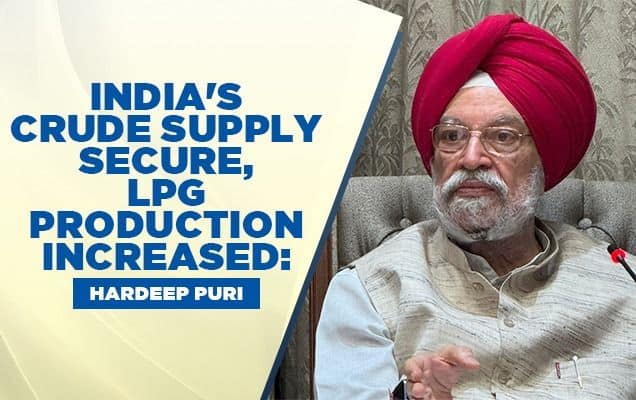
ہماری حکومت ماحول دوست توانائی کے مشن کو عوامی تحریک میں تبدیل کر رہی ہے: وزیر اعظم
ہم معاشرے کے تمام طبقوں کی فلاح و بہبود کے لیے خدمت کے جذبے کے ساتھ کام کر رہے ہیں: وزیر اعظم
یہ یقینی بنانا ہمارا عزم ہے کہ قبائلی برادریاں وقار اور عزت نفس کے ساتھ زندگی بسر کریں: وزیر اعظم

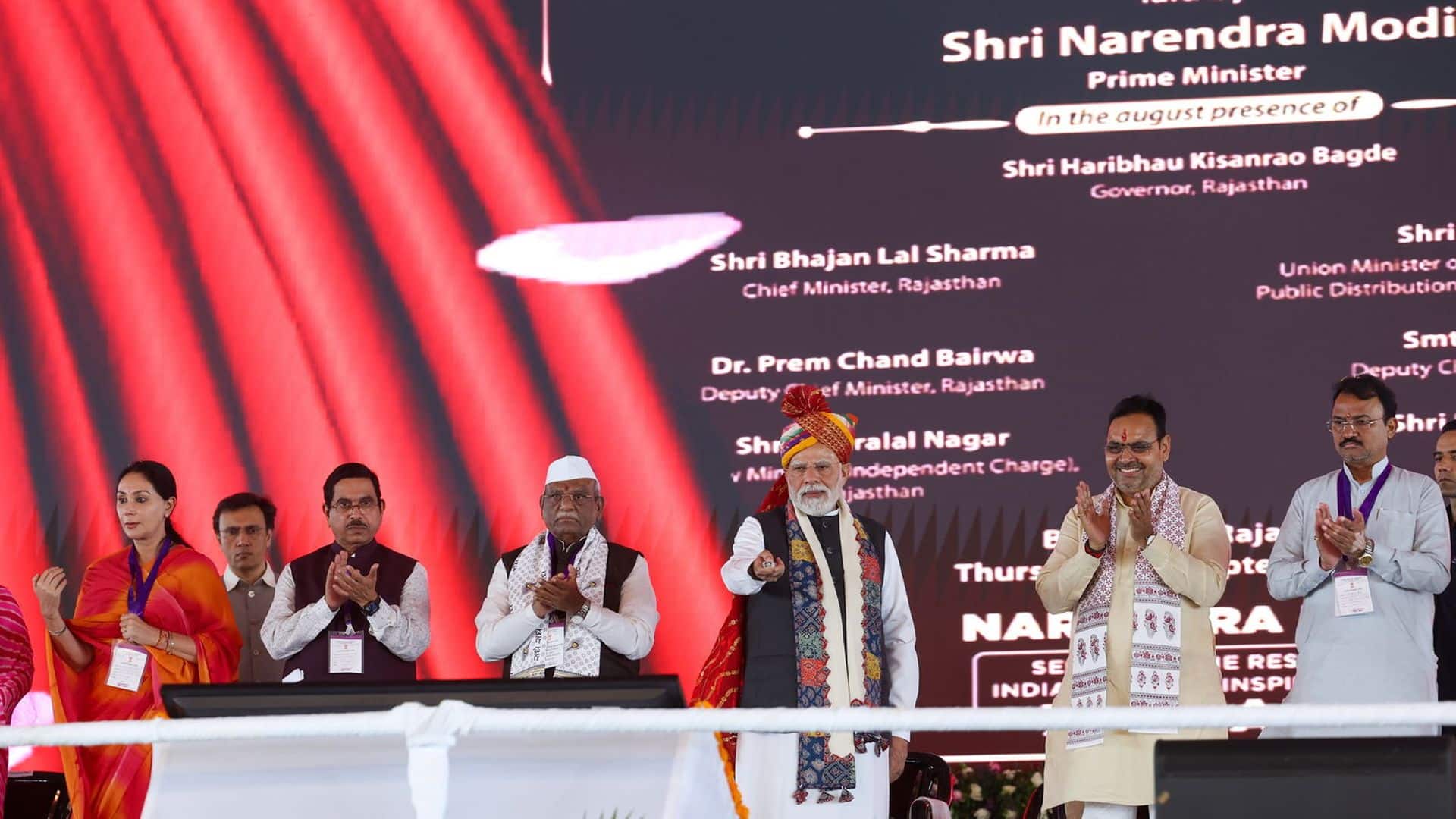
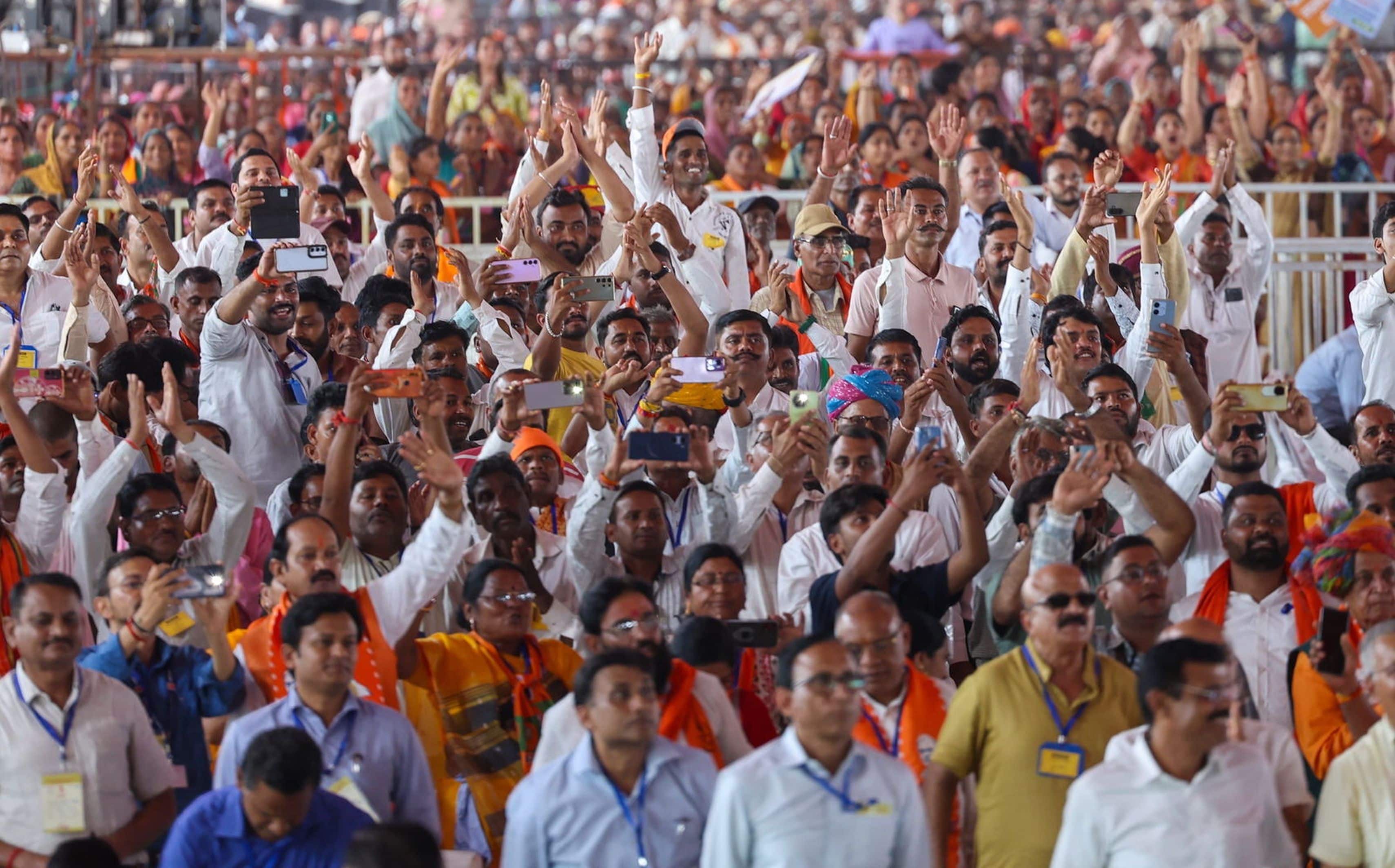
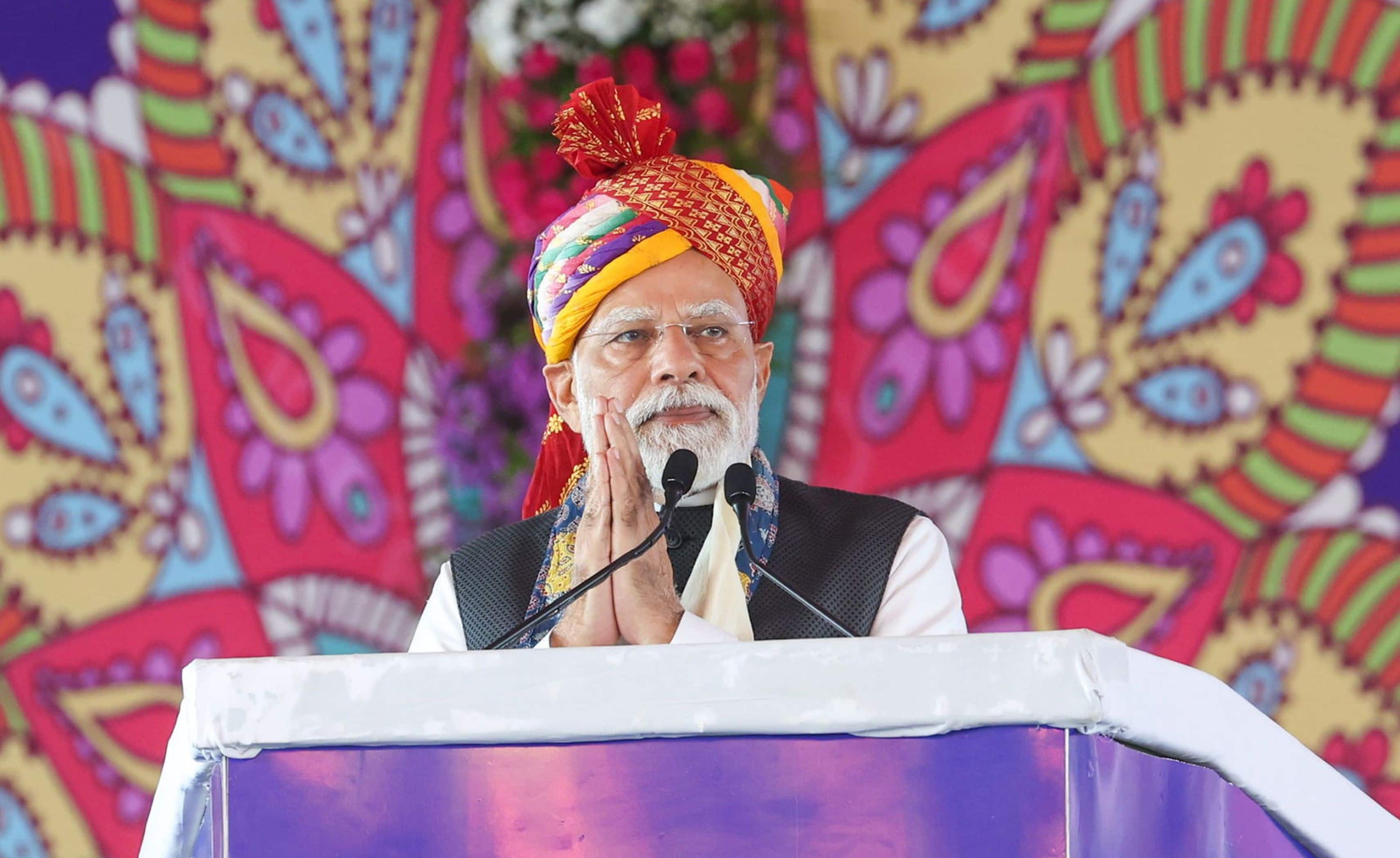
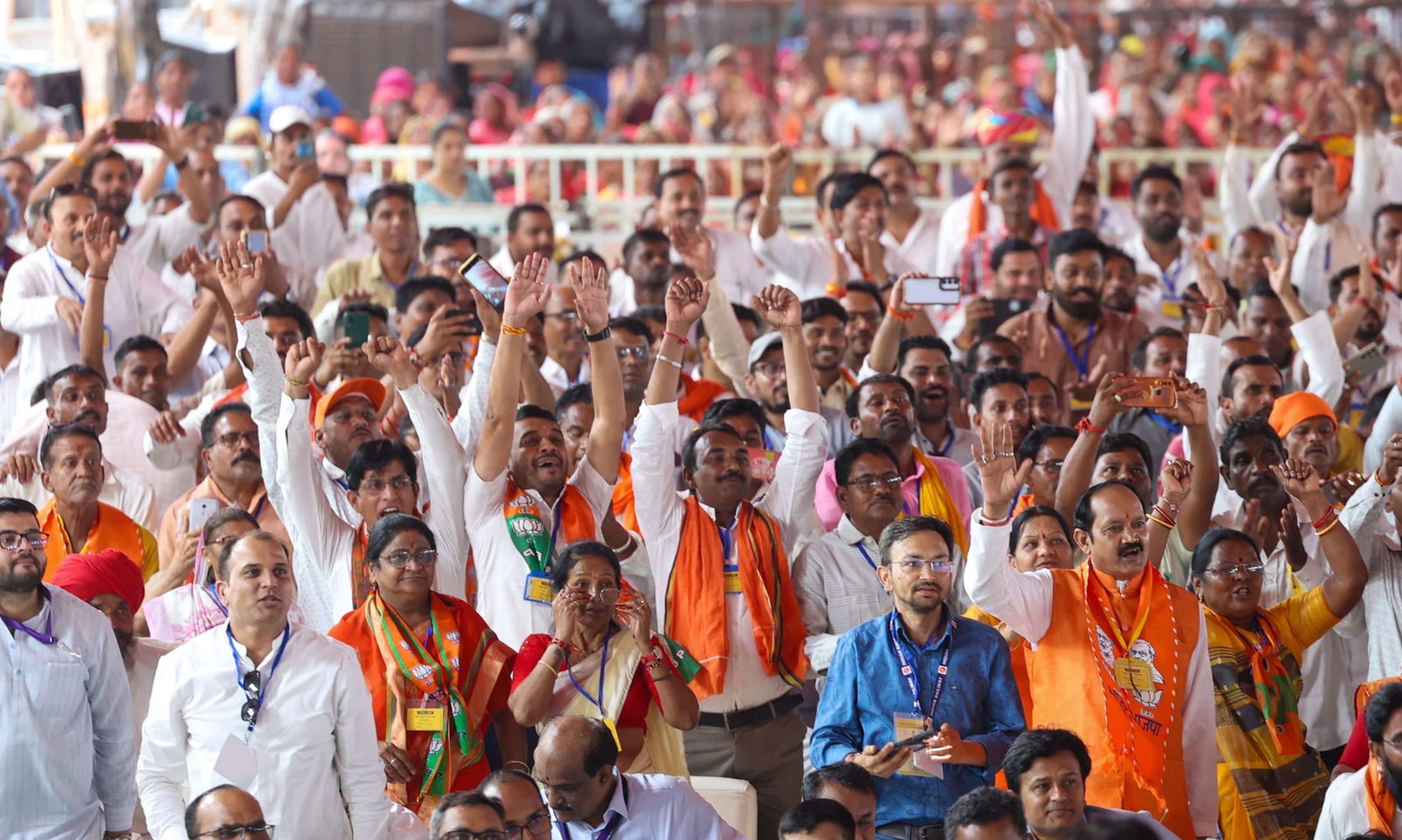
وزیر اعظم جناب نریندر مودی نے راجستھان کے شہر بانسواڑہ میں 1,22,100 کروڑ روپے سے زیادہ کے ترقیاتی کاموں کا افتتاح کیا  اور  سنگ بنیاد رکھا۔  نوراتری کے چوتھے دن ، وزیر اعظم نے بانسواڑہ میں ماں تریپورہ سندری کی مقدس سرزمین کا دورہ کرنے کی اپنی خوش قسمتی کا اظہار کیا۔    انہوں نے کہا کہ انہیں کانٹھل اور واگڑ  دیکھنے کا بھی موقع ملا جسے گنگا کے طور پر قابل احترام ماں ماہی کہا جاتا ہے۔  وزیر اعظم نے کہا کہ ماہی کا پانی ہندوستان کی قبائلی برادریوں کے، خود کو ماحول کے مطابق بنانے اور ان کی  جدوجہد کی علامت ہے ۔  انہوں نے مہایوگی گووند گرو جی کی متاثر کن قیادت پر روشنی ڈالی ، جن کی میراث ہمیشہ برقرار ہے  اور  ماہی کا مقدس پانی اس عظیم داستان کا گواہ ہے۔  جناب مودی نے ماں تریپورہ سندری اور ماں ماہی کو خراج عقیدت پیش کیا اور عقیدت اور بہادری کی اس سرزمین سے انہوں نے مہارانا پرتاپ اور راجہ بنشیا بھیل کو بھی خراج عقیدت پیش کیا ۔

جناب مودی نے کہا کہ نوراتری کے دوران ، قوم نو شکلوں میں شکتی کی پوجا کرتی ہے ، اور بانسواڑہ میں آج کا بڑا پروگرام توانائی کی پیداوار-ارجا شکتی کے لیے وقف ہے ۔  انہوں نے اس بات پر روشنی ڈالی کہ ہندوستان کے بجلی کے شعبے میں راجستھان کی مٹی سے ایک نیا باب لکھا جا رہا ہے ۔  وزیر اعظم نے راجستھان ، مدھیہ پردیش ، آندھرا پردیش ، کرناٹک اور مہاراشٹر میں 90,000 کروڑ روپے سے زیادہ کے بجلی منصوبوں کے آغاز کا اعلان کیا ۔  انہوں نے زور دے کر کہا کہ اس طرح کے بڑے پیمانے کے پروجیکٹوں کا بیک وقت آغاز توانائی کے شعبے میں ہندوستان کی تیز تر ترقی کی عکاسی کرتا ہے ، جس میں ملک کے ہر خطے سے تعاون حاصل ہے اور اس میں تمام ریاستوں کو ترجیح دی جارہی ہے ۔  راجستھان میں  ماحول کے لیے سازگار توانائی کے منصوبوں اور ٹرانسمیشن لائنوں کا سنگ بنیاد رکھا گیا ہے ۔  جناب مودی نے شمسی توانائی کے پروجیکٹوں کا بھی افتتاح کیا اور بانسواڑہ میں راجستھان ایٹمی توانائی پروجیکٹ کے آغاز کا اعلان کیا ۔  انہوں نے اس بات پر زور دیا کہ شمسی توانائی سے لے کر جوہری توانائی تک ، ہندوستان بجلی پیدا کرنے کی صلاحیت میں نئی بلندیوں  پر پہنچ رہا ہے ۔
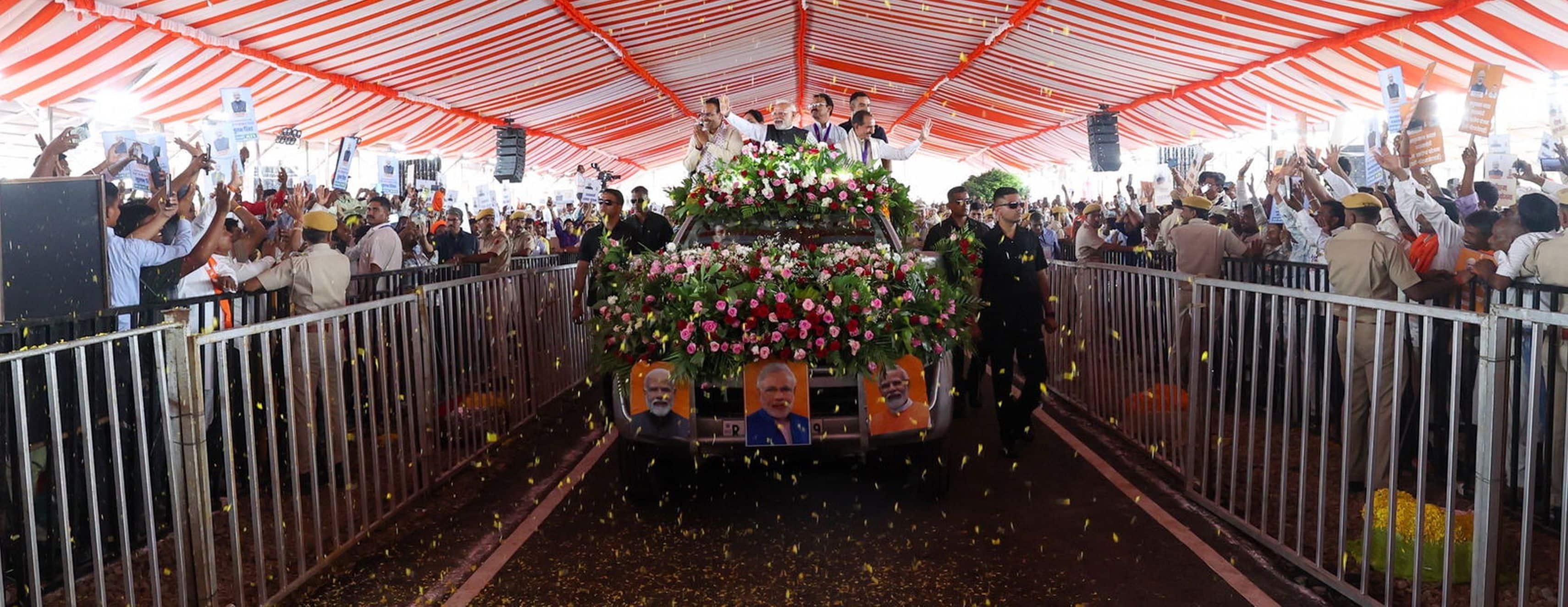
 

وزیر اعظم نے کہا کہ ‘‘ٹیکنالوجی اور صنعت کے آج کے دور میں ترقی بجلی کی طاقت پر کی جاتی ہے ؛ بجلی سے روشنی ، رفتار ، ترقی ، رابطے اور عالمی رسائی ہوتی ہے’’ ۔  انہوں نے بجلی کی اہمیت کو نظر انداز کرنے پر پچھلی حکومتوں پر تنقید کی ۔  جناب مودی نے کہا کہ جب 2014 میں ان کی حکومت اقتدار میں آئی تو 2.5 کروڑ گھروں میں بجلی کے کنکشن نہیں تھے اور آزادی کے 70 سال بعد بھی 18,000 دیہی علاقوں میں  بجلی کا ایک بھی  کھمبا نہیں  تھا ۔  انہوں نے اس بات پر روشنی ڈالی کہ بڑے شہروں کو گھنٹوں بجلی کی کٹوتیوں کا سامنا کرنا پڑتا تھا ، اور دیہی علاقوں میں ، یہاں تک کہ 5 – 4 گھنٹے  کی بجلی کو بھی بہت اہم سمجھا جاتا ہے ۔  بجلی کی عدم موجودگی نے فیکٹری کی کارروائیوں اور نئی صنعتوں کے قیام میں رکاوٹ پیدا کی ، جس سے راجستھان جیسی ریاستیں اور پورا ملک متاثر ہوا ۔  وزیر اعظم نے اس بات کی تصدیق کی کہ 2014 میں ان کی حکومت نے اس صورتحال کو تبدیل کرنے کا عزم کیا تھا ۔  انہوں نے کہا کہ ہر گاؤں تک بجلی پہنچائی گئی اور 2.5 کروڑ گھروں کو مفت کنکشن ملے ۔  جہاں بھی بجلی کی لائنیں پہنچیں ، بجلی  کے ذریعے  زندگی کو آسان بنانے  اور نئی صنعتوں کو ترقی دینے  کا  خیرمقدم کیا گیا۔

 وزیر اعظم نے کہا کہ 21 ویں صدی میں کسی بھی ملک کو تیزی سے ترقی کرنے کے لیے اسے اپنی بجلی کی پیداوار کو بڑھانا ہوگا ۔  انہوں نے اس بات پر زور دیا کہ سب سے زیادہ کامیاب ممالک وہ ہوں گے جو صاف ستھری توانائی کے شعبے  میں پیش پیش رہیں  گے ۔  جناب مودی نے پی ایم سوریا گھر مفت بجلی یوجنا کے ، جس کے تحت شہری اور دیہی دونوں علاقوں میں چھتوں پر شمسی پینل لگائے جا رہے ہیں ،  آغاز کا اعلان کرتے ہوئے کہا کہ ‘‘ہماری حکومت صاف ستھری توانائی کے مشن کو عوامی تحریک میں تبدیل کر رہی ہے’’ ۔  کسانوں کے لیے سستی بجلی کو یقینی بنانے کے لیے کھیتوں میں پی ایم-کسم اسکیم ‘‘زرعی شمسی پمپ لگانے میں سہولت فراہم کر رہی ہے ۔  وزیر اعظم نے کہا کہ آج ریاستوں میں کئی شمسی پروجیکٹوں کا افتتاح کیا گیا ہے ، جس سے لاکھوں کسانوں کو براہ راست فائدہ ہوگا ۔  انہوں نے اس بات کا اعادہ کیا کہ پی ایم سوریا گھر اسکیم گھروں کے لیے مفت بجلی فراہم کرتی ہے ، جبکہ پی ایم-کسم اسکیم کھیتوں کے لیے مفت بجلی کو یقینی بناتی ہے ۔  جناب مودی نے پی ایم-کسم اسکیم کے مستفیدین کے ساتھ اپنی سابقہ بات چیت کا ذکر کیا   جنہوں نے بتایا تھا کہ شمسی توانائی سے حاصل ہونے  والی مفت بجلی ان کی زندگیوں میں ایک بڑی نعمت بن گئی ہے ۔

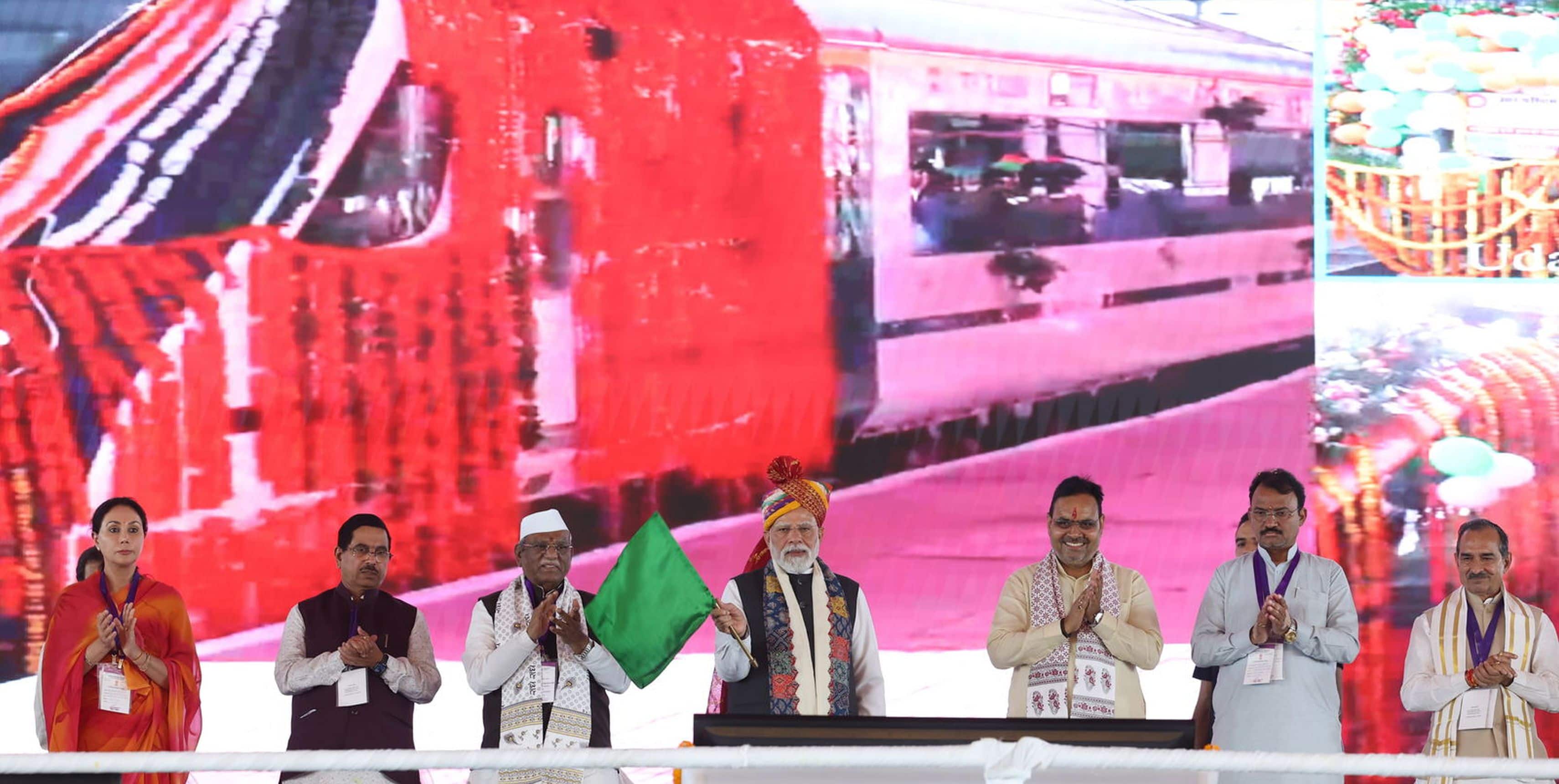
جناب مودی نے کہا ، ‘‘ہندوستان ایک ترقی یافتہ ملک بننے کے لیے تیز رفتار سے کام کر رہا ہے ، راجستھان اس سفر میں اہم کردار ادا کر رہا ہے ۔  انہوں نے راجستھان کے لوگوں کے لیے 30,000 کروڑ روپے کے اضافی پروجیکٹ شروع کرنے کا اعلان کیا ، جس کا مقصد پانی ، بجلی اور صحت کی دیکھ بھال تک رسائی کو بہتر بنانا ہے ۔  وزیر اعظم نے وندے بھارت سروس سمیت تین نئی ٹرینوں کو جھنڈی دکھا کر روانہ کیا ۔  انہوں نے روزگار کے نئے موقعے پیدا کرنے کی ملک گیر مہم پر روشنی ڈالی ، جس کے تحت راجستھان میں 15,000 نوجوانوں کو آج سرکاری ملازمتوں کے لیے تقرر نامے موصول ہوئے ۔  جناب مودی نے ان نوجوانوں کو اپنی زندگی میں ایک نئے باب کا آغاز کرنے پر نیک خواہشات پیش کیں اور راجستھان کے لوگوں کو ان ترقیاتی اقدامات کے آغاز پر مبارکباد دی ۔
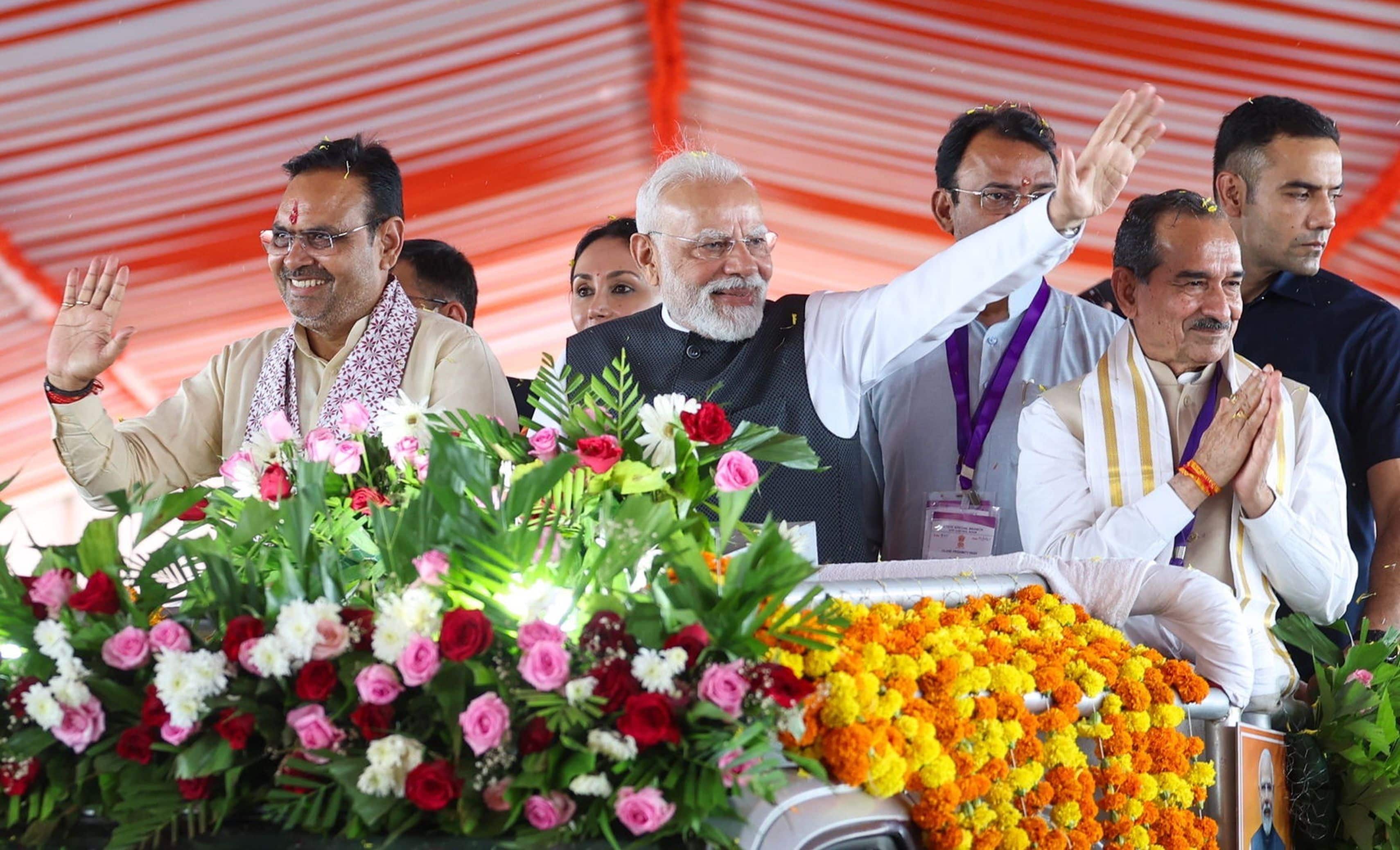
 

اس بات پر اطمینان کا اظہار کرتے ہوئے کہا  کہ راجستھان میں ان کی حکومت ریاست کی ترقی کے لیے پوری دیانتداری کے ساتھ کام کر رہی ہے ، وزیراعظم نے کہا کہ پچھلی حکومت کی جانب سے بدانتظامی اور استحصال کے ذریعے راجستھان کو لگنے والے زخموں کو اب موجودہ انتظامیہ بھر رہی ہے ۔  جناب مودی نے الزام لگایا کہ اپوزیشن کے دور حکومت میں راجستھان پیپر لیک کا مرکز بن گیا تھا اور جل جیون مشن کو بدعنوانی کا نشانہ بنایا گیا تھا ۔  انہوں نے اس بات پر روشنی ڈالی کہ خواتین کے خلاف مظالم عروج پر پہنچ چکے ہیں اور مجرموں کو تحفظ فراہم کیا جا رہا ہے ۔  انہوں نے نشاندہی کی کہ حزب اختلاف کے دور میں بانسواڑہ ، ڈونگر پور اور پرتاپ گڑھ جیسے علاقوں میں جرائم اور شراب کی غیر قانونی تجارت میں اضافہ دیکھا گیا ۔  وزیر اعظم نے کہا کہ ایک بار جب لوگوں نے انہیں موقع دیا تو امن و امان  مستحکم ہوا اور ترقی کی رفتار تیز ہوئی ۔  انہوں نے کہا کہ پورے  راجستھان میں شاہراہوں اور ایکسپریس ویز کے بڑھتے ہوئے نیٹ ورک کے ساتھ اب بڑے پروجیکٹوں پر عمل درآمد کیا جا رہا ہے ۔  وزیر اعظم نے اس بات کی تصدیق کی کہ ان کی حکومت راجستھان ، خاص طور پر جنوبی راجستھان کو ترقی کے تیز رفتار راستے پر لے جا رہی ہے ۔

اس بات کا ذکر کرتے ہوئے کہ آج پنڈت دین دیال اپادھیائے کا یوم پیدائش ہے ، جنہوں نے قوم کو انتیودے کا اصول دیا-  معاشرے کے تمام تر لوگوں کی ترقی کے بارے میں جناب مودی نے اس بات پر زور دیا کہ یہ وژن اب حکومت کا مشن بن گیا ہے ۔  انہوں نے کہا کہ انتظامیہ غریبوں ، دلتوں ، پسماندہ طبقات اور قبائلی برادریوں کی فلاح و بہبود کے لیے خدمت کے گہرے احساس کے ساتھ کام کر رہی ہے ۔

قبائلی برادری کو مسلسل نظر انداز کرتے رہنے اور ان کی ضروریات کو سمجھنے میں ناکام رہنے پر اپوزیشن کی  تنقید کرتے ہوئے وزیر اعظم نے زور ددے کر کہا کہ یہ ان کی حکومت ہے جس نے ایک خصوصی وزارت قائم کرکے قبائلی بہبود کو ترجیح دی ، پہلی بار وزیر اعظم اٹل بہاری واجپئی جی کی قیادت میں قبائلی امور کے لیے ایک علیحدہ وزارت بنائی گئی ۔  وزیر اعظم نے کہا کہ اپوزیشن کے دور حکومت میں اس طرح کے بڑے پیمانے کے منصوبوں کا قبائلی علاقوں تک پہنچنا ناقابل تصور تھا ۔  انہوں نے اس بات کی تصدیق کی کہ ان کی حکومت میں یہ پیش رفت اب حقیقت بن رہی ہے ۔  انہوں نے مدھیہ پردیش کے دھار میں ایک بڑے پی ایم مترا پارک کے آغاز کا اعلان کیا ، جس سے قبائلی کسانوں کو نمایاں فوائد حاصل ہوں۔

اس بات کا ذکر کرتے ہوئے کہ یہ ان کی پارٹی کی کوششوں کے ذریعے ہے کہ ایک غریب قبائلی خاندان کی بیٹی ، محترمہ دروپدی مرمو ، بھارت کی صدر بن گئی ہیں ،  جناب مودی نے اس بات پر روشنی ڈالی کہ صدر نے خود سب سے زیادہ پسماندہ قبائلی برادریوں کا مسئلہ اٹھایا ، جس سے پی ایم جن مان یوجنا کے آغاز کو تحریک ملی۔  اس پہل کے تحت قبائلی معاشرے میں سب سے زیادہ محروم طبقات کو خصوصی ترجیح دی جا رہی ہے ۔  وزیر اعظم نے کہا کہ دھرتی اب جن جاتیہ گرام اتکرش ابھیان کے ذریعے قبائلی علاقوں کو جدید بنایا جا رہا ہے ، جس سے پانچ کروڑ سے زیادہ قبائلی شہریوں کو فائدہ ہو رہا ہے ۔  انہوں نے مزید کہا کہ ملک بھر میں سینکڑوں ایکلویہ ماڈل رہائشی اسکول قائم کیے جا رہے ہیں ۔  وزیر اعظم نے اس بات کی تصدیق کی کہ حکومت نے جنگلاتی باشندوں اور درج فہرست قبائل کے جنگلات کے حقوق کو بھی تسلیم کیا ہے ۔
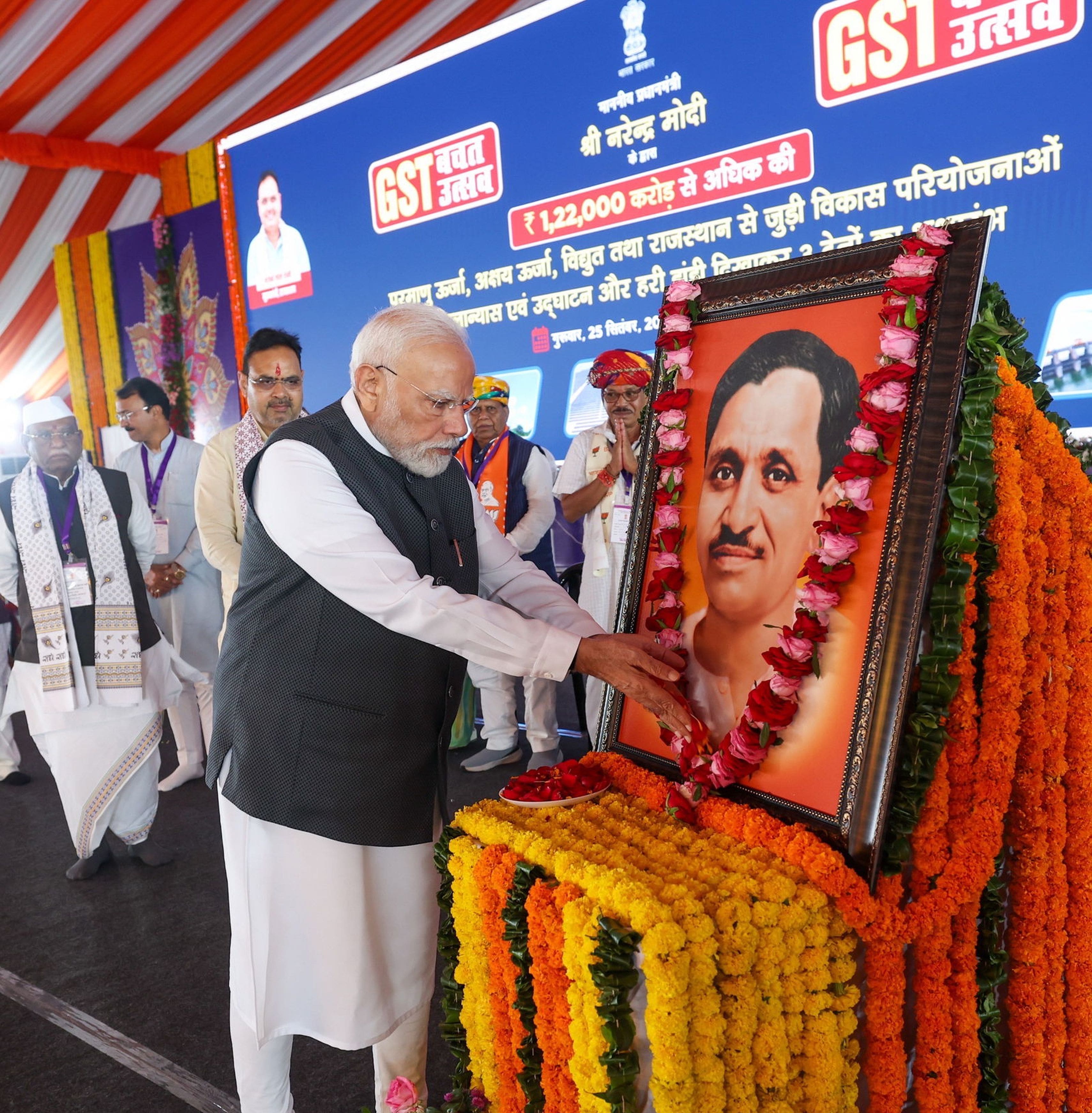
 

جناب مودی نے کہا کہ ہندوستان کی قبائلی برادریاں ہزاروں سال سے جنگلات کے وسائل کو مستقل طور پر استعمال کر رہی ہیں ۔  یہ یقینی بنانے کے لیے کہ یہ وسائل ان کے لیے ترقی کا ذریعہ بنیں ، حکومت نے ون دھن یوجنا کا آغاز کیا ۔  انہوں نے کہا کہ جنگلاتی پیداوار کے لیے کم سے کم امدادی قیمت (ایم ایس پی) میں اضافہ کیا گیا ہے اور قبائلی مصنوعات کو بازار تک رسائی سے مربوط کیا  گیا۔  وزیر اعظم نے کہا  کہ اس کے نتیجے میں ، پورے ہندوستان میں جنگلات کی پیداوار میں ریکارڈ اضافہ دیکھا  گیا ہے ۔

قبائلی برادری کے وقار کے ساتھ زندگی گزارنے کو یقینی بنانے کے لیے حکومت کے عزم کا اعادہ کرتے ہوئے وزیر اعظم نے کہا کہ ان کے عقیدے ، عزت نفس اور ثقافتی ورثے کا تحفظ ایک پختہ عزم ہے ۔  انہوں نے زور دے کر کہا کہ جب ایک عام شہری کی زندگی آسان ہو جاتی ہے تو وہ خود ہی ملک کی ترقی کو آگے بڑھانے میں پہل کرتے ہیں ۔  انہوں نے حزب اختلاف کی حکمرانی کے تحت 11 سال پہلے کے سنگین حالات کو یاد کرتے ہوئے انہیں شہریوں کے استحصال اور منظم لوٹ مار سے منسوب کیا ۔  انہوں نے اشارتاً کہا کہ اس عرصے کے دوران ٹیکس اور افراط زر ریکارڈ اونچائی پر تھے ۔  وزیراعظم نے کہا کہ ایک بار جب عوام نے ان کی حکومت کو ترجیح دی تو اس سے اپوزیشن کے استحصال پر مبنی طریقوں کا خاتمہ ہو گیا ۔

جناب مودی نے کہا کہ 2017 میں جی ایس ٹی کے نفاذ نے ملک کو ٹیکسوں اور ٹول کے پیچیدہ جال سے آزاد کرایا ۔  انہوں نے  کہا کہ اس سال نوراتری کے پہلے دن ، جی ایس ٹی میں ایک بڑی اصلاح کی گئی ، جس کے نتیجے میں پورے ہندوستان میں جی ایس ٹی سیونگ فیسٹیول منایا گیا ۔  وزیر اعظم نے کہا کہ روزمرہ کی زیادہ تر اشیاء زیادہ سستی ہو گئی ہیں ۔  خواتین کے بڑے اجتماع سے خطاب کرتے ہوئے ، انہوں نے  خاص طور پر کہا کہ گھریلو باورچی خانے کے اخراجات میں نمایاں کمی آئی ہے ، جس سے ملک بھر میں ماؤں اور بہنوں کو براہ راست راحت ملی ہے ۔

انہوں نے کہا کہ 2014 سے پہلے ، صابن ، شیمپو ، ٹوتھ پیسٹ اور ٹوتھ پاؤڈر جیسی روزمرہ کی ضروریات پر 100 روپے خرچ کرنے کے نتیجے میں اپوزیشن حکومت کے تحت زیادہ ٹیکس کی وجہ سے کل 131 روپے کی لاگت آتی تھی ، جناب مودی نے کہا کہ اپوزیشن ہر 100 روپے کی خریداری پر 31 روپے ٹیکس لگاتی ہے ۔  2017 میں جی ایس ٹی کے نفاذ کے ساتھ ، اسی 100 روپے مالیت کے سامان کی قیمت 118 روپے  ہوتی ہے ، جو ان کی حکومت کے تحت 13 روپے کی براہ راست بچت کو نشان زد کرتی ہے ۔  22 ستمبر کو لاگو کی گئیں جی ایس ٹی اصلاحات کے بعد ، لاگت مزید کم ہو کر 105 روپے رہ گئی ہے ، جس کے نتیجے میں گزشتہ دور کے مقابلے میں کل 26 روپے کی بچت ہوئی ہے ۔  وزیر اعظم نے اس بات پر زور دیا کہ مائیں اور بہنیں گھریلو بجٹ کا احتیاط سے استعمال کرتی ہیں ، اور نئے ٹیکس نظام کے تحت ، خاندان اب ہر ماہ سینکڑوں روپے بچا رہے ہیں ۔
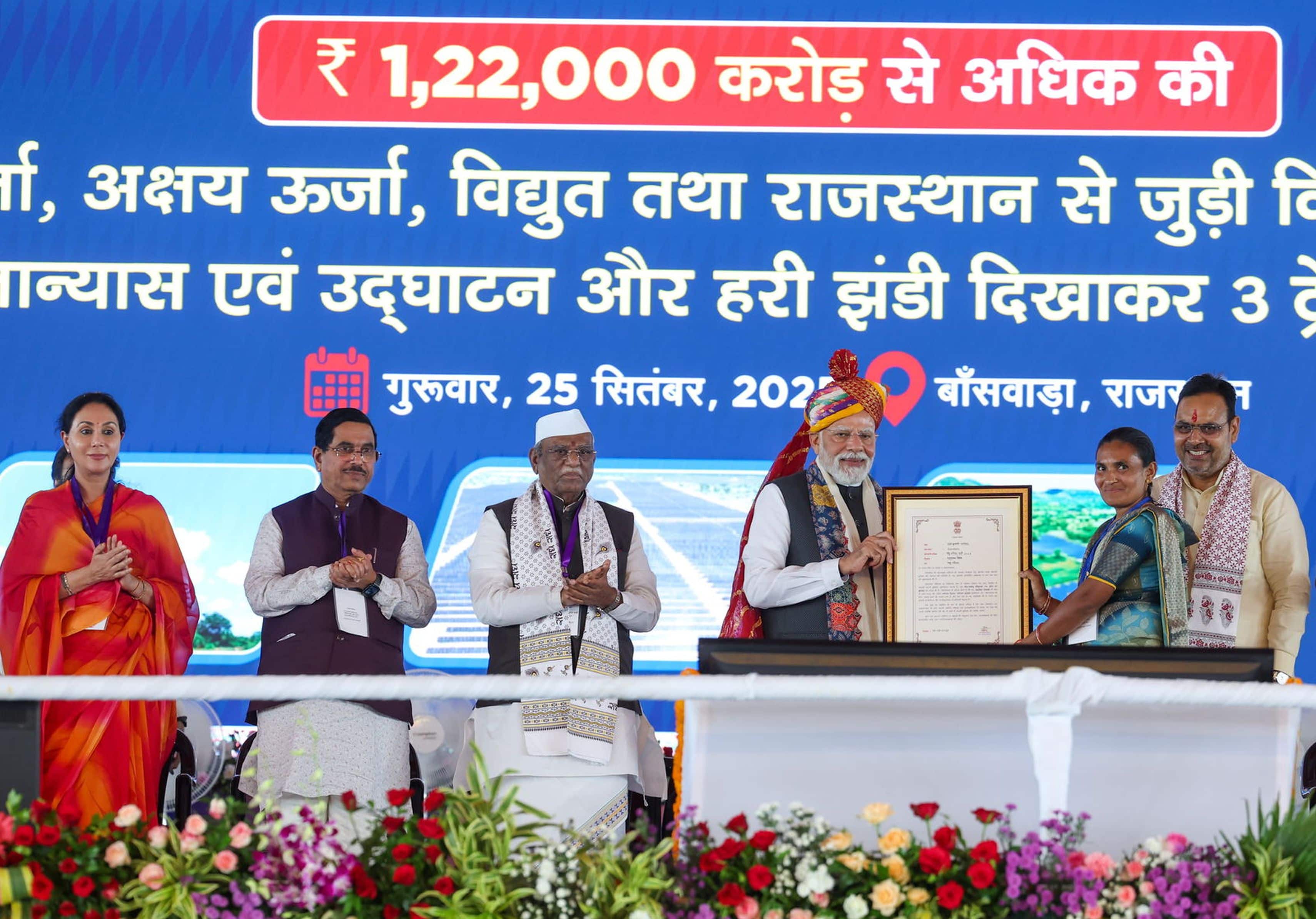
 

انہوں نے کہا کہ جوتے سب کے لیے ایک بنیادی ضرورت ہیں ، وزیراعظم نے کہا کہ پچھلی حکومت کے اصول کے تحت ، 75 روپے ٹیکس کے بوجھ کی وجہ سے 500 روپے کے جوتے کی قیمت 575 روپے ہوتی تھی ۔  جی ایس ٹی کے نفاذ کے بعد  ، اس ٹیکس میں 15 روپے کی کمی واقع ہوگئی ۔  تازہ ترین جی ایس ٹی اصلاحات کے بعد ، اسی جوتے کی قیمت اب 50 روپے کم  ہو گئی ہے ۔  وزیر اعظم نے کہا  کہ اس سے پہلے ، 500 روپے سے زیادہ کی قیمت والے جوتوں پر اور بھی زیادہ ٹیکس لگایا جاتا تھا ۔  انہوں نے زور دے کر کہا کہ حکومت نے اب 2500 روپے تک کی قیمت والے جوتوں پر ٹیکس کی شرحوں میں خاطر خواہ طریقے کمی کی ہے ، جس سے وہ عام شہری کے لیے زیادہ سستے  ہو گئے ہیں ۔

جناب مودی نے مزید کہا کہ سکوٹر یا موٹر سائیکل کا مالک ہونا ہر گھر کی عام  خواہش ہے ، لیکن اپوزیشن کے دور حکومت میں یہ بھی پہنچ سے باہر تھا ۔  انہوں نے انہوں نے کہا کہ حزب اختلاف نے 60,000 روپے کی موٹر سائیکل پر 19,000 روپے سے زیادہ کا ٹیکس عائد کیا  ہوا تھا۔  2017 میں جی ایس ٹی کے نفاذ کے ساتھ ، اس ٹیکس میں 2500 روپے کی کمی واقع ہوئی ۔  22 ستمبر کو نافذ کردہ نظر ثانی شدہ شرحوں کے بعد ، اُسی موٹر سائیکل  پر اب محض  10,000 روپے ٹیکس وصول کیا جاتا  ہے-جس کے نتیجے میں 2014 کے مقابلے  9,000 روپے کا براہ راست فائدہ ہوتا ہے ۔

وزیر اعظم نے کہا کہ سابقہ حکومت کے اصول کے تحت گھر کی تعمیر ناممکن حد تک مہنگی تھی۔  انہوں نے  کہا  کہ 300  روپے کے سیمنٹ کی بوری پر 90 روپے سے زیادہ کا ٹیکس لگتا تھا ۔  2017 میں جی ایس ٹی کے نفاذ کے  بعد  ، اس ٹیکس میں تقریباً 10 روپے کی کمی واقع ہوئی ۔  22 ستمبر کو نافذ کی گئی تازہ ترین جی ایس ٹی اصلاحات کے بعد ، اسی سیمنٹ بیگ  پر اب ٹیکس میں صرف 50 روپے خرچ کرتا ہوتے ہیں۔ جس کے نتیجے میں 2014 کے مقابلے میں 40 روپے کی براہ راست بچت ہوتی ہے ۔  جناب مودی نے کہا کہ اپوزیشن پارٹی کے دور حکمرانی میں ضرورت سے زیادہ ٹیکس لگائے گئے تھے۔ لیکن ان کی حکومت نے عام شہری کے لیے بچت کے دور کا آغاز کیا ہے ۔
 

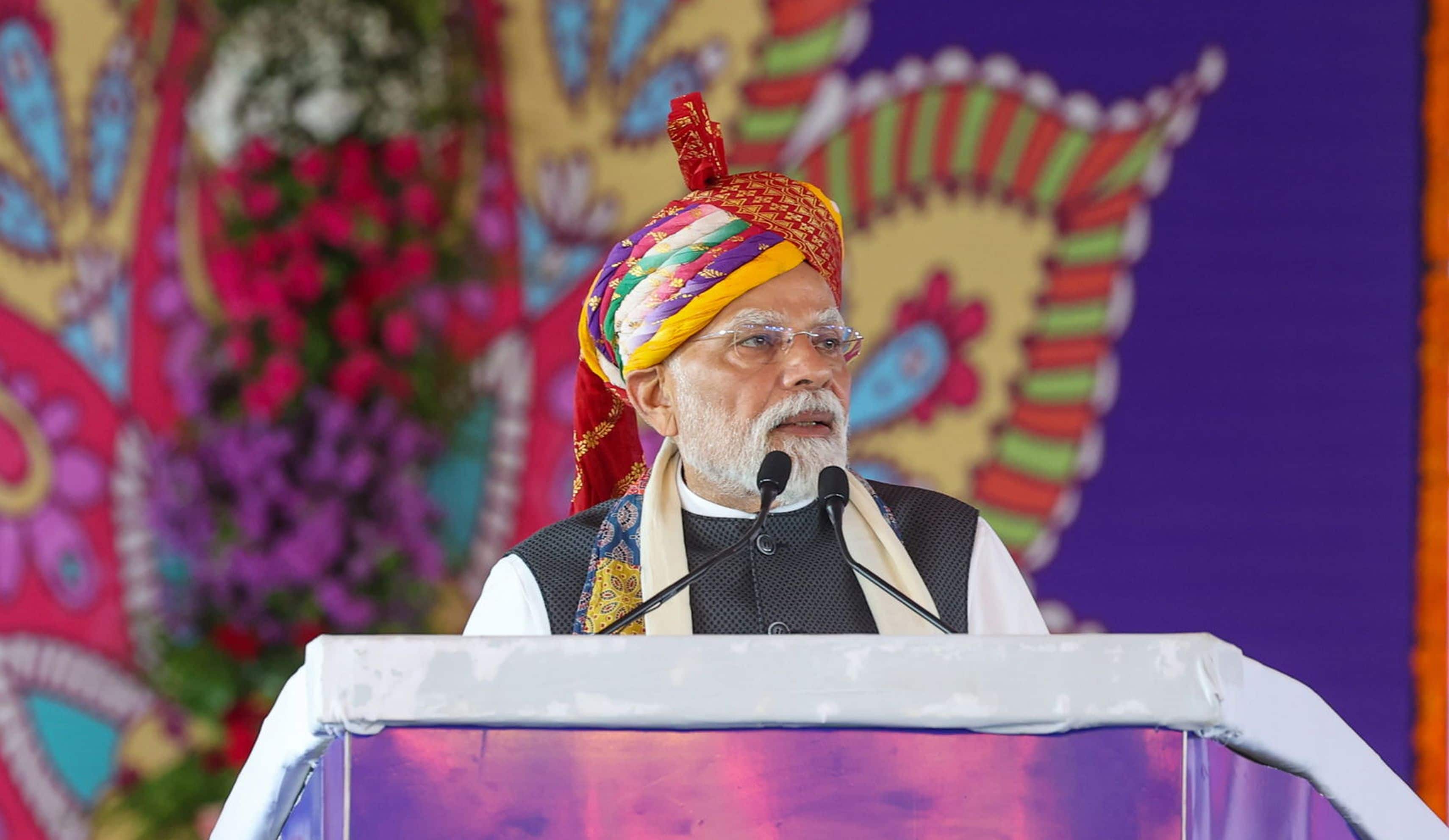
اس بات پر زور دیتے ہوئے کہ جی ایس ٹی سیونگ فیسٹیول کے دوران جناب مودی نے کہا کہ ہمیں خود کفیل ہندوستان کے ہدف کو نہیں بھولنا چاہیے ۔  انہوں نے مزید کہا کہ سودیشی کے منتر کو فراموش نہیں کیا جانا چاہیے۔  جناب مودی نے زور دے کر کہا کہ جو ہم بیچتے ہیں وہ سودیشی ہونا چاہیے ، اور جو ہم خریدتے ہیں وہ بھی سودیشی ہونا چاہیے ۔  انہوں نے شہریوں کی حوصلہ افزائی کی کہ وہ فخر سے اعلان کریں کہ ‘‘یہ سودیشی ہے’’۔  وزیر اعظم نے کہا کہ جب لوگ سودیشی مصنوعات خریدتے ہیں تو پیسہ ملک کے اندر ہی رہتا ہے-مقامی کاریگروں ، مزدوروں اور تاجروں تک پہنچتا ہے ۔  یہ رقم بیرون ملک جانے کے بجائے براہ راست قومی ترقی کے راستے  میں  خرچ ہوتی ہے ، جس سے نئی شاہراہیں اور سڑکیں بنانے میں مدد ملتی ہے ۔  انہوں نے سبھی سے  زور دے کر کہا کہ وہ سودیشی کو قومی فخر کی علامت بنائیں ۔  وزیر اعظم نے شہریوں سے تہواروں کے موسم میں صرف سودیشی سامان خریدنے کا عہد کرنے کی اپیل کی اور ایک بار پھر ترقی اور روزگار سے منسلک منصوبوں کے آغاز پر مبارکباد دی ۔

راجستھان کے گورنر جناب ہری بھاؤ کسان راؤ باگڑے ، راجستھان کے وزیر اعلی جناب بھجن لال شرما ، مرکزی وزیر جناب پرہلاد جوشی اور دیگر معززین اس تقریب میں موجود تھے ۔
 

پس منظر

سب کے لیے سستی ، قابل اعتماد اور پائیدار بجلی کی فراہمی کو یقینی بنانے کے لیے ہندوستان کے بجلی کے شعبے کو تبدیل کرنے کے اپنے عزم کے مطابق ، وزیر اعظم نے انو شکتی ودھیوت نگم لمیٹڈ (اشونی) ماہی بانسواڑہ راجستھان ایٹمک پاور پروجیکٹ (4X700 میگاواٹ) کا سنگ بنیاد رکھا جس کی مالیت تقریبا 42,000 کروڑ روپے ہے ۔  یہ قابل اعتماد بیس لوڈ توانائی کی فراہمی کرنے والے ملک کے سب سے بڑے جوہری پلانٹس میں سے ایک ہوگا اور ماحولیاتی انتظام اور جوہری توانائی کے منظر نامے میں ہندوستان کی پوزیشن کو مضبوط کرے گا ۔  آتم نربھر بھارت کے جذبے کو آگے بڑھاتے ہوئے،  ماہی بنسواڑہ راجستھان ایٹمک پاور پروجیکٹ جدید حفاظتی خصوصیات کے ساتھ چار مقامی 700 میگاواٹ پریشرائزڈ ہیوی واٹر ری ایکٹرز پر مشتمل ہے ، جسے این پی سی آئی ایل نے ڈیزائن اور تیار کیا ہے ۔  یہ ہندوستان کی وسیع تر ‘‘فلیٹ موڈ’’ پہل کا حصہ ہے ، جہاں یکساں ڈیزائن اور خریداری کے منصوبوں کے تحت پورے ہندوستان میں 700 میگاواٹ کے دس یکساں ری ایکٹر بنائے جا رہے ہیں ۔  یہ پروجیکٹ لاگت کی استعداد ، تیزی سے تعیناتی اور مربوط کام کاج کی مہارت لائے گا ۔

ہندوستان کے صاف ستھری توانائی سے متعلق بنیادی ڈھانچے کو ایک بڑا فروغ دیتے ہوئے ، وزیر اعظم نے راجستھان میں تقریبا 19,210 کروڑ روپے کے گرین انرجی پروجیکٹوں کا افتتاح  کیا اور سنگ بنیاد رکھا ۔  انہوں نے فلودی ، جیسلمیر ، جالور اور  سیکر سمیت دیگر مقامات پر شمسی پروجیکٹوں کا افتتاح کیا ۔  انہوں نے بیکانیر میں شمسی پروجیکٹ کا سنگ بنیاد بھی رکھا ۔ اس کے علاوہ  ، وہ آندھرا پردیش کے راماگیری میں شمسی پارک کا سنگ بنیاد بھی رکھیں گے ۔  یہ منصوبے ہندوستان کی صاف ستھری توانائی کی صلاحیت میں نمایاں کردار ادا کریں گے ، جس سے کاربن ڈائی آکسائیڈ کے لاکھوں ٹن اخراج کو روکنے کے ساتھ ساتھ کافی مقدار میں ماحول کے لیے سازگار توانائی پیدا ہوگی ۔
 

وزیر اعظم نے حکومت ہند کے قابل تجدید توانائی زون (آر ای زیڈ) پہل کے تحت 13180 کروڑ روپے سے زیادہ کے تین پاور ٹرانسمیشن پروجیکٹوں کا سنگ بنیاد رکھا ، جس کا مقصد 2030 تک آٹھ ریاستوں میں 181.5 گیگاواٹ قابل تجدید توانائی کی صلاحیت کو فروغ دینا ہے ۔  لوڈ سینٹرز کی طرف اس قابل تجدید توانائی کے موثر پھیلاؤ کو یقینی بنانے اور گرڈ کے استحکام کو بڑھانے کے لیے پاور گرڈ راجستھان آر ای زیڈ کے لیے کلیدی ٹرانسمیشن سسٹم نافذ کر رہا ہے ۔

اس میں راجستھان کے بیور علاقے سے مدھیہ پردیش کے مندسور تک 765 کے وی ٹرانسمیشن لائنیں اور متعلقہ سب اسٹیشنوں کی توسیع ؛ راجستھان کے سروہی سے مندسور اور مدھیہ پردیش کے کھنڈوا تک ، سروہی سب اسٹیشن پر تبدیلی کی صلاحیت میں اضافہ اور مندسور اور کھنڈوا سب اسٹیشنوں پر توسیع ؛ اور راجستھان کے شہر بیکانیر سے ہریانہ کے س علاقوں یوانی اور فتح آباد اور پنجاب کے  علاقے پاترن تک 765 کے وی اور 400 کے وی ٹرانسمیشن لائن کے ساتھ ساتھ بیکانیر میں سب اسٹیشنوں کا قیام اور سیوانی سب اسٹیشن کی توسیع شامل ہے ۔  مجموعی طور پر ، یہ پروجیکٹ راجستھان میں پیداوار مرکز سے پورے ہندوستان میں مستفید ہونے والی ریاستوں کے  ڈیمانڈ سینٹرز کو 15.5 گیگاواٹ گرین انرجی کی بلا رکاوٹ منتقلی کی سہولت فراہم کریں گے ۔

وزیر اعظم نے جیسلمیر اور بیکانیر میں تین گرڈ سب اسٹیشنوں (جی ایس ایس) کا سنگ بنیاد رکھا جس میں 220 کے وی اور متعلقہ لائنیں شامل ہیں ۔  وہ باڑمیر ضلع کے شیو میں 220 کے وی جی ایس ایس کا بھی افتتاح کریں گے ۔  490 کروڑ روپے سے زیادہ مالیت کے یہ منصوبے خطے میں توانائی کی حفاظت کو یقینی بنانے میں نمایاں کردار ادا کریں گے ۔

کسانوں کو بااختیار بنانے کے اپنے عزم کے مطابق ، وزیر اعظم نے راجستھان ، مہاراشٹر ، مدھیہ پردیش اور کرناٹک کی ریاستوں میں پی ایم-کسم (پردھان منتری کسان اورجا سرکشا ایوم اتھان مہاابھیان) اسکیم (جزو -سی) کے تحت 16,050 کروڑ روپے سے زیادہ مالیت کے 3517 میگاواٹ کے فیڈر لیول سولرائزیشن پروجیکٹوں کا افتتاح کیا ۔  بجلی کی لاگت کو کم کرکے ، آبپاشی کے اخراجات کو کم کرکے اور دیہی توانائی پر خود کفالت کو فروغ دے کر لاکھوں کسانوں کو فائدہ پہنچانے والی سستی ، قابل اعتماد اور پائیدار آبپاشی کی بجلی کو یقینی بنانے کے لیے زرعی فیڈروں کو شمسی بنایا جا رہا ہے ۔
 

رامجل سیتو لنک پروجیکٹ کو ایک بڑا فروغ دیتے ہوئے اور پانی کی حفاظت کے اپنے وژن کو آگے بڑھاتے ہوئے ، وزیر اعظم نے راجستھان میں 20,830 کروڑ روپے سے زیادہ کے متعدد آبی وسائل کے منصوبوں کا سنگ بنیاد رکھا اور ان کا افتتاح کیا ۔  وہ اساردا سے مختلف فیڈروں کی تعمیر ، اجمیر ضلع میں مور ساگر مصنوعی ذخائر اور چتوڑ گڑھ سے اس کے فیڈر کی تعمیر کا سنگ بنیاد رکھیں گے ۔  دیگر کاموں میں بسالپور ڈیم میں انٹیک پمپ ہاؤس ، کھاری فیڈر کی بحالی اور مختلف دیگر فیڈر کینال کے کام شامل ہیں ۔  وزیر اعظم نے اساردا ڈیم ، ڈھول پور لفٹ پروجیکٹ ، تکلی پروجیکٹ کا بھی افتتاح کیا ۔

سب کے لیے محفوظ اور صاف پینے کے پانی کے عزم کے مطابق ، وزیر اعظم نے اٹل مشن برائے احیا اور شہری تبدیلی (امرت) 2.0 کے تحت بانسواڑہ ، ڈونگر پور ، ادے پور ، سوائی مادھو پور ، چورو ، اجمیر ، بھیلواڑہ اضلاع میں 5880 کروڑ روپے سے زیادہ کے پینے کے پانی کی فراہمی کے بڑے منصوبوں کا سنگ بنیاد رکھا ۔

سڑک کے بنیادی ڈھانچے کو ایک بڑا فروغ دیتے ہوئے وزیر اعظم نے بھرت پور شہر میں فلائی اوورز کی تعمیر ، دریائے بناس پر ایک پل اور 116 اٹل پرگتی پتھ پروجیکٹوں کا سنگ بنیاد رکھا ۔  انہوں نے باڑمیر ، اجمیر ، ڈونگر پور اضلاع میں قومی اور ریاستی شاہراہوں سے متعلق متعدد سڑک پروجیکٹوں کا افتتاح کیا اور انہیں ملک  کے نام وقف کیا ۔  2630کروڑ روپے سے زیادہ کے ان پروجیکٹوں سے علاقائی سڑک رابطے میں بہتری آئے گی ، ہموار ٹریفک کو یقینی بنایا جائے گا اور سڑک کی حفاظت میں اضافہ ہوگا ۔
 

وزیر اعظم نے بھرت پور میں 250 بستروں والے آر بی ایم اسپتال ، جے پور میں ایک آئی ٹی ڈیولپمنٹ اور ای گورننس سینٹر ، مکرانہ شہر میں ٹریٹمنٹ پلانٹس اور پمپنگ اسٹیشنوں سمیت سیوریج سسٹم اور منڈاوا اور جھنجھنو ضلع میں سیوریج اور پانی کی فراہمی کے منصوبے کا بھی افتتاح کیا ۔

ریل رابطے کو ایک بڑا فروغ دیتے ہوئے ، وزیر اعظم نے تین ٹرینوں ، بیکانیر اور دلی کینٹ کے درمیان وندے بھارت ایکسپریس ٹرین ، جودھ پور اور دلی کینٹ کے درمیان وندے بھارت ایکسپریس ٹرین اور ادے پور سٹی-چنڈی گڑھ ایکسپریس کو جھنڈی دکھا کر روانہ کیا ۔  یہ ٹرینیں راجستھان اور دیگر شمالی ریاستوں کے درمیان رابطے کو خاطر خواہ طور پر بہتر بنائیں گی ۔

انہوں نے سب کے لیے روزگار کے اپنے وژن کو آگے بڑھاتے ہوئے ، راجستھان میں سرکاری محکموں اور تنظیموں میں نومنتخب نوجوانوں کو 15,000 سے زیادہ تقرری کے خطوط تقسیم کریں ۔  ان میں 5770 سے زیادہ اینیمل اٹینڈنٹ ، 4190 جونیئر اسسٹنٹ ، 1800 جونیئر انسٹرکٹر ، 1460 جونیئر انجینئر ، 1200 تھرڈ گریڈ لیول-2 -  ٹیچر شامل ہیں ۔


تقریر کا مکمل متن پڑھنے کے لیے یہاں کلک کریں

Explore More
شری رام جنم بھومی مندر دھوجاروہن اتسو کے دوران وزیر اعظم کی تقریر کا متن

Popular Speeches

شری رام جنم بھومی مندر دھوجاروہن اتسو کے دوران وزیر اعظم کی تقریر کا متن
Republic Day sales see fastest growth in five years on GST cuts, wedding demand

Media Coverage

Republic Day sales see fastest growth in five years on GST cuts, wedding demand
NM on the go

Nm on the go

Always be the first to hear from the PM. Get the App Now!
...
Towards 2030: A Joint India-European Union Comprehensive Strategic Agenda
January 27, 2026

This Joint India-EU Comprehensive Strategic Agenda, endorsed at the 16th India-EU Summit held on 27 January 2026 in New Delhi, aims to further reinforce the strategic partnership by broadening, deepening and better coordinating EU-India cooperation to deliver mutually beneficial, concrete and transformative outcomes for both partners and for the wider world.

The strategic agenda covers key areas: prosperity and sustainability, technology and innovation, security and defence, connectivity and global issues, reinforced by enablers across pillars. Building on more than 20 years of strategic partnership, it is a forward-looking action plan that reflects the commitment of both sides to work together in an increasingly complex geopolitical environment as trusted, predictable and like-minded partners.

PROSPERITY AND SUSTAINABILITY

Boosting Trade and Investment

Recognizing that trade and economic ties continue to shape the foundation of the India-EU bilateral partnership, the two sides reaffirm commitment to this vital pillar to strengthen trade linkages, investment avenues, and enhance global supply and value chains.

Hailing the India-EU Free Trade Agreement as a historic milestone in the strategic partnership, call for its timely implementation to further unlock immense opportunities as a driver of shared prosperity and resilience.

Conclude an Investment Protection Agreement to provide high, predictable standards of protection for investors on both sides, and promote investment in selected high-growth and future-oriented sectors.

Conclude an Agreement on Geographical Indications to ensure effective protection of iconic products and boost trade opportunities.

Following the conclusion of a Memorandum of Understanding on supervisory cooperation between the European Securities and Market Authorities and the Reserve Bank of India, enhance regulatory cooperation on financial services, includingestablishing a structured Regulatory Dialogue on Financial Services.

Deepen and broaden EU-India customs cooperation.

Strengthen the bilateral EU-India Macroeconomic Dialogue.

Scale up Team Europe Global Gateway investments in and with India,with the European Investment Bank (EIB) as a key partner.

Strengthening supply chains and economic security

Jointly assess external vulnerabilities and strategic trade opportunities, and expand collaboration in strategic value chains.

Engage in discussions on Blue Valleys for selected strategic value chains to accelerate private sector engagement through investment facilitation, standard alignment, and structured business collaboration.

Broaden discussions on economic security within the Trade and Technology Council (TTC) to issues such as research security and protection of sensitive technologies.

Implement the EU-India Semiconductor Memorandum of Understanding, strengthen the resilience of semiconductor supply chains and promote mutually beneficial collaboration in research and development for chip design, heterogeneous integration, sustainable semiconductor technologies and technology development for semi-conductor manufacturing.

Develop further cooperation to scale up climate action in the light of national circumstances, including in all relevant energy sectors.

Deepen collaboration, including through a joint reflection paper, on early warning systems for active pharmaceutical ingredients, contingency planning in agrifood supply chains, and to advance bio-manufacturing and other areas of biotechnology.

Cooperate with the aim of developing resilient, secure and diversified critical minerals supply chains for energy transition and sustainable industrial ecosystems.

Advancing the clean transition and resilience

Strengthen cooperation under the India-EU Clean Energy and Climate Partnership, including through energy technologies, smart grids, storage, electricity sector regulation, energy and climate diplomacy.

Reactivate the Joint Working Group on Energy Security under the India-EU Energy Panel which would inter-alia focus on dialogue on diversifying reliable and, affordable energy sources and strengthen co-operation to promote energy efficiency improvement across sectors.

Organise an India-EU Wind Business Summit to foster business and expert exchanges on wind energy technologies, know-how, auction design, tendering, investment and financing, research and innovation, and testing and demonstration facilities.

Operationalise the India-EU Task Force on Green Hydrogen to foster cooperation on hydrogen production, storage, and distribution to support efforts to decarbonise hard-to-abate sectors.

Explore further cooperation in sustainable mobility including Sustainable Aviation Fuels (SAF), Compressed Biogas (CBG), as well as on vehicles’ energy certification methodologies, e-mobility, and electric vehicle charging standards.

Pursue cooperation in the railway sector for the adoption of advanced rail standards focusing on High Speed, decarbonisation, digitalisation and automation of operation and Maintenance activities.

Pursue cooperation to support sustainable ship recycling activities, especially through the Hong Kong Convention for the Safe and Environmentally Sound Recycling of Ships and inclusion of Indian ship recycling yards which comply with the European Union Regulation on Ship Recycling in its list of ship recycling facilities.

Deepen cooperation under the India-EU Partnership on Smart and Sustainable Urbanisation including by furthering city-to-city cooperation and exchanges as well as investments.

Advance collaboration on sustainable finance instruments and corporate sustainability, including under the EU’s Global Green Bonds Initiative.

Work together to make power markets stronger, using tools such as contracts for difference, smart meter insights, and offtake agreements. Team up to make offtake deals easier and share know-how on technologies like electrolysers, fuel cells, and energy storage.

Cooperate on efforts towards industrial decarbonisation of heavy hard to abate energy intensive industries, including through exchanging best practices on low-carbon materials definitions such as steel and cement, while ensuring a level playing field.

Work towards sharing experiences on the design and implementation of India’s Carbon Credit Trading Scheme (CCTS), and the EU’s Emissions Trading Scheme (ETS) and exploring further cooperation.

Deepen cooperation on climate adaptation and resilience for preventing and reducing climate risks, improving disaster preparedness and response capabilities, and strengthening infrastructure resilience, including through the Coalition for Disaster Resilient Infrastructure (CDRI).

Deepen collaboration on water resilience and security within the India–EU Water Partnership through organisation of regular EU-India Joint Working Group on Water Cooperation.

Reinforce the Resource Efficiency & Circular Economy Partnership, including by establishing an India-EU Joint Working Group on Circular Economy.

Further strengthen exchanges through the bilateral Dialogue on Environment and explore options to resume the India-EU Environmental Forum to facilitate exchanges between government and business stakeholders.

Support sustainable agriculture and foster sustainable agrifood systems including through establishment of an Agrifood Policy Partnership Dialogue.

Advance bilateral cooperation on health including disease prevention, vaccines, preparedness, sharing of epidemic intelligence, wastewater surveillance, information and knowledge sharing and responsible data-sharing; enhance collaboration between disease control centres; and support sustainable and resilient health systems.

Implement the Administrative Arrangement on cooperation in disaster risk management to strengthen cooperation through policy dialogue, technical engagement, knowledge sharing, early-warning and emergency response.

TECHNOLOGY AND INNOVATION

Supporting critical emerging technologies

Promote collaborative research focused on artificial intelligence (AI), quantum, advanced semiconductors, clean tech and biotech.

Set up India-EU Innovation Hubs, to support dialogue, knowledge exchange, and joint projects in critical emerging technologies, by bringing together policymakers, industry leaders, startups, investors, as well as civil society experts to identify shared priorities and catalyse innovation.

Advance promising technologies from early-stage collaboration to promote industrial deployment and accelerate private-sector engagement.

Establish an India-EU Startup Partnership in collaboration with the European Innovation Council, Start-up India, and Member States, to promote cross-border investment, co-creation, and deep-tech scale-ups between European and Indian SMEs, incubators and start-ups.

Cooperate on mutually beneficial research and development, reciprocal talent exchanges, and technological development of advanced semiconductors, focusing on design and prototyping for AI applications, leveraging inter alia Indian design strengths and EU research infrastructures.

Cooperate on strategic AI domains, including large language models, multilingual natural language processing datasets, AI training datasets, and AI solutions for public goods such as healthcare, agriculture, and climate action.

Develop trustworthy, sustainable, human-centric AI, including by strengthening collaboration between the European AI Office and India’s National AI Mission and India AI Safety Institute to expand AI safety, testing, and evaluation.

Expand joint activities under the India-EU Intent of Cooperation (IoC) on High-Performance Computing (HPC) to include reciprocal access to facilities, common benchmarking standards, co-developed applications in simulation, optimisation, and machine learning, researcher exchanges, joint doctoral programmes, and co-funding to accelerate hybrid workflows from proof-of-concept to production.

Deepen cooperation, through the India-EU Space Dialogue, in space technology including on earth observation, satellite navigation, space surveillance, and communication and advance collaboration including on space security.

Jointly undertake robust measures to protect critical technologies.

Pursue the ongoing dialogue on harmonising charging infrastructure for electric vehicles.

Advancing a conducive digital environment

Deepen cooperation to create a trustworthy, secure, fair, and interoperable digital ecosystem, including by strengthened regulatory collaboration.

Strengthen engagements on robust data protection frameworks.

Promote fair digital markets, secure e-commerce, online privacy, legal certainty, product safety, corporate sustainability, and child protection, while combating illegal content and systemic risks in compliance with applicable national and international laws.

Strengthen mutual experience sharing on universal, meaningful, robust and secure digital infrastructure and collaborate to develop and promote secure and trusted telecommunications ecosystems including under the Memorandum of Understanding between India’s Bharat 6G alliance and the EU’s 6G Smart Networks and Services Industry Association.

Establish structured mechanisms for capacity building cooperation, knowledge sharing, and expert exchange programmes aimed at fostering innovation, standardisation, and inclusive digital growth.

Collaborate on digital public infrastructure (DPI), leveraging experience in e-Governance solutions, policies and standards and large-scale platforms to support financial inclusion, digital identity, and efficient public service delivery, and promote deployment of joint DPI solutions in third countries.

Explore technical interoperability, such as between the European Digital Wallet and India’s Digital Wallet, to facilitate cross-border trade, travel and data exchanges.

Implement the Administrative Arrangement on Advanced Electronic Signatures and Seals.

Promoting research cooperation

Deepen cooperation under the EU research and innovation programme Horizon Europe, including in the fields of digital, energy, water, agrifood, health, semiconductors, biotech, advanced materials, particularly through mechanisms such as co-funding and coordinated calls.

Explore options for association of India to Horizon Europe to enable Indian researchers and institutions to participate on an equal footing with European partners in collaborative projects across the wide range of fields covered by the programme.

Promote collaboration on the peaceful uses of nuclear energy under the India-Euratom agreement on research and development activities in nuclear science and technology, advanced materials for detectors, radiation safety, nuclear security, non-power applications of atomic energy including cooperation on radio-pharmaceuticals and strengthen cooperation in the International Thermonuclear Experimental Reactor.

Establish and implement a comprehensive semiconductor collaboration framework encompassing joint research and development, reciprocal talent and skill exchanges, advanced semiconductor manufacturing and packaging, and strategic partnerships for resilient supply chain, thereby strengthening global ecosystem for advanced semiconductors focusing on design and prototyping for AI applications.

SECURITY AND DEFENCE

Bilateral cooperation

Implement the India-EU Security and Defence Partnership (SDP) to strengthen dialogue and cooperation in security and defence, including maritime security, defence industry and technology, cyber and hybrid threats, space and counterterrorism.

Enhance the existing Security and Defence Consultations to an annual EU-India Security and Defence Dialogue through the SDP.

Conclude an India-EU Security of Information Agreement to facilitate exchanges of classified information and stronger security and defence cooperation.

Defence industrial cooperation

Consult on respective defence initiatives, including through exchanges on defence industry-related matters. Explore, where there are mutual interest and alignment of security priorities, possibilities for India’s participation in relevant EU defence initiatives, as appropriate, in line with respective legal frameworks.

Set up an industry-led India - EU Defence Industry Forum to bring together businesses from both sides, with official participation as observers and associating EU Member States, for further focused discussions on defence industry to explore opportunities.

Deepening engagement on regional security

Enhance cooperation to promote a free, open, peaceful and prosperous Indo-Pacific built on international law and mutual respect for sovereignty, territorial integrity and peaceful resolution of disputes, underpinned by effective regional institutions and reflective of inter-regional linkages.

Pursue engagement through the EU’s participation in the Indo-Pacific Oceans Initiative (IPOI), the India Ocean Rim Association (IORA), as a dialogue partner and in the Indian Ocean Commission (IOC).

Launch India-EU Consultations on the Indo-Pacific and explore cooperation through projects in third countries.

Intensify engagement and regular exchanges on regional and global issues, including on efforts towards a comprehensive, just and lasting peace in Ukraine.

Countering traditional and hybrid threats

Enhance cooperation to counter terrorism, in all its forms and manifestations including cross-border terrorism, counter radicalisation and violent extremism, combat financing of terrorism, promote internationally agreed anti-money laundering standards, prevent exploitation of new and emerging technologies for terrorist purposes, and tackle terrorist recruitment, including by building counter measures against terrorist propaganda and online radicalisation.

Enhance exchanges on hybrid threats and share best practices in developing strategies and policies to counter these threats.

Strengthen law enforcement cooperation through the implementation of the Working Arrangement between the Indian Central Bureau of Investigation (CBI) and Europol, including both India’s connection to Europol’s Secure Information Exchange Network Application (SIENA) and the deployment of an Indian liaison officer at Europol’s HQ.

Explore cooperation between relevant Indian authorities and Eurojust and the European Public Prosecutor’s Office (EPPO).

Enhance cooperation to dismantle illicit drug production and enhance coordination to prevent drug trafficking.

CONNECTIVITY AND GLOBAL ISSUES

Strengthening regional connectivity

Strengthen connectivity between Europe, India, and the wider world, upholding high standards while unlocking new commercial opportunities for Indian and EU businesses. Further implement the 2021 EU–India Connectivity Partnership including through Global Gateway and India’s MAHASAGAR, focusing on energy connectivity, transport and digital.

Deepen strategic collaboration under the India-Middle East-Europe Economic Corridor (IMEC) to diversify trade routes, reduce strategic dependencies, promote regional integration, and future-proof supply chains, including support to infrastructure development, maritime, rail, digital, and energy.

Advance the EU-Africa-India Digital Corridor within the framework of IMEC including through the Blue Raman submarine cable system to provide ultra-high-speed, secure, and diversified data connectivity resilient to disruptions caused by natural disasters or acts of sabotage.

Develop Green Shipping Corridors to strengthen sustainable maritime connectivity, reduce dependency on carbon-intensive shipping fuels and work together to achieve consensus based global low carbon maritime transport standards as well as work towards sustainable maritime transport solutions and joint development of green shipping shipbuilding ecosystem in India.

Establish a regular Dialogue on Aviation to explore ways to deepen market cooperation, expand direct connectivity, and strengthen sustainability cooperation in green aviation, and with a view to a possible Comprehensive Air Transport Agreement. The Dialogue will also include cooperation on aviation safety with a view to a possible Bilateral Aviation Safety Agreement.

Promoting cooperation in third countries

Implement trilateral cooperation projects under the India–EU Administrative Arrangement on Trilateral Cooperation, in areas such as energy, climate resilience, green mobility, and digitalisation.

Strengthen cooperation on resilient clean energy technologies and supply chains in third countries, leverage ongoing collaboration under the International Solar Alliance towards making solar energy technology more accessible and affordable worldwide.

Strengthen engagement with the Coalition for Disaster Resilient Infrastructure through respective support to CDRI initiatives aiming at promoting Disaster Risk Reduction, building infrastructure systems, in cooperation with existing initiatives to maximise efficiency, such as the Early Warnings for All, especially in Small Island Developing States (SIDS) and Least Developed Countries (LDCs).

Enhance India–EU cooperation on Humanitarian Assistance founded on mutually recognised humanitarian principles to ensure better coordination on the ground.

Shaping effective global governance

Enhance coordination, close cooperation and joint action in multilateral fora, including in the United Nations (UN) and the G20.

Engage on reform of multilateral institutions including the UN to make them more representative and reflective of contemporary geopolitical realities.

Work together towards meaningful reform and strengthening of the World Trade Organisation (WTO) to establish effective governance and an updated trade agenda.

Collaborate to build an inclusive and efficient international financial architecture, mobilise resources, advance Multilateral Development Bank reforms, and implement the Sevilla Commitment action plan.

Cooperate to effectively implement the Paris Agreement, the successive Conference of the Parties’ (COP) outcomes, and respective Nationally Determined Contributions.

Work towards effective implementation of the Kunming–Montreal Global Biodiversity Framework; and advance the Global Water Agenda; constructively engage in the ongoing negotiations to develop an internationally legally binding instrument on plastic pollution with a view to reaching consensus;and cooperate to attain global consensus on the adoption and further implementation of the International Maritime Organization Net-Zero Framework and collaborate with India in its Maritime Amrit Kaal Vision 2047.

Strengthen the resilience of health systems, including by supporting primary health care and universal health coverage, enhancing regulatory cooperation and health security capacities, applying a One Health approach, and leveraging digital solutions.

Establish India-EU Ocean and Fisheries Dialogue, for enhanced cooperation on ocean governance, including sustainable fisheries management, and protection of marine biodiversity.

Coordinate in UN and other multilateral AI discourses on governance towards a responsible, human-centric AI approach, among others,including by working together for a successful AI Impact Summit in New Delhi in February 2026.

Continue to engage on human rights in a bilateral and multilateral context, including through the regular EU-India human rights dialogue and on the sidelines of the UN General Assembly and the UN Human Rights Council (UNHRC).

Work together, respecting international rules, for a resilient global health architecture where relevant actors work in partnership, focusing on their core mandates and avoiding duplication, based on strong multilateral cooperation with a reformed World Health Organisation (WHO).

ENABLERS

Expanding skills mobility

Support mutually beneficial skills and talent mobility while managing migration issues effectively including countering irregular migration, migrant smuggling and trafficking in human beings, and cooperating on effective and timely return and readmission of irregular migrants,as outlined in the EU-India Common Agenda on Migration and Mobility.

Launch the first pilot European Legal Gateway Office in India as a one-stop hub to provide information and support the movement of workers to the EU, starting with the ICT sector.

Implement the EU-India Comprehensive Framework of Cooperation on Mobility, involving interested Member States,in line with the national competences of EU Member States and the legislation of both Parties, support skills development and compare skills and qualification frameworks. Make full use of the EU Talent Pool IT platform, when available, to facilitate the recruitment of workers in shortage occupations.

Further modernise and simplify Schengen visa procedures through the upcoming digitalisation of visa procedures, once it enters into operation, while jointly addressing the challenges of visa fraud and document verification.

Strengthen mobility exchanges of students, academics and researchers through initiatives such as the Union of Skills, Erasmus+, including Erasmus Mundus Joint Master Programmes, and Marie Skłodowska-Curie Actions (MSCA), along with Indian funding programmes, such as the Scheme for Promotion of Academic and Research Collaboration (SPARC).

Initiate high-level Education and Skills Dialogueto bring together policymakers, quality assurance authorities, education institutions, and training providers, promoting a seamless flow of talent.

Facilitate recognition of qualifications and learning periods abroad to support systemic collaboration in higher and vocational education, enabling joint programmes, satellite campuses, and language training in India.

Facilitate Indian institutions joining Erasmus+ Centres of Vocational Excellence as associated partners and EU participants gaining easier access to India’s mobility, scholarship, and education programmes and experience sharing on apprenticeships.

Strengthen cooperation in the tourism sector aimed at boosting two-way sustainable tourism cooperation, including by sharing best practices.

Support skills development and technical qualifications across EU and India in critical tech areas and support mobility schemes under Horizon Europe and Indian fellowship programmes.

Both sides will work towards promoting equal opportunities for both women and men and achieving gender-balance across all pillars.

Promoting mutual understanding

Promote research on contemporary India in Europe and on the EU in India to help deepen knowledge, inform better decision-making and strengthen public awareness including through establishing a new dedicated Jean Monnet network for India under the Erasmus+ programme.

Create collaborative platforms to pair leading think tanks and academic institutions covering both regions to provide structured opportunities for dialogue with regular high-level participation from both sides in Track 1.5 dialogues, including strengthening the existing Track 1.5 Strategic Dialogue.

Promote two way cultural and language exchanges to increase mutual understanding between the EU and India. Expand initiatives such as Film and Literature Festivals featuring authors, artists, and interactive two-way cultural exchanges.

Strengthen professional expertise on India and the EU through exchanges between early career diplomats and contact between emerging leaders and young professionals.

Involving business communities

Promote cooperation among business associations focused on the development of trade and investment between the EU and India.

Establish an EU-India Business Forum to meet regularly to provide valuable business perspectives to inform policymaking and deepen industry input across TTC work strands.

Reinforcing institutional architecture

Endeavour to hold EU-India Summits annually and increase bilateral contacts through new dialogues and on the sidelines of international fora.

Further strengthen the profile and purview of the TTC including through incorporating a business dimension.

Review progress on implementation of this Joint Strategic Agenda through the India-EU TTC for the pillars of prosperity and sustainability, technology and innovation and through the India - EU Strategic Dialogue at the Ministerial level for the pillars of security and defence, connectivity and global issues. The Strategic Partnership Review (SPR) meeting could act as the joint implementation committee to monitor progress at senior officials’ level and report to the aforesaid ministerial fora.