روز اول سے ہی این ڈی اے حکومت نے بنیا دی ڈھا نچے کو جو رفتار دی ہے وہ عیاں ہے ۔ خواہ وہ ریلوے ہو، سڑکیں ہوں یا جہاز رانی ہو، حکومت روابط کے بنیا دی ڈھانچے کے فروغ پر اپنی توجہ مرکوز کر رہی ہے۔

پہلی مرتبہ ریلوے بجٹ میں بنیادی ڈھا نچہ کی اصلاحات اور ڈھا نچہ جاتی تبدیلیوں پر توجہ دی گئی ہے ۔ نئی ٹرینوں کا اعلان جو کہ سالانہ سیاسی حربہ ہوا کرتا تھا اب وہ معمول کا کام بن گیا ہے ۔ریلوے اسٹیشنوں پر وائی فائی، مسافروں کے لئے ہیلپ لا ئن (۱۳۸)، سیکوریٹی ہیلپ لا ئن (۱۸۲) پیپر لیس غیر ریزرو شدہ ٹکٹنگ ، ای۔کیٹرنگ موبائل سیکو ریٹی ایپ اور خواتین کے تحفظ کے لئے سی۔ سی۔ ٹی۔وی کیمرہ وغیرہ جیسی مسافر۔دوست متعدد سہو لیات کی شروعات کی گئی ہے ۔ ریلوے نے اقتصادی انجن کے طور پر ساحلوں اور کانوں (Mines) کو جوڑنے کا کام کیا ہے۔ ممبئی۔ احمدآباد کو ریڈور کے لئے ہائی اسپیڈ بلیٹ ٹرین کی منصوبہ بندی کی گئی ہے۔نئی دہلی۔چنئی کے لئے امکانات پر غور و خوض جاری ہے۔


۹۸۳؍۱ کلو میٹر لمبی ریلوے لا ئنیں شروع ہو گئی ہیں اور اس سال۳۷۵؍۱ کلو میٹر ریل کے لئے بجلی کا ری کا عمل مکمل کر لیا گیا ہے۔ جو اب تک کی سب سے بہتر کار کر دگی ہے ۔ زائرین کے لئے ۶ نئی ٹرینیں شروع کی گئی ہیں اور ویشنو دیوی تک کے سفر کے لئے کٹرا لا ئن کو کھول دیا گیا ہے۔

سڑکوں کے شعبے میں، رکے ہو ئے سڑک پروجیکٹوں کو شروع کر دیا گیا ہے، ایک طویل عرصے سے زیر التوا ٹھیکہ کاری کے تنا زعات کو حل کر لیا گیا ہے اور سرمایہ کاری کے لئے نا قابل عمل پروجیکٹوں کو تر ک کر دیا گیا ہے۔ بھا رت مالا نامی پروجیکٹ بھارت کی سرحدوں اور ساحلی علا قوں میں سڑکوں کی تعمیر کے لئے شروع کیا گیا ہے ۔ ۶۲ ٹول پلازا پر ٹول فیس کی وصولی کو ختم کر دیا گیا ہے تاکہ لوگوں کی آمد و رفت میں مزید آسانی لائی جا سکے ۔شاہراہ پروجیکٹوں کے لئے گذشتہ برسوں کے مقابلے ۱۲۰فیصد کا اضافہ درج کیا گیا۔ ’’ پردھان منتری گرام سڑک یوجنا‘‘ کے تحت تعمیر شدہ سڑکوں کی تعداد میں بھی ایک زبردست اضافہ درج کیا گیا ہے۔


این ڈی اے حکومت کے دورانیے میں بھارت نے جہاز رانی کے شعبے میں بھی بڑی تیزی سے چھلانگ لگائی ہے۔ ساحلی قبیلوں کی ترقی کے لئے ’’ساگر مالا پروجیکٹ بندرگاہ‘‘ پر مبنی جا مع ترقی کو یقینی بنایا جائے گا ۔ اس سال بندرگاہوں میں کا ر گو کی شرح ترقی ۴ فیصد سے بڑھ کر ۸ فیصد ہو گئی ۔ اس طرح امسال ۷۱ایم ۔ٹی۔ پی۔ اے درج کی گئی ہے جو ابھی تک ہونے والی سالانہ ایم۔ ٹی۔ پی۔ اے کا ایک ریکارڈ ہے۔ چاہ بہار بندرگاہ کی اسٹریٹجک ترقی، افغانستان اور سینٹرل ایشیا تک رسائی کے لئے ایران کے ساتھ ایک مفاہمت نامہ پر دستخط کئے گئے ہیں ۔ ٹرانسپورٹیشن اور گنگا میں آبی راستوں کے فروغ کے لئے ’’جل ما رگ وکا س پروجیکٹ‘‘ شروع کیا گیا ہے۔


شہری ہوا بازی کے شعبے میں بھی تیزی سے ترقی ہو رہی ہے ۔ مو ہا لی، تروپتی اور کھجورا ہو میں نئی مربوط ٹرمنل عمارتوں کی تعمیر کا کام تکمیل کے مرحلے میں ہے ۔ کڈپا اور بیکا نیر میں ٹرمنل کی تعمیر کا کام پورا ہو چکا ہے ۔ علاقائی رابطہ کا ری بڑھا نے کی غرض سے ہبلی، بیلگام، کشن گڑھ، تیجو اور جھارسو گوڈا میں ہوا ئی اڈوں کی اضافی بہتری (اپ گریڈیشن) کا کا م شروع ہو گیا ہے۔

دیکھیں ٹیکنا لو جی، بنیا دی ڈھا نچے کی ترقی میں کس طرح معا ون ثابت ہو رہی ہے۔

Explore More
شری رام جنم بھومی مندر دھوجاروہن اتسو کے دوران وزیر اعظم کی تقریر کا متن

Popular Speeches

شری رام جنم بھومی مندر دھوجاروہن اتسو کے دوران وزیر اعظم کی تقریر کا متن
GST 2.0 reforms boost India's economy amid global trade woes: Report

Media Coverage

GST 2.0 reforms boost India's economy amid global trade woes: Report
NM on the go

Nm on the go

Always be the first to hear from the PM. Get the App Now!
...
6 Years of Jal Jeevan Mission: Transforming Lives, One Tap at a Time
August 14, 2025
Jal Jeevan Mission has become a major development parameter to provide water to every household.” - PM Narendra Modi

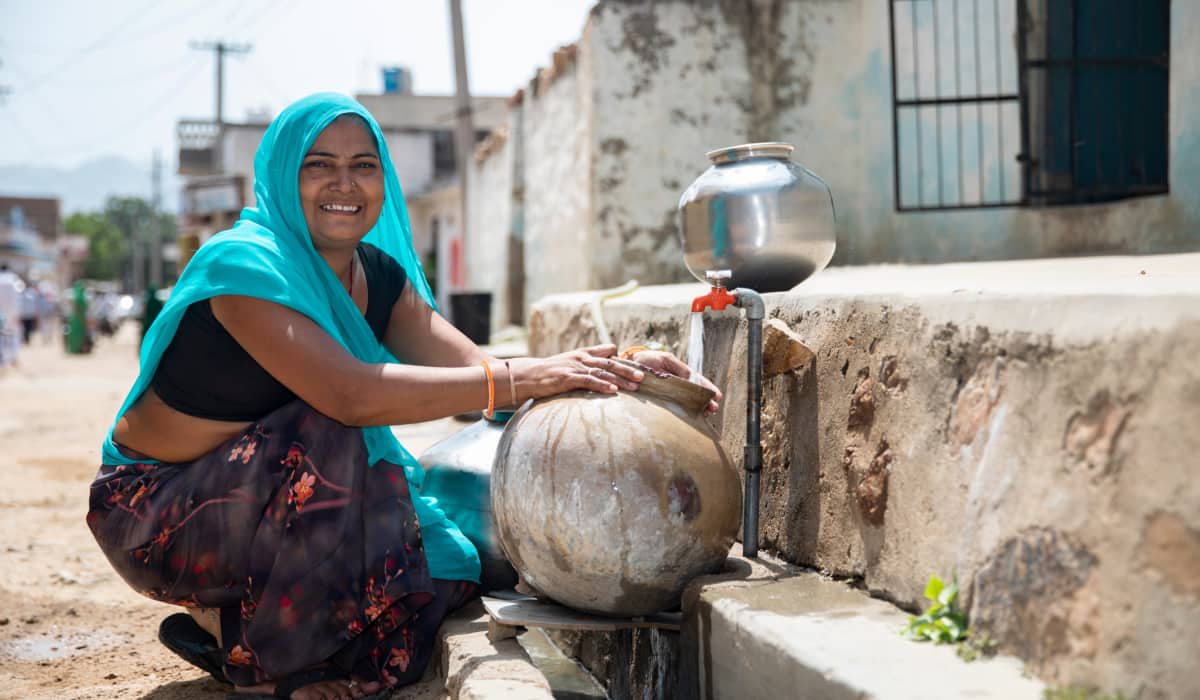
For generations, the sight of women carrying pots of water on their heads was an everyday scene in rural India. It was more than a chore, it was a necessity that was an integral part of their everyday life. The water was brought back, often just one or two pots which had to be stretched for drinking, cooking, cleaning, and washing. It was a routine that left little time for rest, education, or income-generating work, and the burden fell most heavily on women.

Before 2014 water scarcity, one of India’s most pressing problems, was met with little urgency or vision. Access to safe drinking water was fragmented, villages relied on distant sources, and nationwide household tap connections were seen as unrealistic.

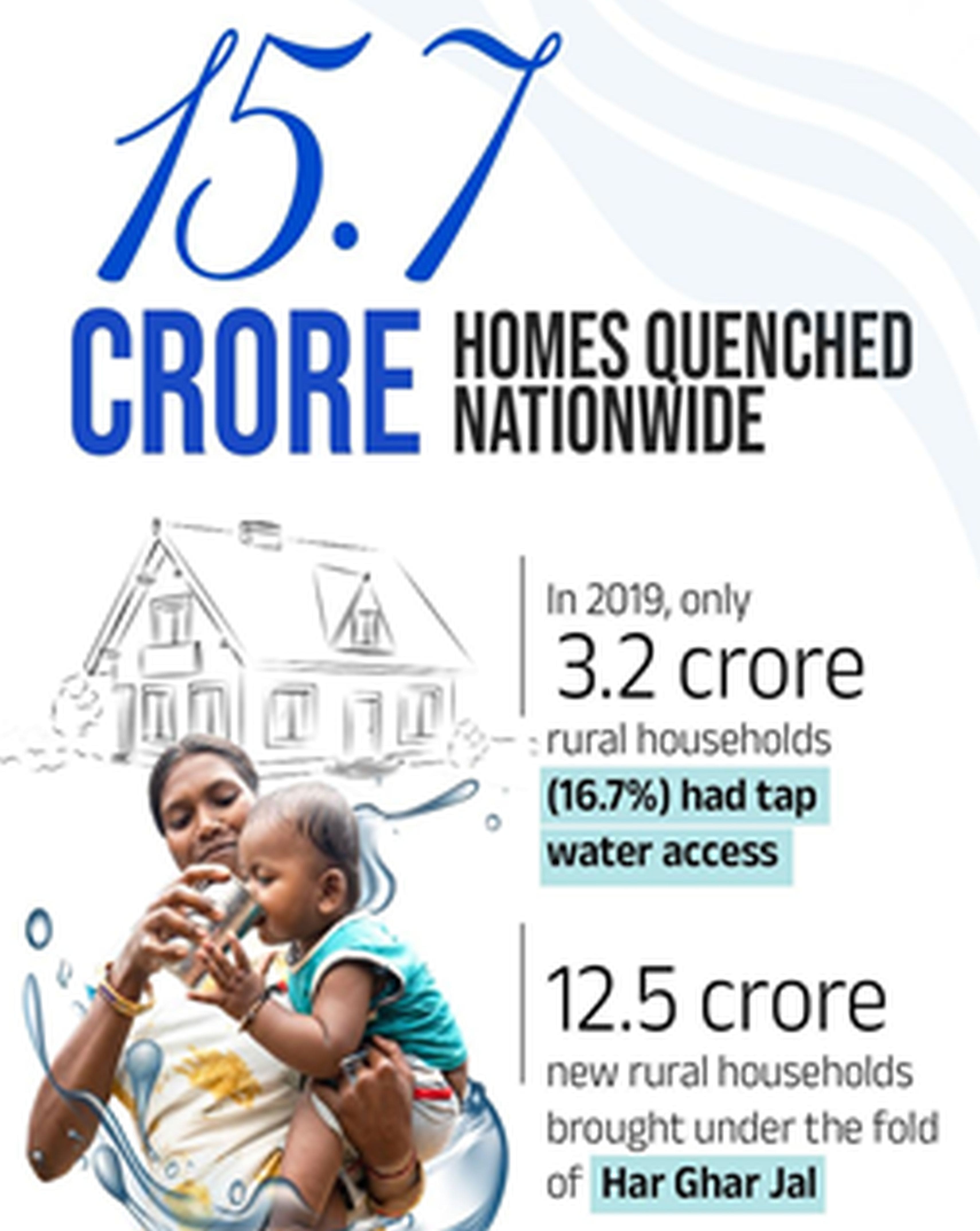
This reality began to shift in 2019, when the Government of India launched the Jal Jeevan Mission (JJM). A centrally sponsored initiative which aims at providing a Functional Household Tap Connection (FHTC) to every rural household. At that time, only 3.2 crore rural households, a modest 16.7% of the total, had tap water. The rest still depended on community sources, often far from home.

As of July 2025, the progress under the Har Ghar Jal program has been exceptional, with 12.5 crore additional rural households connected, bringing the total to over 15.7 crore. The program has achieved 100% tap water coverage in 200 districts and over 2.6 lakh villages, with 8 states and 3 union territories now fully covered. For millions, this means not just access to water at home, but saved time, improved health, and restored dignity. Nearly 80% of tap water coverage has been achieved in 112 aspirational districts, a significant rise from less than 8%. Additionally, 59 lakh households in LWE districts have gained tap water connections, ensuring development reaches every corner. Acknowledging both the significant progress and the road ahead, the Union Budget 2025–26 announced the program’s extension until 2028 with an increased budget.

The Jal Jeevan Mission, launched nationally in 2019, traces its origins to Gujarat, where Narendra Modi, as Chief Minister, tackled water scarcity in the arid state through the Sujalam Sufalam initiative. This effort formed a blueprint for a mission that would one day aim to provide tap water to every rural household in India.

Though drinking water is a State subject, the Government of India has taken on the role of a committed partner, providing technical and financial support while empowering States to plan and implement local solutions. To keep the Mission on track, a strong monitoring system links Aadhaar for targeting, geo-tags assets, conducts third-party inspections, and uses IoT devices to track village water flow.

The Jal Jeevan Mission’s objectives are as much about people as they are about pipes. By prioritizing underserved and water-stressed areas, ensuring that schools, Anganwadi centres, and health facilities have running water, and encouraging local communities to take ownership through contributions or shramdaan, the Mission aims to make safe water everyone’s responsibility..

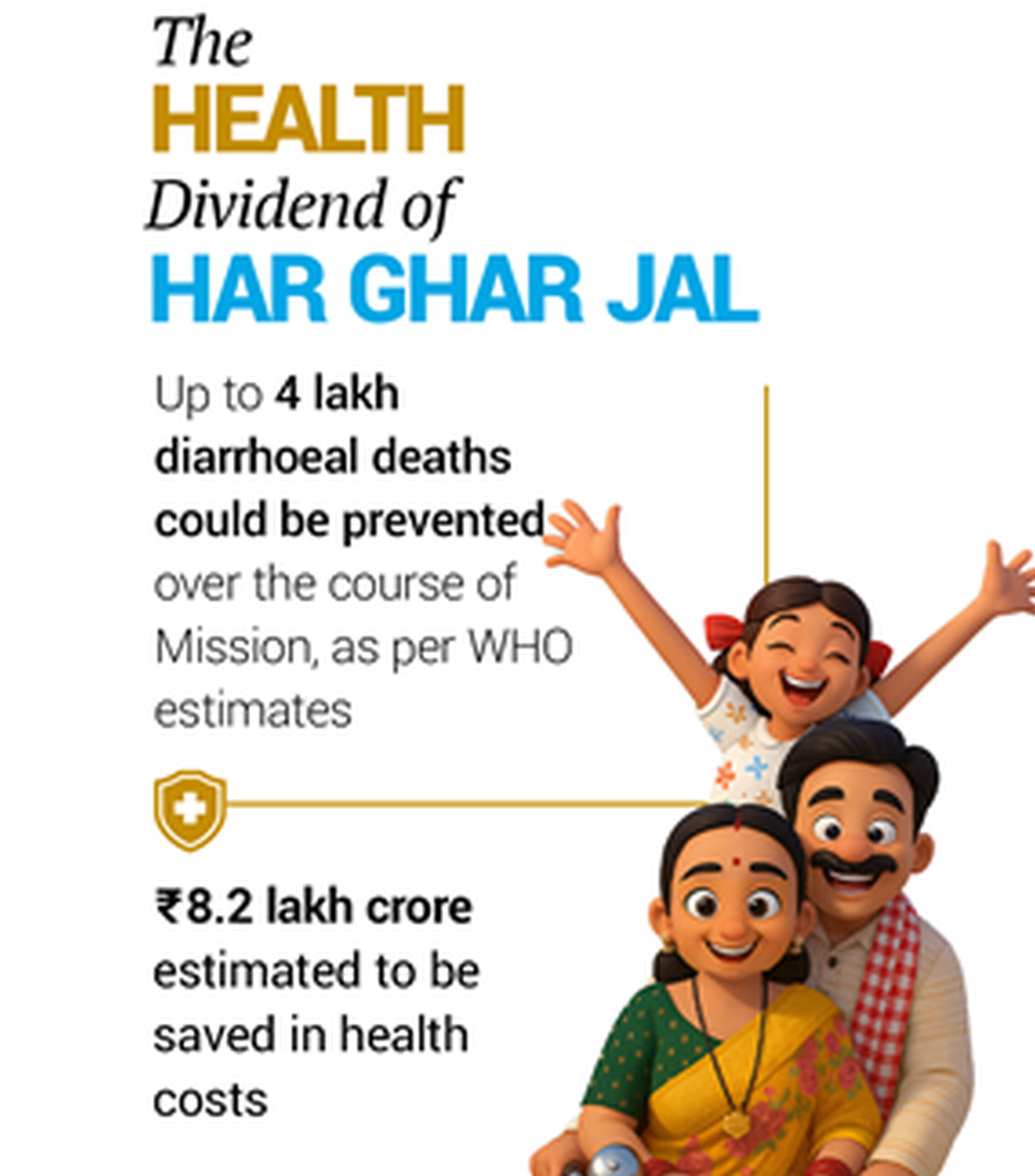
The impact reaches far beyond convenience. The World Health Organization estimates that achieving JJM’s targets could save over 5.5 crore hours each day, time that can now be spent on education, work, or family. 9 crore women no longer need to fetch water from outside. WHO also projects that safe water for all could prevent nearly 4 lakh deaths from diarrhoeal disease and save Rs. 8.2 lakh crores in health costs. Additionally, according to IIM Bangalore and the International Labour Organization, JJM has generated nearly 3 crore person-years of employment during its build-out, with nearly 25 lakh women are trained to use Field testing Kits.

From the quiet relief of a mother filling a glass of clean water in her kitchen, to the confidence of a school where children can drink without worry, the Jal Jeevan Mission is changing what it means to live in rural India.