وزیرِ اعظم نریندر مودی کی زیرِ صدارت مرکزی کابینہ نے موبائل فون مینوفیکچرنگ اسکیم (ایم پی ایم ایس) کو منظوری دے دی۔ اس اسکیم کے نفاذ کے لیے 62 ہزار 500 کروڑ روپے کے بجٹ کی منظوری دی گئی ہے۔

نمایاں خصوصیات:

  • موبائل فون کی پیداوار میں مزید اضافہ، مقامی سطح پر ویلیوچین کو فروغ دینے، سپلائی چین کو زیادہ مضبوط اور پائیدار بنانے، اور عالمی مسابقتی صلاحیت میں اضافہ کرنے کے لیے حکومت نے موبائل فون مینوفیکچرنگ اسکیم (ایم پی ایم ایس) کا آغاز کیا ہے۔
  • ایم پی ایم ایس اسکیم کا مقصد تکنیکی خودمختاری حاصل کرنے ، زیادہ معاشی قدر حاصل کرنے اور ڈیزائن اور آر اینڈ ڈی میں ہندوستانی پیٹنٹ بنانے کے لیے ہندوستانی برانڈز کی تعمیر کرنا ہے ۔
  • اس اسکیم کی مدت پانچ سال ہوگی، یعنی مالی سال 27-2026سے مالی سال31- 2030تک۔
  • یہ اسکیم ہندوستان میں موبائل فون کی مینوفیکچرنگ کے لئے اہل فروخت پر 2.25فیصد سے 5فیصد تک کی مختلف شرحوں پر ترغیبی مدد فراہم کرتی ہے ۔ اسکیم کلیدی اجزاء/ذیلی اسمبلیوں کی گھریلو سورسنگ سے منسلک 1.5 فیصد تک کی اضافی ترغیب بھی فراہم کرتی ہے۔ہندوستانی  برانڈز کے فروغ کے لیے مصنوعات کے ڈیزائن اور تحقیق و ترقی (آر اینڈ ڈی) سے متعلق اہل فروخت پر 3 فیصد اضافی ترغیبی مراعات بھی فراہم کی جاتی ہیں۔

متوقع نتائج:

اسکیم کی مدت کے دوران ، موبائل فون کی برآمدات میں نمایاں اضافے کے ساتھ ملک میں موبائل فون کی مجموعی پیداوار تقریبا 39,00,000 کروڑ روپے تک پہنچنے کی امید ہے ۔ توقع ہے کہ اس اسکیم سے تقریبا 60,000 براہ راست ملازمتیں پیدا ہوں گی جس سے اقتصادی ترقی ، روزگار کے مواقع پیدا ہوں گے اور عالمی الیکٹرانکس مینوفیکچرنگ شعبے میں ہندوستان کی پوزیشن مضبوط ہوگی ۔

تناظر:

  • وزیر اعظم کے میک ان انڈیا وژن نے مالی سال15- 2014سے الیکٹرانکس مینوفیکچرنگ کو 7 گنا اور برآمدات کو 11 گنا بڑھایا ہے ۔ الیکٹرانکس مینوفیکچرنگ کا شعبہ بھی ایک بڑے آجر کے طور پر ابھرا ہے ، خاص طور پر دور دراز کے دیہاتوں کے نوجوان مردوں اور خواتین کے لیے ، چند پلانٹوں میں ایک ہی مقام پر 5000 سے زیادہ ملازمین کو ملازمت دی گئی ہے ۔
  • موبائل فون کی تیاری اس غیر معمولی ترقی کی بنیادی محرک ثابت ہوئی ہے اور آج یہ بھارت کے الیکٹرانکس مینوفیکچرنگ ماحولیاتی نظام کا مرکزی ستون بن چکی ہے۔ بھارت اب پیداوار کے حجم کے لحاظ سے دنیا کا دوسرا سب سے بڑا موبائل فون تیار کرنے والا ملک ہے، جبکہ ملک میں استعمال ہونے والے 99.2 فیصد موبائل فون مقامی طور پر ہی تیار کیے جا رہے ہیں۔
  • سال 2025 میں اسمارٹ فون بھارت کی برآمدات کی سب سے بڑی واحد مصنوعات کی درجہ بندی کے طور پر ابھر کر سامنے آئے ہیں، جنہوں نے ڈیزل ایندھن اور تراشے ہوئے ہیروں جیسی روایتی برآمدی اشیا کو بھی پیچھے چھوڑ دیا ہے۔ آج موبائل فون بھارت کی الیکٹرانکس پیداوار اور برآمدات کا ایک بڑا حصہ بن چکے ہیں اور عالمی ویلیو چینز میں بھارت کی پوزیشن کو مستحکم بنانے میں نہایت اہم کردار ادا کر رہے ہیں۔
  • بڑے پیمانے پر الیکٹرانکس مینوفیکچرنگ کے لیے پروڈکشن لنکڈ انسینٹو اسکیم (پی ایل آئی–ایل ایس ای ایم) نے بھارت کو موبائل فون کی تیاری اور برآمدات کے عالمی مرکز کے طور پر قائم کرنے میں انقلابی کردار ادا کیا ہے۔ اس اسکیم کی مدت 31 مارچ 2026 کو مکمل ہو گئی۔


Explore More
شری رام جنم بھومی مندر دھوجاروہن اتسو کے دوران وزیر اعظم کی تقریر کا متن

Popular Speeches

شری رام جنم بھومی مندر دھوجاروہن اتسو کے دوران وزیر اعظم کی تقریر کا متن
India's pace of economic growth shows that its Viksit Bharat dream is not out of reach

Media Coverage

India's pace of economic growth shows that its Viksit Bharat dream is not out of reach
NM on the go

Nm on the go

Always be the first to hear from the PM. Get the App Now!
...
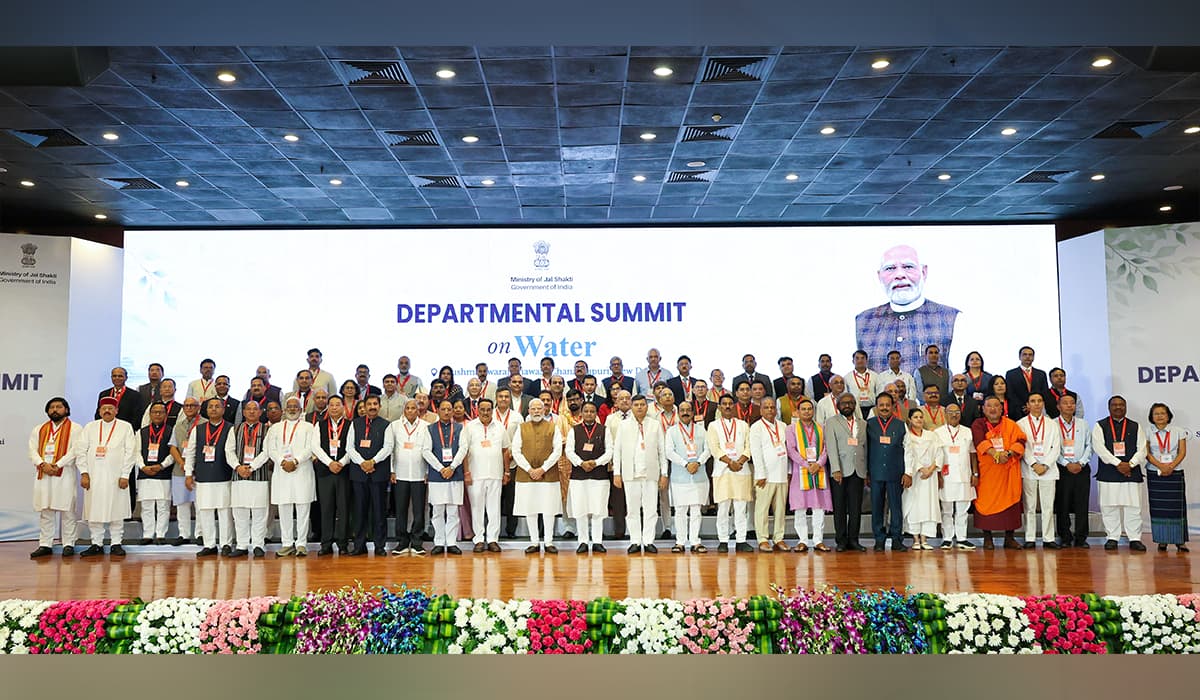
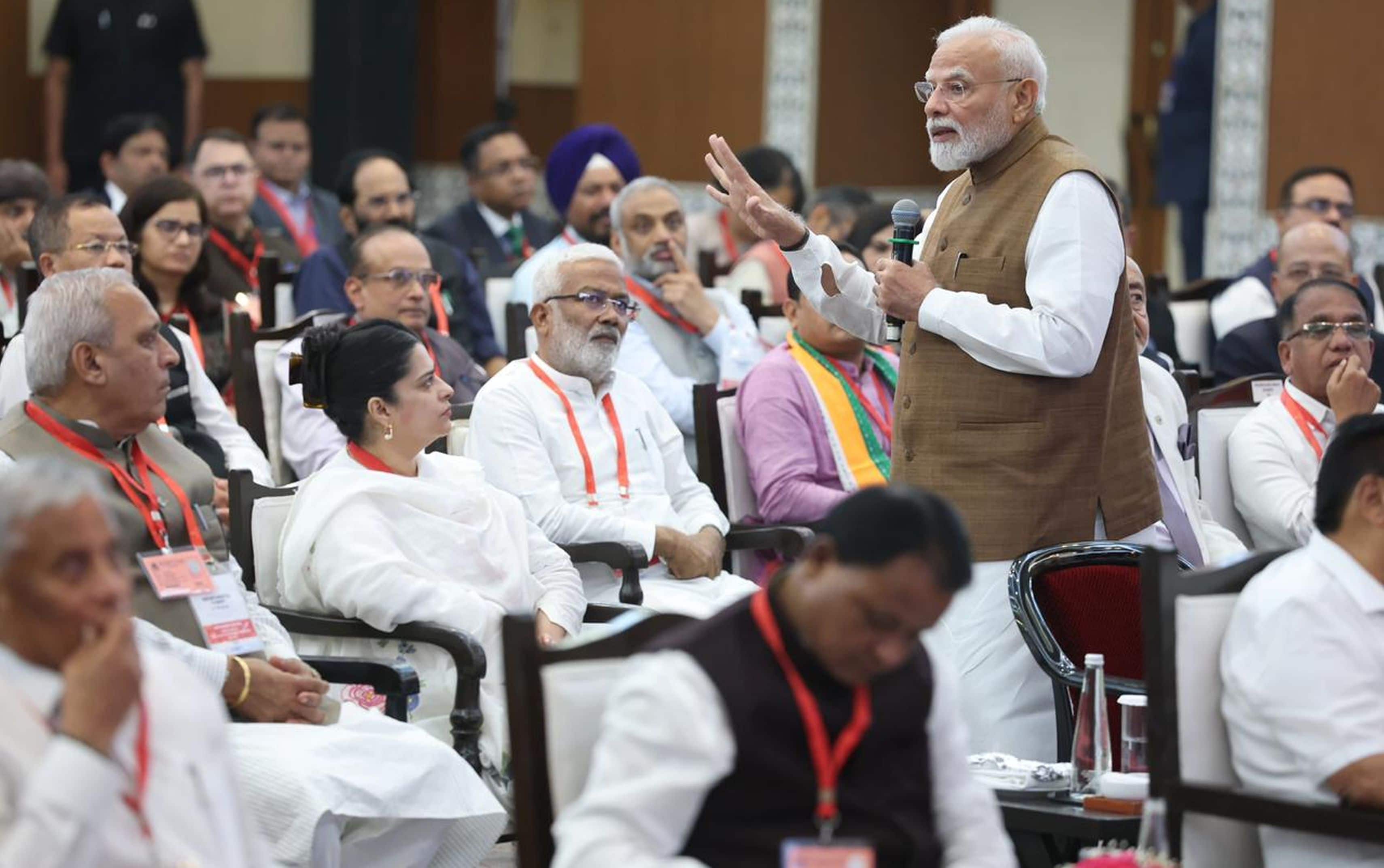
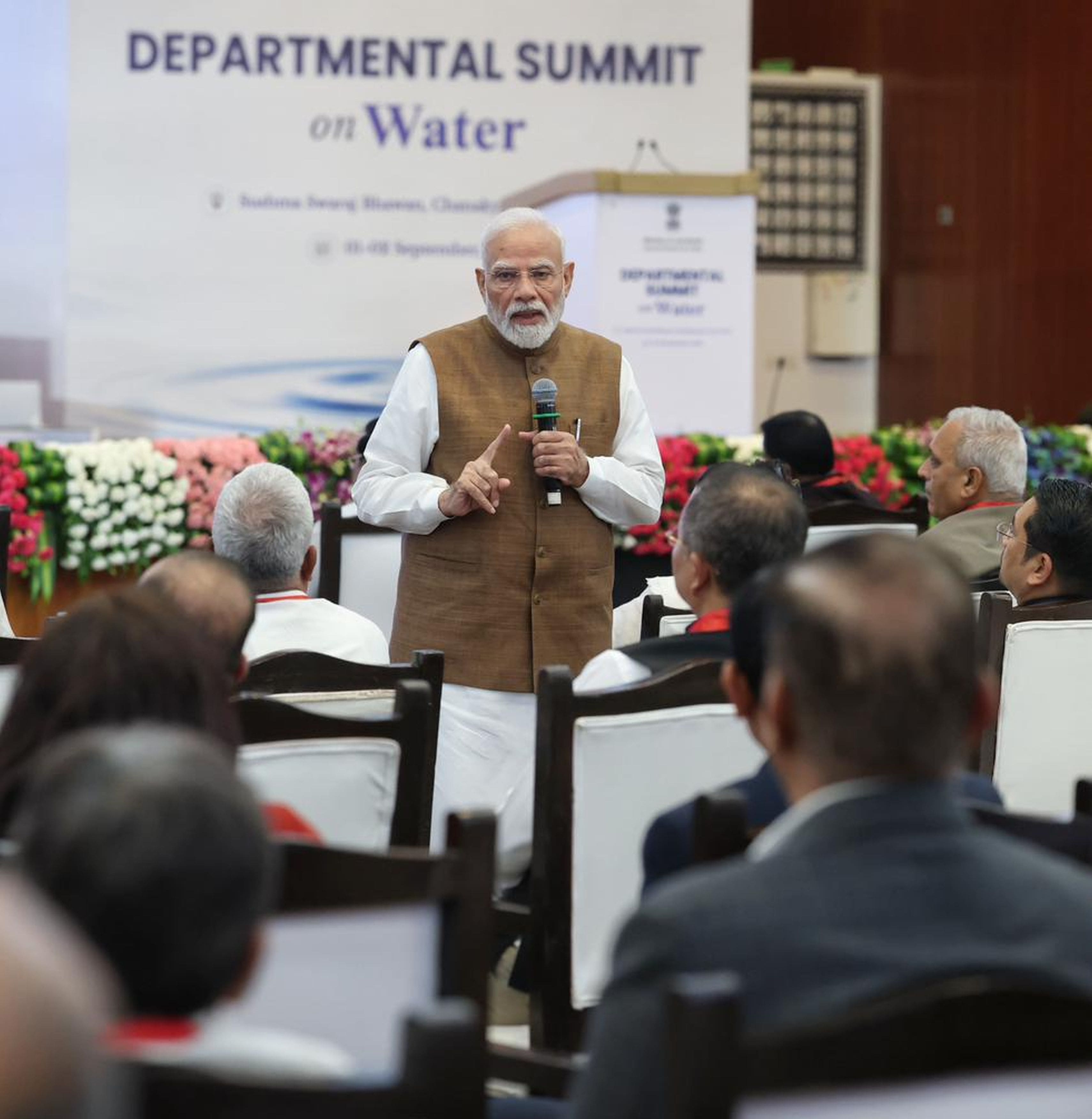
PM chairs valedictory session of National Departmental Summit on Water
September 02, 2026
This marks the first in a series of Summits envisioned by PM to strengthen spirit of Team India and deepen cooperative federalism
PM stresses adoption of a continuous process of review and follow up to act on actionable and time-bound outcomes
Emphasising Jan Bhagidari, PM calls for promoting Jal Utsav to deepen public awareness on water conservation
PM calls for greater adoption of water-saving technologies and learning from global best practices
PM calls for robust water data governance through effective use of AI
PM suggests structured inter-State Study-visits involving public representatives, officials and farmers on water related issues

Prime Minister Shri Narendra Modi today chaired the valedictory session of the two-day National Departmental Summit on Water, organised by the Ministry of Jal Shakti. The Summit is the first in a series of Departmental Summits envisioned by Prime Minister to strengthen the spirit of Team India, deepen cooperative federalism and foster collective ownership of national priorities through closer collaboration between the Centre and the States. It brought together Ministers and senior officials from States and Union Territories for focused deliberations on various dimensions of India’s water security.

Prime Minister appreciated the intensive two-day deliberations and emphasised that the actionable and time-bound action points emerging from the Summit should be pursued through a continuous process of review and learning. He suggested that the Summit should not remain a one-time exercise and called for a continuous process of review and follow-up.

Prime Minister called for sensitising Urban Local Bodies to the challenges arising from urbanisation, including population growth and future water requirements, and suggested organising similar Chintan Shivirs for Urban Local Bodies. He called for greater adoption of water-saving technologies. He also suggested dedicated exhibitions and workshops, including exposure to global best practices, to enable Indian manufacturers and stakeholders to develop and scale efficient solutions.

Emphasising Jan Bhagidari, Prime Minister suggested promoting “Jal Utsav” to create greater awareness among people. Prime Minister called for making de-silting a regular programme and developing clear criteria and SOPs for de-silting. On dam safety, he stressed rigorous preparedness before every monsoon, adherence to prescribed precautions and creating awareness among school students, including through suitable incorporation in educational curricula.

Prime Minister further called for strengthening knowledge and capacity on water management and governance in universities and higher educational institutions. He suggested structured inter-State study-visits involving public representatives, officials and farmers to facilitate practical learning and replication of successful interventions.

Prime Minister called for robust water data governance, with water-sector data brought together, systematically managed, analysed and effectively utilised. He recommended the use of AI for data collection and analysis through a uniform format. He also stressed anticipatory and integrated planning to address water scarcity through suitable utilisation of treated water for agriculture and industrial purposes.

Drawing upon his experience as Chief Minister of Gujarat, Prime Minister noted that instances of water scarcity could be transformed into opportunities through systematic planning, commitment and deployment of adequate resources and capable officers.

Union Minister for Jal Shakti Shri C. R. Patil highlighted four key outcomes of the summit: accelerated completion of water infrastructure projects; strengthening water conservation as a sustained people’s movement; ensuring long-term sustainability of drinking-water sources; and institutionalising effective operation and maintenance of rural drinking-water schemes.