First of all, I would like to express my gratitude to the President for personally coming to the airport to receive me today. I am very thankful to him for organizing such a large roundtable with business leaders. I also sincerely thank him for the positive thoughts he shared about me and our partnership.
Friends,
It is after 23 years that a Prime Minister of Bharat has visited Cyprus. And the very first program is a business roundtable. This signifies how important economic stakeholders are in the relationship between Bharat and Cyprus. I have listened to your views very carefully. I have sensed your commitment to strengthening Bharat-Cyprus economic relations. In your ideas, I have felt not just potential, but resolve. It is clear that there are immense opportunities for our relations to grow further.
Friends,
Cyprus has long been a reliable partner for us, as many of you have also mentioned. Significant investment has come to Bharat from Cyprus. Several Indian companies have also invested in Cyprus and, in a way, view Cyprus as a gateway to Europe. Today, bilateral trade has reached 150 million dollars. But the true potential of our relationship is far greater than this. Most of you are connected with Bharat and have witnessed Bharat’s growth story over the past 11 years. In the last decade, Bharat has become the world’s fifth-largest economy, and we are moving rapidly toward becoming the third-largest economy in the near future. Today, Bharat is recognized globally as one of the fastest-growing emerging economies.
Friends,
You are well aware that we have undertaken major tax reforms. With GST, the One Nation, One Tax system has been implemented. Corporate tax has been rationalized. Thousands of laws have been decriminalized. Along with "Ease of Doing Business," we have also emphasized "Trust of Doing Business" equally. Today, Bharat has a clear policy and a stable polity. For the first time in six decades, the same government has been elected for a third consecutive term. You are familiar with Bharat’s demographic dividend and talent, which also came up in your discussions. In the past 10 years, Bharat has seen a digital revolution. Financial inclusion has become a global benchmark. Through the Unified Payments Interface (UPI), 50% of the world's digital transactions now take place in Bharat. Countries like France have joined this platform, and discussions are underway for Cyprus to join as well—I welcome this.
Bharat is investing over $100 billion annually in the development of futuristic infrastructure. In this year's Budget, we have launched a Manufacturing Mission. Bharat is among the world leaders in manufacturing vaccines, generic medicines, and medical devices. We are also focusing on maritime and port development. Shipbuilding and shipbreaking are being given priority, and a new policy is being introduced for this. The civil aviation sector is growing rapidly. Indian companies have placed new orders for more than a thousand aircraft. Innovation has become a strong pillar of Bharat’s economic strength. Our over 100,000 start-ups are not just dreamers—they are delivering solutions. Among these, 100 have become unicorns. Bharat believes in balancing the economy with ecology, and we are committed to this path. A clean and green future is being built. We are moving rapidly toward our target of 500 gigawatts of renewable energy by 2030. We are also accelerating work on green shipping and making Indian Railways 100% carbon-neutral by 2030.
Our AI Mission, Quantum Mission, Semiconductor Mission, Critical Minerals Mission, and Nuclear Power Mission are becoming the new engines of our growth. I am pleased to know that the Cyprus Stock Exchange and the National Stock Exchange (NSE) of Bharat have agreed to collaborate in GIFT City, in my home state of Gujarat. Cyprus is a renowned tourist destination. In Bharat too, we are focusing on destination development and management. Close cooperation between our tour operators can take many forms. There are many such areas where there is immense potential for mutual cooperation.
Friends,
Last month, Bharat and the UK reached an agreement on an ambitious Free Trade Agreement (FTA). We are now committed to concluding the Bharat-EU Free Trade Agreement by the end of this year. The pace of negotiations has picked up, and all of you will certainly benefit from it. I welcome the establishment of the Bharat-Cyprus-Greece Business and Investment Council. This is a very good initiative and can become an important platform for economic cooperation. Friends, the ideas and suggestions you all have shared have been noted by my team. We will develop an action plan and follow up on them. I also extend an invitation for you to visit Bharat. In conclusion, I once again thank the President for taking the time to attend this meeting. I also express my gratitude to the Cyprus Chamber of Commerce and Industry and Investment Cyprus for organizing this roundtable in such a well-coordinated manner. Thank you all very much.
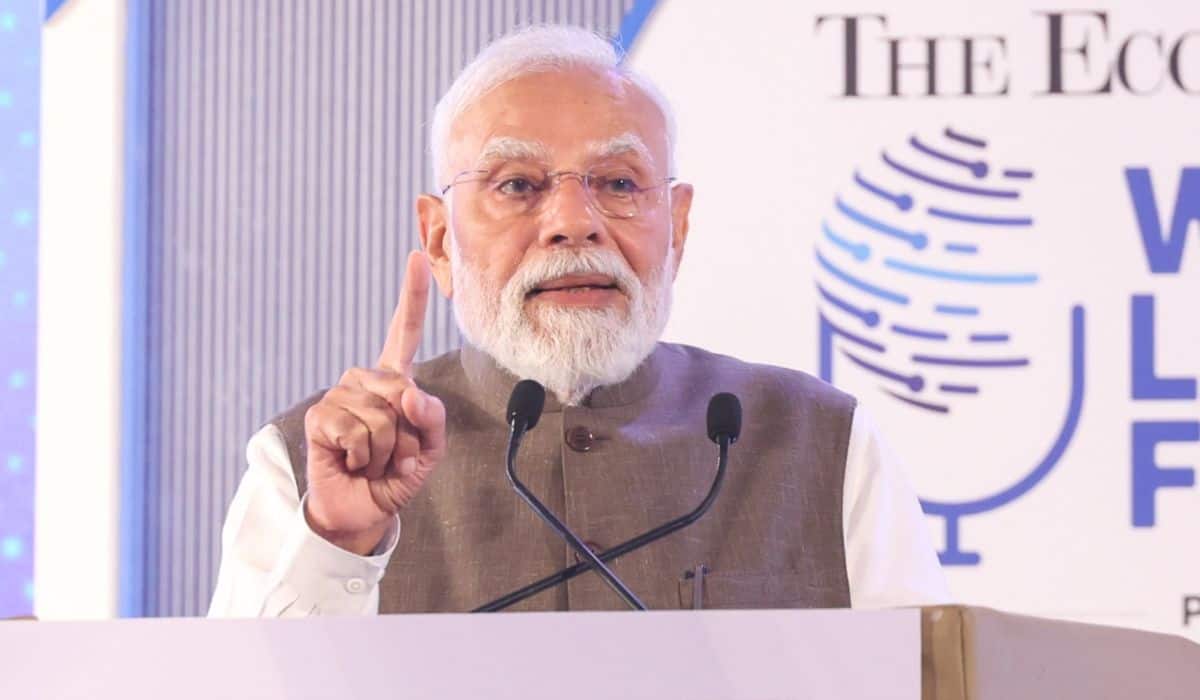
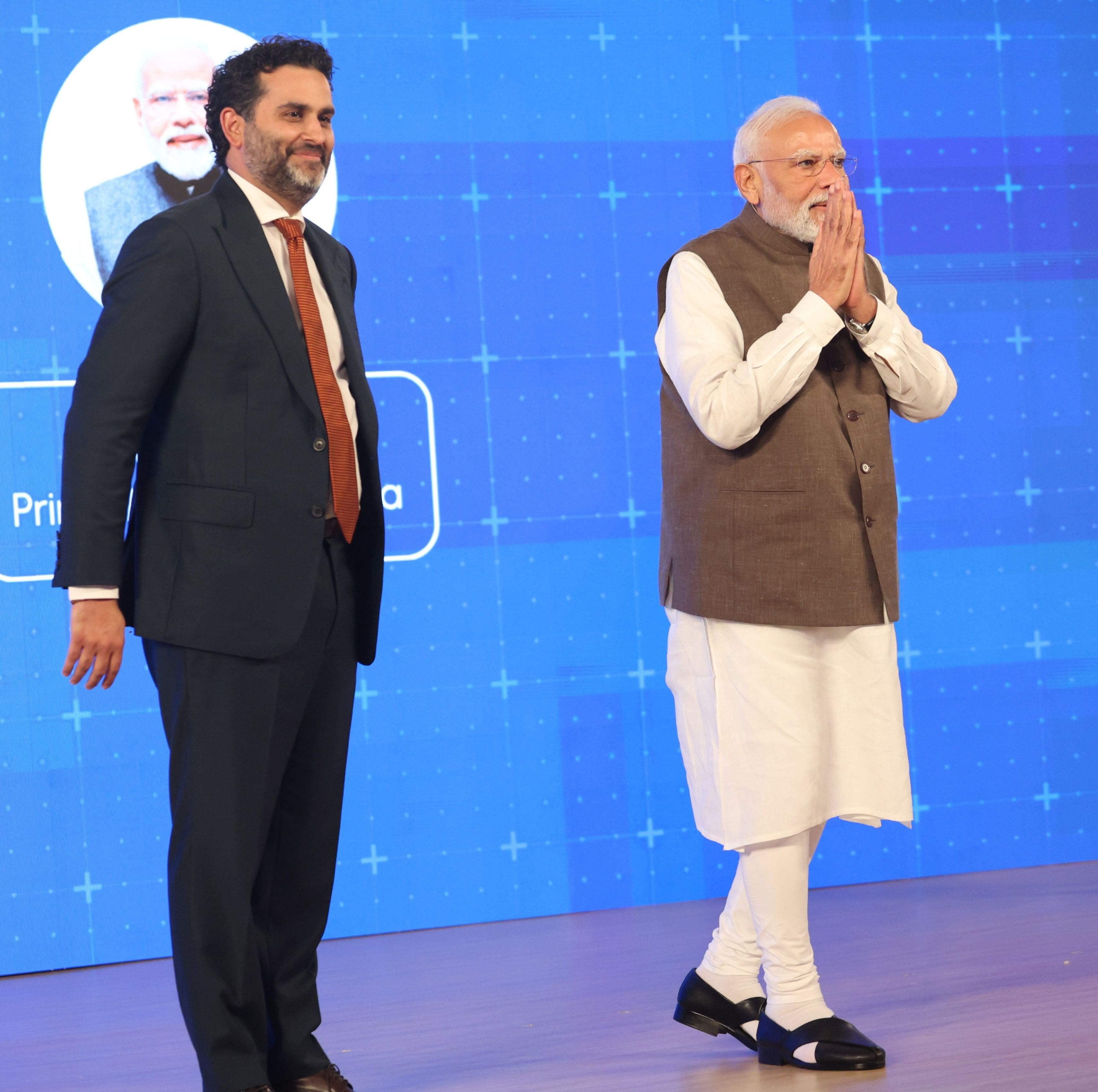
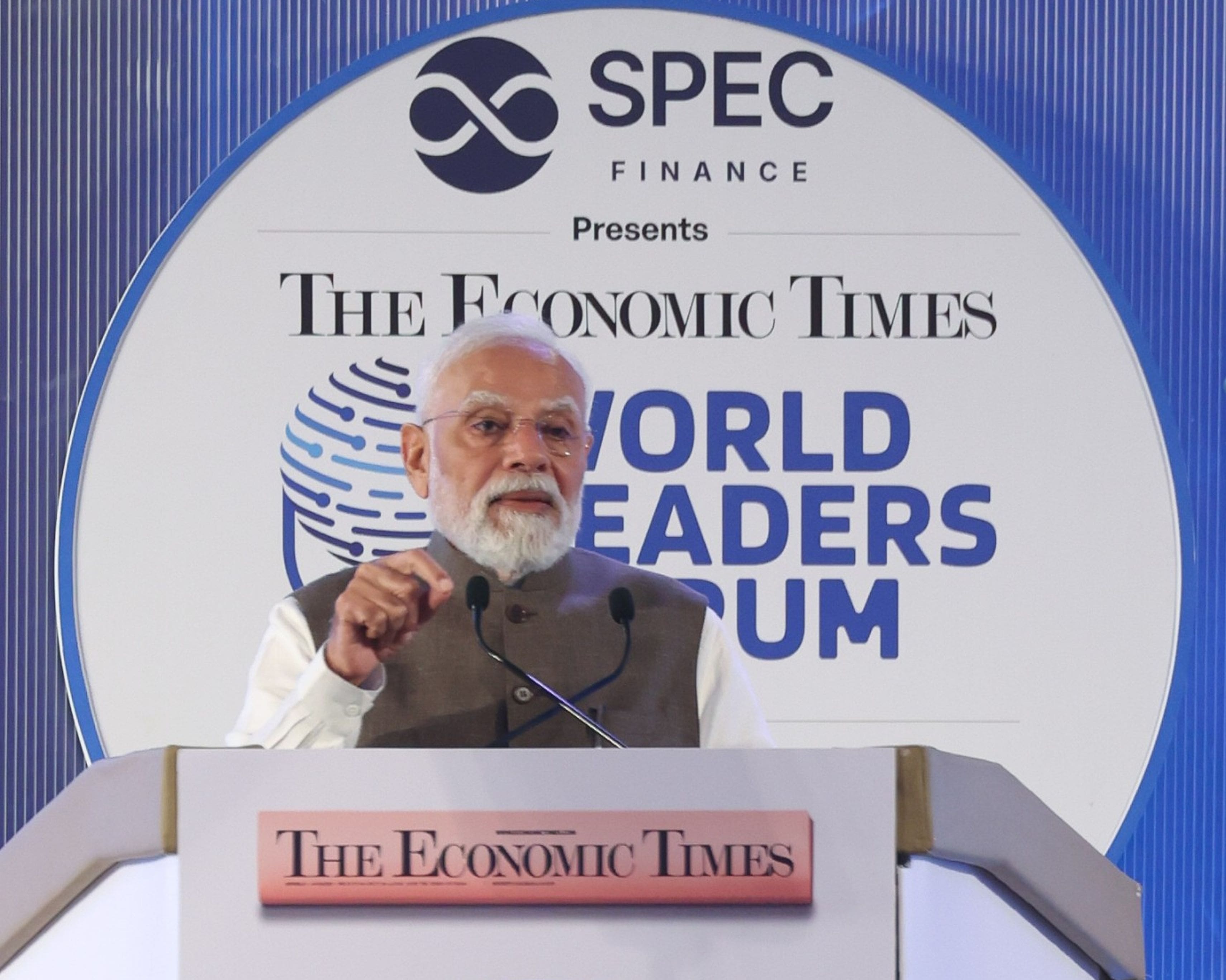
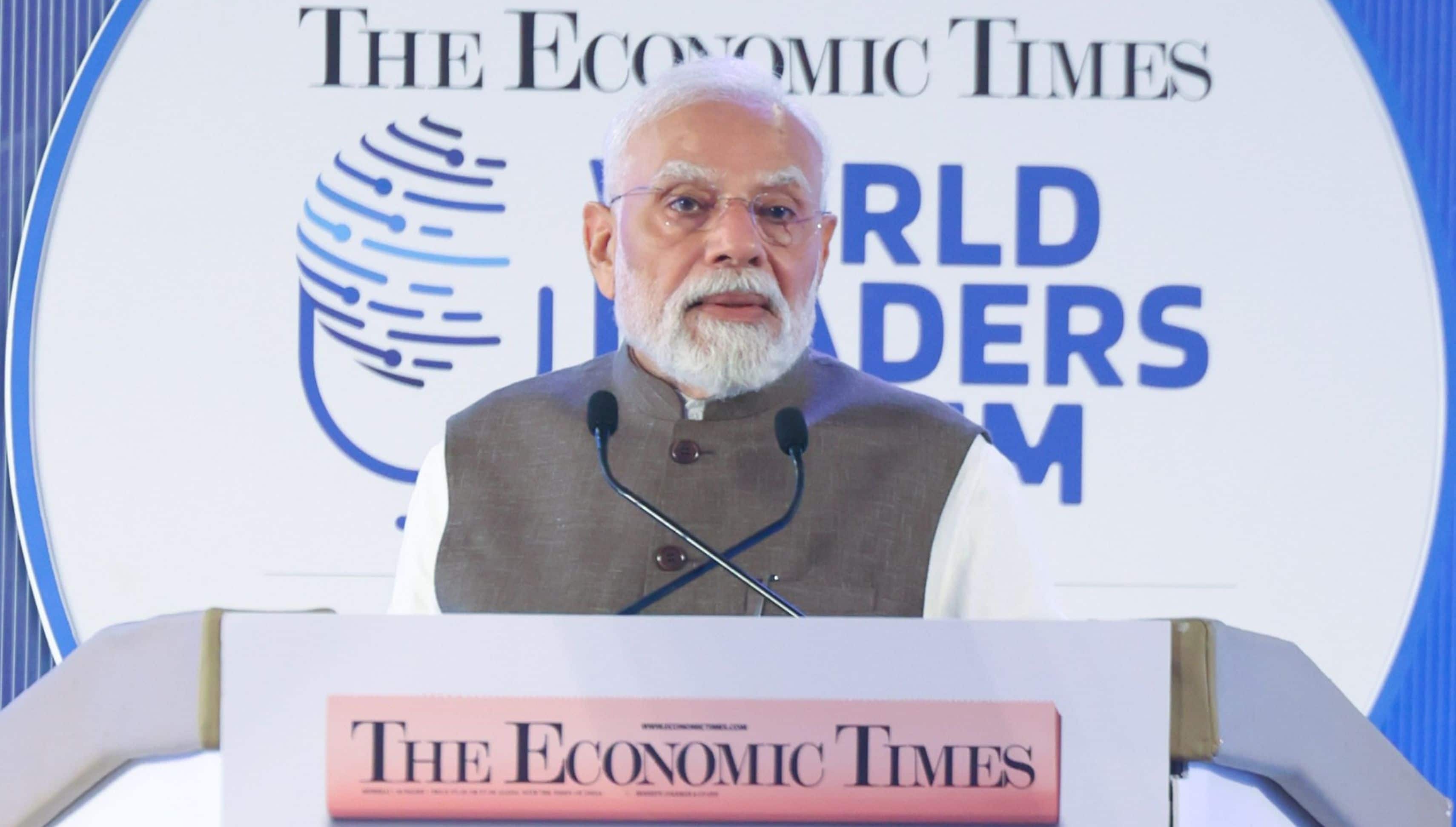
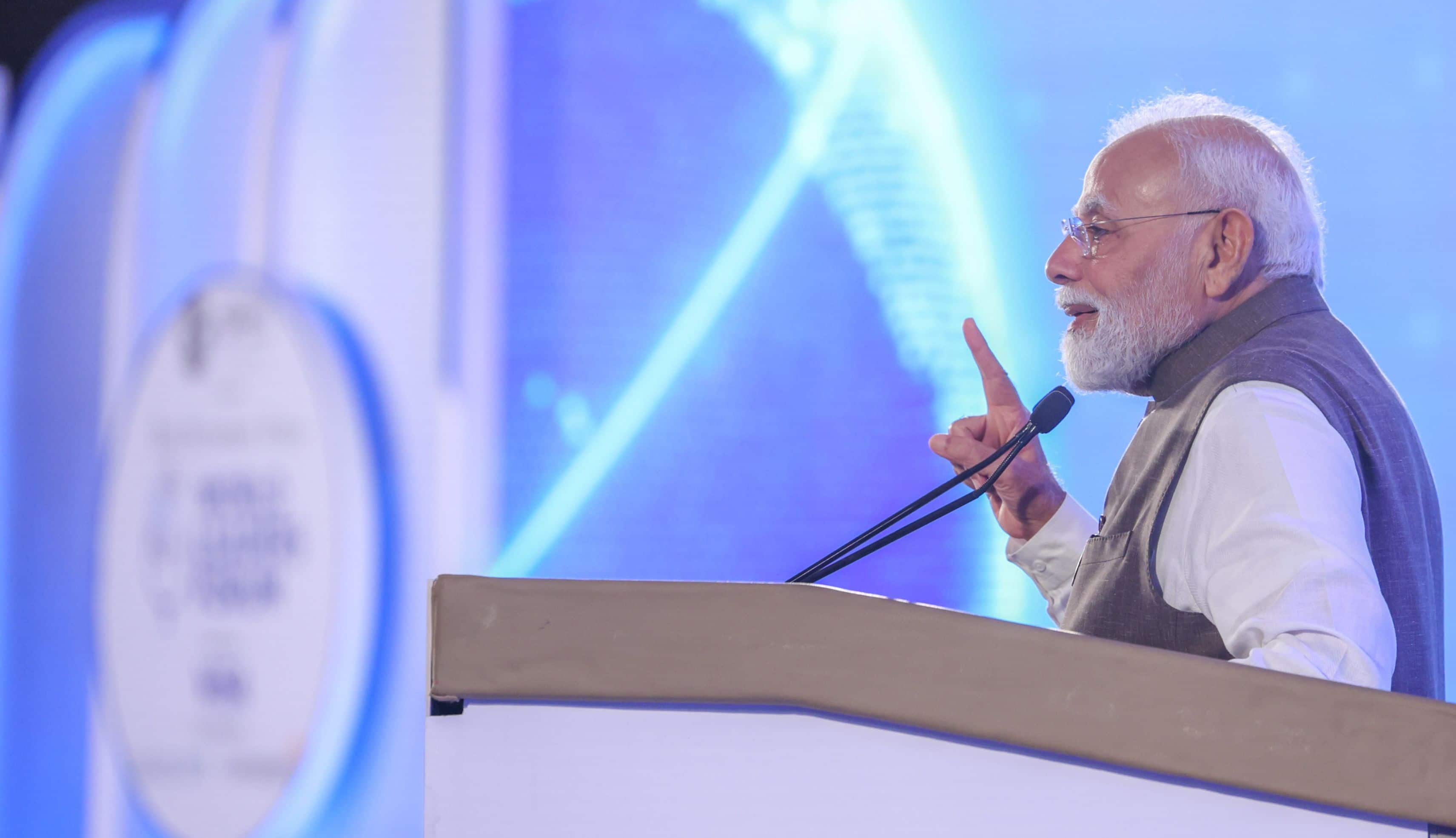
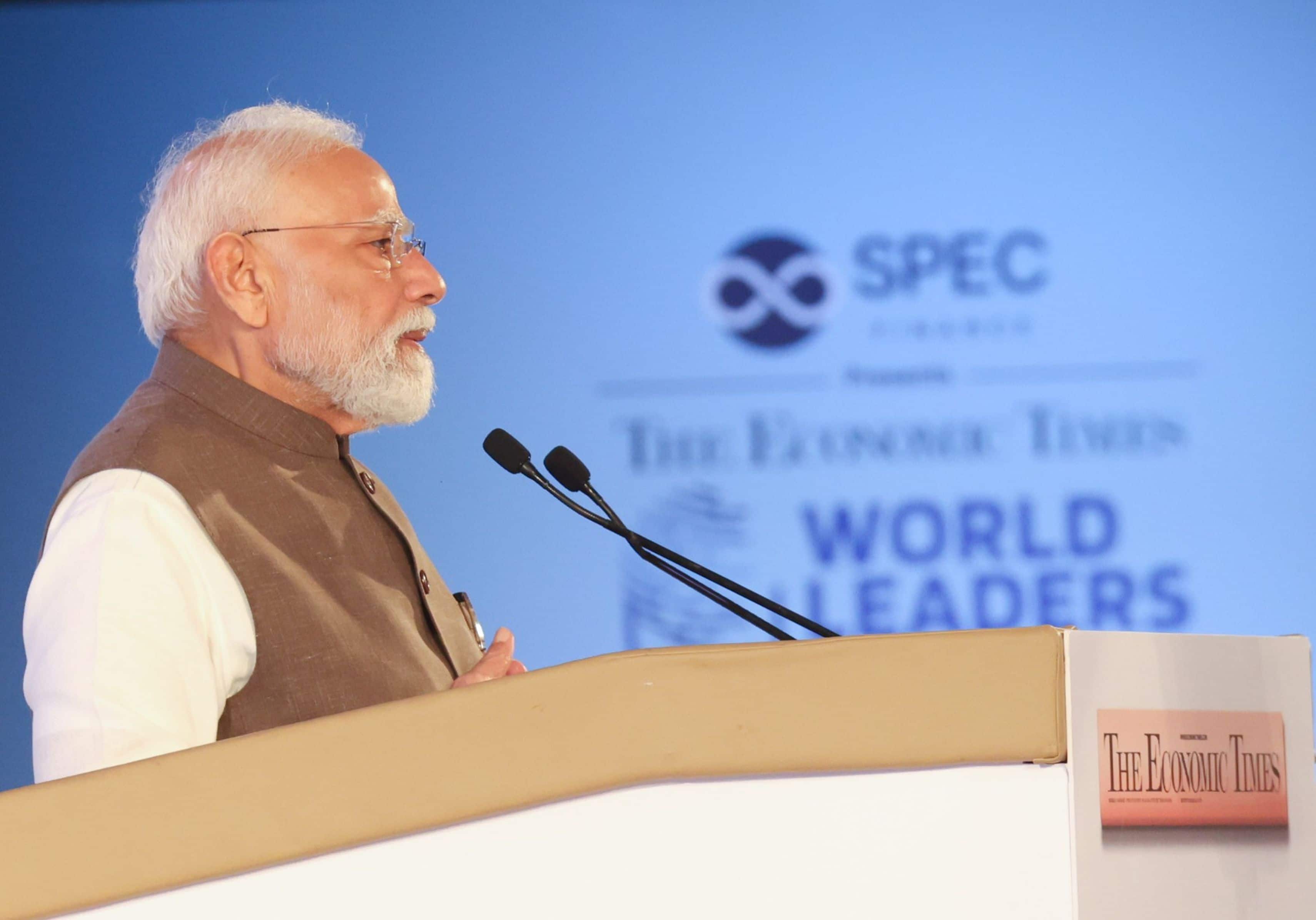
The world is seeing India as a bright spot of growth and hope: PM Modi at Economic Times World Leaders Forum 2026
August 21, 2026
Share
The world sees India as a bright spot for growth and hope: PM
Today, India is implementing next-generation reforms at the policy level and undertaking reforms at governance level: PM
Increasing production was met with punishment earlier but today, our government is providing incentives for boosting production
India has political stability and continuity in its policies: PM
Earlier, the approach of regulations was, 'prohibited unless permitted’; We are changing this approach and taking it towards 'permitted unless prohibited’: PM
The relationship between the government and citizens should be based on trust, not suspicion: PM
Today, we are shaping policies that are pro-people, pro-growth and pro-development: PM
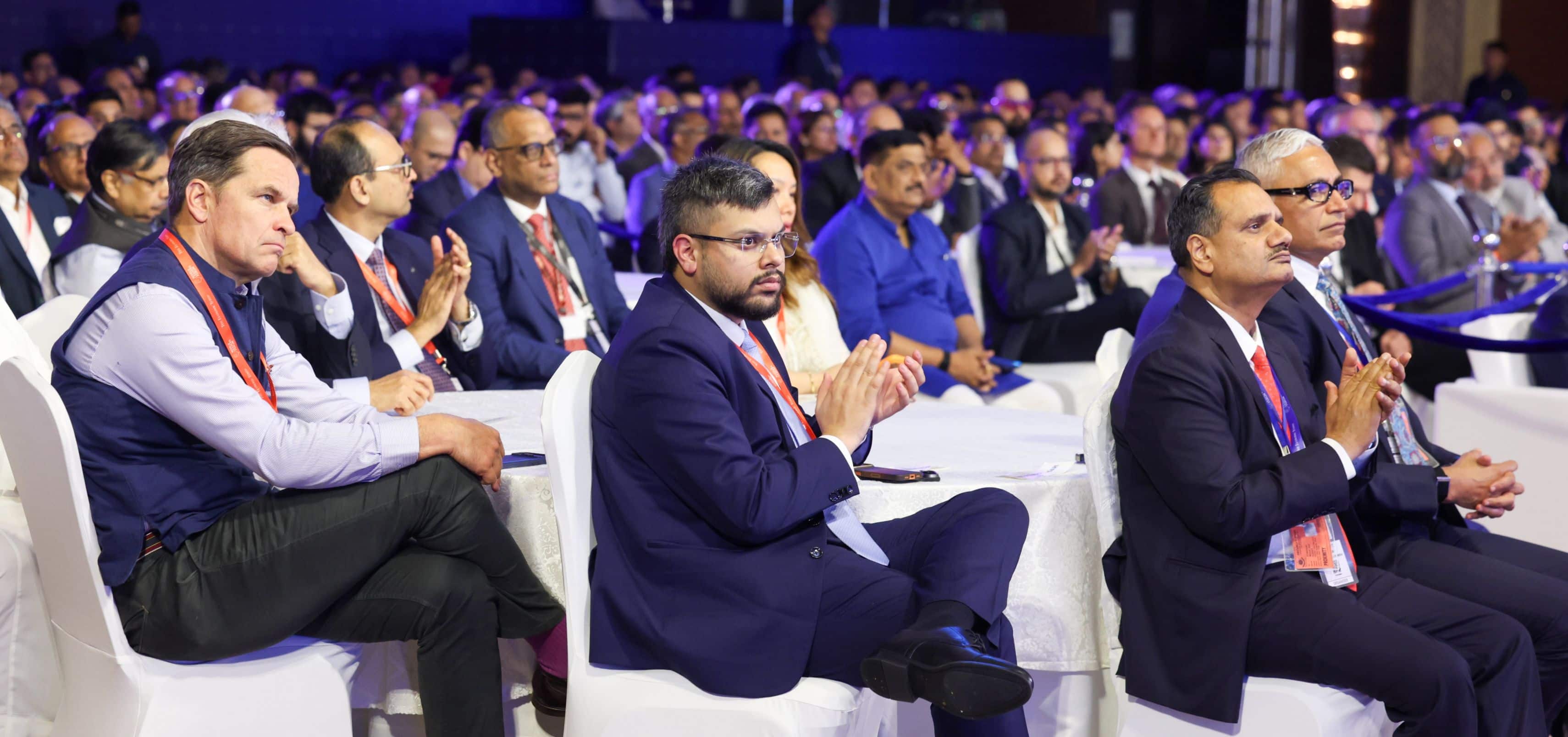
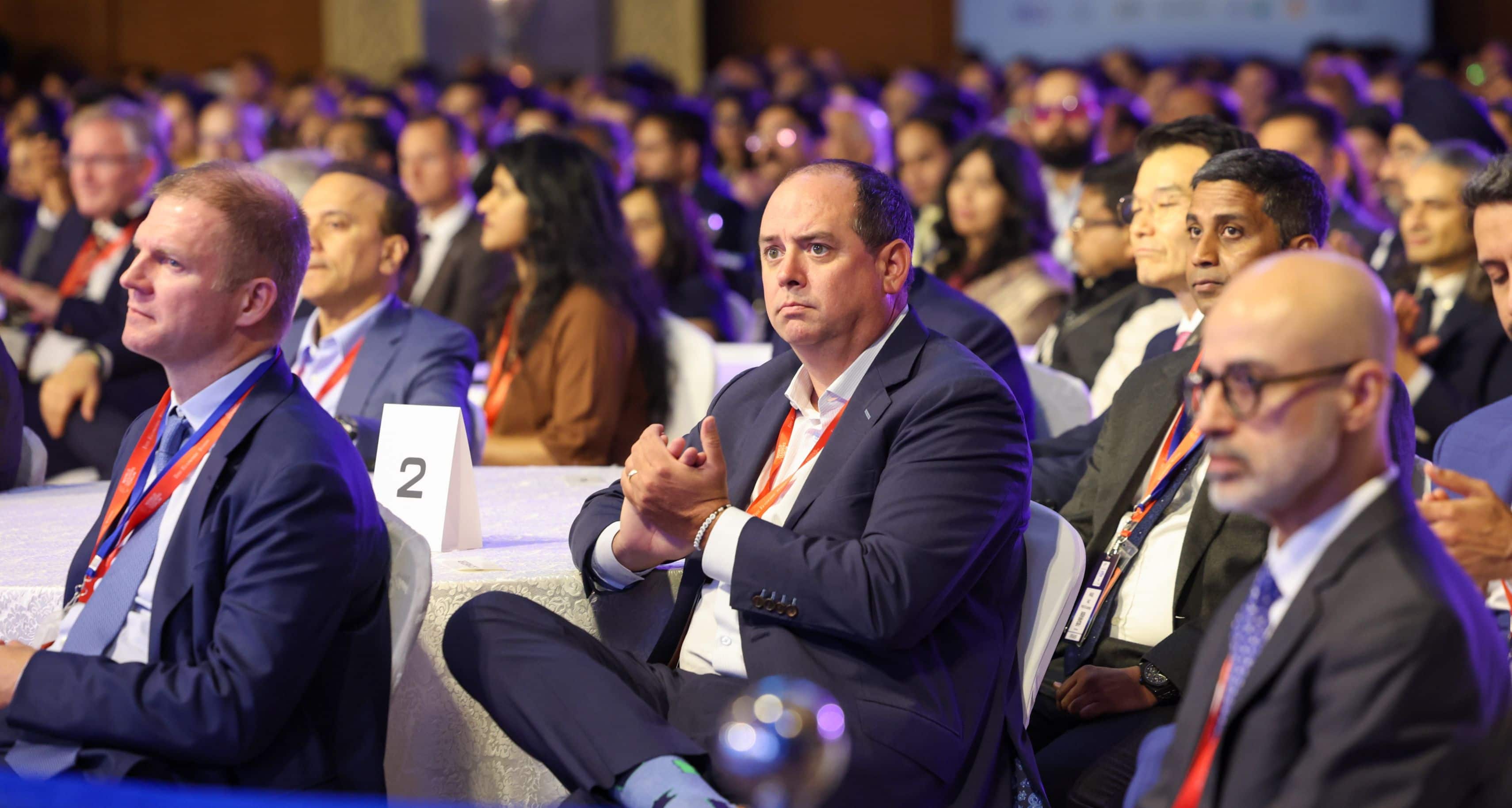
World Leaders Forum का ये प्रतिष्ठित मंच, Business और Industry की दुनिया के सभी जाने माने दिग्गज, पॉलिसी मेकर्स, अन्य महानुभाव, देवियों और सज्जनों।
आप सबके बीच आकर के खुश होना बहुत स्वाभाविक भी है। इस साल समिट का फोकस Shared Future पर है। पिछले कुछ वर्षों में दुनिया ने अनेक उतार-चढ़ाव देखे हैं। और इन अनुभवों ने एक बात बहुत स्पष्ट कर दी है, कोई चाहे या ना चाहे, हर देश का भविष्य, उसका फ्यूचर, एक-दूसरे से जुड़ा हुआ ही है, Isolation में कुछ संभव नहीं है। इसीलिए Shared Futures की ये theme, आज और भी अधिक प्रासंगिक हो गई है। और भारत तो हमेशा से इसी भावना को लेकर चला है। जी-20 की अध्यक्षता में इसलिए ही भारत का मंत्र रहा, One Earth, One Family, One Future. Shared Future की ये भावना और इसके साथ जुड़ा दायित्वबोध, 21वीं सदी के इस विश्व की अनेक समस्याओं का समाधान देता है।
साथियों,
आज दुनिया में growth को लेकर के कई तरह की चिंताएं हैं। दुनिया ने बड़ा भयंकर एक रूप देखा है इन दिनों। Resources का वेपनाइजेशन हो रहा है। अविश्वास का वातावरण विश्व के लिए अनेक नई चुनौतियां लेकर के आ रहा है। लेकिन ऐसे समय में भी, दुनिया भारत को growth और hope के bright spot के रूप में देख रही है। भारत ने पिछले 10-12 साल में अपनी 25 करोड़ आबादी को गरीबी से बाहर निकाला है। इतना ही नहीं, अगर आने वाले दिनों की चर्चा करें, तो IMF का forecast है कि भारत दुनिया की fastest growing major economy बना रहेगा। और भारत निरंतर वो कदम उठा रहा है, जो उसके विकास को गति दे रहे हैं।
Friends,
अभी पिछले हफ्ते ही, 15 अगस्त को मैंने लाल किले से सप्त-धारा की सप्त-शक्तियों की बात की है। मैन्यूफैक्चरिंग, टेक्नोलॉजी और इनोवेशन, फूड प्रोसेसिंग, ग्रीन और ब्लू इकोनॉमी समेत, मैंने ऐसे सात सेक्टर्स की बात की है, जिन पर भारत का आज बहुत ज्यादा फोकस है। और इसलिए भारत आज, Policy level पर, नेक्स्ट जनरेशन reforms कर रहा है, ताकि हमारा future सुरक्षित हो। Governance पर reforms कर रहा है, Ease of Living के लिए reforms कर रहा है। पिछली बार जब मैं इसी मंच के माध्यम से आपसे जुड़ा था, तब भी मैंने कहा था, ये Reforms हमारे लिए Compulsion नहीं है। ये हमारा commitment है, ये हमारा conviction है।
साथियों,
2014 में, जब हमारी सरकार बनी, तो उसके बाद से ही रिफॉर्म्स ने कैसे देश की दिशा और दशा बदली है, मैं इसका एक बहुत दिलचस्प उदाहरण आपको देना चाहता हूं। यहां मौजूद शायद ही किसी को PLP के बारे में पता होगा, कोई है, जिसको PLP के बारे में पता है? अपना हाथ उठाएं। यहां इतने मीडिया के दिग्गज बैठे हैं, PLP आपको पता है? और आप सुनकर के हैरान हो जाएंगे। PLP यानी प्रोडक्शन लिंक्ड पनिशमेंट, इसके बारे में किसी को पता नहीं है। और एक दूसरा टर्म आपने जरूर सुना है PLI, ये ज्यादातर लोगों को पता होगा। PLI- यानी प्रोडक्शन लिंक्ड इंसेंटिव।
साथियों,
ये दोनों टर्म, भारत के दो अलग-अलग Time Period को डिफाइन करते हैं। आजकल Explainer का जमाना है, तो मैं आपको Explain करता हूं।
साथियों,
आज की युवा पीढ़ी को ये सुनकर हैरानी होगी, कि हमारे देश में एक समय ऐसा भी था, कि अगर कोई कंपनी तय लिमिट से ज्यादा प्रॉडक्शन कर दे, तो उसे पनिशमेंट दिया जाता था। ये पहले की लाइसेंस राज वाली सरकारों का, PLP यानी प्रोडक्शन लिंक्ड पनिशमेंट मॉडल था। ऐसे भी उदाहरण रहे हैं कि अगर किसी फैक्ट्री ने ज्यादा डिमांड देखते हुए ज्यादा प्रॉडक्शन कर दिया, तो उसे नोटिस भेज दिया जाता था। मजबूरी में वो कंपनी अपना प्रॉडक्ट मार्केट में बेचने के बजाय, उसे खुद ही नष्ट कर देती थी।
साथियों,
आज जो लोग Make In India और आत्मनिर्भर भारत अभियान का मजाक उड़ाते हैं, उनके पुरखों की सोच यही थी, PLP यानी प्रोडक्शन लिंक्ड पनिशमेंट। ऐसा करने के पीछे एक विशेष तरह की विकृत मानसिकता काम करती थी। ऐसी मानसिकता वाले लोग हमेशा चाहते थे कि जरूरी चीजों की किल्लत बनी रहे। देश के नागरिकों को अभाव में रखना उनकी पॉलिसी थी। वो चाहते थे कि जनता उनके सामने हाथ जोड़े, हाथ फैलाए, आप समझ गए मैं किन लोगों की बात कर रहा हूं। लोगों से हाथ जुड़वाने के बाद उपकार करना, उन सरकारों का तरीका था, इसलिए वो प्रोडक्शन लिंक्ड पनिशमेंट मॉडल पर चलते थे। आप कल्पना कर सकते हैं, ऐसे करके उन लोगों ने Employment Generation के बेसिक principal का गला घोंट दिया था। और हैरानी ये, इन लोगों के दरबारियों ने again I repeat, इन लोगों के दरबारियों ने, कभी इसके खिलाफ कोई आवाज नहीं उठाई।
साथियों,
हर reform की शुरुआत सबसे पहले, आपके सोचने के तरीके, आपके मानसिक, किस रेंज में आप काम कर रहे हैं, इस सोच के reform से ही होती है। जहां पहले production बढ़ाने पर पनिशमेंट मिलता था, वहीं आज हमारी सरकार production बढ़ाने पर incentive दे रही है। और आज PLI स्कीम की सक्सेस दुनिया देख रही है। सिर्फ इस एक योजना की वजह से, मैं सारी योजनाओं की बात नहीं करता हूं, एक की बात करता हूं, करीब ढाई लाख करोड़ रुपए का actual investment हुआ है। 22 लाख करोड़ रुपए से ज्यादा का production और sales हुई है। 15 लाख करोड़ रुपए से ज्यादा का exports हुआ है, और 14 लाख से ज्यादा direct और indirect jobs बनी हैं। और मैं फिर याद दिलाउंगा, ये आंकड़े सिर्फ एक स्कीम के हैं। आप सोचिए, पहले का लाइसेंस राज वाली सरकार का पनिशमेंट मॉडल जहां बेरोजगारी बढ़ाता था, वहीं आज का हमारा incentive मॉडल लाखों नई जॉब्स क्रिएट कर रहा है।
साथियों,
आज भारत में ये तेज विकास, ये तेज रिफॉर्म इसलिए हो रहे हैं, क्योंकि भारत में और जिसका अभी सत्य ने उल्लेख किया, political stability है, हमारी policy में continuity है। पहले देश में रिफॉर्म्स की बात करने वाले घोषणा तो कर देते थे, बाद में भूल जाते थे। लेकिन हमने रिफॉर्म्स को लेकर एक क्लियर रोडमैप बनाया। इस रोडमैप की प्रमुख दिशा रही है- गवर्नेंस लेवेल के रिफॉर्म्स हों! इसके लिए, आज 21वीं सदी के भारत में, हम सिर्फ regulations नहीं बदल रहे हैं, हम regulation की पूरी philosophy बदल रहे हैं। पहले regulations की अप्रोच थी- “Prohibited unless permitted.” यानी जब तक सरकार इजाजत ना दे, तब तक आप वो काम नहीं कर सकते। हम इस approach को बदलकर, “Permitted unless prohibited” की तरफ ले जा रहे हैं। यानी, जो काम कानून ने स्पष्ट रूप से मना नहीं किया है, उसके लिए हर कदम पर permission की कोई जरूरत नहीं होनी चाहिए। और इसके पीछे सोच बहुत सीधी है, सरकार और नागरिक के रिश्ते का आधार, Suspicion नहीं, trust होना चाहिए।
साथियों,
यही सोच आपको Jan Vishwas बिल में भी दिखाई देती है। मैं मानता हूं, हर procedural गलती को criminal offence मान लेना ठीक नहीं है। इसीलिए अनेक offences को decriminalise किया गया है। कई मामलों में जेल की जगह केवल आर्थिक penalty का प्रावधान किया गया है। Government और enterprise के रिश्ते में, हम इसी reform mindset को आगे बढ़ा रहे हैं। बीते वर्षों में 40 हजार से ज्यादा compliances हटाए गए हैं, 40 thousand. डेढ़ हजार से ज्यादा, 15 hundred, डेढ़ हजार से ज्यादा, पुराने और बेकार हो चुके कानून हमने खत्म किए, और जब इन सारे reforms को एक साथ देखते हैं, तो अंदाजा होता है, हमारी industries और businesses के कंधों से कितना बड़ा बोझ कम हुआ है।
साथियों,
गवर्नेंस रिफॉर्म्स की इस प्रक्रिया, उस पर हम निरंतर काम कर रहे है। अभी संसद के मॉनसून सत्र में हमने ‘बैंकर्स बुक एविडेंस बिल’ पारित किया है। और वो भी तब जब विपक्ष ने संसद में लगातार गतिरोध बनाया हुआ था। हमने देश की सेवा करने का काम रूकने नहीं दिया। अब इस कानून ने 19वीं सदी के अंग्रेजी कानून को रिप्लेस किया है। अब बैंकों के डिजिटल रिकॉर्ड्स की स्वीकार्यता को कानूनी मान्यता दी गई है। इससे कानूनी उलझनें कम होंगी, सिस्टम में पारदर्शिता होगी, Ease of Doing Business बढ़ेगा।
साथियों,
गवर्नेंस में रिफॉर्म का एक मतलब ये भी है कि सिस्टम ऐसे बनें, जिसमें एक-एक मानव जीवन और उसके समय के प्रति संवेदनशीलता हो। मैं रेलवे का उदाहरण देता हूं। हमारी रेलवेज में भी इसी अप्रोच के साथ काम हुआ है। आज साढ़े 6 हजार से ज्यादा रेलवे स्टेशनों पर इलेक्ट्रॉनिक इंटरलॉकिंग की व्यवस्था है। 10 हजार से ज्यादा लेवल क्रॉसिंग गेट्स को भी इंटरलॉकिंग से जोड़ा जा चुका है। इससे ह्यूमन एरर से होने वाले हादसों की आशंका बहुत कम हुई है।
साथियों,
जब 2014 में हमारी सरकार आई, तो करीब 9 हजार फाटक ऐसे थे जो Un-Manned थे। इन्हें हटाना कोई रॉकेट साइंस नहीं था। Un-Manned क्रॉसिंग्स की वजह से हजारों लोगों को अपनी जान गंवानी पड़ी, लेकिन पहले की सरकारों को इससे बहुत फर्क नहीं पड़ता था। हमने मिशन मोड में, गत दस वर्ष में, इन Un-Manned क्रॉसिंग्स को समाप्त कर दिया। हमने रोड ओवर ब्रिज और रोड अंडर ब्रिज बनाने की गति भी कई गुना बढ़ा दी। और इसी का नतीजा है कि 2014 के पहले के मुकाबले ट्रेन दुर्घटनाओं की संख्या में Ninety Percent तक की कमी आई है, 90, Ninety Percent. 12 साल पहले जहां एक साल में करीब डेढ़ सौ रेल दुर्घटनाएं होती थीं, वहीं अब इनकी संख्या घटकर 15-20 रह गई है। और हम इसे और कम से कम करने का प्रयास लगातार कर रहे हैं।
साथियों,
Railways में स्वच्छता भी गवर्नेंस रिफॉर्म का एक बड़ा उदाहरण है। एक समय था, जब रेल पटरियों पर गंदगी और human waste एक बड़ी समस्या हुआ करती थी। आज स्थिति पूरी तरह बदल गई है। 2014 से पहले हमारी ट्रेनों में जहां लगभग 12 हजार बायो-टॉयलेट्स लगाए गए थे, वहीं 2014 के बाद ट्रेनों में 3 लाख 60 हजार से ज्यादा बायो-टॉयलेट्स लगाए गए हैं। यानी, 97 प्रतिशत से ज्यादा बायो-टॉयलेट्स पिछले 12 वर्षों में लगे हैं। ये बदलाव सिर्फ सफाई का नहीं, यात्रियों की गरिमा, स्वच्छता और आधुनिक भारत के निर्माण की दिशा में गवर्नेंस का एक नया मॉडल है। ये करोड़ों यात्रियों को बेहतर अनुभव देने का अभियान भी है।
साथियों,
गवर्नेंस की क्वालिटी का एक और पैमाना, और वो पैमाना है - समय। जो प्रोजेक्ट शुरू हो, वो समय पर पूरा हो। और जो सर्विस लोगों को मिले, वो भी समय की कसौटी पर खरी उतरे। दिल्ली-मेरठ नमो भारत रैपिड रेल सिस्टम इसका बहुत अच्छा उदाहरण है। इस कॉरिडोर पर 160 किलोमीटर प्रति घंटे की रफ्तार से ट्रेनें चल रही हैं। ये हमारे देश में पहले कभी सोचा नहीं जा सकता था। अब तक 4 करोड़ से ज्यादा यात्री इसमें ट्रैवल कर चुके हैं। और इसका एक और अहम फैक्टर है, जिसकी चर्चा नहीं होती है। दिल्ली मेरठ नमो भारत रैपिड रेल की पंक्चुअलिटी 99.9 परसेंट है। वरना हम तो हर चीज में कहते हैं, लेट हो तो कहते थे, ये तो इंडियन टाइम है। वक्त बदला है, ये मैं छोटी-छोटी चीजें इसलिए बताता हूं, कि हमें अंदाज आए कि कितने बड़े व्यापक स्तर पर काम हो रहा है। इसी तरह, Delhi Metro की पंक्चुअलिटी। Delhi Metro की पंक्चुअलिटी 99.9 परसेंट है। और ये punctuality, New York, Hong Kong और Paris जैसे शहरों की Metro से करीब-करीब बराबर हो चुकी है। ये सिर्फ समय पर चलती हुई Metro और नमो रेपिड रेल की कहानी नहीं है, ये समय के साथ बदलते हुए भारत की पहचान है। मैं जानता हूं कि अभी भी, और र्मैं कोई इतने से संतोष मानकर बैठने वाला व्यक्ति नहीं हूं, अभी भी इस दिशा में हमें बहुत कुछ करना है, बहुत कुछ बाकी है, लेकिन हम लगातार कर रहे हैं। लेकिन एक शुरूआत तो हुई है और ये शुरुआत सराहनीय है।
साथियों,
हमारे रिफॉर्म्स रोडमैप का एक और बड़ा आयाम है- पॉलिसी लेवल पर होने वाले रिफॉर्म्स! आज हम ऐसी policies बना रहे हैं, जो pro-people हों, Pro-growth हों, pro development हों! पॉलिसीज़ देश और देश के लोगों की जरूरत के हिसाब से होनी चाहिए न कि पॉलिसीज़ बनाकर देश को उनके हिसाब से चलने को मजबूर होना पड़े! मैं आपको एक और Interesting उदाहरण देना चाहता हूं। कुछ साल पहले तक हमारे यहाँ देश का नक्शा बनाना भी गैर-कानूनी था, मैप बनाए तो गैर कानूनी था, आप जेल चले जाएंगे। बिना परमिशन के आप देश में मैपिंग का काम भी नहीं कर सकते थे। आप सोचिए, विदेशी सैटेलाइट टेक्नोलॉजी के जरिए भारत के किसी भी कोने को मैप कर सकती थी, लेकिन भारत में भारतीयों पर भारत का मैप बनाने पर पाबंदी लगी हुई थी।
साथियों,
आज टेक्नोलॉजी के इस दौर में, इस एक पाबंदी से कितने स्टार्टअप्स की हत्या हो सकती थी! कितने ideas implement होने से वंचित रह सकते थे! हमने इस व्यवस्था को भी बदला। हमने Geospatial डेटा का Deregulation किया और आज Geospatial डेटा कितने ही स्टार्टअप्स का आधार बन रहा है।
साथियों,
आज आप लगातार ड्रोन्स की उपयोगिता बढ़ते हुए देख रहे हैं। एग्रीकल्चर में, डिफेंस में, डिलिवरी में, शूटिंग में, कंटेंट क्रिएशन में, ये सब संभव ही नहीं होता, अगर सरकार ने इससे जुड़े नियमों में Reform नहीं किए होते। पहले देश में ड्रोन फ्लाइंग पूरी तरह नियमों में, बंधनों में जकड़ी हुई थी। हमने उसे बंधनों से आजाद किया, और आज भारत की ड्रोन इंडस्ट्री, एक अभूतपूर्व उड़ान के साथ आगे बढ़ रही है।
साथियों,
पहले border areas को लेकर सरकारों की सोच थी कि बॉर्डर पर roads और infrastructure बढ़ेगा, तो उसका फायदा दुश्मन भी उठा सकता है। हमने इस सोच को बदला। हमने कहा, Border infrastructure कमजोरी नहीं, देश की ताकत है। और इसीलिए आज border areas में roads, bridges और tunnels का network तेजी से बढ़ रहा है। सिर्फ 2024 और 2025 में ही, BRO के 250 infrastructure projects देश को समर्पित किए गए हैं। सोच बदली, तो border infrastructure की तस्वीर भी बदल गई।
साथियों,
एक उदाहरण न्यूक्लियर रिफॉर्म्स का भी है। एक ऐसे समय में, जब विकास पूरी तरह से energy dependent है, बंदिशों और प्रतिबंधों के कारण, देश अपने न्यूक्लियर potential का इस्तेमाल नहीं कर पा रहा था। हमने शांति बिल के जरिए इसमें भी बड़ा रिफॉर्म किया है। आज भारत में न्यूक्लियर एनर्जी में प्राइवेट सेक्टर के लिए रास्ता खुल चुका है। इसी तरह, हमने एक बड़ा पॉलिसी रिफॉर्म डिफेंस सेक्टर में भी किया। 200 साल के पहले जो व्यवस्था चली आ रही थी, उसे बदलकर हमने 40 से ज्यादा ordnance फैक्ट्रीज़ को मर्ज करके 7 फैक्ट्रीज़ बना दी। और उसका परिणाम हमें देखने को मिल रहा है। आज भारत अपनी रक्षा जरूरतों के लिए भी आत्मनिर्भर बन रहा है, और 2014 की तुलना में, हमारा डिफेंस एक्सपोर्ट 55 गुना बढ़ा है। और इसलिए, कई बार रिफॉर्म्स हमारे जीवन में इस तरह घुल-मिल जाते हैं कि हमारा उनकी तरफ ध्यान ही नहीं जाता। आप सोचिए, आपका कोई सामान्य दिन आज कैसे बीतता है। आप सुबह उठते हैं, फोन पर घर का सामान ऑर्डर कर देते हैं, और जब तक ऑफिस के लिए रेडी होते हैं, वो सारा सामान आपके घर आकर के पहुंच जाता है। आपकी गली के स्ट्रीट वेंडर से लेकर, आपकी गाड़ी के शो रूम तक, आपकी सारी पेमेंट्स, सिर्फ एक क्यूआर कोड स्कैन करके हो जाती है। अगर आपकी बेटी, किसी दूसरे शहर में पढ़ती है, तो आप फोन से उसे पैसे भेज सकते हैं, और वो पैसा, कुछ सेकंड्स में उसके पास भी पहुंच जाता है। कई बार तो बिटिया क्यूआर ही शेयर कर देती है कि ‘पापा-मां मैंने ये ड्रेस ले ली है, इसकी पेमेंट कर दीजिए, और आप उसकी शॉपिंग अपने घर बैठे-बैठे करवा देते हैं। ये चीजें Remarkable हैं, लेकिन अब ये कोई भारत के लोगों को कम से कम हैरानी नहीं होती, बाहर के लोग आते हैं, उनको आश्चर्य होता है, अच्छा ऐसे होता है। भारत के लोगों का रूटीन हो गया है। ये भारत के सामान्य मानवी के जीवन का हिस्सा बन चुका है। आप सोचिए, 2014 से पहले ऐसी कितनी ही बातें क्या पॉसिबल थीं?
साथियों,
भारत ने बीते 10-12 सालों में Ease of Living से जुड़े जो रिफॉर्म्स किए हैं, उसकी वजह से लोगों का, खासतौर पर हमारे मिडिल क्लास का जो जीवन बदला है, वो दुनिया के कई विकसित देशों में आज भी एक सपना ही है।
साथियों,
आज दुनिया का सबसे सस्ता डेटा भारत में है, हम सस्ते और अच्छे स्मार्टफोन्स बना रहे हैं। अभी सत्या ने उसका वर्णन किया। भारत दुनिया के fastest 5G rollouts करने वाले देशों में से एक है। हमने आधार को बैंकिंग, मोबाइल कनेक्टिविटी और सर्विसेज से जोड़कर, ई-के.वाई.सी और Digital Authentication जैसी सर्विसेज को पॉसिबल किया है। आज आपको अगर बैंक अकाउंट खोलना है, तो उसके लिए बैंक जाने तक की जरूरत नहीं है। सरकार ने बैंक को ही, आपके पास पहुंचा दिया है। आज चाहे कोई बिल जमा करना हो, कोई टिकट करानी हो, किसी सरकारी दफ्तर में जाने की जरूरत नहीं पड़ती, ये सारा काम ऑनलाइन हो जाता है। इनकम टैक्स की फाइलिंग का काम आसान हुआ है। ऐसी व्यवस्था बनी है कि फॉर्म में मैक्सिमम जानकारियां पहले से भरी होती हैं। आप ये इन्फॉर्मेशन वेरिफाई करते हैं, कुछ जोड़ना है तो जोड़ देते हैं, और सबमिट करते हैं, आपका काम पूरा हो जाता है। पहले जो रिफंड आने में महीनों लगते थे, अब वो भी कुछ ही दिनों में आ जाता है।
साथियों,
आज ई-संजीवनी की मदद से, शायद इसकी चर्चा अभी बहुत कम होती है, ई-संजीवनी की मदद से, गांव के दूर दराज के लोग भी, कहीं से भी डॉक्टर्स के साथ सीधी अपनी चर्चा करके अपने उपचार का रास्ता लेते हैं। और इससे जिन लोगों को अस्पताल जाने के लिए कई किलोमीटर का सफर करना पड़ता था, आज डॉक्टर उनके घर पर, उनकी स्क्रीन पर उपलब्ध है। अब तक ये आंकड़ा भी आपको जरूर आश्चर्य करेगा। यानी भारत ने टेक्नोलॉजी को किस प्रकार से अडाप्ट किया है, सामान्य मानवीय के जीवन को कैसे सरल किया है। अब तक ईं-संजीवनी के तहत करीब-करीब 50 करोड़ टेली-कंसल्टेशंस हो चुकी हैं।
साथियों,
आज भारत में Travel Experience बदल रहा है, भारत के नागरिकों की यात्राएं पूरी तरह बदल गई हैं। यहां इस हॉल में ऐसा व्यक्ति खोजना मुश्किल होगा, जिसने एयरपोर्ट पर डिजी यात्रा का इस्तेमाल ना किया हो। ऐसे ही आजकल बहुत सारा काम Seamless तरीके से हो रहा है। हाइवे पर फास्ट टैग चल रहे हैं, ताकि आप बिना रुके टोल देकर आगे बढ़ सकें। Ease of Living का सही अर्थ यही है। समय की बचत हो रही है, जीवन आसान हो रहा है, और करोड़ों लोग अपनी प्रगति पर फोकस कर पा रहे हैं।
साथियों,
Politics में अक्सर वही फैसले headlines बनते हैं, जिनका असर आज दिखाई दे, यानी उसकी उमर 24 घंटे हो। पहले की सरकारों ने इलेक्शन सामने देख कर भी घोषणाएं करने का फॉर्मूला अपनाया। लेकिन ऐसी घोषणाओं से देश नहीं बदला। देश बदलने वाले फैसले वो होते हैं, जिनका प्रभाव जमीन पर दिखे, जो वर्तमान और भविष्य, दोनों को ध्यान में रखकर के लिए गए होने चाहिए।
साथियों,
पीएम कुसुम योजना और पीएम सूर्यघर मुफ्त बिजली योजना इसका बहुत बड़ा यूनीक Example है। कुसुम योजना से किसानों को बिजली की चिंता से मुक्ति मिली है। और सूर्यघर योजना से मिडिल क्लास को बहुत फायदा हुआ है।
साथियों,
मैं ये जानता हूं कि अगर मैंने ये अनाउंस कर दिया होता कि आज से लाखों-लाख परिवारों के लिए बिजली मुफ्त है, तो सारा मीडिया, सारी स्क्रीन्स, सारे न्यूजपेपर्स, बड़ी-बड़ी हेडलाइन बनाकर के खबर दे देते कि मोदी जी ने आज अनाउंस कर दिया है। लेकिन हमने कुछ दूसरे अप्रोच से काम शुरू किया। हमने हर घर की छत पर एक सूरज उगाने की ठान ली, और आज देश के 50 लाख से ज्यादा परिवार, पीएम सूर्यघर मुफ्त बिजली योजना से जुड़े हैं। सरकार ने 22 हजार करोड़ रुपए से ज्यादा इन परिवारों को दिए हैं, ये सोलर सिस्टम लगाने के लिए, ताकि उनकी छत पर सोलर प्लांट लगाकर सोलर पावर पैदा की जा सके। अब ये परिवार, एक्स्ट्रा बिजली को, बिजली ग्रिड में बेचकर, पैसे भी कमा रहे हैं। खुद का बिल तो जीरो हुआ, कमाई भी होने लगी। इस योजना से लोगों के सपनों को भी विस्तार मिल रहा है। बिजली बिल कम हुआ है, तो अब घर में फ्रिज, कूलर, वाशिंग मशीन, टीवी जैसी चीजें लोग खरीदकर रखने लगे हैं। अब ये डर नहीं होता कि बिजली कटौती की वजह से दूध फट जाएगा, अब चिंता नहीं रहती है। अब स्कूल जाने वाले बच्चे रातभर चैन से सो पाते हैं। मैं फिर कहता हूं- इलेक्शन हो या ना हो, लेकिन ये सूर्यघर और उसकी रोशनी बनी रहेगी, इस प्लांट का फायदा, सालों तक देश के परिवारों को होता रहेगा।
साथियों,
आने वाले समय में Ease of Living और Ease of Doing Business का और विस्तार होगा। देश के Youth के लिए, नारीशक्ति के लिए, Farmers के लिए, गरीब और Middle Class के लिए, हमारी सरकार लगातार काम करती रहेगी, हमारी Reform Express और अधिक गति से आगे बढ़ने वाली है। विकसित भारत का लक्ष्य पूरा करने के लिए, हम पूरी प्रतिबद्धता के साथ काम करते रहेंगे। और मैं, मेरे लिए भारत का future अगर सुनिश्चित हो गया ना, तो दुनिया के future में भी स्थिरता लाने का बहुत बड़ा काम इसी धरती से होने वाला है। इस आत्मविश्वास के साथ भारत जितना स्टेबल होगा, भारत का future जितना सुरक्षित होगा, विश्व को सुरक्षत्व का एहसास देने की ताकत यहीं से पैदा होने वाली है। इस सामर्थ्य के साथ, इसी संकल्प के साथ, मैं एक बार फिर, आज के इस कार्यक्रम में मुझे आमंत्रित करने के लिए, Economic Times की पूरी टीम का हृदय से बहुत-बहुत धन्यवाद करता हूं। वन्दे मातरम् !