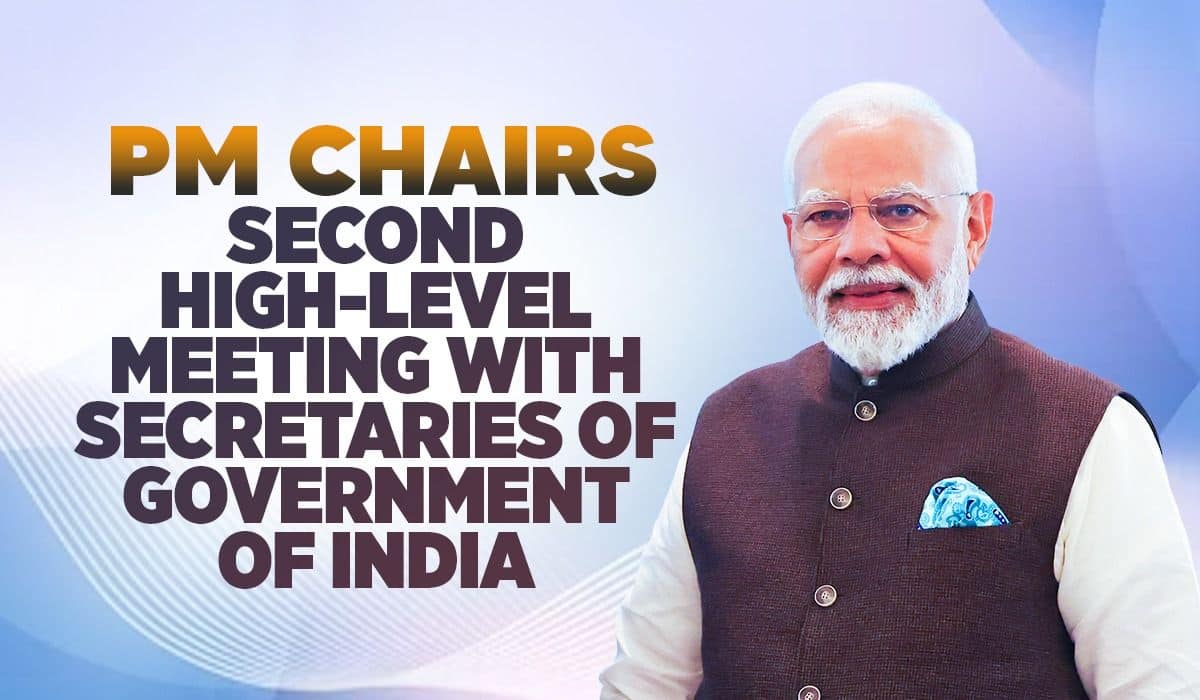
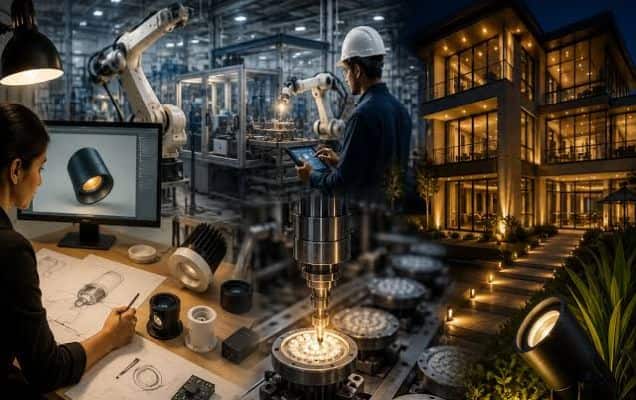
Prime Minister Shri Narendra Modi, today inaugurated the 11th edition of DefExpo in Lucknow, Uttar Pradesh. India's biennial military exhibition seeks to showcase the potential of the country as a global defence manufacturing hub. DefExpo 2020 has become one of India's largest defence exhibition platform as well as one of the Top DefExpo in the world. This time more than a thousand defence manufacturers and 150 companies from all over the world are part of this Expo.
Prime Minister said that he is doubly happy to welcome everyone to the 11th edition of DefExpo not only as the Prime Minister of India but also as the MP of Uttar Pradesh. “This is a very big opportunity for the people as well as the youth of India. Make in India will not only increase India's security but new opportunities for employment in defence sector will also be created. It will also boost Defence Exports in future”, the Prime Minister said.

India is not just a market but an immense opportunity for the whole world
Today's DefExpo is a living proof of India's vastness, its pervasiveness, its diversity and its wide participation in the world. This is proof that India is moving ahead with a strong role in the field of security and defence. This Expo reflects not only the industry related to defence, but also the world's confidence towards India as a whole. Those who know about defence and economy surely know that India is not just a market; India is also an immense opportunity for the whole world.

‘Digital Transformation of Defence’ reflects the challenges of tomorrow
Prime Minister said that the sub theme of DefExpo ‘Digital Transformation of Defence’ reflects the worries and challenges of tomorrow. As life is becoming technology driven, the security concerns and challenges are becoming increasingly serious. It is not only important for present but for our future as well. Globally, the defence forces are evolving newer technologies. India is also keeping pace with the world. Many prototypes are also being developed. Our goal is to develop at least 25 products of Artificial intelligence in the defence sector during the next five years.

Realising the dream of Atal Bihari Vajpayee’s
Prime Minister said that the expo in Lucknow is also important for another reason. Former Prime Minister of India Atal Bihari Vajpayee, dreamt of indigenising defence manufacturing and had taken many steps for it.

“Following his vision, we accelerated the manufacturing of many defence products. We have issued 217 defence licenses in 2014 itself. The number has grown to 460 in the last five years. India is manufacturing everything from Artillery guns, Aircraft carrier to Frigate Submarines today. India’s share in global Defence Exports has also increased. In the last two years India has exported about 17 thousand crores of defence products. Now our aim is to increase Defence Exports to five billion dollars”, Prime Minister said
Research & Development in defence, a major part of nation's policy
“In the last five-six years, our government has made research & development a major part of our nation's policy. Necessary infrastructure is being prepared in the country for defence R&D and manufacturing. Joint ventures are being worked out with other countries. An attempt has also been made to eliminate all silos with a focused approach. It has led to an environment that is ready for investment and innovation”, Prime Minister stated.


Partnership between the user and the producer
Prime Minister said that national security can be made more powerful by the partnership between the user and the producer.
“Defence manufacturing should not be limited to only government institutions, but it should also have equal participation and partnership with the private sector”, he said.
New targets for New India
Prime Minister said that two large defence manufacturing corridors are being constructed in India. One in Tamil Nadu and the other in Uttar Pradesh. Under the Defence Corridor of UP, Nodes will be established in Aligarh, Agra, Jhansi, Chitrakoot and Kanpur besides Lucknow. In order to give further impetus to defence manufacturing in India new targets have been set.
“Our goal is to bring the number of MSMEs in the field of defence production beyond 15 thousand in the next 5 years. In order to expand the Idea of I-DEX, it is targeted to start 200 new Defence Start-Ups to scale-up it. The effort is to develop at least 50 new technologies and products. I also suggest that the major industry bodies of the country should create a common platform for defence manufacturing so that they can take advantage of both the development and production of technology in the field of defence”, Prime Minister added.
उत्तर प्रदेश देश का सबसे बड़ा राज्य तो है ही,
— PMO India (@PMOIndia) February 5, 2020
आने वाले समय में ये देश में डिफेंस मैन्युफेक्चरिंग के भी सबसे बड़े हब में से भी एक होने वाला है।
ऐसे में नए दशक के इस पहले डिफेंस एक्स्पो का यहां होना,
अपने आप में प्रसन्नता का विषय है: PM @narendramodi
इस बार एक हज़ार से ज्यादा Defence Manufacturers और दुनियाभर से 150 Companies इस एक्स्पो का हिस्सा हैं।
— PMO India (@PMOIndia) February 5, 2020
इसके अलावा 30 से ज्यादा देशों के डिफेन्स मिनिस्टर्स और सैकड़ों
Business Leaders भी यहां उपस्थित हैं: PM @narendramodi
आज का ये अवसर
— PMO India (@PMOIndia) February 5, 2020
भारत की
रक्षा-सुरक्षा की चिंता करने वालों के
साथ-साथ पूरे भारत के युवाओं के लिए भी बड़ा अवसर है।
मेक इन इंडिया से भारत की सुरक्षा बढ़ेगी,
वहीं डिफेंस सेक्टर में रोजगार के नए अवसर भी बनेंगे: PM @narendramodi
दुनिया में जब
— PMO India (@PMOIndia) February 5, 2020
21वीं सदी की चर्चा होती है तो स्वाभाविक रूप से भारत की तरफ़ ध्यान जाता है।
आज का ये डिफेंस एक्सपो भारत की विशालता,
उसकी व्यापकता, उसकी विविधता और
विश्व में उसकी विस्तृत भागीदारी का सबूत है: PM @narendramodi
रक्षा और इकॉनोमी जैसे विषयों की जानकारी रखने वाले ज़रूर इस बात को जानते हैं कि भारत सिर्फ़ एक बाज़ार ही नहीं है।
— PMO India (@PMOIndia) February 5, 2020
भारत पूरे विश्व के लिए एक अपार अवसर है: PM @narendramodi
टेक्नॉलॉजी का गलत इस्तेमाल हो और टेररिज्म हो या फिर Cyber Threat,
— PMO India (@PMOIndia) February 5, 2020
ये पूरे विश्व के लिए एक बड़ी चुनौती हैं।
नए Security Challenges को देखते हुए दुनिया की तमाम डिफेंस फोर्सेस, नई टेक्नॉलॉजी को इवॉल्व कर रही हैं।
भारत भी इससे अछूता नहीं है: PM @narendramodi
Artillery Guns हों,
— PMO India (@PMOIndia) February 5, 2020
Aircraft Carrier हों,
Frigates हों, Submarines हों, Light Combat Aircrafts हों, Combat Helicopters हों, ऐसे अनेक साजो-सामान आज भारत में ही बन रहे हैं: PM @narendramodi
अब हमारा लक्ष्य ये है कि आने वाले
— PMO India (@PMOIndia) February 5, 2020
5 वर्ष में डिफेंस एक्सपोर्ट को
5 बिलियन डॉलर
यानि करीब
35 हज़ार करोड़ रुपए तक बढ़ाया जाए: PM @narendramodi
दुनिया की दूसरी बड़ी आबादी,
— PMO India (@PMOIndia) February 5, 2020
दुनिया की दूसरी बड़ी सेना और दुनिया का सबसे बड़ा लोकतंत्र,
कब तक सिर्फ और सिर्फ Import के भरोसे रह सकता था: PM @narendramodi
आधुनिक शस्त्रों के विकास के लिए दो प्रमुख आवश्यकताएं हैं- Research and Development की उच्च क्षमता और उन शस्त्रों का उत्पादन। बीते 5-6 वर्षों में हमारी सरकार ने इसे अपनी राष्ट्रनीति का प्रमुख अंग बनाया है: PM @narendramodi
— PMO India (@PMOIndia) February 5, 2020
मैं समझता हूं कि उपयोगकर्ता और उत्पादक यानि User और Producer के बीच भागीदारी से राष्ट्रीय सुरक्षा को और अधिक शक्तिशाली बनाया जा सकता है: PM @narendramodi
— PMO India (@PMOIndia) February 5, 2020
पहले डिफेंस मैन्युफेक्चरिंग में प्राइवेट सेक्टर को टेस्टिंग इंफ्रास्ट्रक्चर की बहुत समस्याएं आती थीं। इसके लिए अब रास्ते खोले गए हैं और DRDO में भारतीय उद्योगों के लिए बिना चार्ज के Transfer Of Technology की नीति बनायी गई है: PM @narendramodi
— PMO India (@PMOIndia) February 5, 2020
ऐसे कदमों से World Supply Chains में भारतीय उद्योगों की भागीदारी बढ़ेगी। दुनिया के टॉप डिफेंस मैन्युफेक्चर्रस को अधिक कंपिटेंट इंडियन पार्टर्नर्स मिलेंगे: PM @narendramodi
— PMO India (@PMOIndia) February 5, 2020
चीफ ऑफ डिफेंस स्टाफ और डिपार्टमेंट ऑफ मिलिट्री अफेयर्स के बनने से डिमांड और मैन्यूफैक्चरिंग की प्रक्रिया और आसान होने वाली है। इसका निश्चित लाभ डिफेंस सेक्टर्स से जुड़े उद्योगों को होगा और इस सेक्टर में इन्वेस्ट करने के इच्छुक आप सभी Investors को होगा: PM @narendramodi
— PMO India (@PMOIndia) February 5, 2020
आज भारत में दो बड़े डिफेंस मैन्युफेक्चरिंग कॉरिडोर का निर्माण किया जा रहा है। जिसमें से एक तमिलनाडु में और दूसरा यहीं उत्तर प्रदेश में हो रहा है: PM @narendramodi
— PMO India (@PMOIndia) February 5, 2020
यूपी के डिफेंस कॉरिडोर के तहत यहां लखनऊ के अलावा अलीगढ़,
— PMO India (@PMOIndia) February 5, 2020
आगरा, झाँसी, चित्रकूट और कानपुर में Nodes स्थापित किए जाएंगे।
वैसे यहां पास में ही अमेठी के कोरबा में Indo-Russian Rifles Private Limited के बारे में आपने जरूर सुना होगा: PM @narendramodi
भारत में डिफेंस मैन्युफेक्चरिंग को और गति देने के लिए, और विस्तार देने के लिए नए लक्ष्य, नए टारगेट रखे गए हैं। हमारा लक्ष्य रक्षा उत्पादन के क्षेत्र में MSMEs की संख्या को अगले 5 वर्षों में 15 हजार के पार पहुंचाना है: PM @narendramodi
— PMO India (@PMOIndia) February 5, 2020
आई-डेक्स के Idea को विस्तार देने के लिए, इसको Scale-Up करने के लिए, 200 नए Defence Start-Ups शुरू करने का लक्ष्य रखा गया है। कोशिश ये है कि कम से कम 50 नई Technologies और Products का विकास हो सके: PM @narendramodi
— PMO India (@PMOIndia) February 5, 2020
वैसे मेरा ये भी सुझाव है कि देश की प्रमुख इंडस्ट्री बॉडीज को डिफेंस मैन्यूफैक्चरिंग का एक कॉमन प्लेटफॉर्म बनाना चाहिए जिससे वो रक्षा के क्षेत्र में टेक्नोलॉजी के विकास और उत्पादन, दोनों का लाभ उठा सकें: PM @narendramodi
— PMO India (@PMOIndia) February 5, 2020
Outer Space में भारत की उपस्थिति, पहले से ही मजबूत है और आने वाले वर्षों में ये और सशक्त होने वाली है।भारत की स्पेस टेक्नॉलॉजी 130 करोड़ भारतीयों को गवर्नेंस से लेकर Security तक में अहम भूमिका निभा रही है: PM @narendramodi
— PMO India (@PMOIndia) February 5, 2020
मुझे गर्व है कि इस मामले में भारत ने Indigenous Technology का विकास किया है।आज ISRO भारत के लिए, पूरी दुनिया के लिए, Outer Space को Explore कर रहा है, तो भारत का DRDO इन Assets को गलत ताकतों से बचाने के लिए Defence की दीवार खड़ी कर रहा है: PM @narendramodi
— PMO India (@PMOIndia) February 5, 2020
भारत आज से नहीं बल्कि हमेशा से विश्व शांति का भरोसेमंद पार्टनर रहा है।दो World Wars में हमारा डायरेक्ट स्टेक ना होते हुए भी भारत के लाखों जवान शहीद हुए। आज दुनियाभर में 6 हज़ार से ज्यादा भारतीय सैनिक UN Peace-keeping Forces का हिस्सा हैं: PM @narendramodi
— PMO India (@PMOIndia) February 5, 2020
भारत में डिफेंस मैन्युफेक्चरिंग में असीमित संभावनाएं हैं। यहां Talent है और Technology भी है, यहां Innovation है और Infrastructure भी है, यहां Favourable Policy है और Foreign Investment की सुरक्षा भी है। यहां Demand है, Democracy है और Decisiveness भी है: PM @narendramodi
— PMO India (@PMOIndia) February 5, 2020