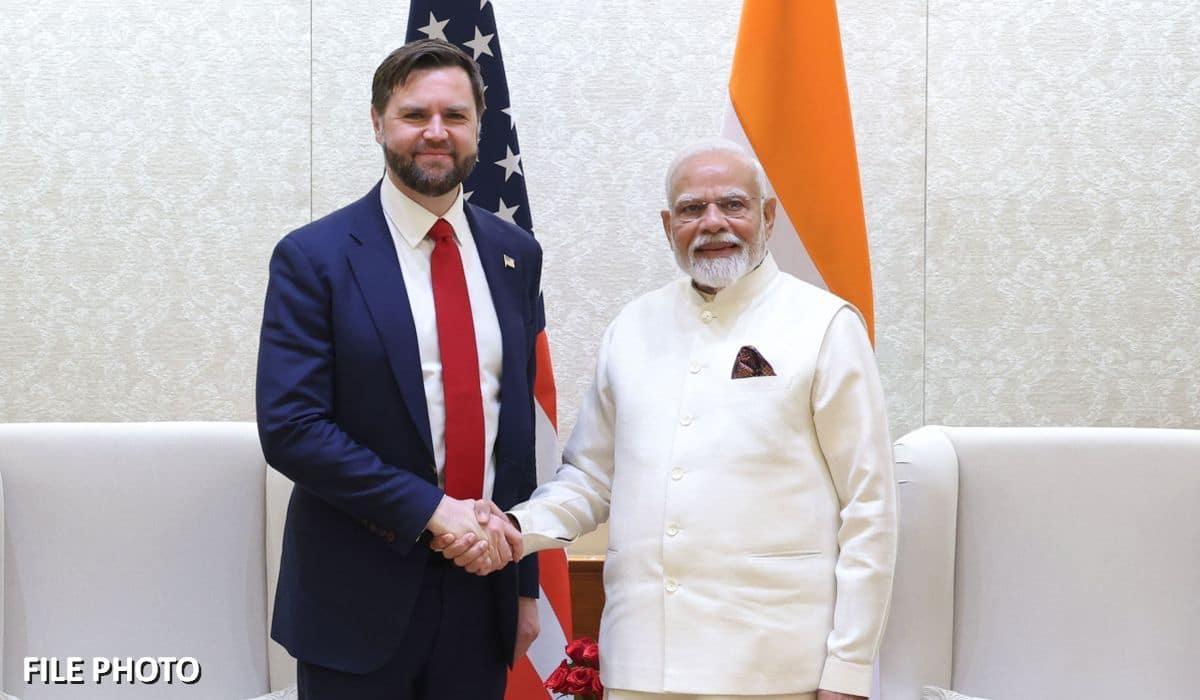
The Prime Minister Shri Narendra Modi addressed the webinar on effective implementation of the Union Budget provisions in the defence sector today. In his address, the Prime Minister said that the webinar assumes great significance as it is focusing on the important issue of making the country’s defence sector self-reliant.
Shri Narendra Modi said that there used to be hundreds of ordnance factories before independence. In both the world wars, weapons at large scale were exported from India. But, for many reasons, this system has not been strengthened as much as it should have been after independence.
The Prime Minister said that his government has relied on the capabilities of our engineers and scientists on developing the Tejas fighter aircraft and today Tejas is flying gracefully in the skies. A few weeks back, an order worth Rs. 48,000 crore was placed for Tejas.

He said that since 2014, it has been the government’s endeavor to move forward in this sector with transparency, predictability and ease of doing business. Shri Moid said the government has taken steps to bring about de-licensing, de-regulation, export promotion, foreign investment liberalization, etc.
The Prime Minister further said that India has made a list of 100 important items related to defence, which can be manufactured indigenously with the help of our local industries. He said a timeline has been set so that our industries can plan to meet these requirements.
He said it is called a negative list in the official language but it is a positive list in the language of self-reliance. This is the positive list on which the country’s manufacturing capacity is going to increase. This is the positive list that will generate employment in India. This is the positive list that is going to reduce India’s dependence on foreign countries for our defence needs. This is the positive list that guarantees the sale of indigenous products in India.
The Prime Minister said that a part has been reserved for domestic procurement even in the capital budget of defence. He urged the private sector to come forward and take up both designing and manufacturing of the defence equipment so that Indian flag can be kept flying high on the global stage.
He said that MSMEs work as a backbone for the entire manufacturing sector. The reforms that are taking place today are giving more freedom to MSMEs and encouragement to expand.
The Prime Minister said that the defence corridors that are being built in the country today will also help local entrepreneurs and local manufacturing. That is, today, self-sufficiency in our defence sector has to be seen as the empowerment of these two fronts – “Jawan as well as Youth”.
आजादी के पहले हमारे यहां सैकड़ों ऑर्डिनेंस फैक्ट्रियां होती थीं।
— PMO India (@PMOIndia) February 22, 2021
दोनों विश्व युद्धों में भारत से बड़े पैमाने पर हथियार बनाकर भेजे गए थे।
लेकिन आजादी के बाद अनेक वजहों से इस व्यवस्था को उतना मजबूत नहीं किया गया, जितना किया जाना चाहिए था: PM
हमारी सरकार ने अपने इंजीनियरों-वैज्ञानिकों और तेजस की क्षमताओं पर भरोसा किया और आज तेजस शान से आसमान में उड़ान भर रहा है।
— PMO India (@PMOIndia) February 22, 2021
कुछ सप्ताह पहले ही तेजस के लिए 48 हजार करोड़ रुपए का ऑर्डर दिया गया है: PM @narendramodi
2014 से ही हमारा प्रयास रहा है कि transparency, predictability
— PMO India (@PMOIndia) February 22, 2021
और ease of doing business के साथ हम इस sector में आगे बढ़ रहे हैं।
De-Licensing, de-regulation, export promotion, foreign investment liberalization, आदि के साथ हमने इस sector में एक के बाद एक कदम उठाए हैं: PM
ये वो पॉजिटिव लिस्ट है जो अपनी रक्षा ज़रूरतों के लिए हमारी विदेशों पर निर्भरता को कम करने वाली है।
— PMO India (@PMOIndia) February 22, 2021
ये वो पॉजिटिव लिस्ट है, जिसकी वजह से भारत में बने प्रॉडक्ट्स की, भारत में बिकने की गारंटी है: PM @narendramodi
सरकारी भाषा में ये Negative list है लेकिन आत्मनिर्भरता की भाषा में ये Positive List है।
— PMO India (@PMOIndia) February 22, 2021
ये वो पॉजिटिव लिस्ट है जिसके बल पर हमारी अपनी मैन्युफेक्चरिंग कैपेसिटी बढ़ने वाली है।
ये वो पॉजिटिव लिस्ट है जो भारत में ही रोज़गार निर्माण का काम करेगी: PM
भारत ने डिफेंस से जुड़े ऐसे 100 महत्वपूर्ण डिफेंस आइटम्स की लिस्ट बनाई है, जिन्हें हम अपनी स्थानीय इंडस्ट्री की मदद से ही मैन्यूफैक्चर कर सकते हैं।
— PMO India (@PMOIndia) February 22, 2021
इसके लिए टाइमलाइन इसलिए रखी गई है ताकि हमारी इंडस्ट्री इन ज़रूरतों को पूरा करने का सामर्थ्य हासिल करने के लिए प्लान कर सकें: PM
रक्षा के capital budget में भी domestic procurement के लिए एक हिस्सा reserve कर दिया गया है।
— PMO India (@PMOIndia) February 22, 2021
मैं प्राइवेट सेक्टर से आग्रह करूँगा कि manufacturing के साथ-साथ design और development में भी आप आगे आयें, भारत का विश्व भर में परचम लहराएँ: PM @narendramodi
MSMEs तो पूरे मैन्युफेक्चरिंग सेक्टर के लिए रीढ़ का काम करती हैं।
— PMO India (@PMOIndia) February 22, 2021
आज जो रिफॉर्म्स हो रहे हैं, उससे MSMEs को ज्यादा आजादी मिल रही है, उनको Expand करने के लिए प्रोत्साहन मिल रहा है: PM @narendramodi
देश में आज जो डिफेंस कॉरिडोर बनाए जा रहे हैं, वो भी स्थानीय उद्यमियों, लोकल मैन्यूफैक्चरिंग को मदद करेंगे।
— PMO India (@PMOIndia) February 22, 2021
यानि आज हमारे डिफेंस सेक्टर में आत्मनिर्भरता को हमें ‘जवान भी और नौजवान भी’, इन दोनों मोर्चों के सशक्तिकरण के रूप में देखना होगा: PM @narendramodi