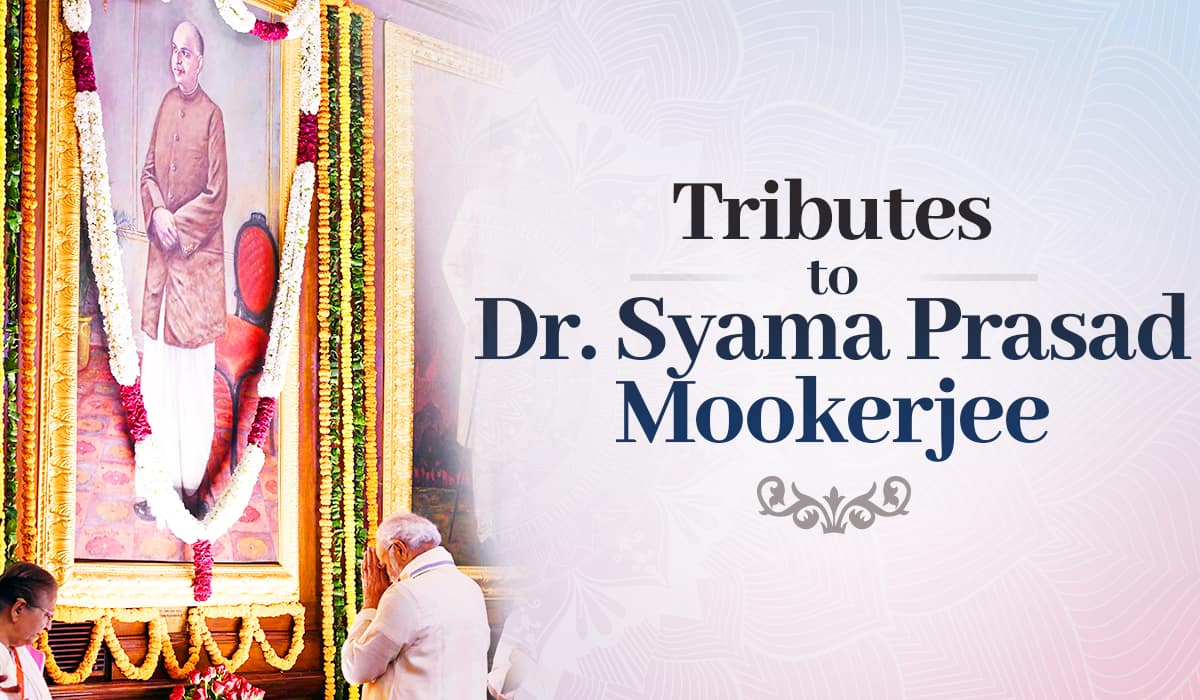
ਅੱਜ, 6 ਜੁਲਾਈ ਦਾ ਦਿਨ ਰਾਸ਼ਟਰਵਾਦ ਅਤੇ ਨਿਰਸਵਾਰਥ ਸੇਵਾ ਦੇ ਆਦਰਸ਼ਾਂ ਨੂੰ ਮੰਨਣ ਵਾਲੇ ਅਣਗਿਣਤ ਲੋਕਾਂ ਲਈ ਖ਼ਾਸ ਦਿਨ ਹੈ। ਅਸੀਂ ਡਾ. ਸ਼ਿਆਮਾ ਪ੍ਰਸਾਦ ਮੁਖਰਜੀ ਦੀ 125ਵੀਂ ਜਨਮ ਵਰ੍ਹੇਗੰਢ ਮਨਾ ਰਹੇ ਹਾਂ, ਜਿਨ੍ਹਾਂ ਦਾ ਜੀਵਨ ਮਾਂ ਭਾਰਤੀ ਪ੍ਰਤੀ ਹੌਸਲੇ ਅਤੇ ਅਟੁੱਟ ਵਚਨਬੱਧਤਾ ਦੀ ਸਦੀਵੀ ਮਿਸਾਲ ਹੈ। ਆਧੁਨਿਕ ਭਾਰਤ ਵਿੱਚ ਡਾ. ਸ਼ਿਆਮਾ ਪ੍ਰਸਾਦ ਮੁਖਰਜੀ ਵਰਗੇ ਬਹੁਤ ਘੱਟ ਨੇਤਾ ਹੋਏ ਹਨ, ਜਿਨ੍ਹਾਂ ਦੇ ਜੀਵਨ ਵਿੱਚ ਬੁੱਧੀ, ਲੋਕ ਸੇਵਾ ਅਤੇ ਨੈਤਿਕ ਵਿਸ਼ਵਾਸ ਦਾ ਅਜਿਹਾ ਸ਼ਾਨਦਾਰ ਸੁਮੇਲ ਦੇਖਣ ਨੂੰ ਮਿਲਦਾ ਹੈ।
ਨੌਜਵਾਨ ਸ਼ਿਆਮਾ ਪ੍ਰਸਾਦ ਦਾ ਜਨਮ ਅਜਿਹੇ ਹਾਲਾਤ ਵਿੱਚ ਹੋਇਆ ਸੀ, ਜੋ ਉਨ੍ਹਾਂ ਨੂੰ ਆਸਾਨੀ ਨਾਲ ਸੁਰੱਖਿਅਤ ਅਤੇ ਆਰਾਮਦਾਇਕ ਜੀਵਨ ਦੇ ਸਕਦੇ ਸਨ। ਉਨ੍ਹਾਂ ਦੇ ਪਿਤਾ, ਸਰ ਆਸ਼ੂਤੋਸ਼ ਮੁਖਰਜੀ, ਆਪਣੇ ਵੇਲੇ ਦੇ ਉੱਘੇ ਸਿੱਖਿਆ ਸ਼ਾਸਤਰੀਆਂ ਅਤੇ ਬੁੱਧੀਜੀਵੀਆਂ ਵਿੱਚੋਂ ਇੱਕ ਸਨ। ਕਿਸਮਤ ਨੇ ਉਨ੍ਹਾਂ ਅੱਗੇ ਸੁੱਖ-ਸਹੂਲਤਾਂ ਵਾਲਾ ਰਸਤਾ ਰੱਖਿਆ ਸੀ, ਪਰ ਉਨ੍ਹਾਂ ਦੀ ਜ਼ਮੀਰ ਨੇ ਉਨ੍ਹਾਂ ਨੂੰ ਕੁਰਬਾਨੀ ਅਤੇ ਦੇਸ਼ ਦੀ ਸੇਵਾ ਦੇ ਰਾਹ ਵੱਲ ਤੋਰਿਆ। ਉਨ੍ਹਾਂ ਦਾ ਪੱਕਾ ਵਿਸ਼ਵਾਸ ਸੀ ਕਿ ਉਹ ਆਪਣੇ ਸਮੇਂ ਦੀਆਂ ਉੱਥਲ-ਪੁਥਲ ਭਰੀਆਂ ਘਟਨਾਵਾਂ ਦੇ ਮੂਕ ਦਰਸ਼ਕ ਨਹੀਂ ਬਣ ਸਕਦੇ, ਭਾਵੇਂ ਉਹ ਬਸਤੀਵਾਦ, ਫਿਰਕੂਵਾਦ ਜਾਂ ਮਾਨਵਤਾਵਾਦੀ ਚੁਣੌਤੀਆਂ ਖ਼ਿਲਾਫ਼ ਲੜਾਈ ਹੀ ਕਿਉਂ ਨਾ ਹੋਵੇ। ਇਸ ਸਫ਼ਰ ਦੌਰਾਨ, ਉਨ੍ਹਾਂ ਨੇ ਬਹੁਤ ਡੂੰਘੇ ਨਿੱਜੀ ਦੁੱਖ ਵੀ ਝੱਲੇ, ਜਿਨ੍ਹਾਂ ਵਿੱਚ ਉਨ੍ਹਾਂ ਦੇ ਛੋਟੇ ਬੱਚੇ ਅਤੇ ਬਾਅਦ ਵਿੱਚ ਉਨ੍ਹਾਂ ਦੀ ਪਤਨੀ ਦੀ ਮੌਤ ਸ਼ਾਮਲ ਸੀ। ਪਰ, ਇਨ੍ਹਾਂ ਦੁੱਖਾਂ ਨੇ ਉਨ੍ਹਾਂ ਦਾ ਇਰਾਦਾ ਹੋਰ ਪੱਕਾ ਕੀਤਾ ਅਤੇ ਸੇਵਾ ਕਰਨ ਦੀ ਉਨ੍ਹਾਂ ਦੀ ਅਟੁੱਟ ਵਚਨਬੱਧਤਾ ਹੋਰ ਮਜ਼ਬੂਤ ਕੀਤੀ।
ਜੇ ਕੋਈ ਅਜਿਹਾ ਆਦਰਸ਼ ਸੀ, ਜਿਸ ਨੇ ਡਾ. ਸ਼ਿਆਮਾ ਪ੍ਰਸਾਦ ਮੁਖਰਜੀ ਦੇ ਜਨਤਕ ਜੀਵਨ ਨੂੰ ਸਭ ਤੋਂ ਵੱਧ ਪ੍ਰਭਾਸ਼ਿਤ ਕੀਤਾ, ਤਾਂ ਉਹ ਭਾਰਤ ਦੀ ਅਖੰਡਤਾ ਸੀ। ਦੇਸ਼ ਦੀ ਵੰਡ ਦੀ ਉੱਥਲ-ਪੁਥਲ ਦੌਰਾਨ ਉਹ ਇਸ ਗੱਲ ਨੂੰ ਯਕੀਨੀ ਬਣਾਉਣ ਲਈ ਡਟੇ ਰਹੇ ਕਿ ਪੱਛਮੀ ਬੰਗਾਲ ਭਾਰਤ ਦਾ ਅਨਿੱਖੜਵਾਂ ਅੰਗ ਬਣਿਆ ਰਹੇ। ਕੁਝ ਸਾਲਾਂ ਬਾਅਦ, ਇਹੀ ਵਿਸ਼ਵਾਸ ਉਨ੍ਹਾਂ ਨੂੰ ਜੰਮੂ-ਕਸ਼ਮੀਰ ਲੈ ਗਿਆ। ਜੇਲ੍ਹ ਵੀ ਉਨ੍ਹਾਂ ਨੂੰ ਰੋਕ ਨਹੀਂ ਸਕੀ ਅਤੇ ਇਕਾਂਤਵਾਸ ਵੀ ਉਨ੍ਹਾਂ ਦਾ ਇਰਾਦਾ ਕਮਜ਼ੋਰ ਨਹੀਂ ਕਰ ਸਕਿਆ। ਨਜ਼ਰਬੰਦੀ ਦੌਰਾਨ ਉਨ੍ਹਾਂ ਦਾ ਜੀਵਨ ਅਚਾਨਕ ਖਤਮ ਹੋ ਗਿਆ; ਉਹ ਵੀ ਉਨ੍ਹਾਂ ਅਣਗਿਣਤ ਲੋਕਾਂ ਤੋਂ ਬਹੁਤ ਦੂਰ, ਜਿਨ੍ਹਾਂ ਦੇ ਹੱਕਾਂ ਦੀ ਲੜਾਈ ਨੂੰ ਉਨ੍ਹਾਂ ਨੇ ਆਪਣੀ ਲੜਾਈ ਬਣਾ ਲਿਆ ਸੀ। ਇਤਿਹਾਸ ਵਿੱਚ ਅਜਿਹੇ ਪਲ ਆਉਂਦੇ ਹਨ, ਜਦੋਂ ਕਿਸੇ ਵਿਅਕਤੀ ਦੀ ਆਖਰੀ ਕੁਰਬਾਨੀ ਰਾਜਨੀਤੀ ਤੋਂ ਉੱਪਰ ਉੱਠ ਕੇ ਰਾਸ਼ਟਰੀ ਯਾਦ ਦਾ ਹਿੱਸਾ ਬਣ ਜਾਂਦੀ ਹੈ। ਡਾ. ਮੁਖਰਜੀ ਦੀ ਆਖਰੀ ਯਾਤਰਾ ਅਜਿਹਾ ਹੀ ਪਲ ਹੈ। ਅਚਾਰੀਆ ਵਿਨੋਬਾ ਭਾਵੇ ਨੇ ਕਿਹਾ ਸੀ ਕਿ ਡਾ. ਮੁਖਰਜੀ ਨੇ ਉਸ ਉਦੇਸ਼ ਲਈ ਆਪਣੀ ਜਾਨ ਕੁਰਬਾਨ ਕਰ ਦਿੱਤੀ, ਜਿਸ ਵਿੱਚ ਉਨ੍ਹਾਂ ਦਾ ਅਥਾਹ ਵਿਸ਼ਵਾਸ ਸੀ। ਸਾਲਾਂ ਬਾਅਦ, 2019 ਵਿੱਚ ਧਾਰਾ 370 ਅਤੇ 35(ਏ) ਨੂੰ ਹਟਾਉਣਾ ਉਨ੍ਹਾਂ ਦੀ ਸ਼ਹਾਦਤ ਨੂੰ ਸੱਚੀ ਸ਼ਰਧਾਂਜਲੀ ਸੀ।
ਡਾ. ਮੁਖਰਜੀ ਨੇ ਭਾਰਤ ਅਤੇ ਭਾਰਤੀ ਕਦਰਾਂ-ਕੀਮਤਾਂ ਨੂੰ ਪਹਿਲ ਦਿੱਤੀ। ਉਨ੍ਹਾਂ ਨੇ ਇਹ ਕੰਮ ਅਜਿਹੀਆਂ ਸੰਸਥਾਵਾਂ ਦੀ ਉਸਾਰੀ ਕਰਕੇ ਅਤੇ ਅਜਿਹੇ ਸਿਸਟਮ ਤਿਆਰ ਕਰਕੇ ਕੀਤਾ, ਜਿਨ੍ਹਾਂ ਨੇ ਉਸ ਸਮੇਂ ਦੀ ਰਵਾਇਤੀ ਸੋਚ ਨੂੰ ਬਦਲ ਕੇ ਰੱਖ ਦਿੱਤਾ। ਉਹ ਕਲਕੱਤਾ ਯੂਨੀਵਰਸਿਟੀ ਦੇ ਸਭ ਤੋਂ ਘੱਟ ਉਮਰ ਦੇ ਵਾਈਸ ਚਾਂਸਲਰ ਬਣੇ। ਆਪਣੇ ਵਿਲੱਖਣ ਅੰਦਾਜ਼ ਵਿੱਚ ਉਨ੍ਹਾਂ ਨੇ ਅਜਿਹੇ ਸਕਾਰਾਤਮਕ ਬਦਲਾਅ ਲਿਆਂਦੇ ਜੋ ਦੇਸ਼ ਭਗਤੀ ਨਾਲ ਭਰੇ ਅਤੇ ਭਵਿੱਖਮੁਖੀ ਸਨ। ਸਿੱਖਿਆ ਮਾਹਰਾਂ ਦੀ ਇੱਕ ਕਾਨਫਰੰਸ ਨੂੰ ਸੰਬੋਧਨ ਕਰਦਿਆਂ ਡਾ. ਮੁਖਰਜੀ ਨੇ ਬਹੁਤ ਹੀ ਸ਼ਾਨਦਾਰ ਢੰਗ ਨਾਲ ਕਿਹਾ ਸੀ, “ਵਿੱਦਿਅਕ ਅਦਾਰਿਆਂ ਨੂੰ ਕਲਰਕ ਅਤੇ ਘੱਟ ਤਨਖ਼ਾਹ ਵਾਲਾ ਸਟਾਫ ਪੈਦਾ ਕਰਨ ਵਾਲੀਆਂ ਫੈਕਟਰੀਆਂ ਵਜੋਂ ਦੇਖਣਾ ਗਲਤ ਹੈ। ਸਾਨੂੰ ਅਜਿਹੇ ਵਿਦਿਆਰਥੀ ਤਿਆਰ ਕਰਨੇ ਪੈਣਗੇ, ਜੋ ਨਗਰ ਨਿਗਮਾਂ, ਸੂਬਾਈ ਅਤੇ ਕੇਂਦਰੀ ਵਿਧਾਨ ਸਭਾਵਾਂ ਵਰਗੀਆਂ ਸਾਡੀਆਂ ਸਵੈ-ਸ਼ਾਸਨ ਵਾਲੀਆਂ ਸੰਸਥਾਵਾਂ ਨੂੰ ਅਗਵਾਈ ਦੇਣ ਦੇ ਸਮਰੱਥ ਹੋਣ ਤੇ ਨਾਲ ਹੀ ਜੀਵਨ ਦੇ ਵੱਖ-ਵੱਖ ਖੇਤਰਾਂ ਜਿਵੇਂ ਕਿ ਵਿੱਤੀ, ਵਪਾਰਕ ਅਤੇ ਉਦਯੋਗਿਕ ਮਾਮਲਿਆਂ ਦਾ ਸੰਚਾਲਨ ਕਰ ਸਕਣ।”
ਉਨ੍ਹਾਂ ਦੀ ਅਗਵਾਈ ਹੇਠ ਕਲਕੱਤਾ ਯੂਨੀਵਰਸਿਟੀ ਨੇ ਲਾਇਬ੍ਰੇਰੀ ਦੇ ਬੁਨਿਆਦੀ ਢਾਂਚੇ ਵਿੱਚ ਸੁਧਾਰ ਕਰਨ, ਵਿਗਿਆਨ ਦੇ ਖੇਤਰ ਵਿੱਚ ਖੋਜ ਨੂੰ ਹੁਲਾਰਾ ਦੇਣ, ਪੁਰਾਤਨ ਵਸਤਾਂ ਦੇ ਅਧਿਐਨ ਨੂੰ ਉਤਸ਼ਾਹਿਤ ਕਰਨ ਅਤੇ ਖੇਤੀਬਾੜੀ ਦੇ ਕੋਰਸ ਸ਼ੁਰੂ ਕਰਨ ਵਰਗੇ ਕਈ ਵਿਲੱਖਣ ਉਪਰਾਲੇ ਕੀਤੇ। ਉਨ੍ਹਾਂ ਨੇ ਖੇਡਾਂ, ਅਧਿਆਪਕਾਂ ਦੀ ਸਿਖਲਾਈ ਅਤੇ ਵਿਦਿਆਰਥੀਆਂ ਦੀ ਭਲਾਈ ਵਰਗੇ ਖੇਤਰਾਂ ਵੱਲ ਵੀ ਧਿਆਨ ਖਿੱਚਿਆ। ਵਿਦਿਆਰਥੀਆਂ ਅਤੇ ਸਾਬਕਾ ਵਿਦਿਆਰਥੀਆਂ ਵਿੱਚ ਮਾਣ ਦੀ ਭਾਵਨਾ ਪੈਦਾ ਕਰਨ ਲਈ ਉਨ੍ਹਾਂ ਨੇ 24 ਜਨਵਰੀ ਨੂੰ ਯੂਨੀਵਰਸਿਟੀ ਦੇ ਸਥਾਪਨਾ ਦਿਵਸ ਵਜੋਂ ਮਨਾਉਣ ਦੀ ਸ਼ੁਰੂਆਤ ਕੀਤੀ। ਉਨ੍ਹਾਂ ਨੇ ਗੁਰੂਦੇਵ ਟੈਗੋਰ ਨੂੰ ਯੂਨੀਵਰਸਿਟੀ ਲਈ ਗੀਤ ਲਿਖਣ ਦੀ ਬੇਨਤੀ ਵੀ ਕੀਤੀ।
ਇਸ ਜਜ਼ਬੇ ਦੀ ਇੱਕ ਹੋਰ ਮਿਸਾਲ ਉਨ੍ਹਾਂ ਦੇ ਜੀਵਨ ਦੇ ਅਗਲੇ ਪੜਾਅ ਵਿੱਚ ਦੇਖਣ ਨੂੰ ਮਿਲਦੀ ਹੈ, ਜਦੋਂ ਉਨ੍ਹਾਂ ਨੇ ਭਾਰਤੀ ਜਨ ਸੰਘ ਬਣਾਉਣ ਦਾ ਫੈਸਲਾ ਕੀਤਾ। ਅਜਿਹੇ ਸਮੇਂ ਜਦੋਂ ਕਾਂਗਰਸ ਪਾਰਟੀ ਦਾ ਹਰ ਪਾਸੇ ਬੋਲਬਾਲਾ ਸੀ, ਉਨ੍ਹਾਂ ਨੇ ਮਹਿਸੂਸ ਕੀਤਾ ਕਿ ਸਾਡੀਆਂ ਸੱਭਿਆਚਾਰਕ ਜੜ੍ਹਾਂ ਨਾਲ ਜੁੜੇ ਰਹਿੰਦਿਆਂ ਭਾਰਤ ਦੀ ਤਰੱਕੀ ਦੀ ਗੱਲ ਕਰਨ ਲਈ ਬਦਲਵੀਂ ਆਵਾਜ਼ ਦਾ ਹੋਣਾ ਬਹੁਤ ਜ਼ਰੂਰੀ ਹੈ। ਪਾਰਟੀ ਦਾ ਚੋਣ ਨਿਸ਼ਾਨ ‘ਦੀਵਾ’, ਭਾਵ ਮਿੱਟੀ ਦਾ ਦੀਵਾ ਸ਼ਾਇਦ ਬਿਲਕੁਲ ਢੁਕਵਾਂ ਸੀ। ਇਕੱਲਾ ਦੀਵਾ ਭਾਵੇਂ ਛੋਟਾ ਲੱਗਦਾ ਹੋਵੇ, ਪਰ ਉਸ ਵਿੱਚ ਆਪਣੇ ਆਲੇ-ਦੁਆਲੇ ਤੋਂ ਕਿਤੇ ਦੂਰ ਤੱਕ ਹਨੇਰਾ ਦੂਰ ਕਰਨ ਦੀ ਤਾਕਤ ਹੁੰਦੀ ਹੈ। ਜਨ ਸੰਘ ਨੇ ਆਪਣੇ ਸਰਗਰਮ ਸਾਲਾਂ ਦੌਰਾਨ ਅਤੇ ਉਸ ਤੋਂ ਬਾਅਦ ਵੀ ਬਿਲਕੁਲ ਇਹੀ ਕੰਮ ਕੀਤਾ।
ਭਾਰਤ ਦੇ ਪਹਿਲੇ ਉਦਯੋਗ ਅਤੇ ਸਪਲਾਈ ਮੰਤਰੀ ਵਜੋਂ ਡਾ. ਸ਼ਿਆਮਾ ਪ੍ਰਸਾਦ ਮੁਖਰਜੀ ਦਾ ਕਾਰਜਕਾਲ ਅਜਿਹੇ ਨੇਤਾ ਨੂੰ ਦਰਸਾਉਂਦਾ ਹੈ, ਜਿਨ੍ਹਾਂ ਦੀ ਵਿਕਾਸ ਦੀ ਸੋਚ ਬਹੁਤ ਹੀ ਵਿਆਪਕ ਅਤੇ ਮਨੁੱਖਤਾਵਾਦੀ ਸੀ। ਉਹ ਉਦਯੋਗ ਨੂੰ ਨਵੇਂ ਆਜ਼ਾਦ ਹੋਏ ਦੇਸ਼ ਲਈ ਸਵੈ-ਮਾਣ, ਮੌਕੇ ਅਤੇ ਵਿਸ਼ਵਾਸ ਬਹਾਲ ਕਰਨ ਦੇ ਸਾਧਨ ਵਜੋਂ ਦੇਖਦੇ ਸਨ। ਉਨ੍ਹਾਂ ਨੇ ਦੌਲਤ ਦੀ ਸਿਰਜਣਾ ਅਤੇ ਉਤਪਾਦਾਂ ਦੇ ਮੁੱਲ ਵਾਧੇ (ਵੈਲਿਊ ਅਡੀਸ਼ਨ) ਦਾ ਸਤਿਕਾਰ ਕੀਤਾ। ਦਾਮੋਦਰ ਵੈਲੀ ਕਾਰਪੋਰੇਸ਼ਨ, ਸਿੰਦਰੀ ਖਾਦ ਪਲਾਂਟ ਅਤੇ ਮਜ਼ਬੂਤ ਉਦਯੋਗਿਕ ਨੀਤੀ ਵਰਗੀਆਂ ਸ਼ਾਨਦਾਰ ਪਹਿਲਕਦਮੀਆਂ ਰਾਹੀਂ ਆਧੁਨਿਕ ਉਦਯੋਗਿਕ ਭਾਰਤ ਦੀ ਨੀਂਹ ਰੱਖਣ ਦੇ ਨਾਲ-ਨਾਲ ਉਨ੍ਹਾਂ ਨੇ ਇਹ ਵੀ ਯਕੀਨੀ ਬਣਾਇਆ ਕਿ ਭਾਰਤ ਦੀਆਂ ਰਵਾਇਤੀ ਤਾਕਤਾਂ ਨੂੰ ਅਣਗੌਲਿਆ ਨਾ ਕੀਤਾ ਜਾਵੇ। ਹੱਥ-ਖੱਡੀਆਂ, ਘਰੇਲੂ ਉਦਯੋਗਾਂ, ਕਾਰੀਗਰਾਂ ਅਤੇ ਟੈਕਸਟਾਈਲ ਵਰਕਰਾਂ ਨੂੰ ਉਨ੍ਹਾਂ ਵਿੱਚ ਬਰਾਬਰ ਦਾ ਵਚਨਬੱਧ ਹਮਾਇਤੀ ਮਿਲਿਆ।
ਇੱਥੇ, ਮੈਂ ਇੱਕ ਨਿੱਜੀ ਤਜਰਬਾ ਸਾਂਝਾ ਕਰਨਾ ਚਾਹਾਂਗਾ। ਸਿੰਦਰੀ ਪਲਾਂਟ, ਜਿਸ ਨੂੰ ਡਾ. ਮੁਖਰਜੀ ਨੇ ਆਤਮ-ਨਿਰਭਰਤਾ ਦੀ ਸਪਸ਼ਟ ਸੋਚ ਨਾਲ ਸਥਾਪਤ ਕਰਨ ਲਈ ਕੰਮ ਕੀਤਾ ਸੀ, ਨੂੰ ਕਈ ਦਹਾਕਿਆਂ ਤੱਕ ਦੇਸ਼ ਚਲਾਉਣ ਵਾਲਿਆਂ ਵੱਲੋਂ ਅਣਗੌਲਿਆ ਕੀਤਾ ਗਿਆ। ਮੈਨੂੰ ਇਸ ਗੱਲ ਦਾ ਮਾਣ ਹੈ ਕਿ ਸਾਡੀ ਸਰਕਾਰ ਨੂੰ ਇਸ ਦੀ ਮੁੜ ਸੁਰਜੀਤੀ ਵਿੱਚ ਯੋਗਦਾਨ ਪਾਉਣ ਦਾ ਮੌਕਾ ਮਿਲਿਆ। ਉਸ ਪ੍ਰੋਗਰਾਮ ਵਿੱਚ ਸ਼ਾਮਲ ਹੋਣਾ ਵਾਕਈ ਸਭ ਤੋਂ ਖ਼ਾਸ ਪਲਾਂ ਵਿੱਚੋਂ ਇੱਕ ਸੀ।
ਭਾਰਤ ਦੀ ਸੱਭਿਅਕ ਪਰੰਪਰਾ ਵਿੱਚ ਹਮੇਸ਼ਾ ਸੰਵਾਦ ਅਤੇ ਵਿਚਾਰ-ਵਟਾਂਦਰੇ ਦਾ ਸਤਿਕਾਰ ਕੀਤਾ ਗਿਆ ਹੈ। ਡਾ. ਮੁਖਰਜੀ ਨੇ ਇਹ ਲੋਕਤੰਤਰੀ ਭਾਵਨਾ ਅਪਣਾਈ। ਉਹ ਪੰਡਿਤ ਨਹਿਰੂ ਦੀ ਕੈਬਨਿਟ ਵਿੱਚ ਇਹ ਮੰਨਦਿਆਂ ਸ਼ਾਮਲ ਹੋਏ ਕਿ ਸ਼ੁਰੂਆਤੀ ਸਾਲਾਂ ਵਿੱਚ ਰਾਸ਼ਟਰ ਨਿਰਮਾਣ ਦਾ ਕੰਮ ਰਾਜਨੀਤਿਕ ਮੱਤਭੇਦਾਂ ਤੋਂ ਉੱਪਰ ਹੈ। ਉਨ੍ਹਾਂ ਨੇ ਪੂਰੀ ਇਮਾਨਦਾਰੀ ਅਤੇ ਉਸਾਰੂ ਭਾਵਨਾ ਨਾਲ ਸੇਵਾ ਕੀਤੀ। ਪਰ ਜਦੋਂ ਉਨ੍ਹਾਂ ਨੇ ਮਹਿਸੂਸ ਕੀਤਾ ਕਿ ਰਾਸ਼ਟਰੀ ਮਹੱਤਵ ਦੇ ਮੁੱਦਿਆਂ ਲਈ ਵੱਖਰੇ ਰਸਤੇ ਦੀ ਲੋੜ ਹੈ, ਤਾਂ ਉਨ੍ਹਾਂ ਨੇ ਪੂਰੇ ਮਾਣ-ਸਤਿਕਾਰ ਨਾਲ ਆਪਣਾ ਅਹੁਦਾ ਛੱਡ ਦਿੱਤਾ ਅਤੇ ਆਪਣੇ ਆਪ ਨੂੰ ਪੂਰੇ ਦਿਲ ਨਾਲ ਉਸ ਰਾਜਨੀਤਿਕ ਕੰਮ ਲਈ ਸਮਰਪਿਤ ਕਰ ਦਿੱਤਾ, ਜਿਸ ਦੀ ਉਨ੍ਹਾਂ ਮੁਤਾਬਕ ਦੇਸ਼ ਨੂੰ ਲੋੜ ਸੀ।
75 ਸਾਲ ਪਹਿਲਾਂ, ਪੰਡਿਤ ਨਹਿਰੂ ਪਹਿਲੀ ਸੋਧ ਲੈ ਕੇ ਆਏ, ਜੋ ਪ੍ਰਗਟਾਵੇ ਦੀ ਆਜ਼ਾਦੀ ’ਤੇ ਸਿੱਧਾ ਹਮਲਾ ਸੀ। ਡਾ. ਮੁਖਰਜੀ ਇਸ ਦੇ ਸਭ ਤੋਂ ਵੱਡੇ ਆਲੋਚਕਾਂ ਵਿੱਚੋਂ ਇੱਕ ਸਨ। ਉਹ ਪੂਰੀ ਤਰ੍ਹਾਂ ਸਮਝਦੇ ਸਨ ਕਿ ਕਾਂਗਰਸ ਕੀ ਕੁਝ ਕਰ ਸਕਦੀ ਹੈ। ਅਤੇ ਉਨ੍ਹਾਂ ਦੀ ਗੱਲ ਸੱਚ ਸਾਬਤ ਹੋਈ। ਜਿਨ੍ਹਾਂ ਨੇ 75 ਸਾਲ ਪਹਿਲਾਂ ਪਹਿਲੀ ਸੋਧ ਲਿਆਂਦੀ ਸੀ, ਉਨ੍ਹਾਂ ਨੇ ਹੀ 1975 ਵਿੱਚ ਐਮਰਜੈਂਸੀ ਲਾਈ ਅਤੇ 50 ਸਾਲ ਪਹਿਲਾਂ 42ਵਾਂ ਸੋਧ ਐਕਟ ਲਿਆਂਦਾ, ਜਿਸ ਨੇ ਮੁੜ ਉਦਾਰਵਾਦੀ ਲੋਕਤੰਤਰੀ ਕਦਰਾਂ-ਕੀਮਤਾਂ ਦੀ ਬੁਨਿਆਦ ’ਤੇ ਸੱਟ ਮਾਰੀ।
ਡਾ. ਮੁਖਰਜੀ ਆਪਣੇ ਮਨੁੱਖਤਾਵਾਦੀ ਯਤਨਾਂ ਲਈ ਵੀ ਜਾਣੇ ਜਾਂਦੇ ਹਨ। ਜਦੋਂ 1943 ਵਿੱਚ ਬੰਗਾਲ ਵਿੱਚ ਸਭ ਤੋਂ ਭਿਆਨਕ ਕਾਲ ਪਿਆ, ਤਾਂ ਡਾ. ਮੁਖਰਜੀ ਨੇ ਖ਼ੁਦ ਨੂੰ ਪੀੜਤਾਂ ਦੀ ਸੇਵਾ ਵਿੱਚ ਲਾ ਦਿੱਤਾ। ਉਨ੍ਹਾਂ ਨੇ ਲੋਕਾਂ ਨੂੰ ਖਾਣਾ ਖੁਆਉਣ ਲਈ ਕਈ ਕੈਂਟੀਨਾਂ ਅਤੇ ਰਾਹਤ ਕੇਂਦਰ ਖੋਲ੍ਹਣੇ ਯਕੀਨੀ ਬਣਾਏ। ਇੱਕ ਪਾਸੇ, ਉਹ ਆਪਣੇ ਲੋਕਾਂ ਦੀ ਦੁਰਦਸ਼ਾ ਦੇਖ ਕੇ ਡੂੰਘੇ ਸਦਮੇ ਵਿੱਚ ਸਨ, ਜਦੋਂ ਕਿ ਦੂਜੇ ਪਾਸੇ, ਉਹ ਬਸਤੀਵਾਦੀ ਹਾਕਮਾਂ ਦੀ ਬੇਰੁਖੀ ਤੋਂ ਬੇਹੱਦ ਨਾਰਾਜ਼ ਸਨ। ਉਨ੍ਹਾਂ ਨੇ ‘ਪੰਚਾਸ਼ੇਰ ਮਨਵੰਤਰ’ ਨਾਮ ਦੀ ਕਿਤਾਬ ਵੀ ਲਿਖੀ, ਜਿਸ ਵਿੱਚ ਉਨ੍ਹਾਂ ਨੇ ਆਪਣਾ ਗੁੱਸਾ ਅਤੇ ਦੁੱਖ ਸਾਂਝਾ ਕੀਤਾ। ਜਦੋਂ 1942 ਵਿੱਚ ਮੇਦਿਨੀਪੁਰ ਵਿੱਚ ਭਿਆਨਕ ਤੁਫ਼ਾਨ ਆਇਆ, ਤਾਂ ਹਾਲਾਤ ਆਮ ਵਾਂਗ ਕਰਨ ਲਈ ਉਨ੍ਹਾਂ ਦੀਆਂ ਕੋਸ਼ਿਸ਼ਾਂ ਦੀ ਸ਼ਲਾਘਾ ਕੀਤੀ ਗਈ।
ਕੋਲਕਾਤਾ ਦੇ ਇੱਕ ਕਾਲਜ ਵਿੱਚ ਸੰਬੋਧਨ ਕਰਦਿਆਂ ਡਾ. ਮੁਖਰਜੀ ਨੇ ਨੌਜਵਾਨਾਂ ਨੂੰ ਅਪੀਲ ਕੀਤੀ ਸੀ, “ਤੁਸੀਂ ਜੋ ਵੀ ਕੰਮ ਕਰੋ, ਉਸ ਨੂੰ ਗੰਭੀਰਤਾ ਨਾਲ, ਪੂਰੀ ਲਗਨ ਅਤੇ ਵਧੀਆ ਢੰਗ ਨਾਲ ਕਰੋ; ਇਸ ਨੂੰ ਕਦੇ ਵੀ ਅੱਧ-ਵਿਚਾਲੇ ਜਾਂ ਅਧੂਰਾ ਨਾ ਛੱਡੋ, ਉਦੋਂ ਤੱਕ ਕਦੇ ਵੀ ਆਪਣੇ ਆਪ ਨੂੰ ਸੰਤੁਸ਼ਟ ਨਾ ਸਮਝੋ ਜਦੋਂ ਤੱਕ ਤੁਸੀਂ ਪੂਰੀ ਵਾਹ ਨਹੀਂ ਲਾ ਦਿੰਦੇ।” ਜਿਵੇਂ-ਜਿਵੇਂ ਭਾਰਤ ‘ਵਿਕਸਿਤ ਭਾਰਤ’ ਦੇ ਟੀਚੇ ਵੱਲ ਵੱਧ ਰਿਹਾ ਹੈ, ਉਨ੍ਹਾਂ ਨੂੰ ਸਾਡੀ ਸਭ ਤੋਂ ਵੱਡੀ ਸ਼ਰਧਾਂਜਲੀ ਇਹੀ ਹੋਵੇਗੀ ਕਿ ਅਸੀਂ ਹਰ ਰੋਜ਼ ਉਹ ਮਜ਼ਬੂਤ, ਇੱਕਜੁੱਟ, ਆਤਮ-ਵਿਸ਼ਵਾਸੀ ਅਤੇ ਸੰਵੇਦਨਸ਼ੀਲ ਭਾਰਤ ਉਸਾਰਨ ਦੀ ਕੋਸ਼ਿਸ਼ ਕਰੀਏ, ਜਿਸ ਵਿੱਚ ਉਨ੍ਹਾਂ ਦਾ ਅਟੁੱਟ ਵਿਸ਼ਵਾਸ ਸੀ। ਅੱਜ ਦੇ ਨੌਜਵਾਨਾਂ ਨੂੰ ਦੇਖਦਿਆਂ, ਮੈਨੂੰ ਪੂਰਾ ਯਕੀਨ ਹੈ ਕਿ ਉਹ ਇਸ ਜ਼ੁੰਮੇਵਾਰੀ ਨੂੰ ਬਾਖੂਬੀ ਨਿਭਾਉਣਗੇ ਅਤੇ ਬਿਲਕੁਲ ਅਜਿਹਾ ਹੀ ਕਰਨਗੇ।