



Your rights will remain the way they are. I will try to ensure that all your rights are being granted to you. I shall come again.
As a foreigner you might have experienced the shifting perspective of the world towards you in the past few months. The manner in which the other powerful governments are looking at India, you as Indians must feel proud at being an Indian.
But when such an opportunity arises, our responsibility also increases manifold. Earlier no one considered us to be important enough to be noticed but now every move of ours is scrutinized with utmost attention. Hence the Indian society – not just the government or the country but even the Indian communities around the world are being watched closely… we are being evaluated closely. They are trying to find a way to reach us. The ones who did not even respond to our namastes (greetings) earlier are now trying to hug us. You all must have experienced this, haven’t you? Do you see the change? Do you feel people are treating you with much more respect now?
This is our one such prized possession which we have to protect as well as enhance. Irrespective of the country we stay in, we should constantly strive to be worthy of their love and respect, contributing our best towards their betterment and also our own. However, it shouldn’t be the case that only our neighbours prosper; you should also prosper and set new benchmarks of development and success!
India and Myanmar are historically linked. We fought for our Independence together. And even today the people of this country treat India with reverence due to Buddha. We are constantly striving to be of use to our neighbouring nations as we feel that it is our duty. A few days back, I had made an announcement that we will build and send into orbit, a satellite that will be dedicated to SAARC. And while I am in this country, I would like to announce that the benefits of this dedicated satellite will be provided to Myanmar as well. The main benefits of this satellite will be seen in the health sector, education and long-distance education sector and tele-medicine sector. By doing this, we are also trying to think about ensuring maximum benefits for planet Earth. We have decided to shoulder a few responsibilities and announce them in the upcoming SAARC meeting that is to be held in Nepal. One of the responsibilities is ensuring the inclusion of Myanmar in the SAARC nations and try to rid the country off Polio. India is a polio-free country now. Polio cases have not been reported in the country for the past five-seven years but the disease persists in our neighbouring countries. Pakistan has reported several such cases. Whenever a member of the family suffers from Polio, the entire family is rendered crippled. This is a charitable work and we are working towards creating a plan to help our neighbouring countries rid themselves off the crippling disease. We will obviously need to procure the necessary permissions from the respective countries and we look forward to do so in the SAARC meeting where we can also discuss the plan and ensuring its effective execution. It is a charitable deed which has always been India’s USP. We have always been recognised for our charitable work towards humanity. We would constantly strive to excel and not left behind in this space which has always been our strength. India has recently launched a campaign called ‘Make In India’ where we are beckoning entrepreneurs from around the world to come to India and partake in the benefits of the industrial development. India is a country of opportunities and possibilities in addition to being the ‘youngest’ country in the world. Our workforce constitutes largely of the youth and we want to exploit this resource to touch newer heights of development.
In three days here, I have had the opportunity to meet a lot of leaders from around the globe. My experience in this country has been very pleasant. The manner in which the government and people of this country have planned and executed this welcoming ceremony is indeed commendable. I feel sorry that I wasn’t able to spend some more time with all of you but I am really impressed with the manner in which with discipline you have made use of the limited time to the optimum. I will praise your organizational ability of the disciplined manner in which the ceremony was executed, everywhere I go. I am very thankful to you all!
(The original speech was in Hindi, this is the English rendering. Original speech remains the authoritative version)
Published By : Admin |
November 13, 2014 | 20:53 IST
-
Share
-

-

-


Login or Register to add your comment
Explore More
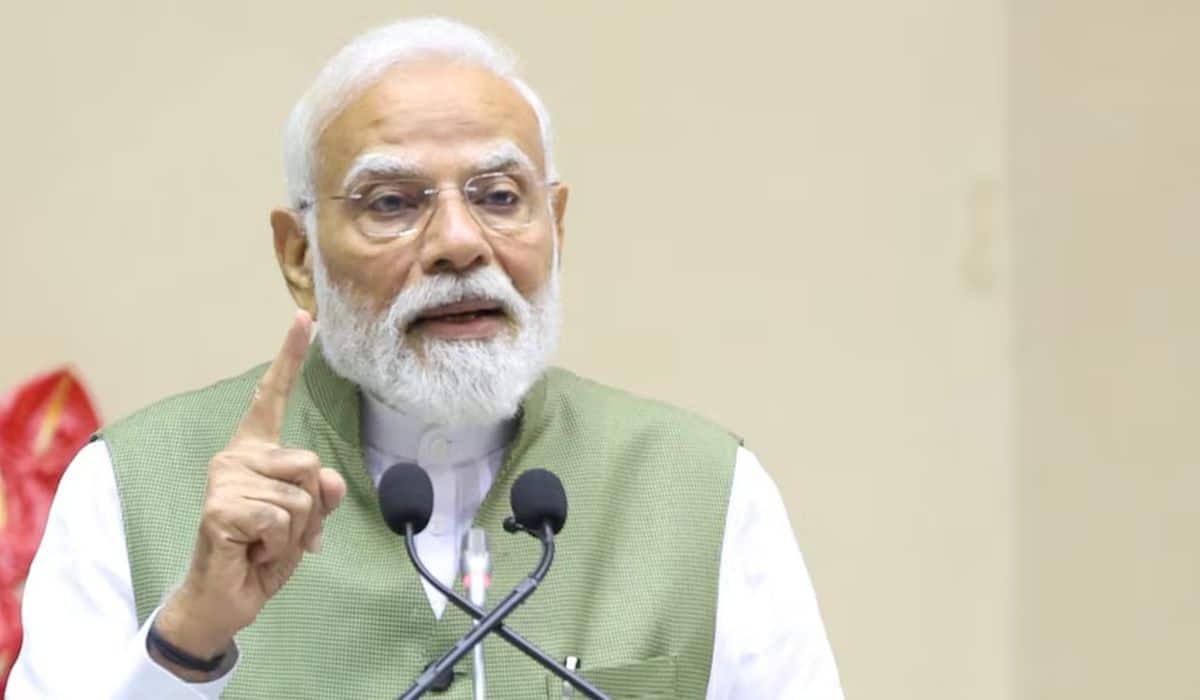

ജനപ്രിയ പ്രസംഗങ്ങൾ
ശ്രീരാമജന്മഭൂമി ക്ഷേത്രത്തിലെ പതാക ഉയർത്തൽ ഉത്സവത്തിനിടെ പ്രധാനമന്ത്രി നടത്തിയ പ്രസംഗം
Media Coverage
First multilingual Indian speech recognition model trained on 65 languages and dialects released

Nm on the go
Always be the first to hear from the PM. Get the App Now!

മുൻ രാഷ്ട്രപതി ശ്രീ രാംനാഥ് കോവിന്ദിന്റെ ആത്മകഥയുടെ പ്രകാശന ചടങ്ങിൽ പ്രധാനമന്ത്രി നടത്തിയ അഭിസംബോധനയുടെ മലയാളം പരിഭാഷ
August 12, 2026
-
Share
-
-
-
ഇന്ന് ശ്രീ രാം നാഥ് കോവിന്ദ് ജിയുടെ ആത്മകഥ പ്രകാശനം ചെയ്യാൻ നമുക്ക് അവസരം ലഭിച്ചു; ഈ പരിപാടിയുടെ ഭാഗമാകാൻ കഴിഞ്ഞതിൽ എനിക്ക് സന്തോഷമുണ്ട്: പ്രധാനമന്ത്രി
പൊതുസേവനത്തിനും നമ്മുടെ രാജ്യത്തിന്റെ പുരോഗതിക്കുമായി അർപ്പിച്ച ഒരു ജീവിതത്തെ അദ്ദേഹത്തിൻ്റെ യാത്ര പ്രതിഫലിപ്പിക്കുന്നു: പ്രധാനമന്ത്രി
കോവിന്ദ് ജിയുമായുള്ള എന്റെ ദീർഘകാല ബന്ധവും എന്നോടുള്ള അദ്ദേഹത്തിന്റെ പ്രത്യേക സ്നേഹവാത്സല്യവും ഊഷ്മളതയും എന്റെ ഏറ്റവും വലിയ സമ്പത്താണ്: പ്രധാനമന്ത്രി
ഏറ്റവും പാവപ്പെട്ടവർക്കും പാർശ്വവൽക്കരിക്കപ്പെട്ടവർക്കും ഏറ്റവും ഉയർന്ന നിലയിലെത്താൻ അവസരം ലഭിക്കുന്ന ഒരു പുതിയ ഇന്ത്യ കെട്ടിപ്പടുക്കാനാണ് മഹാത്മാഗാന്ധി, ബാബാസാഹേബ് അംബേദ്കർ, ജ്യോതിബ ഫൂലെ, സാവിത്രിബായ് ഫൂലെ എന്നിവർ സ്വപ്നം കണ്ടത്: പ്രധാനമന്ത്രി
കോവിന്ദ് ജിയെപ്പോലുള്ള വ്യക്തികൾ തങ്ങളുടെ കഠിനാധ്വാനത്തിലൂടെയും പ്രാപ്തിയിലൂടെയും സ്വന്തം ജീവിതം മാറ്റിയെഴുതുക മാത്രമല്ല ചെയ്തത്, നൂറ്റാണ്ടുകൾ പഴക്കമുള്ള ആ സ്വപ്നവും ദർശനവും സാക്ഷാത്കരിക്കുന്നതിൽ പ്രധാന പങ്ക് വഹിക്കുകയും ചെയ്തിട്ടുണ്ട്: പ്രധാനമന്ത്രി
രാഷ്ട്രപതി സ്ഥാനത്തുനിന്ന് വിരമിച്ച ശേഷവും അദ്ദേഹം 'ഒരു രാജ്യം, ഒരു തിരഞ്ഞെടുപ്പ്' എന്ന വിഷയത്തിൽ പ്രവർത്തിക്കുകയാണ്; ഇതിന്റെ പ്രമേയത്തിന് ജനാധിപത്യത്തിൽ ഒരു പുതിയ അധ്യായം കുറിക്കാൻ കഴിയും: പ്രധാനമന്ത്രി
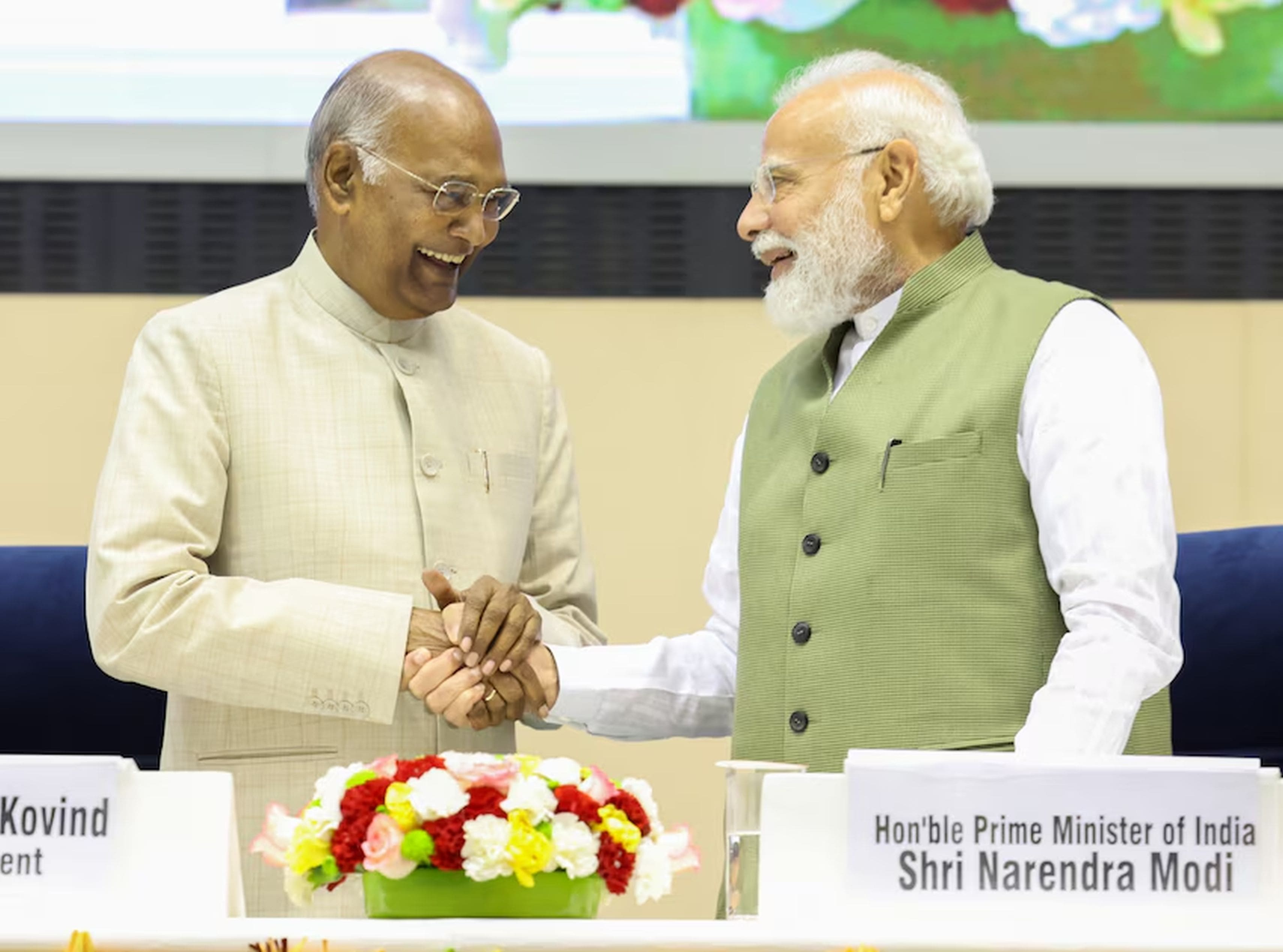
നമ്മുടെ മുൻ രാഷ്ട്രപതി ശ്രീ രാംനാഥ് കോവിന്ദ് ജി, ലോക്സഭാ സ്പീക്കർ ശ്രീ ഓം ബിർള ജി, ശ്രീമതി സവിതാ കോവിന്ദ് ജി, സദസ്സിലിരിക്കുന്ന എല്ലാ മുതിർന്ന വ്യക്തിത്വങ്ങളേ - എല്ലാവരുടെയും പേരുകൾ എടുത്തുപറയാൻ കഴിഞ്ഞെന്നു വരില്ല, എങ്കിലും ഇതൊരു കുടുംബ സംഗമം പോലെ തോന്നുന്നതിൽ എനിക്ക് വലിയ സന്തോഷമുണ്ട്.
സഹോദരീസഹോദരന്മാരേ,
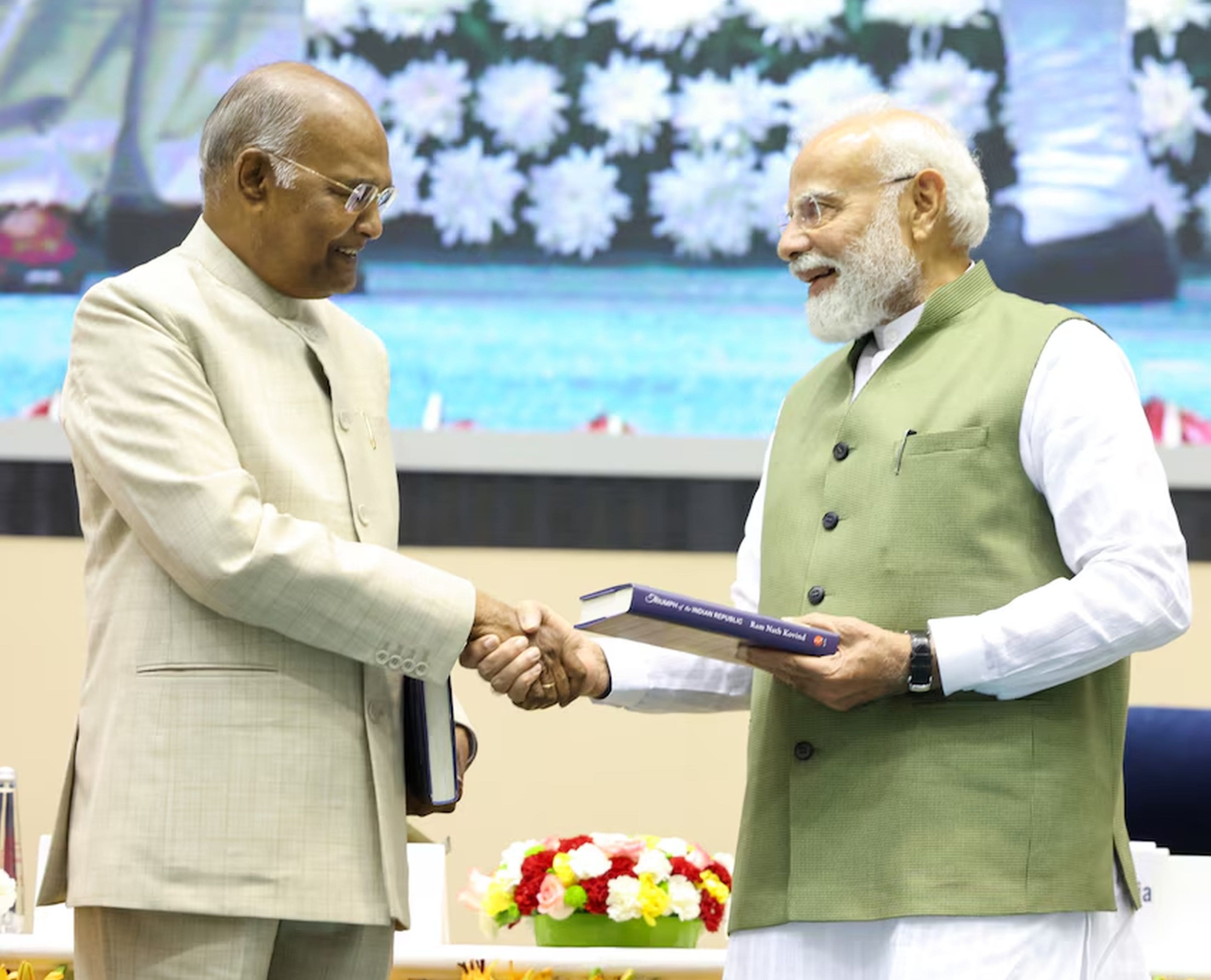
ഇന്ന് ശ്രീ രാംനാഥ് കോവിന്ദ് ജിയുടെ ആത്മകഥ പ്രകാശനം ചെയ്യുന്നതിനായി നാം ഒത്തുചേർന്ന സന്ദർഭമാണ്. ഈ ചടങ്ങിൽ പങ്കാളിയാകാനുള്ള ഭാഗ്യം എനിക്കും ലഭിച്ചതിൽ സന്തോഷമുണ്ട്. കോവിന്ദ് ജിയുമായി എനിക്ക് ദീർഘകാലത്തെ ബന്ധമുണ്ട്; അദ്ദേഹത്തെ അടുത്തറിയാനും രാഷ്ട്രപതി എന്ന നിലയിൽ അദ്ദേഹത്തിന്റെ മാർഗ്ഗനിർദ്ദേശം സ്വീകരിക്കാനും ഇതോടൊപ്പം അദ്ദേഹത്തിന്റെ പ്രത്യേക സ്നേഹത്തിനും വാത്സല്യത്തിനും പാത്രമാകാനും എനിക്ക് അവസരം ലഭിച്ചു - ഇത് എൻ്റെ ജീവിതത്തിലെ വലിയൊരു നിധിയാണ്. അദ്ദേഹത്തിന്റെ ജീവിതത്തെക്കുറിച്ച് ഞാൻ മനസ്സിലാക്കിയതിൽ നിന്നും അദ്ദേഹത്തിന്റെ കഴിവുകളെക്കുറിച്ച് ഞാൻ കണ്ടതിൽ നിന്നും ശ്രീ രാംനാഥ് കോവിന്ദ് ജിയുടെ ആത്മകഥ ഇന്ത്യൻ ജനാധിപത്യത്തിനും ഇന്ത്യൻ സമൂഹത്തിനും ഒരു പൈതൃകമായി മാറുമെന്ന് എനിക്ക് പൂർണ്ണ ആത്മവിശ്വാസത്തോടെ പറയാൻ കഴിയും. അദ്ദേഹത്തിന്റെ ജീവിതയാത്ര, സമൂഹത്തിനും രാജ്യത്തിനും നൽകിയ സംഭാവനകൾ - ഇതേക്കുറിച്ച് സംസാരിക്കാൻ ഒരുപാട് കാര്യങ്ങളുണ്ട്, എന്നാൽ ഒരു പുസ്തക പ്രകാശന ചടങ്ങിൽ ഒരു "കർട്ടൻ റൈസർ" മാത്രമേ നൽകാവൂ. പുസ്തകത്തിന്റെ പൂർണ്ണമായ പ്രയോജനം ലഭിക്കുന്നതിന് നിങ്ങൾ അത് മുഴുവനായും വായിക്കണം.
സുഹൃത്തുക്കളേ,
കോവിന്ദ് ജിയുടെ ജീവിതയാത്ര അദ്ദേഹത്തിന്റെ തന്നെ വാക്കുകളിൽ അറിയാനും അദ്ദേഹത്തിന്റെ എഴുത്തുകളും അനുഭവങ്ങളും വായിക്കാനും സാധിക്കുന്നത് പുതിയ തലമുറയ്ക്ക് ഒരുപാട് കാര്യങ്ങൾ പഠിക്കാൻ അവസരമൊരുക്കും. ഈ ആത്മകഥയുടെ പേരിൽ ശ്രീ രാംനാഥ് കോവിന്ദ് ജിയെ ഞാൻ ഹൃദയപൂർവ്വം അഭിനന്ദിക്കുന്നു.
സുഹൃത്തുക്കളേ,
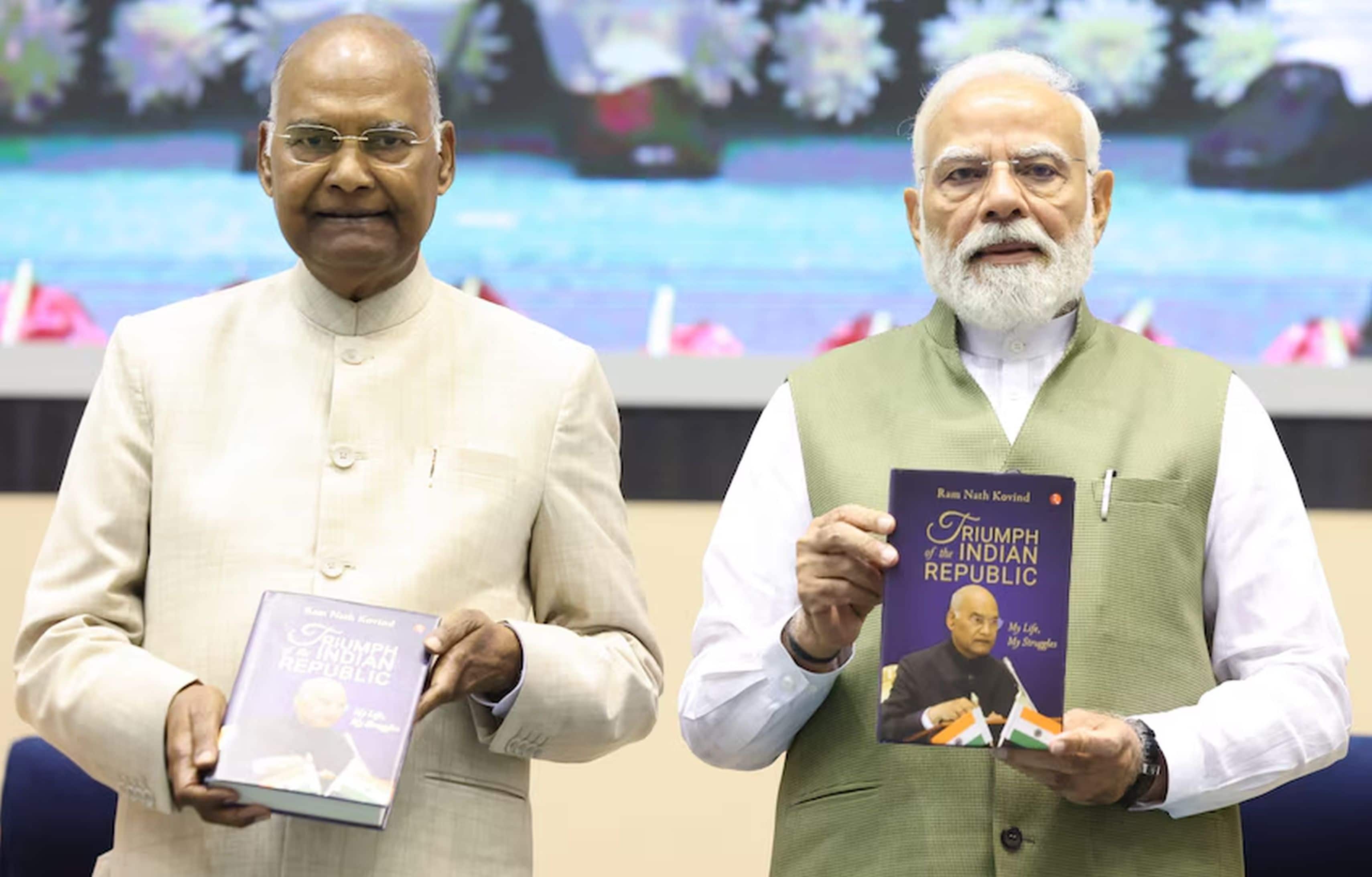
കോവിന്ദ് ജി തന്റെ പുസ്തകത്തിന് വളരെ അനുയോജ്യമായ ഒരു തലക്കെട്ടാണ് നൽകിയിരിക്കുന്നത് - "ട്രയംഫ് ഓഫ് ദി ഇന്ത്യൻ റിപ്പബ്ലിക്: മൈ ലൈഫ്, മൈ സ്ട്രഗിൾസ്" (ഇന്ത്യൻ റിപ്പബ്ലിക്കിന്റെ വിജയം: എന്റെ ജീവിതം, എന്റെ പോരാട്ടങ്ങൾ). ജീവിതവും അതിലെ പോരാട്ടങ്ങളും വ്യക്തിപരമാണ്, എന്നാൽ ആ പോരാട്ടങ്ങളിൽ നിന്നുണ്ടായ വിജയങ്ങൾ ഇന്ത്യൻ റിപ്പബ്ലിക്കിനും ഇന്ത്യൻ ജനാധിപത്യത്തിനും അവകാശപ്പെട്ടതാണ് എന്നതാണ് ഇതിന്റെ അർത്ഥം.
സുഹൃത്തുക്കളേ,
മനുഷ്യസഹജമായ ഒരു രീതി നമ്മൾ പലപ്പോഴും കാണാറുണ്ട്; വിജയങ്ങളുടെ ക്രെഡിറ്റ് ആളുകൾ സ്വന്തമായി എടുക്കുകയും ബുദ്ധിമുട്ടുകൾക്ക് സമൂഹത്തെ കുറ്റപ്പെടുത്തുകയും ചെയ്യും. എന്നാൽ ഹൃദയം ഉദാരമായിരിക്കുമ്പോൾ ഭാരതീയ മൂല്യങ്ങൾ ഉള്ളിലുണ്ടാകുമ്പോൾ ഒരാൾ സമൂഹത്തിൽ കുറ്റങ്ങൾ കണ്ടെത്തുന്നതിനായി സമയം കളയില്ല. അവൻ നല്ല വശങ്ങളിൽ ശ്രദ്ധ കേന്ദ്രീകരിക്കുകയും തന്റെ വിജയത്തിൽ സമൂഹത്തെയും തുല്യ പങ്കാളിയാക്കുകയും ചെയ്യുന്നു. കോവിന്ദ് ജിയുടെ ആത്മകഥയും അതിന്റെ തലക്കെട്ടും ഇതിന് ഉദാഹരണങ്ങളാണ്. അദ്ദേഹത്തിന്റെ ജീവിതം നോക്കൂ - കാൺപൂർ ദെഹാതിലെ വളരെ സാധാരണമായ ഒരു കുടുംബത്തിൽ ജനിച്ചു. ഒരു വേനൽക്കാലത്ത് തന്റെ വീട്ടിൽ തീപിടുത്തമുണ്ടായതിനെക്കുറിച്ച് അദ്ദേഹം പുസ്തകത്തിൽ വിവരിക്കുകയും എഴുതുകയും ചെയ്തിട്ടുണ്ട്. അദ്ദേഹത്തിന്റെ അമ്മ, സ്വന്തം സുരക്ഷ പോലും മറന്ന്, വീട്ടുസാധനങ്ങൾ സംരക്ഷിക്കാൻ ശ്രമിച്ചു. ഒരു സാധാരണ കുടുംബത്തിലെ അമ്മയെ സംബന്ധിച്ചിടത്തോളം ഓരോ സാധനങ്ങളും തന്റെ മക്കളെ വളർത്താനുള്ള മാർഗ്ഗമാണ്. ആ ശ്രമത്തിനിടയിൽ, അവർ തീയിൽ പെട്ടുപോകുകയും മരണപ്പെടുകയും ചെയ്തു. സങ്കൽപ്പിച്ചു നോക്കൂ - അത്രയും ചെറുപ്പത്തിൽ തന്നെ അമ്മയെ ഈ രീതിയിൽ നഷ്ടപ്പെടുന്നത് എത്രത്തോളം വേദനാജനകമായിരുന്നിരിക്കും. എൻ്റെ അമ്മയ്ക്ക് 100 വയസ്സിലധികം ജീവിക്കാനും എന്നെ അനുഗ്രഹിക്കാനും കഴിഞ്ഞത് എൻ്റെ ഭാഗ്യമാണ്. എങ്കിൽപ്പോലും അവരുടെ അസാന്നിധ്യം എനിക്ക് ഇപ്പോഴും അനുഭവപ്പെടുന്നുണ്ട്.
സുഹൃത്തുക്കളേ,
വേദനാജനകമായ ഈ സംഭവം ആരെയും തളർത്തിക്കളയുമായിരുന്നു, എന്നാൽ ഇത് കോവിന്ദ് ജിയെ കൂടുതൽ ശക്തനാക്കുകയാണ് ചെയ്തത്. അയൽപക്കത്തെ ഒരു അമ്മയാണ് അദ്ദേഹത്തെ വളർത്താൻ സഹായിച്ചത്. ഇതിൽ നിന്ന് സാമൂഹിക ഐക്യത്തിന്റെയും സൗഹാർദ്ദത്തിന്റെയും ശക്തി അദ്ദേഹം മനസ്സിലാക്കി. ഈ സംഭവത്തിനു ശേഷം, അദ്ദേഹത്തിന്റെ പിതാവിന്റെ പങ്ക് കൂടുതൽ വലുതായി. പിതാവ് കുടുംബത്തെ നയിച്ച രീതി, മക്കൾക്ക് നൽകിയ മൂല്യങ്ങൾ - അതുകൊണ്ടാണ് കോവിന്ദ് ജി തന്റെ പിതാവിനെ സ്വന്തം നായകനായി കാണുന്നത്.
സുഹൃത്തുക്കളേ,
കുട്ടിക്കാലത്തെ ഈ പോരാട്ടങ്ങൾക്കിടയിലും കോവിന്ദ് ജി വിദ്യാഭാസത്തെ തന്നെത്തന്നെ ശക്തനാക്കാനുള്ള വഴിയാക്കി മാറ്റി. അദ്ദേഹം കഠിനാധ്വാനം ചെയ്തു, വിഭവങ്ങളുടെ ലഭ്യതക്കുറവിനെ ഒരു ബലഹീനതയാകാൻ അനുവദിച്ചില്ല. അങ്ങനെ അന്ന് ആളുകൾക്ക് സങ്കൽപ്പിക്കാൻ പോലും കഴിയാതിരുന്ന ഒരു ഉയരത്തിലേക്ക് അദ്ദേഹം എത്തിച്ചേർന്നു - ഇന്ത്യയെപ്പോലുള്ള ഒരു വലിയ രാജ്യത്തിന്റെ രാഷ്ട്രപതിയായി അദ്ദേഹം മാറി.
സുഹൃത്തുക്കളേ,
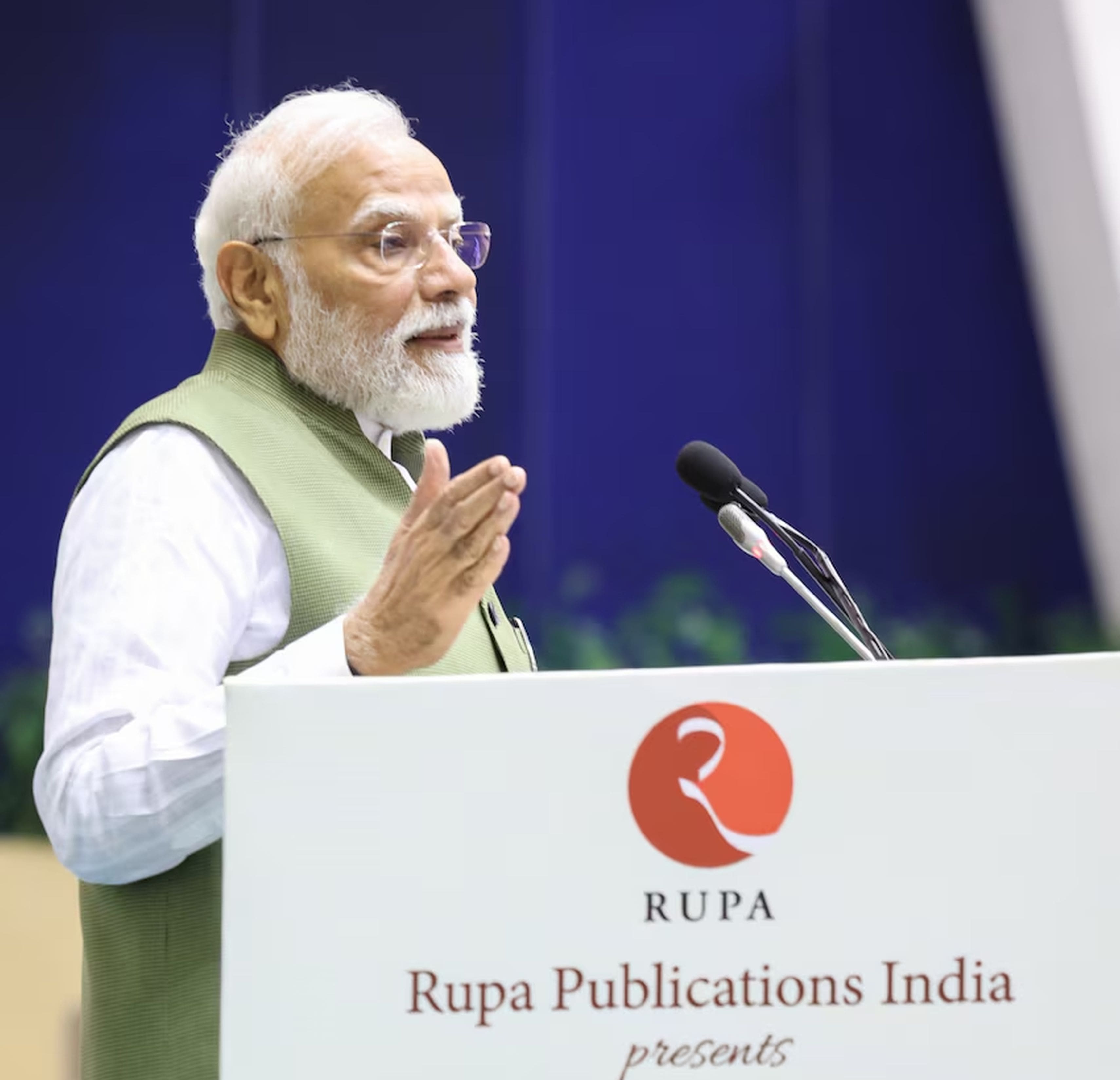
അത്രയും ഉയർന്ന പദവിയിൽ എത്തിച്ചേർന്നിട്ടും, കോവിന്ദ് ജിയുടെ വിനയം നിറഞ്ഞ വ്യക്തിത്വത്തിനും ലാളിത്യത്തിനും ഒരു മാറ്റവും വന്നില്ല. ഞാൻ ഓർക്കുന്നു, പ്രധാനമന്ത്രി എന്ന നിലയിൽ ഞാൻ രാഷ്ട്രപതി ഭവനിൽ അദ്ദേഹത്തെ കാണാൻ പോകുമ്പോൾ, അദ്ദേഹം പ്രോട്ടോക്കോളിനും അപ്പുറത്തുള്ള കാര്യങ്ങൾ ചെയ്യുമായിരുന്നു. പ്രധാനമന്ത്രിയെ യാത്രയാക്കാൻ അദ്ദേഹം കാറിന്റെ വാതിൽക്കൽ വരെ എത്തുമായിരുന്നു. അങ്ങനെ ചെയ്യരുതെന്ന് ഞാൻ അദ്ദേഹത്തോട് അപേക്ഷിക്കാറുണ്ടായിരുന്നു, എങ്കിലും അവസാനം വരെ അദ്ദേഹം തന്റെ എളിമ ഉപേക്ഷിച്ചില്ല. രാഷ്ട്രപതിയായ ശേഷം, തന്റെ ഗ്രാമമായ പരൗൻഖിൽ പോയപ്പോൾ അദ്ദേഹം തന്റെ അധ്യാപകരുടെ പാദങ്ങളിൽ തൊട്ട് വന്ദിക്കുകയും ആദരവ് പ്രകടിപ്പിക്കുകയും ചെയ്തു. അദ്ദേഹം ഗ്രാമത്തിലെ മണ്ണിൽ തൊട്ടു വന്ദിക്കുകയും അവിടുത്തെ സാധാരണക്കാരോട് നന്ദി പറയുകയും ചെയ്തു. ആ വൈകാരിക രംഗം രാജ്യമാകെ കണ്ടതാണ്. അദ്ദേഹത്തിന്റെ പെരുമാറ്റം ഓരോ ഇന്ത്യക്കാരനും അഭിമാനം തോന്നുന്ന ഭാരതീയ മൂല്യങ്ങളുടെ ചിത്രമാണ് ലോകത്തിനു മുന്നിൽ അവതരിപ്പിച്ചത്.
സുഹൃത്തുക്കളേ,
നൂറ്റാണ്ടുകൾ നീണ്ട അടിമത്തത്തിൽ, നമ്മുടെ രാജ്യത്തിന് സാമ്പത്തികമായും സാമൂഹികമായും ഒരുപാട് കാര്യങ്ങൾ നഷ്ടപ്പെട്ടു. നമ്മുടെ പൂർവ്വികർ നൂറ്റാണ്ടുകളോളം പോരാടി. മഹാത്മാഗാന്ധി, ബാബാസാഹെബ് അംബേദ്കർ, ജ്യോതിബ ഫൂലെ, സാവിത്രിബായി ഫൂലെ - തുടങ്ങി അനേകം മഹദ്വ്യക്തികൾ ഏറ്റവും നിർധനരായവർക്കും പാർശ്വവൽക്കരിക്കപ്പെട്ടവർക്കും പോലും പരമോന്നത പദവിയിൽ എത്താൻ കഴിയുന്ന ഒരു പുതിയ ഇന്ത്യയെക്കുറിച്ച് സ്വപ്നം കണ്ടു. കോവിന്ദ് ജിയെപ്പോലുള്ള വ്യക്തിത്വങ്ങൾ, തങ്ങളുടെ അധ്വാനത്തിലൂടെയും കഴിവിലൂടെയും സ്വന്തം ജീവിതം മാറ്റുക മാത്രമല്ല ചെയ്തത്, നൂറ്റാണ്ടുകൾ പഴക്കമുള്ള ആ സ്വപ്നവും ദർശനവും സാക്ഷാത്കരിക്കുന്നതിൽ പ്രധാന പങ്കുവഹിക്കുകയും ചെയ്തു. ഈ ദിശയിലുള്ള നമ്മുടെ ശ്രമങ്ങൾ തുടരുകയാണ്. ഭാവിയിൽ പ്രതിസന്ധികളിൽ തളരാത്ത, ബുദ്ധിമുട്ടുകൾക്ക് മുന്നിൽ നിരാശരാകാത്ത, മറിച്ച് കഠിനാധ്വാനത്തിലൂടെ ഏതൊരു ലക്ഷ്യവും എളുപ്പമാക്കാനുള്ള ധൈര്യമുള്ള കോവിന്ദ് ജിയെപ്പോലുള്ള നിരവധി യുവാക്കളെ നമുക്ക് ആവശ്യമുണ്ട്. ഈ മാറ്റം ശക്തമായ ഒരു ഇന്ത്യ കെട്ടിപ്പടുക്കുക എന്ന സങ്കല്പത്തെ പൂർത്തീകരിക്കും. ഇവിടെ നിന്നായിരിക്കും സ്വാശ്രയവും വികസിതവുമായ ഭാരതത്തിലേക്കുള്ള പാത ഉയർന്നുവരുന്നത്.
സുഹൃത്തുക്കളേ,
ഇത്തരമൊരു യുവശക്തിയെ കെട്ടിപ്പടുക്കുന്നതിന് കോവിന്ദ് ജിയുടെ ആത്മകഥ വലിയൊരു പ്രചോദന സ്രോതസ്സായി മാറും.
സുഹൃത്തുക്കളേ,
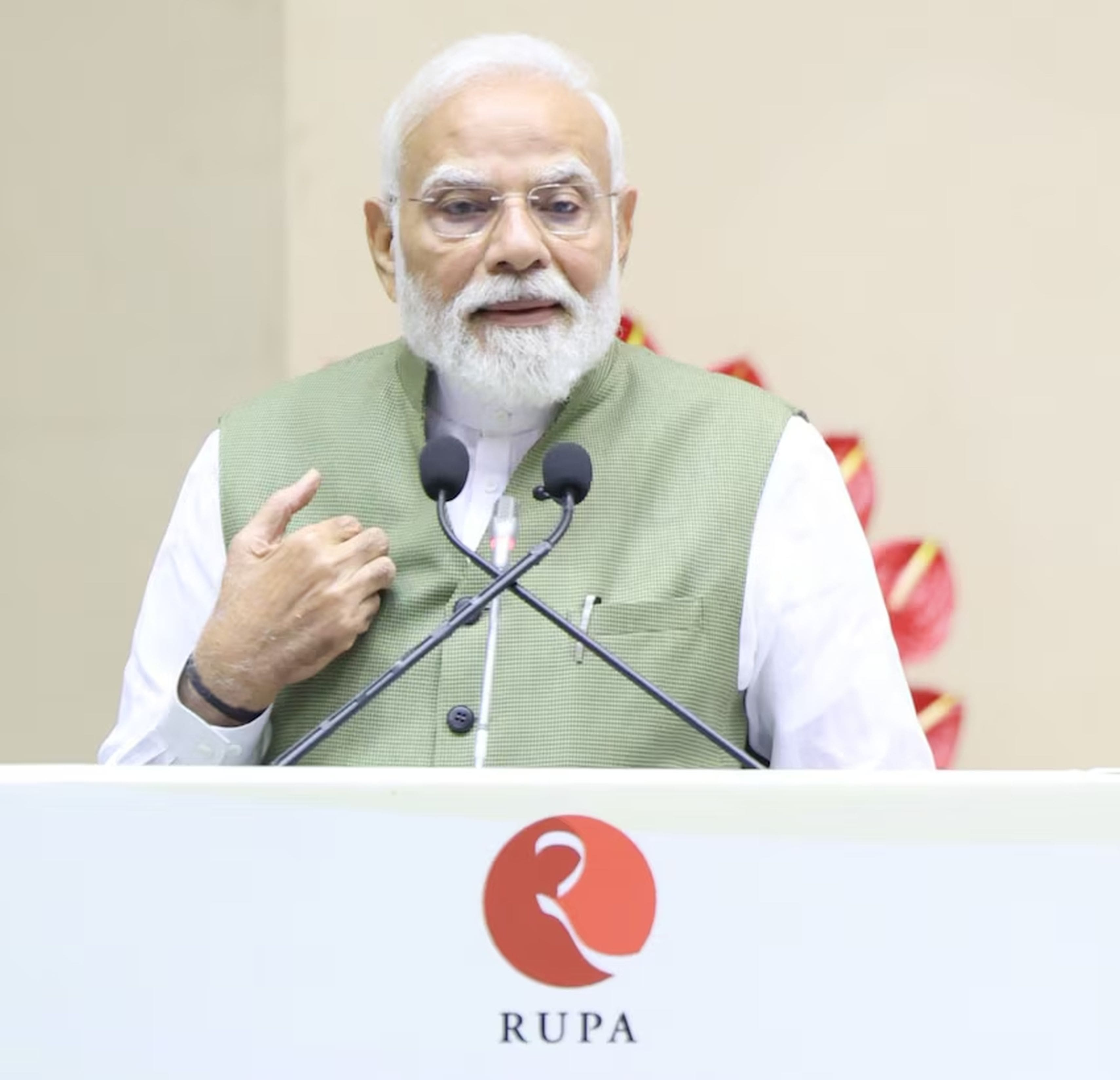
തന്റെ ആത്മകഥയിൽ, മൊറാർജി ദേശായിയുമായുള്ള തന്റെ അനുഭവങ്ങളെക്കുറിച്ചും കോവിന്ദ് ജി വിശദമായി വിവരിച്ചിട്ടുണ്ട്. അദ്ദേഹത്തിനുള്ളിലുണ്ടായിരുന്ന രാജ്യസേവന മനോഭാവവും മൊറാർജി ഭായിക്കൊപ്പം പ്രവർത്തിച്ചതിലൂടെ അദ്ദേഹത്തിന് ലഭിച്ച പാഠങ്ങളും പാതയും - കോവിന്ദ് ജി രാഷ്ട്രീയത്തെയും സാമൂഹിക സേവനത്തെയും തന്റെ മാർഗമാക്കി മാറ്റി. അദ്ദേഹം തന്റെ കർത്തവ്യങ്ങളിൽ പ്രതിജ്ഞാബദ്ധനായി നിലകൊണ്ടു. സേവനത്തെ അദ്ദേഹം തന്റെ ലക്ഷ്യമാക്കി. പാർലമെന്റിലെ അദ്ദേഹത്തിന്റെ കാലാവധി ഇതിന് തെളിവാണ്. ഗവർണർ എന്ന നിലയിലും അദ്ദേഹം മാതൃക കാട്ടി. രാഷ്ട്രപതി എന്ന നിലയിലും ഇതേ സമർപ്പണബോധം നമ്മൾ കണ്ടതാണ്. രാഷ്ട്രപതി എന്ന പരമോന്നത പദവിയിൽ നിന്ന് വിരമിച്ച ശേഷവും അദ്ദേഹം വിശ്രമിച്ചിട്ടില്ല. 'ഒരു രാജ്യം, ഒരു തിരഞ്ഞെടുപ്പ്' എന്ന പ്രധാന വിഷയത്തിൽ അദ്ദേഹം ഇപ്പോഴും പ്രവർത്തിച്ചുവരികയാണ്. അദ്ദേഹം രാജ്യത്തെ ഉണർത്തുകയാണ്. ഇതിനൊരു പരിഹാരമുണ്ടാകുന്നത് ഇന്ത്യൻ ജനാധിപത്യത്തിൽ പുതിയൊരു അധ്യായത്തിന് തുടക്കം കുറിക്കാൻ കഴിയുന്ന ഒരു വിഷയമാണിത്. കോവിന്ദ് ജിയുടെ സമർപ്പണബോധത്തിൽ നിന്നും സേവനമനോഭാവത്തിൽ നിന്നും രാജ്യത്തെ ജനങ്ങൾക്ക് ഒരുപാട് കാര്യങ്ങൾ പഠിക്കാനുണ്ടെന്ന് ഞാൻ വിശ്വസിക്കുന്നു.
സുഹൃത്തുക്കളേ,
സാമൂഹിക ജീവിതത്തിൽ സജീവമായിരിക്കുമ്പോൾ തന്നെ ഒരു ആത്മകഥയ്ക്കായി സമയം കണ്ടെത്തുക എന്നത് വളരെ ബുദ്ധിമുട്ടുള്ള കാര്യമാണ്. കോവിന്ദ് ജി നമുക്കെല്ലാവർക്കും വേണ്ടി ഈ പ്രവൃത്തി ചെയ്തിരിക്കുകയാണ്; കാരണം, പാവപ്പെട്ടവരും പാർശ്വവൽക്കരിക്കപ്പെട്ടവരുമായ ആളുകൾക്ക് സ്വന്തം ജീവിതത്തിന്റെ പ്രതിഫലനങ്ങൾ കാണാൻ കഴിയുന്ന ഒരുപാട് കാര്യങ്ങൾ അദ്ദേഹത്തിന്റെ ജീവിതത്തിലുണ്ട്. പ്രയാസകരമായ സാഹചര്യങ്ങളിൽ പോലും ഒരു സാധാരണ കുടുംബം ജീവിതത്തിന്റെ വിശുദ്ധിയോടും സത്യസന്ധതയോടും എങ്ങനെ ഒത്തുതീർപ്പുണ്ടാക്കുന്നില്ല എന്നത്; ആ ആദർശങ്ങൾ എങ്ങനെ പിന്നീട് നമ്മുടെ ജീവിതത്തിന്റെ അടിത്തറയായി മാറുന്നു എന്നത്; കഷ്ടപ്പാടുകളുടെ കാലത്തെ മൂല്യങ്ങൾ ജീവിതത്തിലുടനീളം നമുക്ക് എങ്ങനെ വെളിച്ചം തരുന്നു എന്നത്; ഈ വിശുദ്ധി ദേശസേവനത്തിന് നമുക്ക് എങ്ങനെ കരുത്ത് നൽകുന്നു എന്നത് - വ്യത്യസ്ത പദവികളിൽ ഉത്തരവാദിത്തങ്ങൾ നിർവ്വഹിക്കുമ്പോഴും, കോവിന്ദ് ജി തുടർച്ചയായി ഈ പ്രചോദനമാണ് സമൂഹത്തിന് നൽകിയിട്ടുള്ളത്.
സുഹൃത്തുക്കളേ,
കോവിന്ദ് ജിയുടെ ആത്മകഥ അദ്ദേഹത്തിന്റെ ജീവിതത്തിലെ ഓർമ്മകൾ മാത്രമല്ല, നമ്മുടെ ജനാധിപത്യത്തിന്റെ സുപ്രധാനമായ ഓർമ്മകളെക്കൂടി കാത്തുസൂക്ഷിക്കുമെന്ന് എനിക്ക് ഉറപ്പുണ്ട്. ഒരിക്കൽക്കൂടി, അദ്ദേഹത്തിന്റെ ആത്മകഥയ്ക്ക് ഞാൻ എൻ്റെ എല്ലാവിധ ആശംസകളും നേരുന്നു. കൂടാതെ പ്രധാനമായും പുതിയ തലമുറയോട് എനിക്ക് പറയാനുള്ളത് - ഇത് റീലുകളുടെ കാലമാണ്, സമൂഹമാധ്യമ ഇൻഫ്ലുവൻസർമാർ നിങ്ങളെ പല വഴികളിലേക്ക് വലിച്ചിഴയ്ക്കുന്നു. കുറുക്കുവഴികളുടെ ഈ യുഗത്തിൽ ഒരു കാര്യം ഓർക്കുക. റെയിൽവേ സ്റ്റേഷനുകളിൽ എഴുതിവെച്ചിരിക്കുന്നത് കാണാം - ചില ആളുകൾ മേൽപ്പാലം ഉപയോഗിക്കുന്നതിന് പകരം റെയിൽവേ ട്രാക്കുകളിലൂടെ ചാടിക്കടക്കാറുണ്ട്. അവിടെ ഇങ്ങനെ എഴുതിവെച്ചിട്ടുണ്ട്: "കുറുക്കുവഴി നിങ്ങളുടെ ജീവിതത്തെത്തന്നെ ചെറുതാക്കിക്കളയും". നിങ്ങൾ കുറുക്കുവഴികളിലൂടെ പോകാൻ ആഗ്രഹിക്കുന്നവരാണെങ്കിൽപ്പോലും, യുവാക്കളോട് എനിക്ക് അഭ്യർത്ഥിക്കാനുള്ളത് - നിങ്ങൾ ആരാധിക്കുന്ന വ്യക്തികളുടെ ആത്മകഥകൾ വായിക്കുക. ചരിത്ര സംഭവങ്ങളെ വേറൊരു രീതിയിൽ മനസ്സിലാക്കാനുള്ള അവസരം ആത്മകഥകൾ നൽകുന്നു. അവ ചരിത്രത്തോട് ചേർന്നുനിൽക്കുന്നവയാണ്. അതുകൊണ്ടാണ് കോവിന്ദ് ജിയുടെ ഈ ശ്രമം ഭാവി തലമുറയ്ക്ക്, പ്രത്യേകിച്ച് യുവാക്കൾക്ക്, പ്രയോജനപ്പെടണമെന്ന് ഞാൻ ആഗ്രഹിക്കുന്നത്. ഏവർക്കും എൻ്റെ അഭിനന്ദനങ്ങൾ. വളരെ നന്ദി.


Posted via www.narendramodi.in