Published By : Admin |
January 3, 2015 | 18:05 IST
Share
मैं अपनी बात शुरू करने से पहले, सबसे पहले श्री वसंत गोवारिकर जो हमारे देश के गणमान्य वैज्ञानिक थे और आज ही हमारे बीच नहीं रहे। मैं इसी धरती की संतान और भारत को विज्ञान जगत में आगे बढ़ाने में जिन्होंने बहुत अहम भूमिका निभाई थी ऐसे श्रीमान वसंत गोवारिकर जो को हृदय अंतःकरण पूर्वक श्रृद्धांजलि देता हूं।
Ladies and Gentlemen,
It is a great honour to participate in the Indian Science Congress. I thank University of Mumbai for hosting this Congress.
I had the opportunity to participate in the Congress as Chief Minister of Gujarat. I am delighted to return here after ten years.
I greatly admire the rich history of this hundred-year old institution.
I feel humbled by the work that scientists do. And, I find science and technology an invaluable ally in governance and development.
Human civilization has advanced because of the basic human spirit of enquiry and quest for understanding our universe and world.
It is a search driven by the belief in what our Vedas described as, Satye Sarvam Pratisthanam – Everything is established in Truth.
Science may be the product of human brain. But, it is also driven by the compassion of human heart – the desire to make human life better.
We have here with us Nobel Laureates, whose work in science has given new hope against dreaded diseases.
We also have one whose own understanding of social science gave the poorest a life of hope, opportunity and dignity.
Science and technology has helped reduce poverty and advance prosperity; fight hunger and improve nutrition; conquer diseases, improve health and give a child a better chance to survive; connect us to our loved ones and the world; spread education and awareness; and, given us clean energy that can make our habitat more sustainable.
A nation`s progress and its human development are linked to science and technology. In more recent times, China`s emergence as the second biggest global economy is in parallel to its rise to the second place in science and technology activities.
Science and technology can also remove national barriers, unify the world and advance peace. It can bring nations, rich and poor, in a shared effort to address global challenges.
But, we also know that it can increase inequality, make wars more lethal and damage our environment. Sometimes, we learn about their consequences later, as we did on climate change; sometimes, these are the result of our own choices.
For example, information technology was meant to increase efficiency and productivity; sometimes, however, its various distractions can easily overpower us! How often do we sit in meetings and cannot resist the temptation to catch up on our messages!
So, when we speak of science and human development, we cannot divorce it from the questions of political decisions; social choices; and of equity, ethics and access.
Human development has been the larger purpose and the driving force of Indian scientific pursuits. And, science has helped shape modern India.
At the dawn of freedom, Prime Minister Jawaharlal Nehru placed science and technology at the heart of national development. Our scientists launched pioneering research and built outstanding institutions with modest resources that continue to serve us well.
Since then, our scientists have placed us at the forefront of the world in many areas.
Whenever the world shut its door on us, our scientists responded with the zeal of a national mission. When the world sought our collaboration, they reached out with the openness that is inherent in our society.
They have alleviated some of our most acute and pressing challenges of human development. They helped us overcome dependence on others for such basic needs as food. They have secured our borders; supported industrial progress; and, given our people a life of opportunities and dignity.
Our scientists put Mangalyaan in the Mars orbit in the first attempt - I must congratulate Radhakrishnan`s team - and their accurate prediction of Cyclone Hudhud saved thousands of lives; our nuclear scientists work for our energy security, and they have also placed India at the Asian forefront in cancer research and treatment.
Our achievements give us pride, but they do not blind us to the enormous challenges that we face in India.
We are at yet another moment of expectation and excitement, as we were at the birth of independent India.
There is a mood of optimism for change in the country; the energy to pursue it; and, confidence to achieve it.
But, the dreams we all share for India will depend as much on science and technology as it will on policy and resources -
To make our agriculture more resilient and yield more; to develop appropriate and affordable technologies for rural areas;
To do more from every drop of water; and, explore the potential of marine resources
To preserve our biodiversity; and keep our environment clean
To improve healthcare and develop medicines and medical devices that is within the reach of poorest;
To make clean energy affordable and its use more efficient;
To use technology to realize our dream of housing and sanitation for all;
To find our own solutions to make our cities cleaner and more habitable
To turn waste into wealth and resources for sustainable infrastructure of the future;
To use internet to improve human development
To make India a leading manufacturing nation; and a hub for knowledge and technology-intensive industries.
To me, the arms of science, technology and innovation must reach the poorest, the remotest and the most vulnerable person.
This is an enterprise of national importance in which each of us – Government, Industry, National Laboratories, Universities and research institutions – have to work together.
Too often, a discussion on science and technology is reduced to a question of budgets. It is important; and I am confident that it will continue to grow.
But, our own achievements have shown that very often a need and vision and passion are more important than resource for success.
And, it is how we use resources that will determine how effective we are in making science and technology work for us.
Our development challenges will naturally shape our strategic priorities in science and technology.
Even as we focus on some key areas, we should not confine research and development to a few pre-determined paths.
And, it is as important to focus on basic research as on research and development and innovation.
We should also recognize that science is universal, but technology can be local.
If we incorporate traditional and local knowledge, systems and technologies, we may develop more appropriate, effective, affordable and sustainable solutions that contribute immensely to human development and progress.
As the major source of science and technology efforts in the country, Government must do its part.
When I speak of ease of doing business in India, I also want to pay equal attention to the ease of doing research and development in India.
Funding proposals must not take too long to clear; meeting application requirement should not become more complex than research; approval process should not become a deterrent for international conference; and, our scientific departments must have flexibility of funding decisions based on the uncertainties inherent in research activities.
We want our scientists and researchers to explore the mysteries of science, not of government procedures.
We want them to consider publications, not government approvals, to be the epitome of their success.
We must also have clear regulatory policies for research and development in areas like biotechnology, Nano-Science, agriculture and clinical research.
We should ensure that our strong intellectual property regime continues to work effectively and provides the right balance between private incentives and social good.
Further, not just scientific departments, but every other department in the Government should see how to apply science and technology and promote research to improve their work. Each should have an officer focusing on science and technology relating to its area of work; and, allocate a percentage of its budget for such activities. We have begun this experience with Space technology.
Investments in science and technology activities should also become part of the expenditure on corporate social responsibility – to be funded directly or through an autonomous fund.
We also need to foster a strong culture of collaboration between institutions and across disciplines to take advantage of developments, innovations and expertise in diverse areas. My impression is that this is far from the ideal in India
I will ask our ministries to make collaborations a critical requirement for their institutions and for supporting funding requests for research.
We have to place the university system at the cutting edge of the research and development activities in the country. Our investments in science and technology are far too concentrated in the agencies of the Central Government and must become more broad-based.
Our universities must be freed from the clutches of excessive regulation and cumbersome procedures. They must have a higher degree of academic freedom and autonomy; and, there should be as much emphasis on research as on teaching.
In turn, the universities must also subscribe to the highest academic and research standards and accountability. This includes thorough peer review.
We have to rapidly expand our higher education sector; yet, our existing institutions face shortage of faculty.
We have a large pool of outstanding scientists and engineers working in central institutions and agencies. I want them to spend some time each year, teaching and guiding Ph.D students at a university.
Our industry must also step up investments in science and technology in its own interest.
India`s own pharmaceutical industry has carved out a place for itself in the world, because it invests significantly in research.
Indeed, our long term global competitiveness will depend not on replicating what others have done, but through a process of sustained development and innovation.
There is a growing trend of international collaboration in research and development, not just among business enterprises, but equally among researchers and scholars at universities and laboratories. We should take full advantage of this.
For this reason, I have placed science and technology at the forefront of our diplomatic engagement. As I have travelled abroad, I have personally sought out scientists to explore collaborations in areas like clean energy, agriculture, biotechnology, medicine and healthcare.
We have built excellent partnerships with all leading nations to address the grand challenges of the world today. I have also offered our expertise to our neighbours and other developing countries.
I have often spoken of skill development for our youth.
Our future will be secure and our global leadership possible, if we also prepare the next generation of world class scientists, technologists and innovators.
School education in science and mathematics should become more creative and stimulating.
Let us also use Internet to bring the best of our scientists in direct contact with our children and our youth.
Digital connectivity should become as much a basic right as access to school.
I welcome the initiatives of Department of Science and Technology for involving thousands of children and youth in science and technology.
It is not surprising that our young minds are winning international competitions and 12 of them have minor comets named after them!
Our children should seek role model in scientists as much as in sportsmen. Their parents should feel as much pride in their children seeking a future in science as in business or civil service.
For this, we need to communicate the power and possibilities of science better.
Let us, for example, make science and technology the theme of Republic Day parade in the near future.
We need to celebrate our scientific achievements as much as we rejoice in our success in other areas.
We should give young participants and winners in science fairs maximum public recognition and sustained support of the government.
I would personally love to meet the best of our young scientists.
In conclusion, let me say for a safe, sustainable, prosperous future for India; or global leadership in a knowledge and technology intensive world, we need to put science, technology and innovation at the top of national priorities.
I am confident that we can do it.
We in India are the inheritors of a thriving tradition of Indian science and technology since ancient times. Mathematics and medicine; metallurgy and mining; calculus and textiles; architecture and astronomy - the contribution the Indian civilization to human knowledge and advancement has been rich and varied.
We can draw inspiration and confidence from our numerous successes over the past six decades in difficult circumstances; the strength of our many institutions; and, India`s rich talent in science, reflected in the five distinguished Indian scientists, whom we have just honoured.
Above all, we must restore the pride and prestige of science and scientists in our nation; revive the romance for science in society; rekindle the love for it in our children; and, encourage our scientists - to dream, imagine and explore.
You will have no better supporter than me. In turn, I seek your help in transforming India.
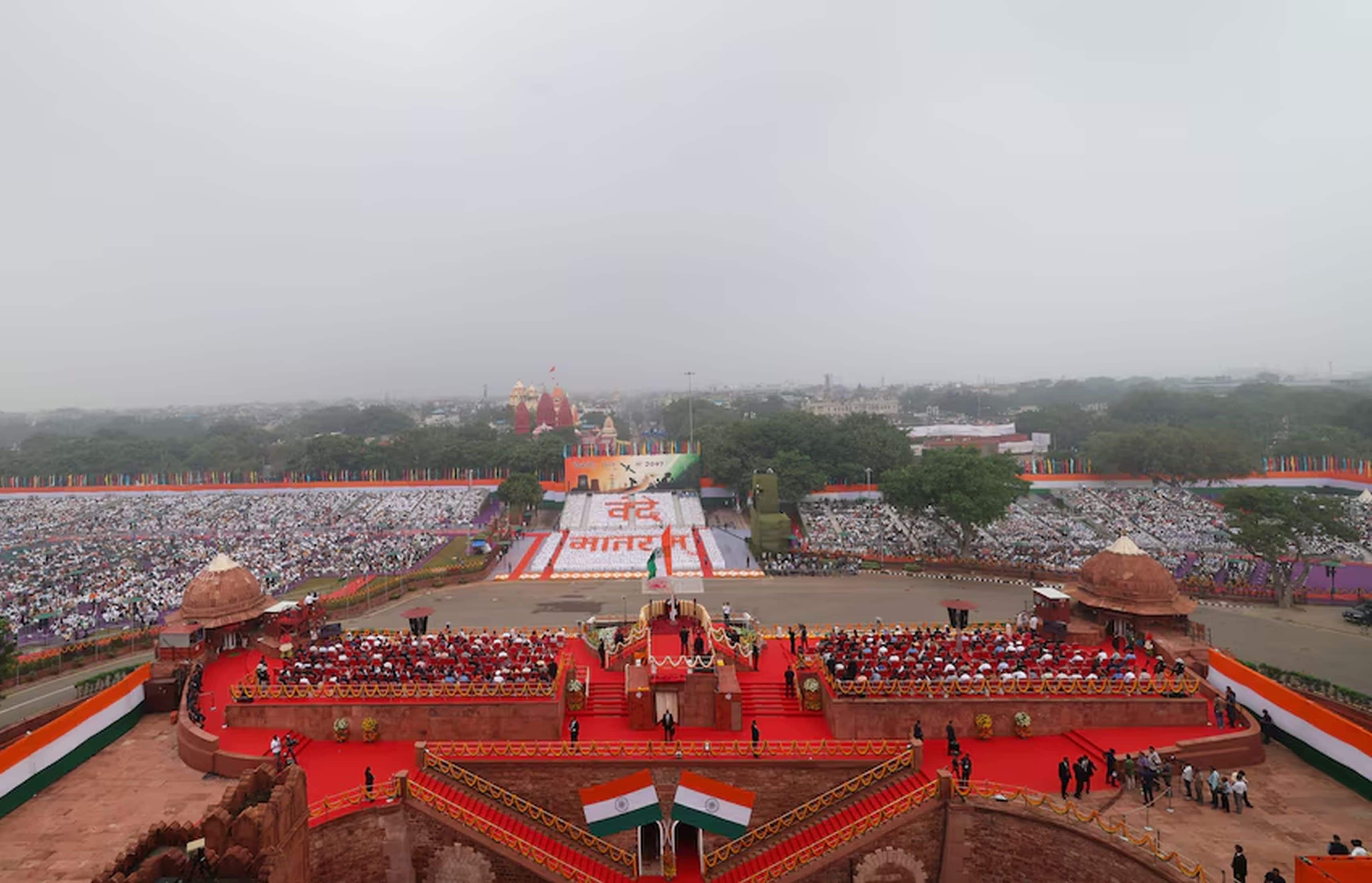
80-ാം സ്വാതന്ത്ര്യദിനത്തിൽ ചെങ്കോട്ടയുടെ കൊത്തളത്തിൽ പ്രധാനമന്ത്രി ശ്രീ നരേന്ദ്ര മോദി നടത്തിയ അഭിസംബോധനയുടെ പരിഭാഷ
August 15, 2026
Share
നമ്മുടെ സ്വപ്നങ്ങളും നിശ്ചയദാർഢ്യവും കരുത്തുമായി മുന്നോട്ടുപോകാനുള്ള ദിനമാണ് ഇന്ന്: പ്രധാനമന്ത്രി
ഇന്ന്, ദൃഢനിശ്ചയത്തോടെ ഇന്ത്യ ബൃഹത്തായ സ്വപ്നം കാണുന്നു; 2047-ൽ സ്വാതന്ത്ര്യത്തിന്റെ നൂറാം വാർഷികം ആഘോഷിക്കുമ്പോഴേക്കും വികസിത ഇന്ത്യ കെട്ടിപ്പടുക്കുമെന്നതാണ് ആ സ്വപ്നം: പ്രധാനമന്ത്രി
നാം നമ്മിൽ വിശ്വാസമർപ്പിക്കുകയും സ്വയംപര്യാപ്ത ഇന്ത്യ കെട്ടിപ്പടുക്കുന്നതിൽ അഭിമാനം കൊള്ളുകയും വേണം: പ്രധാനമന്ത്രി
ഒരുകാലത്ത് 'പ്രവേശനമില്ലാത്ത മേഖലകൾ' ആയി കരുതിയിരുന്നവ ഇന്ന് 'മുന്നോട്ടുപോകാനുള്ള മേഖലകൾ' ആയി മാറി: പ്രധാനമന്ത്രി
ഓരോ ഇന്ത്യക്കാരനും 'മേക് ഇൻ ഇന്ത്യ', 'വോക്കൽ ഫോർ ലോക്കൽ' എന്നിവയുടെ ആവേശം ഉൾക്കൊള്ളുന്നു: പ്രധാനമന്ത്രി
ഇന്ത്യക്ക് സ്ഥിരതയുള്ള രാഷ്ട്രീയ ജനവിധിയുണ്ട്; സ്ഥിരതയുള്ള ഗവണ്മെന്റുണ്ട്; ഊർജസ്വലമായ ജനാധിപത്യമുണ്ട്; കരുത്തുറ്റ നീതിന്യായ വ്യവസ്ഥയുണ്ട്; ഒപ്പം നമുക്കേവർക്കും വഴികാട്ടുന്ന ഭരണഘടനയും: പ്രധാനമന്ത്രി
ചെലവ്, ഗുണനിലവാരം, വ്യാപ്തി എന്നീ മൂന്നു കാര്യങ്ങളിൽ നാം ശ്രദ്ധ കേന്ദ്രീകരിക്കണം: പ്രധാനമന്ത്രി
നമ്മുടെ ഫാക്ടറികൾ മത്സരക്ഷമതയുള്ളതാകണം; ഉൽപ്പന്നങ്ങൾ ഉപഭോക്തൃസൗഹൃദമാകണം, പാക്കേജിങ് മികച്ചതാകണം: പ്രധാനമന്ത്രി
ഒരുകാലത്ത് നക്സൽ അക്രമങ്ങൾ ബാധിച്ച പ്രദേശങ്ങളിൽ ഇന്ന് സമാധാനവും വികസനവും പുതിയ പ്രതീക്ഷയും തെളിയുകയാണ്: പ്രധാനമന്ത്രി
വരും വർഷങ്ങളിൽ ഈ 'സപ്തധാരകൾ' ഇന്ത്യയെ മുന്നോട്ടു നയിക്കുകയും രാജ്യത്തെ പുതിയ ഉയരങ്ങളിലേക്ക് കൊണ്ടുപോകുകയും ചെയ്യും: പ്രധാനമന്ത്രി
എന്റെ പ്രിയപ്പെട്ട നാട്ടുകാരേ,
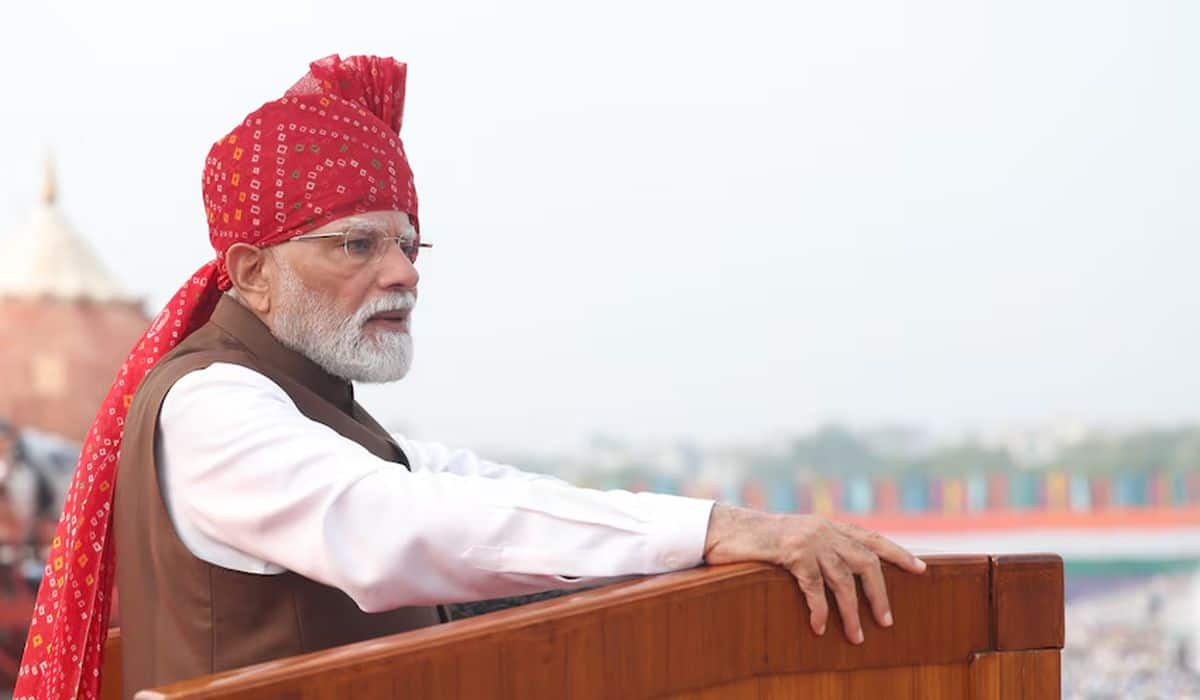
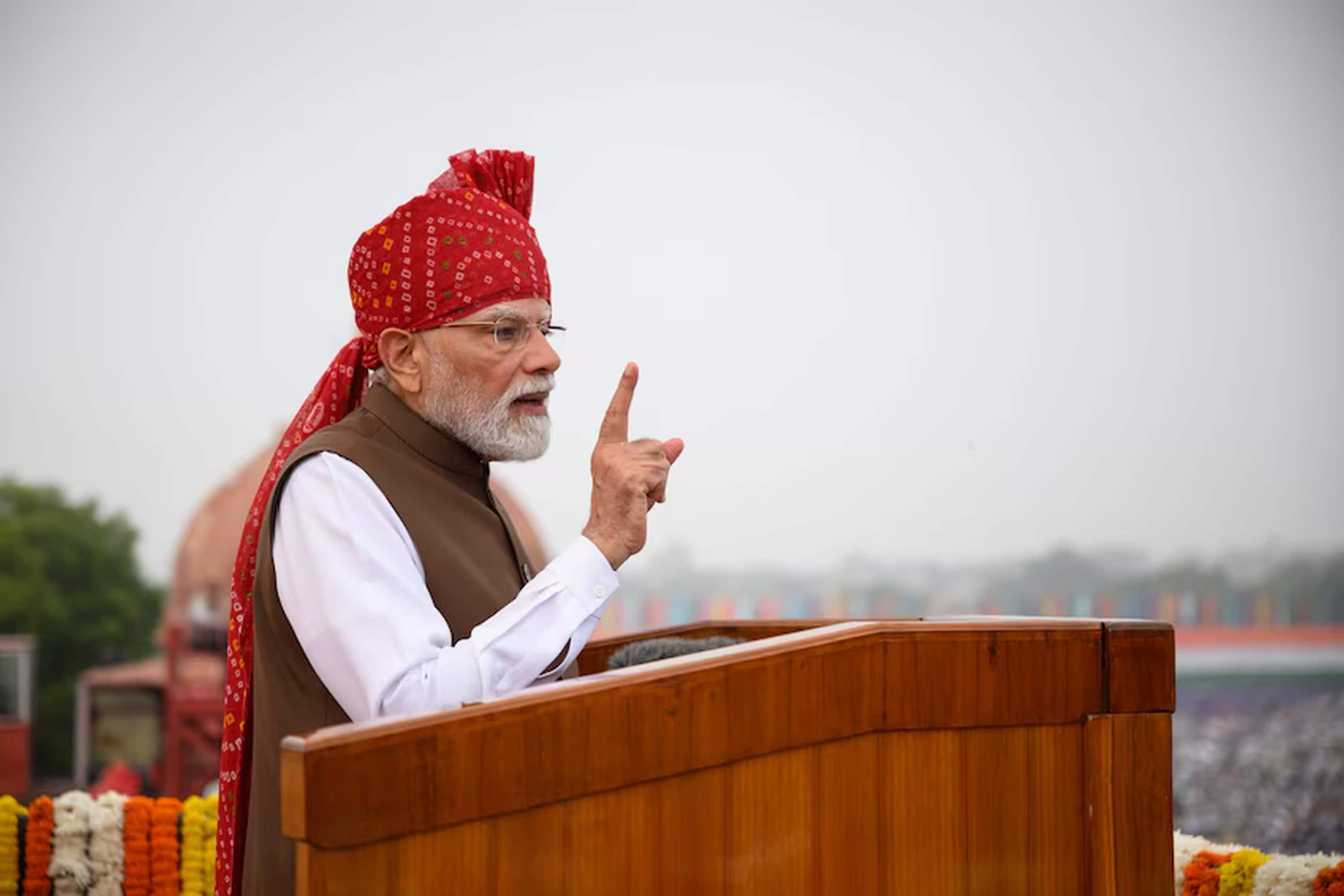
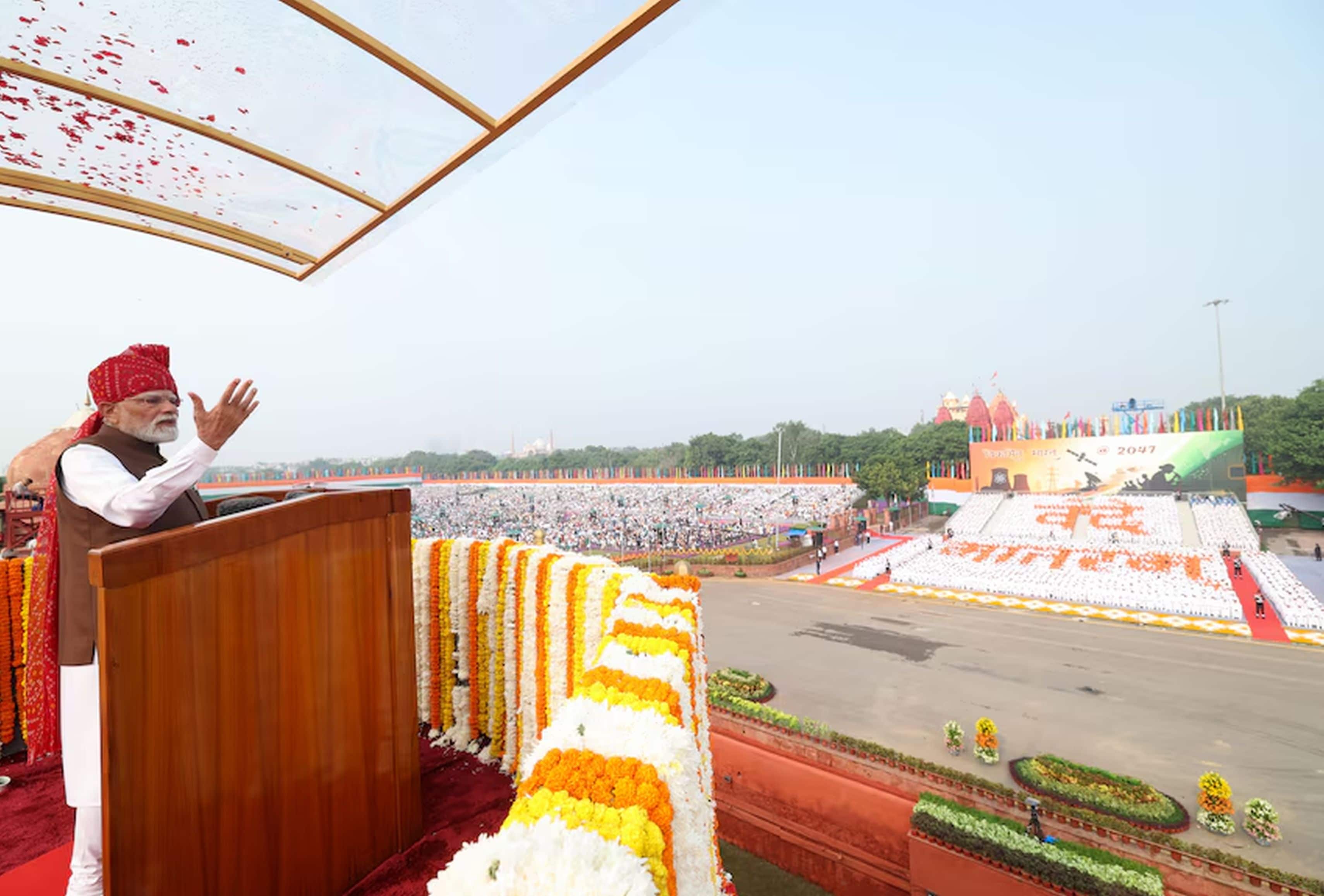
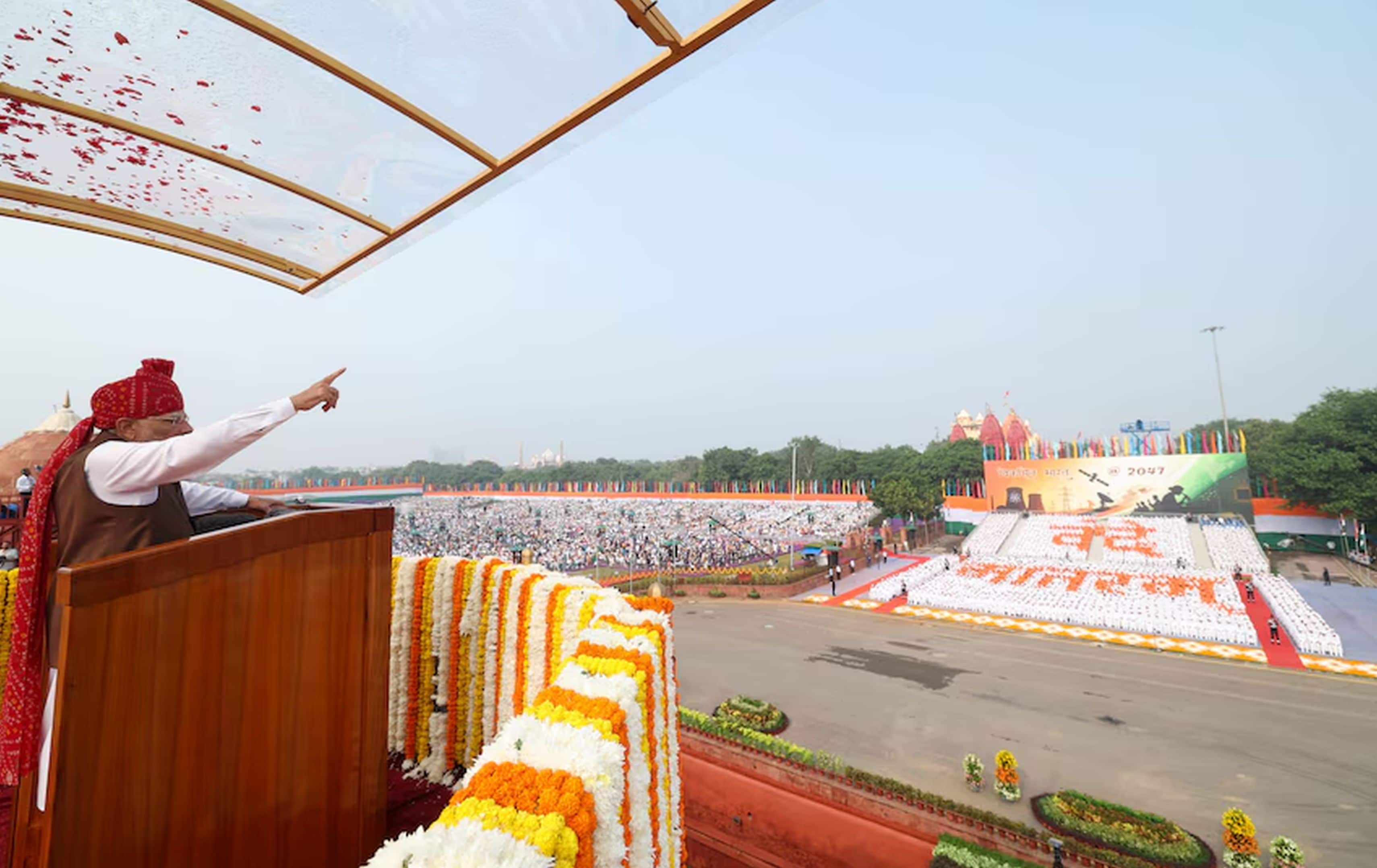
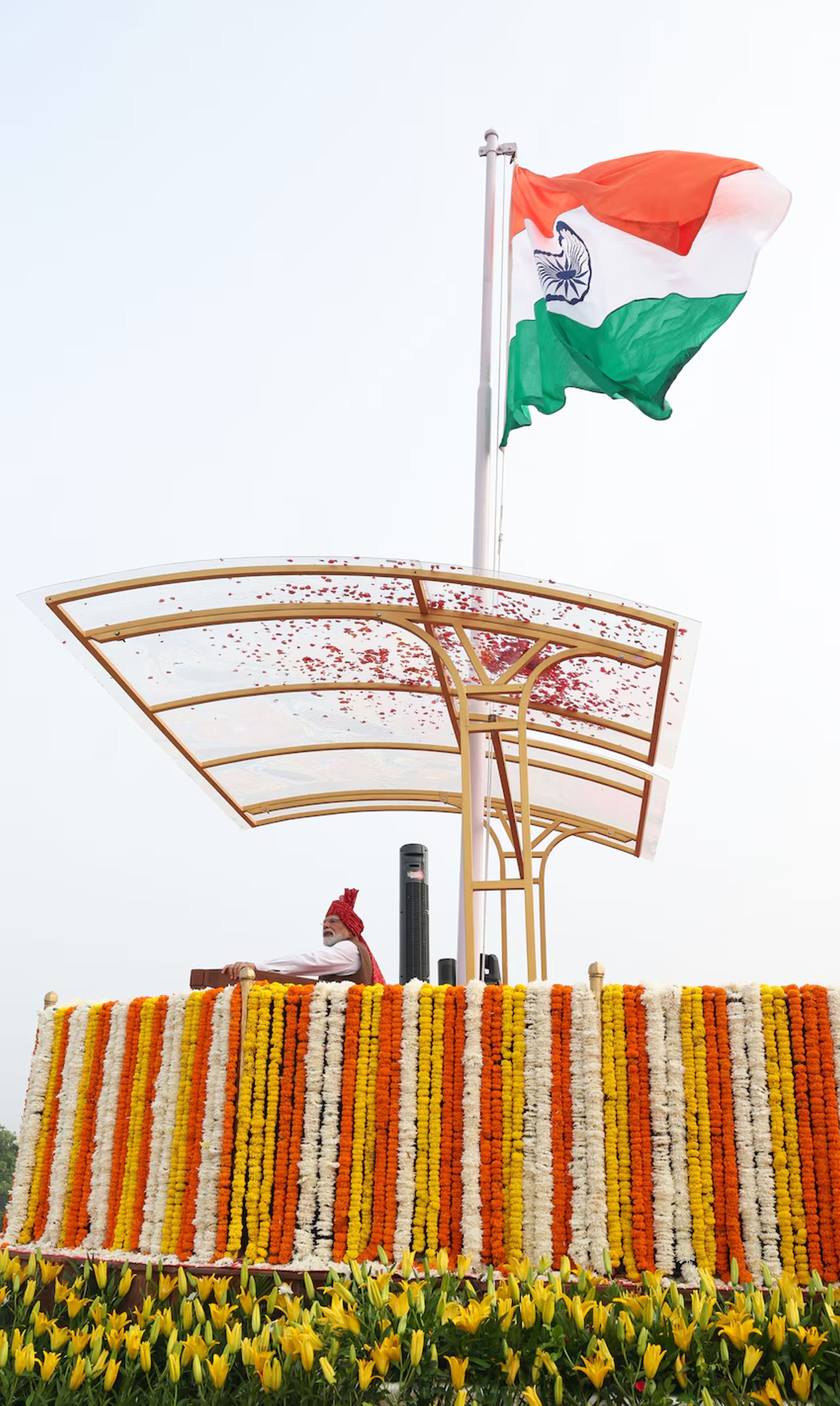
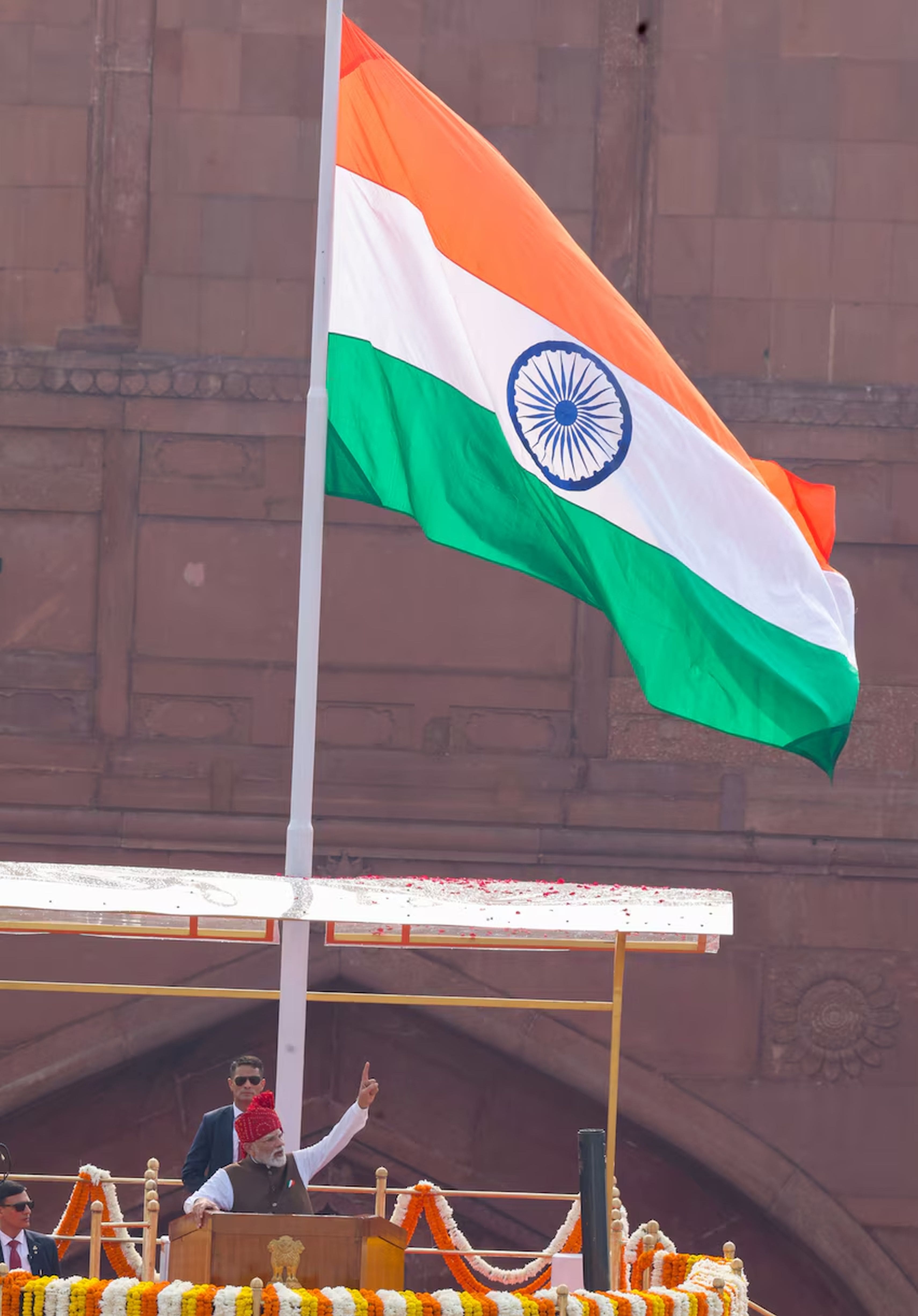
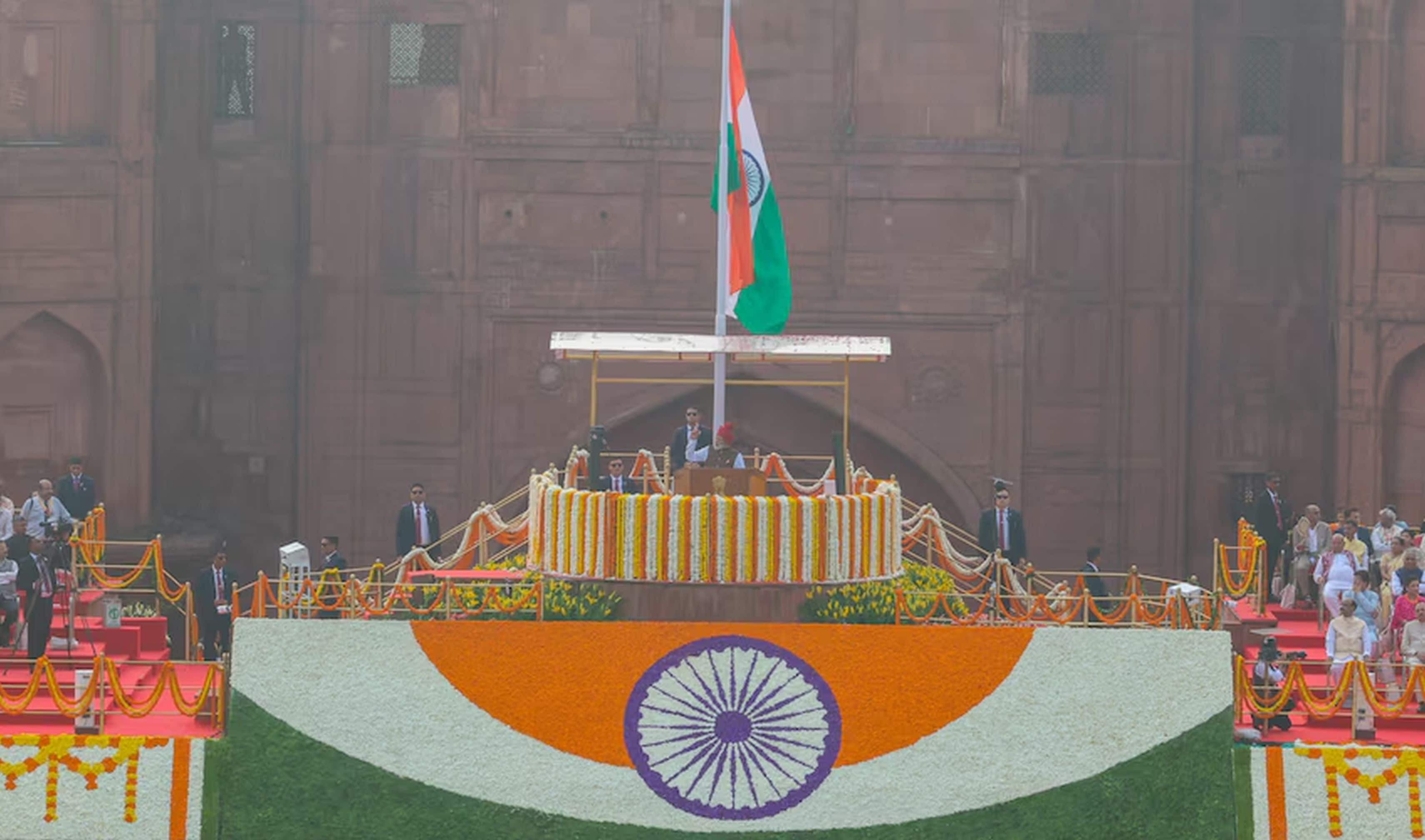
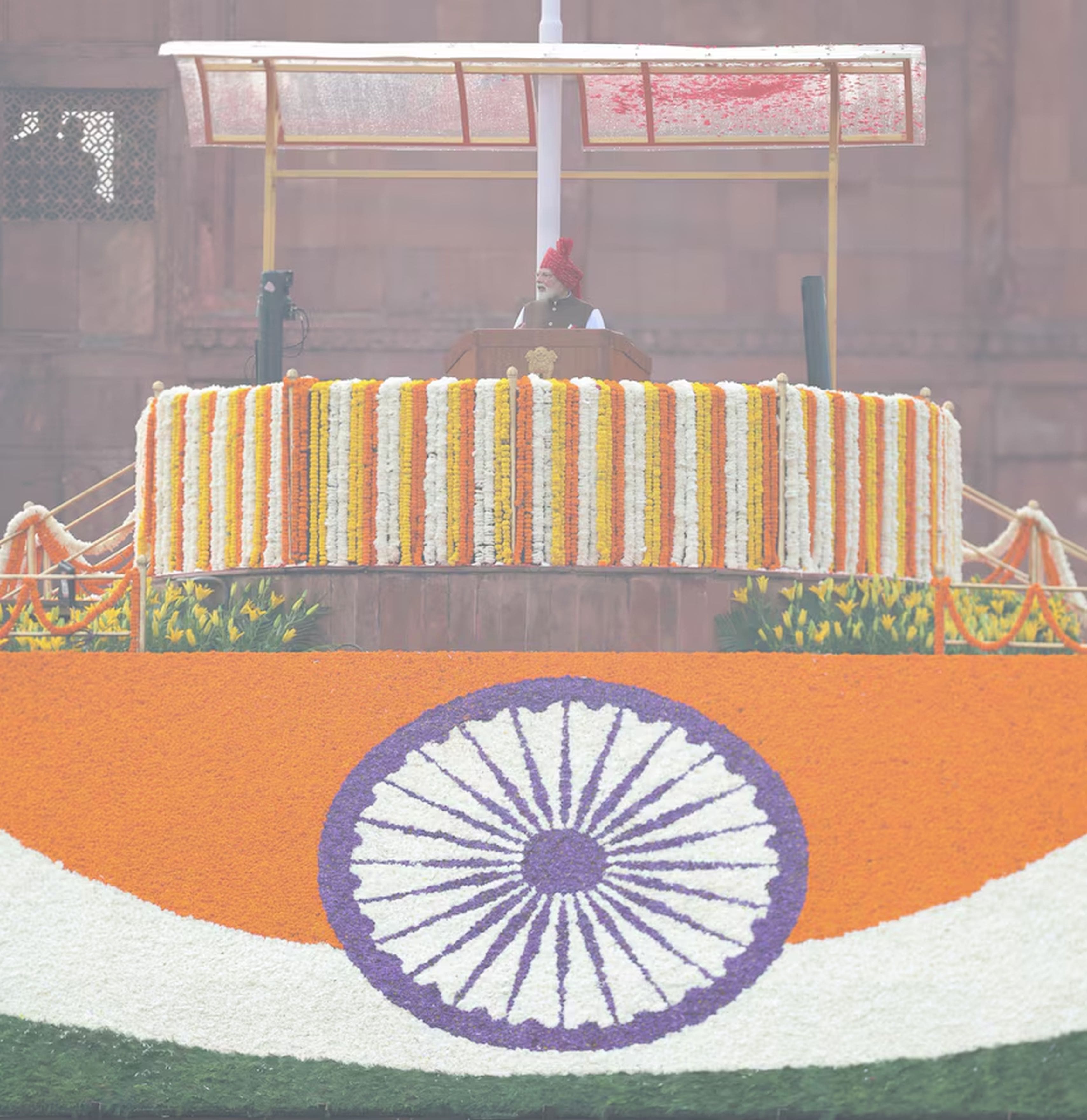
ഇന്ന്, നാം 80-ാം സ്വാതന്ത്ര്യദിനം ആഘോഷിക്കുകയാണ്. ഇന്ന്, ഓരോ ഹൃദയമിടിപ്പിലും വന്ദേമാതര മന്ത്രം പ്രതിധ്വനിക്കുന്നു. ഇന്ന് "ഹർ ഘർ തിരംഗ ഹൈ, ഹർ മൻ തിരംഗ ഹൈ" (എല്ലാ വീട്ടിലും ത്രിവർണം, എല്ലാ മനസ്സിലും ത്രിവർണം) എന്ന അന്തരീക്ഷമാണ്; രാജ്യം പുതിയ നിശ്ചയദാർഢ്യത്തോടെയും, ആവേശത്തോടെയും പുതുക്കിയ ഊർജത്തോടെയും മുന്നേറുകയാണ്. സ്വാതന്ത്ര്യദിനത്തിൽ നിങ്ങൾക്കെല്ലാവർക്കും എന്റെ ആശംസകൾ. നമ്മുടെ രാജ്യത്തിന്റെ സ്വാതന്ത്ര്യത്തിനായി പരമോന്നത ത്യാഗം സഹിച്ച മഹാരഥരായ പുത്രീപുത്രന്മാരെ രാജ്യം ഇന്ന് ഭക്തിപൂർവം ഓർക്കുന്നു. സ്ഥിരോത്സാഹത്തിലൂടെയും ത്യാഗത്തിലൂടെയും സമർപ്പണത്തിലൂടെയും അവർ സ്വാതന്ത്ര്യം എന്ന ഒറ്റ ലക്ഷ്യത്തിനായി മുഴുവൻ ജീവിതവും ഉഴിഞ്ഞുവച്ചു. ആദരണീയനായ ബാപ്പുവിനെയും, എല്ലാ സ്വാതന്ത്ര്യസമര സേനാനികളെയും, ത്യാഗത്തിന്റെ ഈ മഹിത പാരമ്പര്യത്തിന് പ്രചോദനമേകിയ മഹദ് വിപ്ലവകാരികളെയും ഞാൻ ഇന്ന് ആദരവോടെ പ്രണമിക്കുന്നു. ഇന്നത്തെ ഈ ചടങ്ങിൽ പങ്കാളികളാകുന്ന എല്ലാവരെ സംബന്ധിച്ചും ഇതു ചരിത്രമുഹൂർത്തമാണ്. സ്വാതന്ത്ര്യത്തിനു ശേഷം ആദ്യമായാണ് ഓഗസ്റ്റ് 15-ന് ചെങ്കോട്ടയിൽ വന്ദേമാതരം പ്രതിധ്വനിക്കുന്നത്. വന്ദേമാതരത്തിന്റെ 150-ാം വാർഷികം നാമിന്ന് ആഘോഷിക്കുമ്പോൾ, ഇതിനേക്കാൾ മനോഹരമായ അവസരം വേറെ എന്താണുള്ളത്?
എന്റെ പ്രിയപ്പെട്ട നാട്ടുകാരേ,
അടുത്തിടെ രാജ്യത്തിന്റെ വിവിധ ഭാഗങ്ങളിൽ കടുത്ത പ്രളയവും ഉരുൾപൊട്ടലുമുണ്ടായി. ഇത് നിരവധി കുടുംബങ്ങളെ ബാധിച്ചു. അവരുടെ കഷ്ടപ്പാടും വേദനയും നാം പൂർണമായും മനസ്സിലാക്കുകയും പങ്കിടുകയും ചെയ്യുന്നു. എങ്കിലും ദുരിതബാധിതരായ കുടുംബങ്ങൾക്കൊപ്പം ഞാനും ഈ രാജ്യം മുഴുവനും ഉറച്ചുനിൽക്കുന്നുവെന്നു പറയാൻ ഞാൻ ആഗ്രഹിക്കുന്നു.
എന്റെ പ്രിയപ്പെട്ട നാട്ടുകാരേ,
ഒരു രാജ്യം മഹത്തരമാകുന്നതും അതിന്റെ ലക്ഷ്യങ്ങൾ കൈവരിക്കുന്നതും സ്വന്തം സ്വപ്നങ്ങളുടെയും നിശ്ചയദാർഢ്യത്തിന്റെയും ശേഷികളുടെയും കരുത്തിൽ മുന്നേറുമ്പോഴാണ്.
എന്റെ പ്രിയപ്പെട്ട നാട്ടുകാരേ,
ഇനി ചെറിയ സ്വപ്നങ്ങളുമായി നമുക്ക് മുന്നോട്ട് പോകാനാകില്ല. നാം വലിയ സ്വപ്നങ്ങൾ കാണണം; കാരണം വലിയ സ്വപ്നങ്ങൾ നമ്മുടെ ചിന്ത വികസിപ്പിക്കുന്നു. അവ നമ്മുടെ കാഴ്ചപ്പാടിന്റെ വ്യാപ്തി വർധിപ്പിക്കുകയും ചെയ്യുന്നു. നമ്മുടെ നിശ്ചയദാർഢ്യം ഉറച്ചതാകണം. നമ്മുടെ ലക്ഷ്യം ശക്തമായിരിക്കുമ്പോൾ, ബുദ്ധിമുട്ടുകൾക്കിടയിലും ദുരന്തങ്ങളുടെ നടുവിലും വഴി കണ്ടെത്താനുള്ള ശേഷി തനിയെ ഉയർന്നുവരുന്നു.
എന്റെ പ്രിയപ്പെട്ട നാട്ടുകാരേ,
നമ്മുടെ ലക്ഷ്യങ്ങളും ഉന്നതമായിരിക്കണം. കാരണം, നമ്മുടെ സ്വപ്നങ്ങളും നിശ്ചയദാർഢ്യവും ഉന്നതമാകുമ്പോൾ, നമ്മുടെ ശേഷികളുടെ ഉയരങ്ങളും വർധിക്കുന്നു. നമ്മുടെ ശ്രമങ്ങളുടെ വ്യാപ്തിയും വർധിക്കുന്നു, അപ്പോൾ മാത്രമേ നമ്മുടെ സ്വപ്നങ്ങളെ യാഥാർഥ്യമാക്കാൻ നമുക്ക് സാധിക്കൂ.
എന്റെ പ്രിയപ്പെട്ട നാട്ടുകാരേ,
ഇന്ന് ഇന്ത്യ ബൃഹത്തായ സ്വപ്നം മുന്നോട്ടുവെച്ചിട്ടുണ്ട്. ഉറച്ച നിശ്ചയദാർഢ്യത്തിന്റെ പിൻബലമുള്ള സ്വപ്നം; പുതിയ ഉയരങ്ങളിലെത്തുക എന്ന സ്വപ്നം. ആ സ്വപ്നം ഇതാണ്: 2047-ൽ സ്വാതന്ത്ര്യത്തിന്റെ 100 വർഷം പൂർത്തിയാക്കുമ്പോൾ, നാം 'വികസിത ഇന്ത്യ' പടുത്തുയർത്തിയിരിക്കും. 140 കോടി ജനങ്ങളുടെ പരിശ്രമത്തിലൂടെയും കഠിനാധ്വാനത്തിലൂടെയും ഈ ലക്ഷ്യം നാം കൈവരിക്കേണ്ടതുണ്ട്. ലോകത്തിലെ ഏറ്റവും ജനസംഖ്യയുള്ള രാജ്യം വികസിത രാഷ്ട്രമായി മാറാൻ തീരുമാനിക്കുമ്പോൾ, അത് ലോകത്തിന് മുന്നിൽ നമ്മുടെ ധീരതയുടെ പ്രതീകമായി മാറുന്നു. നമ്മെ നോക്കിക്കാണുന്ന രീതി മാറ്റാൻ ലോകം നിർബന്ധിതരാകുന്നു.
എന്റെ പ്രിയപ്പെട്ട നാട്ടുകാരേ,
കാരണമില്ലാതെയല്ല ഞാൻ ഇത് പറയുന്നത്. കഴിഞ്ഞ 12 വർഷത്തിനിടയിൽ രാജ്യത്തെ കോടിക്കണക്കിന് ജനങ്ങൾ; അവർ ദളിതരോ, മർദിതരോ, പാർശ്വവൽക്കരിക്കപ്പെട്ടവരോ, ഗോത്രവിഭാഗങ്ങളോ, ഗ്രാമങ്ങളിലോ നഗരങ്ങളിലോ ജീവിക്കുന്നവരോ, പാവപ്പെട്ടവരോ, മധ്യവർഗമോ, യുവാക്കളോ, മുതിർന്നവരോ, സ്ത്രീകളോ പുരുഷന്മാരോ ആരുമാകട്ടെ, വടക്ക്, തെക്ക്, കിഴക്ക്, പടിഞ്ഞാറ് എന്നിങ്ങനെ ഏത് ഭാഗത്തുനിന്നുള്ളവരുമാകട്ടെ. അവർ ഏവരും നിശ്ചയദാർഢ്യത്തോടും സമർപ്പണത്തോടും കൂടി രാജ്യത്തെ പുതിയ ഉയരങ്ങളിലേക്കു നയിക്കാൻ സാധ്യമായ എല്ലാ ശ്രമങ്ങളും നടത്തിയിട്ടുണ്ട്. അവരുടെ ശ്രമങ്ങളെ ഞാൻ ആദരവോടെ അംഗീകരിക്കുകയും വന്ദിക്കുകയും ചെയ്യുന്നു. ഈ ശ്രമങ്ങളുടെ ഫലമായാണ് ഇത്രയും ചുരുങ്ങിയ കാലയളവിനുള്ളിൽ 25 കോടി ജനങ്ങൾ ദാരിദ്ര്യത്തെ തരണം ചെയ്ത് അതിൽ നിന്ന് കരകയറിയത്. ഒരുകാലത്ത് 'ദുർബലമായ അഞ്ച്' രാജ്യങ്ങളുടെ കൂട്ടത്തിൽ എണ്ണപ്പെട്ടിരുന്ന നാം 12 വർഷത്തിനുള്ളിൽ പ്രധാന സമ്പദ്വ്യവസ്ഥയായും ഏറ്റവും വേഗത്തിൽ വളരുന്ന പ്രധാന സമ്പദ്വ്യവസ്ഥയായും മാറിയതും ഈ ജനങ്ങളുടെ ശ്രമങ്ങളുടെ ഫലമാണ്.
സുഹൃത്തുക്കളേ,
നിരവധി സ്വപ്നങ്ങളോടെയാണ് രാജ്യം സ്വാതന്ത്ര്യം നേടിയത്. എന്നാൽ നമുക്ക് ആ വേഗത കൈവരിക്കാൻ കഴിഞ്ഞില്ല; നമുക്ക് ആവശ്യമായിരുന്ന വേഗം കൈവരിക്കാൻ സാധിച്ചില്ല. "ഇതൊക്കെ നടക്കും, കാര്യങ്ങൾ അങ്ങനെ മുന്നോട്ടുപോകും, എന്താണ് സംഭവിക്കുകയെന്ന് നോക്കാം" എന്നൊരു മനോഭാവത്തിൽ നാം കുടുങ്ങിക്കിടക്കുകയായിരുന്നു. 2014-ഓടെ, ലോകം മുഴുവൻ നമ്മെ 'ദുർബലമായ അഞ്ച്' രാജ്യങ്ങളുടെ കൂട്ടത്തിലേക്ക് തള്ളിയിട്ടു. എന്നാൽ, അങ്ങനെയൊരു ഘട്ടത്തിൽ, കഴിഞ്ഞ 12 വർഷത്തിനിടയിൽ ഇന്ത്യ പുതിയ മുന്നേറ്റം കണ്ടെത്തിയിരിക്കുകയാണ്. നാം അതിവേഗം മുന്നോട്ട് കുതിക്കുകയാണ്. രാജ്യത്തെ ജനങ്ങളുടെ നിശ്ചയദാർഢ്യം വ്യക്തമാണ്: 140 കോടി ജനങ്ങളുടെ നിശ്ചയദാർഢ്യത്തെയും ശേഷികളെയും ഇനി തടഞ്ഞുനിർത്തുക അസാധ്യമാണ്.
പ്രിയപ്പെട്ട നാട്ടുകാരേ,
കഴിഞ്ഞ 12 വർഷത്തിനിടയിൽ പ്രതിരോധ ഉൽപ്പാദനം ഏകദേശം നാലിരട്ടിയായി വർധിച്ചു. ഖാദി-ഗ്രാമവ്യവസായ മേഖലയിലെ ഉൽപ്പാദനം അഞ്ചിരട്ടിയോളമായി. ഇലക്ട്രോണിക്സ് നിർമാണം ഏഴിരട്ടിയോളമാണ് വർധിച്ചത്. ആധുനിക റെയിൽവേ കോച്ചുകളുടെ ഉൽപ്പാദനം 21 മടങ്ങ് വർധിച്ചു. മൊബൈൽ ഫോൺ ഉൽപ്പാദനം 35 മടങ്ങായി ഉയർന്നു. ഇതുമാത്രമല്ല, ആധുനിക കാലഘട്ടത്തിനൊപ്പം സഞ്ചരിച്ചുകൊണ്ട് ഡിജിറ്റൽ സാങ്കേതികവിദ്യയുടെയും നൂതനാശയങ്ങളുടെയും ലോകത്ത് നാം മുദ്ര പതിപ്പിച്ചു. ഇന്റർനെറ്റ് ഉപയോക്താക്കളുടെ എണ്ണം നാലിരട്ടിയോളമായി. അനുവദിച്ച പേറ്റന്റുകളുടെ എണ്ണം നാലിരട്ടിയായി വർധിച്ചു. ഡിജിറ്റൽ ഇടപാടുകൾ 100 മടങ്ങ് വർധിച്ചു. സാധാരണക്കാരായ ജനങ്ങളുടെ ദൈനംദിന ജീവിതം മെച്ചപ്പെടുത്തുന്നതിനും തുല്യപ്രാധാന്യത്തോടെ നാം പ്രവർത്തിച്ചു. മുൻപത്തേക്കാൾ ശരാശരി 15 മടങ്ങ് വേഗത്തിലാണ് ഓരോ വർഷവും കുടിവെള്ള കണക്ഷൻ ലഭ്യമാക്കിയത്. ഓരോ വർഷവും ശരാശരി ആറിരട്ടി വേഗത്തിലാണ് ഗ്യാസ് കണക്ഷൻ നൽകിയത്. പാവപ്പെട്ടവർക്കുള്ള ശൗചാലയ നിർമാണം പ്രതിവർഷം നാലിരട്ടി വേഗത കൈവരിച്ചു. പാവപ്പെട്ടവർക്ക് വീടുകൾ നൽകുന്നതിന്റെ വേഗത പ്രതിവർഷം മൂന്നിരട്ടിയായി വർധിച്ചു. ഭരണരംഗത്തും രാജ്യം വലിയ മാറ്റങ്ങൾ കൊണ്ടുവന്നിട്ടുണ്ട്. ആയിരക്കണക്കിന് ചട്ടങ്ങൾ ഒഴിവാക്കി. കാലഹരണപ്പെട്ട നൂറുകണക്കിന് നിയമങ്ങൾ റദ്ദാക്കി. മുൻ നൂറ്റാണ്ടിലെ നിയമങ്ങൾവച്ച് 21-ാം നൂറ്റാണ്ടിലെ പ്രയാണം മുന്നോട്ടുകൊണ്ടുപോകാനാകില്ല. ആധുനിക അടിസ്ഥാനസൗകര്യങ്ങൾക്കായി നാം മെട്രോ ശൃംഖലകൾ വ്യാപിപ്പിക്കുകയും പൊതുഗതാഗതം ശക്തിപ്പെടുത്തുകയും ചെയ്തു. പ്രവൃത്തികൾ നിർവഹിച്ച വേഗത, അവ കൈകാര്യം ചെയ്ത വ്യാപ്തി, ഈ മുന്നേറ്റം, ഈ വികാസം, ഈ നേട്ടങ്ങൾ എന്നിവ സ്വാതന്ത്ര്യത്തിനു ശേഷമുള്ള കഴിഞ്ഞ പതിറ്റാണ്ടിലാണ് രാജ്യം ആദ്യമായി ദർശിച്ചത്. ഇത്രയധികം നേട്ടങ്ങൾ നമുക്ക് മുന്നിലുള്ളപ്പോഴും, ഇത്രയും വേഗത്തിലുള്ള പുരോഗതി ദൃശ്യമാകുമ്പോഴും, ഓരോ നിമിഷവും നമ്മുടെ പൗരന്മാരുടെ ശേഷി കൂടുതൽ കരുത്തുറ്റതായി മാറുമ്പോഴും, 2047-ഓടെ 'വികസിത ഇന്ത്യ' പടുത്തുയർത്താനുള്ള നിശ്ചയദാർഢ്യം ഒരിക്കലും നിറവേറ്റപ്പെടാതെ പോകില്ല. നാം മുന്നേറിക്കൊണ്ടിരിക്കുന്ന രാഷ്ട്രമാണെന്നതിന്റെ തെളിവാണ് ഈ കണക്കുകളെല്ലാം.
എന്റെ പ്രിയപ്പെട്ട നാട്ടുകാരേ,
എന്നാൽ അതിന് നമുക്ക് ആത്മവിശ്വാസം ആവശ്യമാണ്. നമുക്ക് ആത്മാഭിമാനം വേണം. അതോടൊപ്പം തന്നെ, 'സ്വയംപര്യാപ്ത ഇന്ത്യ'യായി മാറുക എന്നത് അത്യന്താപേക്ഷിതമാണ്. അതുകൊണ്ടാണ്, ഇന്ത്യ ഇനി മറ്റുള്ള രാജ്യങ്ങളെ ആശ്രയിച്ചു ജീവിക്കരുത് എന്ന ഉറച്ച വിശ്വാസം സമീപവർഷങ്ങളിൽ നമുക്കുണ്ടായത്. നാം സ്വയംപര്യാപ്തത കൈവരിക്കണം. ലോകത്ത് കുറഞ്ഞ ചെലവിൽ പെട്ടെന്ന് ലഭ്യമാകുന്ന നിരവധി വസ്തുക്കൾ ഉണ്ടായേക്കാം. എന്നാൽ അവയെ ആശ്രയിക്കുന്നത്, നമ്മുടെ സ്വന്തം ശേഷികളെ വളർത്തുകയോ, നമ്മുടെ ശേഷികളുടെ കരുത്ത് പരീക്ഷിക്കുകയോ ഇല്ല. അതിനാൽ, നാം നമ്മുടെ സ്വന്തം ശേഷികൾ വർധിപ്പിക്കണം. നമ്മുടെ താൽപ്പര്യങ്ങൾ നാം സംരക്ഷിക്കുകയും വേണം. അതുകൊണ്ടാണ് 'സ്വയംപര്യാപ്ത ഇന്ത്യ' എന്ന ദൃഢനിശ്ചയത്തോടെ നാം മുന്നോട്ട് പോകുന്നത്. 'മേക്ക് ഇൻ ഇന്ത്യ', 'സ്വദേശി', 'വോക്കൽ ഫോർ ലോക്കൽ' തുടങ്ങിയ ഉദ്യമങ്ങളോട് ഇന്ത്യക്കാരുടെ ഹൃദയം ഒന്നാകെ ചേർന്നുനിൽക്കുകയാണ്.
എന്റെ പ്രിയപ്പെട്ട നാട്ടുകാരേ,
നമുക്ക് സെമികണ്ടക്ടറിന്റെ ഉദാഹരണം തന്നെ നോക്കാം. രാജ്യം സ്വാതന്ത്ര്യം നേടിയ ശേഷം, ലോകത്ത് സെമികണ്ടക്ടറുകളെക്കുറിച്ച് ചർച്ചകൾ നടക്കുന്നുണ്ടായിരുന്നു. നമ്മുടെ രാജ്യത്തും ഇതിനെക്കുറിച്ചുള്ള ചർച്ചകൾ ഉയർന്നുവന്നിരുന്നെങ്കിലും, വലിയൊരു സെമികണ്ടക്ടർ പദ്ധതിയുമായി മുന്നോട്ടുപോകാൻ നമുക്ക് കഴിഞ്ഞില്ല. എന്നാൽ ഇന്ന് എന്താണ് സ്ഥിതി? ഇന്നത്തെ ഡിജിറ്റൽ ലോകത്തും സാങ്കേതികവിദ്യ നിയന്ത്രിക്കുന്ന കാലഘട്ടത്തിലും ചിപ്പുകളുടെ പ്രാധാന്യം നമുക്കറിയാം. ഇലക്ട്രോണിക് ഉൽപ്പന്നങ്ങളോ, വൈദ്യശാസ്ത്ര ഉപകരണങ്ങളോ, ഗതാഗത സംവിധാനങ്ങളോ ഏതുമാകട്ടെ, ചിപ്പുകൾ ഇല്ലാതെ ഒന്നും സാധ്യമല്ലാത്ത അവസ്ഥയാണ്. ചിപ്പുകളില്ലാതെ മുഴുവൻ സംവിധാനങ്ങളും നിശ്ചലമായിപ്പോകാവുന്ന ഘട്ടത്തിലാണ് ഇന്ന് ലോകമുള്ളത്.
അതുകൊണ്ടാണ് സ്വയംപര്യാപ്തത കൈവരിക്കുന്നതിന്റെ ഭാഗമായി രാജ്യം സ്വന്തമായി സെമികണ്ടക്ടർ നിർമാണ ശേഷി വികസിപ്പിക്കാൻ ആരംഭിച്ചത്. മൂന്ന് പ്രധാന സെമികണ്ടക്ടർ പ്ലാന്റുകളുടെ പ്രവർത്തനം ഇതിനകം ആരംഭിച്ചുകഴിഞ്ഞു. ഈ സ്ഥാപനങ്ങളിൽ നിന്നുള്ള ഉൽപ്പന്നങ്ങൾ കയറ്റുമതി ചെയ്തു തുടങ്ങിയതായാണ് എനിക്ക് അറിയാൻ കഴിഞ്ഞത്. വരുന്ന ഏഴോ എട്ടോ വർഷങ്ങൾക്കുള്ളിൽ മറ്റ് അഞ്ച്, ഏഴ്, അല്ലെങ്കിൽ എട്ട് സെമികണ്ടക്ടർ പ്ലാന്റുകൾ കൂടി വളരെ വേഗത്തിൽ പ്രവർത്തനം ആരംഭിക്കുമെന്ന് ഞാൻ ജനങ്ങളോട് പറയാൻ ആഗ്രഹിക്കുന്നു. ഈ 'സ്വയംപര്യാപ്ത ഇന്ത്യ' നമ്മെ 'വികസിത ഇന്ത്യ'യിലേക്ക് നയിക്കുന്ന വലിയ പാതയാണ് ഒരുക്കുന്നത്.
എന്റെ പ്രിയപ്പെട്ട നാട്ടുകാരേ,
നിർണ്ണായക ധാതുക്കളുടെ കാര്യത്തിലും സമാനമായ ചർച്ചകളാണ് നടക്കുന്നത്. സമ്പൂർണ സാങ്കേതികവിദ്യ മേഖലയും നിർണായക ധാതുക്കളെയാണ് ആശ്രയിച്ചിരിക്കുന്നത്. ഈ മേഖലയിലും സ്വയം സുരക്ഷിതമാകുന്നതിനായി ഇന്ത്യ പ്രവർത്തിച്ചു വരുന്നു. നിർണായക ധാതുക്കളുടെ കാര്യത്തിൽ നാം ലക്ഷ്യം കുറിക്കുകയും, ദേശീയ നിർണായക ധാതു ദൗത്യം ആരംഭിക്കുകയും ചെയ്തിട്ടുണ്ട്. ബജറ്റിൽ നാം 'നിർണായക ധാതു ഇടനാഴി' പ്രഖ്യാപിക്കുകയുണ്ടായി. നിരവധി രാജ്യങ്ങളുമായി കരാറുകളിൽ ഒപ്പുവച്ചുകൊണ്ടിരിക്കുകയാണ്; നിർണായക ധാതുക്കളുടെ മേഖലയിൽ ലോകത്തെ പല രാജ്യങ്ങളും ഇന്ന് ഇന്ത്യയിൽ വിശ്വാസമർപ്പിച്ചു തുടങ്ങിയിരിക്കുന്നു.
എന്റെ പ്രിയപ്പെട്ട നാട്ടുകാരേ,
സെമികണ്ടക്ടറുകൾക്കും നിർണായക ധാതുക്കൾക്കും പ്രാധാന്യം വർധിക്കുന്നതുപോലെ, ഊർജത്തിന്റെയും പ്രാധാന്യം വർധിച്ചുകൊണ്ടിരിക്കുകയാണ്. ലോകം ഭാവിയിലെ സാങ്കേതികവിദ്യകളിലേക്ക് മുന്നേറുന്നതിനനുസരിച്ച് വിശ്വസനീയവും മതിയായതുമായ ഊർജത്തിന്റെ ആവശ്യകതയും വർധിക്കും. ഊർജമില്ലാതെ പുതിയ ലോകത്തെ മുന്നോട്ടുകൊണ്ടുപോകുക എന്നത് ഇനി പ്രയാസകരമാണ്. അതിനാൽ ചിപ്പുകളാകട്ടെ, നിർമിതബുദ്ധിയാകട്ടെ, ഡേറ്റാ സെന്ററുകളാകട്ടെ, വൻതോതിൽ വൈദ്യുതി നമുക്ക് ആവശ്യമായി വരും. ഊർജ സുരക്ഷ എന്നത് കാലഘട്ടത്തിന്റെ ആവശ്യമാണ്, അതിനാൽ ഈ ദിശയിൽ കരുത്തുറ്റ നിരവധി നടപടികൾ നാം ഇതിനകം കൈക്കൊണ്ടിട്ടുണ്ട്. ഊർജ സുരക്ഷ ഉറപ്പാക്കുന്നതിനുള്ള പ്രധാന മാർഗങ്ങളിലൊന്ന് ആണവോർജമാണ്. പാർലമെന്റിൽ ശാന്തി (SHANTI) നിയമം പാസാക്കിയതിലൂടെ, പുതിയ ലക്ഷ്യത്തിലേക്കുള്ള വഴി നാം വെട്ടിത്തെളിച്ചിരിക്കുകയാണ്. 2047-ഓടെ 100 ജിഗാവാട്ട് ആണവോർജം എന്ന ലക്ഷ്യത്തിനായി നാം കുതിക്കുകയാണ്. ഈ പതിറ്റാണ്ടിനുള്ളിൽ അഞ്ച് പുതിയ ന്യൂക്ലിയർ റിയാക്ടറുകൾ ആരംഭിക്കുക എന്ന ലക്ഷ്യവും നാം മുന്നോട്ടുവച്ചിട്ടുണ്ട്. ഈ വർഷം ഫാസ്റ്റ് ബ്രീഡർ ആണവ സാങ്കേതികവിദ്യയിൽ പ്രാവീണ്യം നേടി, ഇന്ത്യ സുപ്രധാനമായ നാഴികക്കല്ല് പിന്നിട്ടു; ഇതിന്റെ ഫലമായി, ആണവ ഇന്ധനത്തിൽ സ്വയംപര്യാപ്തത കൈവരിക്കുന്നതിലേക്ക് വലിയ ചുവടുവയ്പ് നാം നടത്തിയിരിക്കുകയാണ്.
എന്റെ പ്രിയപ്പെട്ട നാട്ടുകാരേ,
ചിലപ്പോഴൊക്കെ വിഭവങ്ങളുടെ കുറവല്ല, മറിച്ച് ചിന്താഗതിയുടെ പരിമിതികളാണ് ഒരു രാജ്യത്തെ പിന്നോട്ടടിക്കുന്നത്. നമ്മുടെ ചിന്തകൾ ആ പരിധികൾക്കുള്ളിൽ ചുരുങ്ങുകയും ജീർണിക്കുകയും ചെയ്യുമ്പോൾ, സ്വന്തം ശേഷി തിരിച്ചറിയാൻ പോലും നമുക്ക് സാധിക്കാതെ പോകുന്നു. ഇന്ന് രാജ്യത്തിന് അസംസ്കൃത എണ്ണയ്ക്കായി മറ്റ് രാജ്യങ്ങളെ ആശ്രയിക്കേണ്ടി വരുന്നത് നമ്മുടെ ദോഷകരമായ ഈ ചിന്താഗതിയുടെ ഫലമായാണ്. ഇത്തരമൊരു ചിന്താഗതി കാരണം, നമ്മുടെ സമുദ്രതീര മേഖലയുടെ 99 ശതമാനവും നാം 'പ്രവേശനരഹിത' മേഖലയായി പ്രഖ്യാപിച്ചിരുന്നുവെന്ന് അറിഞ്ഞാൽ നിങ്ങൾ അത്ഭുതപ്പെടും. നിരീക്ഷണങ്ങൾക്കും പര്യവേക്ഷണങ്ങൾക്കുമായി കടലിലേക്ക് ഇറങ്ങേണ്ടതില്ലെന്ന് നാം തന്നെ തീരുമാനിക്കുകയായിരുന്നു. അത് ചിന്തയുടെ ദാരിദ്ര്യമായിരുന്നു. എന്നാൽ ഇത് ഇങ്ങനെ തുടർന്നുപോകാൻ കഴിയില്ലെന്ന് നമ്മൾ തീരുമാനമെടുത്തു. ഒരുകാലത്ത് 'പ്രവേശനരഹിത' മേഖലയായി നിശ്ചയിച്ചിരുന്ന ആ 99 ശതമാനം പ്രദേശത്തെയും നാം 'മുന്നോട്ടു പോകാനു'ള്ളമേഖലയായി തുറന്നുകൊടുത്തു. ഇപ്പോൾ സമുദ്രപര്യവേക്ഷണം നടത്തുന്നതിലേക്കും പുതിയ ശേഖരങ്ങൾ കണ്ടെത്തുന്നതിലേക്കും നാം മുന്നേറുകയാണ്. ഈ ദിശയിൽ നാം നിരന്തരം ശ്രമങ്ങൾ നടത്തിവരുന്നു. കഴിഞ്ഞ വർഷം, ഇതേ ദിശയിൽ പ്രധാനപ്പെട്ട ചുവടുവയ്പ് നടത്തി, നാം 'സമുദ്ര മന്ഥൻ' പ്രഖ്യാപിക്കുകയുണ്ടായി. ഈ പ്രക്രിയ വേഗത്തിലാക്കാൻ, ഈ പ്രവൃത്തിക്കായി 85,000 കോടി രൂപ വകയിരുത്താൻ അടുത്തിടെ നാം തീരുമാനിക്കുകയും ചെയ്തു.
എന്റെ പ്രിയപ്പെട്ട നാട്ടുകാരേ,
ഊർജ സുരക്ഷയുടെ കാര്യത്തിൽ, ബദൽ മാർഗങ്ങൾക്കായി നമ്മുടെ പൂർണശക്തി വിനിയോഗിക്കേണ്ടതും അത്രതന്നെ പ്രധാനമാണെന്ന് ഞാൻ പറയുകയുണ്ടായി. അതിനാൽ, ഊർജത്തിന്റെ കാര്യക്ഷമമായ ഉപയോഗം പ്രോത്സാഹിപ്പിക്കുന്നതോടൊപ്പം, ഇന്ത്യ ഇന്ന് ഈ ദിശയിൽ അതിവേഗം മുന്നേറുകയാണ്. 2014-ന് മുമ്പ്, അതായത് 12 വർഷങ്ങൾക്ക് മുമ്പ്, നമ്മുടെ രാജ്യത്ത് 70 നഗരങ്ങളിൽ മാത്രമാണ് പൈപ്പ് വഴിയുള്ള പാചകവാതക അടിസ്ഥാനസൗകര്യം ഉണ്ടായിരുന്നത്; ഗ്യാസ് പൈപ്പ്ലൈനുകളിലൂടെ വിതരണം ചെയ്തിരുന്നതും അവിടെ മാത്രമായിരുന്നു. 12 വർഷത്തിനുള്ളിൽ ഈ 70 നഗരങ്ങൾ എന്നത് നാം 700 നഗരങ്ങളിലേക്ക് എത്തിച്ചു. ഇതാണ് വേഗത; ഇതാണ് വികാസം. 2014-ന് മുമ്പ് വെറും 20–22 ലക്ഷം കുടുംബങ്ങളിലേക്ക് മാത്രമാണ് പൈപ്പ് വഴിയുള്ള ഗ്യാസ് എത്തിയിരുന്നത്. എന്നാൽ ഇന്ന്, ഏകദേശം 1.75 കോടി കുടുംബങ്ങൾക്ക് പൈപ്പ് വഴിയുള്ള ഗ്യാസ് ലഭ്യമാക്കാനുള്ള പ്രവൃത്തികൾ പുരോഗമിക്കുകയാണ്. പന്ത്രണ്ട് വർഷങ്ങൾക്ക് മുമ്പ് രാജ്യത്തിന്റെ സൗരോർജ ശേഷി വെറും 2 ജിഗാവാട്ട് മാത്രമായിരുന്നു, വെറും 2 ജിഗാവാട്ട്. ഇന്ന് നാം 160 ജിഗാവാട്ട് ശേഷി കൈവരിച്ചിരിക്കുന്നു.
എന്റെ പ്രിയപ്പെട്ട നാട്ടുകാരേ,
മറ്റൊരു വിവരം കൂടി ഞാൻ നിങ്ങളുമായി പങ്കുവയ്ക്കട്ടെ. ഇതിന്റെ പ്രയോജനങ്ങൾ രാജ്യത്തുടനീളമുള്ള മധ്യവർഗത്തിലേക്കും സാധാരണ കുടുംബങ്ങളിലേക്കും എത്തുന്നുണ്ടെന്ന് ഉറപ്പാക്കാൻ നാം സമാനശ്രദ്ധ നൽകിയിട്ടുണ്ട്. നാം 'പിഎം സൂര്യഘർ സൗജന്യ വൈദ്യുതി പദ്ധതി' ആവിഷ്കരിച്ചു; ഇത്രയും ചുരുങ്ങിയ കാലയളവിനുള്ളിൽ 50 ലക്ഷം വീടുകളിൽ സൗരോർജ സംവിധാനങ്ങൾ സ്ഥാപിക്കുക എന്ന നാഴികക്കല്ല് നാം പിന്നിട്ടുവെന്നും ഇതിനായുള്ള പ്രവൃത്തികൾ അതിവേഗം പുരോഗമിക്കുകയാണെന്നും വ്യക്തമാക്കുന്നതിൽ എനിക്ക് സന്തോഷമുണ്ട്. ഇതിന്റെ ഫലമായി, ആയിരക്കണക്കിന് കുടുംബങ്ങളുടെ വൈദ്യുതി ബില്ലുകൾ പൂജ്യമായി മാറി. അതിനോടൊപ്പം ആയിരക്കണക്കിന് കുടുംബങ്ങൾ അവർ ഉൽപ്പാദിപ്പിക്കുന്ന അധിക വൈദ്യുതി വിറ്റ് വരുമാനം നേടുകയും ചെയ്യുന്നു. ഈ ആവശ്യത്തിനായി ഓരോ കുടുംബത്തിനും ഗവണ്മെന്റ് 80,000 രൂപയുടെ സഹായം നൽകിവരുന്നു, ഈ പിന്തുണയിലൂടെയാണ് നാം ഈ പ്രവൃത്തി മുന്നോട്ടുകൊണ്ടുപോകുന്നത്.
എന്റെ പ്രിയപ്പെട്ട നാട്ടുകാരേ,
നമ്മുടെ റെയിൽവേ സംവിധാനത്തിന്റെ വൈദ്യുതീകരണം രാജ്യത്ത് ആരംഭിച്ചത് 1925-ലാണെന്ന് അറിഞ്ഞാൽ നിങ്ങൾ അത്ഭുതപ്പെടും. 1925-ലാണ് വൈദ്യുതീകരണ ജോലികൾ ആരംഭിച്ചതെങ്കിലും, തുടർന്നുള്ള 90 വർഷങ്ങളിൽ റെയിൽവേ ശൃംഖലയുടെ 30% മാത്രമാണ് വൈദ്യുതീകരിക്കാൻ കഴിഞ്ഞത്. അതായത് 90 വർഷം കൊണ്ട് 30%. നമ്മുടെ വേഗത നോക്കൂ; ലക്ഷ്യം കൈവരിക്കാനുള്ള നമ്മുടെ നിശ്ചയദാർഢ്യം നോക്കൂ. ഈ ഒരു പതിറ്റാണ്ടിനുള്ളിൽ നാം ആ ജോലിയുടെ 100% പൂർത്തിയാക്കി. 90 വർഷത്തിൽ 30%, 10 വർഷത്തിൽ 70% — ഇതാണ് പ്രവർത്തന ശൈലി. ഇതിന്റെ ഫലമായി, വിദേശത്തുനിന്ന് ഇറക്കുമതി ചെയ്യേണ്ടിയിരുന്ന ഡീസൽ ലാഭിക്കാൻ നമുക്ക് സാധിച്ചു. നമ്മുടെ ട്രെയിനുകൾ വൈദ്യുതിയിൽ ഓടാൻ തുടങ്ങിയത് പരിസ്ഥിതിക്കും വലിയ ഗുണം ചെയ്തു.
എന്റെ പ്രിയപ്പെട്ട നാട്ടുകാരേ,
നാം ഇവിടെ അവസാനിപ്പിക്കുന്നില്ല. ലോകത്തിന് പിന്നിലാകാൻ നാം ആഗ്രഹിക്കുന്നില്ല. അടുത്തിടെ വന്ന വാർത്ത നിങ്ങൾ കേട്ടിട്ടുണ്ടാകും: ഇന്ധന രംഗത്തെ പുതിയ മേഖലയിലേക്കും രാജ്യം പ്രവേശിച്ചിരിക്കുന്നു. രാജ്യം അതിന്റെ ആദ്യത്തെ ഹൈഡ്രജൻ ട്രെയിൻ സർവീസ് ആരംഭിച്ചിരിക്കുന്നു. ഇത്തരത്തിലുള്ള ഏറ്റവും നീളമേറിയതും കരുത്തുറ്റതുമായ ട്രെയിനാണിത് എന്ന വിവരം സന്തോഷത്തോടെ ഞാൻ പങ്കുവയ്ക്കുന്നു. ഹൈഡ്രജൻ ട്രെയിനുകളുടെ കാര്യത്തിലും ലോകത്തിന് മുന്നിൽ ഇന്ത്യ സ്വന്തം മുദ്ര പതിപ്പിച്ചിരിക്കുകയാണ്.
കഴിഞ്ഞ 10–12 വർഷമായി, 2047 എന്ന ലക്ഷ്യം കൈവരിക്കുന്നതിനായി നാം തുടർച്ചയായി പ്രവർത്തിച്ചുവരികയാണ്. ഓരോ നാഴികക്കല്ലും നാം ഒന്നൊന്നായി പിന്നിടുകയായിരുന്നു. വഴിമധ്യേ ഇത്രയധികം ബുദ്ധിമുട്ടുകൾ നേരിടേണ്ടിവരുമെന്ന് നാം കരുതിയതല്ല. കഴിഞ്ഞ 10–12 വർഷത്തിനിടയിൽ നിരവധി പ്രതിസന്ധികളെയാണ് നാം അഭിമുഖീകരിച്ചത്. കോവിഡ്-19 പോലൊരു മഹാമാരി ലോകത്തെ മുഴുവൻ അനിശ്ചിതത്വത്തിലാഴ്ത്തുകയും എല്ലാ സംവിധാനങ്ങളെയും താറുമാറാക്കുകയും ചെയ്തു. കോവിഡിൽ നിന്ന് നമ്മൾ കരകയറി വന്നപ്പോഴേക്കും യുദ്ധത്തിന്റെ ഭീകരതകൾക്കാണ് ലോകം സാക്ഷ്യം വഹിച്ചത്; ഒരു വശത്ത് യുക്രെയ്നിലും മറുവശത്ത് പശ്ചിമേഷ്യയിലും സംഘർഷങ്ങൾ ഉടലെടുത്തു. എങ്ങും പിരിമുറുക്കത്തിന്റെ അന്തരീക്ഷമായിരുന്നു; പ്രവചനക്കാർ എന്ന് സ്വയം അവകാശപ്പെടുന്നവർ ഭാവിയെക്കുറിച്ച് എന്തെല്ലാം പ്രവചനങ്ങൾ നടത്തി എന്നതു നാം കണ്ടതാണ്. രാജ്യത്തെ ഭയപ്പെടുത്തി നിർത്തുന്നതിലും ആശങ്കയിലാഴ്ത്തുന്നതിലും ചില വ്യക്തികൾ സംതൃപ്തി കണ്ടെത്തിയിരുന്നു. വാക്സിനുകൾ ലഭ്യമാകില്ലെന്നും, ജനങ്ങൾക്ക് കോവിഡിനെ അതിജീവിക്കാനാകില്ലെന്നും, ഒന്നും നടപ്പിലാകില്ലെന്നും അവർ പ്രചരിപ്പിച്ചു. പശ്ചിമേഷ്യയിൽ പ്രതിസന്ധി ഉടലെടുത്തപ്പോൾ, പെട്രോൾ പമ്പുകളിൽ പെട്രോൾ കിട്ടില്ലെന്നും ഗ്യാസും ഡീസലും രാസവളങ്ങളും ഉണ്ടാകില്ലെന്നും അപവാദങ്ങൾ പരത്തി. ലോകമെമ്പാടും ഇത്തരത്തിലുള്ള സകലവിധ പ്രചാരണങ്ങളും അഴിച്ചുവിട്ട്, രാജ്യത്തെ ജനങ്ങളെ ഭയപ്പെടുത്തുന്നതിലും ഭീതിയിലാഴ്ത്തുന്നതിലും കടുത്ത ആശങ്കയിൽ നിർത്തുന്നതിലും ചില വ്യക്തികൾ ആനന്ദം കണ്ടെത്തി.
എന്നാൽ, കഴിഞ്ഞ 10–12 വർഷമായി കൃത്യമായി ആസൂത്രണം ചെയ്ത പദ്ധതികൾ ഇന്ന് ഫലം കണ്ടുതുടങ്ങുന്നത് രാജ്യം ദർശിച്ചിട്ടുണ്ട്. ഇത്രയും വലിയൊരു പ്രതിസന്ധി നേരിടേണ്ടി വന്നിട്ടും, 'നാഗരിക് ദേവോ ഭവ' (പൗരൻ ദൈവതുല്യൻ) എന്ന തത്വം മുൻനിർത്തി രാജ്യം ഒരുക്കങ്ങൾ നടത്തുകയും ഒന്നൊന്നായി നടപടികൾ കൈക്കൊള്ളുകയും ചെയ്തു. ഇത്തരമൊരു പ്രതിസന്ധി ഉയർന്നുവരുമെന്ന് നാം കരുതിയിരുന്നില്ല. എന്നാൽ അത് സംഭവിച്ചപ്പോൾ ഈ മുൻകരുതലുകളെല്ലാം നമുക്ക് ഉപകാരപ്പെട്ടു. ഇന്ന് രാജ്യത്ത് പാചകവാതകവും പെട്രോളും യൂറിയയും ആവശ്യത്തിനുണ്ട്. സ്വന്തം ശേഷികളുടെ കരുത്തിൽ ഉറച്ചുനിന്ന്, ആത്മവിശ്വാസത്തോടെ നാം മുന്നേറുകയാണ്.
എന്റെ പ്രിയപ്പെട്ട നാട്ടുകാരേ,
ഈ ആഗോള പ്രതിസന്ധികൾ എല്ലാവരെയും ബാധിച്ചിട്ടുണ്ട്, നമ്മളും അതിൽ നിന്ന് ഒഴിവാകുന്നില്ല. ലോകവിപണിയിൽ ഒരു ചാക്ക് യൂറിയയുടെ വില 3,000 രൂപയിലെത്തിയിരിക്കുന്നു. എന്നിട്ടും, എന്റെ രാജ്യത്തെ കർഷകരുടെ മേൽ ആ ഭാരം ചുമത്താൻ നാം തയ്യാറായിട്ടില്ല, ഗവണ്മെന്റ് ആ ഭാരം സ്വന്തം തോളിലേറ്റുകയാണ് ചെയ്യുന്നത്. ലോകത്തുനിന്ന് 3,000 രൂപയ്ക്ക് ലഭിക്കുന്ന യൂറിയ ചാക്ക് വെറും 300 രൂപയ്ക്കാണ് നാം നമ്മുടെ കർഷകർക്ക് നൽകുന്നത്. കൂടാതെ, ലോകവിപണിയിൽ ഡിഎപി വില 5,000 രൂപയായപ്പോഴും, നമ്മുടെ കർഷകർക്ക് ഒരു ബുദ്ധിമുട്ടും ഉണ്ടാകാതിരിക്കാൻ 1,350 രൂപ നിരക്കിൽ അത് ലഭ്യമാക്കുന്നത് നാം തുടർന്നുപോരുന്നു.
എന്റെ പ്രിയപ്പെട്ട നാട്ടുകാരേ,
ഞാൻ സ്വയംപര്യാപ്തതയെക്കുറിച്ച് സംസാരിച്ചിരുന്ന ഒരു കാലമുണ്ടായിരുന്നു; ശീതികരിച്ച മുറികളിലിരുന്ന് ചിന്തിക്കുന്ന ചില വ്യക്തികൾ, അപ്പോൾ ആഗോളവൽക്കരണത്തിന് എന്ത് സംഭവിക്കുമെന്ന് നമ്മോട് ചോദിക്കാറുണ്ടായിരുന്നു. എന്നാൽ കഴിഞ്ഞ പതിറ്റാണ്ടിൽ, ലോകം ആഗോളവൽക്കരണത്തെക്കുറിച്ച് സംസാരിക്കുന്നത് അവസാനിപ്പിച്ച മട്ടാണെന്ന് ഏവരും കാണുന്നുണ്ട്. മുൻപ് ഉയർന്നുകേട്ടിരുന്ന ആഗോളവൽക്കരണത്തിന്റെ ശബ്ദങ്ങൾ നിലച്ചുപോയി, അവയിപ്പോൾ കേൾക്കാനില്ല. ഓരോ രാഷ്ട്രവും അവരുടേതായ വെല്ലുവിളികൾ പരിഹരിക്കുന്നതിലേക്ക് ശ്രദ്ധ തിരിച്ചിരിക്കുകയാണ്; എന്നിരുന്നാലും, ഖേദകരമെന്നു പറയട്ടെ, ഈ പ്രതിസന്ധിയുടെ കാലഘട്ടത്തിൽ ചില രാജ്യങ്ങൾ അവരുടെ ആധിപത്യം ഉറപ്പിക്കുന്നതിനായി വിഭവങ്ങളെ ആയുധമാക്കുന്ന കളിയിൽ ഏർപ്പെട്ടിരിക്കുകയാണ്. അവരുടെ കൈവശമുള്ള ഏത് സ്വത്തുക്കളെയും ആയുധമാക്കുന്നതിലാണ് ലോകമിന്ന് ശ്രദ്ധ കേന്ദ്രീകരിക്കുന്നത്. പെട്രോൾ, ഡീസൽ, രാസവളങ്ങൾ, മരുന്നുകൾ, സാങ്കേതിക ചിപ്പുകൾ തുടങ്ങിയ വിഭവങ്ങൾ ആയുധമാക്കപ്പെടുന്നു; അതെ, പ്രദേശങ്ങൾ (ഭൂപ്രദേശം) പോലും ആയുധമാക്കപ്പെട്ടുകൊണ്ടിരിക്കുകയാണ്. ഇങ്ങനെയൊരു സാഹചര്യത്തിൽ, സ്വയംപര്യാപ്തത എന്ന മന്ത്രത്താൽ നയിക്കപ്പെട്ട് കഴിഞ്ഞ പതിറ്റാണ്ടിൽ നാം ശരിയായ ദിശയിൽ മുന്നേറിയിരുന്നില്ല എങ്കിൽ, ഇത്രയും ശക്തമായി ഈ വെല്ലുവിളികളെ നേരിടാൻ നമുക്ക് എങ്ങനെ സാധിക്കുമായിരുന്നുവെന്ന് ചിന്തിച്ചുനോക്കൂ; നമ്മുടെ ഒരുക്കങ്ങൾ തുടർച്ചയായി വർധിച്ചുവരികയും ചെയ്യുകയാണ്.
എന്റെ പ്രിയപ്പെട്ട നാട്ടുകാരേ,
മറുവശത്ത്, ഇന്ന് ഇന്ത്യയുടെ സ്ഥാനം ലോകത്തിന് മുന്നിൽ ഗണ്യമായി ഉയരുകയാണ്. ആഗോളതലത്തിൽ ഏവരും അംഗീകരിക്കുന്നതും ആദരിക്കുന്നതുമായ രാജ്യമായി ഇന്ത്യയിന്നു മാറിക്കൊണ്ടിരിക്കുന്നു. സ്ഥിരതയുള്ള രാഷ്ട്രീയ ജനവിധിയും സുസ്ഥിരമായ ഗവണ്മെന്റും, ഊർജസ്വലമായ ജനാധിപത്യവും, ശക്തമായ നീതിന്യായ വ്യവസ്ഥയും, നമ്മെയെല്ലാം നയിക്കുന്ന ഇന്ത്യൻ ഭരണഘടനയും നമ്മുടെ രാജ്യത്തിനുണ്ട്; ഇപ്പോൾ നമ്മുടെ കരുത്ത് ലോകം തിരിച്ചറിയാൻ തുടങ്ങിയിരിക്കുന്നു. അതുകൊണ്ടുതന്നെ, 2014-ന് ശേഷം നാം ഏകദേശം 40-ഓളം രാജ്യങ്ങളുമായി സ്വതന്ത്ര വ്യാപാര കരാറുകളിൽ (FTA) ഒപ്പുവച്ചുവരികയാണ്. എത്ര വലിയ അവസരമാണ് വന്നെത്തിയിരിക്കുന്നത് എന്ന് നോക്കൂ; ഈ വ്യാപാര കരാറുകൾ വലിയ സാധ്യതയാണ് തുറന്നുനൽകുന്നത്. അതിനാൽ ഈ അവസരം നാം പാഴാക്കരുതെന്ന് സൂക്ഷ്മ-ചെറുകിട-ഇടത്തരം സംരംഭങ്ങളോട് പ്രത്യേകം പറയാൻ ഞാൻ ആഗ്രഹിക്കുന്നു. നമുക്ക് ലോകത്തിന്റെ മുന്നിലെത്തണം; ഇന്ത്യയുടെ ഓരോ ഉൽപ്പന്നവും ലോക വിപണിയിൽ എത്തേണ്ടതുണ്ട്. അത് നമ്മുടെ വസ്ത്രമേഖലയോ, യന്ത്രസാമഗ്രികളോ, മരുന്നുകളോ ഏതുമാകട്ടെ, ഒരവസരവും നാം പാഴാക്കരുത്; ഒപ്പം ആഗോള മാനദണ്ഡങ്ങൾ നാം മറികടക്കുകയും വേണം. ലോകമെമ്പാടും നിലവിൽ ലഭ്യമാകുന്നതിനേക്കാൾ മികച്ച ഗുണനിലവാരമുള്ളതും കുറഞ്ഞ ചെലവിലുള്ളതുമായ ഉൽപ്പന്നങ്ങൾ നാം വാഗ്ദാനം ചെയ്യണം. പഞ്ചാബിലെ ലുധിയാന മുതൽ തമിഴ്നാട്ടിലെ തിരുപ്പൂർ വരെയുള്ള നമ്മുടെ വസ്ത്രമേഖലയ്ക്ക് ആഗോള വിപണികളിലേക്ക് കുതിക്കാനുള്ള ശേഷിയുണ്ട്. അതുമാത്രമല്ല, കേരളം മുതൽ ഗുജറാത്ത് വരെയും തമിഴ്നാട് മുതൽ ബംഗാൾ വരെയുമുള്ള നമ്മുടെ സമുദ്രതീരവും അവിടെയുള്ള നമ്മുടെ മൽസ്യത്തൊഴിലാളി സഹോദരീസഹോദരന്മാരും ഓർക്കുക; ഈ സ്വതന്ത്ര വ്യാപാര കരാറുകൾ കാരണം നമ്മുടെ കൊഞ്ചു കയറ്റുമതിയുടെ സാധ്യതകൾ ഇന്ന് വളരെയധികം വർധിച്ചിട്ടുണ്ട്. നമ്മുടെ സമുദ്രോൽപ്പന്നങ്ങൾ ലോകമെമ്പാടും എത്തിക്കുന്നതിന് വലിയ സാധ്യതയാണുള്ളത്, അതിനാൽ ഈ സാഹചര്യം നാം പരമാവധി പ്രയോജനപ്പെടുത്തണമെന്നും മുന്നോട്ട് കുതിക്കുമ്പോൾ ഈ ലക്ഷ്യങ്ങൾ കൈവരിക്കാൻ ശ്രമിക്കണമെന്നും ഞാൻ ആഗ്രഹിക്കുന്നു.
എന്റെ പ്രിയപ്പെട്ട നാട്ടുകാരേ,
നിങ്ങളുടെ മുന്നിൽ ഞാൻ അവതരിപ്പിച്ച ഈ ആമുഖത്തിനു പിന്നിലെ 2047 എന്ന ലക്ഷ്യം ഉറച്ച ഇത്തരം അടിത്തറകളിലാണ് നിലകൊള്ളുന്നത്. 2047-ഓടെ വികസിത ഇന്ത്യ എന്ന ലക്ഷ്യം, കഴിഞ്ഞ 10-12 വർഷത്തിനിടയിൽ നമ്മുടെ നാട്ടുകാർ പ്രകടിപ്പിച്ച കരുത്തിന്റെ ഭാഗം തന്നെയാണ്.
അതുകൊണ്ട്, എന്റെ പ്രിയപ്പെട്ട സഹോദരീസഹോദരന്മാരേ,
ഈ നൂറ്റാണ്ടിന്റെ നാലിലൊന്ന് ഘട്ടം പിന്നിട്ടിരിക്കുന്നു. അടുത്ത കാൽനൂറ്റാണ്ട് നമുക്ക് അത്യന്തം പ്രധാനപ്പെട്ടതാണ്. ഇനി നമുക്ക് അവസാനിപ്പിക്കാനാകില്ല. നമ്മുടെ വേഗത കുറയാൻ പാടില്ല, നമ്മുടെ ദിശ നിർണയിക്കപ്പെട്ടുകഴിഞ്ഞു; ലക്ഷ്യം കൈവരിച്ചേ മതിയാകൂ. ഇതിനായി നാം നമ്മുടെ പ്രവർത്തനസംസ്കാരം മാറ്റേണ്ടതുണ്ട്; പ്രവർത്തനസംസ്കാരം മാറ്റുന്നതിനോടൊപ്പം നമ്മുടെ ചിന്താഗതിയിലും മാറ്റം വരുത്തണം. പ്രവർത്തനവേഗതയും വർധിപ്പിക്കണം. കഴിഞ്ഞ 5-7 പതിറ്റാണ്ടുകളായി നടക്കാതിരുന്ന പ്രവൃത്തികൾ വരുന്ന 5-7 വർഷങ്ങൾക്കുള്ളിൽ നമുക്ക് പൂർത്തിയാക്കേണ്ടതുണ്ട്. എനിക്ക് എന്റെ രാജ്യത്തെ യുവശക്തിയിലും, യുവാക്കളിലും, അമ്മമാരിലും സഹോദരിമാരിലും, കർഷകരിലും, തൊഴിലാളികളിലും പൂർണ വിശ്വാസമുണ്ട്; ഈ സ്വപ്നം സാക്ഷാത്കരിക്കാൻ നമുക്ക് സാധിക്കും. അതുകൊണ്ടു തന്നെ പരിഷ്കാരങ്ങളുടെ വേഗത നാം മുന്നോട്ടുകൊണ്ടുപോകേണ്ടതുണ്ട്. ഞാൻ പരിഷ്കാരങ്ങളെക്കുറിച്ച് പറയുമ്പോൾ, പരിഷ്കാരം എന്നത് നമ്മെ സംബന്ധിച്ച് നിർബന്ധിതാവസ്ഥയോ അല്ലെങ്കിൽ കേവലം ജനപ്രിയ വാക്കോ അല്ല; നമ്മുടെ ഈ പരിഷ്കാരം ആത്മാർഥമായ ബോധ്യത്തിൽനിന്ന് ഉടലെടുത്ത ഒന്നാണ്. നാം 'പരിഷ്കരണ എക്സ്പ്രസ്സിൽ' കയറിക്കഴിഞ്ഞു, വരുംദിനങ്ങളിലും അടുത്ത ഘട്ടത്തിലേക്ക് പരിഷ്കാരങ്ങൾ കൊണ്ടുപോകാൻ നമ്മൾ ഒരുങ്ങുകയാണ്. അതിനാൽ ഗവണ്മെന്റും, സമൂഹവും, വ്യവസായ മേഖലയും, നിർമാതാക്കളും, കർഷകരും ഉൾപ്പെടെ ഏവരും പരമ്പരാഗത രീതികളും ചിന്താഗതികളും ലക്ഷ്യങ്ങളും പരിഷ്കരിക്കേണ്ടതുണ്ട്.
അതുകൊണ്ട്, എന്റെ പ്രിയപ്പെട്ട സഹപൗരന്മാരേ,
വ്യക്തമായ ദിശാബോധത്തോടെ നാം മുന്നോട്ട് പോയേ തീരൂ. ഇന്ത്യയുടെ ശേഷിയെക്കുറിച്ചും സപ്തസിന്ധുവിനെക്കുറിച്ചും നാം മനസ്സിലാക്കുകയും കേട്ടറിയുകയും ചെയ്ത ആ കാലഘട്ടത്തെ ഇന്ന് ഞാൻ ഓർക്കാൻ ആഗ്രഹിക്കുകയാണ്; ഇന്ത്യയെ വികസിതമാക്കുന്നതിന് നമുക്ക് പുതിയ പ്രവാഹം ആവശ്യമാണ്. ഇന്ന്, ചെങ്കോട്ടയുടെ കൊത്തളങ്ങളിൽനിന്ന്, ഈ ഏഴ് ശക്തിപ്രവാഹങ്ങളെ (സപ്തധാര) ഞാൻ രാജ്യത്തിനു മുന്നിൽ അവതരിപ്പിക്കുകയാണ്. കഴിഞ്ഞ 5-7 പതിറ്റാണ്ടുകളായി സാധ്യമാകാതിരുന്നത്, സപ്തധാരയുടെ ശക്തിയും കരുത്തും ഉപയോഗിച്ച് വരുന്ന 5-7 വർഷങ്ങൾക്കുള്ളിൽ നാം പൂർത്തിയാക്കും; രാജ്യത്തിന് പുതിയ ഉയരങ്ങളും പുതിയ വേഗതയും പുതിയ ലക്ഷ്യങ്ങൾ കൈവരിക്കാനുള്ള ശേഷിയും നാം നൽകും. അതിനോടൊപ്പം, രാഷ്ട്രനിർമാണത്തിനായി രാജ്യത്തെ യുവശക്തിയുടെ ശേഷി പൂർണമായും പ്രയോജനപ്പെടുത്തും; അവരുടെ കരുത്ത് ഈ പരിശ്രമത്തിൽ ഒന്നിപ്പിക്കും. വരും ദിവസങ്ങളിൽ, ഞാൻ സപ്തധാരയെക്കുറിച്ച് പറയുമ്പോൾ, സപ്തധാരയുടെ ആദ്യ ശക്തിയെന്നത്, ഉൽപ്പാദനശക്തിയാണ്.
എന്റെ പ്രിയപ്പെട്ട നാട്ടുകാരേ,
നാം നിർമാണ മേഖലയെ ഗണ്യമായി മുന്നോട്ടുകൊണ്ടുപോകേണ്ടതുണ്ട്; ഉൽപ്പാദനം വർധിപ്പിക്കുന്നതിനൊപ്പം, ചെറിയ ഘടകങ്ങൾ മുതൽ വൻകിട ഉൽപ്പന്നങ്ങൾ വരെ നമ്മൾ ഉൽപ്പാദിപ്പിക്കേണ്ടതുണ്ട്. മൊത്തം മൂല്യശൃംഖലയും നമ്മുടേതായിരിക്കണം. അതിലൂടെ നാം മുന്നേറുകയും വേണം; ഘടകഭാഗങ്ങളും സമ്പൂർണ നിർമാണവും ഒരുപോലെ നമുക്ക് ആവശ്യമാണ്. പൂർണമായ ഉൽപ്പന്നവും നമുക്ക് വേണം. രൂപകൽപ്പന നിർമാണം മുതൽ ഉൽപ്പാദനം വരെ, ആഗോള വിതരണശൃംഖലയിൽ വിശ്വസനീയ കേന്ദ്രമായി ഇന്ത്യ ഉയർന്നുവരണം. ഇതിനായി, പ്രത്യേകിച്ച് നിർമാണ മേഖലയിലുള്ള എന്റെ സഹോദരീസഹോദരന്മാരോട്, മൂന്ന് കാര്യങ്ങളിൽ പ്രത്യേക ഊന്നൽ നൽകാൻ ഞാൻ ആഗ്രഹിക്കുന്നു. ഈ അവസരം പരമാവധി പ്രയോജനപ്പെടുത്തേണ്ട സമയമാണിത്, ഇതിനായി ചെലവ്, ഗുണനിലവാരം, ഉൽപ്പാദന വ്യാപ്തി എന്നിവയിൽ ആഗോള മാനദണ്ഡങ്ങൾ കൈവരിക്കാൻ നമ്മൾ തയ്യാറാകണം. നമ്മുടെ ഫാക്ടറികൾ മത്സരക്ഷമതയുള്ളതായിരിക്കണം, നമ്മുടെ ഉൽപ്പന്നങ്ങൾ ഉപഭോക്തൃ-സൗഹൃദമായിരിക്കണം. നമ്മുടെ പാക്കേജിങ് ലോകമെമ്പാടുമുള്ള ജനങ്ങളെ ആകർഷിക്കുന്നതുമാകണം. നമ്മുടെ കൃത്യതയാർന്ന 'സീറോ ഡീഫെക്ട്' (കഴിവതും പിഴവുകളില്ലാത്ത) നിർമാണം നമ്മുടെ മുദ്രയായി മാറണം. ഓരോ നിർമാതാവിനോടും, ഓരോ സംരംഭകനോടും, ഓരോ സൂക്ഷ്മ-ചെറുകിട-ഇടത്തരം സംരംഭങ്ങളോടും എനിക്ക് പറയാനുള്ളത് ഇതാണ്: ആഗോള വിപണിയിൽ നമ്മുടെ മുദ്ര വിശ്വസനീയതയിലും ഗുണനിലവാരത്തിലും അധിഷ്ഠിതമായിരിക്കണം. ഗുണനിലവാരത്തിന്റെ കാര്യത്തിൽ വിട്ടുവീഴ്ച പാടില്ല. അതിനാൽ നമ്മുടെ മന്ത്രം 'ഗുണനിലവാരം, ഗുണനിലവാരം, ഗുണനിലവാരം' എന്നതായിരിക്കണം. ഇത് നമ്മുടെ ആഗോള ബ്രാൻഡ് മൂല്യമായി മാറും.
എന്റെ പ്രിയപ്പെട്ട നാട്ടുകാരേ,
ഈ 'സപ്തധാര'യുടെ രണ്ടാമത്തെ ശക്തി കാർഷിക മേഖലയും ഭക്ഷ്യോൽപ്പാദനവുമാണ്. ഭക്ഷ്യസംസ്കരണത്തിന്റെ ദിശയിലേക്കും നാം മുന്നേറേണ്ടതുണ്ട്. നമ്മുടെ കർഷകർക്ക് ഇന്ന് ആഗോള വിപണികളിലേക്ക് പ്രവേശനമുണ്ട്. സ്വതന്ത്ര വ്യാപാര കരാറുകൾ (FTA) കാരണം, വളരെ വലിയ വിപണിയാണ് നമുക്ക് മുന്നിൽ തുറന്നുകിട്ടുന്നത്, ആ വിപണികളിലേക്ക് നാം എത്തിയേ തീരൂ. ഈ അവസരം നാം പരമാവധി പ്രയോജനപ്പെടുത്തണം. കൃഷിയിടത്തിൽനിന്ന് കയറ്റുമതി വിപണിയിലേക്ക് നാം വളരേണ്ടതുണ്ട്. നമ്മുടെ പരമ്പരാഗത വിഭവങ്ങളോ, ചെറുധാന്യങ്ങളോ, സുഗന്ധവ്യഞ്ജനങ്ങളോ, പഴവർഗങ്ങളോ പൂക്കളോ ഏതുമാകട്ടെ, ലോകത്തിന് നൽകാൻ നമുക്ക് ധാരാളം കാര്യങ്ങളുണ്ട്. ഇവയെല്ലാം ആഗോള ബ്രാൻഡുകളായി മാറണം. രാസമുക്ത കൃഷിക്ക് നമ്മുടെ കർഷകർ കൂടുതൽ കരുത്തേകണം; കാരണം ഇത്തരം ഉൽപ്പന്നങ്ങൾക്കുള്ള ആവശ്യകത ലോകമെമ്പാടും വർധിച്ചുവരികയാണ് ചെയ്യുന്നത്. നമ്മുടെ കാർഷിക ഉൽപ്പന്നങ്ങൾ എല്ലാ കാര്യങ്ങളിലും ആഗോള മാനദണ്ഡങ്ങൾ പാലിക്കുകയാണെങ്കിൽ, ലോകമെമ്പാടുമുള്ള വിപണികളിലേക്ക് വളരെ എളുപ്പത്തിൽ എത്തുവാൻ നമുക്ക് സാധിക്കും.
എന്റെ സപ്തധാരയുടെ മൂന്നാമത്തെ ശക്തി – സാങ്കേതികവിദ്യയും നൂതനാശയങ്ങളുമാണ്.
എന്റെ പ്രിയപ്പെട്ട നാട്ടുകാരേ,
ഇന്ന് AI, ക്വാണ്ടം സാങ്കേതികവിദ്യ, ബഹിരാകാശം, റോബോട്ടിക്സ്, ഡേറ്റാ സെന്ററുകൾ എന്നിവയുടെ യുഗമാണ്. തികച്ചും പുതിയ മേഖലതന്നെ തുറക്കപ്പെട്ടിരിക്കുന്നു. വളർന്നുവരുന്ന സാങ്കേതികവിദ്യകൾ ഓരോ നിമിഷവും നമ്മെ വെല്ലുവിളിക്കുകയാണ്. അതിനാൽ, നാം നമ്മുടെ രാജ്യത്തെ ലോകത്തിന് മുന്നിൽ വിപണി മാത്രമായി മാറ്റരുത്; മറിച്ച് നാം നൂതനാശയങ്ങളുടെ കേന്ദ്രമായി മാറണം. UPI, ഡിജിറ്റൽ പൊതു അടിസ്ഥാനസൗകര്യങ്ങൾ എന്നിവയിലൂടെ നാം നമ്മുടെ ശേഷി തെളിയിച്ചുകഴിഞ്ഞതാണ്. ലോകത്തിന് മുന്നിൽ നമ്മുടെ കരുത്ത് നാം വ്യക്തമാക്കിയിട്ടുമുണ്ട്. ഇനി ഇന്ത്യ അതിന്റെ ഡിജിറ്റൽ പൊതു സാങ്കേതികവിദ്യകളെ ലോകത്തിന്റെ ഓരോ കോണിലും എത്തിക്കണം. അടുത്ത തലമുറ വാർത്താവിനിമയ സാങ്കേതികവിദ്യകളിൽ ഇന്ത്യ മുന്നിൽ നിന്ന് നയിക്കേണ്ടതുണ്ട്. ഇന്ത്യയിൽ നിർമിച്ച 'മേഡ് ഇൻ ഇന്ത്യ' 6ജി ലോകത്തിന്റെ എല്ലാ കോണുകളിലും എത്തുന്നു എന്ന് ഉറപ്പാക്കുന്നതായിരിക്കണം നമ്മുടെ ലക്ഷ്യം. ഈ ദിശയിലുള്ള നമ്മുടെ പരിശ്രമങ്ങൾ നാം വേഗത്തിലാക്കണം. ഈ സംരംഭത്തോടുള്ള നമ്മുടെ പ്രതിജ്ഞാബദ്ധത ഒട്ടും കുറയാനും പാടില്ല.
എന്റെ പ്രിയപ്പെട്ട നാട്ടുകാരേ,
സപ്തധാരയുടെ നാലാമത്തെ ശക്തി 'ഗതിശക്തി' ആണ്. ഗതിശക്തിക്ക് കീഴിൽ, രാജ്യത്തുടനീളം തടസ്സമില്ലാത്തതും വേഗത്തിലുള്ളതുമായ കണക്റ്റിവിറ്റി ഉറപ്പാക്കുന്നതിൽ നാം ശ്രദ്ധ കേന്ദ്രീകരിക്കേണ്ടതുണ്ട്. അതിവേഗ റെയിൽശൃംഖലകൾ വഴി നാം നഗരങ്ങളെ തമ്മിൽ ബന്ധിപ്പിക്കണം. ആധുനിക പാതകളും, ഉൾനാടൻ ജലപാതകളും, വിമാനത്താവളങ്ങളും, ബഹുതല ലോജിസ്റ്റിക്സ് സംവിധാനങ്ങളും നമുക്ക് ആവശ്യമാണ്. നമ്മുടെ തുറമുഖങ്ങളെ കേവലം സാധനങ്ങൾ കയറ്റുകയും ഇറക്കുകയും ചെയ്യുന്ന, അല്ലെങ്കിൽ കപ്പലുകൾ വന്ന് നങ്കൂരമിടുന്ന സ്ഥലങ്ങളായി മാത്രം നാം കാണരുത്. തുറമുഖാധിഷ്ഠിത വികസനത്തിന്റെയും വളർച്ചയുടെയും ദിശയിലേക്ക് നമ്മുടെ തുറമുഖങ്ങളെ നാം മുന്നോട്ടുകൊണ്ടുപോകണം.
സപ്തധാരയുടെ അഞ്ചാമത്തെ ശക്തി 'രക്ഷാശക്തി' (പ്രതിരോധ ശേഷി) ആണ്. ഈ 'രക്ഷാശക്തി'യുടെ പ്രാധാന്യം എല്ലാ അർത്ഥത്തിലും അത്യന്തം വലുതാണ്.
എന്റെ പ്രിയപ്പെട്ട നാട്ടുകാരേ,
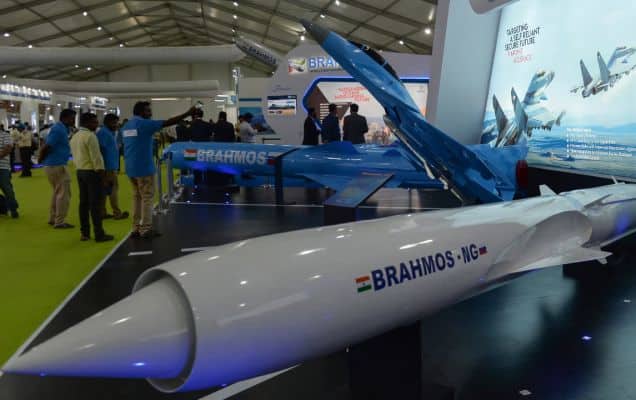
ഇന്ത്യയും ലോകവും ഇപ്പോൾ ഈ യാഥാർഥ്യം അനുഭവിച്ചറിഞ്ഞിരിക്കുകയാണ്: രാജ്യരക്ഷാ (പ്രതിരോധ) മേഖലയിൽ സ്വയംപര്യാപ്തത കൈവരിക്കുക എന്നതല്ലാതെ മറ്റൊരു വഴിയില്ല. ലോകത്തിലെ രാജ്യങ്ങൾ സ്വന്തം താൽപ്പര്യങ്ങളെക്കുറിച്ച് മാത്രം ചിന്തിച്ചുകൊണ്ടിരിക്കുമ്പോൾ, ഇന്ത്യക്കു ലോകത്തിന് മുന്നിൽ വെറും വിപണിയായി മാത്രം തുടരാനാകില്ല. പ്രതിരോധ മേഖലയിൽ നാം സ്വയംപര്യാപ്തത കൈവരിച്ചേ തീരൂ. അടുത്ത തലമുറ പ്രതിരോധ സാങ്കേതികവിദ്യകൾ വികസിപ്പിക്കുന്നതിനും ആഗോളതലത്തിൽ ഇവ വിതരണം ചെയ്യുന്ന പ്രമുഖ രാജ്യമായി മാറുന്നതിനും നാം ശ്രമിക്കണം. നാം ഡ്രോണുകളും കൗണ്ടർ-ഡ്രോൺ സംവിധാനങ്ങളും വികസിപ്പിക്കണം; അതോടൊപ്പം ഹൈപ്പർസോണിക് പ്രതിരോധ സാങ്കേതികവിദ്യകളിൽ നാം നേതൃത്വം ഏറ്റെടുക്കുകയും വേണം.
സുഹൃത്തുക്കളെ,
ഇന്ന് ഓരോ വീടുകളിലും സൈബർ സുരക്ഷയും ഒരു ആശങ്കയായി മാറിക്കൊണ്ടിരിക്കുകയാണ്. അതും പ്രതിരോധരംഗത്തെ ഒരു മേഖലയാണ്, അവിടെ നമ്മുടെ യുവജനങ്ങളുടെ കഴിവുകൾ രാജ്യത്തിന്റെയും ലോകത്തിന്റെയും നന്മയ്ക്കായി പ്രയോജനപ്പെടുത്താൻ നമുക്ക് സാധിക്കും. നമ്മുടെ സപ്തധാരയുടെ ആറാമത്തെ ശക്തി ഹരിത സമ്പദ്വ്യവസ്ഥയും, സമുദ്ര സമ്പദ്വ്യവസ്ഥയുമാണ്, ഇവ ഹരിത തൊഴിലവസരങ്ങളും സൃഷ്ടിക്കുന്നു. ആഗോളതലത്തിൽ ഹരിത ഹൈഡ്രജൻ, പുനരുപയോഗ ഊർജ്ജം, ഊർജ്ജ സംഭരണം, ഹരിത ഗതാഗതം, ഹരിത ഉൽപ്പാദനം എന്നിവ നമ്മൾ കൈവരിക്കണം. ലോകം ആഗോളതാപനത്തെക്കുറിച്ച് ചർച്ച ചെയ്തുകൊണ്ടിരിക്കുന്ന ഈ സമയത്ത്, നമ്മൾ ഇത്തരം വെല്ലുവിളികൾക്കുള്ള പരിഹാരങ്ങൾ ആരായുകയും ഉത്തരങ്ങൾ നൽകുകയും ചെയ്തുകൊണ്ടിരിക്കുന്നു. ഹരിത പ്രസ്ഥാനത്തിൽ അപാരമായ സാധ്യതകളോടെയാണ് ഭാരതം ഈ യാത്രയ്ക്ക് തുടക്കം കുറിച്ചിരിക്കുന്നത്. സമുദ്ര സമ്പദ്വ്യവസ്ഥയിലും ഭാരതത്തിന് വൻ അവസരങ്ങളുണ്ട്. നമുക്ക് ദൈർഘ്യമേറിയ സമുദ്രതീരമുണ്ട്. സമുദ്ര സമ്പദ്വ്യവസ്ഥയിൽ മത്സ്യബന്ധനം, തീരദേശ വിനോദസഞ്ചാരം, സമുദ്ര സാങ്കേതികവിദ്യ തുടങ്ങി മുൻപോട്ടു പോകാൻ സാധിക്കുന്ന ഒട്ടേറെ മേഖലകളിൽ വലിയ അവസരങ്ങളാണുള്ളത്.
എന്റെ പ്രിയ സഹപൗരന്മാരെ,
സപ്തധാര എന്ന കാഴ്ചപ്പാടുമായി ഭാരതം മുന്നേറുമ്പോൾ, ഏഴാമത്തെ ധാര ലോകത്തിന് അതിന്റേതായ പ്രാധാന്യമുള്ള ഒന്നാണ്; അതാണ് ഭാരതത്തിന്റെ മൃദുശക്തി. ഭാരതത്തിന്റെ മൃദുശക്തിയുടെ കരുത്ത് അളവറ്റതാണ്. ഇന്ന് യോഗ ലോകത്തെ മുഴുവൻ, ഭാരതവുമായി ബന്ധിപ്പിച്ചിരിക്കുന്നു. യോഗ ലോകത്തിന് ഊർജ്ജത്തിന്റെ സ്രോതസ്സായും, ആളുകൾ ഭാരതത്തിൽ അർപ്പിക്കുന്ന വിശ്വാസത്തിനുള്ള പ്രധാന കാരണമായും മാറിക്കൊണ്ടിരിക്കുന്നു. ഭാരതത്തിന് വിശ്വാസ കേന്ദ്രങ്ങളും ആയുർവേദവും സമഗ്രമായ ആരോഗ്യ സംരക്ഷണ സംവിധാനവുമുണ്ട്. ഇവയോടൊപ്പം 'ഹീൽ ഇൻ ഇന്ത്യ' പ്രസ്ഥാനത്തിലൂടെയും നമ്മുടെ കഴിവുകൾ ലോകത്തിന് മുന്നിലെത്തിക്കാൻ നമുക്ക് സാധിക്കും. കരകൗശല വസ്തുക്കളാകട്ടെ, സംസ്കാരമാകട്ടെ, നമ്മുടെ സിനിമകൾ, നമ്മുടെ സർഗ്ഗാത്മക ലോകം, വി.എഫ്.എക്സ്, ആനിമേഷൻ, ഗെയിമിംഗ് അല്ലെങ്കിൽ ഡിജിറ്റൽ ഉള്ളടക്കങ്ങൾ എന്നിവയാകട്ടെ, ആഗോള സൃഷ്ടിപരമായ സമ്പദ്വ്യവസ്ഥയിൽ ഭാരതത്തിന് അതിന്റെ സ്ഥാനം പ്രകടമാക്കാൻ സാധിക്കും. ഇതൊരു ആഗോള ശക്തിയായി നമ്മൾ വളർത്തിയെടുക്കണം. ഇന്ന് ഭാരതം 'വേവ്സ്' ഉച്ചകോടിക്ക് വലിയ ആക്കം നൽകിയിട്ടുണ്ട്. ക്രമേണ, ലോകം ഭാരതത്തിന്റെ വേൾഡ് ഓഡിയോ വിഷ്വൽ ആൻഡ് എന്റർടൈൻമെന്റ് ഉച്ചകോടിയെ ഉറ്റുനോക്കാൻ തുടങ്ങിയിരിക്കുന്നു. ഇത് ഭാരതത്തിന്റെ മൃദുശക്തിയെയും സൃഷ്ടിപരമായ ആവാസവ്യവസ്ഥയും ലോകത്തിന് പരിചയപ്പെടുത്തും.
എന്റെ പ്രിയ സഹപൗരന്മാരെ,
ഭാരതത്തിന് വിശാലമായ വനസമ്പത്തുണ്ട്. നൂറിലധികം ദേശീയോദ്യാനങ്ങൾ നമുക്കുണ്ട്. നമ്മുടെ സാധ്യതകൾ അളവറ്റതാണ്, എന്നാൽ വിദേശ വിനോദസഞ്ചാരികളെ ആകർഷിക്കുന്ന കാര്യത്തിൽ നമ്മൾ പിന്നാക്കം പോയിട്ടുണ്ട്. നമ്മുടെ മൃദുശക്തിയിലൂടെ ലോകമെമ്പാടുമുള്ള വിനോദസഞ്ചാരികളെ ഭാരതത്തിലേക്ക് ആകർഷിക്കാൻ നമുക്ക് അവസരമുണ്ട്. നമ്മുടെ കഴിവുകൾ ലോകത്തിന് മുന്നിൽ പ്രദർശിപ്പിക്കണം. ഈ ശ്രമം എത്രയും വേഗം നമ്മൾ ഏറ്റെടുത്ത് നടപ്പിലാക്കണം. ഇന്ന് കായികരംഗവും ഭാരതത്തോടുള്ള ആകർഷണത്തിന്റെ ഒരു പ്രധാന സ്രോതസ്സായി മാറിക്കൊണ്ടിരിക്കുന്നു. പ്രധാനപ്പെട്ട ആഗോള കായിക മേളകൾ എന്തുകൊണ്ട് ഭാരതത്തിൽ സംഘടിപ്പിച്ചുകൂടാ? സംഗീത സമ്പദ്വ്യവസ്ഥ അതിവേഗം വളരുകയും രാജ്യത്തെ യുവാക്കൾക്കിടയിൽ വൻ സ്വാധീനം ചെലുത്തുകയും ചെയ്യുന്നുണ്ട്. ലോകമെമ്പാടുമുള്ള കലാകാരന്മാർ തങ്ങളുടെ ജീവിതത്തിൽ എപ്പോഴെങ്കിലും ഇന്ത്യൻ മണ്ണിൽ ഒരു കച്ചേരി അവതരിപ്പിക്കാൻ ആഗ്രഹിക്കുന്നു. ഇതൊരു വലിയ അവസരമാണ്, ഈ അവസരം പ്രയോജനപ്പെടുത്തുന്നതിന് ആവശ്യമായ സംവിധാനങ്ങളും അടിസ്ഥാന സൗകര്യങ്ങളും നമ്മൾ സൃഷ്ടിക്കേണ്ടതുണ്ട്.
സുഹൃത്തുക്കളെ,
സപ്തധാരയുടെ ഈ ഏഴ് ശക്തികൾ കേവലം വ്യക്തിഗത മേഖലകളിൽ പുരോഗതി കൈവരിക്കുന്നതിനെക്കുറിച്ച് മാത്രമുള്ളതല്ല. സമഗ്രമായ സമീപനത്തിലൂടെ, രാഷ്ട്രത്തിനായി നാം നിശ്ചയിച്ചിട്ടുള്ള ലക്ഷ്യങ്ങളുടെയും അഭിലാഷങ്ങളുടെയും വ്യാപ്തി കടന്ന് അത് പൂർത്തിയാക്കാൻ നാം പ്രവർത്തിക്കേണ്ടതുണ്ട്.
എന്റെ പ്രിയ സഹപൗരന്മാരെ,
ഈ ചില കാര്യങ്ങളെക്കുറിച്ച് ഞാൻ സംസാരിച്ചു കഴിഞ്ഞു, എന്നാൽ അവയ്ക്കും അപ്പുറത്തേക്ക് ഞാൻ ചിന്തിക്കുന്നു. രാജ്യത്തെ പിടിച്ചുലയ്ക്കാൻ ഞാൻ ആഗ്രഹിക്കുന്നു. രാജ്യത്തിന്റെ കരുത്തിനെ ഉണർത്താൻ ഞാൻ ആഗ്രഹിക്കുന്നു. ഒരു രാജ്യം എന്നത് ഭരണകൂടം മാത്രം ചേർന്നതല്ല; ഓരോ പൗരനും ചേർന്നതാണ്. കുറച്ചുകൂടി വലിയ വലിയ കാര്യങ്ങൾ ലക്ഷ്യംവയ്ക്കാൻ നമുക്ക് സാധിക്കില്ലേ?
ഫോർച്യൂൺ 500 കമ്പനികളെക്കുറിച്ച് നമ്മൾ പലപ്പോഴും കേൾക്കാറുണ്ട്. അടുത്ത ഒരു പതിറ്റാണ്ടിനുള്ളിൽ ഫോർച്യൂൺ 500 കമ്പനികളിൽ 50 എണ്ണമെങ്കിലും ഭാരതത്തിൽ നിന്നുള്ളതായിരിക്കണം എന്ന് എന്തുകൊണ്ട് നമുക്ക് ലക്ഷ്യം വച്ചുകൂടാ? ഇന്ന് നമ്മുടെ ബാങ്കിംഗ് മേഖല അഭിവൃദ്ധി പ്രാപിച്ചുകൊണ്ടിരിക്കുകയാണ്. ലോകത്തിലെ ഏറ്റവും മുൻനിര ബാങ്കുകൾക്കിടയിൽ ഒരു ഇന്ത്യൻ ബാങ്കിന്റെ കൊടി ഉയർന്നു പറക്കാത്തത് എന്തുകൊണ്ടാണ്? ലോകത്തിലെ ആദ്യത്തെ അഞ്ച് ബാങ്കുകളിൽ ഒന്നായി ഒരു ഇന്ത്യൻ ബാങ്ക് നമുക്ക് ഉണ്ടായിരിക്കണം. ഭാരതത്തിന്റെ ഔഷധ നിർമ്മാണ മേഖല വലിയ പുരോഗതി കൈവരിച്ചിട്ടുണ്ട്. എന്നാൽ ലോകത്തിലെ ഏറ്റവും വലിയ അഞ്ച് ഔഷധ നിർമ്മാണ കമ്പനികൾക്കിടയിൽ ഒന്നോ രണ്ടോ ഇന്ത്യൻ കമ്പനികളുടെ പേരുകൾ മുഴങ്ങിക്കേൾക്കണം എന്നതാണ് കാലഘട്ടത്തിന്റെ ആവശ്യം. അവിടെ ഭാരതം സ്വന്തമായ ഒരു സ്ഥാനം ഉറപ്പിക്കണം. നിയമ സ്ഥാപനങ്ങളും റേറ്റിംഗ് ഏജൻസികളുമുണ്ട്. ആഗോള നേതൃത്വം ഇനി നമ്മുടെ കൈകളിൽ ഉണ്ടാകേണ്ടത് കാലഘട്ടത്തിന്റെ ആവശ്യമല്ലേ? നമുക്ക് പ്രതിഭയുണ്ട്. നമുക്ക് ശേഷിയുണ്ട്. നമുക്ക് ദീർഘമായ ചരിത്രമുണ്ട്. ഭാഷകളിൽ നമുക്ക് പ്രാവീണ്യമുണ്ട്. നമ്മൾ ലോകത്തിലേക്ക് എത്തിപ്പെടേണ്ടതുണ്ട്. ലോകത്തിലെ ഏറ്റവും മികച്ച കമ്പനികൾക്കിടയിൽ ഒരു ഇന്ത്യൻ കൺസൾട്ടിംഗ് സ്ഥാപനമോ അക്കൗണ്ടിംഗ് സ്ഥാപനമോ ഉണ്ടാകാത്തത് എന്തുകൊണ്ടാണ്? നമ്മുടെ സാങ്കേതികവിദ്യാ കമ്പനികൾ ലോകത്ത് മുൻപന്തിയിൽ നിൽക്കുന്നവരാകണം. അതായിരിക്കണം നമ്മുടെ ലക്ഷ്യം. ലോകത്തെ ആകർഷിക്കുന്ന ബ്രാൻഡുകൾ നമുക്കുണ്ടാകണം. നമ്മുടെ ബ്രാൻഡുകൾ നമ്മുടെ രാജ്യത്തിന്റെ അടയാളമായി മാറുകയും ഭാരതത്തെ ലോകത്തിന്റെ പ്രധാന ലക്ഷ്യസ്ഥാനമാക്കുകയും വേണം. ആ ദിശയിൽ നമ്മൾ പ്രവർത്തിക്കണം. ഇതിനായി, സംസ്ഥാന ഗവണ്മെന്റുകളോട് ഞാൻ പറയാൻ ആഗ്രഹിക്കുന്നു, തദ്ദേശ സ്വയംഭരണ സ്ഥാപനങ്ങളോട് ഞാൻ പറയാൻ ആഗ്രഹിക്കുന്നു, ഇന്ത്യഗവണ്മെന്റിനൊപ്പം ഇത് നിങ്ങളുടെയും ഉത്തരവാദിത്തമാണ്, നമ്മൾ നമ്മുടെ പരിഷ്കാരങ്ങളുടെ ആക്കം വർദ്ധിപ്പിക്കണം. 2047 എന്ന ലക്ഷ്യത്തിന് അനുയോജ്യമായ രീതിയിൽ നമ്മുടെ സംവിധാനങ്ങൾ നാം വികസിപ്പിച്ചെടുക്കണം. കഴിഞ്ഞുപോയ കാലഘട്ടത്തിലെ നയങ്ങളും നിയമങ്ങളും വച്ച് നമുക്ക് മുന്നോട്ടു പോകാനാകില്ല. ഭാവിയിലെ സ്വപ്നങ്ങൾക്കും അഭിലാഷങ്ങൾക്കും അനുസൃതമായി നയങ്ങളും നിയമങ്ങളും രൂപീകരിക്കേണ്ടതുണ്ട്. നമ്മൾ ഇത് ചെയ്യുകയാണെങ്കിൽ, ഈ പാതയിലെ കഠിനാധ്വാനത്തിൽ ഒരു വീഴ്ചയും വരുത്താതെ 'വികസിത ഭാരതം' എന്ന സ്വപ്നം നാം സാക്ഷാത്കരിക്കുമെന്ന് എനിക്ക് പൂർണ്ണവിശ്വാസമുണ്ട്, രാജ്യത്തെ ജനങ്ങൾക്ക് ഞാൻ ആ ഉറപ്പ് നൽകുന്നു. നമ്മളെല്ലാവരും ഒന്നിച്ചു മുന്നേറേണ്ടതുണ്ട്. കേന്ദ്ര ഗവണ്മെന്റും സംസ്ഥാന ഗവണ്മെന്റുകളും വ്യവസായ ലോകവും ഉൾപ്പെടെ നാമെല്ലാവരും ഒന്നിച്ച് പ്രവർത്തിക്കുകയും മുന്നോട്ട് പോകുകയും വേണം. നമ്മൾ പരിഷ്കാരങ്ങൾ തുടർന്നു കൊണ്ടുപോകണം. പരിഷ്കാരങ്ങളെ മുൻപോട്ടു നയിക്കണം. ഞാൻ മുമ്പ് പറഞ്ഞതുപോലെ, ഏതെങ്കിലും നിർബന്ധത്തിന് വഴങ്ങിയല്ല ഉറച്ച ബോധ്യത്തോടെയാണ് നമ്മൾ പരിഷ്കാരങ്ങൾ നടപ്പിലാക്കുന്നത്. നമ്മുടെ ലക്ഷ്യങ്ങൾ നേടുന്നതിനാണ് നമ്മൾ അവ ഏറ്റെടുക്കുന്നത്.
എന്റെ പ്രിയ സഹപൗരന്മാരെ,
ഞാൻ 'വികസിത ഭാരതത്തെ'ക്കുറിച്ച് പറയുമ്പോൾ, രാജ്യത്തെ ദ്രുതഗതിയിൽ മുന്നോട്ട് നയിക്കുന്നതിനെക്കുറിച്ച് സംസാരിക്കുമ്പോൾ, ഈ ശ്രമങ്ങളുടെയൊക്കെ ഏറ്റവും വലിയ ഗുണഭോക്താവ് ആരാണ്? ഈ ശ്രമങ്ങളെ മുന്നോട്ട് നയിക്കുന്ന ഏറ്റവും വലിയ ശക്തി ആരാണ്? അങ്ങനെ ഒന്നുണ്ടെങ്കിൽ, അത് എന്റെ രാജ്യത്തെ യുവാക്കളാണ്, രാജ്യത്തിന്റെ യുവശക്തിയാണ്. 'വികസിത ഭാരതത്തിലേക്കുള്ള' യാത്രയിൽ യുവാക്കൾക്ക് വളരെ പ്രധാനപ്പെട്ട പങ്കുവഹിക്കാനുണ്ട്. അതുമാത്രമല്ല, 'വികസിത ഭാരതത്തിന്റെ' ഏറ്റവും വലിയ ഗുണഭോക്താക്കളും എന്റെ രാജ്യത്തെ യുവാക്കളായിരിക്കും. അതിനാൽ, നമ്മുടെ യുവാക്കളുടെ അഭിലാഷങ്ങളുമായും പങ്കാളിത്തവുമായും ബന്ധിപ്പിച്ചുകൊണ്ട് നമ്മൾ 'വികസിത ഭാരതം' എന്ന ലക്ഷ്യവുമായി മുന്നോട്ട് പോകണം. നമ്മുടെ യുവാക്കൾക്ക് ഏറ്റവും ഉയർന്ന മുൻഗണന നൽകിക്കൊണ്ട് നമ്മൾ മുന്നേറണം.
സുഹൃത്തുക്കളെ,
കഴിഞ്ഞ 10–12 വർഷമായി ഈ ദിശയിൽ വലിയ കാര്യങ്ങളാണ് സംഭവിച്ചിട്ടുള്ളത്. 'സ്റ്റാർട്ടപ്പ് ഇന്ത്യ' പദ്ധതിക്ക് കീഴിൽ രാജ്യത്തുടനീളം 2.5 ലക്ഷത്തിലധികം രജിസ്റ്റർ ചെയ്ത സ്റ്റാർട്ടപ്പുകൾ ഇപ്പോൾ ഉണ്ട്. രാജ്യത്തെ യുവാക്കൾ തങ്ങൾക്ക് വേണ്ടി മാത്രമല്ല പ്രവർത്തിക്കുന്നത്, മറിച്ച് മറ്റ് നിരവധി ആളുകൾക്ക് തൊഴിൽ നൽകുകയും ചെയ്യുന്നുണ്ട്. ഗവൺമെന്റ് 1 ലക്ഷം കോടി രൂപയുടെ 'ഇന്നൊവേഷൻ ഫണ്ട്' പ്രഖ്യാപിച്ചിട്ടുണ്ട്. രാജ്യത്തെ യുവാക്കളോട് എനിക്ക് പറയാനുള്ളത്: നിങ്ങൾ സ്വപ്നങ്ങളുമായി മുന്നോട്ട് വരൂ; വിഭവങ്ങളുടെ അഭാവം ഉണ്ടാകില്ലെന്ന് ഞങ്ങൾ ഉറപ്പുനൽകും. നിങ്ങളുടെ മനസ്സുകളെയും ചിന്തകളെയും ശാക്തീകരിക്കുന്നതിനായി 1 ലക്ഷം കോടി രൂപയുടെ ഒരു സംവിധാനം നമ്മൾ തയ്യാറാക്കിയിട്ടുണ്ട്. ഗവേഷണത്തിനായി പുതിയ അവസരങ്ങൾ ഉയർന്നുവന്നിട്ടുണ്ട്, കൂടാതെ 'ഡിജിറ്റൽ ഇന്ത്യ'യിലൂടെ കുറഞ്ഞ ചെലവിൽ ഡാറ്റ ലഭ്യമായത് നമ്മുടെ യുവാക്കളെ ശാക്തീകരിച്ചു. ഇത്രയും കുറഞ്ഞ ചെലവിൽ ഡാറ്റ ലഭ്യമാകുന്ന ഏതെങ്കിലും ഒരു സ്ഥലം ലോകത്തുണ്ടെങ്കിൽ അത് ഈ ഇന്ത്യൻ മണ്ണിലാണ്, ഇത് രാജ്യത്തെ യുവാക്കൾക്ക് പുതിയ കരുത്ത് നൽകിയിട്ടുണ്ട്. നമ്മൾ 'സ്കിൽ ഇന്ത്യ'യെ ദേശീയ പരിപാടിയാക്കി മാറ്റി. നമ്മൾ ബഹിരാകാശ മേഖല തുറന്നുനൽകി. നമ്മൾ 'ദേശീയ ഡ്രോൺ നയം' രൂപീകരിച്ചു. നമ്മൾ 'ഖേലോ ഇന്ത്യ നയം' രൂപീകരിച്ചു. 35 വർഷമായി പുതിയ വിദ്യാഭ്യാസ നയം ഉണ്ടായില്ല; നമ്മൾ പുതിയൊരു 'വിദ്യാഭ്യാസ നയം' കൊണ്ടുവന്നു, ഇടത്തരം കുടുംബങ്ങൾക്ക് ഇതിന്റെ പ്രയോജനം ലഭിക്കുകയും ചെയ്തു.
സുഹൃത്തുക്കളെ,
2004 മുതൽ 2014 വരെയുള്ള കാലയളവിലെ കണക്കുകൾ ഞാൻ നിങ്ങൾക്ക് നൽകാം. 2004 മുതൽ 2014 വരെ നമ്മുടെ രാജ്യത്ത് 350-ൽ താഴെ സർവ്വകലാശാലകൾ മാത്രമേ ഉണ്ടായിരുന്നുള്ളൂ, എന്നാൽ ഇന്ന്, ഈ 10-12 വർഷത്തിനുള്ളിൽ, ഏകദേശം 650 പുതിയ സർവ്വകലാശാലകൾ കൂട്ടിച്ചേർക്കപ്പെട്ടു. നമ്മൾ 1,000 എന്ന സംഖ്യയിലേക്ക് അടുത്തുകൊണ്ടിരിക്കുകയാണ്. 2014-ന് മുൻപ് വെറും 400-ഓളം മെഡിക്കൽ കോളേജുകൾ മാത്രമാണ് ഉണ്ടായിരുന്നത്; ഇന്ന് 850-ഓളം മെഡിക്കൽ കോളേജുകൾ ഉണ്ടായിരിക്കുന്നു. അതുമാത്രമല്ല, വിദേശ സർവ്വകലാശാലകളും ഇപ്പോൾ ഭാരതത്തിലേക്ക് വന്നുകൊണ്ടിരിക്കുന്നു. നമ്മുടെ യുവാക്കൾക്ക് ഭാരതത്തിൽ പഠിച്ചുകൊണ്ടുതന്നെ വിദേശ സർവ്വകലാശാലകളുടെ ബിരുദങ്ങൾ നേടാൻ തക്കവിധത്തിലുള്ള ക്രമീകരണങ്ങൾ ചെയ്തിട്ടുണ്ട്. നമ്മുടെ രാജ്യത്തെ കുരുന്നു മനസ്സുകളെ ചെറുപ്പം മുതലേ സാങ്കേതികവിദ്യയിലേക്ക് ആകർഷിക്കാൻ നമ്മൾ പ്രവർത്തിച്ചുവരികയാണ്. അതുകൊണ്ടാണ് 10,000-ത്തിലധികം 'അടൽ ടിങ്കറിംഗ് ലാബുകൾ' നമ്മൾ കുട്ടികൾക്ക് ലഭ്യമാക്കിയത്, ഇതുവഴി അവർക്ക് നൂതനാശയത്തിലും സാങ്കേതികവിദ്യയിലും താത്പര്യം വളർത്തിയെടുക്കാൻ സാധിക്കും. നമ്മൾ ഒട്ടേറെ വഴികൾ തുറന്നുകൊടുത്തു; നമ്മൾ സ്റ്റാർട്ടപ്പ് മേഖല തുറന്നുനൽകി. ശരാശരി 28 വയസ്സ് പ്രായമുള്ള യുവജനങ്ങൾ നയിക്കുന്ന ഭാരതത്തിലെ സ്വകാര്യ സ്റ്റാർട്ടപ്പുകൾ തങ്ങളുടെ ഉപഗ്രഹങ്ങളും റോക്കറ്റുകളും വിക്ഷേപിക്കുകയും ആദ്യ ശ്രമത്തിൽ തന്നെ വിജയിക്കുകയും ചെയ്തത് നിങ്ങൾ കണ്ടിട്ടുണ്ടാകും. അവർ ശരിക്കും ശ്രദ്ധേയമായ നേട്ടമാണ് കൈവരിച്ചിരിക്കുന്നത്.
സുഹൃത്തുക്കളെ,
ഇന്ന് 2.5 ലക്ഷത്തിലധികം രജിസ്റ്റർ ചെയ്ത സ്റ്റാർട്ടപ്പുകൾ നിലവിലുണ്ട്. അടുത്തിടെ നമ്മൾ എ.ഐ ഇംപാക്ട് ഉച്ചകോടി സംഘടിപ്പിക്കുകയുണ്ടായി. നിർമ്മിതബുദ്ധിയുടെ (AI) വികാസം വളരെ വേഗത്തിലാണ് നടക്കുന്നത്. ചെങ്കോട്ടയുടെ കൊത്തളങ്ങളിൽ നിന്ന് രാജ്യത്തെ യുവാക്കൾക്കായി ഒരു പ്രഖ്യാപനം നടത്താൻ ഞാൻ ആഗ്രഹിക്കുന്നു. അടുത്ത ഒരു വർഷത്തിനുള്ളിൽ ഒരു കോടി യുവാക്കൾക്ക് എ.ഐ നൈപുണ്യ പരിശീലനം നൽകാൻ നമ്മൾ തീരുമാനിച്ചിട്ടുണ്ട്, അതുവഴി എ.ഐ ലോകത്തും നേതൃത്വം നൽകാനുള്ള ശേഷി നമ്മുടെ രാജ്യത്തെ യുവാക്കൾക്ക് ലഭിക്കും.
എന്റെ സുഹൃത്തുക്കളെ,
ജൈവ സമ്പദ്വ്യവസ്ഥ (Bioeconomy) ഒരു പുതിയ മേഖലയാണ്. 2014-ന് മുൻപ് ജൈവ സമ്പദ്വ്യവസ്ഥയുടെ മൂല്യം വെറും ₹60,000 കോടി മാത്രമായിരുന്ന ഒരു കാലമുണ്ടായിരുന്നു. എന്റെ രാജ്യത്തെ യുവാക്കളെ, നിങ്ങൾ എന്താണ് നേടിയതെന്ന് നോക്കൂ. നയങ്ങൾ ശരിയും ലക്ഷ്യങ്ങൾ വ്യക്തവുമാകുമ്പോൾ എന്റെ രാജ്യത്തെ യുവാക്കൾക്ക് എങ്ങനെ നേട്ടങ്ങൾ കൈവരിക്കാനാകുമെന്ന് നിങ്ങൾക്ക് കാണാൻ സാധിക്കും. രാജ്യത്തെ യുവശക്തി ജൈവ സമ്പദ്വ്യവസ്ഥയിൽ തങ്ങളുടെ ശേഷി തെളിയിച്ചിട്ടുണ്ട്. 2014-ന് മുൻപ് ഈ മേഖലയ്ക്ക് ₹60,000 കോടിയുടെ വിറ്റുവരവുണ്ടായിരുന്ന സ്ഥാനത്ത് ഇന്ന് ജൈവ സമ്പദ്വ്യവസ്ഥ ₹20 ലക്ഷം കോടിയിൽ എത്തിയിരിക്കുന്നു, എന്റെ സുഹൃത്തുക്കളെ. 2009-10-ൽ വെറും 1.5 ലക്ഷം ഇലക്ട്രിക് വാഹനങ്ങൾ മാത്രമാണ് വിറ്റഴിക്കപ്പെട്ടിരുന്നത്. 2025-26-ൽ 25 ലക്ഷം ഇലക്ട്രിക് വാഹനങ്ങളാണ് വിറ്റഴിക്കപ്പെട്ടത്.
എന്റെ പ്രിയ നാട്ടുകാരെ,
വ്യോമയാന മേഖലയും അതിവേഗം പുരോഗമിച്ചുകൊണ്ടിരിക്കുകയാണ്, ഇത് നമ്മുടെ യുവാക്കൾക്ക് വൻതോതിൽ അവസരങ്ങളാണ് സൃഷ്ടിക്കുന്നത്. പുതിയ വിമാനത്താവളങ്ങൾ, പുതിയ വ്യോമപാതകൾ, പുതിയ തൊഴിലവസരങ്ങൾ എന്നിവ സൃഷ്ടിക്കപ്പെടുകയാണ്. വിമാനങ്ങളുടെ അറ്റകുറ്റപ്പണികളും രാജ്യത്തെ വളരെയധികം വൈദഗ്ധ്യമുള്ള തൊഴിലാളികൾക്ക് തൊഴിൽ നൽകുന്നുണ്ട്. 'മെയ്ഡ് ഇൻ ഇന്ത്യ' വിമാനങ്ങളുടെ നിർമ്മാണത്തിലേക്ക് മുന്നേറുന്നതിൽ നമ്മൾ വിജയം കൈവരിച്ചിരിക്കുന്നു. ഇന്ത്യയിൽ നിർമ്മിച്ച പ്രതിരോധ ഗതാഗത വിമാനമായ സി-295 ഇതിനകം ആകാശത്തേക്ക് പറന്നുയരുകയും പറക്കൽ വിജയകരമായി പൂർത്തിയാക്കുകയും ചെയ്തു. രാജ്യത്തെ യുവാക്കളെ സംബന്ധിച്ച് ഇതൊരു വലിയ നേട്ടമാണ്. എന്റെ സഹപൗരന്മാരെ, ഡ്രോണുകളും വളരെ പ്രധാനപ്പെട്ട പങ്കാണ് വഹിച്ചിട്ടുള്ളത്. ഡ്രോണുകൾ വഴി ഗ്രാമങ്ങളിൽ 'സ്വാമിത്വ' പദ്ധതി വിജയകരമായി നടപ്പിലാക്കി വരികയാണ്. ഏകദേശം 3.25 കോടി കുടുംബങ്ങൾക്ക് സ്വാമിത്വ പദ്ധതിയുടെ പ്രയോജനം ലഭിച്ചിട്ടുണ്ട്, ഇതിന്റെ ഫലമായി ഏകദേശം ₹140 ലക്ഷം കോടി മൂല്യമുള്ള സ്വത്തുക്കളുടെ വിവരങ്ങൾ വ്യക്തമാക്കപ്പെട്ടു. ഇത് ബാങ്കുകളിൽ നിന്ന് വായ്പകൾ നേടാനും സ്വന്തമായി ബിസിനസ്സുകൾ ആരംഭിക്കാനും ജനങ്ങളെ പ്രാപ്തരാക്കുന്നു.
എന്റെ പ്രിയ നാട്ടുകാരെ,
കോച്ചിംഗ് ക്ലാസുകളുടെ സമ്മർദ്ദം നമ്മുടെ ഇടത്തരം കുടുംബങ്ങൾക്ക് വലിയൊരു ഭാരമായി മാറിയിരിക്കുകയാണ്. കുട്ടിയെ കോച്ചിംഗ് ക്ലാസിലേക്ക് അയച്ചില്ലെങ്കിൽ സമൂഹത്തിന്റെ പ്രതീക്ഷകൾക്കൊത്ത് ഉയരാൻ സാധിക്കുന്നില്ലെന്ന് ഓരോ രക്ഷിതാവിനും തോന്നുന്നു. പാവപ്പെട്ടവരും ഇടത്തരക്കാരുമായ ഈ കുടുംബങ്ങളുടെ ആശങ്കകൾ മനസ്സിൽ വച്ചുകൊണ്ട്, അവർ ചെലവഴിക്കുന്ന ആയിരക്കണക്കിന് കോടി രൂപ ലാഭിക്കാനും, മക്കളെ വീടിന് അടുത്ത് തന്നെ തുടരാനും, കുടുംബത്തിന് സാമ്പത്തിക ഭാരം ഉണ്ടാകുന്നത് തടയാനും നമ്മൾ ആഗ്രഹിക്കുന്നു. അതിനാൽ, വിവിധ പരീക്ഷകൾക്ക് തയ്യാറെടുക്കുന്ന യുവാക്കൾക്കായി സൗജന്യ ഓൺലൈൻ കോച്ചിംഗ് നൽകാൻ നമ്മൾ തീരുമാനിച്ചിട്ടുണ്ട്. നമുക്ക് ഡിജിറ്റൽ പൊതു അടിസ്ഥാന സൗകര്യം ഉണ്ട്, മികച്ച പ്രതിഭകളുണ്ട്, അധ്യാപകരുമുണ്ട്. ഈ വിഭവങ്ങളെല്ലാം കോർത്തിണക്കിക്കൊണ്ട് രാജ്യത്തെ യുവാക്കൾക്ക് സൗജന്യ കോച്ചിംഗ് നൽകുന്നതിനായി വിപുലമായ ശൃംഖല നമ്മൾ കെട്ടിപ്പടുക്കാൻ പോകുകയാണ്.
എന്റെ പ്രിയ നാട്ടുകാരെ,
"കളിക്കുന്നവർ ശോഭിക്കും" എന്ന് ഞാൻ എപ്പോഴും പറയാറുണ്ട്. 'ഖേലോ, ഖിലോ' (കളിക്കൂ, ശോഭിക്കൂ) എന്നതിനെക്കുറിച്ച് സംസാരിക്കുമ്പോൾ, എന്റെ പ്രിയപ്പെട്ട നാട്ടുകാരെ, ഭാരതം ഇന്ന് കായിക ലോകത്ത് സ്വന്തം മുദ്ര പതിപ്പിക്കുകയാണെന്ന് പറയാൻ ഞാൻ ആഗ്രഹിക്കുന്നു. കായികവേദികളിലെ വിജയപീഠങ്ങളിൽ ഇപ്പോൾ ഭാരതത്തിന്റെ ദേശീയ ഗാനം മുഴങ്ങിക്കേൾക്കുന്നു, ത്രിവർണ്ണ പതാക അഭിമാനത്തോടെ പാറുന്നത് കാണാൻ സാധിക്കുന്നു. 'ടോപ്സ്' പദ്ധതി വലിയ വിജയം കൈവരിച്ചിട്ടുണ്ട്. ഖേലോ ഇന്ത്യ ഗെയിംസ്, യൂണിവേഴ്സിറ്റി ഗെയിംസ്, വിന്റർ ഗെയിംസ്, ബീച്ച് ഗെയിംസ്, കായിക പശ്ചാത്തല സൗകര്യങ്ങൾ, കായിക പരിശീലനം, സ്പോർട്സ് മെഡിസിൻ, സ്പോർട്സ് ന്യൂട്രീഷൻ എന്നിവയിലെല്ലാം മികച്ച നേട്ടങ്ങൾ കൈവരിക്കുന്നതിനായി ഭാരതം മുന്നോട്ട് കുതിക്കുകയാണ്. യുവാക്കൾക്ക് നേരിട്ട് കായികതാരങ്ങൾ ആകാൻ കഴിഞ്ഞില്ലെങ്കിൽ പോലും, കായിക മേഖലയുമായി ബന്ധപ്പെട്ട അനുബന്ധ പിന്തുണ സംവിധാനങ്ങളിൽ വൻ അവസരങ്ങളുടെ പുതിയൊരു ലോകമാണ് തുറക്കപ്പെടുന്നത്. കായിക ലോകത്ത് ഭാരതത്തിന്റെ പ്രകടനം അനുദിനം മെച്ചപ്പെട്ടുകൊണ്ടിരിക്കുകയാണ്, മാത്രമല്ല 2036-ലെ ഒളിമ്പിക്സിന് ആതിഥേയത്വം വഹിക്കാനുള്ള ശക്തമായ അവകാശികളായി നമ്മൾ മുന്നേറുകയാണ്. 2030-ലെ കോമൺവെൽത്ത് ഗെയിംസിനും ഭാരതം ആതിഥേയത്വം വഹിക്കാൻ പോകുകയാണ്.
എന്റെ സഹപൗരന്മാരെ,
ആഗോളതലത്തിൽ നടക്കുന്ന ഒളിമ്പിക് ഗെയിംസിൽ 40-ഓളം വ്യത്യസ്ത കായിക ഇനങ്ങളിലായി ഏകദേശം 325–350 മത്സരങ്ങളാണുള്ളത്. എന്റെ നാട്ടുകാരേ, എന്റെ യുവ സുഹൃത്തുക്കളേ, ഈ 325 ഇനങ്ങളിൽ മൂന്നിൽ രണ്ട് ഭാഗത്തിലും ഇന്ത്യ പങ്കെടുക്കുന്നില്ല എന്നത് നിങ്ങളെ വേദനിപ്പിക്കും. നമ്മൾ പങ്കെടുക്കുന്നില്ല; നമ്മൾ യോഗ്യത നേടുന്നില്ല. ഞാൻ നിങ്ങളെ വെല്ലുവിളിക്കുന്നു, ഞാൻ നിങ്ങളോട് ആഹ്വാനം ചെയ്യുന്നു, ഞാൻ നിങ്ങളുടെ പിന്തുണ തേടുന്നു: 2036-ലെ ഒളിമ്പിക്സ് ഭാരതത്തിൽ നടത്തണമെന്ന് നമ്മൾ തീരുമാനിച്ചിട്ടുണ്ട്. എന്നാൽ 2036-ൽ, ഇന്ന് ഭാരതം മത്സരിക്കാത്തതോ യോഗ്യത നേടാത്തതോ ആയ മത്സരങ്ങളിൽ, ഭാരതം വിട്ടുനിന്നിട്ടുള്ള മത്സരങ്ങളിൽ, ഭൂരിഭാഗവും നമുക്കായി കാത്തിരിക്കുകയാണ്. ഭാരതം ഈ മേഖലകളിൽ ശ്രദ്ധ കേന്ദ്രീകരിക്കണം, ഇതിനായി ഒരു 'പ്രതിഭാ പര്യവേക്ഷണ' (talent-hunt) പ്രചാരണ പരിപാടി ആരംഭിക്കാനും നമ്മൾ ആഗ്രഹിക്കുന്നു. 2036-ലേക്ക് നമുക്ക് കായികതാരങ്ങളെ ആവശ്യമുണ്ടെങ്കിൽ, ഇന്ന് 5-ഉം 10-ഉം 15-ഉം വയസ്സുള്ള പെൺകുട്ടികളിലും ആൺകുട്ടികളിലും നമ്മൾ ശ്രദ്ധ കേന്ദ്രീകരിക്കണം. നമ്മുടെ പെൺമക്കളിലും നമ്മൾ പ്രത്യേക ശ്രദ്ധ ചെലുത്തണം. അതിനാൽ, 5-നും 15-നും ഇടയിൽ പ്രായമുള്ള കുട്ടികളിലെ കായിക ശേഷികൾ കണ്ടെത്തുന്നതിനായി രാജ്യത്തുടനീളമുള്ള ഗ്രാമങ്ങളിലും നഗരങ്ങളിലും സ്കൂളുകളിലും പ്രതിഭാ പര്യവേക്ഷണ പ്രചാരണം നടത്തും. അവരുടെ കഴിവുകൾ വിലയിരുത്തപ്പെടുകയും, രാജ്യത്തെ പ്രതിനിധീകരിക്കാൻ പോന്ന മികച്ച കായികതാരങ്ങളായി വളർത്തിയെടുക്കാൻ അവർക്ക് പ്രത്യേക പരിശീലനം നൽകുകയും ചെയ്യും.
എന്റെ പ്രിയ യുവസുഹൃത്തുക്കളെ,
മയക്കുമരുന്ന് ഉപയോഗം രാജ്യത്തിനും യുവജനങ്ങൾക്കും വലിയൊരു പ്രതിസന്ധിയായി മാറിക്കൊണ്ടിരിക്കുകയാണ്. 'ലഹരിമുക്ത ഭാരതം' എന്നത് നാമേവരുടെയും കൂട്ടായ ഉത്തരവാദിത്തമായിരിക്കണം. നമ്മുടെ തിളക്കമാർന്ന ഭാവിക്കായി, നമ്മുടെ യുവതലമുറ കരുത്തുറ്റതായിരിക്കണം, ഒപ്പം നമ്മുടെ രാജ്യത്തിന്റെ പുരോഗതിക്കായി യുവശക്തി പ്രയോജനപ്പെടുത്തുകയും വേണം. അതിനായി 'മൈ ഭാരത്' സന്നദ്ധപ്രവർത്തകർ, രാജ്യത്തുടനീളമുള്ള സന്നദ്ധസംഘടനകൾ, സാമൂഹിക-സാംസ്കാരിക സംഘടനകൾ, ആത്മീയ നേതാക്കൾ എന്നിവരെല്ലാം ഒത്തുചേർന്ന് ലഹരിമുക്ത ഭാരതത്തിനായി 100 ആഴ്ച നീണ്ടുനിൽക്കുന്ന ഒരു പരിപാടിക്ക് തുടക്കം കുറിച്ചിട്ടുണ്ട്. 100 ആഴ്ചത്തേക്ക് ഒരു പ്രചാരണം നടക്കും. ഓരോ കുടുംബത്തോടും എനിക്ക് പറയാനുള്ളത്: നിങ്ങളും ഈ പ്രചാരണത്തിന്റെ ഭാഗമാകണം, ഇതിൽ പങ്കുചേരുകയും ലഹരിമുക്ത ഭാരതം എന്ന സ്വപ്നം സാക്ഷാത്കരിക്കാൻ സഹായിക്കാൻ മുന്നോട്ട് വരികയും വേണം.
എന്റെ പ്രിയ നാട്ടുകാരെ,
ഇരുപത്തൊന്നാം നൂറ്റാണ്ടിൽ, പതിറ്റാണ്ടുകളായി നിലനിൽക്കുന്ന വെല്ലുവിളികളെ നമ്മൾ ഇല്ലാതാക്കേണ്ടത് അത്യാവശ്യമാണ്. നക്സലിസവും മാവോയിസവും ലക്ഷക്കണക്കിന് യുവാക്കളുടെ ഭാവിയാണ് തകർത്തത്.
അനവധി അമ്മമാരുടെ അഭിമാനമായിരുന്ന യുവജീവിതങ്ങളെ അവർ തട്ടിപ്പറിച്ചെടുക്കുകയും നശിപ്പിക്കുകയും ചെയ്തു, ഒപ്പം ഓരോ രക്ഷിതാവിന്റെയും സ്വപ്നങ്ങൾ തകർത്തെറിയുകയും ചെയ്തു. നീണ്ട നാല് പതിറ്റാണ്ടുകളായി, ഭാരതത്തിന്റെ വലിയൊരു ഭാഗത്തെയും അതിലെ ജനസംഖ്യയിലെ വലിയൊരു വിഭാഗത്തെയും നക്സലിസം തങ്ങളുടെ പിടിയിലൊതുക്കിയിരുന്നു. അത് ഭരണഘടനയെ പിച്ചിച്ചീന്തി, കൂടാതെ രാജ്യത്തെ സാധാരണ പൗരന്മാരെ സംരക്ഷിക്കുന്നതിനിടയിൽ നമ്മുടെ 3,500-ലധികം പോലീസുകാരും സുരക്ഷാ ഉദ്യോഗസ്ഥരും വീരമൃത്യു വരിച്ചു. യുദ്ധത്തിൽ ജീവൻ നഷ്ടപ്പെട്ട സൈനികരുടെ എണ്ണത്തേക്കാൾ കൂടുതൽ പോലീസുകാർക്ക് ജീവൻ ബലിയർപ്പിക്കേണ്ടി വന്നു, സാധാരണ പൗരന്മാർക്ക് സുരക്ഷിതമായി ജീവിക്കാൻ വേണ്ടിയായിരുന്നു അത്. നക്സലിസം ഈ മണ്ണിൽ രക്തപ്പുഴയൊഴുക്കി. 2014-ൽ ജനസേവനത്തിനായുള്ള അവസരം നിങ്ങൾ ഞങ്ങൾക്ക് നൽകിയപ്പോൾ, രാജ്യത്തെ നക്സലിസത്തിൽ നിന്ന് മുക്തമാക്കുമെന്ന് അന്നേ ദിവസം തന്നെ ഞങ്ങൾ പ്രതിജ്ഞയെടുത്തു. ഇന്ന്, നക്സലൈറ്റ്-മാവോയിസ്റ്റ് അക്രമങ്ങൾക്ക് ഇനി തങ്ങളുടെ അവസാന ശ്വാസം എടുക്കാനുള്ള കരുത്തുപോലും ബാക്കിയില്ല എന്ന് പറയുന്നതിൽ എനിക്ക് സന്തോഷമുണ്ട്. അത് പൂർണ്ണമായി ഇല്ലാതാക്കുന്നതിലേക്ക് നമ്മൾ മുന്നേറുകയാണ്. മുൻപ് നക്സലൈറ്റുകൾ വെടിയുതിർത്തിരുന്ന, ഒരുകാലത്ത് മണ്ണ് രക്തംകൊണ്ട് കുതിർന്നിരുന്നു പ്രദേശങ്ങളിൽ, ഇന്ന്, അതേ നക്സൽ ബാധിത മേഖലകളിലും പ്രദേശങ്ങളിലും, വികസനത്തിന്റെയും വിശ്വാസത്തിന്റെയും പരിശ്രമത്തിന്റെയും ത്രിവർണ്ണ പതാക അത്യുന്നതങ്ങളിൽ പാറിക്കളിക്കുകയാണ്; കാരണം അവ നക്സലിസത്തിൽ നിന്ന് മുക്തമാക്കപ്പെട്ടിരിക്കുന്നു.
എന്റെ പ്രിയ നാട്ടുകാരേ,
എന്നാൽ ഈ വെല്ലുവിളിയെ നമ്മൾ നിസ്സാരമായി കാണരുത്. ഈ വെല്ലുവിളിയെക്കുറിച്ച് നമ്മൾ കൂടുതൽ ജാഗ്രത പുലർത്തേണ്ടതുണ്ട്. വർഷങ്ങളായി, മാവോയിസ്റ്റ് ആശയം വെച്ചുപുലർത്തുന്ന വ്യക്തികൾ രാജ്യത്തെ അധികാര ഇടനാഴികളിൽ തങ്ങളുടെ സ്ഥാനം ഉറപ്പിച്ചിരുന്നു. ഗവൺമെന്റ് സമിതികളിലെ ഉപദേശകരായി പോലും, ഈ മാവോയിസ്റ്റ് ആശയം നയങ്ങളെ സ്വാധീനിച്ചിരുന്നു.
എന്റെ പ്രിയ സഹപൗരന്മാരെ,
വനാന്തരങ്ങളിൽ നിന്ന് സായുധ നക്സലുകളെ ഇല്ലാതാക്കാനും ആ വിപത്തിൽ നിന്ന് രാജ്യത്തെ മോചിപ്പിക്കാനും നമുക്ക് സാധിച്ചു. എന്നിരുന്നാലും, സായുധരായ നക്സലുകൾ ഇല്ലാതായെങ്കിലും, മനസിലെ നക്സലിസം ഇപ്പോഴും അവശേഷിക്കുന്നു, ഈ മാനസിക നക്സലുകൾ ഒരു അവസരത്തിനായി കാത്തിരിക്കുകയാണ്. അക്രമത്തിന്റെയും അരാജകത്വത്തിന്റെയും വഴികളാണ് അവർ തിരയുന്നത്. സമൂഹത്തെ തെറ്റായ പാതയിലേക്ക് തള്ളിവിടാൻ അവർ വിവിധ തന്ത്രങ്ങൾ മെനയുന്നു. ഈ മാനസിക നക്സലുകളെ നമ്മൾ തിരിച്ചറിയുകയും, അവരെ ഒറ്റപ്പെടുത്തുകയും, ഭാരതത്തെ വികസിത രാഷ്ട്രമാക്കി മാറ്റുന്നതിനുള്ള മുഖ്യധാരാ പരിശ്രമങ്ങളിലേക്ക് രാജ്യത്തെ യുവാക്കളെ നയിക്കുകയും വേണം.
എന്റെ പ്രിയ സഹപൗരന്മാരെ,
സുരക്ഷിത ഇന്ത്യ കെട്ടിപ്പടുക്കുക എന്നത് നമ്മൾ ഏവരുടെയും ഉത്തരവാദിത്തമാണ്. വെല്ലുവിളി അതിർത്തിക്കുള്ളിൽ നിന്നായാലും അതിർത്തിക്ക് പുറത്തുനിന്നായാലും, ഏത് സാഹചര്യത്തെയും നേരിടാൻ ഇന്ത്യ സജ്ജമാണ്. യുദ്ധങ്ങളുടെ സ്വഭാവം ഇന്ന് മാറിക്കൊണ്ടിരിക്കുകയാണ്; പോരാട്ടങ്ങൾ അതിർത്തികളിൽ മാത്രം ഒതുങ്ങിനിൽക്കുമെന്നതിന് ഇനി യാതൊരു ഉറപ്പുമില്ല. ആധുനിക യുദ്ധമുറകൾ എണ്ണ ശുദ്ധീകരണശാലകളെ, ബാങ്കിംഗ് മേഖലയെ അല്ലെങ്കിൽ ഡാറ്റാ സെന്ററുകളെ ലക്ഷ്യമിട്ടേക്കാം, ഒരു അർത്ഥത്തിൽ, അടിസ്ഥാന സൗകര്യങ്ങളും ഫാക്ടറികളും നശിപ്പിക്കപ്പെടുന്ന, യുദ്ധത്തിന്റെ ഒരു പുതിയ രൂപമാണിത്. ഏതാനും വർഷങ്ങൾക്ക് മുൻപ് നമ്മൾ 'മിഷൻ സുദർശൻ ചക്ര' പ്രഖ്യാപിച്ചിരുന്നു, അതിൻമേലുള്ള പ്രവർത്തനങ്ങൾ അതിവേഗം പുരോഗമിക്കുകയാണ്. ഇന്ന് നമ്മുടെ പ്രതിരോധ കയറ്റുമതി ഏകദേശം 50 മടങ്ങ് വർദ്ധിച്ചിട്ടുണ്ട്. നമ്മുടെ ആയുധങ്ങൾ നൂറോളം രാജ്യങ്ങളിലേക്ക് എത്തുന്നു. ആഗോളതലത്തിൽ ഇന്ത്യയുടെ പ്രശസ്തി അനുദിനം വർദ്ധിച്ചുവരികയാണ്. മാറിയ ഈ കാലഘട്ടത്തിൽ, നമ്മൾ പ്രതിരോധ ഉപകരണങ്ങളിൽ ശ്രദ്ധ കേന്ദ്രീകരിക്കുകയും നമ്മുടെ സായുധ സേനയുടെ ശേഷി വർദ്ധിപ്പിക്കുകയും വേണം; എന്നാൽ അതേ സമയം, പൗരന്മാരും സജ്ജരായിരിക്കേണ്ടതുണ്ട്. കഴിഞ്ഞ നൂറ്റാണ്ടിലെ യുദ്ധങ്ങൾക്ക് അനുസൃതമായി നമ്മുടെ രാജ്യത്ത് വികസിപ്പിച്ചെടുത്ത സിവിൽ പ്രതിരോധ സംവിധാനങ്ങൾ കാലഹരണപ്പെട്ടവയായി മാറിയിരിക്കുന്നു, അതിനാൽ കവരുംകാലങ്ങളിൽ നമ്മൾ സജീവമായ സിവിൽ പ്രതിരോധ ശൃംഖല സൃഷ്ടിക്കുമെന്ന് ഇന്ന് ഞാൻ ചെങ്കോട്ടയിൽ നിന്ന് പ്രഖ്യാപിക്കുകയാണ്. ആധുനിക സംവിധാനങ്ങളെക്കുറിച്ച് നമ്മൾ അവരെ ബോധവത്കരിക്കും. ആധുനിക പ്രതിസന്ധികളിൽ നിന്ന് പൗരന്മാരെ സംരക്ഷിക്കാൻ എന്ത് ക്രമീകരണങ്ങളാണ് ചെയ്യാൻ സാധിക്കുക? ആധുനിക വെല്ലുവിളികളെ അതിജീവിക്കാൻ സിവിൽ പ്രതിരോധത്തിന്റെ വലിയ സന്നദ്ധ സേന നമ്മൾ രൂപീകരിക്കാൻ പോകുകയാണ്.
എന്റെ പ്രിയനാട്ടുകാരേ,
രാഷ്ട്രനിർമ്മാണത്തിൽ നമ്മുടെ സഹോദരിമാരുടെയും പെൺമക്കളുടെയും സംഭാവന നാമേവർക്കും വലിയൊരു പ്രചോദനമായി മാറിയിരിക്കുകയാണ്. ഫൈറ്റർ ജെറ്റുകളിലായാലും സിവിൽ വ്യോമയാനത്തിലായാലും നമ്മുടെ പെൺമക്കൾ മുൻപന്തിയിലുണ്ട്. കായികരംഗത്തും അവർ വഴികാട്ടുകയാണ്. സ്റ്റെം (STEM) വിദ്യാഭ്യാസത്തിലേക്കുള്ള പ്രവേശന പ്രക്രിയയിൽ നമ്മുടെ പെൺമക്കൾ മുൻപന്തിയിൽ നിൽക്കുന്നതായി കാണാം. സായുധ സേനയിൽ പോലും, എൻ.ഡി.എ-യിൽ നിന്ന് ബിരുദം നേടുന്ന പെൺമക്കൾ വലിയ ആത്മവിശ്വാസത്തോടും അധികാരത്തോടും കൂടി രാജ്യത്തിന്റെ സൈന്യത്തെ നയിക്കാനുള്ള ശേഷി പ്രകടിപ്പിക്കുന്നു. എന്റെ പെൺമക്കളുടെ യഥാർത്ഥ കരുത്ത് കാണാൻ, അടുത്തിടെ ഞാൻ സാനന്ദിലെ ഒരു സെമികണ്ടക്ടർ പ്ലാന്റ് സന്ദർശിക്കുകയുണ്ടായി, അവിടെ രാജ്യത്തിന്റെ വിവിധ കോണുകളിൽ നിന്നുള്ള ആദിവാസി പെൺമക്കൾ ജോലി ചെയ്യുന്നുണ്ടായിരുന്നു. പാസ്പോർട്ട് എന്നാൽ എന്താണെന്ന് പോലും ആളുകൾക്ക് അറിയാത്ത ഗ്രാമങ്ങളിൽ നിന്നാണ് അവർ വന്നത്. ആ പെൺമക്കൾ വിദേശത്തുപോയി പരിശീലനം നേടി, ഇന്ന് വലിയ ആത്മവിശ്വാസത്തോടെ ചിപ്പ് നിർമ്മാണത്തിൽ ജോലി ചെയ്യുന്നു. അവരിൽ ഞാൻ കണ്ട ആത്മവിശ്വാസം എന്നെ ഏറെ ആകർഷിച്ചു. 3 കോടി സഹോദരിമാരെ 'ലഖ്പതി ദീദിമാർ' ആക്കുക എന്ന ലക്ഷ്യമാണ് നമ്മൾ മുൻപോട്ടു വച്ചിരുന്നത്, ആ ലക്ഷ്യം നമ്മൾ ഇതിനകം മറികടന്നുകഴിഞ്ഞു. ഇപ്പോൾ 6 കോടി ലഖ്പതി ദീദിമാരെ സൃഷ്ടിക്കുക എന്ന ലക്ഷ്യത്തോടെയാണ് നമ്മൾ മുന്നോട്ട് പോകുന്നത്. 3 കോടി പുതിയ ലഖ്പതി ദീദിമാരുടെ സൃഷ്ടി എന്നത് സ്ത്രീശക്തിയുടെ കരുത്തിൽ ഗ്രാമീണ സമ്പദ്വ്യവസ്ഥയിലുണ്ടാകുന്ന വൻ മാറ്റത്തെയാണ് സൂചിപ്പിക്കുന്നത്.
എന്റെ പ്രിയ നാട്ടുകാരേ,
ഇന്ന് പഞ്ചായത്തുകളിലും മുൻസിപ്പാലിറ്റികളിലും കോർപ്പറേഷനുകളിലും വലിയൊരു വിഭാഗം സ്ത്രീകൾ ജനപ്രതിനിധികളായി മാറുകയും രാജ്യത്തെ നയിക്കുകയും പ്രശ്നങ്ങൾ പരിഹരിക്കുകയും കാര്യശേഷിയുള്ള നേതൃത്വം നൽകുകയും ചെയ്യുന്നുണ്ട്. ഇത് മനസ്സിൽ വച്ചുകൊണ്ടാണ് നമ്മൾ പാർലമെന്റിൽ 'നാരി ശക്തി വന്ദൻ അധീനിയം' പാസാക്കിയത്. എന്നിരുന്നാലും, ഏതെങ്കിലും കാരണത്താൽ കഴിഞ്ഞ 40 വർഷമായി ഈ സ്വപ്നം രാഷ്ട്രീയ വേദികൾക്ക് പലതവണ ഇരയായിമാറി.
ഇന്ന്, ചെങ്കോട്ടയുടെ കൊത്തളങ്ങളിൽ ത്രിവർണ്ണ പതാകയുടെ തണലിൽ നിന്നുകൊണ്ട്, രാജ്യത്തെ എല്ലാ രാഷ്ട്രീയ പാർട്ടികളോടും ഞാൻ അഭ്യർത്ഥിക്കുകയും ആഹ്വാനം ചെയ്യുകയും ചെയ്യുന്നു. വരൂ, നമുക്ക് ആ സ്ത്രീശക്തിയുടെ ഉപാസകരാകാം. അവരുടെ അന്തസ്സ് ഉയർത്തിപ്പിടിക്കാനും, നിയമസഭകളിലും ലോക്സഭയിലും നമ്മുടെ അമ്മമാർക്കും സഹോദരിമാർക്കും എത്രയും വേഗം 33% പ്രാതിനിധ്യം ഉറപ്പാക്കാനും നമുക്ക് മുന്നോട്ട് വരാം, ഇതുവഴി ഇന്ത്യയുടെ നയരൂപീകരണത്തിൽ പങ്കാളികളാകാൻ അവർക്ക് സാധിക്കും. ഇത് കാലഘട്ടത്തിന്റെ ആവശ്യമാണ്. എല്ലാ രാഷ്ട്രീയ പാർട്ടികളോടും ഞാൻ ഒന്നുകൂടി അഭ്യർത്ഥിക്കുന്നു, വനിതാ സംവരണം നടപ്പിലാക്കിക്കൊണ്ട് സ്ത്രീ ബഹുമാനത്തിനായുള്ള ഈ യജ്ഞത്തിൽ പങ്കാളികളാകൂ; ഇതിന്റെ ബഹുമതിയും പ്രശസ്തിയും നിങ്ങളും എടുത്തോളൂ, പക്ഷേ എന്റെ അമ്മമാർക്കും സഹോദരിമാർക്കും അവകാശങ്ങൾ നൽകുക.
എന്റെ പ്രിയ നാട്ടുകാരേ,
വികസനം അവസാനത്തെ വ്യക്തിയിലേക്കും എത്തുമ്പോൾ മാത്രമേ വികസിത ഇന്ത്യ എന്ന നിശ്ചയദാർഢ്യം പൂർത്തിയാകൂ. 2014-ന് മുൻപ്, വെറും 25 കോടി ആളുകൾക്ക് മാത്രമേ സാമൂഹിക സുരക്ഷാ പരിരക്ഷ ഉണ്ടായിരുന്നുള്ളൂ, വെറും 25 കോടി ആളുകൾക്ക് മാത്രം.
സുഹൃത്തുക്കളെ,
കഴിഞ്ഞ 5-7 പതിറ്റാണ്ടുകളിൽ വെറും 25 കോടി ആയിരുന്നത്, ഒരു പതിറ്റാണ്ടിനുള്ളിൽ രാജ്യത്തെ 100 കോടി പൗരന്മാർക്ക് സാമൂഹിക സുരക്ഷാ പരിരക്ഷ നൽകാൻ നമുക്ക് സാധിച്ചു. ആയുഷ്മാൻ ഭാരത് പദ്ധതിക്ക് കീഴിൽ, 70 വയസ്സിന് മുകളിലുള്ള മുതിർന്ന പൗരന്മാർക്ക് പോലും 5 ലക്ഷം രൂപ വരെയുള്ള സൗജന്യ ചികിത്സ ലഭിക്കുന്നുണ്ട്. കോടിക്കണക്കിന് കുടുംബങ്ങൾക്ക് ഇതിലൂടെ വലിയൊരു സൗകര്യമാണ് ലഭിച്ചിട്ടുള്ളത്, കൂടാതെ ആയുഷ്മാൻ കാർഡ് മുഖേന, മരുന്നുകൾക്കും ശസ്ത്രക്രിയകൾക്കുമായി ചെലവഴിക്കേണ്ടിയിരുന്ന 2 ലക്ഷം കോടി രൂപ കുടുംബങ്ങൾക്ക് ലാഭിക്കാൻ സാധിച്ചു; അവർ പാവപ്പെട്ട കുടുംബങ്ങളാണ്, ഇടത്തരം കുടുംബങ്ങളാണ്, അവർക്ക് വലിയൊരു താങ്ങാണ് ലഭിച്ചിട്ടുള്ളത്!
എന്റെ പ്രിയ നാട്ടുകാരേ,
ഇന്ന്, ഒരു കാര്യത്തിൽ എനിക്ക് നിങ്ങളുടെ സഹായം ആവശ്യമുണ്ട്. ഞാൻ നിങ്ങളിൽ നിന്നൊക്കെ സഹായം തേടുകയാണ്. യുവാക്കൾ ഇതിൽ നേതൃത്വം നൽകണമെന്ന് ഞാൻ ആഗ്രഹിക്കുന്നു. നിങ്ങളുടെ ഒരു മണിക്കൂറോ രണ്ട് മണിക്കൂറോ സമയം കൊണ്ട് രാജ്യത്തെ വലിയരീതിയിൽ ശാക്തീകരിക്കാൻ സാധിക്കും. ഒന്നോ രണ്ടോ മണിക്കൂർ കൊണ്ട് എന്ത് ശക്തിയാണ് രാജ്യത്തിന് നൽകാൻ കഴിയുക എന്ന് നിങ്ങൾ അത്ഭുതപ്പെടുന്നുണ്ടാകാം, ഞാൻ നിങ്ങളോട് പറയാം. നിങ്ങൾ വലിയൊരു ശക്തിയായി മാറാൻ പോകുകയാണ്, അതിനാൽ ഓരോ വീട്ടിലും അത്തരമൊരു അന്തരീക്ഷം സൃഷ്ടിക്കപ്പെടണം. ഈ ദിവസങ്ങളിൽ രാജ്യത്ത് ജനസംഖ്യാ കണക്കെടുപ്പ് നടന്നുവരികയാണ്. ജനസംഖ്യാ കണക്കെടുപ്പ് ജോലികൾ നടക്കുന്നു, വിവര ശേഖരണം നടക്കുന്നു; കണക്കെടുപ്പ് എന്നത് വെറും അക്കങ്ങൾ മാത്രമല്ല. ഇതിന്റെ വിവരങ്ങളിൽ നിന്നാണ് നയങ്ങൾ രൂപീകരിക്കുന്നത്, പദ്ധതികൾ തയ്യാറാക്കുന്നത്, രാജ്യം മുന്നോട്ട് പോകാനുള്ള രൂപരേഖ തയ്യാറാക്കുന്നത്; അതിനാൽ കൃത്യമായ വിവരങ്ങൾ ഉണ്ടാകേണ്ടത് വളരെ പ്രധാനമാണ്. ചിലപ്പോൾ ഗവൺമെന്റിൽ നിന്ന് അതിനായി വരുന്ന പ്രതിനിധികൾ വളരെ തിടുക്കത്തിലായിരിക്കും, ചിലപ്പോൾ അവർ ഒരേ പേരുകൾ വ്യത്യസ്ത അക്ഷരത്തെറ്റുകളോടെ എഴുതിയേയ്ക്കാം, ഇതുമൂലം അന്തിമമായി കൃത്യമായ ഫലങ്ങൾ ലഭിക്കുന്നതിൽ നമ്മൾ ബുദ്ധിമുട്ടുകൾ നേരിടുന്നു. ഇപ്പോൾ സാങ്കേതികവിദ്യ ലഭ്യമായതിനാൽ, നിങ്ങളുടെ മൊബൈൽ ഫോൺ ഉപയോഗിച്ച് സെൻസസ് വിവരങ്ങൾ നിങ്ങൾക്ക് തന്നെ സ്വയം സമർപ്പിക്കാൻ സാധിക്കുന്ന തരത്തിൽ ഒരു തീരുമാനം എടുത്തിട്ടുണ്ട്. പിന്നീട് ഏതെങ്കിലും ക്ലർക്കോ പ്രതിനിധിയോ വരും, അവർ നിങ്ങളുമായി കാര്യങ്ങൾ ചർച്ച ചെയ്യും; എന്നാൽ നിങ്ങളുടെ കുടുംബം ഒന്നിച്ചിരുന്ന് ഡിജിറ്റലായി രജിസ്ട്രേഷൻ പൂർത്തിയാക്കുകയാണെങ്കിൽ—അക്ഷരത്തെറ്റുകളോ വിവരങ്ങളിൽ തെറ്റുകളോ ഇല്ലെന്ന് ഉറപ്പുവരുത്തിക്കൊണ്ട്—ആ ഡാറ്റയുടെ കൃത്യത രാജ്യത്തിന്റെ പുരോഗതിക്ക് വലിയ തോതിൽ സഹായകമാകും. അതുകൊണ്ടാണ് രാജ്യത്തെ യുവാക്കളോട് കുടുംബത്തോടൊപ്പം ഇരുന്ന് ഫോം മുഴുവൻ മനസ്സിലാക്കാൻ ഞാൻ അഭ്യർത്ഥിക്കുന്നത്. ആദ്യം ഫോം കടലാസിൽ പൂരിപ്പിക്കുക, എന്തെങ്കിലും തെറ്റുണ്ടെങ്കിൽ അത് തിരുത്തുക, അതിനുശേഷം സാങ്കേതികവിദ്യയുടെ സഹായത്തോടെ ഡിജിറ്റലായി അപ്ലോഡ് ചെയ്യുക. ഒന്ന് ചിന്തിച്ചു നോക്കൂ, രാജ്യം ഈ വൻ ദൗത്യം പൂർത്തിയാക്കും, ഒപ്പം രാജ്യത്തിന്റെ സമയവും ഊർജ്ജവും ഒരു സർഗ്ഗാത്മക ലക്ഷ്യത്തിനായി ഉപയോഗപ്പെടുത്താനും സാധിക്കും. അതുകൊണ്ടാണ് ഈ സെൻസസ് പ്രക്രിയയിൽ സജീവമായി പങ്കാളികളാകാൻ ഞാൻ എന്റെ രാജ്യത്തെ യുവാക്കളോട് അഭ്യർത്ഥിക്കുന്നത്.
എന്റെ പ്രിയ സഹപൗരന്മാരെ,
ചെങ്കോട്ടയിൽ നിന്ന് ഞാൻ പറഞ്ഞ 'പഞ്ചപ്രാൺ' (അഞ്ച് പ്രതിജ്ഞകൾ) നിങ്ങൾക്കറിയാം. ഈ അഞ്ച് പ്രതിജ്ഞകൾ രാജ്യത്തിന് അപാരമായ കരുത്ത് നൽകിയിട്ടുണ്ട്, ആത്മാഭിമാനത്തോടെയും ലക്ഷ്യങ്ങളെ അതിജീവിച്ച് മുന്നേറാനുള്ള ശേഷിയോടെയും മുൻപോട്ട് പോകാൻ അത് രാജ്യത്തിന് ശക്തിനൽകി. അടിമത്ത മനോഭാവത്തെ ഓരോ നിമിഷവും നമ്മൾ ഇല്ലാതാക്കിക്കൊണ്ടിരിക്കണം. നേതാജി സുഭാഷ് ചന്ദ്രബോസ്, ബാബാസാഹെബ് അംബേദ്കർ, പണ്ഡിറ്റ് നെഹ്റു, സർദാർ പട്ടേൽ, ഭഗത് സിംഗ്, സുഖ്ദേവ്, രാജ്ഗുരു, ഡോ. ശ്യാമപ്രസാദ് മുഖർജി, ഭഗവാൻ ബിർസാ മുണ്ട, ജ്യോതിബാ ഫൂലെ എന്നിവർ സ്വപ്നം കണ്ട ഇന്ത്യയുടെ ദർശനങ്ങളിൽ നിന്ന് പ്രചോദനം ഉൾക്കൊണ്ട് നമുക്ക് മുന്നോട്ട് കുതിക്കാം. ഈ ദൃഢനിശ്ചയം നമുക്ക് ആവർത്തിക്കാം: നമ്മുടെ സ്വന്തം താല്പര്യങ്ങളേക്കാൾ മുൻപന്തിയിൽ രാജ്യത്തിന്റെ താല്പര്യങ്ങൾ വരണം, നമ്മൾ ചെയ്യുന്ന കർത്തവ്യമായിരിക്കണം നമ്മുടെ അടയാളം. എല്ലാ സഹപൗരന്മാരോടുമായി ഞാൻ പറയുന്നു—ഇത് നമ്മുടെ സമയമാണ്, ഇത് നമ്മുടെ നിമിഷമാണ്, ഇതാണ് നമ്മുടെ ദൃഢനിശ്ചയം. സ്വപ്നങ്ങളെ നമുക്ക് നിശ്ചയദാർഢ്യമാക്കാം, നിശ്ചയദാർഢ്യത്തെ ശേഷിയാക്കാം, ശേഷിയെ വിജയമാക്കി മാറ്റാം. നമുക്ക് ഓരോ ചുവടും വികസനത്തിന്റെ ചുവടാക്കാം, തോളോട് തോൾ ചേർന്ന് ചുവടുവെക്കാം, നമുക്ക് മനസ്സുകളെ ബന്ധിപ്പിക്കാം, ലക്ഷ്യത്തോടൊപ്പം എന്നും നിലകൊള്ളാം; ഒരു ദീപം ആയിരക്കണക്കിന് ദീപങ്ങളെ തെളിയിക്കും, നമുക്ക് ഒന്നിച്ചുചേർന്ന് വികസിത ഭാരതം കെട്ടിപ്പടുക്കാം. ഈയൊരു വലിയ സന്ദേശത്തോടെ, ഈ ശുഭവേളയിൽ ഞാൻ ഏവർക്കും എന്റെ ഹൃദയം നിറഞ്ഞ ആശംസകൾ നേരുന്നു.