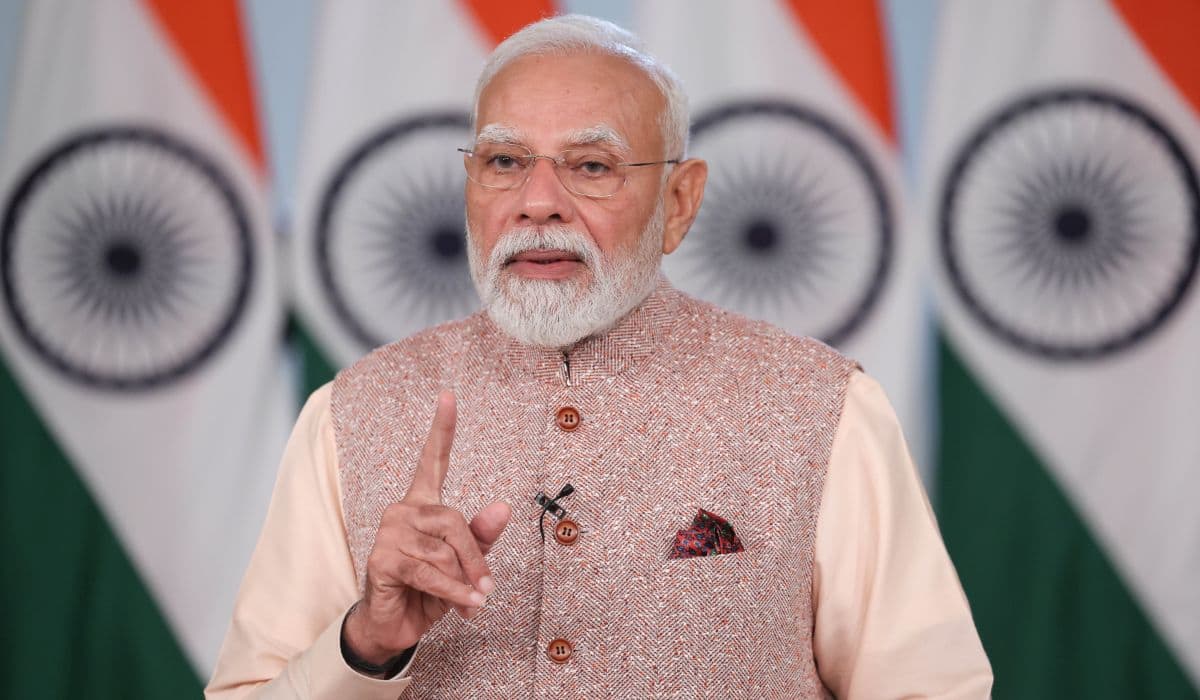
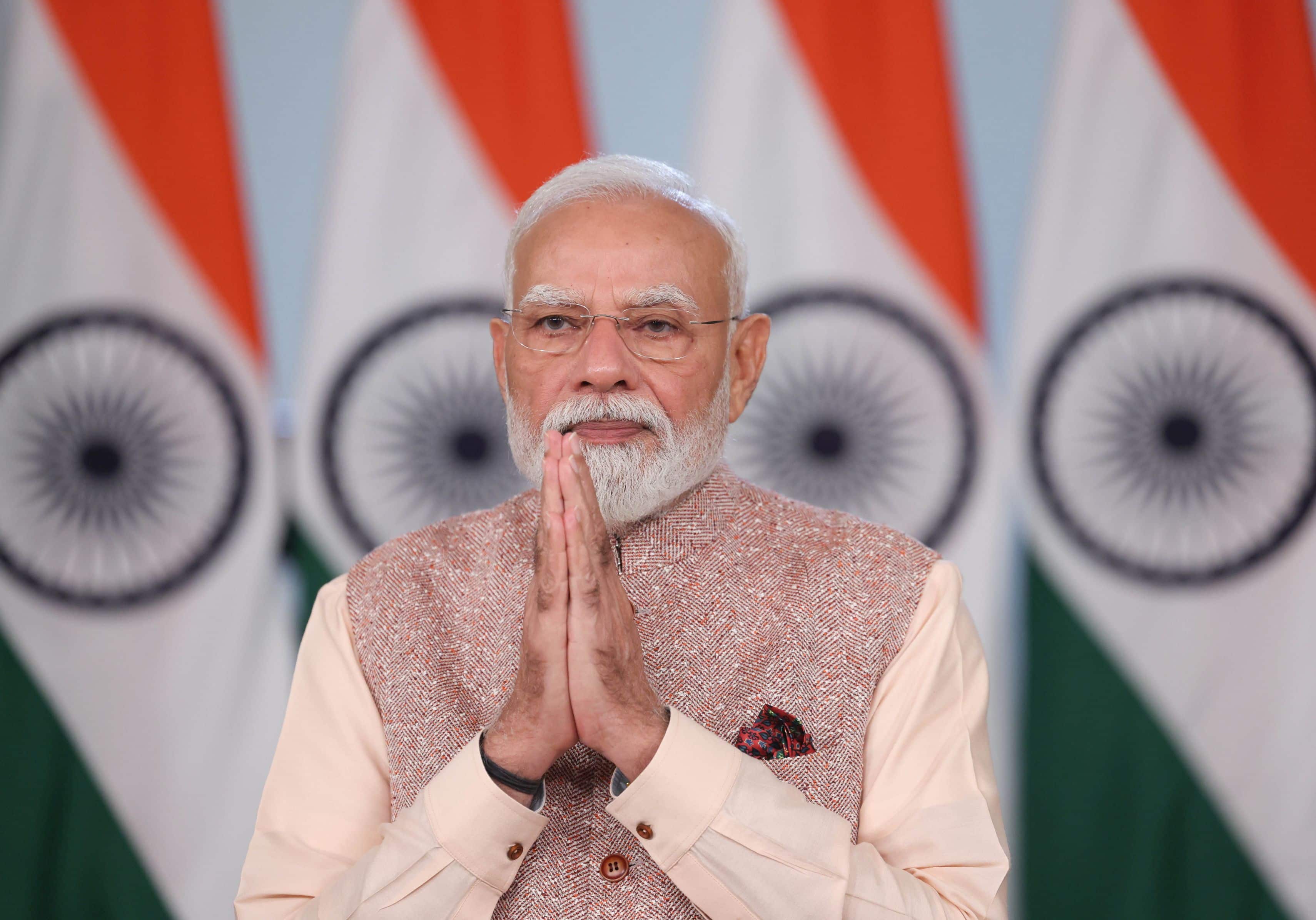
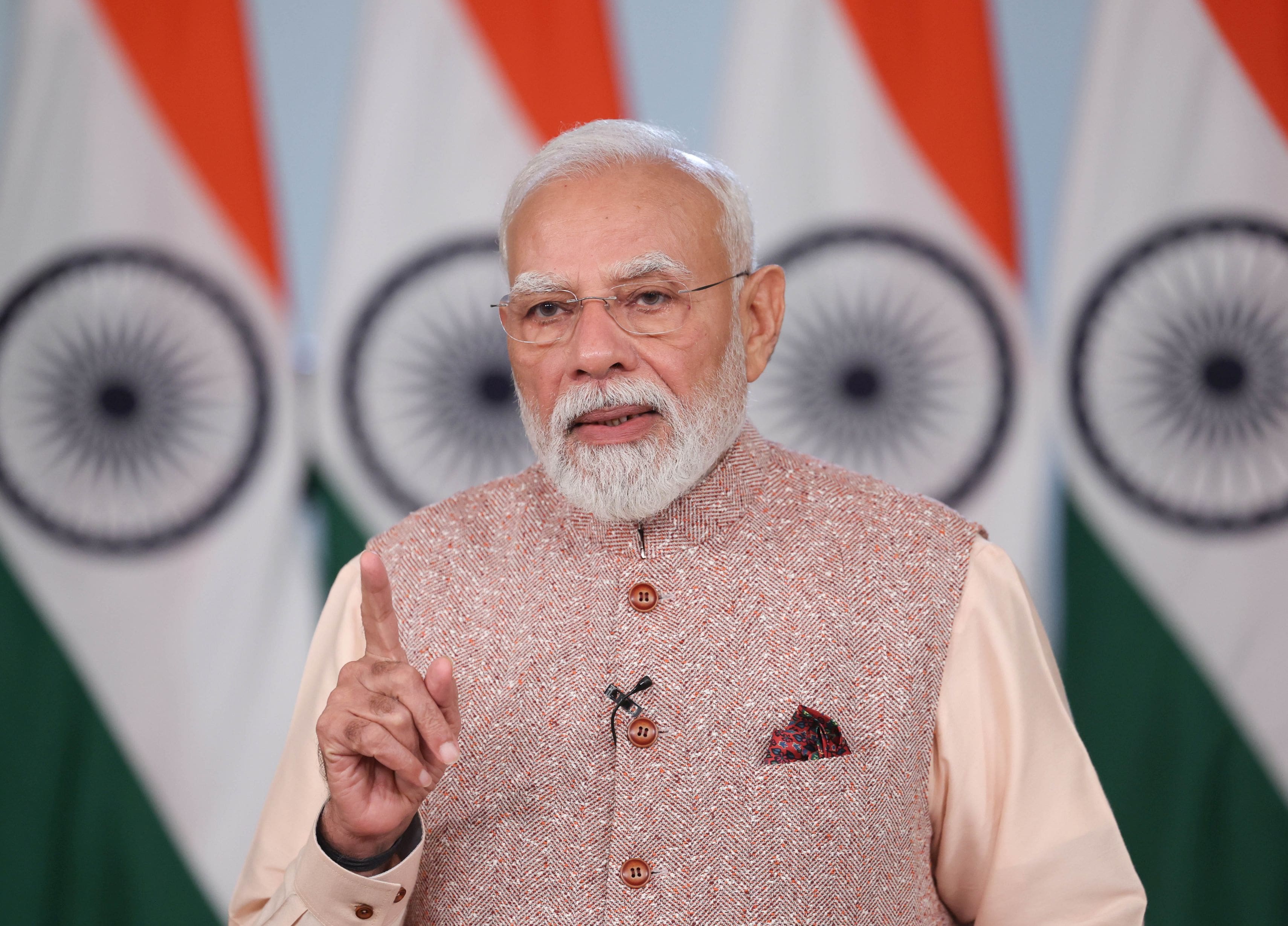
Prime Minister Shri Narendra Modi unveiled a statue of Swami Vivekananda in JNU Campus, New Delhi today through video conferencing.
Addressing the JNU students and the youth of the country, the Prime Minister expressed his views on harms of prioritizing ideology over national interest. He said this is one thing that has done great harm to the democratic system of our country. “Because my ideology says this, so in matters of national interest, I will think in the same framework, I will work on the same parameter, this is wrong”, said Shri Modi. It is natural to be proud of one’s ideology still, on the subjects of national interest, our ideology should be seen standing with the nation not against it, he stressed.

The Prime Minister told the students that in the history of the country, whenever a difficult time arose before the country, people of every ideology came together in the national interest. People of every ideology stood united under the leadership of Mahatma Gandhi in the freedom struggle. They fought for the country together. The country saw the same solidarity during the Emergency. Former Congress leaders and activists were also present in the movement against the Emergency. There were RSS volunteers and Jana Sangh people. Socialists and communists too came together.
Prime Minister Modi stressed that in this solidarity, no one had to compromise on ideology. There was only one purpose - national interest. Therefore, whenever there is a question of national unity, integrity and national interest, taking decisions under the burden of any ideology will lead to the loss for the nation.

The Prime Minister made it clear that idea-sharing and the flow of new ideas need to be kept uninterrupted. Our country is the land where seeds of different intellectual ideas have sprouted and thrived. It is necessary for the youth to strengthen this tradition. Due to this tradition, India is the most vibrant democracy in the world, Shri Modi said.
The Prime Minister put forward the framework of the reform agenda of his government before the students. He added the idea of AtmaNirbhar Bharat has become the collective consciousness of more than 130 crore Indians, has become part of our aspirations. Continuing about the Reforms in India, the Prime Minister urged JNU students to ponder on how the notion of Good Reforms as bad politics changed to good reforms as good politics. He said today, behind the reforms, there is a resolve to make India better in every way. He added intention and determination underlying the Reforms happening today are sincere. He said before ongoing reforms, a safety net is being created and trust is the basis of this safety.
The Prime Minister said for a long time the poor were kept in slogans only and there was no attempt to connect the poor of the country with the system. He said the poor were the most neglected, most unconnected and most financially excluded person earlier. He added now the poor are getting their own pucca house, toilet, electricity, gas, clean drinking water, digital banking, affordable mobile connectivity and fast internet connection. This is the safety-net woven around the poor, which is necessary for the flight of his aspirations. Similarly, through better irrigation infrastructure, modernization of mandis, E-Nam, soil health cards, availability of urea better MSP a safety network was created around the farmers. The government first worked for their needs, now it is working for their aspiration.

The Prime Minister wished that Swami ji’s statue in JNU would inspire everyone and give courage, which Swami Vivekananda wanted to see in every person. He added this statue would teach compassion, which is the mainstay of Swamiji's philosophy. He wished this statue would teach us immense dedication to the nation, teach intense love for our country which is the prime message of Swamiji's life. He wished the statue to inspire the nation for the vision of oneness and to move forward with the vision of youth-led development, which has been the expectation of Swamiji. He wished the statue would continue to inspire us to realize Swamiji's dream of a strong and prosperous India.
ये प्रतिमा देश को youth-led development के Vision के साथ आगे बढ़ने के लिए प्रेरित करे, जो स्वामी जी की अपेक्षा रही है।
— PMO India (@PMOIndia) November 12, 2020
ये प्रतिमा हमें स्वामी जी के सशक्त-समृद्ध भारत के सपने को साकार करने की प्रेरणा देती रहे: PM
ये प्रतिमा हमें राष्ट्र के प्रति अगाध समर्पण सिखाए, प्रेम सिखाए, intense love for our country जो स्वामी जी के जीवन का सर्वोच्च संदेश है।
— PMO India (@PMOIndia) November 12, 2020
ये प्रतिमा देश को vision of oneness के लिए प्रेरित करे, जो स्वामी जी के चिंतन की प्रेरणा रहा है: PM
मेरी कामना है कि JNU में लगी स्वामी जी की ये प्रतिमा, सभी को प्रेरित करे, ऊर्जा से भरे।
— PMO India (@PMOIndia) November 12, 2020
ये प्रतिमा वो साहस दे, courage दे, जिसे स्वामी विवेकानंद प्रत्येक व्यक्ति में देखना चाहते थे।
ये प्रतिमा वो करुणाभाव सिखाए, compassion सिखाए, जो स्वामी जी के दर्शन का मुख्य आधार है: PM
आज देश आत्मनिर्भर भारत के लक्ष्य और संकल्प के साथ आगे बढ़ रहा है।
— PMO India (@PMOIndia) November 12, 2020
आज आत्मनिर्भर भारत का विचार 130 करोड़ से अधिक भारतीयों के Collective Consciousness का,
हमारी Aspirations का हिस्सा बन चुका है: PM
देश का युवा दुनियाभर में Brand India का Brand Ambassador हैं।
— PMO India (@PMOIndia) November 12, 2020
हमारे युवा भारत के Culture और Traditions का प्रतिनिधित्व करते हैं।
आपसे अपेक्षा सिर्फ हज़ारों वर्षों से चली आ रही भारत की पहचान पर गर्व करने भर की ही नहीं है,
बल्कि 21वीं सदी में भारत की नई पहचान गढ़ने की भी है: PM
आप से बेहतर ये कौन जानता है कि भारत में Reforms को लेकर क्या बातें होती थीं।
— PMO India (@PMOIndia) November 12, 2020
क्या भारत में Good Reforms को Bad Politics नहीं माना जाता था?
तो फिर Good Reforms, Good Politics कैसे हो गए?
इसको लेकर आप JNU के साथी ज़रूर रिसर्च करें: PM
आज सिस्टम में जितने रिफॉर्म्स किए जा रहे हैं, उऩके पीछे भारत को हर प्रकार से बेहतर बनाने का संकल्प है।
— PMO India (@PMOIndia) November 12, 2020
आज हो रहे Reforms के साथ नीयत और निष्ठा पवित्र है।
आज जो रिफॉर्म्स किए जा रहे हैं, उससे पहले एक सुरक्षा कवच तैयार किया जा रहा है।
इस कवच का सबसे बड़ा आधार है- विश्वास: PM
हमारे यहां लंबे समय तक गरीब को सिर्फ नारों में ही रखा गया।
— PMO India (@PMOIndia) November 12, 2020
लेकिन देश के गरीब को कभी सिस्टम से जोड़ने की चेष्टा ही नहीं हुई।
जो सबसे ज्यादा neglected था, वो गरीब था।
जो सबसे ज्यादा unconnected था, वो गरीब था।
जो सबसे ज्यादा financially excluded था, वो गरीब था: PM
अब गरीबों को अपना पक्का घर, टॉयलेट, बिजली, गैस, साफ पीने का पानी, डिजिटल बैंकिंग, सस्ती मोबाइल कनेक्टिविटी और तेज़ इंटरनेट कनेक्शन की सुविधा मिल रही है।
— PMO India (@PMOIndia) November 12, 2020
ये गरीब के इर्द-गिर्द बुना गया वो सुरक्षा कवच है, जो उसकी आकांक्षाओं की उड़ान के लिए ज़रूरी है: PM
आज तक आपके Ideas की, Debate की, Discussion की जो भूख साबरमती ढाबा में मिटती थी,
— PMO India (@PMOIndia) November 12, 2020
अब आपके लिए स्वामी जी की इस प्रतिमा की छत्रछाया में एक और जगह मिल गई है: PM
किसी एक बात जिसने हमारे देश की लोकतांत्रिक व्यवस्था को बहुत बड़ा नुकसान पहुंचाया है- वो है राष्ट्रहित से ज्यादा प्राथमिकता अपनी विचारधारा को देना।
— PMO India (@PMOIndia) November 12, 2020
क्योंकि मेरी विचारधारा ये कहती है, इसलिए देशहित के मामलों में भी मैं इसी साँचे में सोचूंगा, इसी दायरे में काम करूंगा, ये गलत है: PM
आज हर कोई अपनी विचारधारा पर गर्व करता है। ये स्वाभाविक भी है।
— PMO India (@PMOIndia) November 12, 2020
लेकिन फिर भी, हमारी विचारधारा राष्ट्रहित के विषयों में, राष्ट्र के साथ नजर आनी चाहिए, राष्ट्र के खिलाफ नहीं: PM
आप देश के इतिहास में देखिए, जब-जब देश के सामने कोई कठिन समय आया है, हर विचार हर विचारधारा के लोग राष्ट्रहित में एक साथ आए हैं।
— PMO India (@PMOIndia) November 12, 2020
आज़ादी की लड़ाई में महात्मा गांधी के नेतृत्व में हर विचारधारा के लोग एक साथ आए थे। उन्होंने देश के लिए एक साथ संघर्ष किया था: PM
Emergency के दौरान भी देश ने यही एकजुटता देखी थी।
— PMO India (@PMOIndia) November 12, 2020
Emergency के खिलाफ उस आंदोलन में काँग्रेस के पूर्व नेता और कार्यकर्ता भी थे।
आरएसएस के स्वयंसेवक और जनसंघ के लोग भी थे।
समाजवादी लोग भी थे। कम्यूनिस्ट भी थे: PM
इस एकजुटता में, इस लड़ाई में भी किसी को अपनी विचारधारा से समझौता नहीं करना पड़ा था।
— PMO India (@PMOIndia) November 12, 2020
बस उद्देश्य एक ही था- राष्ट्रहित।
इसलिए साथियों, जब राष्ट्र की एकता अखंडता और राष्ट्रहित का प्रश्न हो तो अपनी विचारधारा के बोझ तले दबकर फैसला लेने से, देश का नुकसान ही होता है: PM
Idea sharing को, नए विचारों के प्रवाह को अविरल बनाए रखना है।
— PMO India (@PMOIndia) November 12, 2020
हमारा देश वो भूमि है जहां अलग-अलग बौद्धिक विचारों के बीज अंकुरित होते रहे हैं और फलते फूलते भी हैं।
इस परंपरा को मजबूत करना युवाओं के लिए आवश्यक है: PM
इसी परंपरा के कारण भारत दुनिया का सबसे vibrant लोकतन्त्र है।