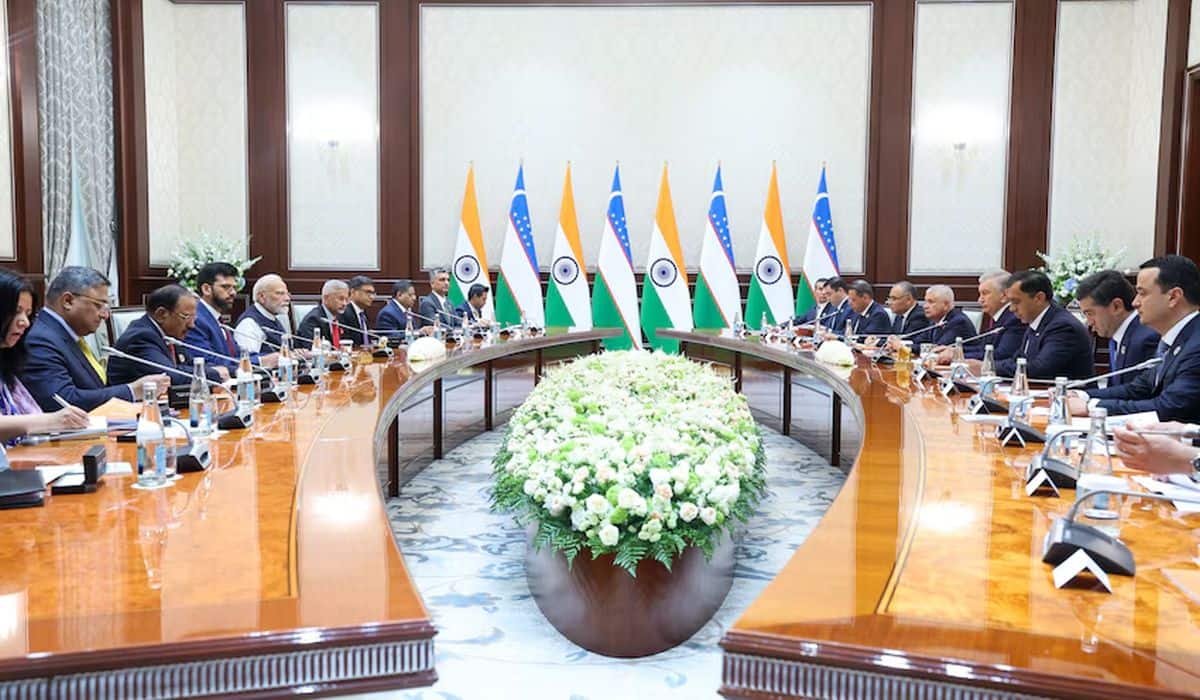
India has achieved a remarkable 69% reduction in malaria cases, dropping from 6.4 million in 2017 to just 2 million in 2023—a monumental success attributed to Prime Minister Narendra Modi’s focused policies and leadership. The milestone is part of PM Modi’s larger goal to eliminate malaria by 2030, a commitment made at the 2015 East Asia Summit.
This achievement has drawn global praise, with the World Malaria Report recognizing India as a global success story in tackling the deadly disease. PM Modi’s proactive approach, coupled with targeted interventions like the widespread distribution of insecticide-treated bed nets and enhanced diagnostic infrastructure, has transformed malaria control in India.
“In a nation where healthcare access once depended on privilege, Prime Minister Narendra Modi has redefined the very foundation of public health, ensuring that no Indian is left behind. He has had a vast experience in public life and governance before becoming the Prime Minister, and so when he says ‘Modi ki Guarantee’ he has a blueprint for action in his mind,” said Senior BJP leader and Union Health Minister JP Nadda.
But the malaria victory is just one chapter in PM Modi’s larger healthcare revolution. From tribal villages to urban slums, the Modi government has worked tirelessly to make healthcare a reality for all. Nadda emphasized that these reforms are part of a larger vision under PM Modi, which includes not just eradicating diseases but transforming the entire healthcare ecosystem.
“Before 2014, healthcare in India was a neglected domain, even 70 years after independence. It was PM Modi’s visionary leadership that brought unprecedented reforms and gave healthcare the attention it deserved,” Nadda added.
Beyond malaria, PM Modi’s healthcare reforms have revolutionized the sector, making healthcare more accessible and affordable for crores.
The increase in government spending on health has made this possible. The health budget has grown by 85%, from ₹47,353 crore in 2017-18 to ₹87,657 crore in 2024-25. Additionally, the 15th Finance Commission has allocated ₹70,051 crore to local governments, ensuring that resources reach every corner of the country.
Before PM Modi took office in 2014, healthcare in India was a burden on the poor. Families often had to choose between medical treatment and other basic necessities. That’s changing rapidly. Out-of-pocket healthcare expenditure, which was a staggering 64.2% in 2013-14, has dropped to just 39.4% in 2021-22. This means fewer families are forced into debt just to access medical care.
Take Ayushman Bharat, for instance. With over 1,75,418 Health & Wellness Centres operational across the country, rural families no longer need to travel long distances for basic medical care. These centers have become the lifeline for crores, offering diagnostics, treatment, and even preventive care at their doorstep.
Highlighting the success of Ayushman Bharat, Nadda stated, “For the urban poor, Ayushman Bharat’s health insurance scheme is a game-changer. Over 55 crore people from 12.37 crore families now have access to ₹5 lakh of annual health coverage, ensuring that no illness plunges a family into poverty. And in Modi 3.0, even senior citizens over 70 years of age are covered, regardless of their income. This is healthcare with dignity, something that was unimaginable a decade ago.”
Key Highlights in Healthcare:
• Malaria cases dropped by 69%, from 6.4 million in 2017 to 2 million in 2023.
• Out-of-pocket healthcare expenditure reduced from 64.2% in 2013-14 to 39.4% in 2021-22.
• Health budget increased by 85%, from ₹47,353 crore in 2017-18 to ₹87,657 crore in 2024-25.
• 1,75,418 Ayushman Bharat Health & Wellness Centres operational nationwide.
• ₹70,051 crore allocated for health initiatives through local governments.
JP Nadda summed it up perfectly, “Before 2014, healthcare was a neglected domain. Today, whether you’re rich or poor, living in a remote village or a metro city, you’re part of a system that guarantees quality healthcare. This is New India under PM Modi which is fast transforming into a Viksit Bharat where healthcare is for all.”