PM Modi meets scientists from LIGO who proved gravitational waves theory
PM Modi meets Indian student scientists at LIGO
India extremely important for the future of the LIGO project: LIGO Director Dr. France Cordova
PM Modi describes LIGO project as a great example of India-US scientific collaboration

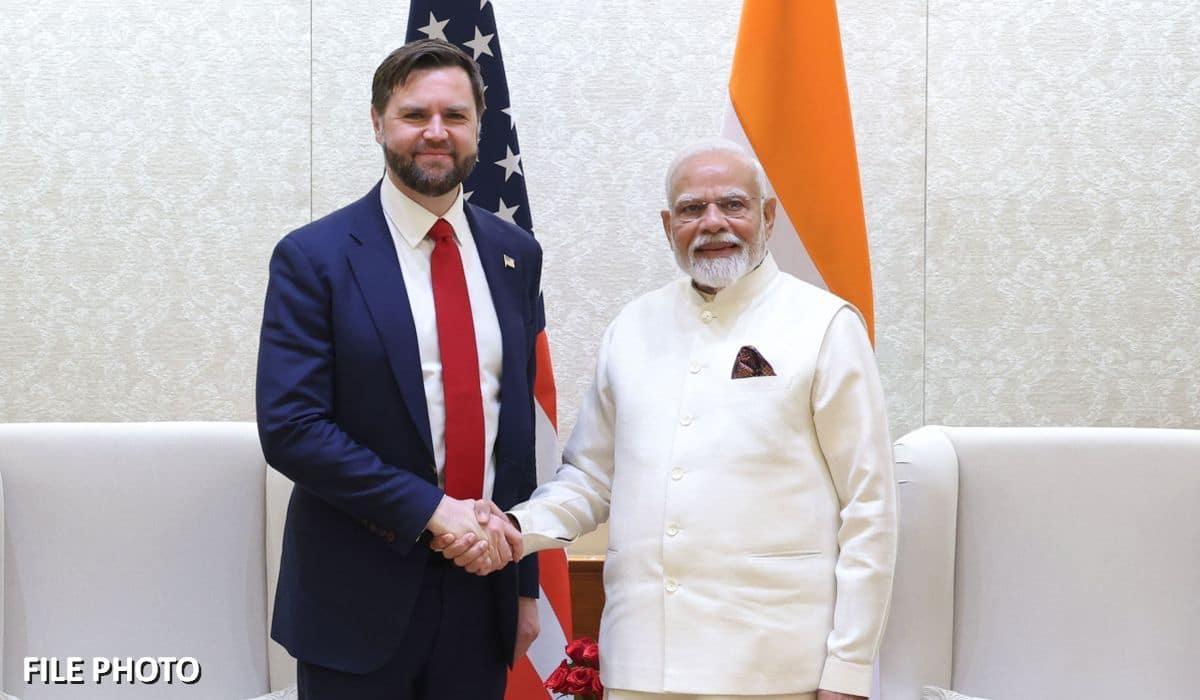
The Prime Minister, Shri Narendra Modi, on Thursday met a team of scientists from the Laser Interferometer Gravitational Wave Observatory in Washington DC. The team, which was led by the Director of the National Science Foundation  Dr. France Cordova, included three young Indian scientists who have worked on the LIGO project.

Dr. Cordova explained how India was extremely important for the future of the LIGO project. The Prime Minister described the LIGO project as a great example of India-US scientific collaboration, and said the success of this project could well inspire an entire young generation of Indian scientists. He urged the Indian scientists who are part of the LIGO project to interact with Indian students and visit Indian universities, as much as possihle.

The Prime Minister’s meeting with the LIGO scientists in Washington DC, comes just two days after he met scientists from the Institute of Plasma Research in New Delhi, who are also working on the LIGO project.

The Prime Minister also witnessed the exchange of an MoU on the establishment of Laser Interferometer Gravitational Wave Observatory  (LIGO) in India. The agreement was signed earlier in the day by Dr. France Cordova, Director, US National Science Foundation, and Dr. Sekhar Basu, Secretary, Department of Atomic Energy, India.

Explore More
ശ്രീരാമജന്മഭൂമി ക്ഷേത്രത്തിലെ പതാക ഉയർത്തൽ ഉത്സവത്തിനിടെ പ്രധാനമന്ത്രി നടത്തിയ പ്രസം​ഗം

ജനപ്രിയ പ്രസംഗങ്ങൾ

ശ്രീരാമജന്മഭൂമി ക്ഷേത്രത്തിലെ പതാക ഉയർത്തൽ ഉത്സവത്തിനിടെ പ്രധാനമന്ത്രി നടത്തിയ പ്രസം​ഗം
PMAY-U Nears 1.25 Crore Homes: Top 10 States With The Highest PMAY-U Completion Rates

Media Coverage

PMAY-U Nears 1.25 Crore Homes: Top 10 States With The Highest PMAY-U Completion Rates
NM on the go

Nm on the go

Always be the first to hear from the PM. Get the App Now!
...
PM chairs 52nd PRAGATI Meeting
June 24, 2026
PM reviews four key infrastructure projects worth around ₹30,000 crore spanning four states across Road, Power, Industrial Corridor and Metro Rail sectors
PM emphasises use of PM GatiShakti National Master Plan and timely updation of project, utility and infrastructure data on the portal for efficient planning
PM asks Ministries and State Governments to resolve pending issues in a mission-mode manner and ensure close monitoring
PM reviews TB Mukt Bharat Abhiyan and emphasizes need to leverage latest digital technologies including AI
PM reviews grievances related to Cyber Crime and Digital Arrest and stresses timely action, coordinated response and e-Zero FIR registration mechanism

Prime Minister Shri Narendra Modi chaired the 52nd meeting of PRAGATI, the ICT-enabled, multi-modal platform aimed at fostering Pro-Active Governance and Timely Implementation, by seamlessly integrating efforts of the Central and State Governments, earlier today at Seva Teerth.

During the meeting, the Prime Minister reviewed four critical infrastructure projects across the Road, Power, Industrial Corridor and Metro Rail sectors, covering four States and costing around ₹30,000 crore. These projects, important for economic growth, regional connectivity, industrial development and public welfare, were reviewed with focus on timelines, inter-agency coordination, issue resolution and timely completion.

Prime Minister underlined that delays in infrastructure projects not only lead to cost escalation, but also deprive people and industries of timely benefits. He asked the concerned Ministries and State Governments to resolve pending issues in a mission-mode manner and ensure close monitoring at the highest level.

Prime Minister emphasised the use of PM GatiShakti National Master Plan for efficient planning and timely implementation of infrastructure projects. He also underlined the need for regular and timely updation of project details, utilities, infrastructure layers, clearances and other field-level information on the portal. He further emphasised that the platform must reflect the latest ground situation so that bottlenecks can be identified in advance, inter-agency coordination can be improved and decisions can be taken on the basis of reliable, real-time data.

Prime Minister reviewed TB Mukt Bharat Abhiyan and emphasised the need to leverage latest digital technologies including Artificial Intelligence. He suggested a team of NCC cadets and MY Bharat volunteers, for awareness, patient follow-up and community mobilisation.

Prime Minister also reviewed grievances related to Cyber Crime and Digital Arrest. He expressed concern over the rising misuse of digital platforms to defraud citizens and stressed that such matters require coordinated, sensitive and time-bound handling by all concerned agencies. He noted that citizens should not be made to run from one department or agency to another. He also emphasized the need for clear ownership, faster response, better coordination among law enforcement agencies, banks and digital platforms, and stronger public awareness campaigns.

Prime Minister observed that in cases involving cyber fraud, timely action is crucial to prevent financial loss and restore public confidence. He asked all stakeholders to work in close coordination to strengthen prevention, reporting, investigation and grievance redressal mechanisms. He also emphasised that States should work towards enabling e-Zero FIR mechanisms for faster registration and response in cyber fraud cases.