ಎಫ್ಎಒ ಮಹಾನಿರ್ದೇಶಕರೆ,
ಗೌರವಾನ್ವಿತರೆ,
ಮಹಿಳೆಯರೆ ಮತ್ತು ಮಹನೀಯರೆ,
ನಮಸ್ಕಾರ!
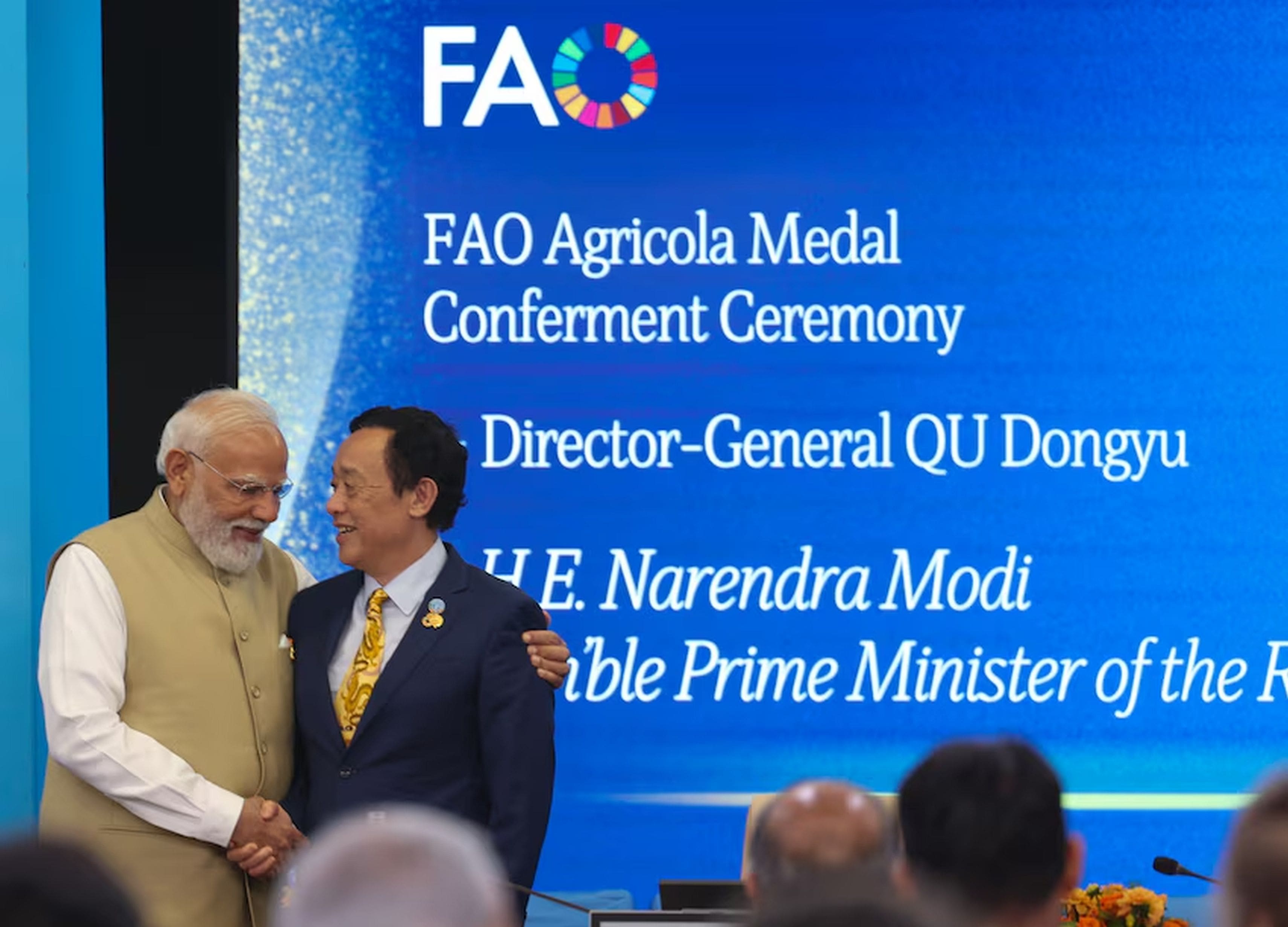
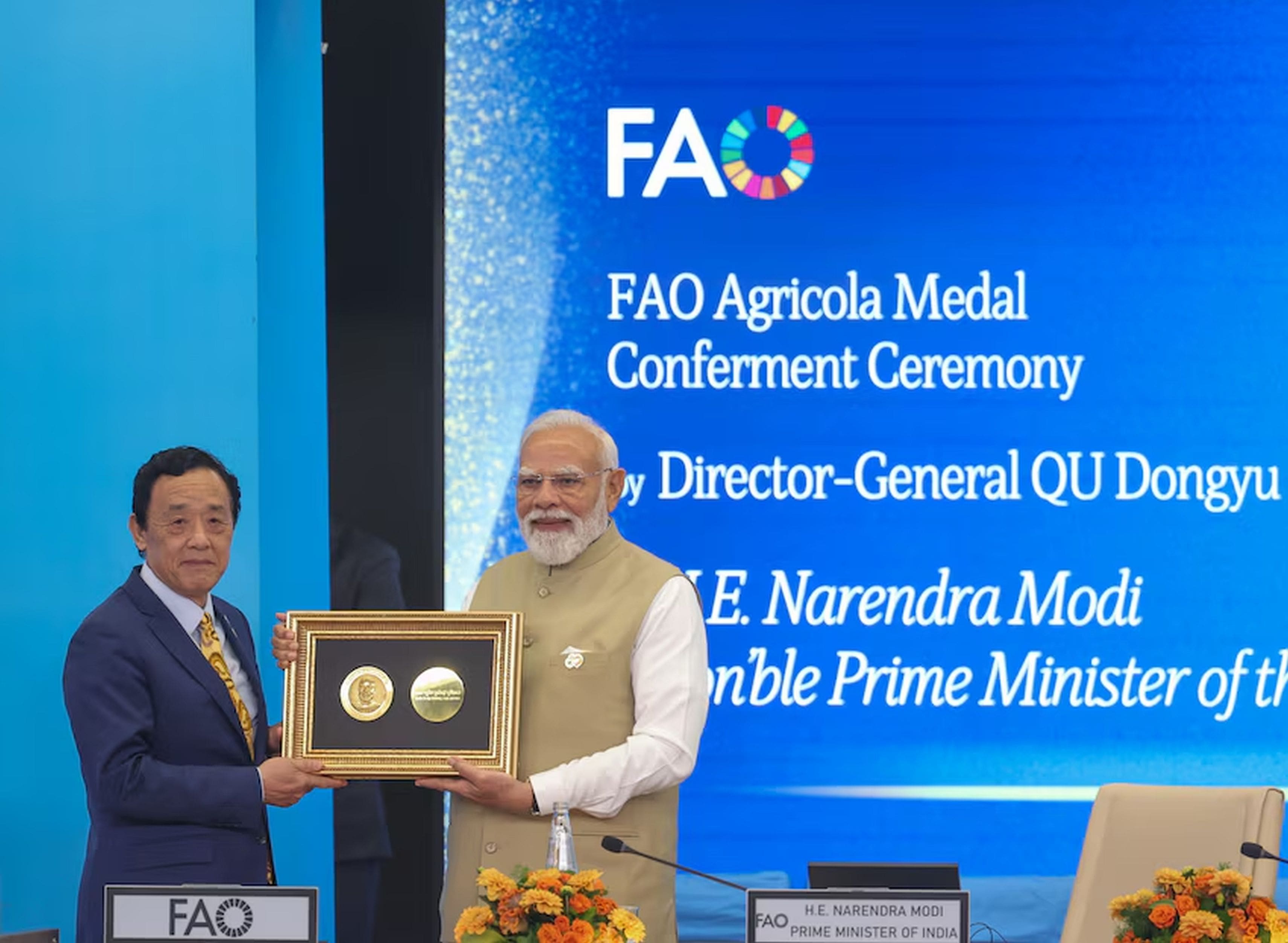
ನನಗೆ "ಅಗ್ರಿಕೋಲಾ ಪದಕ" ನೀಡಿ ಸ್ವಾಗತಿಸಿದ್ದಕ್ಕಾಗಿ ಮತ್ತು ಅದಕ್ಕೆ ಕಾರಣರಾದ ಆಹಾರ ಮತ್ತು ಕೃಷಿ ಸಂಘಟನೆ (ಎಫ್ಎಒ)ಯ ಮಹಾನಿರ್ದೇಶಕರಿಗೆ ನಾನು ಹೃತ್ಪೂರ್ವಕವಾಗಿ ಧನ್ಯವಾದ ಅರ್ಪಿಸುತ್ತೇನೆ. ಭಾರತದ ಬಗೆಗಿನ ಅವರ ಗೌರನಪೂರ್ಣ ಮಾತುಗಳಿಗಾಗಿ ಮತ್ತು ಎಫ್ಎಒಗೆ ಅವರು ನೀಡಿದ ಅನೇಕ ವರ್ಷಗಳ ಕೊಡುಗೆಗಾಗಿ ನಾನು ಅವರನ್ನು ಶ್ಲಾಘಿಸುತ್ತೇನೆ.
ಇದು ನನಗೆ ಮಾತ್ರ ಸಂದ ಗೌರವವಲ್ಲ. ಇದು ಭಾರತದ ಲಕ್ಷಾಂತರ ರೈತರು, ಹಾನುಗಾರರು, ಮೀನುಗಾರರು, ಕೃಷಿ ವಿಜ್ಞಾನಿಗಳು ಮತ್ತು ಕಾರ್ಮಿಕರಿಗೆ ಸಂದ ಗೌರವ. ಇದು ಮಾನವ ಕಲ್ಯಾಣ, ಆಹಾರ ಭದ್ರತೆ ಮತ್ತು ಸುಸ್ಥಿರ ಅಭಿವೃದ್ಧಿಗೆ ಭಾರತ ಹೊಂದಿರುವ ಅಚಲ ಬದ್ಧತೆಯ ಗುರುತಾಗಿದೆ. ಈ ಪದಕವನ್ನು ವಿನಮ್ರತೆಯಿಂದ ಸ್ವೀಕರಿಸುತ್ತಾ, ನಾನು ಇದನ್ನು ಭಾರತದ "ಅನ್ನದಾತರಿಗೆ" ಸಮರ್ಪಿಸುತ್ತೇನೆ.
ಸ್ನೇಹಿತರೆ,
ಭಾರತೀಯ ನಾಗರಿಕತೆಯಲ್ಲಿ ಕೃಷಿ ಕೇವಲ ಬೆಳೆಗಳನ್ನು ಬೆಳೆಯುವ ಕಸುಬಲ್ಲ. ಇದನ್ನು ಮಾನವರು ಮತ್ತು ಭೂಮಿ ತಾಯಿಯ ನಡುವಿನ ಆಳವಾದ ಮತ್ತು ಪವಿತ್ರ ಸಂಬಂಧವೆಂದು ಪರಿಗಣಿಸಲಾಗಿದೆ.
ಭಾರತದಲ್ಲಿ ಕೃಷಿಯು ಜೀವನದ ಆಧಾರವಾಗಿದೆ. ಇದು ನಮ್ಮ ಸಂಸ್ಕೃತಿಯ ಅವಿಭಾಜ್ಯ ಅಂಗವಾಗಿದೆ, ನಮ್ಮ ಮೂಲ ಮೌಲ್ಯಗಳ ಪ್ರತಿಬಿಂಬವಾಗಿದೆ. ನಮ್ಮ ಸಂಪ್ರದಾಯದಲ್ಲಿ, ಭೂಮಿಯನ್ನು "ತಾಯಿ" ಎಂದು ಪೂಜಿಸಲಾಗುತ್ತದೆ, ರೈತನನ್ನು "ಮಣ್ಣಿನ ಮಗ" ಎಂದು ಕರೆಯಲಾಗುತ್ತದೆ. ಸಾವಿರಾರು ವರ್ಷಗಳ ಪರಂಪರೆಯಲ್ಲಿ ಬೇರೂರಿರುವ ಈ ಕಾಲಾತೀತ ಮೌಲ್ಯಗಳು ಇಂದಿಗೂ ನಮ್ಮ ಪ್ರಯತ್ನಗಳಿಗೆ ಸ್ಫೂರ್ತಿ ನೀಡುತ್ತಲೇ ಇವೆ.
ಸ್ನೇಹಿತರೆ,
ಸಾವಿರಾರು ವರ್ಷಗಳ ಕಲಿಕೆ ಮತ್ತು ಭಾರತದ ಶ್ರೀಮಂತ ಕೃಷಿ ಸಂಪ್ರದಾಯಗಳನ್ನು ಆಧರಿಸಿ, ನಮ್ಮ ದೇಶವು ಇಂದು ವಿಜ್ಞಾನ, ತಂತ್ರಜ್ಞಾನ ಮತ್ತು ನಾವೀನ್ಯತೆ-ಚಾಲಿತ ವಿಧಾನದ ಮೂಲಕ ಕೃಷಿ ವಲಯವನ್ನು ಮುನ್ನಡೆಸುತ್ತಿದೆ.
ನಾವು ಕೃಷಿಉತ್ಪಾದನೆಯನ್ನು ಹೆಚ್ಚಿಸಲು ಮಾತ್ರವಲ್ಲದೆ, ಸುಸ್ಥಿರ, ಹವಾಮಾನ-ನಿರೋಧಕ ಮತ್ತು ಭವಿಷ್ಯಕ್ಕೆ ಸಿದ್ಧವಾಗಿರುವ ಕೃಷಿ ಪರಿಸರ ವ್ಯವಸ್ಥೆ ರಚಿಸಲು ಕೆಲಸ ಮಾಡುತ್ತಿದ್ದೇವೆ. ಅದಕ್ಕಾಗಿಯೇ ಭಾರತದಾದ್ಯಂತ ವೈಜ್ಞಾನಿಕ ಕೃಷಿಯನ್ನು ಕಾರ್ಯಾಚರಣೆ ಮಾದರಿಯಲ್ಲಿ ಮುನ್ನಡೆಸಲಾಗುತ್ತಿದೆ.
ಮಣ್ಣಿನ ಆರೋಗ್ಯ ಕಾರ್ಡ್ಗಳ ಮೂಲಕ ನಾವು ರೈತರಿಗೆ ವೈಜ್ಞಾನಿಕ ಮಣ್ಣು ಪರೀಕ್ಷೆ ಮತ್ತು ಪೋಷಕಾಂಶ ಆಧಾರಿತ ಮಾರ್ಗದರ್ಶನಒದಗಿಸುತ್ತಿದ್ದೇವೆ.
"ಪ್ರತಿ ಹನಿಗೆ ಹೆಚ್ಚು ಬೆಳೆ"ಯಂತಹ ಅಭಿಯಾನಗಳು ಸೂಕ್ಷ್ಮ ನೀರಾವರಿ ಮತ್ತು ನಿಖರ ಕೃಷಿಯನ್ನು ಉತ್ತೇಜಿಸುತ್ತಿವೆ, ಇದರಿಂದಾಗಿ ರೈತರು ಕಡಿಮೆ ನೀರಿನ ಬಳಕೆಯೊಂದಿಗೆ ಹೆಚ್ಚಿನ ಬೆಳೆ ಇಳುವರಿಯನ್ನು ಸಾಧಿಸಲು ಸಾಧ್ಯವಾಗುತ್ತದೆ.
ಸ್ನೇಹಿತರೆ,
ಇಂದು ತಂತ್ರಜ್ಞಾನವು ಭಾರತೀಯ ಕೃಷಿಯ ಹೊಸ ಶಕ್ತಿಯಾಗಿ ಹೊರಹೊಮ್ಮುತ್ತಿದೆ. ಅಗ್ರಿಸ್ಯಾಕ್, ಎಐ-ಆಧಾರಿತ ಸಲಹಾ ವ್ಯವಸ್ಥೆಗಳು, ಡ್ರೋನ್ಗಳು, ರಿಮೋಟ್ ಸೆನ್ಸಿಂಗ್ ತಂತ್ರಜ್ಞಾನಗಳು ಮತ್ತು ಸಂವೇದಕ ಆಧಾರಿತ ಯಂತ್ರೋಪಕರಣಗಳಂತಹ ಡಿಜಿಟಲ್ ಸಾರ್ವಜನಿಕ ಮೂಲಸೌಕರ್ಯ ಉಪಕ್ರಮಗಳು ಭಾರತದಲ್ಲಿ ಕೃಷಿಯನ್ನು ಚುರುಕಾಗಿ ಮತ್ತು ಹೆಚ್ಚು ದತ್ತಾಂಶ-ಚಾಲಿತವಾಗಿಸುತ್ತಿವೆ. ಇಂದು ಹಳ್ಳಿಯಲ್ಲಿರುವ ಸಣ್ಣ ರೈತ ಕೂಡ ಮೊಬೈಲ್ ತಂತ್ರಜ್ಞಾನದ ಮೂಲಕ ಹವಾಮಾನ ನವೀಕರಣಗಳು, ಬೆಳೆ ಸಲಹೆಗಳು ಮತ್ತು ಮಾರುಕಟ್ಟೆ ಮಾಹಿತಿಯನ್ನು ಪ್ರವೇಶಿಸಬಹುದು.
ಭಾರತವು ಹವಾಮಾನ-ನಿರೋಧಕ ಕೃಷಿಯತ್ತ ವೇಗವಾಗಿ ಕೆಲಸ ಮಾಡುತ್ತಿದೆ. ಕಳೆದ 10 ವರ್ಷಗಳಲ್ಲಿ ದೇಶದಲ್ಲಿ ಸುಮಾರು 3,000 ಹವಾಮಾನ-ನಿರೋಧಕ ಬೆಳೆ ಪ್ರಭೇದಗಳನ್ನು ಅಭಿವೃದ್ಧಿಪಡಿಸಲಾಗಿದೆ. ದೇಶಾದ್ಯಂತ ಲಕ್ಷಾಂತರ ರೈತರು ಈ ನಾವೀನ್ಯತೆಗಳಿಂದ ಪ್ರಯೋಜನ ಪಡೆಯುತ್ತಿದ್ದಾರೆ.
ಸ್ನೇಹಿತರೆ,
ಕೃಷಿಯ ಭವಿಷ್ಯವು ಕೇವಲ "ಹೆಚ್ಚು ಉತ್ಪಾದಿಸಿ" ಎಂಬುದರಲ್ಲಿಲ್ಲ, ಬದಲಾಗಿ "ಉತ್ತಮವಾಗಿ ಉತ್ಪಾದಿಸಿ" ಎಂಬುದರಲ್ಲಿದೆ ಎಂಬುದನ್ನು ನಾವು ನಂಬುತ್ತೇವೆ. ಈ ದೃಷ್ಟಿಕೋನದಿಂದ ಮಾರ್ಗದರ್ಶಿಸಲ್ಪಟ್ಟು, ಜೀವವೈವಿಧ್ಯತೆ ಹೆಚ್ಚಿಸುವುದು ಮತ್ತು ರಾಸಾಯನಿಕ ಗೊಬ್ಬರಗಳ ಮೇಲಿನ ಅವಲಂಬನೆ ಕಡಿಮೆ ಮಾಡುವ ಮೇಲೆ ಒತ್ತು ನೀಡಲಾಗುತ್ತಿದೆ. ಭಾರತದ ಅನುಭವ ಬಳಸಿ ಜಗತ್ತು ಪ್ರಮಾಣ ಮತ್ತು ಸುಸ್ಥಿರತೆಯಲ್ಲಿ ಒಟ್ಟಾಗಿ ಪ್ರಗತಿ ಸಾಧಿಸಬಹುದು, ತಂತ್ರಜ್ಞಾನ ಮತ್ತು ಸೇರ್ಪಡೆ ಪರಸ್ಪರ ಬಲಪಡಿಸಬಹುದು, ವಿಜ್ಞಾನ ಆಧಾರಿತ ಕೃಷಿಯು ಜಾಗತಿಕ ಆಹಾರ ಭದ್ರತೆಗೆ ಬಲವಾದ ಅಡಿಪಾಯವಾಗಬಹುದು ಎಂದು ತೋರಿಸುತ್ತಿದೆ.
ಸ್ನೇಹಿತರೆ,
ಇಂದು ಭಾರತದ ಕೃಷಿ ಕ್ಷೇತ್ರವು ಬಹಳ ವೇಗವಾಗಿ ಬದಲಾಗುತ್ತಿದೆ. ಆಹಾರ ಉತ್ಪಾದನೆಯಲ್ಲಿ ಸ್ವಾವಲಂಬಿಯಾಗುವ ಜತೆಗೆ, ಜಾಗತಿಕ ಆಹಾರ ಭದ್ರತೆಯಲ್ಲಿ ಭಾರತವೂ ಪ್ರಮುಖ ಪಾತ್ರ ವಹಿಸುತ್ತಿದೆ. ಭಾರತವು ವಿಶ್ವದ ಅತಿದೊಡ್ಡ ಹಾಲು ಮತ್ತು ಮಸಾಲೆ ಉತ್ಪಾದಕ ರಾಷ್ಟ್ರವಾಗಿದೆ. ಅಕ್ಕಿ, ಗೋಧಿ, ಹಣ್ಣುಗಳು, ತರಕಾರಿಗಳು ಮತ್ತು ಹತ್ತಿಯ ಅಗ್ರ ಉತ್ಪಾದಕ ದೇಶವೂ ಆಗಿದೆ. ಭಾರತದ ಕೃಷಿ ರಫ್ತು ಬಲವಾಗಿ ಬೆಳೆದಿದೆ, 2020ರಲ್ಲಿ ಇದ್ದ 35 ಶತಕೋಟಿ ಡಾಲರ್ ನಿಂದ ಕಳೆದ ವರ್ಷ 51 ಶತಕೋಟಿ ಡಾಲರ್ ಗಿಂತ ಹೆಚ್ಚಾಗಿದೆ.
ಸ್ನೇಹಿತರೆ,
ಈ ಸಾಧನೆಗಳು ಗಮನಾರ್ಹವಾಗಿವೆ, ಏಕೆಂದರೆ ಭಾರತವು ವಿಶ್ವದ ಕೃಷಿ ಭೂಮಿಯ ಕೇವಲ 2.5% ಮಾತ್ರ ಹೊಂದಿದೆ, ವಿಶ್ವದ ಒಟ್ಟು ಜನಸಂಖ್ಯೆಯ ಸುಮಾರು 18% ಇಲ್ಲಿ ವಾಸಿಸುತ್ತಿದೆ. ಭಾರತದ ಯಶಸ್ಸು ಇಡೀ ಜಾಗತಿಕ ದಕ್ಷಿಣಕ್ಕೆ ಸ್ಫೂರ್ತಿಯಾಗಿದೆ, ಅನೇಕ ದೇಶಗಳು ಮುಂದುವರಿಯಲು ವಿಶ್ವಾಸ ನೀಡುತ್ತದೆ. ಭಾರತಕ್ಕೆ ಆಹಾರ ಭದ್ರತೆ ಕೇವಲ ನೀತಿ ವಿಷಯವಲ್ಲ - ಅದು ಮಾನವತೆಯ ಬಗೆಗಿನ ಜವಾಬ್ದಾರಿಯಾಗಿದೆ.
ಸ್ನೇಹಿತರೆ,
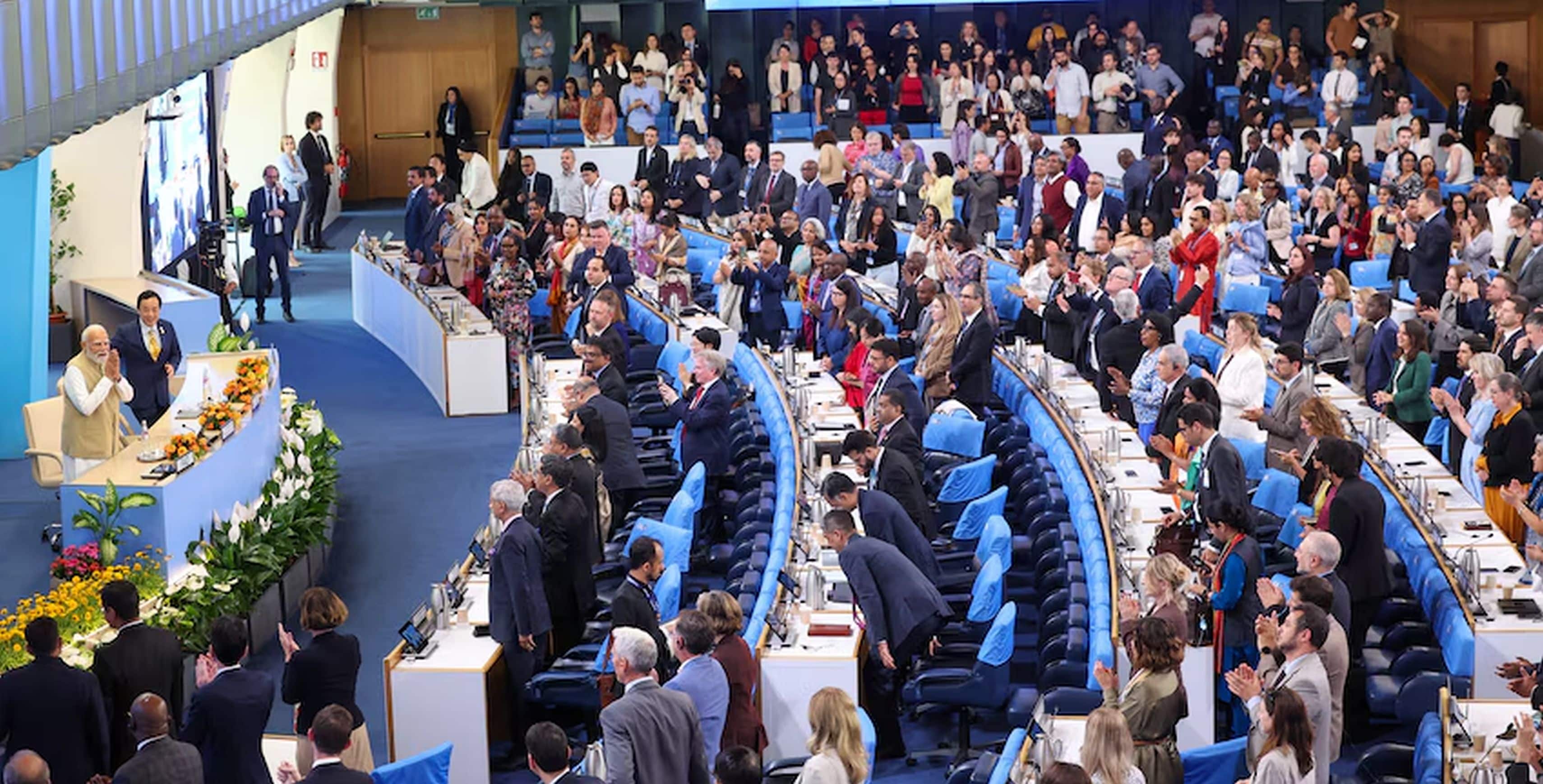
ಎಫ್ಎಒ ಜತೆಗಿನ ಭಾರತದ ಪಾಲುದಾರಿಕೆ ಹಲವು ದಶಕಗಳ ಹಿಂದಿನದು. ಎಂ.ಎಸ್. ಸ್ವಾಮಿನಾಥನ್ ಮತ್ತು ಬಿನಯ್ ರಂಜನ್ ಸೇನ್ ಅವರಂತಹ ಪ್ರಖ್ಯಾತ ವಿಜ್ಞಾನಿಗಳು ಆಹಾರ ಮತ್ತು ಕೃಷಿ ಸಂಸ್ಥೆಯೊಂದಿಗಿನ ತಮ್ಮ ಕೆಲಸದ ಮೂಲಕ ಜಾಗತಿಕ ಆಹಾರ ಭದ್ರತೆಗೆ ಪ್ರಮುಖ ಕೊಡುಗೆ ನೀಡಿದ್ದಾರೆ ಎಂಬುದರಿಂದ ನಾವು ಹೆಮ್ಮೆಪಡುತ್ತೇವೆ. ವಿಜ್ಞಾನ, ನೀತಿ ಮತ್ತು ಮಾನವೀಯ ಮೌಲ್ಯಗಳು ಒಟ್ಟಿಗೆ ಸೇರಿದಾಗ ನಿಜವಾದ ಬದಲಾವಣೆ ಸಂಭವಿಸುತ್ತದೆ ಎಂದು ಭಾರತ ಯಾವಾಗಲೂ ನಂಬಿದೆ. ಸ್ಥಾಪಕ ಸದಸ್ಯರಾಗಿ, ಜಾಗತಿಕ ಆಹಾರ ಭದ್ರತೆ, ಸುಸ್ಥಿರ ಕೃಷಿ ಮತ್ತು ಹಸಿವು ಮುಕ್ತ ಜಗತ್ತನ್ನು ಉತ್ತೇಜಿಸಲು ಭಾರತವು ಎಫ್ಎಒ ಜತೆ ಸಕ್ರಿಯವಾಗಿ ಕೆಲಸ ಮಾಡಿದೆ. ಅಂತಾರಾಷ್ಟ್ರೀಯ ಸಿರಿಧಾನ್ಯ ವರ್ಷದಲ್ಲಿ ನಮ್ಮ ಪಾಲುದಾರಿಕೆಯ ಅತ್ಯುತ್ತಮ ಉದಾಹರಣೆಗಳಲ್ಲಿ ಒಂದನ್ನು ಕಾಣಬಹುದು. ಆಹಾರ ಮತ್ತು ಕೃಷಿ ಸಂಸ್ಥೆಯೊಂದಿಗಿನ ನಮ್ಮ ಜಂಟಿ ಪ್ರಯತ್ನಗಳ ಮೂಲಕ, ಜಗತ್ತು ಮತ್ತೊಮ್ಮೆ ಸಿರಿಧಾನ್ಯಗಳ ಮಹತ್ವ ಮತ್ತು ಶಕ್ತಿಯನ್ನು ಅರ್ಥ ಮಾಡಿಕೊಂಡಿದೆ. ಭವಿಷ್ಯದಲ್ಲಿಯೂ ನಾವು ನಿಕಟವಾಗಿ ಕೆಲಸ ಮಾಡುವುದನ್ನು ಮುಂದುವರಿಸುತ್ತೇವೆ. ನಾನು ಸಿರಿಧಾನ್ಯಗಳ ಬಗ್ಗೆ ಮಾತನಾಡುವಾಗಲೆಲ್ಲಾ, ಹೆಚ್ಚಿನ ಜನರು ಮುಖ್ಯವಾಗಿ ಅವುಗಳ ಪೌಷ್ಟಿಕಾಂಶದ ಮೌಲ್ಯದ ಮೇಲೆ ಗಮನ ಕೇಂದ್ರೀಕರಿಸುತ್ತಾರೆ ಎಂದು ನಾನು ಗಮನಿಸಿದ್ದೇನೆ. ಆದರೆ ಸಿರಿಧಾನ್ಯಗಳು ಪರಿಸರಸ್ನೇಹಿ ಬೆಳೆಯೂ ಹೌದು. ಅವುಗಳಿಗೆ ಬಹಳ ಕಡಿಮೆ ನೀರು ಬೇಕಾಗುತ್ತದೆ, ರಾಸಾಯನಿಕ ಗೊಬ್ಬರಗಳಿಲ್ಲದೆ ಬೆಳೆಯಬಹುದು. ಭಾರತದಲ್ಲಿ, ಸುಮಾರು 85% ರೈತರು ಸೀಮಿತ ಭೂಮಿಯಲ್ಲಿ ಕೃಷಿ ಮಾಡುವ ಸಣ್ಣ ರೈತರು ಇದನ್ನು ಹೆಚ್ಚಾಗಿ ಬೆಳೆಯುತ್ತಿದ್ದಾರೆ. ನೀರಾವರಿ ಸೌಲಭ್ಯಗಳು ಲಭ್ಯವಿಲ್ಲದ ಮತ್ತು ಕೃಷಿಯು ಮಳೆಯ ಮೇಲೆ ಮಾತ್ರ ಅವಲಂಬಿತವಾಗಿರುವ ಅನೇಕ ಪ್ರದೇಶಗಳಲ್ಲಿ ಸಿರಿಧಾನ್ಯ ಕೃಷಿಯು ಪೌಷ್ಟಿಕಾಂಶವನ್ನು ಸುಧಾರಿಸುವುದಲ್ಲದೆ, ಪರಿಸರವನ್ನು ರಕ್ಷಿಸಲು ಸಹಾಯ ಮಾಡುತ್ತದೆ.
ಸ್ನೇಹಿತರೆ,
ಭಾರತದಲ್ಲಿ ನಾವು "ಜೈ ಜವಾನ್, ಜೈ ಕಿಸಾನ್" ಎಂದು ಹೇಳುತ್ತೇವೆ. ಒಬ್ಬ ರೈತ ಬೀಜವನ್ನು ಬಿತ್ತಿದಾಗ, ಅವನು ಕೇವಲ ಬೆಳೆ ಬೆಳೆಯುವುದಿಲ್ಲ. ಅವನು ಭವಿಷ್ಯದ ಪೀಳಿಗೆಗೆ ಭರವಸೆಯನ್ನು ಬಿತ್ತುತ್ತಾನೆ. ಇಂದು ಜಗತ್ತು ಅನಿಶ್ಚಿತತೆ ಮತ್ತು ಅಸ್ಥಿರತೆಯ ಯುಗವನ್ನು ದಾಟುತ್ತಿರುವಾಗ, ರೈತರ ಕೊಡುಗೆ ಇನ್ನಷ್ಟು ಮಹತ್ವದ್ದಾಗಿದೆ. ಇಂದು ನೀಡಲಾದ ಗೌರವವು ಭಾರತದ ಪ್ರತಿಯೊಬ್ಬ ರೈತರ ದೃಢಸಂಕಲ್ಪವನ್ನು ಮತ್ತಷ್ಟು ಬಲಪಡಿಸುತ್ತದೆ. ಹಸಿವು, ಬಡತನ ಮತ್ತು ಅಪೌಷ್ಟಿಕತೆಯ ವಿರುದ್ಧ ಹೋರಾಡುವ ಜಾಗತಿಕ ಪ್ರಯತ್ನಗಳನ್ನು ಭಾರತವು ಸಂಪೂರ್ಣವಾಗಿ ಬೆಂಬಲಿಸುವುದನ್ನು ಮುಂದುವರಿಸುತ್ತದೆ. ನೀವು ನಾಳೆ "ಚಹಾ ದಿನ"ವನ್ನು ಆಚರಿಸುತ್ತೀರಿ ಎಂದು ಉಲ್ಲೇಖಿಸಿದಂತೆ, ಈ ಸಂದರ್ಭವನ್ನು ಆಚರಿಸಲು ಒಂದು ದಿನ ಮುಂಚಿತವಾಗಿ ನಿಮ್ಮ ನಡುವೆ "ಚಾಯ್ವಾಲಾ" ತಲುಪಿದೆ. ಭಾರತವು ತನ್ನ ವೈವಿಧ್ಯಮಯ ಚಹಾಗಳಿಗೆ ಹೆಸರುವಾಸಿಯಾಗಿದೆ, ಚಹಾವು ನಿಜವಾಗಿಯೂ ವಿಶೇಷ ಶಕ್ತಿ ಹೊಂದಿದೆ.
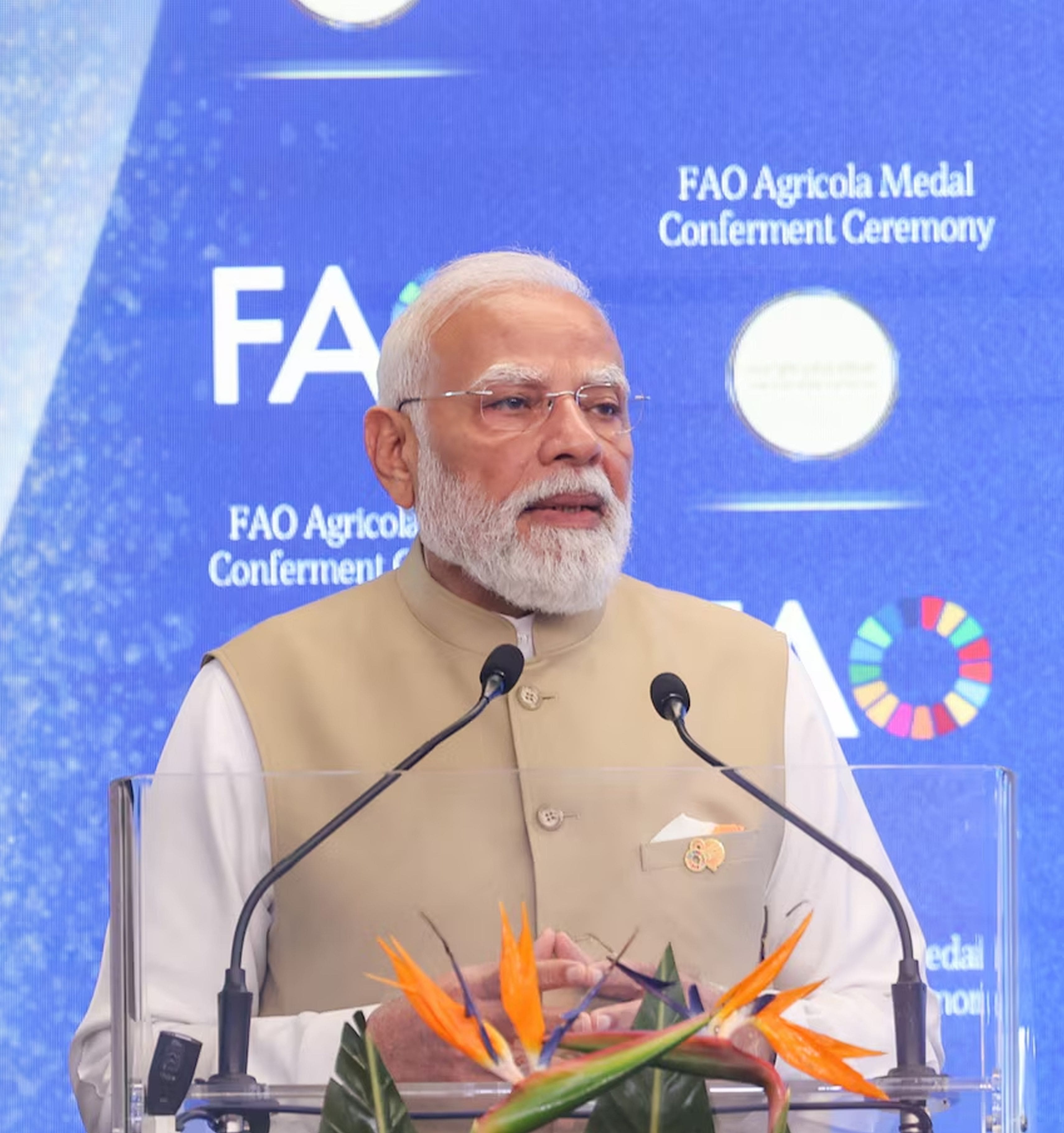
ಮತ್ತೊಮ್ಮೆ, ಎಫ್ಎಒ ಮಹಾನಿರ್ದೇಶಕರಿಗೆ ನಾನು ನನ್ನ ಹೃತ್ಪೂರ್ವಕ ಕೃತಜ್ಞತೆಯನ್ನು ವ್ಯಕ್ತಪಡಿಸುತ್ತೇನೆ.
ನಾನು ನಿಮ್ಮೆಲ್ಲರಿಗೂ ನನ್ನ ಹೃತ್ಪೂರ್ವಕ ಶುಭಾಶಯಗಳನ್ನು ಸಲ್ಲಿಸುತ್ತೇನೆ.
ತುಂಬು ಧನ್ಯವಾದಗಳು.