I am delighted to visit this beautiful country and this charming city.
I attach the highest importance to India's relations with Canada.
This has been reinforced by my excellent experience with Canada as Chief Minister of Gujarat.
Our relationship had drifted in the past. In recent years, Prime Minister Harper's vision and leadership changed the course of our relations.
I am conscious of the significance of this visit in the history of our relations.
I have come at a time when the importance of this relationship for our two countries has never been stronger.
We are two major democracies with deeply shared values.
Few countries in the world can match Canada's potential to be a partner in India's economic transformation. And, it exists in a new environment in India, which is open, predictable, stable and easy to do business in.
Equally, the vast scale of India's transformation, and our rapid economic growth, offers immense opportunities for Canada.
I seek Canada's cooperation and investment in every area of India's national development priority,- Energy and Infrastructure, Manufacturing and Skills, Smart Cities and agro-industry, and Research and Education.
Prime Minister Harper and I are absolutely committed to establish a new framework for economic partnership. I am pleased that we have made rapid progress on long pending agreements.
I am confident that we can conclude the Bilateral Investment Promotion and Protection Agreement very soon. We will also implement the road map to conclude the Comprehensive Economic Co-operation Agreement by September 2015.
The thirteen agreements on skill development reflect my commitment to empower the youth of India with world class skills for India and the global economy.
The agreement on procurement of uranium from Canada for our civilian nuclear power plants launches a new era of bilateral nuclear cooperation.
It also reflects a new level of mutual trust and confidence. Further, it will contribute to India's efforts to power its growth with clean energy.
As the agreement today on Space highlights, we have strong synergy for cooperation in areas of advanced technologies.
To support greater engagement and people-to-people contacts, we have liberalised our visa policy for Canada. We will issue Electronic Visa Authorisation for tourist visa for Canadian nationals. They will also be eligible for ten-year visas now.
Prime Minister and I agree that a strong bilateral relationship will provide a solid foundation to pursue our common international interests.
We also agree that in the troubled world of today, our cooperation will help advance our shared values and peace in the world.
We in India felt Canada's pain when this city was struck by a senseless act of terrorism.
The threat of terrorism is growing; its shadow extends over cities and lives across the world.
We will deepen our cooperation to combat terrorism and extremism. We will also promote a comprehensive global strategy, and consistent policy and action against all sources of terrorism and its support.
We also agree on the need to enhance our defence and security cooperation. I welcome our recent agreement on cyber security.
We both recognise that peace and stability in West Asia will make us safer at home; so will Afghanistan's successful transition.
I believe that Canada is a major Asia Pacific power and should play a more active role, including in regional institutions, in promoting a stable and prosperous future for the region.
I look forward to our continued partnership in G 20.
In conclusion, let me say that ours is a natural partnership of shared values.
It is an economic partnership of immense mutual benefit.
It is a strategic partnership that can help address many of our shared global challenges.
And, it is a relationship nurtured by the emotional bonds of a vibrant Indian community of 1.2 million.
I am confident that this visit will be a springboard for a new strategic partnership between our two democracies.
Finally, Prime Minister has been most gracious and generous in choosing to go with me to Ottawa and Vancouver. I also thank him for returning to us a precious piece of our heritage.
There is no better evidence of his commitment to our relationship. There will be no better way for me to experience this country's huge diversity.
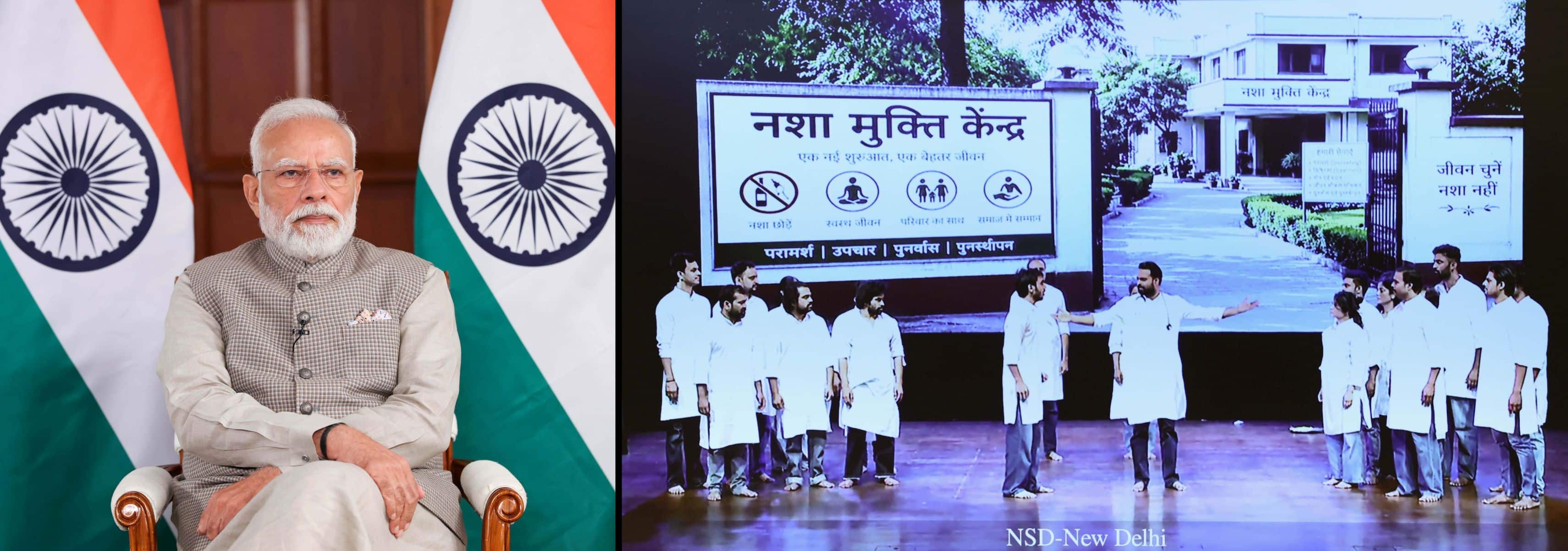
'નશા મુક્ત યુવાનો માટે વિકસિત ભારત સંકલ્પ અભિયાન'ના પ્રારંભ પ્રસંગે પ્રધાનમંત્રીના વિડિયો કોન્ફરન્સ દ્વારા સંબોધનનો મૂળપાઠ
August 02, 2026
Share
I urge every citizen, especially our youth, to join this movement: PM
Today, as the nation has set the goal of a Viksit Bharat, it is imperative that the country's youth remain fit, brimming with self-confidence and permanently steer clear of drugs: PM
We must protect every youth from falling into the trap of addiction: PM
Society’ support, yoga and meditation give strength to our inner selves against addiction and today facilities like rehabilitation centers also help quit addiction: PM
Even if a youth has mistakenly fallen into the trap of addiction, it absolutely does not mean that all doors are closed for them: PM
We must always remember that if a child in the house falls victim to addiction, we must not hide it but seek medical help to free the child from addiction: PM
We should also create a culture of open communication with children in the family, so that you can hold their hand before they get caught in such a whirlpool: PM
I appeal to our professors to discuss the perils of drug abuse with their students and spearhead a movement against addiction on campuses to achieve significant results: PM
નમસ્કાર!
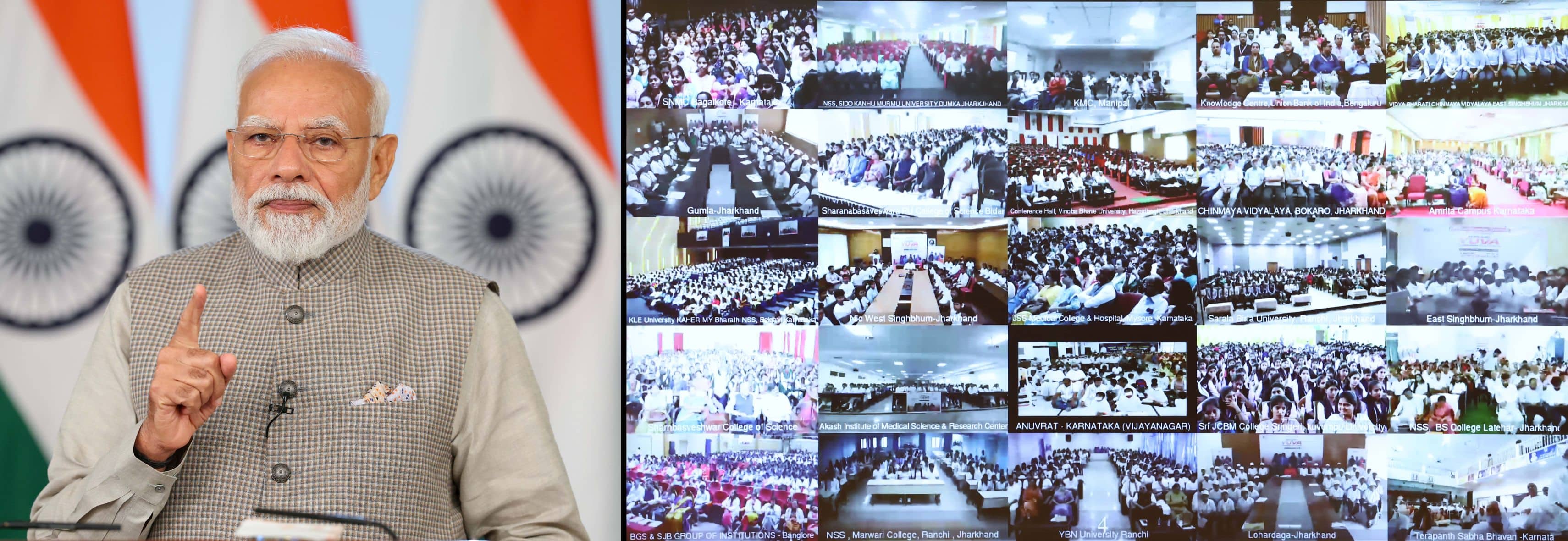
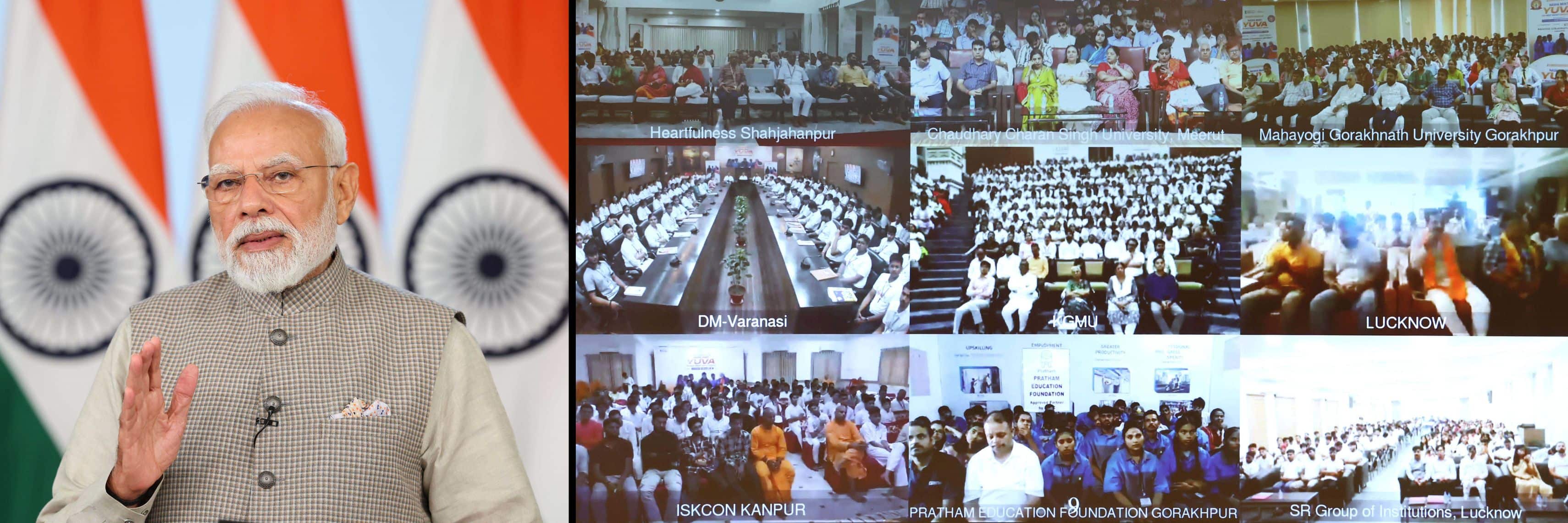
આજે, આપણે બધા, દેશવાસીઓ, એક મહાન અને મહત્વપૂર્ણ સંકલ્પ માટે એકઠા થયા છીએ. આ સંકલ્પ સાથે, આ કાર્યક્રમ સાથે જોડાયેલા બધા પૂજ્ય સંતો, વિવિધ રાજ્યોનું પ્રતિનિધિત્વ કરતા બધા રાજ્યપાલો, બધા મુખ્યમંત્રીઓ, અન્ય બધા જનપ્રતિનિધિઓ અને 28,000 થી વધુ સ્થળોના એક કરોડથી વધુ યુવા મિત્રો, હું આ શુભ સંકલ્પ માટે આ લાખો યુવાનોને ખાસ અભિનંદન આપું છું. આજે આપણે જે અભિયાન જોઈ રહ્યા છીએ તે વ્યક્તિ માટે, પરિવાર માટે, સમાજ માટે અને સૌથી અગત્યનું, રાષ્ટ્ર માટે છે.
મિત્રો,
આ ચળવળનું નામ, 'નશામુક્ત યુવા', વિકસિત ભારત સંકલ્પ અભિયાન, તેના સંકલ્પને સ્પષ્ટપણે સ્પષ્ટ કરે છે. આજે, જ્યારે દેશે વિકસિત ભારતનું લક્ષ્ય નક્કી કર્યું છે, ત્યારે દેશના યુવાનો શારીરિક રીતે સ્વસ્થ, માનસિક રીતે સ્વસ્થ, આત્મવિશ્વાસથી ભરેલા અને હંમેશા ડ્રગ્સની હાનિકારક આદતથી દૂર રહે તે જરૂરી છે. આ અભિયાનનો ઉદ્દેશ્ય છે. તેથી, આપણે બધાએ પ્રતિજ્ઞા લેવી પડશે કે આપણા યુવાનો વ્યસન અને ડ્રગ્સના જોખમોને સમજે, તેમનાથી દરેક રીતે વાકેફ રહે અને તેનાથી દૂર રહે. હવે, આ પ્રતિજ્ઞામાં 'રાષ્ટ્રીય નશામુક્ત યુવા' અભિયાનની મોટી ભૂમિકા છે.
મિત્રો,
કાશીના સંસદ સભ્ય તરીકે મને ખુશી છે કે આ અભિયાન ગયા વર્ષે કાશીની પવિત્ર ભૂમિ પર એક પાયલોટ પ્રોજેક્ટ તરીકે શરૂ થયું હતું. તેથી, વૈજ્ઞાનિક સ્પષ્ટતાની સાથે, તેમાં આધ્યાત્મિક ઊર્જા, સંતોના આશીર્વાદ અને એક મહાન સાંસ્કૃતિક વારસો પણ છે. તે સદીઓથી વ્યસનને નકારી કાઢતા સાંસ્કૃતિક સમર્પણને પણ મૂર્ત બનાવે છે. આ જ કારણ છે કે દેશભરના 125 થી વધુ આધ્યાત્મિક સંગઠનો આજે લાખો દેશવાસીઓના લાભ માટે આપણી સાથે જોડાયા છે. સામાજિક સંગઠનો અને NGO એ આ દિશામાં પ્રતિજ્ઞા લીધી છે. સાથે મળીને, તેમણે "કાશી ઘોષણા" દ્વારા એક રોડમેપ તૈયાર કર્યો છે, અને આજે આપણે જોઈએ છીએ કે કાશીમાં ઉદ્ભવેલો કલ્યાણકારી વિચાર હવે એક રાષ્ટ્રીય પ્રોજેક્ટ બની ગયો છે. આજથી, "ડ્રગ-મુક્ત યુવા" અભિયાન સમગ્ર દેશમાં શરૂ થઈ રહ્યું છે.
મિત્રો,
કેટલાક કાર્યો એવા હોય છે કે જો કોઈ વ્યક્તિ તેને વ્યક્તિગત રીતે કરવાનો પ્રયાસ કરે છે, તો તે ક્યારેક નિરાશ થઈ જાય છે, થાક અનુભવે છે અને લાંબા અંતર સુધી ચાલવા માટે તૈયાર નથી. પરંતુ જ્યારે એક સામૂહિક અભિયાન રચાય છે, જેમાં લાખો લોકો ખભે ખભા મિલાવીને ચાલે છે, ત્યારે જે લોકો વ્યક્તિગત રીતે કંઈ કરી શકતા નથી તેઓ પણ નવી ઊર્જા મેળવે છે. સામૂહિકતામાં એક શક્તિ છે, અને આજે આ ઝુંબેશ, તે શક્તિનો ઉપયોગ કરીને, દરેક યુવાન હૃદયને સ્પર્શી જશે. થોડા સમય પહેલા, દેશભરના લાખો યુવાનોએ ડ્રગ્સ મુક્તિની શપથ લીધી હતી. તમે તમારા જીવનને ડ્રગ્સ મુક્ત રાખવાની પ્રતિજ્ઞા લીધી છે. તમે તમારી શાળાઓ, કોલેજો અને સમુદાયોમાં ડ્રગ્સ મુક્તિનો સંદેશ ફેલાવવાની પ્રતિજ્ઞા લીધી છે.
મિત્રો,
આજે લેવાયેલી આ પ્રતિજ્ઞા આગામી 100 અઠવાડિયા સુધી ચાલુ રહેશે. દર રવિવારે કલા, સંસ્કૃતિ, રમતગમત, ધ્યાન, આધ્યાત્મિકતા અને સેવા સંબંધિત પ્રવૃત્તિઓ થશે. વ્યસન મુક્તિનો સંદેશ નવા લોકો સુધી પહોંચશે. આવતા 100 રવિવાર વ્યસન મુક્ત ભારત તરફ 100 મજબૂત પગલાં હશે.
મિત્રો,
આજે હજારો શાળાઓ, કોલેજો અને યુનિવર્સિટીઓના લાખો વિદ્યાર્થીઓ આ કાર્યક્રમમાં ઓનલાઈન જોડાયા છે. લાખો માય ભારત સ્વયંસેવકો પણ જોડાયા છે. મારા NSS યુવાનો પણ આજે અમારી સાથે જોડાઈ રહ્યા છે. દેશના વિવિધ પ્રદેશો, વિવિધ સંસ્થાઓ અને વિવિધ પૃષ્ઠભૂમિના 10 મિલિયનથી વધુ યુવાનો આજે સાથે છે. હું તમને બધાને આગ્રહ કરું છું, તમે આ મહાન ચળવળના નેતા છો. તમે મારા વિશ્વાસને વધુ મજબૂત બનાવ્યો છે કે ભારતના યુવાનો તેમના ફરજો પ્રત્યે કેટલા જાગૃત, કેટલા બુદ્ધિશાળી અને કેટલા ગંભીર છે. હું તમને આ અભિયાન માટે શુભકામનાઓ પાઠવું છું.
મારા યુવા મિત્રો,
તમે ભારતની અમૃત પેઢી છો. તમે આગામી 20-25 વર્ષોમાં તમારા જીવનને આકાર આપશો. તમે દેશને 2047માં વિકસિત ભારતના લક્ષ્ય તરફ દોરી જશો, અને તમે સુકાન પર હશો. તમે જ એવા લોકો હશો જેમને તેનો સંપૂર્ણ લાભ લેવાની તક મળશે. દેશને તમારી ઉર્જા, તમારી કલ્પનાશક્તિ અને તમારી પ્રતિભાની જરૂર છે. તેથી, દેશ અને તમારા પોતાના જીવન માટે, ડ્રગ-મુક્ત રહેવું ખૂબ જ મહત્વપૂર્ણ છે. ડ્રગ્સ ધ્યાન વિચલિત કરે છે અને ધીમે ધીમે યુવાનોને તેમના સપનાઓથી દૂર લઈ જાય છે. તાજેતરમાં નાટકનું મંચન કરનારા યુવાનોએ ખૂબ જ ટૂંકા સમયમાં સમસ્યા, સમસ્યાને કારણે ઉદ્ભવતા સંકટને ખૂબ જ અસરકારક રીતે ઉજાગર કર્યા અને સામૂહિક કાર્યવાહીનો માર્ગ પણ બતાવ્યો. નાટક ટૂંકું હતું, પરંતુ જેમ તેઓએ કહ્યું, "આવો, નાટક જોઈએ!" તે ફક્ત એક નાટક નહોતું; તેમાં આપણા માટે એક શક્તિશાળી સંદેશ હતો. તેણે આપણને જાગૃત કર્યા, લડવા માટે પ્રેરણા આપી.
મિત્રો,
આજકાલ, આપણે જોઈએ છીએ કે આજના યુવાનો સ્ટાર્ટઅપ્સની દુનિયામાં પ્રભુત્વ ધરાવે છે, AI નું નેતૃત્વ કરે છે, રમતગમતમાં ધ્વજ લહેરાવે છે અને અવકાશથી લઈને વિજ્ઞાન સુધી દરેક બાબતમાં નવા માપદંડો સ્થાપિત કરે છે. પરંતુ મિત્રો, જ્યારે કોઈ યુવાન ડ્રગ્સના વ્યસનનો શિકાર બને છે, ત્યારે તે ફક્ત એક યુવાન જ નથી જે હારતો, તે એક સ્વપ્ન છે, એક સ્વપ્નનું બાળ મૃત્યુ થઈ જાય છે, એક પરિવાર હારી જાય છે, એક આખું કુટુંબ તૂટી જાય છે, અને તેઓ સમાજના નફરતનો ભોગ બને છે. વ્યસન ફક્ત શરીરને નુકસાન કરતું નથી; તે માતાનું સ્મિત છીનવી લે છે. તે પિતાના સપનાઓને ચકનાચૂર કરે છે. તે બહેનની રાખી આશાઓને નબળી પાડે છે. તે નાના ભાઈના આદર્શોને છીનવી લે છે. પરિવારના વડીલો દરરોજ પોતાના બાળકને ધીમે ધીમે પોતાને ગુમાવતા, પોતાને નષ્ટ કરતા, ધીમે ધીમે વિખેરતા, તેને પોતાની નજર સમક્ષ પોતાને બરબાદ થતા જોવાની પીડા સાથે જીવે છે. જ્યારે પરિવારમાં, સમાજમાં અને રસ્તામાં ક્યાંક આવું થાય છે, ત્યારે રાષ્ટ્રની શક્તિ પણ નબળી પડી જાય છે. તેથી, દુશ્મન દેશો, કાવતરા દ્વારા, આપણા દેશના યુવાનોને આ વ્યસનમાં ખેંચવામાં કોઈ કસર છોડતા નથી. ડ્રગ્સ સપ્લાય કરીને પૈસા કમાવવા અને આપણા જેવા દેશનો નાશ કરવો એ પણ તેમના આતંકવાદી ષડયંત્રનો એક ભાગ છે. તેથી, આપણે દરેક યુવાનને વ્યસનના ચુંગલમાં ફસાતા બચાવવો જોઈએ.
મિત્રો,
તમારે ડ્રગ્સથી મુક્ત રહીને તમારી ક્ષમતાનું રક્ષણ કરવું જોઈએ! યાદ રાખો, ડ્રગ્સ તમને કામચલાઉ ઉન્નતિ આપે છે, પરંતુ તે તમારા કારકિર્દી અને પારિવારિક જીવનને પણ અધોગતિ આપે છે. આપણે વ્યસનને કોઈપણ રીતે સ્વીકારવું જોઈએ નહીં.
મિત્રો,
આપણા સમાજે હંમેશા વ્યસનને એક દુષ્ટતા તરીકે જોયું છે. આપણા સંતો અને ગુરુઓએ આપણને તેની સામે ચેતવણી આપી છે. શ્રી ગુરુ ગ્રંથ સાહિબમાં પણ કહેવામાં આવ્યું છે: जितु पीतै मति दूरि होइ बरलु पवै विचि आइ। आपणा पराइआ न पछाणई खसमहु धके खाइ॥'' આનો અર્થ એ છે કે એવા પદાર્થનું સેવન જે વ્યક્તિની બુદ્ધિ અને તર્કનો નાશ કરે છે, અને વ્યક્તિને પોતાના અને બીજા વચ્ચેનો તફાવત ભૂલી જાય છે, તે વ્યક્તિને પતન તરફ દોરી જાય છે.
મિત્રો,
આપણી સંસ્કૃતિ નિવારણ માટે ચેતવણીઓ આપે છે અને વ્યસનને દૂર કરવાના રસ્તાઓ સૂચવે છે. સમાજનો ટેકો, યોગ અને ધ્યાનની શક્તિ, વ્યસન સામે આપણા આંતરિક સ્વને મજબૂત બનાવે છે. અને આજે, આપણી પાસે વ્યસન છોડવામાં મદદ કરવા માટે પુનર્વસન કેન્દ્રો જેવી સુવિધાઓ પણ છે. તેથી, જો કોઈ યુવાન આકસ્મિક રીતે ડ્રગ્સનો વ્યસની બની જાય છે, તો તેનો અર્થ એ નથી કે તેના માટે બધા રસ્તા બંધ છે. આપણે હંમેશા યાદ રાખવું જોઈએ કે જો પરિવારમાં કોઈ બાળક વ્યસનનો શિકાર બન્યું હોય, તો તેને સામાજિક પ્રતિષ્ઠાના આડમાં છુપાવશો નહીં. જેમને તેની જરૂર હોય તેમનો ટેકો લો, ખુલીને વાત કરો અને નિષ્ણાતોનો ટેકો લો. તે લો. તબીબી સહાય દ્વારા તમારા બાળકને વ્યસનમાંથી મુક્ત કરવાનો પ્રયાસ કરો. આપણે પરિવારમાં બાળકો સાથે ખુલ્લા સંદેશાવ્યવહારની સંસ્કૃતિ પણ બનાવવી જોઈએ, જેથી તમે આવા વમળમાં ફસાઈ જાય તે પહેલાં તેમનો હાથ પકડી શકો. તમને સંકેત મળશે, થોડું ધ્યાન આપો અને તમે જોશો કે તેમનામાં પરિવર્તન આવ્યું છે, તેઓ ખોવાયેલા લાગે છે, તેઓ પોતાનો ચહેરો છુપાવી રહ્યા છે, તેઓ પોતાને તેમના રૂમમાં બંધ કરી રહ્યા છે, તેઓ મોડી રાત્રે આવી રહ્યા છે, તેઓ કોઈ કારણ વગર પૈસા માંગી રહ્યા છે; આ બધી બાબતો સ્પષ્ટ થઈ જાય છે, તેમને સંકેત મળે છે કે કંઈક ખોટું છે.
મિત્રો,
હું કોલેજો અને યુનિવર્સિટીઓમાં અમારા સાથી પ્રોફેસરોને પણ અપીલ કરવા માંગુ છું: તમારા અભ્યાસક્રમની સાથે, તમારે વિદ્યાર્થીઓ સાથે ડ્રગ્સના જોખમો વિશે પણ ચર્ચા કરવી જોઈએ. તમારા કેમ્પસમાં ડ્રગના દુરુપયોગ સામે ચળવળ શરૂ કરવી જોઈએ. તમારા પ્રયત્નો નોંધપાત્ર પરિણામો આપી શકે છે. અને મિત્રો, આપણે એક બીજી વાત યાદ રાખવી જોઈએ: ડ્રગના વ્યસન પર કાબુ મેળવનારા યુવાનો નબળા નથી. જે વ્યસન પર કાબુ મેળવે છે તેઓ સાચા યોદ્ધા છે. સમાજે તેમનો આદર કરવો જોઈએ, તેમને સ્વીકારવા જોઈએ અને તેમને બીજી તક આપવી જોઈએ. ડ્રગ્સ સાથેનો તેમનો ભૂતકાળ તેમનો નિર્ણાયક ગુણધર્મ નથી; તેમની હિંમત છે.
મિત્રો,
આજે, સરકાર ડ્રગ્સ સામેના અભિયાનમાં યુવાનો સાથે મજબૂતીથી ઉભી છે. દેશભરમાં ડ્રગ ડીલરો અને દાણચોરો સામે કડક કાર્યવાહી કરવામાં આવી રહી છે. પહેલા કરતા અનેક ગણી વધુ ધરપકડો થઈ છે. હજારો કરોડ રૂપિયાના ડ્રગ્સ પણ જપ્ત કરવામાં આવ્યા છે. આ દર્શાવે છે કે આપણી સરકાર ડ્રગ્સ સામે કેટલી કડક છે. મને વિશ્વાસ છે કે કેન્દ્ર સરકાર, રાજ્ય સરકારો અને દરેક વ્યક્તિ આને મિશન મોડ પર લેશે. મને વિશ્વાસ છે કે આપણા દેશના યુવાનો, ડ્રગ્સ મુક્ત રહીને, ફક્ત તેમની યુવા ઊર્જા જ નહીં, પણ વિકસિત ભારત માટેના સંકલ્પને પણ આગળ વધારશે. અને આજે હું મારી સામે ઘણા બધા મહાન સંતોને જોઉં છું, તેથી હું તેમને દૂરથી નમન કરું છું. હું આ બધી સામાજિક સંસ્થાઓ, આધ્યાત્મિક સંસ્થાઓ અને આધ્યાત્મિક ગુરુઓનો હૃદયપૂર્વક સ્વીકાર કરું છું - તમારા સંગઠનો દેશના દરેક ખૂણામાં અસ્તિત્વ ધરાવે છે - તમારા યુવા સાથીઓ ભક્તો છે. આગામી 100 દિવસોમાં, દરેક સંગઠન એક અઠવાડિયું લઈ શકે છે, આખા અઠવાડિયા માટે આખા દેશનું નેતૃત્વ કરી શકે છે, અને અન્ય તમામ દળો રવિવારે એક મોટો કાર્યક્રમ યોજી શકે છે. આવતા અઠવાડિયે, બીજી સંસ્થા, બીજી શક્તિ, આખા અઠવાડિયા દરમિયાન પ્રયોગ કરી શકે છે, કાર્યક્રમોનું આયોજન કરી શકે છે અને રવિવારે એક મોટો કાર્યક્રમ યોજી શકે છે. જો 100 અઠવાડિયા માટે, આપણા દેશભરમાં આવા આધ્યાત્મિક, સામાજિક અને યુવા સંગઠનો દરેક એક અઠવાડિયું લઈ શકે છે, અને અન્ય તમામ દળો રવિવારે સાથે મળીને કામ કરે છે, તો તમે કલ્પના કરી શકો છો કે રાષ્ટ્રવ્યાપી આંદોલન કેટલું મોટું થશે. ફરી એકવાર, હું સંતો, આચાર્યો અને સંગઠનના નેતાઓનો આ પવિત્ર કાર્યમાં આપણા બધાને આશીર્વાદ આપવા માટે સમય કાઢવા બદલ હૃદયપૂર્વક આભાર વ્યક્ત કરું છું. હું ખાસ કરીને આ એક કરોડથી વધુ યુવાનોને અભિનંદન આપું છું જેમણે ભાગ લીધો છે; તમે એક મહાન સિદ્ધિ હાંસલ કરી છે. હું માઈ ભારતના સ્વયંસેવકોને અભિનંદન આપું છું; તેઓ જે કંઈ પણ કરવાનું મન કરે છે, તે તેઓ પ્રાપ્ત કરે છે. તાજેતરમાં, મને માઈ ભારતના સ્વયંસેવકોને મળવાની તક મળી. તેઓએ ભારતના સરહદી ગામોની મુલાકાત લીધી અને ત્યાં એક અઠવાડિયા સુધી રહ્યા. તેઓએ એક સમયે દેશનું છેલ્લું ગામ કહેવાતું હતું તેની મુલાકાત લીધી, અને આજે આપણે તેને દેશનું પહેલું ગામ કહીએ છીએ. તેમના અનુભવો ખૂબ પ્રેરણાદાયક હતા, અને આજે, માઈ ભારતના સ્વયંસેવકો આટલો મોટો કાર્યક્રમ યોજી શક્યા છે તે હકીકત પોતે જ રાષ્ટ્ર પ્રત્યેની તેમની સભાન અને સમર્પિત ભાવનાનું પ્રતીક છે. હું તેમને અભિનંદન આપું છું અને તેમનું સન્માન પણ કરું છું. અને મને વિશ્વાસ છે કે તમારા સામૂહિક પ્રયાસો દ્વારા, આ ચળવળ દરેક ઘર, દરેક યુવાન સુધી પહોંચશે, અને ડ્રગ તસ્કરો માટે એક મોટો ખતરો બનશે. ચાલો આપણે સાથે મળીને આગળ વધીએ, અને હું તમને બધાને શુભકામનાઓ આપું છું!