In the recent years, Nagaland witnessed positive transformation in its developmental landscape under the leadership of Modi government. Nagaland has shown progress whether through substantial increase in tax devolution or implementation of flagship schemes which are aimed at bolstering different sectors. There have been several initiatives undertaken by the government across different sectors.
The most noticeable achievement in Nagaland has been substantial increase in central transfers which shows the commitment of the government to the development of the region. There is a remarkable surge in Tax devolution with an increase of around 577% during the 10 years of the NDA government as compared to the previous UPA government. Likewise, the grants-in-aid also witnessed a growth of over 83 percent during the nine years of the NDA government as compared to the 10 years of the UPA rule.
Due to the 10 percent Gross Budgetary Support (GBS) arrangement there has been unprecedented spending in the Northeast region. An investment of 4.19 lakh crore has been done by the state by 55 GOI ministries/departments in 9 years which surpasses cumulative spending in the 25 years.
The pro-active approach of Modi has also been reflected by the release of advance tax devolution to strengthen state government’s hand for financing social welfare measures and infrastructure development scheme. These measures lead to the bolstering of Nagaland’s fiscal capabilities which empowers it to pursue its development efficiently.
The state’s capital expenditure has been boosted by the Scheme for Special Assistance to States for capital which was launched in FY2020-21. This has been more significant during Covid-19. Nagaland has hugely benefited from this scheme as it has received 50-year interest-free loans which totals to Rs 1694.5 crore with the interest costs borne by the Centre. The critical investments in infrastructure and other developmental projects have been facilitated due to the infusion of capital.
In an attempt to strengthen state’s autonomy, the Modi’s government accepted the 14th Finance Commission’s recommendations to increase state’s share in central taxes. This increase in the share has provided states like Nagaland with untied funds which empowered them to allocate resources as per their discretion and development priorities.
The implementation of the Goods and Services Tax (GST) has played a pivotal role in driving economic growth and revenue generation in Nagaland. The state has been a significant beneficiary of the GST regime, recording a compound annual revenue growth rate of 27.5%, outpacing the national average. The consistent growth in GST collections reflects the effectiveness of this unified tax system in streamlining processes and fostering economic efficiency.
The Modi government's flagship schemes have been instrumental in bringing about transformative changes in Nagaland, touching various aspects of people's lives.
Under Financial inclusion, Nagaland has witnessed a substantial increase in Jan Dhan accounts, empowering women and marginalized communities. Similarly, collateral-free loans through schemes like PM MUDRA and Stand-up India have provided entrepreneurial opportunities, particularly to women and SC/ST communities, fostering economic empowerment and inclusive growth.
There is a widespread enrollment in life and accidental insurance schemes, providing financial security to millions of individuals across Nagaland, especially women.
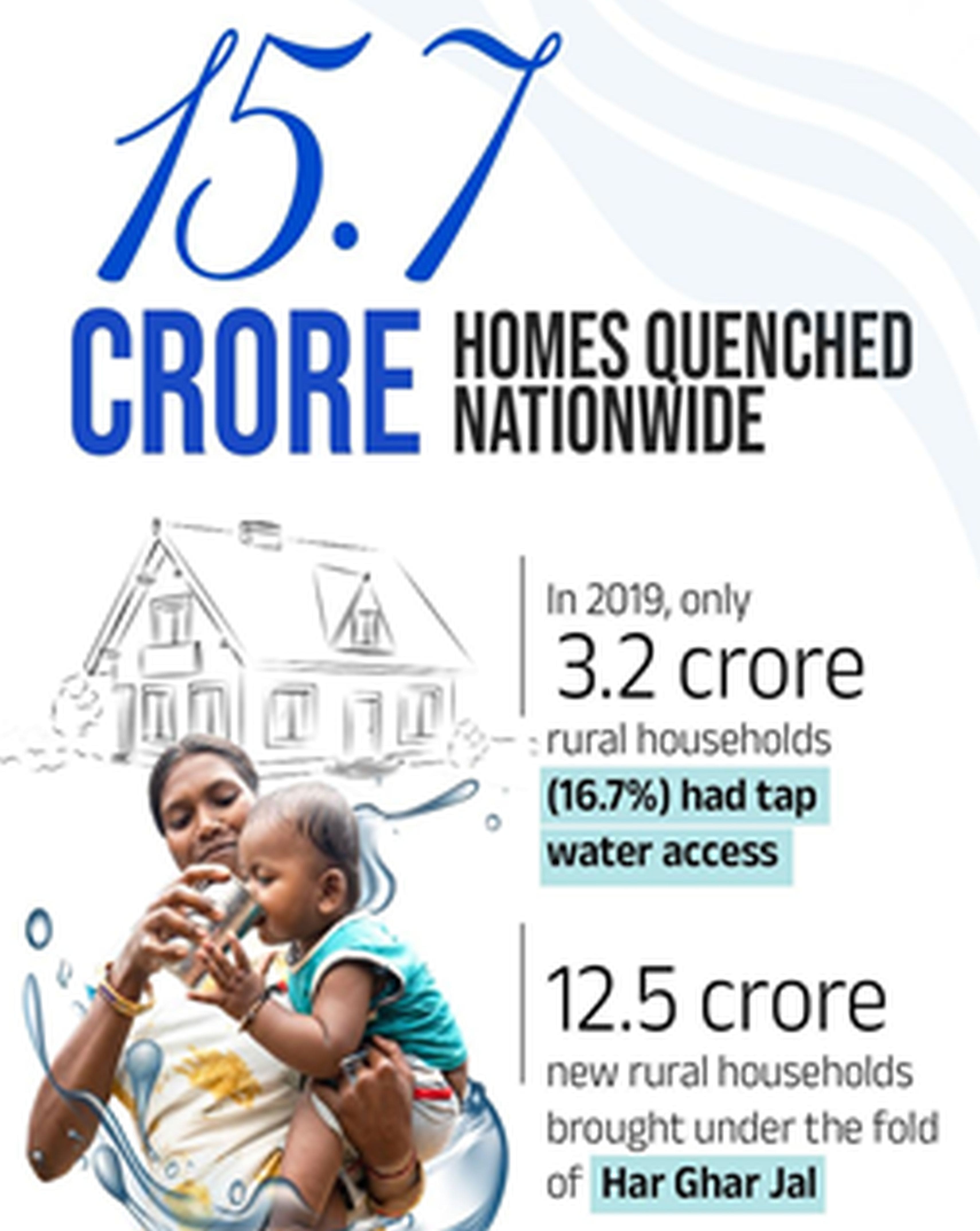
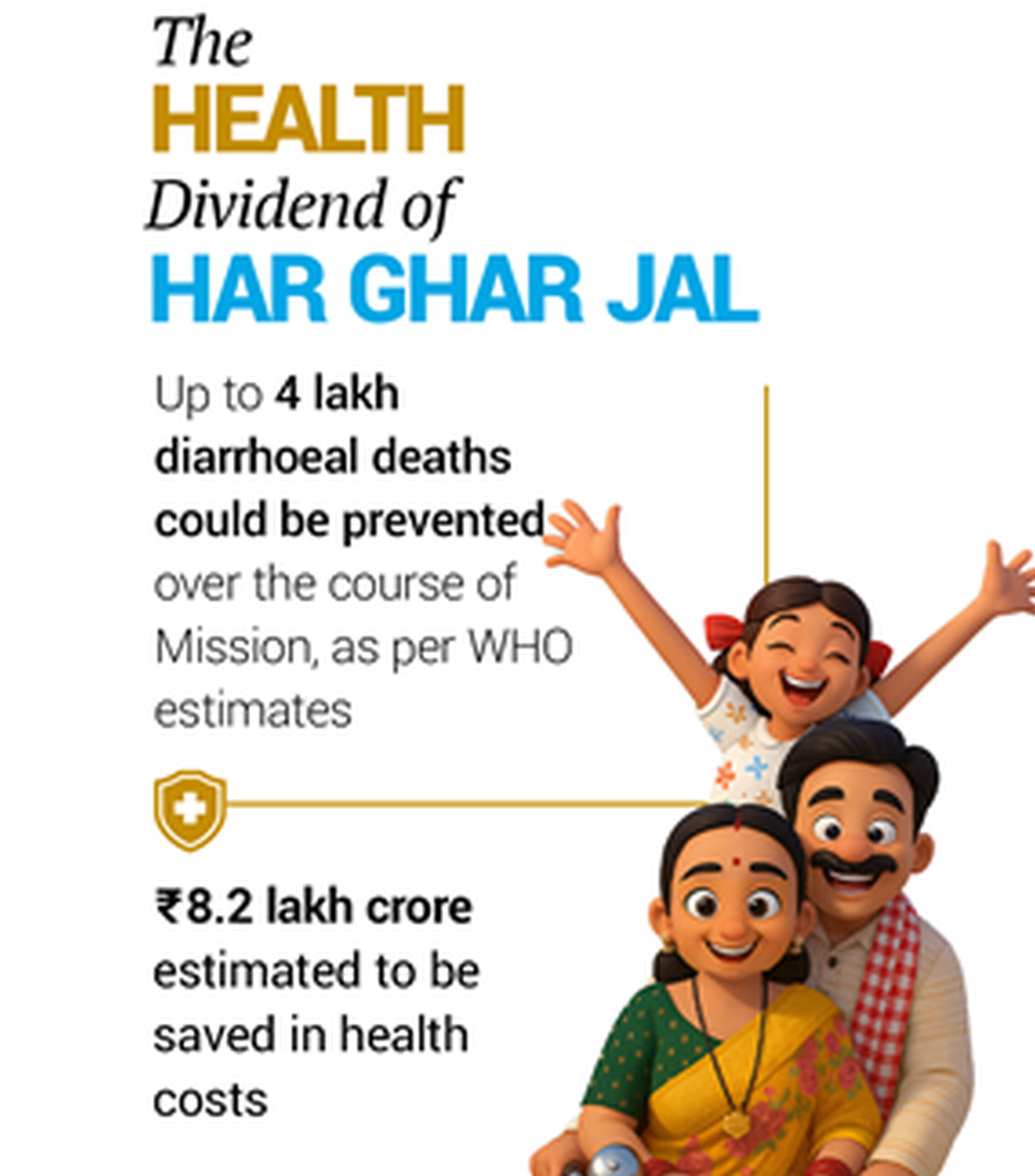
In terms of infrastructure development, initiatives like Har Ghar Jal ki Guarantee and Housing for All ki Guarantee have made significant strides in providing essential amenities and affordable housing to rural and urban households in Nagaland.
Furthermore, schemes like Swachh Bharat Mission and Ayushman Bharat have been pivotal in promoting cleanliness and ensuring access to quality healthcare services, thereby improving the overall well-being of the populace.
Modi government's emphasis on infrastructure development has translated into tangible outcomes in Nagaland. Over 863 km of National Highways constructed in Nagaland. Nagaland got its second railway station at Shokhuvi in August 2022, after a century. Dimapur railway station being redeveloped under Amrit Bharat Scheme
The approval of the Uttar Poorva Transformative Industrialisation Scheme, 2024, underscores the government's commitment to fostering industrial growth and employment generation in the region.
Additionally, Nagaland's inclusion under the Smart Cities Mission and the North East Special Infrastructure Development Scheme (NESIDS) has catalyzed infrastructural development, with significant investments allocated for projects ranging from roadways and railways to airways and tourism.
The establishment of Nagaland's first Medical College in Kohima stands as a testament to the government's efforts to strengthen healthcare infrastructure and enhance access to quality education in the state.
In conclusion, Nagaland's journey under the Modi government reflects a paradigm shift towards inclusive and sustainable development. From robust fiscal transfers and transformative flagship schemes to strategic investments in infrastructure, the government's multifaceted approach has propelled the state towards a path of progress and prosperity. As Nagaland continues its developmental trajectory, the Modi government's unwavering commitment to the region's growth remains steadfast, laying the groundwork for a brighter and more prosperous future for its citizens.