وزیر اعظم جناب نریندر مودی کی صدارت میں مرکزی کابینہ نے آج بائیوٹیکنالوجی ڈیپارٹمنٹ (ڈی بی ٹی) کے تحت  دو اسکیموں، جن میں ایک اسکیم - 'بائیو ٹیکنالوجی ریسرچ انوویشن اینڈ انٹرپرینیورشپ ڈیولپمنٹ (بائیو-  رائیڈ)' ہے ، کے ساتھ بائیو مینوفیکچرنگ اور بائیو فاؤنڈری کے نام سے ایک نئے جزو  کے ساتھ  ضم  کر کے انہیں جاری رکھنے کی منظوری دی۔

اسکیم کے تین وسیع اجزاء ہیں:

الف) بائیو ٹیکنالوجی  کی تحقیق و ترقی  (آر اینڈ ڈی)؛

ب) صنعتی اور صنعتکاری  کی ترقی (آئی اینڈ ای ڈی)

ج) بائیو مینوفیکچرنگ اور بایو فاؤنڈری

سال22-2021  سے26-2025  تک 15 ویں مالیاتی کمیشن کی مدت کے دوران اس متحدہ  اسکیم 'بائیو - رائیڈ' کے نفاذ کے لیے مجوزہ تخمینہ 9197 کروڑ روپے ہے۔

بائیو – رائیڈ  اسکیم کو اختراع ، بائیو انٹرپرینیورشپ کو فروغ دینے اور بائیو مینوفیکچرنگ اور بائیو ٹیکنالوجی میں عالمی رہنما کے طور پر ہندوستان کی پوزیشن کو مضبوط کرنے کے لیے ڈیزائن کیا گیا ہے۔ اس کا مقصد تحقیق کو تیز کرنا، مصنوعات کی ترقی کو بڑھانا، اور تعلیمی تحقیق اور صنعتی ایپلی کیشنز کے درمیان فرق کو ختم کرنا ہے۔ یہ اسکیم صحت کی دیکھ بھال، زراعت، ماحولیاتی پائیداری، اور صاف توانائی جیسے قومی اور عالمی چیلنجوں سے نمٹنے کے لیے بائیو انوویشن کی صلاحیت کو بروئے کار لانے کے حکومت ہند کے مشن کا حصہ ہے۔ بائیو رائیڈ اسکیم کا نفاذ مندرجہ ذیل کے لئے ہوگا۔

· بائیو انٹرپرینیورشپ کو فروغ دیں: بائیو - رائیڈ بائیو انٹرپرینیورز کو سیڈ فنڈنگ، انکیوبیشن سپورٹ، اور مینٹر شپ فراہم کرکے اسٹارٹ اپس کے لیے ایک فروغ پذیر ایکو سسٹم کو پروان چڑھائے گی۔

· ایڈوانس انوویشن: اسکیم مصنوعی حیاتیات، بائیو فارماسیوٹیکل، بائیو انرجی، اور بائیو پلاسٹکس جیسے شعبوں میں جدید تحقیق اور ترقی کے لیے گرانٹس اور مراعات پیش کرے گی۔

· صنعت-اکیڈمیا  کے اشتراک کو سہولت: بایو-رائیڈ تعلیمی اداروں، تحقیقی اداروں اور صنعت کے درمیان بایو بیسڈ مصنوعات اور ٹیکنالوجیز کی کمرشلائزیشن کو تیز کرنے کے لیے ہم آہنگی پیدا کرے گی۔

· پائیدار بائیو مینوفیکچرنگ کی حوصلہ افزائی: ہندوستان کے سبز اہداف کے ساتھ ہم آہنگ بائیو مینوفیکچرنگ میں ماحولیاتی طور پر پائیدار طریقوں کو فروغ دینے پر اہم توجہ مرکوز کی جائے گی۔

· ایکسٹرا مورنل فنڈنگ ​​کے ذریعے محققین کا تعاون: بائیو- رائیڈ  تحقیقی اداروں، یونیورسٹیوں، اور انفرادی محققین کو زراعت، صحت کی دیکھ بھال، بایو انرجی، اور ماحولیاتی پائیداری جیسے شعبوں میں ایکسٹرامورنل فنڈنگ ​​کی حمایت کرکے بائیو ٹیکنالوجی کے مختلف شعبوں میں سائنسی تحقیق، اختراعات، اور تکنیکی ترقی کو آگے بڑھانے میں اہم کردار ادا کرے گی۔

· بائیوٹیکنالوجی کے شعبے میں انسانی وسائل کی پرورش: بائیو –رائیڈ بایوٹیکنالوجی کے کثیر الشعبہ، شعبوں میں کام کرنے والے طلباء، نوجوان محققین اور سائنسدانوں کو جامع ترقی اور مدد فراہم کرے گا۔  انسانی وسائل کی  ترقی کا مربوط پروگرام افرادی قوت کی استعداد کار میں اضافے اور ہنر مندی میں مدد دے گا اور انہیں تکنیکی ترقی کے نئے افق سے فائدہ اٹھانے کے قابل بنائے گا۔

اس کے علاوہ ، ملک میں سرکلر- بائیو اکانومی کو فعال کرنے کے لیے بایو مینوفیکچرنگ اور بائیو فاؤنڈری پر ایک جزو 'لائف اسٹائل فار دی انوائرمنٹ (لائف)' کے ساتھ ہم آہنگ کر کے ،  جو جناب وزیر اعظم کے ذریعہ شروع کیا گیا ہے، تاکہ زندگی کے ہر پہلو میں ماحولیاتی حل سبز اور دوستانہ ماحول کو شامل کرکے عالمی موسمیاتی تبدیلیوں کو کم کرنے میں مدد ملے۔  بائیو – رائیڈ  کا یہ نیا جزو 'بائیو مینوفیکچرنگ' کی بے پناہ صلاحیت کو فروغ دینے کی خواہش رکھتا ہے، تاکہ صحت کی دیکھ بھال کے نتائج کو بہتر بنانے، زراعت کی پیداواری صلاحیت کو بڑھانے، بایو اکانومی کے فروغ اور بائیو پر مبنی مصنوعات کی کمرشلائزیشن کے لیے مقامی اختراعی حلوں کی ترقی کو آسان بنایا جا سکے، جس سے انتہائی ہنر مند افرادی قوت کے ہندوستان کے گروپ کو بڑھایا جاسکے ، اور کاروباری رفتار کو تیز کیا جاسکے ۔

ڈی بی ٹی کی جاری کوششیں بایو ٹکنالوجی کی صلاحیت کو قومی ترقی اور معاشرے کی بھلائی کے لیے ایک درست ٹول کے طور پر بروئے کار لانے کے اس کے وژن کے مطابق ہیں، تاکہ ہندوستان کو بایو ٹیکنالوجی کی تحقیق، اختراع، ترجمہ، انٹرپرینیورشپ، اور صنعتی ترقی میں عالمی سطح پر مسابقتی بنانے اور 2030 تک 300 بلین امریکی ڈالر کی بایو اکانومی بنانے کے اپنے مشن کو پورا کیا جا سکے۔  بائیو - رائیڈ اسکیم 'وکِسِت بھارت 2047' کے وژن کو پورا کرنے میں اہم کردار ادا کرے گی۔

پس منظر:

بائیوٹیکنالوجی کا محکمہ (ڈی بی ٹی)، سائنس اور ٹیکنالوجی کی وزارت، بایو ٹیکنالوجی اور  ماڈرن بائیو لوجی میں عمدگی اور اختراع پر مبنی دریافت کی تحقیق اور صنعتکاری کو فروغ دیتا ہے۔


Explore More
شری رام جنم بھومی مندر دھوجاروہن اتسو کے دوران وزیر اعظم کی تقریر کا متن

Popular Speeches

شری رام جنم بھومی مندر دھوجاروہن اتسو کے دوران وزیر اعظم کی تقریر کا متن
India's pace of economic growth shows that its Viksit Bharat dream is not out of reach

Media Coverage

India's pace of economic growth shows that its Viksit Bharat dream is not out of reach
NM on the go

Nm on the go

Always be the first to hear from the PM. Get the App Now!
...
PM chairs valedictory session of National Departmental Summit on Water
September 02, 2026
This marks the first in a series of Summits envisioned by PM to strengthen spirit of Team India and deepen cooperative federalism
PM stresses adoption of a continuous process of review and follow up to act on actionable and time-bound outcomes
Emphasising Jan Bhagidari, PM calls for promoting Jal Utsav to deepen public awareness on water conservation
PM calls for greater adoption of water-saving technologies and learning from global best practices
PM calls for robust water data governance through effective use of AI
PM suggests structured inter-State Study-visits involving public representatives, officials and farmers on water related issues

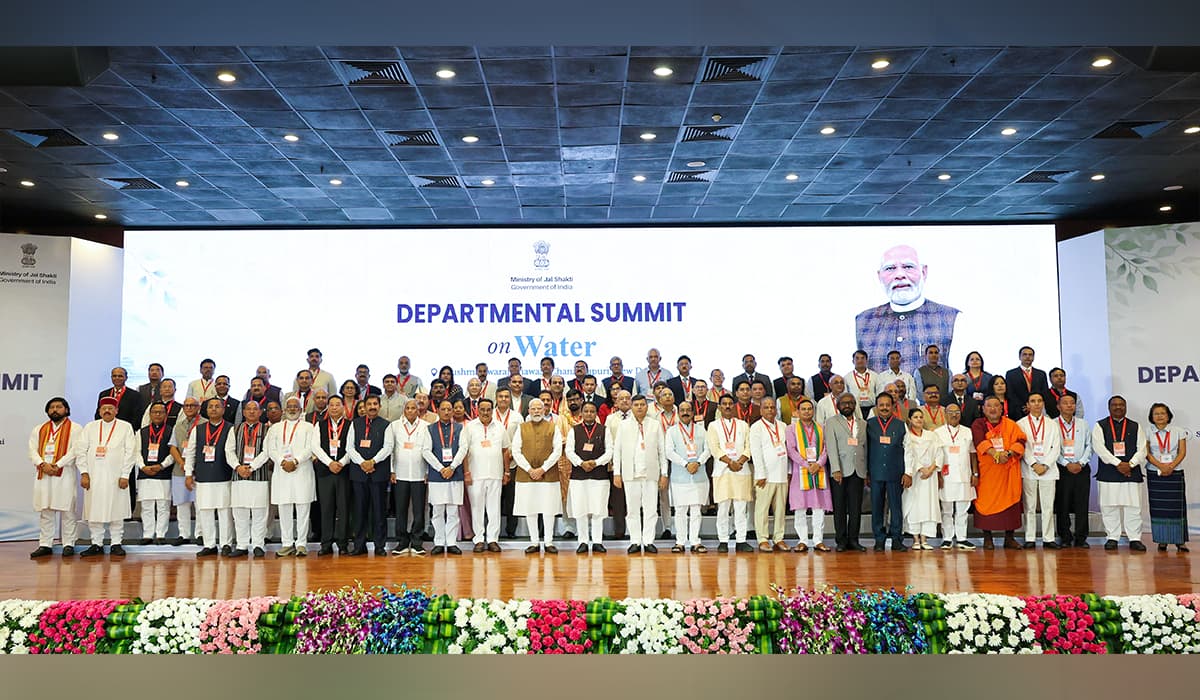
Prime Minister Shri Narendra Modi today chaired the valedictory session of the two-day National Departmental Summit on Water, organised by the Ministry of Jal Shakti. The Summit is the first in a series of Departmental Summits envisioned by Prime Minister to strengthen the spirit of Team India, deepen cooperative federalism and foster collective ownership of national priorities through closer collaboration between the Centre and the States. It brought together Ministers and senior officials from States and Union Territories for focused deliberations on various dimensions of India’s water security.

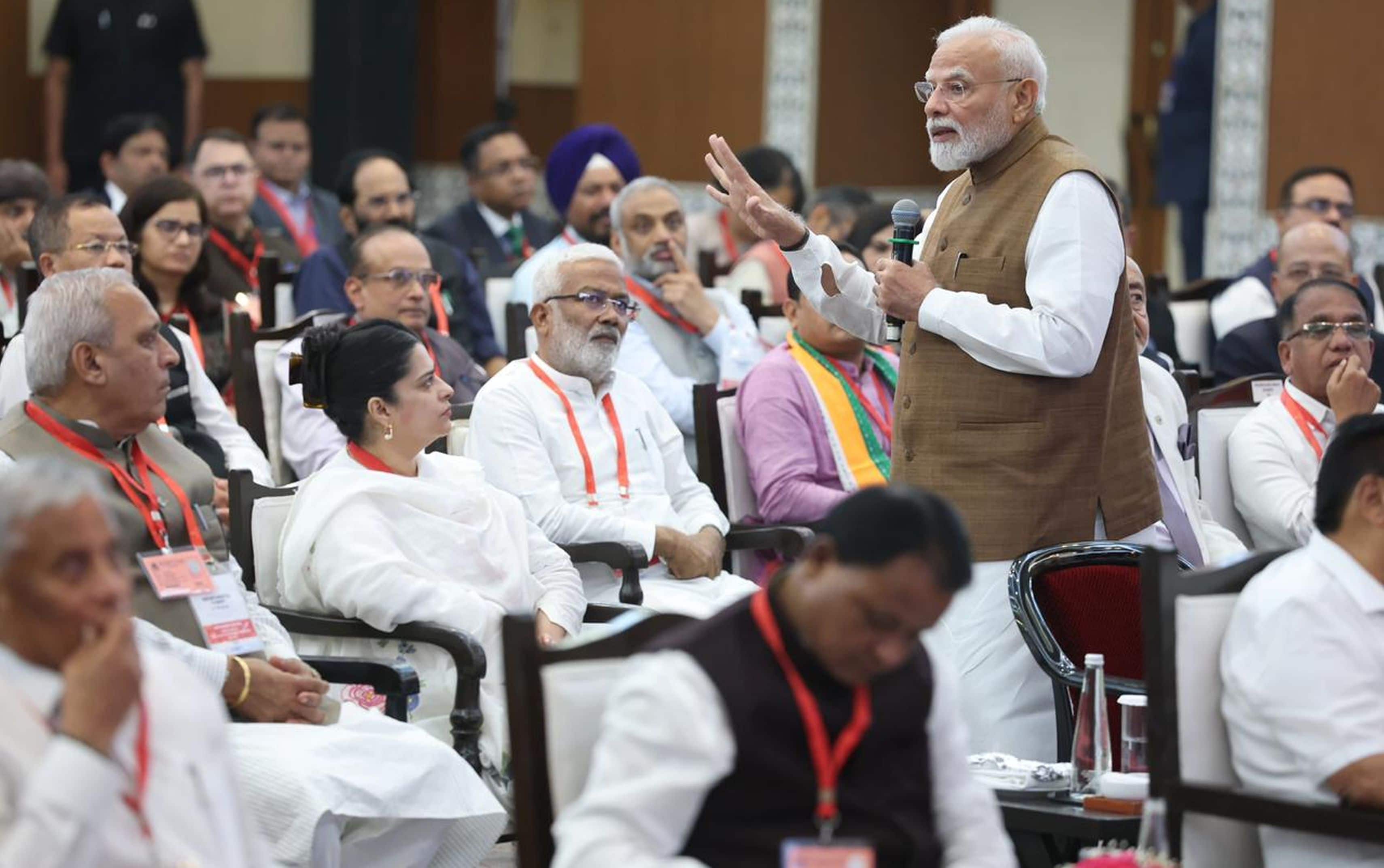
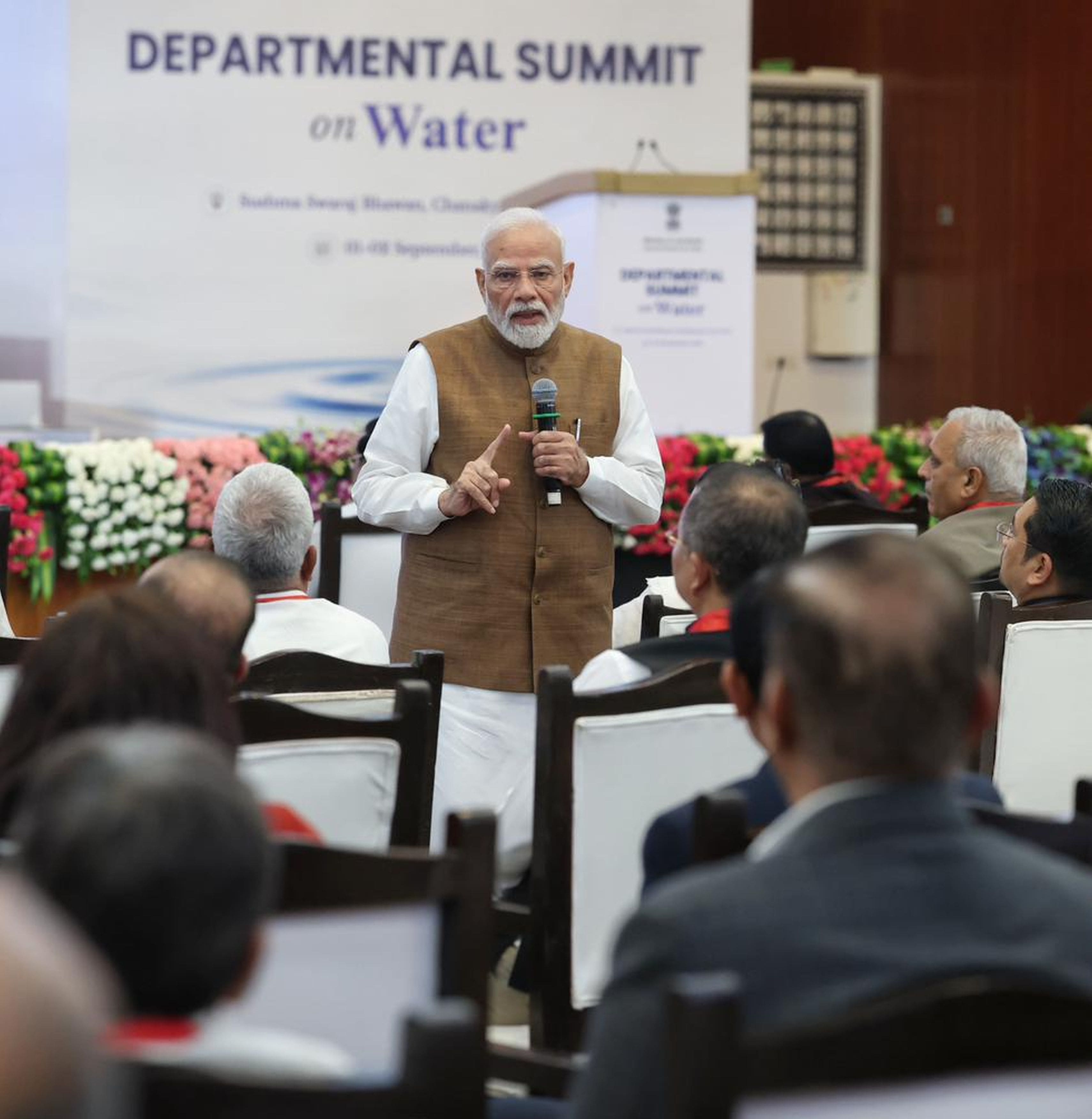
Prime Minister appreciated the intensive two-day deliberations and emphasised that the actionable and time-bound action points emerging from the Summit should be pursued through a continuous process of review and learning. He suggested that the Summit should not remain a one-time exercise and called for a continuous process of review and follow-up.

Prime Minister called for sensitising Urban Local Bodies to the challenges arising from urbanisation, including population growth and future water requirements, and suggested organising similar Chintan Shivirs for Urban Local Bodies. He called for greater adoption of water-saving technologies. He also suggested dedicated exhibitions and workshops, including exposure to global best practices, to enable Indian manufacturers and stakeholders to develop and scale efficient solutions.

Emphasising Jan Bhagidari, Prime Minister suggested promoting “Jal Utsav” to create greater awareness among people. Prime Minister called for making de-silting a regular programme and developing clear criteria and SOPs for de-silting. On dam safety, he stressed rigorous preparedness before every monsoon, adherence to prescribed precautions and creating awareness among school students, including through suitable incorporation in educational curricula.

Prime Minister further called for strengthening knowledge and capacity on water management and governance in universities and higher educational institutions. He suggested structured inter-State study-visits involving public representatives, officials and farmers to facilitate practical learning and replication of successful interventions.

Prime Minister called for robust water data governance, with water-sector data brought together, systematically managed, analysed and effectively utilised. He recommended the use of AI for data collection and analysis through a uniform format. He also stressed anticipatory and integrated planning to address water scarcity through suitable utilisation of treated water for agriculture and industrial purposes.

Drawing upon his experience as Chief Minister of Gujarat, Prime Minister noted that instances of water scarcity could be transformed into opportunities through systematic planning, commitment and deployment of adequate resources and capable officers.

Union Minister for Jal Shakti Shri C. R. Patil highlighted four key outcomes of the summit: accelerated completion of water infrastructure projects; strengthening water conservation as a sustained people’s movement; ensuring long-term sustainability of drinking-water sources; and institutionalising effective operation and maintenance of rural drinking-water schemes.