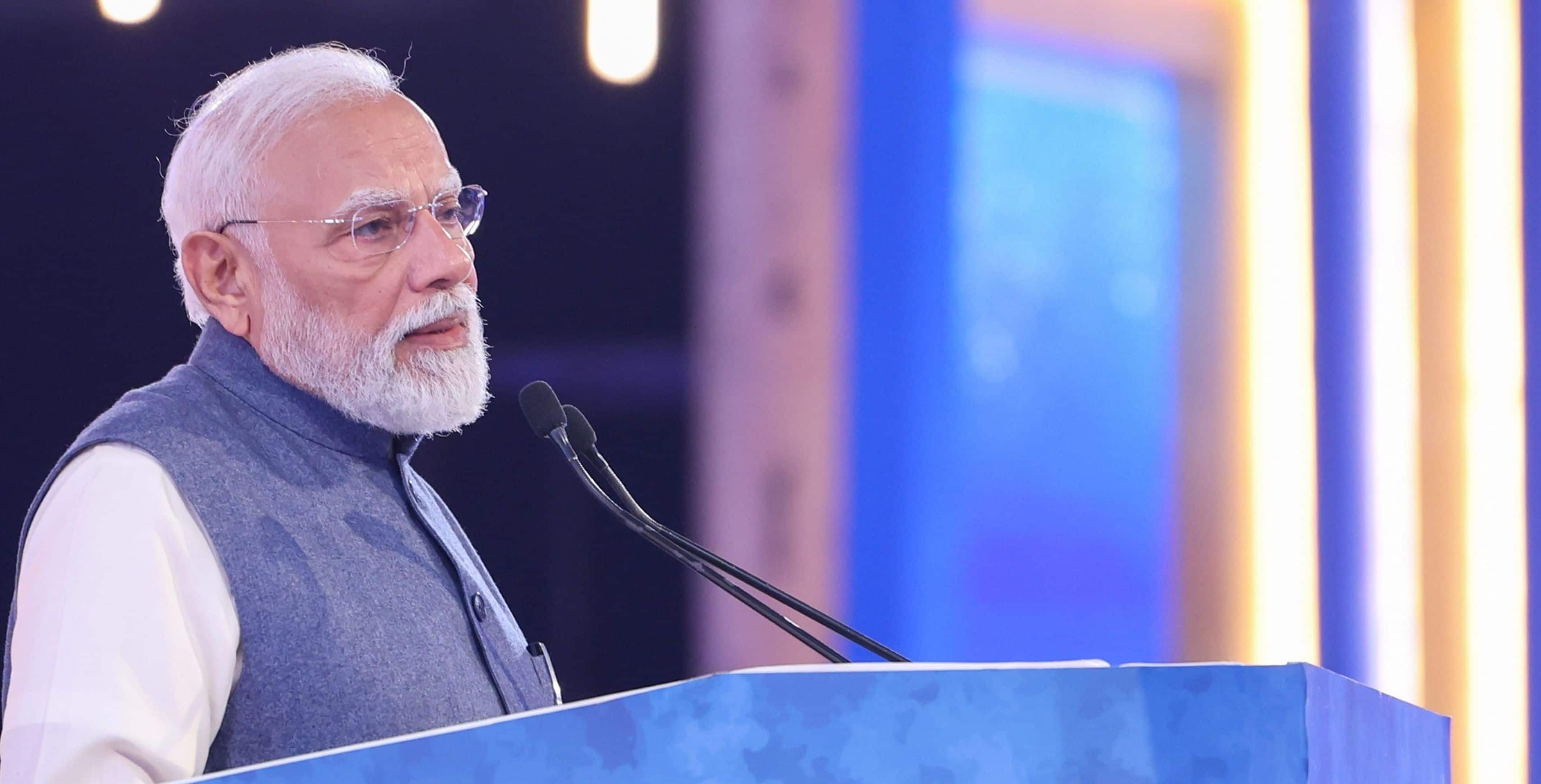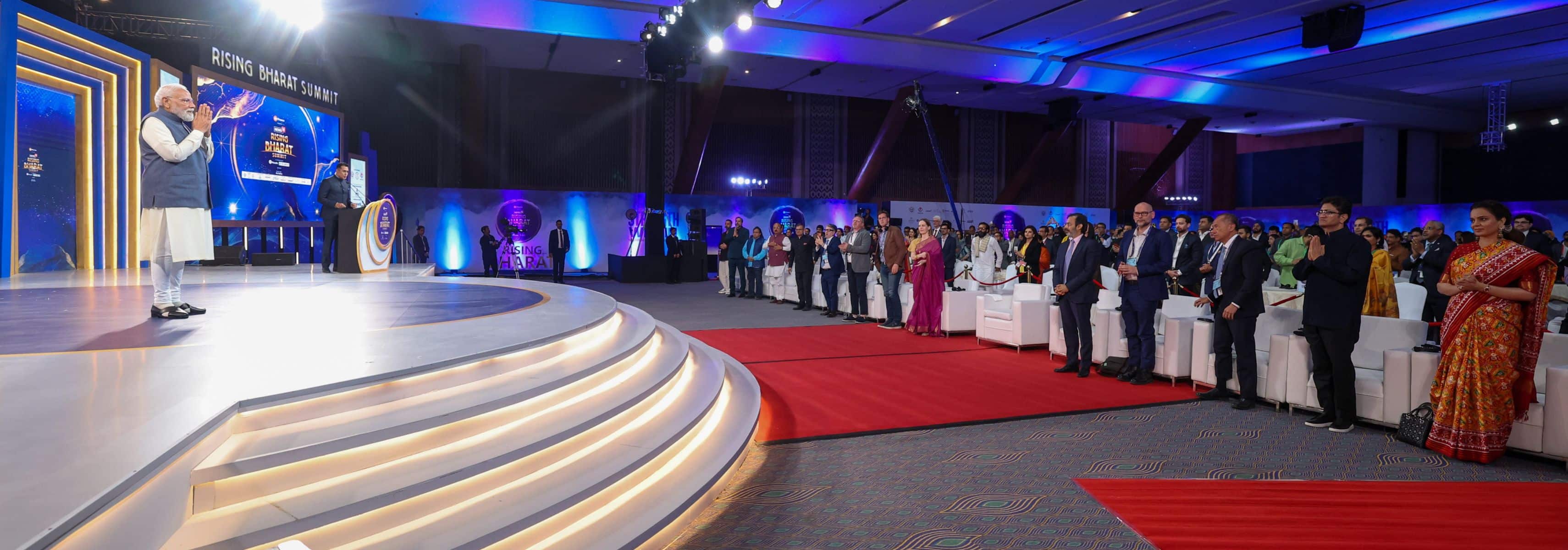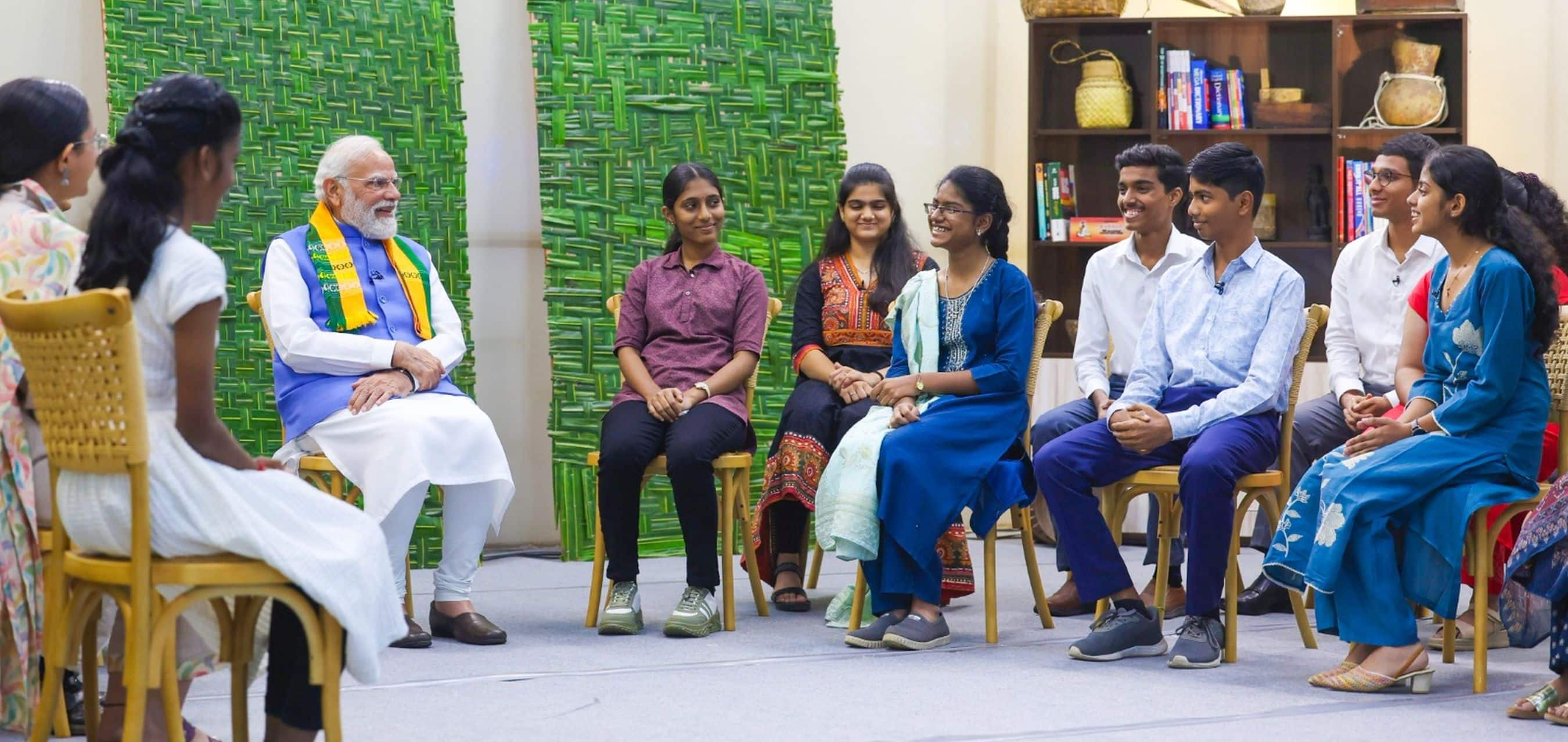


తొమ్మిదో ఎడిషన్ పరీక్షా పే చర్చ (పీపీసీ)- 2026 కొనసాగింపులో భాగంగా ప్రధానమంత్రి శ్రీ నరేంద్ర మోదీ ఈ రోజు విద్యార్థులతో సంభాషించారు. పీపీసీ- 2026 రెండో ఎపిసోడ్ సందర్భంగా కోయంబత్తూర్, రాయ్పూర్, దేవ్మోగ్రా, గువాహటి నగరాలకు చెందిన పరీక్షా యోధులతో ప్రధానమంత్రి ముచ్చటించారు. పరీక్షా పే చర్చ ప్రత్యేక ఎడిషన్కు విద్యార్థులను ఆహ్వానిస్తూ.. ఈసారి ఈ కార్యక్రమం దేశంలోని వివిధ ప్రాంతాల్లో జరుగుతోందని శ్రీ మోదీ తెలిపారు. కోయంబత్తూరు ఎడిషన్ను ప్రారంభిస్తూ.. తమిళనాడు విద్యార్థుల ఉత్తేజమూ, ఉత్సుకతా తనను ముగ్ధుడిని చేశాయని ప్రధానమంత్రి వ్యాఖ్యానించారు. ‘వణక్కం’ అని అభివాదం చేస్తూ సరదాగా వారితో ముచ్చటించారు. ప్రధానమంత్రిని చూసినప్పుడు తమ కళ్లను తామే నమ్మలేకపోయామంటూ విద్యార్థులు ఉత్సాహంగా మాట్లాడారు. ప్రధానమంత్రి ఎంతో ఆర్భాటంగా, నాటకీయంగా వస్తారనుకున్నామనీ.. కానీ ఆయన చాలా సాధారణంగా, నిరాడంబరంగా, మనలో ఒకరిగా కనిపించారని వారు చెప్పారు. ప్రధానమంత్రి రాక తమలో ఉత్తేజం నింపిందని ఒక విద్యార్థి చెప్పారు.
అంకుర సంస్థలు – చదువే మంత్రప్రదమన్న ప్రధానమంత్రి
చాలా ఏళ్లుగా ‘పరీక్షా పే చర్చ’ ద్వారా పదో, పన్నెండో తరగతి విద్యార్థులతో తాను ముచ్చటిస్తున్నానని ప్రధానమంత్రి గుర్తుచేశారు. ఇది తాను నేర్చుకునే కార్యక్రమమేగానీ, నేర్పించేది కాదని స్పష్టం చేశారు. తమ ఆలోచనలను పంచుకోవాల్సిందిగా విద్యార్థులను ఆహ్వానించారు.
అంకుర సంస్థల గురించి ఒక విద్యార్థి అడిగిన ప్రశ్నకు ప్రధానమంత్రి సమాధానమిచ్చారు. సాంకేతికత ఆవిష్కరణలు కావచ్చు లేదా డ్రోన్లు, విద్యుత్ వ్యవస్థల వంటి ప్రయోగాత్మక మార్గాలూ కావచ్చు... ముందుగా మనం చేయాలనుకుంటున్న అంశంపై స్పష్టత ఉండాలన్నారు. సాంకేతికత లేదా ఆర్థిక వ్యవహారాల్లో నైపుణ్యం ఉన్న మిత్రులతో కలిసి చిన్న బృందాలను ఏర్పాటు చేసుకోవాలని ఆయన సూచించారు. వ్యాపారాన్నో, గొప్ప కార్యాన్నో మొదలుపెట్టేందుకు వయస్సుతో పనిలేదన్నారు. చిన్నచిన్న అంకుర సంస్థలు కూడా సమాజంపై గొప్ప ప్రభావాన్ని చూపగలవన్నారు. నిజంగా ఆసక్తి ఉంటే, అది చాలా మంచి పరిణామమని ప్రధానమంత్రి చెప్పారు. ఇప్పటికే ఉన్న అంకుర సంస్థలను సందర్శించి.. ఒక ప్రాజెక్టు నివేదికను తయారు చేయాలని, దానిని పాఠశాల ప్రాజెక్టుగా నిజాయితీగా సమర్పించాలని ఆయన సూచించారు. దాంతో సరైన మార్గదర్శకత్వం, మద్దతు లభిస్తాయని తెలిపారు. ఈ విధంగా క్రమంగా.. ఎలా ముందుకెళ్లాలన్న అంశమై అమూల్యమైన జ్ఞానం లభిస్తుందన్నారు.
చదువునీ అభిరుచినీ సమన్వయం చేసుకోవడంపై ఓ విద్యార్థి ప్రశ్నకు శ్రీ మోదీ స్పందిస్తూ... రెండూ ఉపయోగకరమేనని, ఒకదానికొకటి తోడ్పడతాయని చెప్పారు. సైన్స్ ప్రయోగాలలో కళను ఉపయోగించడాన్ని ఉదాహరణగా చూపుతూ.. సృజనాత్మకత చదువులో సహాయపడడమే కాకుండా అలసటను తగ్గిస్తుందని ఆయన వివరించారు. చదువుకు ప్రాధాన్యమిస్తూనే.. ప్రతిరోజూ లేదా వారంలో కొంత సమయాన్ని వ్యక్తిగత ఆసక్తుల కోసం కేటాయించాలని సూచించారు.
వికసిత భారత్, వోకల్ ఫర్ లోకల్కు యువత సహకారం
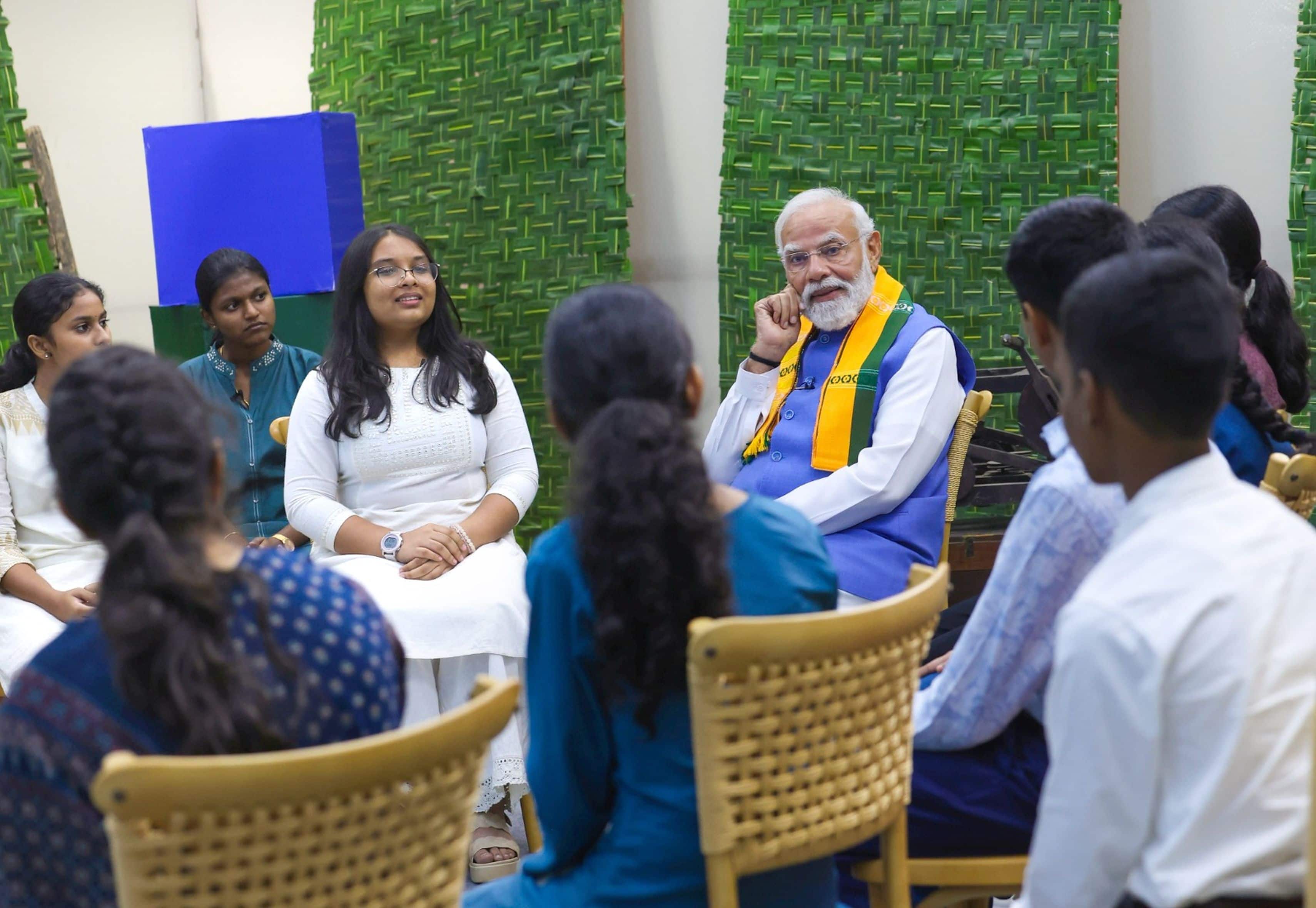
2047 నాటికి అభివృద్ధి చెందిన దేశంగా భారత్ను నిలిపే విషయమై ఒక విద్యార్థి అడగగా... చిన్న వయస్సులోనే విద్యార్థులు కూడా ఈ దిశగా ఆలోచించడంపై ప్రధానమంత్రి హర్షం వ్యక్తం చేశారు. ఒక చిన్న మత్స్యకార గ్రామం నుంచి సింగపూర్ క్రమంగా ఎదిగిన తీరును ఆయన ఈ సందర్భంగా ఉదాహరించారు. అభివృద్ధి చెందిన దేశాలు పాటించే క్రమశిక్షణతో కూడిన అలవాట్లను అందిపుచ్చుకోవడానికి ఆ దేశ దివంగత నేత లీ కువాన్ యూ ఇచ్చిన ప్రాధాన్యాన్ని ఈ సందర్భంగా ప్రస్తావించారు. చెత్త వేయకుండా ఉండడం, ట్రాఫిక్ నియమాలను పాటించడం, ఆహార వృథాను అరికట్టడం, స్థానిక ఉత్పత్తులకు చేయూతనివ్వడం వంటి చిన్నచిన్న పనులు కూడా దేశ పురోగతికి గణనీయంగా దోహదపడతాయని ఆయన వ్యాఖ్యానించారు. స్థానిక ఉత్పత్తులకు ప్రాధాన్యమివ్వడం, వివాహాల వంటి శుభకార్యాలను విదేశాల్లో కాకుండా భారత్లోనే చేసుకోవడం... ప్రతి పౌరుడూ చేసే ఇలాంటి చిన్నచిన్న పనులన్నీ కలిసి అభివృద్ధి చెందిన భారత్ నిర్మాణానికి దోహదపడతాయని వ్యాఖ్యానించారు. పెద్దపెద్ద పనుల కన్నా చిన్నచిన్న మార్పులకే ఆయన ఎక్కువ ప్రాధాన్యమివ్వడంపై విద్యార్థులు ఆశ్చర్యం వ్యక్తం చేశారు. ఇవే అత్యంత అత్యంత కీలకమైనవని చెప్పడం వారిలో నమ్మకాన్ని కలిగించింది.
ప్రేరణా? లేక క్రమశిక్షణా?
స్ఫూర్తి లేదా క్రమశిక్షణ – విజయం సాధించాలంటే ఈ రెండింటిలో ఏది ముఖ్యమని ఒక విద్యార్థి అడిగిన ప్రశ్నకు శ్రీ మోదీ స్పందిస్తూ.. జీవితంలో రెండూ అత్యావశ్యకమే అన్నారు. క్రమశిక్షణ లేకపోతే కేవలం స్ఫూర్తిని పొందడం వల్ల పెద్దగా ప్రయోజనం ఉండదని వివరించారు. ఒక రైతు తన పొరుగు రైతు విజయాన్ని చూసి స్ఫూర్తిని పొందినప్పటికీ, వర్షాలకు ముందే తన వ్యవసాయ క్షేత్రాన్ని సిద్ధం చేసుకోకపోతే ఆశించిన ఫలితాలు రావంటూ... ఇందుకోసం ఓ ఉదాహరణను కూడా ఆయన పేర్కొన్నారు. క్రమశిక్షణ అత్యావశ్యకమనీ, ‘బంగారంతో ఆభరణాలు’ చేసినట్టు.. క్రమశిక్షణకు ప్రేరణ బలాన్నిస్తుందనీ ఆయన వ్యాఖ్యానించారు. క్రమశిక్షణ లేకపోతే ప్రేరణ భారంగా మిగిలిపోతుందనీ, నిరాశను కలిగిస్తుందనీ అన్నారు. ఎన్నో రోజులుగా తనను తొలుస్తున్న ప్రశ్నకు స్పష్టత లభించడం గౌరవంగా భావిస్తున్నట్టు ఓ విద్యార్థి పేర్కొన్నారు.
ఏఐ వికాసం, సద్వినియోగం
కృత్రిమ మేధపై మరో విద్యార్థి ప్రశ్నపై ప్రధానమంత్రి స్పందించారు. కంప్యూటర్లు, మొబైల్ ఫోన్లు.. ఇలా ప్రతి కాలంలోనూ కొత్త సాంకేతికతపై ఆందోళనలు వ్యక్తమయ్యాయనీ, కానీ భయం అవసరం లేదనీ అన్నారు. సాంకేతికత మానవ జీవితానికి యజమాని కాకూడదనీ, పరికరాలకు బానిసలుగా మారొద్దనీ ఆయన హెచ్చరించారు. ‘‘నేను దీనికి బానిసను కాను’’ అని ఆయన దృఢంగా వ్యాఖ్యానించారు. ఏఐని మార్గనిర్దేశం కోసం, పని నాణ్యతను మెరుగుపరచుకోవడం కోసమే ఉపయోగించాలనీ.. నేర్చుకునే ప్రక్రియకు దాన్ని ప్రత్యామ్నాయం కానివ్వొద్దనీ విద్యార్థులకు సూచించారు. ప్రయాణ సదుపాయాలు ఎడ్లబండ్ల నుంచి విమానాల దాకా మారినట్టే.. ఉద్యోగ స్వభావం కూడా ఎప్పుడూ మారుతూంటుందని ఆయన చెప్పారు. సాంకేతికతను అర్థం చేసుకోవడం, స్వీయ సామర్థ్యాలను పెంపొందించుకోవడం, ఆ నైపుణ్యాలను పనిలో ఏకీకృతం చేయడం వల్ల జంకు లేకుండా పురోగమించవచ్చని ఆయన స్పష్టం చేశారు.
వికసిత్ భారత్ దిశగా సంకల్పం
తాము ఎంతో ఉద్వేగానికి లోనయ్యామని, గౌరవంగా భావిస్తున్నామని, ప్రధానమంత్రి తమకు నాయకుడి కంటే కుటుంబసభ్యుడిలా అనిపించారని విద్యార్థులు భావోద్వేగానికి గురయ్యారు. కోయంబత్తూరులో విద్యార్థులతో ముఖాముఖి ముగింపు సందర్బంగా ప్రధానమంత్రి మాట్లాడుతూ.. కోయంబత్తూరు యువతకు ఏఐ, అంకుర సంస్థలు, భవిష్యత్ సాంకేతికతలపై ఎంతో అవగాహన ఉందని, ఇది భారత యువత ఆలోచనా విధానానికి ప్రతిబింబమని కొనియాడారు. 2047 నాటికి అభివృద్ధి చెందిన భారతదేశాన్ని సాధించాలనే సంకల్పానికి యువతే నూతన బలాన్నిస్తుందని తెలిపారు.
పరీక్షా పే చర్చ స్ఫూర్తిని సంభాషణగా, పరస్పరం నేర్చుకోవటాన్ని కొనసాగిస్తూ, కోయంబత్తూరు నుంచి ఛత్తీస్గఢ్లోని రాయ్పూర్ వరకు ఆ చర్చ ఎలా మారిందో ఆయన స్పష్టం చేశారు. అక్కడ విద్యార్థులతో ఆసక్తికరమైన చర్చలు జరపటమే కాక, స్థానిక వంటకాలనూ ఆయన ఆస్వాదించారు.
ప్రయాణం, ఏకాగ్రతపై ప్రధానమంత్రి సూచనలు
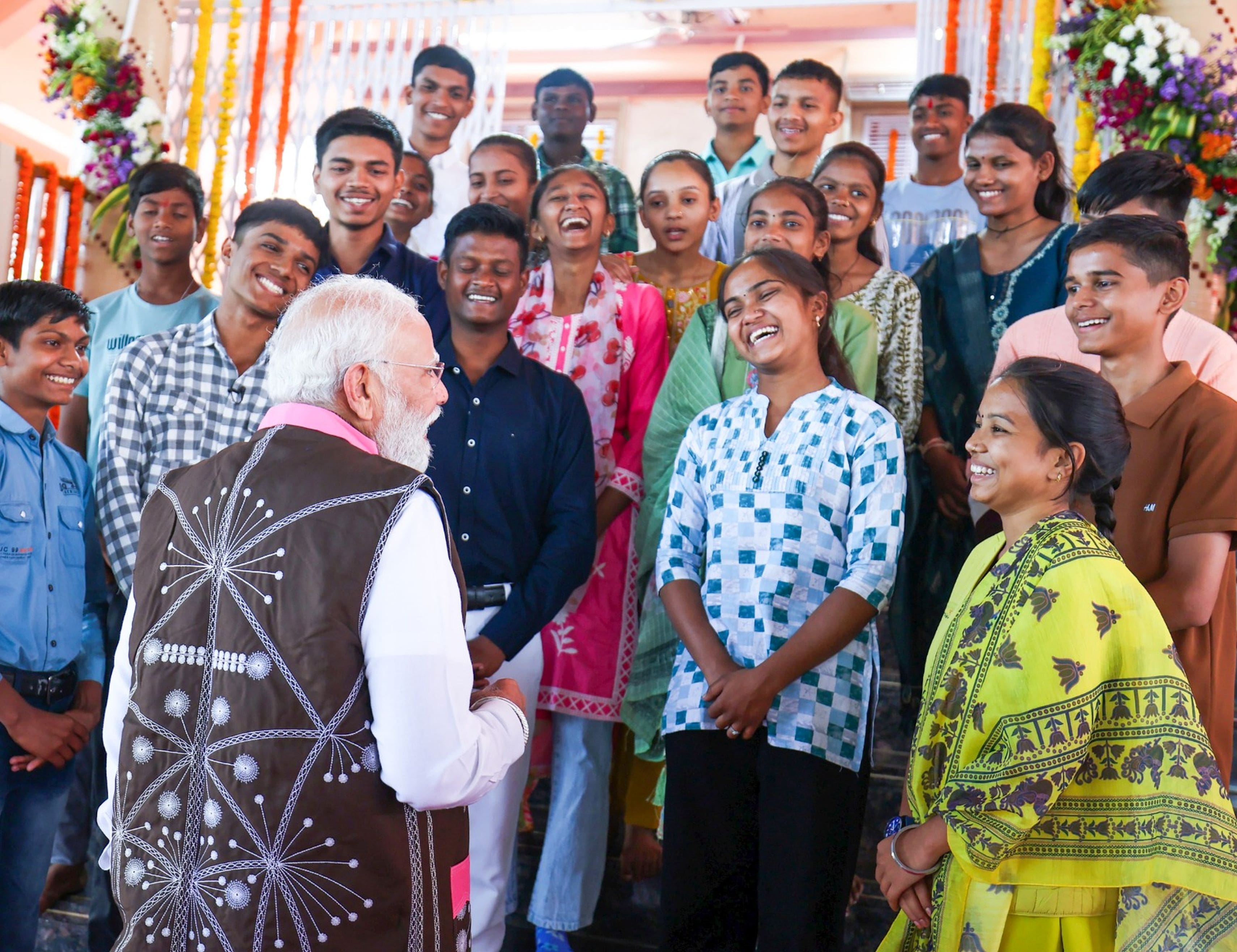
అందరికీ "జై జోహర్" అంటూ అభివాదం చేస్తూ, అక్కడి ఆహార సంప్రదాయాలు, స్థానిక రుచుల గురించి ఆయన అడిగారు. అనంతరం ప్రశ్నలకు సమాధానాలు చెప్పారు. సెలవుల్లో ప్రయాణాల గురించి అడిగిన ఓ ప్రశ్నకు సమాధానమిస్తూ.. విద్యార్థులు ఇతర ప్రాంతాలకు వెళ్లే ముందు సొంత మండలం, జిల్లా, రాష్ట్రాన్ని చుట్టి రావాలని సూచించారు. రైలులో ప్రయాణిస్తూ, ఆహారం తీసుకెళ్లి, విద్యార్థిగా భారతదేశ వైవిధ్యం గురించి నేర్చుకుంటూ అనుభూతి చెందినప్పుడే పర్యాటకం అత్యంత అనందకరంగా ఉంటుందని ఆయన తెలిపారు.
పరీక్షల ఒత్తిడి, మళ్లీ మళ్లీ చదవటం గురించి అడిగిన ప్రశ్నకు సమాధానమిస్తూ శ్రీ నరేంద్ర మోదీ ఇలా పేర్కొన్నారు. విద్యార్థులు సన్నద్ధతపై నమ్మకం ఉంచాలని, ప్రశాంతంగా ఉండాలని, సబ్జెక్టుపై పూర్తిగా పట్టు సాధించటంపై దృష్టి సారించాలన్నారు. నేర్చుకోవటాన్ని క్రీడలతో పోలుస్తూ.. స్థిరమైన సాధన, క్రమశిక్షణ, పోటీతత్వం సామర్థ్యాన్ని పెంపొందిస్తాయని ఆయన తెలిపారు. చదువులో వెనుకబడిన వారితో స్నేహం చేసి, నేర్చుకోవటంలో వారికి సహాయం చేయాలని ఆచరణాత్మక సూచననిచ్చారు.
చదువు, క్రీడలకు సమప్రాధాన్యత
చదువు, క్రీడలకు సమప్రాధాన్యతనివ్వాలనుకున్న విద్యార్థిని ఉద్దేశించి మాట్లాడుతూ.. చదువు కేవలం వ్యక్తిగత జీవితానికే కాక, సామాజిక జీవితానికి కూడా అవసరమని, దాన్ని తక్కువ అంచనా వేయకూడదని ప్రధానమంత్రి అన్నారు. కేవలం క్రీడల్లో రాణిస్తే చదువు అక్కర్లేదనుకోవటం పొరపాటని ఆయన హెచ్చరించారు. విద్య మాత్రమే సర్వస్వం కాదని కూడా స్పష్టం చేశారు. ప్రతిభను నిరంతరం మెరుగుపరచుకోవాలని చెప్పారు. క్రీడాకారుడిగా ఆటలు ఆడటం ఎంత అవసరమో, నిజ జీవితంలోనూ ఆట అంతే ముఖ్యమని తెలిపారు. జీవితంలో సమతుల్యతకు ఆటలు తప్పనిసరని, "నేను ఆడితేనే, నేను రాణిస్తాను" అని వ్యాఖ్యానించారు. చదువుపైనా దృష్టి సారించాలని, లేదంటే జ్ఞానం లేకపోవటం వల్ల మైదానానికి పరిమితమైన వ్యక్తిగా ఇతరులు భావించే ప్రమాదముందన్నారు. చదువులోనూ, క్రీడల్లోనూ రాణించినప్పుడే అసలైన బలం వస్తుందని స్పష్టం చేశారు. ఆయన సలహాలను పాటిస్తామని చెబుతూ, ఈ అద్భుతమైన అనుభవం పట్ల విద్యార్థులు కృతజ్ఞతలు తెలిపారు.
పర్యావరణ పరిరక్షణ
పర్యావరణ పరిరక్షణలో తమ వంతు సహకారంపై ఓ విద్యార్థి అడిగిన ప్రశ్నకు సమాధానమిస్తూ.. సహజ వనరులను పరిరక్షించుకోవటం వ్యక్తిత్వంలో భాగం కావాలని ప్రధానమంత్రి అన్నారు. రోజూవారీ జీవితంలో మనం పాటించే చిన్న నియమాలే పెద్ద మార్పును తీసుకొస్తాయని చెప్పారు. ఉదాహరణకు బ్రష్ చేసేటప్పుడు కుళాయి నుంచి అనవసరంగా నీటిని వదిలేయకుండా, అవసరం మేరకు వినియోగించుకోవాలన్నారు. దీనికి సంబంధించి ఒక ఉపాధ్యాయుని స్ఫూర్తిదాయకమైన కథను పంచుకున్నారు. ఆ ఉపాధ్యాయుడు.. పెట్రోల్ బంకుల నుంచి ఖాళీ ఆయిల్ డబ్బాలను సేకరించి, విద్యార్థుల ఇళ్లలో మిగిలిపోయిన నీటిని బాటిళ్లలో తీసుకురమ్మని, అలా సేకరించిన నీటిని మొక్కలకు ఉపయోగించేవారు. కూరగాయల వ్యర్థాలను ఎరువుగా మార్చటం ద్వారా పాఠశాల ప్రాంగణం పచ్చదనంతో నిండిపోయింది. ఉపాధ్యాయుడు చేసిన ఈ ప్రయత్నం పర్యావరణాన్ని ఎలా మార్చిందో ఇది చూపిస్తుంది.
నాయకత్వ దృక్పథం
భయం లేకుండా ఉండటమే నాయకుడికి ఉండాల్సిన మొదటి లక్షణమని, భవిష్యత్ తరాల నాయకుల నుంచి ఎటువంటి లక్షణాలను ఆశిస్తున్నారని అడిగిన ప్రశ్నకు ప్రధానమంత్రి సమాధానమిచ్చారు. ఇతరుల కోసం ఎదురు చూడకుండా స్వయంగా కార్యాచరణకు పూనుకున్నప్పుడు నాయకత్వం మొదలవుతుందని చెప్పారు. ఉదాహరణకు ఎక్కడైనా పడున్న చెత్తను మనం ముందుగా తీసివేస్తే, ఇతరులు కూడా అనుసరించేందుకు స్ఫూర్తిని పొందుతారని చెప్పారు. నాయకత్వం అంటే ఎన్నికల్లో గెలవటం, ఉపన్యాసాలివ్వటం కాదని, ఎదుటివారికి అర్థమయ్యేలా వివరించి, ఒప్పించగలిగే సామర్థ్యమే అసలైన నాయకత్వమని స్పష్టం చేశారు. ప్రజలకు మార్గనిర్దేశం చేసేముందు, వారిని అర్థం చేసుకున్నవారే నిజమైన నాయకుడని తెలిపారు. ప్రధానమంత్రిని కలవటం ఒక కలలా ఉందని, ఇది ఎంతో అదృష్టకరమని, గౌరవంగా భావిస్తున్నామని ఆనందం వ్యక్తం చేసిన విద్యార్థులు, అభిమానాన్ని చాటుకున్నారు.
రాయ్పూర్ ముఖాముఖిని ముగిస్తూ, పరీక్షల సన్నద్ధత, ఒత్తిడి, అంచనాల వంటివి పరీక్షా పే చర్చలో నిరంతరం చర్చకు వచ్చే అంశాలని, ఈ సమస్యల గురించి యువత బహిరంగంగా చర్చించేలా చేయటమే ఈ కార్యక్రమం ఉద్దేశమని ప్రధానమంత్రి తెలిపారు. ఈ చర్చలు కేవలం బోర్డు పరీక్షల సన్నద్ధతకు మాత్రమే పరిమితమైనవి కాదని, యువత మనసులో మెదిలే ఆలోచనలను ప్రతిబింబిస్తూ జీవితంలోని ఎన్నో అంశాలను తడుతుందని చెప్పారు. ఈ సంభాషణ తదుపరి భాగం గుజరాత్లో జరుగుతుందని, అక్కడ గిరిజన విద్యార్థులడిగిన ప్రశ్నలు తనని ఆశ్చర్యపరిచాయని చెప్పారు.
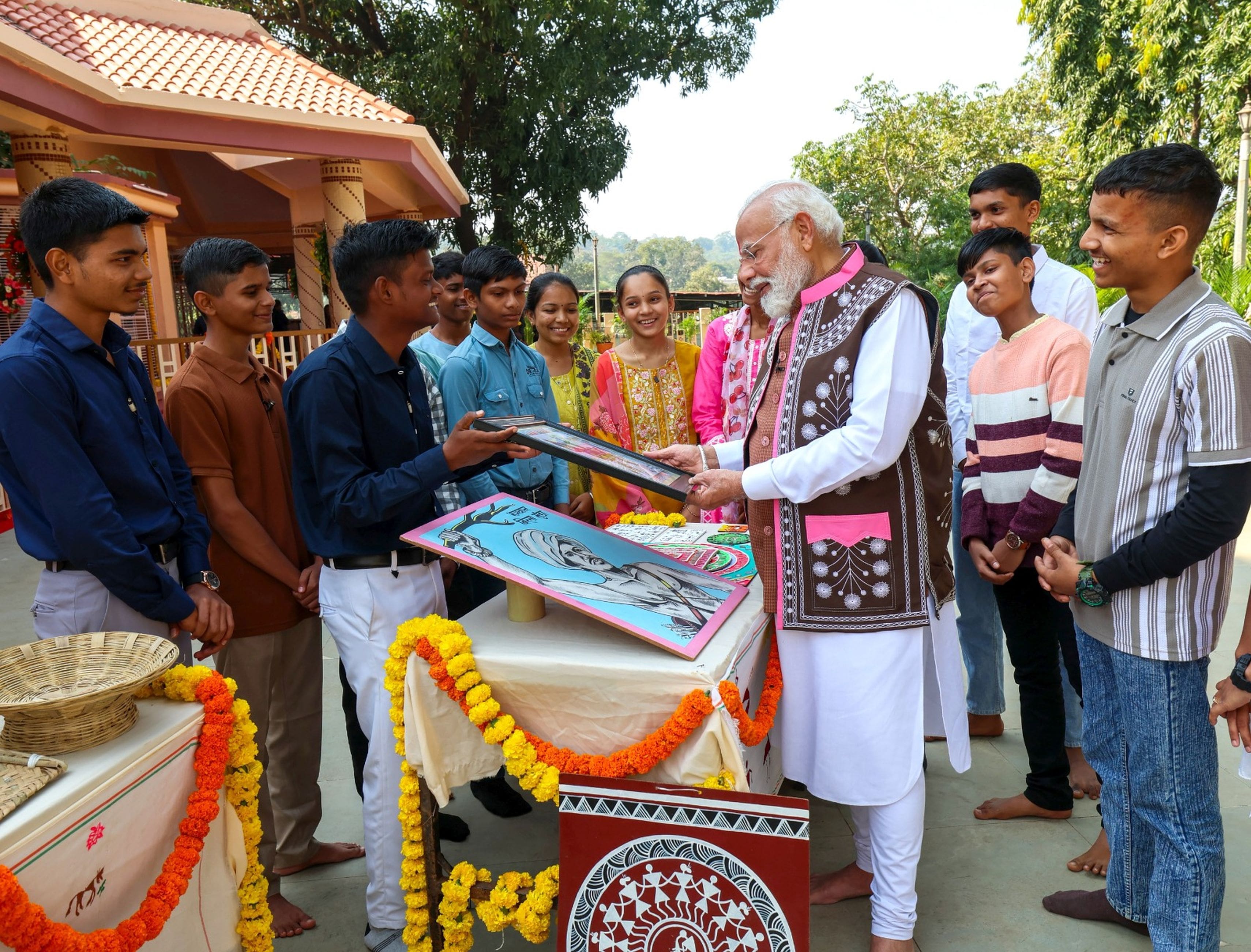
గుజరాత్లోని దేవ్ మోగ్రాలో విద్యార్థులతో సంభాషణ సందర్భంగా వారి నేపథ్యం గురించి ప్రధానమంత్రి తెలుసుకున్నారు. విద్యార్థులు రూపొందించిన కళాఖండాలను ప్రశంసించటమే కాక, గతంలో కలిసిన కొంతమంది విద్యార్థులను గుర్తుపట్టి, వారి స్థైర్యాన్ని అభినందించారు.
గుజరాత్లోని గిరిజన ప్రాంతాల అభివృద్ధి
గిరిజన ప్రాంతాల్లో పనిచేసేందుకు స్ఫూర్తి ఏంటని అడిగిన ప్రశ్నకు సమాధానమిస్తూ, శ్రీ నరేంద్ర మోదీ పాల్చటారియా చారిత్రక ఘట్టాన్ని గుర్తు చేసుకున్నారు. అక్కడి గిరిజన సమాజం దేశ స్వాతంత్య్రం కోసం ఎంతో పోరాటం చేసిందని, గతంలో ఆ ప్రాంతంలో తీవ్రమైన కరువు సంభవించినప్పుడు గిరిజనుల పరిస్థితులను గమనించానని, ఆ సమయంలోనే అక్కడ విద్యపై దృష్టి సారించాల్సిన అవసరాన్ని గుర్తించినట్లు ఆయన వివరించారు. ముఖ్యమంత్రి అయిన తర్వాత విద్యా రంగానికి అత్యంత ప్రాధాన్యతనిచ్చినట్లు తెలిపారు.
ఉమర్గామ్ నుంచి అంబాజీ వరకు ఒకప్పుడు ఒక్క సైన్స్ పాఠశాల కూడా లేదని, నేడు అనేక విశ్వవిద్యాలయాలు, సైన్స్ పాఠశాలలు, ఇంజినీరింగ్ కళాశాలలు, ఐటీఐల ఏర్పాటు వల్ల గణనీయమైన మార్పుతో పాటు ప్రయోజనం చేకూరినట్లు వెల్లడించారు. గిరిజన వర్గాల అభివృద్ధికి ప్రత్యేక పథకాలు, బడ్జెట్ కేటాయింపులు అవసరమని, వారికి అండగా నిలిచేందుకు పీఎం జన్మాన్ యోజనను రూపొందించినట్లు చెప్పారు. విద్య అభివృద్ధిని వేగవంతం చేస్తుందన్నారు. ఉమర్గామ్ - అంబాజీ హైవే వంటి మౌలిక సదుపాయాల ప్రాజెక్టులను ప్రస్తావిస్తూ.. పురోగతికి అనుసంధానత అత్యంత కీలకమని, దానిపై ప్రత్యేక దృష్టి సారించినట్లు తెలిపారు.
పహల్గామ్ దాడి అనంతర పరిణామాలు, ఆపరేషన్ సింధూర్ వంటి క్లిష్ట సమయాల్లో ఒత్తిడిని ఎలా ఎదుర్కొన్నారని ఒక విద్యార్థి అడిగిన ప్రశ్నకు ప్రధానమంత్రి మోదీ సమాధానమిస్తూ.. విద్యార్థులు తరచుగా పరీక్షల సమయంలో ఒత్తిడికి గురవుతారని, పరీక్ష ముగియగానే అది తాత్కాలికమేనని అర్థమవుతుందని అన్నారు. పరీక్షల ఒత్తిడిని అధిగమించటానికి కేవలం చదవటం మాత్రమే కాక, పేపర్లను సాధన చేయటం, రాయటం అలవాటు చేసుకోవాలని చెప్పారు. నిరంతర సాధన ఒత్తిడిని తగ్గిస్తుందన్నారు. ఉల్లాసంగా ఉండటం అన్నింటికంటే ముఖ్యంగా సరైన నిద్ర ప్రాముఖ్యతను ప్రస్తావిస్తూ.. గాఢ నిద్ర మెదడును సంతోషంగా ఉంచి, కొత్త ఆలోచనలు రావటానికి, ఉత్సాహంగా ఉండటానికి ఉపయోగపడుతుందని చెప్పారు.
సరైన వృత్తి మార్గాన్ని ఎంచుకోవటం
వృత్తి పరమైన ఎంపికలపై ప్రధానమంత్రి కీలక సూచనలు చేశారు. తరచుగా ఆశయాలను మార్చుకోవటం వల్ల కుటుంబసభ్యులు గందరగోళానికి గురవుతారని, అయితే విజేతలను చూసి స్ఫూర్తి పొందడం సహజమన్నారు. కేవలం విజయాలను మాత్రమే చూడకుండా వాటి వెనుకున్న కఠోర శ్రమ, క్రమశిక్షణను గమనించాలని స్పష్టం చేశారు. ఉదాహరణకు, ఒక క్రికెటర్ తెల్లవారుజామున 4 గంటలకే నిద్రలేచి, ప్రాక్టీస్ కోసం సైకిల్పై వెళ్లటాన్ని ప్రస్తావిస్తూ.. కలలను నిజం చేసుకోవటానికి తగిన శ్రమ, క్రమశిక్షణతో కూడిన దినచర్య అవసరమని సూచించారు. నిజమైన విజయ కీర్తి స్వయంగా వర్థిల్లుతుందని, ఒక వ్యక్తి నంబర్ వన్ స్థానానికి చేరుకున్నప్పుడు పాఠశాల, గ్రామం, సమాజం మొత్తం ఆ విజయాన్ని గుర్తిస్తుందని చెప్పారు.
అనంతరం విద్యార్థులు వార్లీ, లిపన్, పిఠోరా వంటి సాంప్రదాయ కళాఖండాలను ప్రదర్శించి, వాటి వెనుకున్న సంస్కృతీ సంప్రదాయాలను వివరించారు. విద్యార్థుల సృజనాత్మకతను చూసి ప్రధానమంత్రి ముగ్ధులయ్యారు. "మీరు గొప్ప కళాకారులుగా ఎదిగారు" అని వారి ప్రతిభను కొనియాడారు. ఆ చిత్రపటాల్లోని సాంస్కృతిక పరిణతి, సృజనాత్మకతను గమనించిన ఆయన, వాటిని అందుకోవటం సంతోషంగా ఉందన్నారు. ప్రధానమంత్రి స్వయంగా తమ పనిని అభినందించటం గర్వంగా ఉందని, ఆయనతో మాట్లాడుతుంటే ఒక స్నేహితుడితో మాట్లాడుతున్నట్లుగా ఉందని విద్యార్థులు ఆనందం వ్యక్తం చేశారు.
ఉపాధ్యాయులు, గిరిజన యువత పాత్ర
తన జీవితంలో ఉపాధ్యాయుల పాత్రపై ఒక విద్యార్థి అడిగిన ప్రశ్నకు ప్రధానమంత్రి శ్రీ నరేంద్ర మోదీ సమాధానమిచ్చారు. ఉపాధ్యాయులు తన జీవితంపై ఎంతో ప్రభావం చూపారని వ్యాఖ్యానించారు. తన గురువు ప్రతిరోజూ గ్రంథాలయానికి వెళ్లమని తనకు సూచించారని.. ది టైమ్స్ ఆఫ్ ఇండియాలో సంపాదకీయ వాక్యాన్ని చదివి, రాసుకుని, మరుసటి రోజు దాని గురించి చర్చించమని ప్రోత్సహించారని గుర్తు చేసుకున్నారు. ఆ అలవాటు తనలో క్రమశిక్షణ, ఉత్సుకతను పెంచిందన్నారు. తన ప్రాథమిక పాఠశాల రోజుల్లోని పర్మార్ ఉపాధ్యాయుడు జ్ఞాపకాలను పంచుకుంటూ.. ఆయన శారీరక దృఢత్వానికి ఎంతో ప్రాధాన్యత ఇచ్చేవారని తెలిపారు. యోగా, మల్లఖంబ్ నేర్పించారని, ఇది అతను క్రీడాకారుడు కాకపోయినా.. ఆరోగ్యానికున్న ప్రాముఖ్యతను అర్థం చేసుకునేలా సహాయపడిందన్నారు. ప్రతి గొప్ప వ్యక్తి జీవితంలో తల్లి, ఉపాధ్యాయుడు ప్రభావం ఖచ్చితంగా ఉంటుందని ప్రధానమంత్రి పేర్కొన్నారు.
దేశ అభివృద్ధిలో గిరిజనుల సేవల గురించి ప్రధానమంత్రి మాట్లాడుతూ.. దేశం ముందుకు సాగేందుకు గిరిజనుల పాత్ర ఎంతో కీలకమని ఆయన అన్నారు. ప్రకృతిని దైవంగా భావించి, పూజించే గిరిజన సంస్కృతి వల్లే దేశ పర్యావరణం సురక్షితంగా ఉందని ప్రశంసించారు. గిరిజన బిడ్డలైన యువతీ యువకులు పెద్ద సంఖ్యలో సాయుధ దళాల్లో పనిచేస్తూ దేశాన్ని కాపాడుతున్నారని పేర్కొన్నారు. ఎలాంటి వివక్ష లేకుండా అన్ని రంగాల్లో సమాన అవకాశాలు ఉండాలని తెలిపారు. క్రీడల్లో గిరిజన యువత అద్భుతంగా రాణిస్తున్నారని, మధ్యప్రదేశ్కు చెందిన క్రాంతి గౌడ్ క్రికెట్లో గుర్తింపు పొందిన ఉదాహరణను ప్రస్తావించారు. గిరిజన ప్రతిభకు సాంకేతికత తోడైతే మరిన్ని అద్భుతాలు సృష్టించవచ్చని ఆయన అన్నారు. జీవితాన్ని కేవలం ఉద్యోగాలకే పరిమితం చేయకుండా. అర్థవంతమైన జీవితాన్ని తీర్చిదిద్దే కలలతో జీవించాలని సూచించారు.
అనంతరం విద్యార్థులు మోగి మాతపై సమష్టి గీతాన్ని ఆలపించగా.. అందులోని సాంస్కృతిక భావవ్యక్తీకరణను ప్రధానమంత్రి అభినందించారు. జీవితంలో ఎలా ఆనందంగా ఉండాలో, ఒత్తిడిని ఎలా తగ్గించుకోవాలో, సమయ నిర్వహణ ఎలా చేయాలో, పరీక్షల భయాన్ని ఎలా దూరం చేయాలో వంటి అంశాలపై ప్రధానమంత్రితో జరిగిన చర్చ ఉపయోగపడిందని విద్యార్థులు తమ అనుభవాన్ని పంచుుకున్నారు. ప్రధానమంత్రిని స్వయంగా కలవడంపై ఆశ్చర్యం వ్యక్తం చేస్తూ.. తమ కళ్లను తామే నమ్మలేకపోతున్నామని అన్నారు. ఆయనతో సంభాషిస్తున్నప్పుడు సమయం తెలియకుండా గడిచిపోయిందని వారు చెప్పారు.
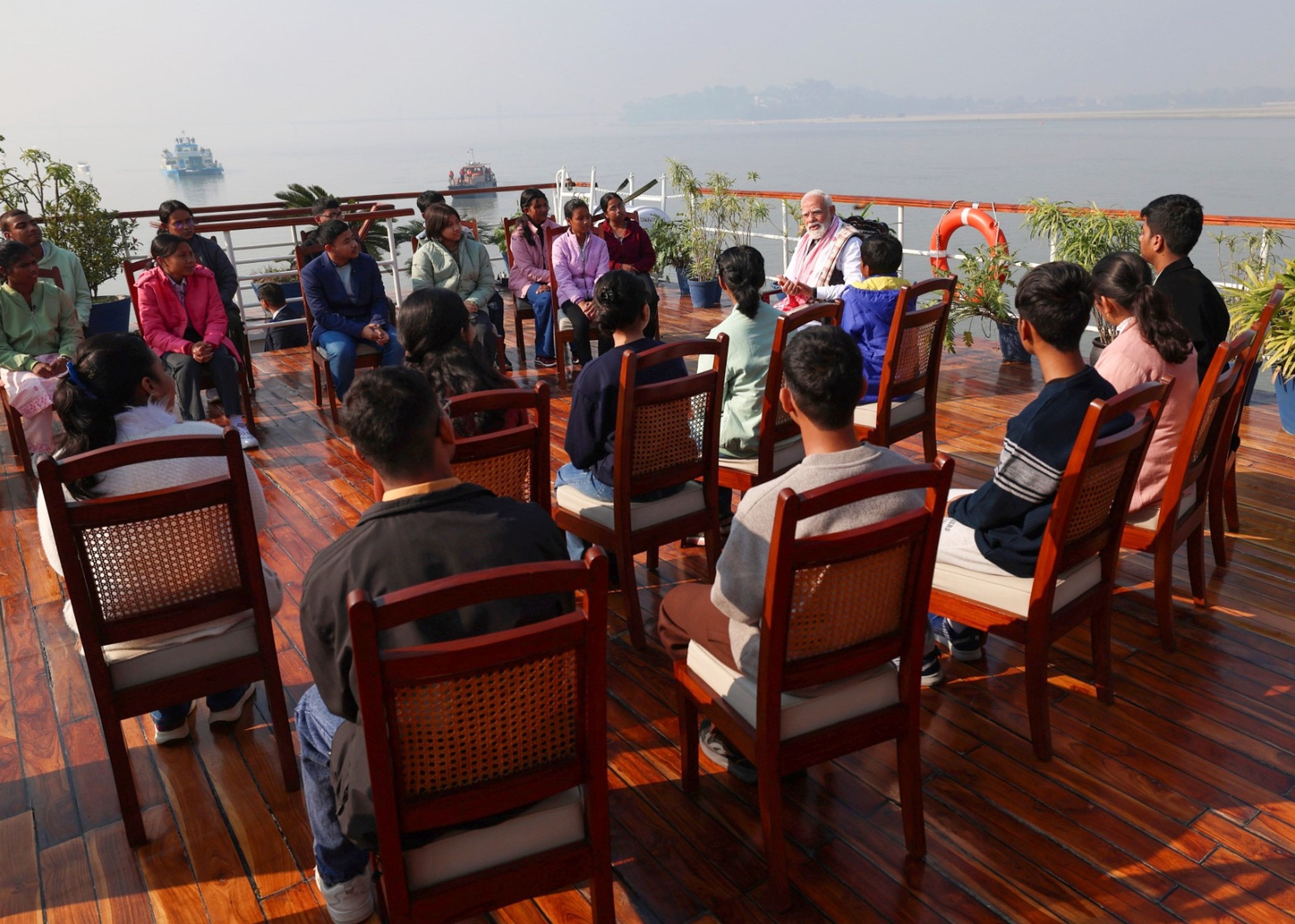
బ్రహ్మపుత్ర నది తీరంలోని గువాహతిలో జరిగిన పరీక్ష పే చర్చా ప్రయాణం ఈశాన్యంలోని అష్టలక్ష్మి ప్రాంతానికి చేరుకుందని ప్రధానమంత్రి శ్రీ నరేంద్ర మోదీ చెప్పారు. అక్కడ ఆయనకు గమోసాతో స్వాగతం పలకగా..అస్సాంలో ఇలా గౌరవించడం సంప్రదాయమని పేర్కొన్నారు. ప్రధాని రాక తమలో ప్రశాంతతను తీసుకువచ్చిందని, పరీక్షల ఆందోళన తగ్గిందని విద్యార్థులు చెప్పారు. ఈ కార్యక్రమాన్ని గతంలో టెలివిజన్ లో చూశారా లేక తన ఎగ్జామ్ వారియర్ పుస్తకం చదివారా అని ప్రధాని అడగ్గా.. అవి తమలో పరీక్షల పట్ల ఉన్న భయాన్ని పోగొట్టాయని, పరీక్షలను పండుగలా జరుపుకోవాలని నేర్పాయని విద్యార్థులు సమాధానమిచ్చారు. మార్కులు తగ్గినప్పుడు తరుచుగా కుటుంబ సభ్యులే భయాన్ని పెంచుతారని ప్రధానమంత్రి అన్నారు. అయితే సంతృప్తి ఎప్పుడూ పురోగతికి అడ్డుకోకూడదని ఆయన అన్నారు. పోటీ ఎప్పుడూ ఇతరులతో కాకుండా తమతో తమకే ఉండాలని సూచించారు. స్వీయాభివృద్ధి నిరంతరం కొనసాగాలని, అదే మనల్ని ఉన్నత శిఖరాలకు చేరుస్తుందని విద్యార్థులకు ప్రధానమంత్రి దిశానిర్దేశం చేశారు.
ఆరోగ్యకరమైన ఆహారం, జీవనశైలి
ఆహారం, జీవనశైలి గురించి అడిగిన ప్రశ్నకు ప్రధానమంత్రి శ్రీ నరేంద్ర మోదీ స్పందిస్తూ.. తాను ఎలాంటి కఠినమైన ఆహార విధానాన్ని పాటించనని అన్నారు. గతంలో వివిధ కుటుంబాల్లో శాకాహార భోజనం చేసిన సమయాల్లో.. తానే స్వయంగా కిచిడీ వంటి సాధారణ వంటకాలు వండుకునేవాడినని గుర్తుచేసుకున్నారు. ఆహారాన్ని మందులా భావించకూడదని, మన ఇష్టాయిష్టాల ప్రకారమే తీసుకోవాలని సూచించారు. కడుపు నింపుకోవడానికి తింటున్నామా లేక తృప్తి కోసం తింటున్నామా అన్నది మనమే నిర్ణయించుకోవాలన్నారు. ప్రజలు కడుపు నింపుకోవడానికి ఆహారం తీసుకుంటారు కానీ, ఊపిరితిత్తుల నిండా గాలి పీల్చుకోవడాన్ని (లోతైన శ్వాస) నిర్లక్ష్యం చేస్తారని ఆయన అభిప్రాయపడ్డారు. దీనికి విరుద్ధంగా శ్వాసపై ఎక్కువ దృష్టి పెట్టాలని కోరారు. శరీరానికి ప్రాధాన్యం ఇవ్వాలని, ఉదయం సూర్యోదయాన్ని చూడటం వంటి అలవాట్లను పెంచుకోవాలని తెలిపారు. ఆరోగ్యానికి అత్యంత ప్రాధాన్యత ఇవ్వాలని విద్యార్థులకు సూచించారు. ఇవి రోజంతా మనకు ఉత్సాహాన్ని, శక్తిని ఇస్తాయని చెప్పారు.
పోలికల వల్ల కలిగే ఒత్తిడిని ఎదుర్కోవడం
తోబుట్టువులు లేదా స్నేహితులతో తల్లిదండ్రులు పోల్చడం వల్ల కలిగే ఒత్తిడి గురించి విద్యార్థులు వ్యక్తం చేసిన ఆందోళనపై ప్రధానమంత్రి స్పందించారు. ఇటువంటి పరిస్థితులను సానుకూలంగా చూడాలని సూచించారు. ఒకవేళ తోబుట్టువుల చేతిరాత బాగుందని తల్లిదండ్రులు మెచ్చుకుంటే.. బాధపడకుండా ఆ తోబుట్టువు వద్దకు వెళ్లి తనకూ నేర్పమని అడగడం మంచి పద్దతని చెప్పారు. తోబుట్టువుల మంచి లక్షణాల నుంచి నేర్చుకునేలా తల్లిదండ్రులతో “మీరు ఒక మంచి విషయాన్ని చెప్పారు. దాన్ని నేను ఎలా అభివృద్ధి చేసుకోవాలో మార్గనిర్దేశం చేయండి” అని అడగాలని సూచించారు. ఒక బిడ్డ ముందు మరొకరిని అతిగా పొగడడం మంచిది కాదని, అది అసమానతలకు దారితీస్తుందని తల్లిదండ్రులకు సూచించారు. మనకు దగ్గరైన వ్యక్తి ఏదైనా రంగంలో ప్రతిభ చూపిస్తే.. వారికి చెప్పకుండానే మనసులో వారిని గురువుగా భావించి వారి నుంచి ఆ విద్యను నేర్చుకోవాలని ప్రధానమంత్రి చెప్పారు. ఇది సమానత్వం, పరస్పర గౌరవాన్ని పెంపొందిస్తుందని పేర్కొన్నారు.
ఆత్మవిశ్వాసం
స్టేజీ భయం, ఆత్మవిశ్వాసం గురించి ప్రధానమంత్రి వివరించారు.. ఆత్మవిశ్వాసం అనే పదం ఆత్మ, విశ్వాసం అనే రెండు పదాల నుంచి వచ్చిందని.. అంటే తనపై తనకు ఉండే నమ్మకమని చెప్పారు. తమపై తమకు నమ్మకం ఉన్నవారు ఎప్పుడూ భయపడరని, ఏ పని చేసినా ముందు పరిస్థితిని జాగ్రత్తగా పరిశీలించి నిర్ణయం తీసుకుంటారని పేర్కొన్నారు స్వామి వివేకానంద షికాగో ప్రసంగాన్ని గుర్తుచేస్తూ.. ప్రారంభంలో వివేకానంద కొంత ఆందోళనకు గురైనప్పటికీ, సరస్వతీ దేవిని ప్రార్థించి ధైర్యం పొందారని చెప్పారు. ఆయన తన ప్రసంగాన్ని “అమెరికా సోదర సోదరీలారా” అని ప్రారంభించగానే ప్రేక్షకులు కొన్ని నిమిషాలపాటు చప్పట్లు కొట్టారని, అదే ఆయన జీవితంలో కీలక మలుపుగా మారిందని తెలిపారు. గొప్ప వక్తలు, క్రీడాకారులు కూడా అపజయాలను ఎదుర్కొంటారని, ఉదాహరణకు సచిన్ టెండూల్కర్ సున్నాకే అవుట్ అయిన సందర్భాలూ ఉన్నాయని చెప్పారు. కానీ వారు ఎప్పుడూ ఆత్మవిశ్వాసాన్ని కోల్పోలేదని, విద్యార్థులు కూడా సవాళ్లను స్వీకరించి తమ అంతర్గత శక్తిపై నమ్మకం ఉంచాలని సూచించారు.
భారతరత్న డాక్టర్ భూపెన్ హజారిక రచించిన గీతాన్ని విద్యార్థులు ఆలపించగా.. ప్రధాని దానిని అభినందించారు. ఒక విద్యార్థిని తన కుటుంబానికి టీ తోటలతో ఉన్న అనుబంధాన్ని పంచుకుంటూ ఆయనకు టీ పోడిని బహుమతిగా అందించింది. ప్రధాని ఆప్యాయంగా స్పందించి ఆమె తల్లికి తన నమస్కారాలు తెలియజేశారు. ప్రధానిని కలవడంపై విద్యార్థులు అమిత సంతోషం వ్యక్తం చేశారు. వయసులో చాలా వ్యత్యాసం ఉన్నప్పటికీ, ప్రధానమంత్రి తమను అర్థం చేసుకుంటున్న తీరు వారికి ఎంతో ధైర్యాన్ని ఇచ్చిందని చెప్పారు.
పరీక్షా పే చర్చా కార్యక్రమం కేవలం పరీక్షల గురించి మాత్రమే కాదని.. స్థానిక సంగీతం, అస్సాం టీ వంటి అంశాలు కలిసి ఇదొక మధుర జ్ఞాపకంగా మారిందని ప్రధానమంత్రి పేర్కొన్నారు. పరీక్షలను ఒక అవకాశంగా భావించాలని, ఆరోగ్యకరమైన పోటీ సిద్ధతను మరింత మెరుగుపరుస్తుందని ఆయన చెప్పారు. ప్రదేశాలు, విద్యార్థులు, అనుభవాలు వేరైనప్పటికీ.. ప్రతి చర్చ లక్ష్యం ఒక్కటేనని.. అదే వినడం, అర్థం చేసుకోవడం, కలిసి నేర్చుకోవడమని స్పష్టం చేశారు. చివరగా విద్యార్థులందరికీ తన శుభాకాంక్షలు తెలియజేస్తూ ముగించారు.