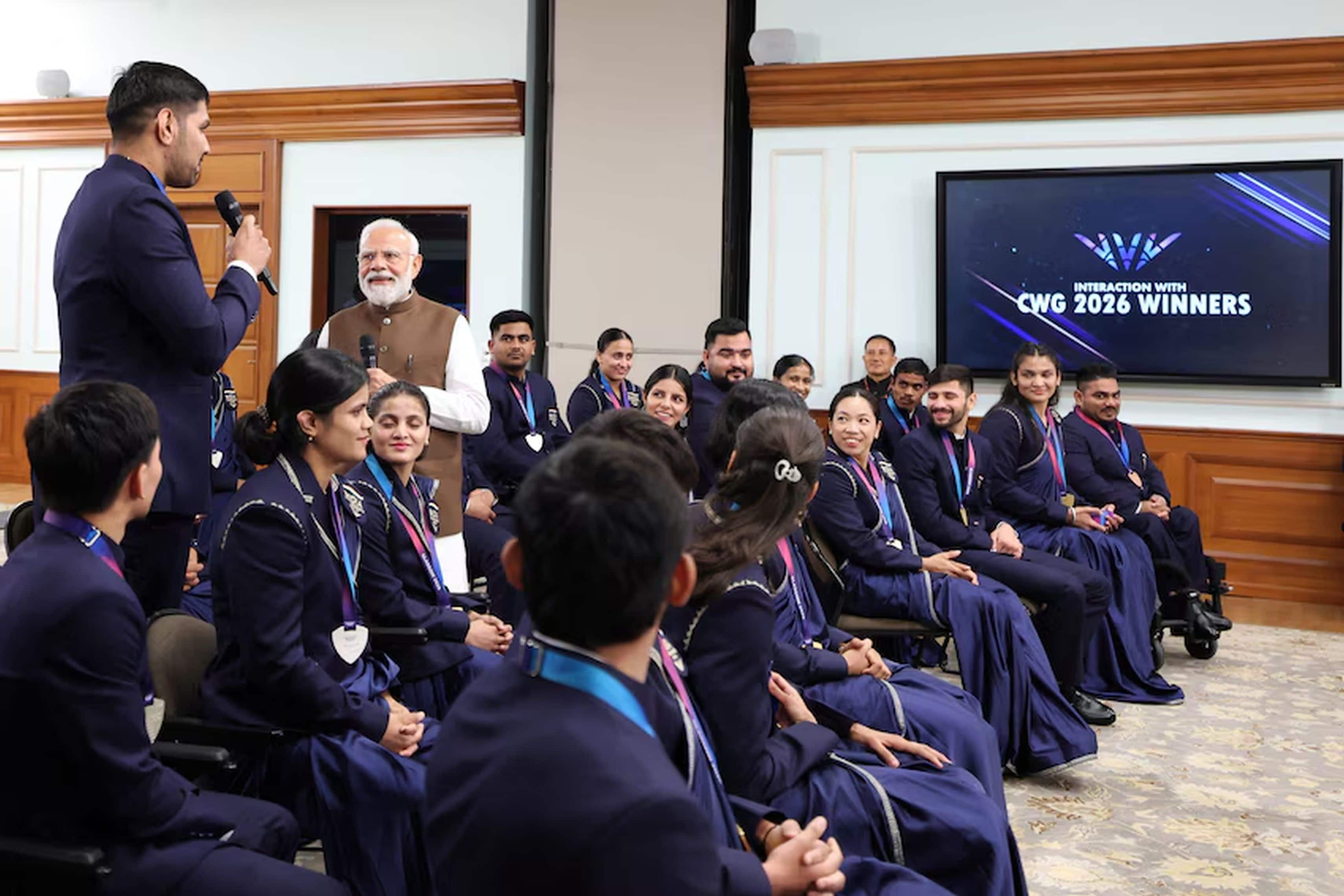
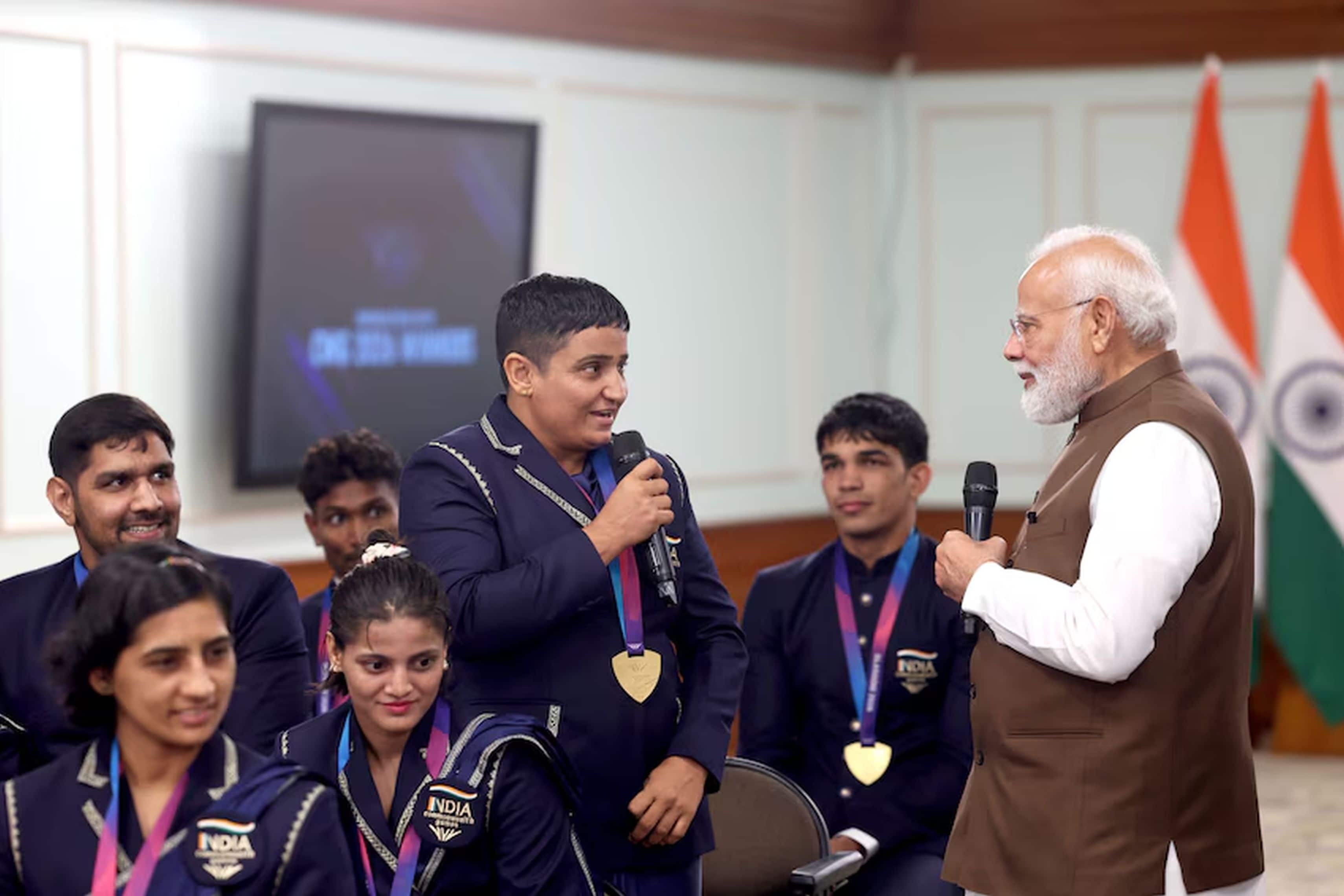
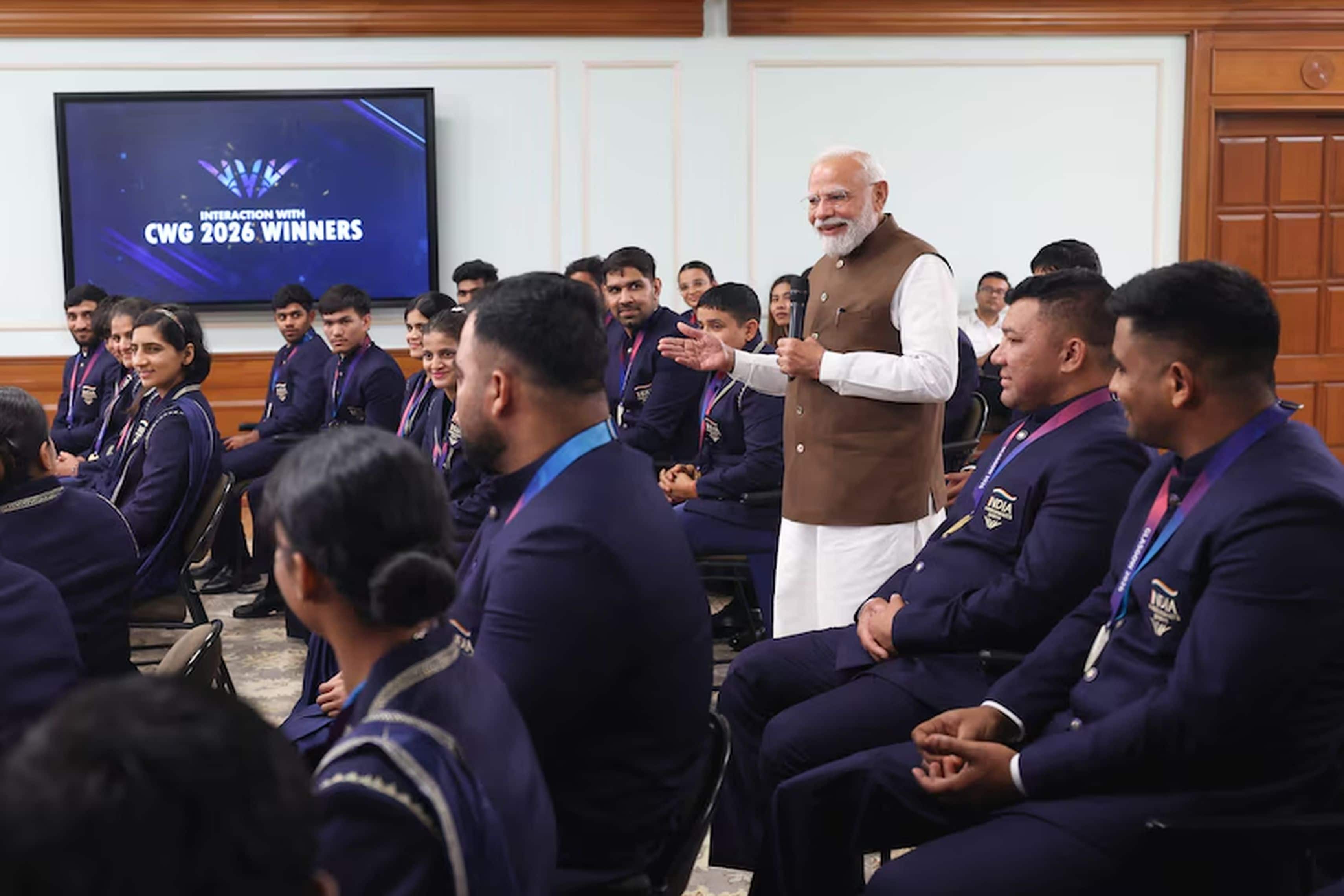
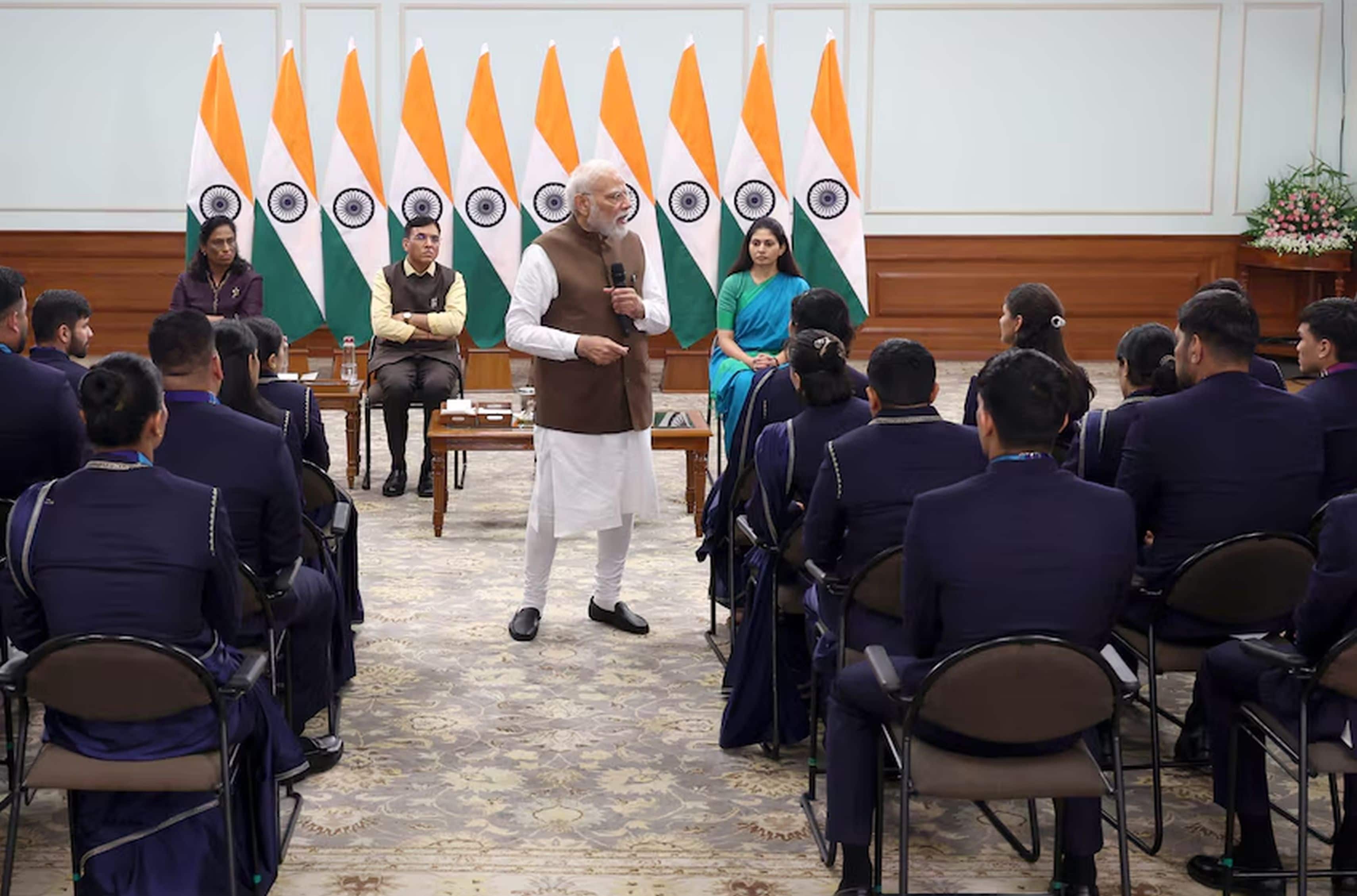
The Prime Minister Shri Narendra Modi accompanied Hon’ble President Shri Ram Nath Kovind to Pathri Mata Mandir in Paraunkh village, Kanpur. Thereafter they visited Dr. B R Ambedkar Bhawan, followed by a visit to Milan Kendra. The Kendra is the ancestral house of Hon’ble President, that was donated for public use and converted to a community centre (Milan Kendra). Both the dignitaries attended a public function at Paraunkh village. First Lady Smt Savita Kovind, Governor of Uttar Pradesh Smt Anandiben Patel, Chief Minister of Uttar Pradesh, Shri Yogi Adityanath, Union Ministers, State Ministers, people’s representatives were among those present on the occasion.

Speaking on the occasion, the Prime Minister said that he is happy to visit the village that has witnessed the childhood of the President and also saw him rise to the highest office of the country. He reminisced about the memories that the President shared with him during the visit. He lauded the strength of the journey of the President’s life.
The Prime Minister said that he felt the strength of the ideal villages of India in Paraunkh. He said that the village is a fine example of Ek Bharat Shreshtha Bharat. Pathri Mata Mandir represents both dev bhakti and desh bhakti. He bowed to the thought process and imagination of the father of the President and his penchant for pilgrimage and bringing stones and articles of faith from places of faith all over the county.
The Prime Minister said that the ‘sanskaars’ that the President received from the soil of Paraunkh village are being witnessed by the world today. The President, who represents both ‘samvidhan’ and ‘sanskaar’ surprised the Prime Minister by breaking protocol and receiving him at the helipad. The Prime Minister recalled that the President said that he was following his ‘sanskars’ of welcoming a guest. The Prime Minister thanked the President for his gracious gesture.

Shri Modi mentioned that the President had given his ancestral residence to be developed as a ‘Milan Kendra’. Today it is giving new strength to women empowerment in the form of consultation and training center. Similarly, Dr. B R Ambedkar Bhawan is promoting the ideals of Babasaheb Ambedakar. The Prime Minister said that Paraunkh will continue to grow by the collective efforts of people of the village and will present the model of a perfect village to the country. The Prime Minister said that one’s village never leaves a person wherever he or she goes. The Prime Minister said Mahatma Gandhi used to see the independence of India by connecting it with the village of India. The village of India means, where there is spirituality, there should also be ideals.The village of India means, where there are traditions, and there is also progress. The village of India means, wherever there is culture, there should also be co-operation. Where there is love, there is equality. In this period of Amrit Kaal, there is a need to strengthen such villages. Country is moving ahead with this pledge of working for villages, farmers, poor and Panchayati democracy, he added. “Our villages have the most potential and labour force, and the highest dedication. That's why empowerment of villages of India is one of the top priorities of our government”, he said.

The Prime Minister said that crores of rural people have been benefited by the schemes like Jan Dhan Yojna, PMAY, Ujjawala and Har Ghar Jal. “The country has worked at an unprecedented pace for the welfare of the poor”, he said. Now the country is trying to take the 100 per cent benefit of all the schemes to 100 percent people. Saturation of schemes is a high priority now. This will lead to empowerment of all without any discrimination, he said.
Referring to the strength of Indian democracy, the Prime Minister pointed out that all four dignitaries on the stage, the President, the Prime Minister, The Governor and the Chief Minister of UP have emerged from villages or the small towns. Our struggles and direct contact with poverty and village life have strengthened our sanskars, this is the strength of our democracy, “in India, even the poorest person born in a village can reach the post of President-Prime Minister-Governor-Chief Minister”, he said.

In the context of the strength of democracy, the Prime Minister cautioned against dynasty politics. He said It is dynasty politics that throttles talents not only in politics, but in every field and prevents new talent from growing. “I have no personal grudge against any political party or any person. I want that there should be a strong opposition in the country and there should be political parties dedicated to democracy”, he continued “I want the parties trapped in the clutches of the dynasty to free themselves from this disease and to cure themselves. Only then the democracy of India will be strong, the youth of the country will get maximum opportunity to join politics.”
The Prime Minister requested the villagers to help in construction of Amrit Sarovar in the village and also asked them to adopt natural farming. He concluded that Sabka Prayas is the way to achieve Aatmnirbhar Bharat and Aatamnirbhar village is the key to Aatmnirbhar Bharat.
The Hon'ble President of India also addressed the gathering.
मैं राष्ट्रपति जी के साथ विभिन्न स्थानों को देख रहा था तो मैंने परौंख में भारतीय गाँव की कई आदर्श छवियों को महसूस किया।
— PMO India (@PMOIndia) June 3, 2022
यहाँ सबसे पहले मुझे पथरी माता का आशीर्वाद लेने का अवसर मिला।
ये मंदिर इस गाँव की, इस क्षेत्र की आध्यात्मिक आभा के साथ एक भारत-श्रेष्ठ भारत का भी प्रतीक है: PM
राष्ट्रपति जी ने अपने पैतृक आवास को मिलन केंद्र के रूप में विकसित करने के लिए दे दिया था।
— PMO India (@PMOIndia) June 3, 2022
आज वो विमर्श और ट्रेनिंग सेंटर के तौर पर महिला सशक्तिकरण को नई ताकत दे रहा है: PM @narendramodi
महात्मा गांधी भारत की आज़ादी को भारत के गाँव से जोड़कर देखते थे।
— PMO India (@PMOIndia) June 3, 2022
भारत का गाँव यानी, जहां आध्यात्म भी हो, आदर्श भी हों!
भारत का गाँव यानी, जहां परम्पराएँ भी हों, और प्रगतिशीलता भी हो!
भारत का गाँव यानी, जहां संस्कार भी हो, सहकार भी हो!
जहां ममता भी हो, समता भी हो: PM
हमारे गाँवों के पास सबसे ज्यादा सामर्थ्य है, सबसे ज्यादा श्रम शक्ति है, और सबसे ज्यादा समर्पण भी है।
— PMO India (@PMOIndia) June 3, 2022
इसलिए भारत के गांवों का सशक्तिकरण हमारी सरकार की सर्वोच्च प्राथमिकताओं में से एक है: PM @narendramodi
आज जब हम लोकतन्त्र की इस ताकत की चर्चा कर रहे हैं तो हमें इसके सामने खड़ी परिवारवाद जैसी चुनौतियों से भी सावधान रहने की जरूरत है।
— PMO India (@PMOIndia) June 3, 2022
ये परिवारवाद ही है जो राजनीति ही नहीं, बल्कि हर क्षेत्र में प्रतिभाओं का गला घोंटता है, उन्हें आगे बढ़ने से रोकता है: PM @narendramodi
भारत में गांव में पैदा हुआ गरीब से गरीब व्यक्ति भी राष्ट्रपति-प्रधानमंत्री-राज्यपाल-मुख्यमंत्री के पद पहुंच सकता है: PM @narendramodi
— PMO India (@PMOIndia) June 3, 2022
मैं तो चाहता हूं कि परिवारवाद के शिकंजे में फंसी पार्टियां, खुद को इस बीमारी से मुक्त करें, खुद अपना इलाज करें।
— PMO India (@PMOIndia) June 3, 2022
तभी भारत का लोकतंत्र मजबूत होगा, देश के युवाओं को राजनीति में आने का ज्यादा से ज्यादा अवसर मिलेगा: PM @narendramodi
मेरी किसी राजनीतिक दल से या किसी व्यक्ति से कोई व्यक्तिगत नाराजगी नहीं है।
— PMO India (@PMOIndia) June 3, 2022
मैं तो चाहता हूं कि देश में एक मजबूत विपक्ष हो, लोकतंत्र को समर्पित राजनीतिक पार्टियां हों: PM @narendramodi