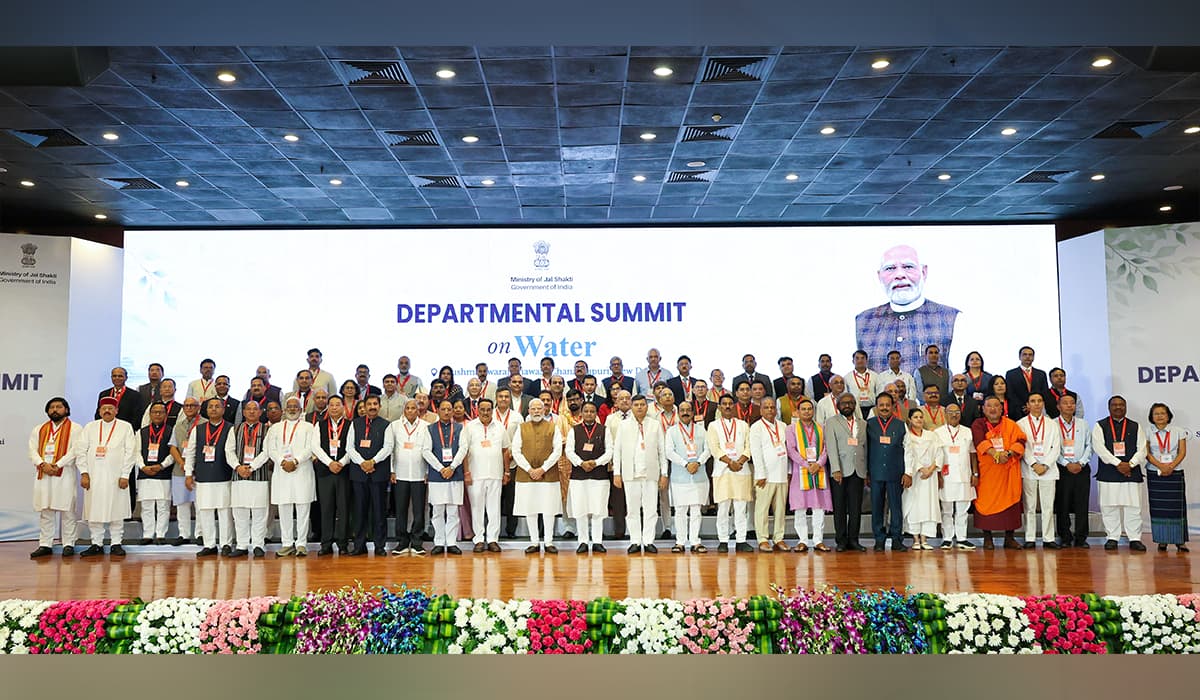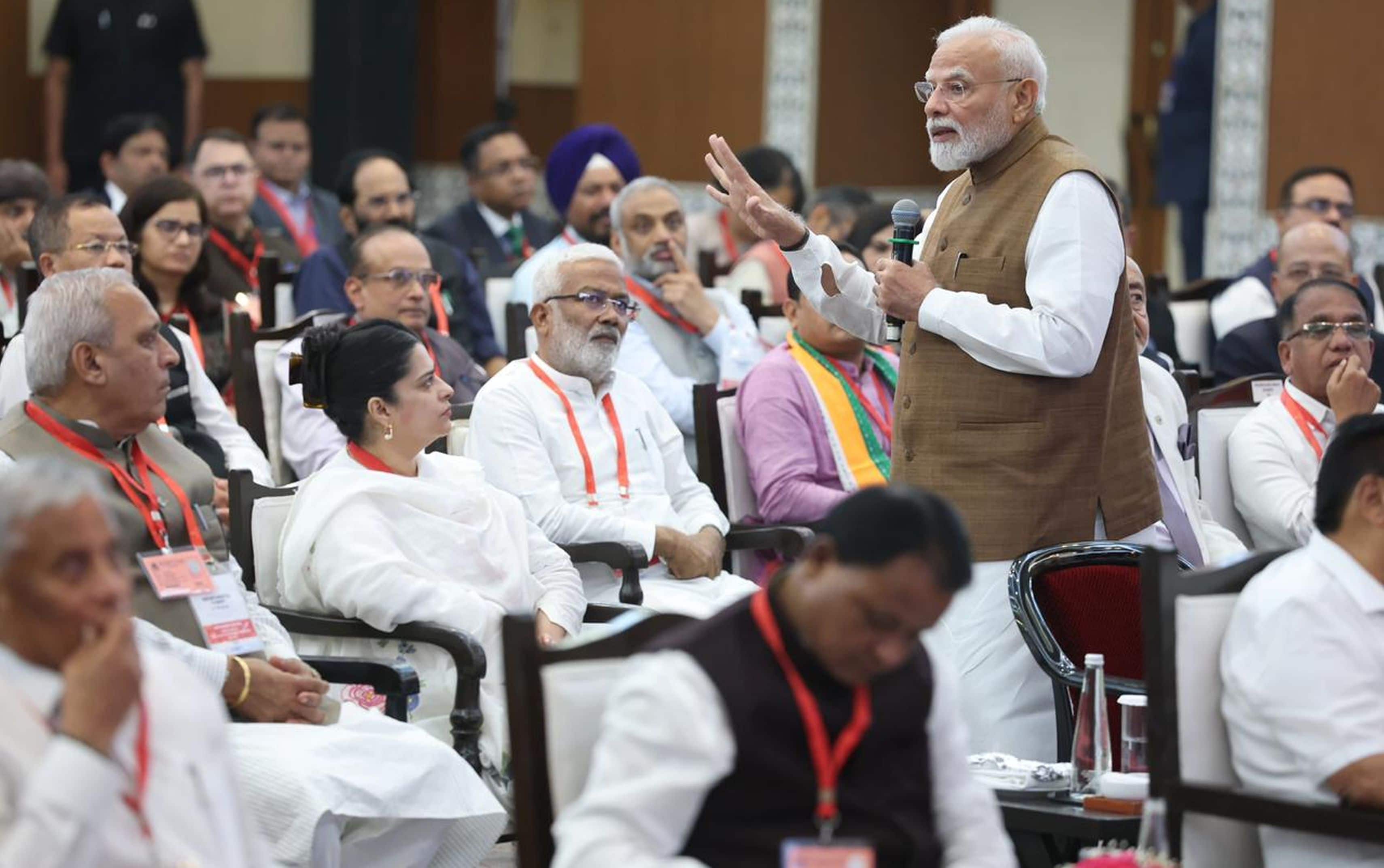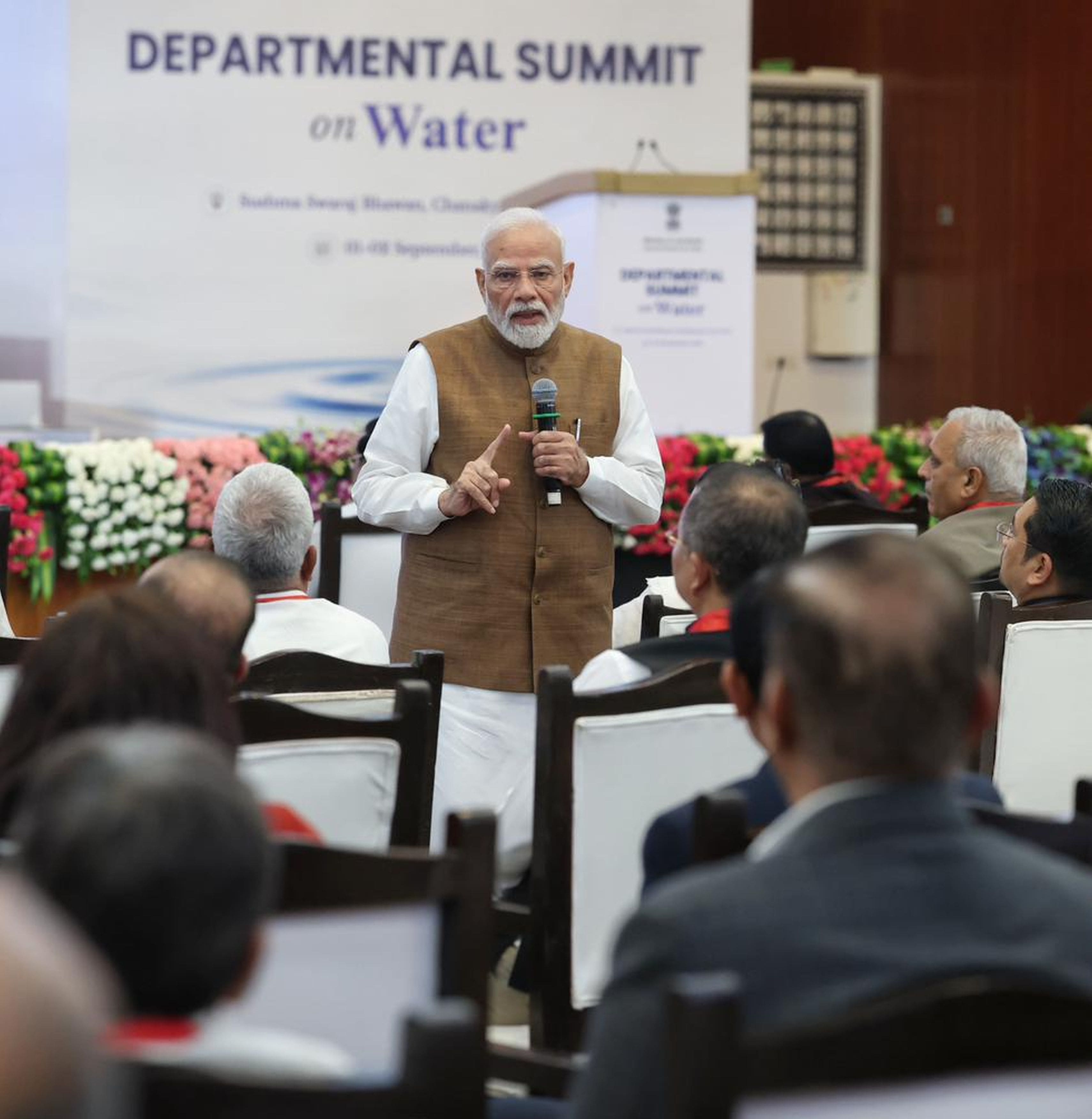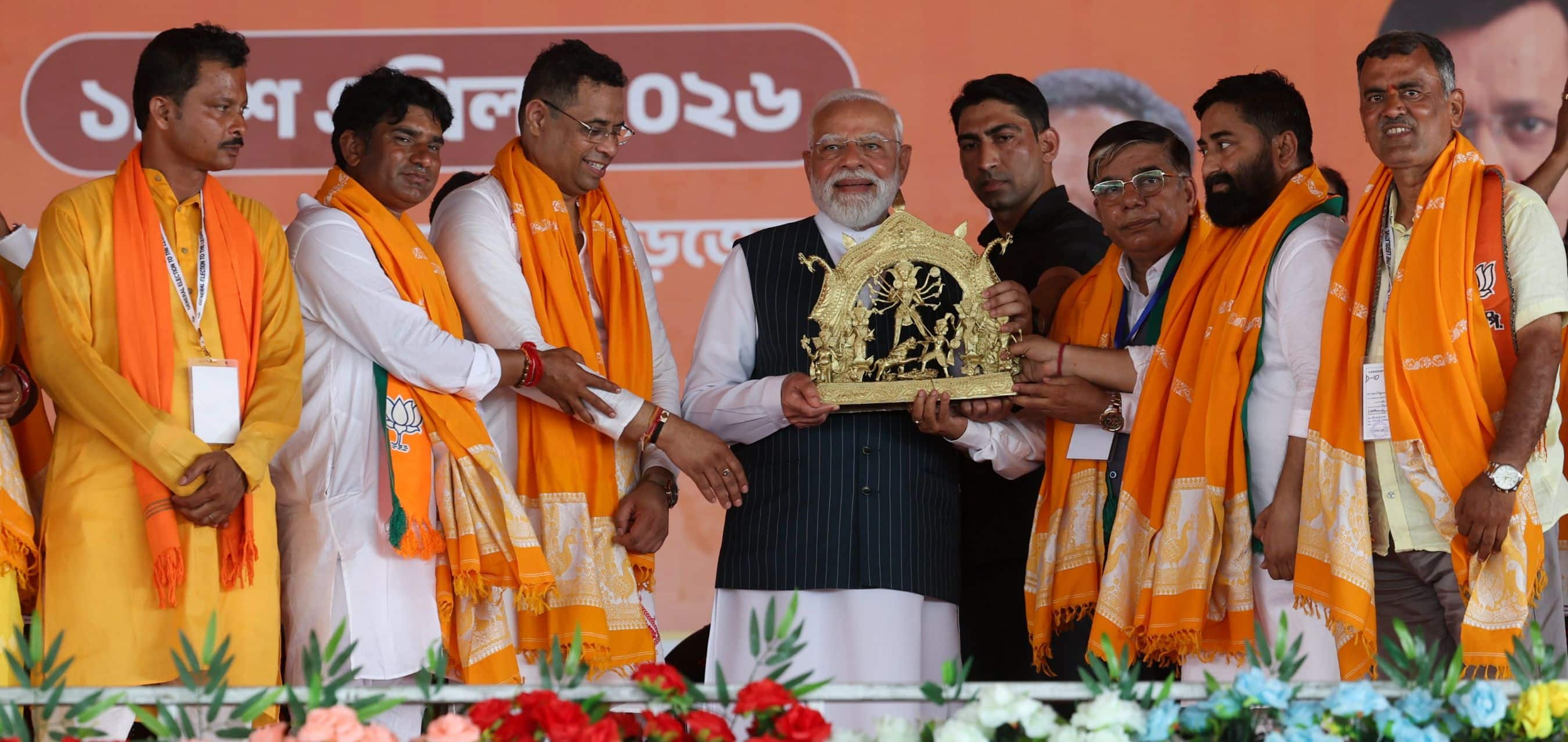


PM Modi addressed massive and energetic public gatherings across Bishnupur, Purulia, Jhargram and Medinipur, delivering a strong and consistent message of women empowerment, development and decisive change in West Bengal.
Addressing from the sacred land of Maa Sharda in Bishnupur, the PM reaffirmed that women empowerment and women safety define BJP’s identity. He highlighted that while the Centre ensured 33% reservation for women, the TMC, in alliance with Congress, blocked its implementation in West Bengal.
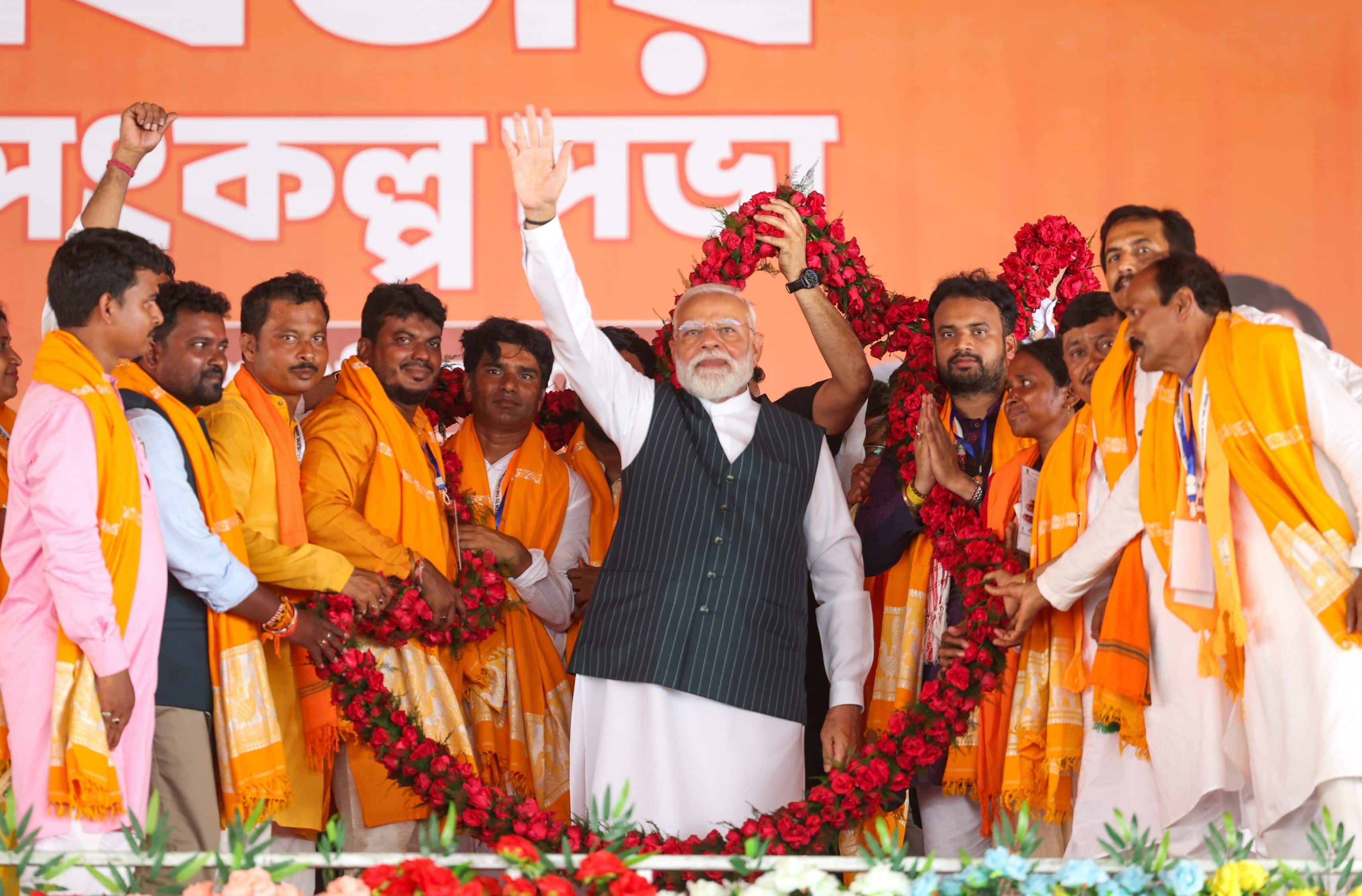
He called upon women to hold TMC accountable, stating that the party fears empowered daughters who can challenge its “maha-jungle raj.” He also underscored BJP’s commitment to tribal empowerment, recalling the historic elevation of Droupadi Murmu as India’s President.
PM Modi outlined a strong roadmap for women-led development — free ration, housing under PM Awas Yojana, healthcare via Ayushman Bharat, financial assistance for women and girls, and support for self-employment. He stressed that a double-engine government will ensure “double benefits,” including zero electricity bills through PM Surya Ghar Yojana.
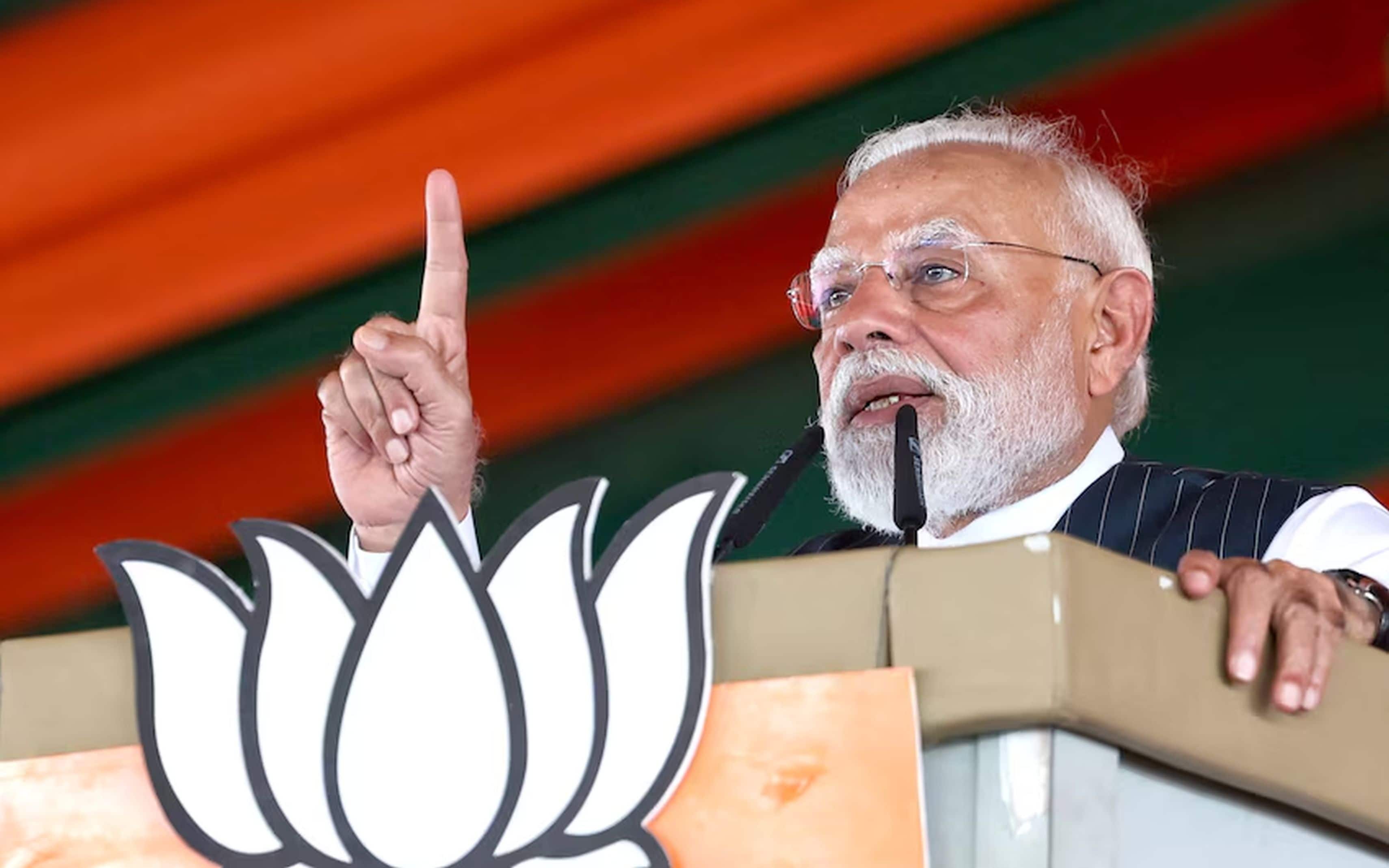
In Purulia, the PM highlighted farmers’ distress due to stalled irrigation projects and syndicate control over mandis and cold storages. He assured better MSP, expanded PM-KISAN benefits, irrigation support, and access to PM-KUSUM and crop insurance, reiterating that “factories run on trust, not fear.”
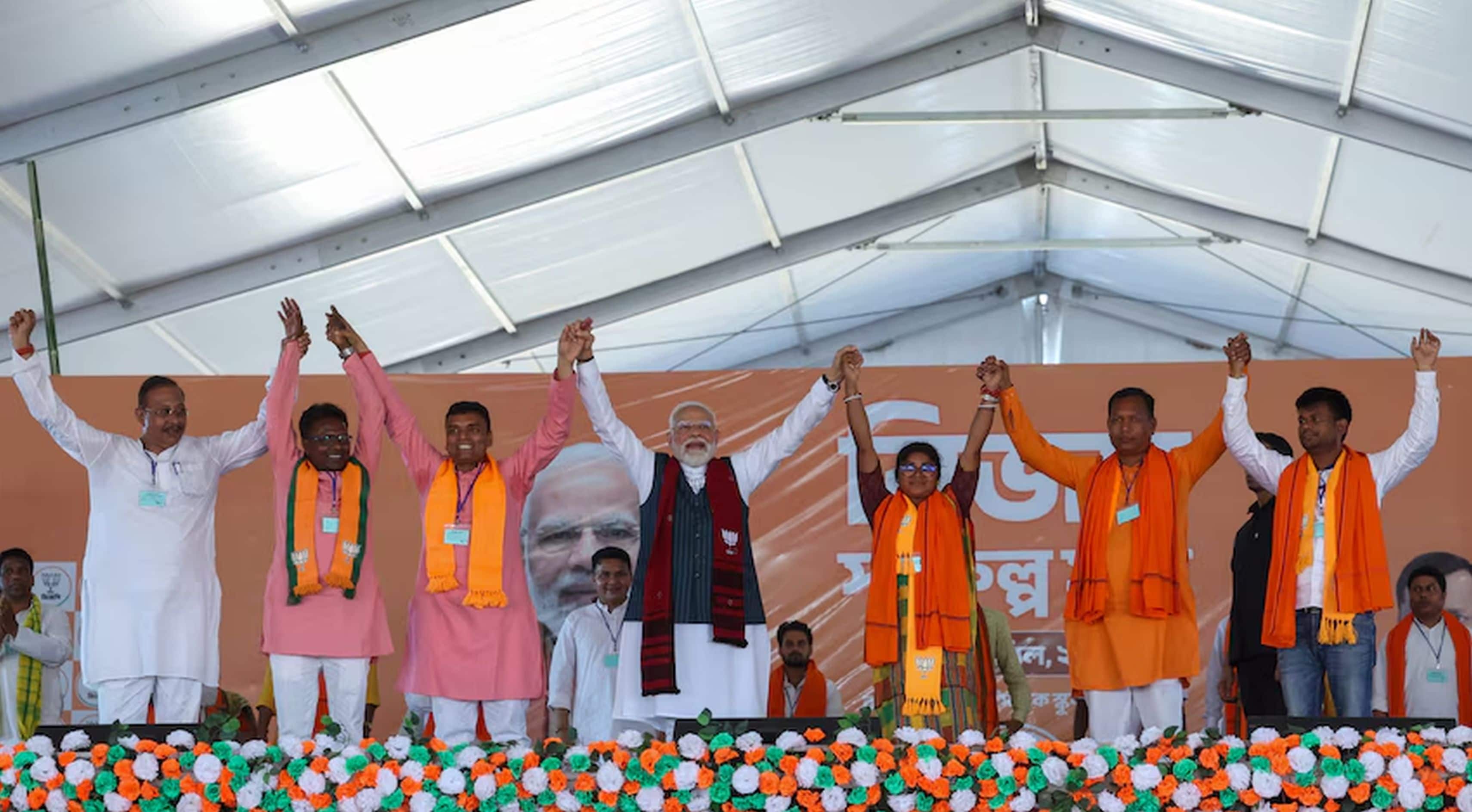
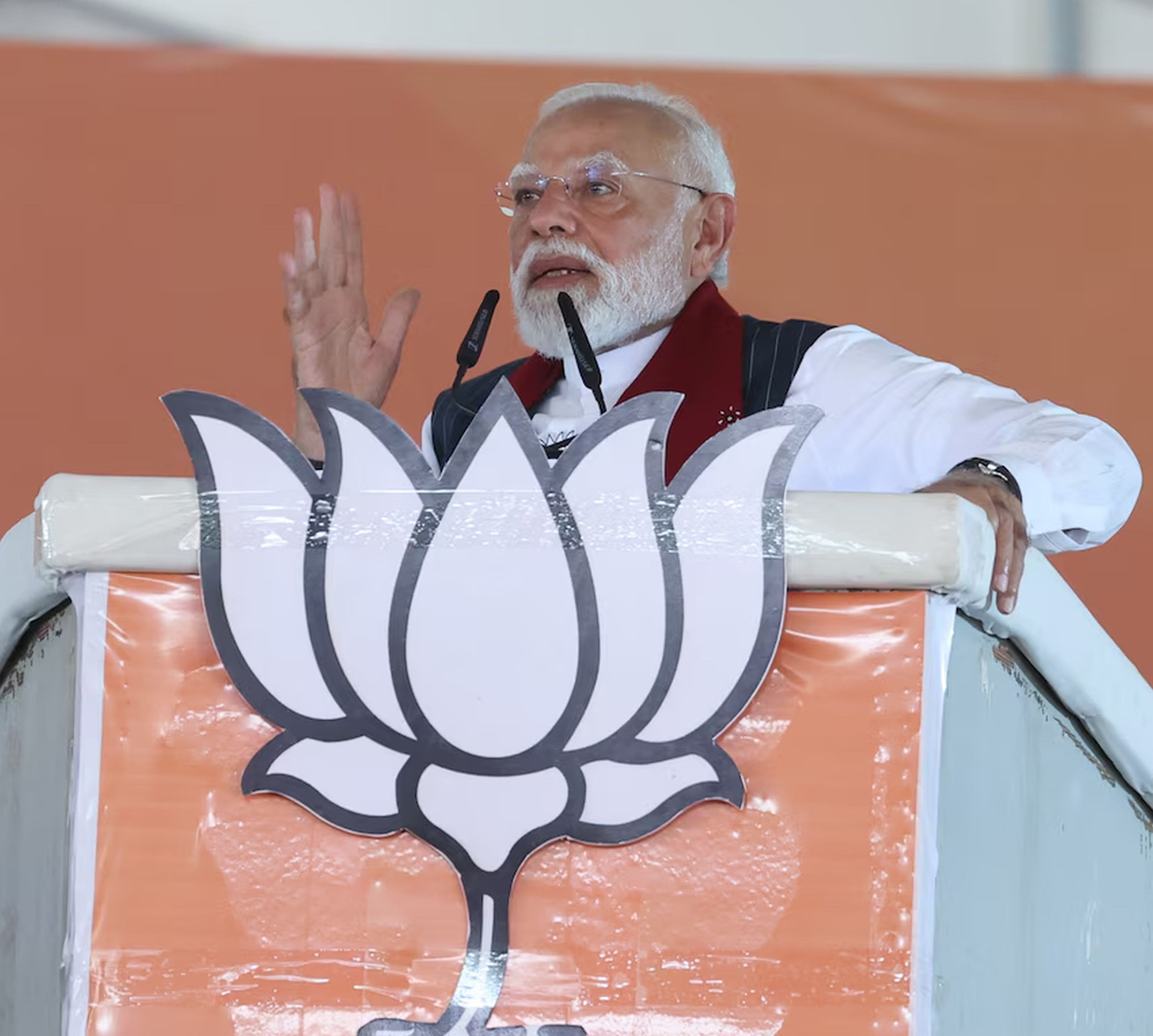
In Jhargram, PM Modi raised concerns over infiltration and its impact on Bengal’s identity, warning against divisive politics. He also exposed issues of high electricity bills and shortages, promising relief through clean and affordable energy under PM Surya Ghar. He further outlined key guarantees for farmers, tribals and youth, higher MSP, expanded welfare schemes, improved schools, healthcare and freedom from syndicate control.
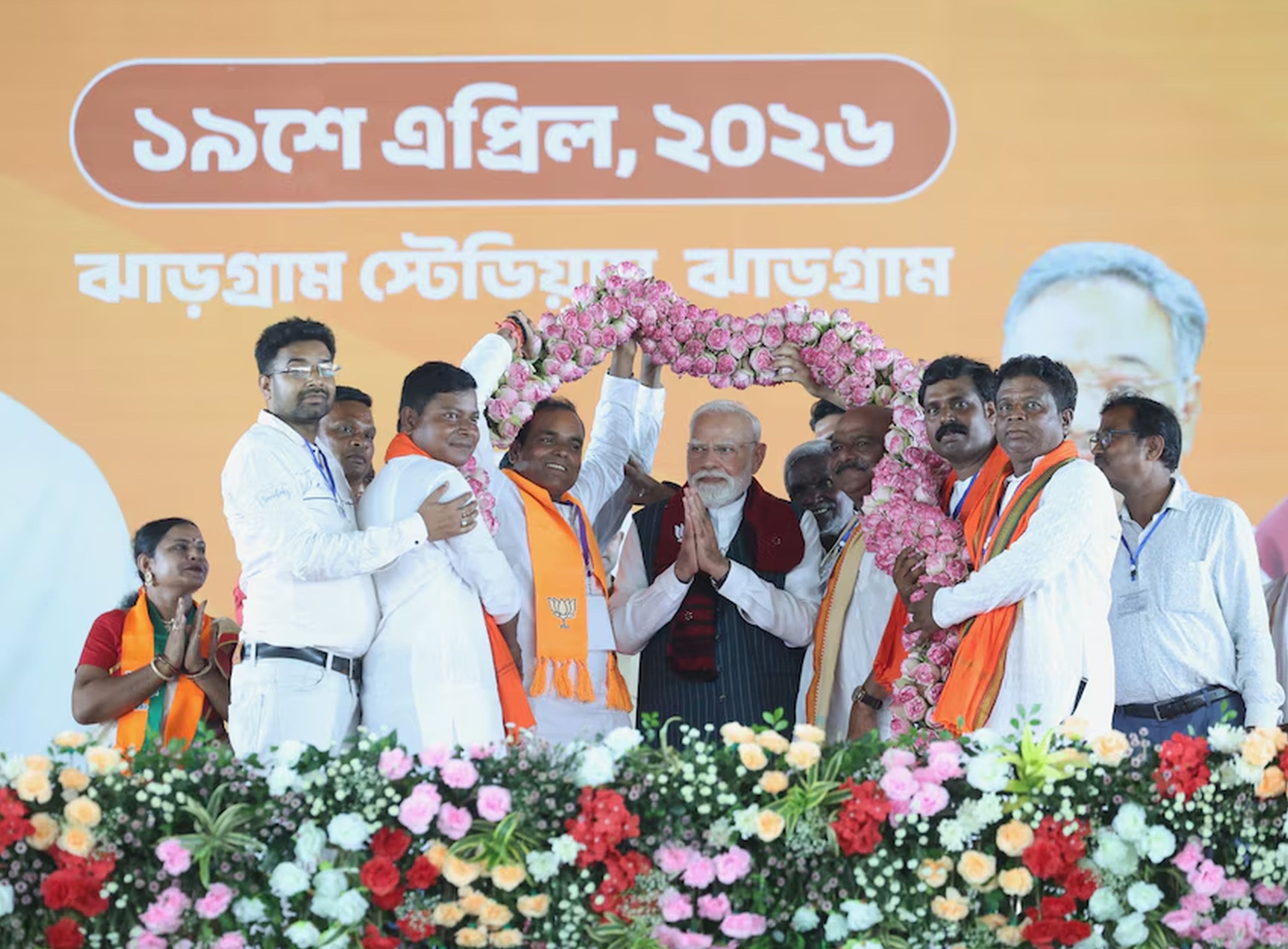
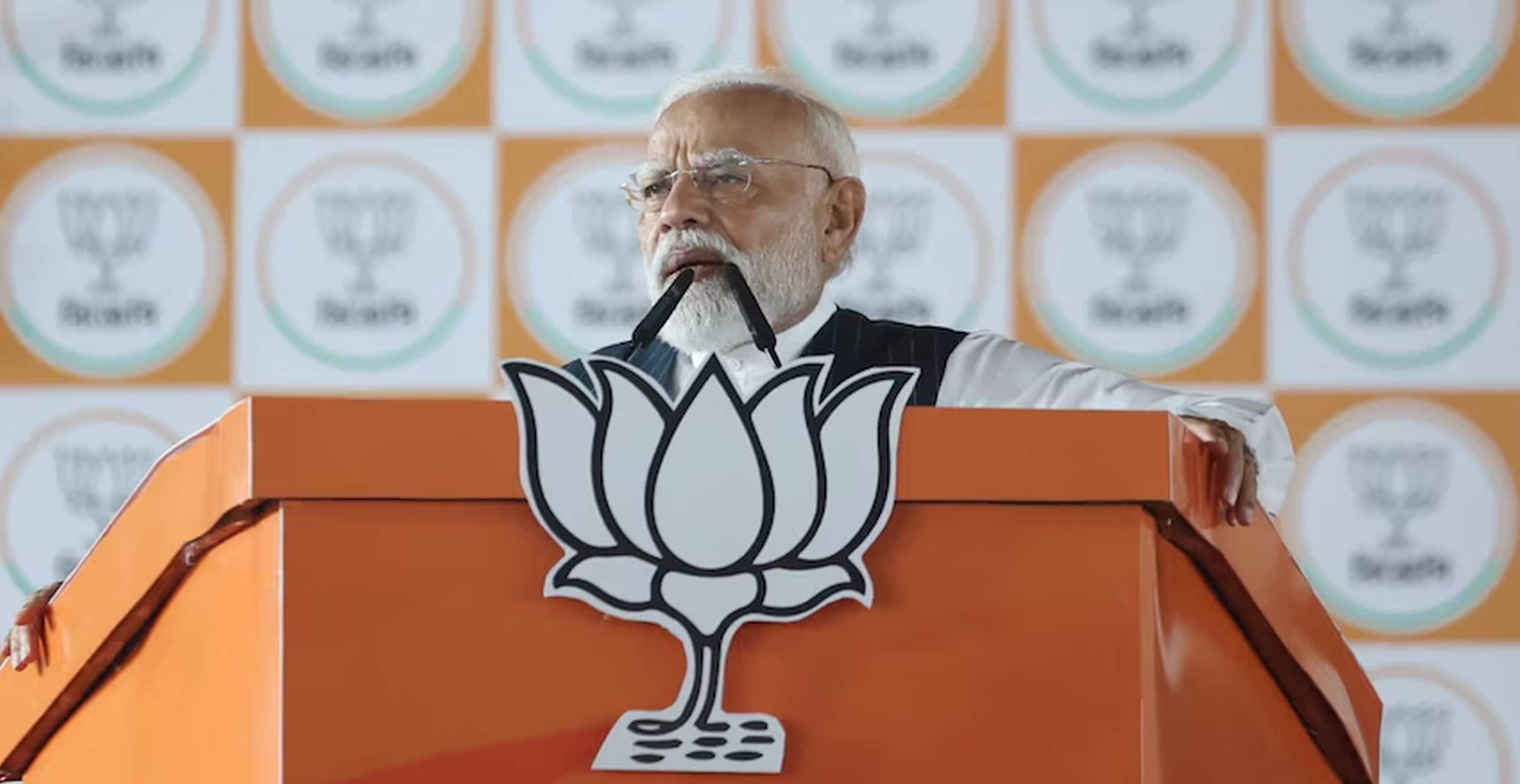
In Medinipur, the PM contrasted India’s rapid progress with Bengal’s stagnation under TMC, citing corruption, unemployment and migration. Calling for a “loot-free Bengal,” he emphasised the need for change - “Paltaano Dorkar!” He also highlighted Bengal’s untapped fisheries potential, promising a “Blue Revolution” through better infrastructure, production and exports. Reiterating his stand on women’s rights, he criticised TMC’s vote bank politics and opposition to women’s reservation.
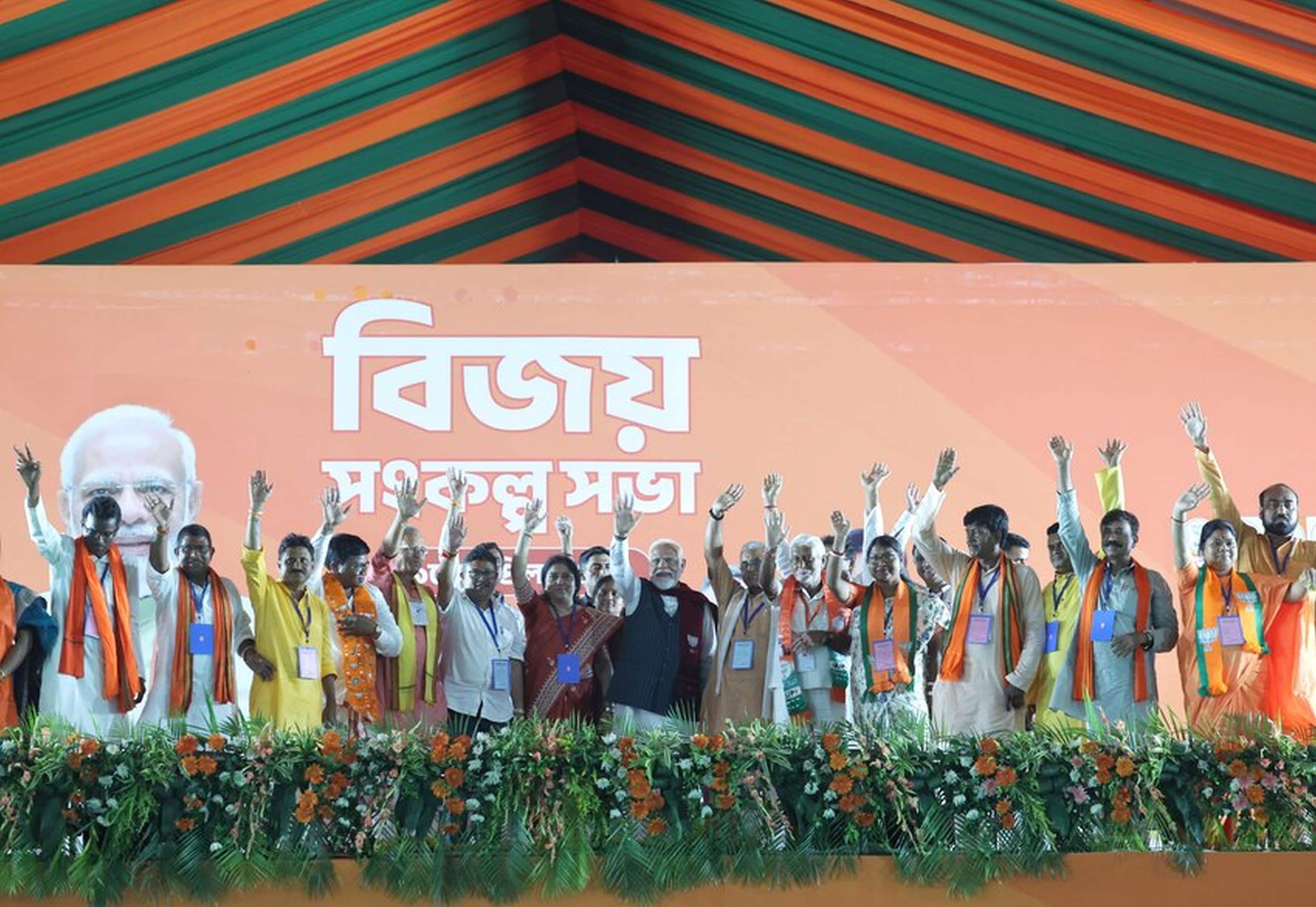
In a sharp attack on TMC leadership, the PM said the “fear-era of TMC is ending and the era of trust is beginning,” adding that threats and intimidation reflect panic ahead of results.
He declared: “Bhoy OUT, bharosa IN… BJP ke vote din!” - with the voice of the people, the “Bangla Tiger,” now roaring for change: “Ar noy, ekhon bodol chai!”
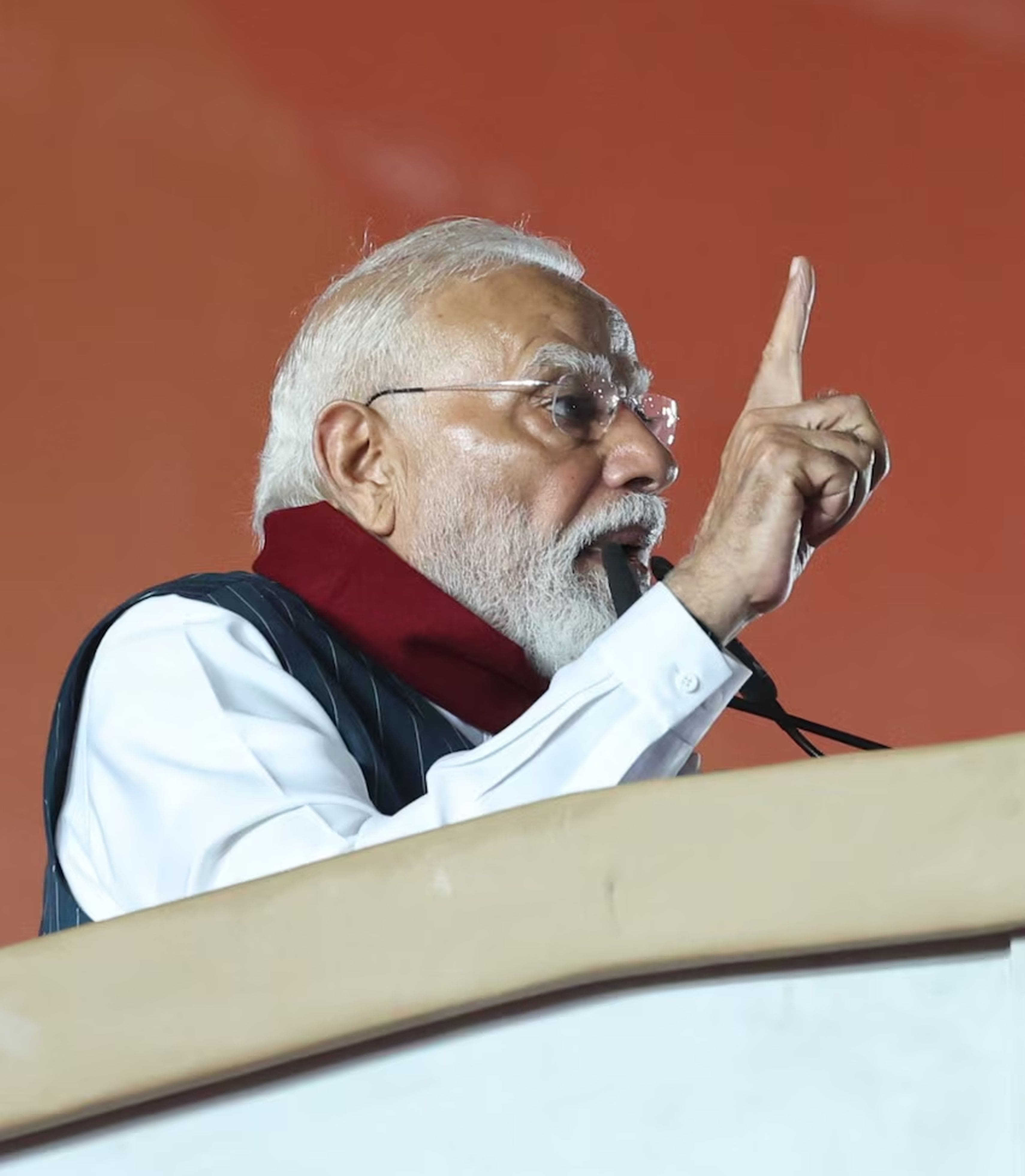
He also warned corrupt elements, syndicates and mafias to surrender before the election results, asserting that law will take its course after May 4.
The PM emphasised that while BJP governments across states have delivered governance and development, West Bengal continues to suffer due to corruption, unemployment and “cut money” culture under TMC.
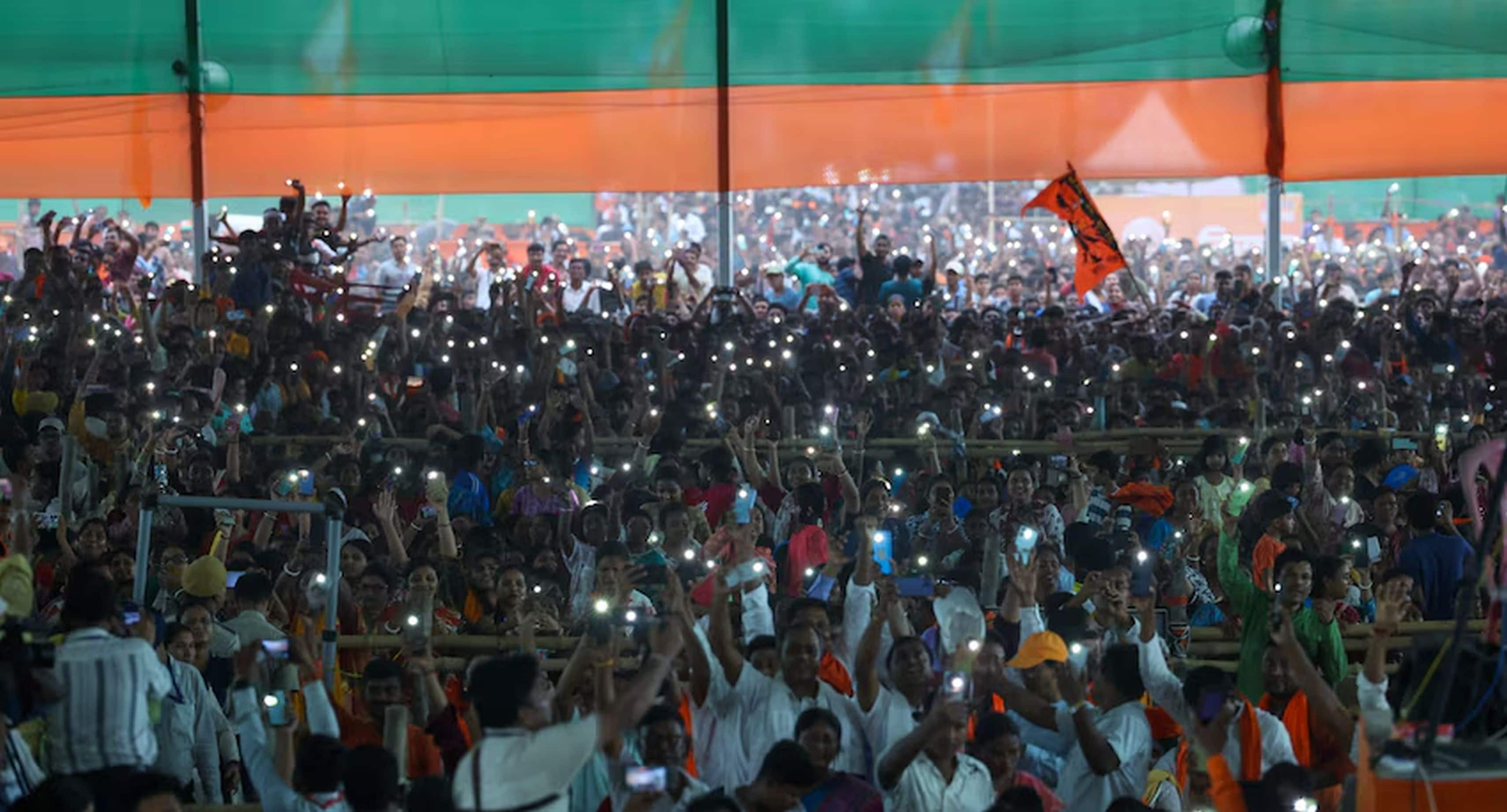
Concluding, PM Modi urged voters to strengthen BJP from booth to state leadership, calling this a “golden opportunity” for West Bengal to embrace development, good governance and a future built on trust.
Click here to read full text speech of Bishnupur
Click here to read full text speech of Purulia
Click here to read full text speech of Jhargram
Click here to read full text speech of Medinipur
बंगाल की बहनें चाहती थीं कि उनको 33% आरक्षण मिले... मोदी ने ये सुनिश्चित किया।
— narendramodi_in (@narendramodi_in) April 19, 2026
बंगाल की बहनें चाहती थीं कि ये 2029 से ही लागू हो... मोदी ने इसके लिए भी प्रयास किया।
लेकिन TMC नहीं चाहती थी कि बंगाल की बेटियां ज्यादा संख्या में MLA बनें, MP बनें।
क्योंकि बंगाल की बेटियां इनके…
बहनों की सुरक्षा, आपका सम्मान और आपकी समृद्धि, बीजेपी की प्राथमिकता है।
— narendramodi_in (@narendramodi_in) April 19, 2026
अभी TMC सरकार के भ्रष्टाचार की वजह से बंगाल की महिलाओं को वो लाभ नहीं मिलता, जो बीजेपी सरकार में मिला करता है: PM @narendramodi
TMC का भय-काल जाने वाला है...
— narendramodi_in (@narendramodi_in) April 19, 2026
बीजेपी के भरोसे का सेवाकाल आने वाला है: PM @narendramodi
जो अब तक बंगाल के लोगों को डराते थे... वो अब बंगाल टाइगर की दहाड़ से खुद डर गए हैं।
— narendramodi_in (@narendramodi_in) April 19, 2026
ये बंगाल टाइगर बंगाल की जनता है।
अब बंगाल की जनता दहाड़ रही है- अब नहीं सहेंगे... हटाकर रहेंगे निर्मम सरकार: PM @narendramodi
जहां भी भय और भ्रष्टाचार चरम पर पहुंच जाता है... वहां लोग बीजेपी पर भरोसा करते हैं...बीजेपी को चुनते हैं।
— narendramodi_in (@narendramodi_in) April 19, 2026
यही आज हम बंगाल में होते देख रहे हैं: PM @narendramodi
TMC के महा-जंगलराज में आदिवासी जिले पिछड़ रहे हैं।
— narendramodi_in (@narendramodi_in) April 19, 2026
सड़क, बिजली, पानी, स्कूल-अस्पताल सब बेहाल हैं।
आदिवासियों की जमीन पर TMC का सिंडिकेट कब्जा कर रहा है।
अवैध खनन का काला बाज़ार चरम पर है: PM @narendramodi
तृणमूल ने बंगाल के किसानों को कदम-कदम पर धोखा दिया है।
— narendramodi_in (@narendramodi_in) April 19, 2026
आलू किसानों की क्या स्थिति है, ये हम सभी देख रहे हैं।
मंडियों पर, कोल्ड स्टोरेज पर टीएमसी के सिंडिकेट का कब्जा है।
बीजेपी इस कब्जे को हटाएगी और किसानों को डबल इंजन सरकार का डबल फायदा मिलेगा: PM @narendramodi
टीएमसी के महा-जंगलराज में बिना cut money दिए कुछ काम नहीं होता।
— narendramodi_in (@narendramodi_in) April 19, 2026
इसलिए, यहां industry भी बेहाल है: PM @narendramodi
टीएमसी ने महिलाओं को आरक्षण का विरोध किया है।
— narendramodi_in (@narendramodi_in) April 19, 2026
मतदान के समय...आपको टीएमसी को इस अपराध की भी सजा देनी है: PM @narendramodi in Purulia
बंगाल का ये चुनाव, इस धरती की समृद्ध विरासत को बचाने के लिए ही है... बंगाल की पहचान बचाने के लिए ही है: PM @narendramodi in Jhargram
— narendramodi_in (@narendramodi_in) April 19, 2026
TMC...घुसपैठियों के लिए... घुसपैठियों की सरकार बनाना चाहती है।
— narendramodi_in (@narendramodi_in) April 19, 2026
ऐसी सरकार... जो सिर्फ घुसपैठियों के मजहब... घुसपैठियों की भाषा... और घुसपैठियों के तौर-तरीकों की रक्षा करेगी: PM @narendramodi
TMC मां-माटी-मानुष की बात करके सत्ता में आई थी।
— narendramodi_in (@narendramodi_in) April 19, 2026
लेकिन TMC ने मां को धोखा दिया है।
ये आपने पिछले दिनों संसद में भी देखा है।
बीजेपी ने प्रयास किया कि महिलाओं को 2029 के चुनाव से ही आरक्षण का फायदा मिले।
लेकिन महिला विरोधी टीएमसी ने संसद में इसका विरोध किया: PM @narendramodi
TMC की निर्मम सरकार में...
— narendramodi_in (@narendramodi_in) April 19, 2026
युवाओं की भर्ती में लूट... स्कूल के टीचरों में लूट... बच्चों के मिड-डे मील में लूट...
मनरेगा के काम में लूट... गरीबों के घर के पैसों की लूट... गांव की सड़क में लूट...
साइक्लोन की राहत में मिले पैसों की लूट... सिर्फ लूट ही लूट हुई है: PM @narendramodi…
बीजेपी सरकार सबका साथ, सबका विकास करेगी...
— narendramodi_in (@narendramodi_in) April 19, 2026
लेकिन अत्याचारियों और लुटेरों का पूरा हिसाब करेगी: PM @narendramodi
TMC, बहनों-बेटियों के आरक्षण को रोक रही है... जबकि ये संसद में कानून बना है।
— narendramodi_in (@narendramodi_in) April 19, 2026
लेकिन अपने वोट बैंक को धर्म के आधार पर आरक्षण देने में लगी है।
ओबीसी का आरक्षण छीनकर, मुस्लिम समाज को देने में जुटी है... जो संविधान के हिसाब से गलत है... जो कोर्ट के हिसाब से गलत है: PM @narendramodi