Your Excellency, My Friend, Chancellor Friedrich Merz,
Delegates from both countries,
Friends from the media,
Namaskaar!
Guten Tag!
It is a matter of special joy for me to welcome Chancellor Merz on the occasion of Swami Vivekananda Jayanti today. It is a pleasant coincidence that Swami Vivekananda himself built the bridge of philosophy, knowledge, and spirituality between India and Germany. And today, Chancellor Merz’s visit is giving that bridge new energy, renewed trust, and scope.
As Chancellor, this is his first visit not only to India, but to Asia. It is a strong testament to the importance he places on relations with India. I thank him sincerely for his personal attention and commitment. India is fully committed to further strengthening its friendship and partnership with Germany.
In Gujarat, we say ‘आवकारो मिठो आपजे रे, which means to welcome someone with warmth and affection. With the same spirit and emotion, we extend a heartfelt welcome to Chancellor Merz to India.
Friends,
Chancellor Merz’s visit is taking place at a particularly significant time. Last year, we completed 25 years of our strategic partnership, and this year we are also celebrating 75 years of our diplomatic relations. These milestones are not merely markers of time. They are symbols of our shared ambitions, mutual trust, and steadily strengthening cooperation.
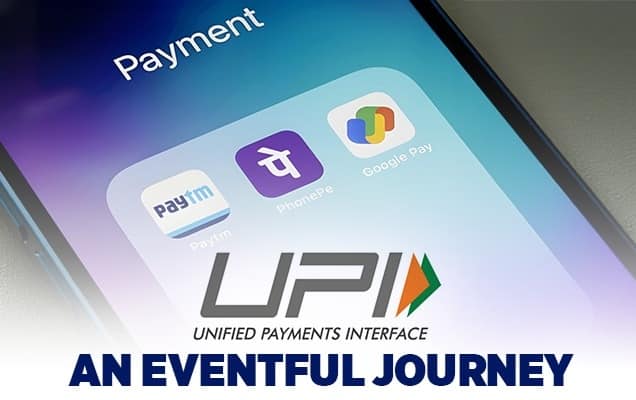
Close cooperation between the economies of countries like India and Germany is important for all of humanity. The growing trade and investment ties have infused new energy into our strategic partnership. Our bilateral trade has now reached its highest level ever and crossed USD 50 billion mark.
More than two thousand German companies have been present in India for a long time. This reflects their unwavering confidence in India and the immense opportunities that exist here. This was evident at the India - Germany CEO Forum this morning.
Friends,
Technology cooperation between India and Germany has grown stronger year after year, and today its impact is clearly visible on the ground.
In the field of renewable energy, India and Germany share similar priorities. To strengthen cooperation in this area, we have decided to establish the India - Germany Centre of Excellence. It will serve as a shared platform for knowledge, technology, and innovation.
We’re jointly advancing new projects in areas such as climate, energy, urban development, and urban mobility. The new mega project in green hydrogen involving companies from both countries will prove to be a game-changer for the energy of the future.
India and Germany are working together to build secure, trusted, and resilient supply chains. The MoUs being signed today on all these areas will give new momentum and strength to our cooperation.
Friends,
The growing cooperation in defence and security is a symbol of our mutual trust and shared vision. I express my heartfelt gratitude to Chancellor Merz for simplifying the processes related to defence trade.
We will also work on a roadmap to enhance cooperation between our defence industries, which will open up new opportunities for co-development and co-production.
Friends,
India and Germany share deep and historic people-to-people ties. The works of Rabindranath Tagore gave a new perspective to Germany’s intellectual world. Swami Vivekananda’s philosophy inspired not only Germany but all of Europe. And Madame Cama, by unfurling India’s flag of freedom in Germany for the first time, gave global recognition to our aspirations for independence. Today, we are giving this historic connection the form of a modern partnership.
Special emphasis has been placed on enhancing migration, mobility, and skilling. India’s talented young workforce is making a significant contribution to Germany’s economy.
The Joint Declaration of Intent issued today on the Global Skills Partnership is a symbol of this trust. It will especially facilitate the mobility of healthcare professionals
Today, we have also taken concrete steps to advance cooperation in the field of sports. This will become an effective means of connecting our youth.
The Comprehensive Roadmap on Higher Education released today will give a new direction to our partnership in the education sector. I invite German universities to open their campuses in India.
I express my gratitude to Chancellor Merz for the announcement of visa-free transit for Indian citizens. This will further strengthen people-to-people connections between our two countries.
I am pleased that the German Maritime Museum is joining the National Maritime Heritage Complex being developed at Lothal in Gujarat. This is a historic step that will connect the maritime histories of both our countries
Gujarat Ayurveda University has had close cooperation with Germany in the field of traditional medicine. The MoU being signed today will further strengthen this collaboration.
Friends,
India and Germany have always stood shoulder to shoulder. The strength of our friendship is visible on the global stage. Our trilateral development partnership, through joint projects in countries such as Ghana, Cameroon, and Malawi, is a successful model for the world. We will continue to work together to support development in the Global South.
The Indo-Pacific is of high priority for both countries. To enhance our cooperation in this region, we are going to launch a Consultation Mechanism.
Today, we discussed a range of global and regional issues in detail, including Ukraine and Gaza. India has always advocated for the peaceful resolution of all problems and disputes, and supports all efforts being made in this direction.
We agree that terrorism is a serious threat to all humanity. India and Germany will continue to fight it together with full determination.
India and Germany agree that reforming global institutions is crucial for addressing global challenges. Our joint efforts through the G4 group to reform the UN Security Council are a testament to this shared belief.
Excellency,
On behalf of 1.4 billion Indians, I once again extend a warm welcome to you in India. I am confident that today's discussions will give new energy and clear direction to the India-Germany partnership.
Thank you for your visit, your personal support, and your friendship with India.
Danke schön.
चांसलर मर्ज़ की ये यात्रा एक विशेष समय पर हो रही है।
— PMO India (@PMOIndia) January 12, 2026
पिछले वर्ष हमने अपनी रणनीतिक साझेदारी के 25 वर्ष पूरे किए और इस वर्ष हम अपने राजनयिक संबंधों के 75 वर्ष भी मना रहे हैं।
ये milestones केवल समय की उपलब्धियाँ नहीं हैं, ये हमारी साझा महत्वाकांक्षाओं, परस्पर विश्वास और निरंतर…
भारत और जर्मनी जैसे देशों की अर्थव्यवस्थाओं के बीच करीबी सहयोग पूरी मानवता के लिए महत्वपूर्ण है।
— PMO India (@PMOIndia) January 12, 2026
बढ़ते व्यापार और निवेश संबंधों ने हमारे strategic partnership को नई ऊर्जा दी है: PM @narendramodi
भारत और जर्मनी के बीच technology सहयोग प्रति वर्ष मजबूत हुआ है और आज इसका प्रभाव ground पर स्पष्ट रूप से दिखाई देता है।
— PMO India (@PMOIndia) January 12, 2026
Renewable Energy के क्षेत्र में भारत और जर्मनी की प्राथमिकताएँ समान हैं: PM @narendramodi
रक्षा और सुरक्षा में बढ़ता सहयोग हमारे आपसी भरोसे और साझी सोच का प्रतीक है।
— PMO India (@PMOIndia) January 12, 2026
रक्षा व्यापार से जुड़ी प्रक्रियाओं को सरल बनाने के लिए मैं चांसलर मर्ज़ का हृदय से आभार व्यक्त करता हूँ।
हम रक्षा उद्योगों के बीच सहयोग बढ़ाने के लिए एक रोडमैप पर भी काम करेंगे, जिससे co-development और…
भारत और जर्मनी के बीच ऐतिहासिक और गहरे people-to-people ties हैं।
— PMO India (@PMOIndia) January 12, 2026
रवीन्द्रनाथ टैगोर की रचनाओं ने जर्मनी के बौद्धिक जगत को नई दृष्टि दी।
स्वामी विवेकानंद की विचारधारा ने जर्मनी सहित पूरे यूरोप को प्रेरित किया।
और मैडम कामा ने जर्मनी में पहली बार भारत की आज़ादी का ध्वज फहराकर,…
आज Higher Education पर बना Comprehensive Roadmap शिक्षा के क्षेत्र में हमारी साझेदारी को नई दिशा देगा।
— PMO India (@PMOIndia) January 12, 2026
मैं जर्मन विश्वविद्यालयों को भारत में अपने campus खोलने का आमंत्रण देता हूँ: PM @narendramodi
आज हमने यूक्रेन और गाज़ा सहित कई वैश्विक और क्षेत्रीय मुद्दों पर विस्तार से चर्चा की।
— PMO India (@PMOIndia) January 12, 2026
भारत सभी समस्याओं और विवादों के शांतिपूर्ण समाधान का पक्षधर रहा है और इस दिशा में किए जा रहे सभी प्रयासों का समर्थन करता है: PM @narendramodi
हम एकमत हैं कि आतंकवाद पूरी मानवता के लिए एक गंभीर खतरा है।
— PMO India (@PMOIndia) January 12, 2026
भारत और जर्मनी इसके विरुद्ध एकजुट होकर पूरी दृढ़ता से लड़ाई जारी रखेंगे: PM @narendramodi
भारत और जर्मनी सहमत हैं कि Global challenges से निपटने के लिए Global institutions में सुधार अत्यंत महत्वपूर्ण है।
— PMO India (@PMOIndia) January 12, 2026
UN Security Council में सुधार के लिए G4 के माध्यम से हमारा संयुक्त प्रयास इसी सोच का प्रमाण है: PM @narendramodi