PM witnesses successful launch of PSLV-C23 in Sriharikota

Published By : Admin | June 30, 2014 | 13:30 IST
"Calls for maximizing use of space science in governance and development "
"“Develop a SAARC satellite as a gift from India”: PM Narendra Modi "
"“India’s space programme driven by a vision of service to humanity”: PM Narendra Modi"

The Prime Minister, Shri Narendra Modi, today witnessed the successful launch of the Polar Satellite Launch Vehicle – PSLV-C23 from Sriharikota. In his congratulatory address at the Mission Control Centre after the landmark launch, the Prime Minister called upon the space community to proactively engage with all stakeholders to maximize the use of space science in governance and development. India must fully harness this expertise in space technology in the developmental process for social change, economic development and resource conservation, he added. 
l2014063054850 l2014063054851
Speaking of India’s age-old ethos of the whole world being one family, the Prime Minister said India’s space programme is driven by a vision of service to humanity, not a desire of power. He said India has a rich heritage of science and technology, including space. Shri Modi said the works of our ancestors, who included visionaries like Bhaskaracharya and Aryabhata, still continue to inspire generations of scientists. He added that India must share the fruits of its advancement in space technology with the developing world, and neighbours in particular. He called upon the space community to take up the challenge of developing a SAARC satellite that can be dedicated to our neighbourhood as a gift from India. 

Shri Modi said we can be proud of the Indian space programme, which is fully indigenous, developed in the face of great international pressure and hurdles. He described it as a domain where “we have pushed beyond mediocrity to achieve excellence.” He said the moon mission was inspired by the vision of former Prime Minister, Shri Atal Bihari Vajpayee. Among ongoing projects, Shri Modi referred to the Mars Mission, and the satellite-based navigation system. 

Referring to the benefits of space technology for the common man, the Prime Minister said it drives modern communication, empowers children in remote villages with quality education, and ensures quality healthcare to all, through telemedicine. He said it has a critical role in realizing the vision of a Digital India – the power of 125 crore connected Indians. 

The Prime Minister said continued progress in space must remain a mission of high priority. He called for developing more advanced satellites and expanding our satellite footprint. He said India has the potential to be the launch service provider of the world and must work towards this goal. 

The Prime Minister called for involving India’s youth with space. Shri Modi said he was pleased to have met the young scientists as Sriharikota, and admired their work and their achievements. He commended Dr. K. Radhakrishnan for his leadership, and said India’s space programme is the best example of his vision of scale, speed and skill. He wished the team of scientists the best as they prepare to insert our spacecraft into the orbit of Mars in a few months. 
l2014063054854 l2014063054855 l2014063054856
In a speech made in a combination of English and Hindi, Shri Modi spoke of the Tapasya made by generations of scientists, in a long journey from Upanishad to Upagrah. He remarked that he had met four generations of scientists during his visit to ISRO. 

Andhra Pradesh Governor Shri Narasimhan, Andhra Pradesh Chief Minister Shri Chandrababu Naidu, Minister of Parliamentary Affairs Shri Venkaiah Naidu, MoS, PMO Dr. Jitendra Singh, Secretary Space Dr. Radhakrishnan, and eminent scientists Prof U R Rao, Dr. Kasturirangan were present on the occasion. 

Explore More
ਸ੍ਰੀ ਰਾਮ ਜਨਮ-ਭੂਮੀ ਮੰਦਿਰ ਧਵਜਾਰੋਹਣ ਉਤਸਵ ਦੌਰਾਨ ਪ੍ਰਧਾਨ ਮੰਤਰੀ ਦੇ ਭਾਸ਼ਣ ਦਾ ਪੰਜਾਬੀ ਅਨੁਵਾਦ

Popular Speeches

ਸ੍ਰੀ ਰਾਮ ਜਨਮ-ਭੂਮੀ ਮੰਦਿਰ ਧਵਜਾਰੋਹਣ ਉਤਸਵ ਦੌਰਾਨ ਪ੍ਰਧਾਨ ਮੰਤਰੀ ਦੇ ਭਾਸ਼ਣ ਦਾ ਪੰਜਾਬੀ ਅਨੁਵਾਦ
Regional languages take precedence in Lok Sabha addresses

Media Coverage

Regional languages take precedence in Lok Sabha addresses
NM on the go

Nm on the go

Always be the first to hear from the PM. Get the App Now!
...
Cabinet approves three new corridors as part of Delhi Metro’s Phase V (A) Project
December 24, 2025

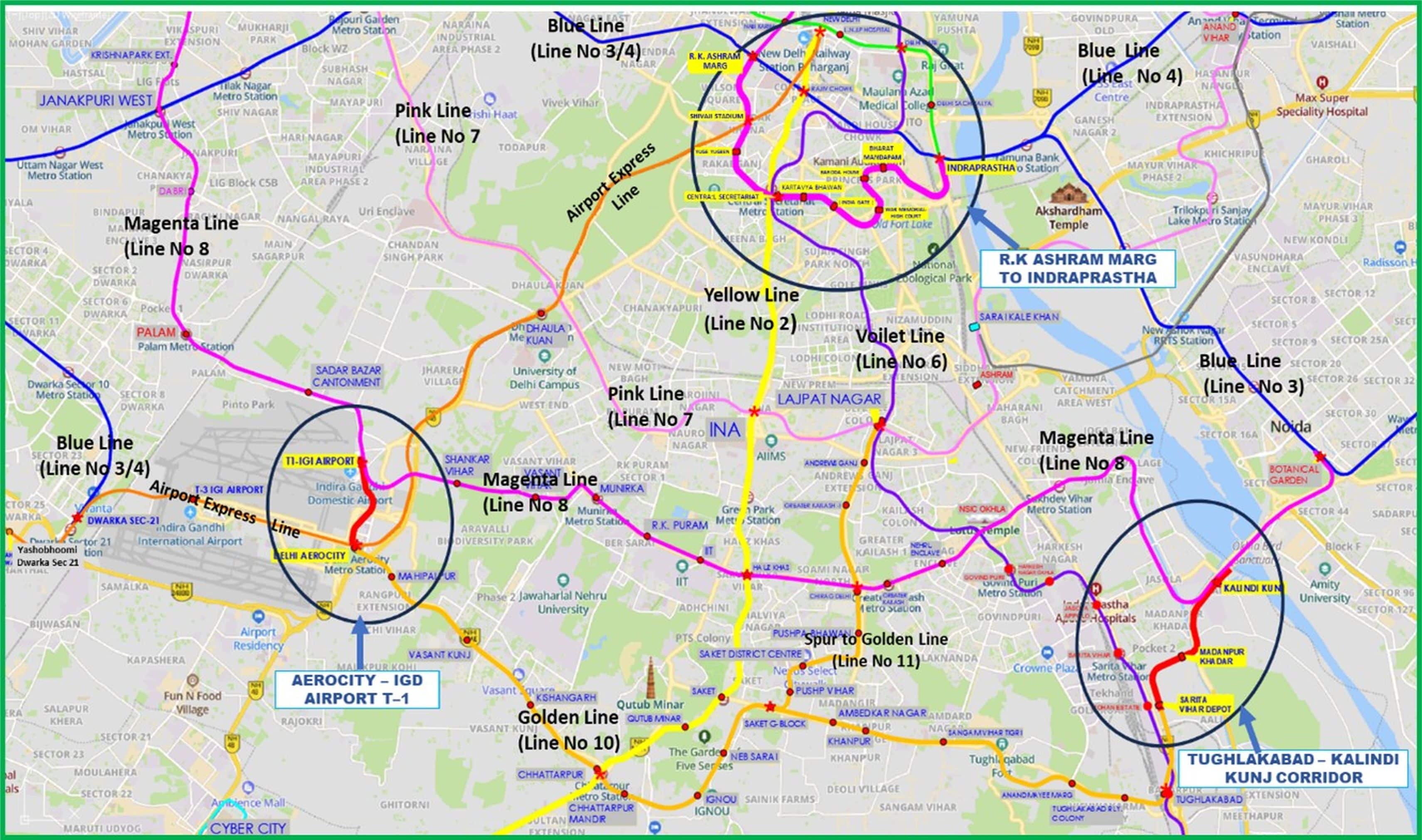
The Union Cabinet chaired by the Prime Minister, Shri Narendra Modi has approved three new corridors - 1. R.K Ashram Marg to Indraprastha (9.913 Kms), 2. Aerocity to IGD Airport T-1 (2.263 kms) 3. Tughlakabad to Kalindi Kunj (3.9 kms) as part of Delhi Metro’s Phase – V(A) project consisting of 16.076 kms which will further enhance connectivity within the national capital. Total project cost of Delhi Metro’s Phase – V(A) project is Rs.12014.91 crore, which will be sourced from Government of India, Government of Delhi, and international funding agencies.

The Central Vista corridor will provide connectivity to all the Kartavya Bhawans thereby providing door step connectivity to the office goers and visitors in this area. With this connectivity around 60,000 office goers and 2 lakh visitors will get benefitted on daily basis. These corridors will further reduce pollution and usage of fossil fuels enhancing ease of living.

Details:

The RK Ashram Marg – Indraprastha section will be an extension of the Botanical Garden-R.K. Ashram Marg corridor. It will provide Metro connectivity to the Central Vista area, which is currently under redevelopment. The Aerocity – IGD Airport Terminal 1 and Tughlakabad – Kalindi Kunj sections will be an extension of the Aerocity-Tughlakabad corridor and will boost connectivity of the airport with the southern parts of the national capital in areas such as Tughlakabad, Saket, Kalindi Kunj etc. These extensions will comprise of 13 stations. Out of these 10 stations will be underground and 03 stations will be elevated.

After completion, the corridor-1 namely R.K Ashram Marg to Indraprastha (9.913 Kms), will improve the connectivity of West, North and old Delhi with Central Delhi and the other two corridors namely Aerocity to IGD Airport T-1 (2.263 kms) and Tughlakabad to Kalindi Kunj (3.9 kms) corridors will connect south Delhi with the domestic Airport Terminal-1 via Saket, Chattarpur etc which will tremendously boost connectivity within National Capital.

These metro extensions of the Phase – V (A) project will expand the reach of Delhi Metro network in Central Delhi and Domestic Airport thereby further boosting the economy. These extensions of the Magenta Line and Golden Line will reduce congestion on the roads; thus, will help in reducing the pollution caused by motor vehicles.

The stations, which shall come up on the RK Ashram Marg - Indraprastha section are: R.K Ashram Marg, Shivaji Stadium, Central Secretariat, Kartavya Bhawan, India Gate, War Memorial - High Court, Baroda House, Bharat Mandapam, and Indraprastha.

The stations on the Tughlakabad – Kalindi Kunj section will be Sarita Vihar Depot, Madanpur Khadar, and Kalindi Kunj, while the Aerocity station will be connected further with the IGD T-1 station.

Construction of Phase-IV consisting of 111 km and 83 stations are underway, and as of today, about 80.43% of civil construction of Phase-IV (3 Priority) corridors has been completed. The Phase-IV (3 Priority) corridors are likely to be completed in stages by December 2026.

Today, the Delhi Metro caters to an average of 65 lakh passenger journeys per day. The maximum passenger journey recorded so far is 81.87 lakh on August 08, 2025. Delhi Metro has become the lifeline of the city by setting the epitome of excellence in the core parameters of MRTS, i.e. punctuality, reliability, and safety.

A total of 12 metro lines of about 395 km with 289 stations are being operated by DMRC in Delhi and NCR at present. Today, Delhi Metro has the largest Metro network in India and is also one of the largest Metros in the world.