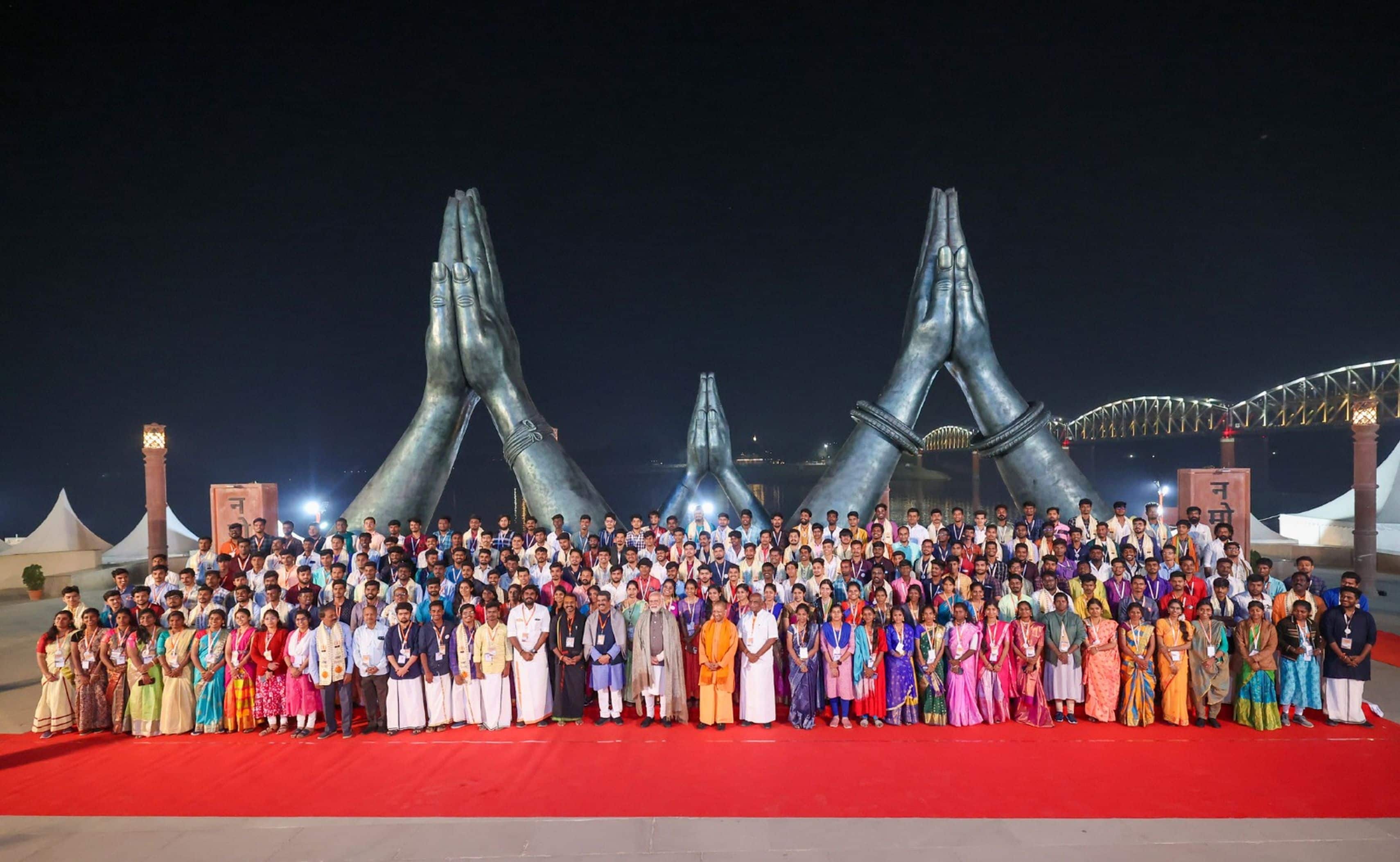
In August this year, a group of farmers from Tamil Nadu met me and talked about how they were practising new agricultural techniques to boost sustainability and productivity. They invited me to a Summit on natural farming to be held in Coimbatore. I accepted their invite and promised them that I would be among them during the programme. Thus, a few weeks ago, on 19th November, I was in the lovely city of Coimbatore, attending the South India Natural Farming Summit 2025. A city known as an MSME backbone was hosting a big event on natural farming.

Natural farming, as we all know, draws from India’s traditional knowledge systems and modern ecological principles to cultivate crops without synthetic chemicals. It promotes diversified fields where plants, trees and livestock coexist to support natural biodiversity. The approach relies on recycling farm residues and enhancing soil health through mulching and aeration, rather than external inputs.

This Summit in Coimbatore will forever remain a part of my memory! It indicated a shift in mindset, imagination and confidence with which India’s farmers and agri-entrepreneurs are shaping the future of agriculture.

The programme included an interaction with farmers from Tamil Nadu, in which they showcased their efforts in natural farming and I was amazed!

I was struck by the fact that people from diverse backgrounds, including scientists, FPO leaders, first-generation graduates, traditional cultivators and notably people who had left high-paying corporate careers, decided to return to their roots and pursue natural farming.
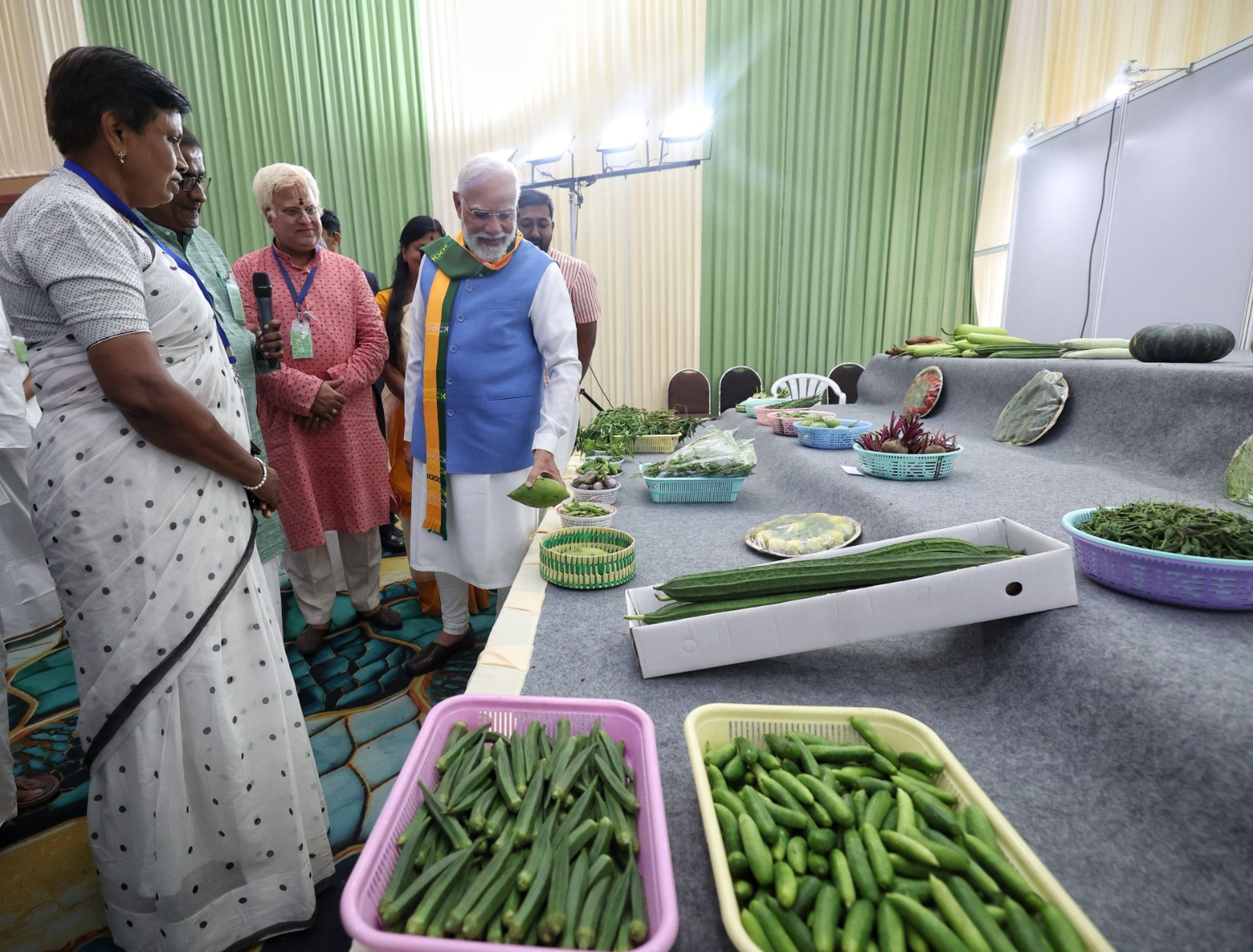
I met people whose life journeys and commitment to doing something new were noteworthy.

There was a farmer who managed nearly 10 acres of multi-layered agriculture with bananas, coconuts, papaya, pepper and turmeric. He maintains 60 desi cows, 400 goats and local poultry.

Another farmer has dedicated himself to preserving native rice varieties like Mapillai Samba and Karuppu Kavuni. He focuses on value-added products, creating health mixes, puffed rice, chocolates and protein bars.

There was a first-generation graduate who runs a 15-acre natural farm and has trained over 3,000 farmers, supplying nearly 30 tonnes of vegetables every month.

Some people who were running their own FPOs supported tapioca farmers and promoted tapioca-based products as a sustainable raw material for bioethanol and Compressed Biogas.

One of the agri-innovators was a biotechnology professional who built a seaweed-based biofertilizer enterprise employing 600 fishermen across coastal districts; another developed nutrient-enriched bioactive biochar that boosts soil health. They both showed how science and sustainability can blend seamlessly.

The people I met there belonged to different backgrounds, but there was one thing in common: a complete commitment to soil health, sustainability, community upliftment and a deep sense of enterprise.

At a larger level, India has made commendable progress in the field. Last year, the Government of India launched the National Mission on Natural Farming, which has already connected lakhs of farmers with sustainable practices. Across the nation, thousands of hectares are under natural farming. Efforts by the Government such as encouraging exports, institutional credit being expanded significantly through the Kisan Credit Card (including for livestock and fisheries) and PM-Kisan, have also helped farmers pursuing natural farming.
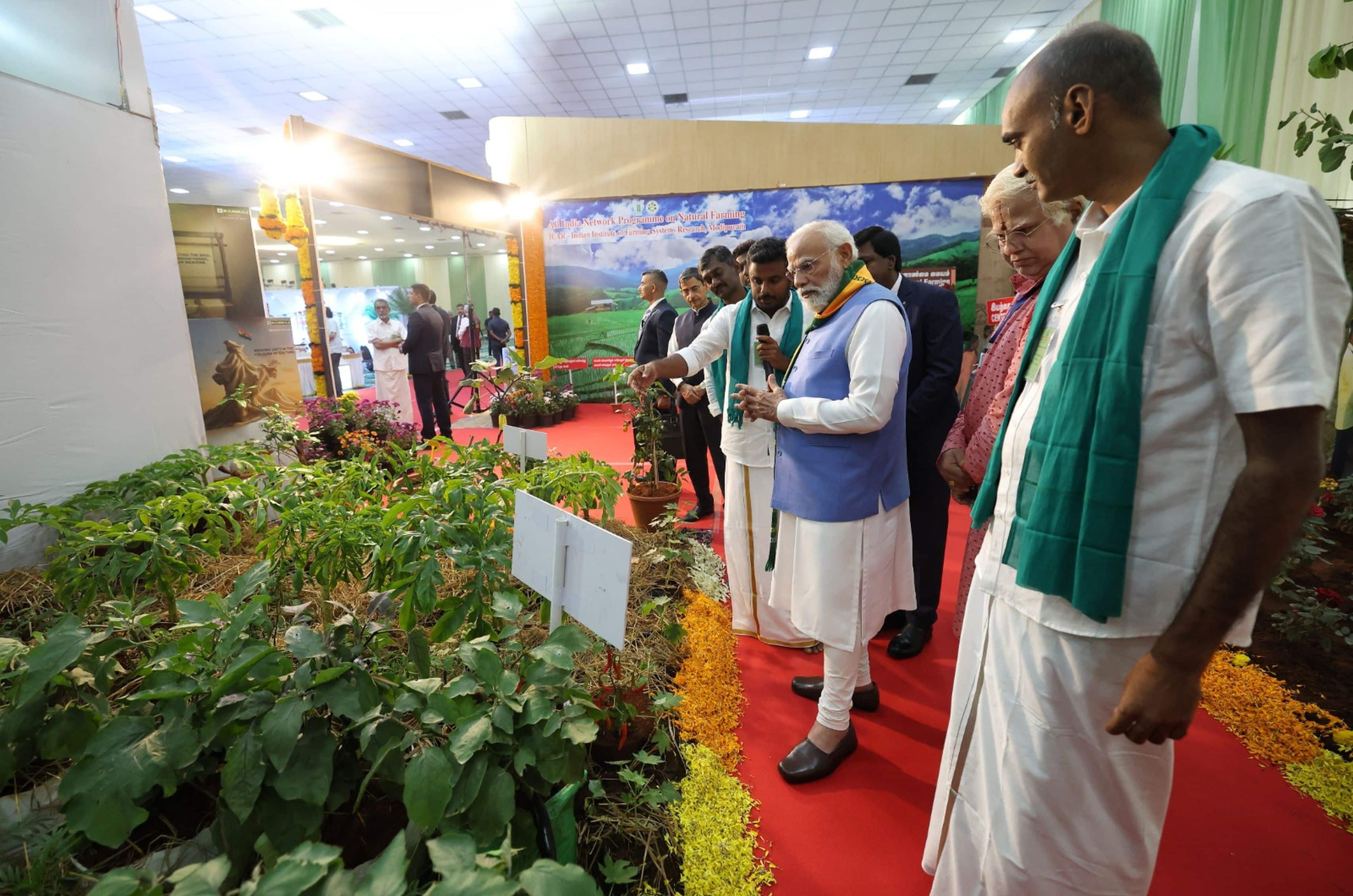
Natural farming is also closely linked to our efforts to promote Shri Anna or millets. What is also gladdening is the fact that women farmers are taking to natural farming in a big way.

Over the past few decades, the rising dependence on chemical fertilisers and pesticides has affected soil fertility, moisture and long-term sustainability. At the same time, farming costs have steadily increased. Natural farming directly addresses these challenges. The use of Panchagavya, Jeevamrit, Beejamrit, and mulching protects soil health, reduces chemical exposure, and lowers input costs while building strength against climate change and erratic weather patterns.

I encouraged farmers to begin with ‘one acre, one season.’ The outcomes from even a small plot can build confidence and inspire larger adoption. When traditional wisdom, scientific validation and institutional support come together, natural farming can become feasible and transformative.

I call upon all of you to think of pursuing natural farming. You can do this by being associated with FPOs, which are becoming strong platforms for collective empowerment. You can explore a StartUp relating to this area.

Seeing the convergence between farmers, science, entrepreneurship and collective action in Coimbatore was truly inspiring. And, I am sure we will together continue making our agriculture and allied sectors productive and sustainable. If you know of teams working on natural farming, do let me know too!

Explore More
ਸ੍ਰੀ ਰਾਮ ਜਨਮ-ਭੂਮੀ ਮੰਦਿਰ ਧਵਜਾਰੋਹਣ ਉਤਸਵ ਦੌਰਾਨ ਪ੍ਰਧਾਨ ਮੰਤਰੀ ਦੇ ਭਾਸ਼ਣ ਦਾ ਪੰਜਾਬੀ ਅਨੁਵਾਦ

Popular Speeches

ਸ੍ਰੀ ਰਾਮ ਜਨਮ-ਭੂਮੀ ਮੰਦਿਰ ਧਵਜਾਰੋਹਣ ਉਤਸਵ ਦੌਰਾਨ ਪ੍ਰਧਾਨ ਮੰਤਰੀ ਦੇ ਭਾਸ਼ਣ ਦਾ ਪੰਜਾਬੀ ਅਨੁਵਾਦ
India's electronics exports cross $47 billion in 2025 on iPhone push

Media Coverage

India's electronics exports cross $47 billion in 2025 on iPhone push
NM on the go

Nm on the go

Always be the first to hear from the PM. Get the App Now!
...
ਕਾਸ਼ੀ-ਤਮਿਲ ਸੰਗਮਮ ਅਤੇ ਏਕ ਭਾਰਤ, ਸ਼੍ਰੇਸ਼ਠ ਭਾਰਤ ਨੂੰ ਸ਼ਰਧਾਂਜਲੀ
January 15, 2026

A few days ago, I was in the sacred land of Somnath to be part of the Somnath Swabhiman Parv, marking a thousand years since the first attack on Somnath, which took place in 1026. People from all across India had come to be part of this moment of remembrance, united by a shared reverence for history, culture and the enduring spirit of the people of India. During the programme, I met a few people who had previously come to Somnath during the Saurashtra-Tamil Sangamam and had been to Kashi during the Kashi-Tamil Sangamam. Their words of appreciation for such platforms touched me and so, I thought of sharing a few thoughts on this subject.

During one of the Mann Ki Baat programmes, I had said that not learning Tamil is a major regret of my life. Fortunately, over the last few years, our Government has had several opportunities to further popularise Tamil culture across India and to deepen the spirit of ‘Ek Bharat, Shreshtha Bharat.’ A prime example of such an effort is the Kashi-Tamil Sangamam. In our ethos, Sangam or confluence has a special place. Seen in this light, the Kashi-Tamil Sangamam stands out as a truly distinctive initiative, one that celebrates the living unity of India’s many traditions while honouring their unique identities.

And what can be a better place than Kashi to host such a Sangamam. The same Kashi, which has remained a civilisational anchor from time immemorial… where, for thousands of years, people from all over have come in search of knowledge, meaning and Moksha.

Kashi’s connection with Tamil people and culture is very deep. It is in Kashi that Baba Vishwanath resides, while Tamil Nadu has Rameswaram. Tenkasi in Tamil Nadu is known as Kashi of the south or Dakshin Kashi. Saint Kumaraguruparar Swamigal forged a lasting link between Kashi and Tamil Nadu through his spirituality, scholarship and institution-building. Mahakavi Subramania Bharati, one of Tamil Nadu’s greatest sons, found in Kashi a space of intellectual growth and spiritual awakening. It was here that his nationalism deepened, his poetry sharpened and his vision of a free, united India took clearer shape. There are several such instances that highlight this close bond.

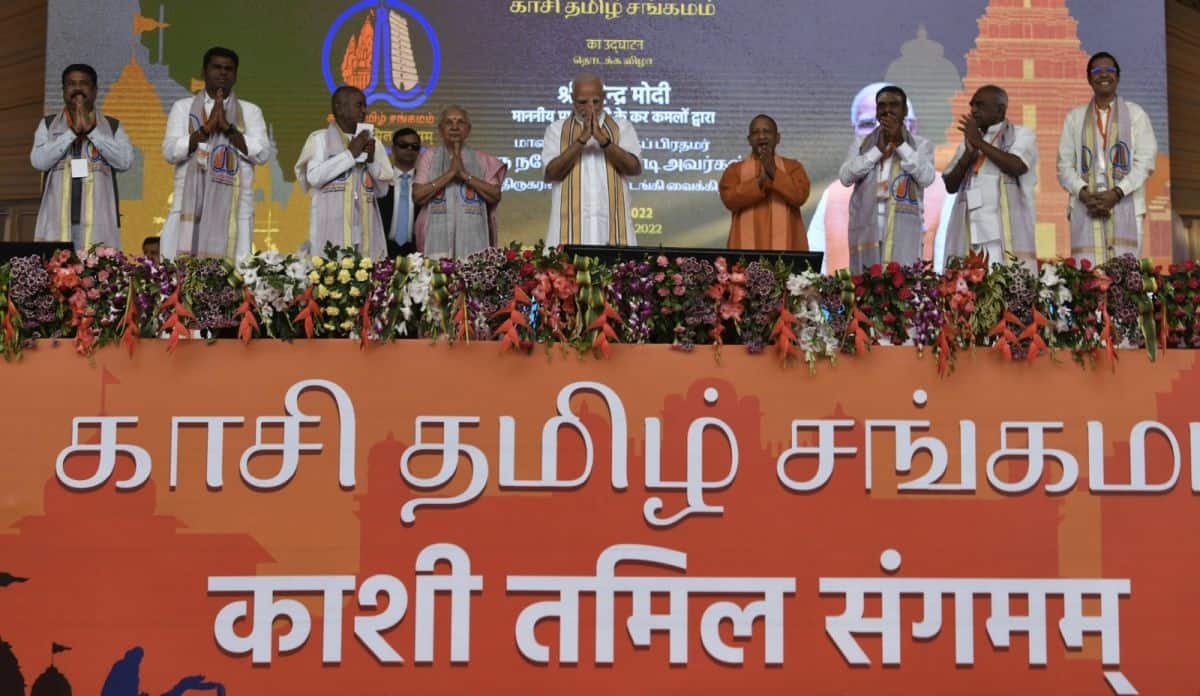
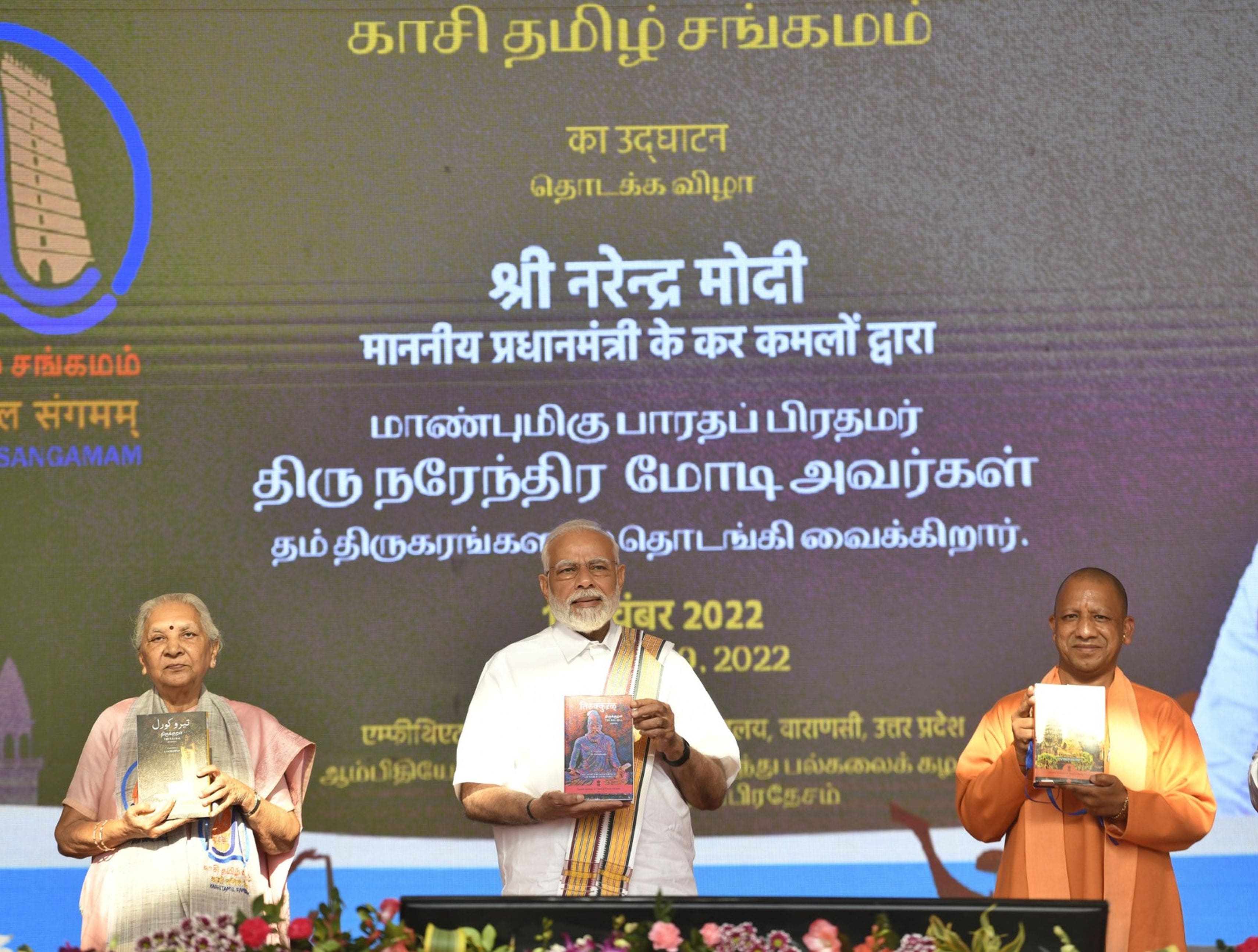
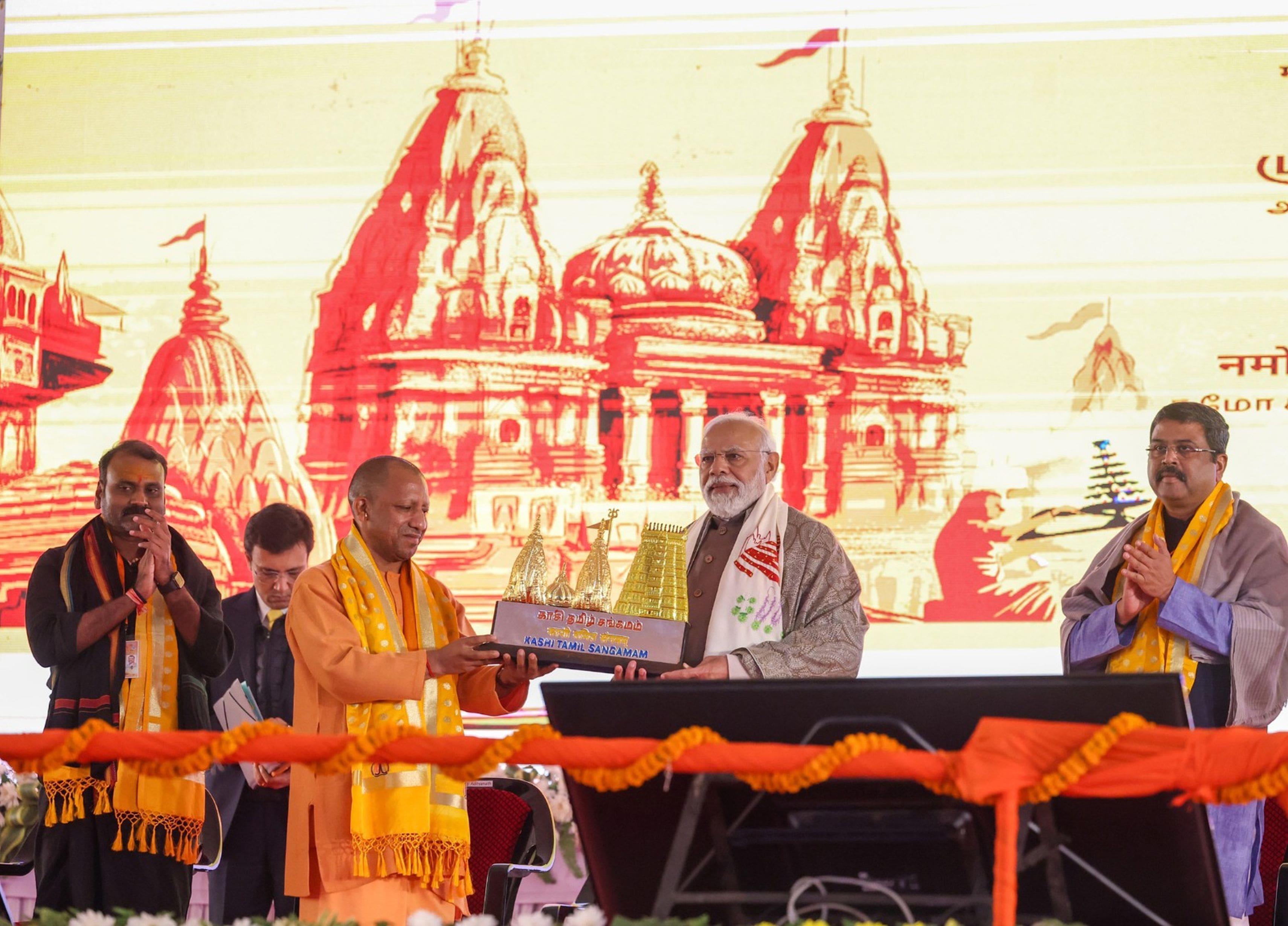
The first edition of Kashi-Tamil Sangamam took place in 2022. I recall attending the inauguration programme. Scholars, artisans, students, farmers, writers, professionals and many others from Tamil Nadu travelled to Kashi, Prayagraj and Ayodhya.

Subsequent editions expanded the scale and depth of this effort. The aim was to keep introducing fresh themes, innovative formats and deeper engagement, thus ensuring that the Sangamam continued to evolve while remaining rooted in its core spirit. In the second edition in 2023, technology was used on a larger scale to ensure that language does not become a barrier for people. In the third edition, the focus was on Indian knowledge systems. At the same time, academic discussions, cultural performances, exhibitions and interactions witnessed greater participation. Thousands of people have taken part in these events.

The fourth edition of the Kashi Tamil Sangamam commenced on 2nd December 2025. The theme picked was very interesting- Tamil Karkalam - Learn Tamil. It presented a unique opportunity for people in Kashi and other parts to learn the beautiful Tamil language. Teachers came from Tamil Nadu and the students of Kashi had a very memorable experience!

There were many other special events this time.

Tholkappiyam, the ancient Tamil literary classic, was translated into 4 Indian languages and 6 foreign languages.

A unique event, Sage Agasthya Vehicle Expedition (SAVE), was undertaken from Tenkasi to Kashi. On the way, various initiatives such as eye camps, health awareness camps, digital literacy camps, among other things, were held. The expedition paid homage to King Adi Veera Parakrama Pandiyan, the great Pandya ruler who spread the message of cultural oneness. There were exhibitions at Namo Ghat, academic sessions at Banaras Hindu University, as well as cultural programmes.

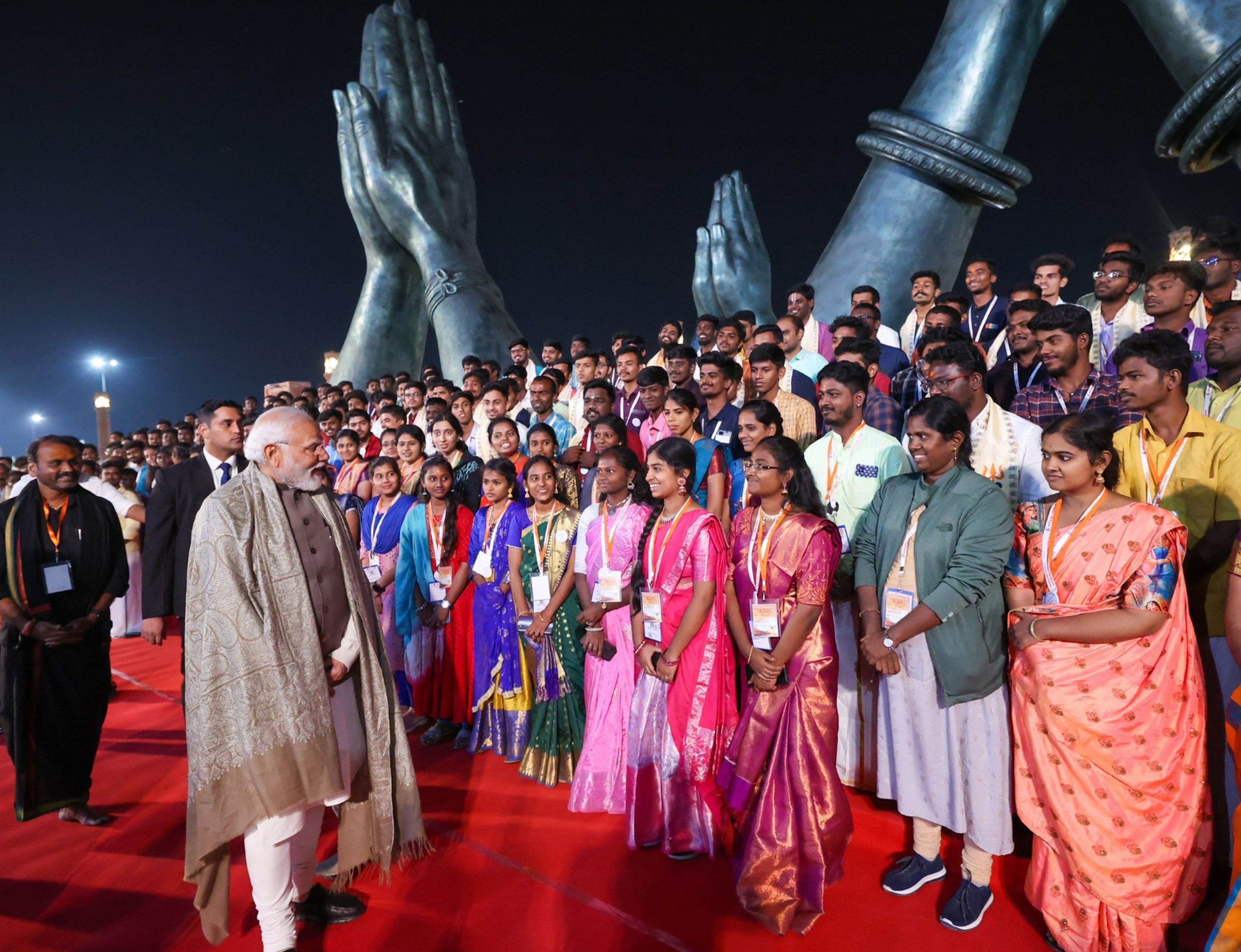
One of the things that makes me most happy about the Kashi-Tamil Sangamam is the participation of thousands of youngsters. It illustrates the passion among our Yuva Shakti to deepen their connect with our roots. It is a brilliant platform for them to showcase their talent and creativity during the various cultural programmes.

In addition to the Sangamam, efforts have been made to make the journey to Kashi memorable for the participants. The Indian Railways operated special trains to take people from Tamil Nadu to Uttar Pradesh. In many railway stations, particularly in Tamil Nadu, they were cheered, and the train journey was marked by melodious songs and conversations.

Here, I would also like to appreciate my sisters and brothers of Kashi and Uttar Pradesh for their warmth and hospitality shown to the delegates of the various Kashi-Tamil Sangamams. Several people opened the doors of their homes for the guests from Tamil Nadu. The local administration worked round the clock to ensure the guests had a seamless experience. As the MP from Varanasi, I could not be prouder!

This time, the valedictory function of the Kashi-Tamil Sangamam was held in Rameswaram and it was graced by the Vice President of India, Thiru CP Radhakrishnan Ji, who is himself a proud son of Tamil Nadu. He delivered a very inspiring address, emphasising India’s spiritual greatness and how such platforms deepen national integration.

The Kashi Tamil Sangamam has delivered meaningful outcomes like strengthening cultural understanding, fostering academic and people-to-people exchanges and creating lasting bonds between parts of the country that share a civilisational ethos. In the coming times, we want to make this platform even more vibrant. Most importantly, it has furthered the spirit of ‘Ek Bharat, Shreshtha Bharat.’ This spirit has flourished for centuries through our festivals, literature, music, art, cuisine, architecture, systems of knowledge and more.

This time of the year is very auspicious for people across the length and breadth of India. People are enthusiastically marking various festivals like Sankranti, Uttarayan, Pongal, Magh Bihu, which are, among other things, associated with the Sun, nature and farming. These festivals bring people together and deepen the spirit of harmony in our society. I convey my best wishes for these festivals and hope they continue to inspire us to deepen national unity through our shared heritage and collective participation.